
Here are the best spots to visit in Java, Indonesia
From Jakarta's Old Town Dutch colonial architecture to Mount Bromo's lunar sand sea, accessible by 4WD with no hiking required
Mario La Pergola / Unsplash
Java holds 156 million people, more than half of Indonesia’s total population, making it the most populous island on Earth. That density shows up in the cities, where Jakarta’s traffic and Bandung’s coffee shop boom both reflect a place genuinely bursting at the seams. But the island’s natural landscape contradicts the urban density completely: volcanic peaks rising straight out of farmland, turquoise crater lakes that look digitally enhanced when they aren’t, and offshore islands with the kind of empty beaches that mainland Java’s crowds make hard to imagine still exist nearby.
Distance and pace matter more in Java than the map suggests. The island’s rail network is genuinely good, comfortable, and reliable enough to be the default transport choice, not a budget compromise, but getting between volcanoes, temples, and coastal towns still takes real time. Trying to rush through everything in a week tends to leave travelers exhausted and photographs rushed. A slower pace, picking three or four regions and giving each a few days, makes for a far better trip than attempting to see all of Java in a single sprint.
The eight destinations below appear in Lonely Planet, written by Leyla Rose, covering Java’s volcanoes, temples, cities, and islands. The list spans the entire island geographically, from Jakarta in the west to Mount Bromo in the east, and most visitors find that focusing on either the western half or the eastern half during a single trip produces a far less rushed experience than attempting to cover all eight destinations in a single itinerary. Internal flights connect the major cities reasonably well for travelers who want to cover both ends of the island, but the train network remains the more scenic and generally more reliable option for shorter hops between regions with similar geography.
1. Jakarta rewards visitors who look past the traffic
Afif Ramdhasuma / Unsplash
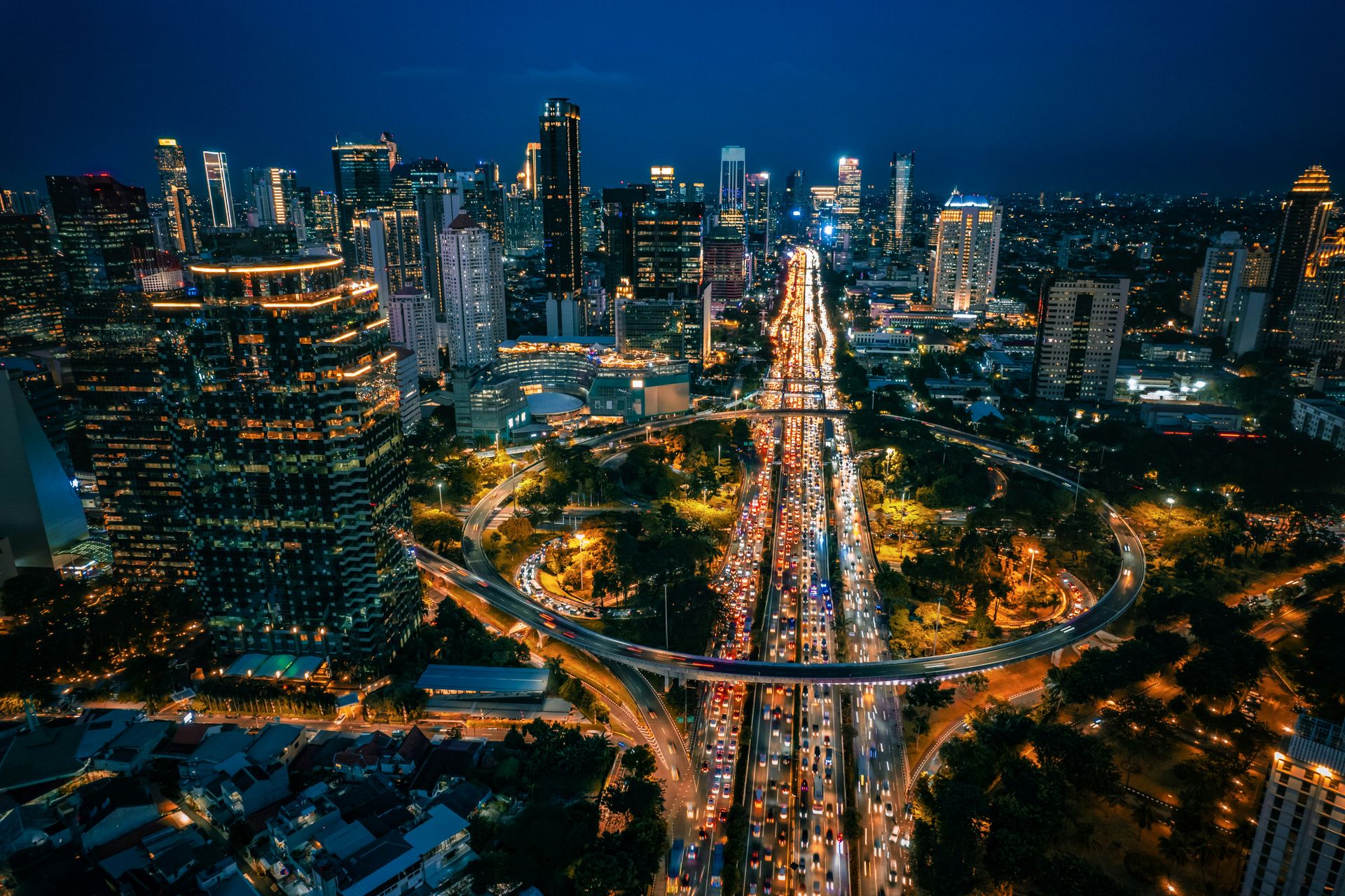
Jakarta gets dismissed constantly as nothing more than a congested economic and political hub, and the dismissal is understandable on first impression: skyscrapers, gridlocked roads, and a sense of urban sprawl that can feel overwhelming to arrive in. Giving the city actual time reveals something different. Centuries of history sit behind the glass facades, much of it concentrated in the Old Town, where Dutch colonial architecture survives in genuinely good condition, and museums cover everything from ancient Indonesian civilizations to traditional textile traditions.
The shopping spans the full economic range of the city. Blok M, a sprawling shopping quarter known for affordable prices, sits at one end of the spectrum, while Jakarta’s luxury malls occupy the other. Glodok, the city’s Chinatown, splits the difference with open-air markets and some of the best street food in the capital, the kind of place where a few hours of wandering and eating tells you more about Jakarta’s actual character than a week of mall-hopping would.
Getting around requires some strategy. The city has extensive public transport, including LRT, MRT, and buses, but peak-hour crowding can turn a short trip into a genuinely unpleasant one. Traveling outside rush hour, or building flexibility into the day’s schedule, makes the difference between a smooth Jakarta day and a frustrating one. The Old Town’s Dutch colonial buildings, many converted into museums and cafes, sit within easy walking distance of each other, and a half-day spent exploring this district alone gives a far more complete sense of the city’s layered history than the skyscrapers downtown ever suggest on first impression. Jakarta’s food scene deserves equal attention to its history: street vendors throughout the city serve some of the best and most affordable Indonesian cooking anywhere on the island, often considerably better than what shows up on restaurant menus aimed at tourists. Nasi goreng, soto, and sate all show up in countless variations across the city’s street stalls, each neighborhood claiming its own particular take, and trying a few different versions across different parts of Jakarta is one of the more reliable ways to get a genuine sense of the city’s culinary range without spending much money at all.
2. Kawah Ijen hides blue flames inside its volcanic crater
Andiko Baskoro / Unsplash
Kawah Ijen tops out at 2,769 meters, which doesn’t make it Indonesia’s tallest volcano by any measure. What makes it worth the trip is a chemical phenomenon almost nowhere else on earth produces at this scale: blue flames that appear when sulfuric gas meets the volcano’s intense heat, visible only in darkness and only from close range. The trek typically starts late at night or very early in the morning, both because the blue fire is invisible in daylight and because reaching the summit before sunrise rewards hikers with crater views at their most dramatic.
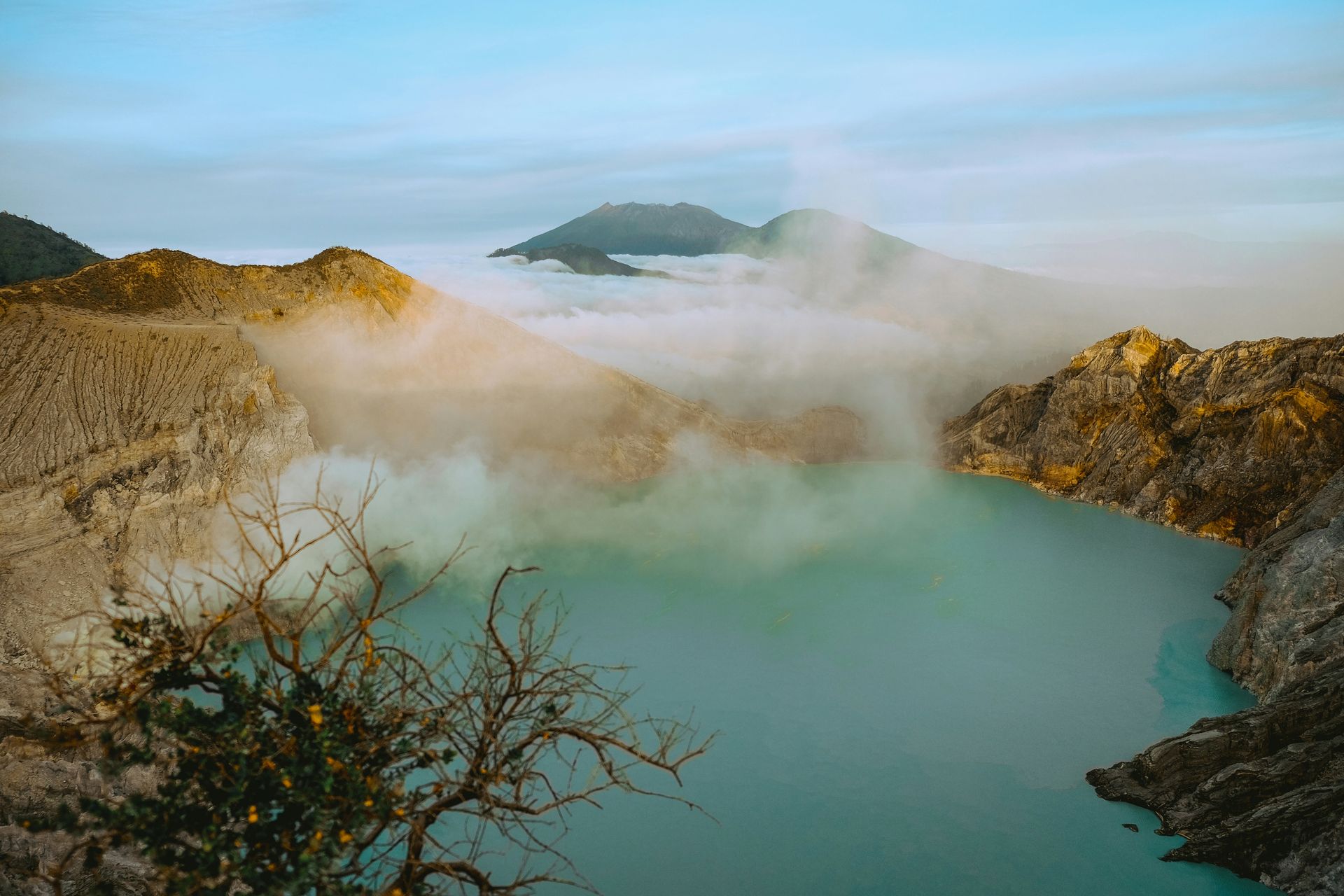
The hike itself takes roughly two hours, though steep sections partway up mean budgeting extra time is the smarter plan than assuming the estimate holds. At the summit waits the largest acidic crater lake in the world, a striking turquoise pool that looks inviting and absolutely isn’t: the water’s sulfuric acid concentration is high enough to be fatal on contact, and admiring it from a safe distance is the only sensible approach.
Banyuwangi serves as the closest city to Kawah Ijen and the standard starting point for the trek. Getting there involves either a ferry from Bali or a train from elsewhere in Java, and most visitors base themselves in Banyuwangi the night before to allow for the predawn departure required for the hike. Sulfur miners still work the crater’s edge, hauling baskets of raw sulfur up the steep trail by hand, a sight that adds a sobering human dimension to what might otherwise feel like a purely scenic hike. Gas masks are recommended for the descent into the crater area, since sulfuric fumes can become genuinely overwhelming depending on wind direction, and most tour operators in Banyuwangi rent them out alongside basic hiking gear for travelers who didn’t pack their own. The descent into the crater area to view the blue flames up close adds significant time and difficulty to an already demanding trek, and travelers without strong fitness or hiking experience should weigh whether the summit views alone, achievable without the crater descent, might be the more sensible goal given the genuine physical demands involved.
3. Karimunjawa Islands are best for diving and snorkeling
Joris Beugels / Unsplash
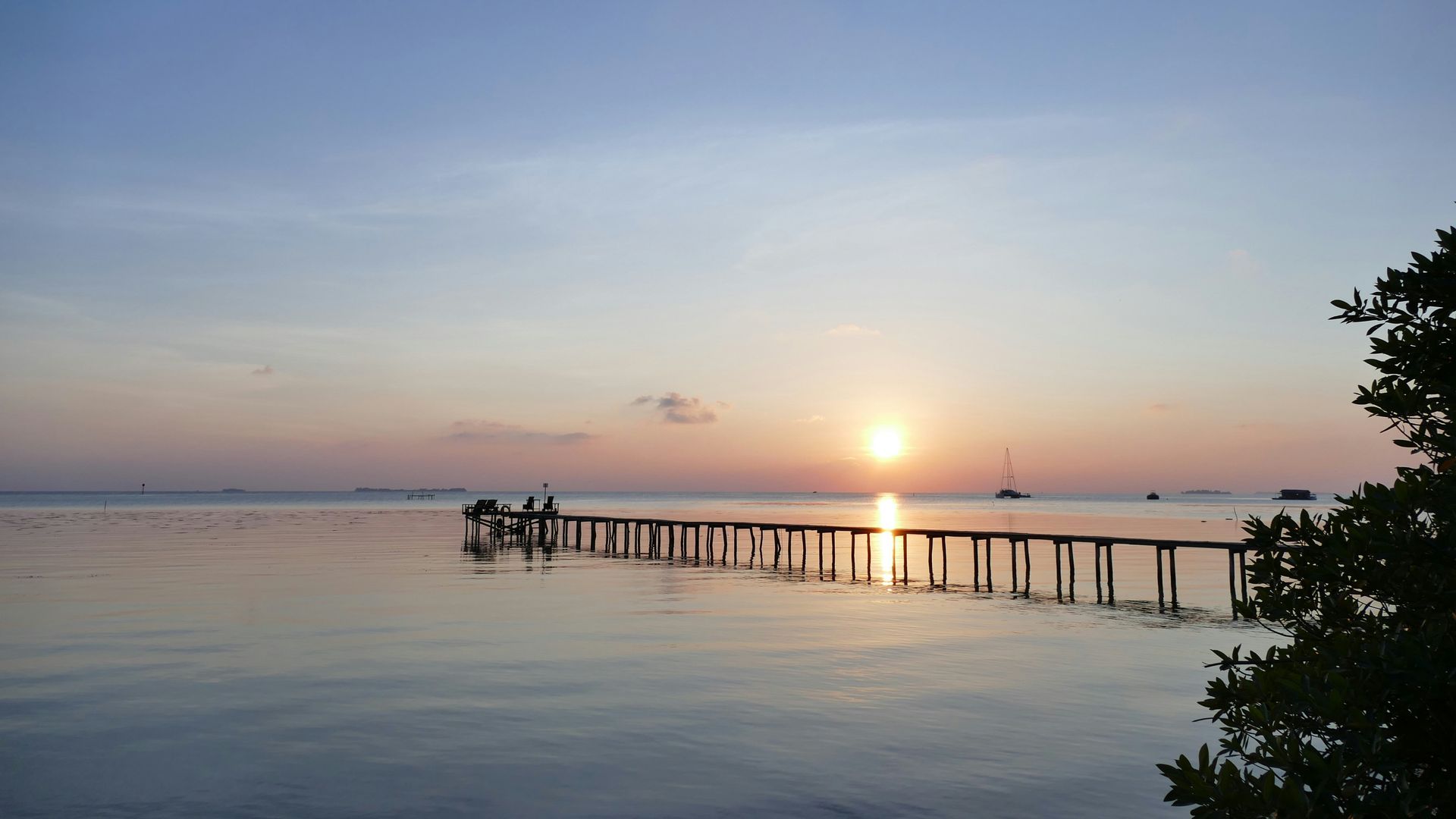
The Karimunjawa Islands feel like an entirely different country from mainland Java, and the contrast is the point. Powdery white beaches and water clear enough to see straight to the seafloor replace the traffic and density of Jakarta or Yogyakarta with something closer to a remote Pacific archipelago. The whole area is designated as a marine national park, and the protection shows in waters teeming with healthy coral reefs, tropical fish, and resident turtles.
Menjangan Besar and Menjangan Kecil offer the best snorkeling and diving in the archipelago, with visibility and reef health that hold up against far more expensive dive destinations elsewhere in Southeast Asia. Karimunjawa Island itself, the largest and most developed of the group, has its own draw beyond the water: mangrove forests threading through the island’s interior, walkable on established trails where black-tailed monkeys and red-breasted parakeets show up regularly enough that spotting wildlife is a near-guarantee.
Reaching the islands requires a ferry from either Jepara or Semarang on the mainland, with private speedboat charters available for travelers who want more control over timing or who are visiting in a larger group. The extra effort to get here is exactly what’s kept the islands from feeling overrun, unlike some more accessible Indonesian beach destinations. Accommodation on the islands ranges from simple homestays run by local families to slightly more polished guesthouses, and the lack of large resort development keeps the overall atmosphere closer to a genuine fishing community than a manufactured tourist destination. Visitors who stay multiple nights tend to come away with the strongest impressions, since day-trippers often miss the quieter early morning and late evening hours when the islands feel most distinctly their own. Fresh seafood caught daily by local fishermen forms the backbone of most meals served on the islands, and eating at a family-run warung, not a tourist-oriented restaurant, tends to produce both better food and a more direct connection to the community whose livelihood depends on these waters staying healthy and well protected.
4. Dieng Plateau pairs ancient temples with volcanic scenery
Miftah Rafli Hidayat / Pexels
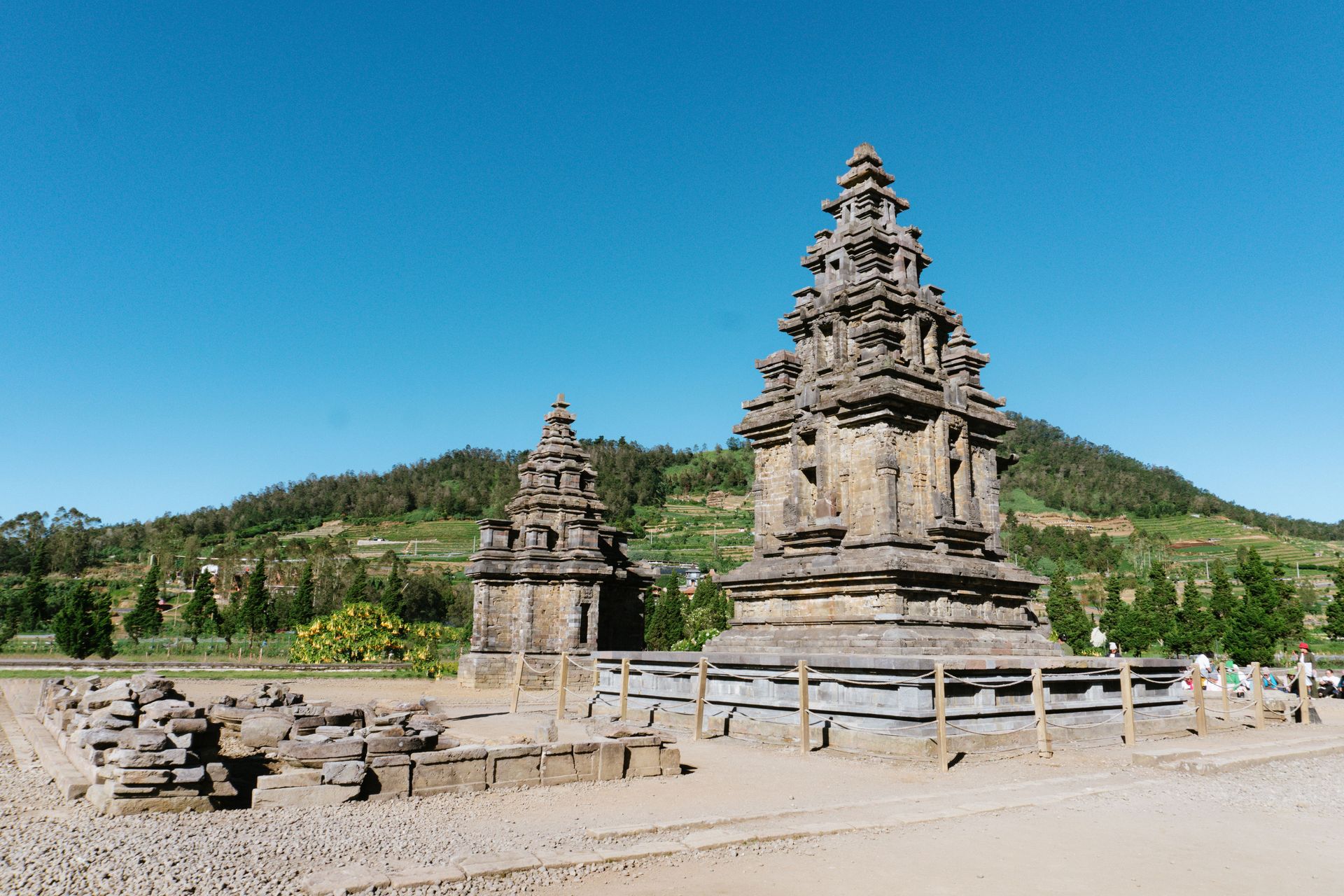
Dieng Plateau translates to “abode of the gods,” a name that makes immediate sense once the landscape comes into view. The terrain explains why this site became sacred ground for Hindu temple builders back in the 7th century: crater lakes, hot springs, and bubbling mud pools scattered across a high-altitude plateau that looks genuinely otherworldly, particularly in early morning when mist rolls across the surface and softens every edge into something closer to a painting than a photograph.
Walking trails crisscross the plateau through rolling farmland growing potatoes, cabbage, and papaya, the staple crops that sustain the local communities living among these volcanic features day to day. Climbing Gunung Sikunir rewards the effort with sweeping views across the entire valley, taking in the distant silhouettes of Merapi and Merbabu volcanoes on the horizon. The Arjuna temple complex, smaller and less visited than Borobudur or Prambanan, actually predates both, and wandering its modest stone structures carries a specific weight once you know you’re standing among some of the oldest Hindu architecture on the island.
Local minibuses connect the town of Wonosobo to Dieng village, from which many of the plateau’s most popular sites are walkable for visitors with reasonable fitness and proper footwear. Covering the full plateau efficiently is easier by private car or scooter, particularly for travelers trying to fit in multiple sites within a single day. The plateau’s altitude, well above 2,000 meters, brings noticeably cooler temperatures than the rest of Java, and packing a warm layer for early morning excursions is worth doing even during the dry season. The annual Dieng Culture Festival, held in August, draws crowds for traditional Javanese performances and a distinctive ritual involving the plateau’s dreadlocked children, a local custom whose origins are tied to the area’s specific spiritual history. The plateau’s volcanic activity, while generally dormant on the surface, occasionally produces sudden releases of carbon dioxide from certain craters, and following posted warnings around restricted areas is genuinely important, not a bureaucratic formality, since several historical incidents have resulted from visitors ignoring exactly these kinds of advisories.
5. Borobudur and Prambanan anchor Java’s temple circuit
Eugenia Clara @fleetingstill / Unsplash
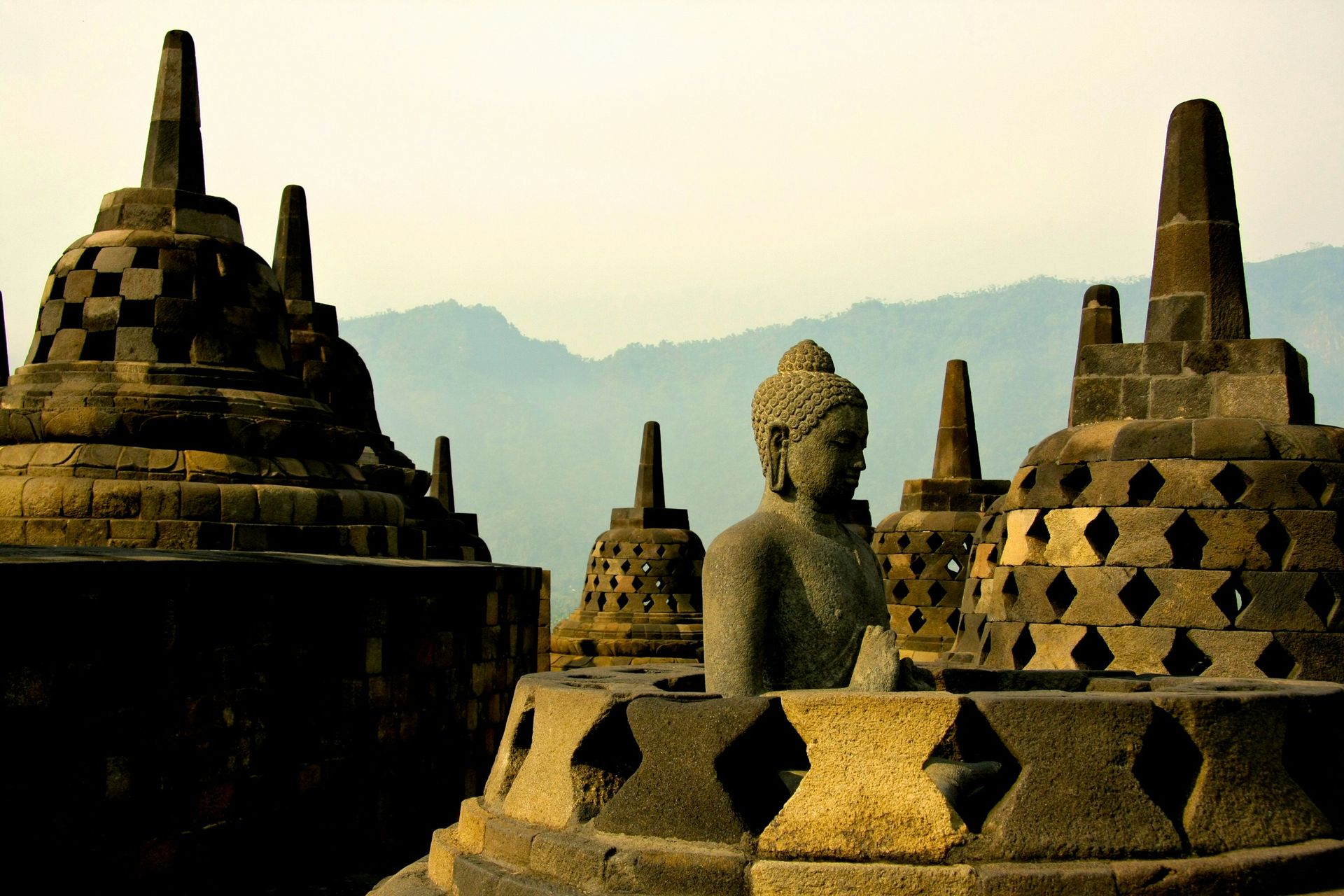
Borobudur, the largest Buddhist temple in the world, sits just over an hour’s drive northwest of Yogyakarta, and visiting at sunrise or sunset is the difference between an impressive monument and a genuinely transcendent one. The tiered terraces catch the soft early or late light in a way that illuminates the temple’s decorative panels and Buddha statues with a warmth the harsh midday sun never produces, and the relative quiet at those hours makes the climb through the levels feel considerably more contemplative.
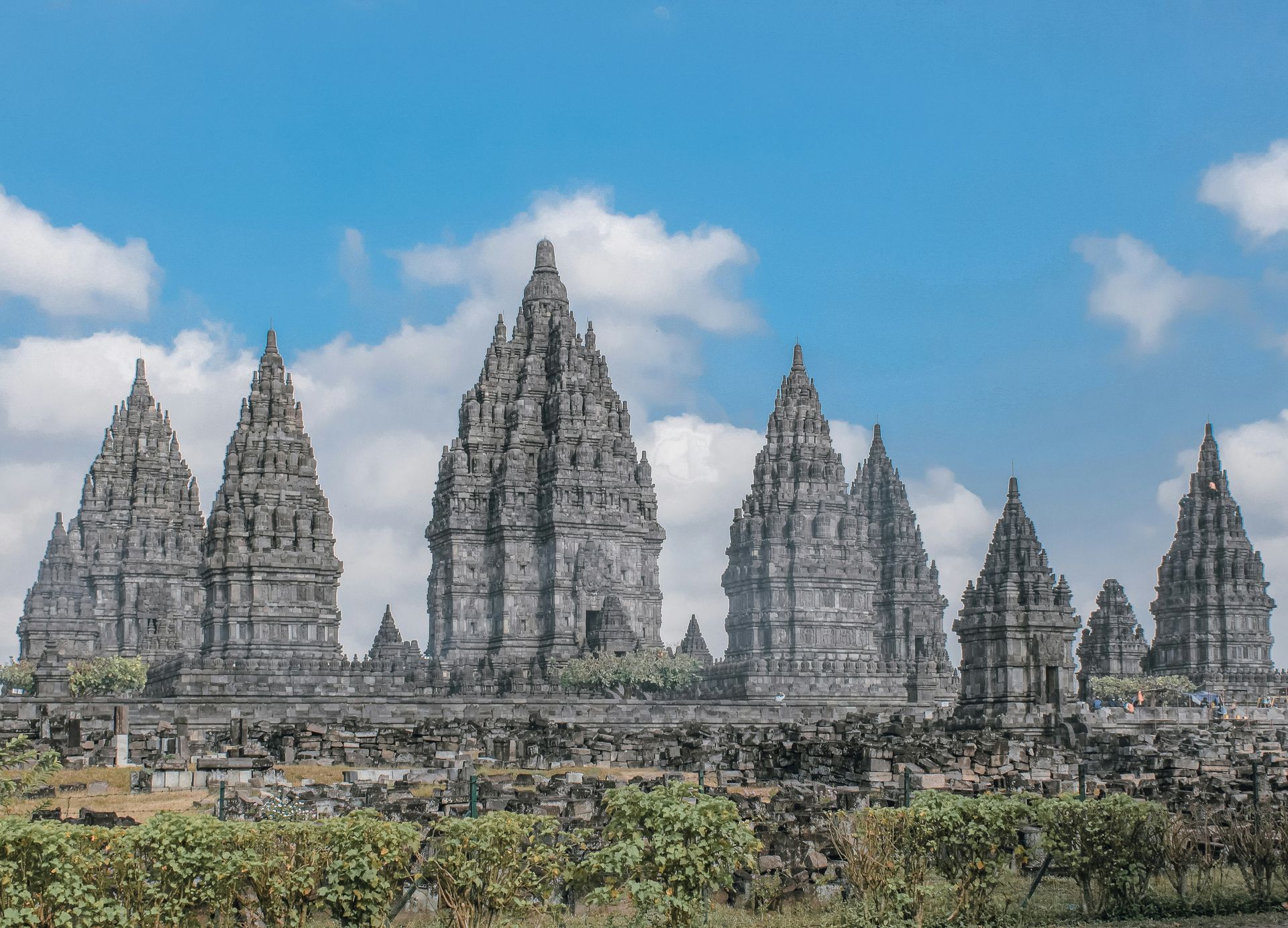
Prambanan, the Hindu temple complex east of Yogyakarta, takes a different architectural approach: towering central structures with chambers visitors can enter, each carved with detailed scenes from Hindu mythology. The complex rewards a slower walk than most visitors give it, particularly out toward Sewu Temple, a less-visited but equally impressive structure on the same grounds that travelers in a hurry often skip.
Klipoh Village, just 5 kilometers from Borobudur, has built its local economy around pottery production for generations. The village’s studios are open to visitors, several offering hands-on pottery classes alongside the chance to buy directly from the craftspeople making the pieces, which makes for a worthwhile stop either before or after the main temple visit. Both Borobudur and Prambanan can be visited in a single day from Yogyakarta with an early enough start, though splitting them across two days allows for a more relaxed pace at each site, particularly given how much ground there is to cover at Borobudur’s multiple terraced levels. Local guides available at both sites add considerable context to the carved reliefs, which depict detailed narrative scenes that are easy to walk past without understanding their significance. Both sites hold UNESCO World Heritage status, recognition that reflects not just the scale of the construction but the survival of such detailed and extensive stone carving across more than a thousand years of tropical weather, volcanic eruptions, and earthquakes that have damaged or destroyed countless other structures from the same era elsewhere in Java.
6. Yogyakarta keeps Java’s royal culture genuinely alive
Farhan Abas / Unsplash
Yogyakarta, almost universally shortened to Jogja, draws every type of traveler: students, backpackers, families, and older visitors all find something here, which speaks to the genuine breadth of what the city offers. Once the seat of the powerful Kingdom of Mataram, Jogja remains the only region in Indonesia still governed by a monarch, a fact that gives the city’s royal heritage a living quality that few historical sites can claim.
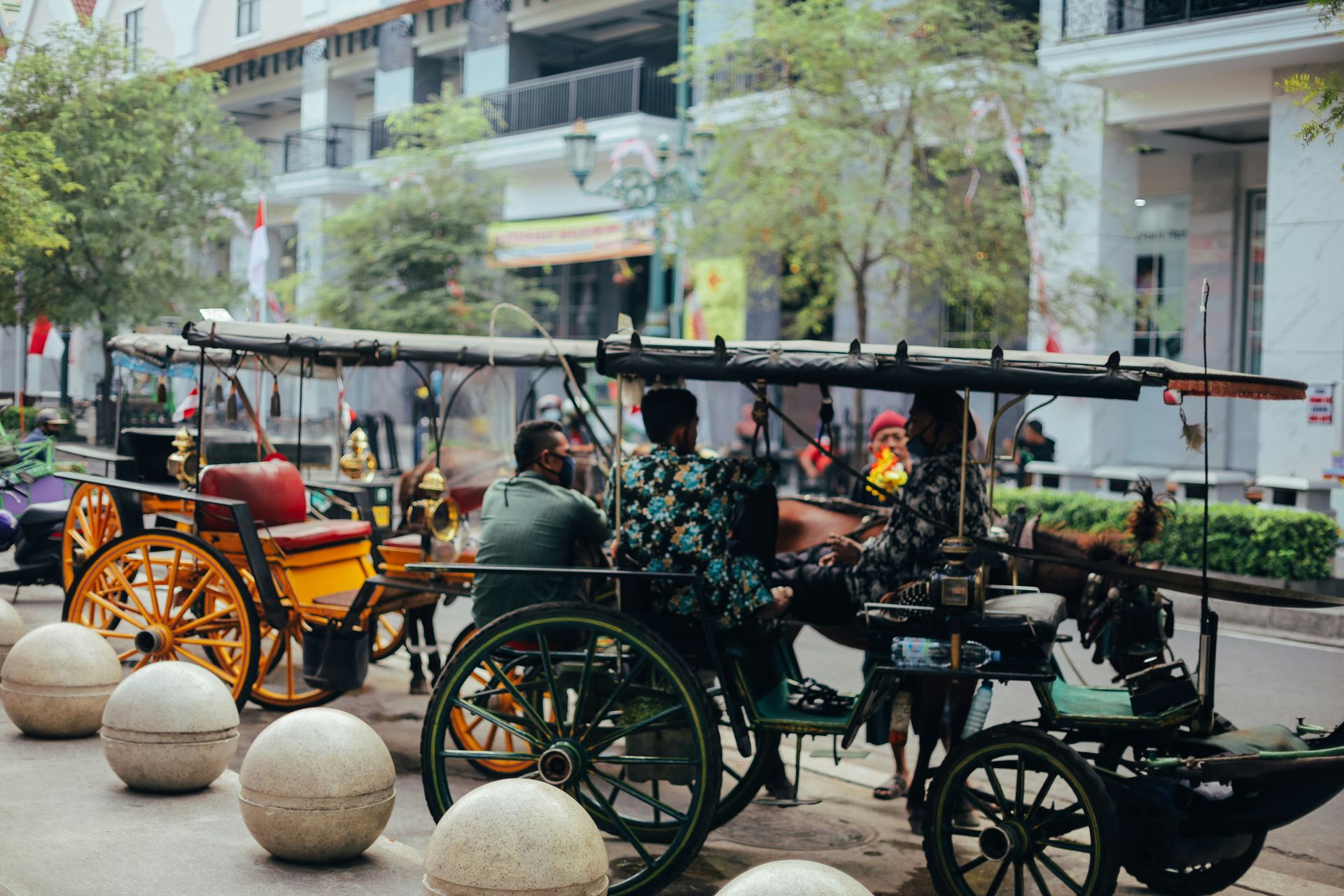
The Kraton, the royal palace, hosts regular cultural performances: traditional dance, puppetry, and gamelan orchestra music, all performed within a building that’s still an active royal residence, not a museum piece. Taman Sari, the Water Castle, has spectacular pools and gardens that hint at the scale of luxury Mataram’s rulers once commanded. Visitors looking for a more hands-on cultural experience can take batik workshops or try silversmithing, both crafts with deep roots in Javanese tradition, before heading to Malioboro Street for shopping along pavements lined with vintage European-style streetlamps and threaded with horse-drawn andong carts and street food vendors working the same stretch.
Weekends bring serious crowds to Jogja’s major sights, and most close entirely on Mondays, which makes Tuesday through Friday the smarter window for visitors with flexible scheduling who want to avoid both the weekend rush and the Monday closures. The city’s food scene extends well beyond what tourists typically encounter: gudeg, a sweet jackfruit stew that’s something of a Jogja signature dish, is worth seeking out at one of the city’s longstanding family-run warungs, not the more polished restaurants aimed at visitors. Jogja also functions as a practical base for day trips to both Borobudur and Prambanan, making it the logical hub for anyone building an itinerary around central Java’s ancient temple sites. The city’s universities bring a significant student population that keeps the nightlife and cafe culture genuinely vibrant, not purely tourist-driven, giving Jogja an energy that feels distinct from cities whose evening economy exists mainly to serve visitors passing through.
7. Bandung opens the door to West Java’s tea country
Andaru Flrmansyah / Pexels
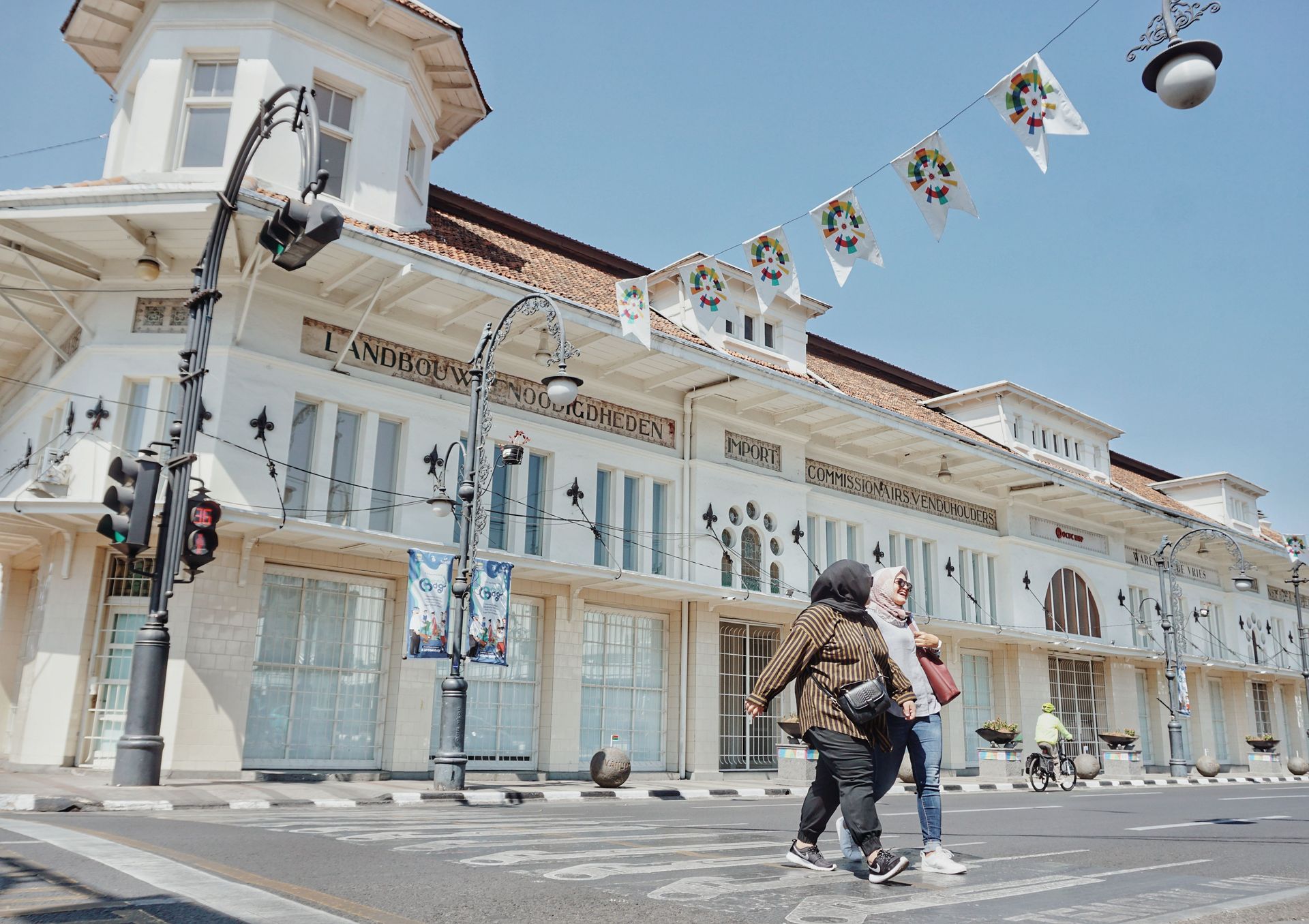
Bandung sits in the hills of West Java, with a noticeably slower pace and cooler climate than the rest of the island, the kind of place where tree-lined boulevards and lower temperatures create a feel closer to a European city than a typical Javanese metropolis. The city’s art deco architecture and colonial Dutch buildings have found new life as the backdrop for a thriving coffee shop and boutique scene, giving Bandung a genuinely cool, design-forward identity distinct from anywhere else in Java.
The countryside surrounding Bandung is where the city earns its reputation as the best base in West Java. Lembang, to the north, sits in mountainous terrain, dominated by the active Tangkuban Prahu volcano, and is surrounded by tea plantations, pine forests, and natural hot springs, making for an easy day trip out of the city. South of Bandung, there are more tea plantations, along with Kawah Putih, a milky-blue crater lake whose unusual color comes from the same sulfuric mineral content that defines volcanic lakes elsewhere in Java.
Bandung’s food scene rivals its architecture as a reason to visit. Paskal Food Market and Sudirman Street both offer the chance to sample a genuinely wide range of Indonesian and Sundanese cuisine in a single outing, from street-level snacks to more substantial sit-down meals, making either spot a reliable choice for visitors who want to eat their way through the city’s culinary range in an afternoon. The cooler climate makes Bandung a popular weekend escape for residents of Jakarta, roughly three hours away by car or train, which means weekends can bring noticeably heavier crowds to both the city itself and the surrounding countryside attractions. Visiting midweek, where possible, makes for a considerably more relaxed experience at Lembang’s volcano and tea plantations, with shorter queues and a quieter overall pace. Bandung’s altitude, considerably higher than most of Java’s coastal cities, brings genuinely comfortable temperatures year-round, which has made it an increasingly popular base for remote workers and longer-term visitors who want milder weather without leaving Indonesia entirely.
8. Mount Bromo delivers an epic volcano view with no hiking
-1920x1081.jpg)
Alessio Roversi / Unsplash
Mount Bromo, part of the Bromo Tengger Semeru National Park in East Java, sits inside a colossal ancient caldera where several dramatic peaks rise from a sand sea so barren and otherworldly that it genuinely looks lunar in certain light. At 2,329 meters, it isn’t Java’s tallest volcano, but it’s consistently one of the most active, with the crater frequently visible, billowing smoke plumes that give the whole landscape a sense of restless, ongoing geological life.
What sets Bromo apart from many of Java’s other dramatic landscapes is accessibility: no strenuous hiking is required to take in the main views, since vehicles can reach the area’s best viewpoints directly. Sunrise is the optimal time to visit, when the early light catches the caldera and the surrounding peaks in a way that midday sun does not. King Kong Hill and Seruni rank among the most popular viewpoints for this exact reason, drawing crowds who arrive in the dark to watch the sun rise over the sand sea.
Climbing Bromo itself involves a 4WD ride across the sand sea to the base of the mountain, followed by steep concrete steps leading up to the crater rim, the one part of the visit that genuinely demands a reasonable level of fitness. The contrast between the vehicle-accessible viewpoints and the actual climb makes Bromo equally appealing to visitors who want a dramatic sunrise photo and to those who want to stand at the crater’s edge and look down into it. Most visitors base themselves in the nearby village of Cemoro Lawang the night before, since reaching the best viewpoints for sunrise requires departing well before dawn, typically around 3 or 4 a.m., to secure a good position before the crowds arrive. Temperatures at this altitude drop sharply overnight, and warm layers are essential even though the surrounding lowland heat might suggest otherwise during the daytime portion of the visit. The wider Tengger Semeru National Park extends beyond Bromo itself to include Mount Semeru, Java’s tallest volcano and one of its most active, and ambitious travelers with extra time sometimes combine a Bromo sunrise with a multi-day Semeru trek for a more complete sense of East Java’s volcanic landscape.