
A state capital is the economic and civic driver residents depend on. WalletHub ranked all 50 in the U.S. to find the most liveable ones
Peter Tsai Photography / Getty Images
State capitals fund the schools where children spend their formative years, employ a large portion of the local workforce through government and its contractors, and anchor the regional economy through policy decisions and institutional spending. The fiscal choices made inside those capitol buildings ripple outward into neighborhoods, determining which roads get maintained, how well the public hospital system runs, and whether new businesses find conditions to open and survive. Residents of a capital city face those outcomes in ways that residents of non-capital cities do not.
The strongest capitals share a specific profile. Incomes adjusted for local costs land well above the national median. Educational attainment runs high among working-age adults. Residents choose to stay and newcomers pick the city over alternatives. The weakest capitals invert that picture: poverty rates exceed the national average, school systems struggle with funding and performance, and residents leave faster than they arrive. The gap between the strongest and weakest capitals on a single composite index exceeds 28 points, a spread that translates into measurable differences in life expectancy, financial stability, and school quality. The most livable capitals earn their positions not through a single outsized advantage but through consistent strength across multiple dimensions.
WalletHub evaluated all 50 U.S. state capitals across four dimensions: Affordability, Economic Well-Being, Quality of Education and Health, and Quality of Life. WalletHub scored each metric on a 100-point scale, with 100 representing the most favorable conditions. The resulting State Capital Index determined the final order. The five capitals at the top of that list span the Sun Belt and the upper Midwest, covering a range of climates, sizes, and economic profiles, yet each earned its position through strength across multiple categories.
Ryan Martinez / Getty Images
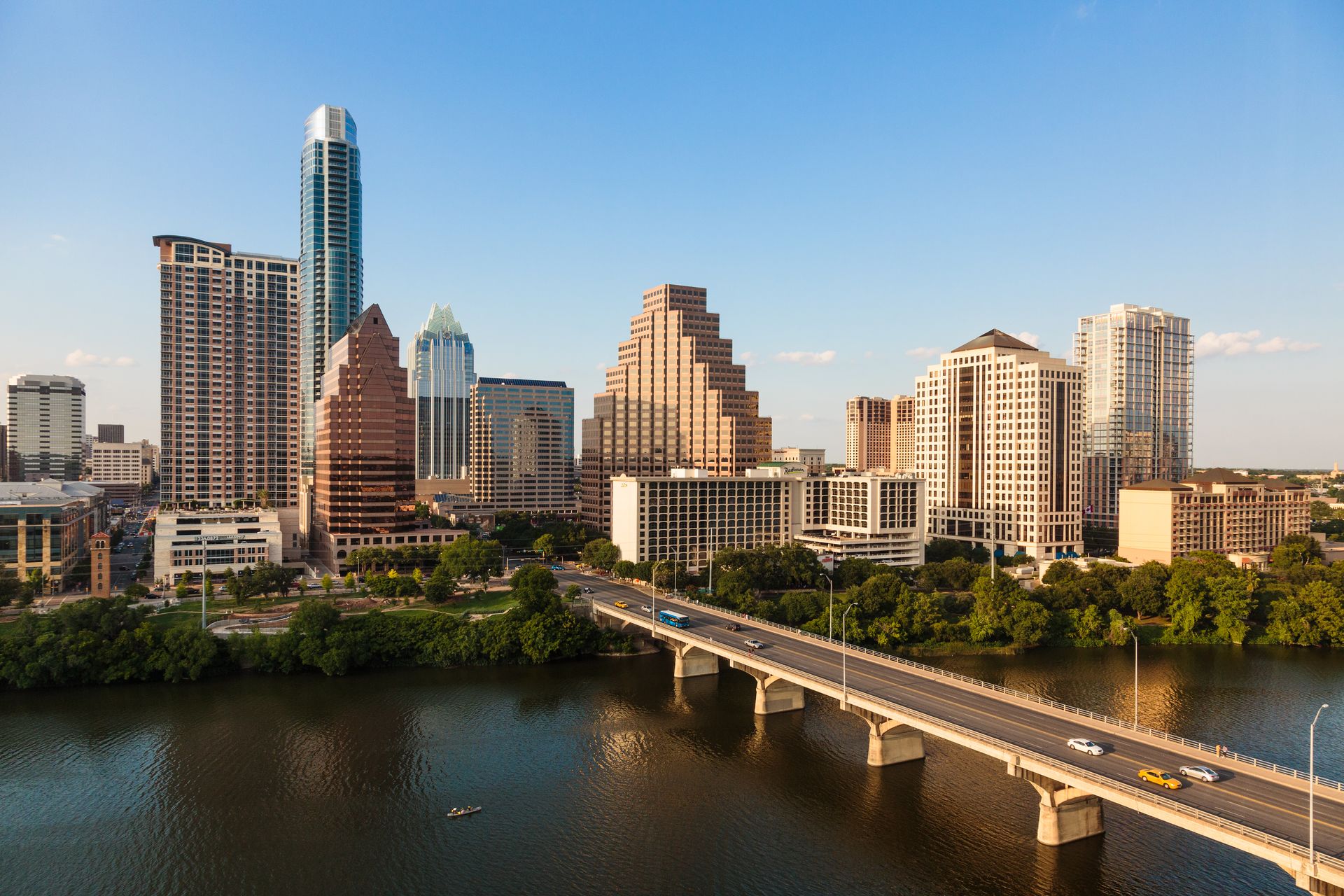
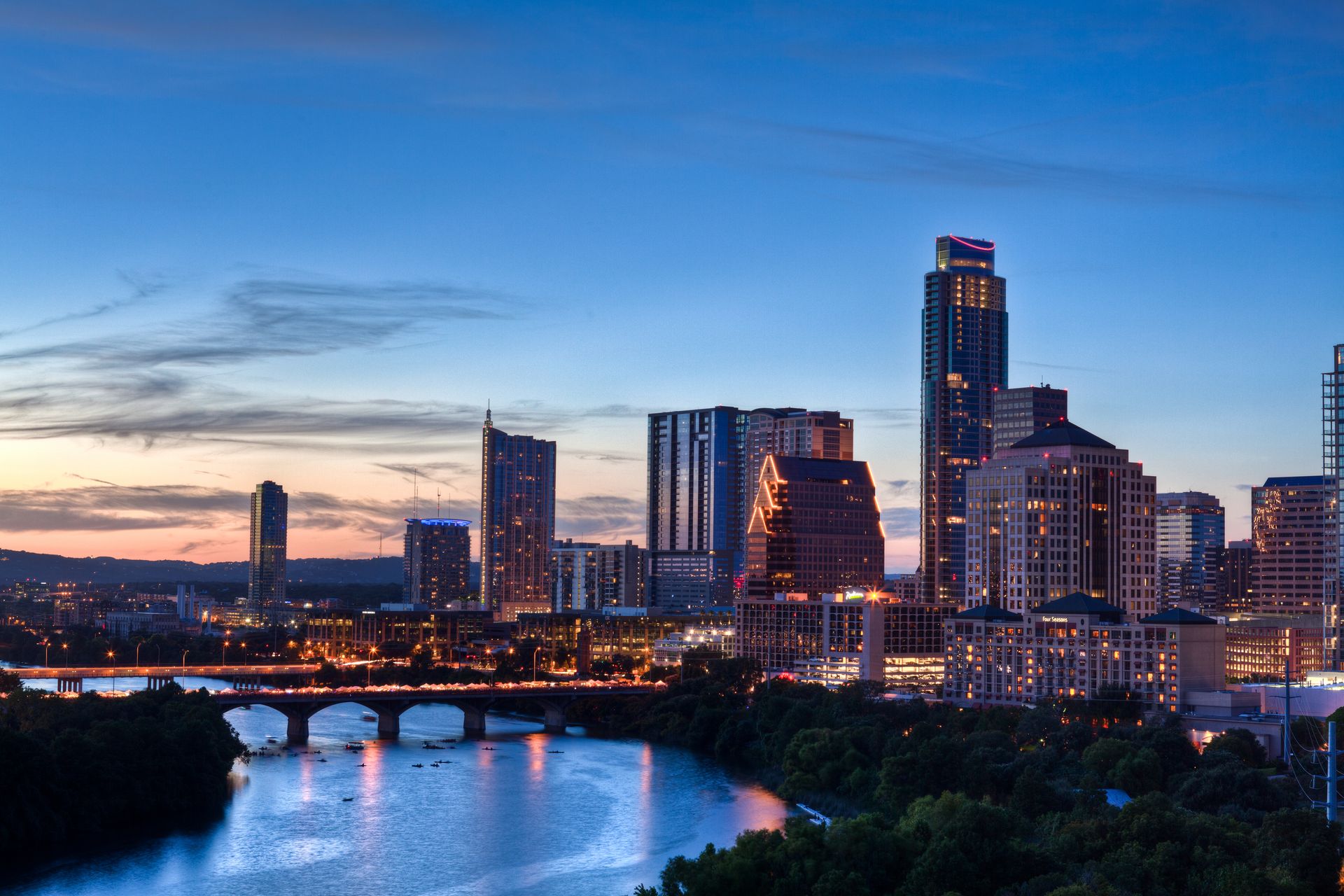
Austin, Texas, holds the top overall position with a State Capital Index score of 64.17, ranking first in both Economic Well-Being and Quality of Education & Health and fourth in Affordability. No other capital achieves top-tier finishes across three of the four dimensions measured.
The city's adjusted median household income reaches $93,902, the highest among all 50 state capitals after controlling for cost of living. New businesses open at the second-highest rate in the country. Austin also holds the fourth-highest share of residents aged 25 and older with at least a bachelor's degree, meaning the labor market draws from a deep pool of educated workers.
Austin's school system strengthens that foundation. The city ranks first in the country in the share of public schools rated "above average" by GreatSchools.org, and its four-year high school graduation rate is the second-highest among all state capital cities. University quality ranks at the top as well, drawing students and research activity that support both the local economy and the pipeline of skilled residents over time. Austin's fourth-place Affordability finish is notable given those income and education gains: the city sustains top-tier wages and school quality while keeping its cost-of-living-adjusted position among the four most affordable state capitals in the country.
Austin also holds the second-highest life expectancy among all state capital populations. The city ranks near the top for attractions and restaurants per capita, giving residents access to a dense cultural and recreational environment. Austin's 10th-place Quality of Life finish positions it above most of the field on daily amenities and population health. Very few state capitals achieve that combination. The city's first-place finish in Economic Well-Being means it produces those livability conditions from the strongest economic foundation among all 50 ranked state capitals.
carlofranco / Getty Images
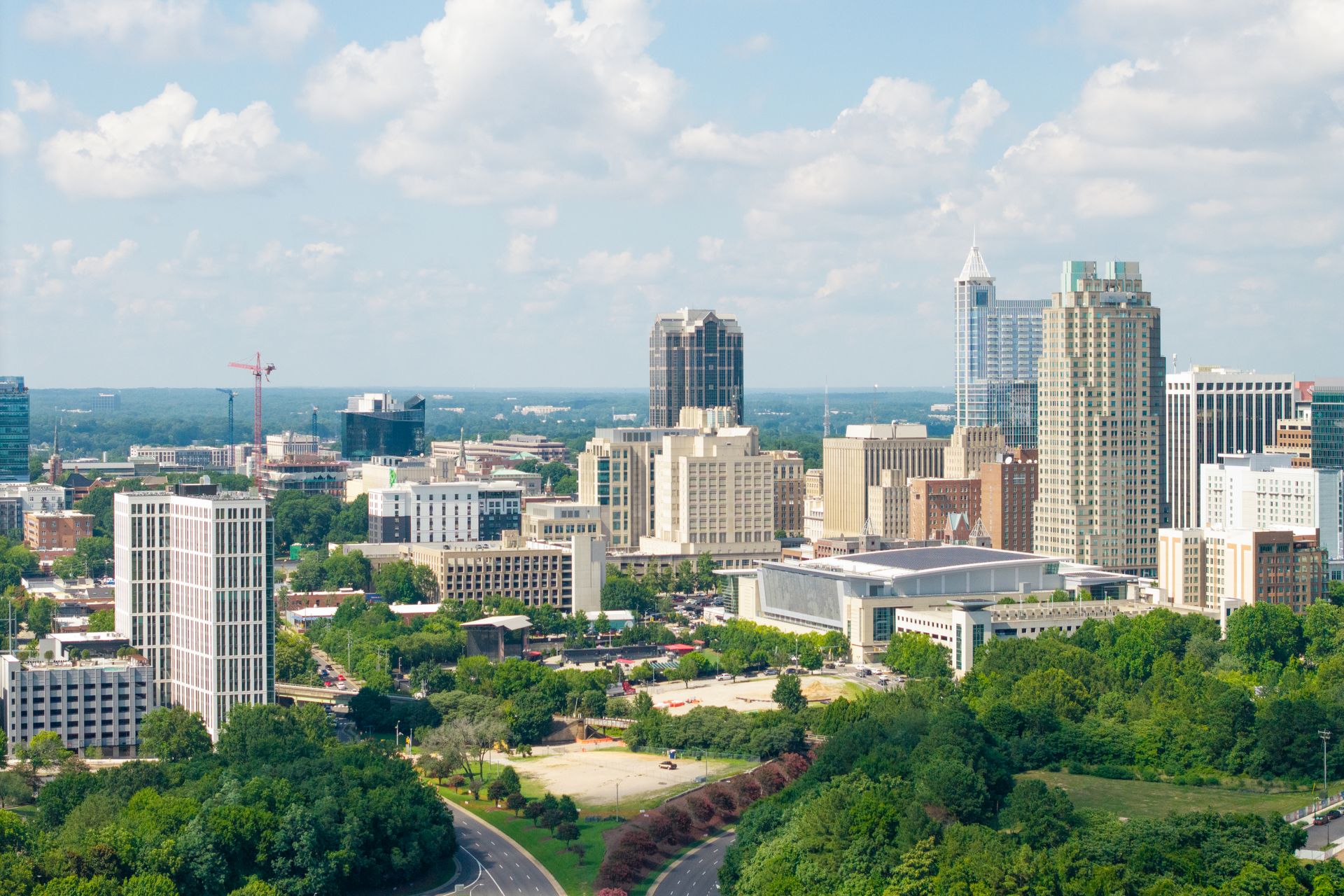
Raleigh, N.C., earns second place with the fourth-highest adjusted income among all capitals and a rate of new building permits that ranks near the top of the country, two conditions that drive both economic security and long-term affordability. Its index score of 60.42 also gives it fifth place in Quality of Education & Health and eighth in Affordability.
The city's adjusted median household income of $84,798 ranks fourth among all state capitals. Raleigh also ranks near the top of the country in new building permits per capita, a figure that measures how fast residential and commercial construction keeps pace with demand. Cities that lead on permit activity tend to absorb population growth without the sharp affordability deterioration that constrains other fast-growing metros.
Educational outcomes in Raleigh are strong across multiple measures. The share of residents aged 25 and older who hold at least a bachelor's degree stands at 52.9%, the eighth-highest among state capitals. The high school graduation rate exceeds 87%. The city ranks fifth in the country for college and university quality, sustaining a supply of educated workers and supporting the research-intensive industries anchoring the local economy. Raleigh's fifth-place finish in Quality of Education & Health means it sits in the top 10% of all state capitals on a dimension that covers not just schooling but health-care access, hospital quality, and premature-death rates.
Raleigh also scores well on entertainment and sports access. Restaurants rated at least 4.5 stars are easy to find throughout the city. Raleigh ranks third in the country as a destination for hockey fans, a position driven by a city that has built professional sports infrastructure well beyond what most state capitals of its size support. The city's eighth-place Economic Well-Being finish means it also performs in the top tier on income, employment, and business activity, giving residents a labor market that complements the quality-of-life advantages the city offers.
Tetra Images / Getty Images
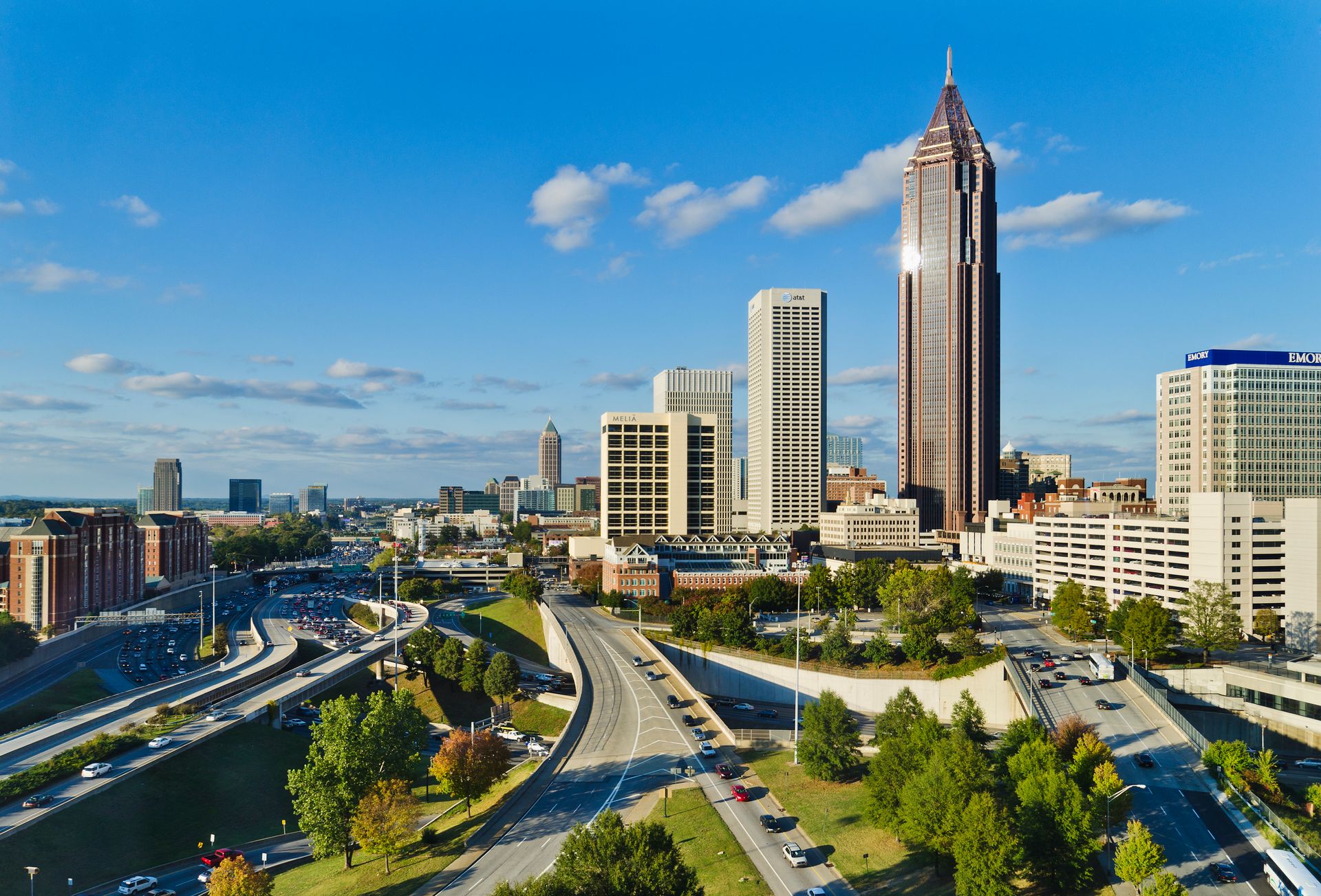
Third among all 50 state capitals, Atlanta earns its position on the strength of sustained income growth and a quality-of-life profile that makes the city accessible to residents across income levels. Its index score of 60.17 places it seventh in both Quality of Education & Health and Quality of Life.
Atlanta's adjusted median household income of $85,352 ranks third among all 50 state capitals. The city's median income growth rate also ranks third in the country, confirming that earnings have grown and not merely stagnated. Atlanta holds the eighth-lowest debt-to-earnings ratio among all capitals. Residents carry modest debt loads relative to what they earn, a condition that signals genuine financial stability beyond what income figures alone show.
Atlanta performs above most of the field on health and physical activity. The city ranks eighth-lowest in adult obesity rate and second in the country for fitness center establishments per capita. Those two measures point to broad resident access to physical activity options and contribute to Atlanta's seventh-place finish in Quality of Education & Health. The city's Affordability rank of 10th means residents access those health and cultural resources in a city that remains more affordable than most of its Economic Well-Being peers.
Atlanta earns its highest marks in Quality of Life. The city ranks first in the country for attractions and nightlife options per capita and first for the availability of affordable restaurants rated 4.5 stars or higher. Millennial newcomers arrive at a high rate and drive demand for the dining, fitness, and entertainment infrastructure the city provides at a density few state capitals match. Atlanta's seventh-place Quality of Life finish means those advantages extend across multiple sub-dimensions, covering walkability, coffee-shop density per resident, sports-fan access, and movie-theater availability per capita.
Walter Bibikow / Getty Images
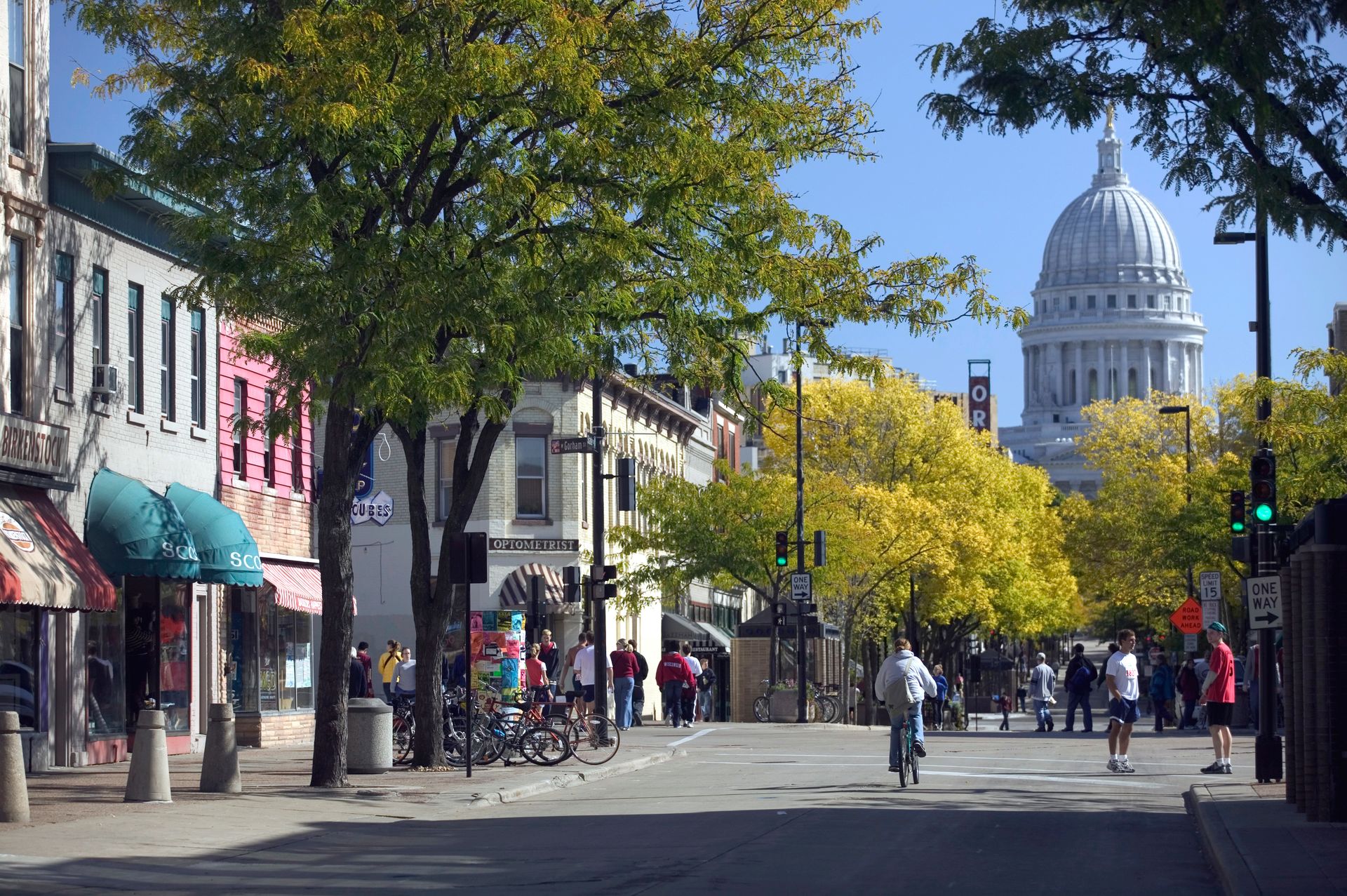
Madison, Wis., sits fourth overall on the strength of a university-anchored education system, a diverse labor market, and quality-of-life scores that place it among the top three state capitals in the country by that measure. Its index score of 60.04 comes despite a 23rd-place Affordability finish, a trade-off residents accept given the depth of assets the city provides.
The University of Wisconsin-Madison anchors Madison's third-place finish in Quality of Education & Health. The university's presence supports high adult educational attainment, a strong hospital system, and a research ecosystem that underpins much of the professional employment base. State capitals anchored by flagship research universities outperform their peer group in education metrics at a consistent rate, and Madison demonstrates that pattern as well as any city in the country.
Madison's sixth-place Economic Well-Being ranking rests on population growth, income growth, and low rates of unemployment and underemployment. The city's labor market draws stability from combining state government employment and a major research university with the private-sector industries those institutions attract, reducing the volatility that single-employer economies face. The diversification that structure creates reduces Madison's exposure to sector-specific downturns that affect less-varied and less-diversified economies.
Madison's third-place Quality of Life finish stems from strong scores on walkability, public transportation access, a low violent-crime rate, and an above-average density of restaurants, coffee shops, and fitness centers relative to population. The city draws a high share of millennial newcomers, a measure that captures the preferences of a mobile, educated population selecting where to build careers and households. Madison's 23rd-place Affordability finish carries a specific meaning for residents: the city costs more than the median state capital, but it delivers education, safety, and civic infrastructure that justify the premium for the large share of residents who choose to stay.

vkbhat / Getty Images
Residents of Boise, Idaho, live in the fifth-best state capital in the country, a position the city holds with a State Capital Index score of 59.72 built on third-place Economic Well-Being, fourth-place Quality of Life, and Affordability that ranks 19th. Boise is the only top-five capital without a flagship research university or a population base above 500,000.
Boise's third-place Economic Well-Being rank rests on strong income growth, low unemployment, and active business formation. The city has attracted consistent in-migration that drives building-permit activity and creates demand for local goods and services. Income growth has accompanied that population expansion and kept pace with it over time, separating Boise from cities where in-migration arrives through cost-of-living arbitrage while wages stagnate.
Boise's fourth-place Quality of Life finish rests on low crime rates, short commutes, and proximity to outdoor recreation. Violent-crime and property-crime rates run below the national average for cities of comparable size, and average commute times fall shorter than in most larger metros. Residents who prioritize access to outdoor and natural amenities find Boise better positioned than most fast-growing western capitals, and that proximity contributes to the city's above-average scores on physical inactivity and health-related measures.
Boise's 12th-place Education & Health ranking signals a solid system under pressure from population influx. The city's 19th-place Affordability finish marks a shift from earlier periods as housing demand has driven costs upward, though it remains more affordable than most large-city competitors in the West. The 12th-place Education & Health finish leaves room for investment as the school system absorbs new students arriving with the broader population surge, and the gap between Boise's 12th-place education rank and its third-place Economic Well-Being rank suggests the labor market has grown faster than the public education infrastructure supporting it.