A police officer's working conditions depend heavily on where they're employed. WalletHub ranked all 50 states to find the best places

Hill Street Studios / Getty Images
Police departments across the U.S. lose experienced officers faster than they can hire replacements. Many agencies have cut minimum standards, shortened academies, and offered signing bonuses — and still carry hundreds of unfilled positions.
Officers are more likely to build long careers in departments that invest in their preparation and pay them competitively, yet both conditions vary sharply from state to state. State lines determine nearly everything about the career: how long training lasts, how much a paycheck covers after cost of living adjusts it, how often violence finds them on the job, and whether the legal framework around them provides meaningful protection.
Agencies that invest heavily in officer preparation produce measurably safer outcomes for both the public and the officer. Where training requirements are thinner, officers are less equipped to deal with difficult situations, sometimes producing violent consequences. Favorable conditions appear in states with rigorous training requirements, competitive pay, and low violent-crime rates. Unfavorable conditions persist where pay lags, continued professional education receives little state attention, and officers face elevated rates of assault and on-duty death.
WalletHub ranked all 50 states and the District of Columbia on 30 metrics across three dimensions — opportunity and competition, training requirements, and job hazards and protections — to produce its 2026 list of the best and worst states to be a police officer. Each metric received a score on a 100-point scale, with 100 representing the most favorable conditions. States with the highest overall totals offer competitive salaries, rigorous pre-service preparation, and low officer-death rates. States at the bottom combine weak compensation, minimal training investment, and elevated exposure to violent crime.
Kim Kulish / Getty Images
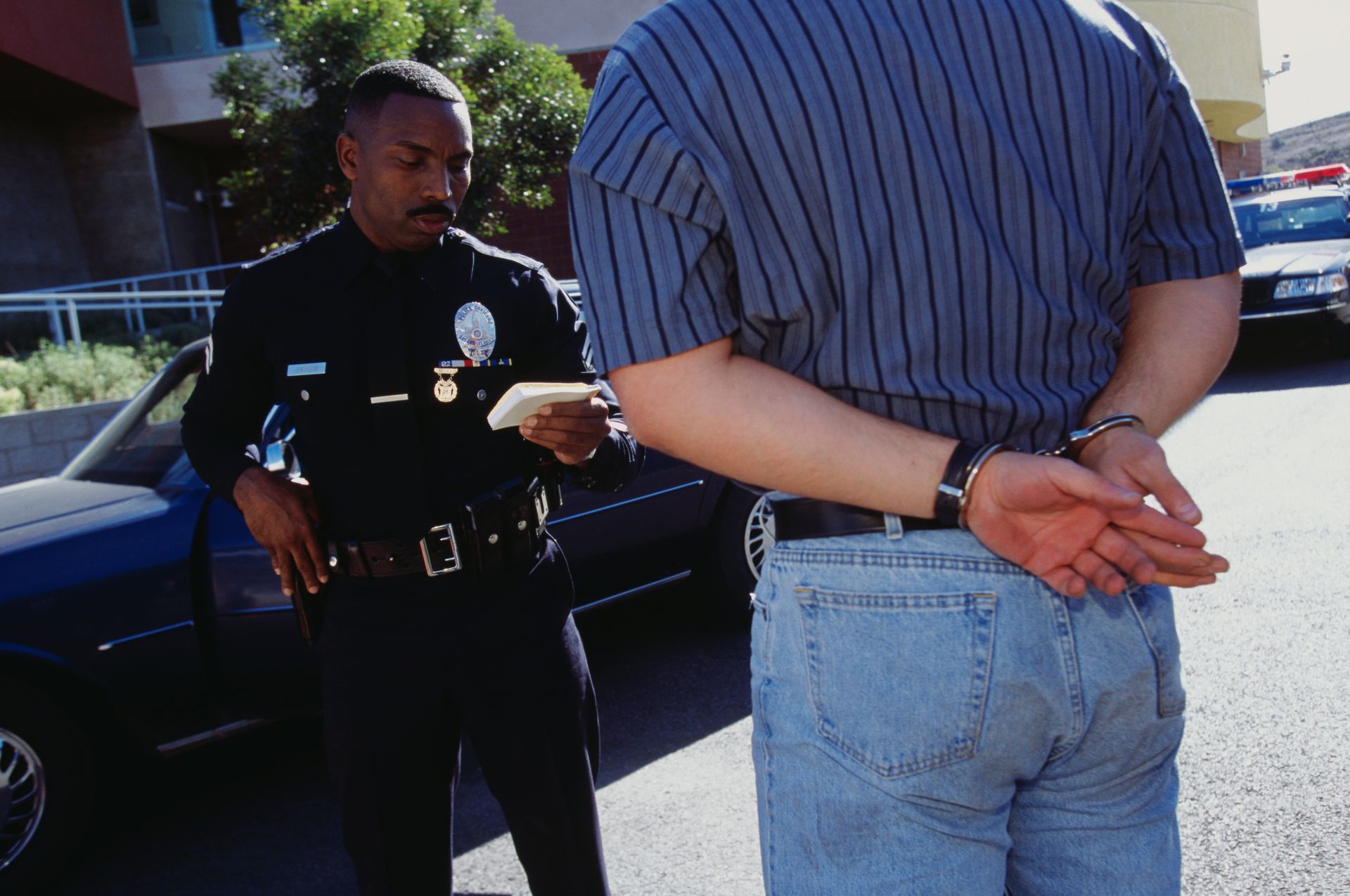
California holds the top position in the country for law enforcement working conditions, recording a total score of 59.33. The state ranks first in the opportunity and competition dimension, meaning it leads on compensation, officer hiring projections, and career advancement. Officers working in California draw a monthly starting salary of just over $5,600 — the fifth-highest in the country — and a median annual wage of approximately $85,400 after cost-of-living adjustment, the third-highest nationwide. Both pay figures exceed the national mean annual wage of roughly $77,270 by a substantial margin.
California backs its compensation with one of the country's most demanding preparation sequences. The state requires 664 hours of basic training before officers may begin working, and it does not permit anyone to report for duty until the full basic sequence is complete. Field training adds another 560 hours — the second-most required anywhere in the country. An officer who finishes both sequences arrives on patrol having logged more supervised preparation hours than counterparts in most other states, reducing the probability of dangerous outcomes for the officer or the public.
California also mandates de-escalation instruction, equipping deputies and patrol staff with communication techniques for managing people in mental or emotional crisis before a situation turns physical. The state maintains a Blue Alert system, which accelerates the pursuit and apprehension of suspects who have killed or seriously injured a law enforcement officer. Both measures address distinct vulnerabilities: de-escalation curriculum reduces the probability of a dangerous escalation, and Blue Alerts shorten the window between an assault on a badge-holder and a suspect's capture. California's job hazards and protections dimension sits at 14th, reflecting a solid mid-upper-tier position on safety metrics that complements the top-ranked compensation and competitive preparation environment. Its 12th-place preparation standing confirms that even outside pay, California invests more in pre-service development than the majority of states in the country.
miromiro / Getty Images
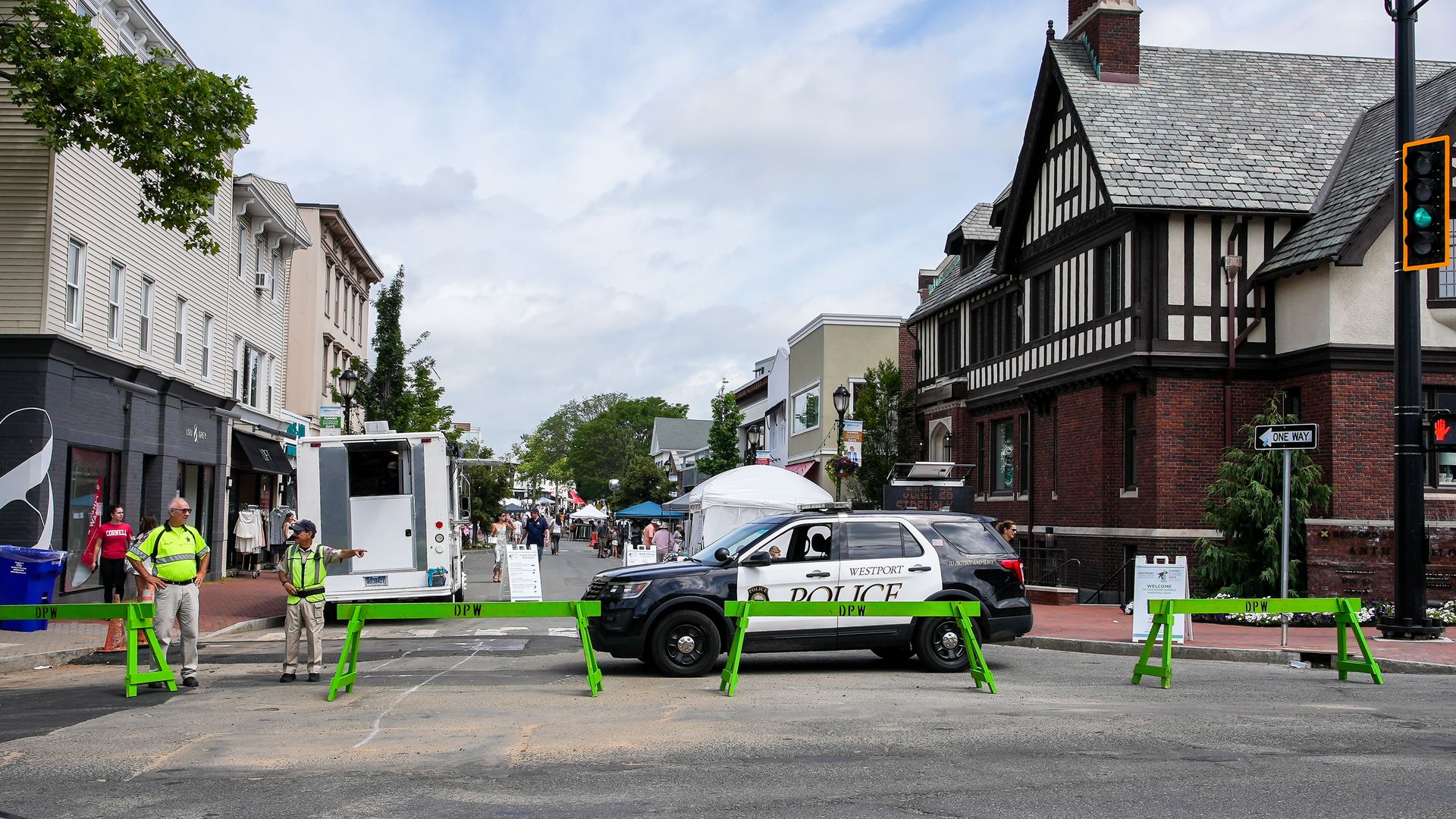
Connecticut ranks second overall with a total score of 56.73 and holds the top position in the training-requirements dimension. The state requires 1,321 hours of basic training, more than any other jurisdiction in the country. Officers must also complete 400 hours of field training, the third-most required nationwide. Connecticut does not permit officers to begin working before finishing the basic sequence, ensuring every patrol officer has met the full preparation standard before carrying a badge.
The investment in preparation produces measurable safety outcomes. Connecticut records the third-lowest rate of police killings per capita in the country. The state also holds the third-lowest share of law enforcement officers who have experienced assault during their careers. Both statistics reflect an environment where the probability of violent harm to an officer falls well below the national norm. The extensive training sequence prepares officers to handle dangerous encounters with greater competence, and the reduced incidence of assault and officer death reflects that preparation in the field.
Connecticut's violent crime rate reinforces those conditions. The state records the third-lowest violent crime rate in the country, meaning officers patrol communities where the baseline threat level is lower than in nearly every other jurisdiction. Officers working in a low-crime environment face fewer of the high-stress, high-stakes calls that carry the greatest risk of injury or death. The state compounds those physical-safety advantages with additional legal and procedural protections: Connecticut requires de-escalation training for officers, maintains a Blue Alert system, and has enacted red flag laws that allow the temporary seizure of firearms from individuals who demonstrate a risk of violence. Officers in Connecticut also benefit from the state's fifth-place ranking in opportunity and competition, placing it in the top 10 in training and safety environments, compensation, and career prospects.
MattGush / Getty Images
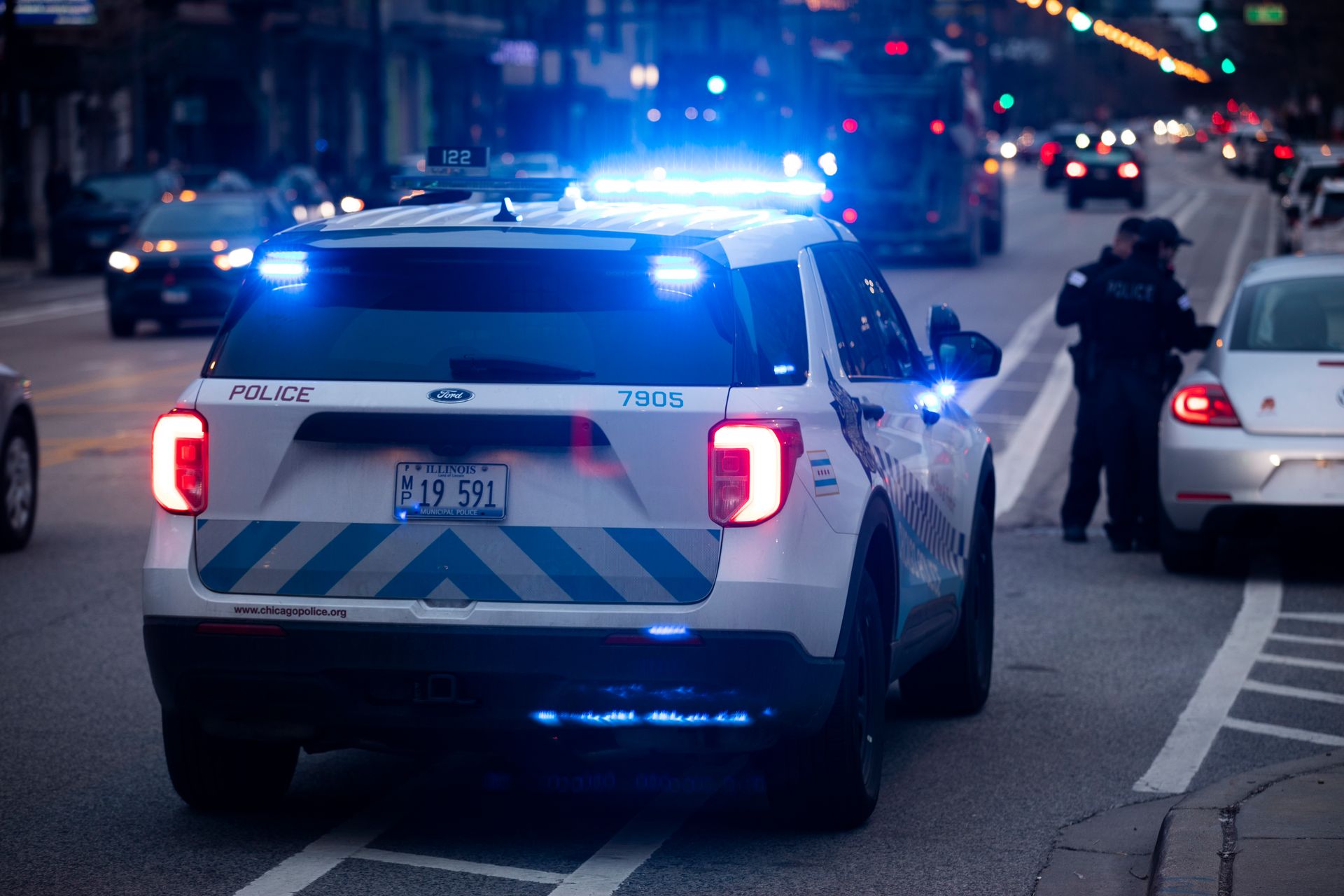
Illinois ranks third overall with a total score of 56.07 and stands alone on one critical compensation benchmark: the state's law enforcement officers collect the highest median annual wage in the country after cost-of-living adjustment, at approximately $101,700. The pay advantage over lower-compensating states represents a substantial real-dollar difference in what a law enforcement career can deliver over time. The state also ranks eighth in salary growth potential, meaning an officer who begins a career in Illinois and advances through the ranks can expect one of the stronger lifetime pay trajectories in the profession.
Illinois requires officers to pursue ongoing professional development well beyond the initial training sequence. Officers must complete 40 additional hours of continuing education annually — the second-highest requirement in the country. Those hours cover subjects such as techniques for avoiding deadly force, strategies for addressing mental health crises, and other skills where repeated practice reduces the probability of harmful encounters. Illinois also requires officers to hold at least a bachelor's degree before entering service, producing a workforce with a higher baseline of formal education than most states require.
Like Connecticut, the state has enacted red flag laws, so officers there can remove weapons from high-risk individuals before a violent confrontation occurs. Illinois ranks 10th in the job hazards and protections dimension and 18th in opportunity and competition — middling positions that confirm the state's standing as a strong overall environment driven primarily by its pay leadership and the depth of its training requirements. An officer who prioritizes financial security and professional development over a first-in-class safety record will find Illinois competitive at both the starting-salary and career-earnings level.
lippyjr / Getty Images
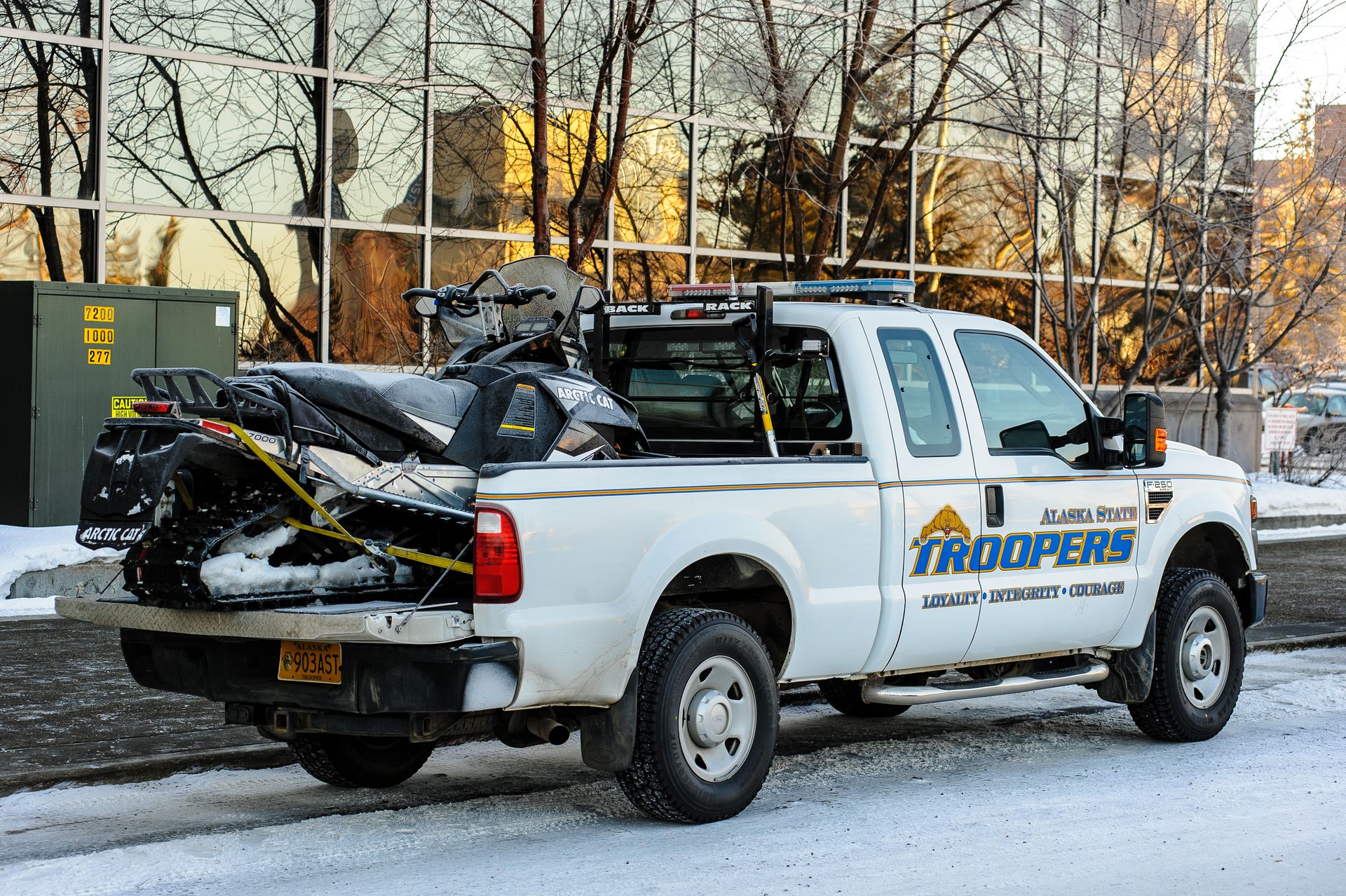
Alaska ranks last among all 51 jurisdictions with a total score of 25.90 — nearly four points below Hawaii and more than 33 points below California. The state ranks 47th in opportunity and competition, 50th in law enforcement training requirements, and 49th in job hazards and protections. Alaska is the only jurisdiction to rank in the bottom five of all three measured dimensions simultaneously, making its last-place standing a product of systemic weakness across the full range of career conditions the study measures.
Alaska's violent crime rate places it among the most dangerous operating environments in the country: the state is 49th — tied with New Mexico and the District of Columbia — for the highest rate of crimes against persons. Officers in Alaska patrol communities where the frequency of dangerous incidents approaches the upper bound of what any jurisdiction records. High crime exposure increases the pace at which officers face threatening calls, compresses recovery time between high-stress encounters, and raises the statistical probability that any individual officer will experience a violent confrontation during a full career.
The state's near-bottom training rank compounds those hazard conditions. Officers who receive less preparation before entering service face a greater risk of errors in judgment during dangerous encounters — precisely the type of high-stakes situations that Alaska's violent-crime environment produces more frequently than almost any other state. Alaska does receive high state and local police-protection spending per capita, tying for first on that metric alongside the District of Columbia and California. The spending level signals that Alaska allocates substantial public funds to law enforcement. Those funds do not, however, produce training investment or competitive officer compensation at the level the top-ranked states achieve. The resources available to the department do not translate into the career conditions that individual officers experience.
anouchka / Getty Images
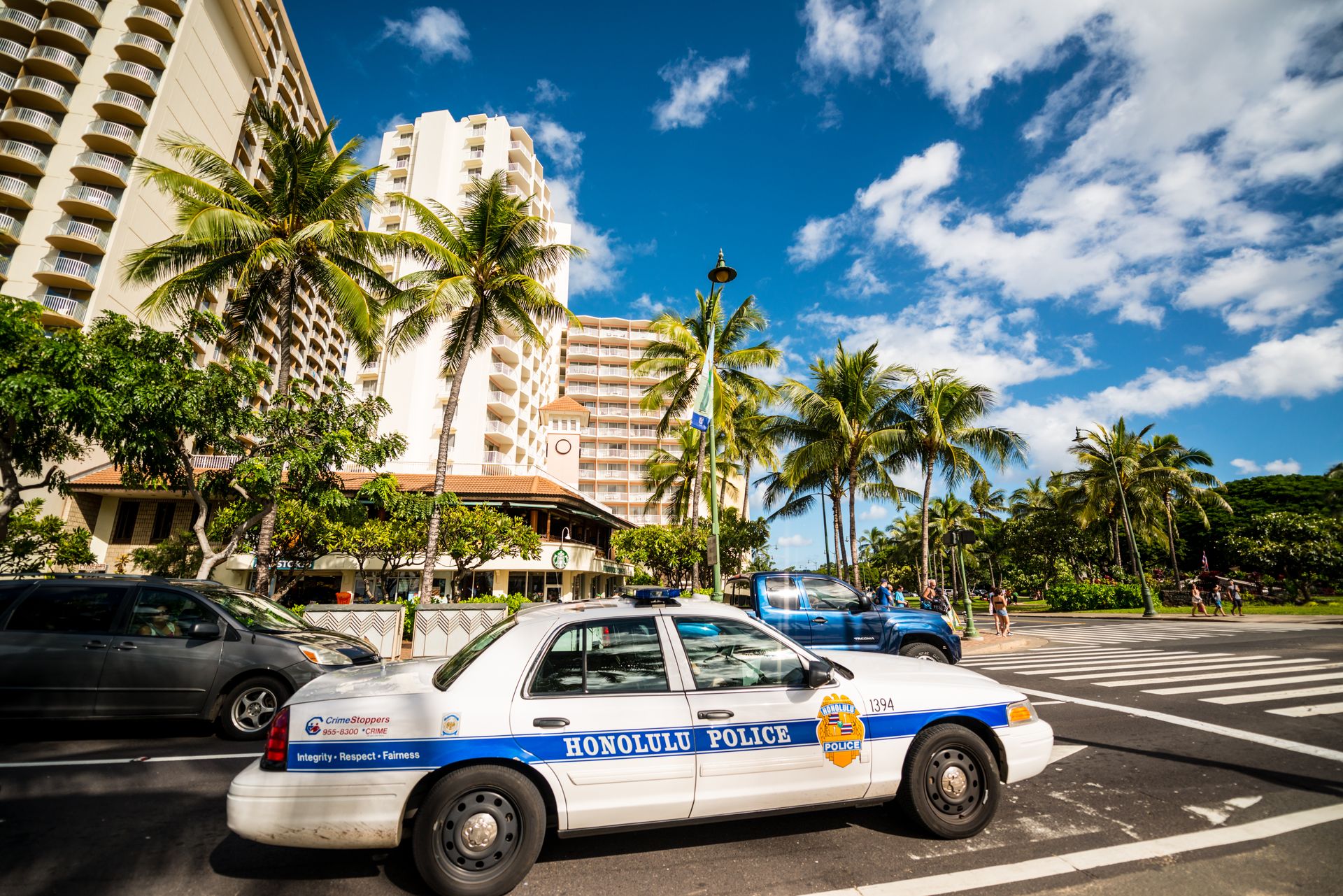
Hawaii ranks 50th overall with a total score of 29.83, and its most severe weakness is preparation. Hawaii is dead last in the training-requirements dimension, making it the jurisdiction with the weakest officer preparation mandate in the entire country. The state also ranks 49th in opportunity and competition, placing compensation and career-advancement prospects near the bottom. Hawaii recorded the 50th lowest rate of median income growth for law enforcement officers in the most recent annual measurement, meaning officer pay in the state is not only low relative to most jurisdictions but also widening the gap with better-paying states over time.
The last-place training rank means officers in Hawaii arrive on patrol with less supervised preparation than their counterparts in every other state and D.C. A shorter and less rigorous pre-service sequence reduces the probability that officers have encountered and practiced responses to the full range of situations they will face in the field. The deficit is structural — it reflects state-level policy decisions about what preparation officers must complete before carrying a badge — and individual officer quality cannot substitute for the gaps left by a weak mandate. Officers who would benefit from extensive field supervision and scenario-based training receive less of both.
One data point distinguishes Hawaii from other low-ranking jurisdictions: Hawaii records the highest homicide-case clearance rate in the country, ranking first on that metric. Officers in Hawaii solve murder investigations at a rate no other state matches. That reflects strong investigative capacity within the state's departments, and it is the clearest indicator that Hawaii's law enforcement workforce possesses skills that do not appear in the state's training-mandate figures. The clearance-rate strength, however, does not offset the compensation and preparation deficits that drive the state's near-last overall standing — and it does not change the conditions an officer faces when evaluating career options across jurisdictions.
wsfurlan / Getty Images
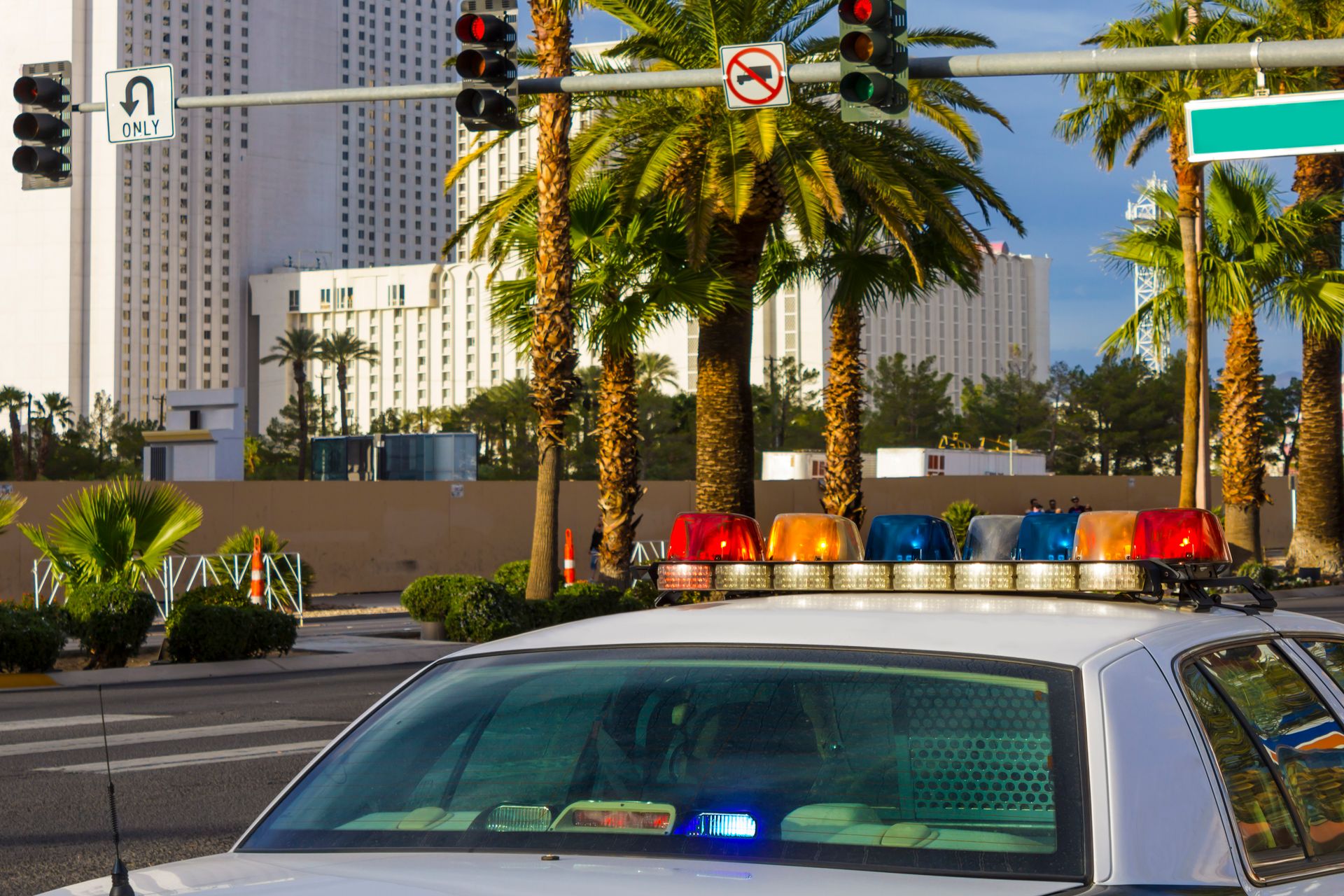
Nevada sits 49th overall with a total score of 30.48, placing it third from last in a field where conditions at the low end diverge sharply from those at the top. The state ranks 42nd in opportunity and competition, meaning officer compensation and career-advancement prospects fall well below the national median. Nevada holds the 48th position in training requirements — the third-weakest environment in the country — leaving officers with less preparation than counterparts in almost every other state. Both deficits are significant on their own. The overlap makes Nevada's standing near the bottom of the list a product of simultaneous weakness across multiple dimensions.
Limited training investment carries direct operational consequences. Officers who complete shorter and less demanding preparation sequences carry a higher probability of encountering situations they are not fully equipped to manage. The reduced competence in crisis response raises the risk of outcomes that harm both officers and the public, and it reduces the likelihood that an officer builds the confidence and skill base needed to sustain a long career. Nevada's 48th-place training rank signals that the state has not prioritized the preparation sequences that distinguish safer, more effective departments from vulnerable ones.
Nevada's job hazards and protections dimension sits at 37th — below the midpoint of all jurisdictions — indicating that legal and procedural safeguards for officers do not offset the deficits in training and pay. Officers considering a career in Nevada face a market where starting conditions are weak across multiple dimensions simultaneously. The state's 42nd-place opportunity standing means that compensation and advancement prospects fail to compensate for the training shortfall, and the 37th-place hazards position means that safety coverage also falls short of average. An officer evaluating jurisdictions by total career value — including compensation, preparation, and physical security — will find Nevada unable to compete with states that perform well in even one of those three areas.
