
The best summer destinations for couples in 2026
From Santorini's private plunge pools above the caldera to a dawn balloon ride over the Great Migration in the Serengeti
Atahan Guc / Unsplash
Traveling as a couple changes what a destination offers. The logistics that solo travel leaves entirely to individual preference become shared decisions, which means the best couple's destinations are those where two people can find their own version of the same place without requiring identical interests. A destination with a great hiking trail and a great hotel spa serves the couple where one person wants to be outside and the other wants to be horizontal. A city with a world-class food scene and a museum-dense neighborhood gives both the culturally restless and the culinarily obsessed something to argue about in the best possible way.
Summer amplifies what destinations offer couples specifically. Long days extend the hours available for wandering without a plan. Outdoor dining becomes a default rather than a weather-dependent option. The general permission of vacation, more pronounced in summer than any other season, gives couples the latitude to spend money on experiences that daily life does not justify. A balloon flight over volcanic rock formations, a private pool above the Aegean, a suite in a cave hotel in Turkey: these are summer decisions, made in the context of the longest days and the most deliberate break from routine.
The 10 destinations below appear in Travel + Leisure, covering a range of travel styles from the adventurous to the genuinely luxurious. Each earns its place by offering something specific to couples that a solo itinerary would not fully access, and each suits a different answer to the question of what a romantic summer trip should feel like.
1. The Adirondacks give New York City couples a six-million-acre alternative to the Hamptons
Gary Yost/Unsplash
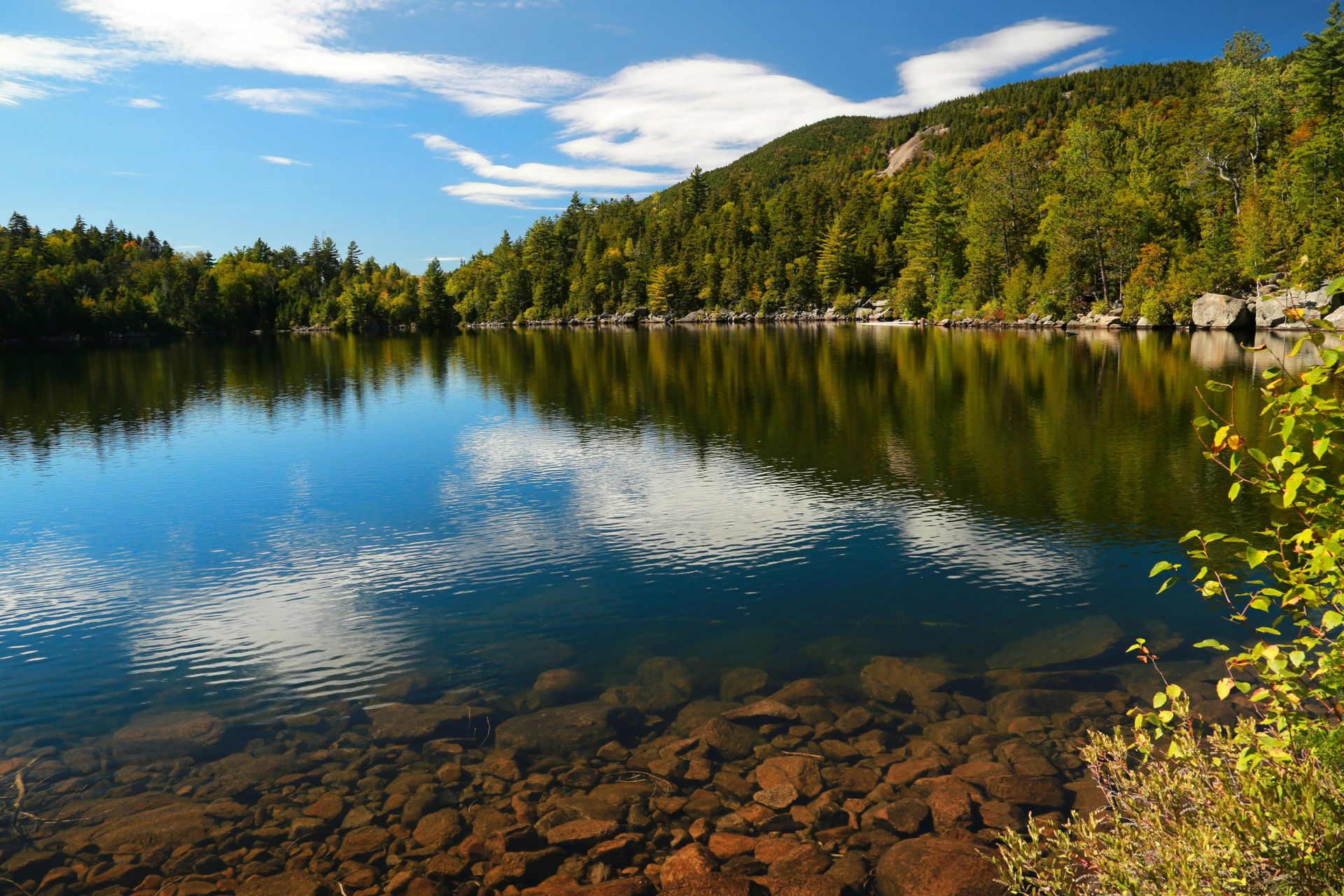
Adirondack Park covers six million acres of protected wilderness within a five-hour drive of New York City, giving city-based couples access to mountain air, lake water, and night skies that the eastern seaboard's more trafficked summer destinations cannot provide at this scale or this level of quiet. The park offers camping across multiple campgrounds for couples who want the full outdoor immersion, but the lakeside inns and chalets distributed through the Adirondacks serve the couple where one person's enthusiasm for sleeping on the ground is not shared by the other. In-room fireplaces in the cooler summer nights give these properties a specific coziness that warmer destinations cannot manufacture regardless of amenity investment.
The lakes that define Adirondack geography provide the primary summer activity structure. Canoeing, kayaking, and swimming on waters that the park's protection keeps clear and relatively uncrowded give couples an outdoor program that requires no advance booking and no particular skill level. The hiking trails that connect the peaks, the valleys, and the lake shores extend the activity range for couples with more physical ambition, and the range of difficulty across the trail system accommodates different fitness levels within the same partnership without requiring separate itineraries.
The absence of the commercial density that characterizes the Hamptons and similar New York-area summer escapes gives the Adirondacks a quality of space that the five-hour drive earns. The towns within and around the park provide groceries, restaurants, and basic services without the scene-oriented atmosphere that drives prices and crowds at more fashionable alternatives. For couples who want nature rather than the performance of nature, the Adirondacks represent the most accessible large-scale wilderness option within reach of the Northeast's major cities.
2. Santorini rewards couples who choose accommodations designed around privacy
Dan / Unsplash
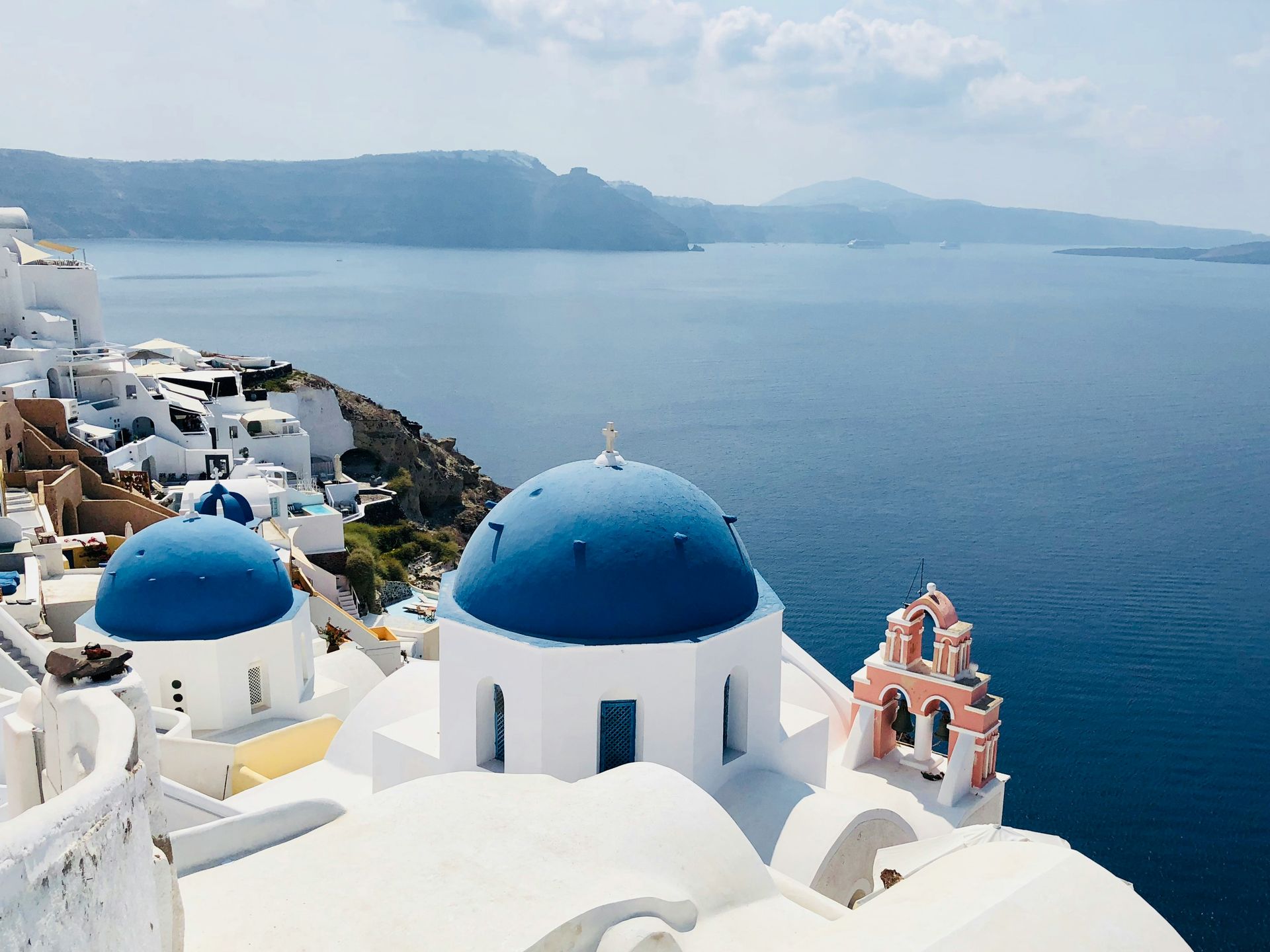
Santorini's summer crowds are real, and for couples whose priority is time together rather than time among other couples pursuing the same Instagram composition, accommodation choice determines the experience more than the island's natural setting does. Properties like Erosantorini give guests spacious suites with large private areas that function as insulation from the day-tripper density of the caldera viewpoints and the main town pathways. Domes Novos Santorini provides a private pool for each of its 50 suites and two villas, which gives the couple who books there a version of Santorini filtered through personal water rather than shared beach. Santo Mine extends the same logic, with ocean views from every private pool on the property.
The caldera views that anchor Santorini's international reputation are most effectively experienced from these private outdoor spaces rather than from the public viewpoints where the same sight requires navigating through groups of people positioned with their phones. The volcanic caldera, the deep blue Aegean beyond it, and the whitewashed buildings descending the cliff face to the water below constitute a landscape that the island's geology produced over centuries of volcanic activity, and that landscape remains worth the trip regardless of how many people are simultaneously trying to photograph it.
Summer brings the island's food and wine culture to its most active state. The local Assyrtiko wine, produced from grapes grown in volcanic soil that gives the wine a mineral character unavailable from any other growing region, is most available and most contextually appropriate on the island that produces it. The combination of private outdoor space, caldera views, and wine made from the ground beneath the hotel makes Santorini's high summer season, for couples who navigate it correctly, the most rewarding time to visit.
3. Bangkok offers couples adventure and food in one of Asia's most dynamic cities
Geoff Greenwood / Unsplash
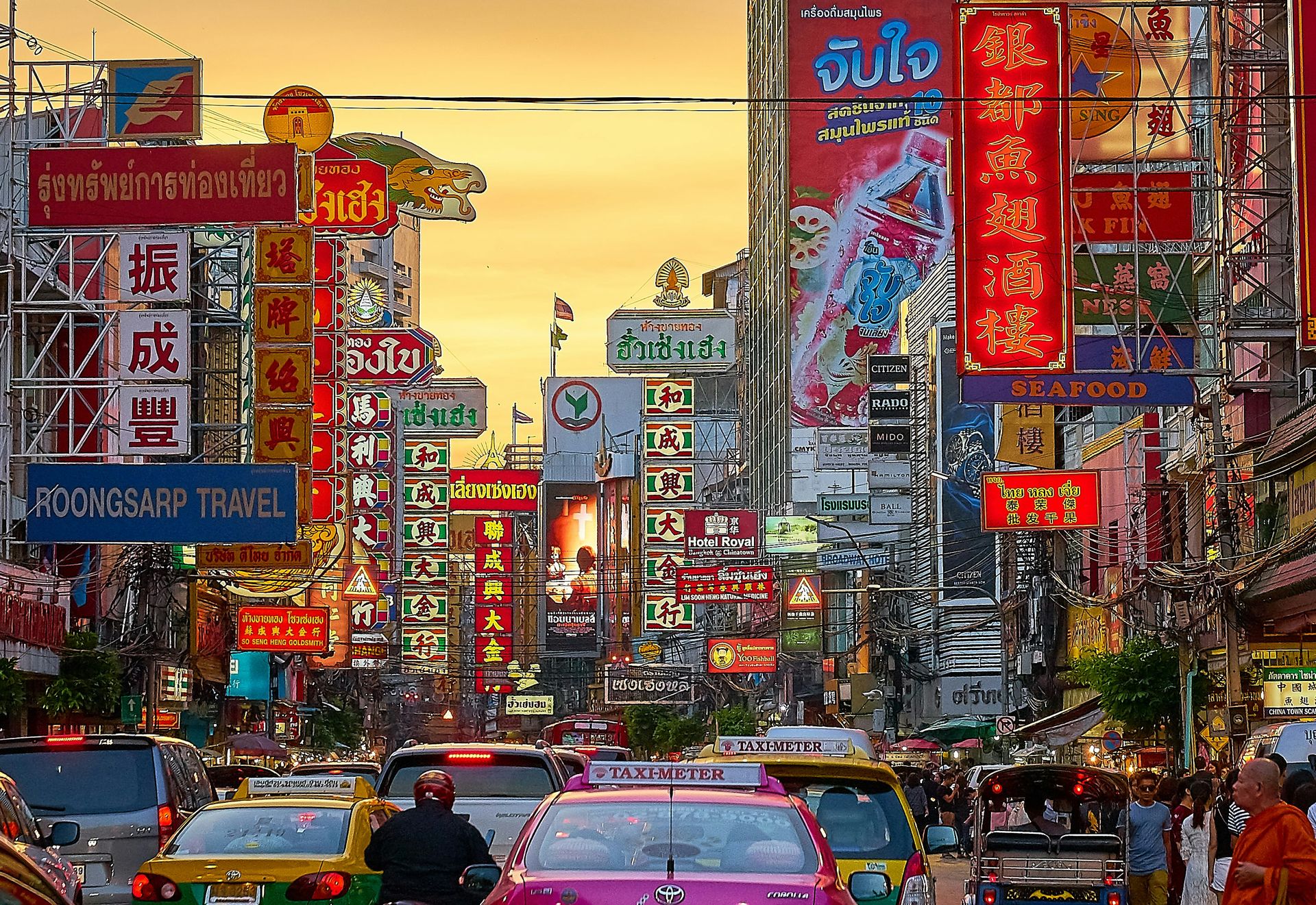
Bangkok's summer coincides with the beginning of the monsoon season in Thailand, which reduces visitor numbers and gives couples who time their visit accordingly a version of the city without the crowd density that the peak tourist months generate. The rain arrives in relatively short bursts rather than sustained downpours, leaving meaningful stretches of dry time for the outdoor activity and street exploration that Bangkok's layout rewards. The lower visitor volume during this period creates practical advantages: easier restaurant reservations, shorter queues at major temples, and a general pace of city life that reflects Bangkok's own rhythm rather than the demands of mass tourism.
The floating market on the city's outskirts provides a free morning activity that gives couples direct access to one of Bangkok's most specific cultural practices: commerce conducted from boats on the canal network that the city's older neighborhoods still use as their primary transportation and trade infrastructure. The Bangkokian Museum, dedicated to the city's early 20th-century history, gives the visit a historical dimension that the floating market's contemporary vitality complements rather than duplicates. Wat Pho, the temple complex that houses the giant reclining Buddha and the country's oldest center of public education, gives the couple interested in Buddhist architecture and history a primary destination that the surrounding Rattanakosin district extends for hours of additional walking.
The food dimension of a Bangkok couple's trip operates at a level that most cities cannot match. The restaurant Baan Ice represents the caliber of authentically executed Thai cooking available to visitors who research beyond the tourist-facing options, and the street food culture that animates Bangkok's neighborhoods at every hour of the day gives couples who wander without a reservation a continuous series of decisions about what to eat next. For couples who organize their travel around food, Bangkok in the summer monsoon window is among the most rewarding cities on any continent.
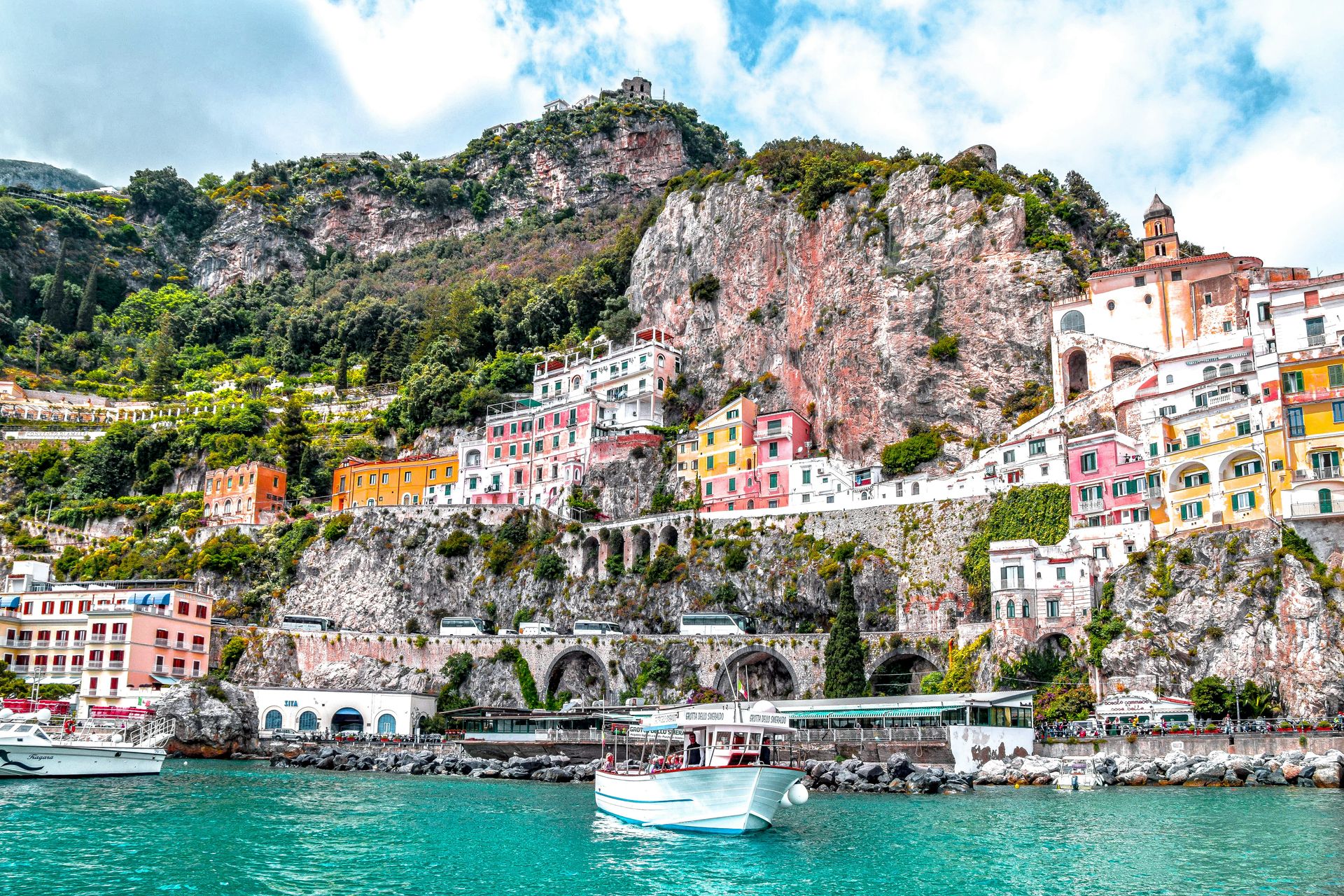
4. The Amalfi Coast gives couples the most scenic stretch of Italian summer coastline
Tom Podmore / Unsplash
The Amalfi Coast's pastel-colored villages, stacked on limestone cliffs above the Tyrrhenian Sea, provide the backdrop for a summer itinerary that moves best by water. A speedboat along the coast gives couples the perspective that the cliffside roads, however dramatic, do not produce: the full vertical relationship between the villages above and the sea below registers at a distance that only the water provides, and the captain's knowledge of secluded swimming spots gives the journey purpose beyond scenic transit. The same water that looks beautiful from above is warm enough for swimming throughout the summer months.
The hotels that the Amalfi Coast does best give couples the privacy that the coastal towns' narrow streets and terraced geography can erode if the accommodation does not address it deliberately. The Santa Caterina in Amalfi and the Grand Hotel Excelsior Vittoria in Sorrento both operate around the specific needs of guests who want the experience of the Amalfi Coast without the pedestrian density of its most visited stretches. A private balcony overlooking the water, with limoncello made from the citrus that grows on the terraced hillsides above, represents the Amalfi Coast at the register it does best.
The coast's food culture extends from the seafood that the fishing villages have prepared across generations to the citrus-inflected cuisine of the Sorrento peninsula and the wood-fired pizza that Neapolitan tradition produces at its most authoritative a short drive north. Couples with a week on the coast can eat in a different register each day without repeating either the food type or the quality level, which gives the Amalfi Coast a gastronomic variety that its scenic reputation sometimes overshadows.
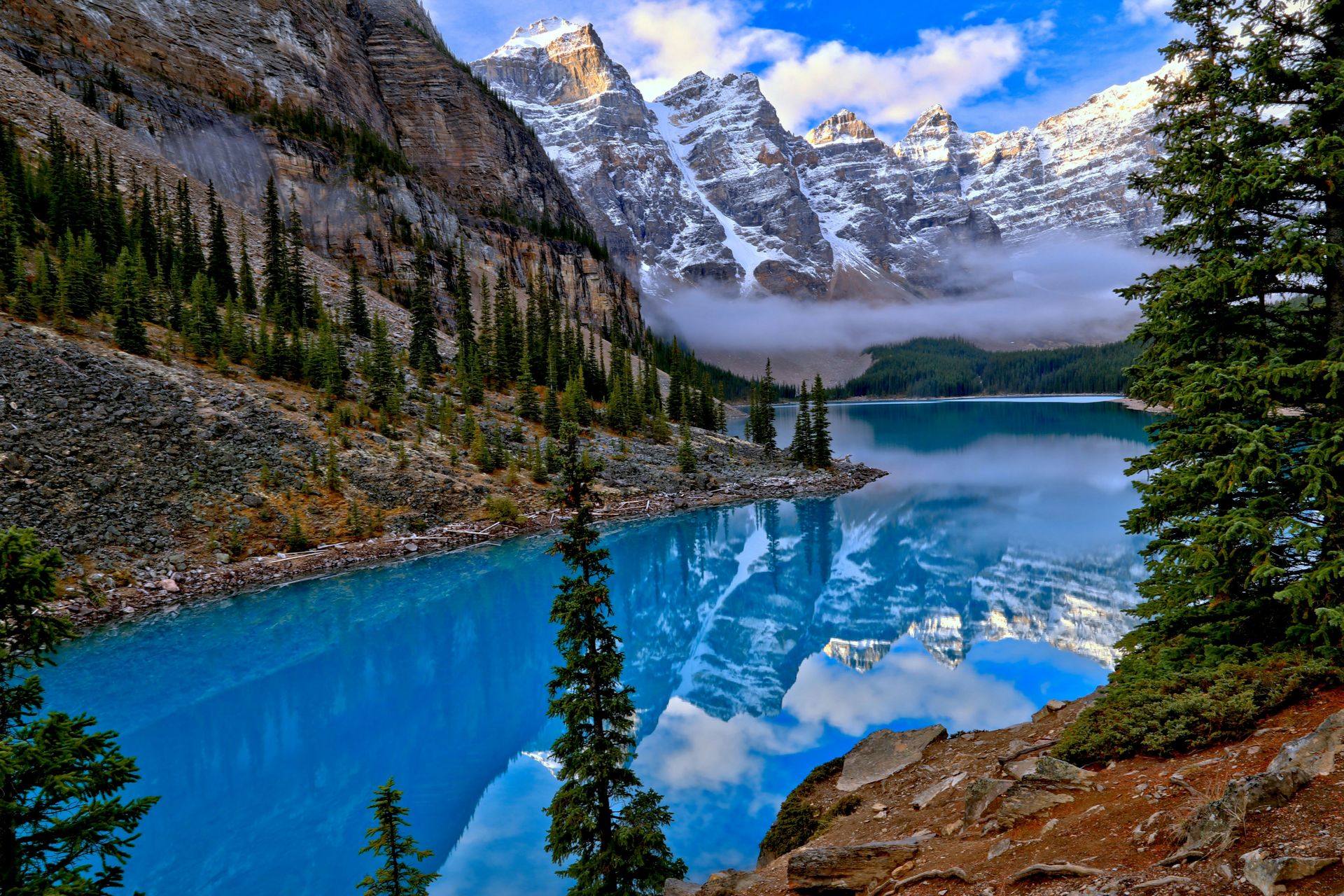
5. Banff National Park frames Canadian mountain scenery around one of the world's most beautiful lakes
David Wirzba / Unsplash
Banff National Park in Alberta holds the kind of mountain scenery that makes the word spectacular feel inadequate: the dazzling blue lakes, the snow-capped peaks, and the protected forest that connects them give couples a natural environment that photographs in ways that photographs of it somehow still fail to convey. Lake Louise, where the Fairmont Chateau Lake Louise positions guests directly on the water's edge, provides kayaking and hiking access from the hotel property that removes every logistical obstacle between a couple and the glacier-fed water the lake contains. The starting points for major hikes in the surrounding area begin steps from the hotel, which gives physically active couples an efficiency of access that more remote trail access cannot match.
Moraine Lake, a short drive from Lake Louise, offers trails from its own parking area that rise above the turquoise water to viewpoints across the Valley of the Ten Peaks. The sunrise at Moraine Lake, which the surrounding mountains frame specifically during the early morning hours, gives couples who wake early an experience of the lake in conditions that the midday visitor volume does not replicate. The lake's color, produced by rock flour suspended in glacial meltwater that refracts light at the blue end of the spectrum, deepens through the summer months as the glacier melts and the concentration of the suspended material increases.
The town of Banff provides the full infrastructure of a well-developed mountain resort: restaurants, gear shops, and spa services that give couples who want recovery between active days the options they need without requiring a separate trip to the nearest city. The Fairmont Banff Springs gives the couple who wants the town's amenities alongside a larger, more architecturally ambitious property a castle-like alternative to the lakeside chateau, set at the confluence of the Bow and Spray rivers.
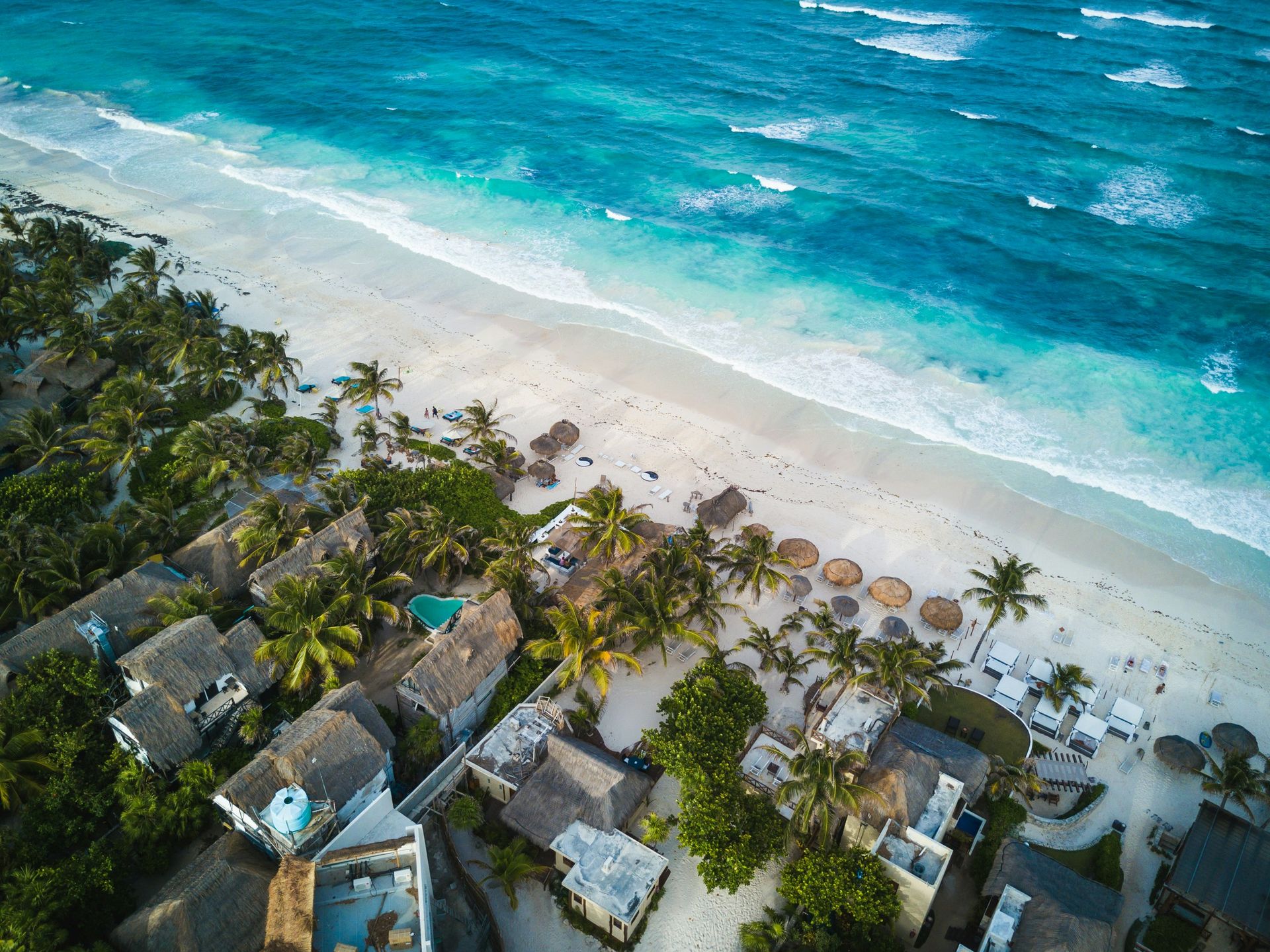
6. Tulum combines Caribbean water with Mayan ruins and boutique beach accommodation
Spencer Watson / Unsplash
Tulum's summer rainy season reduces the visitor numbers that the town's international reputation now attracts during peak months, which gives couples who visit in June, July, or August a more manageable version of a destination that the shoulder and high seasons make genuinely crowded. The warm Caribbean water remains available for snorkeling year-round, and the cenotes — freshwater sinkholes connected to underground cave systems — provide swimming conditions that the rain does not affect. The low-season timing also creates practical advantages for restaurant reservations: coveted tables at Hartwood and Arca, which the high season makes genuinely difficult to secure, become more accessible during the quieter summer months.
The boutique beach accommodation that defines Tulum's hospitality character reaches its most romantic expression in properties like Encantada, where beachside bungalows give couples a direct relationship to the Caribbean that larger resort properties, however polished, mediate through infrastructure. La Valise offers a specific experiential detail that has become one of Tulum's most discussed: a roll-out bed positioned on the beach under the stars, which gives the couple willing to sleep outside one of the more genuinely unusual sleeping arrangements available in any beach destination.
The Mayan ruins that sit on a clifftop above the sea at Tulum's northern end give the destination a historical dimension that purely beach-focused Caribbean alternatives do not provide. The ruins, visible from the water and from the beach below, are most comfortably visited in the early morning before the heat of the day builds, which gives couples who stay nearby a timing advantage that day-trippers arriving by bus cannot match. The combination of ruin site, Caribbean beach, cenote swimming, and boutique accommodation within a walkable geography gives Tulum a variety of experience in a compressed area.
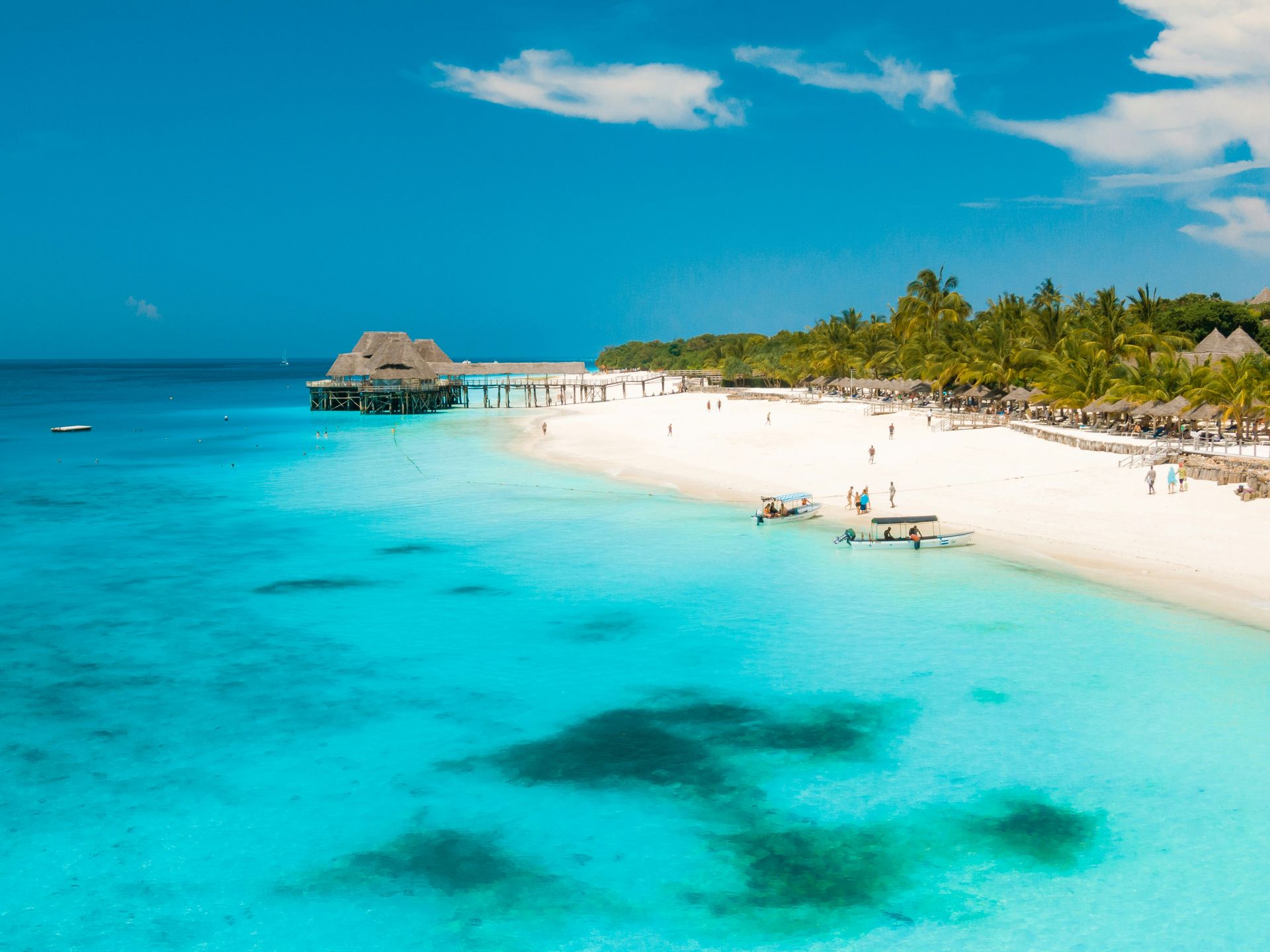
7. Tanzania offers couples the Great Migration alongside private safari lodge accommodation
Humphrey M / Unsplash
The Serengeti's Great Migration reaches its northern movement phase during the summer months, when wildebeest cross from the southern Serengeti toward the Masai Mara in Kenya in a migration that takes months to complete and constitutes the largest terrestrial mammal movement on Earth. For couples, the safari format transforms the shared experience of watching wildlife into something that the physical proximity of a game drive, a private lodge, and the landscape surrounding both amplifies into genuine intimacy: being together in front of something this large and this ancient produces a specific quality of shared attention that structured tourist experiences elsewhere rarely achieve.
The Four Seasons Serengeti places guests in private villas next to a watering hole, giving couples wildlife encounters from their own outdoor space rather than exclusively from game drive vehicles. Some safari operators arrange multi-lodge itineraries that track the migration as it moves north, which gives couples who book this format a journey that changes location as the wildlife does. The logistics of following the migration require operator expertise, but the result — waking up each morning in a different position within the ecosystem, in pursuit of the same animal movement — gives the trip a narrative arc that a fixed-lodge safari cannot produce.
For couples who have recently married, the safari context accommodates honeymoon-specific additions that the Serengeti lodges handle with experience: hot air balloon rides above the migration at dawn, private dinners arranged in the bush, and room decoration that marks the occasion without the generic execution that hotel honeymoon packages in other destinations typically produce. Tanzania does not require the occasion of a honeymoon to justify the investment, but for couples marking a specific milestone, the Serengeti provides a setting proportionate to the moment.
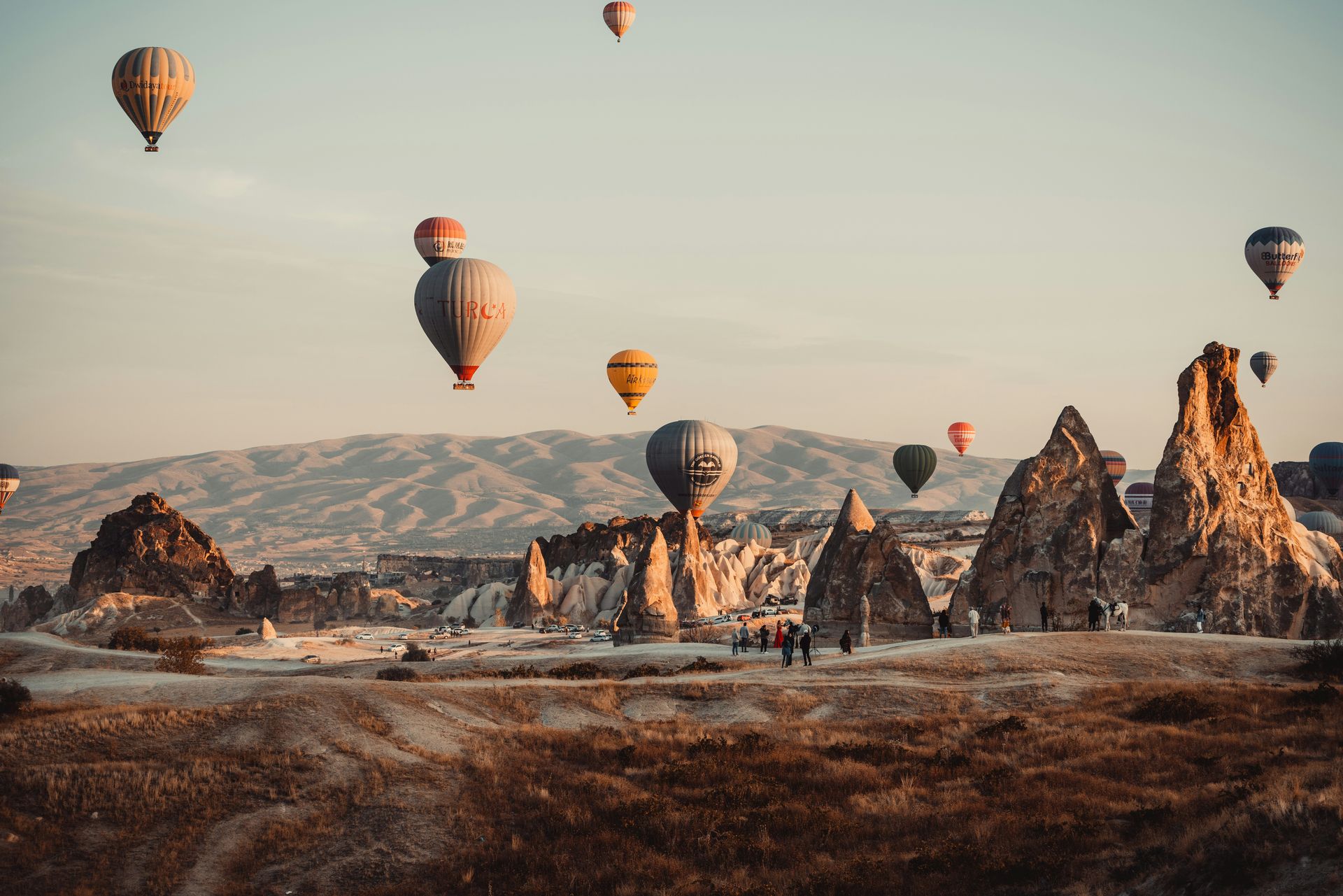
8. Cappadocia makes a hot air balloon flight above ancient rock formations the trip's centerpiece
Timur Garifov / Unsplash
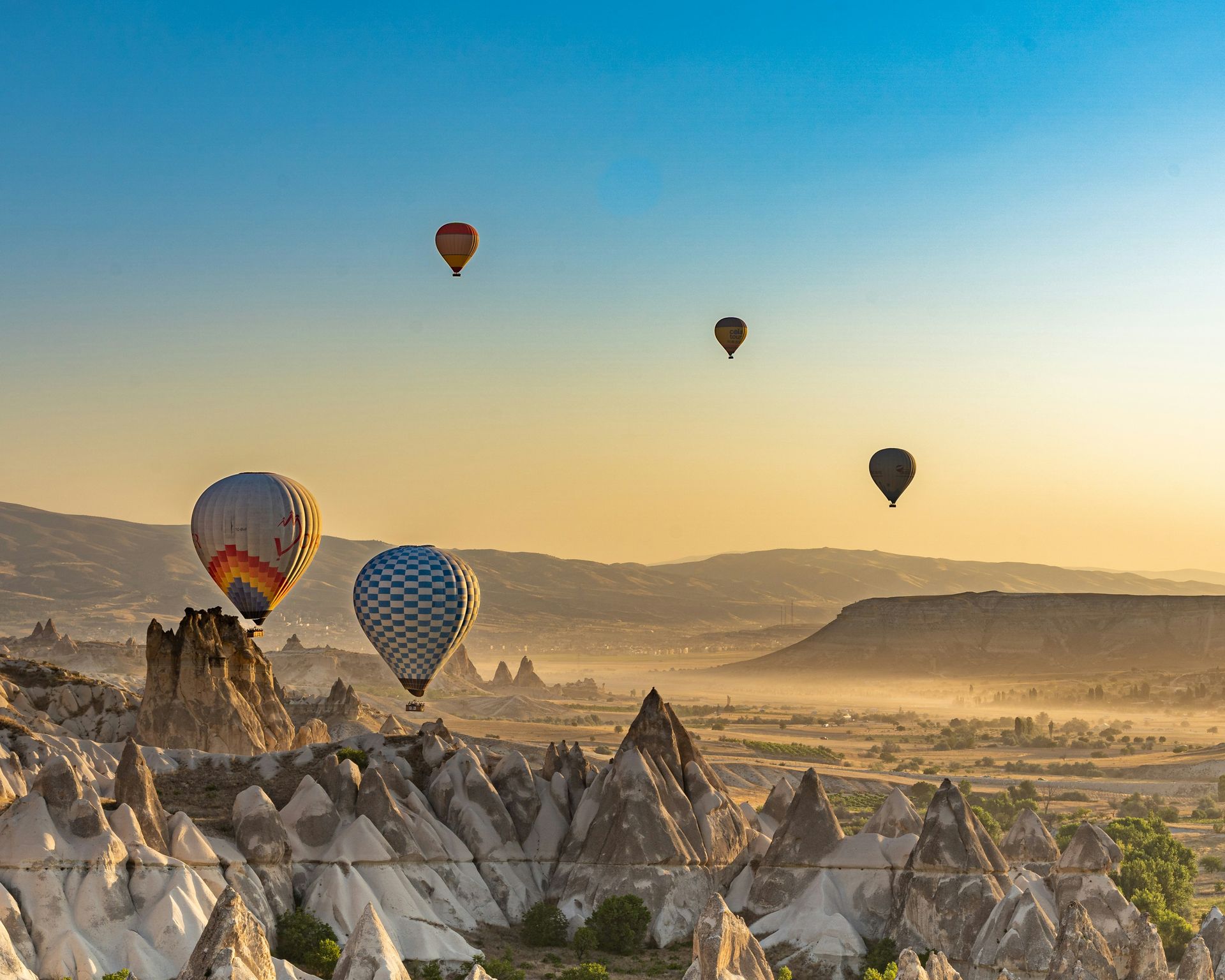
A hot air balloon flight over Cappadocia at sunrise is one of the most consistently described romantic travel experiences in any destination. The rocky spires and carved valleys of the Göreme region, seen from above in the early morning light before the heat of the day builds, produce a visual encounter that the ground-level experience of the same landscape, however impressive, does not prepare a visitor for. The flight itself provides the cooling effect that Cappadocia's warm summer days require, and the ideal weather conditions of summer give the flights a reliability of operation that the shoulder seasons, when winds can cancel departures, do not match.
The fairy chimneys — the tall, narrow volcanic rock formations that erosion has shaped into organic spires across the Cappadocian landscape — give the region a geological character specific to this part of central Turkey. Ancient churches carved directly into the rock, with Byzantine frescoes surviving inside chambers that the stone has protected across centuries, give couples who explore on the ground a historical depth that the aerial view above cannot convey at the same resolution. The combination of the balloon flight's panoramic scale and the cave church's intimate interior creates a range of encounter with the same landscape across two very different distances.
Cappadocia's cave hotels give the couple's accommodation experience a sensory specificity unusual in the luxury hotel category: sleeping in a room carved from volcanic tufa, with the temperature regulation that the surrounding stone provides and the design that the best cave hotels apply to the raw material, gives the overnight stay a physical character that no conventionally built hotel can replicate. The region's wine, produced from grapes grown in the same volcanic soil that created the fairy chimneys, provides a locally specific pairing for evenings spent in the carved landscape.
9. Iceland gives couples geothermal soaking and road trip scenery across 24-hour summer daylight
Andrey Andreyev / Unsplash
Iceland's summer sun sets around 9 or 10 p.m., which extends the usable day to a length that gives couples the time for both adventure and genuine relaxation without the compression that shorter-day destinations impose on the same ambitions. The Blue Lagoon geothermal spa, set within a moss-covered lava field on the Reykjanes Peninsula, provides the most immediately recognizable version of Iceland's thermal bathing culture: milky blue water, steam, and a landscape that looks unlike any other spa setting on Earth. The Retreat at the Blue Lagoon places guests in suites with views of the lagoon and the surrounding lava field, which gives the couple who stays there a relationship to the thermal water that extends beyond the public spa hours.
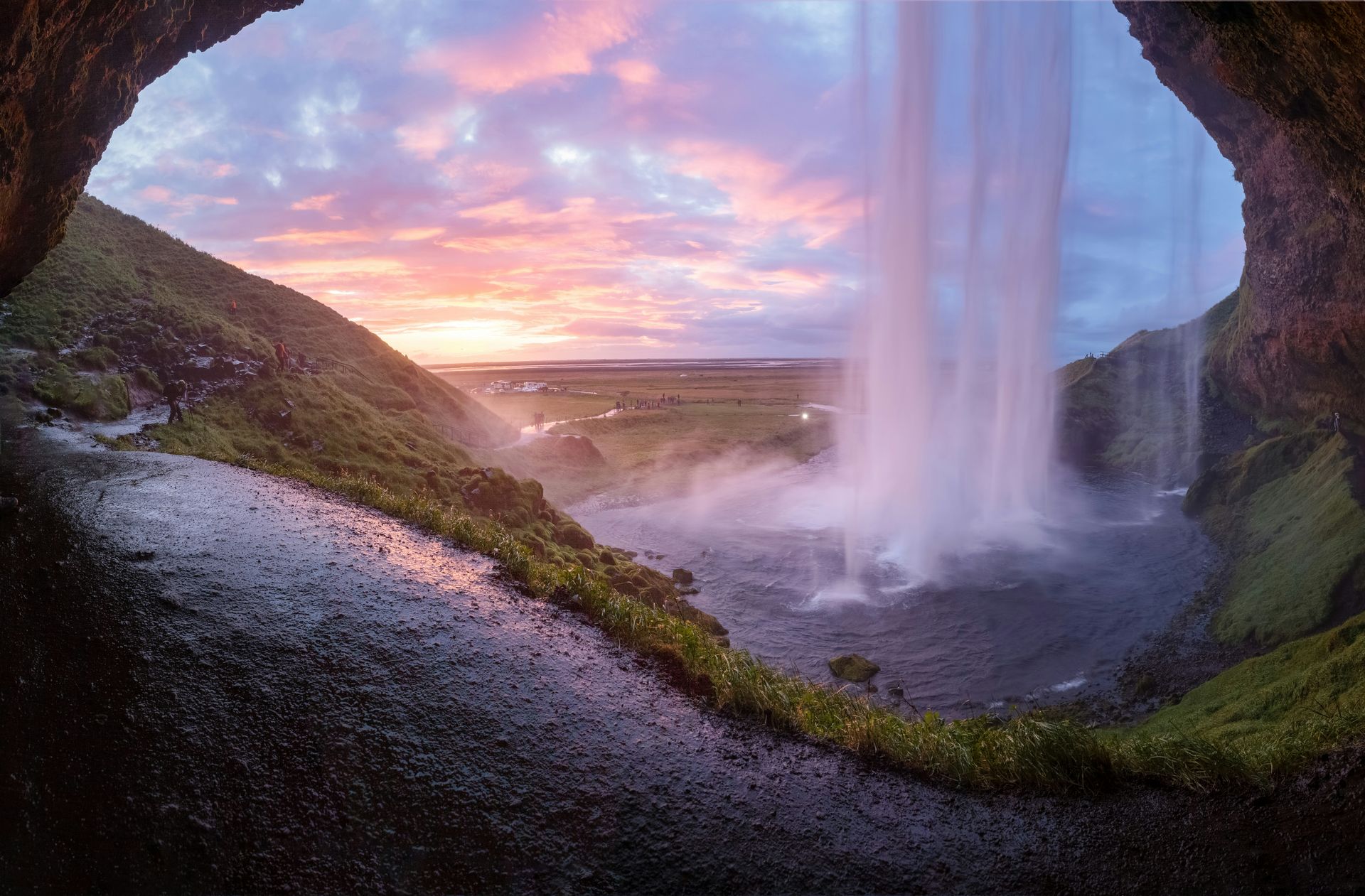
The southern coast road trip gives couples who prefer movement to resort stays an itinerary that the long summer days support. Waterfalls including Seljalandsfoss, where the path behind the curtain of water is accessible from the road, and Skógafoss, whose mist produces rainbows in the morning light, both sit along the southern coastal route within driving distance of each other. Black-sand beaches backed by glacier-carved mountains give the coast a visual drama that the geothermal activity of the interior amplifies rather than replaces. The road trip format suits the couple who generates their shared experience through movement rather than through a single fixed destination.
Iceland's accessibility from both North America and Europe gives the destination a logistical convenience that its perceived remoteness does not reflect. Flights from the U.S. East Coast and from major European cities reach Reykjavík in hours that make Iceland a viable summer trip rather than an aspirational one, and the country's infrastructure for independent travel — clear roads, well-marked hiking trails, and accommodation distributed along the ring road — gives couples without specialist experience the framework they need to move through the landscape confidently.
10. Paris provides summer-specific experiences alongside its permanent romantic infrastructure
Leonard Cotte / Unsplash
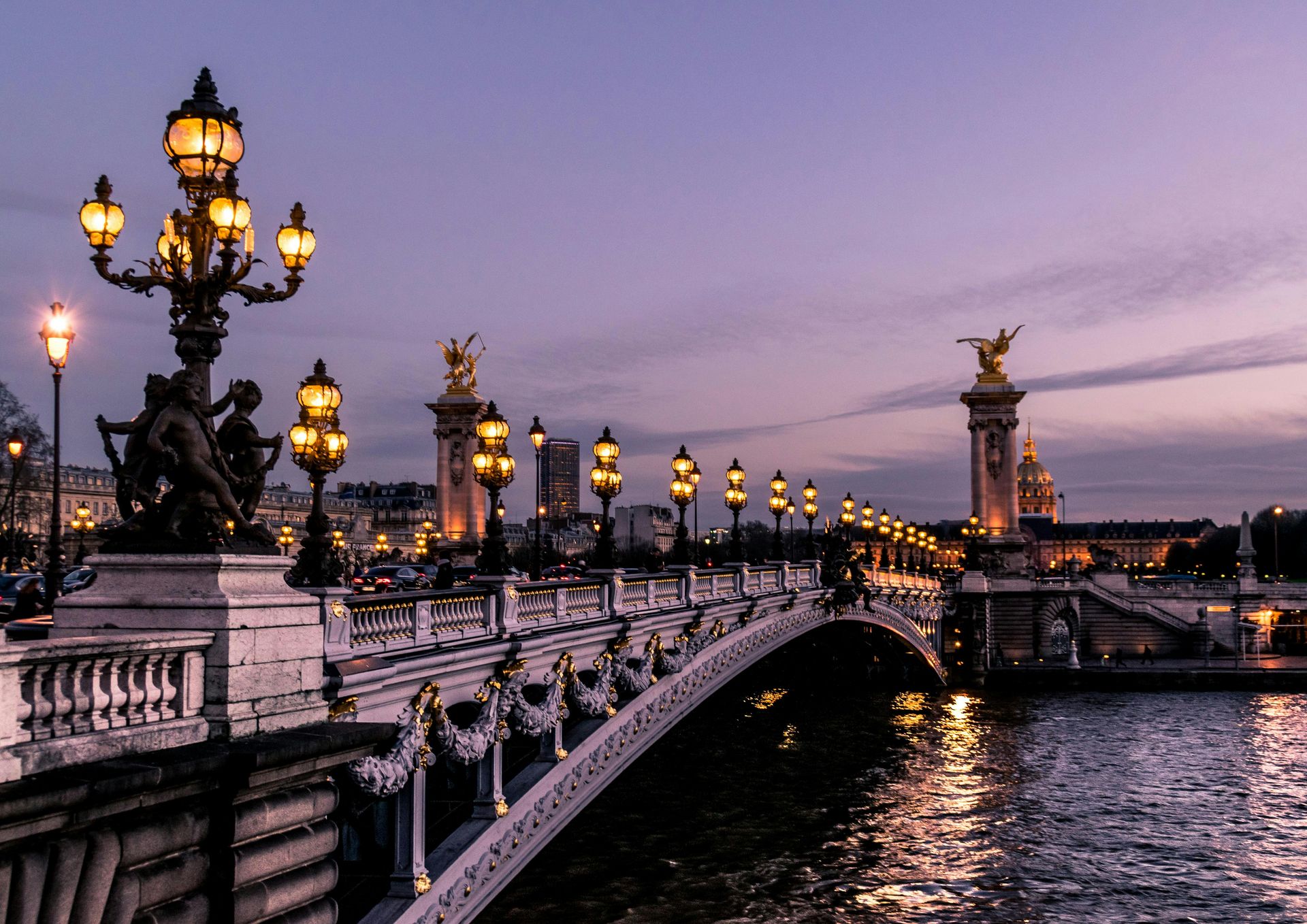
Paris in summer gives couples access to the city's permanent romantic infrastructure — the Eiffel Tower, the Seine, the sidewalk cafes, the food — alongside seasonal programming that the rest of the year does not provide. Open-air cinemas operate through the summer months, giving couples the specific experience of watching films outdoors in French, under the sky of one of the world's most cinematically documented cities. Bastille Day on July 14 brings fireworks visible from multiple points across the city and a civic celebration that the permanent resident population participates in rather than performing for visitors, which gives tourists who time their visit around the date access to a version of Paris that is genuinely for itself.
The hotel L'Hotel, whose baroque decor reflects the city's most decorative historical impulse and whose guest history includes Princess Grace of Monaco, Salvador Dalí, Frank Sinatra, and Elizabeth Taylor, gives couples who want accommodation with a cultural provenance alongside physical comfort a specific address in the Saint-Germain-des-Prés neighborhood. The concentration of significant literary, artistic, and culinary history in the streets immediately surrounding L'Hotel gives the choice of this particular accommodation a relationship to its neighborhood that generic luxury hotels in the same city cannot offer at the same density.
Summer's long days in Paris extend the outdoor options beyond what the city's spring and autumn shoulder seasons allow. The Seine riverbanks, which the city has developed as pedestrian and cycling space over the past two decades, give couples access to the river at a level that winter and early spring conditions make less hospitable. Picnicking on the Champ de Mars with the Eiffel Tower at one end of the view and the École Militaire at the other, a summer activity that Parisians and visitors share without apparent hierarchy of belonging, constitutes one of the most reliably romantic free activities available in any capital city.