
The best summer travel destinations in the U.S. aren't where you'd expect
Not every U.S. summer destination is worth the money. WalletHub ranked 100 metros on cost, access, activities, and safety to find the ones that are
Andrey Denisyuk / Getty Images
Planning a summer trip is genuinely exciting — until the costs land. Airfare, hotels, meals, and activities accumulate faster than most budgets anticipate, and the pressure to extract maximum enjoyment from limited vacation days makes destination choice more consequential than it might first appear. The difference between a memorable trip and a financially stressful one often comes down to whether the place was actually structured to deliver value. Travelers $TRV who choose on aesthetics alone tend to arrive at cities where the cost of participation is embedded in every transaction, from hotel markups to obligatory paid attractions to restaurant corridors designed for captive visitors.
What makes the decision harder is that the most-advertised places are not always the most rewarding. Coastal resort towns and internationally recognized cities carry price premiums that erode the experience for travelers without flexible budgets. Meanwhile, a cluster of metros — many in the Sun Belt, some in the Mid-Atlantic and Midwest — consistently deliver on affordability, activity density, and ease of arrival. Those cities succeed precisely because their infrastructure absorbs visitors without extracting maximum revenue at every point of contact. The data that separate them from higher-profile peers are concrete and measurable.
WalletHub evaluated 100 of the most populated metro areas in the country across six categories: Travel Costs & Hassles, Local Costs, Attractions, Weather, Activities, and Safety. Each indicator was scored on a 100-point scale, with higher scores representing more favorable conditions for summer travel. The data, collected as of April 2026, produced a composite score that separates destinations by their overall visitor value, not by prestige or name recognition alone. The 10 cities below represent the top of that field.
1. Atlanta keeps flights cheap and bars open late

Sean Pavone / Getty Images
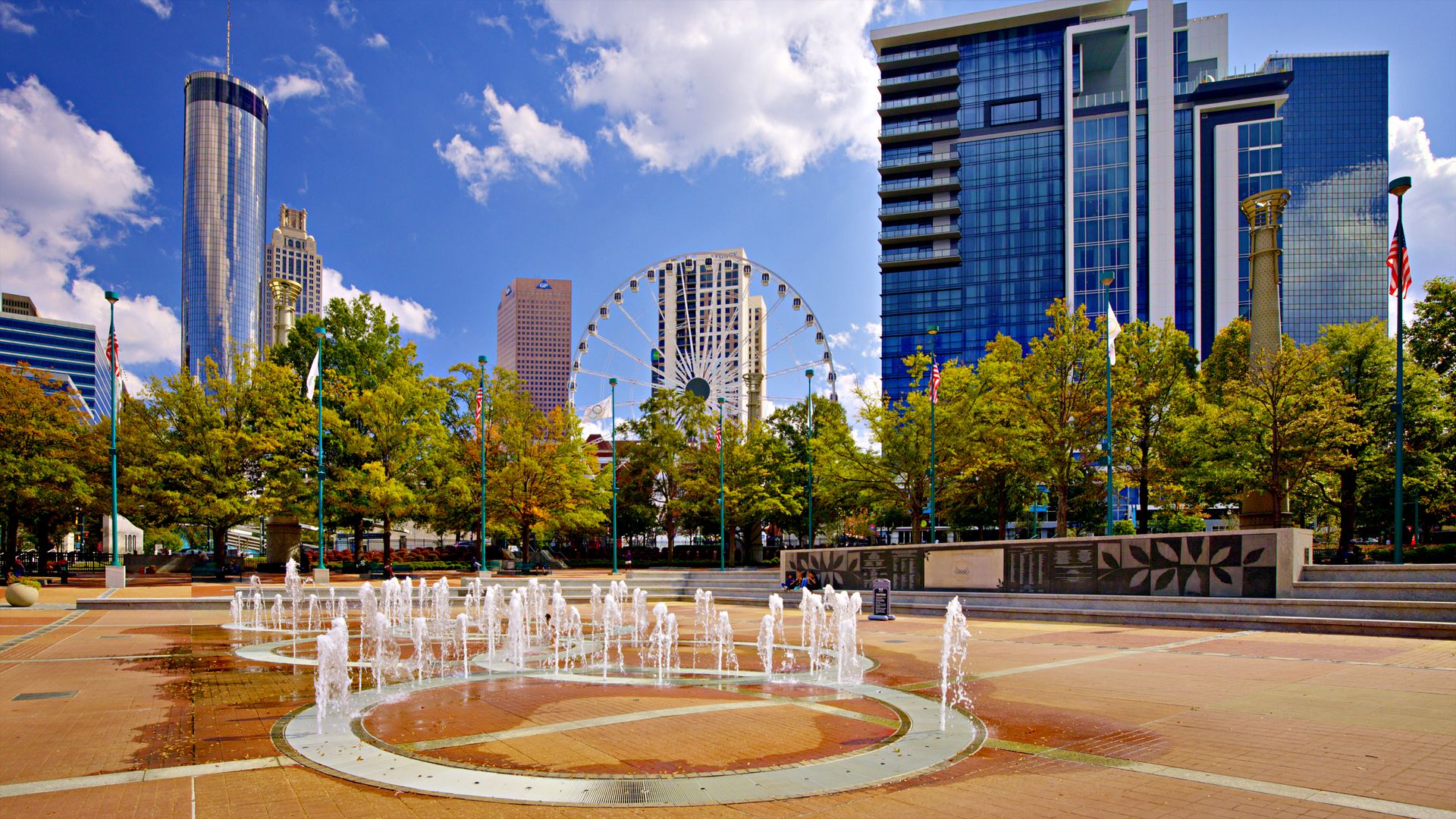
Atlanta earned the top score in WalletHub's ranking — a 69.93 out of 100 — by performing consistently well across the cost, attractions, and activities dimensions of the analysis. Travelers $TRV flying in from major U.S. hubs can reach the metro on nonstop routes and pay as little as $317 for the round trip, a figure that undercuts most other cities in the top 10 and makes the destination genuinely accessible regardless of where a traveler departs.
The city's activity profile extends well past what most visitors expect. Atlanta carries high concentrations of spas and wellness centers, shopping centers, ice cream shops, and swimming pools — a mix that serves families and solo travelers across different budgets and preferences. The breadth of that offering reflects the metro's size and economic diversity, which has attracted hospitality infrastructure that keeps spending optional. Visitors with no appetite for paid entertainment can fill days with free programming at parks, public spaces, and civic institutions before reaching for their wallets.
One metric that separates Atlanta from most other domestic destinations is its last-call time. Bars in the city serve until 4:00 a.m., a policy that places it among the most permissive in the country for nightlife. That detail might seem minor in isolation, but the Activities category weighted time of last call as one of its factors, and the metro's standing in that dimension contributed directly to its overall performance in the ranking. For travelers who plan evenings around dining, live music, and late-hour socializing, those hospitality hours extend the value of each night in meaningful ways.
Atlanta's attractions landscape reinforces its position. The metro area registered strong scores for both the breadth of available venues and their diversity, with the ranking measuring diversity through a concentration index that penalizes destinations where activity options cluster too narrowly. A city like Atlanta — with museums, historical sites, professional sports, aquatic venues, and outdoor parks — earns higher diversity marks than one with a single dominant type. That breadth matters for longer trips and for groups with varied interests.
2. Orlando holds hotel costs down and activity options open
Atlantide Phototravel / Getty Images
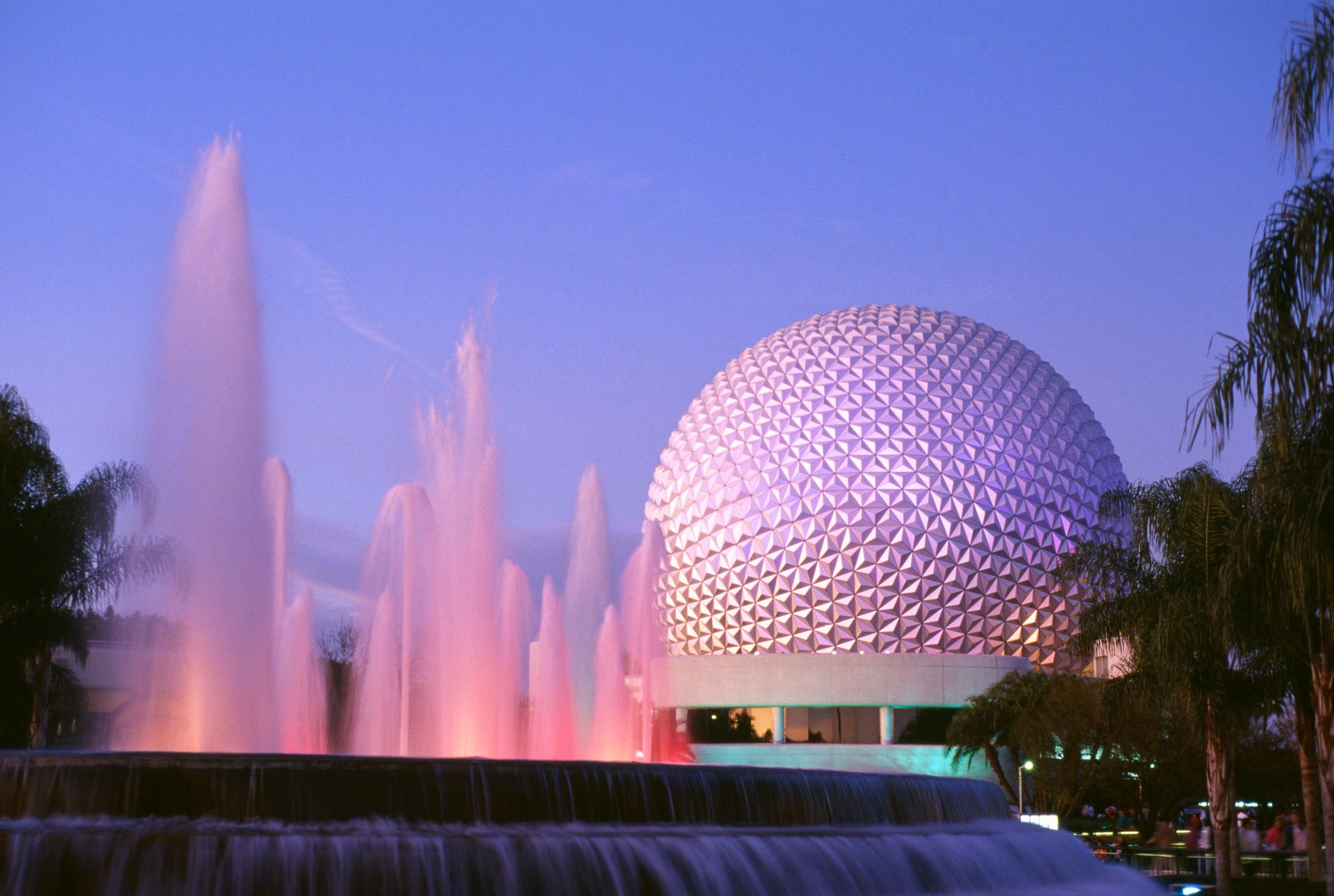
Second on WalletHub's list, Orlando scored 69.00 and owes its standing to a local price structure that defies what most visitors expect from a theme-park destination. The lowest nightly rate for a three-star hotel room in the metro area sits at $49 — a figure that puts multi-night stays within reach for budget-conscious travelers in ways that other top-tier markets cannot match. Flights into Orlando also skew accessible, with nonstop routes from major hubs available for as little as $373 round trip.
The activities infrastructure surrounding Orlando's most famous parks extends well beyond theme-park gates. The metro area holds high concentrations of water parks, boat tours, and water sports operators. Travelers $TRV who want aquatic recreation have options that do not require park admission. Ice cream shops, coffee shops, shopping centers, and spa facilities also appear in high density, providing leisure options across a wide price range.
Orlando doesn't just have the most to do. It has the most to do across the widest range of categories of any city in the analysis. Activity density, as WalletHub defines it, measures both the volume of venues and their spread across specific types: amusement parks, water parks, and affordable highly rated restaurants among them. Leading across multiple types simultaneously is harder to achieve than leading in one, and Orlando does it because the region's hospitality market is purpose-built for competition. Hotels, restaurants, and entertainment operators price against one another aggressively, and the visitor benefits from it.
Orlando is cheaper on the ground than its reputation suggests. The city scores well on local costs — price of living, gas, hotel rates, and the average two-person meal — and on all four it holds a position most visitors wouldn't predict for a place built around large-scale entertainment. The gap between what people expect to spend and what they actually spend is measurable and wide.
3. Austin stays affordable and packs in plenty to do

John Coletti / Getty Images
Austin ranks third overall with a score of 68.22, and it earns that position the hard way: by being both affordable and packed with things to do. Flights in run at least $397 round trip, a little more than Atlanta or Orlando, but still competitive against the rest of the top 10.
The restaurant environment in Austin is a measurable advantage. The metro area holds a high concentration of affordable restaurants rated at least 4.5 stars on the platform WalletHub used for its analysis. That rating density signals that quality dining is accessible without requiring premium spending. The advantage matters because food expenses compound quickly on multi-day trips, and destinations where high-rated affordable options are scarce push visitors toward expensive meals as the default.
Austin's attractions inventory spans cultural venues and outdoor infrastructure in ways that few metros its size can replicate. The Bullock Texas State History Museum anchors the city's museum offerings, while music venues, food festivals, hiking trails, and shopping centers fill out a calendar that accommodates different interests across a full week of travel. The Activities category measured these assets per capita and in aggregate, and Austin's performance there placed it among the most active metros in the analysis.
The price of living in Austin remains lower than in many other major U.S. cities of comparable name recognition. That gap shows up in everyday traveler spending: gas, groceries, incidentals, and the kind of unplanned purchases that accumulate over a trip all tend to run cheaper there than in coastal peers. Austin doesn't lead any single category in the ranking, but its scores cluster high enough across all of them that the gap between what a trip costs and what it returns stays favorable from the first day to the last. That consistency is harder to find than a single standout feature, and for a multi-day trip it matters more. Travelers $TRV can see and do everything Austin offers without blowing their budget on any single category of attraction.
4. Washington offers free museums and competitive flights

Visions of America / Joe Sohm / Getty Images
Washington, D.C.'s fourth-place finish with a score of 67.22 comes down to cheap flights and attractions. It is among the best-connected cities in the analysis, staying within easy, inexpensive reach of every major U.S. departure point.
The attraction ecosystem in Washington draws its depth from federally funded institutions, historical sites, and private galleries working in proximity. The Smithsonian complex alone provides free admission across more than a dozen museums. That access substantially reduces the out-of-pocket expense of filling a day with high-quality experiences and shifts spending pressure away from entry fees toward food, transportation, and lodging — line items more easily managed by budget-aware travelers.
Washington has more free things to do than almost any other city in the country. The metro area holds high densities of music venues, food-related events, parks, and walkable districts connecting major landmarks. The National Mall alone links major monuments and museum campuses in a continuous free corridor that most comparable cities cannot replicate. A visitor who spends multiple days there can exhaust free programming before needing to purchase a single admission ticket.
Local expenses in the Washington metro are elevated. The analysis placed the area near the high end of the Local Costs rankings across all 100 metros. Hotels, meals, and ground transportation in the D.C. core run above the national average, and that condition presses against the value proposition for budget-aware travelers. The airport access advantage partially offsets that burden, and visitors who stay in adjacent Virginia or Maryland communities — outside the District proper — can access the attraction inventory at a meaningfully lower accommodation price. The metro's overall fourth-place finish reflects a destination where strong access and deep attractions outweigh elevated local prices in the aggregate scoring model.
5. Honolulu shines on weather and flights but costs plenty

John Seaton Callahan / Getty Images
Getting to Honolulu, which ranks fifth overall with a score of 67.12, is cheaper and easier than most people expect. Flights from every major U.S. hub arrive direct and at competitive prices. The sharp contrasts come on the other side of the trip. Once you land, Hawaii is among the most expensive places in the dataset to spend a day.
Weather is Honolulu's most consistent structural advantage. The ranking used WalletHub's separate cities-with-the-best-weather analysis as its weather input, and Honolulu led that measure across all 100 metros — a result that reflects the Hawaiian Islands' year-round mild temperatures, low humidity relative to mainland coastal cities, and the absence of extreme heat events that affect Sun Belt destinations during the summer months.
The Activities category further strengthens Honolulu's case. Water temperature was one of the metrics in that category, used as a proxy for coastal and aquatic recreation quality, and Honolulu's ocean conditions during summer rank among the highest in the dataset. Public beaches, boat tours, and water sports operators appear in high density relative to the metro's population, and the city finished among the top performers in Activities across all 100 metros. Beach quality, ocean access, and activity infrastructure together explain the sustained demand Honolulu generates among U.S. travelers.
The local price burden is severe. Hawaii's Local Costs ranking placed the metro second-worst in the entire dataset. The price of living, hotel rates, gas, and meals in Hawaii reflect the state's geographic isolation and its dependence on imported goods and fuel. Visitors who arrive without a detailed budget encounter daily expenses that compound quickly. The fifth-place finish indicates that extraordinary advantages in weather, access, and activities are strong enough to carry the metro into the top five despite a financial burden that disqualifies it from the leading position.
6. Tampa leans on Gulf geography and reasonable daily costs
Pgiam / Getty Images
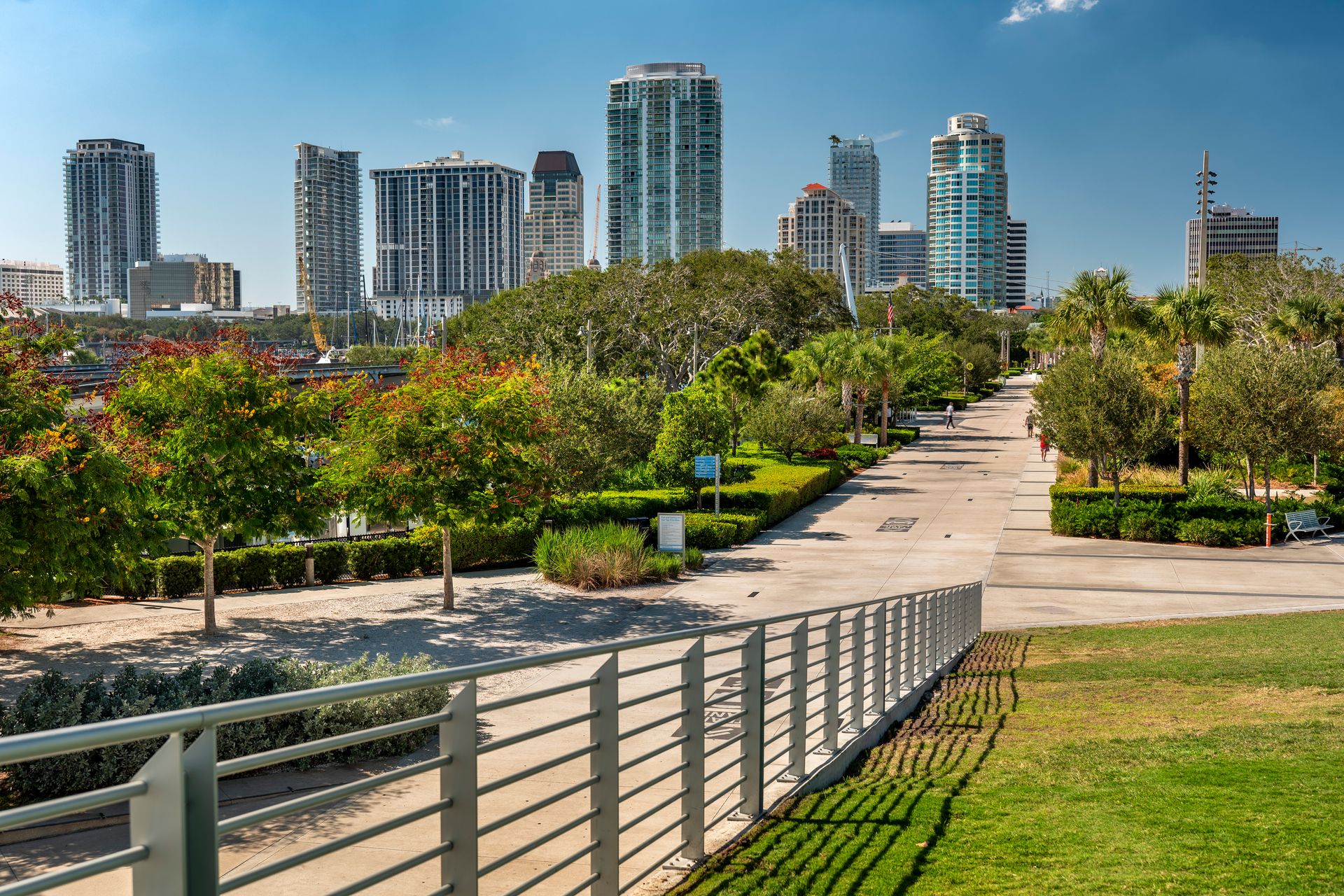
Tampa is one of the safer cities in the top 10, and its sixth-place finish with a score of 65.73 shows it. Safety shapes a trip in ways that aggregate scores understate. Visitors who feel comfortable moving through a city's neighborhoods and attractions stay longer, spend more freely, and get more out of the destination.
The Gulf Coast location gives Tampa's leisure ecosystem a natural aquatic base. The metro area holds measurable concentrations of water parks and boat tour operators, assets that exploit the Tampa Bay geography and the Gulf of Mexico coastline directly west of the city. That access diversifies the recreational menu beyond theme parks and cultural institutions and gives the destination a seasonal advantage during summer, when outdoor and marine activities draw high demand.
Tampa is affordable without being cheap. Hotels, meals, and daily spending run in the middle of the 100-city field. That middle position is more useful than it sounds. It means visitors aren't rationing meals or skipping activities to stay within budget. They're also not absorbing the kind of daily expense that shortens trips in higher-cost markets like Miami or New Orleans.
Tampa's flights are competitive but not cheap. Travelers $TRV coming from the West Coast or cities without direct service will pay more to get there than they would to reach Atlanta or Philadelphia. The city makes up for it on the ground — safety, water access, and moderate daily costs add up to a destination that holds its value across a full trip.
7. Philadelphia runs cheap on flights and rich on history

Cavan Images / Paul Giamou / Getty Images
Philadelphia is one of the cheapest cities in the analysis to fly into, and it ranks seventh overall with a score of 65.26. Flights from every major U.S. departure city arrive with few or no connections at prices that undercut most comparable metros.
What you find when you land is one of the densest historic corridors in the country. Independence Hall, the Liberty Bell, and the surrounding Old City neighborhood sit within walking distance of each other and cover days of programming without requiring a single paid admission. The analysis measured both the number of attractions and their variety, and Philadelphia scores among the strongest metros in the dataset on both counts. That depth means a multi-day visit fills itself.
The food scene adds another layer. Philadelphia has a high concentration of affordable restaurants rated 4.5 stars or above — enough that eating well on a budget is the norm rather than the exception. That matters across a full trip. Daily meal costs are one of the fastest ways a travel budget erodes, and Philadelphia is a city where the best options are not the most expensive ones.
Local costs are the weak point. Hotel rates and meal prices in Center City run above the national average, and visitors who stay and eat there will feel it. The city has a practical answer to that: SEPTA connects outer neighborhoods and surrounding communities directly to the historic core, and accommodation prices drop significantly once you step outside the central district. Philadelphia is also one of the few major U.S. cities where a visitor can spend several full days on entertainment without paying much for it. The free and low-admission historic sites cover enough ground that the daily entertainment budget stays low even when the hotel bill does not.