
From a budget-friendly Honda CR-V to a Jeep Wrangler for buyers who want genuine off-road ability, the best alternatives to the 2026 Subaru Outback
Credit: Subaru
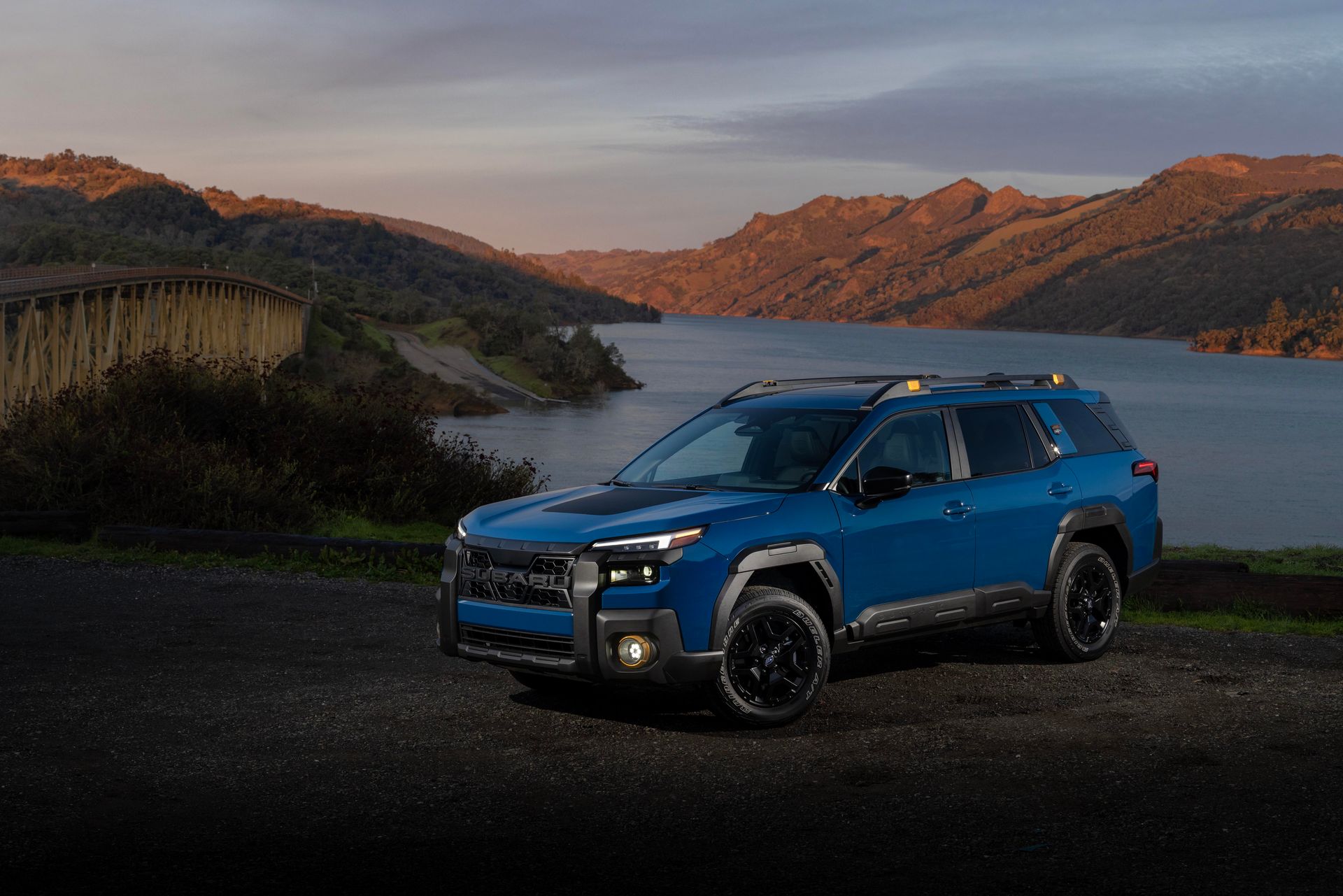
The recently redesigned 2026 Subaru Outback has shifted decisively away from its wagon roots, and Subaru now openly markets the vehicle as a midsize SUV instead of the station wagon many longtime buyers still associate with the nameplate. From a sales perspective, that shift makes considerable sense for Subaru, and the redesigned Outback checks most of the boxes expected of a well-rounded midsize SUV, offering a strong mix of everyday capability, refinement and surprising all-terrain ability for weekend adventures.
Even so, the Outback’s boxier new design won’t suit every buyer’s taste, and the model runs pricier than last year’s version. Shopping around before committing to any single vehicle always pays off, and the Outback faces considerable competition from equally talented rivals across several different price points and vehicle categories.
The 10 vehicles below appear in U.S. News & World Report's list of the best alternatives to the Subaru Outback. They range from smaller, budget-friendly compact SUVs to considerably more capable off-road-focused models, giving shoppers real range across price, size and intended use. Several entries also come from Subaru’s own lineup, giving loyal Subaru buyers genuine options within the brand if the redesigned Outback’s styling doesn’t land with a particular shopper. Comparing warranty coverage, standard safety features, and total cost of ownership across these alternatives matters as much as comparing sticker price alone, since a lower upfront cost doesn’t always translate into better overall value once maintenance and fuel costs come into play. Several manufacturers on this list also back their vehicles with meaningfully different warranty lengths, so checking coverage terms directly against the Outback’s own considerable standard warranty and full roadside assistance package helps buyers weigh long-term costs accurately and realistically before signing any final paperwork on a purchase decision.
Credit: Subaru
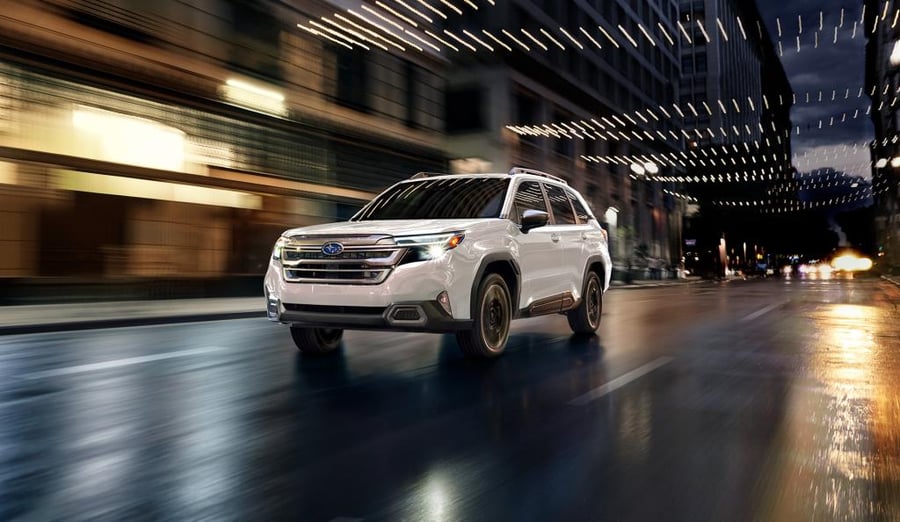
With boxy styling, a spacious cabin and standard all-wheel drive, the Subaru Forester ranks as the closest thing to the Outback currently on the market, starting at $29,995 with a U.S. News Rating of 8.6. Buyers unsure about the redesigned Outback’s new looks may find the Forester considerably more familiar, and both vehicles are available in extra-rugged Wilderness trim for buyers wanting additional off-road capability.
The Forester serves as a value-oriented compact SUV that handles most tasks well, and few small SUVs match its versatility, especially given its standard symmetrical all-wheel-drive system and terrain management technology, which enhance capability across varying conditions. The Forester stays comfortable and refined throughout, backed by a solid list of standard safety features across the lineup.
The Forester is a decent alternative to the Outback in terms of size and price, though it falls short in outright performance. The gas-powered Forester shares its engine with the base-model Outback, though the Outback offers a more powerful turbocharged engine option that the Forester lacks entirely. The separately reviewed Forester Hybrid delivers more power and better fuel economy than the standard gas version, giving buyers an additional powertrain option worth considering.
This particular pairing of familiar styling and considerable value gives the Forester real appeal for Outback shoppers hoping to stay within the Subaru lineup while spending considerably less on a smaller vehicle. Subaru has sold the Forester for multiple generations without straying far from its practical, boxy formula, giving the model considerable brand recognition among buyers who value predictable, low-drama ownership over flashier styling. Buyers should compare the Forester’s standard all-wheel-drive system directly against competitors that offer it only as an option, since this particular feature often adds considerable cost elsewhere in the segment. Comparing warranty terms across a few competitors also helps buyers weigh long-term ownership costs beyond the initial purchase price. This small comparison often reveals meaningful differences in total cost of ownership over several years.
Credit: Mazda
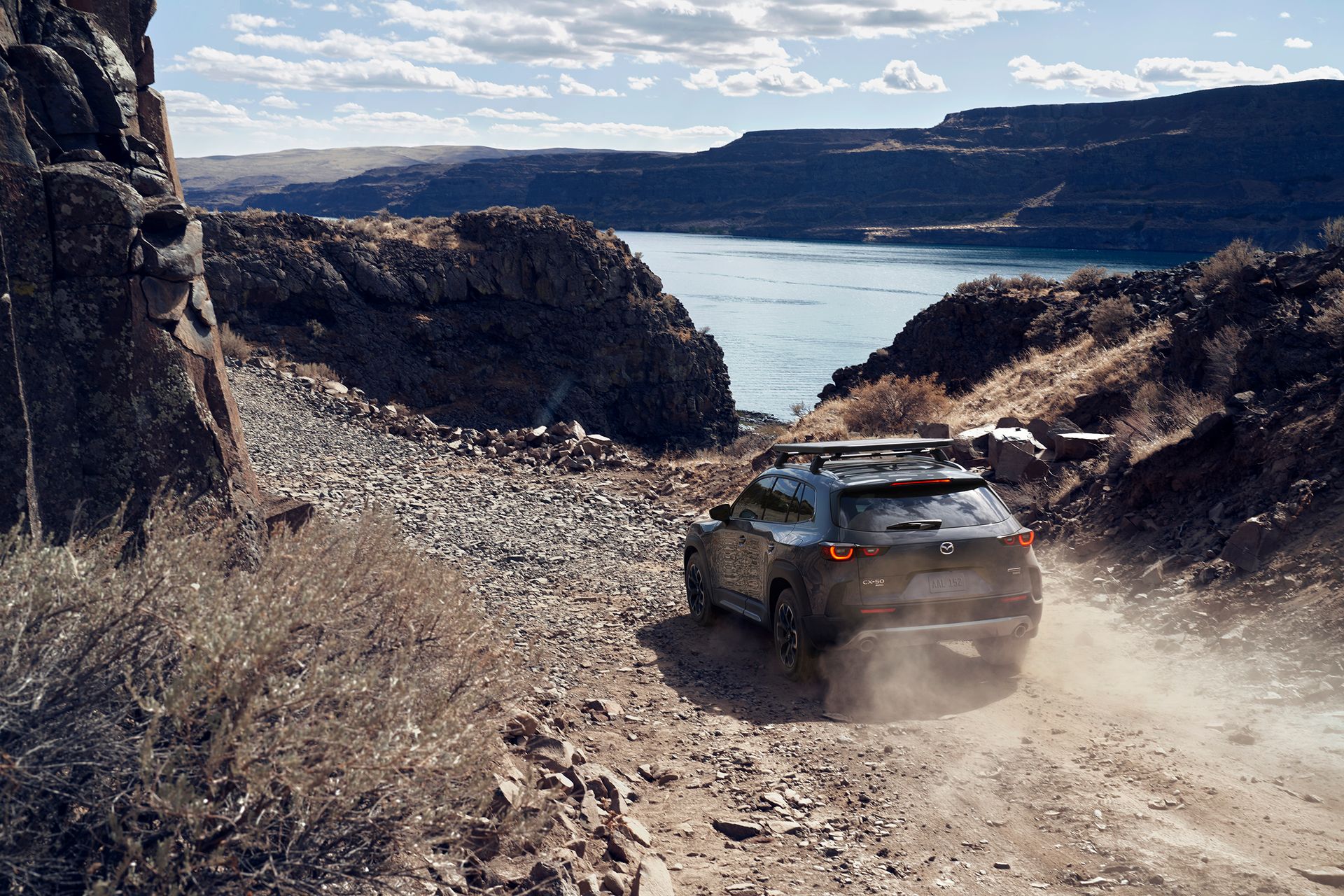
Mazda’s CX-50 offers a compelling option for buyers seeking a budget-friendly midsize SUV, starting at $29,900 and earning a U.S. News Rating of 8.8. The smaller Crosstrek previously held this budget recommendation, though buyers cross-shopping the Outback typically want more size and family-hauling capability than the diminutive Crosstrek can offer.
The CX-50’s upscale styling makes it look considerably more expensive than its actual price suggests, and the vehicle ranks among the most fun-to-drive options in its class, thanks to notably responsive steering feedback and handling. Mazda loads the CX-50 with standard safety features and includes all-wheel drive across the entire lineup, giving budget-conscious buyers considerable standard equipment without needing to upgrade trims.
The CX-50 isn’t perfect, suffering from below-average cargo capacity and an infotainment system that takes some practice to feel intuitive. Even so, the SUV ranks as a class favorite among many reviewers and delivers a consistently enjoyable driving experience regardless of its specific shortcomings.
Base trims come with a naturally aspirated four-cylinder engine. At the same time, upgraded models feature a turbocharged four-cylinder instead. In either case, the CX-50’s considerable agility and athleticism help it stand out from competing compact SUVs in the same price range. Mazda positions the CX-50 as a slightly more rugged counterpart to the brand’s considerably more road-focused CX-5, giving buyers a genuine choice between two similarly sized compact SUVs depending on how much off-road capability actually matters to them. Buyers should test the CX-50’s infotainment system in person before purchasing, since the learning curve reviewers mention doesn’t always come across in written descriptions alone. Loading the cargo area with typical gear beforehand also reveals whether the below-average capacity actually matters for a given buyer’s needs. This simple test avoids buyer’s remorse for anyone planning to transport bulky items regularly. A weekend errand run with a full trunk load tells buyers more than any spec sheet number alone. A quick loop through a familiar parking lot also reveals how the infotainment controls feel during real use.
Credit: Toyota
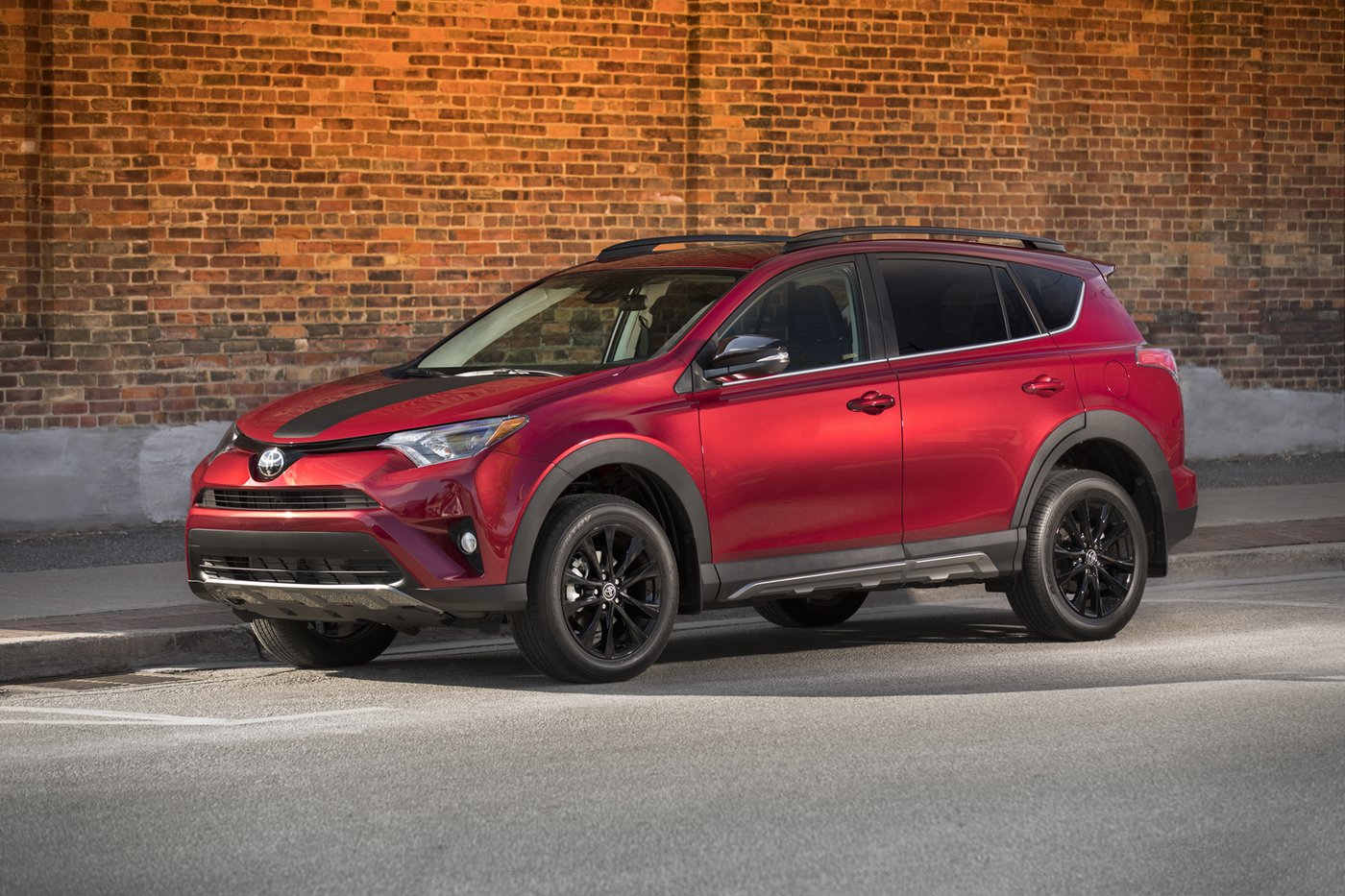
The sixth-generation Toyota $TM RAV4 arrives fully redesigned for the 2026 model year, starting at $31,900 with a U.S. News Rating of 8.3. This popular compact SUV now comes standard with a hybrid powertrain. The RAV4 ranks as the most fuel-efficient vehicle on this list, with fuel economy ratings up to 44 mpg combined, and it holds considerable global significance as the world’s bestselling passenger vehicle and the bestselling non-pickup vehicle in the United States.
The redesigned RAV4 runs more powerfully and more efficiently than previous generations, and its infotainment system ranks among the better units currently available on the market. A four-cylinder engine anchors the powertrain, augmented by either a pair of electric motors in front-wheel-drive configurations or three motors for all-wheel-drive versions, giving buyers genuine flexibility depending on their specific drivetrain preference.
Reviewers note the RAV4’s upscale styling and agreeable driving dynamics throughout testing, and the interior feels notably premium in the top trims. However, considerable value remains in the lower-LE and SE models for budget-conscious buyers. An off-road-oriented RAV4 Woodland trim recently earned recognition as Best Hybrid SUV for Off-Roading, giving adventure-focused buyers a dedicated option within the broader RAV4 lineup.
This particular pairing of class-leading fuel economy and considerable global sales success gives the RAV4 real standing as one of the most broadly appealing Outback alternatives on this entire list. Toyota’s decision to make hybrid power standard across the entire RAV4 lineup reflects a broader industry shift toward electrification, and the considerable fuel savings this change delivers should meaningfully lower running costs for most owners over a typical ownership period. Buyers comparing trims should pay close attention to drivetrain configuration, since the specific motor count and fuel economy figures shift depending on whether a given RAV4 comes in front- or all-wheel drive. Calculating expected annual fuel savings relative to a gas-only competitor also helps buyers assess whether the hybrid premium pays for itself over time.
Credit: Ford
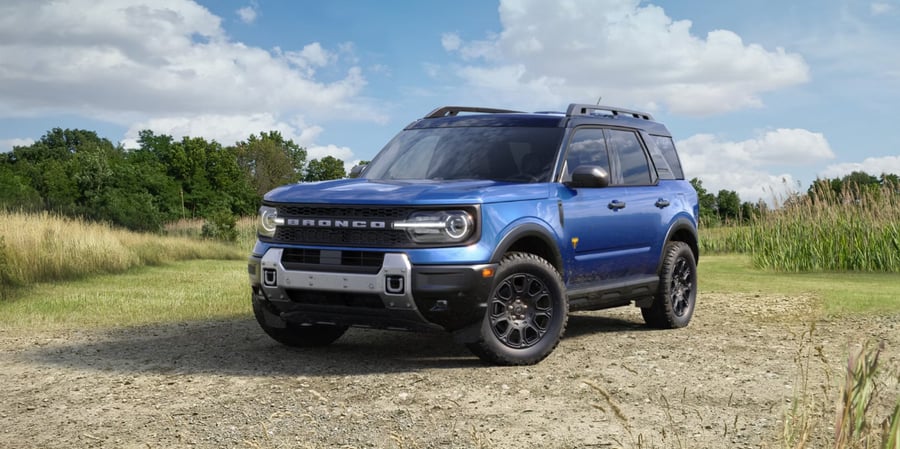
The Ford $F Bronco ranks as the most capable off-roader on this list, starting at $40,795 with a U.S. News Rating of 8.4, though it is also the least comfortable option for daily driving. Buyers cross-shopping against the Outback need to decide whether they want the Bronco’s considerable all-terrain capability or whether they’d prefer something roomier and more fuel-efficient instead.
Choosing the Bronco means getting an old-school off-roader equipped with four-wheel drive, a choice of three different EcoBoost engines depending on trim, including an inline-four, a V6 and a V8, and a wide range of trail-tackling enhancements throughout the lineup. Reviewers testing the Bronco off-road describe genuine confidence when tackling difficult terrain, noting that muddy and rocky trails barely challenged the vehicle, with the Bronco keeping the ride stable and relatively comfortable throughout.
This particular emphasis on considerable off-road capability comes with real tradeoffs for buyers prioritizing daily comfort, since the Bronco’s off-road-focused suspension and considerable ground clearance don’t translate into the smoothest possible highway experience.
Buyers should test-drive the Bronco directly on the terrain they most often encounter, since its considerable off-road strengths may not matter as much for buyers who rarely leave paved roads. Ford revived the Bronco nameplate mainly to compete with the Jeep Wrangler, and the considerable rivalry between these two off-road-focused SUVs has pushed both manufacturers to continue improving their respective vehicles’ trail capability year over year. Buyers should also budget for considerable fuel costs, since the Bronco’s off-road-focused engineering generally returns lower fuel economy than more road-oriented competitors on this same list. Comparing insurance quotes ahead of purchase also helps, since off-road-focused vehicles sometimes carry higher premiums than more conventional SUVs. This particular expense adds up considerably over a full year of ownership and deserves inclusion in any budget comparison. Shopping around across several insurers also helps buyers find a considerably better rate before finalizing a purchase.
Credit: Honda
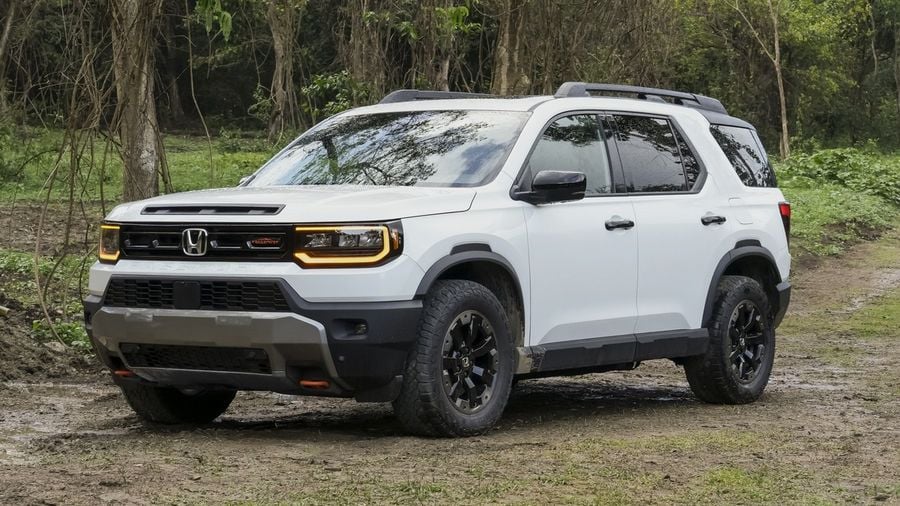
Like the Outback and several of its competitors on this list, the Honda $HMC Passport arrives redesigned for the 2026 model year, starting at $44,950 with a U.S. News Rating of 9.1. This Honda offers considerable interior space, including a second row reviewers describe as nearly palatial, alongside a cavernous cargo area with numerous compartments to keep gear organized on longer trips. The Passport earned recognition as Best Midsize 2-Row SUV for Families for 2026.
Unlike many midsize SUVs, including several other Outback alternatives on this list, the Honda Passport comes available with just one powertrain combination, pairing a V6 engine with a 10-speed automatic transmission and standard all-wheel drive. This particular simplicity gives buyers considerably fewer decisions to make during the shopping process compared with competitors offering multiple engine choices.
The only performance upgrades available are the more rugged suspension, skid plates, and all-terrain tires found on the two TrailSport trims. Extended testing on a long road trip revealed the Passport TrailSport blends genuine off-roading capability with a considerably cool appearance, looking more capable than it actually proves to be in practice. This quality works well for trips that mostly involve highway driving, with just a few off-road stints mixed in.
This particular pairing of considerable interior space and family-focused practicality gives the Passport real standing among the more spacious options covered on this entire list. Honda positions the Passport between the smaller CR-V and the larger Pilot within its own lineup, giving family buyers a genuine middle option sized for households that have outgrown a compact SUV but don’t need a full three-row vehicle. Buyers should measure their typical cargo needs against the Passport’s considerable dimensions before purchasing, since the vehicle’s size advantage matters most for families regularly hauling bulky gear. This particular calculation helps buyers avoid paying for space they’ll rarely actually use in daily driving. This particular exercise costs nothing and can prevent a frustrating realization after the purchase is already final.
Credit: Kia
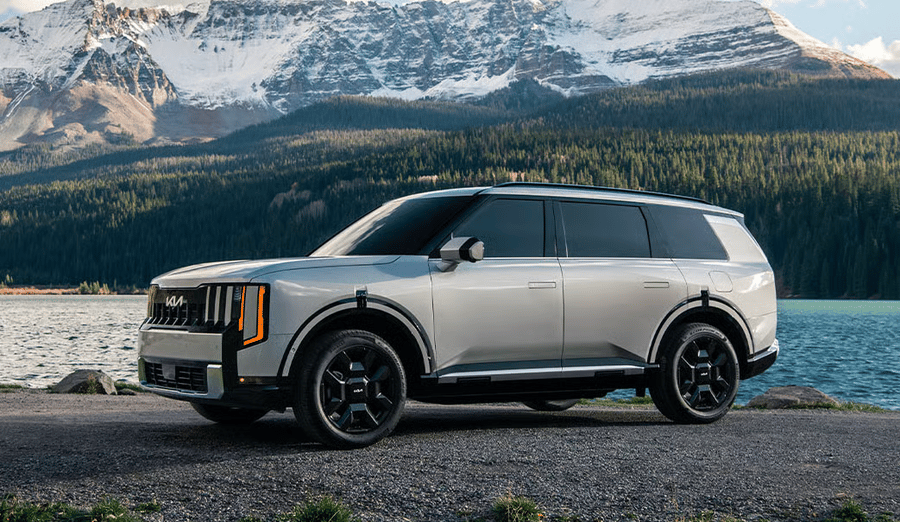
The 2027 Kia Telluride remains the top-scoring midsize SUV among the alternatives covered here, starting at $39,190 and earning a U.S. News Rating of 9.5. The Telluride handles many tasks well, offering considerable space, capability and a notably useful set of family-friendly features throughout the lineup.
The Telluride’s styling proves somewhat polarizing compared with more conservative competitors. However, it still earns considerable praise overall, and Kia offers both off-road X $TWTR-Pro and hybrid variants for buyers wanting additional options beyond the standard gasoline configuration. The base LX model, starting at $39,190, runs a powerful four-cylinder engine producing 274 horsepower and 311 pound-feet of torque, with 5,000-pound towing capability.
Reviewers note that while the remade Telluride isn’t perfect and no longer counts as the bargain it once was, it picks up exactly where the previous generation left off, improving its family-friendly three-row formula in considerable ways throughout the redesign.
This particular pairing of top-scoring reviews and considerable family-oriented practicality gives the Telluride real standing as one of the strongest all-around Outback alternatives across this entire list. Kia’s considerable investment in the Telluride’s interior materials and technology has helped the model compete directly against pricier luxury three-row SUVs, giving budget-conscious families access to near-luxury features without the correspondingly higher luxury price tag. Buyers should carefully compare the Telluride’s specific trim lineup, since pricing climbs considerably from the base LX model through higher trims with additional luxury features. Test-driving the hybrid variant alongside the standard gas model also helps buyers decide whether the added efficiency justifies any price difference. This particular comparison also helps buyers decide whether the base model already covers most of their genuine needs. Reading current owner forums also surfaces real-world feedback that a standard dealership test drive rarely reveals. Cross-referencing a few different owner sources also helps confirm whether a specific complaint reflects a widespread pattern across many owners.
Credit: Jeep
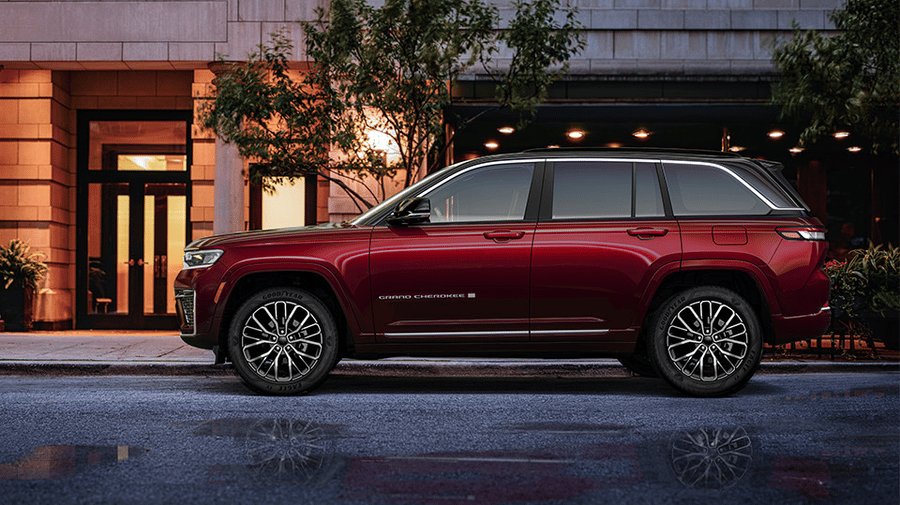
Redesigned for 2026, the Jeep Grand Cherokee arrives with fresh styling, a more powerful turbocharged four-cylinder engine and subtle appearance changes, starting at $38,415 with a U.S. News Rating of 9. Jeep’s rugged versatility makes the Grand Cherokee a strong Outback alternative for shoppers seeking genuine all-terrain capability while still wanting a comfortable daily driver.
Reviewers describe the Grand Cherokee as good-looking and upscale-feeling, capable of handling dirt trails much like a Lexus GX, though only when buyers select the right specific trim and options. More affordable trims skip many of the redesign’s updates. In contrast, the top trims are considerably pricier, and despite the new turbocharged engine’s added power, they return the same fuel economy as the previous V6.
The Grand Cherokee offers considerable space across its two rows, though some midsize rivals offer more outright cargo capacity. Top trims such as the Summit hold near-luxury design and materials, including diamond-quilted leather upholstery, a leather-wrapped steering wheel and massaging seats throughout the cabin.
The long-running Pentastar V6 engine powers the base Grand Cherokee Laredo model, delivering a traditional driving feel. At the same time, the torquey turbocharged four-cylinder standard on higher trims creates a somewhat uneven dynamic due to turbo lag that won’t suit every driver’s preference. Jeep’s considerable off-road heritage, stretching back decades through the broader Grand Cherokee lineage, continues shaping the model’s engineering priorities even as the vehicle has grown considerably more upscale and comfortable across successive generations. Buyers should test-drive both the standard V6 and the turbocharged four-cylinder before deciding, since the two engines deliver meaningfully different driving characters despite similar fuel economy figures. Comparing the Summit trim’s price directly against comparable luxury SUVs also helps buyers judge whether the near-luxury features justify the premium. This particular comparison often reveals whether the Jeep badge alone justifies the price gap relative to established luxury competitors. Checking current lease deals alongside standard financing also helps buyers find the most favorable overall terms.
Credit: Subaru
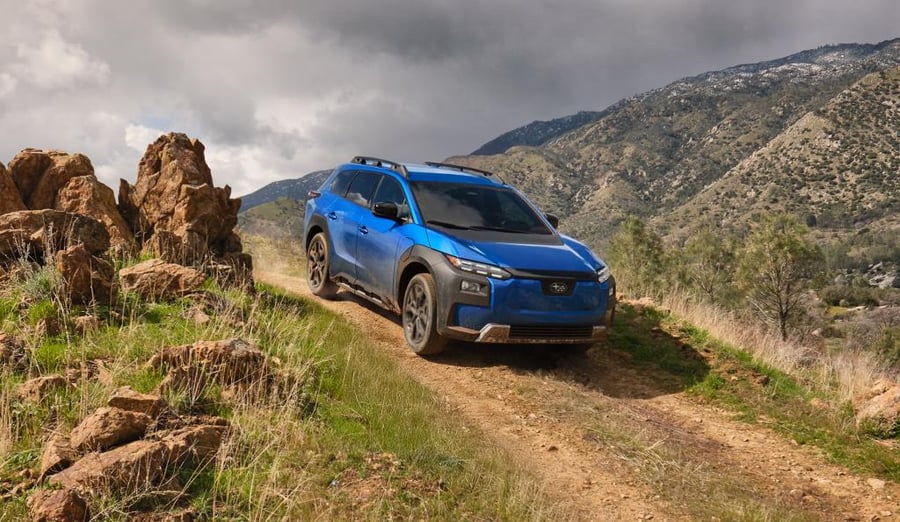
Subaru now builds a wagon-like electric crossover called the Trailseeker that resembles an Outback considerably more than the current Outback does, and it starts at $39,995 with a U.S. News Rating of 8.6. The Trailseeker offers more than 280 miles of range, 8.5 inches of ground clearance, and 375 net system horsepower generated by two 167-kilowatt motors.
Reviewers who tested the Trailseeker multiple times, including during off-road stints, note that while the redesigned Outback has moved decisively into proper SUV territory, the electric Trailseeker gives off sporty-wagon vibes reminiscent of older Outback generations. This particular contrast makes the Trailseeker a notably distinctive option for buyers particularly nostalgic for the Outback’s earlier wagon-oriented identity.
The Trailseeker represents a considerably different approach to this vehicle segment overall, and traditional Outback buyers considering an electric vehicle would benefit from evaluating this crossover directly for its comfort and off-roading capability. Direct head-to-head testing against the Outback has already been conducted, giving cross-shopping buyers a genuine point of comparison beyond simply reading separate reviews.
This particular pairing of electric powertrain efficiency and nostalgic wagon styling gives the Trailseeker real standing as one of the more unusual and distinctive alternatives covered on this entire list. Subaru’s decision to build an electric vehicle that intentionally evokes the brand’s older wagon-era Outback models reflects real awareness that considerable numbers of longtime fans still miss the nameplate’s original, less SUV-like identity. Buyers should compare the Trailseeker’s charging requirements with their daily routine, since electric ownership requires different planning than a traditional gas-powered Outback. Mapping out charging stations along typical routes also helps buyers gauge how well the Trailseeker fits their specific driving patterns. This particular research step matters considerably more for EV shoppers than it typically does for gas-powered vehicle buyers. Checking current federal and state incentives also helps, since available credits can meaningfully shift the vehicle’s effective price. A few extra minutes of research here can translate into genuine savings across the life of the loan.
Credit: Subaru
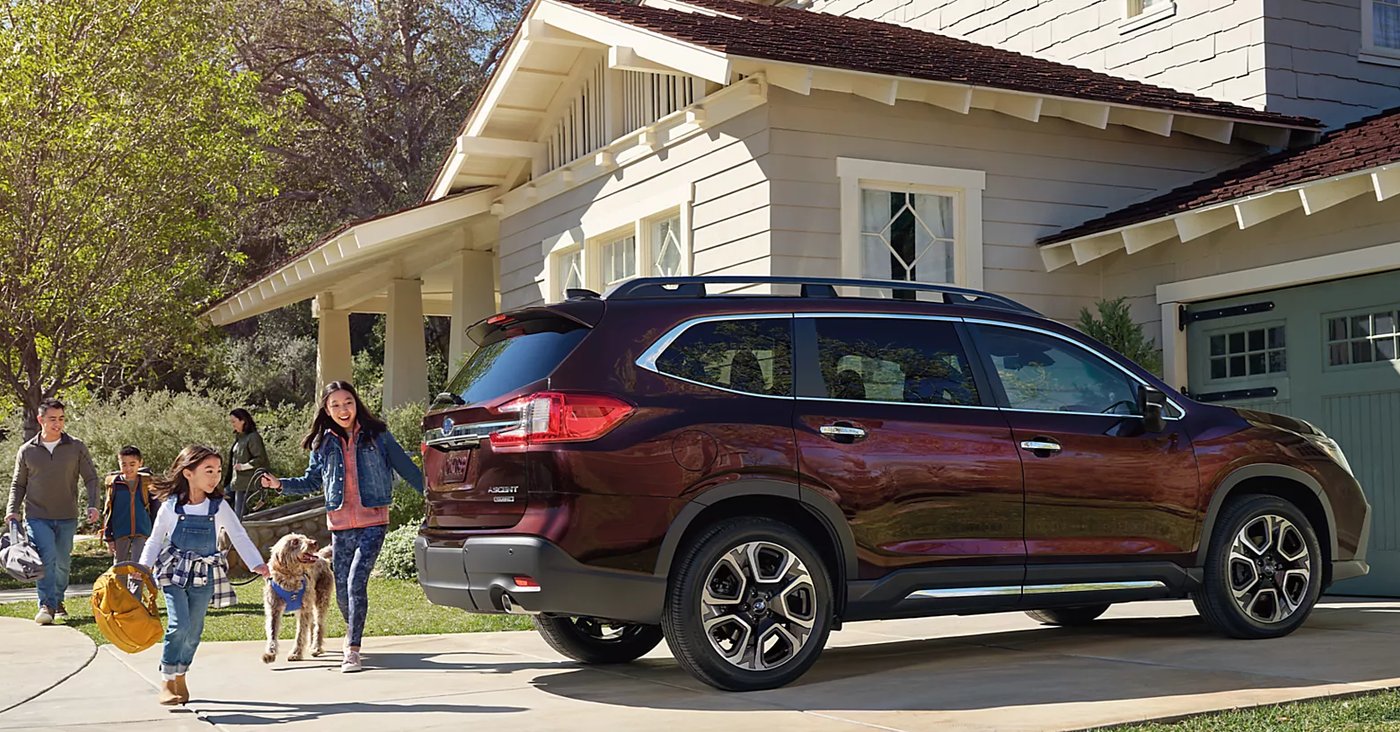
The Ascent ranks as Subaru’s largest vehicle, standing out from a crowded three-row SUV class thanks to considerable versatility and a solid feature set, starting at $40,795 with a U.S. News Rating of 8.6. The Ascent emphasizes user-friendly technology and safety features throughout, making it a logical choice for families upgrading from smaller Subaru models, even though many competing options offer more power and better infotainment systems.
The Ascent isn’t as stylish as the redesigned Outback, though it carries many of the same practical touches buyers expect from the brand. Standard all-wheel drive comes paired with just one engine option, a turbocharged four-cylinder, and acceleration is solid under most circumstances. However, test drivers note the Ascent can feel sluggish when loaded down with a considerable number of passengers and cargo.
Handling stays responsive and surefooted throughout testing, and the ride remains generally comfortable across varying road conditions. This particular pairing of family-friendly practicality and dependable all-wheel-drive performance gives the Ascent real appeal for Subaru loyalists outgrowing smaller models in the brand’s broader lineup.
Buyers should compare the Ascent directly against non-Subaru three-row competitors before deciding, since several rivals on this list offer more power or more advanced technology at a comparable price point. The Ascent shares its underlying platform with several other Subaru models, including the Outback and Legacy, giving the automaker considerable manufacturing efficiency while still allowing each vehicle to target a distinctly different market segment. Buyers should test-drive the Ascent fully loaded with passengers and cargo, since the sluggishness reviewers mention only becomes apparent under these specific real-world conditions. This particular test also reveals whether the turbocharged engine’s power delivery actually suits a specific family’s typical driving habits. Bringing the whole family along for a test drive also helps confirm comfort levels across every row of seating. This particular step matters most for families planning frequent road trips with a full car of passengers.
Credit: Toyota
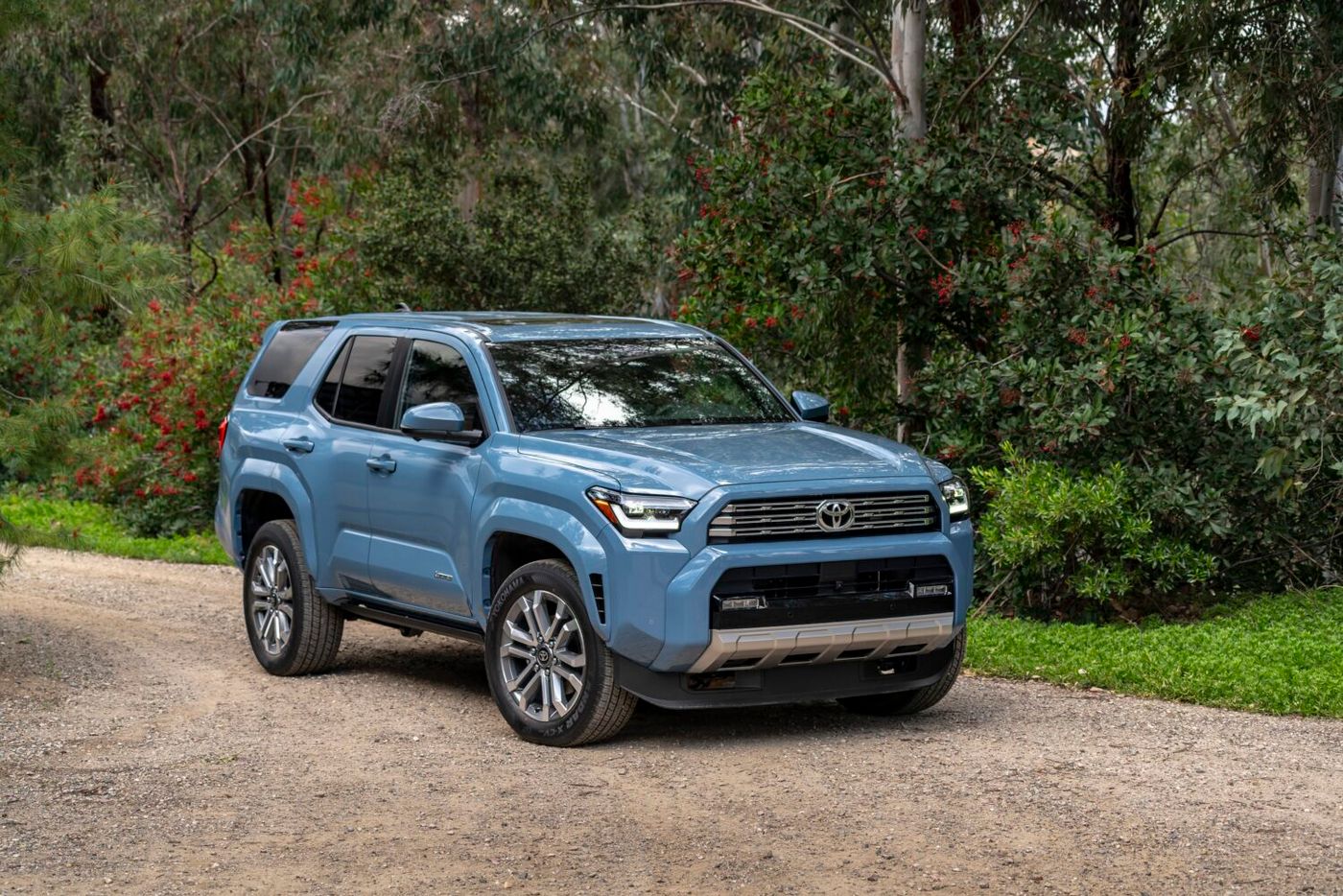
The Toyota $TM 4Runner received its first redesign in a decade and a half last year, starting at $42,070 with a U.S. News Rating of 8.3, and the vehicle’s ability to coast largely unchanged for so long speaks to its considerable off-road reputation. The recent redesign executes well overall, though the 4Runner still has limited, niche appeal given its cost, expensive upgrades, and notably tiny optional third row.
Reviewers describe the redesigned 4Runner as a solidly good midsize SUV, especially for buyers planning off-pavement activities. However, those whose driving stays limited to on-road adventures may find better choices elsewhere in the class. The 4Runner comes available with a choice of turbocharged four-cylinder powertrains, with the more powerful option augmented by an electric motor for hybrid efficiency.
The base version offers rear- or four-wheel drive, while the hybrid variant comes exclusively with four-wheel drive. The 4Runner’s driving dynamics previously drew criticism as excessively truck-like, with considerable body roll and a harsh ride. However, the current version runs considerably more refined, confident and predictable than earlier generations.
The 4Runner’s overlanding-focused Trailhunter model delivers considerable enjoyment for buyers with a genuine need for serious trail adventures, rounding out a lineup that gives Outback shoppers real off-road credibility well beyond what the Subaru itself offers. Toyota built the previous-generation 4Runner on a platform that remained largely unchanged for roughly fifteen years, and the considerable loyalty this longevity built among off-road enthusiasts helps explain why the redesign still leans so heavily on proven, truck-based engineering. Buyers should carefully consider whether the third row actually fits their needs, since its notably tiny dimensions suit occasional use far better than regular family transportation. Sitting in the third row personally also helps, since published dimensions alone rarely convey how cramped the space actually feels. Bringing along whoever will actually use that seat regularly also helps confirm the space works for a specific family’s needs. This small step avoids a considerable disappointment for buyers counting on that seat for regular use.