From the Mercedes-Benz G-Class EV's silent four-motor drivetrain to a Jeep Grand Wagoneer quieter than the V8 it replaced
Credit: Jeep
Cabin noise is one of those vehicle qualities that buyers rarely notice when it is done right and cannot ignore when it is done wrong. A well-insulated SUV absorbs road vibration, filters wind noise at highway speeds, and suppresses engine drone during acceleration so thoroughly that passengers may not realize how much work the engineering is doing. An under-insulated vehicle makes the same journey feel exhausting: the sustained low-frequency roar of pavement transmitted through inadequate soundproofing raises fatigue, makes conversation harder, and turns a long drive into something to endure rather than enjoy. Research on cabin noise confirms what drivers intuitively understand: sustained exposure to vehicle noise increases driver fatigue and creates distractions that compound over the length of a trip.
The vehicles on this list earn their positions based on U.S. News interior scores, which incorporate cabin noise as part of the overall interior evaluation alongside seating quality, materials, technology, and cargo capacity. The quietest SUVs tend to be those with the most engineering investment in isolation: thick door seals, acoustic glass, body cavity foam, and — increasingly — electric powertrains that eliminate the combustion engine’s contribution to interior noise entirely. Plug-in hybrid models appear repeatedly on this list because their electric-only operation at low speeds and during stop-and-go driving eliminates the noise source that other vehicles cannot suppress.
These 10 SUVs come from U.S. News & World Report’s ranking of the quietest SUVs, based on U.S. News interior scores with overall rating as the tiebreaker. The list spans compact crossovers to full-size luxury SUVs and covers gasoline, hybrid, plug-in hybrid, and all-electric powertrains. No pricing figures appear in this article. The scoring methodology gives the overall U.S. News rating precedence when interior scores tie, a situation that applies across several vehicles in this group.

Credit: Mercedes-Benz
The 2025 Mercedes-Benz G-Class EV earns a perfect interior score of 10 out of 10, the highest of any vehicle on this list. Four electric motors drive the vehicle in near silence, and Mercedes added extensive cabin insulation to prevent road and trail noise from reaching occupants. Vehicle tester Michael Teo Van Runkle found the G-Class EV as capable off-road as some of the toughest all-terrain pickup trucks, a specific endorsement for a vehicle that must maintain quiet interior conditions across rough terrain where other SUVs generate the most noise.
The G-Class EV seats five, and its interior quality justifies its premium positioning. The materials throughout the cabin are excellent. The ride is compliant on all but the most demanding pavement, and the acceleration is smooth and effortless. Four electric motors, extensive insulation, and the compliant suspension together produce a cabin environment where the dominant sensory experience is silence over mechanical sound.
The electric powertrain’s contribution to cabin quiet goes beyond eliminating engine noise. Combustion engines generate vibration that structural insulation can reduce but not eliminate, which transmits as low-frequency hum through the floor and seats. An all-electric drivetrain removes that vibration source entirely, and the G-Class EV’s four-motor architecture distributes power delivery across all four wheels smoothly enough that the typical surge-and-settle dynamics of single-motor EVs do not create their own noise and motion. The result is the quietest cabin in this group, as reflected in the perfect interior score. The G-Class EV also demonstrates that a rugged exterior and an off-road-capable platform are not obstacles to cabin refinement. Mercedes engineered both simultaneously, treating them as complementary, not competing, priorities. A vehicle that excels at both demonstrates an engineering discipline that single-purpose vehicles do not require. The G-Class EV’s off-road capability also means it delivers the quietest cabin on this list in the context where other vehicles generate the most noise.
Credit: Volvo
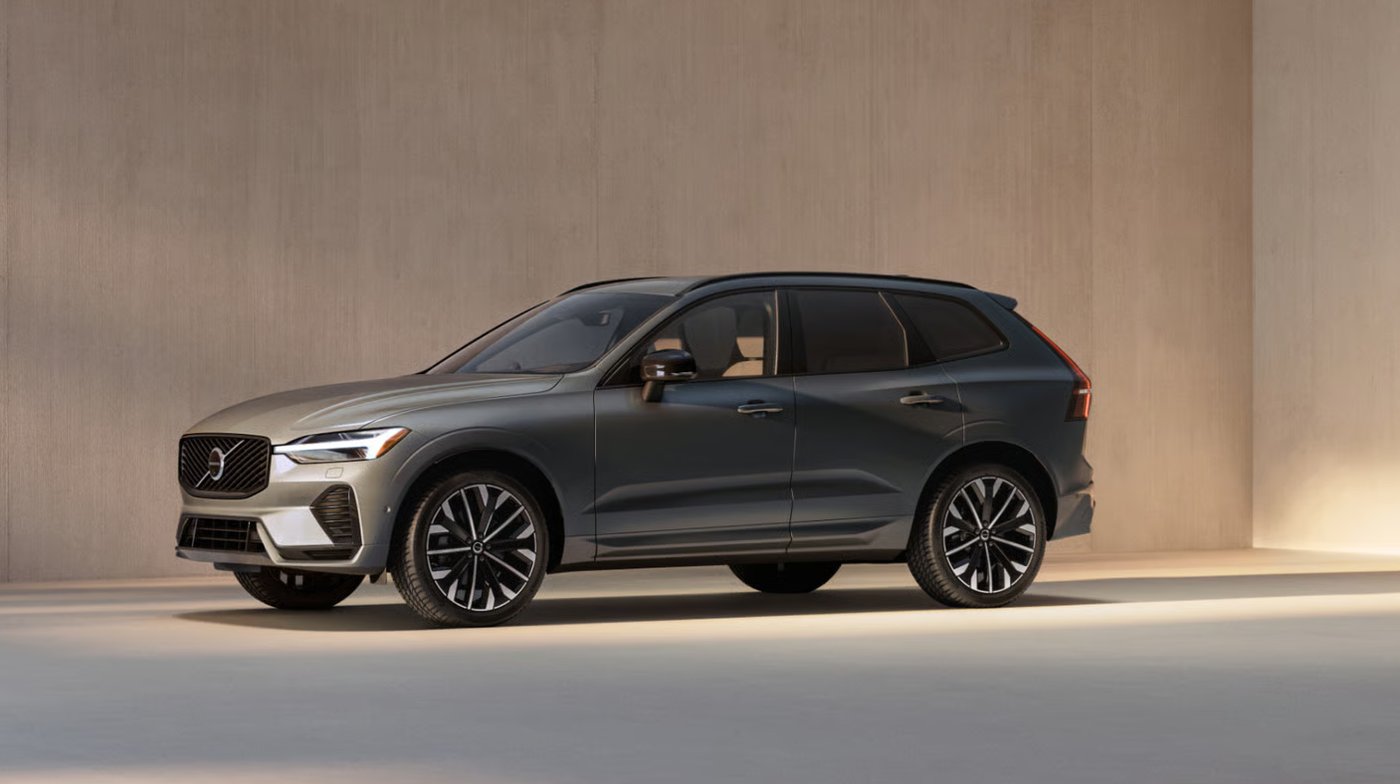
The 2026 Volvo XC60 Plug-In Hybrid earns an interior score of 9.3 out of 10. The 2026 model year brings a refresh that includes a new 11.2-inch touchscreen with updated software for a more intuitive experience, as well as minor changes to interior and exterior styling. The powertrain carries over unchanged, a decision the source describes positively, since the existing setup already delivers the quick, efficient, and quiet performance that defines the XC60 PHEV’s character.
The XC60 Plug-In Hybrid provides 35 miles of all-electric range, which covers most daily commuting distances without engaging the combustion engine. The quiet ride the electric mode provides extends across different driving conditions: whether accelerating up a highway onramp or easing through stop-and-go traffic, the vehicle stays notably smooth and comfortable. The base trim for 2026 introduces a new nonleather upholstery option that the source describes as lending an upscale character to the cabin without the cost premium of leather.
The XC60 PHEV’s quiet ride is one element of broader sophistication that the source identifies throughout the vehicle’s character. The powertrain delivers impressive acceleration without the noise penalty that aggressive performance typically carries. The updated infotainment adds a technology dimension to the 2026 refresh that addresses a criticism leveled at earlier versions. For buyers who want a compact luxury plug-in hybrid SUV with a quiet cabin, current infotainment technology, and a balance of performance and efficiency, the XC60 PHEV’s 2026 updates make it the most comprehensively current option at this score level. The XC60 PHEV’s 35-mile electric range means that buyers who charge daily will complete most of their driving in electric mode, experiencing the quietest version of the vehicle on nearly every trip. The 2026 refresh’s new non-leather base upholstery also broadens the XC60 PHEV’s appeal to buyers who prefer sustainable materials without sacrificing the premium cabin character. Volvo’s long-standing reputation for safety also extends to acoustic engineering, where the brand treats noise reduction as a health and safety priority alongside structural protection.
Credit: Hyundai
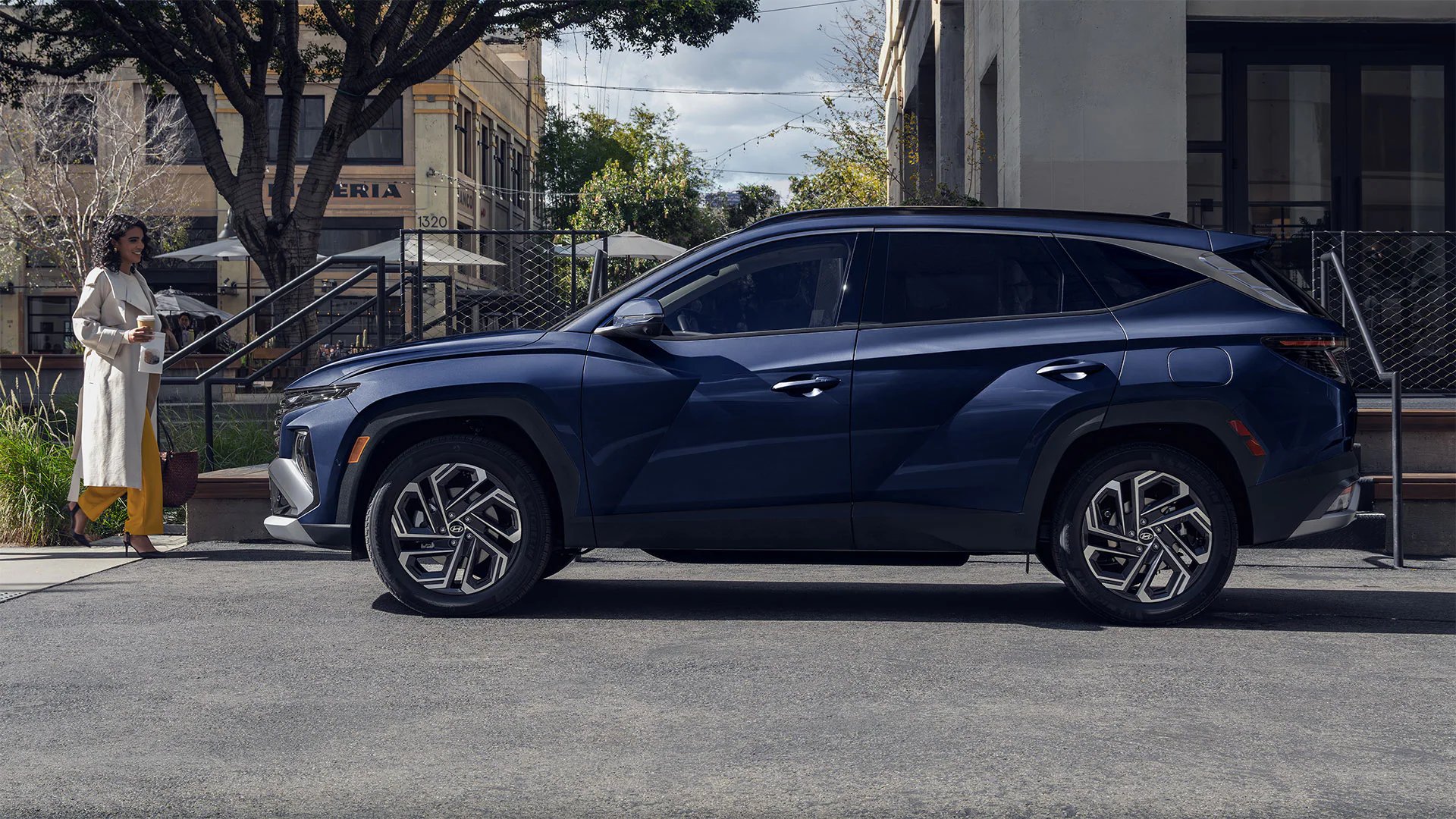
The 2026 Hyundai Tucson earns an interior score of 9.3 out of 10, and a U.S. News safety score of 9.7 out of 10, which are the bases for both the Best Compact SUV for the Money and Best Compact SUV for Families awards it holds for 2026. Vehicle tester Mike Hagerty calls it a smooth, competent cruiser with plush seats that stay comfortable on long trips and infotainment technology that is snappy and intuitive. The suspension system soaks up most road imperfections and absorbs the noise that would otherwise transmit through the structure into the cabin.
The Tucson’s appearance on a quietest SUVs list, held alongside luxury models from Mercedes-Benz and Land Rover, reflects the substantial engineering investment Hyundai has made in the cabin experience at the compact crossover price point. The safety score of 9.7 reflects strong crash-test results and driver-assistance technology that families evaluating the vehicle specifically appreciate. The hybrid version is available as a separate model, which the source reviews independently.
The suspension’s dual role — absorbing bumps and suppressing structure-borne noise — warrants special attention. Most vehicle evaluations treat ride comfort and cabin noise as separate attributes, but in the Tucson’s case, the suspension does both simultaneously. A bump that does not transmit jarring motion to the occupants also does not generate the impact noise that harsher suspension tuning would produce. The Tucson’s 9.3 interior score reflects a cabin quality that rivals that of vehicles positioned and priced significantly higher, which is why both the value-focused and family-focused award designations apply to the same car. The Tucson is also available as a hybrid model, reviewed separately, for buyers who want the same cabin quality with improved fuel economy. Both versions share the fundamental suspension and insulation engineering that earns the Tucson its position here. The Tucson Hybrid’s electric operation at low speeds also means hybrid buyers experience even quieter urban driving than the standard model.
Credit: Kia
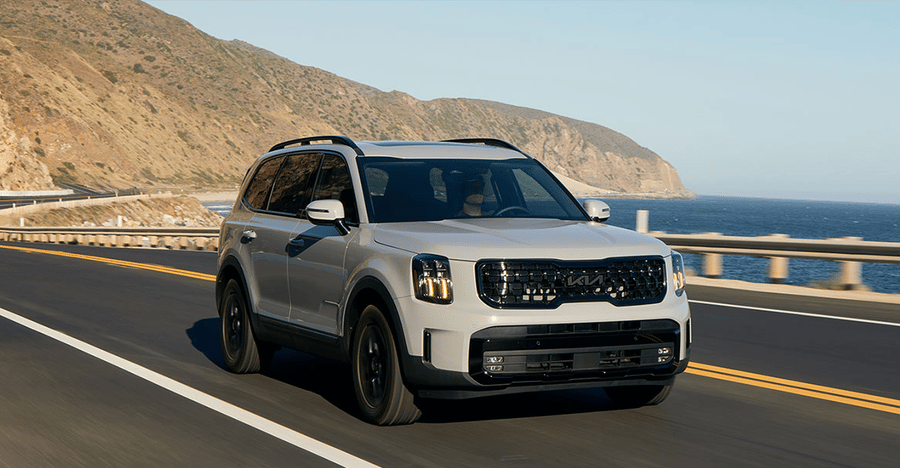
The 2025 Kia Telluride earns an interior score of 9.3 out of 10 and holds both the Best 3-Row SUV for the Money and Best 3-Row SUV for Families awards. The Telluride’s cabin is well-insulated against road noise, with materials and trim that, according to the source, are comfortable and sophisticated. Vehicle tester Kristin Shaw describes the power-to-weight ratio as well-balanced, since the vehicle is not positioned as sporty, and praises the suspension’s ability to handle different surface types smoothly.
The V6 engine the Telluride uses delivers smooth, potent performance without the drone or protest that strained powertrains generate during acceleration. The engine’s contribution to cabin noise is minimal by design. The powertrain prioritizes refinement over performance, producing a vehicle where the engine draws little attention under normal driving conditions. Shaw’s assessment reflects a vehicle where the cabin's quietness reflects the entire powertrain and chassis philosophy, not just the insulation applied after the fact.
The Telluride’s dual award status — money and families — reflects a vehicle that satisfies across competing priorities simultaneously. Three rows of comfortable, spacious seating make it practical for large families, and the well-insulated, quiet cabin makes long drives with those families more tolerable for both the driver and the passengers. The quiet has a specific value in a three-row family SUV: conversations across rows are possible, rear passengers can sleep without audio intrusion, and the driver can concentrate without the low-grade fatigue that sustained road noise produces over a long highway segment. The V6’s smooth power delivery also means the engine character itself does not draw attention. A powertrain that feels effortless is one that passengers notice less, amplifying the perceived cabin quiet. The Telluride’s three rows also mean the front occupants benefit from the additional mass of the rear rows, which adds structural damping and reduces vibration transmission paths that cause noise.
Credit: Lincoln
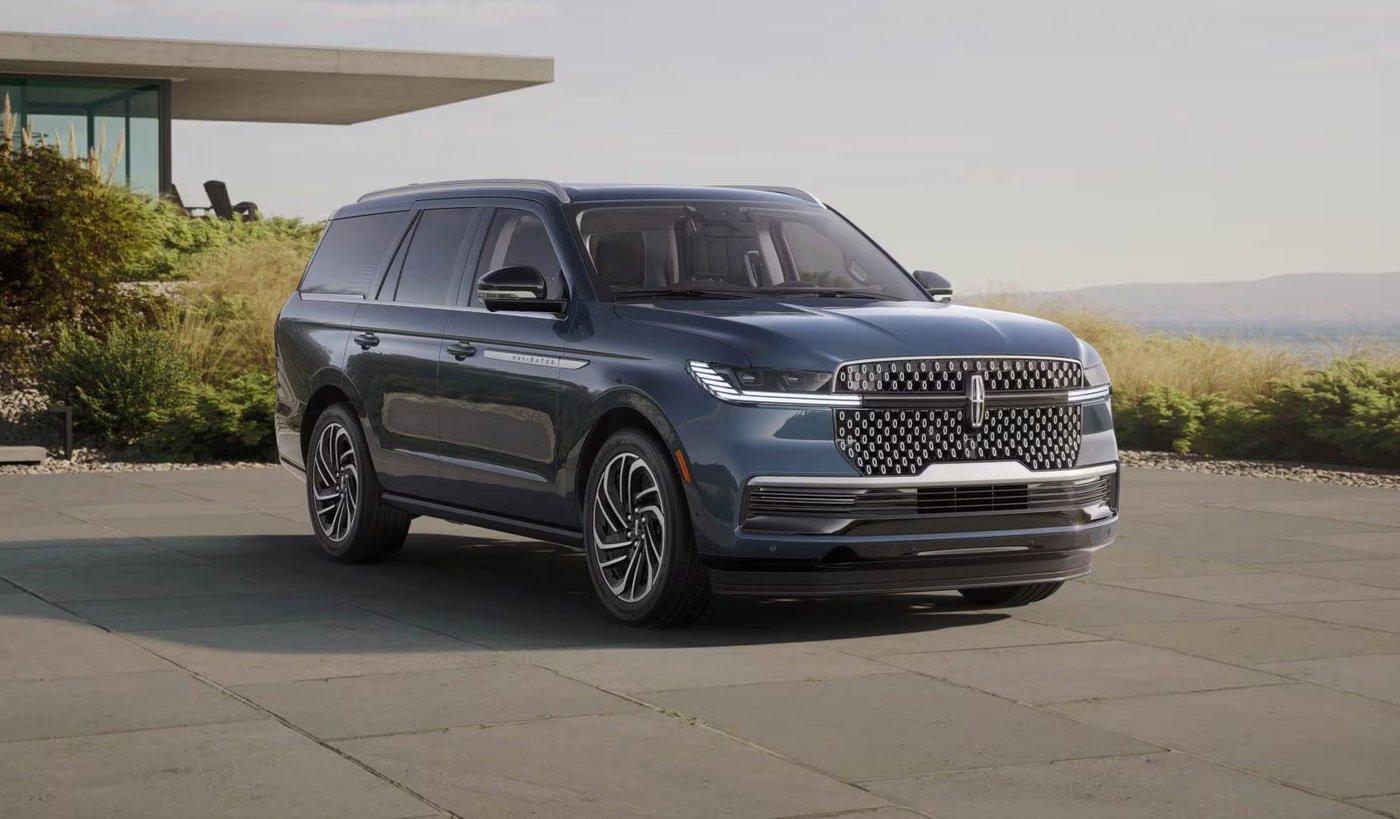
The 2025 Lincoln Navigator earns an interior score of 9.3 out of 10 and carries a full redesign for the model year. The twin-turbocharged V6 engine pairs with standard four-wheel drive and delivers plenty of power and satisfying thrust. Notably, the engine and transmission are so refined under heavy acceleration that the noise level does not disturb the cabin’s occupants, a specific calibration that makes the Lincoln unusual among full-size SUVs, where powerful V8 engines typically generate significant intrusion under hard throttle.
Great insulation keeps outside noise to a minimum, and supportive seating throughout the rows provides every passenger with a comfortable environment. The Navigator can accommodate up to eight passengers, with adults comfortably fitting in every row, making it the highest-capacity vehicle on this list. An optional air suspension system is available for buyers who want to further improve ride quality beyond the already smooth base setup.
The source notes that the redesign, while generally successful, includes some details that appear innovative for their own sake without clearly improving the ownership experience. The Navigator's overall quality meets expectations for the luxury large SUV segment, resulting in a quiet, premium ambiance that supports the vehicle’s positioning. For buyers who need maximum passenger capacity alongside genuine cabin quiet — a combination that large, loud V8-powered SUVs typically cannot deliver simultaneously — the Lincoln Navigator’s twin-turbo V6 calibration and extensive insulation give it a specific advantage over alternatives in the segment. The redesigned cabin also brings updated materials and technology to the 2025 model, giving buyers who have followed the Navigator over prior generations an interior that represents a meaningful step forward in both quality and refinement. Lincoln’s decision to offer an optional air suspension further gives buyers a tuning path toward a quieter, smoother ride than the already-capable base setup provides. Air suspension’s adjustable ride height also lets the Navigator lower itself for easier entry and exit, which reduces the physical effort that tall SUV cabins typically require.
Credit: Kia
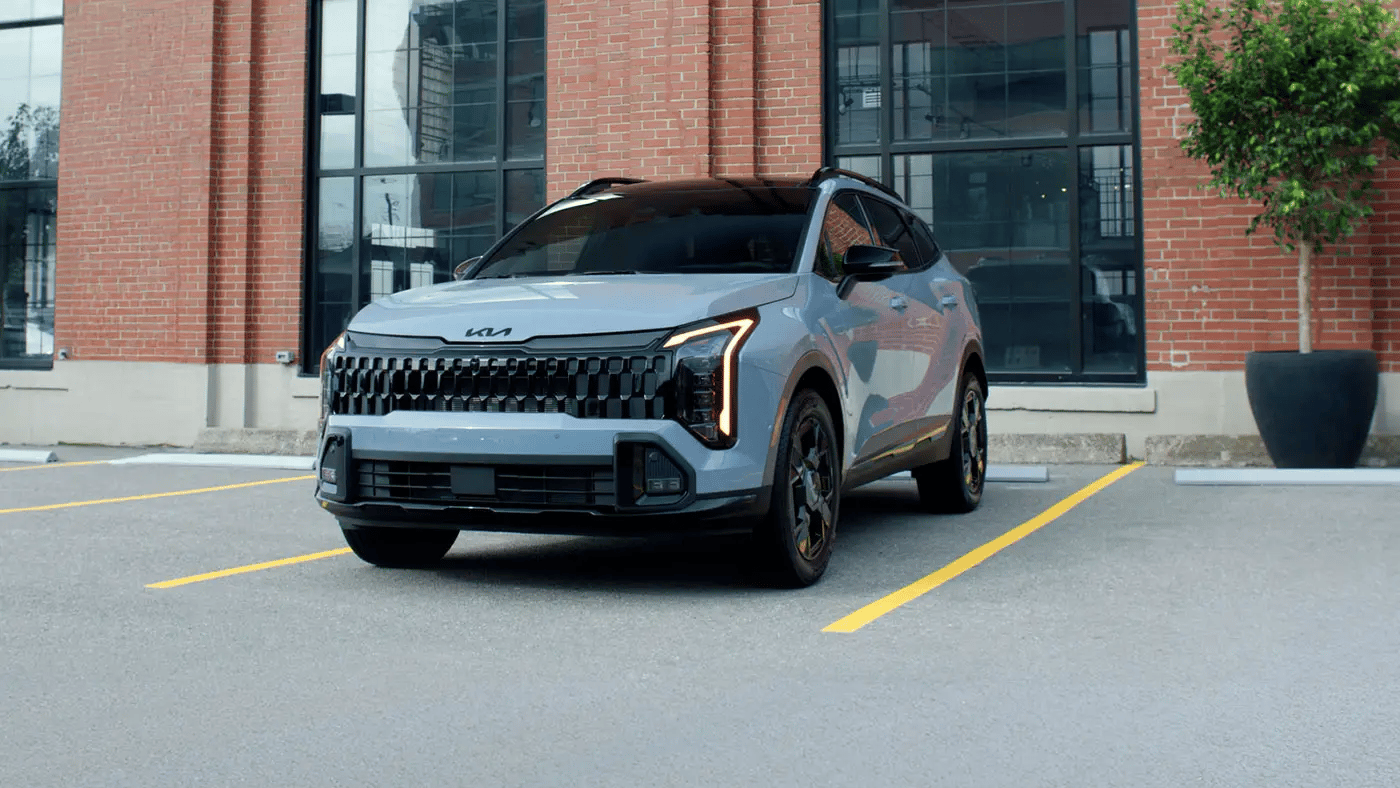
The 2026 Kia Sportage Plug-In Hybrid earns an interior score of 9.2 out of 10 and the Best Compact Plug-In Hybrid SUV for the Money award. The powertrain combines a turbocharged four-cylinder engine with an electric motor and battery pack, with all-wheel drive standard. The all-electric range reaches up to 34 miles, covering most urban and suburban daily commutes without engaging the combustion engine, which means most Sportage PHEV buyers experience a quiet, electric cabin for the majority of their daily driving.
Reviewer Brontë Wieland finds the Sportage PHEV quick off the line and easy to maneuver. The driving experience prioritizes competence over engagement, which suits buyers who want reliable performance without the noise and drama that sporty tuning introduces. The PHEV powertrain’s efficiency benefits compound with the cabin's quiet: the electric operation that reduces noise also reduces fuel consumption, giving the vehicle dual advantages over the equivalent gasoline-only version.
The Sportage Plug-In Hybrid occupies a segment that carries a price premium for plug-in hybrid technology, and the Best for the Money award reflects that Kia keeps that premium accessible relative to competing compact plug-in hybrid SUVs. The regular hybrid version is available separately for buyers who want improved efficiency without the plug-in capability. The 34-mile all-electric range is the figure most relevant to buyers evaluating the Sportage PHEV’s cabin quiet in daily use: those who charge regularly and drive primarily within that range will find the Sportage PHEV operates as a nearly silent urban vehicle most of the time. The AWD standard across the lineup also means buyers do not need to pay an upgrade premium for the traction required for winter and wet-weather driving. The plug-in hybrid format also means the Sportage PHEV generates less heat and lower engine load during typical driving cycles, reducing mechanical noise at its source. The Best for the Money award also confirms that the PHEV premium Kia charges is proportionate to the performance, efficiency, and cabin quality gains it delivers.
Credit: Jeep
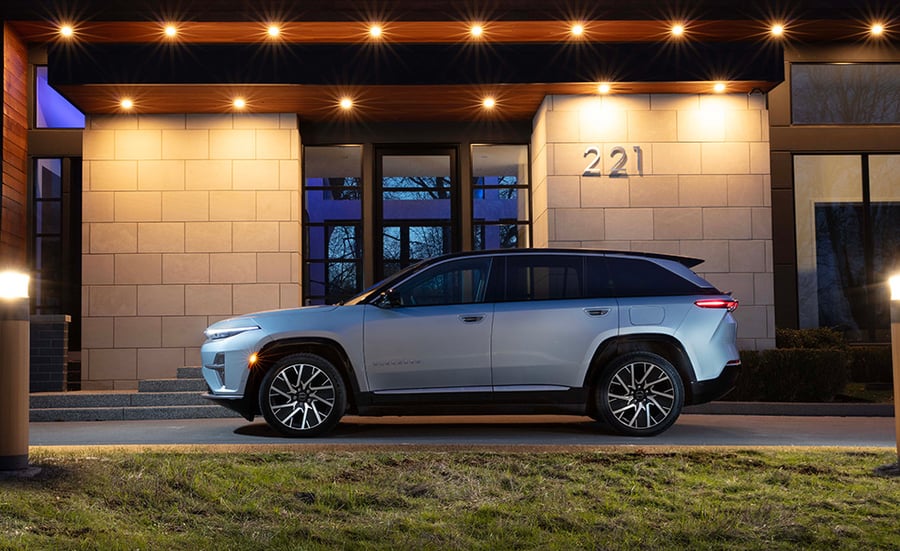
The 2025 Jeep Wagoneer earns an interior score of 9.2 out of 10 and the Best Large SUV for Families award. The vehicle returned to the market after a long hiatus as a large, family-focused SUV, and reviewer Kristin Shaw praises its versatile cabin, which accommodates different passenger configurations with ease. The Wagoneer remains generally smooth and quiet even during off-road use, which makes it unusual among large body-on-frame SUVs, where off-road dynamics typically introduce significant cabin noise.
The twin-turbocharged six-cylinder engine is the only powertrain option and produces a sound the source describes as great from outside the vehicle. Inside, however, the insulation prevents that sound from entering the cabin, so occupants can hold conversations or listen to audio without the engine competing. The optional air suspension system is available for buyers who want to extend the smooth, quiet experience, though the base suspension already delivers a comfortable ride.
The Wagoneer’s family-focused positioning makes cabin quiet a design priority in a way that it might not be for a performance-oriented or utility-first vehicle. Families traveling long distances with children and multiple adults need a cabin environment where conversations across rows are possible and where road fatigue does not accumulate over a multi-hour drive. The Wagoneer’s well-insulated cabin, its smooth powertrain calibration, and the optional air suspension together address those needs systematically. The Best Large SUV for Families award reflects a vehicle where the quietness is not incidental but purposeful. The twin-turbo six-cylinder’s external sound, which the source specifically notes is impressive from outside the vehicle, also gives the Wagoneer an audio presence that rewards spectators without burdening occupants. This exterior-interior sound contrast — impressive outside, serene inside — reflects exactly the engineering challenge that the best cabin insulation solves. The Wagoneer’s twin-turbo six also delivers the power reserves that confident highway passing and mountain driving require without the sustained high-rpm operation that creates the most engine noise.
Credit: Land Rover
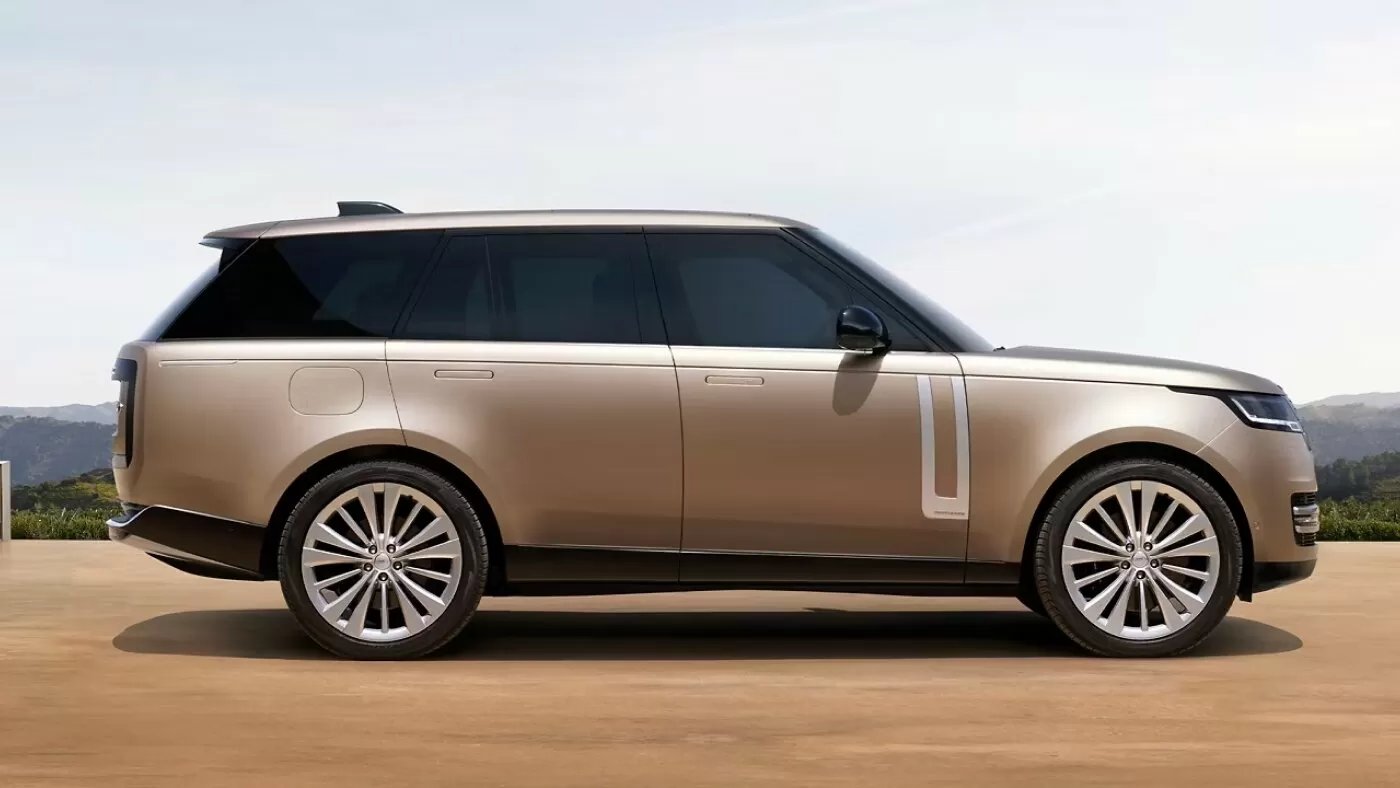
The 2025 Land Rover Range Rover earns an interior score of 9.2 out of 10. Expert reviewer Mike Hagerty has tested the Range Rover with all three of its available powertrains and finds the ride smooth and quiet, even with the turbocharged V8 installed, a powertrain that most vehicles would struggle to isolate from the cabin at the same level. Hagerty uses the word “glide” to describe how the Range Rover comes to a stop, a characterization that captures the seamlessness of its low-speed refinement.
The Range Rover is available in a long-wheelbase version that expands seating from five to seven, giving it greater passenger capacity without a separate model. The powertrain lineup covers multiple configurations, including hybrid options, to serve buyers with different performance and efficiency priorities. The tech features are extensive and, critically, integrated in a way that Hagerty finds neither distracting nor overwhelming, a quality that cabin noise management requires for the full quiet-interior effect.
The source identifies the Range Rover as one of those rare vehicles that are quiet both inside and out, reflecting a higher level of acoustic engineering than most SUVs achieve. Most vehicles focus on keeping outside noise inside the cabin by sealing the structure. The Range Rover’s exterior quietness means the vehicle itself produces less noise as it moves through the environment: aerodynamic refinement, powertrain calibration, and tire selection that the most acoustically engineered SUVs treat as a unified system. The 9.2 interior score reflects the benefit of that system-level approach. The available long-wheelbase version also gives buyers who need seven-passenger capacity access to the same acoustic refinement as the standard five-seat configuration. The long-wheelbase version’s additional interior length also amplifies the sense of acoustic separation from road surfaces that gives the Range Rover its reputation for gliding. The three available powertrains also allow buyers to match their powertrain choice to their quietness priority, with hybrid options providing electric assist at speeds where road noise typically dominates.
Credit: Mercedes-Benz
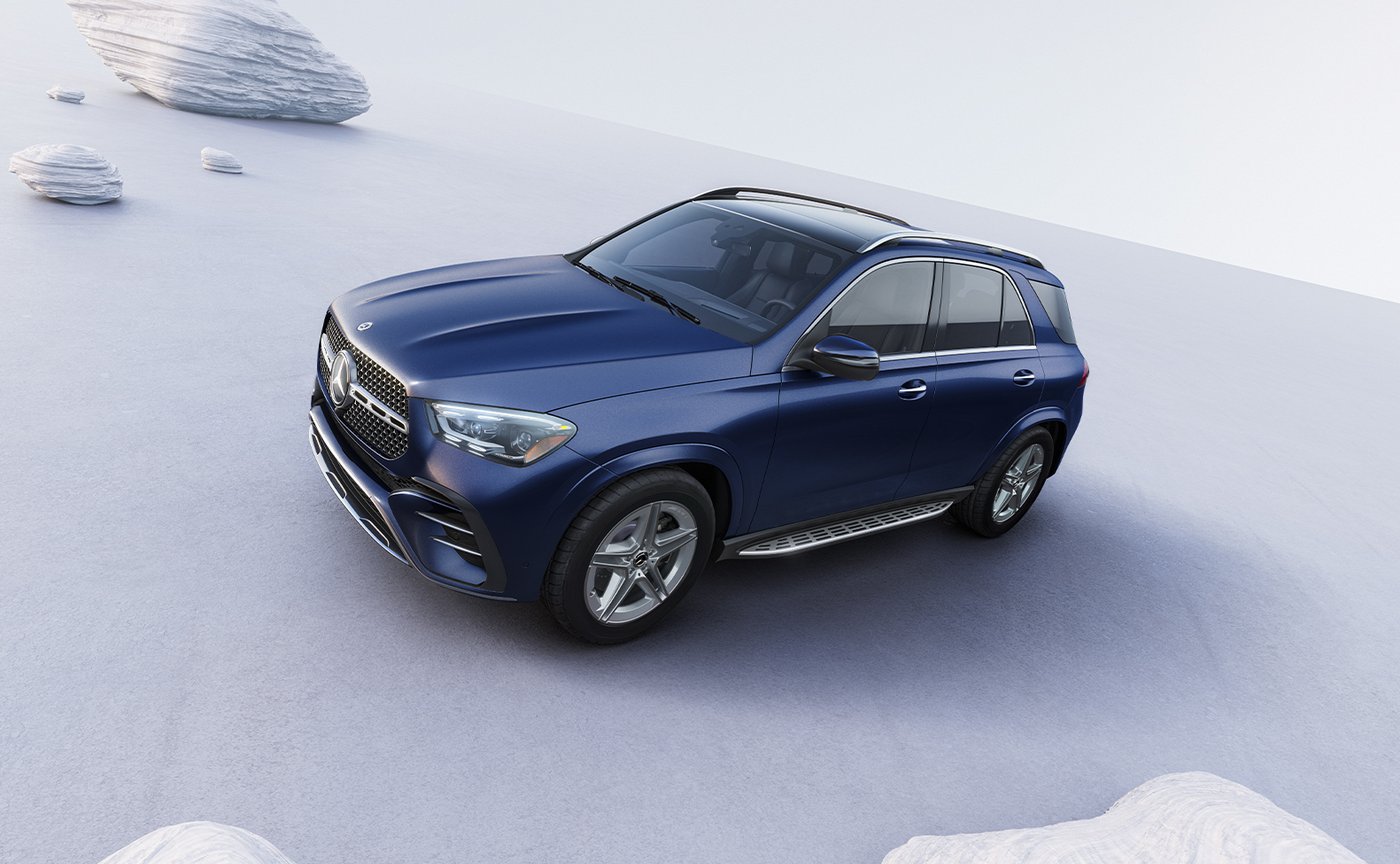
The 2025 Mercedes-Benz GLE Plug-In Hybrid earns an interior score of 9.2 out of 10. Vehicle tester Emme Hall describes the cabin as serene, noting that the quiet atmosphere makes for a peaceful commute and that passengers unsurprisingly fall asleep during trips. The GLE Plug-In Hybrid provides 49 miles of all-electric range, which Hall notes is competitive for the luxury plug-in hybrid midsize SUV segment. The Level 2 charging time of approximately three hours gives buyers a practical recharge window that fits within a workday or overnight schedule.
The GLE PHEV’s performance focus is on efficiency and comfort over speed and agility, which Hall identifies as appropriate for the segment’s buyer profile. The engineering choices that produce a serene cabin — smooth electric operation, acoustic insulation, and a suspension tuned for comfort — align with what buyers in this segment prioritize over sporty dynamics. Augmented reality navigation is among the tech features that provide the driver with useful information without adding the visual or cognitive complexity that cluttered interfaces introduce.
Hall’s specific observation that passengers in the GLE PHEV fall asleep is worth noting as a meaningful data point. A cabin that induces sleep in passengers reflects an absence of the micro-disturbances — road noise, vibration, abrupt handling changes — that keep people alert and uncomfortable during long trips. The 49-mile electric range, combined with the serene cabin, makes the GLE PHEV a strong daily commuter for buyers whose round-trip distance stays within the electric range, delivering a fully electric, nearly silent experience on the majority of their trips. The augmented reality navigation available on the GLE PHEV also reduces the cognitive load of finding unfamiliar routes, which in a serene cabin becomes one more element contributing to a genuinely relaxed driving experience. The GLE PHEV’s serene cabin and its 49-mile electric range together address the two primary sources of commuting fatigue: noise and fuel cost.
Credit: Jeep
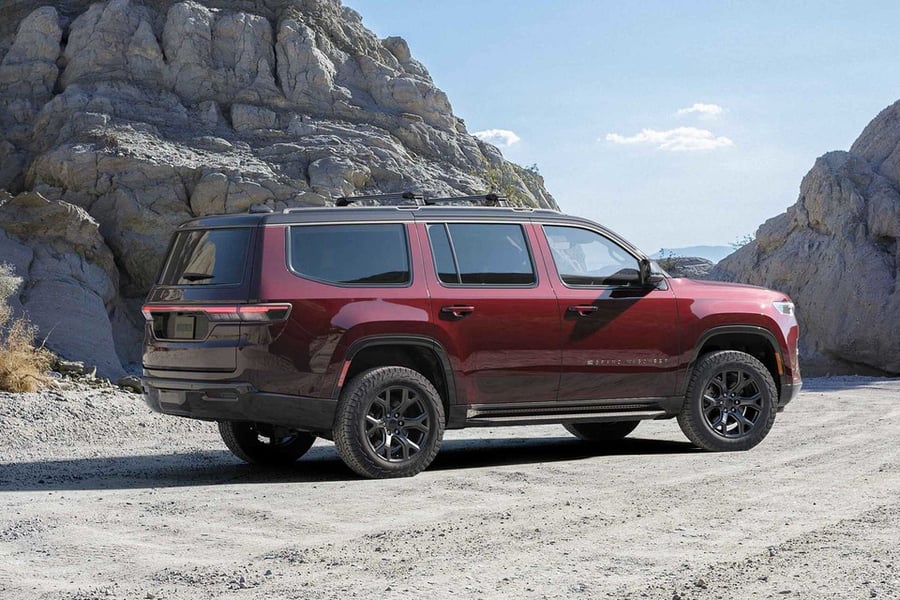
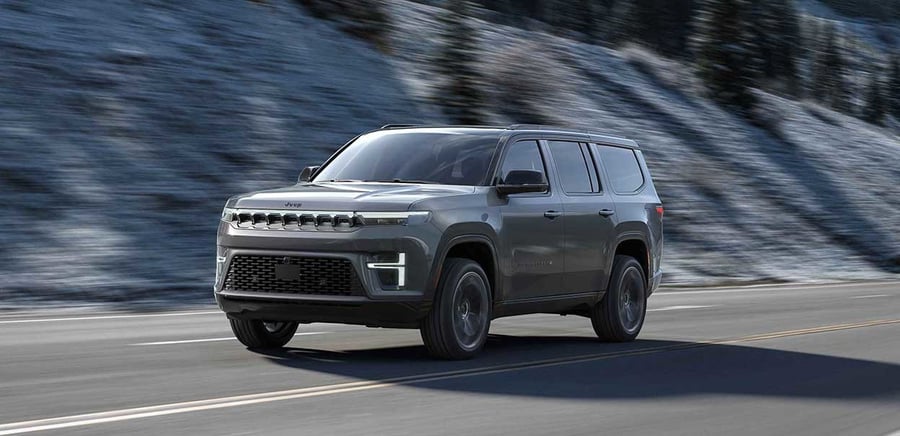
The 2025 Jeep Grand Wagoneer earns an interior score of 9.2 out of 10. Reviewer Mike Hagerty identifies the Grand Wagoneer as specifically designed to compete in the lucrative luxury large SUV segment, and the vehicle’s equipment level stands up well against dedicated luxury rivals despite the inherent brand positioning challenge a Jeep faces in that context. The standard twin-turbocharged inline-six delivers smooth, steady acceleration, and Hagerty notes it is quieter than the V8 engine that previously powered the vehicle, a direct improvement in cabin noise from the prior generation.
The Grand Wagoneer’s tech content is substantial, with a level of available features that Hagerty acknowledges can overwhelm while driving, though the complexity does not degrade the passenger experience. The steering and maneuverability present as limitations for a vehicle of this size, but neither affects the quiet cabin character that earns it a position on this list. The vehicle’s spacious interior comfortably accommodates families across multiple rows.
The quieter twin-turbo inline-six replaces a powertrain that generated more cabin intrusion, and the improvement reflects the Grand Wagoneer’s deliberate positioning as a luxury product. In the luxury large SUV segment, cabin quiet is a baseline expectation, and the powertrain swap addresses the one area where the prior version fell short of that expectation. For buyers who want Jeep’s brand identity and off-road heritage in a vehicle calibrated for the quiet, premium interior experience that the luxury large SUV segment demands, the Grand Wagoneer’s current powertrain brings it into alignment with its competitive ambitions. The grand scale of the Grand Wagoneer’s interior also means the quiet feels amplified by the available space: a large, well-insulated cabin produces a sense of acoustic separation from the outside world that smaller vehicles cannot match, regardless of insulation quality. The Grand Wagoneer’s interior scale also means multiple noise sources are physically farther from occupants than in compact or midsize SUVs, making the insulation's job per passenger easier.
