From a sub-$30,000 Nissan Leaf to a 512-mile Lucid Air, the best Tesla alternatives across every segment and budget
Pedro Araoz / Getty Images
Tesla $TSLA changed the automotive industry in a way that is now difficult to fully appreciate from the current vantage point. When the Model S launched in 2012, it demonstrated that an electric car could be fast, long-range, and desirable at a time when most EVs were slow economy cars with minimal range and no public charging network to speak of. The Model S was not just a better electric car. It was a better car, period. The cultural and technical reversal that achievement triggered sent every major automaker back to the drawing board, and the vehicles emerging from that decade of development now offer genuine competition to Tesla across every segment.
The non-Tesla EV market spent most of the early 2020s catching up on three fronts: range, charging speed, and charging access. The last of those challenges has largely been resolved by Tesla’s decision to open its Supercharger network to other brands. Most non-Tesla EVs now use an NACS port or carry an NACS adapter, which means access to the fastest and most geographically extensive public charging network in the U.S. is no longer a Tesla-exclusive advantage. Range and charging speed have improved as well, with 800-volt electrical architectures now available across multiple price points, enabling DC fast-charging times that were unthinkable five years ago.
The 10 vehicles below come from U.S. News & World Report’s list of the best Tesla alternatives, which identifies competitive options for each Tesla model: the Model 3 sedan, the Model Y crossover, the Model S luxury sedan, and the Model X $TWTR SUV. Each vehicle is assessed against its corresponding Tesla on driving dynamics, range, charging speed, interior quality, technology, and price. The ratings cited are U.S. News scores out of 10, drawn from expert reviews and owner feedback.
brunocoelhopt / Getty Images
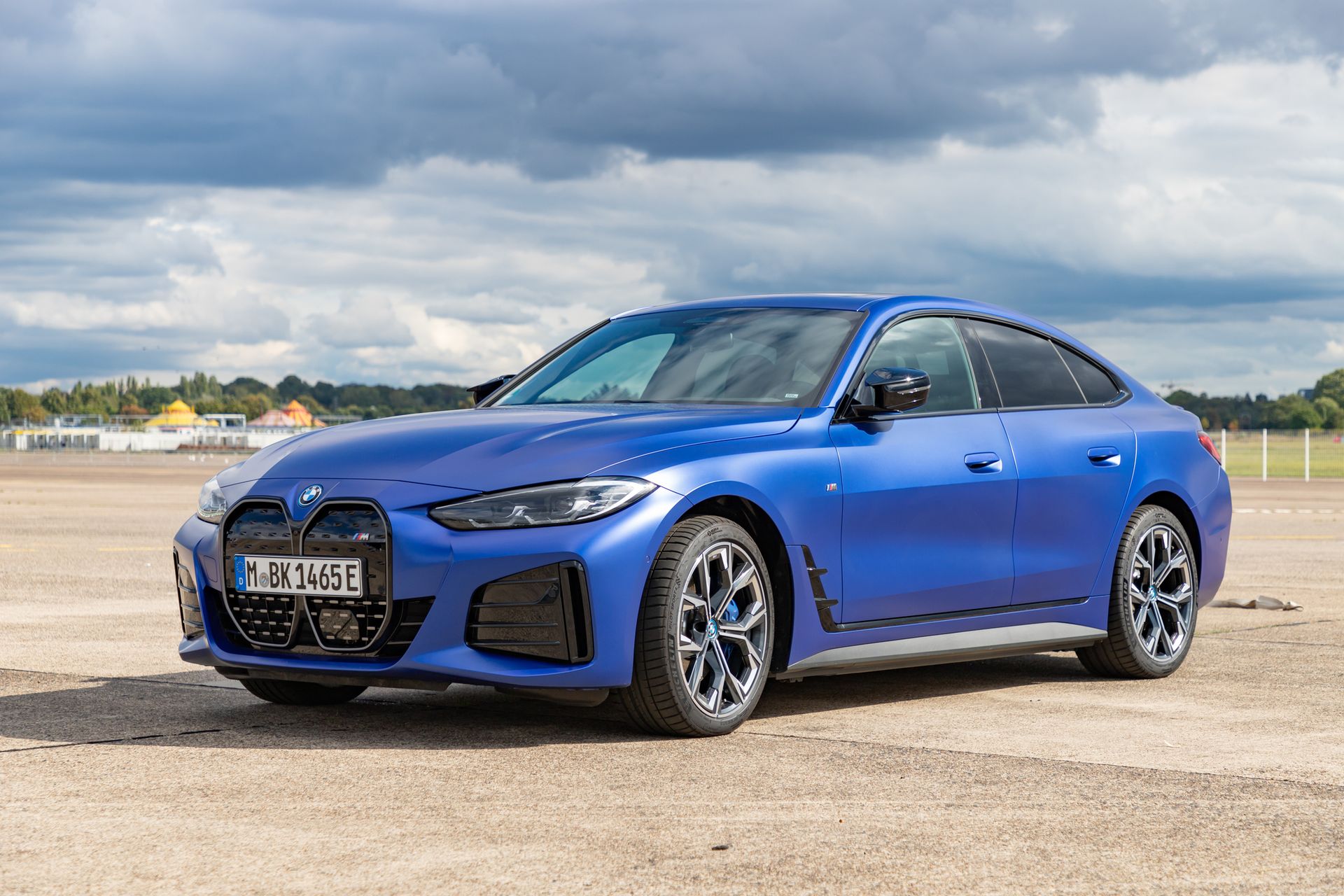
The 2025 BMW i4 earns an 8.8 U.S. News rating as a Model 3 alternative, with reviewer Mike Hagerty citing its design’s connection to the gas-powered 4 Series as a specific strength: the familiarity eliminates the learning curve that switching from a combustion vehicle to an EV often produces. The i4 is described as more luxurious than the Model 3, well-rounded, and fun to drive, with handling and steering that Hagerty characterizes as superb. Its 2025 refresh added updated exterior and interior styling that the source says only deepens its refinement.
Maximum range reaches 318 miles, positioning the i4 close to the Model 3’s 363-mile figure while offering a more premium cabin experience. The interior uses high-quality materials, and seat comfort and cargo space are described as on par with those of the Tesla $TSLA. One functional gap is the absence of a front trunk, which the Model 3 provides. BMW’s iDrive infotainment system draws criticism relative to Tesla’s interface. BMW’s iDrive infotainment system draws criticism relative to Tesla’s interface. U.S. News & World Report notes that many reviewers find it more difficult to use, which is the i4’s most consistent drawback in cross-shopping evaluations.
The primary barrier is the i4’s price. At $52,800, the BMW costs substantially more than a comparably equipped Model 3, and Hagerty specifically flags the cost differential as a factor that may stop cross-shoppers from choosing it. For buyers whose budget accommodates the premium and who want a sedan that is both more recognizably BMW-shaped and more traditionally luxurious than the Tesla, the i4 delivers on both counts. The 8.8 U.S. News rating reflects a vehicle that would rank among the strongest sedans in its segment regardless of powertrain. Buyers who want a car that is recognizably BMW on the outside, more lavishly appointed than the Tesla inside, and genuinely enjoyable to drive will find the i4 the most traditionally European option among the four Model 3 alternatives on this list. The absence of a frunk is the one packaging concession the i4 makes relative to the Tesla.
Sue Thatcher / Getty Images
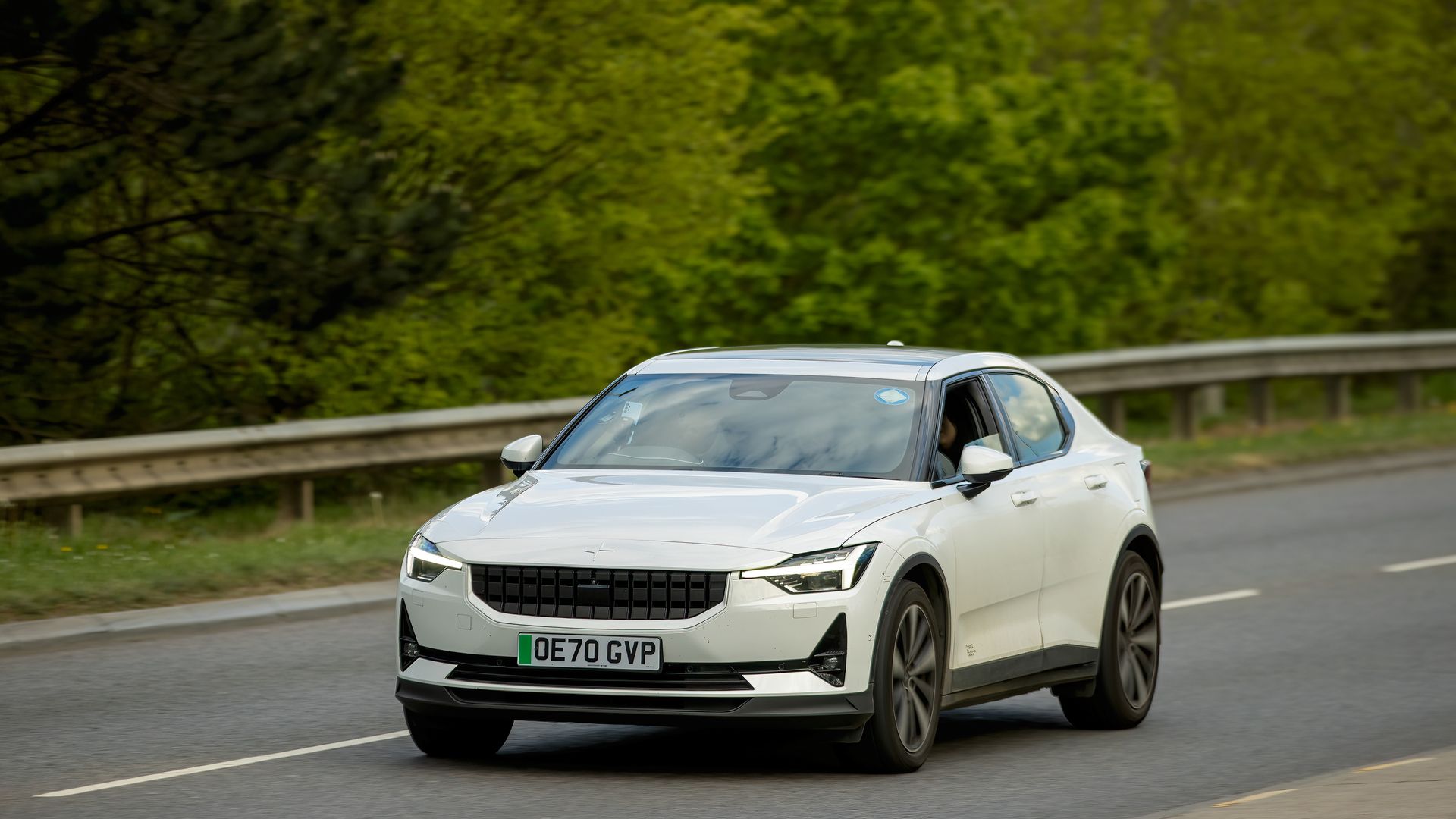
The 2025 Polestar 2 earns a U.S. News rating of 8.7 and is the only vehicle on this list that offers all-wheel drive and 476 horsepower standard across every configuration, with no lower-output variant available. The source describes it as a practical hatchback with an austere, eco-friendly interior that prioritizes thoughtful design in a manner similar to the Model 3. Its suspension is well-calibrated for cornering, and the 0-60-mph time of approximately four seconds gives it performance that matches the engagement level of the standard Model 3 without requiring a performance trim upgrade.
The Polestar 2 accommodates five passengers, though the source notes that a floor hump limits interior space and four occupants will typically be more comfortable than five. An optional performance package adds Öhlins adjustable shock absorbers, which the reviewer notes produce a firmer ride than some buyers will find acceptable. The DC fast-charging experience is efficient: using an NACS adapter, the Polestar 2 charges from 10% to 80% in approximately 28 minutes. The 254-mile maximum range is the shortest of the four Model 3 alternatives on this list and the primary practical tradeoff the Polestar demands in exchange for its performance and AWD credentials. Shoppers who spend primarily within that range on daily drives will find the limitation less relevant than long-distance travelers who need to plan charging stops more carefully.
The Polestar 2’s starting price of $64,800 positions it significantly above the Model 3, and U.S. News identifies this gap as the most relevant consideration for shoppers comparing the two cars. Buyers who want a Model 3 competitor with a distinctly European performance character, standard all-wheel drive, and more power than the base Tesla $TSLA should find the Polestar 2 compelling. The 8.7 rating reflects strong overall performance across driving dynamics, technology, and interior quality, with the price premium as the primary caveat that narrows its realistic buyer pool. The 28-minute fast-charge window also makes it practical for long-distance driving, provided the Polestar’s 254-mile maximum range is sufficient for the buyer’s typical trip profile.
MarianVejcik / Getty Images
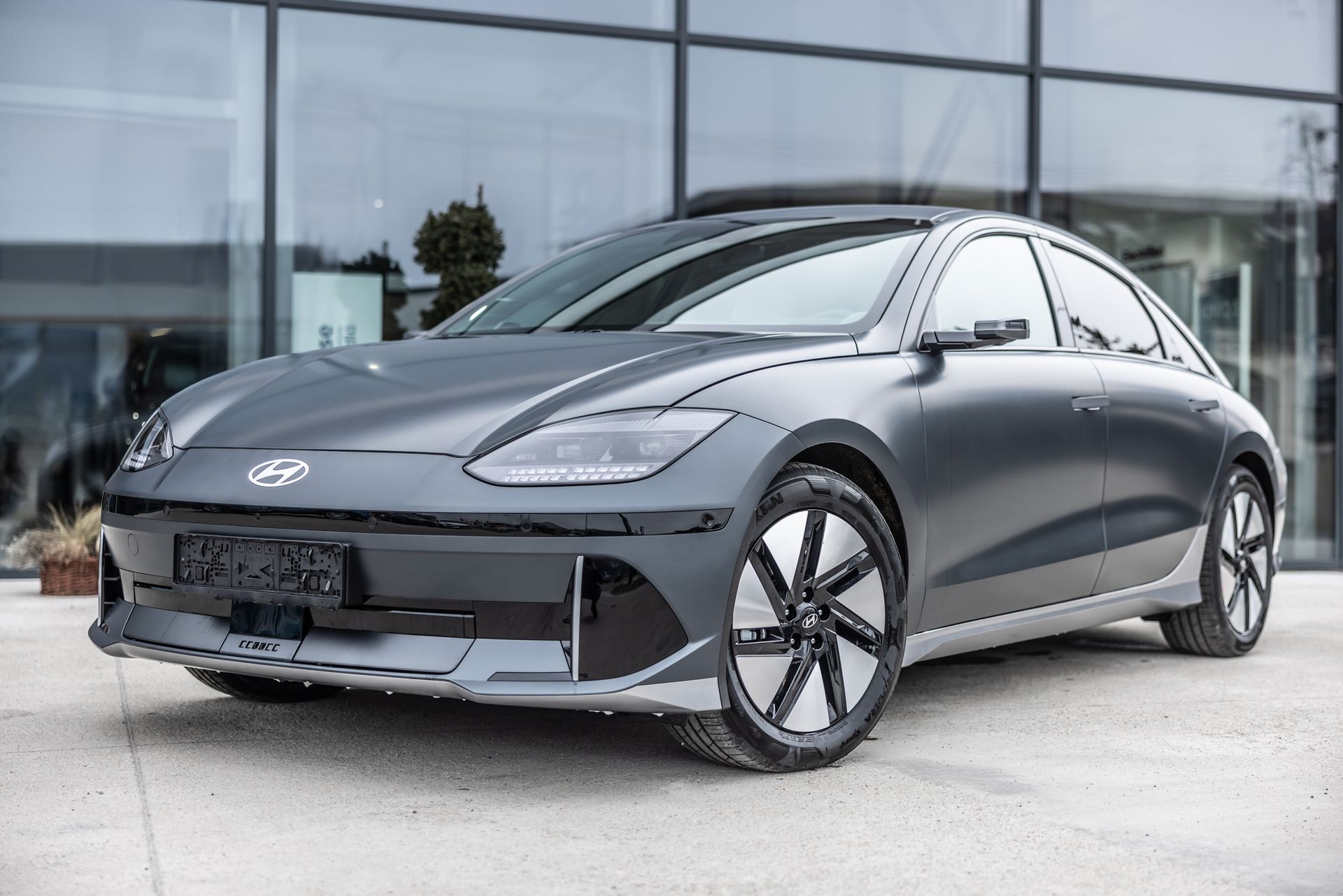
The 2025 Hyundai Ioniq 6 earns the highest U.S. News rating of the four Model 3 alternatives on this list at 9.0, and it is also the most affordably priced, starting at $37,850. Long-range variants deliver up to 342 miles per charge, approaching the Model 3’s 363-mile figure while undercutting it on price by a meaningful margin. The Ioniq 6 uses an 800-volt electrical architecture that enables faster charging than the Model 3’s system, and an NACS adapter provides Supercharger access.
The Ioniq 6’s interior takes a different approach to EV cabin design than Tesla $TSLA’s all-screen philosophy. The source describes its technology as user-friendly and notes that the cabin includes physical buttons alongside the touchscreen, which some drivers prefer for frequently used controls. Seat comfort and ride quality are both rated excellent, though some interior materials are described as cheap at lower trim levels. Rear headroom is noted as limited, a consequence of the car’s aerodynamic silhouette. The 800-volt charging architecture also gives the Ioniq 6 a practical road-trip advantage over the Model 3 by enabling faster recovery at public charging stations, even when the total range is slightly lower. For buyers who drive primarily within the 342-mile range figure and value a physical-button interface over an all-screen cabin, the Ioniq 6 is the most comprehensively compelling Model 3 alternative at its price.
The Ioniq 6 N debuts for 2026 with 641 horsepower, a figure that far exceeds any standard Model 3 variant. The source notes that Hyundai is pivoting its U.S. EV strategy so that the Ioniq 6 N will become the only Ioniq 6 variant sold in the country going forward, thereby concentrating the model’s identity around its high-performance specification. For buyers shopping before the N arrives in significant volume, the existing Ioniq 6 long-range variant represents the most value-for-money Model 3 alternative on this list, with a 9.0 rating that reflects superior technology accessibility and competitive range at a lower starting price.
Artistic Operations / Getty Images
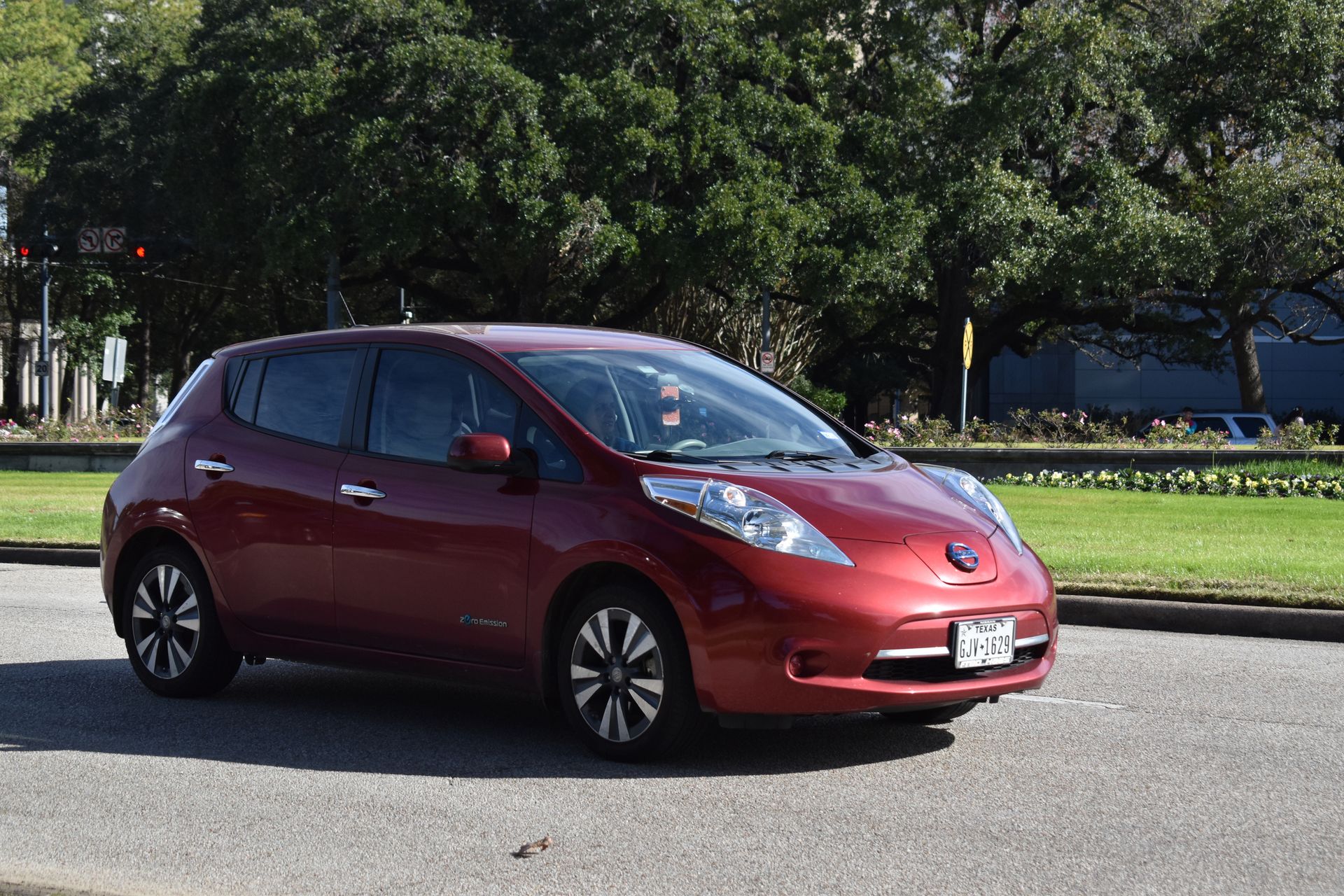
The 2026 Nissan Leaf is fully redesigned and starts just below $30,000, making it the most affordable vehicle on this list and the only Model 3 alternative that falls well below Tesla $TSLA’s entry price. The maximum range of 303 miles is now competitive with mainstream EV expectations, a meaningful improvement over prior Leaf generations. The redesigned model uses a Tesla-style NACS port for DC fast charging and a J1772 port for home charging. Nissan reports a 10% to 80% charge time of 35 minutes. Front-wheel drive and 214 horsepower keep production costs low, enabling the sub-$30,000 price point that no other EV with this range currently matches.
The Leaf’s value-first positioning means its 214-horsepower front-wheel-drive powertrain cannot match the outright performance of higher-trim Model 3 variants. Senior Editor John M. Vincent specifically highlights the memory foam seats as a standout feature, describing them as all-day comfortable. The Model 3 does not consistently deliver that level of quality at any price point. Taller rear-seat passengers may find the space insufficient, which is a practical consideration for families or frequent carpool users.
The redesigned interior uses a combination of a touchscreen, physical buttons, and touch controls, giving the Leaf a tactile interface that the source describes as inviting. The U.S. News rating of 8.6 reflects a vehicle that delivers strong value within its positioning. Shoppers who have historically avoided EVs because of the upfront cost will find the 2026 Leaf substantially closes the gap with comparable internal combustion vehicles, while 303 miles of range removes the daily anxiety about charging that shorter-range models have historically generated. At its price point, the redesigned Leaf has no direct EV competitor with equivalent range. The NACS fast-charging port also gives Leaf owners Supercharger access that prior generations required a separate adapter to achieve. The move to an NACS fast-charging port also gives Leaf owners access to the Supercharger network through a process that prior Leaf generations required an additional adapter to accomplish.
jetcityimage / Getty Images
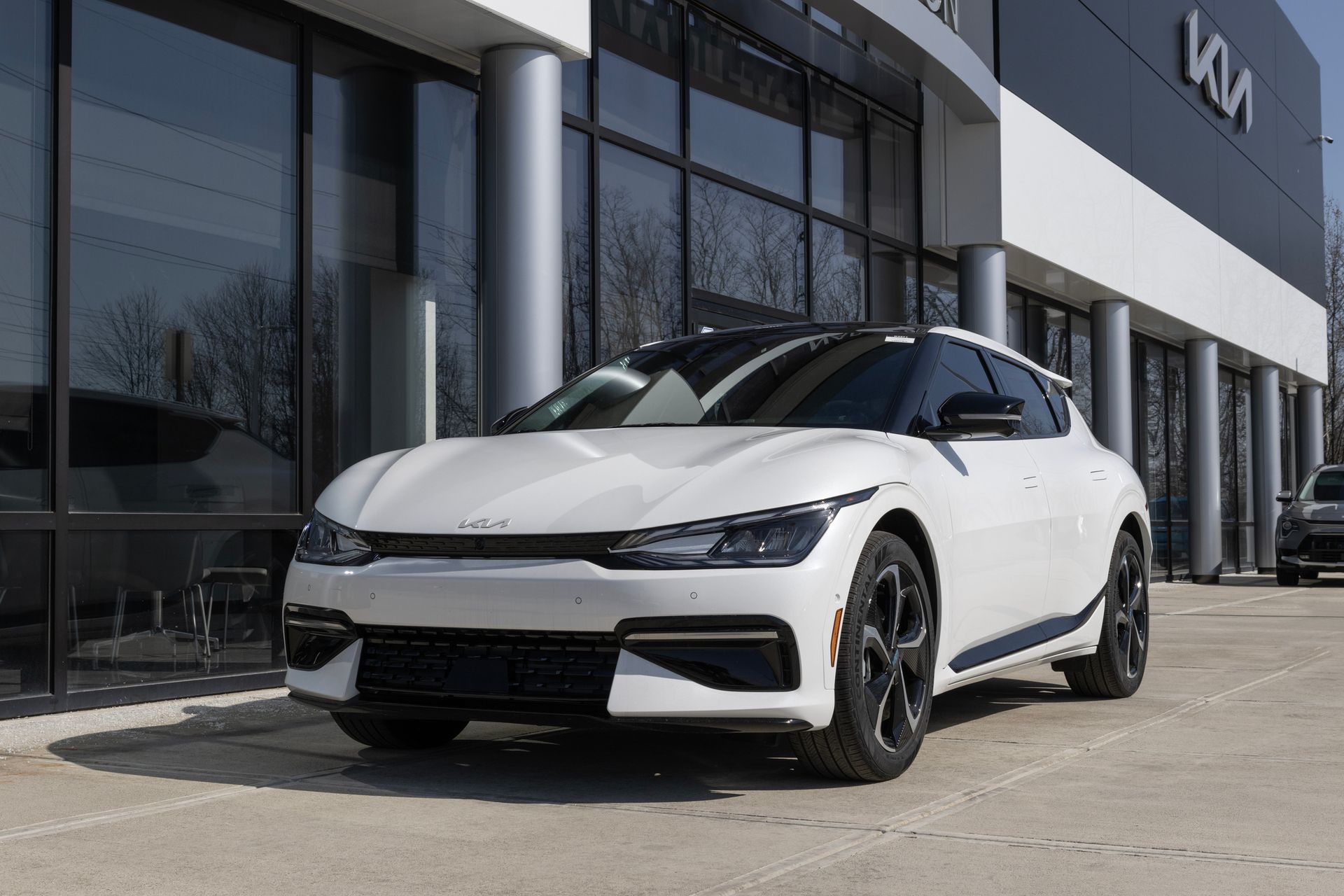
The 2026 Kia EV6 earns a U.S. News rating of 8.8 as a Model Y alternative, with a maximum range of 319 miles and an 800-volt architecture that allows faster charging than the Model Y’s system. Most EV6 trims use an NACS port, providing Supercharger access without an adapter. The source positions the EV6 as a sportier choice than the Model Y, with suspension tuning that, the reviewer says, makes the car feel more planted on twisty roads. The EV6’s sharper handling gives it a distinct driving personality compared to the Model Y. The source describes the Tesla $TSLA as more staid, a meaningful distinction for buyers who find crossover driving dynamics an important factor in their purchase decision. The EV6’s stylish interior, spacious cabin, and comfortable seating add everyday livability to its performance credentials, making it a well-rounded package at its price point.
The EV6’s interior is described as stylish and spacious, with comfortable seats. The source identifies one interface weakness: the dual-purpose climate and audio control panel, which shares controls between two functions and can prove awkward to operate at speed. The Model Y edges out the EV6 on range at 357 miles compared to 319, but the EV6’s 800-volt charging system compensates by allowing faster top-ups during long-distance driving.
The EV6 starts at $42,900, which positions it below most of the luxury-tier Model Y competitors on this list while still offering a more dynamically satisfying driving experience than the Tesla, according to the reviewer’s assessment. Buyers who want a crossover that prioritizes handling feedback and a higher charge rate over maximum range will find the EV6 addresses both criteria without the premium price of the Ioniq 5 N or the Mach-E GT. The 8.8 rating aligns the EV6 with the BMW i4 as two of the more strongly reviewed vehicles in this comparison, despite their different segments and price points. The spacious interior and comfortable seating also give the EV6 an everyday livability that performance-focused specifications alone do not capture.
jozzeppe / Getty Images
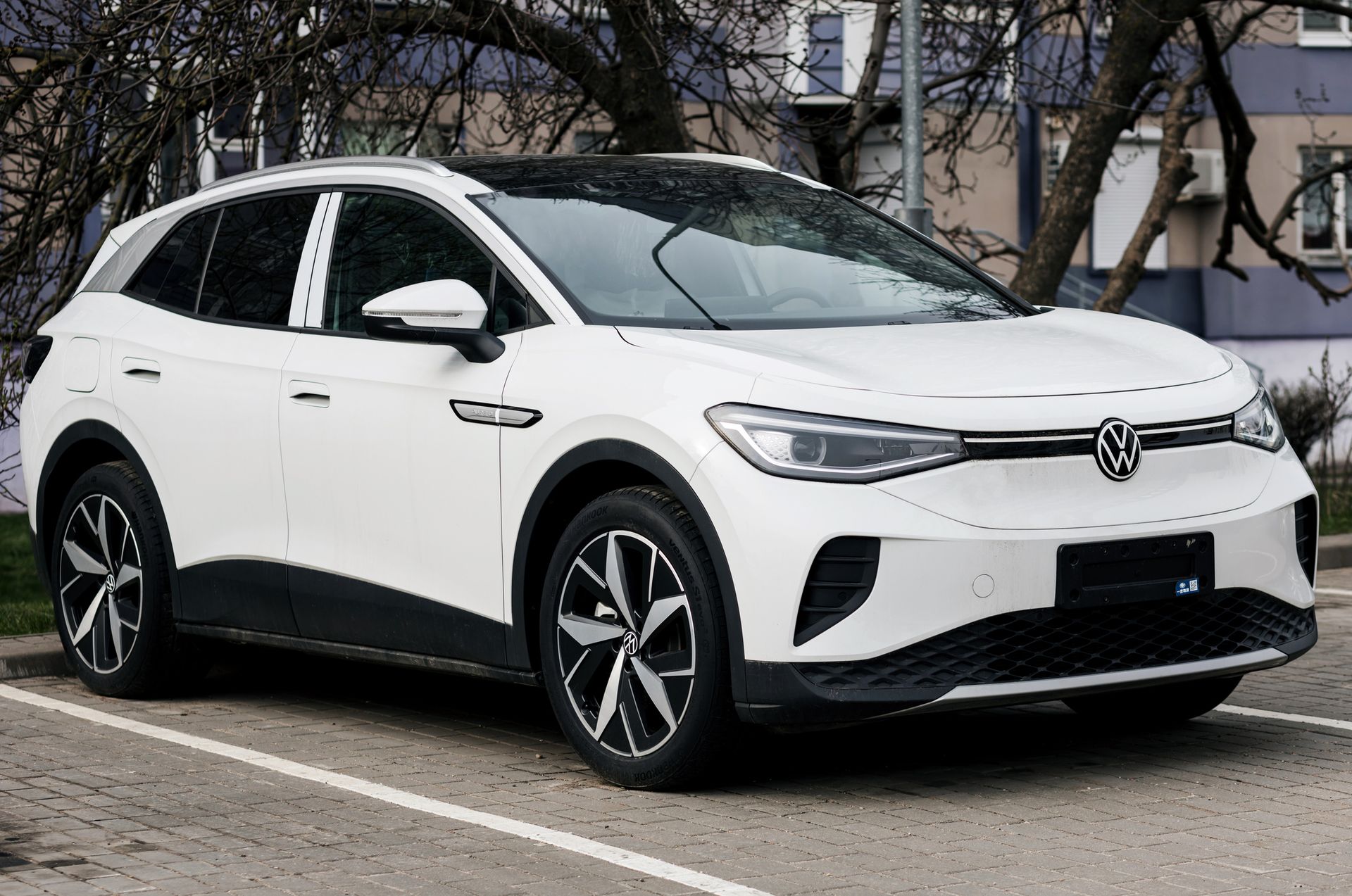
The 2026 Volkswagen ID.4 earns a U.S. News rating of 8.1 as a Model Y alternative, with a maximum range of 291 miles and ample head and legroom in both seating rows. Its starting price of $45,095 places it above the Model Y’s base price, though the source says it's still worth considering for most shoppers. The dual-motor variant provides substantial power, and the source characterizes the ride as smooth overall. An NACS adapter enables Supercharging, and Volkswagen claims a 10% to 80% charge time of 30 minutes at a DC fast charger.
The ID.4’s driving character is described as not necessarily sporty but competent in dual-motor form. Reviewer Mike Hagerty’s assessment of the cabin identifies a genuine tension in the ID.4’s design approach: the infotainment screen looks clean but is finicky in practice, and an unusual window control setup uses only two switches for four windows, requiring the driver to activate a rear-window mode before rolling down the back windows. The source quotes Hagerty saying the cabin “aims to be crisp and tech-forward, but it backfires in places.”
The ID.4’s 8.1 rating places it below several other Model Y alternatives on this list, and the source is measured in its enthusiasm — the recommendation is that the ID.4 is worth a look, not that it is the clear choice. Its primary advantages over the Model Y are interior volume and ride smoothness. Buyers who prioritize cabin space and a conventional crossover driving experience over Tesla $TSLA’s sharper tech integration will find the ID.4 meets those priorities, while accepting a lower maximum range and a higher price than the Model Y. The ID.4’s 8.1 rating is the lowest among the Model Y alternatives on this list, and the source’s measured endorsement reflects a vehicle that is competitive in interior volume but falls short on charging speed, range, and user interface execution relative to its crossover peers.
jetcityimages / Getty Images
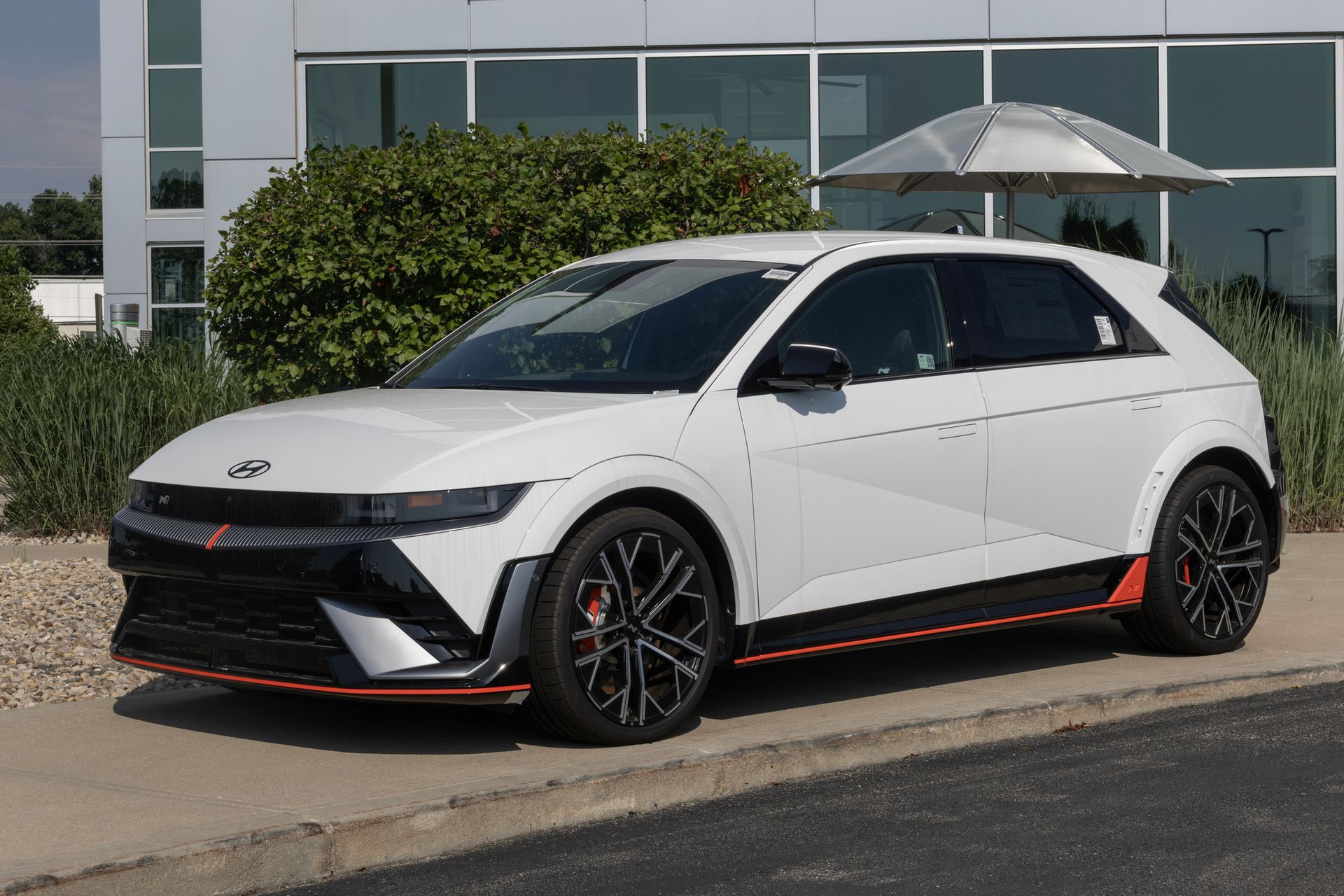
The 2026 Hyundai Ioniq 5 earns a 9.4 U.S. News rating — the highest score on this list — and Hyundai lowered its price substantially for 2026, with a starting price of $35,000. The source describes it as a great overall package, noting that the hatchback body style belies a roomy and airy interior. The standard 800-volt architecture enables DC fast charging from 10% to 80% in approximately 24 to 30 minutes, with the Ioniq 5 now using an NACS port for all charging.
Performance-oriented buyers have two distinct upgrade paths. The Ioniq 5 N model achieves a 0-60-mph time of 3.2 seconds, which is among the fastest on this list, and features multiple performance modifications that give it a track-capable character the standard Ioniq 5 does not. The XRT trim adds off-road capability for buyers who want to venture beyond pavement, though the source characterizes this upgrade as moderate. It suits mild trail use and is not a serious off-road build.
The Ioniq 5’s maximum range of 318 miles falls short of the Model Y's in both rear-wheel-drive and all-wheel-drive configurations, a limitation the source acknowledges. The faster 800-volt charging rate partially compensates for this gap during long-distance driving by reducing the time needed to restore range at public charging stations. The 9.4 rating, the 2026 price reduction, and the availability of both a performance N model and an off-road-capable XRT give the Ioniq 5 the broadest trim-level appeal of any Model Y alternative on this list. Shoppers who want the highest-rated vehicle in this comparison at an accessible price point should start here. The Ioniq 5’s 24-to-30-minute charge window is the fastest of any Model Y alternative on this list, and the NACS port removes the need for an adapter at Superchargers. Buyers who want performance, off-road capability, and fast charging in a single model lineup will not find a more complete package at this price.
Artistic Operations / Getty Images
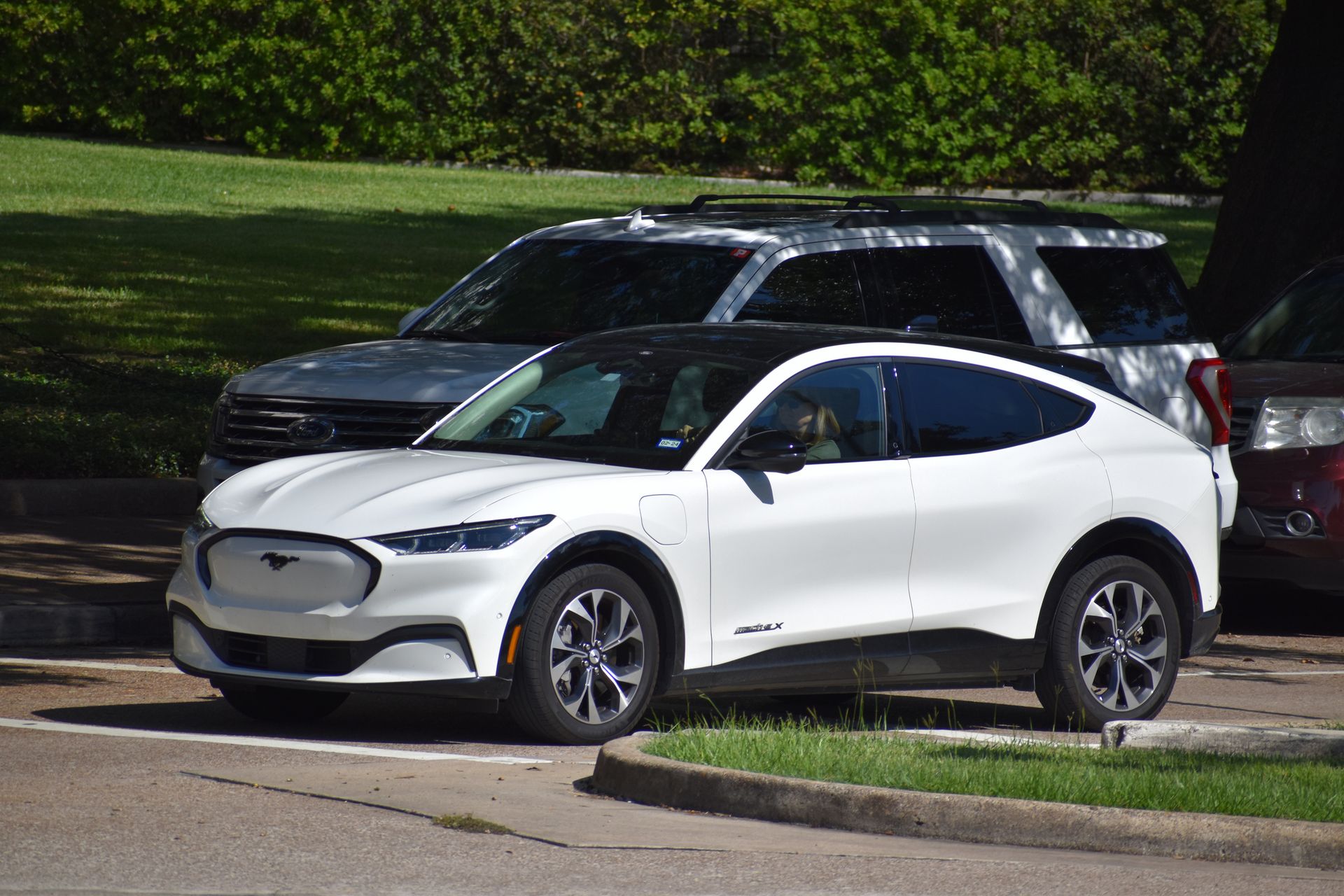
The 2026 Ford $F Mustang Mach-E earns a U.S. News rating of 9.2 as a Model Y alternative, with a maximum range of 320 miles and a GT Rally trim that matches the Model Y Performance’s 0-60-mph time of 3.3 seconds. The source identifies the Mach-E as one of the highest-ranking electric SUVs in the U.S. News database. Senior Editor John M. Vincent argues that the Mach-E’s performance justifies its Mustang branding, saying it is worthy of wearing the pony badge. That is a meaningful concession given the cultural weight that the nameplate carries.
The reviewer’s personal assessment of the Mach-E emphasizes its handling ability. The source describes it as a great mix of style and sporty driving, though it notes that some buyers may prefer a softer ride than the performance trim delivers. DC fast-charging times range from 38 to 45 minutes to reach 80%, which is slower than the Kia EV6 and Hyundai Ioniq 5. Both competitors use 800-volt architecture, which enables faster top-ups. An NACS adapter is included for Supercharger access.
The Mach-E starts at $37,795, positioning it close to the Ioniq 5’s starting price while offering a sharper visual identity tied to one of Ford’s most recognizable nameplates. The 320-mile maximum range trails the Model Y’s 357 miles, and the charging speed disadvantage relative to Korean competitors is a factor for buyers who regularly drive long distances. For shoppers who want performance SUV character, Mustang heritage, and a 9.2 rating in a package priced near $38,000, the Mach-E delivers a case that the pure performance numbers alone do not fully capture. The GT Rally’s 3.3-second 0-60 time makes it the quickest Model Y alternative in this price tier, and the Mustang nameplate gives it a brand story that the Korean and European competitors cannot replicate. Buyers who find the charging speed difference relative to 800-volt competitors acceptable will find the Mach-E the most character-driven choice on this list.
Volodymyr Semeniuk / Getty Images
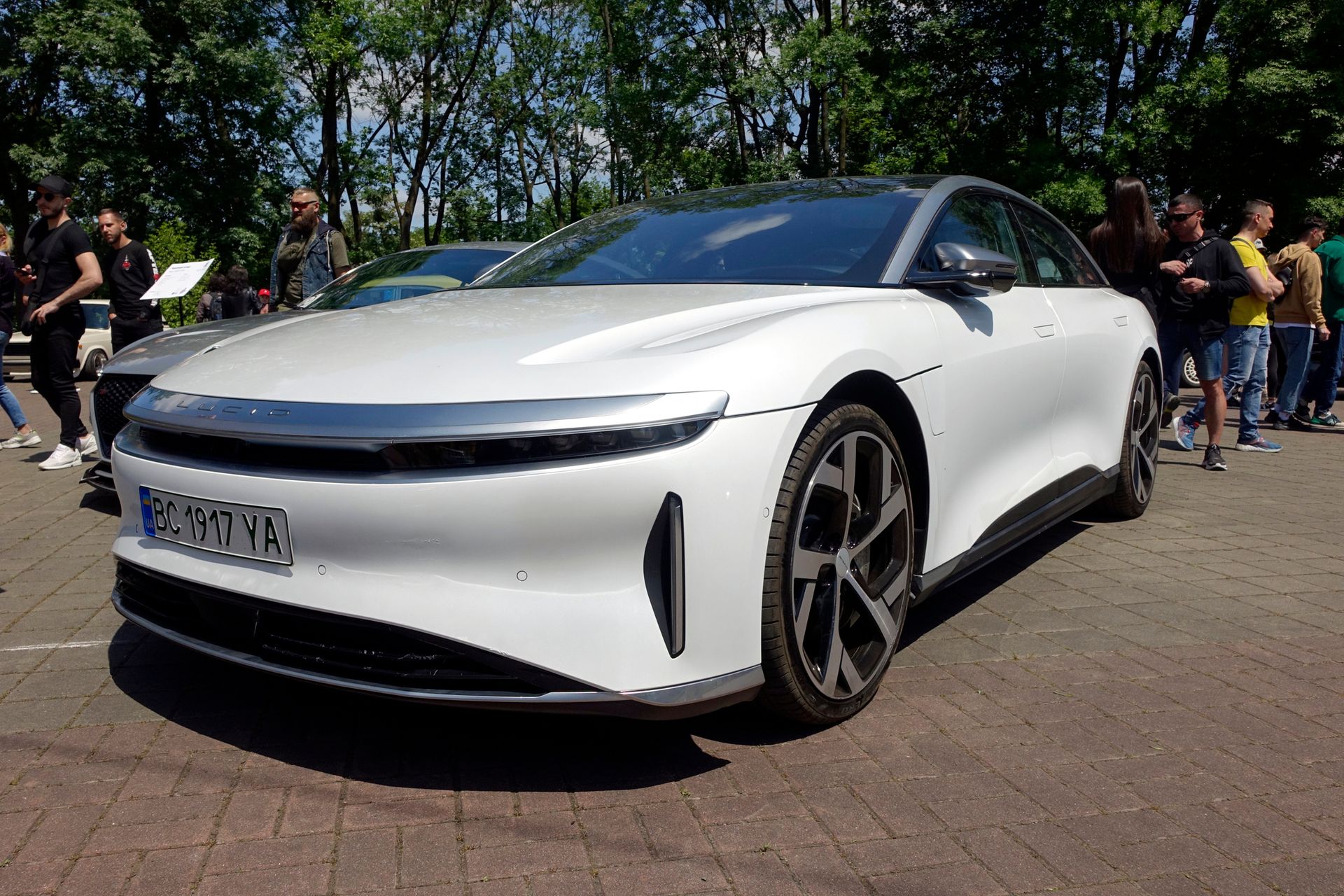
The 2026 Lucid $LCID Air earns a U.S. News rating of 9.6 — the second-highest on this list — as a Model S alternative, with a maximum range of 512 miles in dual-motor, all-wheel-drive form. The source notes that the Air was designed by the same chief engineer who built the Model S, giving the vehicle a lineage that is more than metaphorical. The 512-mile figure exceeds the Model S's range by more than 100 miles, making the Air the longest-range production electric vehicle covered in this comparison.
The Air’s charging performance also exceeds that of the Model S: Lucid estimates that a DC fast charger can add 200 miles of range in as little as 16 minutes. An NACS adapter provides Supercharger access, though the source notes that Lucid’s hardware specifically limits the Air’s charging speed at Tesla $TSLA stations. Buyers planning road trips reliant on the Supercharger network should understand this constraint before committing to the Air. The Air Sapphire variant produces 1,234 horsepower and achieves a 0-60-mph time of 1.89 seconds, a figure that exceeds even the Model S Plaid.
Ride quality across the Air lineup is described as well-refined, though the source acknowledges persistent software quirks. Continuous over-the-air updates have addressed many of them, but the software maturity gap between Lucid and Tesla remains a consideration for buyers whose EV experience has been shaped by Tesla’s software reliability. The Air starts at $70,900. For buyers who prioritize maximum range, luxury refinement, and performance credentials in a single package, the Air makes a stronger case on each of those three axes than the Model S. The 9.6 U.S. News rating is the highest of any vehicle on this list, and the 512-mile range and 200-mile-in-16-minutes charging figure give the Air objective performance claims that no other luxury electric sedan currently matches. Software maturity remains the one area where Tesla’s institutional experience gives the Model S a meaningful advantage over the Air.
photosvit / Getty Images
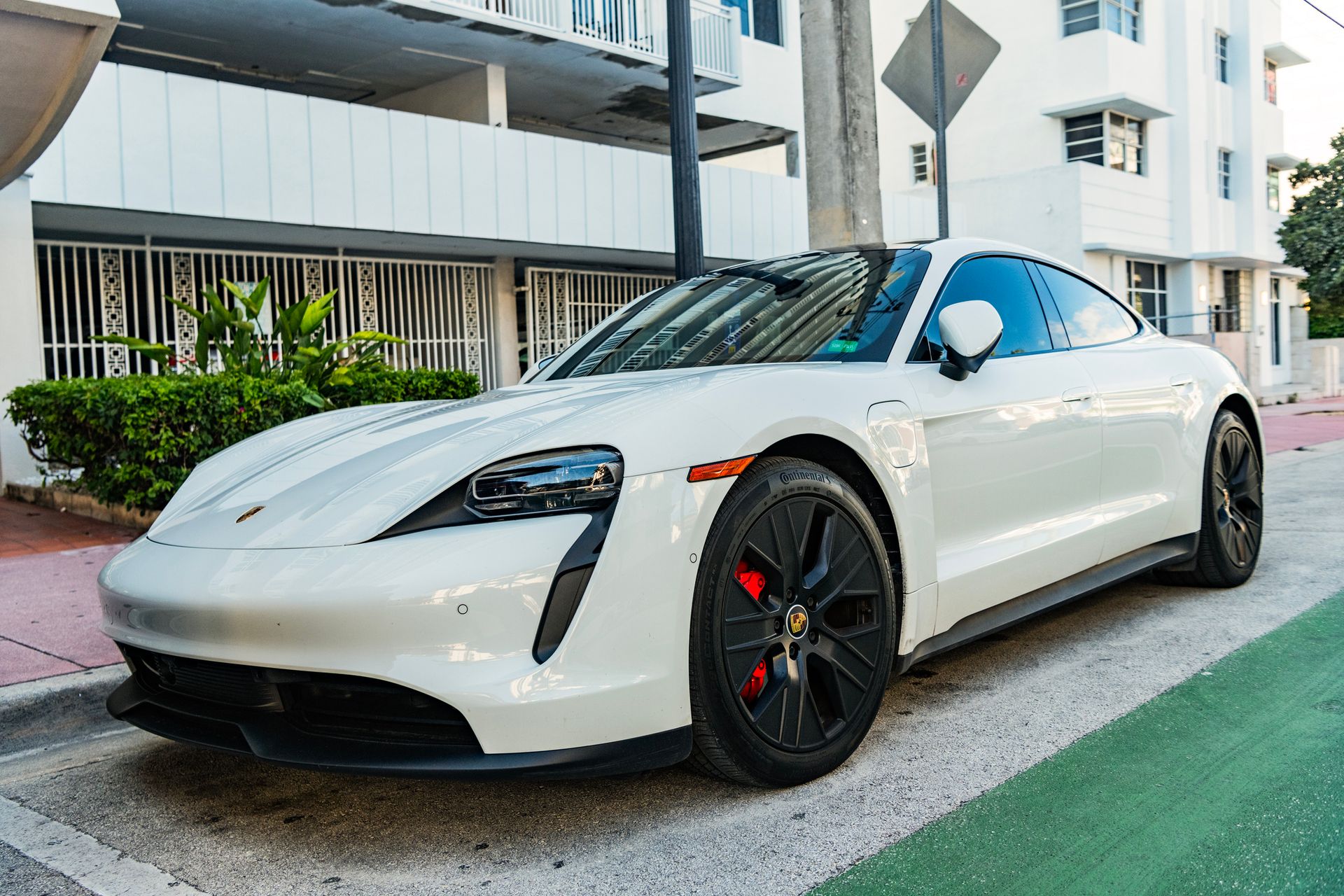
The 2025 Porsche Taycan earns a U.S. News rating of 8.6 as a Model S alternative, starting at $99,400 with a maximum range of 318 miles. The source acknowledges the Taycan costs more and offers less range than the Model S, but identifies trim variety as its primary structural advantage over the Tesla $TSLA. The Taycan is available in a Sport Turismo wagon body style, an option the Model S does not offer. The interior is described as more plush than the Tesla’s, though with less cargo space and a more snug cabin overall.
The Taycan’s infotainment system distributes controls across several screens, which the source says can feel complex at first. On the performance side, the Taycan Turbo GT with the Weissach package achieves a 0-60-mph time of 2.1 seconds, placing it close to the Model S Plaid’s performance tier. Charging speed exceeds the Model S, and an NACS adapter enables Supercharging. The depth of customization available across the Taycan lineup is described as wild. This is consistent with Porsche’s broader approach across its model range, where individual specification choices can push the final price well above the base figure.
Expert reviewer Mark Takahashi captures the Taycan’s dual character in precise terms: driven conservatively, it is well-mannered and comfortable; pushed to its limits, it is approachable, allowing drivers to build confidence incrementally. The 8.6 rating is the lowest among the two Model S alternatives on this list, with the Lucid $LCID Air’s 9.6 clearly ahead. For buyers whose primary motivation is the Taycan’s Porsche badge, its Sport Turismo body style, or its deep customization catalog, those factors carry weight that a simple rating comparison cannot capture. The Taycan competes on identity as much as specification. Buyers who want a Porsche driving experience in an electric sedan, with the option of a Sport Turismo wagon body and near-Plaid acceleration from the Turbo GT, will find no closer match among the Model S alternatives on this list. The 8.6 rating is the lowest of the two Model S alternatives covered here, with the Lucid Air’s 9.6 clearly ahead on value, range, and raw performance metrics.
