
The best things to do in Hong Kong
From a 140-year-old Star Ferry crossing Victoria Harbour for 5 dollars to Wednesday night horse racing at Happy Valley
Henry Lai / Unsplash
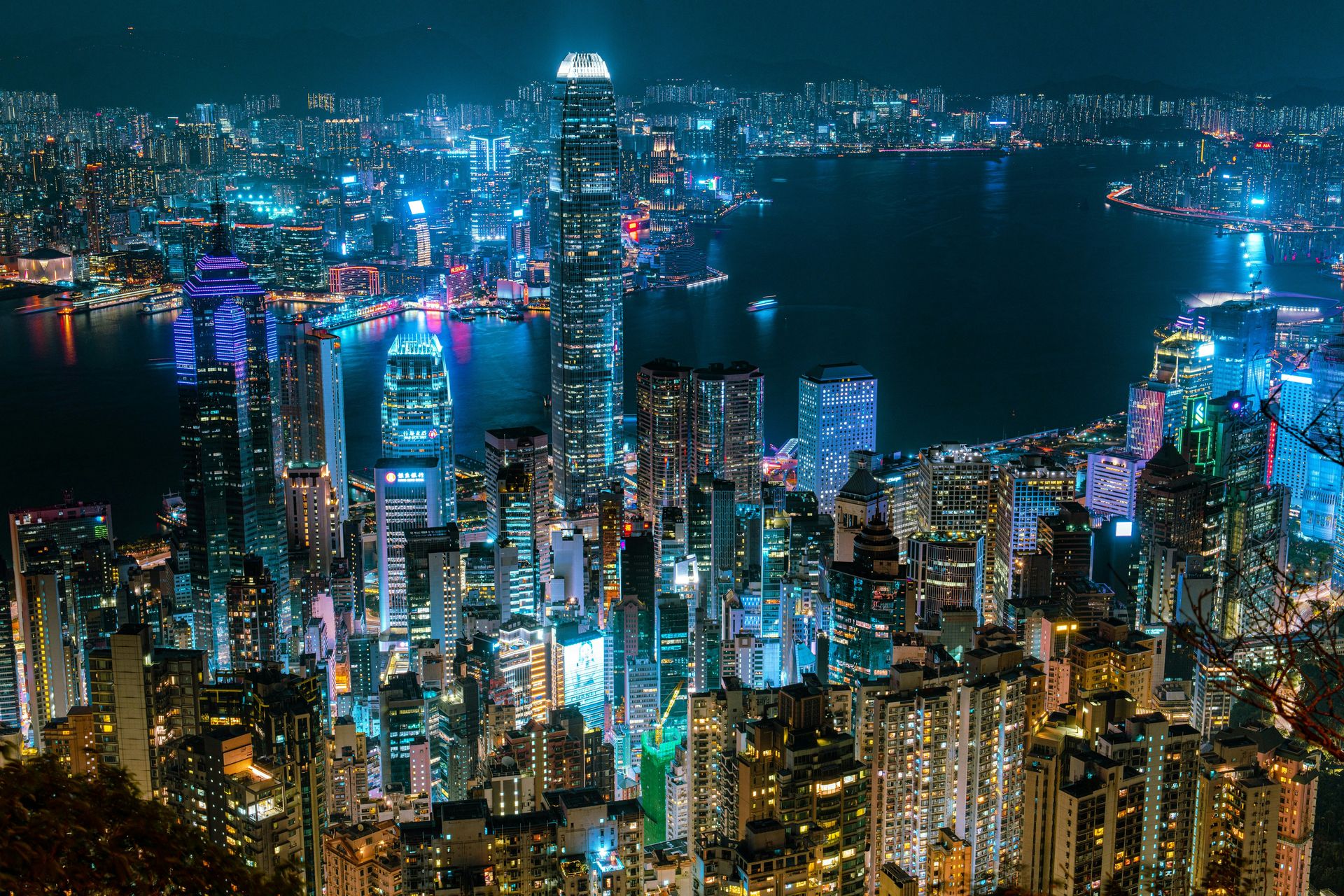
Hong Kong first registers as a strikingly high-rise city in a dramatic island setting, and that impression holds up on arrival. What changes everything is what comes next: the food scene that rivals any in Asia, nightlife that runs well past midnight, and shopping so dense it can overwhelm even seasoned travelers. None of this has been diminished by the city’s ongoing political tensions with mainland China. Hong Kong remains exactly as compelling as it’s always been, just with more layers underneath the skyline than first impressions suggest.
The sheer scale of what’s available can make planning genuinely difficult. There’s a 140-year-old ferry that doubles as the cheapest harbor cruise in the world, a tram system older than most of the buildings it runs past, and a Wednesday night horse racing tradition that fills an entire neighborhood with beer and live music. Picking where to start matters more here than in most cities, simply because Hong Kong rewards depth over breadth: spending real time at a handful of these experiences beats rushing through them all.
The 10 activities below appear in Lonely Planet, written by Tom O'Malley and the Lonely Planet editorial team, covering the full breadth of what makes Hong Kong distinctive: harbor transit, nightlife, neighborhood history, food at every price point, and easy access to the surrounding islands, giving a clear sense of priorities for a first visit or a return trip looking to dig deeper. Most of these experiences are close enough geographically that a single week, loosely organized around neighborhoods rather than a rigid daily schedule, comfortably covers all ten without feeling rushed. Travelers $TRV with less time should prioritize a mix of one transit experience, one neighborhood deep-dive, and at least one island excursion, which together capture most of what makes the city distinctive, even on a compressed schedule.
1. The Star Ferry has Hong Kong’s cheapest harbor view
Richard Haas / Unsplash
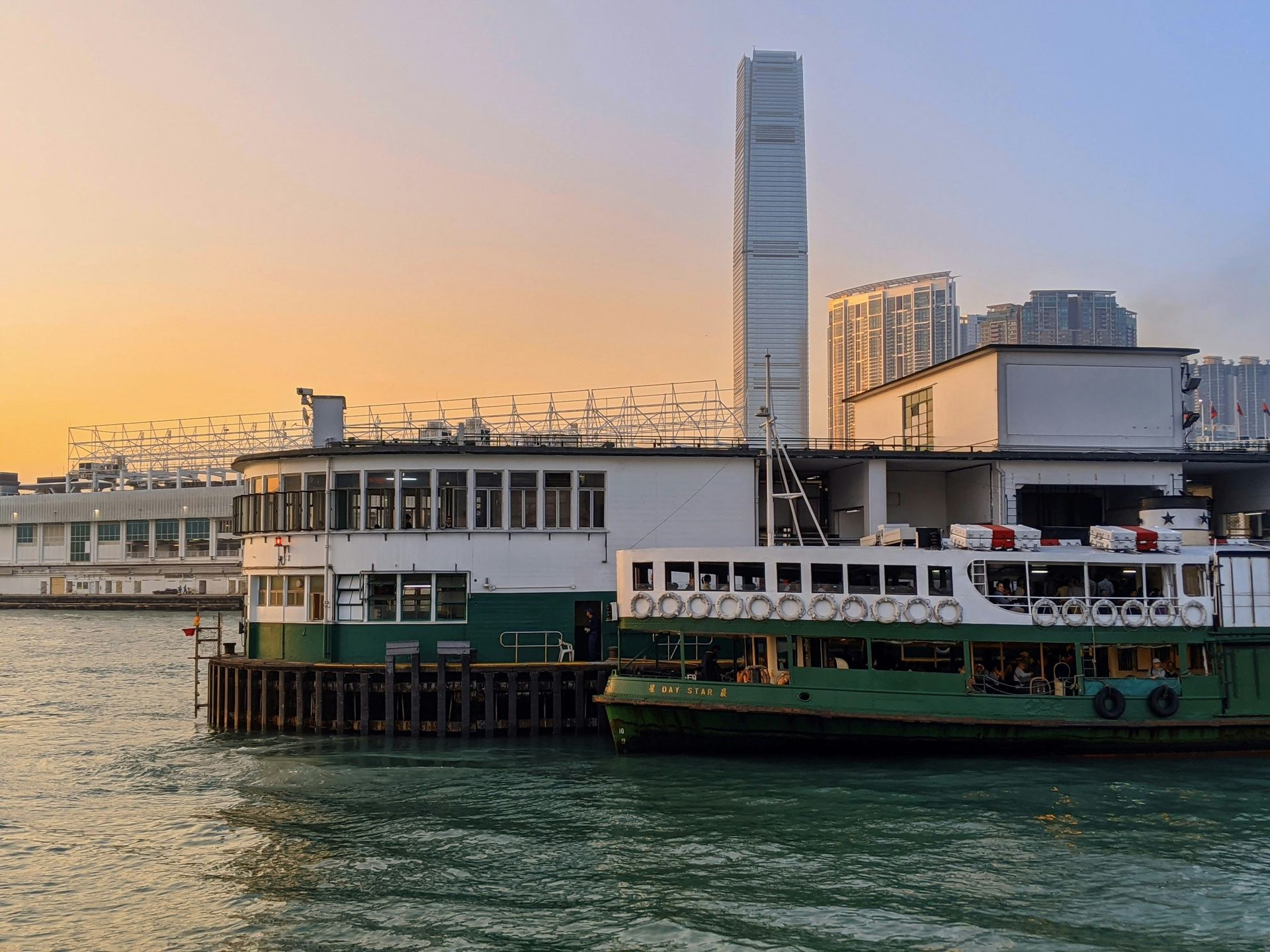
The Star Ferry has crossed Victoria Harbour between Kowloon and Central for more than 140 years, and the 10-minute trip costs just 5 Hong Kong dollars for the upper deck, a commute dressed up convincingly as the world’s least expensive sightseeing cruise. No other vantage point captures both the city’s dense skyline and the jungle-covered hills behind Hong Kong Island quite as effectively, especially with the open water giving everything room to breathe visually that the streets below don’t allow.
The standard crossing is short enough to feel almost like a formality, but Star Ferry also runs an hour-long Water Tour aboard a vintage-style vessel for travelers who want a longer look at the harbor. Timing the final tour of the day means catching it alongside the Symphony of Lights show, the nightly light and laser display that’s become one of Hong Kong’s signature evening spectacles.
The ferry’s age and continued relevance say something about Hong Kong more broadly: a city that’s rebuilt itself constantly for over a century while keeping certain fixtures, this one included, exactly as functional and beloved as they were generations ago. Riding it at dusk, when the skyline starts lighting up against the darkening hills, is one of the most reliably rewarding ten-minute experiences in the city. The ferry’s green and white livery has remained essentially unchanged for decades, and the wooden seats and simple metal railings on the upper deck give the whole experience a deliberately old-fashioned feel that contrasts sharply with the glass towers visible from the water. Photographers in particular favor the crossing for its unobstructed sightlines, since the boat’s slow, steady pace gives even a phone camera enough time to frame the skyline properly without the motion blur introduced by faster transport options. Locals use the ferry as a genuine commute, which means the boats run frequently throughout the day, departing roughly every six to twelve minutes depending on the time and route, so there’s rarely a long wait even during off-peak hours.
2. Hong Kong’s bar scene ranks among Asia’s most creative
Credit: Bar Leone
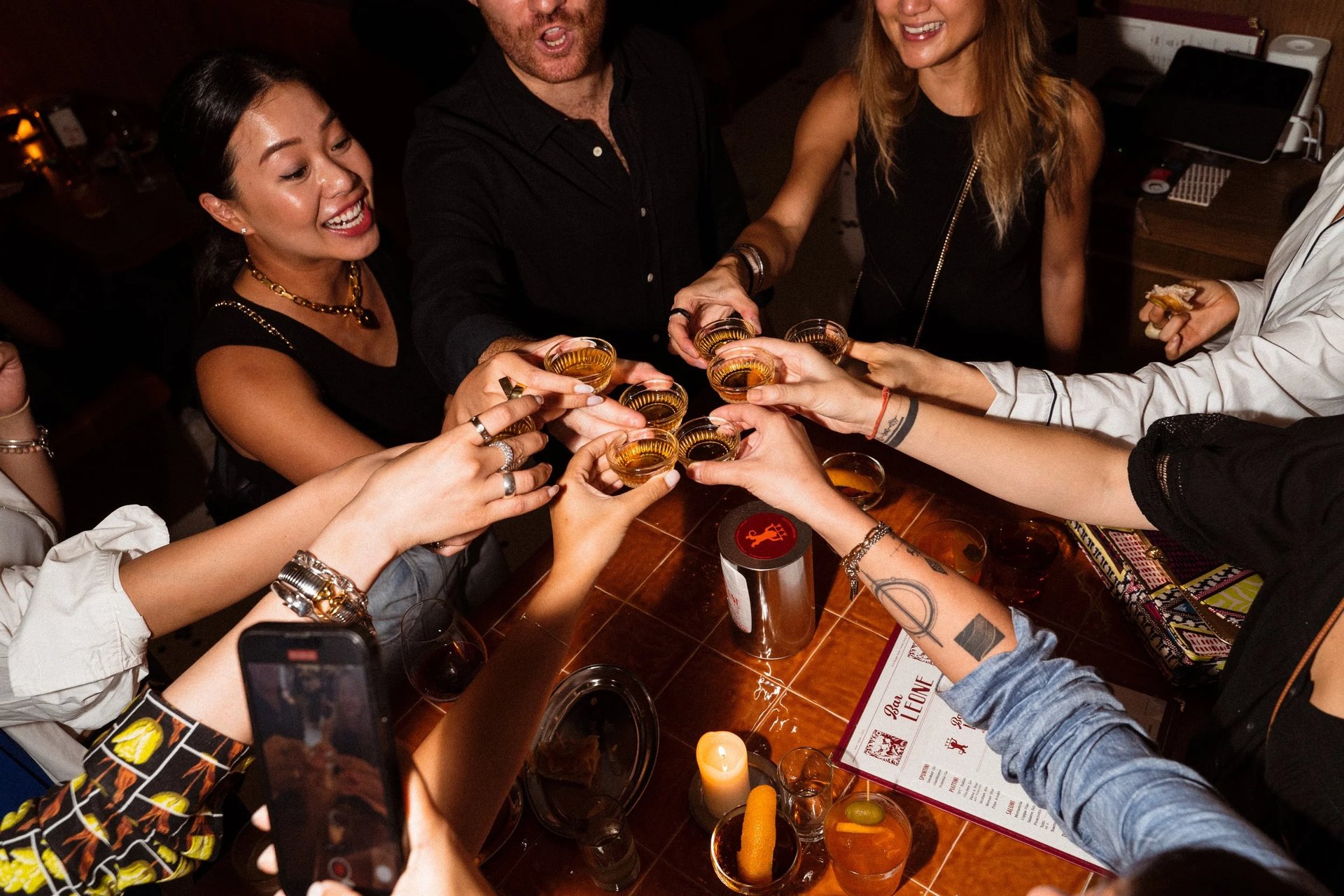
Nine Hong Kong venues appear on Asia’s 50 Best Bars list, including Bar Leone at number one, which tells you something about the depth of talent working the city’s cocktail scene, not just its visibility. Coa, ranked 17th, builds its entire identity around boutique agave spirits and Mexican flavor profiles, an unexpected specialty for a Hong Kong bar that’s become one of the city’s most distinctive drinking destinations. Argo, at 11th, takes a different approach entirely, using sustainably sourced staples like coffee and cacao to make an explicit statement about climate change through its cocktail menu.
Quinary, ranked 91st, draws inspiration from El Bulli, the legendary Spanish molecular gastronomy restaurant, applying similar techniques to drinks rather than food. The Old Man takes its cues from Ernest Hemingway, building an entire bar concept and menu around the writer’s life and work, giving Hong Kong’s bar scene a literary dimension that few other cities’ cocktail cultures even attempt.
Most bars stay open until 2 a.m. or later, and the dress code runs fairly smart across the board: shorts or flip-flops will likely get you turned away at the door of the more established venues. Happy hour windows, usually in the late afternoon or early evening, offer a couple of hours of drinks at a meaningful discount, and booking a table ahead is worth it, especially on Friday or Saturday nights when the best bars fill up fast. Several of the city’s top bars cluster within walking distance of each other in areas like Soho and Sheung Wan, which makes bar hopping a genuinely practical evening plan instead of something requiring taxis between stops. The cocktail prices at top-ranked venues tend to run higher than at casual neighborhood bars, but the quality and creativity on display generally justify the premium for anyone seriously interested in the craft. Several venues also run regular guest shaker programs, bringing in bartenders from other top-ranked bars around the world for limited residencies, which gives even repeat visitors a reason to check the current lineup before committing to a single night’s itinerary.
3. Hong Kong Island’s trams offer a slow, scenic ride
Cheung Yun / Unsplash
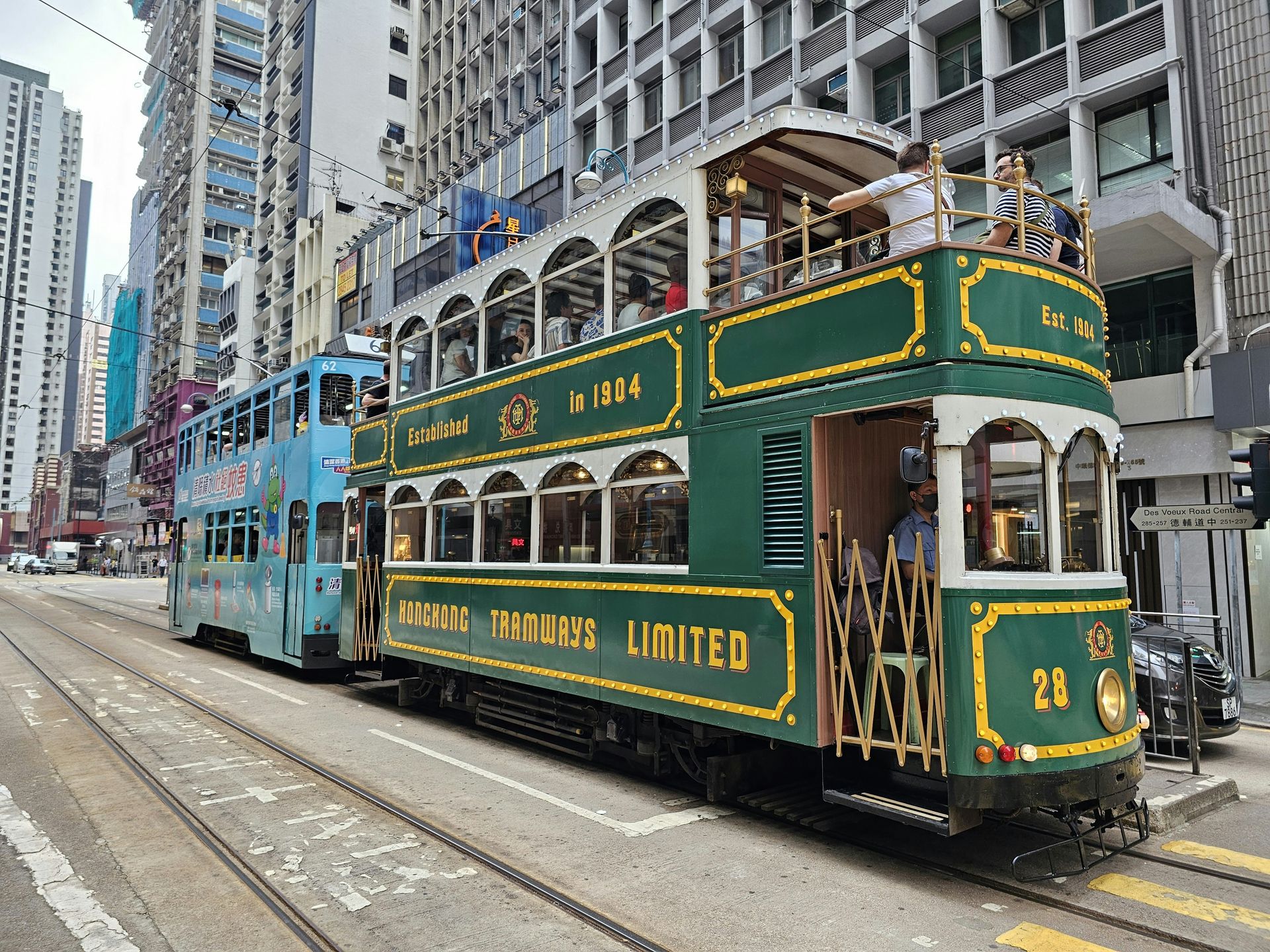
Hong Kong’s trams have run along the north shore of Hong Kong Island since 1904, and the slim double-decker cars, affectionately nicknamed “ding dings,” remain one of the most low-impact and genuinely enjoyable ways to move through the city. The top deck delivers a street-level view that the MTR underground simply can’t match, putting passengers close enough to the surrounding buildings and street life to feel like part of the city instead of just passing through it.
Taking an eastbound tram toward North Point adds a specific thrill: the route trundles directly through the middle of Chun Yeung Street Market, passing inches from stalls stacked with glossy cabbages and fresh seafood, close enough that the market’s daily commerce becomes part of the ride itself, not something glimpsed from a distance.
Boarding happens at the back of the tram and exiting at the front, with fares paid on the way out using either an Octopus transit card or cash. Cash payments come with no change given, so having the right amount ready avoids an awkward moment at the door. The system’s simplicity, combined with fares considerably cheaper than the MTR, makes the tram a genuinely practical transport option and not just a tourist novelty. The full east-west route covers most of Hong Kong Island’s northern shore, from Kennedy Town in the west to Shau Kei Wan in the east, and riding the entire length in one sitting gives a genuinely comprehensive sense of how the island’s character shifts from business district to residential neighborhoods to working-class markets along a single continuous track. Trams run frequently enough, typically every few minutes during the day, that waiting rarely becomes a real inconvenience even during busy commuting hours. The trams remain one of the most affordable ways to get around the island, with flat fares regardless of distance traveled, which makes them a popular choice for budget-conscious travelers covering longer stretches of the island in a single trip.
4. Happy Valley Racecourse owns Hong Kong’s Wednesday nights
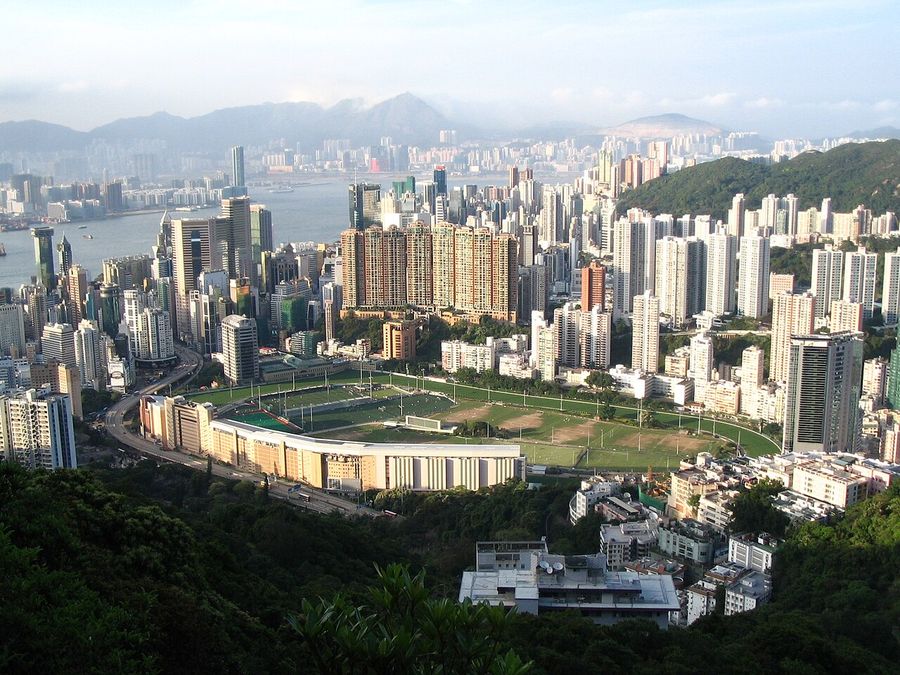
Minghong / Wikimedia Commons (CC BY-SA 4.0)
Wednesday night is race night at Happy Valley Racecourse on Hong Kong Island, and thousands of people show up specifically for the atmosphere as much as the actual horse racing. Live music, silly wigs, and copious amounts of beer define the evening’s energy, and terrace entry costs just 20 Hong Kong dollars, making this one of the most affordable and consistently fun nights out anywhere in the city. The oval track itself dates to 1845, and the towering apartment blocks surrounding it on all sides create a setting unlike any other racecourse in the world, urban density pressing right up against the edge of the action.
Placing a bet is straightforward even for first-timers unfamiliar with horse racing, and the betting windows accept relatively small amounts, which keeps the financial stakes low enough that the evening stays focused on having fun, not serious gambling. The races themselves run at a steady pace throughout the evening, giving the crowd plenty of breaks between heats to refill drinks and socialize.
Outside of race nights, the same oval track serves as a public running track for local joggers, a detail that captures how thoroughly Happy Valley has been absorbed into the daily life of the surrounding neighborhood rather than existing purely as a tourist or gambling destination. The Hong Kong Jockey Club, which operates Happy Valley, channels a significant portion of its revenue into local charitable causes, giving the racing tradition a civic dimension beyond pure entertainment that many visitors don’t realize until they look into how the club actually functions. International visitors are welcome to bet through the same windows as locals, and the minimum stakes stay low enough that trying it once for the experience, not the winnings, makes complete sense. Food and drink stalls scattered throughout the venue keep the crowd fed and watered between races, and the overall atmosphere tends to feel closer to a casual street festival than a formal sporting event, which is part of why so many visitors who have no interest in horse racing still end up having a genuinely great night.
5. Victoria Peak rewards both the tram ride and the hike up
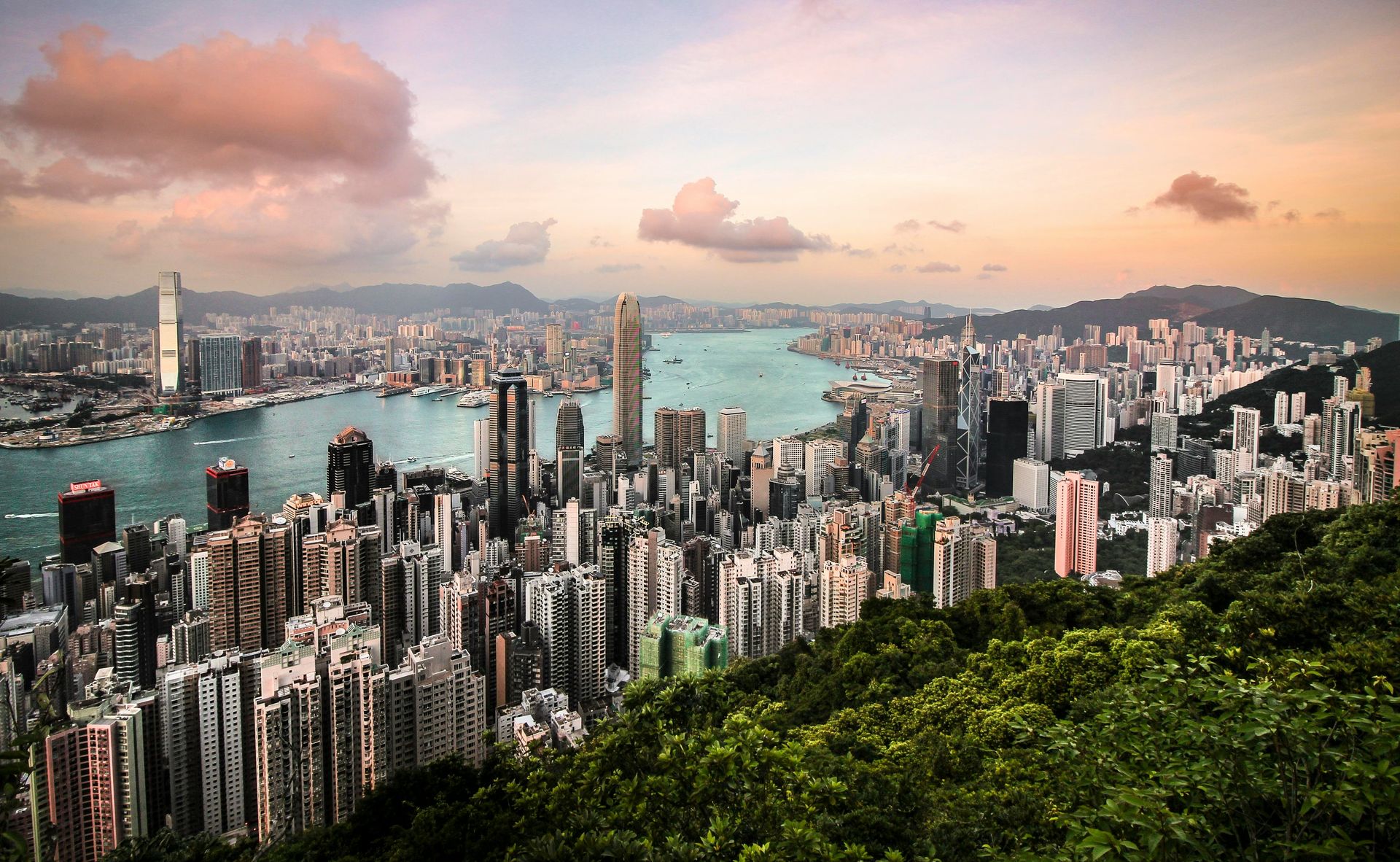
Florian Wehde / Unsplash
Victoria Peak, at 552 meters, stands taller than Hong Kong’s tallest skyscraper and ranks as the city’s single most popular scenic destination, drawing crowds who ride the famously steep Peak Tram to the upper terminus for views over the city and the South China Sea that genuinely justify the hype. The tram itself is part of the experience, climbing at an angle steep enough to feel like a minor thrill ride before passengers even reach the viewing platforms at the top.
Travelers $TRV wanting to skip the crowds entirely have a solid alternative: hiking up from Pok Fu Lam Reservoir along a relatively gentle ascent, then circling the summit on the flat, accessible Lugard Road loop, which delivers panoramic viewpoints without the tram’s queues. The full route covers about 6 kilometers and takes up to three hours, depending on pace, a genuinely worthwhile time investment for hikers who want the same views with considerably more solitude.
Timing the visit for just before sunset captures the city in both its daytime and nighttime states within a single visit, watching the skyline transition from a daylight panorama into a glittering nightscape as the lights switch on across the harbor and the surrounding hillsides. The Peak Tower at the summit houses shops, restaurants, and an indoor observation deck for visitors who’d rather skip the open-air viewing platforms, particularly useful on the city’s more humid or hazy days when outdoor visibility can suffer. Buses also run to the Peak for travelers who want the views without either the tram queue or the hike, though neither alternative offers quite the same sense of occasion as arriving via the original 1888 funicular system. The hike up from Pok Fu Lam, while gentler than some of Hong Kong’s more demanding trails, still climbs a meaningful elevation gain, and starting in the late afternoon gives hikers enough daylight to complete the ascent comfortably before timing the summit arrival for sunset.
6. Yau Ma Tei preserves old Hong Kong’s neon-lit character
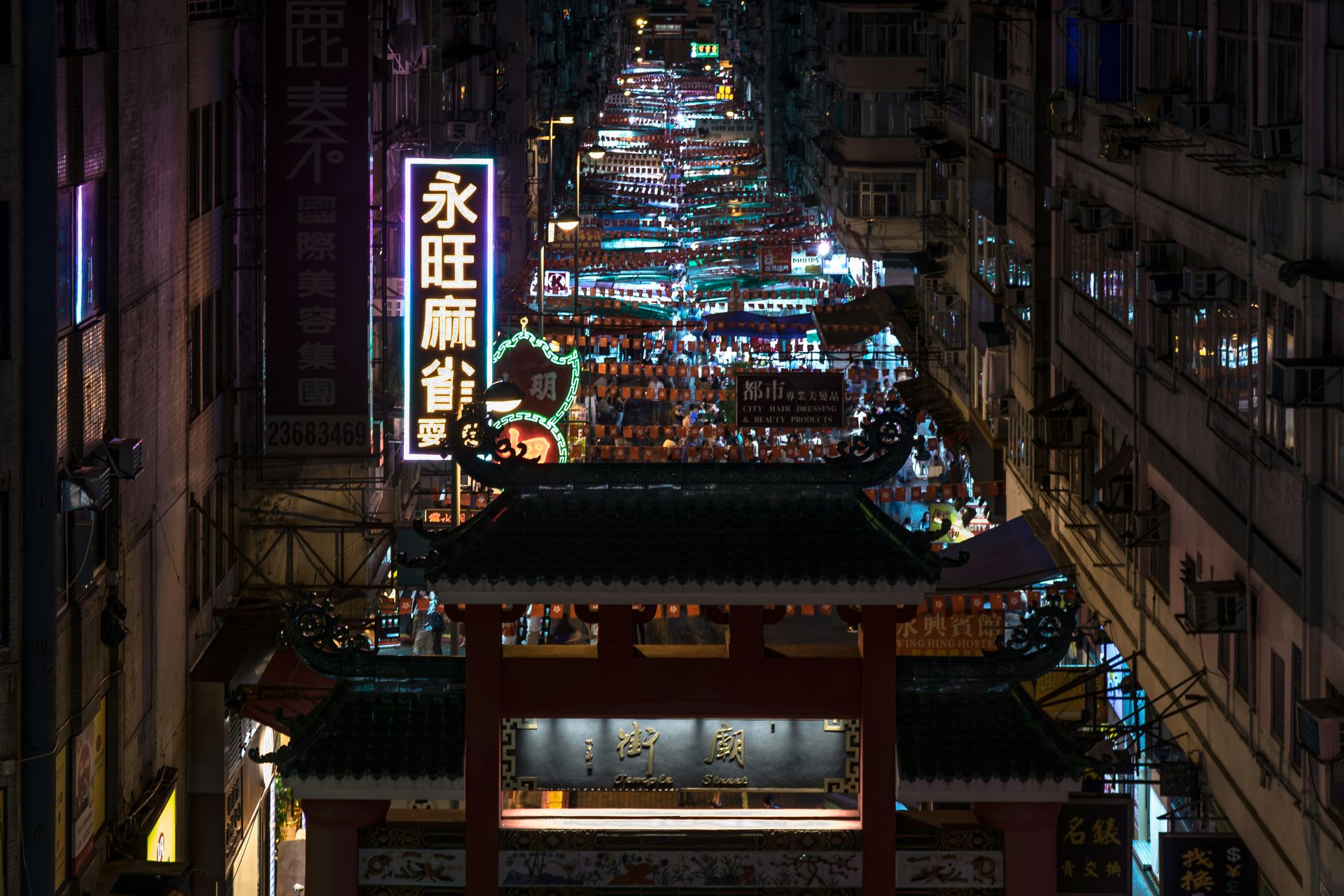
Natalie Leung / Unsplash
Yau Ma Tei in Kowloon holds onto a version of Hong Kong that’s increasingly rare elsewhere in the city: mahjong parlors, martial arts dens, dried seafood sellers, and cleaver shops line streets steeped in neon signage and genuine nostalgia. This is the Hong Kong of decades past, preserved not as a museum piece but as a functioning neighborhood where these businesses still serve a real local clientele instead of performing tradition for visitors.
Stopping at one of the area’s retro cha chaan tang teahouses gives a direct taste of Hong Kong’s specific café culture, where strong tea, simple comfort food, and a no-frills atmosphere have remained essentially unchanged for generations. Travelers $TRV in the mood for something more participatory can head to a neighborhood sing-along parlor, where old-time karaoke and beers with locals offer a genuinely communal evening that itineraries for tourists rarely include.
The MTR’s red Tsuen Wan Line connects Central directly to Yau Ma Tei, with fares starting at 5 Hong Kong dollars. Tourist day passes, offering 24 hours of unlimited travel for 65 dollars, are available at station vending machines, though picking up an Octopus card instead makes tapping through barriers considerably more seamless across the whole trip. Walking the neighborhood’s main streets after dark reveals the full extent of its neon signage, much of it advertising the same mahjong parlors and seafood shops that have operated here for generations, giving Yau Ma Tei a visual character that’s become genuinely rare elsewhere in a city that’s modernized its signage considerably faster than its older districts. The area is close enough to Temple Street Night Market that combining the two into a single evening makes practical sense for most visitors. Many of Yau Ma Tei’s older shops close relatively early compared to the rest of the city, so visiting in the late afternoon before the dinner rush gives the best chance of seeing these businesses still fully operational, not already shuttered for the night.
7. Hong Kong’s urban temples hide among the skyscrapers
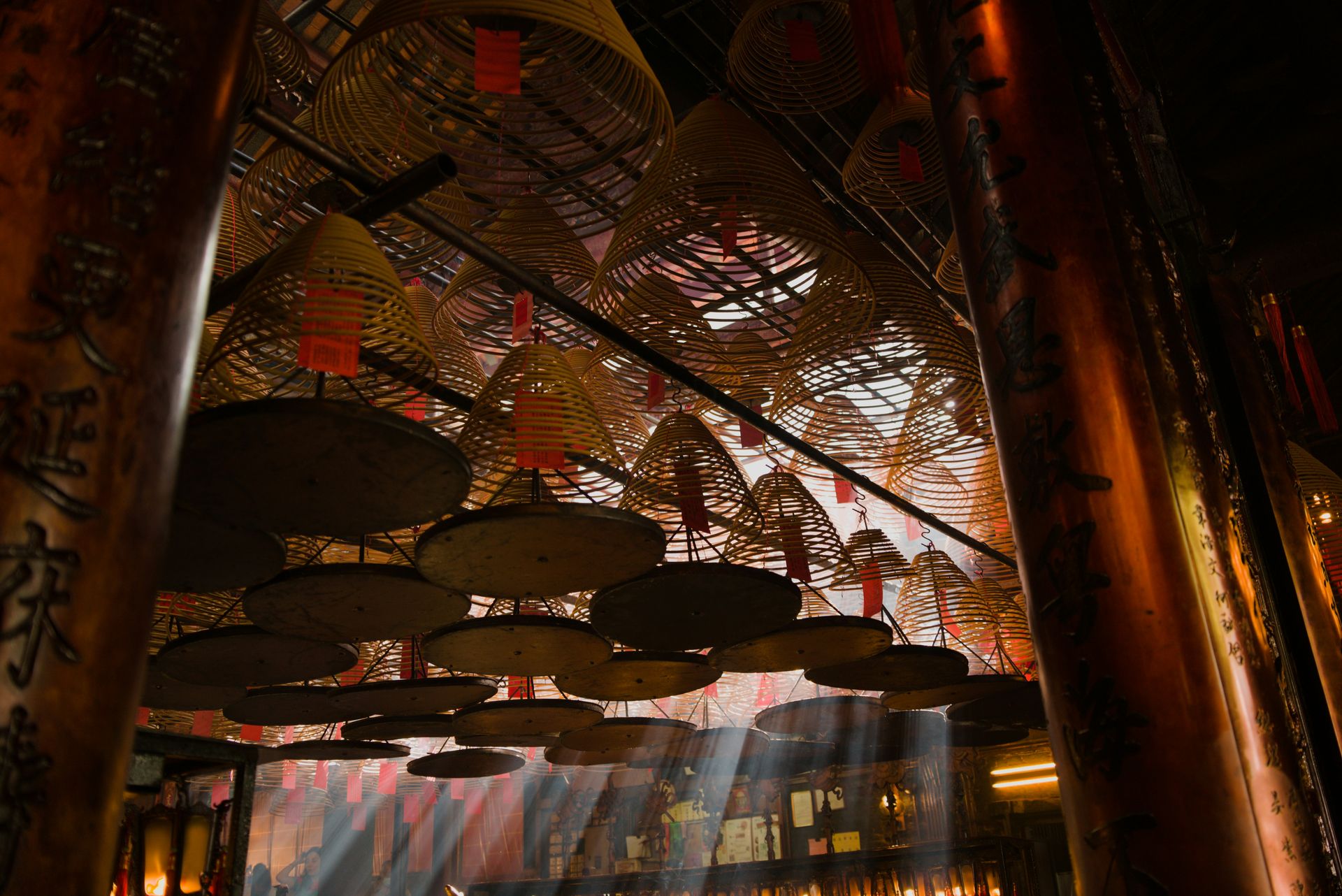
Rex / Unsplash
Hong Kong’s many urban temples get easily overlooked amid the city’s tightly packed high-rise modernity, but their double-eave tiled rooftops, resident fortune tellers, and hanging coils of incense offer a genuinely different texture from the glass and steel surrounding them. Some temples honor Tin Hau, also known as Mazu, the sea goddess whose protection over seafarers made her one of the most widely worshipped deities across coastal southern China. Others honor Che Kung, the Chinese general, while still others, including the magnificent Man Mo Temple, represent the gods of literature and war side by side.
Entry to most of these temples is free, making them an easy addition to almost any Hong Kong itinerary, regardless of budget constraints elsewhere in the trip. The temples reach their liveliest state during Hong Kong’s regular folk festivals, when incense smoke thickens, and crowds gather for ceremonies that have largely remained unchanged for generations.
Tin Hau’s birthday, celebrated on the 23rd day of the third lunar month, typically falling in April or May, transforms her temples with traditional dances, opera performances, and parades, giving visitors who time their trip correctly a genuine cultural festival, not a staged tourist event. Man Mo Temple, dedicated jointly to the gods of literature and war, sits in the heart of Sheung Wan and remains one of the most consistently atmospheric temples in the city, its interior thick with the smoke of giant incense coils that burn continuously and cast a soft haze across the carved wooden ceiling beams above. Visitors are generally welcome to observe quietly, light their own incense, or simply sit for a few minutes away from the street noise outside. Photography is generally permitted in most temple courtyards, though flash photography near the incense altars is typically discouraged out of respect for worshippers actively praying, a small courtesy worth observing even for visitors unfamiliar with the specific etiquette involved. Many temples also sell small fortune-telling sticks near the entrance, a low-cost and genuinely fun way to participate in a tradition that dates back centuries, even for visitors who approach the practice with healthy skepticism rather than genuine belief.
8. Yat Lok and Kam’s serve Michelin goose at street prices
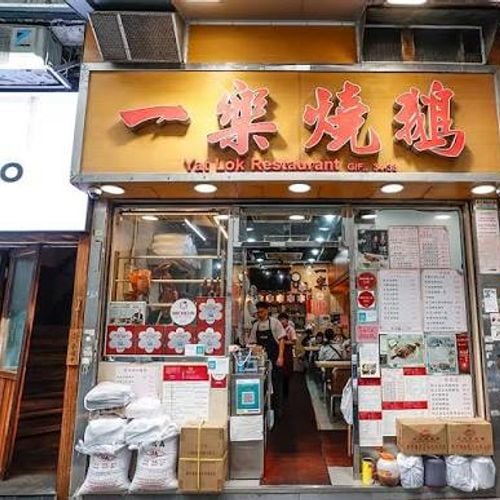
Credit: Hong Kong Tourism Board
Hong Kong’s reputation for expensive fine dining is well earned, but Yat Lok and Kam’s Roast Goose prove the city’s cheaper food scene can match that quality without the price tag. Both unpretentious diners specialize in the Cantonese staple of roast goose served over rice, and both have somehow managed to earn a Michelin star while keeping prices firmly in budget territory, a combination genuinely rare anywhere in the world’s major food cities.
The goose itself arrives with crisp, well-rendered skin and meat that’s been roasted to a specific balance of tenderness and flavor, a balance that takes great skill to execute consistently at high volume. Lines form regularly at both restaurants during peak meal times, a direct consequence of the Michelin recognition, which draws in visitors alongside loyal local customers who’ve been coming for years.
Goose leg carries more prestige than breast among regulars and typically costs more on the menu accordingly, a small but useful detail for first-time visitors trying to order like someone who actually knows the dish instead of guessing based on unfamiliar menu terms. Both restaurants keep their menus deliberately simple, focusing almost entirely on goose preparation rather than diluting the offering with a broader Cantonese menu, a specialization that’s almost certainly part of why both have maintained such consistent quality over the years. Arriving outside peak lunch and dinner hours, particularly mid-afternoon, can mean a noticeably shorter wait for a table at either location. Both restaurants accept walk-ins only, with no reservation system, which means the queue itself becomes part of the experience, particularly on weekends when demand from both tourists and longtime regulars peaks simultaneously. A side dish of greens or a simple soup typically rounds out the meal, and ordering rice on the side, not skipping it, lets the goose’s rich, fatty drippings soak in, which is genuinely the point of the dish, not an optional extra. Both restaurants have stayed remarkably consistent in quality since first earning their stars, a track record that’s kept them firmly on Hong Kong’s must-visit food lists year after year.
9. Hong Kong’s street markets beat its malls for shopping
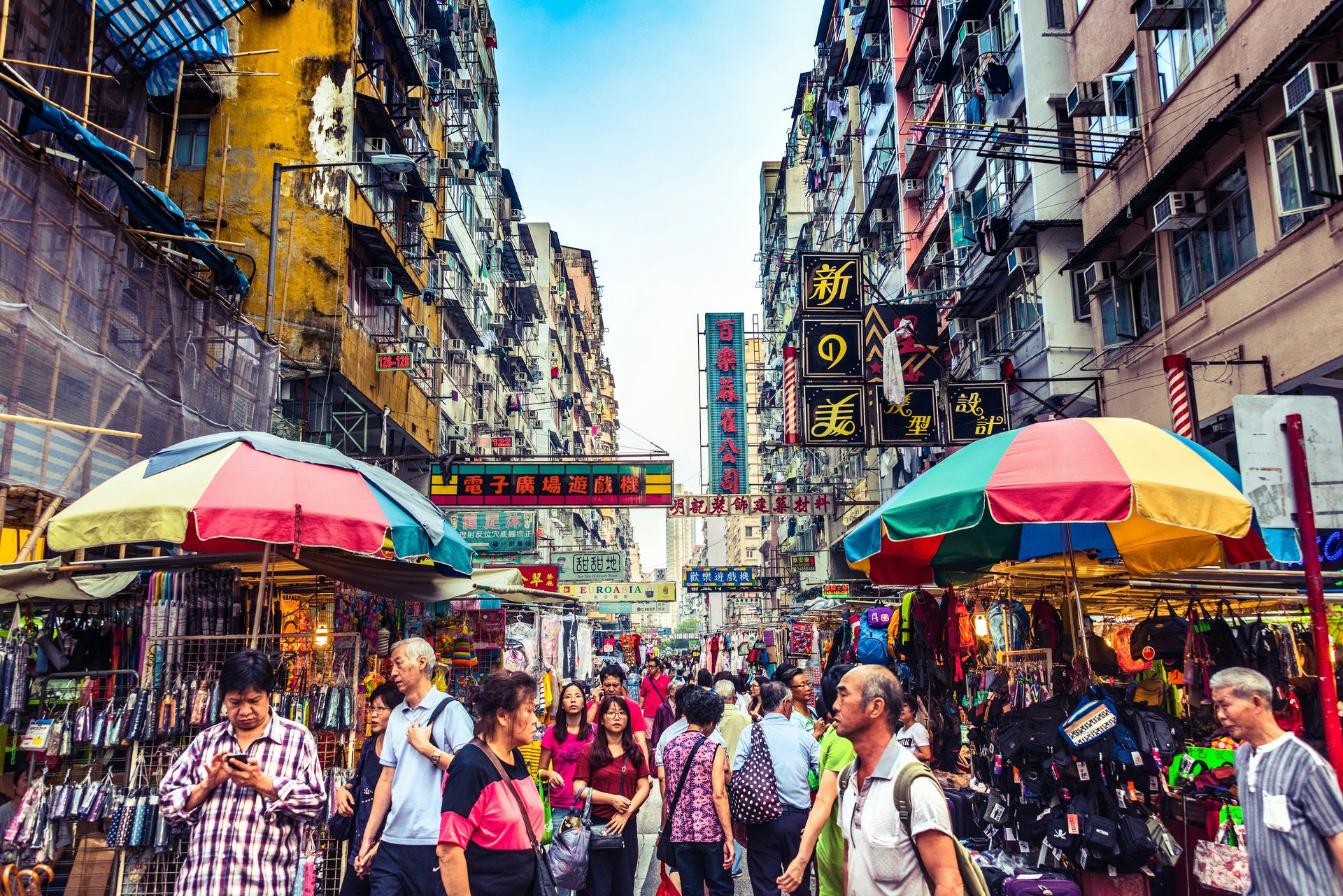
Paulo Evangelista / Unsplash
Hong Kong has more shopping malls per square mile than almost anywhere else on earth, but the genuinely best retail energy lives on the street and in the markets, not inside air-conditioned complexes. Temple Street Night Market specializes in souvenirs and is well-suited to travelers looking for gifts to bring home, while the nearby Yau Ma Tei Fruit Market operates as a hive of commerce at virtually all hours, day or night, serving both retail customers and the wholesale trade simultaneously.
Cat Street is the city’s go-to destination for vintage goods and curio stalls, where browsing through genuinely old objects, antiques, collectibles, and oddities rewards patience and a willingness to dig through stalls that don’t always organize their inventory in obvious ways. For food, the retro da pai dong cooked food markets scattered across Central and eastern Hong Kong Island serve homey, no-frills meals: fish balls in soup, wok-tossed noodles, and other comfort dishes that define the city’s everyday eating culture far more than its Michelin-starred restaurants do.
International debit and credit cards work fine at larger restaurants, shopping malls, and hotels, as do contactless payments. Local restaurants, small shops, street vendors, and taxis, however, frequently accept cash only, so it's worth carrying enough Hong Kong dollars to cover a full day of market browsing and street food. Bargaining is generally expected at the markets, particularly for souvenirs and clothing, though the cooked food stalls and fresh produce vendors typically operate at fixed prices. Evening visits to Temple Street tend to deliver the most atmospheric experience, when the market’s lighting and crowd energy peak together, while morning visits to the Fruit Market reveal the wholesale side of the operation before the retail crowds arrive. Cat Street’s vintage offerings range from genuinely valuable antiques to charming junk that’s more decorative than historically significant, and developing an eye for which stalls carry the better-quality pieces takes a few visits for anyone serious about building a collection instead of just browsing casually.
10. Hong Kong’s islands offer an escape from the density
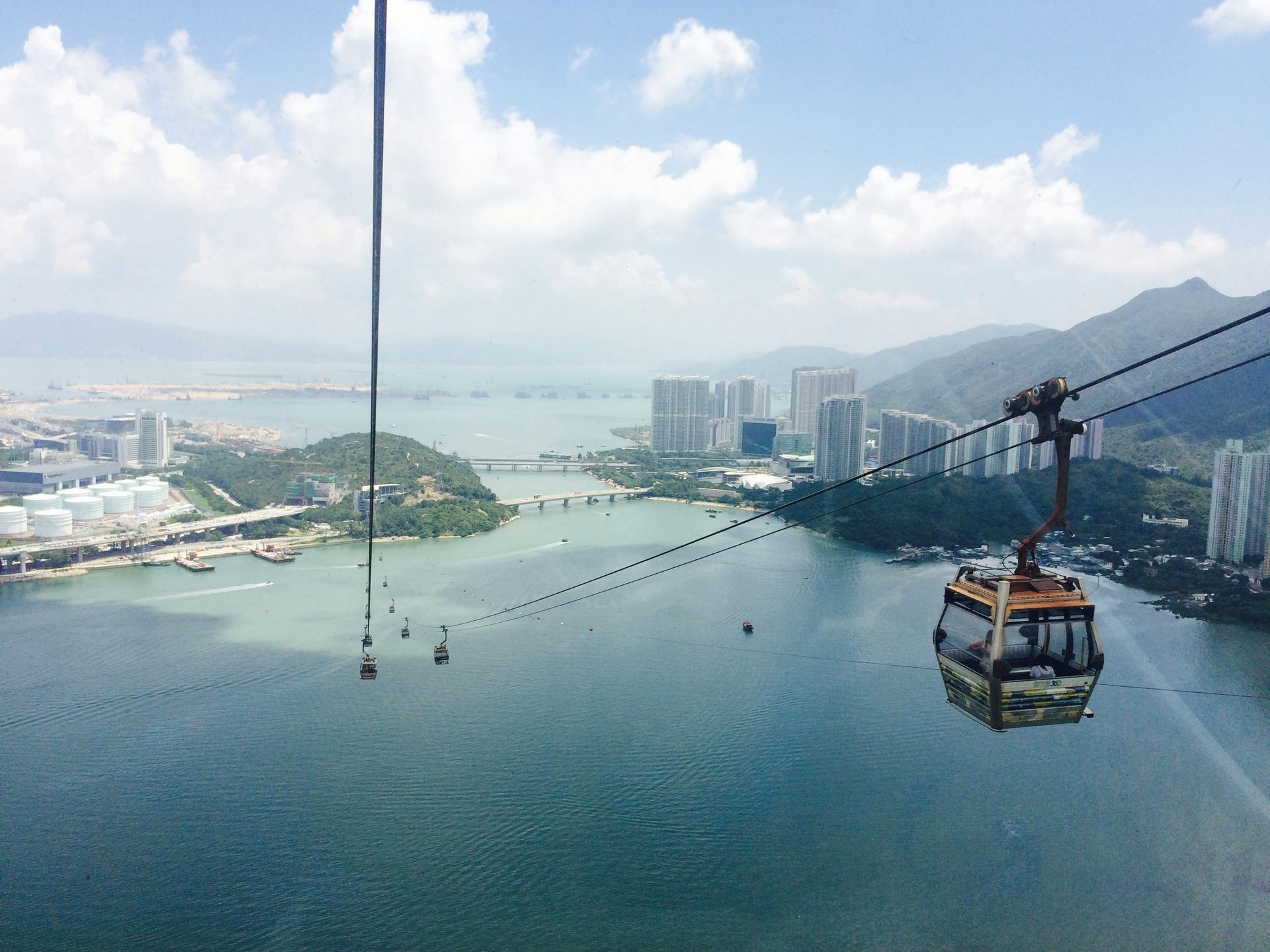
Natalie Viklivka / Unsplash
Roughly 250 islands surround Hong Kong, and a handful sit close enough for an easy day trip from the main city. Lamma Island delivers genuinely laid-back, almost hippie energy at its scattered craft beer shacks, a noticeably slower pace than anything available on Hong Kong Island itself. Cheung Chau, meanwhile, has built a more hipster-leaning reputation around its temples, hiking trails, and beaches, drawing a younger crowd that treats the island as both a cultural stop and a beach day.
Lantau, Hong Kong’s largest island, has technically been connected to the mainland since 1997, but it still feels distinctly separate in character. The island is home to the world’s largest seated bronze Buddha, a genuinely monumental statue worth the trip on its own, alongside the considerably more commercial draw of Hong Kong Disneyland, home to the world’s most famous mouse.
From the Po Lin Monastery on Lantau, several hikes branch out, including routes to Lantau Peak at 934 meters and Sunset Peak at 869 meters, together known as the Two Peak Challenge. These trails demand water, solid boots, and a reasonable fitness level, since several sections run steeply and are genuinely challenging, though every trail remains clearly marked throughout, reducing the risk of getting lost even on the more demanding stretches. Ferries to Lamma and Cheung Chau depart regularly from Central Pier, and the crossing to either island takes well under an hour, making a half-day or full-day island trip genuinely feasible even for visitors with a tight overall itinerary. Lantau’s cable car, the Ngong Ping 360, offers an alternative approach to the Big Buddha and Po Lin Monastery for visitors who’d rather skip hiking altogether and take in the views from above. Cheung Chau’s compact size makes it walkable in a single afternoon, with the island’s famous bun festival, held annually and drawing crowds for its dramatic bun-tower climbing competition, standing as one of the more unusual cultural events available on any of Hong Kong’s outlying islands.