
The 9 best things to do in Kobe, Japan in 2026
From Nadagogo's sake breweries that supplied 80% of Edo's rice wine to Sannomiya's jazz clubs where Japan's first jazz band debuted in 1923
note thanun / Unsplash
A well-known saying throughout Japan’s Kansai region captures local ambitions in a single phrase: get educated in Kyoto, find work in Osaka, live in Kobe. This particular sentiment sums up Kobe fairly well: the city remains genuinely overlooked despite being highly livable, forever in the shadow of its more famous neighbors, even though the trip from Kyoto takes just 90 minutes and from Osaka only 30 minutes by train.
Travelers $TRV frequently, and understandably, pass over Kobe entirely on their way toward Hiroshima instead, or stop only briefly to sample its famous beef before moving on to somewhere else on their itinerary. Seeking out the city’s best attractions instead reveals a considerably deeper, more textured destination, one shaped by mountains, sake breweries, jazz clubs, and a genuinely cosmopolitan history that most passing visitors never actually encounter during a quick stopover.
The nine best attractions below appear in Lonely Planet and cover standout experiences recommended throughout Kobe by writers who know the city well. Together they cover the city’s mountains, waterfront, historic districts, and food scene, giving visitors a genuinely complete sense of what makes Kobe distinct from its more famous neighbors. Most sit within easy reach of each other by train or a short walk, making Kobe a genuinely manageable city to explore thoroughly even on a tight schedule. Travelers arriving from Kyoto or Osaka on a day trip can realistically cover several of these highlights before catching an evening train back, while those staying overnight in Kobe itself have enough time to slow down and add in a proper meal, a soak in the hot springs, or an evening of live jazz without feeling rushed between stops or cutting the visit short before actually settling into the city’s slower, more livable pace.
1. Mount Rokko invites daily mountain climbing
663highland / Wikimedia Commons (CC BY 2.5)
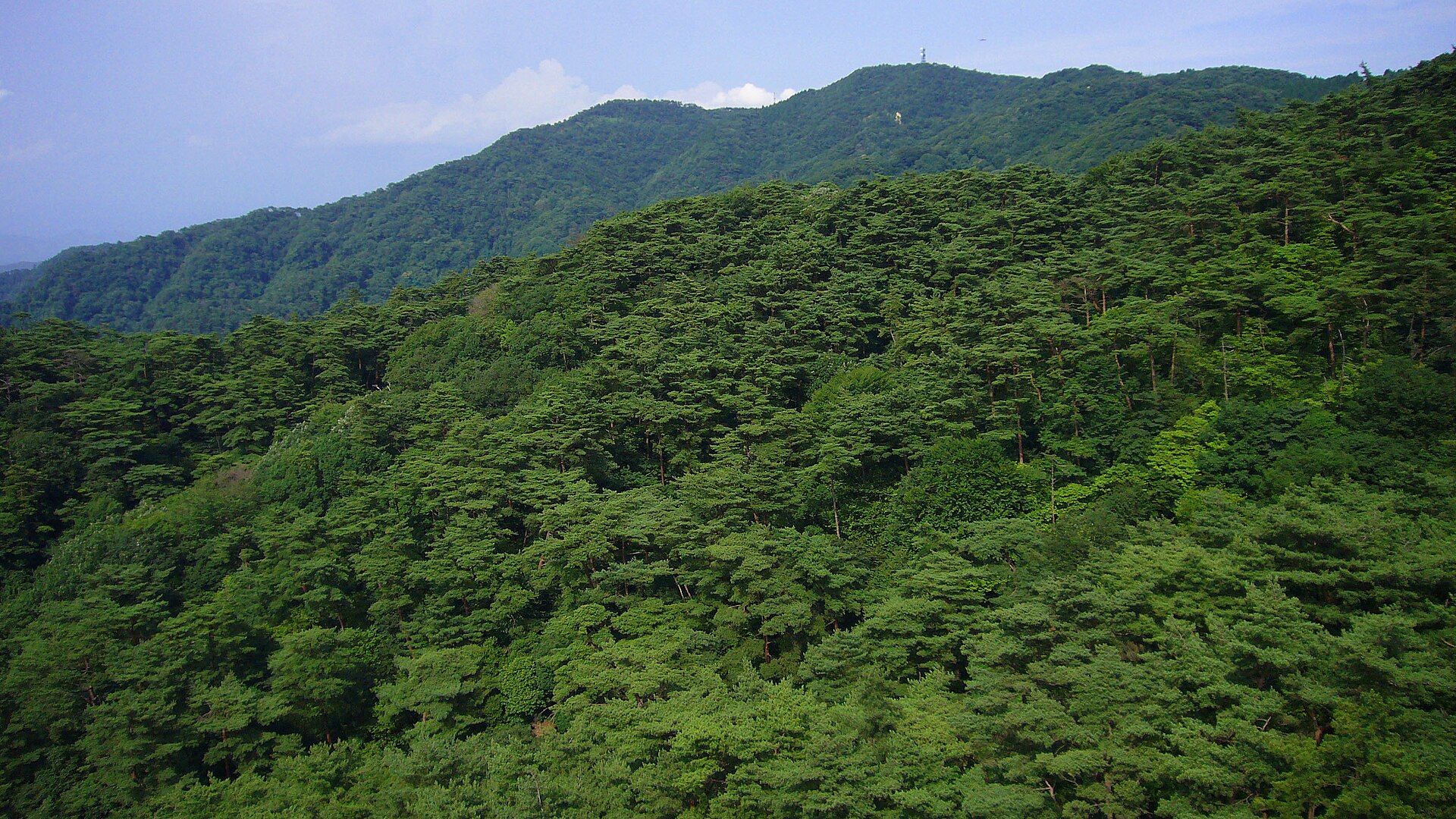
Kobe residents coined the phrase mainichi tozan, meaning daily mountain climbing, and many locals take the expression genuinely literally, given how close the Mt Rokko range sits to the city’s doorstep. Well-manicured trails create easy access to sweeping natural views over both the city and Osaka Bay, and a round-trip hike from the historic Kitano-chō neighborhood to the Nunobiki Herb Gardens takes roughly two hours, while the slightly closer Nunobiki Reservoir requires only about 90 minutes round-trip.
Rokko is commonly called a mountain, yet it actually functions as an entire range sandwiching Kobe against Osaka Bay, and its ridges hold several of the city’s most distinctive attractions. Architect Tadao Ando’s minimalist Chapel of the Wind sits along these ridges, though it opens to the public only during the annual Kobe Rokko Meets Art event, alongside the Rokko Garden Terrace, an art space and observation deck offering panoramic views across the surrounding landscape.
On the opposite side of Mt Rokko, Arima Onsen is an ancient hot-spring area where travelers can relax in one of the many traditional ryokan inns scattered throughout the district. This side of the mountain offers visitors a genuinely different experience from the herb gardens and observation decks, trading sweeping views for a slower, more restorative pace centered on soaking in naturally heated mineral water.
Travelers $TRV less interested in a full hike can instead take one of several cable car and gondola ropeway systems that whisk visitors directly to the ridgeline from various points along the mountain range. Splitting the difference by hiking in one direction and riding the cable car or gondola back down gives travelers genuine flexibility, depending on their energy level and available time. The mountain’s western slopes also hold a small ski resort that opens during the coldest winter months, giving Kobe a genuinely rare option for snow sports within city limits. Visitors timing a trip for autumn foliage should aim for mid-November, when the maple trees along the upper trails turn a particularly vivid red.
2. Nadagogo pours centuries of sake tradition
Credit: Nadagogo Sake Brewery
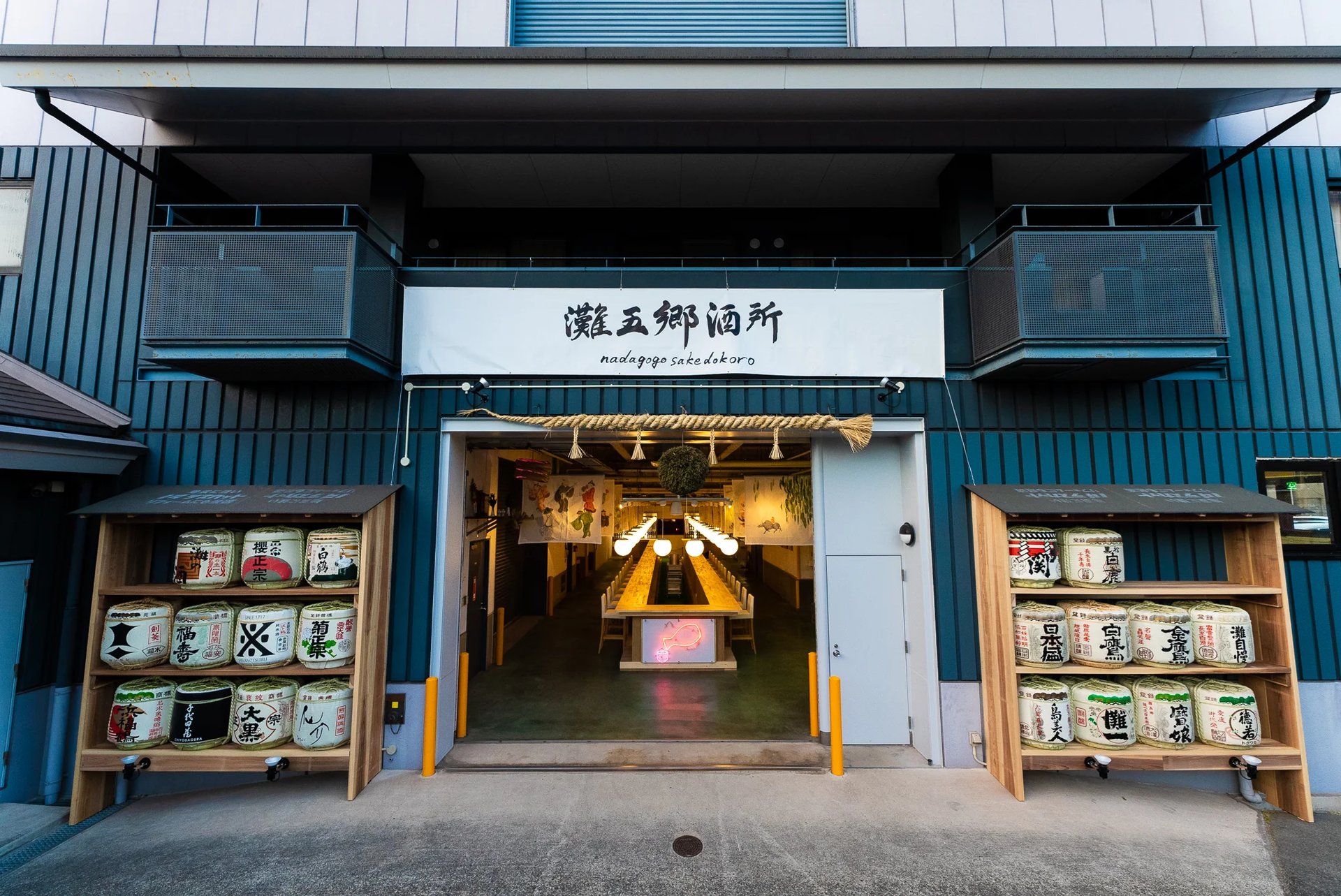
Mt Rokko does more than simply provide scenery, since its runoff also supplies the pristine water that has enabled the surrounding area to produce exceptionally high-quality sake for centuries. East of Shin-Kobe Station, the Nadagogo district, whose name translates to the five villages of Nada, has reputedly brewed sake for nearly 700 years, making it one of Japan’s oldest continuously active sake-producing regions.
During the sake heyday of the 17th century, roughly 80% of all sake consumed in the capital city of Edo, present-day Tokyo, actually came from Nadagogo specifically. The district benefited from easy access to Yamada Nishiki rice, grown throughout Hyogo Prefecture, where Kobe serves as the prefectural capital, and this particular rice cultivar remains widely regarded as the finest available for sake production even today.
Roughly 25 sake breweries still operate throughout the Nadagogo area, and most offer both tours and tastings for visitors curious about the brewing process. The devastating 1995 Great Hanshin Earthquake damaged much of the district severely, though most facilities were eventually rebuilt, with renovators working hard to restore original buildings wherever structurally possible instead of replacing them outright.
The renovated warehouses throughout Nadagogo, built from rough timber and natural beams, give the district a genuinely historic feel that extends well beyond the sake itself. Several breweries pair their tours with extensive on-site museums, and the Hakutsuru Sake Brewery Museum stands out for its life-size dioramas and archival film footage depicting the historical brewing process, with English translations available via QR codes throughout the exhibits. Several breweries in the district also produce a lighter, slightly sparkling sake specifically for warmer months, a style rarely exported outside the immediate region. Autumn visits often coincide with the annual sake festival season, when several breweries open extended tasting hours and invite visitors to sample fresh seasonal batches. Several breweries also sell bottles unavailable outside the district, giving visitors a genuine reason to buy directly rather than search for the same labels back home.
3. Kitano-chō traces Kobe’s international past
Credit: Japan National Tourism Organization
After Japan’s isolationist period ended in the latter half of the 19th century, Kobe ranked among the first cities where foreigners could legally reside, following the earlier, much smaller precedent set when the Dutch gained access to the tiny island of Dejima in Nagasaki. Foreign settlement areas initially remained confined to relatively small clusters between Motomachi Station and the waterfront, though growing populations eventually prompted some foreign residents to seek land in the surrounding foothills.
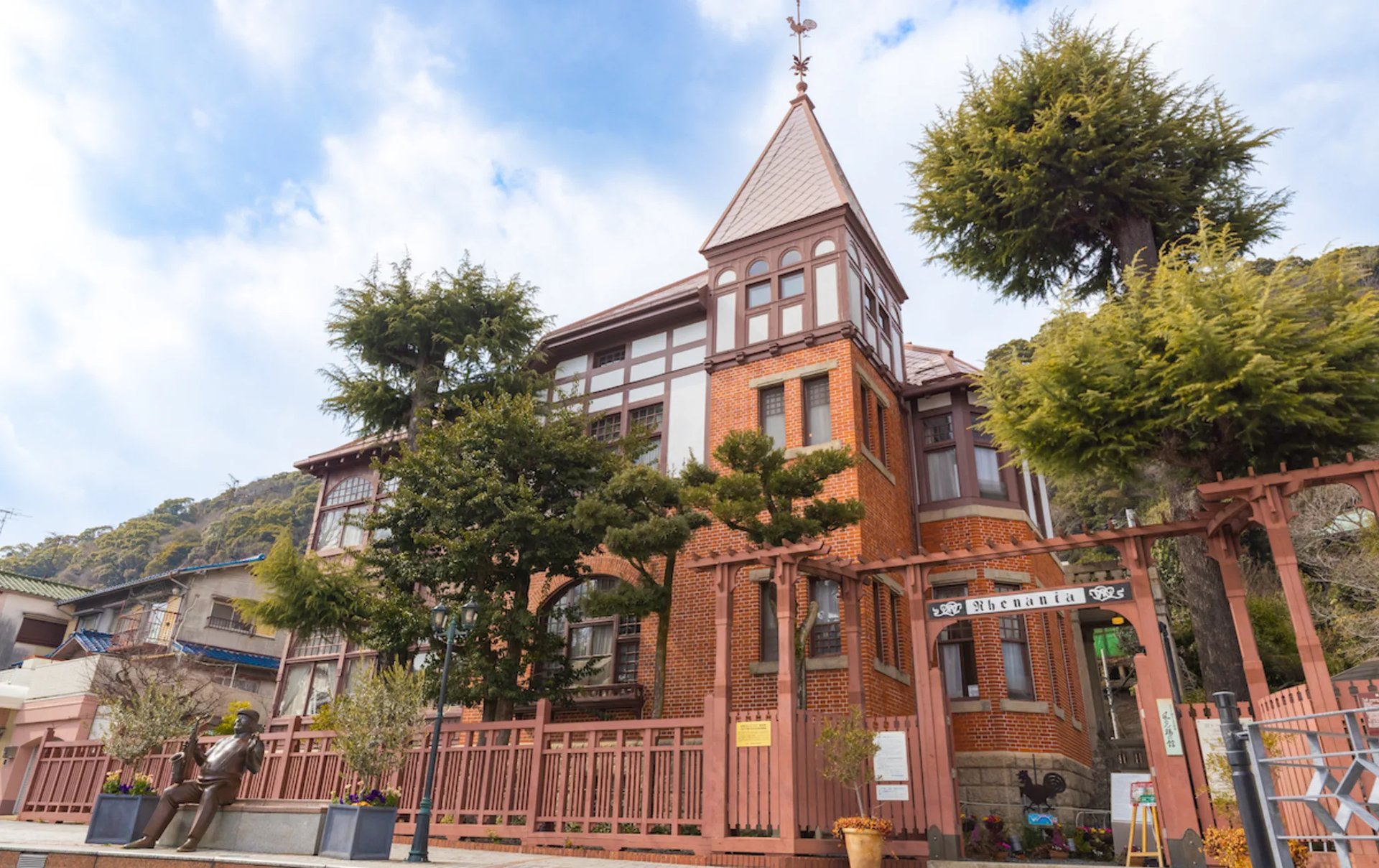
Since these foothill areas held little appeal for the local population, largely made up of fishers at the time, land access opened up and gradually expanded into the affluent Kitano-chō district that still stands today. Modern Kobe has retained most of these historic enclaves, and a walking tour starting in Kitano-chō lets visitors explore the grand former homes of wealthy merchants and ambassadors, many of which are preserved today as museums or active places of business dating back to Japan’s Meiji period, spanning 1868 through 1912.
Wandering downhill from Kitano-chō toward the waterfront passes Kobe’s synagogue, situated in a neighborhood bordering the city’s Muslim quarter and the Kobe Muslim Mosque, where the aroma of hot shawarma from nearby halal restaurants often tempts passing visitors. Continuing further leads into Nankin-machi, Kobe’s Chinatown, where food vendors and small shops selling trinkets spill directly into the surrounding streets.
The walk eventually reaches Kaigandori, home to early 20th-century Art Deco buildings where many American residents once lived and worked, though numerous other Art Deco structures throughout the neighborhood were flattened by the Great Hanshin-Awaji Earthquake and never rebuilt. Kobe divides broadly into three main areas: Kitano-chō to the north, the shopping and dining core of Sannomiya, Motomachi and Chinatown at the center, and the newer, glitzier waterfront to the south. The former Weathercock House, once home to a German trading merchant, remains one of Kitano-chō’s most photographed buildings thanks to its distinctive rooftop weathervane. The neighborhood also hosts a small European-style Christmas market each December, drawing on its historic ties to the foreign merchants who first settled here.
4. Kobe remembers the Great Hanshin Earthquake
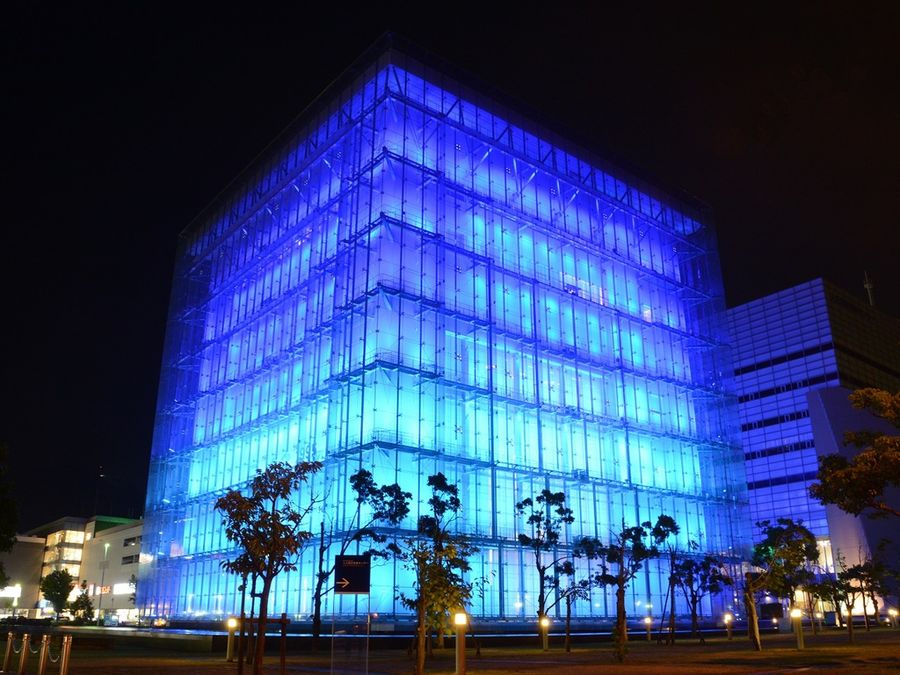
Credit: Disaster Reduction and Human Renovation Institution
On a cold January morning in 1995, a magnitude 6.9 earthquake struck sleeping Kobe, killing more than 4,500 residents and inflicting heavy damage across hundreds of thousands of buildings throughout the region. The earthquake served as a genuine wake-up call for the entire nation, underscoring just how much better prepared Japan needed to be for the inevitable major disasters that come with living in such an earthquake-prone country.
The Disaster Reduction and Human Renovation Institution functions as both a memorial and a museum dedicated to remembering the Great Hanshin Earthquake, while simultaneously looking toward better disaster resistance and recovery throughout Japan. The facility demonstrates how new technology developed in the years following the quake has made structures considerably more earthquake-resistant, and offers practical guidance on how people should prepare for future disasters wherever they live.
One room within the museum recreates the earthquake as it was actually experienced across various Kobe neighborhoods, delivering a genuinely frightening and sobering experience for visitors willing to sit through it. This may well be the only museum anywhere in the world where the gift shop stocks disaster preparedness kits alongside the usual postcards and souvenirs.
Travelers $TRV interested in seeing Japan’s latest earthquake-resistant technology in action should peek behind the Merikan Building in the Kaigandori district, since this building, heavily damaged by the original quake, now attaches to an enormous movable steel skeleton designed to support its stone walls should another major earthquake strike the region. Survivor testimonies recorded on video throughout the museum add a genuinely personal dimension to the exhibits, moving well beyond simple statistics and structural diagrams. Outside the museum, a small memorial garden lists the names of victims, giving visitors a quieter space to reflect after the more intense exhibits inside. The museum offers guided tours in English at scheduled times throughout the day, a worthwhile option for visitors hoping for more context than the standard placards provide.
5. Takenaka Museum reveals traditional carpentry secrets
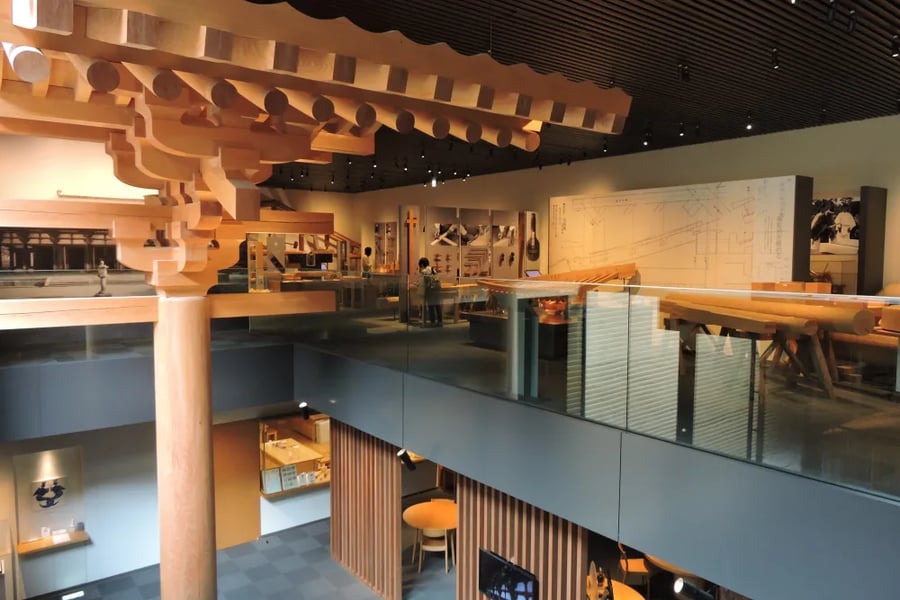
Credit: Japan National Tour Organization
Modern building technology matters enormously, but Japanese builders have never been strangers to constructing structures built to last for centuries using far older methods. The Takenaka Carpentry Tools Museum explains the intersection between Japanese architectural design and engineering and the long historical advancement of tool technology, displaying historical tool developments in parallel with the specific construction techniques they enabled, from the nail-less joinery of sashimono to the intricate kumiko lattices of overlaid wooden bars still used in interior decor today.
Located just steps from Shin-Kobe Station, the museum sits on the former estate of a past president of the Takenaka Corporation, a major civil engineering and construction company. The facility itself, along with an accompanying traditional teahouse on the grounds, was designed and built using the very same techniques and tools explained throughout the museum’s exhibits, turning the building into a working demonstration of its own subject matter.
Visitors hoping to study a genuine real-world application of these traditional building techniques should visit Kobe’s Ikuta-jinja, widely considered one of the oldest shrines anywhere in Japan. The shrine’s construction and ongoing maintenance reflect many of the same principles explored inside the Takenaka Museum, giving visitors a tangible link between the museum’s exhibits and an actual functioning sacred site.
Travelers $TRV willing to venture further afield should consider a side trip to Himeji-jō, a regal castle that has stood for more than 400 years and survived both the Great Hanshin Earthquake and a direct hit from an Allied bomb during World War II that, remarkably, never actually exploded. The castle is reachable by train in under an hour, making it a genuinely feasible add-on for visitors with extra time built into their Kobe itinerary. The museum’s basement level houses a workshop where visitors can occasionally watch craftsmen demonstrate traditional joinery techniques using only hand tools. Visitors should check ahead for special exhibitions, since the museum periodically rotates in tools and models on loan from other institutions throughout Japan.
6. Meriken Park anchors Kobe’s revived waterfront
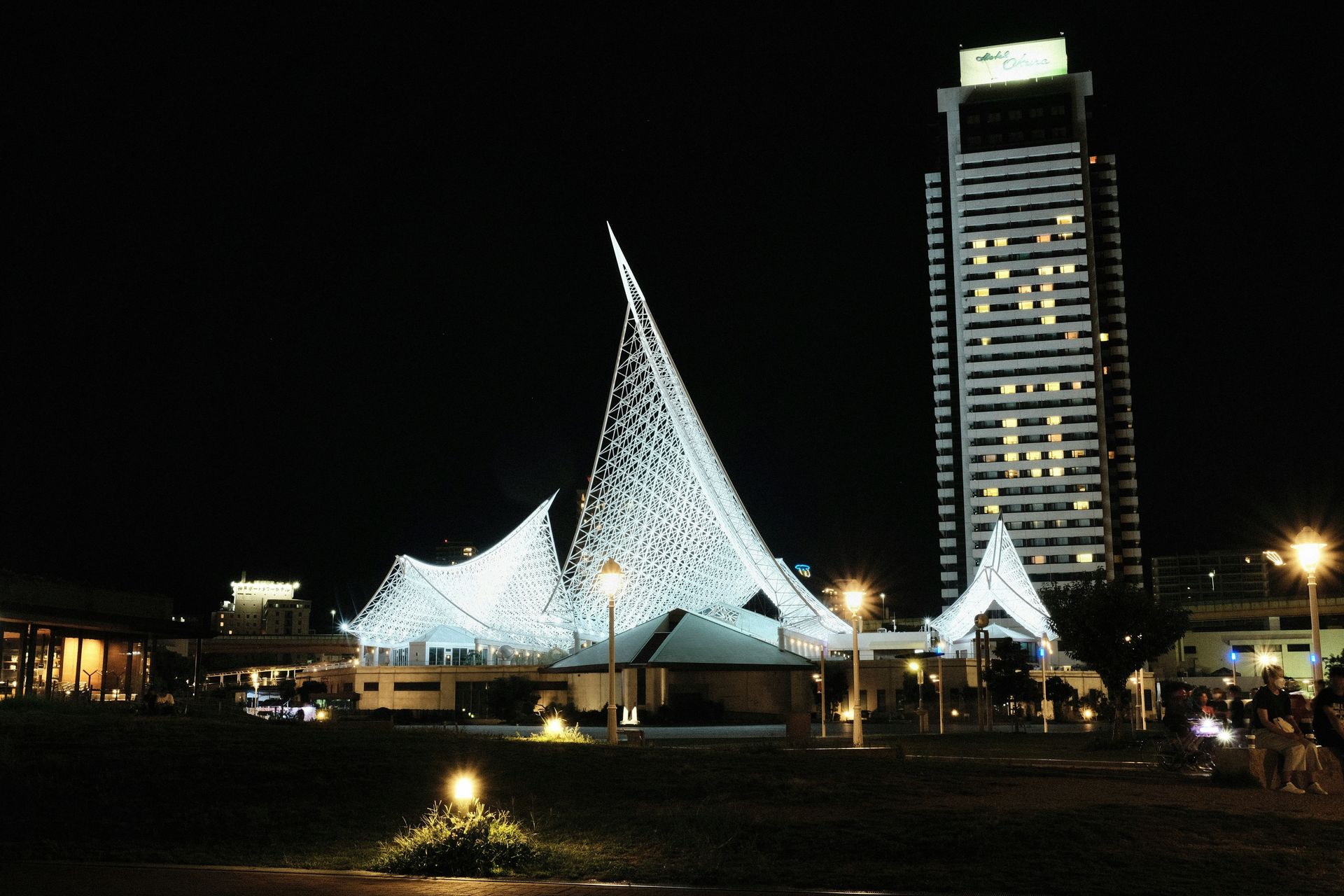
WANG Tianfang / Unsplash
Kobe lost its status as home to the world’s busiest port following the Great Hanshin Earthquake, though that shift may have inadvertently made the waterfront a considerably more attractive destination for visitors today. Several entertainment attractions have since been constructed throughout the area, many of them concentrated within Meriken Park, which features a large open space covered in lawns and courtyards, well-suited to an easy afternoon stroll.
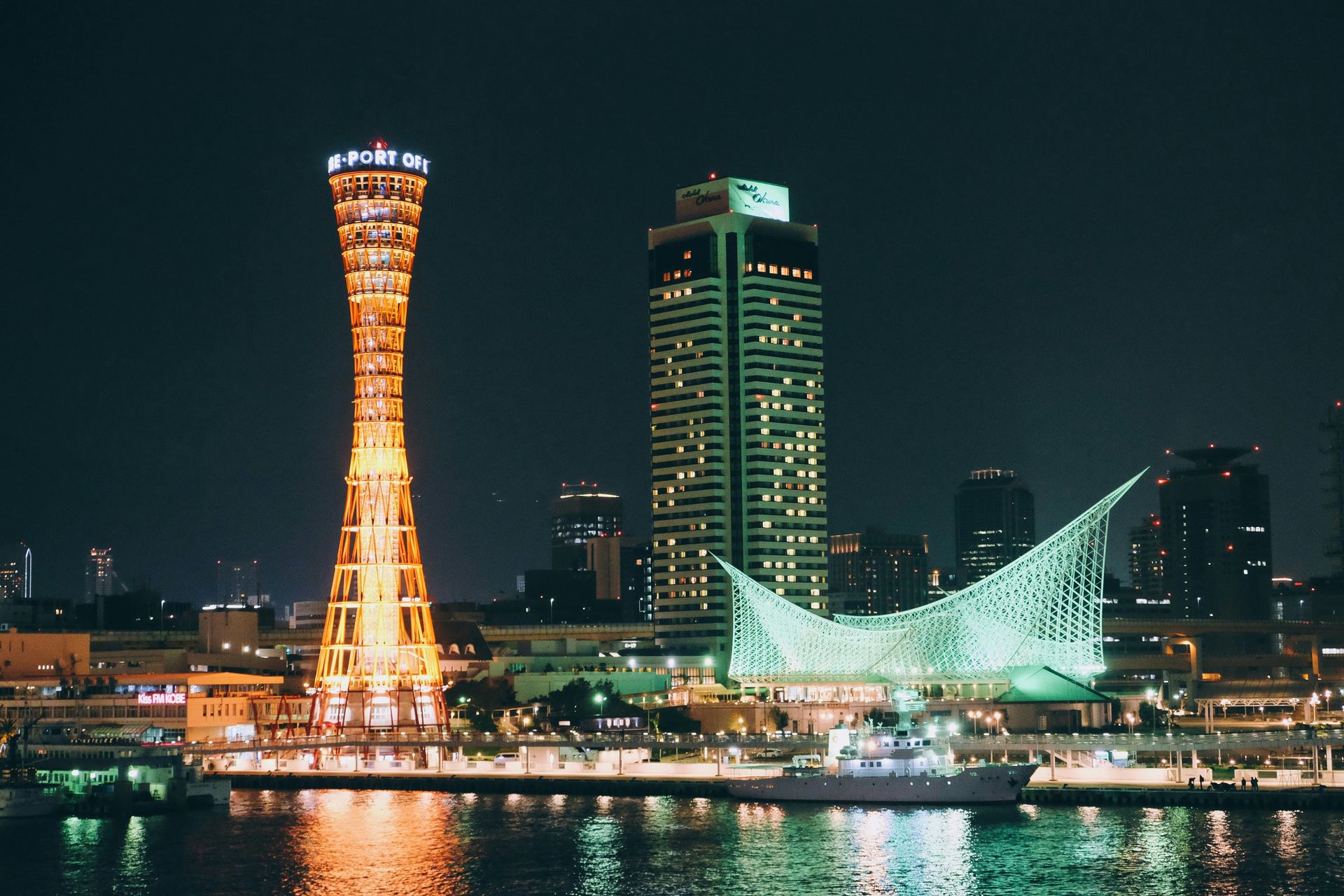
The Kobe Port Tower, a 180-meter-tall latticed steel structure reminiscent of a traditional Japanese drum, stands as the park’s most recognizable landmark, alongside the Kobe Maritime Museum, which offers genuine insight into the city’s history as a working port through beautifully detailed ship models and interactive exhibits well suited to visitors of every age.
Closer to Kobe Station, Kobe Harborland functions as a shopping and entertainment complex that genuinely comes alive in the evenings, when the main Gaslight Street lights up with gas-powered streetlamps and the rest of the waterfront skyline reflects across the surrounding water. This evening transformation gives the district a genuinely different character than its daytime version, rewarding visitors who specifically plan a return visit after sunset.
The single best panoramic view of the entire area comes from the night view atop Kobe Port Tower, which stays open until 11pm every night, giving visitors genuine flexibility in timing their visit around dinner or other evening plans elsewhere in the waterfront district. A memorial within the park also marks the earthquake’s impact on the port itself, preserving a section of tilted, cracked dock as a permanent reminder. The park also hosts occasional food festivals throughout the year, drawing local vendors selling regional specialties alongside the more permanent waterfront attractions. Illuminations throughout December transform the park into one of the city’s most popular winter attractions, drawing crowds well beyond the usual daytime visitors. Cherry blossoms line several of the park’s walkways each spring, adding a seasonal draw beyond the tower and museum for visitors timing a trip around late March.
7. VAGUE Kobe merges art and architecture downtown
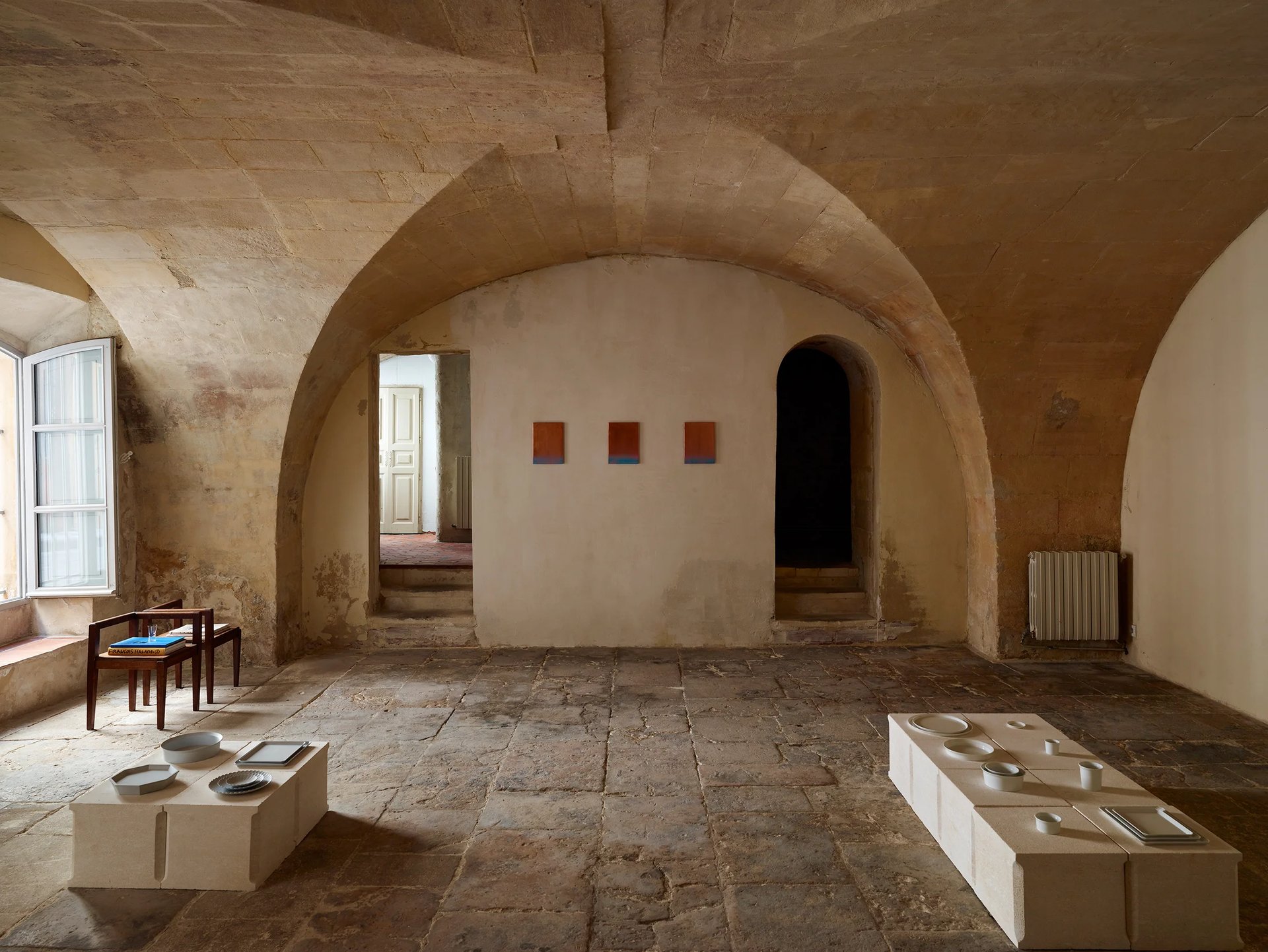
Credit: Teruhiro Yanagihara
By the late 20th century, Kobe had already attracted a genuine following among contemporary artists and designers throughout Japan. Architect Tadao Ando, born in neighboring Osaka, grew so enamored with Kobe and the wider Hyogo Prefecture that most of his most significant architectural works were built specifically in this region rather than elsewhere in the country.
Other artists eventually found their way to Kobe as well, including designer Teruhiro Yanagihara, who built one of his two VAGUE studios here, with the other located in Arles, France. Yanagihara specifically procured the former Chartered Bank building, originally constructed in 1930 and a genuine survivor of both World War II bombing raids and the Great Hanshin Earthquake decades later.
Keeping the building’s original structural bones entirely unchanged, Yanagihara reimagined the interior as a fluid space designed to showcase his own products alongside a gallery for visiting artists. Located within the Kaigandori district and open Fridays through Mondays, VAGUE Kobe offers a genuinely fascinating stop for visitors specifically interested in contemporary design.
Yanagihara reportedly chose Kobe partly because the city serves as a gateway to Shikoku, which is connected to Hyogo Prefecture via Awaji Island. Travelers $TRV willing to cross the Akashi-Kaikyo Bridge to Awaji Island can explore additional contemporary design destinations, including Ando’s Escher-inspired Awaji Yumebutai complex and the contemporary retreat Zenbo Seinei, designed by architect Shigeru Ban. The gallery rotates its exhibitions several times a year, so visitors returning to Kobe on a later trip often find an entirely different showcase inside the same historic building. Visitors specifically interested in Ando’s architecture should also seek out his Kobe City Museum of Literature, a smaller but equally striking example of his signature concrete minimalism. Admission to the gallery remains free, though visitors should confirm the current opening days in advance, as the schedule occasionally shifts around major Japanese holidays. The neighboring Kaigandori streets hold several other small galleries worth a look, giving visitors a natural way to extend the visit into a broader afternoon of gallery-hopping.
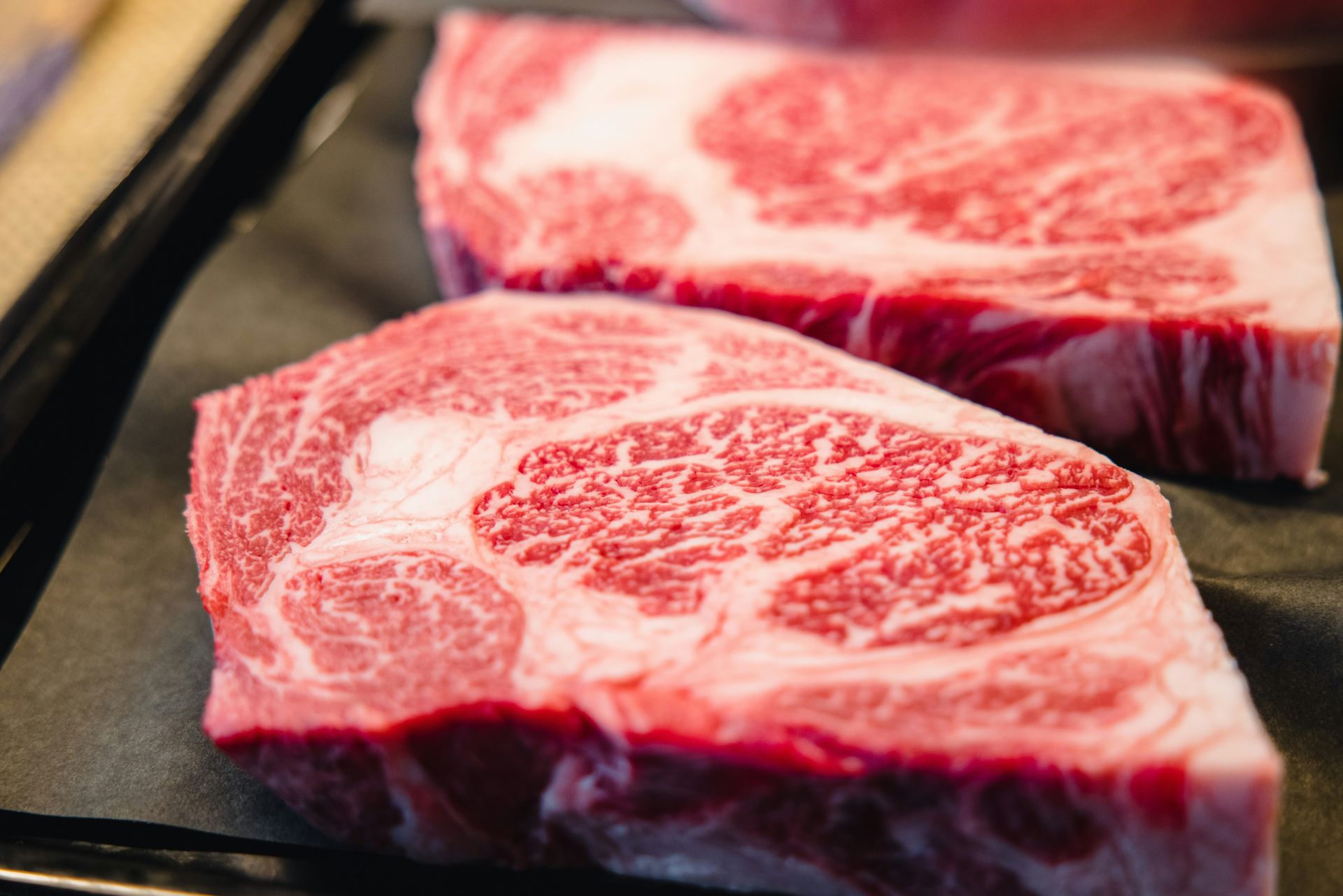
8. Kobe beef rewards visitors with legendary marbling
Jason Leung / Unsplash
No visit to Kobe feels genuinely complete without at least one meal built around its world-renowned beef. Beef from Hyogo’s Tajima black cattle is produced under strictly enforced standards, resulting in finely marbled meat with a rich flavor and a famously melt-in-your-mouth texture that has helped make Kobe beef one of Japan’s most recognized culinary exports.
The Kobe Beef Gallery, a short walk from Shin-Kobe Station, offers visitors a quick, accessible orientation to the basics of this famous meat inside a small museum setting. Visitors learn about the production process itself, how the meat is graded, and how to reliably identify restaurants and resellers that actually serve authentic Kobe beef rather than a similar but lesser cut marketed under a misleading name.
The gallery also features a small restaurant counter where Kobe beef gets prepared teppanyaki style on an iron hot plate, though a considerably larger number of restaurants serving the beef in various styles cluster around Sannomiya Station for visitors seeking more variety. Kobe Plaisir offers a genuinely good starting point for sampling the beef prepared in multiple ways within a single visit.
At Kobe Gyūdon Hiroshige, prime Kobe beef is thinly sliced and served directly over rice for a simpler, more affordable introduction to the meat, while Daichi offers a reliable option for beef served teppanyaki-style across a range of differently priced cuts, giving visitors genuine flexibility depending on their specific budget for the meal. Visitors curious about grading standards should ask restaurant staff directly about certification, since genuine Kobe beef carries a specific seal that distinguishes it from other wagyu varieties. Prices vary considerably depending on the specific cut and grade, so travelers on a tighter budget should ask staff about smaller portions or lunch-set options before ordering. Reservations at the more popular restaurants near Sannomiya Station fill quickly during peak tourist season, so booking several days ahead of time genuinely helps secure a table at dinner during busier weeks.
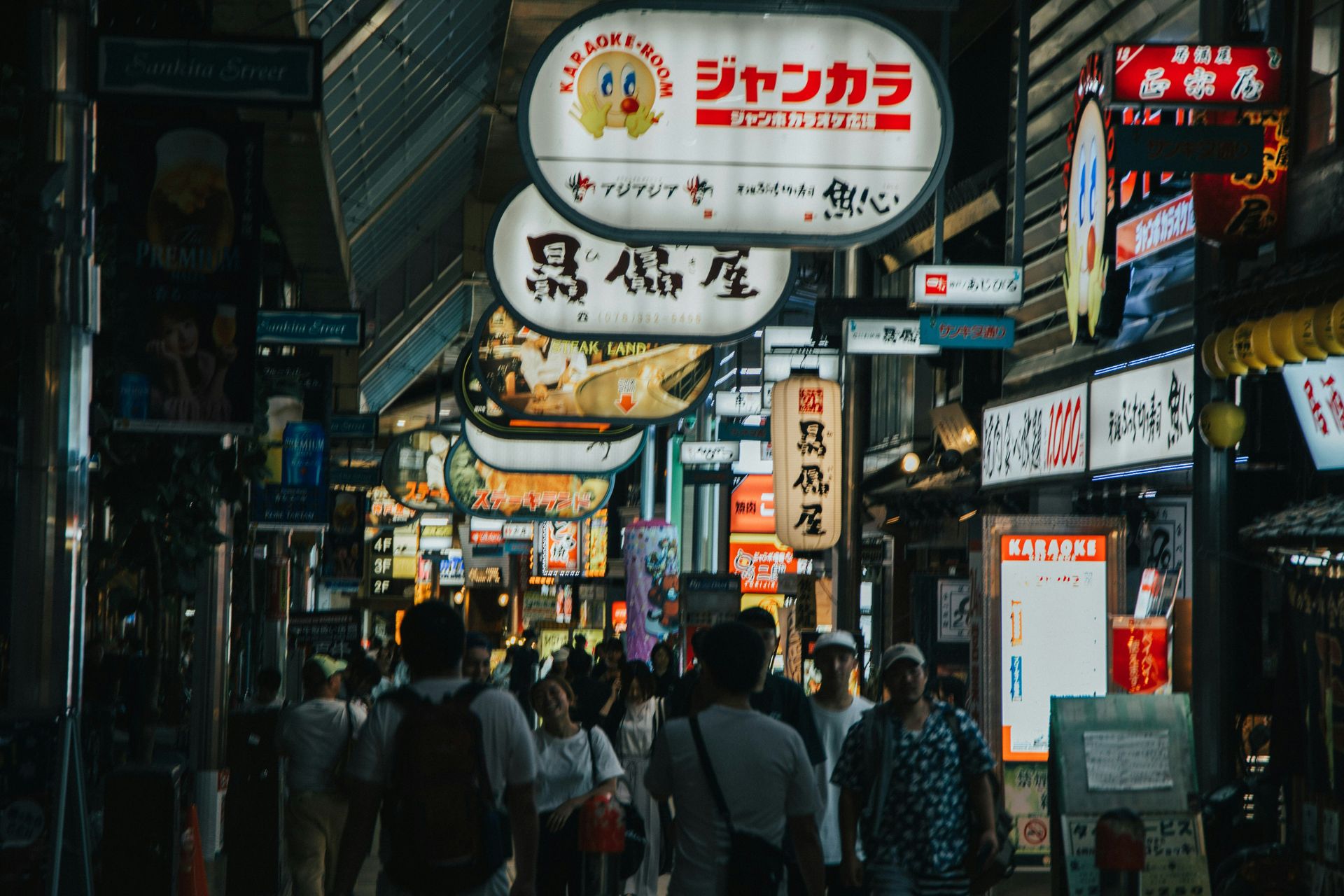
9. Sannomiya keeps Japanese jazz alive after dark
Richard Lu / Unsplash
Kobe and the port city of Yokohama maintain an ongoing, good-natured debate over which city truly deserves the title of Jazz Capital of Japan, though there’s no real dispute that Kobe holds the stronger claim to being the birthplace of Japanese jazz itself. In 1923, the Laughing Stars, Japan’s first jazz band, debuted at a hotel in Kobe, and the city has continued showcasing its jazz scene ever since that first performance.
This particular year mattered enormously for jazz in Kobe specifically, since the Great Kanto Earthquake had just destroyed many of the dance halls and performance venues throughout Tokyo, forcing musicians to search out entirely new locations to perform. Many jazz musicians subsequently headed toward Kōbe, whose reputation as a genuinely cosmopolitan city meant an established, receptive audience would likely already be waiting to welcome them.
The area surrounding Sannomiya Station stays lined with jazz clubs and bars today, offering intimate venues featuring a rotating lineup of talented local musicians alongside the occasional major international name passing through. Several annual jazz festivals fill out the calendar throughout the year, including the Shinkaichi Music Festival each May and Kobe Jazz Street each October, giving jazz enthusiasts multiple reasons to time a visit around the city’s live music scene specifically.
Sone Jazz Bar ranks as the oldest existing jazz bar in the city, founded in 1969 and once a host to jazz legends such as Louis Armstrong, a genuinely hard fact to reconcile with the venue’s remarkably intimate, low-key atmosphere today. Live bands perform several sets nightly at Sone, giving visitors the option to enjoy the music over either a full dinner or simply a few drinks. Several venues in the district also host swing dance nights alongside the more traditional listening sets, giving visitors an additional way to engage with the music beyond simply sitting and listening. Cover charges vary by venue and typically include one drink, so checking a club’s policy in advance helps visitors budget accurately for an evening of live music.