The 10 best things to do in Spain in 2026
From the Alhambra's Moorish palace towers to secluded Menorca coves reachable only on foot along a 14th-century coastal path
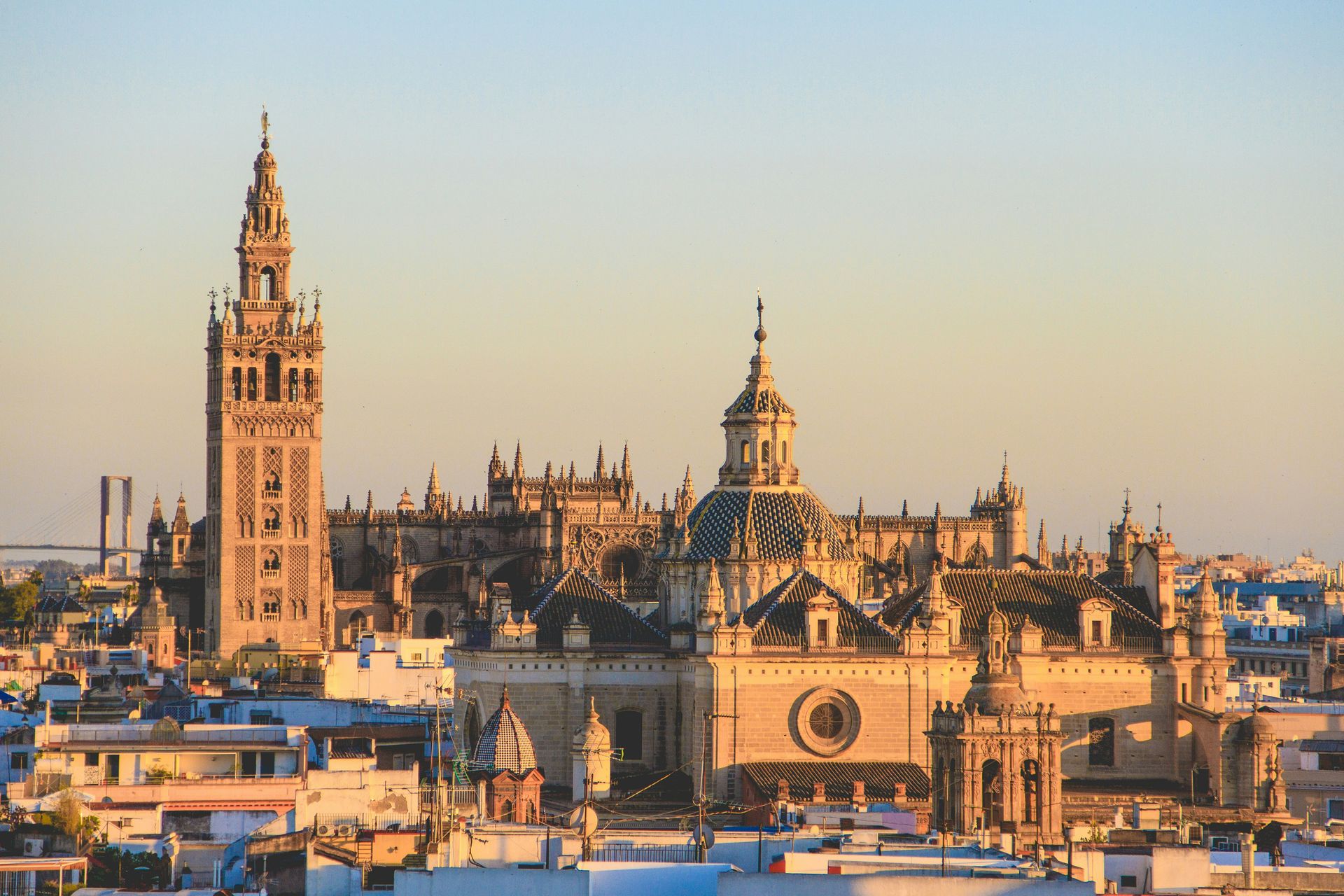
Henrique Ferreira / Unsplash
Spain unfolds across a genuinely striking range of landscapes, traditions, and even languages, from the snow-dusted, ski-worthy Pyrenees down to the glinting golden beaches scattered along the country’s southern coast. Vast natural spaces throughout the country reward anyone who loves the outdoors, while cities, towns, and villages fizz with their own distinct energy, cultural depth, and genuinely mouth-watering food traditions that shift noticeably from one region to the next, sometimes within the space of a single afternoon’s drive.
Whether a traveler wants to explore dazzling architecture, cycle out to a hidden beach, or simply spend days working through wine, tapas, and olive oil tastings, Spain rarely runs short on genuinely memorable ways to fill an itinerary. The sheer geographic and cultural variety packed into a single country means two visitors could have completely different Spanish trips and both come away convinced they’d found the best possible version of the experience, having barely overlapped in where they actually went.
The 10 activities below appear in Lonely Planet and cover unmissable experiences recommended across the country’s regions. Each one highlights a genuinely different facet of Spanish life, from centuries-old architecture to landscapes that shift dramatically from one region to the next. Working through even half of them across a single trip gives a genuinely well-rounded sense of the country. Renting a car makes it considerably easier to cover several of these regions in one visit. Some entries lean toward outdoor adventure; others toward art, architecture, or food; and a few blend all of these threads into a single memorable day, meaning even a fairly short trip can realistically sample several genuinely different sides of the country without feeling rushed or overly ambitious in its planning. A full week is usually enough to get a genuine taste of the country.
1 / 10
1. Secluded beaches reward hikers and cyclists alike
Blair Vermette / Unsplash
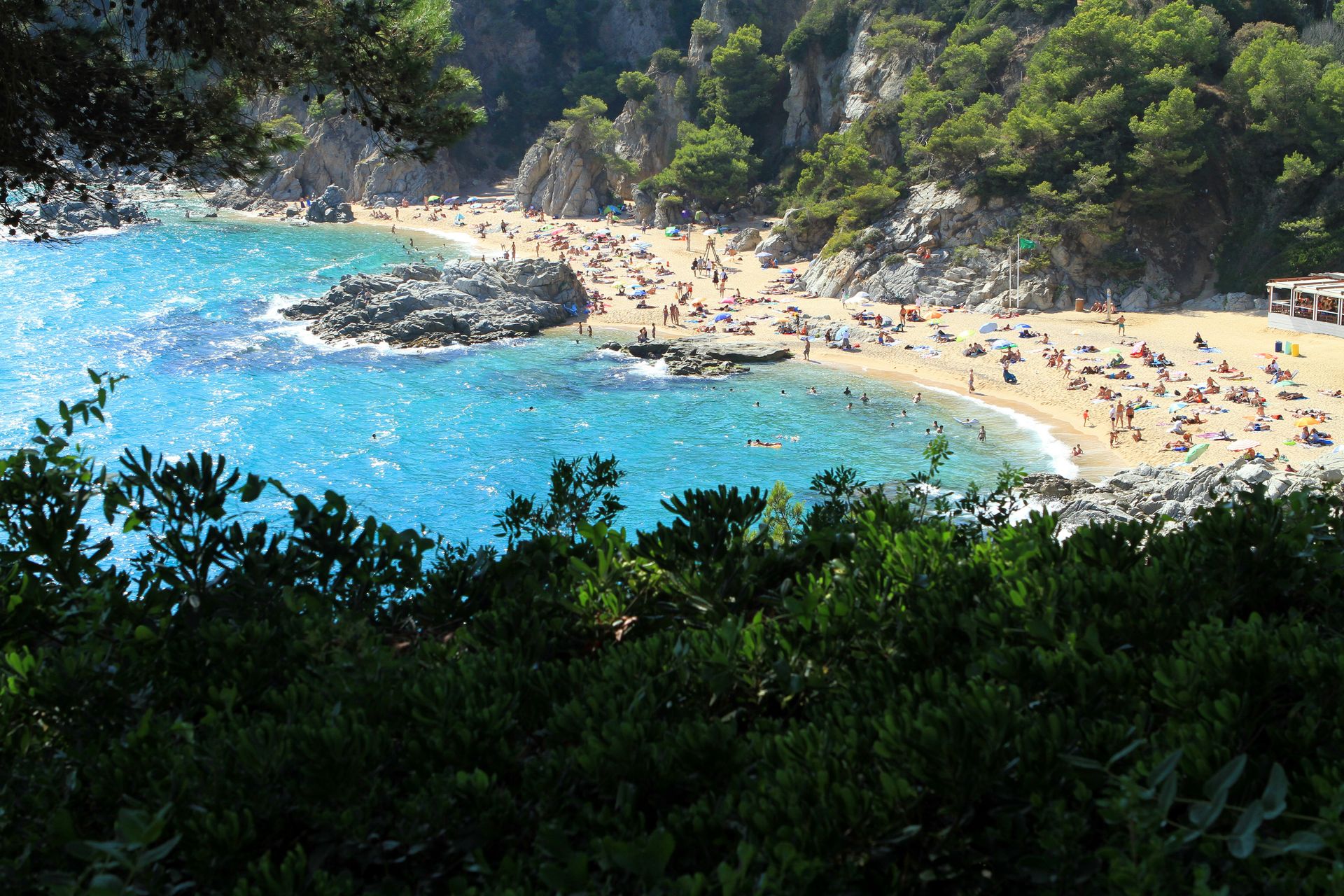
Hitting the beach counts as something close to a national hobby throughout Spain, and most visitors eventually fall in love with their own particular stretch of the country’s roughly 5,470-kilometer coastline. Escaping the crowds means seeking out tranquil, hidden coves reachable only on foot, by bike, or on horseback, rather than settling for the more accessible stretches of sand closest to major resort towns.
Menorca’s pine-shaded Camí de Cavalls, a restored 14th-century path, leads hikers directly to turquoise coves well away from the island’s busier tourist areas, while the Costa Brava rewards ramblers with wild, pebble-studded bays strung along its rugged coastline. Andalucía’s breezy Costa de la Luz offers remote, sugar-white strands that also deliver excellent kitesurfing conditions for travelers looking to combine relaxation with a bit of adventure.
Travelers $TRV specifically seeking a quieter, more secluded beach experience should also consider Almería’s Parque Natural Cabo de Gata, home to several protected nudist beaches tucked within a genuinely dramatic volcanic landscape. The park’s pairing of natural beauty and relative isolation makes it a genuinely different kind of Spanish beach experience compared with the country’s more crowded southern resort towns.
Planning a beach-focused Spanish itinerary around several of these regions, instead of settling for just one coastline, gives travelers a genuinely broader sense of how much the country’s coastal scenery actually varies from north to south. Packing sturdy footwear alongside beach gear matters considerably here, since reaching the most rewarding coves often requires a genuine hike instead of a short walk from a parking lot. Few countries in Europe pack this much genuine coastal variety into a single, continuous stretch of shoreline. Visitors traveling during peak summer months should still start early in the day, since even the most secluded coves gradually fill in by midafternoon. Bringing plenty of water also matters, since shaded rest points remain scarce along some of the longer coastal trails. A hat and reef-safe sunscreen round out the packing list well.
2 / 10
2. Local specialties define Spain’s culinary soul
Jay Wennington / Unsplash
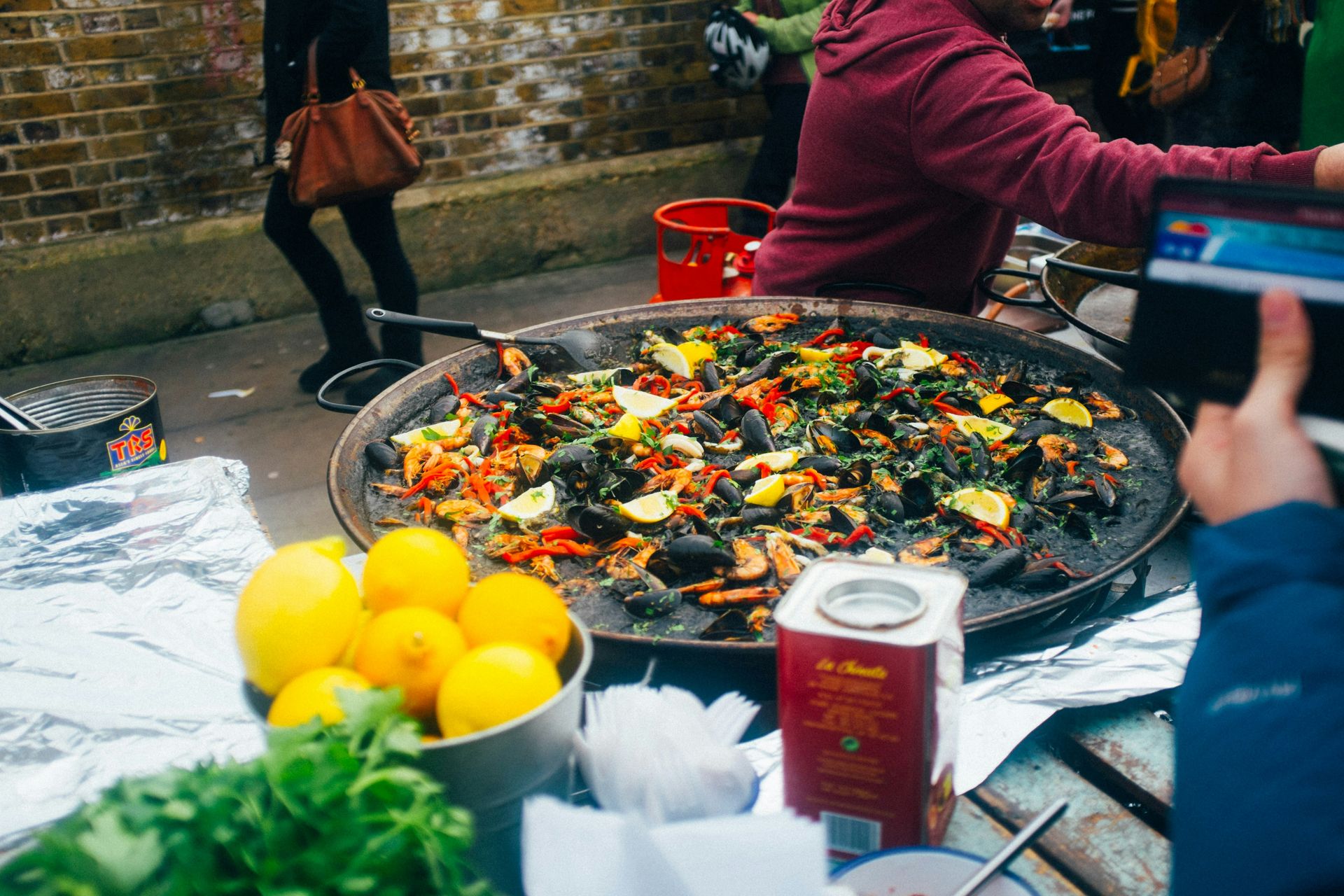
A deep, genuine love of food runs through nearly every corner of Spanish culture, and properly exploring the country’s culinary regions means moving well beyond a single city or a single dish. Granada’s tapas bars draw crowds specifically for their generous, often complimentary portions, while Bilbao and San Sebastián instead specialize in pintxos, the distinctly Basque take on small, shareable plates typically served atop a slice of bread.
Catalonia boasts a genuinely impressive concentration of Michelin-starred restaurants for travelers seeking a more elevated dining experience, while the Mediterranean coast around Valencia remains the definitive place to try fresh, traditional paella straight from its region of origin. Cuenca, named the country’s Capital of Gastronomy in 2023, offers yet another distinct regional cuisine well worth seeking out for travelers building a food-focused itinerary.
Joining an expert-led food tour gives visitors a genuinely deeper dive into regional Spanish cuisine than simply picking restaurants at random ever could. Devour Tours runs knowledgeable guided tours throughout Barcelona, Madrid, Seville, and San Sebastián, while Annie B’s Spanish Kitchen offers genuinely excellent tapas tours specifically within Cádiz province, a celebrated Andalusian food destination in its own right.
Building a Spanish trip around food specifically, instead of treating meals as an afterthought between sightseeing stops, rewards travelers with a genuinely richer sense of the country’s regional identity. Few other European countries pack this much genuine culinary variety into a single, relatively compact geographic area. Few travelers leave Spain without at least one dish they specifically plan to recreate once they’re back home. Visitors traveling with dietary restrictions should still find plenty of options, since most regions offer genuine variety well beyond their single most famous dish. Booking tables ahead also helps at the more popular tapas bars during peak dinner hours. Arriving with an empty stomach and an open mind helps too. Trying at least one regional specialty per stop makes the trip feel genuinely complete.
3 / 10
3. Madrid galleries showcase world-class art after dark

Credit: Museo Nacional Centro de Arte Reina Sofia
Madrid ranks among Europe’s greatest cities for genuine art lovers, holding a cluster of prestigious galleries where visitors can encounter icons such as Picasso’s Guernica at the Centro de Arte Reina Sofía, Van Gogh’s Les Vessenots in Auvers at the Museo Thyssen-Bornemisza, and both Velázquez’s Las Meninas and Goya’s Saturno Devorando a su Hijo inside the Museo del Prado. These three institutions alone would justify a dedicated art-focused trip to the Spanish capital.
Beyond the most famous headline works, Madrid’s galleries hold considerably more hidden thrills for curious visitors willing to look further. Sketches by the poet Federico García Lorca sit alongside genuinely mysterious works by Antoni Tàpies, giving art enthusiasts plenty to discover well beyond the paintings featured on postcards throughout the city.
Booking tickets online in advance and exploring the galleries first thing in the morning helps visitors avoid the worst of the crowds that build throughout the day. Several museums even offer dedicated out-of-hours tours before the doors officially open to the general public, giving visitors a genuinely quieter, more contemplative way to experience these famous collections.
Saving some energy for later in the day pays off considerably in Madrid, since joining locals at buzzy tapas spots, elegant cocktail lounges, laid-back rooftop bars, and heaving nightclubs ranks among the best things to do in the entire capital. The city’s nightlife genuinely tends to stretch on well into the following morning, rewarding visitors willing to embrace the local pace. Few capital cities anywhere in Europe pack this much world-class art into such a genuinely walkable central core. Visitors with limited time should prioritize just one or two major museums rather than rushing through all three in a single exhausting day. Comfortable shoes also help considerably, since even a single museum can involve substantial walking. A midday break for lunch also helps recharge before an evening out. A guided tour also helps first-time visitors prioritize which works matter most.
4 / 10
4. Spain’s wine regions pour centuries of tradition
Kylli Kittus / Unsplash
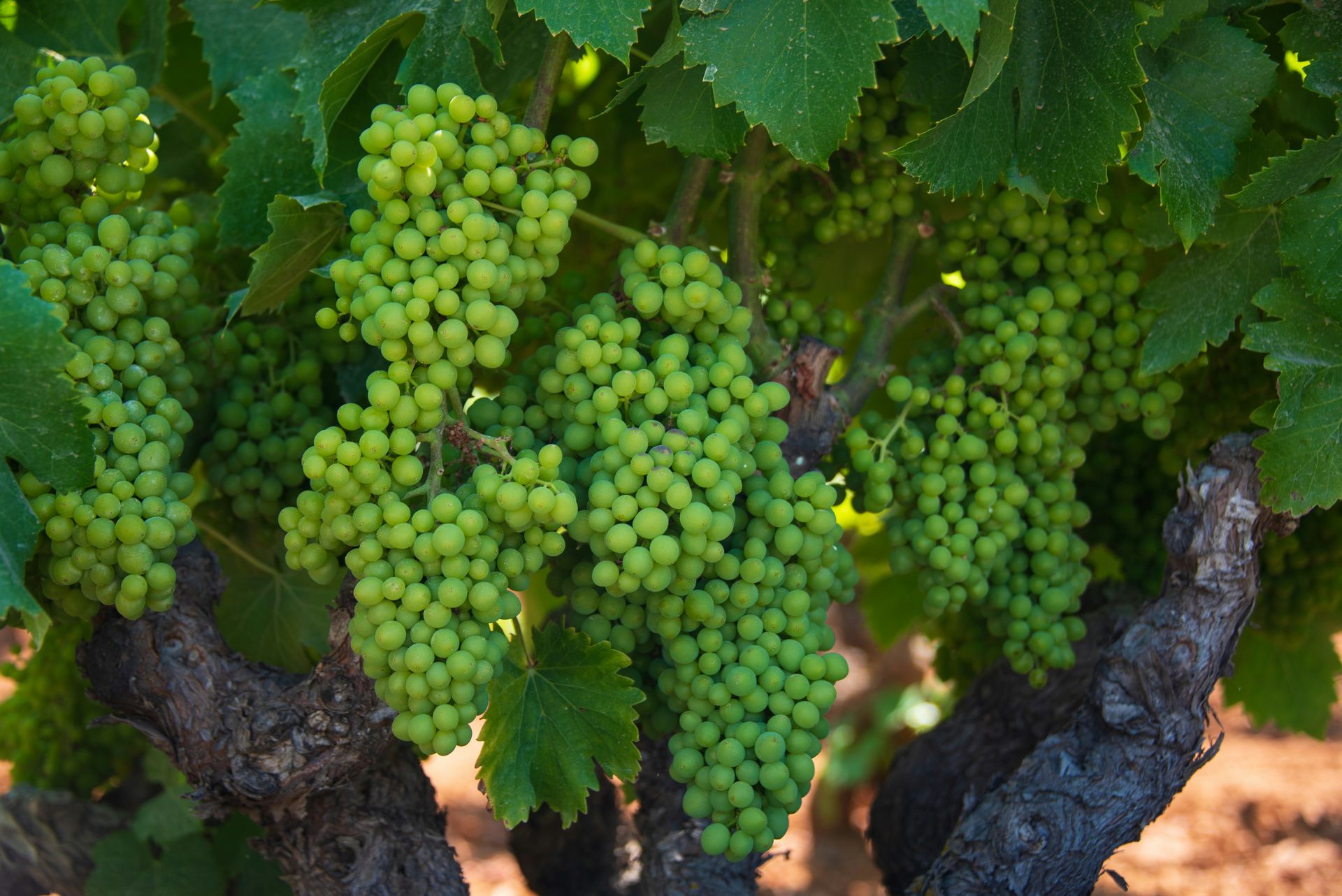
Spain’s wine culture spans an impressively wide range of regions, from headlining grape-growing areas such as La Rioja and the cava-producing Penedès to Andalucía’s unmatched Sherry Triangle. The country’s 70 official Denominaciones de Origen collectively offer a genuinely tantalizing lineup of wines, and many wineries across these regions now experiment with unusual grape combinations while advancing sustainable production methods.
Some producers have also begun working specifically to recover rare ancestral grape varieties that had fallen out of common use, adding genuine historical depth to an already rich wine culture. Seeking out small, independent bodegas, some still run by their founding families, tends to deliver the most exciting and personal tours for visitors genuinely curious about how Spanish wine is actually made.
Lesser-known wine-making areas reward travelers willing to venture beyond the most famous regions. Galicia’s up-and-coming Ribeira Sacra, Catalonia’s cool-climate Costers del Segre, and the genuinely innovative El Hierro and Lanzarote Denominations of Origin throughout the Canary Islands all offer distinctly different wine styles shaped by their own unique terroir and climate.
Travelers $TRV who’d rather stay a designated drinker instead of the one behind the wheel have plenty of alternative ways to travel around Spain, including trains, buses, and organized wine tour operators who handle transportation directly. Building even a single day around a specific wine region gives visitors a genuinely deeper appreciation for just how much Spanish wine varies from one corner of the country to the next. Few countries anywhere in the world offer this much genuine regional diversity within a single national wine industry. Visitors without their own transportation should still find plenty of organized tours connecting several wineries within a single easy day trip. Booking tastings ahead also helps at the smaller, family-run bodegas with limited daily capacity. Pacing tastings throughout the day helps avoid feeling rushed at any single stop. A designated driver or organized tour removes any worry about the return trip.
5 / 10
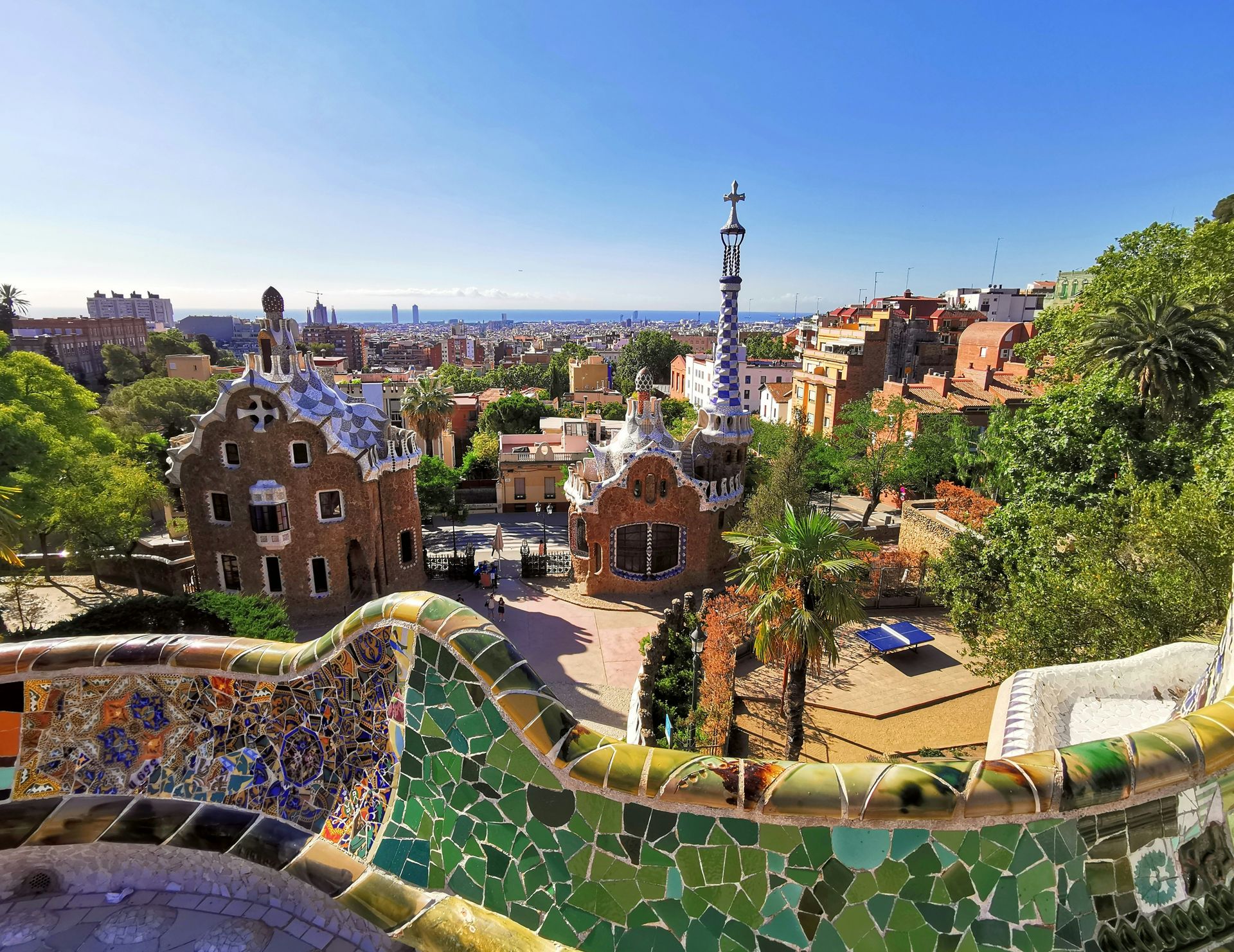
5. Barcelona’s architecture tells Gaudí’s story in tile
Dorian D1 / Unsplash
Exploring Catalonia’s genuinely irresistible capital alongside a knowledgeable local architect instantly brings the Modernista wonders created by Gaudí, Domènech i Montaner, Puig i Cadafalch, and others to life in a way that simply admiring buildings from the street never quite manages. These architects worked primarily during the late 19th and early 20th centuries, leaving behind a genuinely distinctive architectural legacy that still defines much of the city’s identity today.
Looking beyond the most famous star attractions, including La Sagrada Família, Casa Batlló, and Park Güell, reveals considerably more of Gaudí’s genuine range as an architect. Casa Vicens, his first floral-tiled commission located in the Gràcia neighborhood, deserves a dedicated visit, alongside other lesser-known Modernista flourishes scattered throughout L’Eixample and El Raval that most visitors walk past entirely.
Barcelona’s ongoing struggle with overtourism has become a well-documented issue in recent years, and travelers can help ease that pressure by making a few specific choices. Visiting outside high season and weekends, staying in officially licensed accommodations, and exploring the rest of Catalonia beyond the city itself, from the heights of the Pyrenees to the rice-growing Delta de l’Ebre, all genuinely help distribute tourism impact more evenly across the wider region.
Travelers $TRV who build even a single-day trip outside Barcelona into their itinerary often come away with a richer, more balanced sense of Catalonia as a whole, rather than experiencing the region entirely through its capital city. This broader perspective also tends to reveal architectural and cultural gems that never make it onto a typical first-time visitor’s list. Few cities anywhere in Europe carry this much architectural personality concentrated within such a compact, walkable urban core. Visitors booking tickets to the most famous sites should reserve well in advance, since same-day entry has become genuinely difficult during peak season. Comfortable shoes also help considerably, since exploring these neighborhoods properly involves substantial walking. A guided tour also helps visitors notice details that would be easily missed on a self-guided walk.
6 / 10
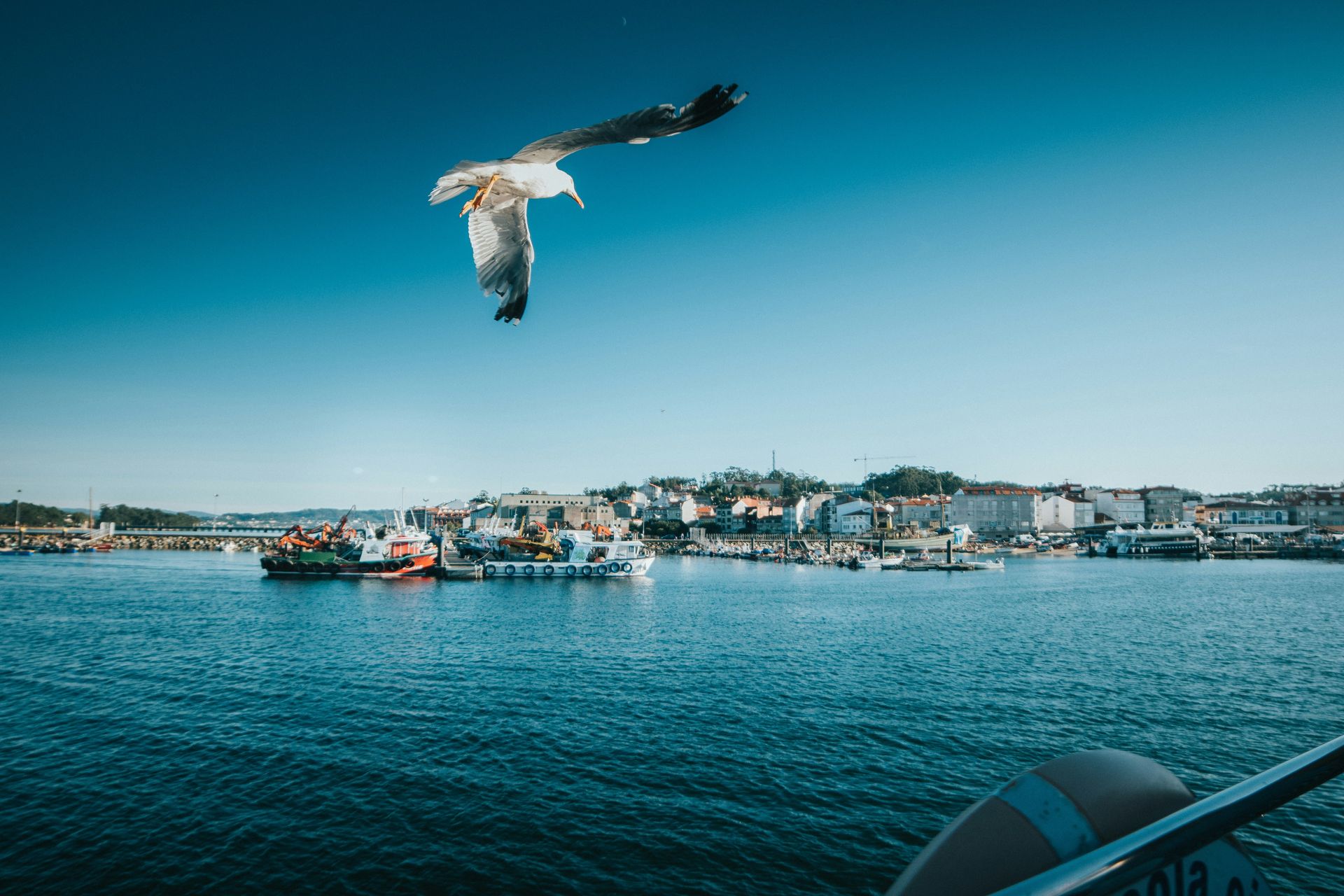
6. Galicia’s coastline unfolds along a road trip
Robert Pricop / Unsplash
Savoring a glass of crisp albariño alongside a platter of genuinely fresh seafood counts as a distinctly Galician moment, and it’s just one of many pleasant surprises waiting throughout Spain’s beautifully green northwest corner. Roaming well beyond the famous pilgrimage city of Santiago de Compostela reveals timeworn stone villages, centuries-old wineries, and plunging river valleys scattered throughout the wider region.
Galicia’s coastline stretches for more than 1,000 kilometers of wild, windswept shoreline sprinkled with genuinely sublime beaches, particularly around the Illas Cíes islands and the dramatically named Costa da Morte. Few coastal regions anywhere in Spain offer quite this same pairing of rugged natural beauty and genuine quiet, even during the busier summer travel months.
Summer brings the warmest weather throughout Galicia, though June and September deliver considerably quieter conditions for travelers willing to trade a few degrees of warmth for smaller crowds. Packing an umbrella regardless of the specific season matters considerably here, since Galicia’s famously green landscape owes much of its lush character to genuinely unpredictable rainfall throughout the year.
Renting a car remains the most practical way to properly explore Galicia’s scattered villages, wineries, and coastal stretches, since many of the region’s most rewarding stops sit well off any major public transportation route. Building a loose, flexible itinerary around the coastline specifically, instead of rushing between fixed stops, tends to reward travelers with the kind of unplanned discoveries that define a genuinely memorable Galician road trip. Few regions anywhere in Spain reward a slow, unhurried road trip quite as consistently as Galicia’s scattered coastal villages. Visitors without a rental car should still consider regional buses, though schedules to the more remote coastal villages remain genuinely limited. Fuel stations also grow sparse along some of the more remote coastal stretches. A detailed offline map also helps navigate the region’s winding rural roads. Cell coverage also grows patchy in the more remote coastal areas. Downloading offline maps beforehand helps considerably.
7 / 10
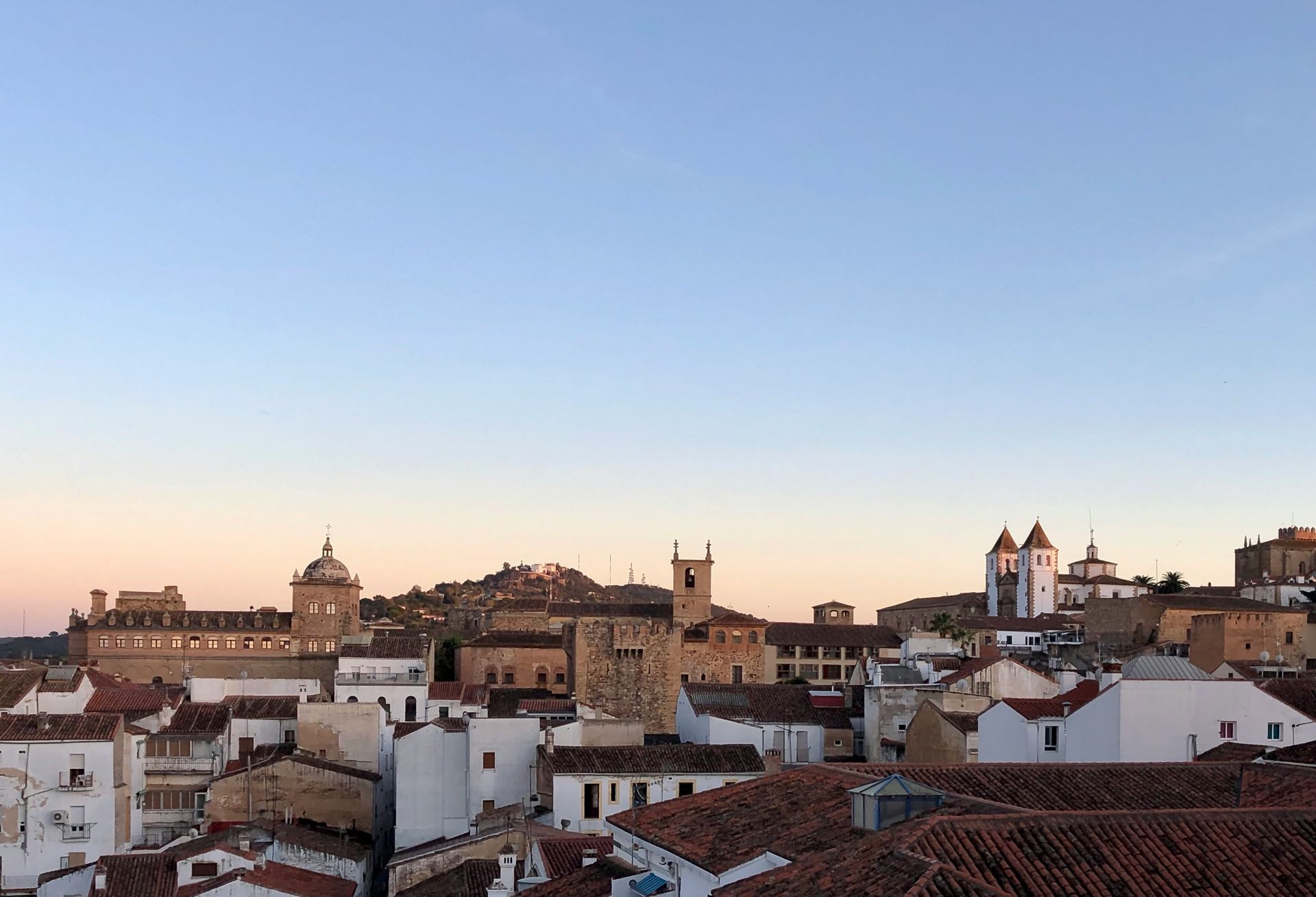
7. Extremadura hides Spain’s least-touristed corner
David Gil de la Canal / Unsplash
Extremadura, bordering Portugal along Spain’s western edge, plunges visitors directly into one of the country’s least-touristed corners, and the region genuinely rewards the extra effort required to reach it. The secluded Jerte, Ambroz, and La Vera valleys reveal half-timbered houses, snow-topped mountains, and a genuinely spectacular spring cherry blossom season that draws a small but devoted following of travelers each year.
Birdwatching throughout the region peaks within the 180-square-kilometer Parque Nacional de Monfragüe, particularly between March and October, when the park’s resident bird populations are most active and visible to patient observers. Few destinations anywhere in Spain offer birdwatching conditions quite this consistently rewarding across such a genuinely extended seasonal window.
Extremadura also holds several genuinely extraordinary monumental cities well worth a dedicated stop. Cáceres impresses visitors with its glittering historical core, Trujillo grew wealthy thanks to its high-profile conquistador families and their considerable fortunes, and Mérida holds some of Spain’s most important surviving Roman ruins, giving history-minded travelers plenty to explore across just these three cities alone.
Travelers $TRV building a longer Spanish itinerary should seriously consider working Extremadura in as a genuine detour instead of skipping the region entirely in favor of more famous destinations. The relative lack of crowds throughout the region gives visitors a considerably more relaxed pace of exploration than they’d find in Spain’s more heavily trafficked tourist corridors. Few regions in Spain offer as much history and scenery for the number of visitors who actually make the trip. Visitors without their own transportation should still budget extra time, since regional buses between the smaller towns run considerably less frequently than elsewhere in Spain. Fuel stations also grow sparse along some of the more remote rural roads. A detailed offline map also helps navigate the region’s winding rural roads. Cell coverage also grows patchy across some of the more remote valleys. Downloading offline maps beforehand also helps considerably during a longer road trip.
8 / 10
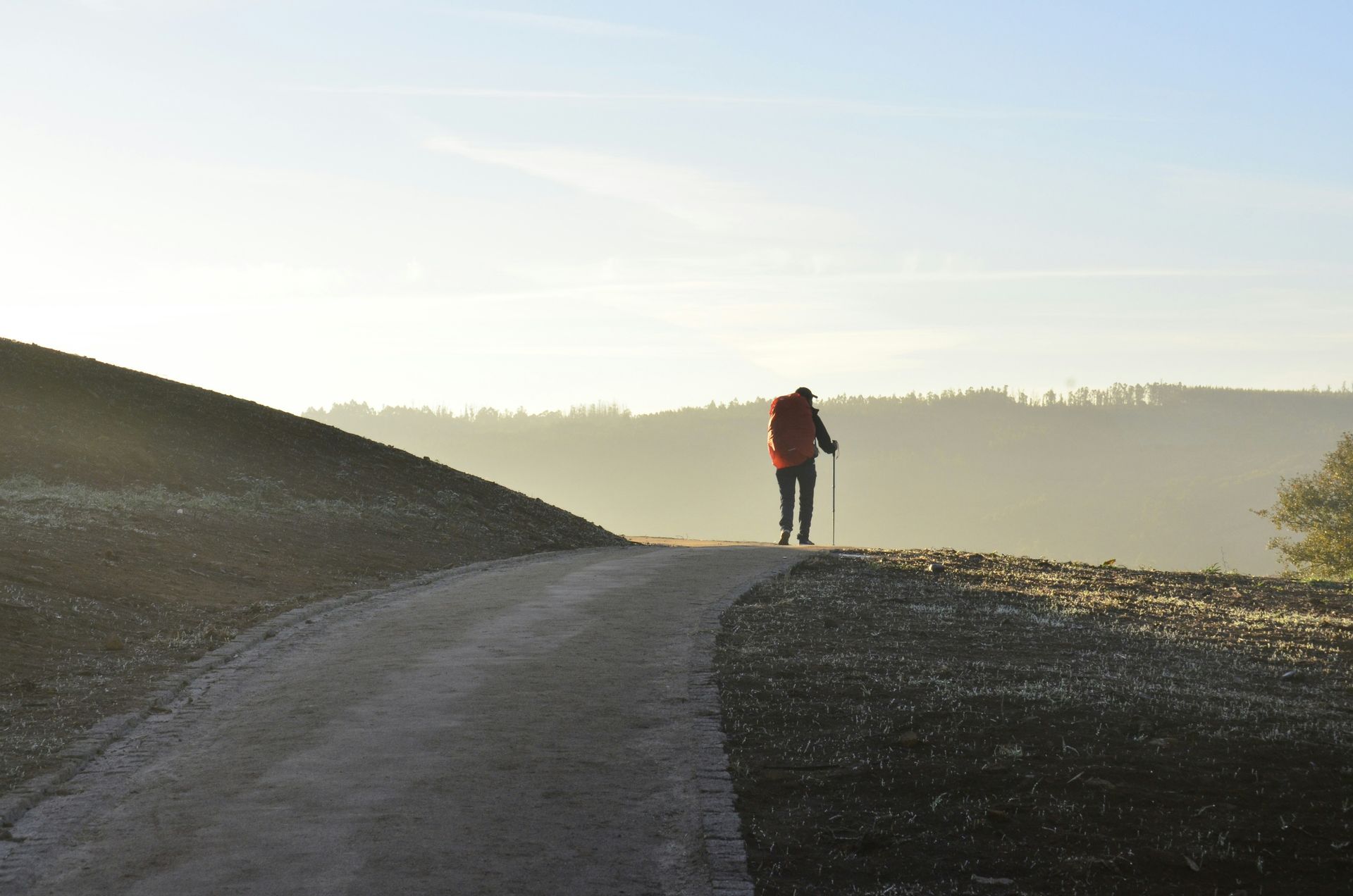
8. Alternative Camino routes trace quieter paths to Santiago
Jorge Luis Ojeda Flota / Unsplash
Finally stumbling into the glittering cathedral in Galicia’s capital, Santiago de Compostela, after trekking hundreds of miles along the fabled Camino de Santiago, ranks among the genuinely magical moments available to any long-distance traveler willing to commit to the journey. Travelers $TRV seeking a less-crowded path can swap the popular traditional Camino Francés for either the wonderfully rewarding Camino del Norte or the more demanding Camino Primitivo.
The 600-kilometer Norte route meanders along and inland from Spain’s northern coastline, starting in Irún, offering walkers genuinely varied coastal and inland scenery over its considerable length. The challenging 320-kilometer Primitivo route, which starts in Oviedo, is widely believed to represent the original Camino, reportedly walked by King Alfonso II himself in the ninth century, giving it a genuinely deep historical pedigree.
Travelers hoping to experience both alternatives in a single extended trip can combine them by following a specific alternative branch of the Norte route toward Oviedo, then linking directly to the Primitivo from that point onward. This particular combination allows committed walkers to experience two of the Camino’s most historically significant alternative paths in a single continuous journey.
Choosing between the Norte and Primitivo ultimately comes down to a traveler’s own priorities around scenery, difficulty, and historical significance. Walkers specifically drawn to dramatic coastal views should lean toward the Norte, while those chasing the deepest possible historical connection to the Camino’s earliest origins should seriously consider tackling the more demanding Primitivo instead. Few long-distance walks anywhere in Europe offer this much genuine choice in difficulty, scenery, and historical depth within a single pilgrimage tradition. Visitors planning either route should still book albergues ahead during peak pilgrimage season, since even the quieter paths have grown noticeably busier in recent years. Comfortable, well-worn footwear also matters considerably, given the distances involved. A lightweight pack also makes a genuine difference over such long distances. A well-broken-in pair of boots prevents most of the common blisters walkers report.
9 / 10
9. Andalucía’s Moorish architecture spans eight centuries
Christian Hergesell / Unsplash
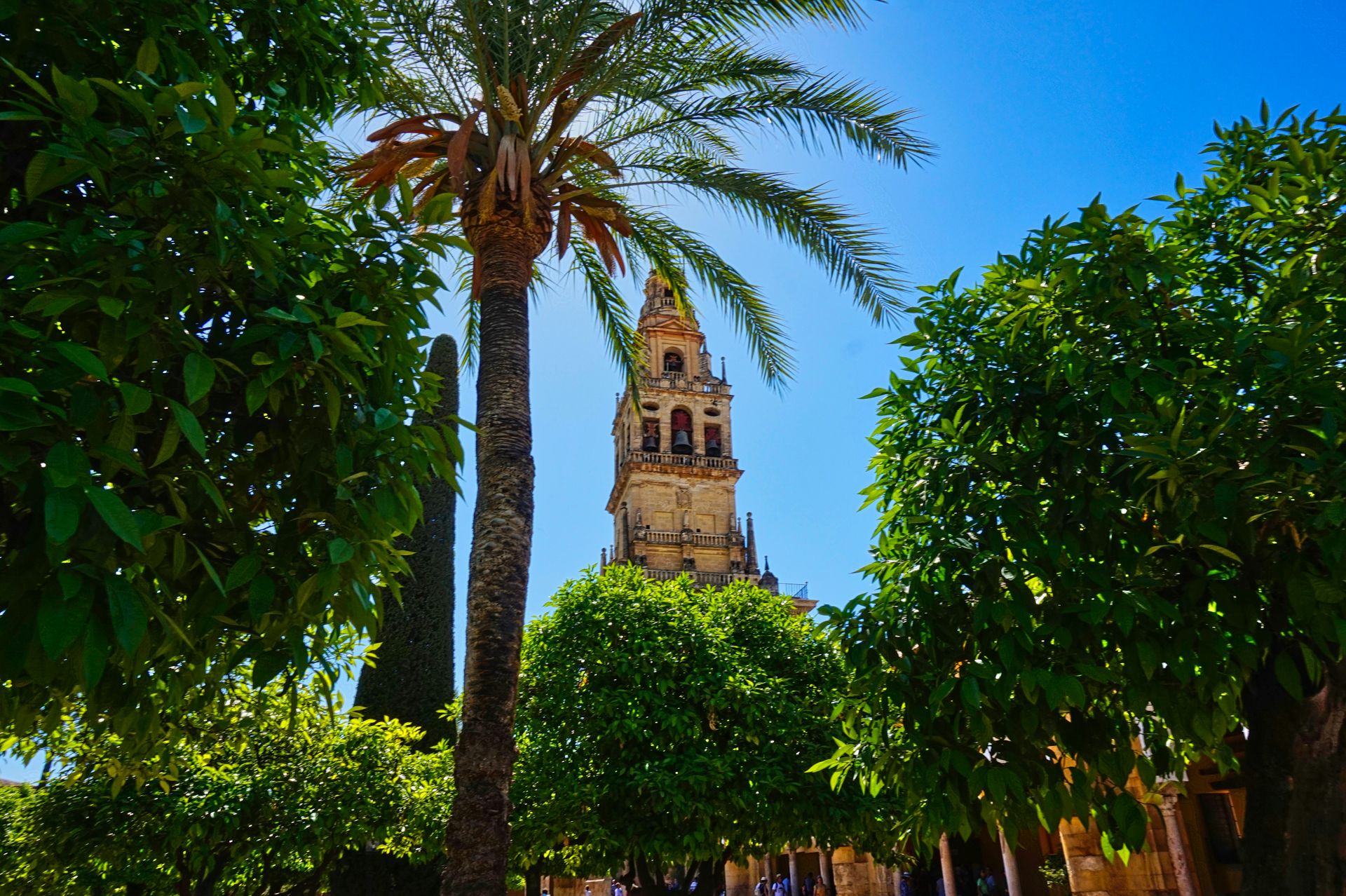
Spain’s eight centuries of Islamic rule produced some of the country’s most spectacular architecture, and that legacy remains especially concentrated throughout Andalucía today. The unmissable jewels of Moorish Al-Andalus include Granada’s Alhambra, Córdoba’s Mezquita-Catedral, and Seville’s Real Alcázar and Giralda tower, though plenty of equally rewarding sites exist well beyond these three headline destinations.
Traveling between Córdoba and Granada along the little-known Ruta del Califato reveals a string of castle-topped villages that once marked the final medieval frontier separating Christian and Islamic Spain. These villages offer a genuinely different, more intimate way to experience the region’s layered history than the crowds at the era’s most famous monuments.
Ambling around the majestic alcazabas, or fortified palaces, in both Almería and Málaga rewards visitors with genuinely impressive architecture that receives considerably less attention than Andalucía’s biggest headline sites. Travelers $TRV willing to venture into Huelva’s remote Aracena hills can also uncover a rare, perfectly preserved Moorish-era mosque tucked away from the region’s more typical tourist routes entirely.
Building an itinerary around this Moorish architectural heritage specifically gives travelers a genuinely coherent historical thread to follow across an otherwise sprawling region. Few architectural traditions anywhere in Europe have left behind this much surviving, genuinely spectacular built heritage across such a wide and varied geographic area. Few regions anywhere in Europe hold this much surviving Islamic-era architecture concentrated within such a genuinely compact geographic area. Visitors booking tickets specifically for the Alhambra should reserve well in advance, since daily entry numbers remain strictly limited throughout the year. Comfortable shoes also help considerably, since exploring these sites properly involves substantial walking. A wide-brimmed hat also helps considerably during the hotter summer months. A guided tour also helps visitors understand the deeper historical context behind each site. Arriving early in the day also helps avoid the largest tour groups. Booking Alhambra tickets several weeks in advance remains genuinely essential during the busiest spring and autumn travel seasons.
10 / 10
10. Spain’s mountains open hiking trails in every season
Credit: Turisme de Catalunya
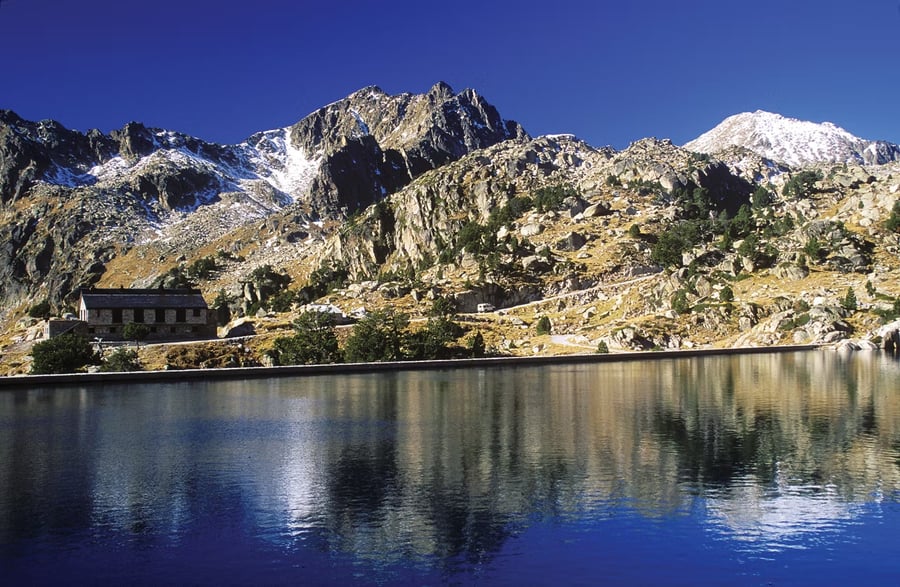
Spain’s genuinely varied climate means outstanding hiking opportunities are available somewhere in the country throughout most of the calendar year. Granada’s snow-dusted Sierra Nevada peaks particularly well during July and August, while northern Spain’s jagged Parque Nacional de los Picos de Europa and Aragón’s cloud-brushing Parque Nacional de Ordesa y Monte Perdido both reward hikers during considerably cooler stretches of the year.
Catalonia’s Parc Nacional d’Aigüestortes i Estany de Sant Maurici rounds out the country’s most celebrated mountain hiking destinations, offering genuinely dramatic alpine scenery within relatively easy reach of Barcelona. Coastal hiking options deliver an entirely different kind of scenery for travelers who prefer sea views to mountain peaks, and trails such as Galicia’s 200-kilometer Camiño dos Faros or the clifftop paths throughout Almería’s Cabo de Gata both rank among the country’s most soul-stirring coastal walks.
Timing a hiking trip correctly matters considerably, given how much conditions vary by region. Northern Spain shines brightest between June and September or October, and travelers planning a trip during this window should book accommodations well ahead, given how popular the season has become. Hiking throughout Andalucía instead peaks during March through June and again in September and October, avoiding the region’s genuinely intense summer heat.
Matching a specific hiking destination to the correct season transforms what could otherwise be an uncomfortable, poorly timed trek into a genuinely spectacular outdoor experience. Travelers $TRV with enough flexibility to plan around these seasonal windows consistently report considerably more rewarding hikes than those who simply show up in whatever month suits their broader travel schedule. Few countries anywhere in Europe offer this much genuine hiking variety across such consistently different regional climates and terrain. Visitors unfamiliar with a specific trail should still hire a local guide, since weather and terrain conditions can shift considerably with little advance warning. Checking weather forecasts the morning of also matters, since mountain conditions shift quickly. Packing layers also helps considerably, given how quickly mountain temperatures can shift.
