
From Chinatown's oyster omelets and neon alleys after dark to a limestone peak temple designed to mirror seven levels of Buddhist enlightenment
Robin Noguier / Unsplash
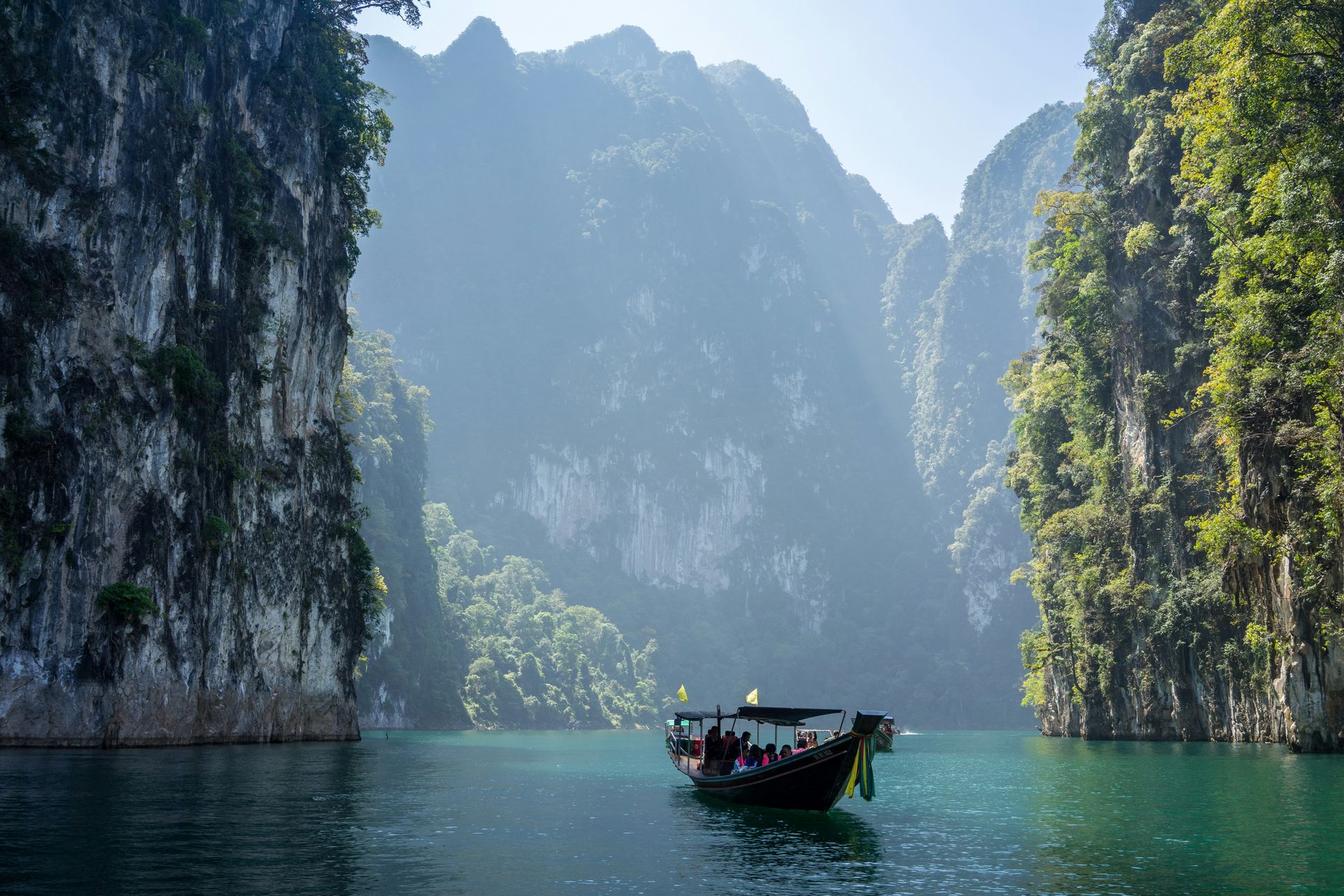
Thailand’s appeal as a travel destination is broad enough to accommodate almost any type of traveler: the beaches are genuinely spectacular, the temples number more than 40,000, the street food is world-class, and the infrastructure for independent travelers is among the best in Southeast Asia. Bangkok is the most visited city in the world, not just in Asia, and the country’s low costs, generally safe travel conditions, and high concentration of remarkable things to see and eat explain why so many travelers who arrive for a week end up extending by another week.
The experiences on this list reflect that breadth. Some are iconic Bangkok activities that no first-time visitor should miss. Others require reaching the northern highlands, the ancient capitals along the Chao Phraya River, or the island archipelagos of the Andaman Sea and the Gulf of Thailand. Together they cover the full range of what makes Thailand worth the journey, from snorkeling coral reefs and cycling ancient ruins to eating oyster omelets in Chinatown at midnight and hiking to a temple that mirrors the seven levels of enlightenment on its way up a limestone cliff.
The 10 experiences below appear in Lonely Planet, covering Thailand’s most rewarding experiences from Bangkok to the southern islands. The country’s tourist infrastructure is good enough that most of these experiences are accessible to first-time visitors without specialist local knowledge, and the transportation connections between the major destinations are reliable enough that multi-stop itineraries work as planned. Thailand’s airport network, with international hubs in Bangkok, Phuket, and Chiang Mai, and domestic connections to dozens of regional airports, makes it practical to begin and end a trip in different cities without backtracking. Thailand’s train system connects Bangkok to both Chiang Mai in the north and the southern peninsula toward Malaysia, providing a slower but more scenic and often more affordable alternative to domestic flights for travelers with flexible schedules.
Anantachai Saothong / Unsplash
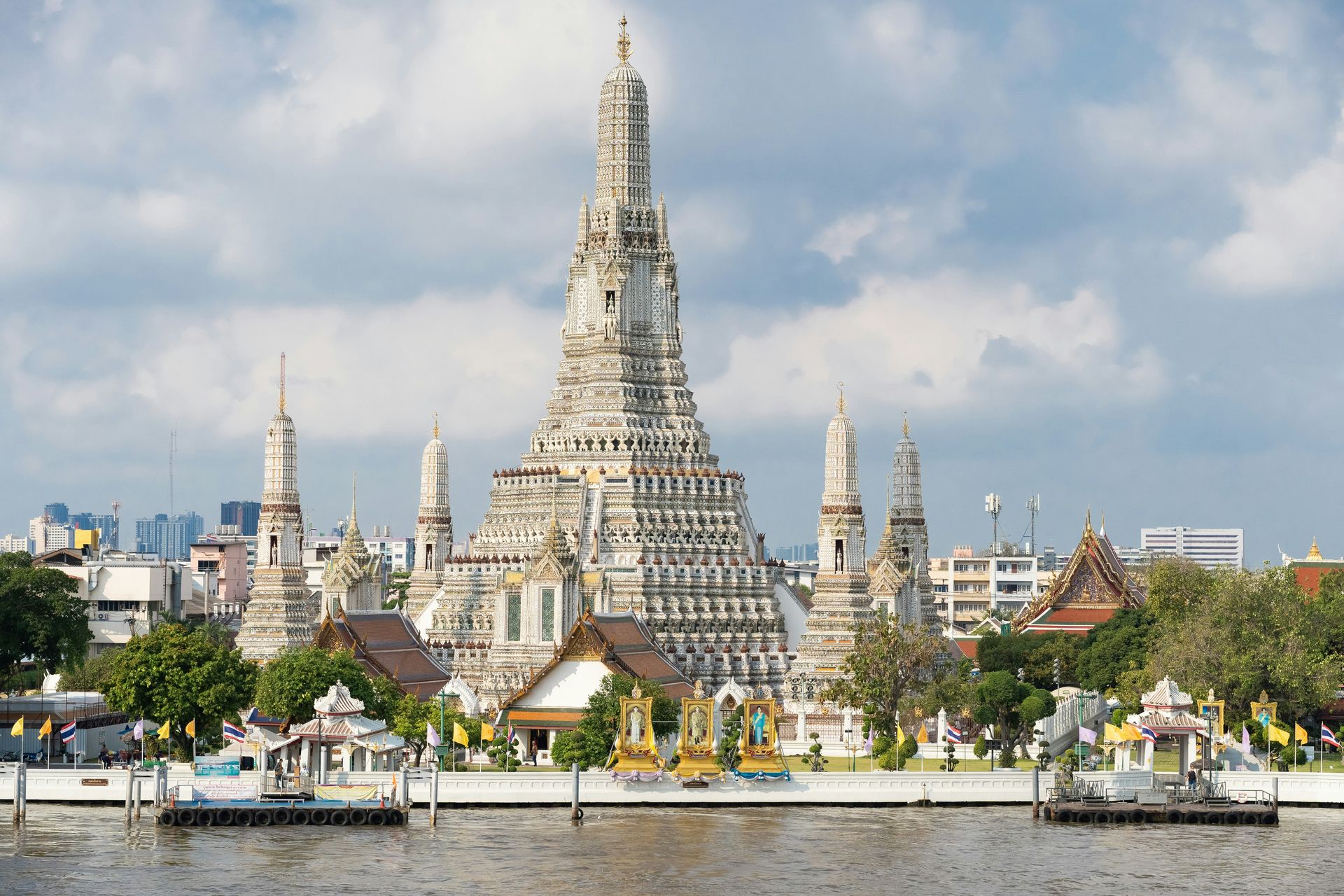
Thailand has more than 40,000 temples, and the challenge isn’t finding a good one: it’s choosing which ones to prioritize across a range that runs from universally celebrated to deeply strange. Bangkok’s Wat Phra Kaew, Wat Arun, and Wat Pho are among the most spectacular temples in Asia and require no justification for a visit. Wat Pho specifically doubles as the birthplace of Thai massage, and the monastery’s massage school takes appointments alongside its famous reclining Buddha image.
Beyond Bangkok, Chiang Rai’s Wat Rong Khun, known as the White Temple, is one of the most striking contemporary religious buildings in Southeast Asia: a bridge of rebirth spanning a sea of ceramic hands representing human suffering leads to a main hall entirely white and encrusted with mirror glass. Chiang Mai’s old city contains a concentration of temples in the northern Lanna style, including Wat Chedi Luang, whose 14th-century ruined chedi still stands nearly 60 meters high.
The genuinely eccentric end of the spectrum includes Phetchabun’s Wat Phra Thad Son Kaew, where a series of giant Buddha images sit in each other’s laps like Russian nesting dolls surrounded by Gaudí-esque mosaics, and the Sanctuary of Truth near Pattaya, Thailand’s largest wooden building, painstakingly carved using traditional techniques from floor to ceiling. Both require more effort to reach than the Bangkok temples, but produce experiences that no one who visits them forgets quickly. Thailand’s Buddhist temple architecture spans a thousand years of continuous development, and the regional styles, Lanna in the north, central Thai in Bangkok, Isaan-influenced in the northeast, are distinct enough from each other that temple-visiting across regions produces a cumulative understanding of the country’s geography that few other single activity types can match. The temple conservation standards in Thailand are generally high, with the Fine Arts Department maintaining major sites and levying reasonable admission fees that fund ongoing preservation work. Booking a traditional Thai massage at Wat Pho’s massage school, which the Lonely Planet writers specifically recommend as an appointment rather than a walk-in, produces an experience that is simultaneously therapeutic, historically grounded, and specifically connected to a living practice that has been taught at this temple complex for centuries.
Martti Salmi / Unsplash
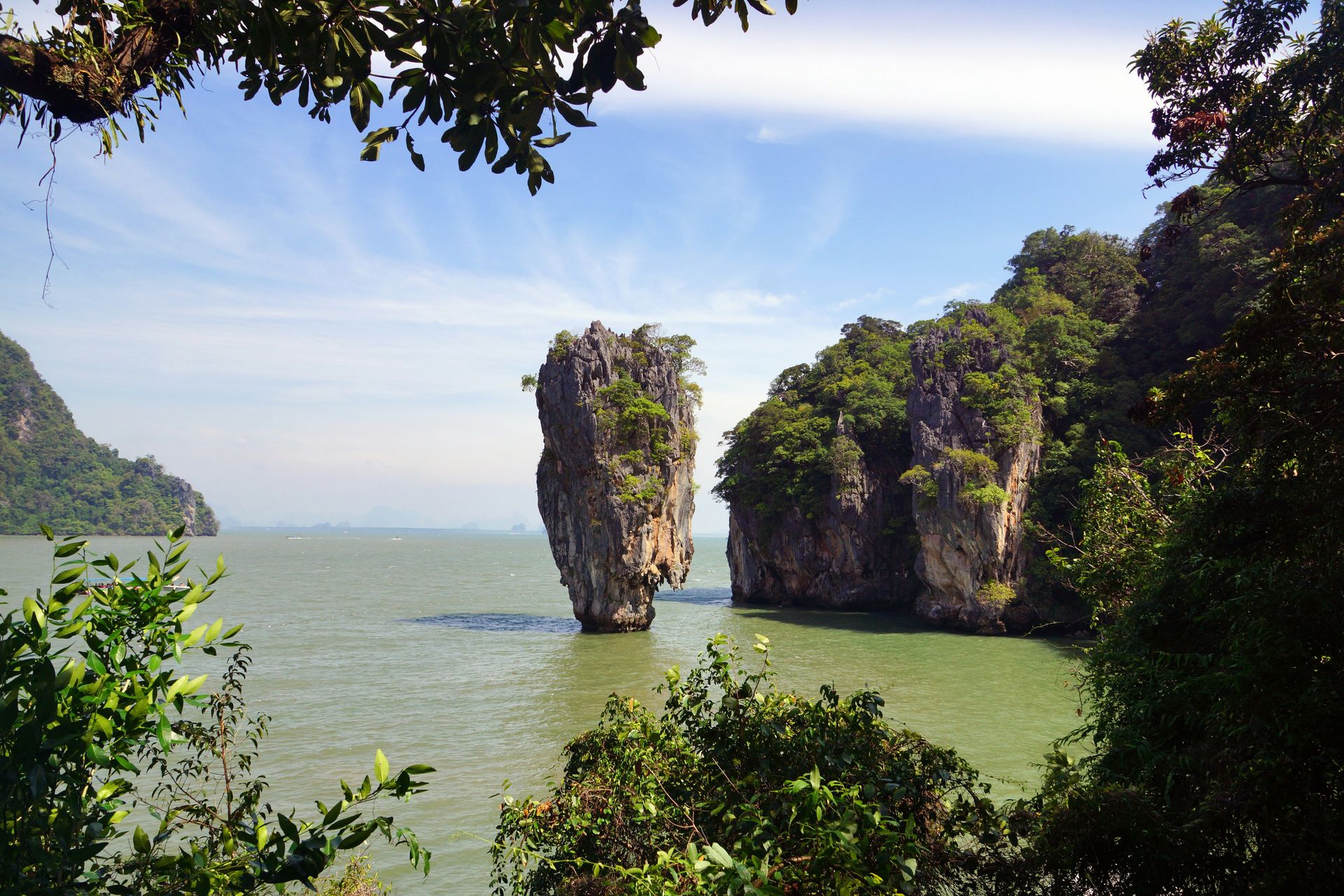
The Andaman Sea coast features some of the world’s most dramatic island scenery, with limestone karst formations rising from celadon-green water in shapes ranging from massive to needle-thin. The most accessible base for exploring the Andaman islands is Phuket, Thailand’s largest island, from whose twin marinas chartered boats and organized tours reach the Phang Nga Bay archipelago and its most famous feature: Ko Khao Phing Kan, the island that appeared in the 1974 James Bond film The Man With a Golden Gun and is now visited by so many tourists daily that the crowds have become part of the experience.
Ko Phi Phi’s Maya Bay, made famous by the 2000 film The Beach, was closed to tourists for several years to allow coral and fish populations to recover from the damage caused by extreme visitor numbers. The conservation-managed access that has resumed produces a significantly better experience than the pre-closure visits described. The karst islands around Krabi and Trang, farther south, draw fewer visitors and reward the additional travel time with genuinely quieter beaches accessible by long-tail boat from the mainland.
Chartering a long-tail boat for a full day to explore the hidden beaches under the limestone cliffs of Phang Nga Bay is the most memorable way to experience the Andaman’s island scenery. The smaller operator boats give access to beaches that the large tour vessels can’t reach, and arriving at a deserted strip of white sand beneath a 300-meter cliff face produces a specific quality of solitude that the more famous sites in the archipelago have largely lost. The timing of visits matters considerably in the Andaman: the high season between November and April delivers calm water and maximum visibility for the island-hopping experience, while the May-to-October monsoon season makes the Andaman coast genuinely rough and many boat services suspend operations entirely. The Gulf of Thailand coast, on the eastern side of the peninsula, operates on a different monsoon schedule and remains accessible during months when the Andaman is closed, making Ko Samui, Ko Tao, and Ko Pha-Ngan viable alternatives for island travel outside the Andaman season.
Pikacent / Unsplash
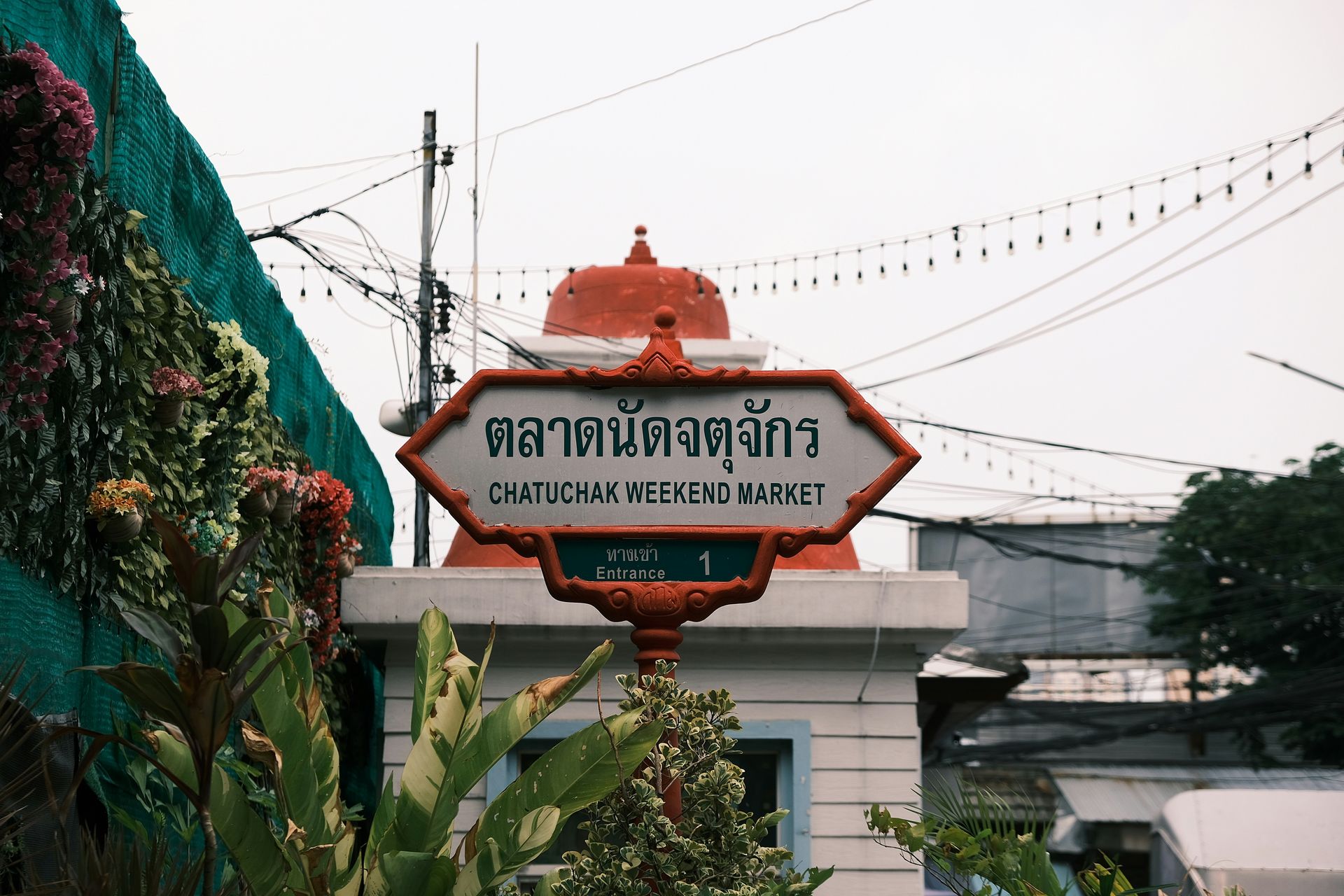
Markets are the social infrastructure of Thai daily life, and experiencing them at different scales and types provides a more accurate picture of the country than any temple circuit can. Bangkok’s Chatuchak Market, open on weekends only, is one of the largest outdoor markets in the world, with more than 15,000 stalls covering clothing, antiques, plants, pets, crafts, and food across a sprawling compound that requires an entire day to cover properly.
Or Tor Kor Market, also in Bangkok, operates on a different principle: widely considered the best food market in Thailand, it attracts serious home cooks and professional chefs with top-quality produce, prepared foods, and traditional sweets that represent the full range of Thai regional cuisine. The Pak Khlong Talat flower market, open around the clock, is one of the city’s more photographically overwhelming experiences, with wholesale flower vendors creating mountains of color that shift as different deliveries arrive.
Outside Bangkok, Chiang Mai’s Saturday and Sunday Walking Street markets offer craft, clothing, and food in settings that fill the old city’s historic moat road with vendors and visitors. The walking street market in Chiang Khan, on the Mekong River in Thailand’s northeast, runs along equally extensive lines in a setting that is considerably more scenic. For floating market enthusiasts, the market along Khlong Lat Mayom is accessible within 90 minutes of Bangkok and maintains a local character that the heavily touristed Damnoen Saduak market has largely lost. Or Tor Kor Market is worth planning a Bangkok morning specifically around, both for the quality of what’s available and for the insight it provides into what professional Thai cooks consider worth paying for. The section devoted to traditional Thai sweets and desserts alone represents a confectionery tradition that gets almost no attention in international coverage of Thai cuisine. The northern markets, particularly Chiang Mai’s Saturday and Sunday walking streets, are the best places to encounter the specific Lanna cuisine and craft traditions of the north that don’t appear in Bangkok’s markets and represent a regional food culture as distinct from central Thai cooking as French regional cuisines are from Parisian restaurant norms.
Peter Orsel / Unsplash
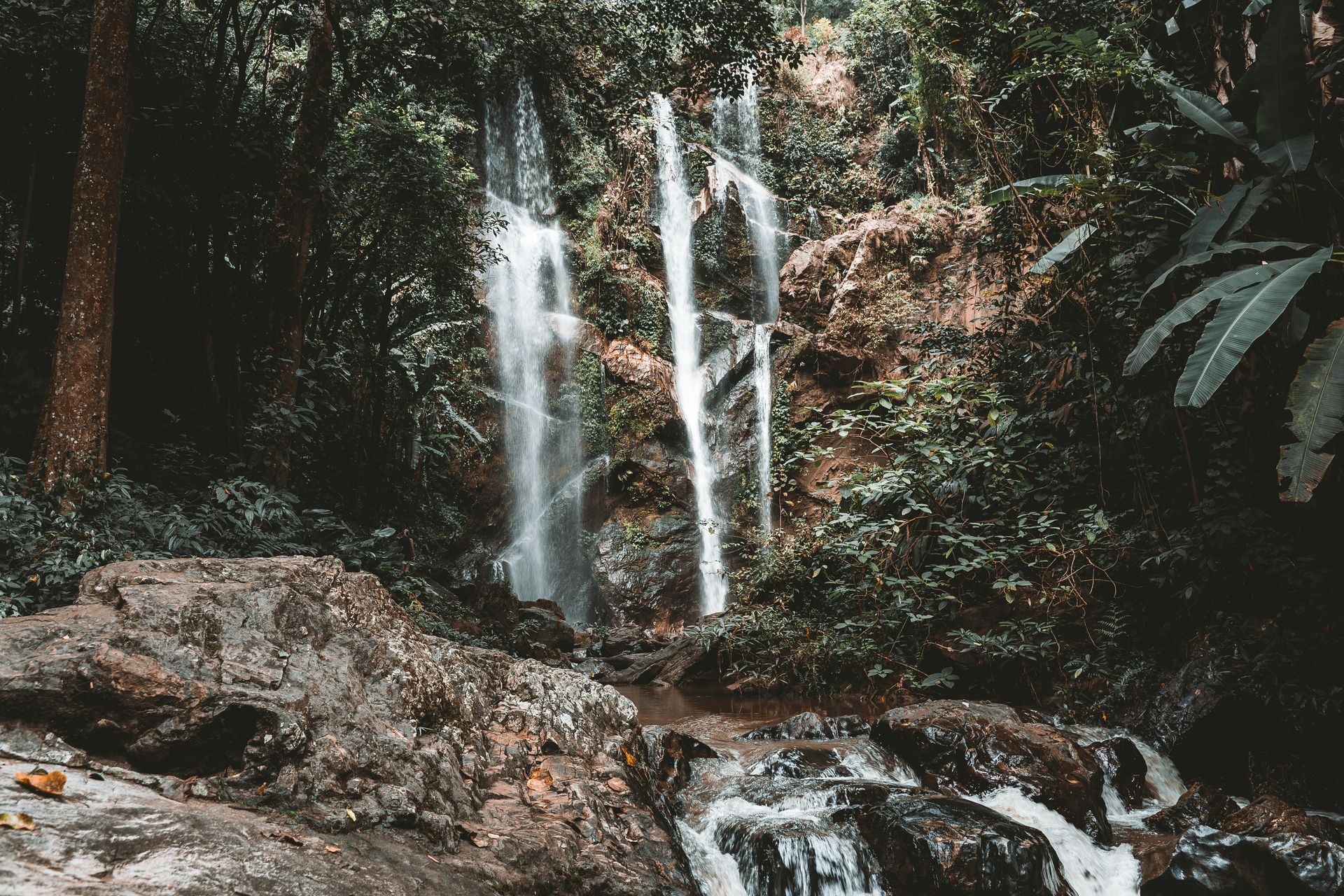
Thailand’s waterfall network extends across the country and provides cooling relief from the heat at almost any point in a trip. The most famous cascade near Bangkok is Haew Suwat in Khao Yai National Park, which appeared in the 2000 film The Beach and has an emerald pool large enough for genuine swimming. The seven-tiered Erawan Falls in Erawan National Park northwest of Kanchanaburi is one of the country’s most celebrated swimming destinations, with small fish that conduct impromptu pedicures on anyone who wades into the lower pools.
The mountains around Chiang Mai harbor dozens of falls accessible on day walks from the city, and the cool season between November and February is the most pleasant time to hike to them. In the far northeast, the isolated Soi Sawan waterfall blooms with wildflowers during the cool season and connects to hiking trails with viewpoints across the surrounding plateau that most visitors to Thailand never see.
Practical considerations apply to waterfall visits year-round. Changing rooms are scarce at most sites, so wearing a swimsuit under clothing is the sensible approach. The rainy season between June and October produces more dramatic flows at many falls but also creates flash-flood risk at sites with large catchment areas. Checking current conditions at park offices before hiking to more remote cascades is worth doing year-round. Khao Yai National Park, which contains Haew Suwat waterfall, is also one of Thailand’s best wildlife destinations, with populations of Asian elephants, gibbons, hornbills, and barking deer visible on morning and evening safari drives. A two-night stay covers both the waterfall swimming and the wildlife encounters without feeling rushed. The cool season between November and February is the most comfortable time to visit most of Thailand’s national parks, when temperatures are manageable, trail conditions are dry, and wildlife tends to congregate around water sources, making sightings more reliable.
Supanut Arunoprayote / Wikimedia Commons (CC BY 4.0)
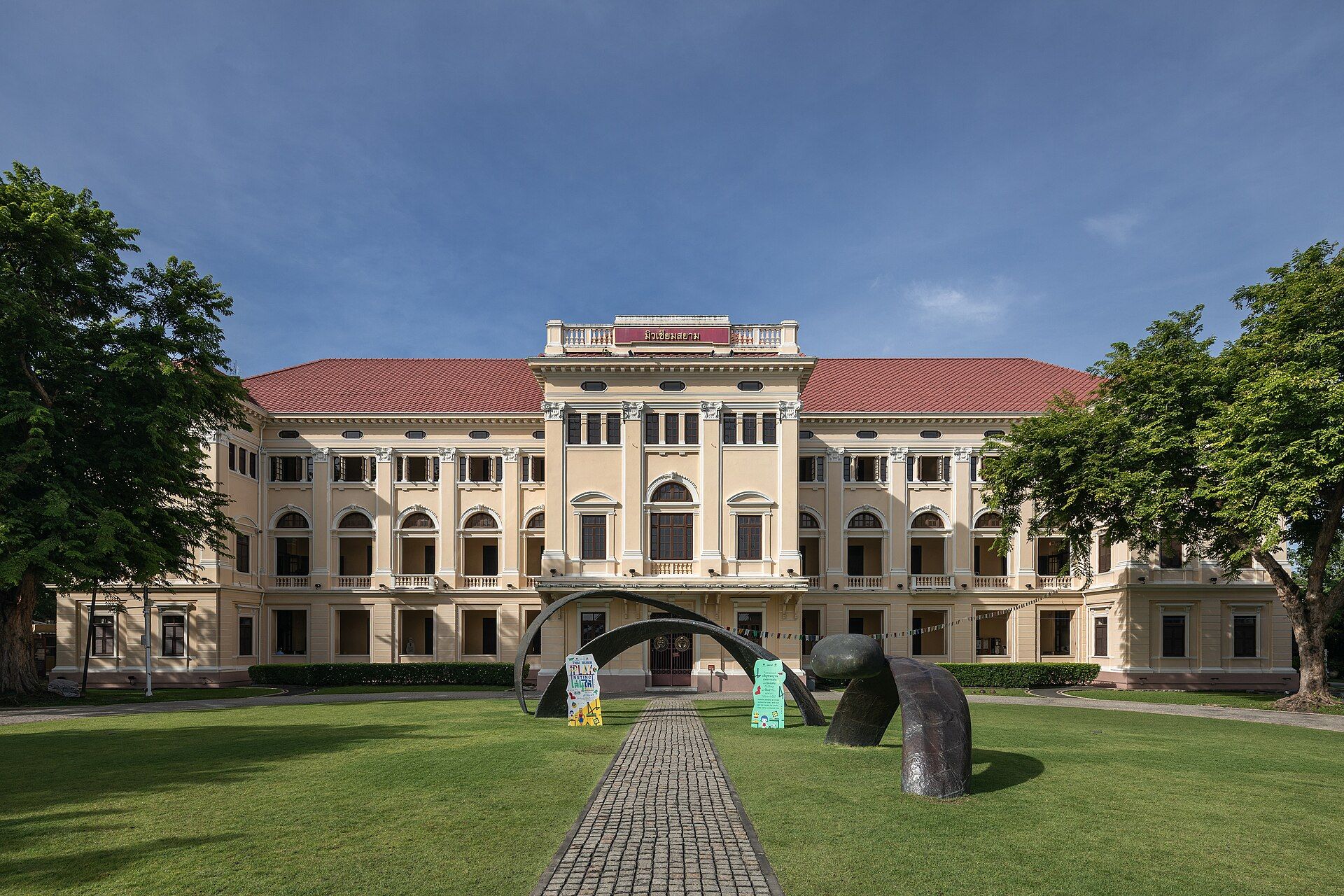
Thailand’s museums range from internationally significant collections to idiosyncratic personal ones, and Bangkok concentrates the most rewarding. Museum Siam in Rattanakosin uses interactive and creative displays to tell the history of how Thailand came to be, with exhibits specifically designed to engage younger visitors who find conventional museum formats difficult. Muang Boran, 40 kilometers southeast of Bangkok, takes the concept further: billed as the world’s largest open-air museum, it is a faithful reconstruction of Ayutthaya-era Siam spread across a compound shaped like Thailand.
The Jim Thompson House Museum preserves the teak home and antique collection of the American businessman who popularized Thai silk internationally and disappeared without explanation in 1967. The mystery of his disappearance gives the museum a narrative hook that makes the visit more engaging than a straightforward house museum, and the collection of Asian art he assembled is genuinely significant. The Royal Barges National Museum on the Chao Phraya’s western bank displays the flamboyant ceremonial boats used for royal river processions, whose scale and decoration reflect a court culture with no equivalent elsewhere in Southeast Asia.
Outside Bangkok, the Hellfire Pass Interpretive Centre near Kanchanaburi memorializes the prisoners of war who built the Burma-Thailand Death Railway under Japanese occupation during World War II. Pairing the interpretive center with a walk over the actual railway bridge in town, made famous by the 1957 film Bridge on the River Kwai, produces one of the more specifically affecting historical experiences available in Thailand. The WWII historical circuit around Kanchanaburi, which also includes the Allied war cemeteries and the original Death Railway section at Hellfire Pass, is most easily done as a self-guided itinerary from Bangkok over two days, with accommodation available in Kanchanaburi town at a range of budget levels. The town sits on the confluence of two rivers and has a pleasant riverside hotel strip that makes it a comfortable overnight base for the historical sites and provides a genuinely pleasant environment for an evening after a day of heavy historical context.
Credit: Thai National Parks
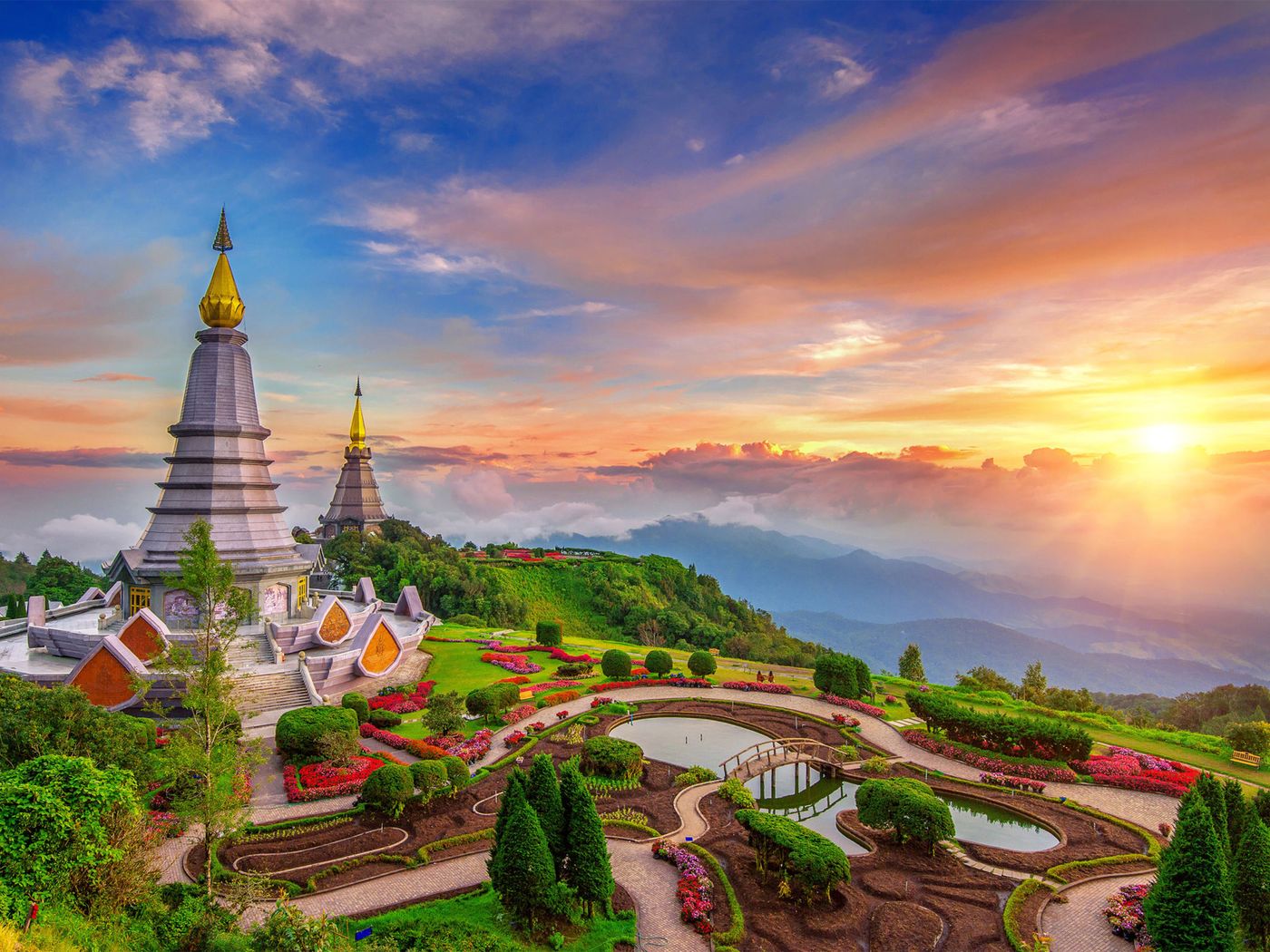
Thailand’s hiking infrastructure is significantly better than its reputation as a beach destination suggests. The mountainous north around Chiang Mai, Chiang Rai, Pai, and Mae Hong Son provides the most extensive trail network, including the 13-kilometer Buddha’s Footprint Trail in Doi Suthep-Pui National Park, which passes through forest birding territory rich enough to reward the walk entirely for the wildlife encounters alone, and the trail to Wat Phra That Doi Suthep through the grounds of Chiang Mai University.
Doi Inthanon National Park, home to Thailand’s highest peak, offers trails through cool montane forest with a character specifically different from lowland tropical hiking. Walks to minority villages starting from Chiang Mai, Chiang Rai, Pai, or Mae Hong Son provide encounters with Hmong, Karen, and Akha communities, with guides from the communities themselves leading the walks and receiving the economic benefit directly.
The hike to Wat Phu Thok in Bueng Kan province in the far northeast is among the most singular in the country. The 359-meter limestone peak is ascended via steep steps, carved cliffside paths, and eventually wooden boardwalks, with the route specifically designed to parallel the seven levels of Buddhist enlightenment. The climb is strenuous and the exposure on some sections genuinely daunting, but the summit temple and the surrounding forest views make it one of the experiences that serious Thailand travelers consistently identify as the most memorable of a long-term visit. The northeast region of Thailand, Isaan, is the least-visited part of the country by international tourists and is home to some of its most distinctive culture, food, and landscapes. The hiking and cultural experiences accessible from towns like Bueng Kan and Ubon Ratchathani reward the additional travel effort with an authenticity that the more developed northern and southern circuits have increasingly lost. The food culture in the northeast, Isaan cooking, is the most widely eaten regional cuisine in Thailand by volume but the least understood internationally, with its larb, som tam, and sticky rice traditions reflecting a Lao-influenced culinary heritage that diverges significantly from what most visitors encounter in Bangkok or Chiang Mai.
Flowdzine Creativity / Unsplash
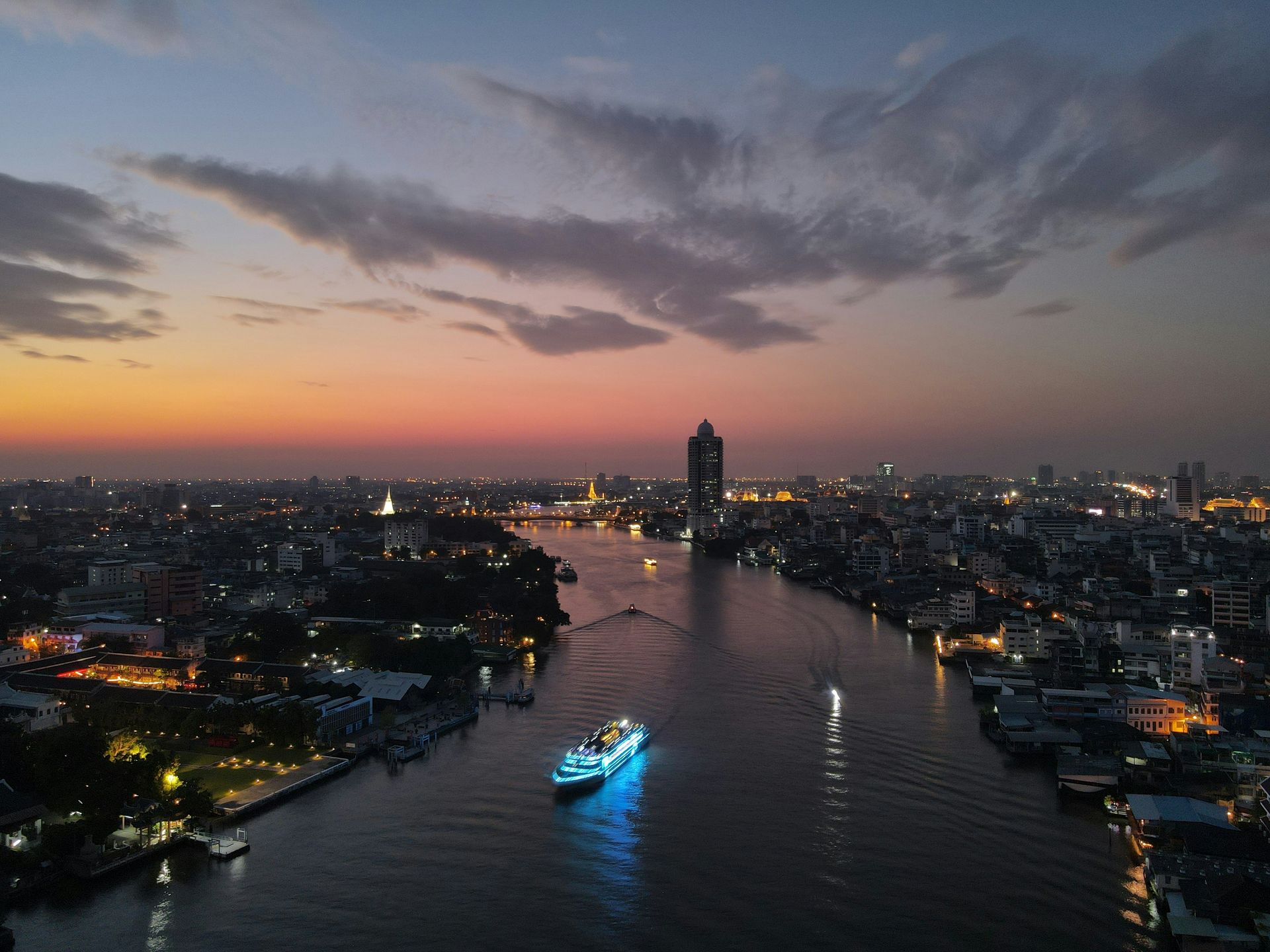
Bangkok was once described as the Venice of the East, and while the canal network that justified the comparison has been largely paved over, the Chao Phraya River and its surviving tributaries still carry enough boat traffic to make a river cruise feel like genuine transportation, not pure tourism. The Chao Phraya Express Boat, an inexpensive public ferry that runs between Tha Sathorn and the northern suburb of Nonthaburi, passes riverside temples and markets at a pace that compresses the city’s geography into a single journey.
The river route passes Ko Ratanakosin, Bangkok’s historic royal island, home to Wat Phra Kaew, Wat Pho, and the Grand Palace. Disembarking at the Ratanakosin pier and exploring the royal district on foot, then re-boarding for the short trip to Bangkok’s Chinatown and the Wat Arun pier, covers a significant portion of Bangkok’s historic center in a format that avoids the traffic conditions that make the same journey by road genuinely punishing during peak hours.
Long-tail water taxis serve the canal network that branches from the river into the older neighborhoods of Thonburi on the western bank, and the canals in that area still pass traditional wooden houses and small temple compounds that have survived relatively unchanged since the era when Bangkok’s commerce moved by water. The contrast between the canal neighborhoods and the glass towers visible from the river amplifies both aspects of the city’s character in a way that no land-based tour captures. The afternoon express boat service from Tha Sathorn pier is the most practical entry point for most visitors, with the entire river route accessible on a single all-day ticket that allows unlimited boarding and alighting at any pier along the route. Evening dinner cruises on the Chao Phraya, typically departing from piers near Asiatique or Tha Sathorn around 7 p.m., are a more expensive option that packages the river scenery with a meal and, on some boats, live Thai traditional music.
Waranot / Unsplash
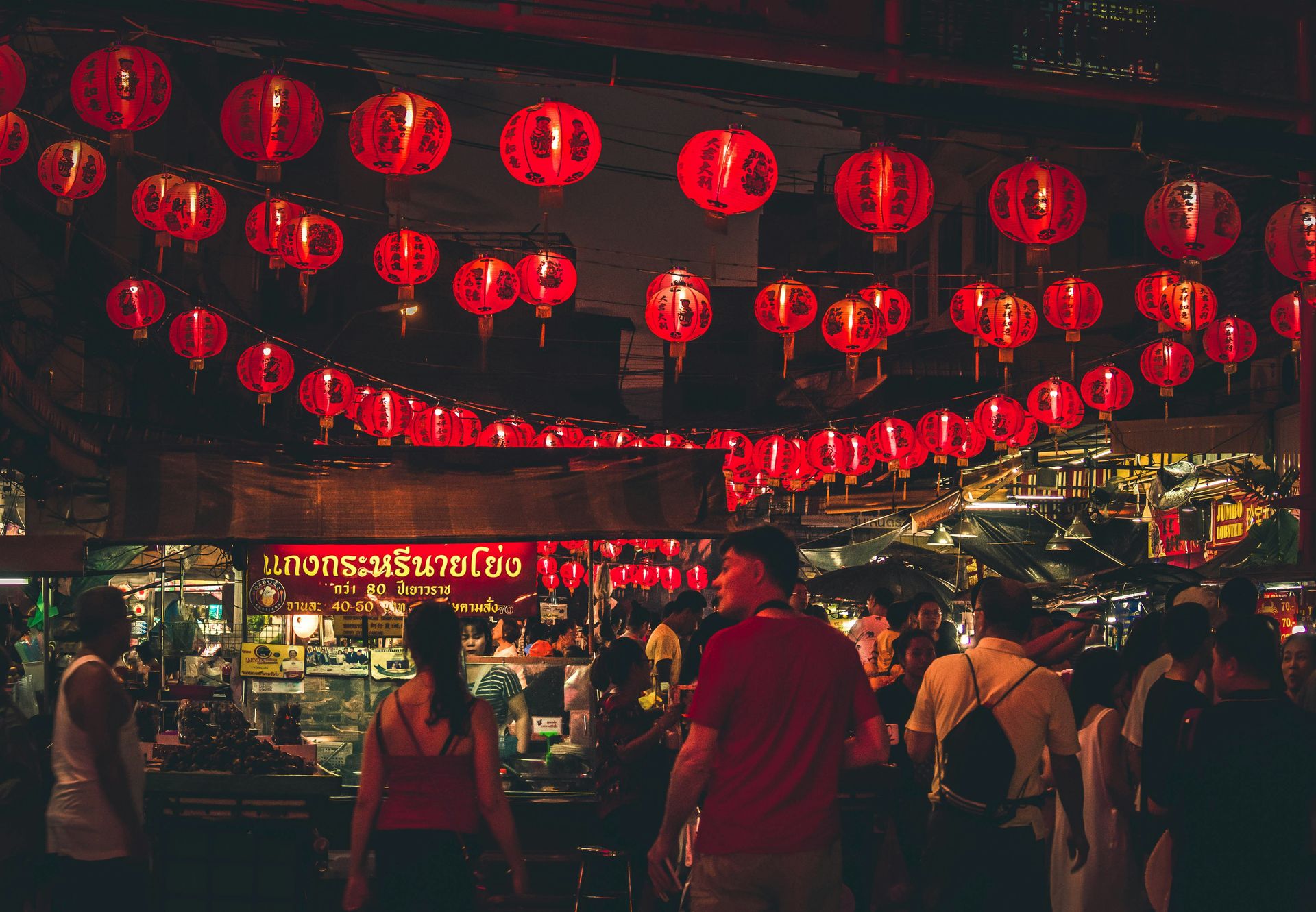
Bangkok’s street food scene recovered from its post-pandemic contraction and is now more energetic than ever, with concentrations of vendors in Banglamphu, along Charoen Krung Road, near Victory Monument, and throughout the city's network of markets and neighborhoods that make up its food geography. The epicenter of the entire scene is Chinatown, centered on Thanon Yaowarat, where Chinese-Thai dishes, oyster omelets, soup noodles, rice porridge, and black sesame-filled dumplings are available from vendors working the alleys from late afternoon onward.
Thanon Yaowarat becomes a neon-lit outdoor buffet after dark, with the density of vendors, the variety of dishes, and the sensory overload of light, smell, and sound creating an experience that is distinctly Bangkok, in a way no indoor restaurant can replicate. The area around Soi Nana, the street within Chinatown that hosts bars including Tep Bar, Teens of Thailand, and TAX alongside traditional shophouses, has developed into one of Bangkok’s most interesting nightlife pockets without losing its neighborhood character.
Worth knowing: many street food stalls throughout Bangkok, and some restaurants, close on Mondays. Planning a Chinatown visit specifically for Tuesday through Sunday evenings avoids the frustration of arriving to find the most-cited vendors shuttered. The Or Tor Kor Market for daytime food quality and Chinatown for evening street food covers the full range of what makes Bangkok’s food scene worth the trip on its own. The diversity of regional Thai cuisine represented in Bangkok’s street food is genuinely remarkable: dishes from the Isaan northeast, the Muslim south, the Chinese-influenced central plains, and the hill tribe communities of the north all appear in the city’s markets and street stalls in versions that reflect their place of origin accurately enough to orient serious food travelers. Bangkok is the only city in the world where all of Thailand’s regional cuisines are available at a high standard, making a food-focused Bangkok stay especially rewarding for visitors who want to survey the full range of Thai cooking before or after traveling to specific regions.
Piya Kirdpanya / Unsplash
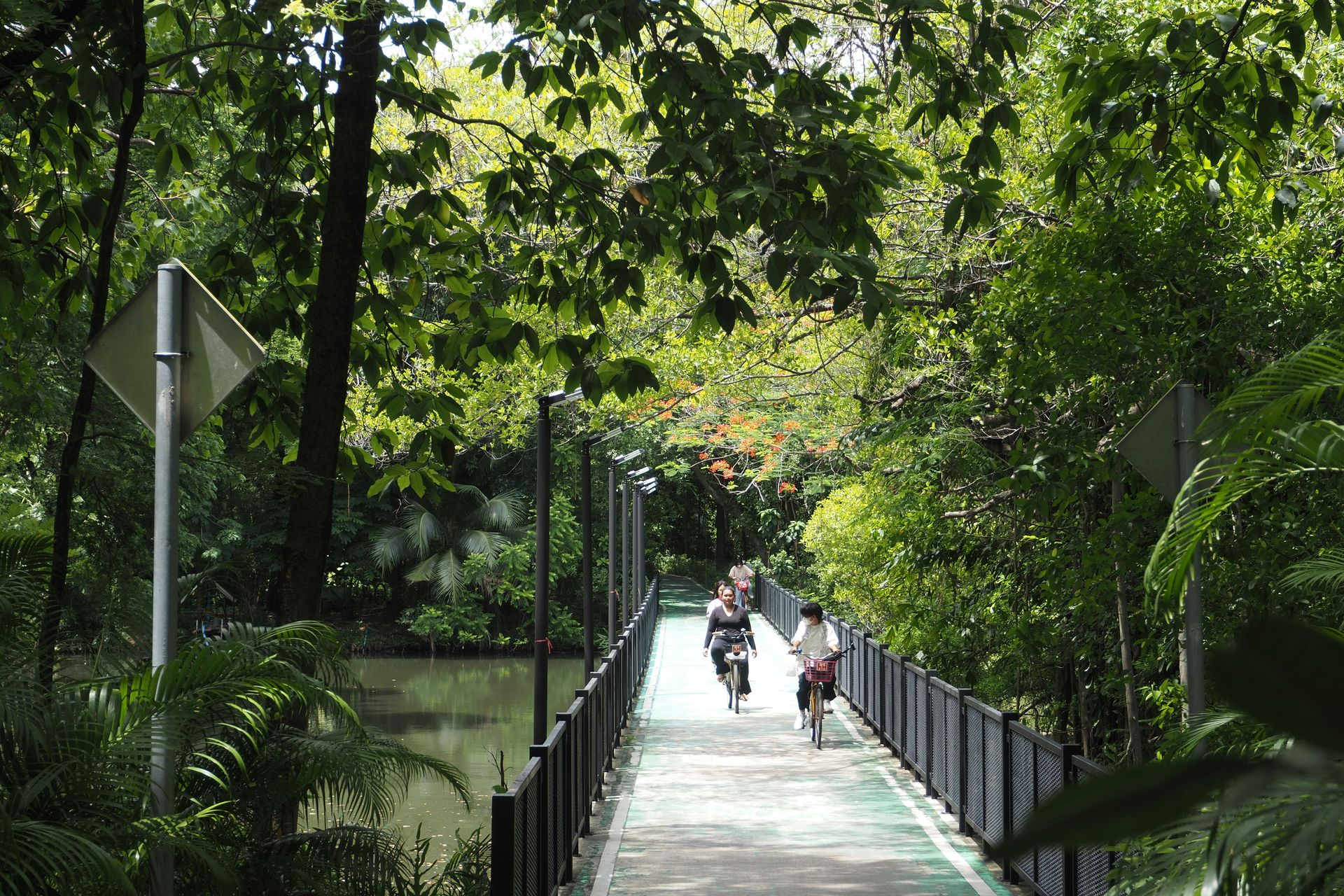
Before Bangkok existed as a city, Thailand’s rulers established their capitals further north along the Chao Phraya River and its tributaries, first at Sukhothai in the 13th century, then at Ayutthaya in the 14th century, where the kingdom remained until a Burmese invasion in 1767. Both are now UNESCO World Heritage Sites, and the extensive ruins at each are best explored by bicycle, which gives the scale of the historical parks the spatial comprehension that walking or vehicle tours can’t achieve in the same amount of time.
The Sukhothai Historical Park spans 70 square kilometers, with the remains of Wat Mahathat at its center: a lotus-shaped chedi rising amid 193 other ruined structures. The Ramkhamhaeng National Museum, adjacent to the park, covers the early Thai kingdom’s political and artistic history in a collection worth an hour or two before or after the cycling tour. The larger Ayutthaya Historical Park, with 425 excavated ruins, includes Vihara Phra Mongkhon Bophit, which houses one of Thailand’s largest bronze Buddha statues.
Both parks are accessible by train on the Bangkok-Chiang Mai railway line, with Phitsanulok as the disembarkation point for Sukhothai. The train option is genuinely practical for budget and independent travelers who want to avoid the organized day-tour format that dominates access to both sites from Bangkok, and arriving by train delivers the historical context of traveling the same river corridor that connected the ancient capitals more viscerally than flying or driving. Both Sukhothai and Ayutthaya are worth an overnight stay, not just a day trip from Bangkok, both to reduce the time pressure on the cycling exploration and to experience the historical parks in the early morning and late afternoon light when the ruins are most atmospheric and the tourist crowds are at their thinnest. The bicycle rental infrastructure at both Sukhothai and Ayutthaya is well-developed and inexpensive, with multiple vendors near each park entrance offering standard and electric bicycles at rates that make the whole-day option considerably more economical than organized tour packages.
Nott Peera / Unsplash
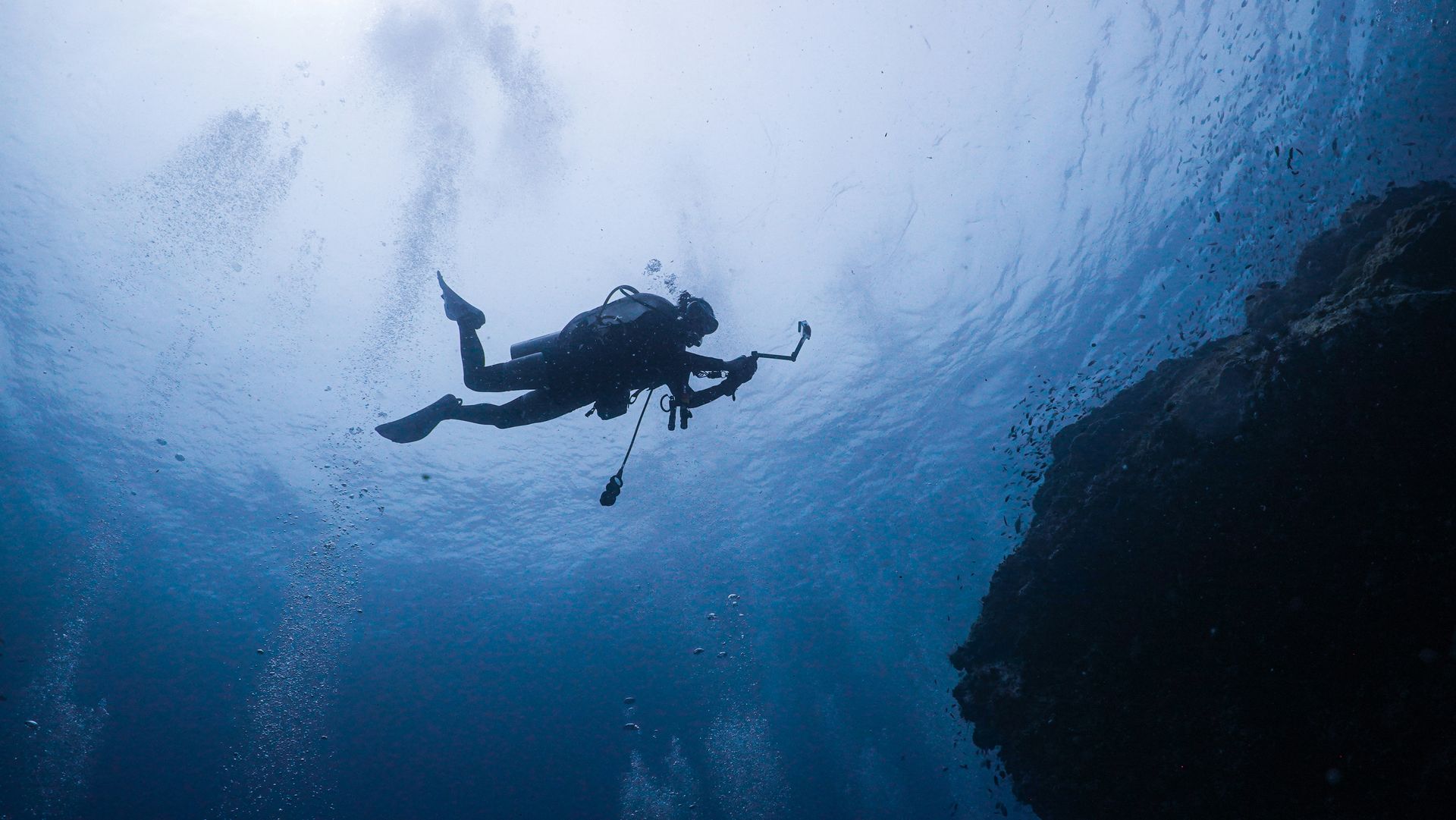
Thailand’s underwater environment in both the Andaman Sea and the Gulf of Thailand offers warm water, extensive coral reefs, and a resident marine fauna that includes manta rays and whale sharks, alongside more commonly encountered reef fish and sea turtles. Ko Tao in the Gulf of Thailand is particularly worth considering for learning to dive: it is consistently cited as one of the cheapest places in Asia to complete an open-water certification, with multiple dive schools competing on price in a small island setting where most dives are shore- or day-boat-accessible.
Experienced divers traveling to the Andaman Sea should plan to visit the Similan Islands and Richelieu Rock, where whale shark sightings are most consistent between March and May. Sail Rock in the Gulf is the equivalent of the whale shark site on the eastern coast. Ko Tao, Ko Lanta, Phuket, Ko Phi Phi, Ko Samui, and Ko Pha-Ngan all have established dive and snorkel operations where day trips can be booked without advance planning during the October-to-April high season.
Snorkeling specifically, without the certification or equipment overhead of diving, is most productive around Ko Chang near the Cambodian border and Ko Tarutao Marine National Park in the far south, both of which have clear, shallow water and healthy coral that put the reef ecosystem within easy reach of anyone with a mask and fins. The southern national parks are considerably less visited than the Gulf and Andaman hubs, which means the marine life is less accustomed to human presence and more interesting for it. Ko Tao’s dive school concentration means that the island has developed an unusually comprehensive ecosystem of support services for divers at every level, from beginner certification through advanced specialty courses, and the competitive pricing among schools makes it worth spending a day comparing courses and instructors before committing to one. The dive sites around Ko Tao range in depth from 5 meters to more than 30 meters, making the island equally well suited for newly certified open-water divers doing their first post-certification dives and for advanced divers completing specialty certifications.