
The 10 best things to do in Ubud, Bali
From lotus-filled temple ponds and royal courtyard dance performances to a hidden pandemic-era grotto carved into the rice fields of Sanggingan
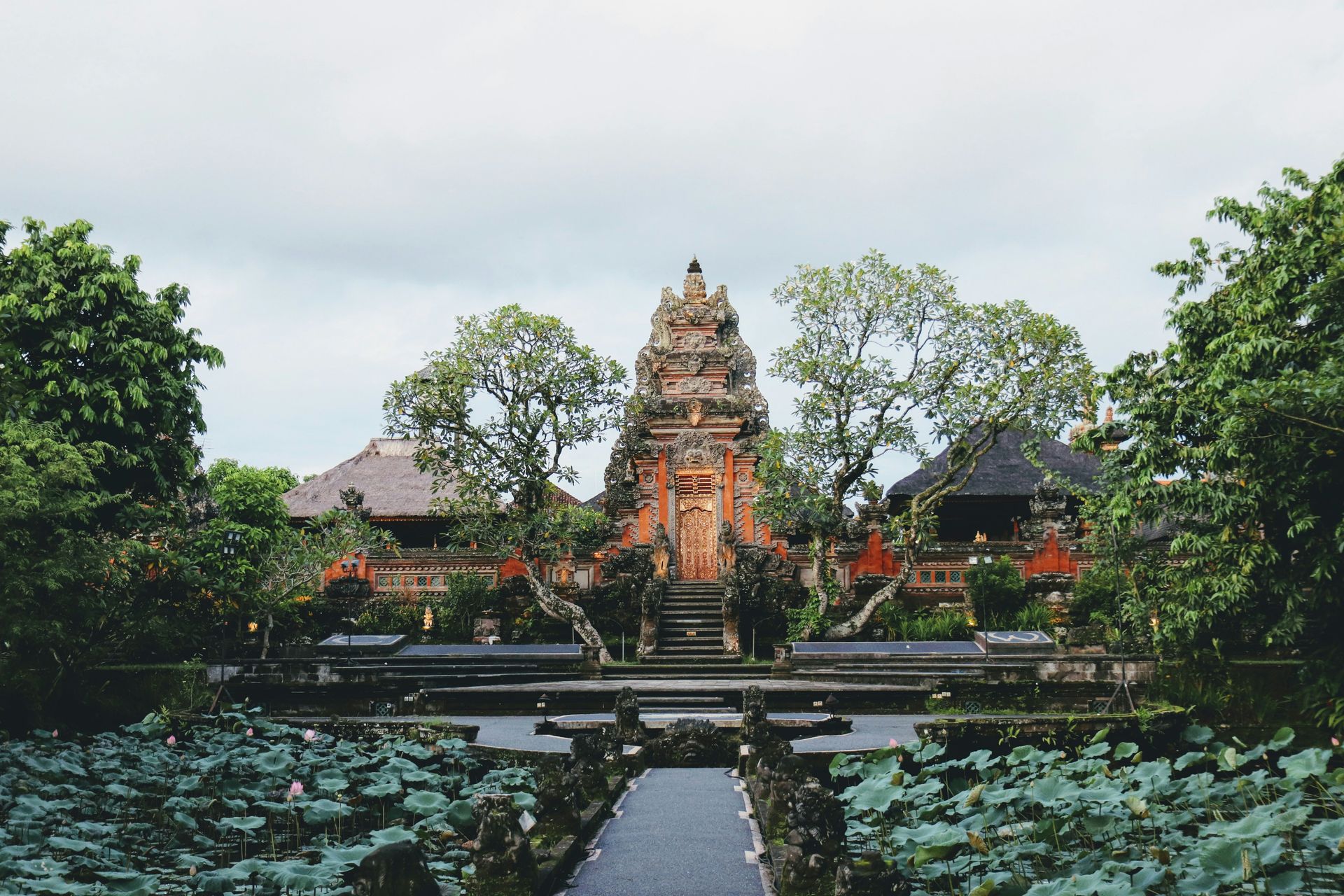
Mitch Hodiono / Unsplash
Ubud combines Balinese culture with outdoor thrills and a handful of genuinely unexpected delights, ranking genuinely among Bali’s most seductive destinations for travelers seeking real depth beyond the island’s beaches and resort strips. Centered on the town of the same name, the wider area serves as a vibrant hub for traditional customs and crafts, and temples filled with lotus blossoms and water shrines invite visitors into a genuinely different rhythm from the rest of Bali.
Nightly performances of Balinese dance, museums celebrating artists inspired by the surrounding landscape, and impossibly green rice fields spilling down lush hillsides toward rushing rivers all give Ubud a genuinely soul-nourishing quality rare among travel destinations anywhere in Southeast Asia. Delectable dining, craft shopping, spa treatments, and wellness sessions add earthly pleasure to all this ethereal culture, rewarding travelers who indulge alongside the more contemplative side of a visit.
The 10 best activities below, as featured in Lonely Planet, cover standout experiences genuinely recommended throughout the wider Ubud area of Bali. Each one reveals a genuinely different facet of the town, from ancient temple architecture to contemporary art to the living spiritual traditions still practiced throughout daily Balinese life. Building a loose itinerary around a handful of these experiences, instead of rushing through every single one in a single day, tends to reward visitors with a considerably richer sense of Ubud overall. Ubud rewards patience more than any single checklist ever could. Travelers $TRV who leave room for spontaneous detours, whether that means a hidden grotto stumbled upon by accident or an unplanned warung meal recommended by a stranger, often come away with the most memorable stories from their entire trip. This flexibility, paired with genuine curiosity, tends to matter more here than sticking rigidly to any single guidebook itinerary.
1. Ubud Monkey Forest shelters temples and cheeky macaques

Khamkéo / Unsplash
Hidden behind a flashy, theme-park-like entrance near the south end of Jalan Monkey Forest, the famous Ubud Monkey Forest offers a shady expanse home to three temples and more than 1,000 well-fed, notoriously light-fingered monkeys. The park stays consistently fun for kids, and gray-haired, greedy long-tailed macaques keep the entire space genuinely alive with activity throughout the day.
Visitors shouldn’t get fooled by the monkeys’ innocent-looking appearance, since these animals can bite, making genuine caution essential throughout a visit. Carefully watching personal belongings matters considerably here, and feeding the monkeys directly risks triggering a genuine frenzy among the park’s notoriously food-motivated residents.
The forest is a top destination for day-trippers from across Bali, and this popularity means crowds build considerably as the day progresses. Escaping the heaviest crowds requires visiting either early or late in the day, giving photographers and quieter visitors alike a genuinely more peaceful experience among the temples and jungle canopy.
Beyond the monkeys themselves, the forest’s three temples reward visitors who take the time to explore the surrounding architecture and carvings, rather than rushing through solely to see wildlife. This pairing of genuine cultural sites and lively animal activity gives the Monkey Forest broader appeal than its reputation as simply a place to see monkeys might initially suggest. Visitors should also avoid wearing dangling jewelry or loose accessories into the forest, since the macaques have a genuine talent for spotting and grabbing anything that looks removable. The forest’s entrance fee also helps fund ongoing conservation work throughout the sanctuary, giving visitors a genuine sense that their ticket price supports more than just tourism. Visitors traveling with young children should keep them close at all times, since the monkeys occasionally approach smaller visitors more boldly than adults. Sturdy walking shoes also help considerably, given the forest’s uneven, root-covered pathways. A reusable water bottle also helps considerably, given the genuinely humid jungle setting here.
2. Ubud’s warungs serve Bali’s most flavorful home cooking
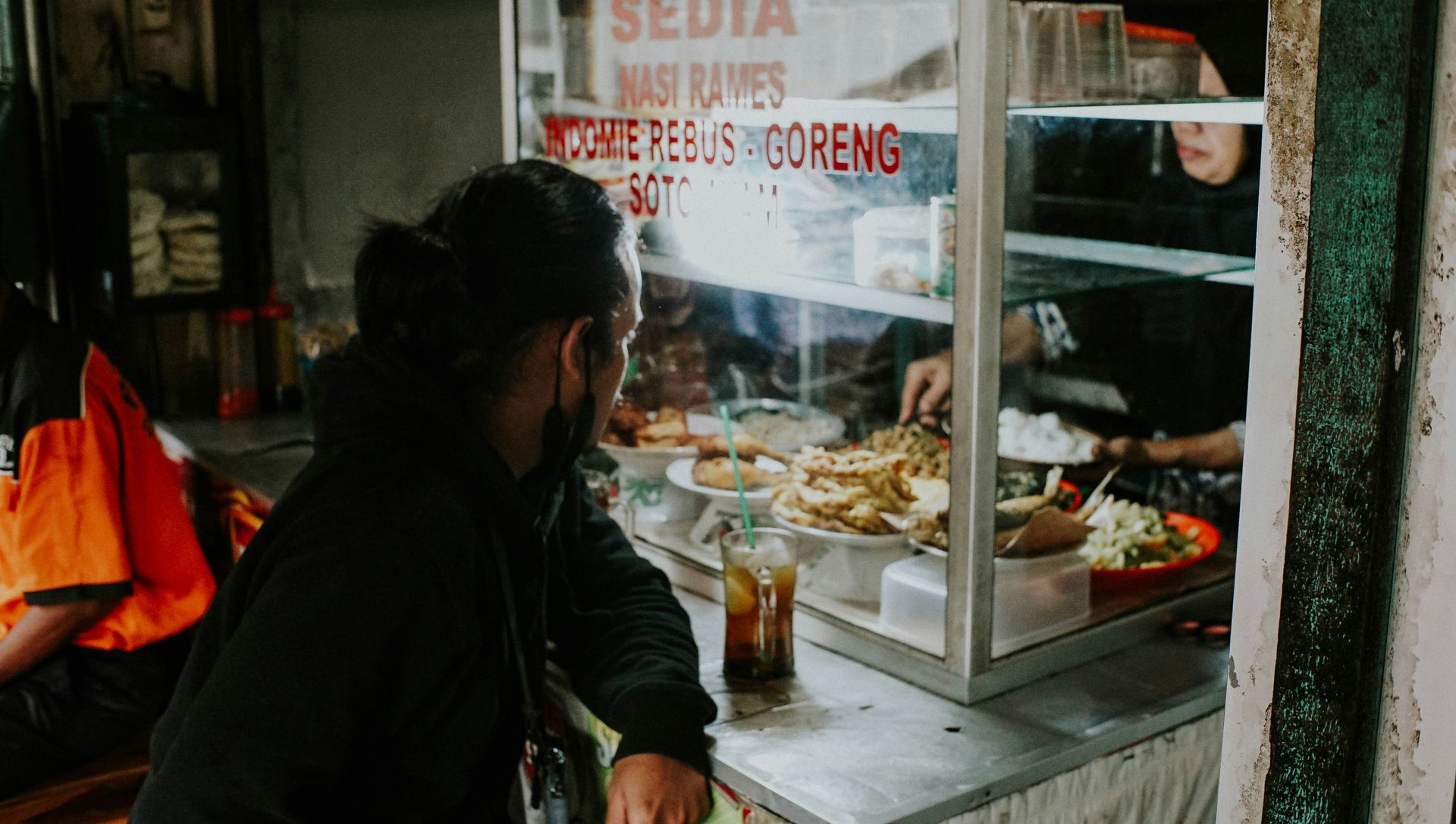
Falaq Lazuardi / Unsplash
Nothing quite beats eating at local warungs, small, family-run food stalls, for a genuinely authentic taste of Bali beyond what most restaurants offer visitors. These modest eateries serve fresh, flavorful dishes that showcase the rich, layered cuisine found throughout Bali and the wider Indonesian archipelago.
Compound Warung, tucked behind a guesthouse on Jalan Goutama, offers bargain-priced dishes bursting with genuine flavor well beyond what the modest prices might suggest. Mama’s Warung pairs friendly staff with spicy Indonesian classics, served alongside silky-smooth peanut sate sauce and fried sambal, the region’s signature chili paste.
Travelers $TRV venturing toward the village of Sayan should visit Nasi Ayam Kedewatan specifically to sample standout sate lilit, grilled skewers of minced chicken flavored with a distinctly spiced blend. Also along the route to Sayan, Warung Pulau Kelapa offers an expansive menu featuring sensational sambals, and ordering a meal prepared in the local style rewards travelers who genuinely enjoy fiery flavors.
Travelers unaccustomed to spicy food should specifically ask for dishes prepared sedang (medium) or tidak pedas (not spicy), giving them genuine control over the heat level without missing out on the underlying flavors. Additional sambal can always be added afterward for travelers who want to build up the heat gradually rather than commit to full spice from the first bite. Visitors should also bring small bills, since many of these family-run warungs operate on a cash-only basis and may not have change for larger denominations. Travelers should also try ordering a mix of dishes to share across the table, since this style of eating lets a group sample considerably more of a warung’s menu in one sitting. Visitors should also ask staff for their personal recommendations, since menus rarely highlight which specific dish a particular warung genuinely excels at preparing. Arriving during off-peak hours also helps secure a table without much waiting. A reusable water bottle also helps between stops on a longer food-focused walk.
3. Ubud’s temples open lotus ponds to every visitor
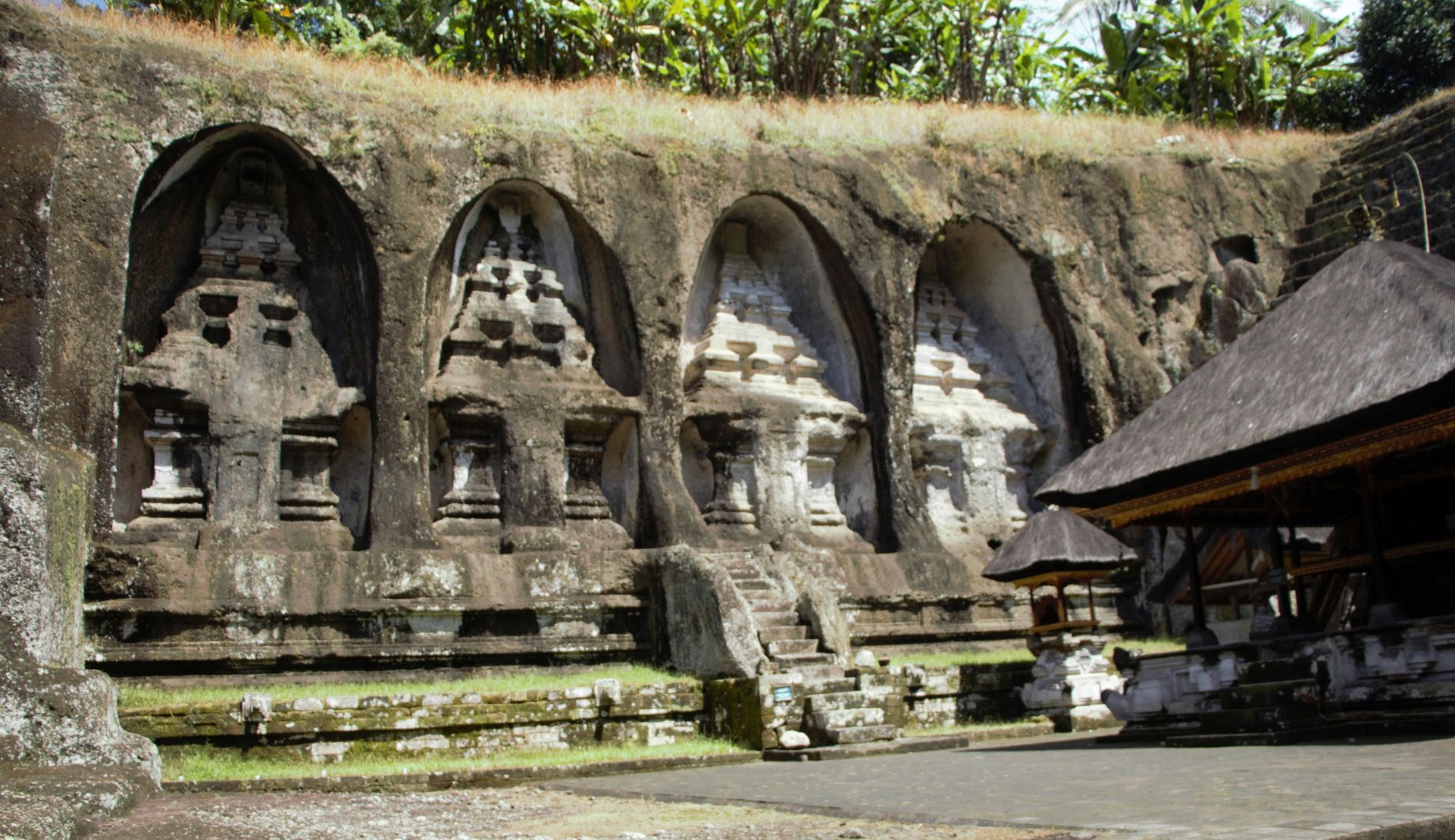
Reena Yadav / Unsplash
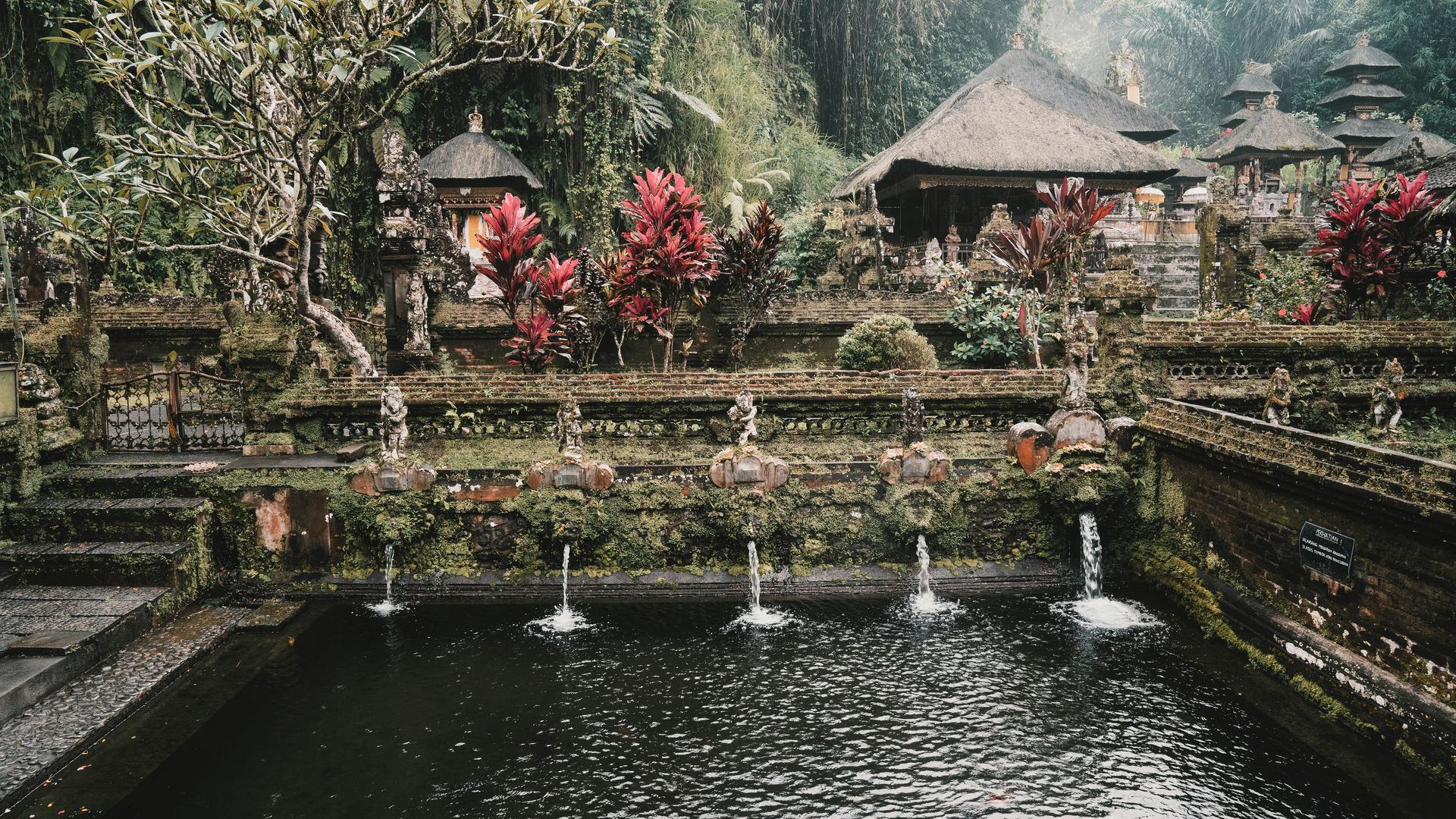
Ubud holds dozens of historic temples throughout the surrounding area, though many stay closed to non-Hindu visitors out of respect for their ongoing religious use. Close to Ubud Palace, Pura Taman Saraswati functions as a genuine exception, an extremely picturesque temple that remains open to the public year-round.
Water channels flowing from the rear of the temple feed a pond in front overflowing with lotus blossoms, and the temple’s ornate carvings honor Dewi Saraswati, the Hindu goddess of wisdom and the arts, whose blessings clearly extend throughout Ubud’s broader creative culture. Regular dance performances take place here at night, giving visitors a genuinely atmospheric reason to return after an initial daytime visit.
Just west of the center, Pura Gunung Lebah sits on a jutting rock at the confluence of two tributaries of the Sungai Cerik river and also welcomes non-Hindu visitors. Set far below street level within a lush gorge, the setting feels genuinely magical, and listening to the rushing water while admiring the impressive meru, or multitiered main shrine, rewards patient visitors with real tranquility.
A short drive north of Ubud, Tirta Empul ranks among Bali’s most significant water temples, renowned for its sacred spring and as an important site for purification for Balinese Hindus. Stone spouts line the bathing pools where pilgrims perform traditional cleansing rituals in crystal-clear water, and visitors should dress modestly, remove shoes before entering inner sanctuaries, and visit early morning or late afternoon specifically to avoid the heaviest crowds. Travelers $TRV should also confirm the current visiting hours before setting out, as some temples adjust access times around specific ceremonies or religious observances throughout the year. Travelers specifically interested in temple architecture should compare the carving styles across all three sites, since each reflects a genuinely distinct artistic period within Balinese religious history. Visitors should also bring a sarong if they don’t already own one, since many temples rent or sell them on-site for travelers who arrive unprepared.
4. Puri Saren Agung stages a dance in a royal courtyard
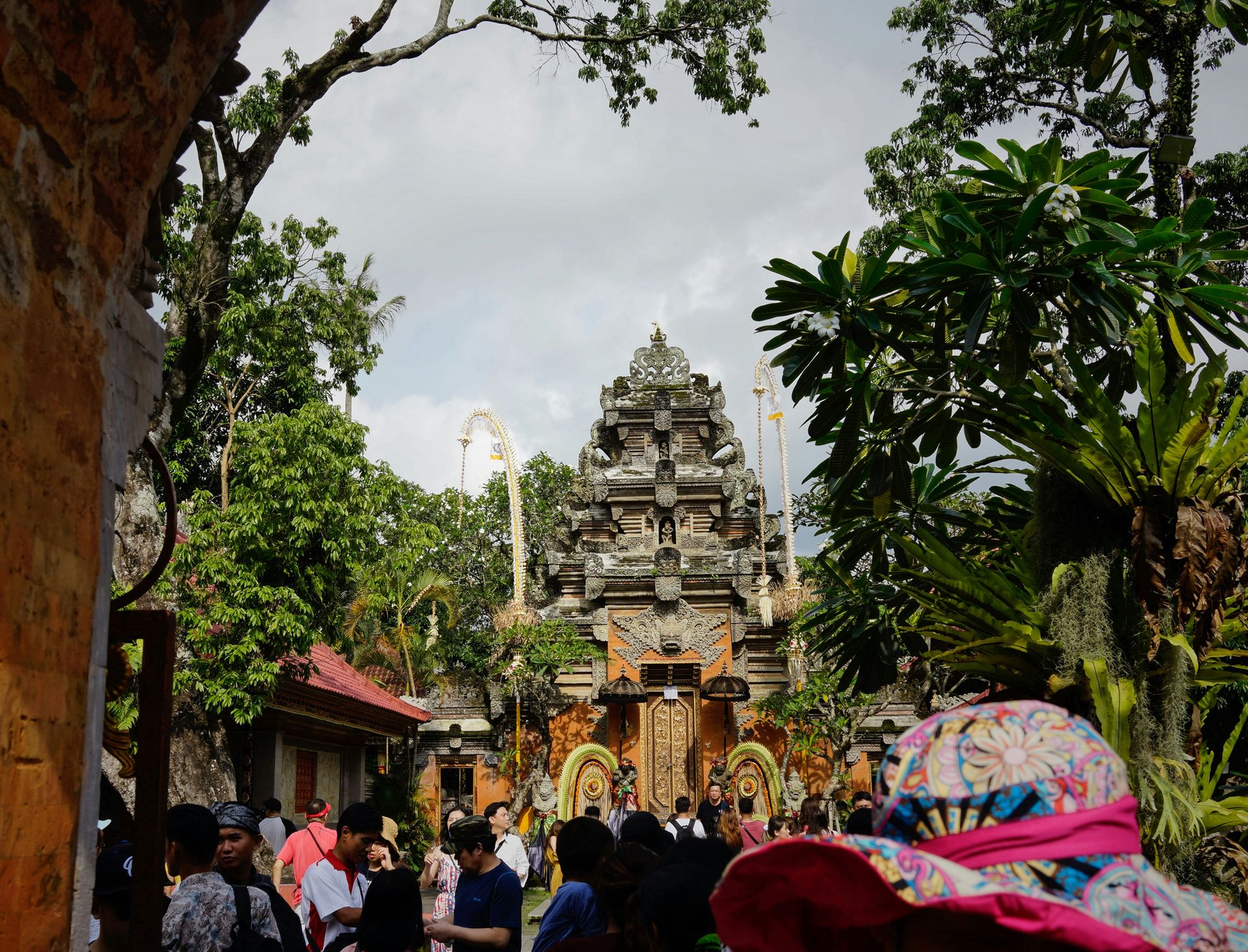
Niklas Weiss / Unsplash
Sharing space with the still-in-use Ubud Palace, Puri Saren Agung stays relatively modest by the broader standards of Balinese architecture, though the sprawling temple complex still features genuinely fine stone carvings, many created by noted Ubud artists such as I Gusti Nyoman Lempad. This blend of royal history and genuine artistic craftsmanship gives the palace considerably more depth than its modest scale might initially suggest.
At night, the palace’s main courtyard transforms into a genuinely magical venue for Balinese dance performances, adding an extra layer of atmosphere to what already ranks as a memorable royal experience during daylight hours. Watching a performance unfold in this specific historic setting gives visitors a genuinely different sense of the dance’s cultural weight than in a more generic theater venue elsewhere.
The palace’s carvings reward visitors who take time to actually study the details instead of simply passing through en route to a dance performance, since numerous panels throughout the complex reflect specific stories and artistic traditions unique to Ubud’s own creative history. This depth gives Puri Saren Agung genuine appeal for visitors specifically interested in Balinese art and architecture beyond the nightly performances alone.
Travelers $TRV hoping for a genuinely immersive experience should consider booking one of the palace’s mid-range guest rooms directly through Airbnb $ABNB, letting them experience the complex’s atmosphere well beyond a standard daytime visit or evening show. Travelers hoping to see a performance should arrive early enough to secure a good seat, since the courtyard’s limited seating fills quickly once the show approaches. The palace’s daytime opening hours also allow visitors to explore the grounds independently before returning later for an evening performance, giving travelers genuine flexibility in structuring their visit. Photography during performances typically remains permitted, though visitors should avoid using flash, since the bright light can genuinely distract both dancers and fellow audience members. Comfortable seating cushions can also help visitors plan a longer evening stay.
5. Campuhan Ridge Walk traces jungle rivers uphill
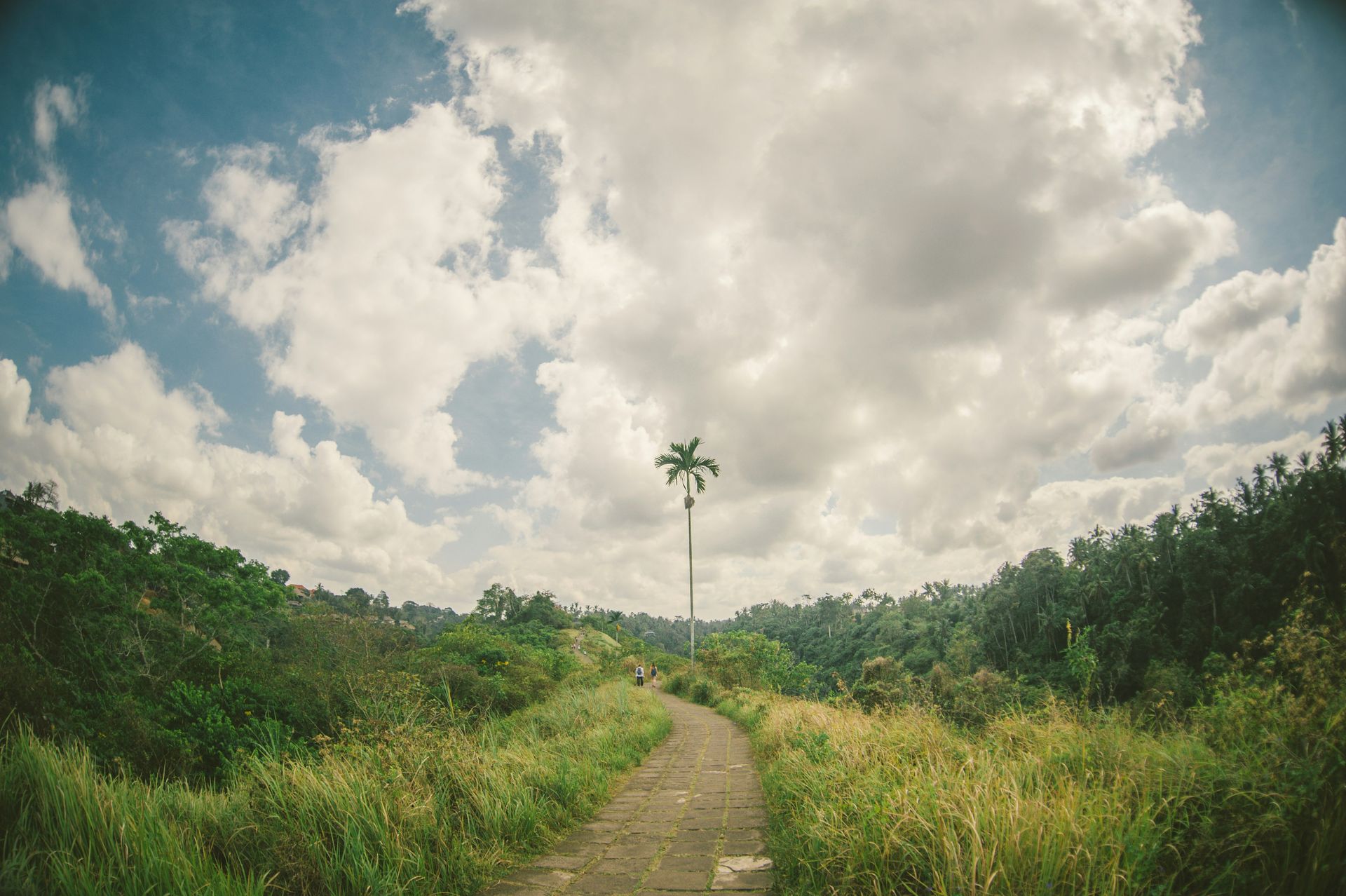
Minh Tran / Unsplash
Following a scenic trail between two jungle rivers, the Campuhan Ridge Walk ranks as a classic day trip from Ubud, rewarding visitors with genuinely sweeping views across the surrounding valley. Starting from the driveway of the Ibah hotel, a paved trail leads across the Wos River, past the serene Pura Gunung Lebah temple, then continues uphill through rice fields toward the village of Bangkiang Sidem.
Along the way, visitors pass local vendors, warungs, and artists’ workshops, adding genuine charm and a real taste of Ubud’s broader art scene to what might otherwise be a purely scenic nature walk. This blend of natural beauty and everyday local life gives the Campuhan Ridge Walk considerably more texture than a typical hiking trail elsewhere.
The walk’s paved surface makes it genuinely accessible to a wide range of fitness levels, and travelers without much hiking experience can still complete the full route comfortably, given the well-maintained path throughout. This accessibility gives the walk broad appeal for families and casual visitors alongside more dedicated hikers seeking a longer outdoor excursion.
At the end of the walk, stopping at Karsa Kafe in Bangkiang Sidem rewards visitors with a refreshing drink accompanied by genuinely sweeping views, giving the entire outing a satisfying finish before heading back toward central Ubud. Travelers $TRV should start the walk early in the morning, specifically, since the exposed ridge sections offer little shade and can grow genuinely hot once the sun climbs higher. Travelers should also wear sturdy, closed-toe shoes despite the paved surface, since sections of the trail can turn slippery after rain. Travelers should also carry water for the walk, since shaded rest stops remain limited along the more exposed sections of the ridge. A hat also helps considerably, given how little natural shade the ridge itself provides. Insect repellent also helps considerably for the shadier, jungle-lined sections of the trail, especially during the quieter hours near dusk when insects grow more active.
7. Bali’s rice terraces cascade down Ubud’s hillsides
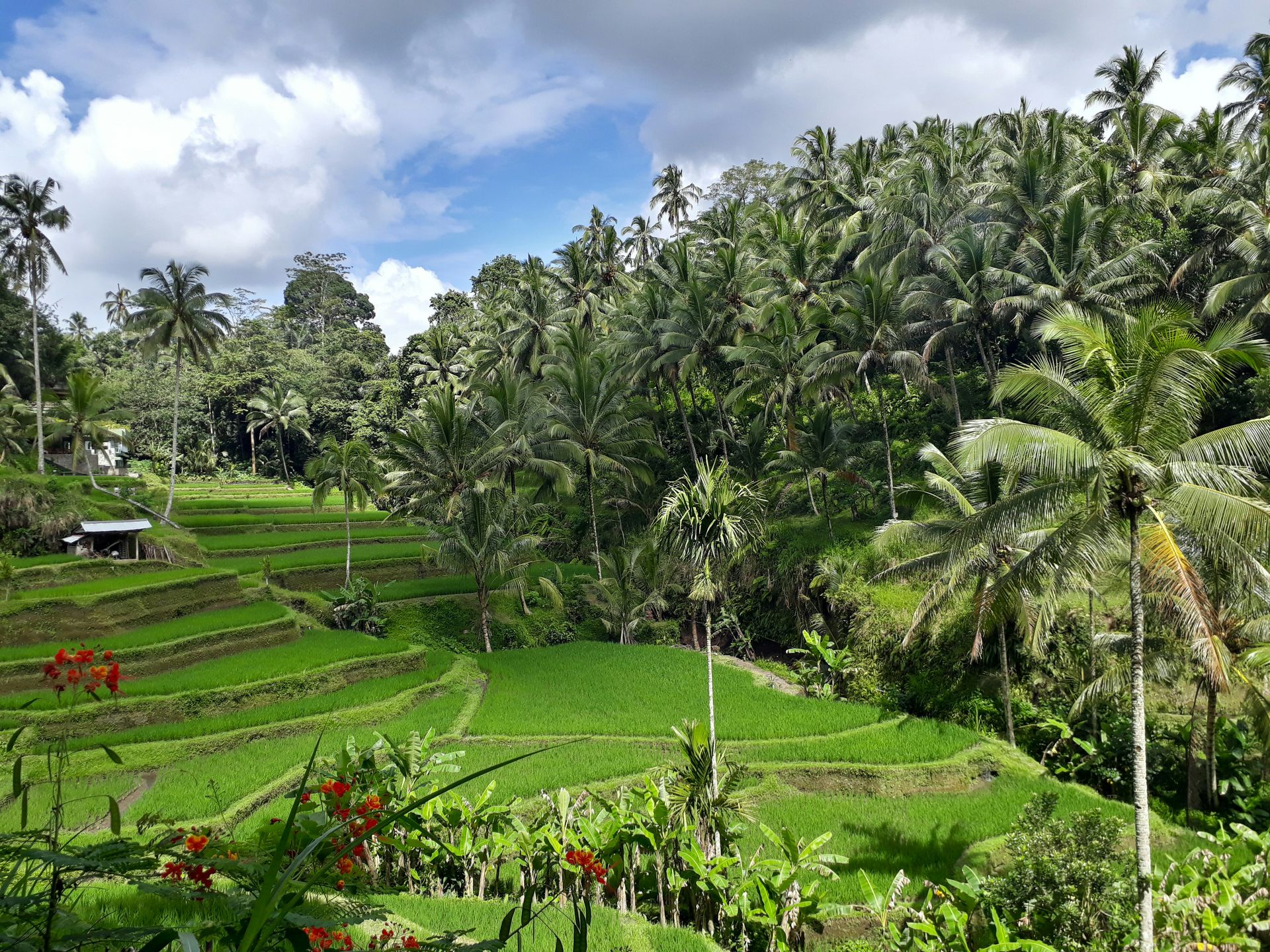
Stefan Meier / Unsplash
Exploring the lush countryside around Ubud is a genuine must-do, and green hills, deep river valleys, and expansive rice fields offer a peaceful escape from the town’s bustling center. Wandering through this landscape reveals unexpected delights, including artists working in trailside huts and hidden organic fruit juice stands poised beside the rice fields themselves.
The Tegallalang Rice Terraces, a UNESCO-listed site, preserve centuries-old terraced fields supplied with water through Bali’s traditional subak irrigation system, a genuinely sophisticated engineering feat developed long before modern technology existed. Emerald-green rice fields cascading down steep slopes make this area a genuine photographer’s dream, and visitors can wander along the trails or simply stop at a cafe overlooking the fields to enjoy the view with a fresh coconut in hand.
The subak system itself represents a genuinely remarkable piece of traditional engineering, distributing water fairly across numerous farms through a centuries-old cooperative management structure still actively used today. Watching this system function in real time gives visitors a genuinely deeper appreciation for the terraces beyond simply admiring their visual beauty from a cafe table.
The best time to visit the Tegallalang Rice Terraces is around midday, when local farmers actively tend the fields, offering visitors a genuinely exciting chance to see the subak system in action firsthand rather than simply viewing empty, static terraces. Travelers $TRV should also bring cash for the small entrance fee charged at Tegallalang, since proceeds go directly toward maintaining the terraces and supporting the farmers who work them. Travelers should also wear sturdy footwear if planning to walk the narrow, terraced paths directly, since the raised, muddy walkways demand considerably more balance than they might initially appear to require. Travelers should also visit nearby swings and photo installations with a critical eye toward pricing, since some operators charge considerably more than the terraces themselves for a simple photo opportunity. Sun protection also matters considerably, given how exposed the terraced hillsides remain throughout midday.
8. Museum Puri Lukisan gathers art amid tiered gardens
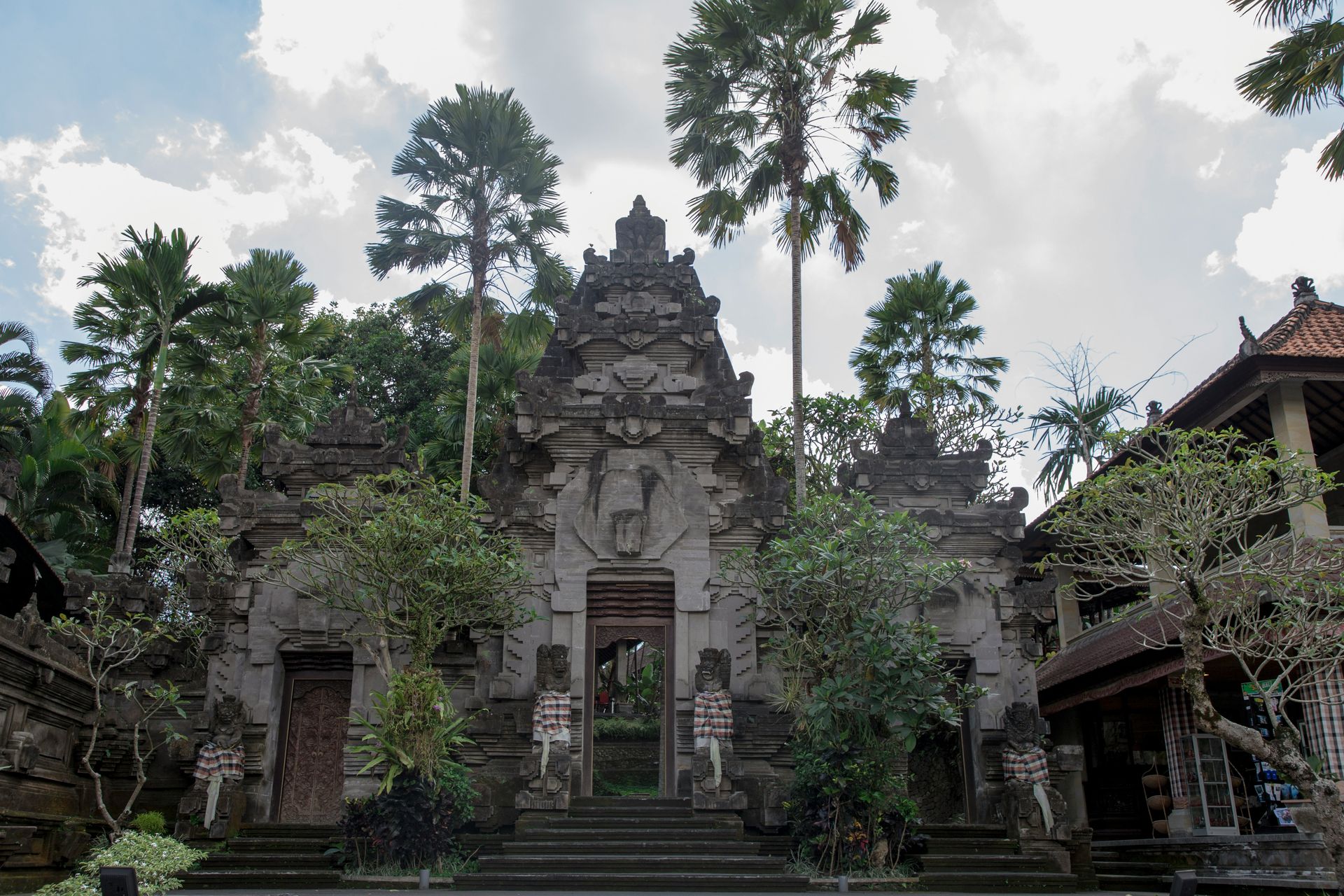
Abdelrahman Ismail / Unsplash
Set amid beautiful, tiered gardens, Museum Puri Lukisan ranks not only as Ubud’s prettiest museum but also as one of its most genuinely important cultural institutions. The museum holds a special place within the broader history of Balinese art, and its four buildings showcase an extensive collection spanning many different periods and styles, including modern Balinese art alongside more traditional work.
Both traditional and modern pieces appear on display throughout the museum, with a special focus on renowned Balinese masters such as I Gusti Nyoman Lempad, Ida Bagus Made, and I Gusti Made Kwandji. This concentration of major artistic figures at a single institution offers visitors a genuinely comprehensive introduction to Balinese art history in just a few galleries.
Just beyond the museum itself, a river path leads toward tranquil rice fields, adding a genuinely peaceful ambiance to a visit that might otherwise be confined purely indoors. This connection between the museum and the surrounding natural landscape reflects the same relationship between art and environment that defines much of Ubud’s broader creative identity.
All works throughout the museum carry English labels alongside QR codes linking to additional information, so bringing a phone genuinely helps visitors get the most out of their visit. Most travelers can comfortably spend an hour or two exploring the full collection at a genuinely unhurried pace. Travelers $TRV should also check for any temporary exhibitions during their visit, since the museum periodically rotates in additional pieces beyond its permanent collection. Travelers should also budget time to sit quietly in the gardens themselves, since the museum’s outdoor spaces reward slow, unhurried moments just as much as the indoor galleries do. Visitors should also ask staff about English-language guided tours, since a knowledgeable guide can provide context beyond what the posted labels alone offer. Comfortable shoes also help considerably, given the museum’s several separate garden-connected buildings. A reusable water bottle also helps considerably during a longer, unhurried visit here on a warm afternoon.
9. ARMA spans classical and contemporary Balinese painting
Credit: Agung Rai Museum of Art
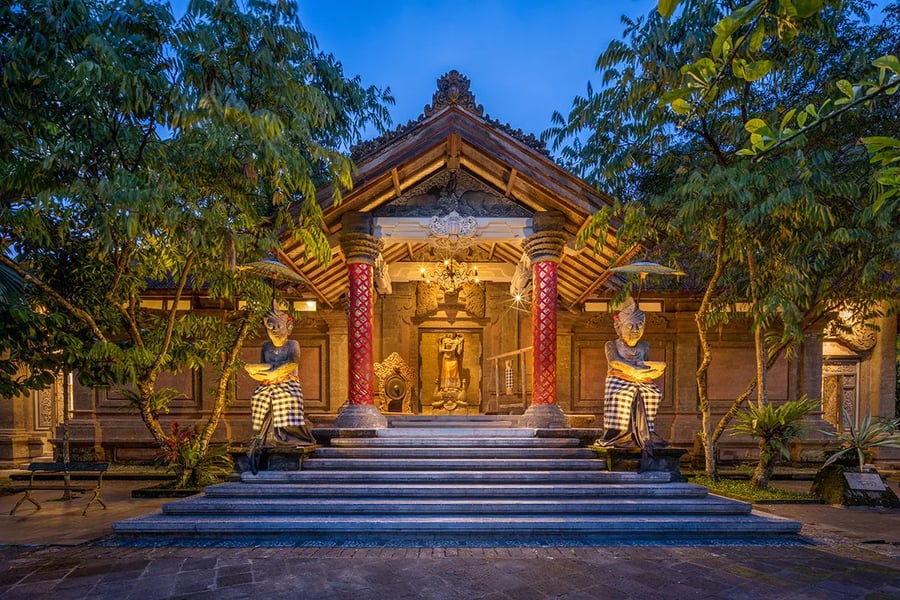
Continuing a crash course in Balinese arts at the Agung Rai Museum of Art, widely known as ARMA, rewards visitors with a collection ranging from classical Kamasan and Batuan styles to genuinely contemporary work. Highlights include the paintings Portrait of a Javanese Nobleman and His Wife by Raden Saleh, and Green Rice Paddies by Nasjah Djamin, both representing genuinely significant moments within Indonesian art history.
The museum also holds a substantial collection of work by iconic Ubud artists such as the multitalented I Gusti Nyoman Lempad and Ida Bagus Made, giving visitors genuine continuity with the artists already encountered at Museum Puri Lukisan elsewhere in town. Spread across several traditional-style buildings, the gallery offers a genuinely fascinating introduction to Balinese artistic traditions, including intricate pieces such as Cremation Ceremony by I Ketut Sepi and Wali Ekadesa Rudra by I Wayan Mardiana.
Visiting in the late afternoon specifically offers travelers the chance to catch a dance performance or gamelan rehearsal on-site, adding a genuinely live cultural dimension beyond simply viewing static paintings on a wall. This timing gives ARMA considerably more range than a typical museum visit, blending visual art with live performance within the same afternoon.
The museum’s Kafe Arma offers a perfect spot for a quiet coffee or snack before exploring the tranquil gardens surrounding the museum, rounding out a visit that engages multiple senses beyond simply viewing paintings. Travelers $TRV should also check the museum’s current performance schedule before visiting, as dance and gamelan sessions don’t follow a fixed daily timetable. Travelers comparing ARMA with Museum Puri Lukisan should note the distinct focus each institution takes, as ARMA leans slightly more toward contemporary and international influences in Balinese art. Visitors should also explore the museum’s gift shop before leaving, as it stocks genuinely well-curated books and prints by the featured artists. Arriving with enough time also helps, since rushing through the galleries undercuts much of the collection’s value.
10. A balian channels Bali’s traditional healing practices
Credit: Bali.com
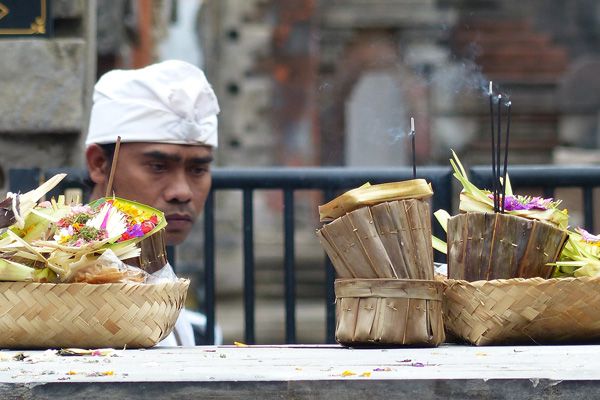
Traditional healers known as balian play a genuinely important role in Balinese culture, treating illnesses, removing spells, and channeling information from ancestors in accordance with long-standing spiritual tradition. Attending a healing session ranks among the more genuinely fascinating experiences available in Ubud, though travelers need to make an appointment beforehand, given the personal, appointment-based nature of these sessions.
Balian rarely speaks English, making it especially important for visitors to understand what they’re getting into beforehand, since treatment typically takes place in a semi-public setting rather than complete privacy. The experience may prove uncomfortable or even mildly painful at times, and healing rituals can include getting poked with sharp sticks or having chewed herbs spat directly onto the body as part of the traditional treatment process.
Contacting Bali Healers gives visitors a genuinely excellent introduction to traditional Balinese therapies, offering access to consultations with local healers, along with translation assistance, since language barriers otherwise make these sessions difficult to navigate independently. This kind of guided introduction helps visitors approach the experience with the appropriate context, rather than simply showing up unprepared.
Travelers $TRV genuinely serious about this experience should research beforehand and approach the session with an open mind alongside real respect for Balinese spiritual traditions, since treating the experience purely as novelty entertainment risks genuine disrespect toward a practice that carries deep cultural and spiritual weight for many Balinese people. Travelers should also confirm the session length and cost before committing, as these details can vary considerably depending on the healer and the type of treatment requested. Travelers hesitant about the more physically intense rituals should communicate their comfort level clearly beforehand, since healers can generally adjust the specific approach based on a visitor’s stated preferences. Travelers should also bring cash specifically for the session, since balian and their intermediaries typically don’t accept card payments for these traditional consultations. Modest, respectful clothing also matters considerably, given the spiritual nature of the session itself. A calm, patient mindset helps too.