From an Indigenous-guided walk through Stanley Park's totem poles to a Richmond Night Market with 600 dishes from across Asia
Doug Nealy / Unsplash
Vancouver occupies a geographic position that gives it a unique quality among major North American cities: mountains, ocean, and rainforest are all visible and accessible from the downtown core. The North Shore mountains rise immediately behind the city to the north, the Salish Sea stretches to the west and south, and Stanley Park’s 400 hectares of old-growth forest press against the downtown grid at its northwestern edge. The result is a city where a morning can begin with a trail run through ancient cedars and an afternoon can end with oysters on a waterfront patio, watching container ships move through the Burrard Inlet. This combination of urban density with immediate wilderness access is rare in a city of Vancouver’s size, and it gives the visitor experience a range that most metropolitan destinations cannot provide within the same geographic footprint.
The cultural dimension of Vancouver adds further depth. The city sits on the traditional, ancestral, and unceded territory of the Coast Salish peoples, specifically the Squamish, Musqueam, and Tsleil-Waututh Nations, and the Indigenous cultural presence is visible across the city, accessible to a thoughtful visitor through guided tours and dedicated gallery spaces. The food scene reflects the city’s Pacific Rim position: Asian cuisines of extraordinary quality and variety sit alongside West Coast seafood traditions, and the Granville Island Public Market and the Richmond Night Market give the culinary tourism dimension two anchor experiences of very different character.
The 10 activities below appear in Travel + Leisure, drawn from a list with recommendations from local experts, including Indigenous guide and Talaysay Tours operator Candace Campo, JW Marriott $MAR Parq Vancouver chief concierge Rodolfo Parra, and executive chef Alex Chen of Boulevard Kitchen and Oyster Bar.
Doug Nealy / Unsplash
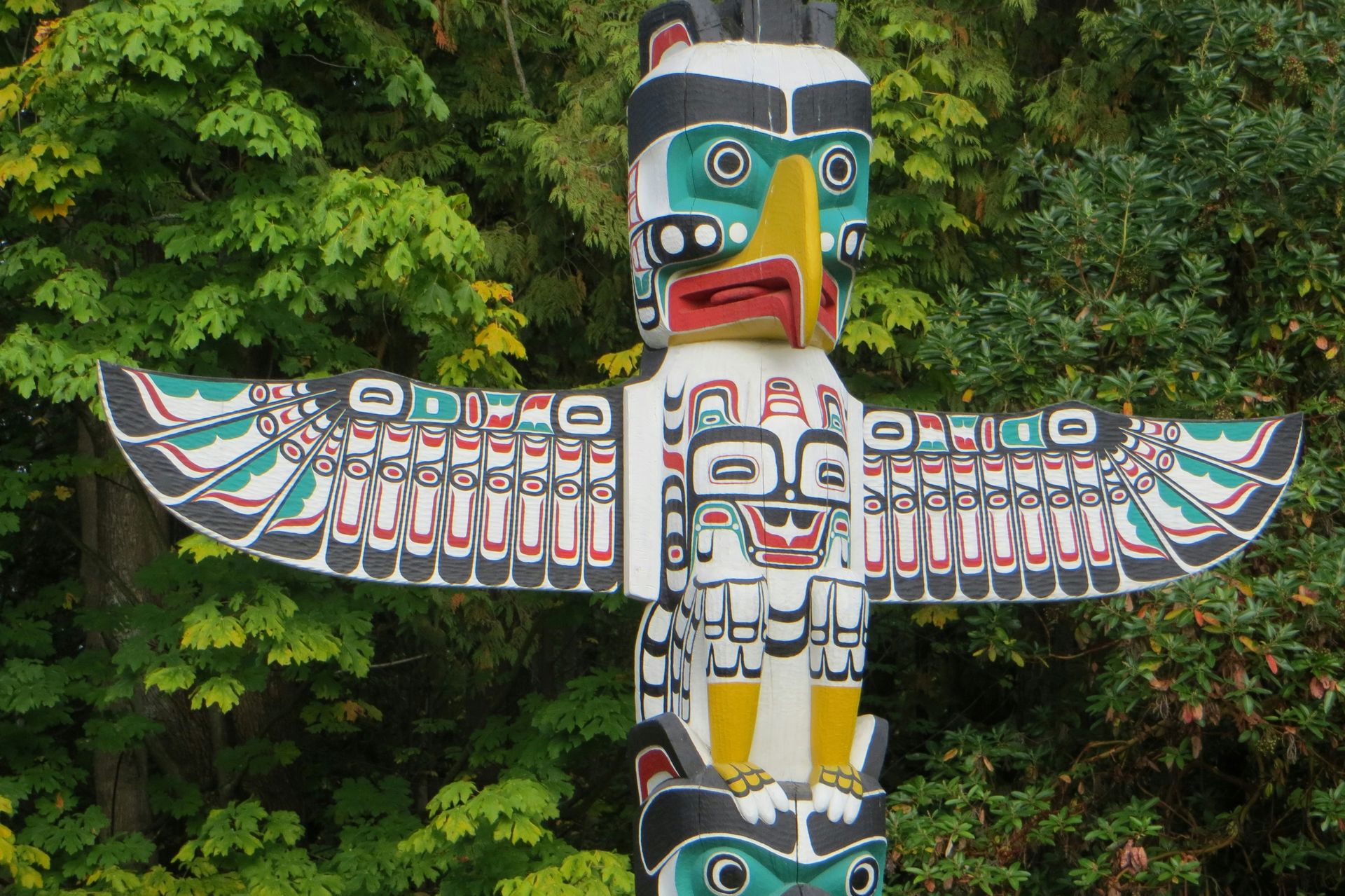
The best starting point for a Vancouver visit is an understanding of the land on which the city stands, and the Talking Totems tour offered by Talaysay Tours gives that understanding through direct engagement with an Indigenous guide whose knowledge connects the totem poles of Stanley Park to the living cultures of the Coast Salish peoples whose territory encompasses the city. The towering totem poles that have stood in Stanley Park since 1920 are not simply decorative objects or historical artifacts; they are narrative structures that encode clan histories, relationships, and spiritual knowledge in a visual language that an informed guide makes legible to visitors who might otherwise walk past them as impressive but opaque objects.
Candace Campo, artist and owner of Talaysay Tours, is of Shíshálh Nation descent, and the tours she operates offer a personal connection to the territory and its stories that the generic cultural explanations signage provides cannot replicate. The journey the tour traces from past to present, through the stories shared along the walk, gives the visitor a framework for understanding Vancouver that the city’s built environment, whose Indigenous foundations are often invisible beneath the colonial and contemporary layers, does not otherwise convey.
Stanley Park itself rewards extended exploration beyond the totem poles: the Seawall path that encircles the park gives cyclists and walkers a 9-kilometer loop with views of the North Shore mountains, the Lions Gate Bridge, and the downtown skyline, and the interior forest trails give the park a depth that the perimeter path’s views do not fully represent. Beginning with the Talking Totems tour and then spending additional time in the park gives the first Vancouver day a combination of cultural foundation and physical engagement with the city’s most significant green space. For first-time visitors whose itinerary allows only one morning for the park, the combination of the totem tour and a Seawall loop gives the fullest possible introduction to Vancouver’s founding landscape within a single practical outing. extended exploration beyond the totem poles: the Seawall path that encircles the park gives cyclists and walkers a 9-kilometer loop with views of the North Shore mountains, the Lions Gate Bridge, and the downtown skyline, and the interior forest trails give the park a depth that the perimeter path’s views do not fully represent. Beginning with the Talking Totems tour and then spending additional time in the park gives the first Vancouver day a combination of cultural foundation and physical engagement with the city’s most significant green space.
Chaewool Kim / Unsplash
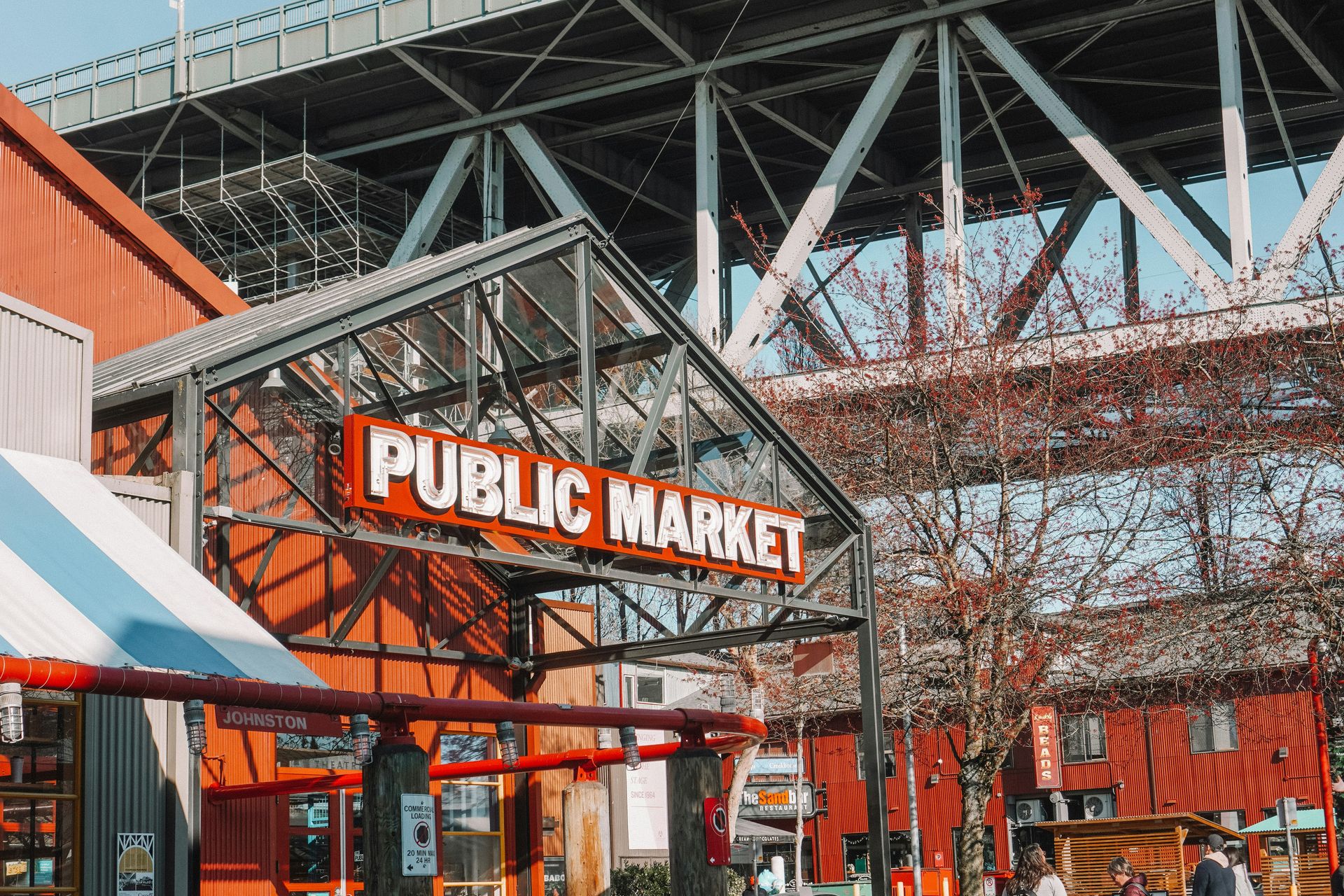
Granville Island, a former industrial peninsula under the Granville Street Bridge that has been transformed into a public market and arts hub, gives Vancouver its most celebrated food destination: a covered market where local farmers, artisan food producers, bakers, cheesemakers, butchers, and specialty food vendors have operated in a format that has resisted the homogenization that many public markets undergo when tourism pressure replaces the local shopping function that originally justified them. Executive Chef Alex Chen of Boulevard Kitchen and Oyster Bar shops here specifically for fresh sausages from Oyama Sausage Co and bread from Terra Breads when he wants to build a standout charcuterie, which gives the market’s quality a specific professional endorsement that the enthusiastic general visitor reviews repeat in less technical terms.
Candace Campo’s description of the market as a place where she and her father ate their way through Chinese, Greek, Ukrainian, and West Coast seafood before exploring the art studios, walking the boardwalk, and listening to live music gives the experience its essential shape: not a quick shopping stop but an extended social and sensory immersion in the city’s food culture. The live music performances outside the market, the working artists’ studios in the adjacent buildings, and the boardwalk access to the False Creek waterway give Granville Island a program that extends well beyond the market building itself.
The surrounding area of Granville Island extends into a cluster of theaters, galleries, and studios that give the arts a reason to linger. The Net Loft building, adjacent to the market houses independent shops selling crafts, books, and design objects, giving the shopping program a quality and specificity that mall retail does not provide, and the Emily Carr University of Art and Design campus nearby provides the artistic community with an institutional presence. A few hours on Granville Island reward a full half-day allocation rather than the brief market stop that a crowded itinerary might allocate.
Nicholas Laurenzio / Unsplash
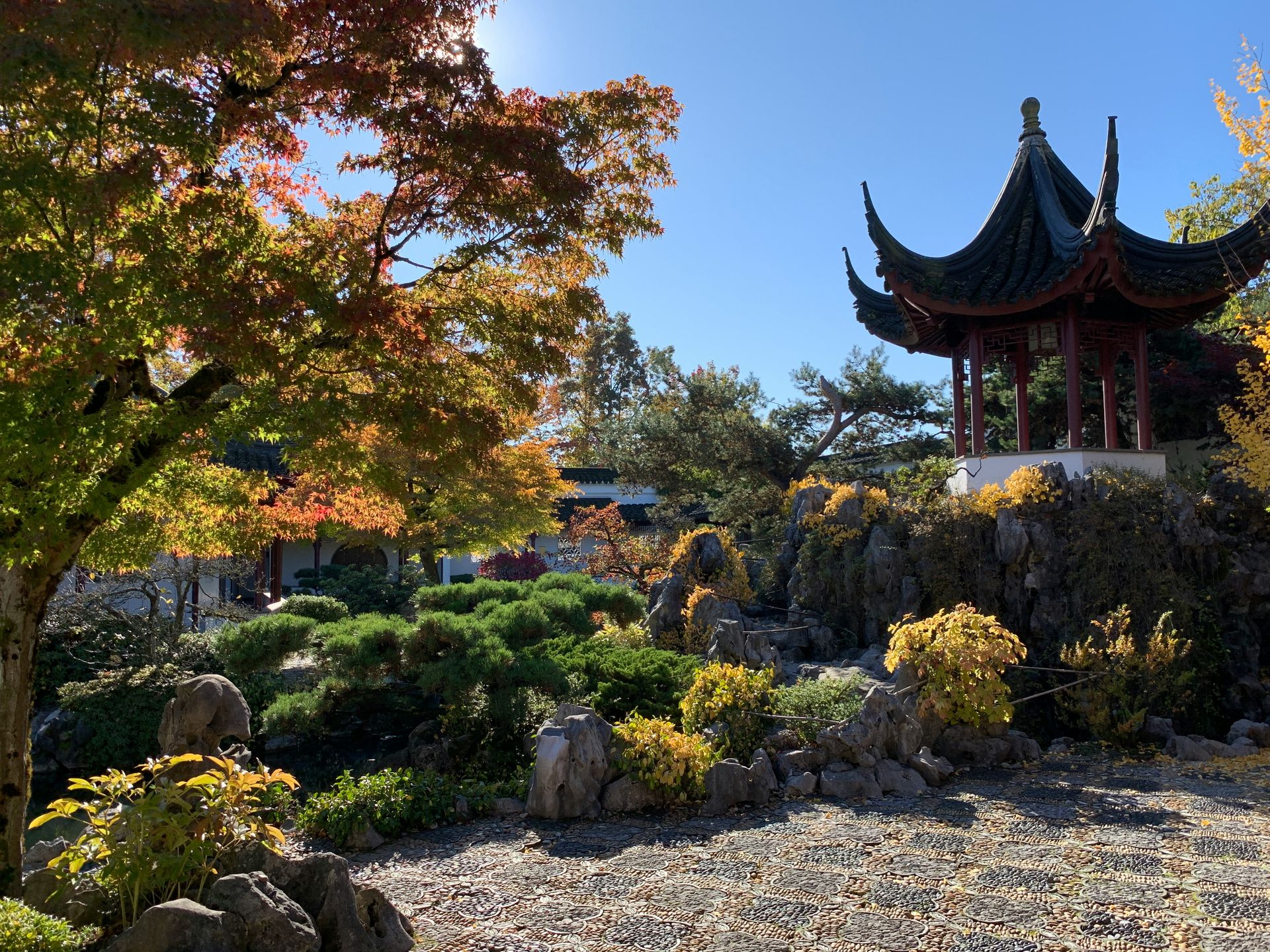
The Dr. Sun Yat-Sen Classical Chinese Garden, set in the heart of Vancouver’s Chinatown, is the first Chinese scholar’s garden to be built outside Asia, constructed in 1986 with master craftsmen from Suzhou who brought the building materials and the design knowledge required by the traditional form. The garden’s design principles, rooted in Taoist philosophy and the spatial traditions of the Suzhou garden school, create an environment of deliberate contrast and balance: the mirror-calm pond reflecting the surrounding limestone rocks and twisted pine trees, the covered walkways that frame views of the garden from multiple angles, and the careful arrangement of plants, stones, and water that gives each viewpoint its own compositional logic give the Dr. Sun Yat-Sen garden a contemplative quality that the surrounding Chinatown’s commercial energy amplifies by contrast.
The free guided tours that the garden offers give the philosophical and botanical content its interpretive context: understanding the symbolic meaning of the garden’s specific plant choices, the significance of the rock formations, and the spatial principles that organize the relationship between open water and enclosed walkway transforms a pleasant stroll into a genuine engagement with a classical Chinese design tradition. The complimentary cup of traditional Chinese tea that concludes the tour gives the visit an appropriate sensory ending, one that the garden’s own aesthetic sensibility makes feel like a natural extension of the experience rather than a commercial add-on.
Chinatown itself, one of the oldest and most historically significant in Canada, gives the garden visit an urban context worth exploring before or after the enclosed garden: the area’s street food vendors, Chinese herbal medicine shops, and the seasonal street life give the neighborhood a working commercial character that the garden’s tranquility deliberately contrasts with, and the combination of the two gives the visitor a more complete picture of Vancouver’s Chinese-Canadian heritage than the garden alone provides. The Chinatown Storytelling Centre, a newer addition to the neighborhood, provides an institutional presentation of the history for visitors who want to engage with the Chinese-Canadian story beyond what the garden’s design conveys. and most historically significant in Canada, gives the garden visit an urban context worth exploring before or after the enclosed garden: the area’s street food vendors, Chinese herbal medicine shops, and the seasonal street life give the neighborhood a working commercial character that the garden’s tranquility deliberately contrasts with, and the combination of the two gives the visitor a more complete picture of Vancouver’s Chinese-Canadian heritage than the garden alone provides.
Nara Sheen / Unsplash
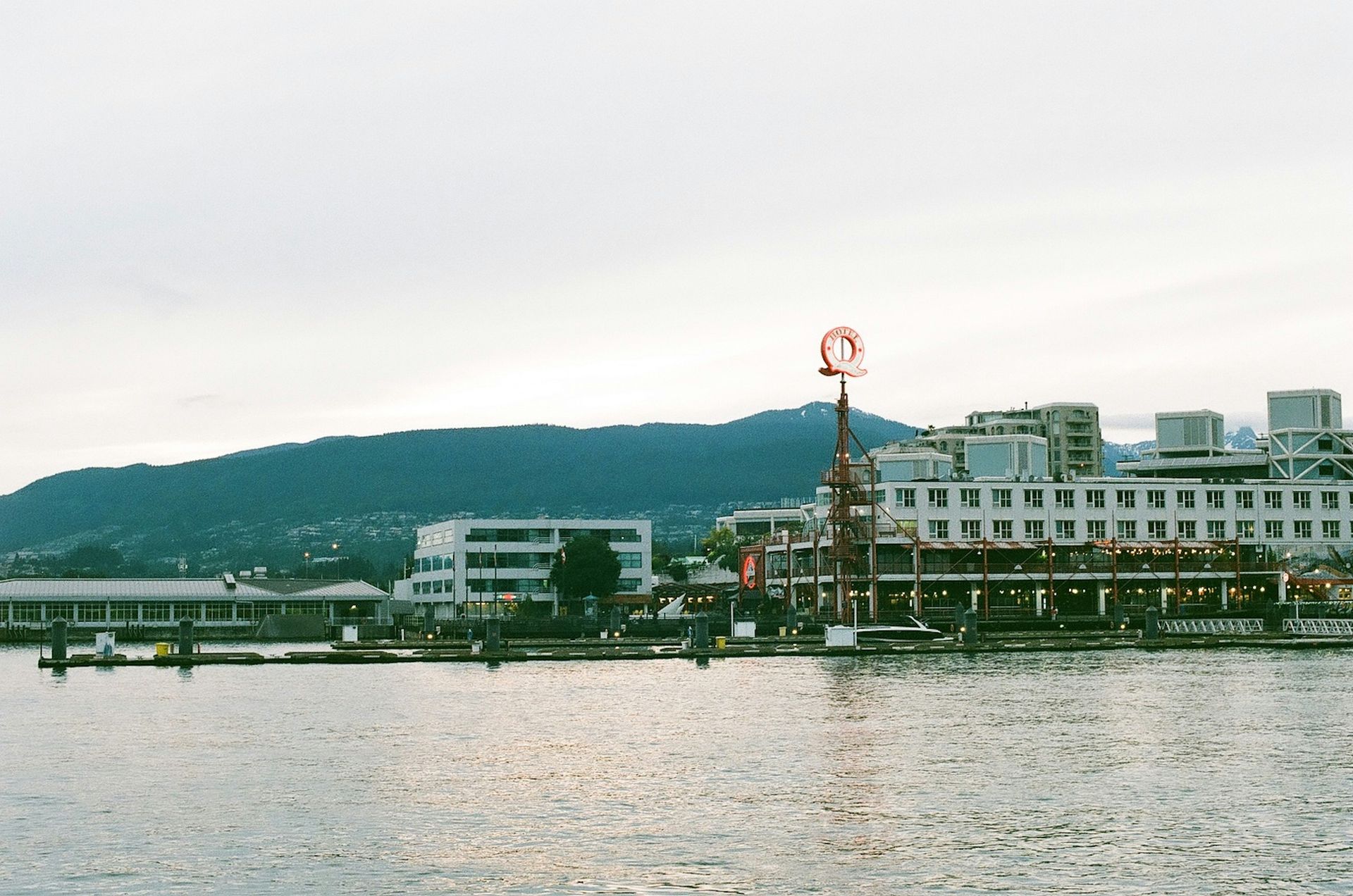
The Seabus ferry crossing from downtown Vancouver’s Waterfront Station to the Lonsdale Quay in North Vancouver gives the city a form of urban water transit that is genuinely useful as transportation while also delivering one of the best views of the Vancouver skyline available from any public service: the 12-minute crossing across Burrard Inlet gives passengers the time to watch the skyline shift perspective as the ferry moves away from the downtown shore, and the North Shore mountains that rise immediately behind North Vancouver give the approach a geographic drama that the downtown view from the waterfront cannot provide in the same terms.
Rodolfo Parra, chief concierge of the JW Marriott $MAR Parq Vancouver, specifically identifies the Seabus ride as a must-do experience on its own before describing what awaits at Lonsdale Quay: the local artisan shops in the market building, the pier that overlooks the Vancouver skyline across the inlet, and Tap and Barrel Shipyards as a recommended table for views. The market building at Lonsdale Quay offers a scaled-down version of the Granville Island market experience, set in a location that gives the North Shore its own distinct character: the mountain context and the working harbor immediately adjacent give Lonsdale Quay a Vancouver atmosphere that differs from the downtown-facing perspectives most visitors experience.
The North Vancouver context beyond the Quay gives the day trip additional options for visitors with more time: the Capilano Suspension Bridge and the lower Capilano River hatchery area are both accessible from Lonsdale Quay by bus, giving the North Shore visit a program that can expand into a full day of outdoor and cultural activity rather than remaining a market and view stop before the return ferry. The return Seabus crossing at dusk, when the downtown skyline is lit against the fading light, gives the day its most visually satisfying conclusion. gives the day trip additional options for visitors with more time: the Capilano Suspension Bridge and the lower Capilano River hatchery area are both accessible from Lonsdale Quay by bus, giving the North Shore visit a program that can expand into a full day of outdoor and cultural activity rather than remaining a market and view stop before the return ferry.
Vincent Y @USA / Unsplash
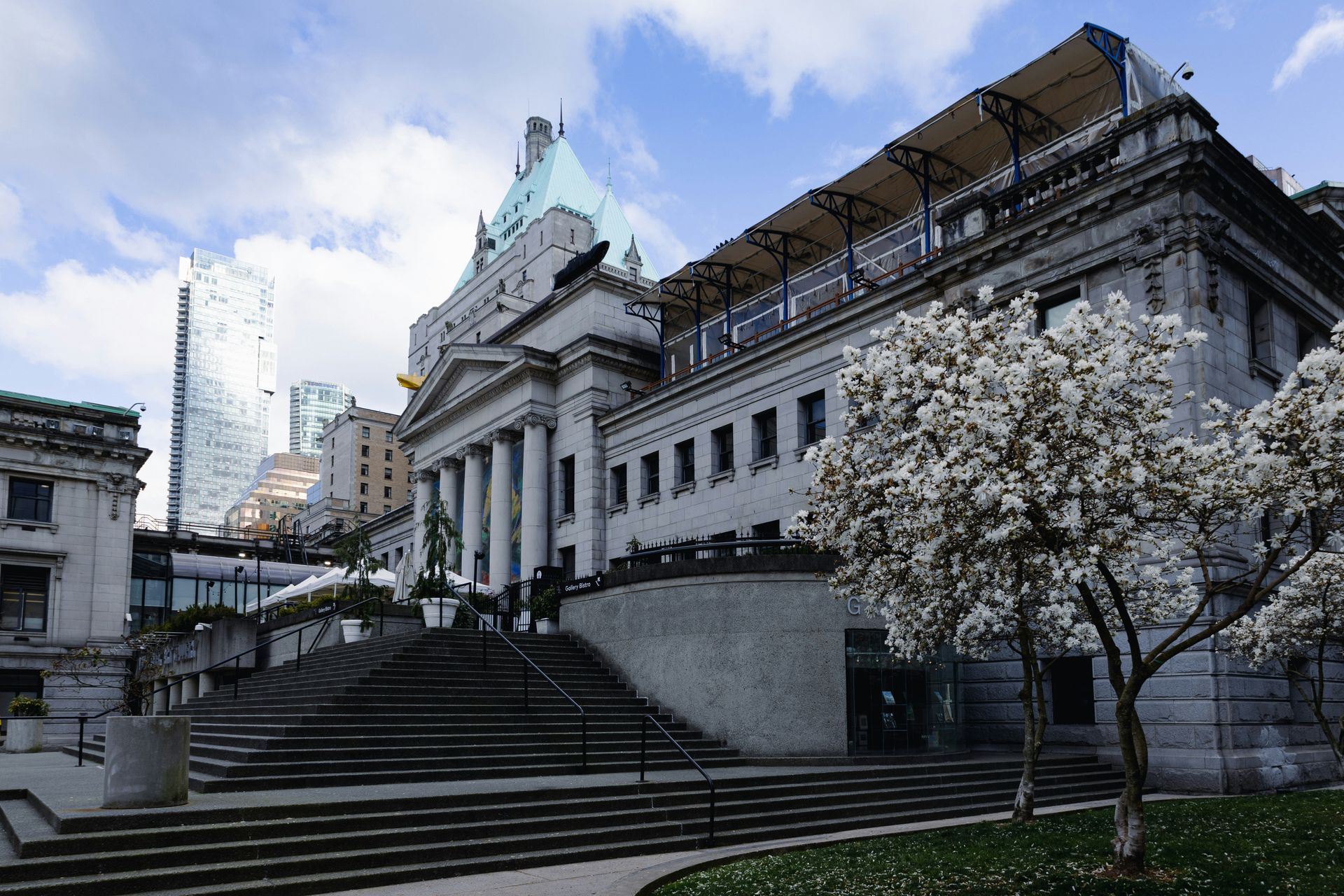
The Vancouver Art Gallery, housed in a neoclassical former courthouse building on Robson Square $SQ in the downtown core, is Western Canada’s largest public art museum and the primary institutional repository of works by Emily Carr, British Columbia’s most celebrated painter, whose large-scale canvases of the BC rainforest and the totem pole landscapes of the northwest coast give the permanent collection its most specifically regional and emotionally powerful content. Carr’s painting technique, influenced by the Post-Impressionist movement she encountered in Paris and later by the Group of Seven in eastern Canada, gives the forest canvases a rhythmic energy that makes the coastal rainforest feel animate rather than merely observed, and seeing a substantial collection of her work in the city most closely associated with her life and subject matter gives the Vancouver Art Gallery visit a specificity to place that traveling exhibitions cannot provide.
The gallery’s international programming supplements the Carr collection with blockbuster exhibitions that rotate through the three floors of the historic building, offering a program that rewards repeat visits across different Vancouver trips rather than the once-per-visit experience that a static permanent collection produces. The building itself, designed by Francis Rattenbury and completed in 1906, provides the art experience with an architectural setting whose neoclassical grandeur the renovation, which converted it from courthouse to gallery, preserved in the exterior while modernizing the interior for contemporary museum use. The gallery’s cafe and the public square outside give the visit a practical and social extension, which the downtown location makes convenient for combining with the surrounding retail and dining on Robson Street supplements the Carr collection with blockbuster exhibitions that rotate through the three floors of the historic building, giving the museum a program that rewards repeat visits across different Vancouver trips rather than the once-per-visit experience of a static permanent collection. The building itself, designed by Francis Rattenbury and completed in 1906, provides the art experience with an architectural setting whose neoclassical grandeur the renovation, which converted it from courthouse to gallery, preserved in the exterior while modernizing the interior for contemporary museum use.
The Robson Square location places the Vancouver Art Gallery at the center of a public space that the city has developed as a civic hub: the steps of the gallery give a popular outdoor gathering space, and the adjacent Law Courts building by Arthur Erickson, whose glass-roofed courthouse complex is among the most significant works of Canadian architecture, gives the broader precinct a density of architectural interest that extends the visit beyond the gallery’s own program.
Jo Filmmaker / Unsplash
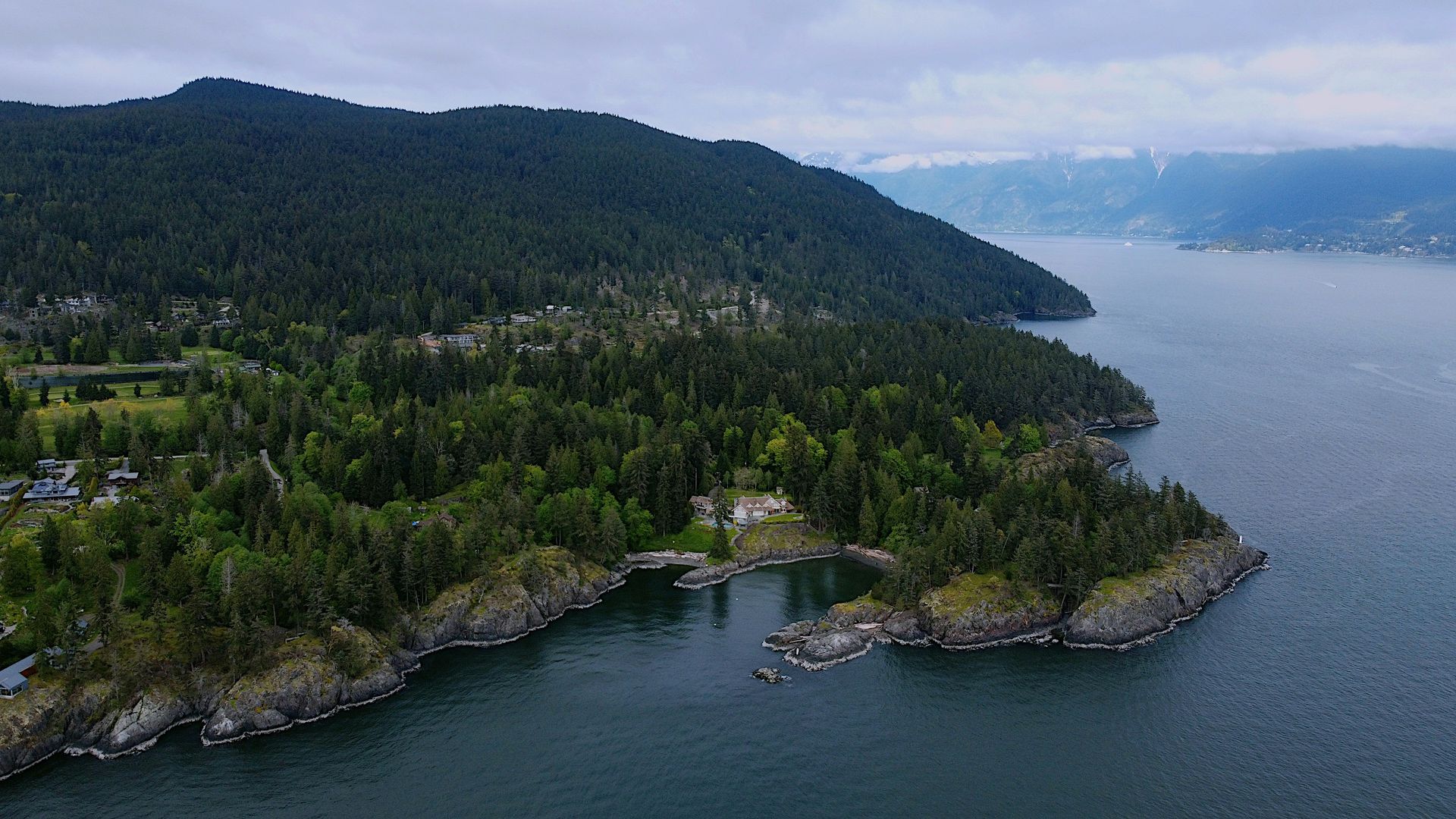
Bowen Island, located in Howe Sound, 20 minutes by ferry from Horseshoe Bay on the North Shore, gives Vancouver day trippers the experience of a small island community with its own farmers market, hiking trails, and kayaking access to some of the most visually spectacular fjord scenery in British Columbia. Rodolfo Parra specifically recommends it as his top day trip from the city for the experience it gives of the purest form of the West Coast: the old-growth trees visible from the Dorman Point Lookout trail, the kayak access to the shoreline’s rocky coves and kelp forests, and the farmers market’s local produce and craft vendors give the island a program that the ferry crossing’s brevity makes practically straightforward.
The Dorman Point Lookout trail, one of the island’s most accessible hikes, offers views of Howe Sound’s dramatic fjord landscape from an elevated position, where the surrounding mountains amplify the panorama into one unavailable from any point in the city below. Howe Sound, carved by glacial action into a deep fjord system whose walls rise dramatically from the water, gives the kayak exploration its specific visual context: paddling among the islands and along the shore at water level gives the mountain walls a scale that the ferry’s deck view does not convey in the same physical terms.
The island’s small permanent community of artists, craftspeople, and outdoor enthusiasts gives Bowen Island a character that day trippers access through the market, the local cafes and restaurants in the Snug Cove area near the ferry terminal, and the trails that extend into the island’s forested interior. The day trip format that the frequent ferry service makes practical gives the island experience an efficiency that the 20-minute crossing from Horseshoe Bay creates: reaching an island wilderness that feels genuinely remote within less than 45 minutes of leaving downtown Vancouver is a specific quality that few major cities can offer. The return ferry in the late afternoon, when the light on the mountains reflects in the sound’s calm water, gives the crossing a different and arguably more beautiful version of the scenery that the outbound journey provided in the morning. of artists, craftspeople, and outdoor enthusiasts gives Bowen Island a character that day trippers access through the market, the local cafes and restaurants in the Snug Cove area near the ferry terminal, and the trails that extend into the island’s forested interior. The day trip format that the frequent ferry service makes practical gives the island experience an efficiency that the 20-minute crossing from Horseshoe Bay creates: reaching an island wilderness that feels genuinely remote within less than 45 minutes of leaving downtown Vancouver is a specific quality that few major cities can offer.
Nikita Taparia / Unsplash
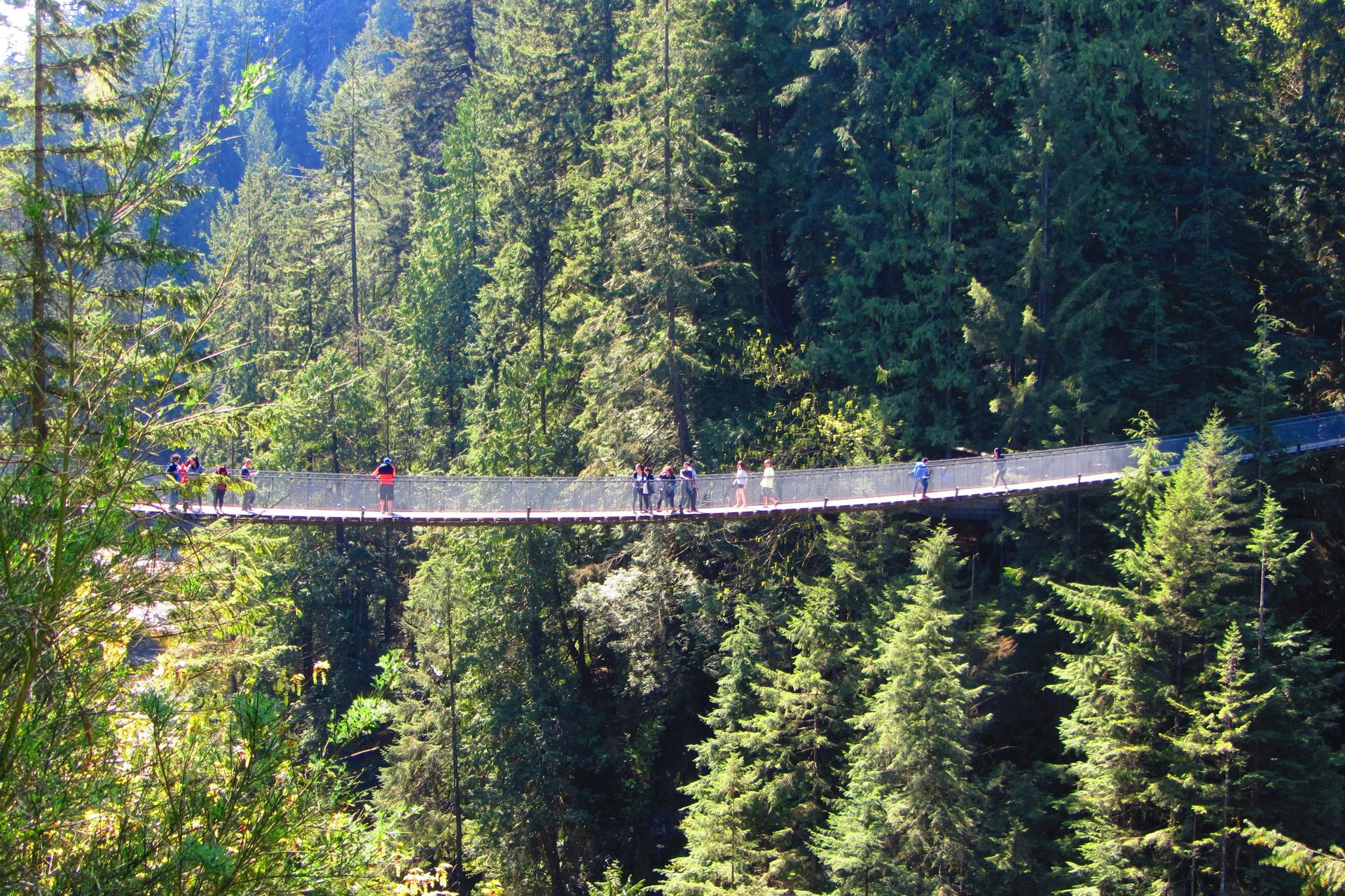
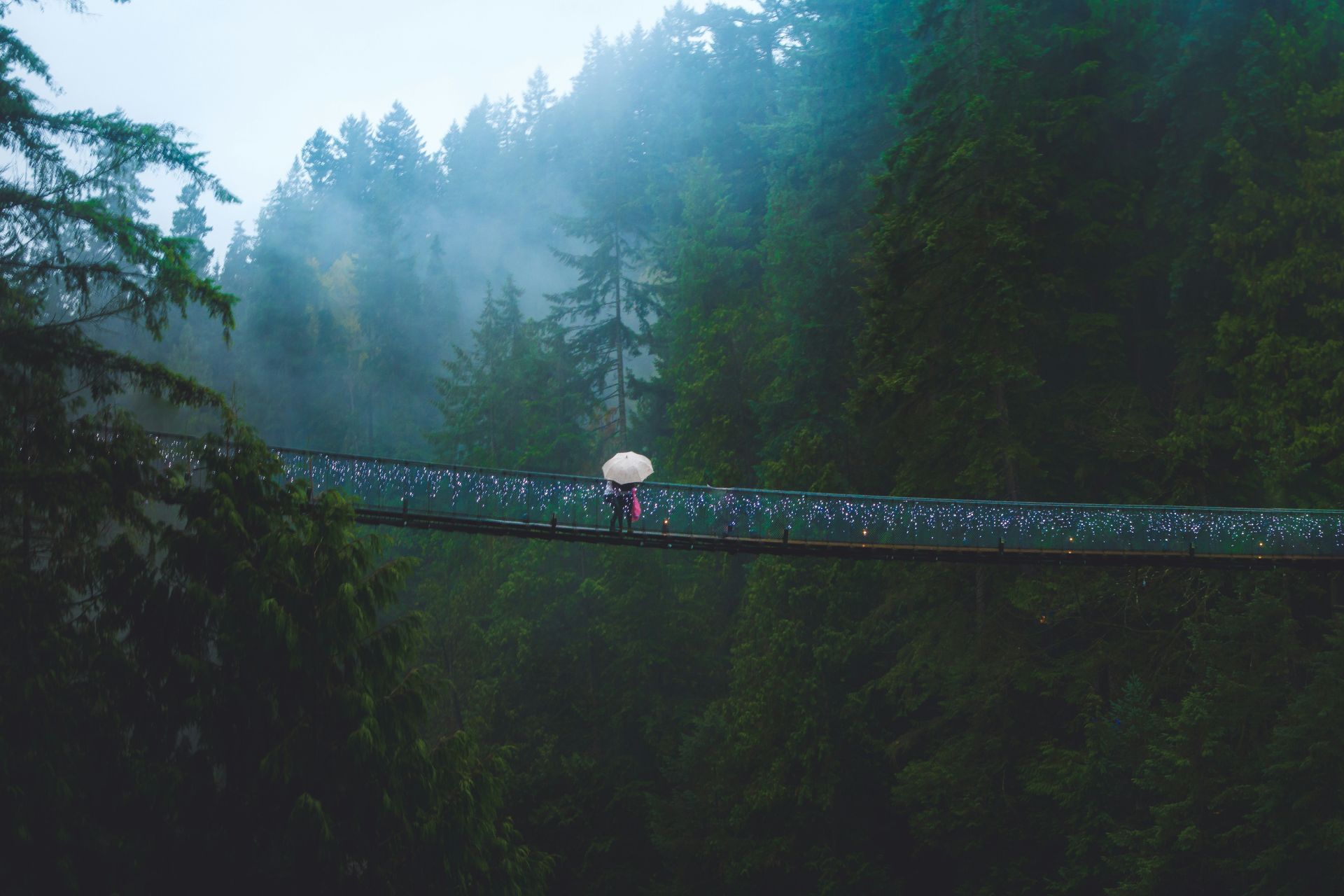
The Capilano Suspension Bridge, which has been a top tourist attraction since 1883 and in its current steel cable form since the mid-twentieth century, gives visitors the vertiginous experience of crossing a bridge that hangs 230 feet above the Capilano River on a span of 450 feet through the Douglas fir forest of the North Shore canyon. The physical sensation of crossing a suspension bridge at this height, which sways under foot traffic and gives every step a kinetic reminder of the distance below, gives the crossing an experiential quality that photographs of it do not fully capture: the bridge’s movement is the experience, and it is specifically not something that can be simulated at ground level.
The Cliffwalk that extends from the main bridge gives the canyon experience its most dramatic addition: a cantilevered walkway that projects out from the canyon wall on steel supports, with a transparent floor in some sections that gives direct views down to the river below and positions walkers literally over the canyon rather than simply above it. The engineering of the Cliffwalk, which anchors into the granite canyon wall at multiple points to distribute the load of visitor foot traffic, gives the structure a specific relationship to the geology that the suspension bridge, spanning between the canyon’s two banks, does not have.
Treetop Adventures, a series of seven smaller suspension bridges that connect to platforms in the canopy of old-growth Douglas fir trees, offers a third experience format that extends into the forest above the canyon floor rather than across or alongside it. The combination of the main bridge crossing, the Cliffwalk, and the Treetop Adventures gives the Capilano Suspension Bridge a program comprehensive enough to justify a full morning before the Seabus ferry back across to the city, and the adjacent Capilano River hatchery gives walkers who want to continue a natural extension of the North Shore visit. The hatchery walk, where salmon spawning in the river can be observed from the canyon path, offers the North Shore's natural history a seasonal highlight that the bridge’s manufactured thrills complement with something genuinely wild. that connect to platforms in the canopy of old-growth Douglas fir trees, gives the visit a third experience format that extends into the forest above the canyon floor rather than across or alongside it. The combination of the main bridge crossing, the Cliffwalk, and the Treetop Adventures gives the Capilano Suspension Bridge a program comprehensive enough to justify a full morning before the Seabus ferry back across to the city, and the adjacent Capilano River hatchery gives walkers who want to continue a natural extension of the North Shore visit.
Gabe / Unsplash
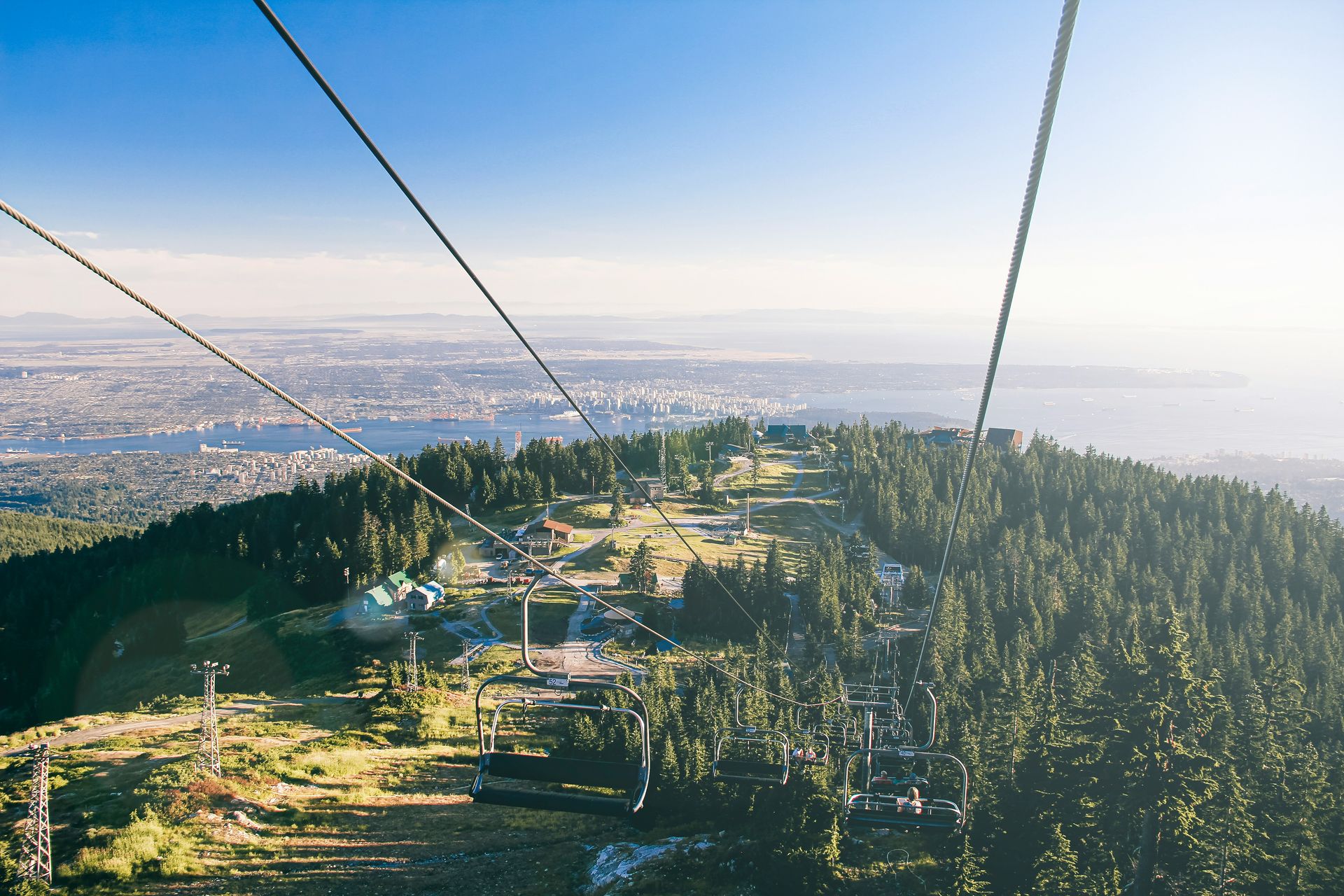
Grouse Mountain, accessible by enclosed gondola from the North Shore base station to the 1,231-meter summit, gives Vancouver visitors the most direct access to the alpine environment that the city’s mountain backdrop makes visible from nearly every point in the downtown core. The gondola ride itself gives an aerial perspective on the city, the inlet, and the surrounding landscape that no other easily accessible viewpoint matches for the combination of elevation gain and panoramic sweep, and the summit experience of looking down on a major city from a mountain that is part of its own metropolitan landscape gives Grouse Mountain a visual dynamic specific to Vancouver’s unusual geography.
At the summit, Coola and Grinder, a pair of orphaned grizzly bears who have lived at the Grouse Mountain wildlife refuge since 2004, give visitors access to one of the largest land predators in North America in a habitat setting that gives the bears room to behave naturally while allowing close observation from the viewing area. The bears’ presence on a mountain overlooking a city of 600,000 people gives the wildlife encounter a specifically urban-wilderness context, making explicit the geographic relationship between Vancouver and the wilderness that surrounds it.
The hiking trails that weave through the summit plateau give summer visitors a walking program above the treeline that the alpine meadow environment, with its wildflowers, bird life, and long views in all directions, rewards without requiring the technical equipment or fitness level of the backcountry alternatives in the surrounding mountains. The zipline and the Kids Tree Canopy Adventure offer younger visitors their own program, and the mountaintop restaurant and viewpoint provide a social and gastronomic conclusion, with the gondola descent back to the city, then appropriately closes the visit. In winter, the summit trails become snowshoe routes, and the ski and snowboard terrain gives Grouse Mountain a year-round activity calendar that makes it worthwhile throughout every season of a Vancouver visit give summer visitors a walking program above the treeline that the alpine meadow environment, with its wildflowers, bird life, and long views in all directions, rewards without requiring the technical equipment or fitness level of the backcountry alternatives in the surrounding mountains. The zipline and the Kids Tree Canopy Adventure offer younger visitors their own program, and the mountaintop restaurant and viewpoint provide a social and gastronomic conclusion, with the gondola descent back to the city, then appropriately closes the visit.
Meg Jenson / Unsplash
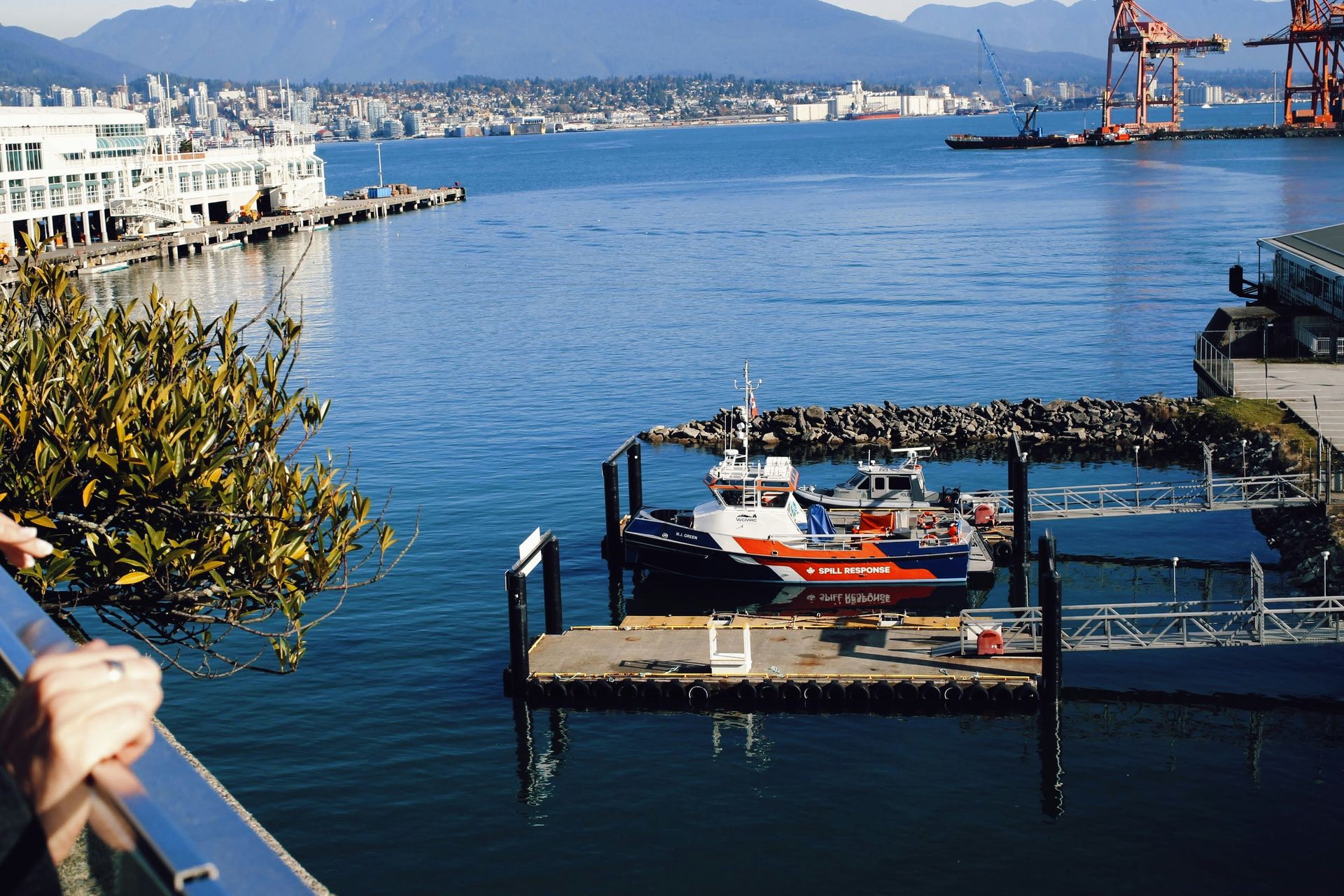
Steveston, a historic fishing village 30 minutes south of downtown Vancouver now incorporated into the city of Richmond, gives Vancouver’s seafood eating its most direct connection to the source: Fisherman’s Wharf is an active commercial fishing dock where the day’s catch is unloaded and available for purchase by both restaurants and individual buyers, giving the seafood here a freshness standard that the supply chain distance of city center fish markets cannot match. Chef Alex Chen lives in Steveston and specifically describes riding his bike to the dock to check out the catch of the day, picking up side stripe prawns and fresh Dungeness crab that he brings home for dinner, which gives the market a professional endorsement specific to the quality of what the boats deliver directly to the dock.
The seaside seafood restaurants and fish and chip shops that line the Steveston waterfront give visitors who prefer not to cook their own a range from casual dockside fish and chips to more formal seafood dining, all within walking distance of the working harbor that supplies the raw material. The dyke path that connects Steveston to Gary Point Park gives cyclists and walkers a flat waterfront route that Chef Chen specifically enjoys with his family, with views of the Fraser River delta and the agricultural land of Richmond’s west side that give the cycling a landscape distinct from the mountain-framed urban scenery of the North Shore trails.
The historic character of Steveston itself, whose Japanese-Canadian fishing community history is documented at the Gulf of Georgia Cannery National Historic Site, gives the visit a cultural dimension that the waterfront seafood eating alone cannot exhaust. The village’s independent shops, seasonal farmers market, and the authentic fishing town atmosphere that the active harbor sustains give Steveston a completeness as a half-day destination that the food alone would not fully justify. Combining Steveston with a visit to the Richmond Night Market, which opens in the evening, gives the Richmond day a food program that spans the freshest raw seafood in the afternoon and the most globally diverse street food in the evening within the same municipality., whose Japanese-Canadian fishing community history is documented in the Gulf of Georgia Cannery National Historic Site, gives the visit a cultural dimension that the waterfront seafood eating does not exhaust. The village’s independent shops, seasonal farmers market, and the authentic fishing town atmosphere that the active harbor sustains give Steveston a completeness as a half-day destination that the food alone would not fully justify.
Credit: Tourism Richmond
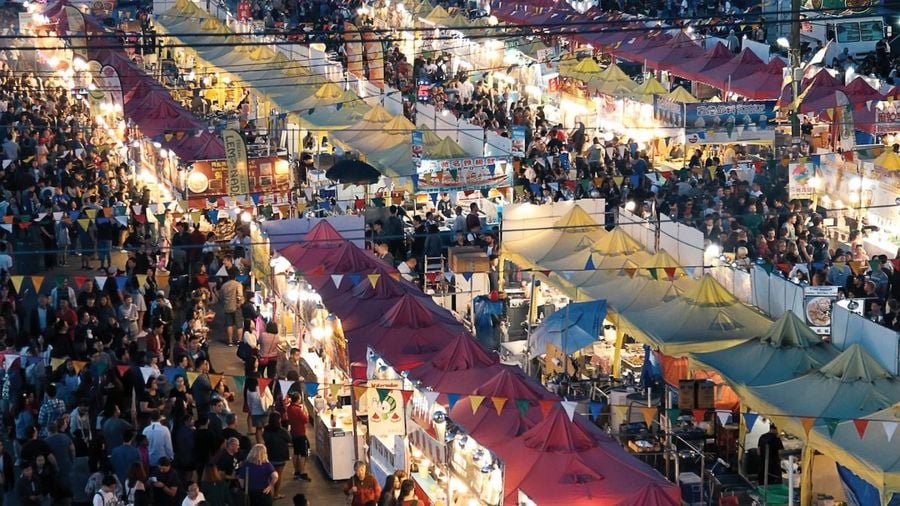
The Richmond Night Market, the largest outdoor night market of its kind in North America, operates during the summer months in the suburb of Richmond, south of Vancouver, and gives food travelers access to over 110 food stalls serving more than 600 dishes from cuisines across Asia and beyond. Pan-Asian snacks, including Japanese takoyaki, Korean tteokbokki, Taiwanese bubble tea, and Chinese street food, sit alongside stalls serving Indonesian, Turkish, Mexican, and other international cuisines in a format that gives the eater a genuinely global range within a single venue’s walking distance. The scale of the market, which draws thousands of visitors on summer weekend evenings, gives it a social energy specific to the night market format that the indoor mall food courts and individual restaurants of the city’s daytime food scene do not replicate.
The live entertainment program that runs alongside the food stalls gives the Richmond Night Market a dimension beyond eating: performances on the central stage give the evening a community gathering quality that the purely commercial food market format does not produce, and the combination of eating, entertainment, and the sensory density of hundreds of food stalls operating simultaneously gives the visit a completeness that makes it one of the most memorable single experiences available in the Vancouver metropolitan area for travelers with an interest in street food culture.
Richmond’s broader food geography, which gives the suburb the highest concentration of authentic Chinese regional cuisine outside China on the North American continent, provides the Night Market visit with a context that extends into the surrounding restaurant landscape for travelers who want to keep eating after the market closes. The Skytrain connection from downtown Vancouver to Bridgeport Station, adjacent to the Night Market site, makes the evening journey from the city center practically straightforward, without the parking stress the market’s popularity creates. For travelers whose interest in Vancouver’s food culture is the primary driver of the visit, the Night Market combined with an afternoon in Richmond’s restaurant district gives the most comprehensive single-day engagement with the city’s most distinctive culinary identity., which gives the suburb the highest concentration of authentic Chinese regional cuisine outside of China in the North American continent, gives the Night Market visit a context that extends into the surrounding restaurant landscape for travelers who want to continue eating after the market closes. The Skytrain connection from downtown Vancouver to Bridgeport Station, adjacent to the Night Market site, makes the evening journey from the city center practically straightforward, without the parking stress the market’s popularity creates.
