Shop at month-end, holiday weekends, and off-season lows — nine timing strategies that put money back in your pocket

Sara Kurfeß / Unsplash
Whenever someone needs or wants to buy a new car, doing as much research as possible always makes sense. Figuring out what kind of car to buy, what fits a given budget, and which models rank as top choices matters considerably. However, savvy buyers don’t stop at researching potential purchases alone. They also look into the finer points of the car-buying process itself, since most people don’t buy cars often enough to become genuine experts at it, unlike the salespeople they’ll be working with throughout the transaction.
Though no shortage exists of tips, tricks, and hacks that allegedly help negotiate a better deal, one truth stays absolute: when someone buys a vehicle can have a genuinely huge impact on its price. Timing a purchase around specific days or certain times of year can mean the difference between paying thousands over MSRP and scoring a deal so good it makes friends and family genuinely envious of the outcome.
The nine strategies below appear in U.S. News & World Report and cover the best times to buy a car throughout the year. Each strategy targets a specific moment when dealers face genuine pressure to close a sale, whether that pressure comes from monthly quotas, seasonal inventory changes, or a manufacturer’s own sales goals. Combining several of these approaches within a single purchase, such as shopping at month’s end during the fall changeover with a pre-approved loan already in hand, often produces genuinely stronger results than relying on just one timing strategy alone. Patience and a bit of flexibility around exact timing tend to matter more than any single trick or hack circulating among car buyers. Buyers willing to combine two or three of these strategies consistently walk away with the strongest deals overall. A little extra effort at the right moment genuinely makes all the difference.

Erik Mclean / Unsplash
This article covers specific days and periods that translate into lower prices or better buying experiences. Still, from a general perspective, the best time to buy a car happens long before getting one becomes a genuine necessity. This approach gives buyers ample time to research and find the vehicle that best fits both their needs and their budget.
Planning also puts buyers in a considerably better negotiating position beyond simply preparing them for the overall process. Buyers who absolutely need a new car immediately to get to and from work end up, to a large degree, at the mercy of whichever salesperson happens to be available. This urgency can also force buyers to settle for whatever option currently sits on a single dealer’s lot instead of exploring every dealer in the area to find the best selection and price.
Buyers planning to trade in an old car should remember that a vehicle in good running order holds significantly better resale value than one needing expensive repairs to become saleable. Spending money fixing a current ride specifically to make it an acceptable trade-in, instead of putting those dollars toward a down payment on the new car, can end up working against a buyer’s actual goals.
Introducing a potential trade-in only after negotiating a hard number for the new purchase or lease deal genuinely helps buyers see what a dealer actually offers for the trade-in, instead of letting the dealer muddy the numbers by manipulating discount and trade-in values together. Selling an old car to a private party or to a used car dealer instead avoids this hassle and potential confusion entirely. Buyers should also research current vehicle reliability ratings during this early window, since ample time allows for comparing multiple models instead of settling quickly under time pressure. Building a simple comparison spreadsheet across several models also helps considerably, since tracking price, features, and financing terms side by side clarifies which option genuinely offers the best value.

Tao Yuan / Unsplash
Most retailers, regardless of industry, set monthly sales goals, and car dealerships stay famously committed to hitting theirs. Finding a dealer lagging behind its sales targets as a given month winds down makes its sales team considerably more likely to offer a genuinely good deal, even without explaining exactly why the discount appears.
The stakes for dealerships remain high. Beyond receiving financial incentives from automakers for reaching sales goals, dealers can also get allotted more vehicles or additional popular models as a direct reward for hitting targets. This incentive structure gives sales staff genuine motivation to close deals quickly as a deadline approaches.
Of course, a dealer or salesperson who has already reached their sales targets holds little incentive to offer an attractive deal to a new customer. Shopping at the end of the month still counts as a gamble worth taking, though, especially for buyers who gather quotes from several dealerships throughout their area before committing to one specific purchase.
This timing strategy rewards buyers willing to do a bit of extra legwork comparing multiple dealers, since a single dealership’s specific sales situation at month’s end can vary considerably from its neighbors depending on how close each one sits to its own particular quota. Buyers should also call ahead to ask a dealer directly about current progress toward monthly targets, since some sales managers will genuinely share this information with a serious buyer. Buyers should also track which specific dealerships within a region seem to run consistent month-end promotions, since some locations genuinely lean into this strategy more aggressively than others in the same market. Getting written quotes from multiple dealers before the final days of the month also helps considerably, since having competing offers in hand strengthens a buyer’s negotiating position when a deadline approaches. This extra legwork genuinely pays off for patient buyers. Every bit of leverage helps a serious buyer in this specific situation.

Erik Mclean / Unsplash
Shopping for a new or used car on the busiest day of the week, usually the weekend, might seem like a smart strategy based on the idea that busy salespeople will rush toward a quick deal to move on to the next customer. Unfortunately, this approach doesn’t really work anymore, if it ever genuinely did. Salespeople make time to negotiate no matter how busy they get, and they may ask a buyer to schedule an appointment for a return visit instead.
Since salespeople take their time regardless of how busy the showroom gets, buyers should genuinely do the same. Shopping on Mondays, or any earlier, quieter day of the week, gives buyers considerably more time to get questions answered and take test drives without feeling rushed. It also gives buyers more time to negotiate a price that fits their budget calmly, and the dealership’s financing office is less likely to have a waiting line during quieter weekdays.
Another genuine benefit of buying on a Monday involves financing, since many local lenders, including banks and credit unions, only stay open on weekdays. This timing gives buyers considerably more opportunity to shop around for the best rates and confirm they’re genuinely getting a good financing deal before committing.
Shopping at the beginning of a week doesn’t work quite as well immediately following huge sales events or in areas where Sunday sales stay prohibited, since dealership staff will likely be catching up on weekend paperwork and may not have as much time to answer questions thoroughly during those specific windows. Buyers should also confirm a dealership’s specific weekday hours before planning a visit, since some smaller dealers keep more limited hours early in the week compared with weekends. Bringing printed research on comparable pricing also helps considerably during a quieter weekday visit, since a relaxed salesperson has more time actually to review specific figures a buyer presents. Every bit of preparation genuinely helps in this situation.

Lorenzo Hamers / Unsplash
Three-day weekends bring genuinely busy times to dealerships, though many automakers offer special financing and lease deals specifically over these holidays. The holiday weekends most likely to feature heavily promoted deals include Memorial Day, Labor Day, the Fourth of July, and Presidents' Day.
Memorial Day ranks among the best of these weekends to buy, since it kicks off the summer car sales season and typically offers a multitude of deals from both dealers and automakers simultaneously. This particular weekend gives buyers genuine leverage as dealers compete to capture early summer demand.
Labor Day weekend also offers a genuinely good opportunity for a nice deal, since it coincides with the beginning of the fall sell-off season throughout the industry. In early September specifically, automakers start rolling out the next year’s products, and dealers try to clear out last year’s models before the changeover fully takes hold.
Buyers should research which specific automakers and dealers are running promotions ahead of a targeted three-day weekend, since not every brand or dealership participates equally in these particular sales events, and comparing offers across several options genuinely maximizes the value of shopping during this window. Buyers should also check manufacturer websites directly for holiday-specific promotions, since some of the best incentives get advertised nationally instead of through individual dealer marketing alone. Buyers should also compare current three-day-weekend promotions against the specific model’s typical pricing throughout the rest of the year, since some advertised discounts prove smaller than they initially appear. Checking whether a specific promotion stacks with other incentives also helps considerably, since some holiday deals exclude combination with certain rebates or financing offers already advertised elsewhere. This small check genuinely prevents unwelcome surprises later on. Every bit of research genuinely helps in this specific situation overall for most buyers.

Ildar Garifullin / Unsplash
The auto industry’s new year really kicks off in October, with many all-new and redesigned models arriving in dealer showrooms well ahead of the traditional January calendar reset. This changeover means dealers genuinely need to clear the outgoing models off their lots, and this specific transition leads to considerably more incentives and discounts on the older inventory.
Buyers whose priorities align with the outgoing year’s features, without needing anything the new model specifically adds, should genuinely take advantage of this particular window. November adds Black Friday into the mix alongside the continuing fall sell-off, and this shopping holiday sits close enough to year’s end that dealers and their sales associates are already eyeing their critical annual sales goals.
Shoppers who skip the chaos of local big-box stores and malls and instead head for car dealerships during this specific stretch can genuinely save significant money. Deals tend to ramp up throughout November specifically, with automakers offering considerably better low-cost financing incentives and generous cash-back offers as the month progresses.
December brings dealers and salespeople sprinting toward month-end, quarter-end, and year-end sales goals simultaneously, making the final weeks of the calendar year genuinely some of the best days to buy. Automakers layer attractive financing and cash-back deals on top of these local sales pushes, and leftover outgoing model-year vehicles still sitting on lots add further motivation for dealers to close a sale before the calendar turns over. Buyers should also compare outgoing and incoming model specifications carefully before committing, since a seemingly minor feature omission on the older model could matter more than the discount itself. Checking current inventory levels of the outgoing model before visiting also helps considerably, since dealers with excess stock of a specific trim tend to negotiate more aggressively than those running low. This extra research genuinely strengthens a buyer’s overall negotiating position considerably. Every bit of research helps in this specific situation. Dealers respect a well-prepared shopper.

Ivan Kazlouskij / Unsplash
May marks the genuine start of the busy summer buying season, offering an important exception to the general fall-focused buying strategy covered elsewhere. Great deals often surface during this specific month too, giving buyers a legitimate reason to shop earlier in the year instead of waiting purely for autumn.
Memorial Day deals specifically start rolling out well before the actual holiday weekend arrives, meaning May itself carries plenty of generous cash-back, financing, and lease deals available throughout the entire month. Buyers hoping to beat the rush of the official holiday weekend can genuinely find comparable value by shopping just a few weeks earlier.
This early-summer window gives buyers considerably more flexibility in timing a purchase around personal schedules, since not every buyer can realistically shop during the exact three-day weekend itself. Spreading deal-hunting across the full month of May instead of concentrating purely on the holiday weekend gives buyers genuinely more chances to find the right pairing of vehicle and price.
Buyers specifically targeting May should still compare offers across multiple dealers, since the earlier timing within the month can mean less competitive pressure than the actual holiday weekend itself, when dealers push hardest to capture headline-grabbing sales numbers. Buyers should also compare specific May incentives against those offered during the actual Memorial Day weekend, since earlier deals sometimes match or even exceed the holiday’s advertised offers. Buyers should also check regional differences in May promotions, since automakers sometimes roll out slightly different incentive packages depending on specific geographic sales regions throughout the country. Checking current inventory levels before visiting also helps considerably, since dealers hoping to clear specific models before summer often negotiate more aggressively on those particular vehicles. This small step genuinely improves the overall outcome considerably for most shoppers. Every bit of research genuinely helps in this specific situation overall too. A little homework genuinely goes a long way for most shoppers.

Erik Mclean / Unsplash
New Year’s Eve and New Year’s Day rank among the genuinely best times to buy a new or used car, since these specific days usually feature end-of-year sales events supported by great financing and lease deals from automakers. New Year’s Day typically counts as the end of the previous year for automakers and their dealerships, despite technically falling within the new calendar year itself.
These days still count as the end of the month, the end of the quarter, and the end of the year simultaneously, so plenty of sales goals exist that salespeople, dealers, and automakers are all genuinely trying to hit before the window closes. The way automakers report sales, a deal doesn’t usually need to close by December 31 specifically, and purchases completed on New Year’s Day, or sometimes even a day or so later, usually still count toward the previous year’s sales targets.
With dealerships genuinely busy over this particular holiday, doing homework well in advance makes considerable sense for buyers hoping to move quickly once they arrive. Salespeople won’t have time to answer every question or guide a buyer toward the ideal vehicle during this especially hectic period.
Buyers should arrive already knowing the specific vehicle they want, holding a pre-approved car loan, understanding roughly what they should be paying, and having a genuine sense of their trade-in’s value before stepping onto the lot during this busy window. Buyers should also confirm a dealership’s specific New Year’s hours before visiting, since some locations close early or stay shut entirely on New Year’s Day itself. Bringing a fully charged phone and backup battery also helps considerably, since researching competing offers on the spot becomes genuinely important during this especially fast-moving sales period. This preparation genuinely pays off during a genuinely hectic holiday visit. Every bit of preparation genuinely helps in this specific situation overall too. Staying genuinely organized reduces stress considerably during this particular busy window.
Crosby Hinze / Unsplash
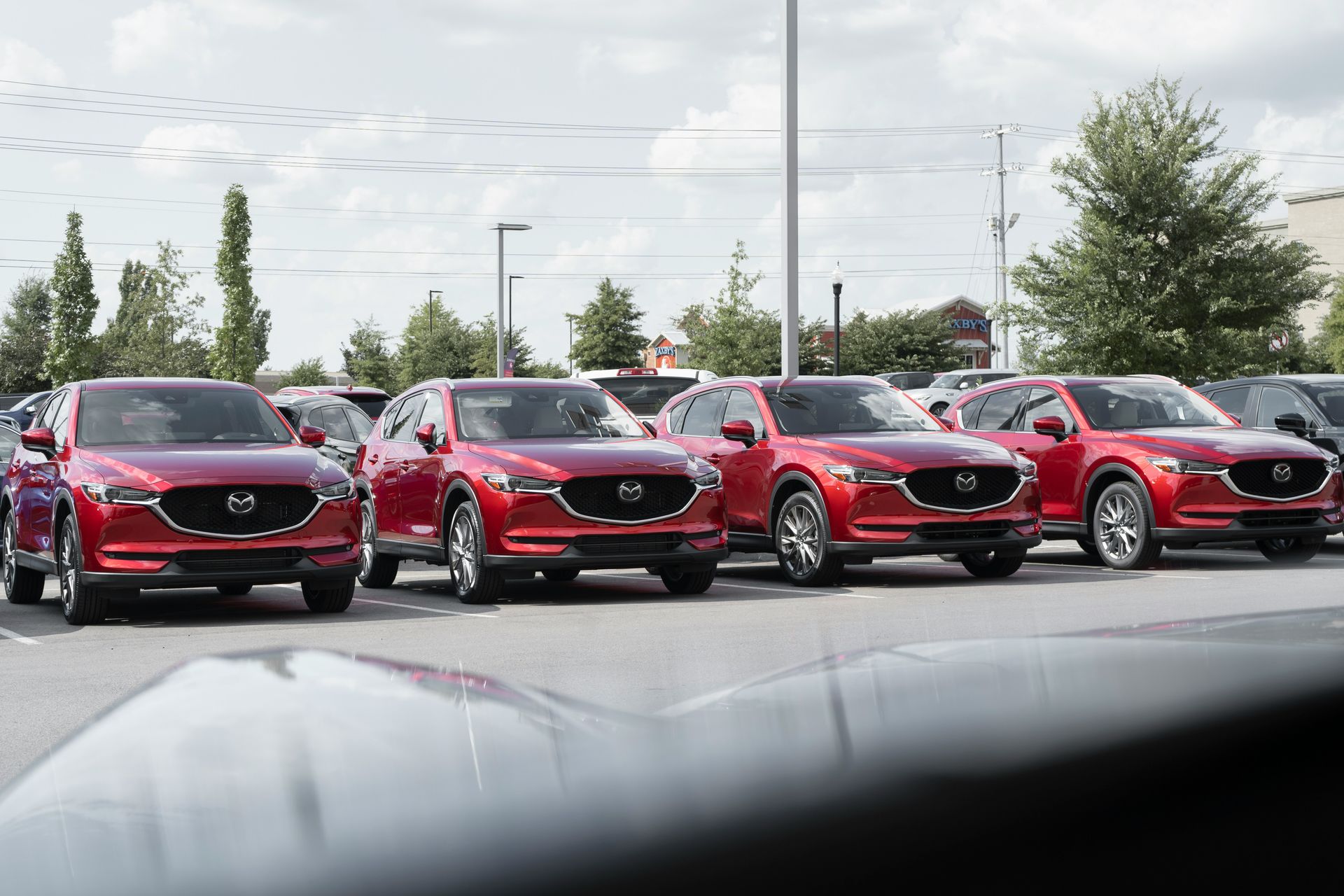
Sometimes a specific vehicle needs a bit of a boost to meet an automaker’s sales or leasing goals for that particular model. These boosts come in the form of incentives such as cash back, low-rate financing deals or lease offers featuring low monthly payments or a smaller-than-usual sum due at signing.
These incentives shift constantly depending on which specific models automakers need to move at any given moment, making it genuinely worthwhile for buyers to check current offers immediately before finalizing a purchase decision. A model that seemed like a poor value one month can suddenly become considerably more attractive once a fresh incentive appears.
Cash-back offers typically appear on new vehicles specifically, while certified used cars sometimes carry their own dedicated financing incentives from automakers instead. Buyers should research which specific incentive type applies to their target vehicle, since new, used, and leased vehicles each tend to draw genuinely different kinds of promotional support depending on current market conditions.
Comparing incentive offers across several dealerships and models simultaneously helps buyers identify which specific pairing of vehicle and current promotion delivers the genuinely best overall value, instead of assuming any single advertised deal automatically represents the strongest option available. Buyers should also check whether a specific incentive requires financing through the automaker’s own captive lender, since some cash-back offers become unavailable when paired with outside financing. Buyers should also read the fine print on any advertised incentive carefully, since qualifying requirements around credit score, military service, or recent college graduation sometimes limit who actually receives the full advertised discount. Checking whether a specific incentive applies regionally also helps considerably, since some automaker promotions only apply within certain sales zones instead of nationwide. This extra check genuinely avoids unwelcome surprises down the road. Every bit of research genuinely helps in this specific situation overall too. Reading the fine print carefully always helps considerably in situations exactly like this one.

Isak Pettersson / Unsplash
Cars follow both design cycles and life cycles throughout their time on the market. A design cycle represents the time between complete redesigns, typically running about four to six years, while smaller refreshes happen even more often, usually about every three years. A genuinely great time to buy or lease arrives toward the end of a vehicle’s design cycle, when other shoppers eye the newly redesigned model and dealerships want to clear out the last of their outgoing inventory.
Automakers often start promoting significant deals on the outgoing model before the new version even arrives in showrooms, giving patient buyers a genuine window to capture strong value. A model’s life cycle ends entirely when an automaker decides to stop building it altogether, and buyers willing to purchase at the end of this life cycle can save genuinely serious money.
Massive buying and leasing incentives frequently appear as automakers announce a vehicle’s impending exit from the marketplace entirely. The Kia Forte offers a clear example of this pattern, since the model was discontinued in 2024 and replaced by the 2025 Kia K4. However, the K4 actually went on sale in 2024 itself, leaving dealers in a genuine hurry to move out remaining Forte inventory.
Buyers should research why a specific model was discontinued before committing to this strategy, since some models take a new name upon redesign. In contrast, others are withdrawn due to genuinely outmoded features or shifting customer preferences, such as the broader move from sedans toward trucks and SUVs throughout the industry. Buyers should also research parts and service availability for a soon-to-be-discontinued model, since long-term ownership costs can shift once a manufacturer stops actively supporting a specific vehicle line. Checking current resale value projections for a soon-to-be-discontinued model also helps considerably, since buyers planning to sell or trade in within a few years should factor in steeper expected depreciation.
