From Loreto's Sea of Cortez whale sharks to a tiny Yucatán port town where flamingos feed in the lagoon and colonial history lines the streets
Jorge Zapata / Unsplash
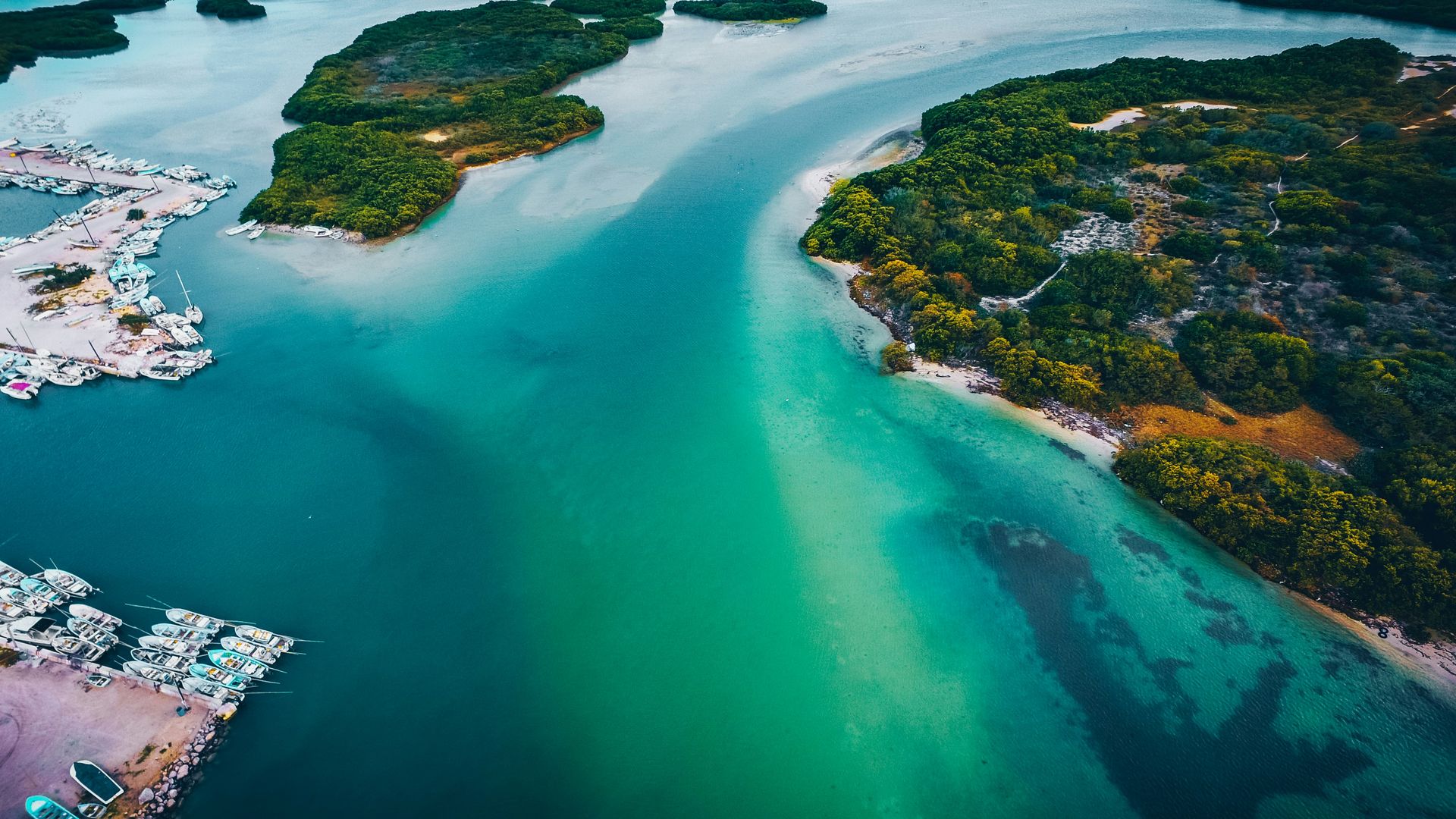
Mexico’s 6,000 miles of coastline divide cleanly into two categories in the tourist imagination: the overrun and the undiscovered. The overrun category is well documented. Cancun, Los Cabos, Puerto Vallarta, and the Riviera Maya’s all-inclusive resort corridor absorb the majority of Mexico’s international beach tourism in a concentrated strip whose hotels, beach clubs, and airport infrastructure have been optimized for volume. The undiscovered category, which is the more accurate term for the destinations on this list, exists across every coast: the Pacific side of Oaxaca and Guerrero and Jalisco and Nayarit, the Sea of Cortez and its extraordinary marine life, the Caribbean side of Quintana Roo’s southern reaches, and the Gulf of Mexico’s northern Yucatan coast all contain towns whose quality as beach destinations exceeds their international visibility.
The word “undiscovered” requires qualification. Several of the towns below are well known to Mexican domestic travelers, to the expat communities that have settled in the smaller Nayarit and Jalisco towns, and to the specific international traveler demographic whose research goes deeper than the major booking platforms’ featured destinations. The word applies more specifically to the international mass tourism market, which has not absorbed these towns into its standard itinerary. That specific quality, the absence of the resort infrastructure and the crowd dynamics that resort infrastructure produces, is exactly what the towns below offer, and the traveler who seeks it out will find it in approximately the condition that a Mexican beach town with an independent spirit and a local identity provides.
The 10 towns below appear in Travel + Leisure, covering Mexico’s Pacific and Caribbean coasts from Baja California Sur to the Yucatan Peninsula. They span the full range from the most ecologically exceptional diving to the most tranquil colonial beach town, and the variety across the 10 reflects the diversity of Mexico’s coastline.
Carolina Bastida Davis / Wikimedia Commons (CC BY-SA 3.0)
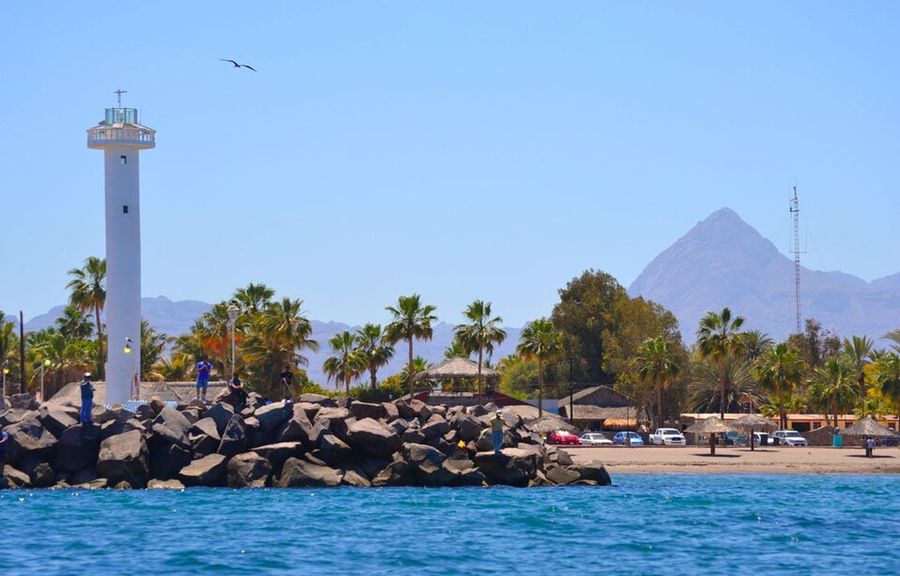
Loreto sits between red-sand mountains and the deep blue of the Sea of Cortez in Baja California Sur, and it gives the Baja traveler who bypasses Los Cabos the most historically significant and ecologically exceptional coastal town on the peninsula. Jacques Cousteau, who spent years diving and filming in the Sea of Cortez, famously called it the World’s Aquarium for the diversity and abundance of marine life that the nutrient-rich, protected waters support: whale sharks, manta rays, sea lions, dolphins, blue whales, and hundreds of species of fish inhabit the sea in concentrations that the Pacific coast’s open-ocean equivalent cannot match. The Islands of Loreto, offshore and protected as a national park, serve as the catamaran excursion's destination and the marine environment's legal protection.
The town itself provides the Baja beach experience with its most grounded historical context: Loreto was the site of the first Spanish colonial mission in the Baja California region, and Mission San Javier, a 17th-century structure in excellent preservation, accessible on a day trip inland, serves as the cultural program's most significant single destination. The Saturday beach barbecues featuring locally harvested chocolate clams give the culinary program its most specifically regional flavor, and the chilaquiles at Orlando’s restaurant give the breakfast program the specific local recommendation that the travel-savvy visitor seeks. The Loreto Bay National Park, which formally protects the Islands of Loreto and the surrounding waters of the Sea of Cortez, provides the marine environment with legal protection and visitors with the assurance that the ecosystem will be maintained in its current state.
Loreto International Airport’s direct service from multiple U.S. western cities gives the town a logistical accessibility that belies its reputation as a hidden destination, and the absence of the resort infrastructure that defines Los Cabos gives the visitor the same Baja Peninsula setting with a fraction of the tourist volume and a price structure whose affordability reflects the demand gap between the known and the discovered.
normi / Unsplash
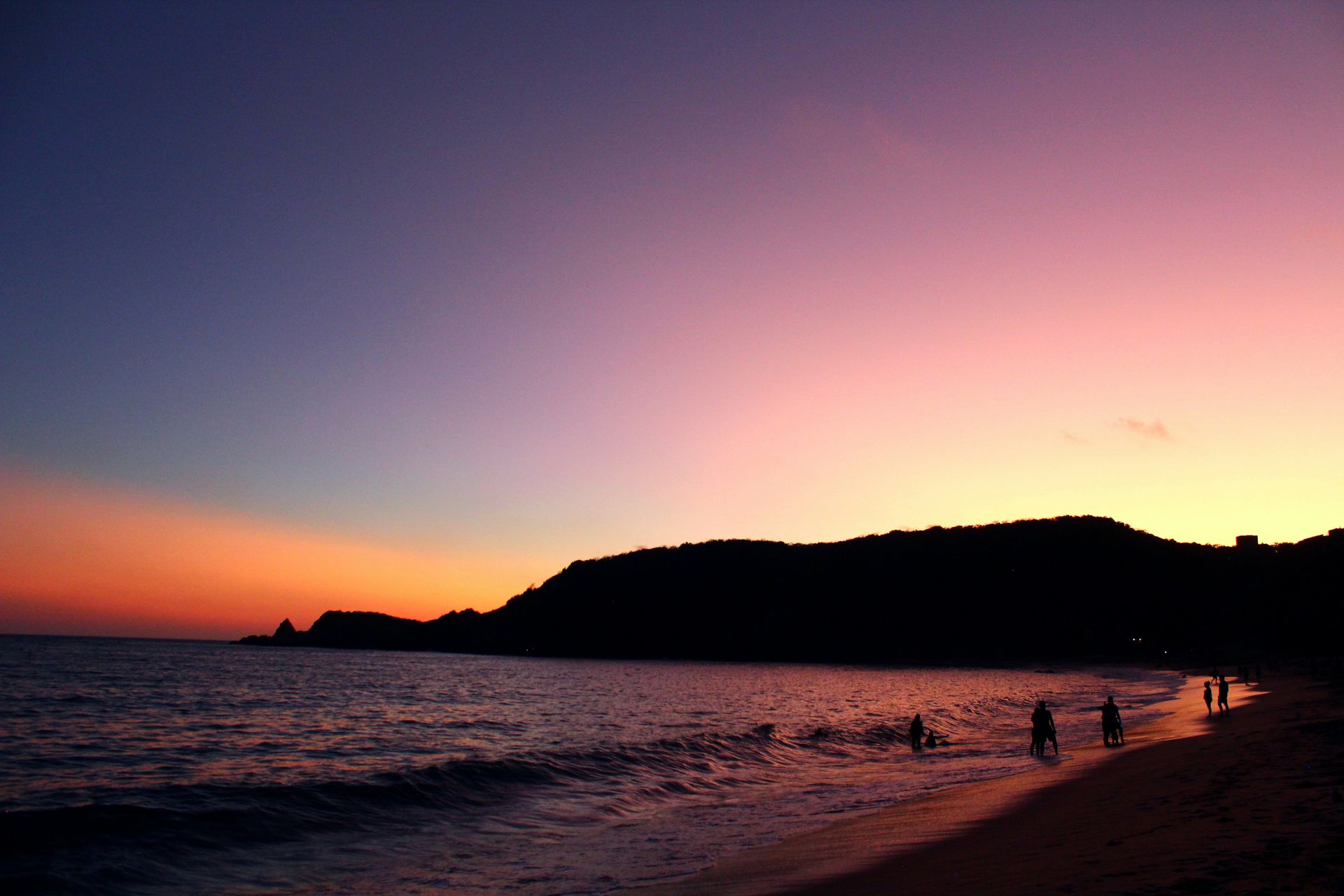
Mazunte is a small beach village on the Pacific coast of Oaxaca whose distinct character, described by Yves Naman, founder of La Valise Hotels, as raw, spiritual, and deeply rooted in Indigenous culture, sets it apart from the Mexican beach towns whose identity is defined by their tourist infrastructure. The town’s sea turtle rescue center gives it its most publicly significant ecological mission: Mazunte sits on one of the most important sea turtle nesting sites in the world, and the rescue center’s work protecting the nesting beaches and the hatchlings gives the destination a conservation context that the visitor who finds only beach chairs and frozen cocktails at other Mexican Pacific coast towns will not have encountered in the same terms.
The boutique La Valise Mazunte, which opened along a rugged stretch of the Oaxacan coastline in 2025, gives the accommodation program a specific aesthetic upgrade, with design quality that reflects the La Valise brand’s commitment to architectural specificity in remote and beautiful settings. The waves at nearby San Agustinillo provide the surf program with its closest local option, and the yoga studios catering to visitors seeking stillness give the wellness program a format that aligns with Mazunte’s identity as a destination where the spiritual dimension of the natural environment is the primary attraction.
The town is deliberately low-key: the shops, restaurants, and yoga studios give the visitor enough to do without overwhelming the setting with commercial infrastructure, and the balance between the accessible and the genuinely undeveloped gives Mazunte its most distinctive quality. The connection to the broader Oaxacan cultural landscape, including the markets and mezcal distilleries of the city of Oaxaca, accessible by road, makes the Mazunte visit a natural extension for the traveler whose interests extend beyond the beach. The biodynamic cacao and coffee operations in the surrounding Sierra Sur mountains add an agricultural dimension to the Oaxacan food itinerary, specific to this dramatic and productive mountain-to-coast geography.
Ahmet Damiroglu / Unsplash
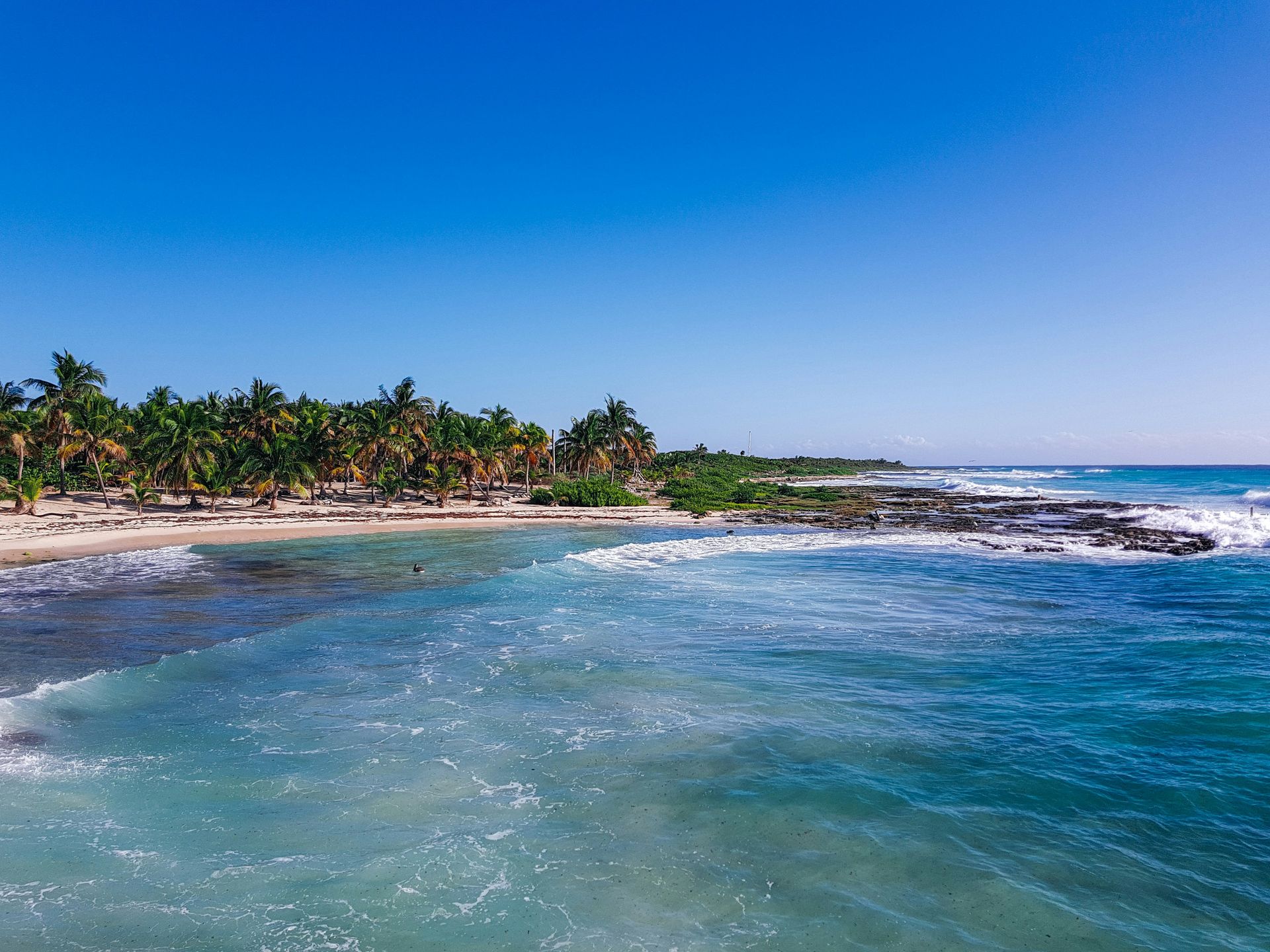
Mahahual is a small Caribbean town in the southern reaches of Quintana Roo, closer to the Belize border than to Tulum, and it offers the Caribbean diving and snorkeling traveler the most exceptional marine environment accessible from a Mexican beach town, without the development pressure that the northern Riviera Maya has placed on its reef systems. The Banco Chinchorro Biosphere Reserve, a few hours by boat from the town, protects the second-longest barrier reef in the world and the largest coral atoll in Mexico, offering the advanced diver a destination whose coral health and marine biodiversity reflect the protection afforded by the biosphere reserve designation.
The reef-wreck diving in the Mahahual area offers the dive itinerary its most historically specific dimension: Spanish galleons and other vessels from the 16th and 17th centuries lie on the coral-coated seabed, providing the wreck dive with an archaeological context specific to the colonial-era maritime trade routes the Caribbean managed. The wreck sites’ condition, preserved by the same coral growth that covers them, gives the underwater photography a visual richness specific to the centuries of marine growth that have transformed the ships’ hulls into artificial reefs.
The town itself offers the traveler a comfortable base, with a handful of shops, bars, restaurants, and beach clubs providing essential infrastructure without the resort-hotel density of the northern Caribbean coast. The separation from the Tulum tourist circuit, both geographic and cultural, gives Mahahual a distinct quiet that the traveler escaping the Riviera Maya’s commercial energy will find restorative. The coastal road that connects Mahahual to Chetumal to the south and to the Riviera Maya to the north gives the town its access without making it a transit point. The Sian Ka’an Biosphere Reserve, accessible further north along the same coast, gives the Mahahual visit an adjacent protected area whose mangrove forests, lagoons, and pristine beaches give the coastal natural program its largest single protected footprint on the Caribbean coast of Mexico.
Normando Mariscal / Unsplash
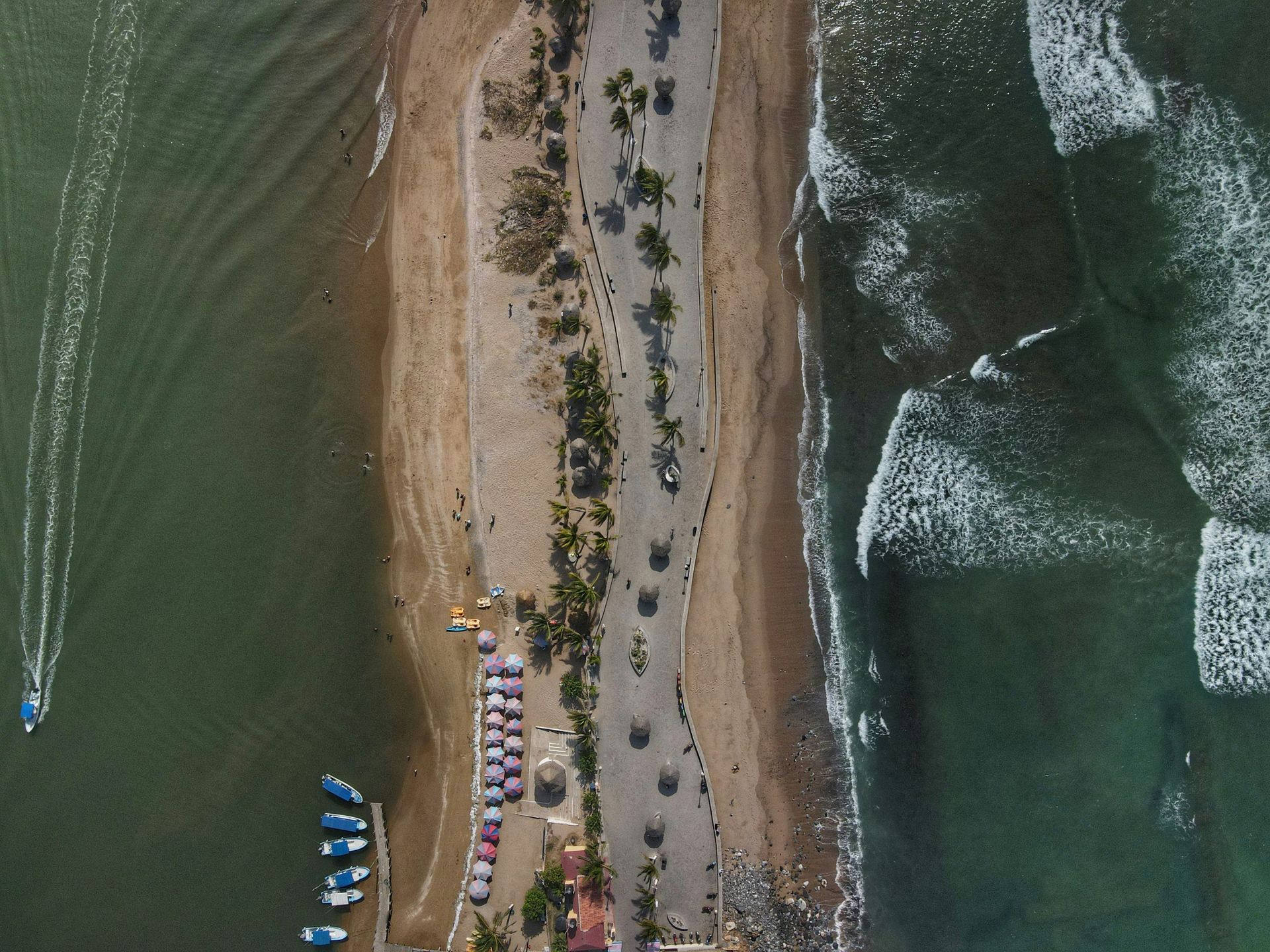
Barra de Navidad is a small beach town on Mexico’s Costalegre, the Happy Coast of Jalisco, whose locally earned reputation for relaxed quality gives it the best single stop along a coastal stretch that runs south from Puerto Vallarta through a series of fishing villages and surf escapes whose resistance to resort development has maintained their character. The town’s shared bay with Melaque offers a picturesque malecón seaside promenade whose crowds are a fraction of Puerto Vallarta’s, and the simple cluster of restaurants, shops, and hotels along the beachfront provides a self-contained leisure program for the small-town beach vacation.
The nightlife, when it exists, has the specific character of the beach town variety: cold beers on the sand, live music played at a volume appropriate to a setting where the ocean is the dominant sound, and the absence of the Cancun-style production infrastructure that the larger resort corridors assemble. The beach’s quality, cited by locals as the best in the region, gives the town its primary recreational credential.
The nearby accessible beach in Cuastecomates adds an extra, especially notable dimension to the Barra visit: it is the first fully accessible beach in Jalisco, with a wooden boardwalk, specially adapted wheelchairs, amphibious crutches, and snorkeling equipment available for visitors with mobility limitations. The accessibility investment gives the region a coastal recreation option that is inclusive to this beach and whose existence reflects a commitment to coastal access that the majority of Mexico’s beach destinations have not yet matched in the same formal terms. The Costalegre coast’s UNESCO designation as a biosphere reserve gives the broader landscape surrounding Barra de Navidad a formal environmental protection whose permanence gives the small beach town its most important single guarantee against the resort development pressure that the region’s extraordinary natural beauty perpetually and inevitably attracts from the developers who have recently discovered and begun targeting the Costalegre as the next major Mexican beach destination.

stephan hinni / Unsplash
San Pancho is a small beach town on the Riviera Nayarit coast between Puerto Vallarta and the exclusive Punta Mita development, and it gives the surf traveler the Nayarit Pacific coast experience in its most genuinely local and family-friendly form. As Sayulita, the coastal town immediately to the south, has absorbed increasing tourist development and the social character that accompanies it, San Pancho has maintained the small-town beach atmosphere that the Nayarit coast’s original appeal depended on: a beautiful beachfront, a relaxed community character, boutique hotels and rental homes whose scale reflects the town’s proportions, and restaurants whose no-frills quality gives the dining program a specific authenticity specific to a place that has not yet been optimized for tourist expectations.
The surf quality gives San Pancho its primary active recreation credential: the town is recognized as one of Mexico’s best surf destinations for the Pacific swells that the coast receives from the south and west, and the break’s character, more consistent and slightly less crowded than Sayulita’s increasingly busy lineup, gives the intermediate and advanced surfer a better daily wave count than the more famous neighbor provides.
The family-friendly atmosphere gives San Pancho a demographic openness that the surf town stereotype does not always predict: the absence of the nightclub infrastructure that the larger resort towns develop, and the presence of the restaurants and beach activities whose appeal spans age groups, give the family whose adults want to surf and whose children need more than aggressive waves a specific beach town option on a coast that the resort model has not fully claimed. The Entreamigos community center in San Pancho, whose programs for local youth and environmental education give the town an active civic dimension specific to a community with an invested and international residential population, gives the visitor a social context specific to the kind of place that retains its character precisely because its residents care about the outcome.
Mike CruX / Unsplash
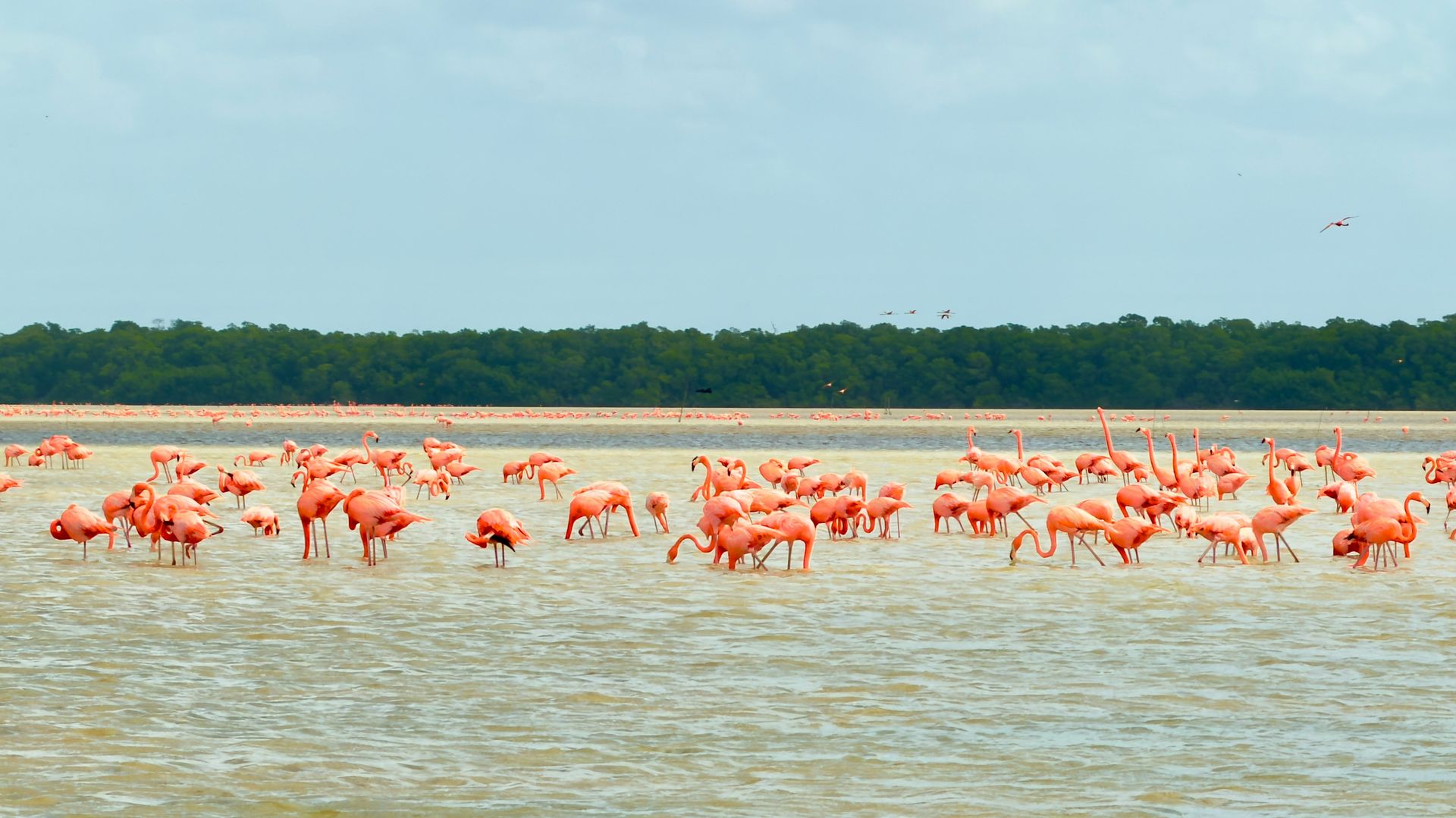
Celestún is a beach town on the northwestern coast of the Yucatan Peninsula, an hour and a half from Mérida, and it gives the Yucatan traveler the Pacific contrast to the Caribbean-facing Riviera Maya: white sand beaches, crystal water, and the specific character of a coastline whose permanent natural protection gives the visitor the explicit assurance that the development pressure transforming other parts of the Mexican coast will not reach Celestún. The Reserva de la Biosfera Ría Celestún, which surrounds and defines the town’s ecological context, gives the biosphere reserve designation its most colorful single expression: the flamingo colonies that inhabit the lagoons give the excursion boats their most photographed subject, and the flocks of hundreds of flamingos feeding in the shallow water give the full-day lagoon excursion a spectacle specific to this corner of the Yucatan.
The flamingos are the primary draw, but the hummingbirds, herons, spoonbills, and the full range of the reserve’s bird species give the birding program a depth that the flamingo-focused itinerary only partially captures. The mangrove passages and the lagoons that stretch parallel to the sea give the boat tour a landscape that changes character across the excursion, from open lagoon to enclosed channel to the open beach where the reserve meets the Gulf of Mexico.
Mérida’s position as a base camp gives the Celestún visit a cultural anchor that the beach town alone cannot provide: the colonial architecture, the Yucatecan cuisine, and the archaeological access to Uxmal and the Chichen Itza day trip give the traveler who uses Mérida as a base a varied program whose beach component is Celestún, not the Riviera Maya’s crowded alternative. The Gulf of Mexico fishing culture that sustains the Celestún community gives the seafood program its freshness and its specificity: the fish tacos, the ceviche, and the grilled whole fish at the waterfront restaurants reflect the morning’s fresh catch from the fishing boats still visible on the water from the table.
02-900x634.jpg)
José González Peña / Wikimedia Commons (CC BY-SA 4.0)
La Manzanilla is a small beach town on Tenacatita Bay on the Jalisco Costalegre, whose most immediately distinctive feature is the crescent of sand that curves across the bay, providing a protected swimming and sunbathing area whose calm water reflects the bay’s partial enclosure. The town’s character is the simplest and most authentically local of the Costalegre destinations: beachfront bars serving cool coconuts and freshly grilled seafood, hotels and guesthouses whose scale reflects the town’s village proportions, and the specific atmosphere of a Mexican beach town that has not yet been discovered by the resort development cycle.
The nearby estuaries and mangrove forests offer the active visitor a wildlife-watching program, with crocodiles, brilliantly colored birds, and the diverse fauna of the lagoon ecosystem, extending the trip beyond the beach. The crocodile sightings in the estuary give the ecotourism component its most attention-grabbing single encounter, and the boat tours that navigate the mangrove channels offer the visitor a close-up wildlife experience specific to the coastal wetland habitat.
The Four Seasons Resort Tamarindo, on a clifftop immediately to the south of La Manzanilla, gives the area a luxury accommodation option whose design and setting represent a specific vision of the Mexican Pacific coastal resort: clifftop, architecturally distinctive, and positioned at the outer edge of the Costalegre in a way that gives it access to the region’s natural beauty without transforming La Manzanilla’s character. The resort’s presence has not yet changed the town, and the town’s continued simplicity reflects the Costalegre’s broader resistance to the resort development model. The Tenacatita Bay’s snorkeling, whose underwater coral formations and fish populations give the swimming day its natural dimension beyond the beach, and the pelicans, frigatebirds, and herons whose aerial presence above the bay give the beach day its wildlife component without requiring a separate excursion, give La Manzanilla a completeness specific to a place whose natural environment is integrated into the daily experience, not separated into a designated activity.
Credit: Visit Mexico
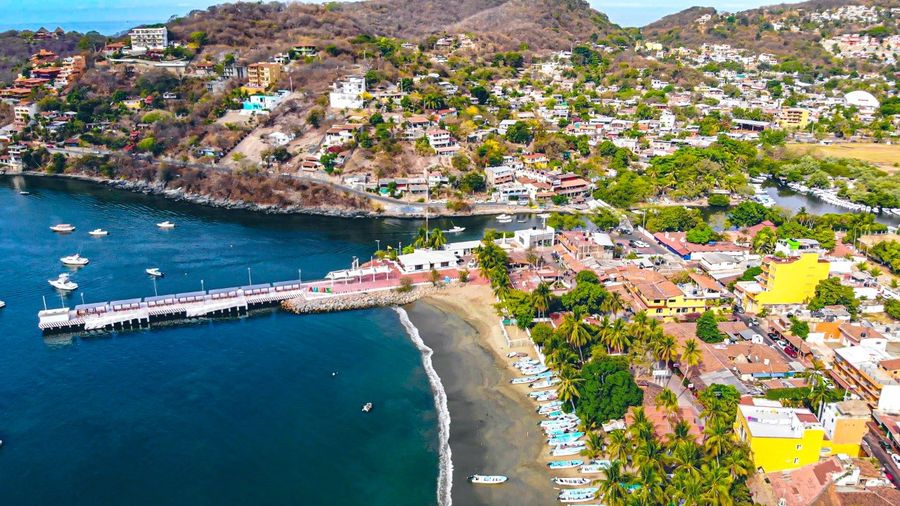
Zihuatanejo is a small beach city on Mexico’s Pacific coast in the state of Guerrero whose international cultural visibility is almost entirely attributable to its appearance in the final scene of The Shawshank Redemption, where it represents the freedom and beauty that the film’s protagonist had dreamed of for decades. The film’s reputation has given Zihuatanejo a specific resonance among international travelers who have seen it, but the town has nonetheless remained the kind of relaxed, affordable Pacific beach destination that the film depicted, largely because the resort development that accompanied the planned city of Ixtapa next door concentrated the commercial infrastructure in Ixtapa and left Zihuatanejo’s older character intact.
Playa La Ropa, the town’s most celebrated beach, has attracted quality boutique hotels, including the Thompson Zihuatanejo, whose arrival on the sand gives the beach a specific accommodation upgrade without transforming the beach’s character. Playa Las Gatas, accessible by water taxi from the pier, offers a more secluded beach, with protected waters and a smaller crowd, creating a beach day with a specific intimacy, appropriate to a town whose appeal rests precisely on the absence of mass tourism.
The town’s walking-distance concentration of affordable accommodations, restaurants serving fresh Pacific seafood, and the beach, whose cold Coronas and evening sunsets give the day its natural structure and ending, give Zihuatanejo the specific pleasures of the Pacific beach town at its most uncompromised. The neighboring Ixtapa offers a resort hotel strip accessible within minutes for visitors who need more activity, giving the Zihuatanejo base the option of both worlds. The archaeological zone of La Chole, near Zihuatanejo, gives the culturally minded visitor a pre-Columbian site specific to the Guerrero coast’s deep indigenous history. The snorkeling at Playa Las Gatas, where the protected water conditions provide visibility and fish diversity specific to the cove’s calm, gives the beach day an underwater dimension that the more exposed beaches of the Pacific cannot offer in the same consistent way.
Stan Shebs / Wikimedia Commons (CC BY-SA 3.0)
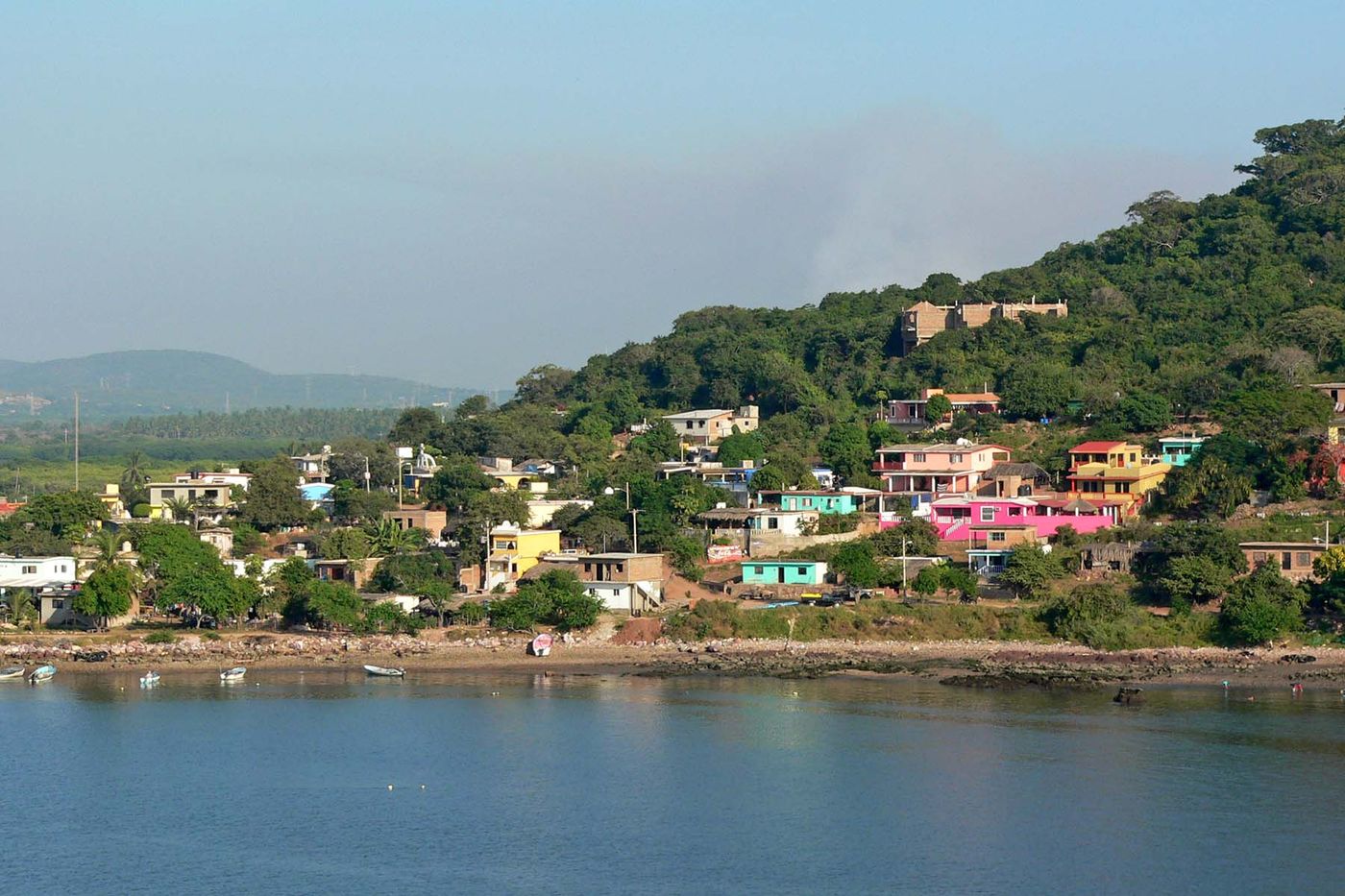
Mazatlán is the largest city on this list and gives the under-the-radar Mexican beach town category its most urban and historically layered example: a Pacific port city in the state of Sinaloa whose colonial historic center, active fishing industry, and the malecón that the city claims as one of the world’s longest seaside promenades give the destination a complexity that the purely beach-resort town cannot match in the same depth. The malecón’s length, running along the Pacific coast through the tourist zone and into the older parts of the city, gives the pedestrian a sunset walk specific to a city whose Spanish colonial past is visible in the architecture of the historic center and whose contemporary identity includes a culinary culture whose seafood specialties reflect the Pacific’s specific seasonal offerings.
The Dreams Estrella del Mar Mazatlán Golf and Spa Resort, which opened in 2024 as the first resort of its scale in the area, offers an accommodation program that marks the beginning of the upscale resort development that Mazatlán’s growing international profile is attracting. The airport’s direct service from both domestic Mexican cities and U.S. departure points gives the town logistical accessibility that the more remote Pacific destinations cannot match, and the historic center, the beach, the seafood culture, and the malecón together offer a program whose variety rewards a multi-day stay.
The seafood program gives Mazatlán its most locally specific culinary credential: the shrimp, the marlin, and the specific Pacific reef fish that the local fishing boats bring in give the restaurants a freshness and a specificity that the landlocked destination’s equivalent seafood cannot approach, and the city’s reputation for seafood excellence among Mexican domestic travelers gives the recommendation a local validation that the international guidebook’s endorsement supplements. The Carnival celebration in Mazatlán, one of the largest in Mexico and held each year before Lent, gives the calendar-aware visitor a cultural event specific to the city’s festive identity.
Jorge Zapata / Unsplash
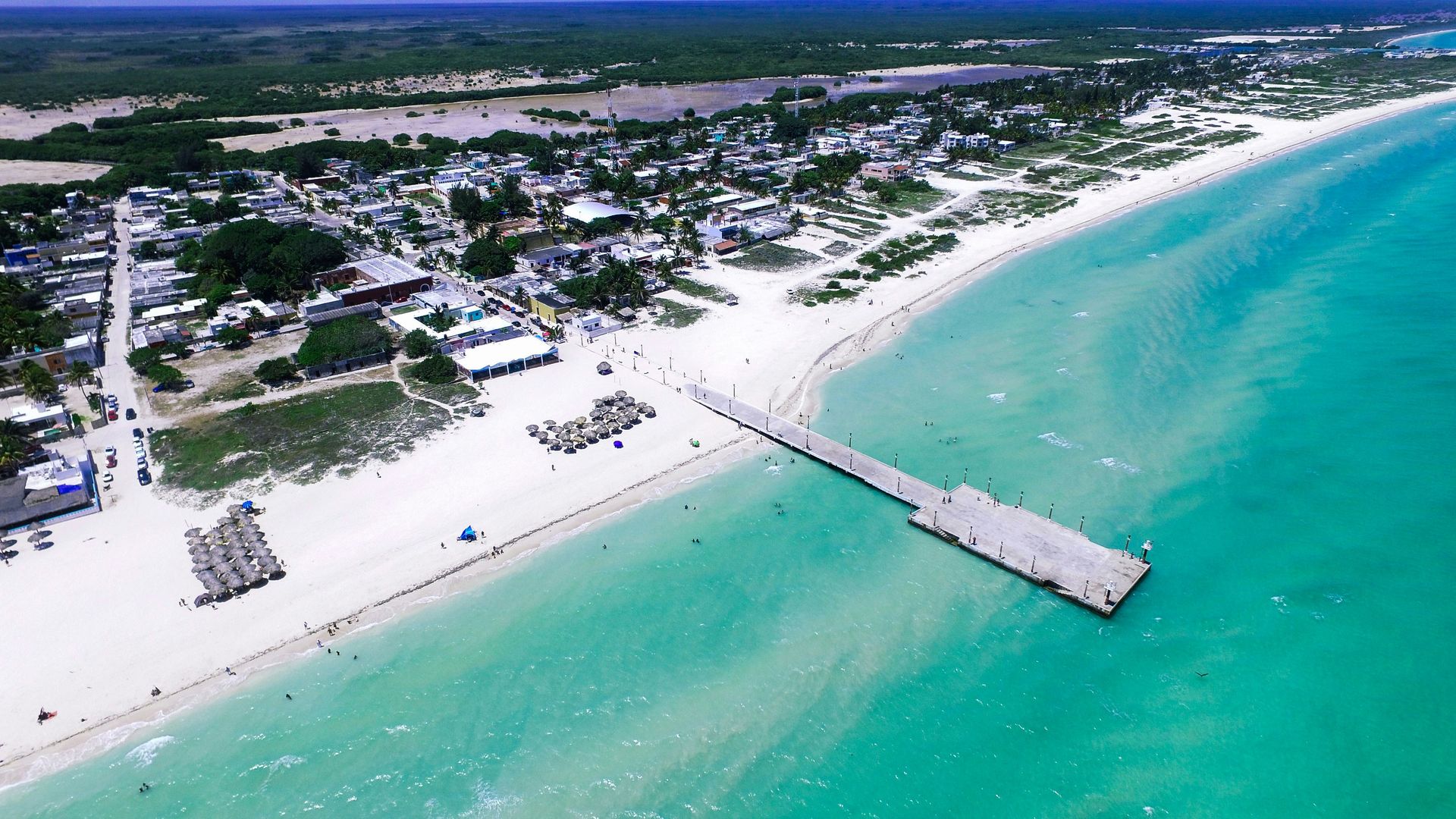
Sisal is a small fishing town on the northern coast of the Yucatan Peninsula with the designation of pueblo mágico, a Mexican federal recognition given to towns of particular historic and cultural significance, and its history as a colonial port gives the beach visit a specific historical dimension that the purely resort-oriented beach towns of the Yucatan Peninsula’s Caribbean coast do not provide. The port’s strategic importance in the colonial era, when Sisal’s name was applied to the agave fiber whose export through the port gave the global rope industry one of its most durable materials, has faded with the development of deeper ports further along the Yucatan coast, but the town’s historic architecture and its village character have persisted alongside the beaches.
The eco-tourism program gives Sisal its most active leisure component: guided kayaking trips through the mangroves give the visitor access to the coastal lagoon ecosystem,, whose colorful fish, flowering tropical plants, and bird populations add a natural history dimension to the paddle, specific to the Yucatan’s coastal wetland environment. The mangrove channel’s ecosystem service, as nursery habitat for the Gulf of Mexico’s fish population and as the primary storm buffer for the low-lying Yucatan coast, gives the kayaking tour its most practically significant natural context.
The highway connection to Mérida, about 45 minutes away, gives Sisal the same cultural base camp option that Celestún provides: the traveler who uses the colonial city as a primary base and visits Sisal for its beaches and mangroves gives the Yucatan itinerary a coastal component that the Riviera Maya’s Caribbean equivalent cannot provide in the same uncrowded and historically layered terms. The boutique hotels and inns within the town itself, including the stylish Club de Patos, give the visitor who wants to stay on the coast their accommodation options. The seasonal flamingo sightings at the Sisal lagoon give the town a wildlife dimension that Celestún’s biosphere reserve emphasizes more fully, but that Sisal offers in a quieter, more locally intimate context, specific to a small fishing town rather than a designated, managed wildlife destination.
