
The 5 best U.S. airlines for business travelers
From United's 1,000-plus worldwide lounges to Southwest's best-in-class reliability and fares under $600, the best airlines for business travelers
David Syphers / Unsplash
Corporate travel keeps rising, seemingly immune to increasing travel costs, and this specific pattern has made the true frequent flyer, the business traveler, a genuinely distinct traveler type worth evaluating on its own terms. Someone booking two or three flights a month for work cares about fundamentally different things than someone booking one leisure trip a year, from same-day flight changes to guaranteed seat availability to how quickly elite status actually kicks in. For 14 years, a separate ranking has covered airline loyalty programs for leisure and everyday travelers, but this specific evaluation exists purely to serve the road warrior instead.
Researching and scoring airlines based on factors including flight availability, elite status benefits, reliability, and amenities that enhance traveler comfort and productivity reveals which carriers actually deliver for this specific type of flyer. Route density in major business hubs, how fast meaningful perks unlock, and genuine operational reliability all separate an airline built for road warriors from one built primarily around occasional leisure travelers. Twenty-four highly trafficked business routes, spanning short, medium, and long distances, formed the backbone of this particular evaluation.
The five airlines below appear in U.S. News & World Report, covering the best US airlines for business travelers for 2026-2027. To qualify for consideration, an airline needed to be based in the United States and operate at least 1,000 daily domestic flights; only five carriers ultimately met that threshold for this inaugural ranking. Flight availability carries the heaviest single weight in the overall scoring, at 35%, followed by ease of earning elite status and benefits at 20%. Airline quality, network coverage, airline amenities, and overall point redemption power each genuinely round out the remaining scoring categories used throughout this particular annual industry ranking of carriers today.
1. United spans the widest business-friendly hub network
Henry Siismets / Unsplash
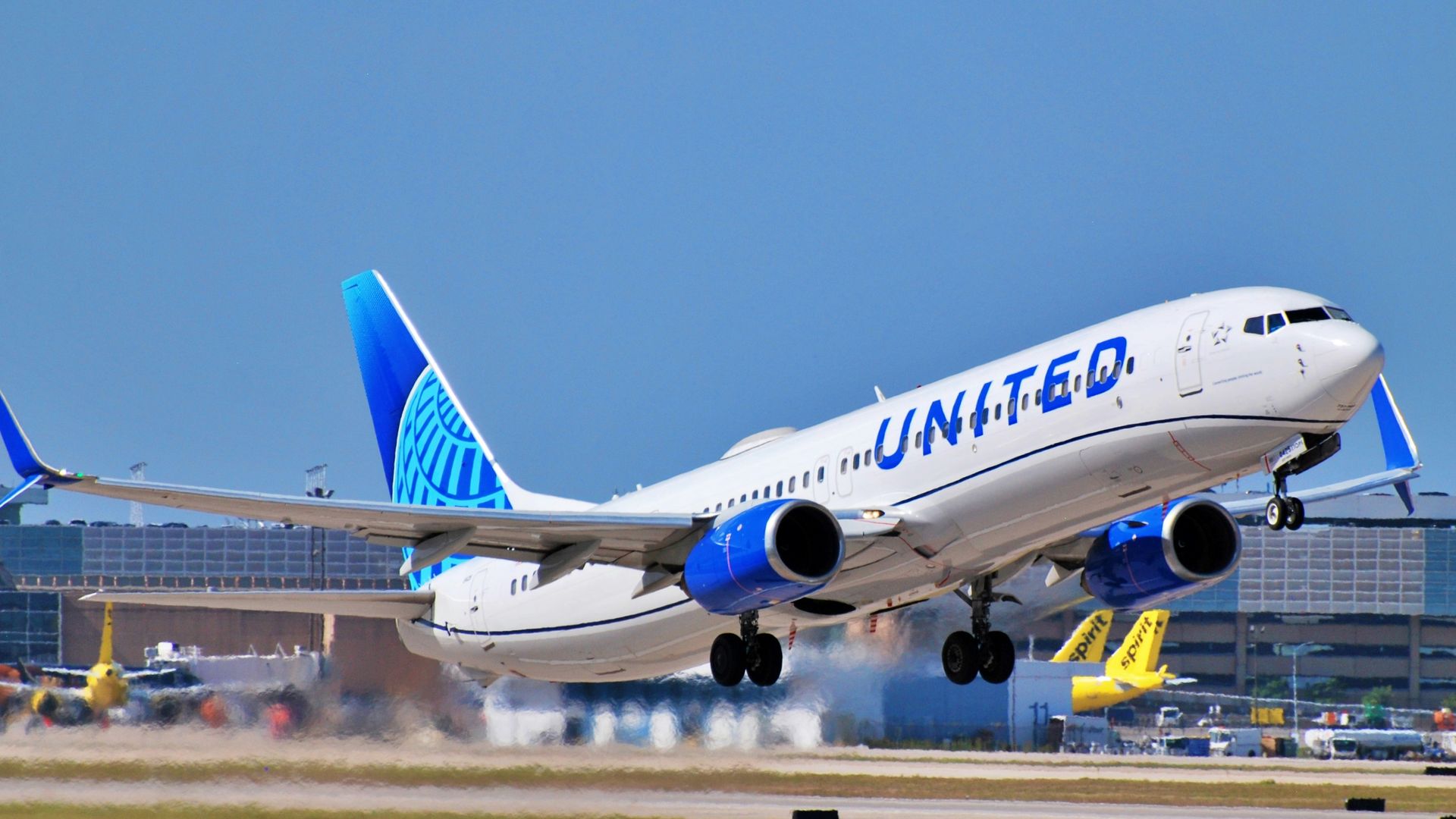
Beyond its convenient schedule density, United Airlines rewards frequent travelers with benefits that genuinely ease their travel day. Road warriors can quickly attain perks crucial to business travel, including same-day confirmed flight changes, guaranteed seat availability and expedited security, all without needing to accumulate years of loyalty before these benefits actually kick in.
Thanks to United’s membership in the Star Alliance, professionals looking to kick back or freshen up before a flight will find more than 1,000 lounges worldwide, giving frequent travelers considerably more options than a single airline’s own network could provide alone. This alliance-driven lounge access matters especially for travelers connecting through unfamiliar international airports where United itself might not operate its own dedicated space.
United’s major hubs include Chicago’s O’Hare, Denver, Houston’s Bush Intercontinental, Los Angeles, Newark serving the New York City area, San Francisco and Washington, D.C.'s Dulles Airport. This spread of hubs across major business centers on both coasts and throughout the middle of the country gives United genuinely strong coverage for professionals whose work takes them across a wide range of American cities.
This pairing of fast-unlocking perks and an unusually broad hub network gives United real staying power at the top of this particular ranking, since few competitors can match both the speed of earning benefits and the sheer geographic reach simultaneously. Flight availability carries the heaviest weight of any single scoring category in this ranking, at 35%, reflecting just how much a carrier’s actual route density in major hubs matters to genuinely frequent business travelers. Lounge access ranks among the more heavily weighted individual benefits in this ranking’s scoring system, worth up to 5 points plus an additional 3-point bonus for programs offering automatic access through a co-branded credit card. Network coverage scoring also weighs the U.S. and Canada region most heavily among all global regions evaluated, worth up to 2.5 points, reflecting how much domestic and near-domestic reach matters to the typical American business traveler.
2. Delta delivers the most comfortable cabin experience
Forsaken Films / Unsplash
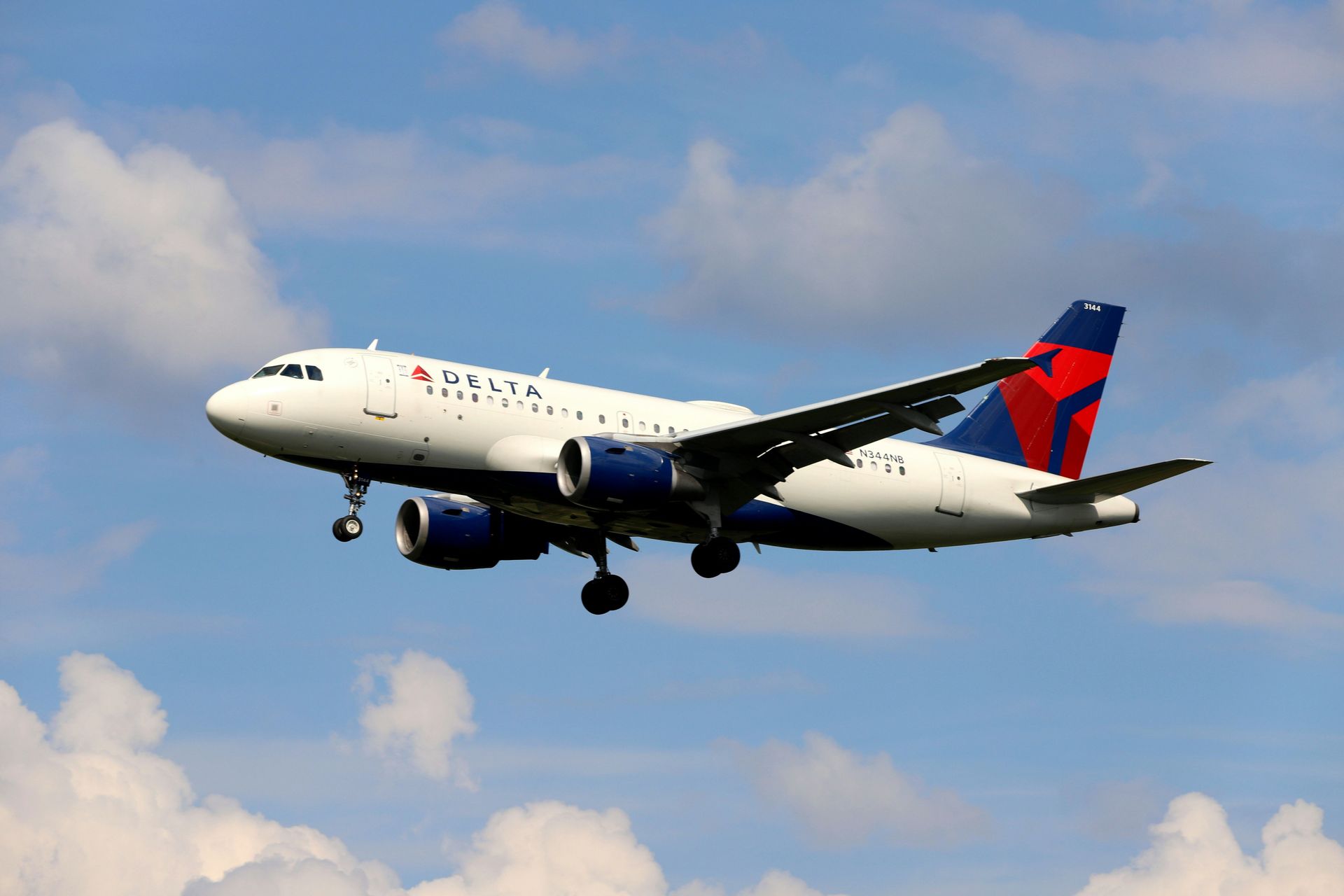
Delta Air Lines stands as the top choice for a genuinely cushy in-flight experience among the airlines covered in this ranking. Free Wi-Fi and seatback screens stay prevalent across the fleet, perfect for travelers who need to clear out their inbox mid-flight or simply enjoy some well-deserved downtime between meetings.
A laptop fits considerably better too, thanks to Delta’s genuinely spacious main cabin seating, a detail that matters more to business travelers working through a flight than to leisure passengers simply watching a movie. Delta’s flight availability, high on-time arrival percentage and flagship Sky Club lounge network firmly secure the airline’s spot within this particular ranking.
Delta’s major hubs include Atlanta, Boston, Detroit, Los Angeles, Minneapolis, both JFK and LaGuardia serving New York City, Salt Lake City and Seattle. This spread gives Delta genuinely strong coverage across the South, Midwest, Northeast and West Coast simultaneously, rounding out a network built to serve business travelers regardless of which specific region their work takes them.
This particular pairing of onboard comfort and reliable operational performance gives Delta genuine appeal for business travelers who prioritize the actual flying experience itself over simply the fastest possible path to elite status. Airline quality counted for 15% of a carrier’s overall score in this ranking, drawing from Bureau of Transportation Statistics data on-time arrival rates, mishandled luggage and consumer complaints, and Delta’s strong operational performance genuinely helped its standing in that specific category. In-flight experience scoring specifically weighs free Wi-Fi coverage at 30% and main cabin legroom at 15%, and Delta’s genuinely strong performance across these fleet-wide amenities reflects a deliberate investment in passenger comfort. The availability of a dedicated premium business-class cabin also factors into in-flight experience scoring, worth 5% of that subcategory, rounding out the full range of comfort-focused metrics considered. Lounge network scoring specifically rewards airlines with more than 40 flagship lounges with the maximum score, and Delta’s flagship Sky Club network reflects a considerable long-term investment in that particular amenity category.
3. American flies the most direct business routes
Ross Sokolovski / Unsplash
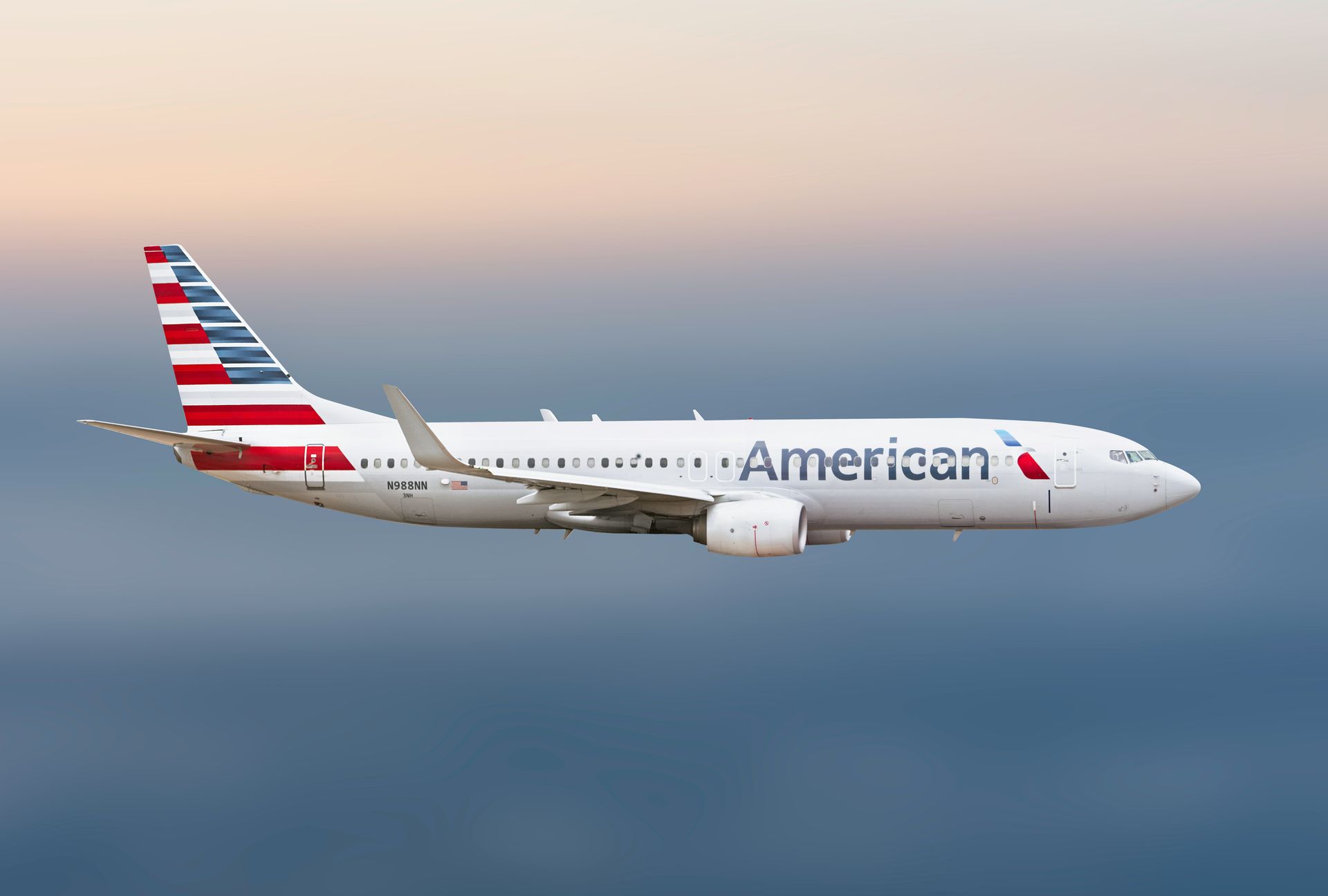
Travelers $TRV booking last-minute, working under a strict schedule, or heading to an on-site meeting in a secondary city stand a genuinely good chance of finding American Airlines can get them there on a direct flight. This airline boasts the highest flight volume and coverage among carriers in this ranking, averaging approximately 11 direct flights per day to popular business hubs.
This schedule flexibility, paired with a top-rated loyalty program that continually incentivizes members even between status tiers, makes American a genuinely solid choice for business travel specifically. Travelers who fly frequently but haven’t quite crossed into the highest elite tiers still find meaningful value throughout American’s rewards structure.
American’s major hubs include Charlotte, Chicago’s O’Hare, Dallas-Fort Worth, Los Angeles, Miami, both JFK and LaGuardia serving New York City, Philadelphia, Phoenix and Washington, D.C.'s Reagan National Airport. This considerable spread of hubs across the country gives American genuinely dense coverage in secondary and tertiary business markets that some competing airlines serve less frequently.
This particular strength in direct-flight density gives American real appeal for professionals whose work regularly takes them to smaller or less obvious business destinations, instead of just the handful of largest US cities most competing airlines already prioritize heavily. Flight availability scoring specifically measured the average number of total direct flights available across 24 highly trafficked business routes, and American’s genuinely high volume in this category reflects its considerable emphasis on frequency over other factors. Number of daily flights counted for 5% of a carrier’s overall score, and airlines operating 5,000 or more daily domestic flights earn the maximum score of 5 in that particular category within this methodology. This ranking’s ease-of-attaining-status segment also checks whether a program requires no minimum dollar spend to achieve status at all, one of seven specific criteria evaluated under that particular portion of the methodology. Data collection for this ranking specifically took place in June 2026, and American’s strong showing in the flight availability category reflects direct measurement of its actual scheduled routes during that particular window.
4. Alaska unlocks the strongest point redemption value
Y S / Unsplash
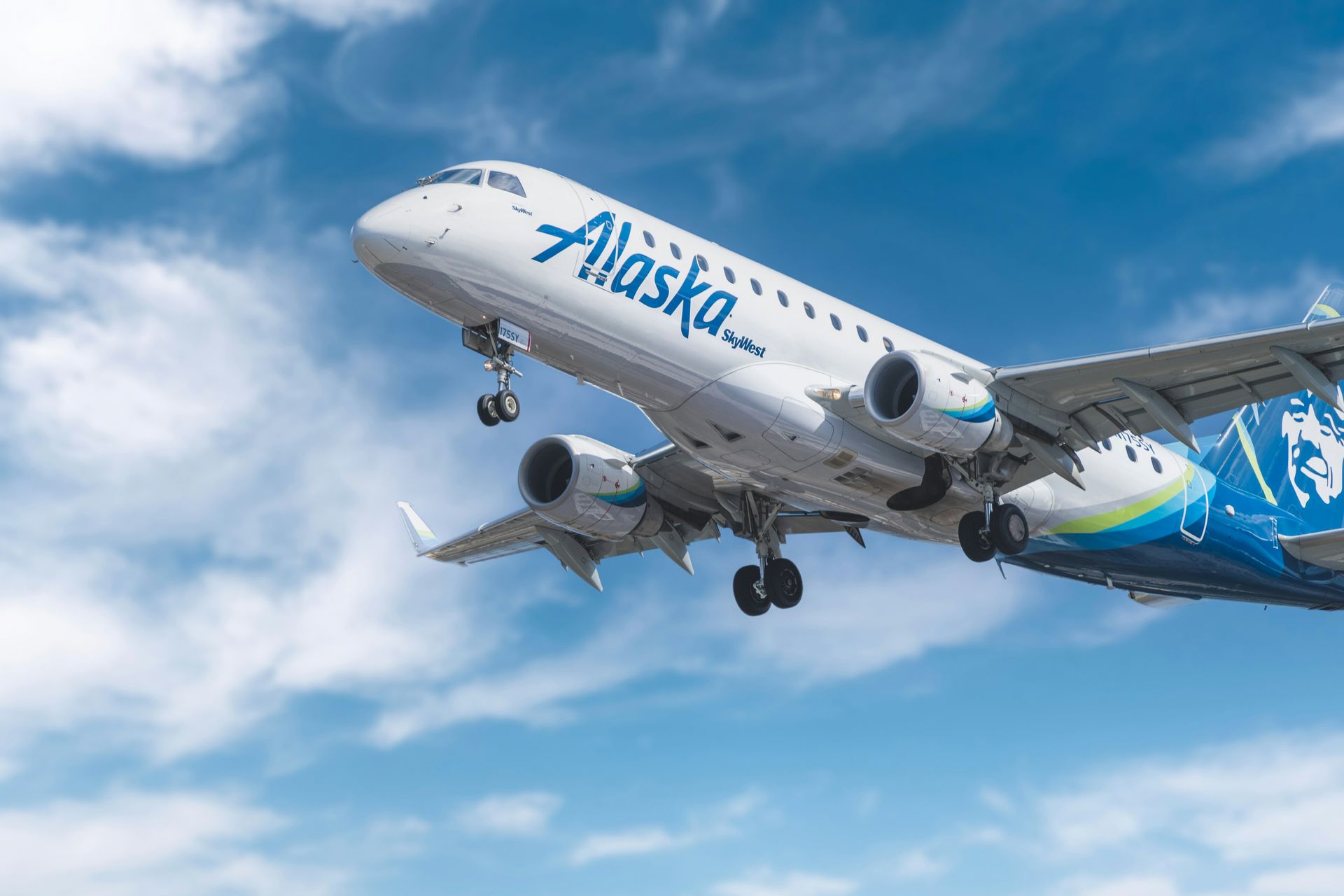
Racking up points and miles for a personal vacation ranks among the major perks of life on the road, and Alaska Airlines’ Atmos Rewards program holds the highest point redemption power of any brand in this particular ranking. This means business travelers accumulating points through routine work trips can convert them into genuinely meaningful personal travel considerably faster than with competing programs.
The versatile program will soon allow members to choose how they accumulate miles, so cross-country flyers can collect points per mile flown, puddle jumpers can earn per segment instead, and those lucky enough to expense business class fares can earn per dollar spent. This flexibility lets Alaska’s program adapt to genuinely different travel patterns instead of forcing every type of flyer into a single earning structure.
Thanks to these flexible earning paths, frequent flyers can unlock seat upgrades and expedited security in genuinely little time compared with programs requiring a much larger volume of flights before similar perks kick in. Alaska’s major hubs include Anchorage, Honolulu, Los Angeles, Portland, Oregon, San Diego, San Francisco, and Seattle, giving the airline particularly strong coverage across the West Coast and Pacific region.
This pairing of genuinely strong point value and flexible earning options gives Alaska real appeal for business travelers who want their work travel to meaningfully subsidize personal trips down the road. Point redemption power counted for 10% of a carrier’s overall score in this ranking, based on typical miles earned per flight, the average point balance required for an award ticket and the number of paid flights needed to earn a free one. This ranking’s ease-of-attaining-status segment specifically checks whether members can choose how to earn points, whether based on miles flown, dollars spent or another method, a flexibility criterion Alaska’s upcoming program changes directly address. This ranking also evaluates whether a program offers a premium, invite-only tier reserved specifically for the highest-spending members, one of several criteria factored into the broader ease-of-attaining-status segment.
5. Southwest keeps flights reliable and fares affordable
Forsaken Films / Unsplash
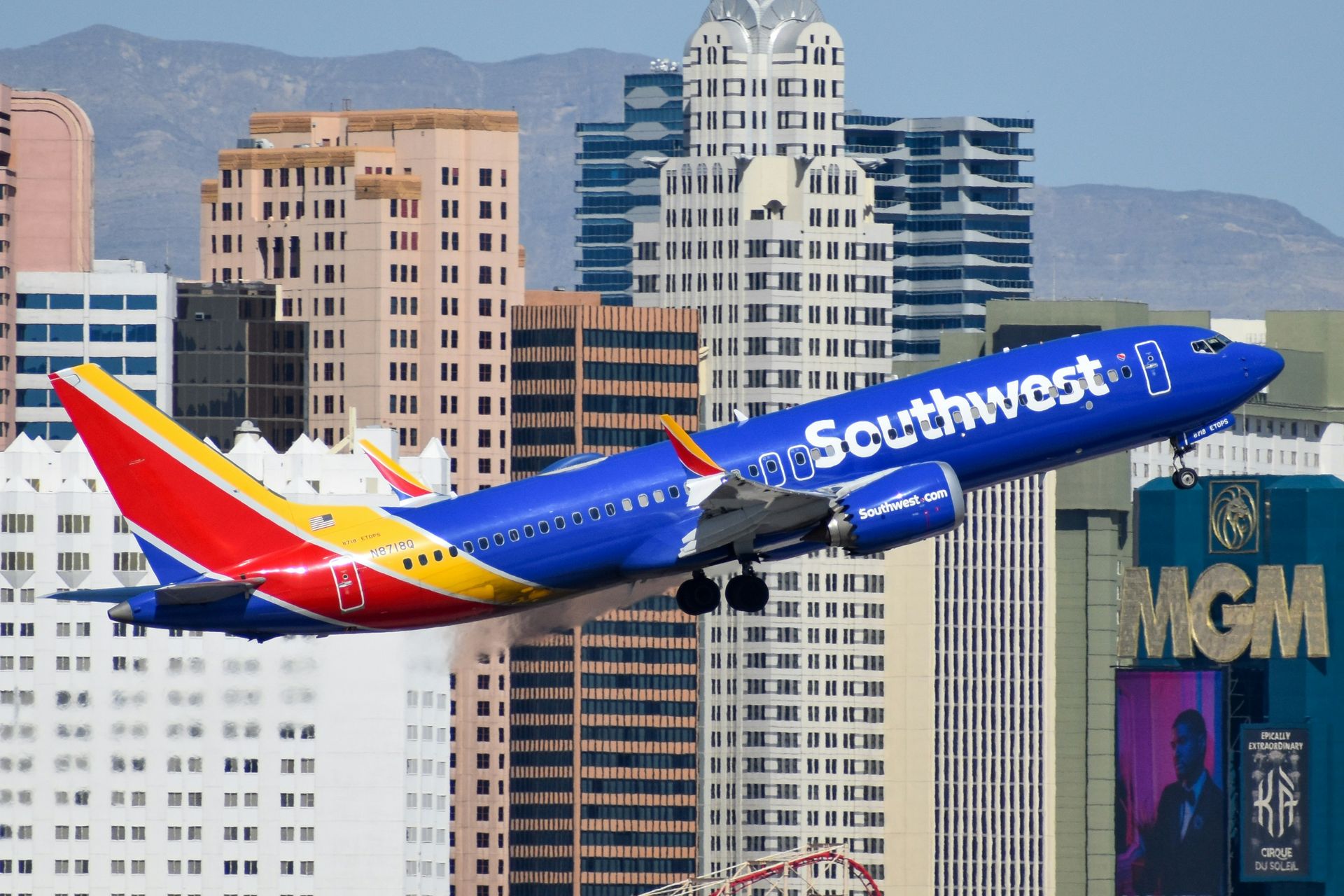
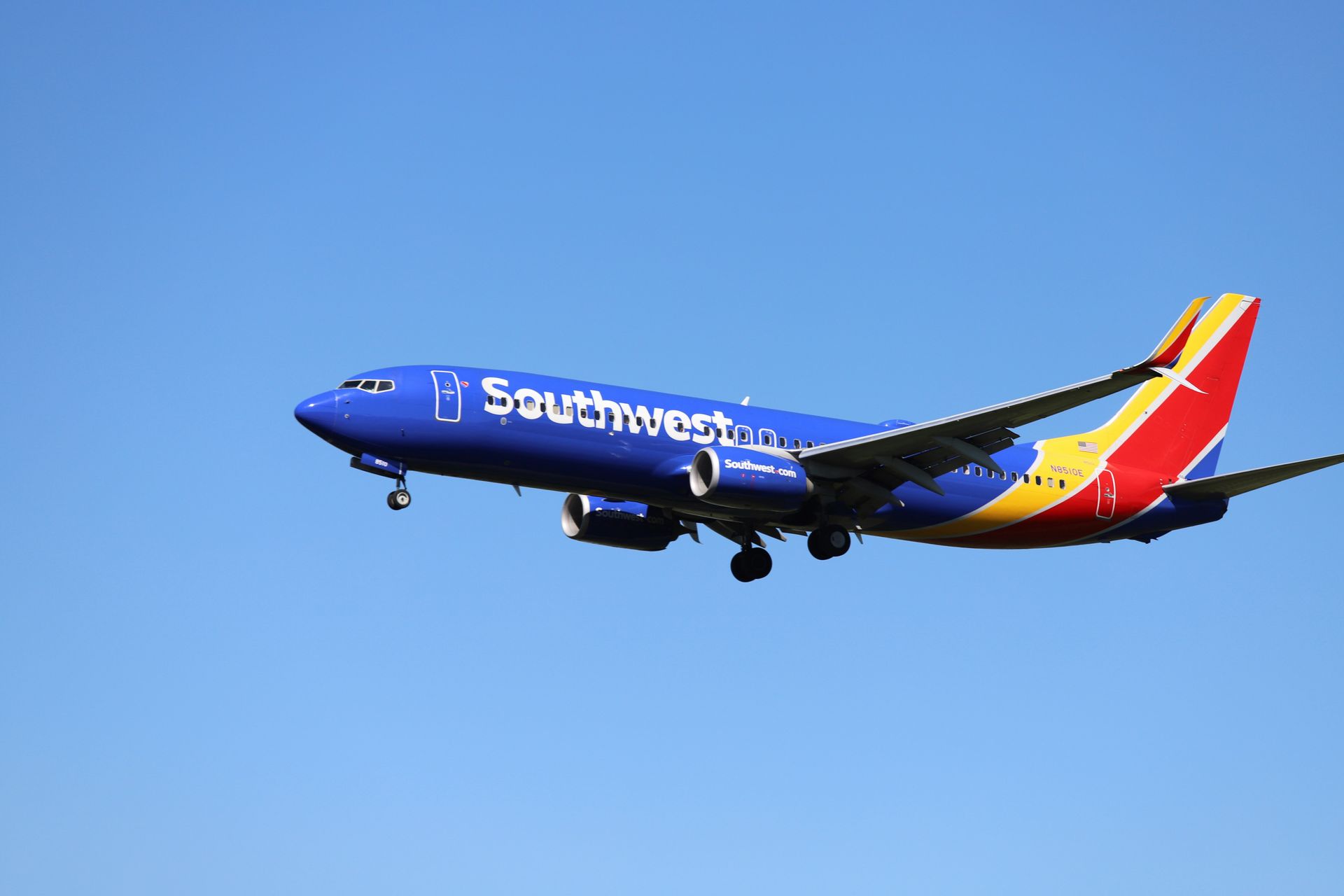
Business travelers know all too well how quickly a travel day can unravel due to flight cancellations, lost luggage, or soul-crushing delays. Ranking as best in class for airline quality based on 2025 data, Southwest Airlines minimizes those particular pain points through genuine reliability and hassle-free, same-day flight changes available to all passengers except those holding Basic fares specifically.
Travelers $TRV working under a strict corporate budget find that the airline offers the highest volume of available round-trip flights under $600, a figure reflecting the average round-trip price cap for corporate travel across various industries. This affordability, paired with genuinely strong reliability metrics, gives Southwest real appeal for companies specifically trying to control travel costs without sacrificing dependability.
Southwest’s major hubs include Baltimore, Dallas’s Love Field, Denver and Houston’s Hobby Airport, a considerably smaller network than some competitors covered elsewhere in this ranking. This more concentrated hub structure still gives Southwest genuine strength for business travelers whose work regularly routes them through these specific cities.
This particular pairing of operational reliability and genuinely affordable fares gives Southwest real appeal for cost-conscious companies and travelers alike, even without the expansive international network some competing airlines in this ranking offer instead. Airline quality scoring specifically rewards carriers reaching an on-time arrival rate of 82% or higher alongside a cancellation rate of 0%, and Southwest’s genuinely strong 2025 performance data helped secure its spot in this particular ranking. Flight availability scoring also factors in the number of flights available at or under $600 round-trip, weighted at 20% of that category, and Southwest’s affordable fare structure genuinely helped its performance in that specific metric. Airline quality scoring uses a bounded linear scale across four specific metrics: on-time arrival percentage (30%), mishandled luggage incidents (30%), cancellation percentage (20%), and consumer complaint volume (20%), giving Southwest’s strong reliability data genuine weight across nearly the entire category. Same-day confirmed flight changes rank among the more heavily weighted individual benefits in this ranking, worth up to 5 points, and Southwest’s policy of extending this perk to nearly all passengers genuinely helped its overall benefits score.