
From Portland's food cart parks to Nashville's honky-tonks where strangers connect over live music, the best U.S. cities for solo travelers
Joshua Sortino / Unsplash
Solo travel works best when the destination does some of the work for you. A city with unreliable transportation or an unwalkable layout forces a solo traveler to spend attention on logistics that a better-designed destination handles invisibly. A destination with no natural gathering points makes meeting people difficult, even for the most sociable traveler. The best places for solo travel share a cluster of practical virtues: walkability or strong public transit, a range of solo-friendly activities, places where arriving alone draws no attention, and a community character that makes the traveler feel welcomed, not watched. Safety matters too, and the destinations on this list score well across all of these dimensions.
The U.S. solo travel landscape covers a wide range of preferences. Some solo travelers want maximum solitude: wilderness access, wellness retreats, the peace of a spa, or a long hike with no one waiting for you at the end. Others want the opposite: dense social scenes, live music venues, food halls, the easy connection that a vibrant urban neighborhood makes possible between strangers. The destinations here span that range, and several of them satisfy both modes in a single trip, with outdoor mornings and sociable evenings available within the same geography.
These 10 destinations come from Travel + Leisure’s list of best places in the U.S. for solo travelers, representing the first 10 from the full list of 29 destinations that spans beach towns, mountain cities, music capitals, historic ports, and wellness destinations across 19 U.S. states, selected for safety, walkability, transit access, activity range, and the ease with which solo travelers can meet others or enjoy extended time alone in rewarding environments that the country’s best solo travel cities consistently and reliably provide to the solo traveler.
Josh Sorenson / Pexels
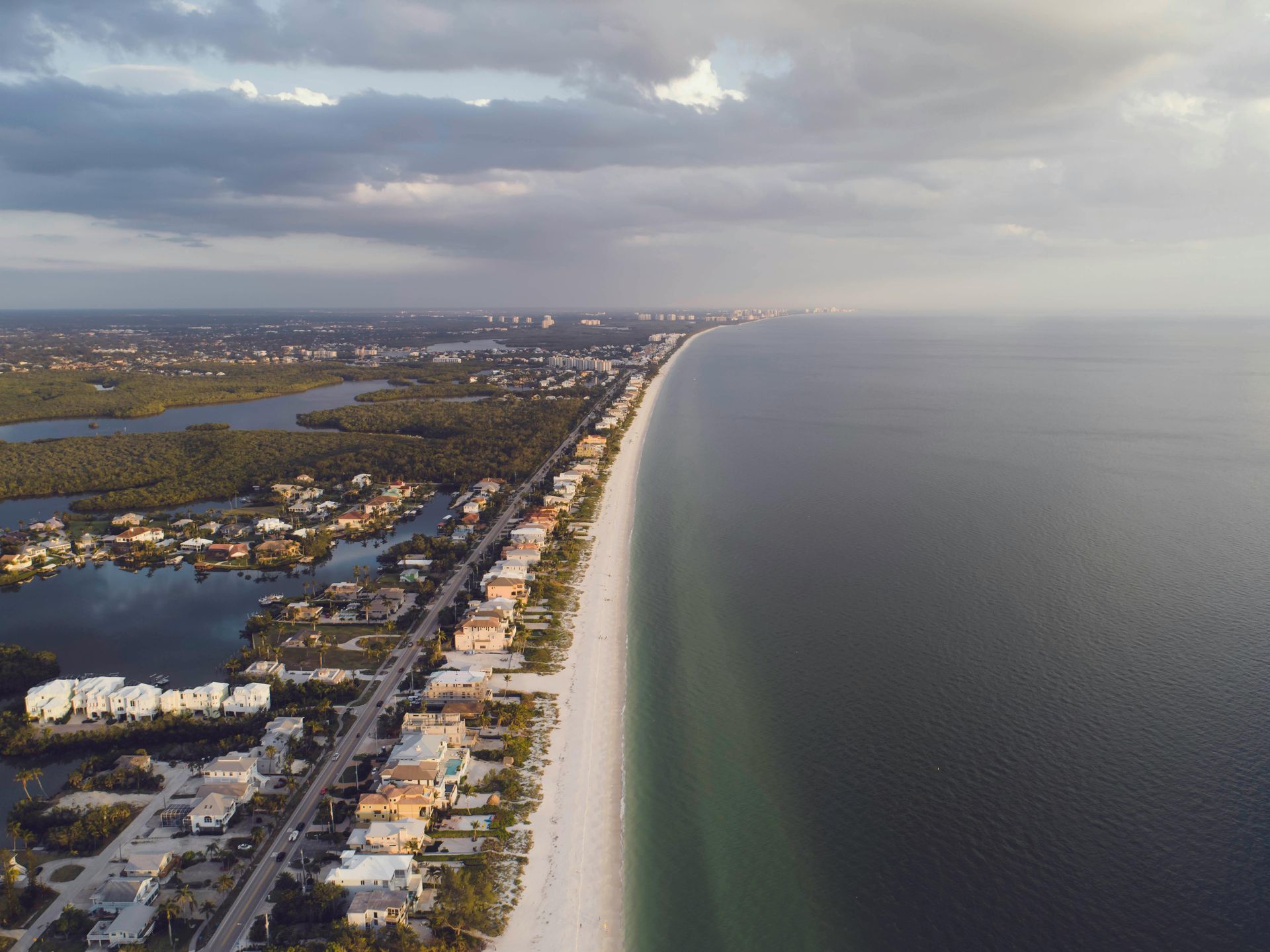
Naples, Florida, is a relatively small community on the southwest Gulf Coast with enough variety to keep a solo traveler occupied across several days without repeating an experience. The beach at the Naples Pier is the natural starting point: a wide, calm gulf beach, with the pier itself extending into the water and serving as a social gathering point independent of the sand. Kayaking in the mangroves adds a naturalist dimension to the trip and can be done at an individual pace without a group dynamic to manage.
Over 90 golf courses in the area make Naples one of the more accessible golf destinations in the country for a solo traveler who wants to pick up a round without pre-organizing a foursome. For a specific memorable experience, the source recommends a dolphin-watching cruise departing from Marco Island, about 30 minutes south of Naples. The cruise format is inherently social, placing a solo traveler in a small group context around a shared activity, and the dolphin sightings in the Gulf of Mexico around Marco Island rank among the more reliable on Florida’s southwest coast.
Beach access, active water activities, golf, and organized excursions from a nearby departure point together offer Naples a range of solo travel options that most small Florida communities do not offer in such concentration. Mangrove kayaking, in particular, provides a quiet, solitary experience as a counterpoint to the more social pier and cruise formats, so a solo traveler can calibrate the day’s sociability level within the same destination. Naples also benefits from being a relatively small community, which means it avoids the anonymity that large Florida metro areas foster and tends toward an approachable atmosphere that solo travelers appreciate. The proximity to Marco Island and the Ten Thousand Islands conservation area also gives Naples access to genuinely wild coastal environments within easy driving range.
jacob Licht / Unsplash
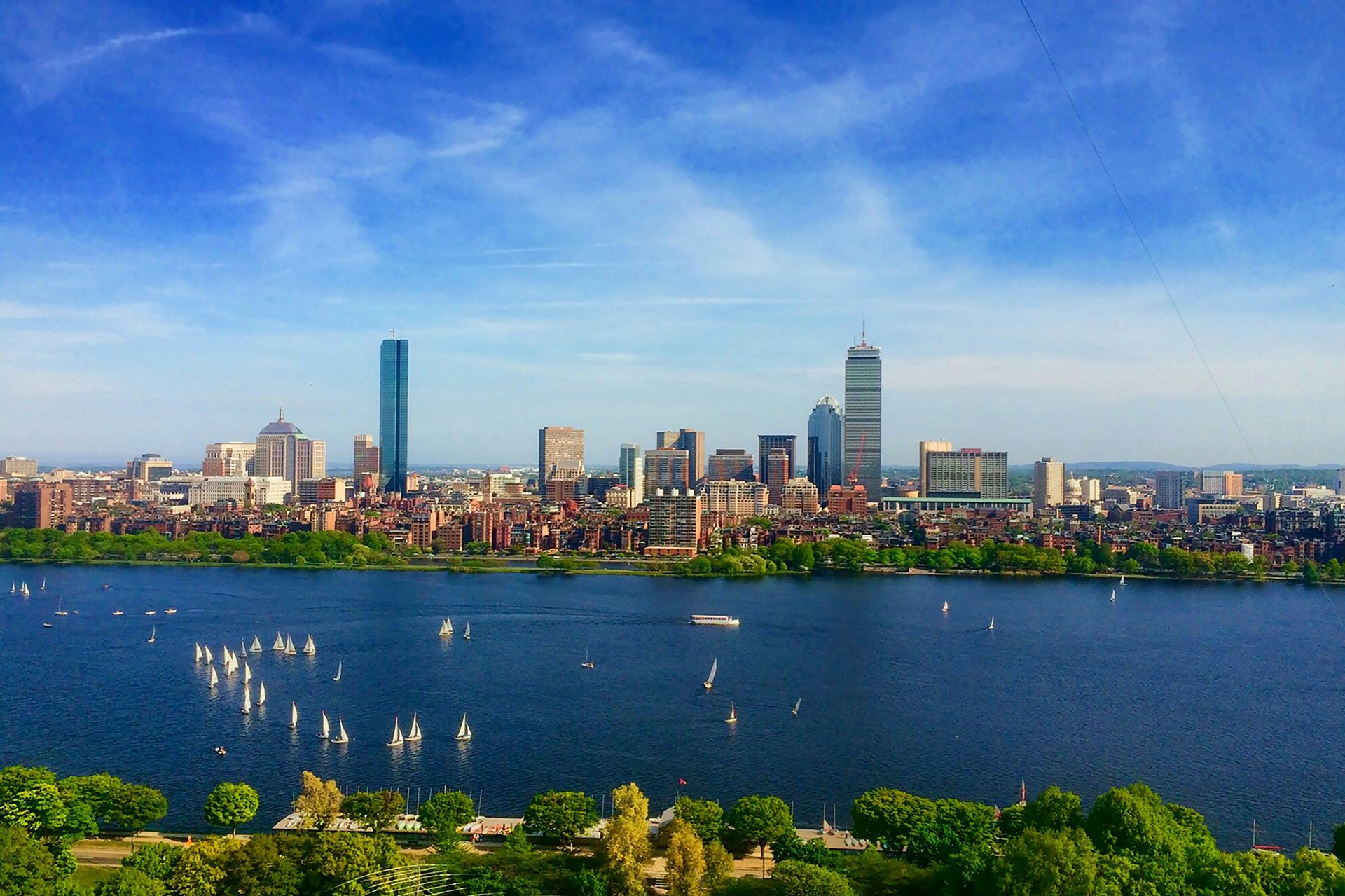
Boston feels smaller than its population and status as a major American city would suggest, which works in the solo traveler’s favor. The walkable historic core means the Freedom Trail, the waterfront, and the neighborhoods immediately surrounding downtown are all accessible on foot without needing to rely on transportation between stops. The T, Boston’s subway system, extends that range across the Charles River to Cambridge, where the university neighborhoods and bookshops provide a separate half-day itinerary distinct from the historic center.
The city’s museum scene offers strong solo-friendly options. The Boston Tea Party Ships and Museum offers an interactive historical experience rather than a passive exhibit hall, which suits solo engagement more naturally than museums organized around shared commentary. The Isabella Stewart Gardner Museum is built around one of the world’s most famous unsolved art heists — the 1990 theft of 13 works, including Vermeer and Rembrandt — and the experience of seeing the empty frames where the stolen works hung gives the visit a specific kind of unresolved mystery that the Gardner deliberately preserves.
Boston’s reputation for being approachable despite its city scale is consistent across visitor accounts, and its neighborhood diversity — from the historic North End to the literary cafés near Harvard Square $SQ — means a solo traveler can spend several days there without exhausting distinct experiences. Walkability is the enabling factor: a city where a solo traveler can wander without a plan and consistently arrive at an interesting destination removes the logistical friction that makes urban solo travel difficult in less pedestrian-friendly American cities. The T’s Red Line, in particular, connects downtown Boston to Cambridge in a single ride, effectively doubling the range of walkable neighborhoods available without requiring surface navigation. Cambridge’s restaurant scene along Massachusetts Avenue also provides a second distinct dining and café culture from the city’s main core, and the independent bookshops near Harvard Square complement Powell’s as a parallel solo browsing destination.
Matthew Williams / Unsplash
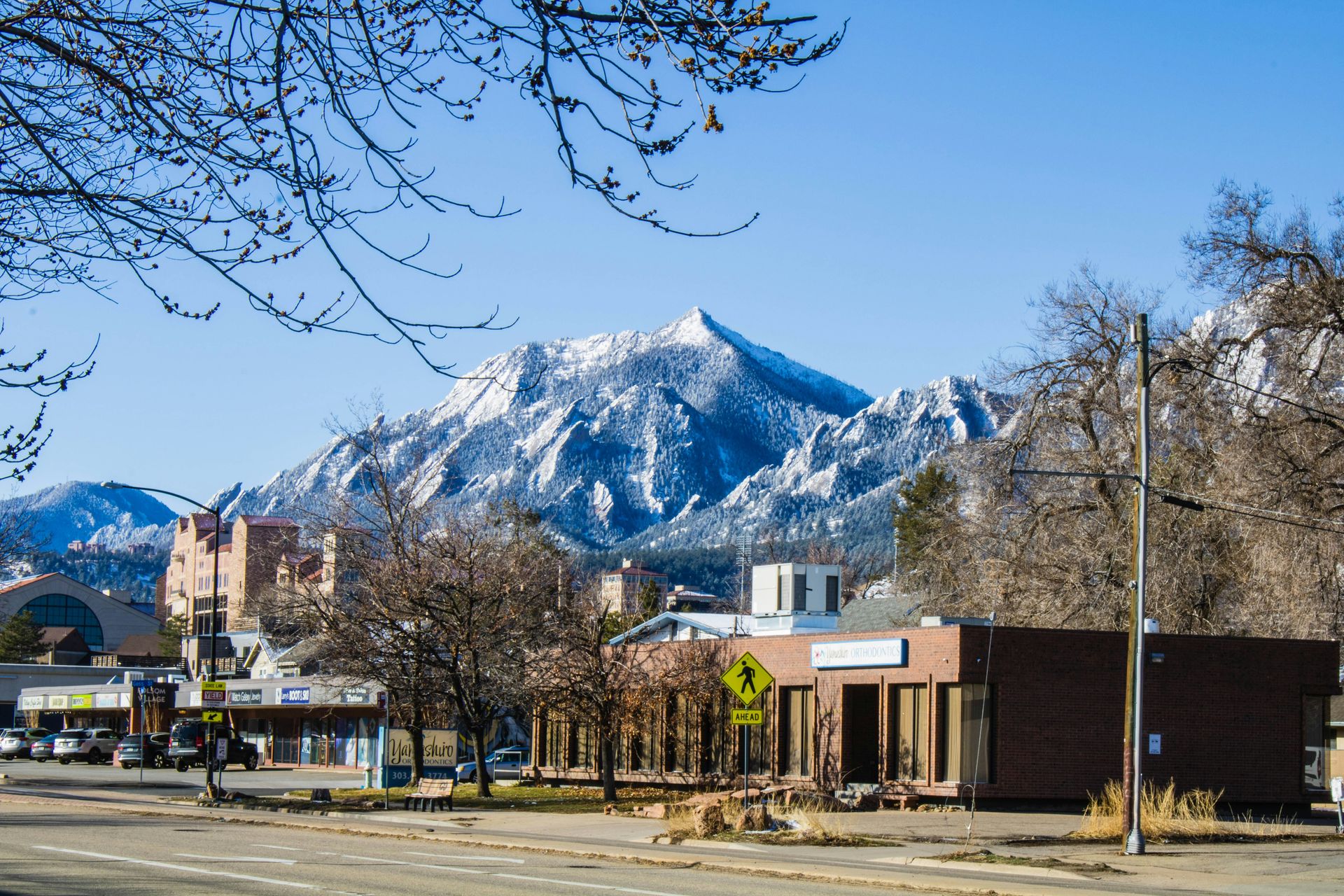
Boulder, Colorado, compresses an unusual amount of natural access into a small city footprint. The Flatirons, the iconic red sandstone formations that define the city’s visual identity, are accessible by car in under 10 minutes from downtown. Eldorado Canyon State Park, one of the best rock climbing and hiking destinations in the Front Range, sits about 20 minutes south. The Flagstaff Mountain trail, approximately two miles in length, begins about 15 minutes west of downtown and offers views of the entire Front Range from the summit.
Pearl Street Mall, Boulder’s pedestrian-only downtown corridor, provides the social counterpoint to the outdoor solitude. The street’s concentration of restaurants, shops, bars, and street performers makes it the kind of gathering space where a solo traveler arrives without a plan and finds things happening. Boulder’s reputation as a college town with a strong outdoor recreation culture means the Pearl Street crowd tends to be active and sociable, creating natural conversation opportunities for solo visitors who want them.
The oscillation between mountain solitude and social pedestrian street is the structural feature that makes Boulder particularly well-suited to solo travel. A morning on the Flatirons and an afternoon on Pearl Street covers both ends of the solo travel preference spectrum within the same geography, without a car journey between them. The city’s compact size is the enabling factor: large enough to have genuine social infrastructure, small enough that the natural environment is always immediately accessible. The Chautauqua Park trailhead, one of the main access points for the Flatirons, sits at the city’s western edge and provides a natural transition point between Boulder’s urban fabric and the open mountain terrain above it. The city also has a strong running culture centered on the same trails, which means solo travelers who want to cover distance quickly in the mountains can do so with well-maintained paths and clear signage throughout.
Robin Davidson / Unsplash
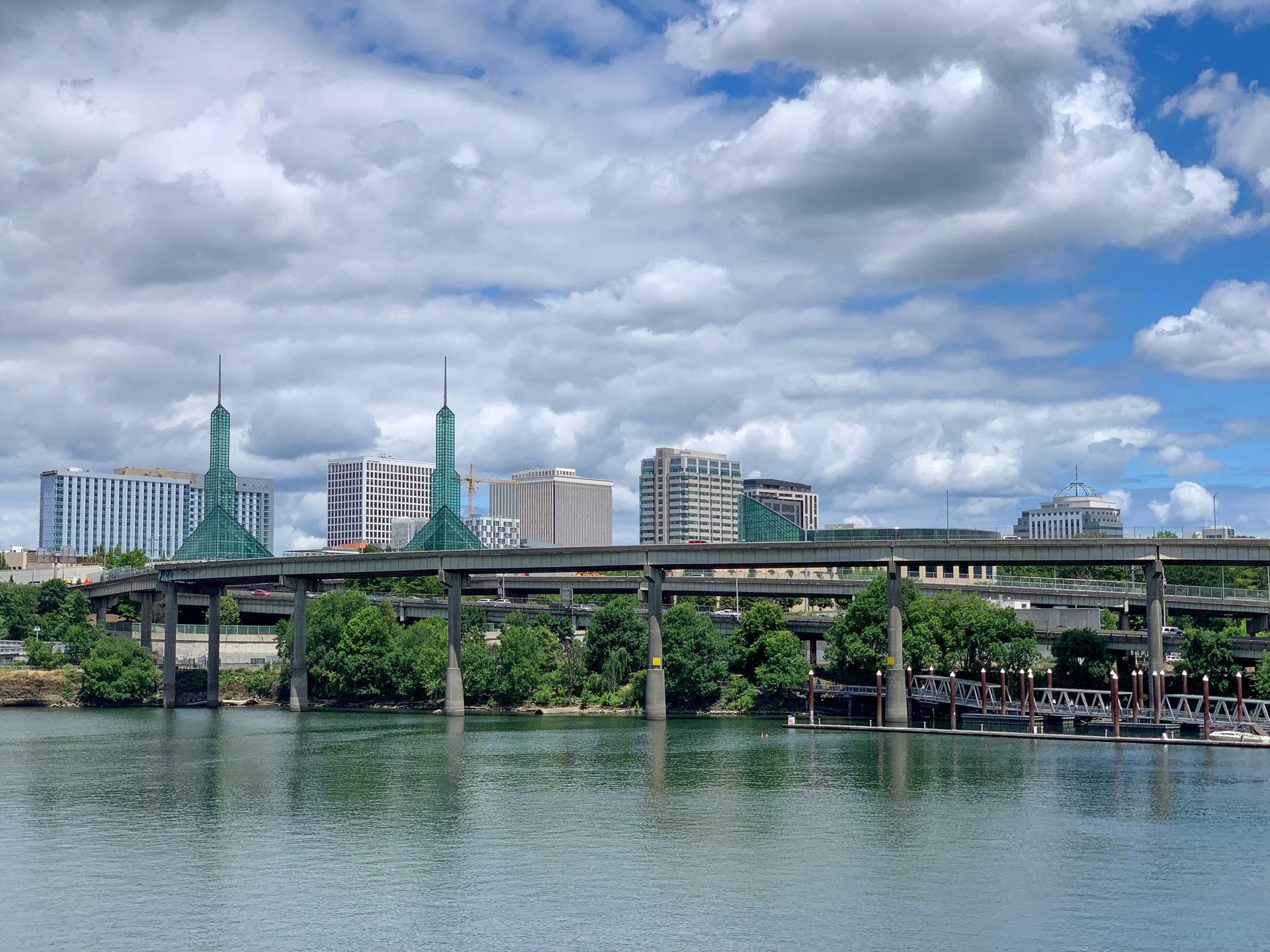
Solo dining is the aspect of solo travel that makes some travelers most self-conscious, and Portland, Oregon, has effectively eliminated the problem through its food cart culture. The city’s food cart parks scatter through multiple neighborhoods, each hosting a collection of individual stalls representing distinct cuisines — the source mentions pizza and Senegalese as examples of the range — all organized around shared outdoor seating areas. A solo traveler can order from one cart, sit at a communal table, and eat in a social atmosphere without the formality of a restaurant reservation or the self-consciousness of a single table.
Beyond the food carts, Portland’s public transit system, its park infrastructure, and its community-forward urban culture make it consistently easy for a solo traveler to navigate. The Japanese Garden in Washington Park is specifically noted as a destination for quiet reflection: a designed landscape built around contemplative aesthetics that suits solitary visitors more naturally than most city attractions. Powell’s Books, the multi-floor independent bookshop that occupies an entire city block, is another natural solo destination where spending an afternoon browsing feels entirely normal and unhurried.
Solved social eating, reliable transit, contemplative green space, and a bookshop of sufficient scale together give Portland a particularly complete range of solo travel infrastructure. The city’s progressive civic culture also produces a general atmosphere of tolerance for difference and individuality that solo travelers, who exist outside the paired or grouped norm that most travel assumes, consistently find welcoming. The city’s bike infrastructure also complements the food cart culture as a solo travel asset: Portland has a well-developed cycling network that lets solo travelers cover more ground than walking allows. The cycling network connects the food cart neighborhoods to the parks and gardens in a way that makes Portland’s solo travel infrastructure feel deliberately designed for individual exploration, a quality reinforced by the city’s pedestrian-oriented neighborhood planning.
Ricky Beron / Unsplash
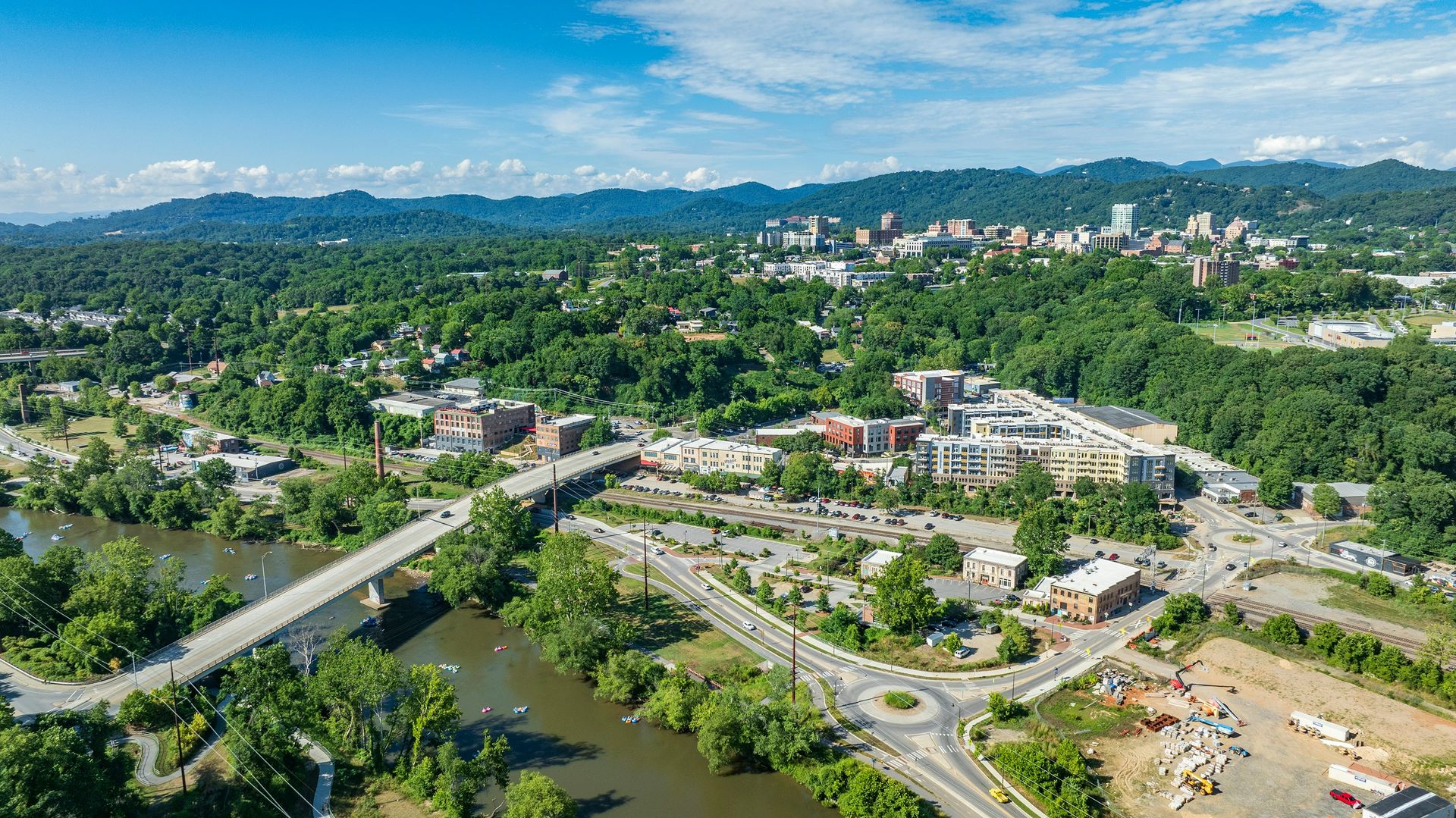
Asheville, North Carolina, sits in the Blue Ridge Mountains with direct access to some of the best day-hiking and biking terrain in the eastern United States. The Blue Ridge Parkway, the scenic road that runs along the mountain ridgeline, is a favorite among cyclists seeking sustained elevation and panoramic views. Hikers have shorter options: the Craggy Pinnacle Trail is approximately 1 mile and offers views that experienced hikers describe as disproportionately rewarding for the effort, and Mount Pisgah offers a 2.6-mile round-trip with its own summit views.
After time on the trails, Asheville’s brewery scene provides the social counterpoint. Wicked Weed Brewing is specifically recommended by the source for its pup-friendly patio, where the atmosphere tends toward relaxed conversation and where a solo traveler arriving alone faces no awkward dynamics. Asheville has developed a strong craft brewing culture over the past decade, and the breweries collectively function as gathering points where out-of-towners and locals mix more naturally than in restaurant settings.
The source describes Asheville as arguably the best solo destination in the country for travelers whose ideal trip combines physical activity during the day with social drinking in the evening. That specific profile — hiking in the morning, brewery in the afternoon or evening — is the structure that makes Asheville’s natural access and urban social infrastructure particularly coherent for solo travel. Neither element alone would produce the same result. The geographic proximity of mountain trails to a walkable brewery district defines the Asheville solo travel experience. The city’s music scene, which has grown alongside the brewery culture, offers an evening option for travelers who want a social atmosphere beyond the patio: small venues and listening rooms throughout downtown draw the same mix of locals and visitors that the breweries attract throughout the week. Asheville’s downtown walkability means moving between the brewery patios and the music venues requires no transportation planning.
Anthony Melone / Unsplash
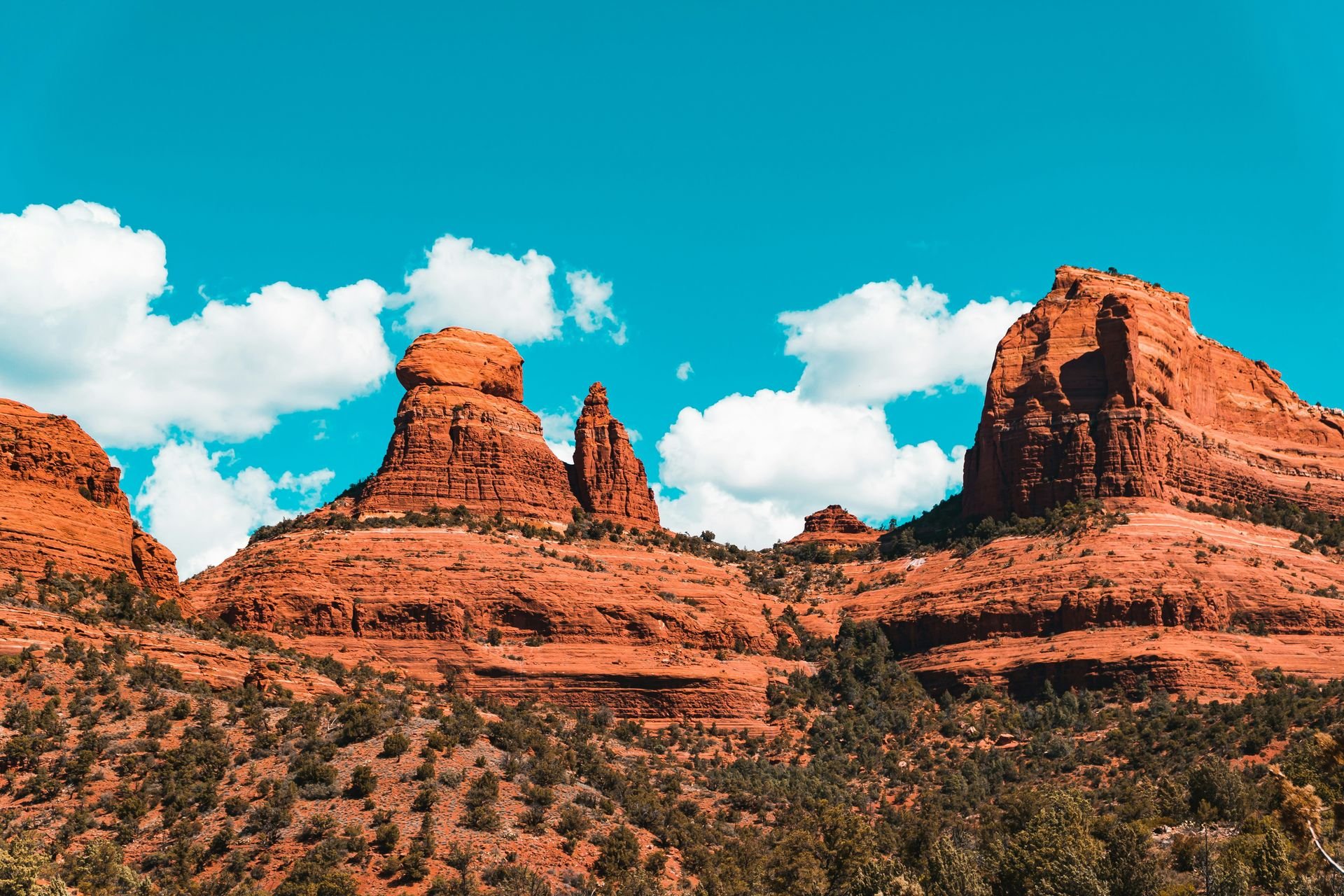
Sedona, Arizona, has built one of the most concentrated wellness tourism infrastructures in the American Southwest, surrounded by red rock formations and canyon landscapes that amplify the restorative effect of the spa experience. For a fully immersive stay, the source recommends two resort properties: L’Auberge de Sedona and Amara Resort and Spa, both of which offer a complete resort experience for a solo traveler who wants to spend several days in a single place without the logistics of daily exploration. Both properties function as destinations in their own right.
For visitors who prefer to assemble their own wellness itinerary from individual day spas, Sedona has a large selection, with A Spa for You and Sedona’s New Day Spa named as long-standing local favorites. This à la carte approach to wellness tourism is specifically well-suited to solo travel: a solo traveler can book treatments by the day, move between providers, and construct a personal schedule without coordinating with anyone else.
The broader Sedona context — the red rock scenery, the vortex energy sites the town is known for, the desert landscape — gives the wellness trip a visual and environmental dimension that urban spa destinations do not. A solo traveler in Sedona can alternate treatment sessions with hikes through the landscape that the resort properties overlook, and physical activity, restorative treatment, and dramatic natural scenery together make Sedona’s solo travel appeal broader than pure spa relaxation alone. The day spa format also suits solo travel specifically well: booking a single treatment at an individual spa requires less advance planning than a full resort stay and allows the traveler to adjust the day’s schedule around whatever feels right in the moment. Sedona’s position in the Verde Valley also puts the wine country of the Cottonwood-Jerome area within a short drive, giving solo travelers a day-trip option that extends the wellness trip into a wine-tasting context.
Leo Heisenberg / Unsplash
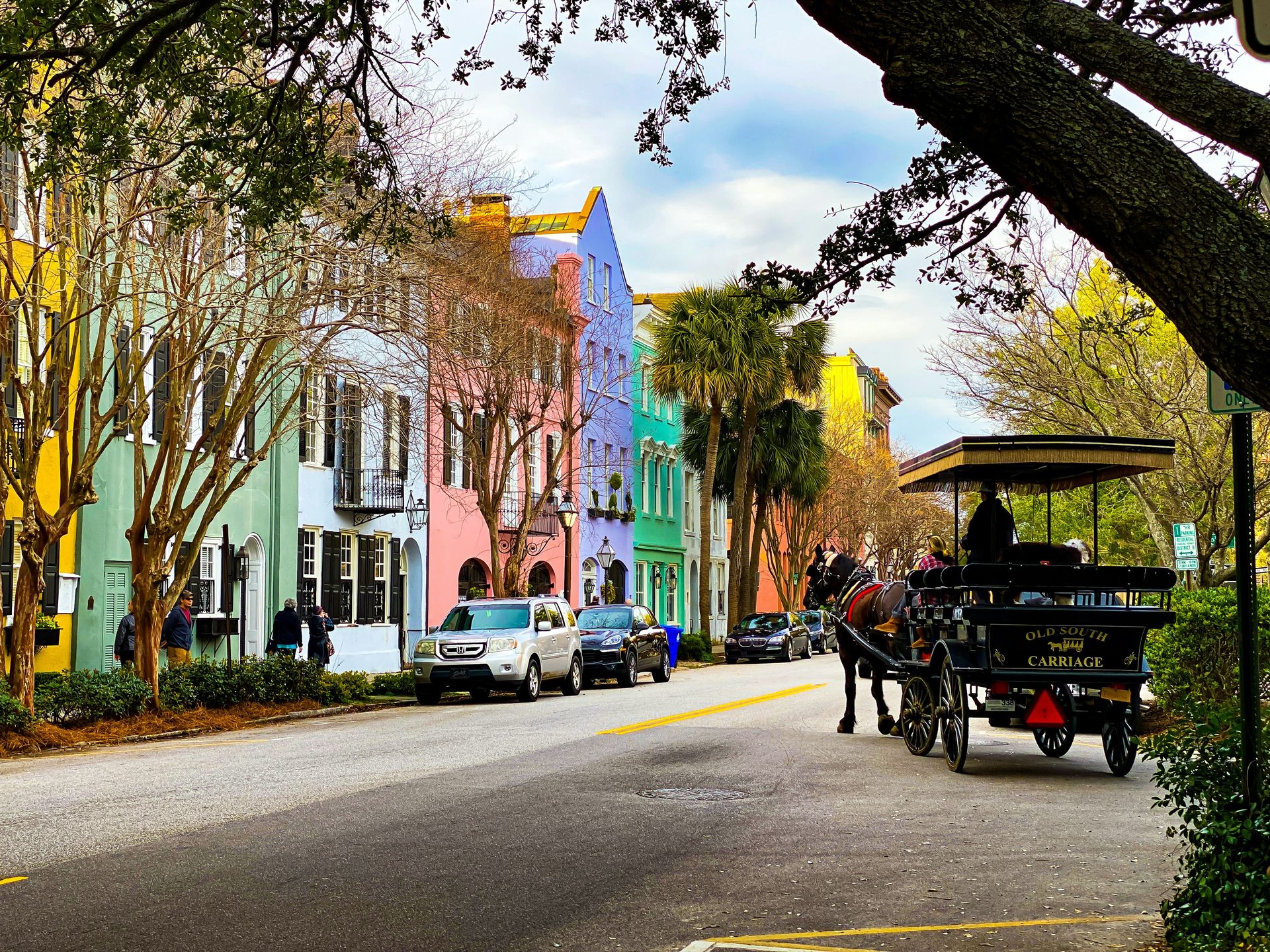
Charleston, South Carolina, maintains one of the strongest gallery cultures of any American city of its size, with the monthly ArtWalk on the first Friday of every month providing a structured social event that draws both locals and visitors through the French Quarter’s galleries and studios. For a solo traveler who wants to experience local art culture, the ArtWalk provides a ready-made social context: events where people move between spaces independently, stopping wherever they find something interesting, are naturally suited to solo participation without the awkwardness of arriving at a formal event alone.
The French Quarter’s architecture and street character are also noted for their particular inspiration for visitors with creative interests. Charleston’s brick-paved lanes and historic facades create a visual environment that rewards slow, aimless walking, the mode that solo travel does best. The city’s Southern hospitality is consistently mentioned by visitors as making Charleston feel welcoming to strangers in a way that more self-contained cities do not.
When weather and temperature allow, the Isle of Palms, one of the best beaches on South Carolina’s coast, is accessible from Charleston as a day trip. The option to add a beach day to a city-focused itinerary gives the Charleston solo trip the flexibility that purely urban destinations lack. For art-focused travelers who want the gallery experience alongside natural coastal access, Charleston provides both within the same trip without requiring a separate destination. Charleston’s food scene, anchored by well-regarded restaurants in the historic downtown, also offers solo dining at chef-driven establishments where a single diner at the bar is as natural as anywhere in the country. The city’s historic residential neighborhoods, particularly Harleston Village and Ansonborough, also reward solo walking for their architecture and scale, and the Horse Drawn Carriage tours offer an alternative perspective on the same streets for visitors who want guided context alongside self-directed exploration.
Chad Morehead / Unsplash
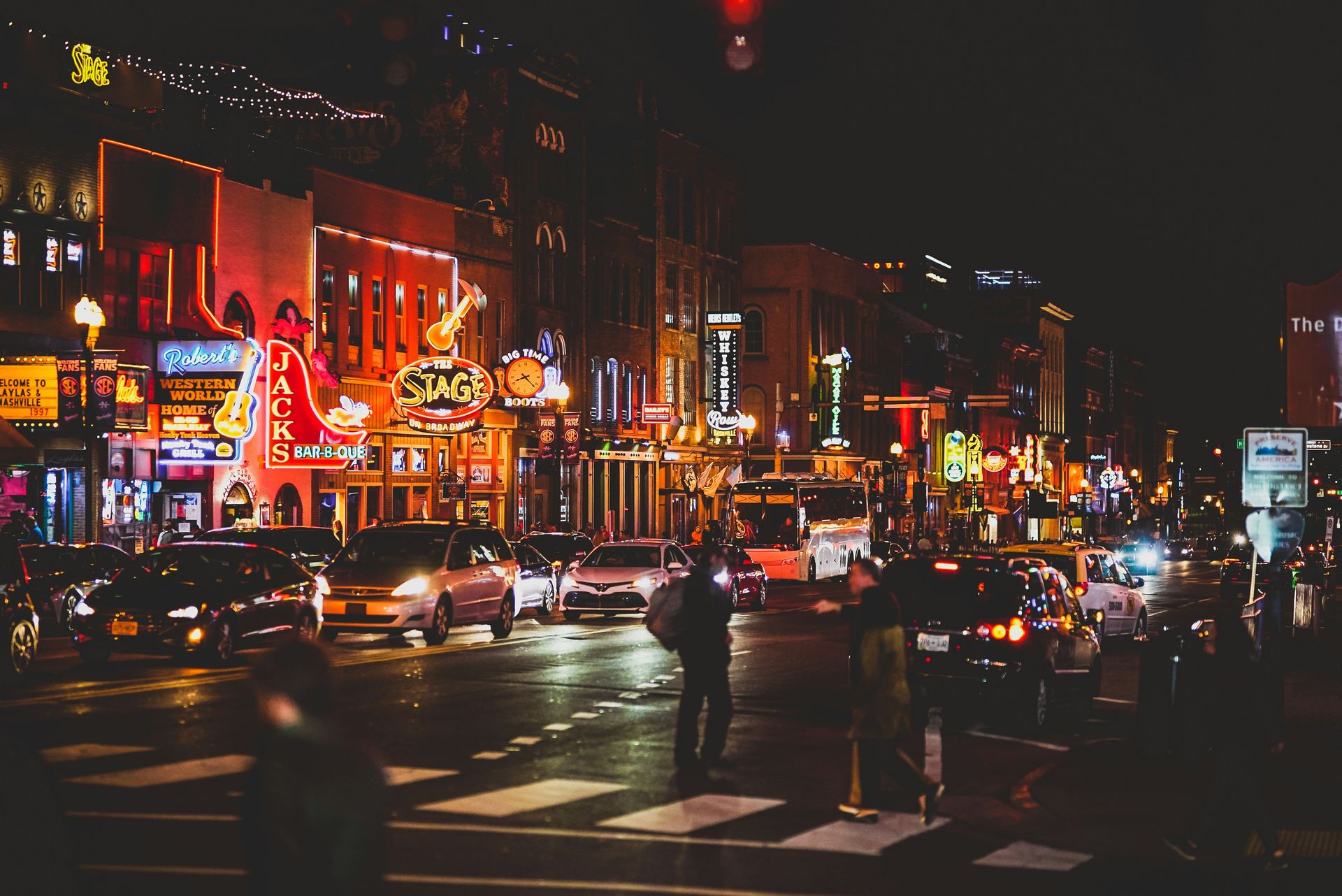
Nashville’s identity as a live music city creates natural social conditions for solo travelers that most American cities cannot replicate. Live music venues are places where standing or sitting alone to watch a performance is entirely normal, where shared musical taste provides a universal conversation opener with strangers, and where the energy of the room fosters connection without requiring deliberate social effort. The Basement, known for its intimate atmosphere and spacious patio, and 3rd and Lindsley are both specifically recommended as venues for the solo Nashville experience.
The city’s food scene supports the trip independently of the music. Hattie B’s hot chicken, specifically mentioned by the source, provides the kind of convivial, casual dining experience that suits solo travelers: a counter-service format focused on a specific regional dish, with a communal culture around the dining experience itself. The Hermitage Hotel, a classic downtown property, makes a strong base for the trip.
Nashville’s South Broadway corridor, the honky-tonk district that runs through downtown, is also worth noting as a specific solo travel asset: a dense concentration of open-door live music venues where a solo traveler can move from bar to bar following whatever music catches their attention. The format requires no planning and no companion, just the willingness to follow the sound. The source recommends Nashville specifically for travelers whose ideal solo trip is getting out and meeting new people, and the city’s live-music infrastructure makes that objective easier to achieve than almost anywhere else in the country. The city’s compact geography also means that the Broadway honky-tonk district, the quieter listening rooms in other neighborhoods, and the hotel and restaurant infrastructure are all within a walkable or short ride of each other. The Ryman Auditorium, the original home of the Grand Ole Opry, is also within the walkable downtown circuit and offers the city’s deepest historical musical context alongside its live programming.
Rich Martello / Unsplash
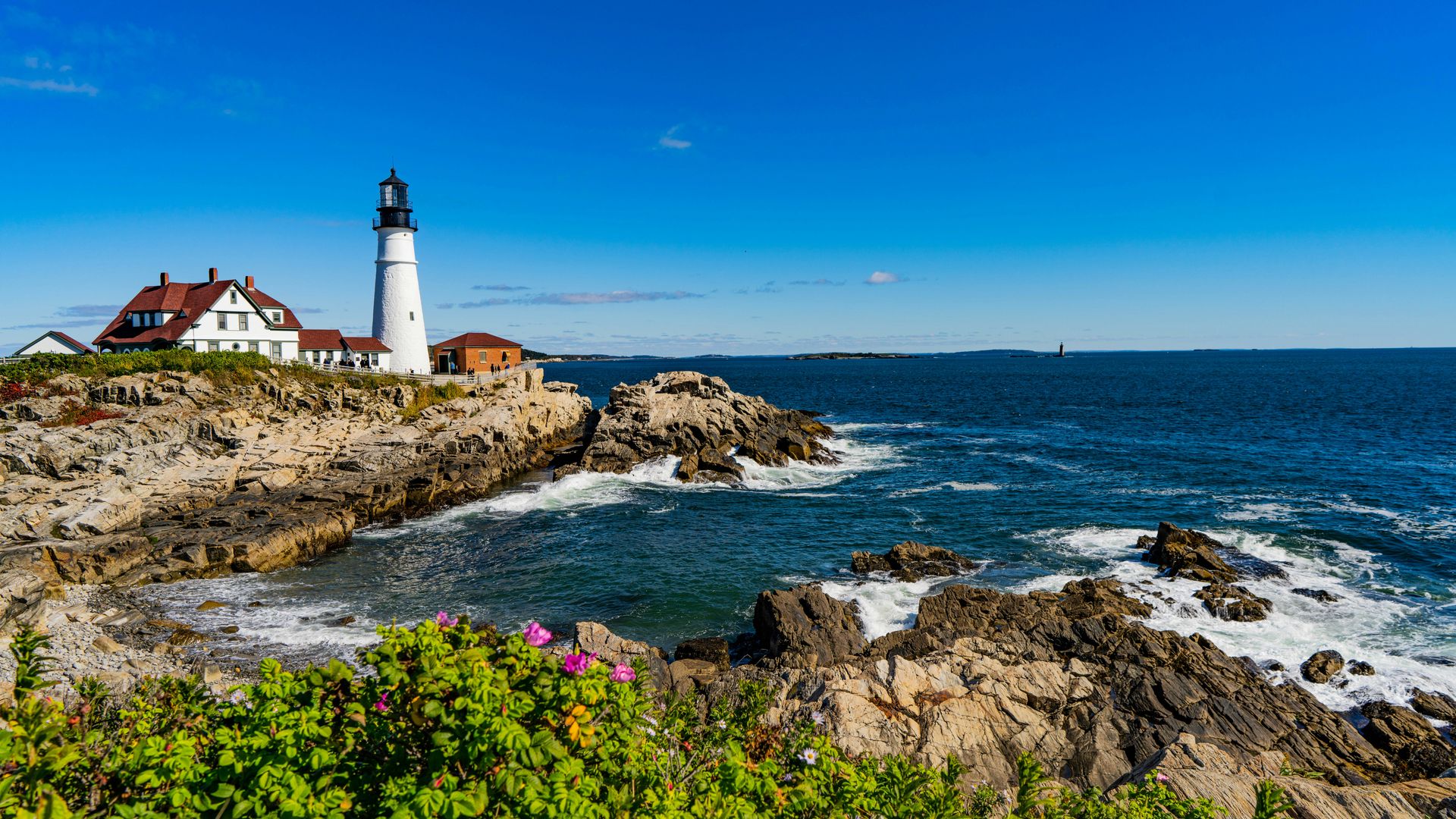
Portland, Maine, positions itself as the coastal counterpart to Portland, Oregon, with specific advantages that the inland food cart city cannot match. Boat charters and wildlife experiences at sea give the Maine Portland a category of activity entirely absent from its Oregon namesake, and the coastal seafood tradition produces a specific food culture anchored by the lobster roll. Luke’s Lobster stands as the source’s named destination for the form, and the lobster roll is one of the cleaner solo dining formats: a single handheld item with no ambiguity about portion size or sharing conventions.
The Old Port, Portland’s historic waterfront district, adds an urban exploration dimension to the trip with its shops, boutiques, and historic brick architecture. The district is pedestrian-friendly, concentrated, and varied enough that a solo traveler can spend several hours there without exhausting it. Waterfront shopping and active coastal access from the same harbor give the Old Port a layered character that purely commercial retail districts lack.
Portland, Maine’s status as a compact city with strong culinary credentials, coastal access, and a walkable historic district makes it a natural solo travel destination for visitors from the Northeast who want the qualities of a manageable city break alongside access to Maine’s natural environment. The boat charter option, specifically, offers solo travelers a structured excursion format with its own built-in social dimension that more independent city exploration activities do not. Portland, Maine, also has a strong café culture that suits solo travelers who want to settle into a neighborhood coffee shop with a book between the more active stretches of the trip. Portland’s market scene, including the Portland Public Market and the year-round farmers market in Deering Oaks Park, also offers solo travelers a grazing-friendly morning activity that connects the city's food culture to the local agricultural community that supplies its restaurants.
Maarten van den Heuvel / Unsplash
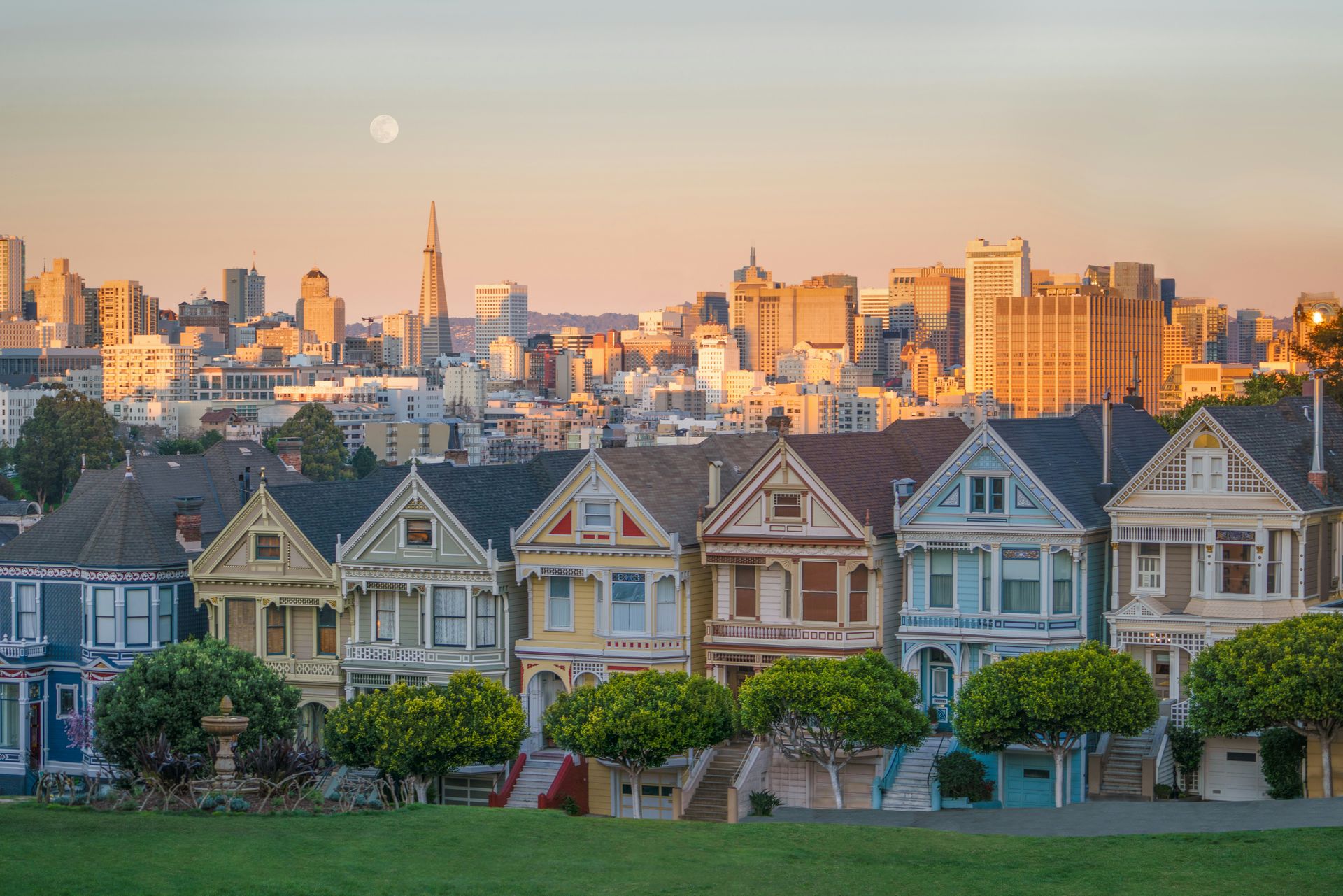
San Francisco’s transit system is the practical foundation of the city’s appeal for solo travel. Muni buses, trains, streetcars, and cable cars together provide coverage that reaches every significant neighborhood without requiring a taxi or rideshare, which the source specifically notes as a meaningful economic advantage for solo travelers who would otherwise absorb the full cost of individual rides. The cable car serves both as transportation and an attraction: riding from Powell Street to Fisherman’s Wharf is as much an experience as a commute.
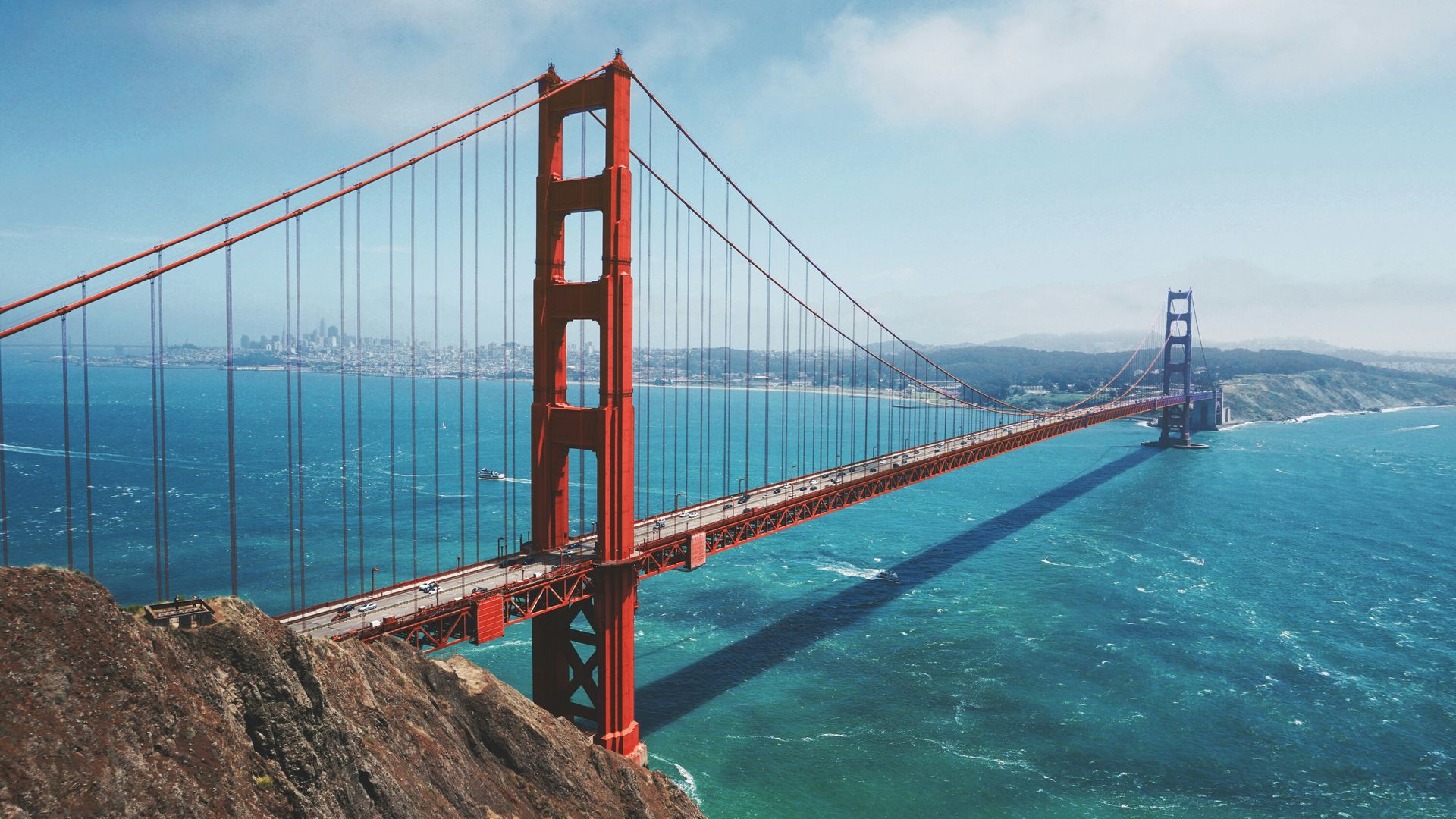
The city’s activities suit solo travel across a range of interests. The Mission District’s large-scale murals provide an outdoor art experience that solo viewing suits better than group visits, where coordinating the pace of movement through a mural district is hard. Biking over the Golden Gate Bridge is a solo-friendly activity, with a predictable route and a defined destination at the Marin Headlands. Muir Woods, accessible from the city by ferry and bus, provides an old-growth redwood forest within a short transit journey of the urban core.
San Francisco’s geographic character — a compact peninsula with distinct neighborhoods occupying distinct topographic positions — means that moving through the city produces constant visual variety as the hill grades change and the bay appears and disappears on either side. For a solo traveler who does their best exploring on foot or on public transit, the city’s neighborhood density, transit coverage, and natural bay access together make it one of the most continuously rewarding American cities for the mode of travel that solo journeys at their best represent: following attention and curiosity wherever they lead, without compromise. The ferry to Sausalito across the bay is also worth adding to a San Francisco solo trip: the crossing itself is scenic, and Sausalito offers a contrasting small-town atmosphere to the city’s urban density on the opposite shore of the bay, reachable by Golden Gate Ferry in about 30 minutes.