Florida is the best place for entrepreneurs. WalletHub ranked Tampa first among 100 large U.S. cities for its low taxes and investor depth
Steve Heap / Getty Images
Thousands of Americans wake up every morning with a business idea and wonder where they can test it. The answer matters more than most founders anticipate. The place a venture launches shapes its cost structure, access to capital, depth of its talent pool, and odds of survival. Picking the right market is one of the most consequential decisions an early-stage founder makes.
Roughly one in five private-sector businesses fails in its first year, according to Bureau of Labor Statistics data. Survival demands more than a strong idea and disciplined execution. It requires a local ecosystem that provides affordable office space, a labor market with willing workers, investors who write checks at an early stage, and a tax environment that lets a young firm reinvest its revenue. Cities that deliver all of those conditions simultaneously are rare. The gap between the best and worst markets is measurable in dollars, percentage points, and survival rates.
To find those markets, WalletHub compared 100 large U.S. cities across 19 metrics organized into three dimensions — Business Environment, Access to Resources, and Business Costs — and found that everything coalesced in Florida. A state without personal income tax or a high corporate tax burden has structural advantages that states with both simply cannot replicate. The result is a concentrated band of metros where cost efficiency, capital access, and startup survival rates converge in a way that leaves the rest of the country's large cities competing for sixth place.
Several of Florida's largest cities post investor-per-capita figures that rival coastal startup hubs. They excelled in WalletHub's particular dimensions, too. Business Environment covered factors such as startup density, small-business growth, and five-year survival rates. Access to Resources measured capital availability, investor prevalence, and workforce growth. Business Costs captured office rents, labor costs, taxes, and cost of living. Each city received a score on a 100-point scale, and the final list reflects a weighted average across all subcategories.
Art Wager / Getty Images
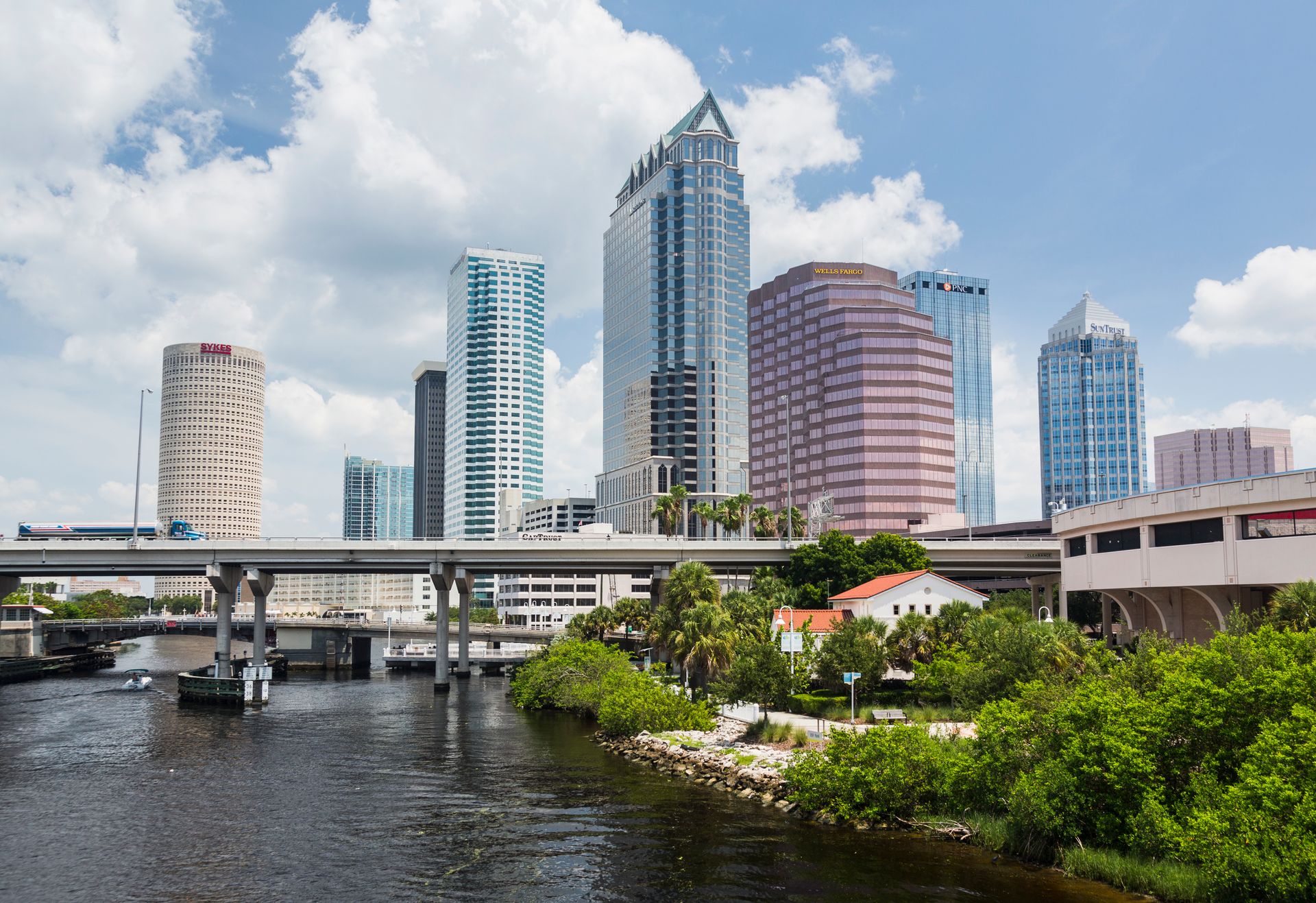
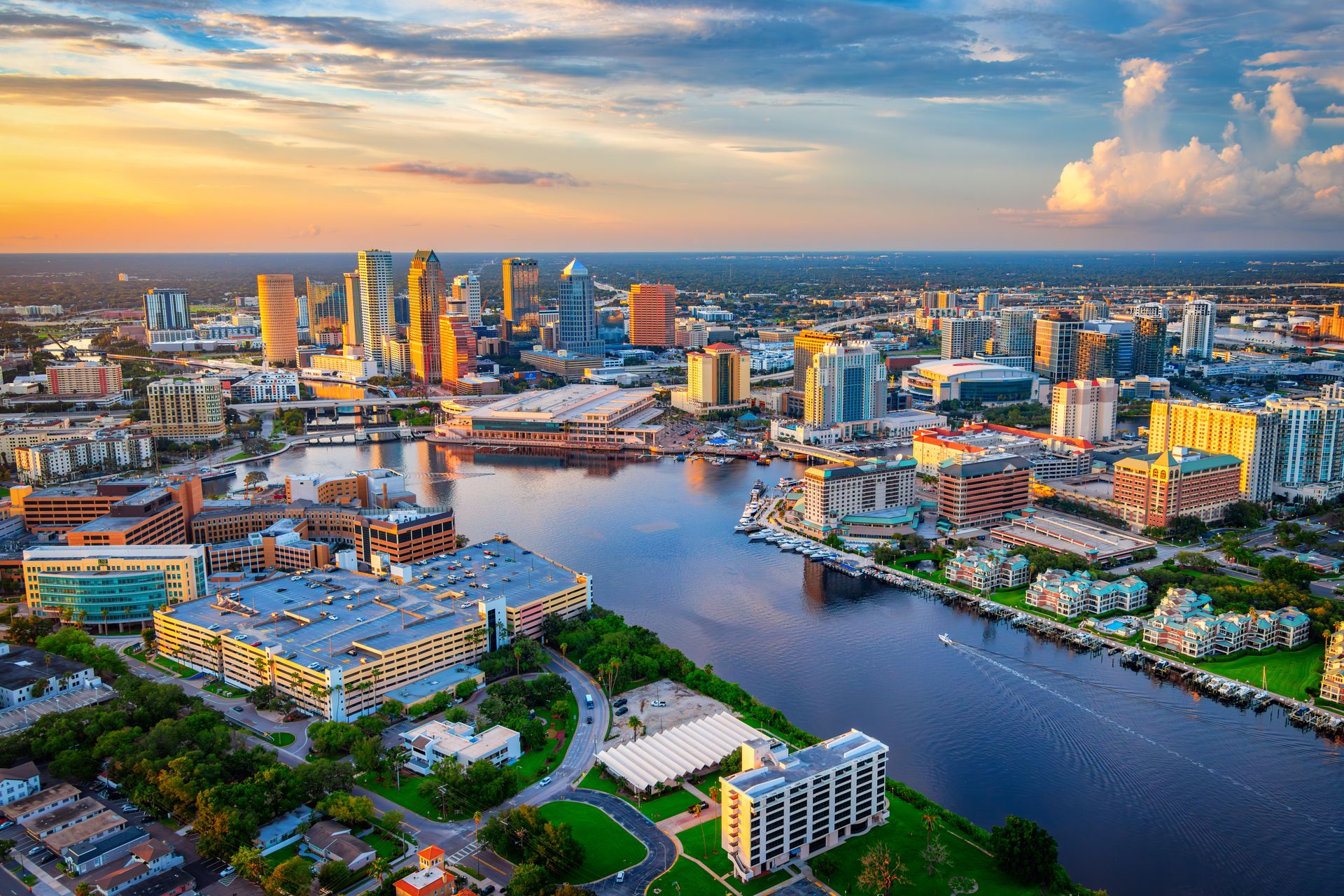
Tampa, Fla., earned the top score of 64.15 out of 100 thanks to a tax structure that keeps more money inside the company from Day 1. Tampa's corporate tax environment ranks among the most favorable of the 100 cities surveyed, giving young firms a meaningful financial cushion during the period when cash is most scarce.
Tampa's investor community gives the city its decisive edge. The area has a high number of investors per capita, meaning founders do not have to relocate to the coasts to find early-stage capital. When investment dollars circulate locally, they tend to stay local. Each funded launch seeds the next wave and builds an informal entrepreneurial network that makes a market self-reinforcing. The result appears in the city's Entrepreneurial Activity Index score, which ranks among the highest in the dataset and reflects both a large volume of active startups and a high survival rate among those ventures.
Survival rate is the metric that separates metros where founders thrive from cities where they merely show up. A city can host thousands of launches and still signal a weak ecosystem if those companies fold within three years. Tampa's strong index score suggests its environment sustains businesses through the difficult early stages, drawing strength from available financial resources, accessible customers, and the health of the local economy. The area's continued population growth has deepened that customer base year over year, giving entrepreneurs a larger addressable territory than they would find in slower-growing cities. Low costs, investor access, and demonstrated survival outcomes make Tampa the single strongest large-city bet in the country right now.
John Coletti / Getty Images
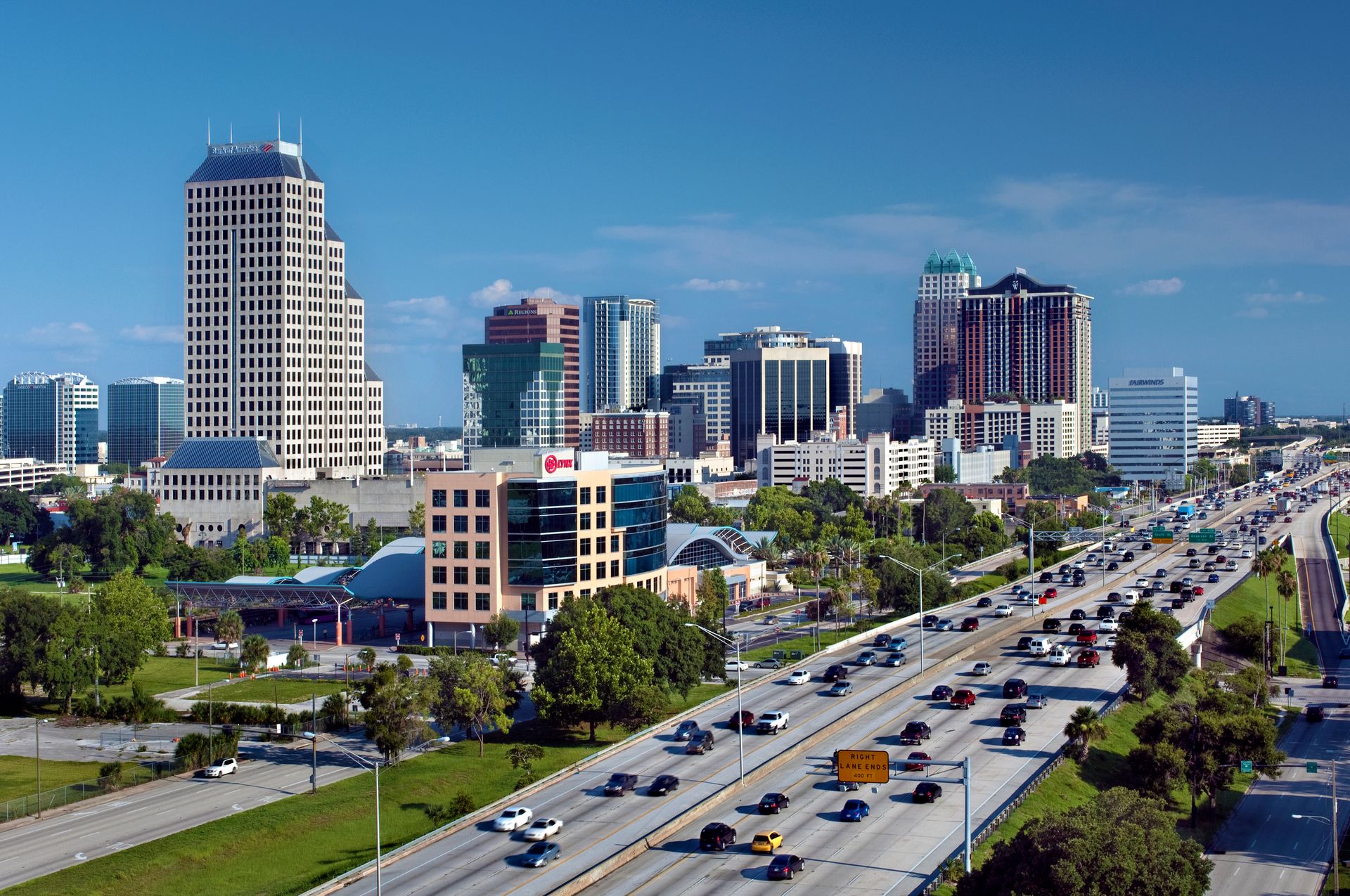
Orlando, Fla., finished second overall with a score of 63.74, held up by a rate of small-business expansion that outpaces nearly every other large market in the survey. The city placed fourth nationally in average small-business growth — behind only Boise, Fresno, and Austin — with new ventures forming quicker than the national norm and the broader environment sustaining that momentum over time.
Capital access is behind most of it. Since Orlando boasts a high number of investors per capita, early-stage founders can court financial backers without leaving the metro. A dense investor base shortens the fundraising timeline and increases the odds that a viable concept reaches operational scale. The city's volume of new starts and early survival rates exceed what most areas can deliver.
Orlando's working-age population growth rate stands among the highest of any large city in the country, and it may be the market's most underappreciated competitive asset. Despite its reputation as a retirement destination, the city attracts younger workers faster than most comparable metros. Founders cite labor availability as one of their most pressing constraints, and a market with an expanding workforce eases that pressure. A larger labor pool widens hiring options and pulls wages toward market-rate levels, and when those same workers become customers, they can support other local ventures. This virtuous cycle translates into foot traffic, local service demand, and regional consumer spending.
Few cities have solved capital-access and labor-supply problems at once. Orlando's data suggests it has come closer than most.
Edwin Remsberg / Getty Images
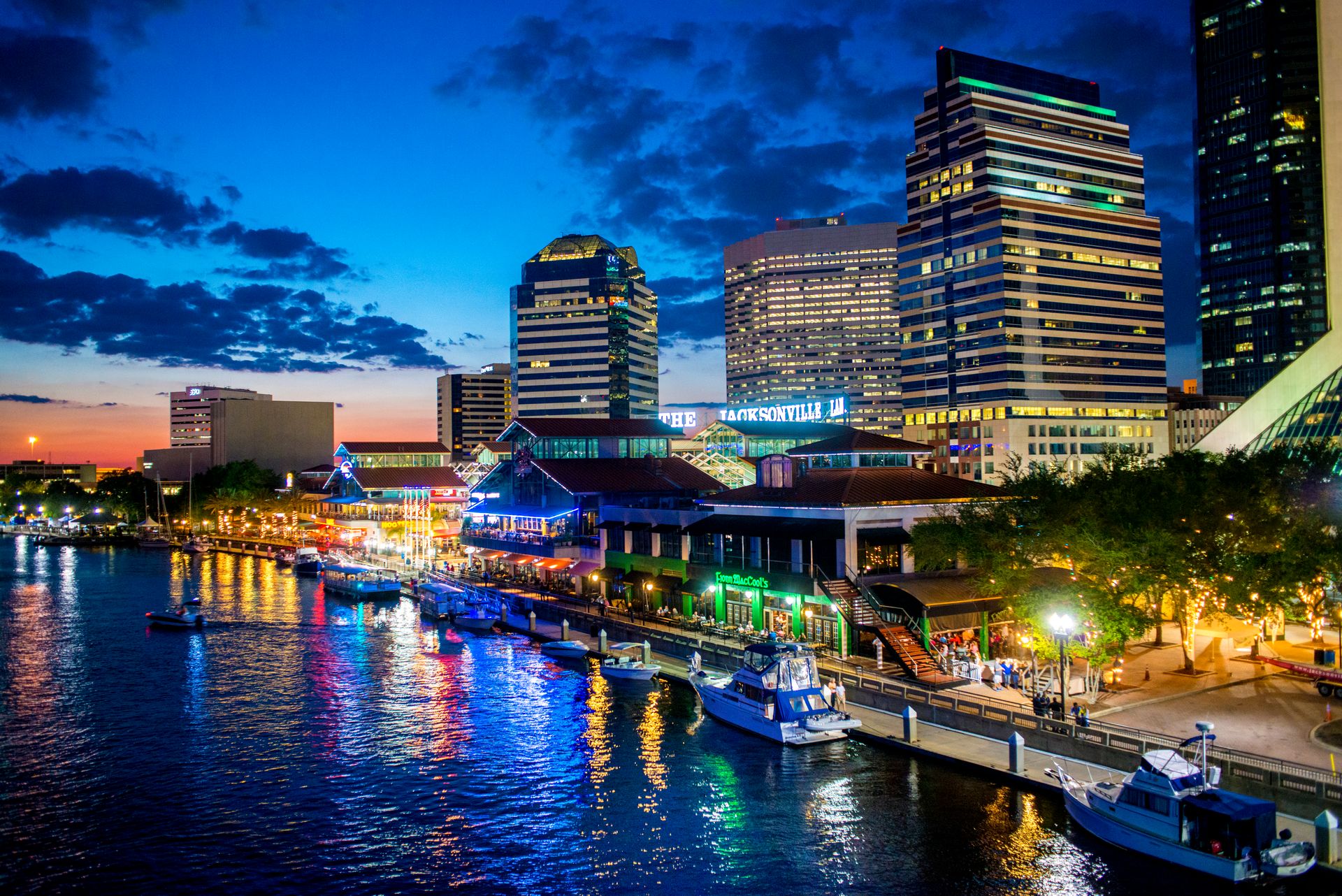
Jacksonville, Fla., took third place with a total score of 62.08, anchored by a single standout data point: the highest Entrepreneurial Activity Index score in the entire 100-city dataset. The Entrepreneurial Activity Index measures both the concentration of active startups in a market and their survival rates, so a top national score signals a busy launch environment with high durability. Founders who set up shop in Jacksonville enter a market with more evidence of successful early-stage enterprise than any other large city in the country. The index score is a signal of ecosystem quality. The strongest scores reflect a market infrastructure that raises a founder's chances of surviving Year 2 and Year 3.
Tax policy reinforces that advantage. Jacksonville's corporate tax burden ranks among the lowest in the survey, a structural benefit that compounds over time. Every dollar not paid in taxes during Years 1 through 3 is a dollar available for hiring, product development, or covering the operating gaps that kill otherwise viable businesses. The city also records a high number of startup firms per capita. That means the environment is favorable enough to draw new entrants, and many of them stay.
Established companies in Jacksonville are expanding their top lines at some of the highest rates in the country. Revenue growth in an existing base of firms is a forward indicator for new entrants. It suggests customers are spending, the local economy is expanding, and competitors are generating enough activity to validate the market. For a founder assessing whether a city's customer base can support a new venture, a market where established peers are growing revenue at a strong clip warrants serious consideration. Jacksonville's interlocking strengths create an environment that rewards both launches and long-run persistence. Low taxes, a nationally leading entrepreneurial index, high startup density, and strong revenue growth among established firms all point toward a market where new ventures have a realistic path to scale.
Juan Silva / Getty Images
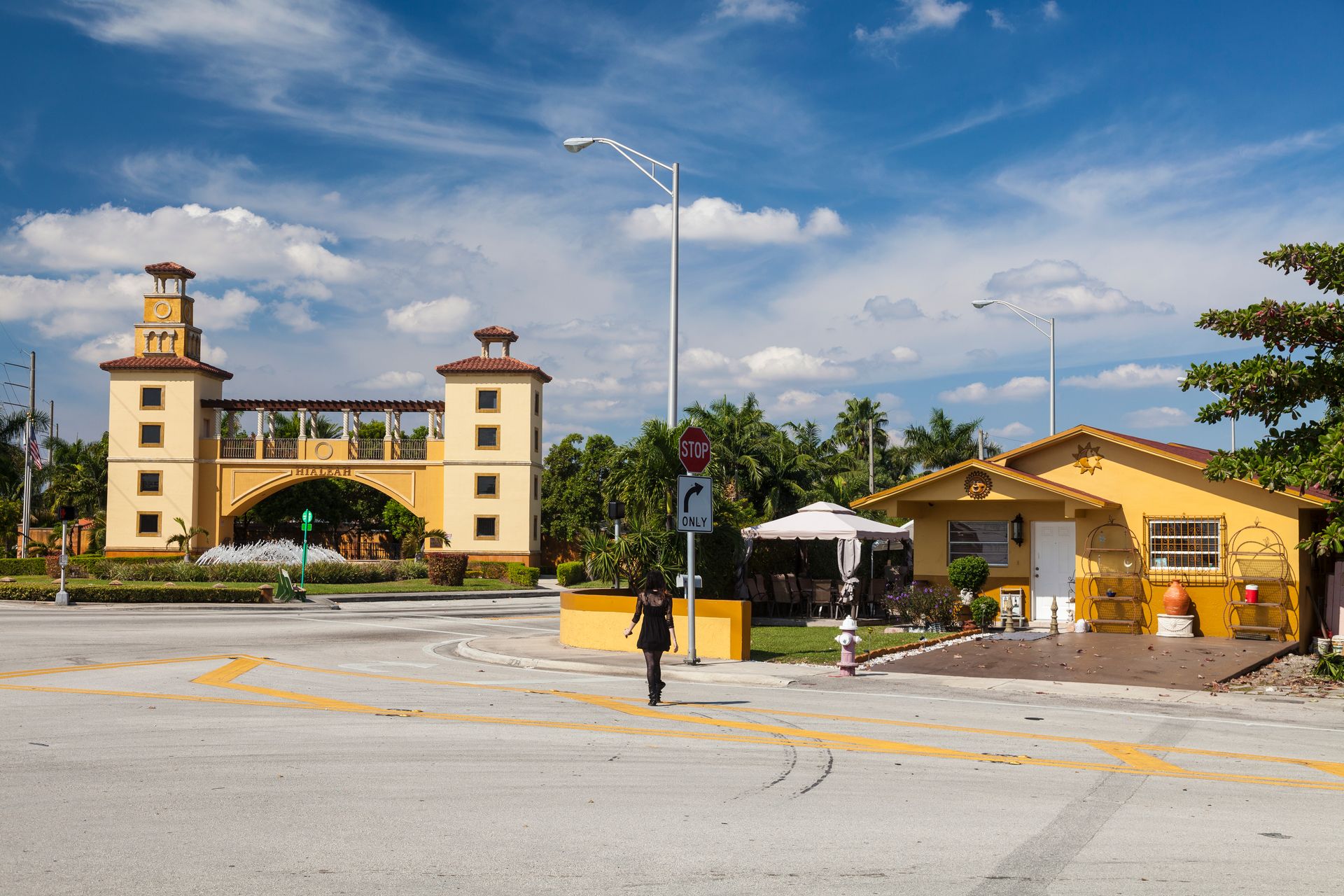
Hialeah, Fla., placed fourth with a score of 60.94, built on a Business Costs rank of seventh among all 100 cities surveyed. Founders in Hialeah face lower combined pressure from office-space rental, labor costs, corporate taxes, and the general cost of living than their counterparts in most large U.S. cities. Seventh place in a 100-city field puts the city inside the top 10% of the sample, a position that translates into real dollars saved in a startup's first-year budget.
Cost structure governs how long a young firm can survive before it turns a profit. A company that launches in a lower-cost environment like Hialeah's can extend its runway at a given funding level, reach break-even faster, and absorb a revenue shortfall that would close a startup operating in a high-cost market. Lower fixed costs also broaden the range of viable business models, opening opportunities for founders who might otherwise need a more expensive location to attract clients, even with thinner margins or longer sales cycles.
Hialeah's 28th-place Business Environment rank adds meaningful breadth across metrics such as startup density, business survival rates, and industry variety. The fourth-place overall finish shows what happens when a strong cost position and a capable operating environment reinforce each other. Capital-efficient founders who prize financial durability find Hialeah's scorecard more compelling than most markets in the top half of the overall ranking. Hialeah is a deliberate strategic choice for operators who understand that cost structure is a durable source of competitive advantage.
Pgiam / Getty Images
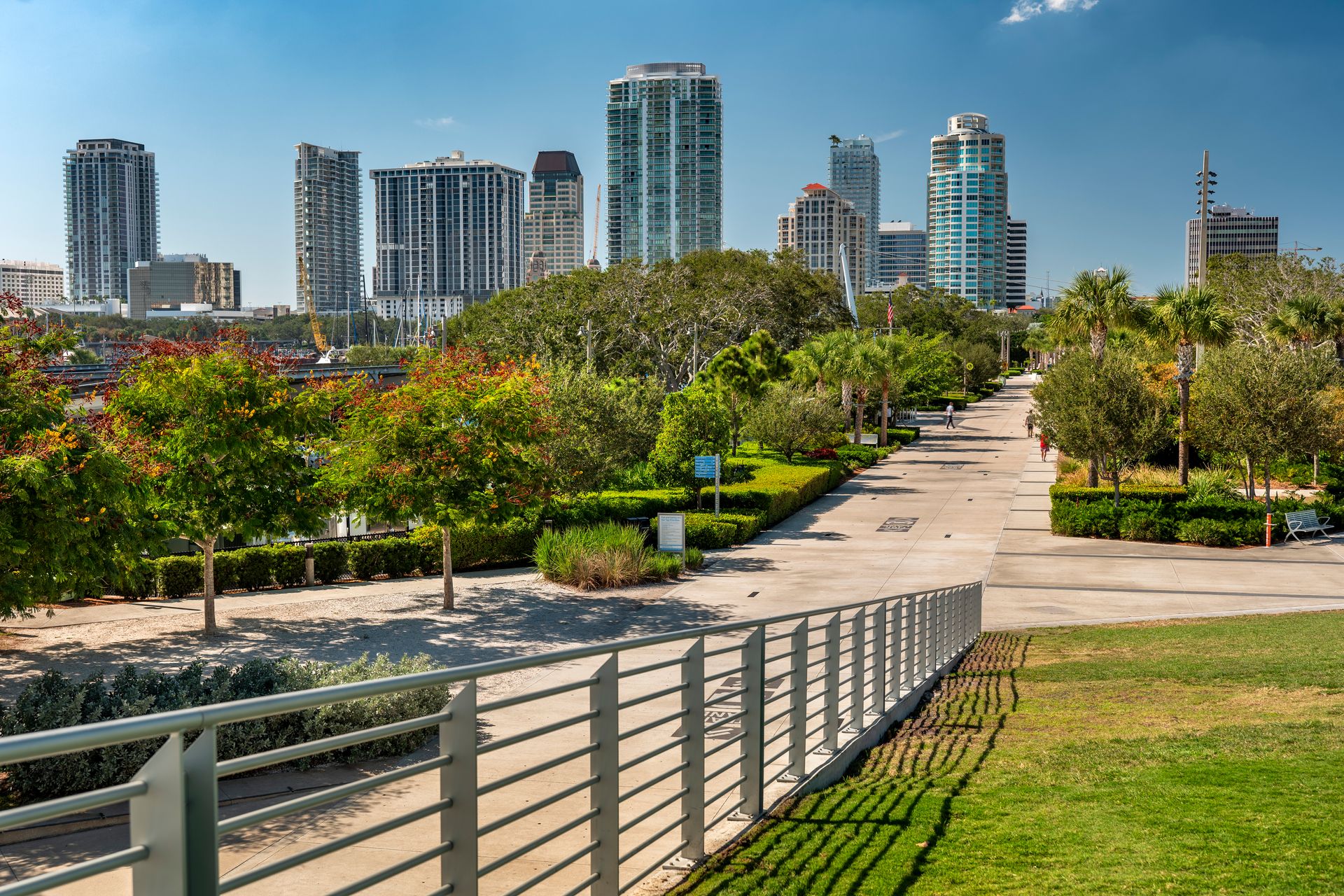
St. Petersburg, Fla., closed out the top five with a score of 59.24, anchored by a Business Environment rank of 10th nationally, the strongest of any city in the top five in that dimension. Business Environment carries the heaviest weight in WalletHub's methodology at 50 points, so a 10th-place standing reflects genuine breadth. Small-business growth, startup concentration, industry variety, revenue trends, and entrepreneurship index performance all contribute to that score.
St. Petersburg competes with — and outperforms — markets such as Dallas, Atlanta, and Phoenix on the conditions that govern whether a new venture survives and grows. Industry variety carries particular weight for founders who intend to hire across disciplines or build local supply-chain relationships. A more diversified market offers adjacent partners, a broader customer base, and a labor pool with a wider range of skill sets than a market concentrated in a single sector.
A Business Costs rank of 29th keeps St. Petersburg inside the top third of the sample on cost efficiency. Founders who expect a strong business environment to come packaged with steep overhead will find the cost profile manageable. Startup activity, survival rates, industry breadth, and cost of doing business all land in the city's favor. As Babson College's Jay Rao notes, a well-developed city market gives founders access to talent, investor networks, and the legal, accounting, and HR infrastructure that early-stage ventures need but cannot build on their own. St. Petersburg delivers those assets at a price point that preserves a founder's runway through the critical early years.
