New trucks now average over $50,000. The used market under $20,000 still has solid options — if you know which models, which years, and which red flags to look for before signing anything
Julia Volk / Pexels
New trucks have gotten expensive. The average new pickup truck now sells for over $50,000, with many well-equipped models pushing $60,000 to $70,000. Even the cheapest new trucks — compact models like the Ford $F Maverick — start close to $25,000 before destination charges.
This guide focuses on the used market under $20,000 — a realistic budget for a first-time buyer who wants a capable, reliable truck without a crushing monthly payment. At this price point in 2026, you are mostly looking at trucks from the 2016 to 2021 model years with 60,000 to 120,000 miles on the odometer. That is not a dealbreaker: most modern half-ton and midsize trucks are built to last well past 200,000 miles with basic maintenance, and buying at this mileage level means someone else absorbed most of the depreciation hit.
What you can realistically expect for under $20,000:
What this budget does not buy:
Budget an additional $1,500 to $2,000 beyond the purchase price for a pre-purchase inspection, a vehicle history report, registration and taxes, and a small maintenance buffer for the first year of ownership.
Jacky Lin / Pexels
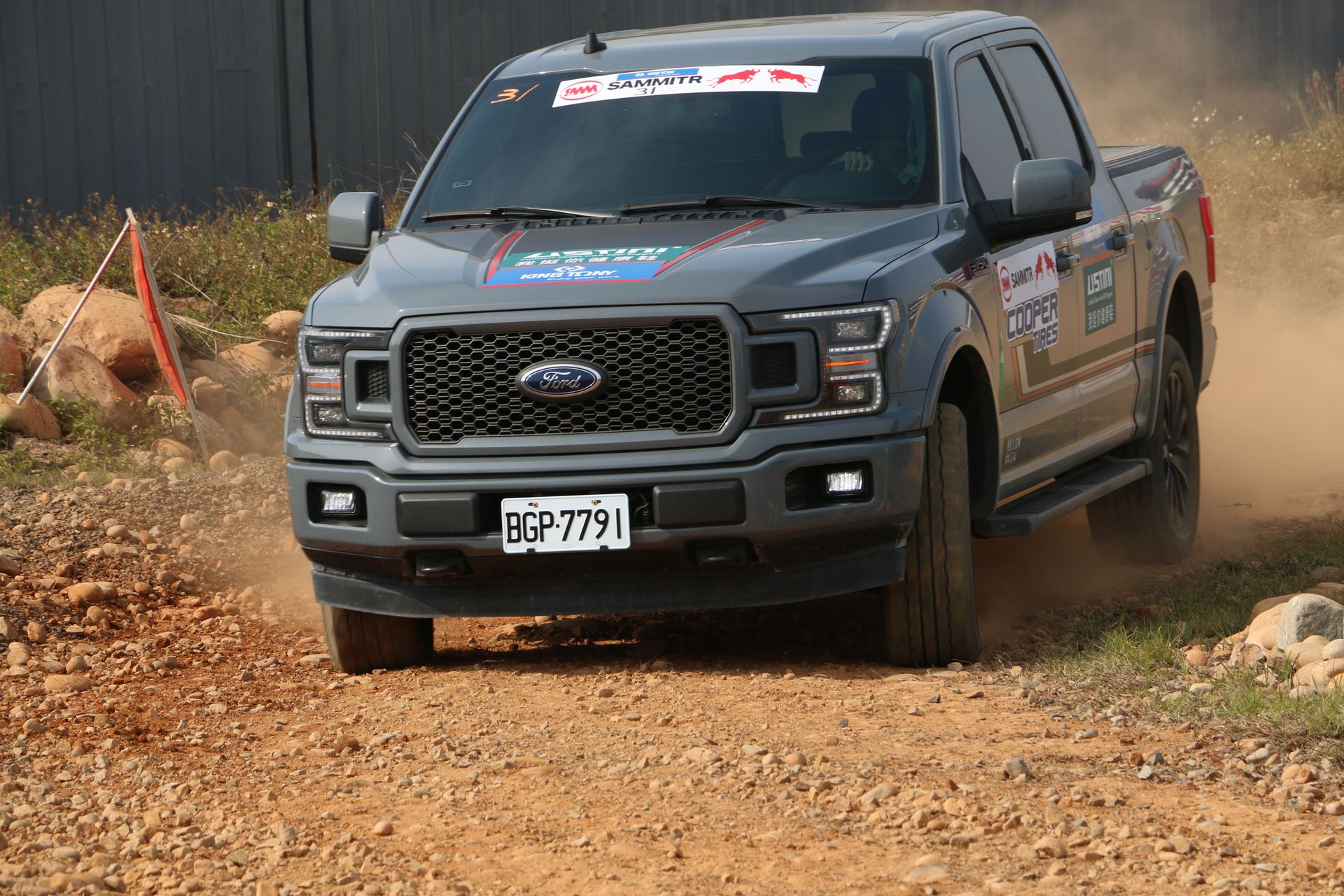
The Ford $F F-150 is America's best-selling vehicle for a reason that goes beyond brand loyalty: it is genuinely versatile, widely serviced, and at this price point, a strong value relative to the competition. The sweet spot for budget buyers is the 2015–2017 generation, which introduced the aluminum body (lighter and more fuel-efficient) and refined the 5.0L V8 engine, with better infotainment systems and more reliable transmissions than earlier years.
Best engine for this price range: The 5.0L V8 is the most reliable option — fewer complicated systems means fewer expensive repairs, even if it uses more fuel than the EcoBoost alternatives. The 2.7L EcoBoost has a reputation for carbon buildup issues around 100,000 miles; if you buy one, budget $300–$500 for a potential carbon cleaning service. The 3.5L EcoBoost is more reliable than the 2.7L but can have occasional turbo issues.
What you get: Towing capacity of 8,000–11,000 lbs depending on configuration; comfortable cab; widely available parts and service everywhere in the US; strong resale value if you need to sell later.
What to watch for: Check for rust around the wheel arches and frame (especially in northern/salt-belt states); verify the truck has not been in a flood (aluminum body trucks can hide water damage differently from steel-body trucks); get a full vehicle history report.
Typical used price (mid-2026): $14,000–$19,000 for a clean 2015–2018 with 80,000–110,000 miles. Prices vary significantly by trim, configuration, and region.
Verify current listings at: autotrader.com, cargurus.com, edmunds.com
Mr. Location Scout / Pexels
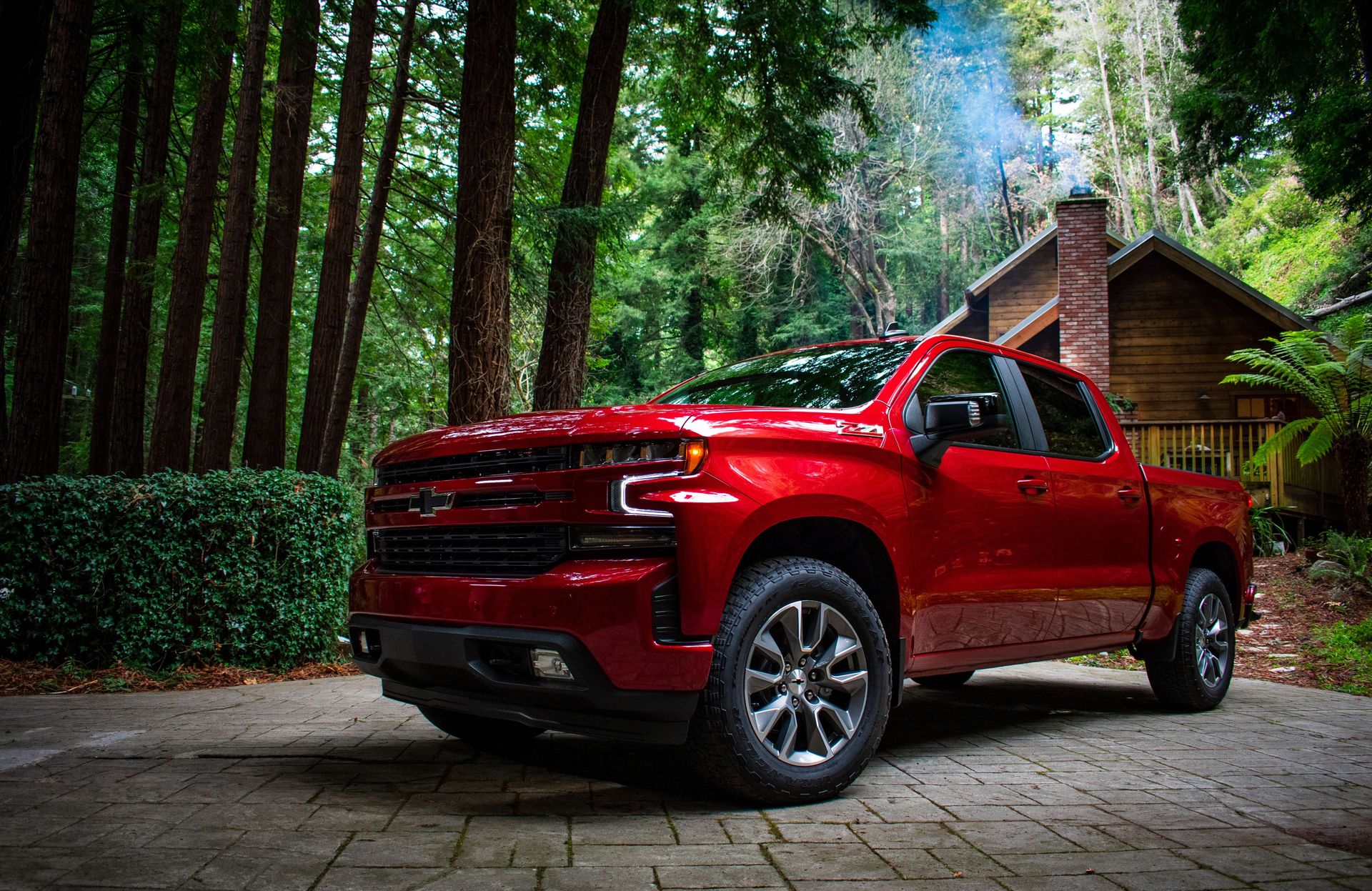
The Silverado is frequently overlooked in favor of the F-150, which works in a budget buyer's favor. Because the Silverado doesn't get as much attention as the F-150, you can often get nicer trim levels for the same budget. The 2014–2016 generation is the most balanced choice, representing a significant interior upgrade over previous generations.
Best engine for this price range: The 5.3L V8 is one of the most reliable truck engines ever built — the 2014+ models avoided the valve seat issues found in earlier versions. It is the engine to target. Avoid the 6.2L V8 unless towing is a primary need — it drinks fuel and prices up the truck. The 6-speed automatic in the 2014+ models is solid and has been proven across hundreds of thousands of trucks.
What you get: Excellent long-term reliability; low average maintenance costs; parts available at virtually every auto parts store in the country; strong towing capacity (up to 11,500 lbs on properly equipped models); comfortable cabin in the 2014+ generation.
What to watch for: The oil consumption issue affecting some early 5.3L engines (check for oil burning between changes); rust on the undercarriage in northern states; verify the transmission fluid has been serviced.
Typical used price (mid-2026): $13,000–$19,000 for a clean 2014–2018 with 80,000–120,000 miles. The Silverado tends to be slightly more affordable than an equivalent F-150, which is one of its best qualities at this price point.
Vitali Adutskevich / Pexels
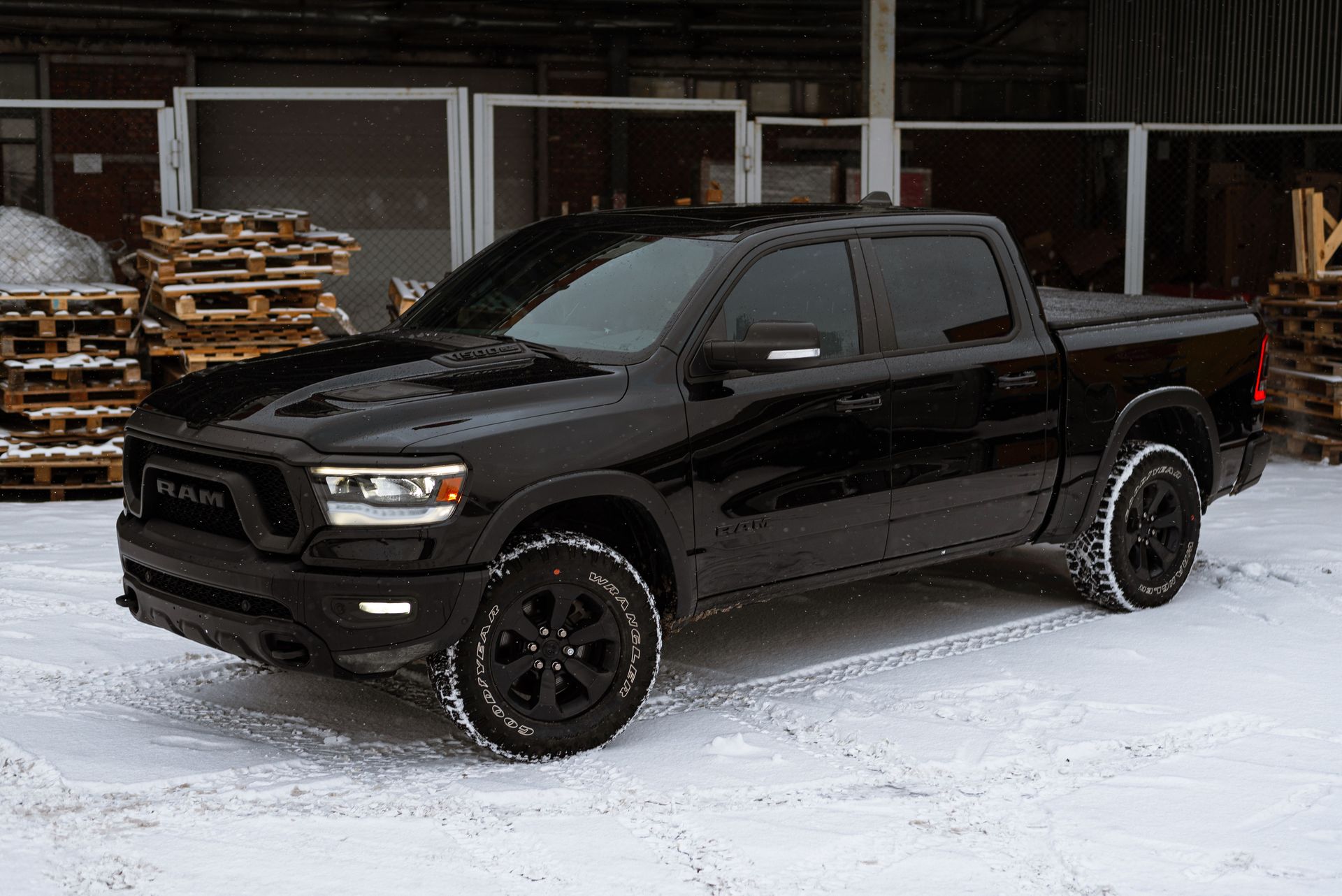
The Ram 1500 is the most car-like of the full-size trucks — softer ride, more refined interior, and a more comfortable highway driving experience than either the F-150 or Silverado. If you find one in your budget, it will likely have nicer leather, nicer tech, and a more car-like driving experience. The tradeoff is that Rams are the most expensive to maintain of the big three, partly because of higher parts costs and labor rates for dealership service.
Best engine for this price range: The 5.7L V8 (Hemi) is the star — genuinely reliable and well-regarded for longevity. The downside is fuel economy (around 17–19 mpg highway). The 3.6L Pentastar V6 is more fuel-efficient but less capable for towing. The 8-speed automatic transmission came in 2015+ models and is better than the earlier 5-speed, but those newer models may be at the upper end of a $20,000 budget.
What you get: Smooth ride quality that surprises first-time truck buyers; well-appointed interiors even in mid-trim levels; strong towing capability with the Hemi V8; available air suspension on higher trims (which is a luxury feature — but verify it's working before purchase, as it's expensive to repair).
What to watch for: Check the air suspension system if equipped (it can fail expensively); watch for transmission issues in pre-2015 models; the Hemi's multi-displacement system (MDS) occasionally causes issues — listen for lifter noise.
Typical used price (mid-2026): $13,000–$18,000 for a clean 2014–2017 with 80,000–120,000 miles.
Cristian Villafranco / Pexels
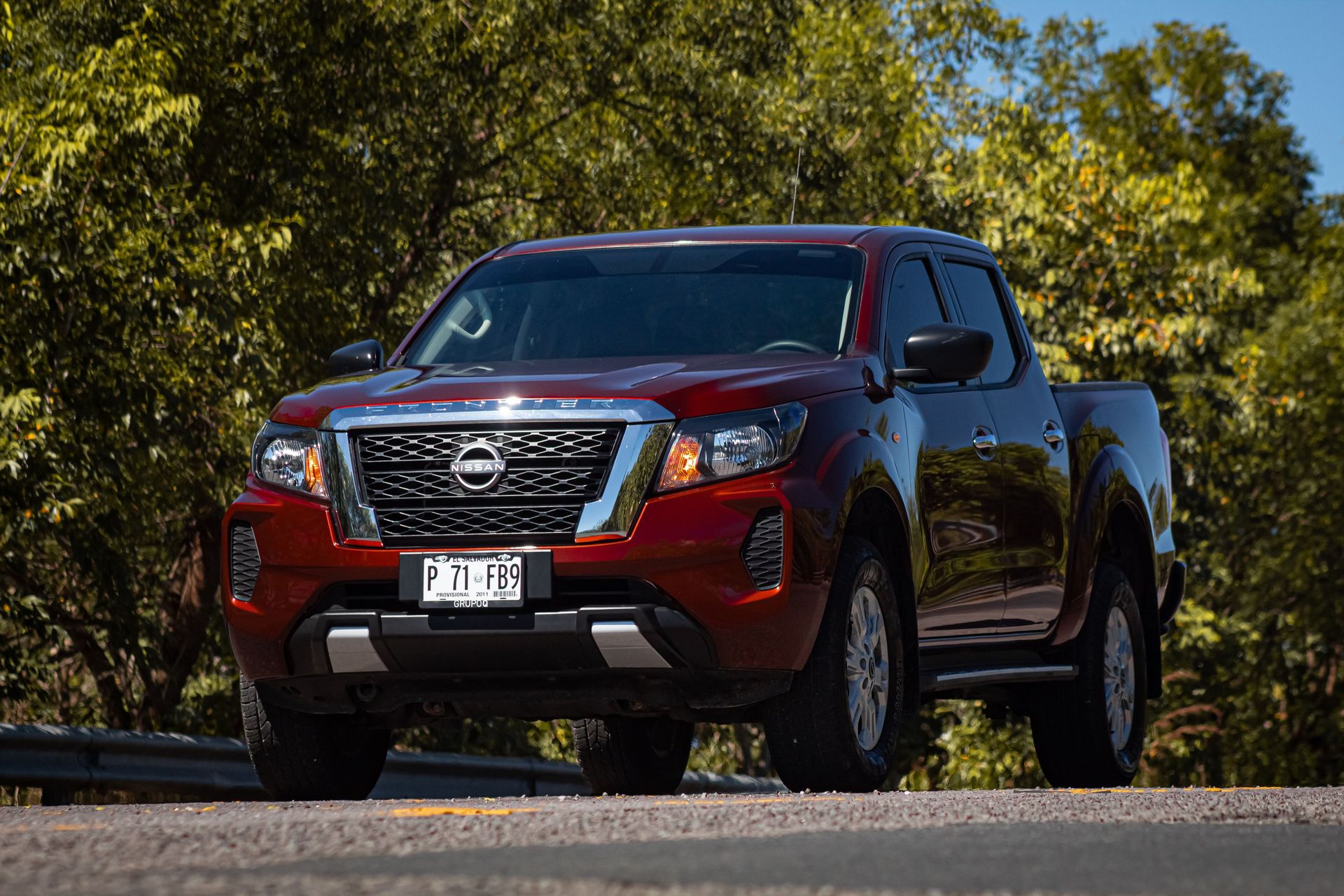
The Nissan Frontier is the most underrated truck in the used market and one of the best values at the under-$20,000 price point. The second-generation Frontier (sold from 2005 through 2021 with minimal changes) has a reputation for mechanical simplicity and longevity that is supported by owner data across an unusually long production run. The 2015–2019 Frontier soldiered on largely unchanged from 2005 until Nissan finally replaced it for the 2022 model year, which means the 2015–2019 trucks are mechanically identical to trucks that have been proving themselves on construction sites and ranch roads for two decades.
Best engine for this price range: The 4.0L V6 is the only engine worth considering — the 2.5L 4-cylinder in work-truck configurations is underpowered for most use cases. The V6 is naturally aspirated (no turbo complications), reliable, and well-suited to moderate towing (6,500 lbs).
What you get: Genuine mechanical reliability; simple systems with affordable parts; reasonable towing capacity for most first-time truck needs; a price point that leaves budget for a maintenance reserve; less desirable to thieves than Tacomas (which are frequently targeted).
What to watch for: The interior is dated by modern standards — this is a truck, not a luxury vehicle. Check for rust on the undercarriage in older examples. Verify the automatic transmission fluid has been serviced.
Typical used price (mid-2026): $12,000–$18,000 for a clean 2015–2020 with 60,000–100,000 miles — often $3,000–$5,000 less than a comparable Tacoma, with comparable or better long-term reliability.
McChizzle / Wikipedia
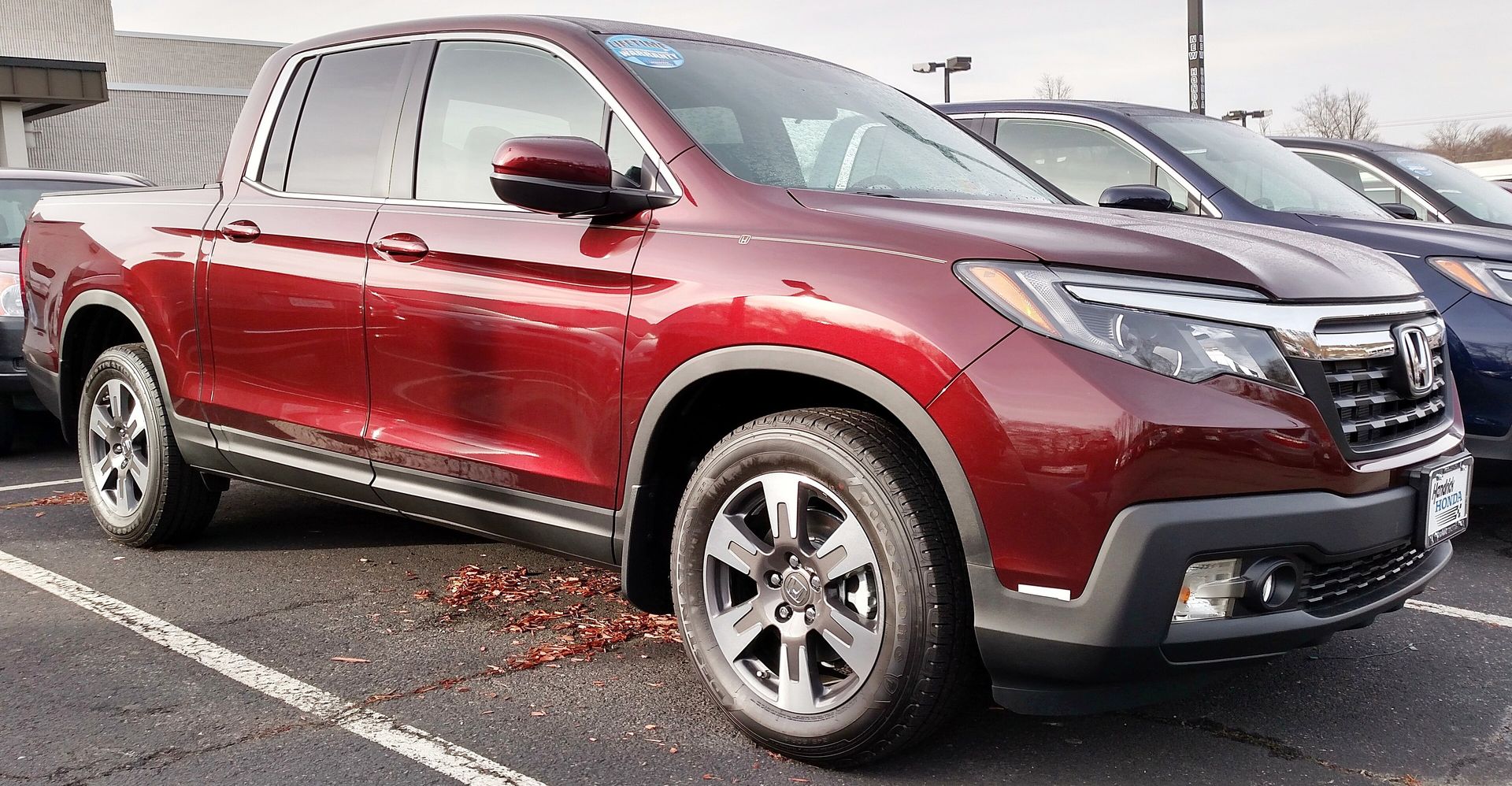
The Honda $HMC Ridgeline is the truck that confuses people and rewards those who look past the confusion. It is a unibody truck — it shares its bones with the Pilot SUV rather than a ladder frame — and for a certain type of truck owner, that is a dealbreaker before the conversation even starts. For everyone else, it rides like a car, gets better fuel economy than any body-on-frame rival, has a standard all-wheel drive and a reliable 3.5-liter V6, and the in-bed trunk is genuinely useful.
The Ridgeline is the right truck for someone who primarily wants a comfortable daily driver with truck utility — hauling the occasional load of mulch, taking camping gear on a weekend trip, fitting a mountain bike in the bed — rather than someone who regularly tows heavy loads or needs heavy-duty work truck capability. Maximum towing capacity is 5,000 lbs, which covers most light recreational and occasional work needs.
What you get: Car-like ride quality; best fuel economy in the segment; remarkably reliable (consistently high J.D. Power scores); in-bed trunk for locking secure storage; all-wheel drive standard; dual-action tailgate.
What to watch for: The unibody construction limits towing capacity and is unsuitable for serious off-road or heavy work use. The 2017 generation was a full redesign — avoid the 2006–2014 first-generation, which is aging out of easy parts availability.
Typical used price (mid-2026): $17,000–$22,000 for a clean 2017–2020 with 60,000–90,000 miles. Finding one under $20,000 requires patience, but clean examples do appear at this price. Worth the search for buyers who prioritize reliability and comfort over maximum truck capability.

Gustavo Fring / Pexels
First-time truck buyers are the most frequent victims of problems that are entirely preventable with three steps taken before signing.
Get a vehicle history report. A Carfax or AutoCheck report costs $40–$50 and reveals accident history, odometer readings across ownership, flood damage designations, and title issues. Budget $500–$1,000 upfront for a pre-purchase inspection at a trusted shop and a Carfax or AutoCheck report. These two steps alone can save you thousands by flagging flood damage, frame issues, or odometer fraud before you sign anything.
Get an independent pre-purchase inspection. This is the step most buyers skip and most regret skipping. For $100–$200, an independent mechanic (not the dealership selling the truck) will put it on a lift and check the frame, suspension, drivetrain, brakes, and fluids. This inspection is especially important for trucks from northern states where frame rust is common, and for any truck with a towing history (which accelerates wear on the transmission and cooling system).
Check for towing history. A truck that has been used heavily for towing has more wear on its transmission, brakes, and cooling system than its mileage alone indicates. Ask the seller directly; also look for a trailer hitch receiver, trailer wiring harness, and transmission temperature gauge as indicators of previous towing use.
Get pre-approved for financing. Arriving at a dealership without pre-approved financing puts you in a weaker negotiating position and makes it easier to get rolled into a higher interest rate or a longer loan term than you need. Banks, credit unions, and online lenders (LightStream, PenFed, and similar) will pre-approve a used car loan without a hard credit pull on initial inquiry.
Before the mechanic inspection, a buyer's own visual check can identify obvious problems worth investigating further.
Under the truck: Look for rust on the frame rails (especially in northern/salt-belt states — light surface rust is normal; deep rust with pitting or scaling is a serious concern). Check for fresh undercoating that might be hiding rust. Look for signs of oil or fluid leaks on the ground where the truck is parked.
Under the hood: Check the oil — it should be light brown to amber, not black or gritty. Check the coolant — it should be a consistent color, not rusty. Look for signs of leaks around hoses and gaskets. Check the battery terminals for significant corrosion.
The bed: Check for bed liner cracks that could hide damage; look at the tie-down hooks for signs of heavy use; check the tailgate operation.
The cab: Check that all windows, locks, and electrical features work. Sit in the driver's seat and check for unusual smells (mildew or mold can indicate water intrusion). Turn on the heat and air conditioning. Check the instrument cluster for warning lights.
Test drive: Highway speed for at least 15 minutes. Listen for vibrations, pulling, or unusual noises at highway speed. Test the brakes firmly (not in traffic). Confirm the four-wheel drive system engages if equipped.
Where to buy — and what to avoid
All prices, model-year recommendations, and market conditions in this guide reflect mid-2026 data and are subject to change. Verify current pricing on Autotrader, CarGurus, and Edmunds before making any purchase decisions. This guide does not constitute financial or mechanical advice — always consult a qualified mechanic before purchasing a used vehicle.
