
The best ways to save money on a cruise without sacrificing the experience
From choosing an interior cabin to skipping the art auction, strategies that keep the final cruise bill closer to what you planned to spend
Gokhan Kara / Unsplash
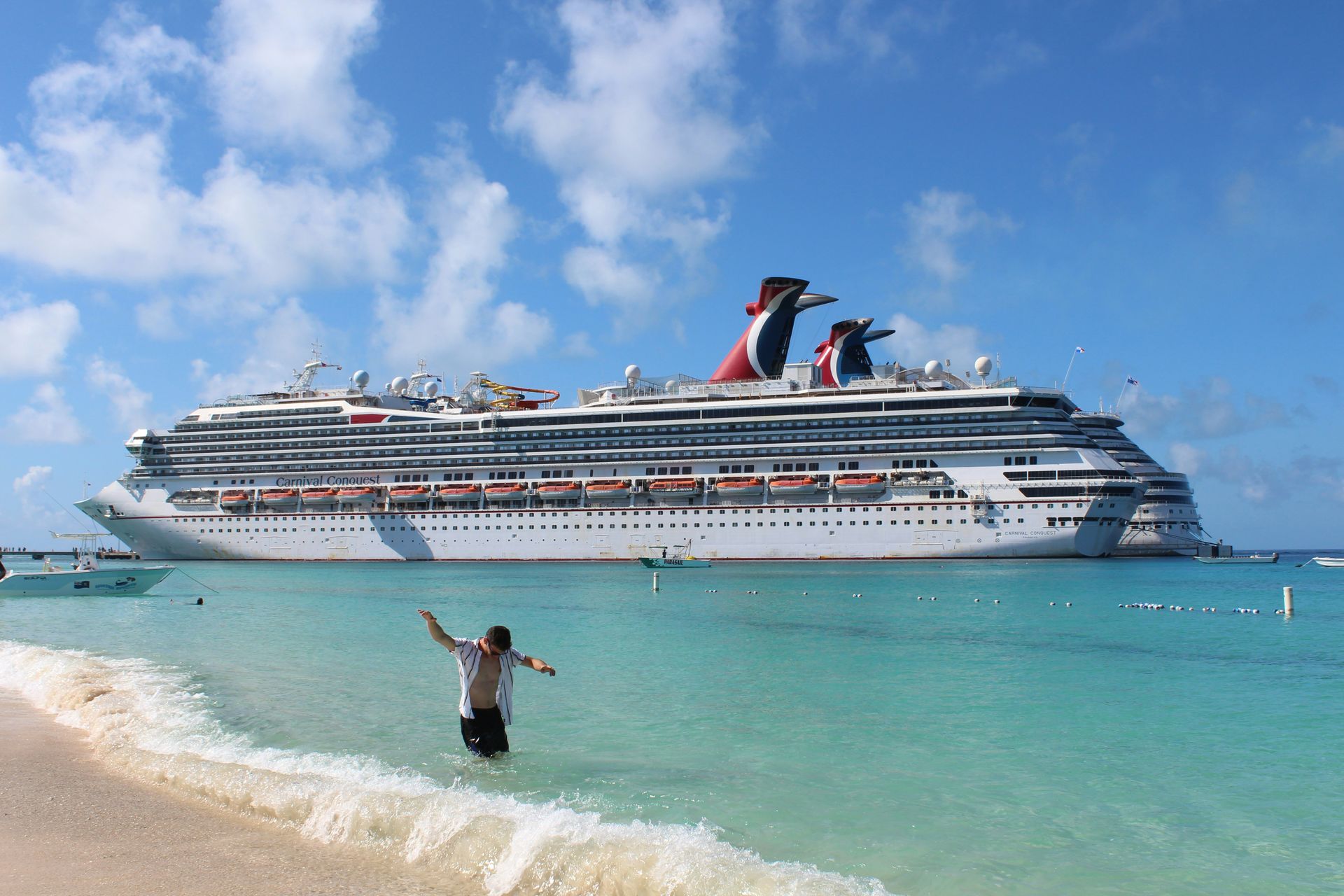
Cruises have a reputation for being expensive, but the base fare does not always justify it. When lodging, dining, and entertainment are bundled into a single upfront cost, the daily arithmetic of a cruise compares favorably to a land-based trip where hotels, restaurants, and activities accumulate separately. The problem is that the base fare is rarely the final number. Specialty restaurants, drink packages, shore excursions, spa treatments, and onboard shopping all represent additional spending that a passenger who arrived expecting an all-inclusive experience did not fully anticipate. The gap between what a cruise costs on paper and what it costs in practice is where most cruise budgets break down.
Closing that gap does not require sacrificing the experience. Most of what makes a cruise worth taking, the itinerary, the ship’s common spaces and entertainment, the novelty of waking up in a different port, sits within the base fare and does not require additional spending to access. The upsells that cruise lines construct around that core experience are optional, and recognizing them as optional is the first step toward managing the total cost more effectively. A few deliberate decisions made before and during the sailing can keep the final bill close to the number a traveler originally planned around.
The 10 strategies below appear in U.S. News & World Report and cover the most effective ways to reduce spending without compromising the quality of the experience. Some apply before boarding, some require discipline during the sailing, and a few involve reconsidering assumptions about what a cruise vacation requires. Together, they give travelers a practical framework for enjoying the full value of the base fare while avoiding supplementary costs that inflate the final bill.
1. Interior cabins cut accommodation costs without sacrificing the experience
Credit: Royal Caribbean
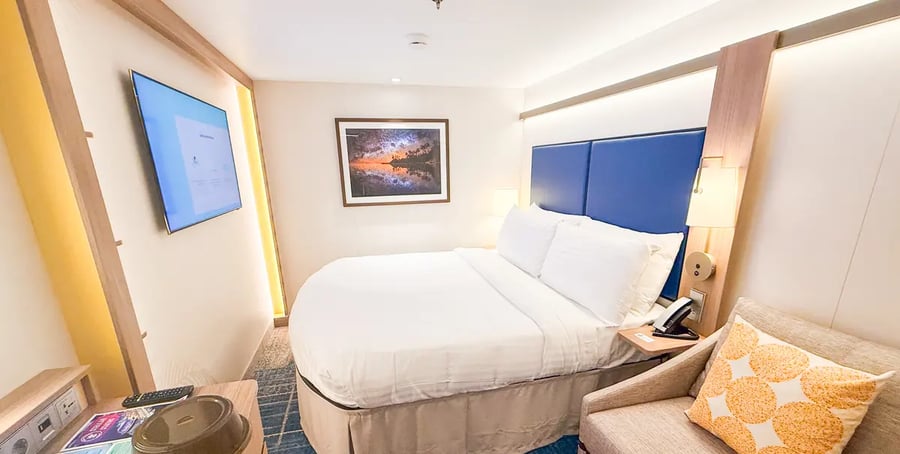
An interior cabin, a stateroom with no windows, represents the most direct way to reduce the upfront cost of a cruise. The logic is straightforward for passengers who use their room primarily for sleeping and showering: the difference in time spent inside the cabin versus outside it, on the ship’s decks, public spaces, and in port, does not justify the premium that ocean-view and balcony categories command on most itineraries. For scenic cruising routes where the view from the cabin matters, such as Alaska passages where glaciers and wildlife are visible from the water, the calculation changes. For standard Caribbean or Mediterranean sailings with port-intensive itineraries, it usually does not.
Modern interior cabins have moved well beyond the small, windowless boxes that the category’s reputation suggests. Many ships now offer interior staterooms with virtual balconies, large screens that display live exterior camera feeds, replicating the visual experience of an ocean view without the hull opening it would require. Promenade-view interiors look down into the ship’s internal shopping and entertainment street rather than outward to the sea, which trades the ocean view for the social energy of the ship’s common areas. Some cruise lines have designed interior cabin categories specifically for solo travelers, with access to dedicated lounges and social programming that offset the absence of a traveling companion.
The savings from choosing an interior cabin can be significant enough to fund the shore excursions, specialty meals, or other experiences that represent better value than the view from a cabin window. A traveler who allocates the accommodation premium toward activities will generally end the cruise with a richer experience than one who spent the same money on a room category they occupied for seven or eight hours a night.
2. Complimentary dining covers most passengers’ needs for the full sailing
Benyamin Bohlouli / Unsplash
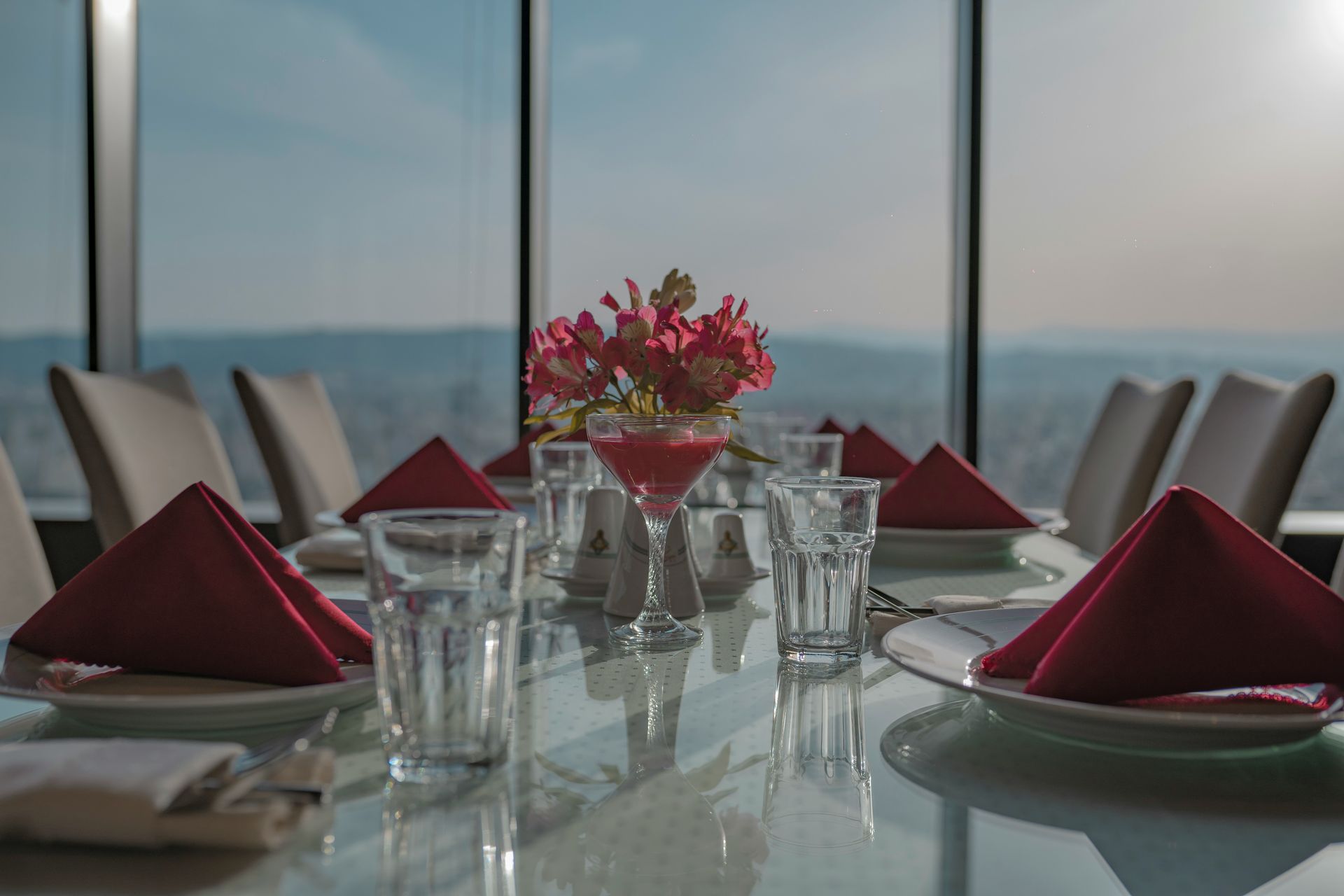
The main dining room and buffet included in every cruise fare represent a dining program that most passengers underestimate before they sail. These venues rotate dishes and cuisines continuously, operating at a quality level that has improved substantially as cruise lines have invested more in the base experience to compete on value. Eating within the complimentary dining options throughout a sailing costs nothing beyond the fare already paid and requires no reservation management or per-meal decision-making about whether a specialty restaurant justifies the additional outlay.
The breakfast strategy merits particular attention on port days. A filling meal on board before disembarking removes the pressure to buy food ashore during the day, which adds up quickly in tourist-oriented port towns where restaurants calibrate their prices accordingly. Passengers who leave the ship having already eaten well and plan their day to return by lunchtime or early afternoon can complete a full port experience without spending significantly on food. The ship’s buffet, open for lunch throughout the day at sea and typically accessible on port days as well, provides a reliable return option.
Specialty restaurants, which charge additional fees beyond the base fare, suit occasional use better than regular attendance over a sailing. Booking one or two during a week-long cruise for a celebratory dinner or cuisine that the main dining room does not cover as well keeps the experience meaningful without restructuring the trip’s food budget around restaurant supplements. Reservations made as early as possible secure the best time slots and avoid the situation where the only available dining times on a chosen evening fall outside preferred hours.
3. Beverage packages require an honest assessment of actual drinking habits
Reiseuhu / Unsplash
Drink packages are among the most marketed upsells in the cruise industry and among the most frequently purchased without a realistic assessment of whether the math works. The packages charge a daily rate that only makes sense if a passenger consumes a certain number of drinks each day, including non-alcoholic beverages, which the package covers alongside alcohol. Passengers who drink two or three drinks per day will rarely break even on a standard drink package; those who want coffee drinks, smoothies, specialty sodas, and multiple alcoholic beverages throughout the day may find the package genuinely cost-effective.
Buying drinks individually gives passengers direct control over what they spend and eliminates the psychological pressure to consume more than they want in order to get value from a package they have already paid for. The a la carte approach suits moderate drinkers, and the discipline of paying for each drink individually tends to produce more mindful consumption than an unlimited package encourages.
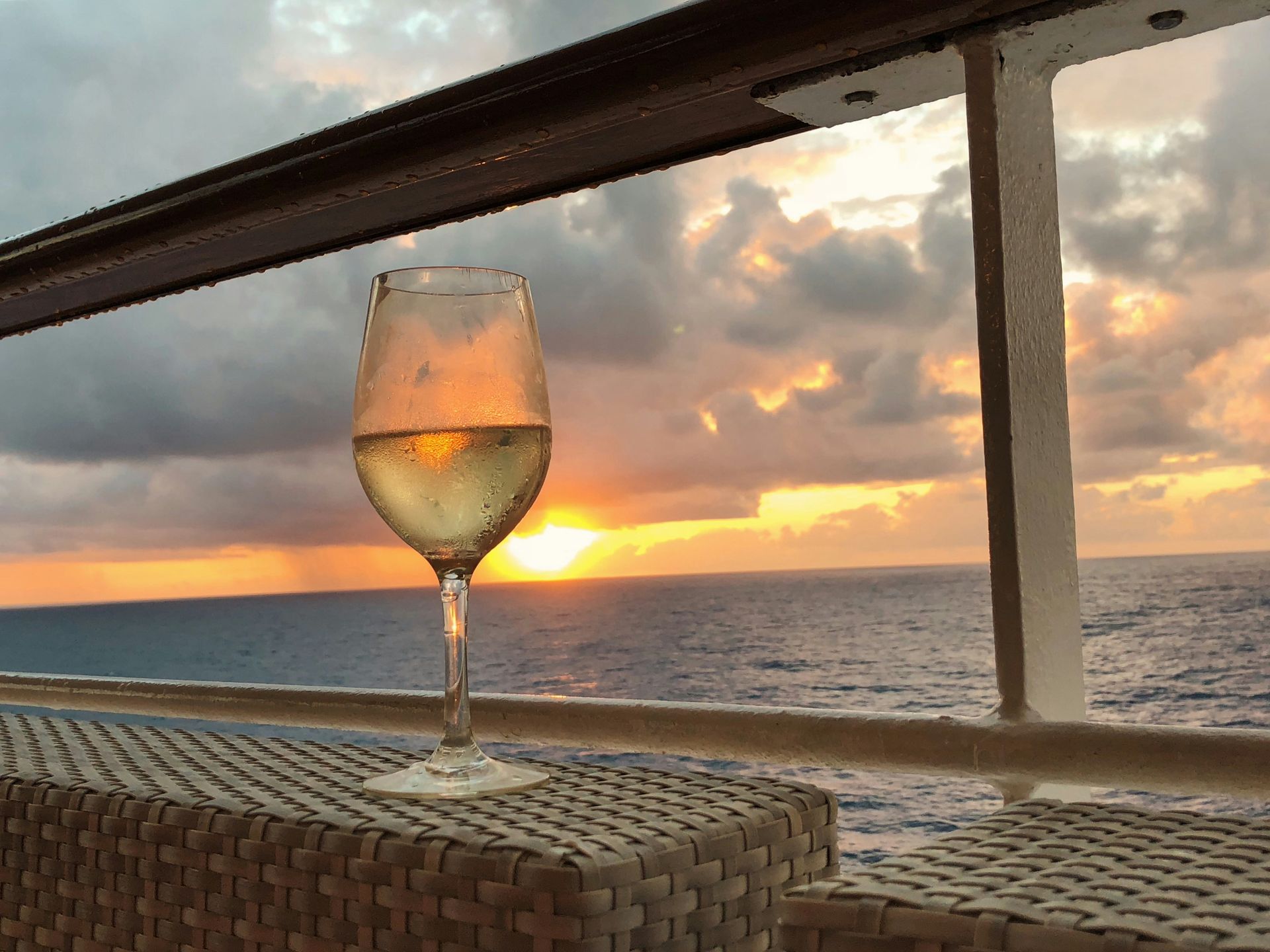
Many cruise lines allow passengers to bring a limited number of personal wine or Champagne bottles aboard, reducing the cost of in-cabin drinking to what was paid at a wine shop or supermarket before boarding. The corkage fee most lines charge when passengers bring personal bottles into the ship’s restaurants or public areas makes this option work best as a cabin-only arrangement. Complimentary drinks distributed at events like art auctions or captain-hosted happy hours add occasional free beverage access that a passenger tracking their per-drink spending can incorporate into the overall calculation.
4. Free onboard entertainment fills a cruise itinerary without additional spending
Colin Lloyd / Unsplash
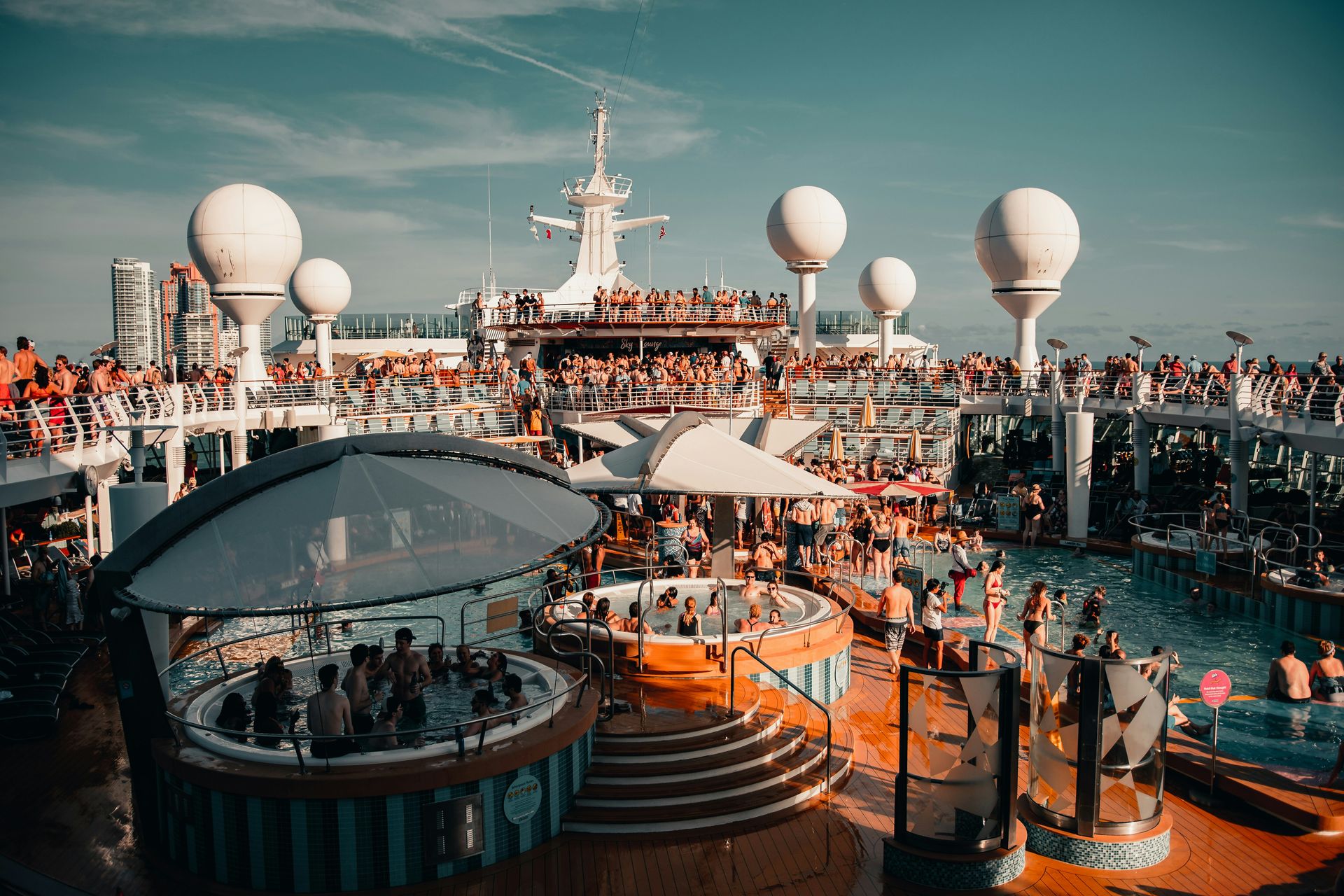
The complimentary entertainment and activities included in the base fare of most major cruise ships cover a broad range, filling every sea day and most evenings without any additional outlay. Broadway-style productions, deck parties, interactive trivia games, live music, and themed events all operate without a ticket or cover charge. The daily planner, available through the cruise line’s smartphone app or on request in paper form, lists the full schedule for each day and allows passengers to identify what interests them before the day begins.
Beyond programmed activities, the ship’s passive amenities, swimming pools, hot tubs, waterslides, where available, sports courts, and various lounges operate at no additional charge throughout the sailing. A passenger who uses these facilities regularly and engages with the scheduled entertainment program will spend the sailing the way most marketing materials portray cruise life, without the gap between the portrayed experience and the actual cost of paid activities.
Some onboard activities carry a small supplementary charge: bowling alleys, certain fitness classes, mixology courses, and cooking demonstrations are common examples. These additions can represent good value relative to comparable experiences on land, and their costs are specific enough to evaluate individually rather than avoid categorically. The distinction is between activities that cost something additional and the core entertainment program that does not.
5. Onboard art and jewelry purchases erode the savings that other strategies produce

Markus Spiske / Unsplash
The art auction is one of the cruise industry’s most consistent revenue streams, found on nearly every major cruise ship and designed to feel like an entertainment event rather than a sales environment. Artwork sold through these auctions carries valuations that the cruise industry’s limited consumer protection framework does not subject to the same scrutiny that shoreside auction markets operate under. Passengers who bid successfully and later want to return a piece will be subject to the auction house’s policies rather than the standard consumer protections that apply in most retail environments.
Jewelry shops aboard cruise ships advertise their duty-free status as a primary selling point, but duty-free does not mean discounted relative to comparable-quality items available on land. The pricing at shipboard jewelry retailers reflects the captive audience dynamics of a ship at sea rather than the competitive retail environment of a destination shopping district. Passengers who want to buy jewelry during a cruise are better served by waiting for port stops where local markets and established retailers operate under more competitive conditions.
The combined impact of art and jewelry purchases, each presented as a special or limited-time opportunity, can add substantially to the final cruise bill in a way that neither feels significant at the moment of purchase. Treating both categories as optional entertainment rather than shopping opportunities protects the budget that other cost-reduction strategies worked to preserve.
6. Packing medications and toiletries from home avoids significant shipboard markups

Roberto Sorin / Unsplash
The medical and personal care supplies available for purchase aboard a cruise ship cost substantially more than the same products on land, and the specific brands a passenger relies on may not be available at all in remote or international ports where the ship docks. Over-the-counter medications, including pain relievers, motion sickness treatments, and basic first-aid supplies, carry markups that reflect the ship’s monopoly position as the only retail option for a passenger who forgot to pack them. Standard toiletries, including toothpaste and sunscreen, follow the same pricing logic.
Packing a comprehensive supply of any medication or personal care product likely to be needed during the sailing eliminates the situation where a passenger has no practical alternative to paying the shipboard price. The calculation is straightforward: the cost of bringing supplies from home is whatever they cost at a pharmacy or supermarket, and the cost of buying them on board is significantly higher. Motion sickness medication deserves particular attention from passengers who have not previously sailed, as the timing of when it is taken matters more than the convenience of buying it after symptoms develop.
Cruise travel insurance, while a separate cost, addresses the category of medical situations that no quantity of packed supplies can cover. The medical facilities aboard larger cruise ships handle emergencies competently, but the associated costs fall outside the standard health insurance coverage most passengers carry, and the financial exposure from a significant medical event at sea without travel insurance can exceed the entire cost of the cruise many times over.
7. Spa treatments carry significant premiums over comparable services on land

Rosa Rafael / Unsplash
The wellness facilities that cruise ships advertise as part of their onboard experience include treatments priced well above what comparable services cost at land-based spas. The captive audience dynamic that drives shipboard retail pricing applies equally to spa menus, and the premium exists because passengers in the middle of a sailing have no alternative provider to compare against. A massage or facial that a passenger would book without a second thought at a neighborhood spa may cost twice as much or more in the same format aboard a ship.
The complimentary wellness access included in the base fare on many ships covers the sauna, steam room, and thermal suite, which form the passive component of the spa experience. Passengers who use these facilities regularly receive meaningful wellness benefits from what is already paid for, reducing the gap that paid treatment is filling. The ship’s hot tubs, also included at no additional charge, provide the relaxation function that a spa treatment might otherwise offer to passengers whose primary goal is rest rather than a specific therapeutic outcome.
Medical spa services, including cosmetic treatments that some ships now offer, such as injectables and hair treatments, represent a category better handled by established practitioners in a patient’s home environment than by shipboard providers operating under the compressed schedule of a sailing. The convenience of the onboard option does not offset the practical advantages of receiving these treatments from a provider who knows the patient’s history and operates within a consistent regulatory framework.
8. Casino spending produces predictable losses for most passengers

Kaysha / Unsplash
The casino aboard a cruise ship functions on the same mathematical principles as any other casino: the house holds an edge on every game, and the aggregate outcome across all passengers over the course of a sailing reliably favors the cruise line. According to experienced cruise travelers, the odds available at shipboard casinos are less favorable than those at established land-based casinos in gaming destinations like Las Vegas. The combination of worse odds and the vacation environment's ambient encouragement, where spending decisions carry less weight than at home, makes the cruise casino a particularly effective mechanism for extracting money from passengers who engage with it without a predetermined limit.
Avoiding the casino entirely removes the risk completely, which is the only strategy that guarantees the casino contributes nothing to the final bill. Passengers who want to participate and find value in the entertainment dimension of casino games protect themselves most effectively by setting a firm spending limit before entering and treating that amount as the full cost of the entertainment rather than a stake that might return more than it costs. The psychological framing of the limit as a sunk entertainment cost, akin to a show ticket, produces better financial outcomes than the alternative framing of gambling as an investment that might pay off.
9. Skipping the Wi-Fi package supports both the budget and the vacation itself
-1920x1279.jpg)
Alonso Reyes / Unsplash
Cruise ship Wi-Fi packages add a daily cost to the sailing that passengers who disconnect from connectivity obligations during a vacation may find entirely avoidable. The case for skipping the package operates on two levels simultaneously: the financial argument that it is an additional cost not included in the base fare, and the experiential argument that a vacation spent partially disconnected from email, social media, and professional obligations yields better rest than one in which connectivity remains continuous.
Port stops restore internet access for passengers whose phone plans include international data or who use local Wi-Fi at cafes and public spaces while ashore. Many cruise line apps allow passengers to message each other through the ship’s internal network without purchasing a full Wi-Fi package, addressing the practical need to stay in touch with travel companions without the cost of broader internet access. The combination of port connectivity and in-app messaging covers most passengers’ actual communication needs throughout a sailing.
Attention to smartphone usage throughout the cruise prevents the unintended roaming charges that passengers discover on their phone bills after returning home. Switching to airplane mode when not connected to verified Wi-Fi and checking the phone plan’s international coverage terms before departure addresses the risk that passive data use can generate charges the passenger did not intend to incur.
10. Independent port exploration costs less than cruise line shore excursions
Bent Van Aeken / Unsplash
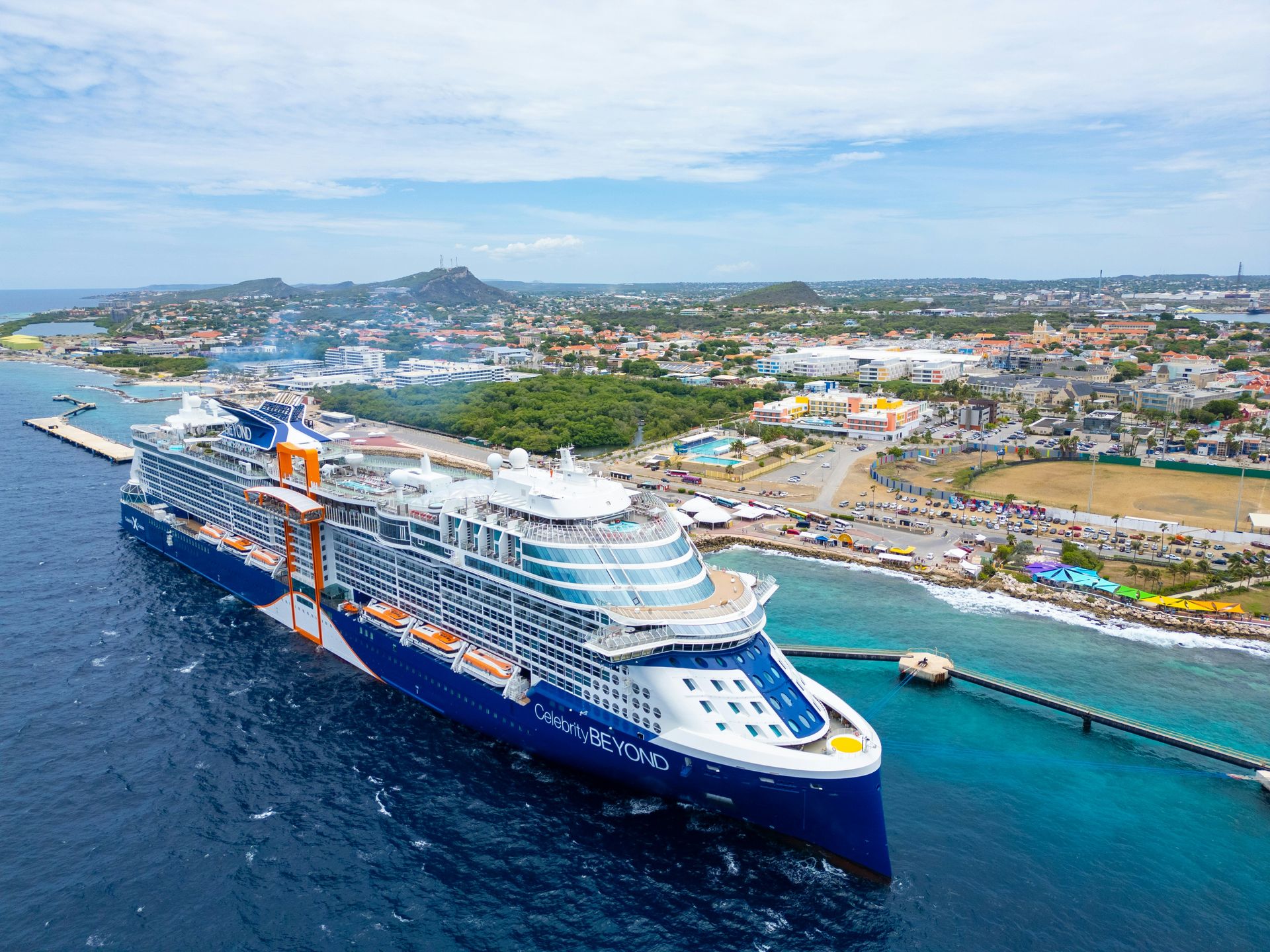
Shore excursions booked through the cruise line carry a premium that reflects the convenience and security of the arrangement: the ship waits for its own excursions if they run late, which removes the risk of missing departure. For passengers willing to manage that risk themselves, third-party tour operators and independent exploration typically deliver experiences that are the same or comparable at a lower cost. Platforms including GetYourGuide and Viator aggregate options from local operators, and the reviews available on both help passengers assess quality before booking.
The ship-waiting guarantee for official excursions is the primary practical advantage the cruise line’s offerings hold over independent alternatives. Passengers who book independently accept full responsibility for returning to the ship on time, and the consequence of missing departure is significant: the ship does not wait, and the passenger is responsible for reaching the next port at their own expense. This risk is manageable with careful planning and conservative timing, particularly in well-connected ports where the logistics of independent travel are straightforward. In remote or logistically complex ports, the security of a cruise line excursion may justify its premium.
Exploring a port without any organized tour suits certain destinations and certain passengers better than others. Walking-friendly ports with clear maps, accessible public transportation, and destinations within easy reach of the pier reward independent exploration with a direct encounter with local life that group excursions, by their nature, filter and structure. The decision to go independently, through a third-party operator, or with the cruise line’s own excursion program depends on the specific port, the planned activity, and the passenger’s comfort with navigating an unfamiliar place without a guide.