
The best ways to save money in Japan
From free shrine visits across Kyoto to overnight buses that double as your hotel, ten ways to stretch your budget in Japan
Sorasak / Unsplash
Japan can be expensive to visit, with higher prices for accommodation, food and transportation than in many other parts of Asia. The decisions a traveler makes while planning a trip, though, can shape the overall cost considerably, and many of the country’s major sights cost nothing to visit at all, from centuries-old shrines to sweeping mountain trails.
Some experiences do add real expense, since taking taxis, eating at fashionable restaurants, and visiting theme parks and other major tourist attractions all quickly push a budget upward. Train travel has also grown pricier in recent years, with further fare hikes announced for 2026, making smart transportation choices matter more than ever for cost-conscious travelers planning a longer trip across the country.
The 10 tips below, from Lonely Planet, cover how to explore Japan on a budget. They range from choosing the right bed for the night to finding free entertainment throughout the entire trip, giving budget-conscious travelers real flexibility across accommodation, transportation and daily activities. Timing also matters considerably, since prices climb sharply during cherry blossom season and Golden Week, when hotel rooms and train seats fill up months in advance of the actual travel dates. Travelers $TRV willing to shift a trip slightly outside these windows often find considerably better rates across nearly every expense category covered below, from lodging to long-distance transportation. Regional differences matter too, since a trip built around smaller towns and rural areas typically costs noticeably less than one centered entirely on Tokyo, Kyoto and Osaka, where accommodation and dining prices both run higher throughout the year regardless of the specific season chosen for travel, though even these much larger, considerably more expensive cities still offer plenty of truly affordable options for travelers willing to look a bit harder.
1. Guesthouses and hostels reward direct booking
Credit: Guest House Nara
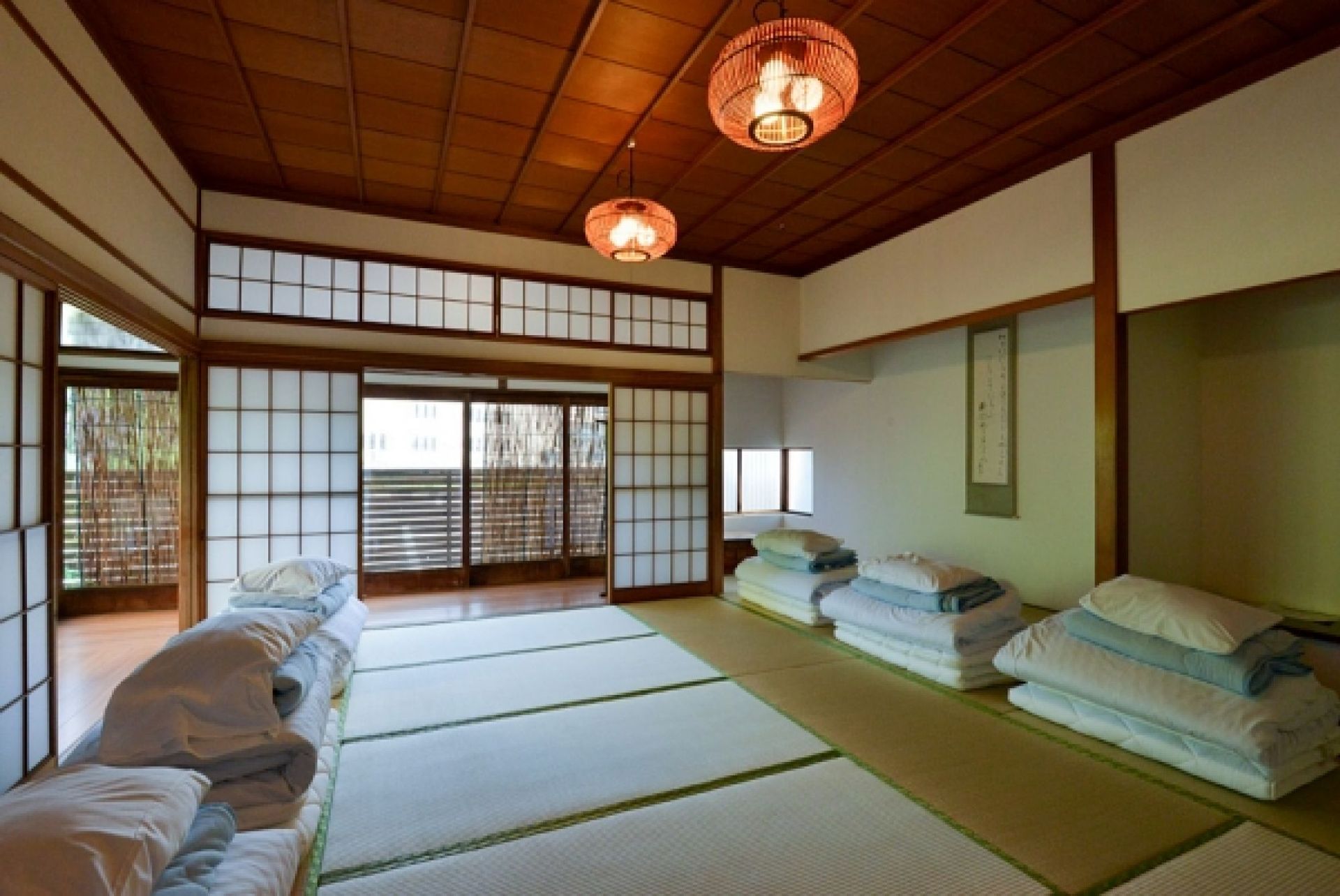
Japan has a considerable supply of clean, well-maintained guesthouses and hostels, and friendly, English-speaking staff are usually on hand to offer service that approaches that of a small hotel’s concierge. Single or double rooms typically start at 6,000-7,000 yen per night, often with shared facilities, while dorm beds run around 3,000 yen per night.
Some properties charge extra for towel rentals, so bringing a personal towel saves a few yen over a longer stay. Rates also tend to be lower when booked directly with the property rather than through a third-party booking site. However, travelers who prefer the convenience of a website can find plenty of affordable options through Jalan.net.
This particular pairing of low cost and near-hotel-level service gives guesthouses and hostels real appeal for budget travelers who still want a comfortable, well-run place to sleep. The savings from direct booking alone can add up meaningfully across a longer multi-city trip.
Travelers $TRV should compare a property’s website with third-party listings before finalizing a reservation, since the price difference between the two booking methods can be worth the extra few minutes of research. Many guesthouse owners also freely share local knowledge with guests, pointing travelers to nearby restaurants and attractions that rarely appear in mainstream guidebooks. Travelers should read recent guest reviews carefully before booking, since cleanliness and staff friendliness can vary somewhat between individually run properties. Rural guesthouses in particular often serve home-cooked breakfasts included in the room rate, adding real value beyond the modest nightly price. This particular perk rarely shows up on third-party booking sites, making direct contact worth the extra effort. A quick email or phone call ahead of a stay often uncovers this particular discount, saving real money over a multi-night stay. Even a short, polite message often works, since most owners actively welcome the chance to skip third-party commission fees. A polite request for a small discount sometimes works too, particularly during quieter travel seasons.
2. Business hotels trade style for private comfort

Credit: Agoda
Japan’s economical, admittedly utilitarian business hotels offer some of the best prices for a whole private room with en suite facilities. Double rooms start at 7,000 yen per night, and single rooms at 6,000 yen, though prices climb somewhat in cities such as Tokyo, Kyoto and Osaka.
Travelers $TRV should prioritize properties offering a free breakfast buffet, since these spreads often provide enough food to keep a guest satisfied for much of the following day without needing a separate lunch stop. Business hotels also tend to cluster near major road interchanges and transport hubs, including train stations, offering travelers genuine convenience beyond the room price itself.
This particular pairing of affordable private space and convenient transit access gives business hotels real appeal for travelers hoping to avoid shared dorm-style accommodations without paying a premium for extra comfort. The lack of design flair matters less once a traveler considers how much time they’ll actually spend in the room itself.
Travelers should book business hotels well ahead of peak travel periods, since rooms in major cities fill up quickly during cherry blossom season and other high-demand periods. Chains such as Toyoko Inn and APA Hotel operate hundreds of properties nationwide, giving travelers a predictable, consistent standard regardless of which city they visit. Rooms tend to be smaller than in Western hotels, so travelers packing light generally find business hotels considerably more comfortable than those traveling with bulky luggage. Vending machines and small convenience stores in many properties let travelers grab a late-night snack without leaving the building. Loyalty programs offered by some chains also provide free stays after a set number of nights, rewarding travelers who return to the same brand. Signing up before a first stay costs nothing and can pay off across a longer trip, especially for travelers returning to Japan more than once. Membership cards typically cost nothing to obtain and take only a minute to set up at check-in.
3. Capsule hotels squeeze budget stays into tiny pods
Credit: Agoda
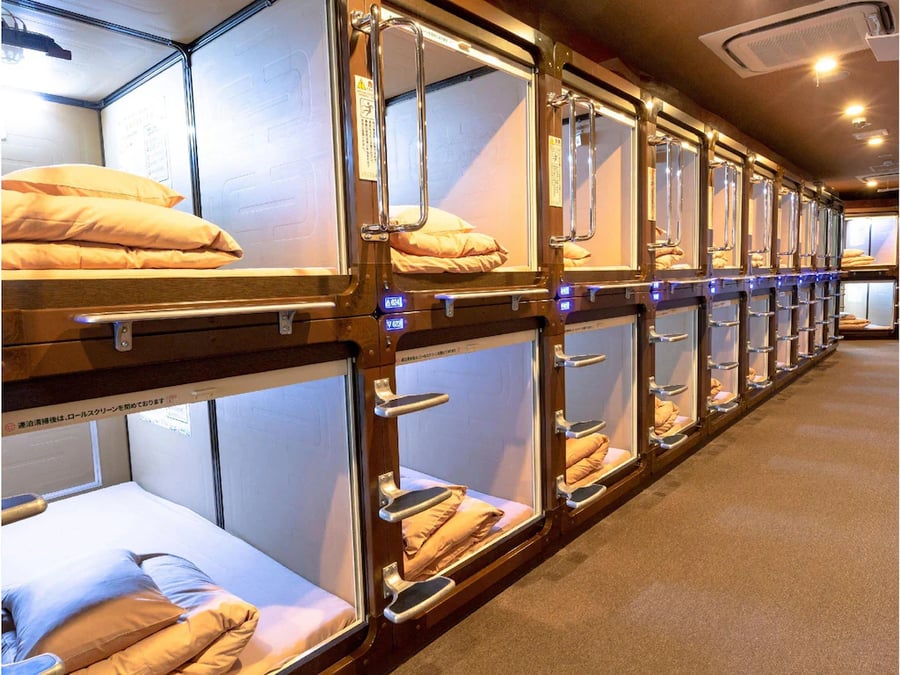
Japan’s famous capsule hotels offer tiny compartments that hold just enough space for a bed, a light, and a shelf for a phone, giving budget travelers an unusual place to spend the night. A capsule berth costs slightly more than a hostel dorm bed, starting at around 4,000 yen per night, though it offers considerably more privacy than a shared dormitory room.
Most travelers wouldn’t want to stay in a capsule every single night of a trip. However, the format proves particularly useful in cities where standard hotels run considerably pricier than elsewhere in the country. Luggage typically goes into a locker or a dedicated luggage room, and the bathroom stays shared with other guests. However, the overall experience still gives travelers a memorable story to tell afterward.
This particular blend of low cost and genuine novelty gives capsule hotels real appeal for travelers hoping to save money in expensive cities without sacrificing the sense of adventure that makes budget travel memorable. The tight quarters trade comfort for considerable savings during a short stay.
Travelers $TRV should confirm the current luggage storage policies before booking a capsule, as larger bags may incur a separate storage fee in addition to the basic room rate. Many capsule hotels also include shared lounges, vending machines, and sometimes an on-site bath or sauna, giving guests amenities beyond simply the sleeping pod itself. Travelers with claustrophobia or a need for considerable personal space should test the format for a single night before committing to a longer capsule-based stay. Noise-canceling earplugs help considerably in shared sleeping areas, since thin partitions between capsules mean sound travels more than in a private room. Packing a small travel lock also helps secure valuables inside a shared locker overnight. A simple combination lock works well for most standard lockers in these properties, eliminating the need to carry a separate key. Packing earplugs alongside the lock rounds out a considerably more comfortable overnight setup in these shared spaces.
4. Summer camping cuts lodging costs to a few hundred yen
Credit: Japan National Tourism Organization
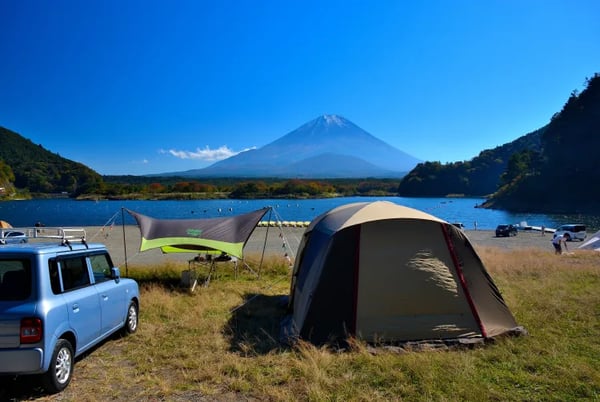
Japan’s network of well-maintained campsites, scattered across rural and resort areas, gives budget travelers among the cheapest lodging options found anywhere in the country. Tent space typically costs between 500 and 1,000 yen per person, making camping considerably more affordable than even the least expensive hotel rooms.
Most campsites operate only during the summer months, limiting this particular option to a fairly narrow window on the calendar. The Japan National Tourism Organization maintains online listings of major campsites throughout the country, providing travelers with a reliable starting point for planning a camping itinerary.
This particular pairing of considerable savings and seasonal scenery gives camping real appeal for travelers visiting during summer, especially those hoping to combine budget lodging with access to Japan’s rural and mountain landscapes. The tradeoff comes in convenience, since campsites typically sit further from train stations and city centers than standard hotels.
Travelers $TRV should pack appropriate gear well ahead of a trip built entirely around camping, since renting equipment locally in Japan proves considerably less common than in some other countries with a stronger domestic camping culture. Many campsites throughout Japan also rent basic gear on-site, giving travelers without their own equipment a genuine way to try camping without a significant upfront purchase. Weather can shift quickly in mountain and coastal camping areas, so packing rain protection matters even during Japan’s generally reliable summer season. Insect repellent proves particularly useful at forest and lakeside sites, where mosquitoes tend to grow considerably more active during the warmest evening hours. Bringing a portable stove also lets campers cook simple meals on-site instead of relying entirely on nearby restaurants. Even a small single-burner unit adds genuine flexibility to a budget camping itinerary, letting travelers prepare simple hot meals without relying entirely on nearby shops. Checking fuel canister availability before departure also helps, since not every rural store stocks the specific type a given stove requires. Most outdoor equipment shops in larger cities carry a reasonable selection of common canister types.
5. Overnight buses replace a hotel night with transit
Credit: Willer Express
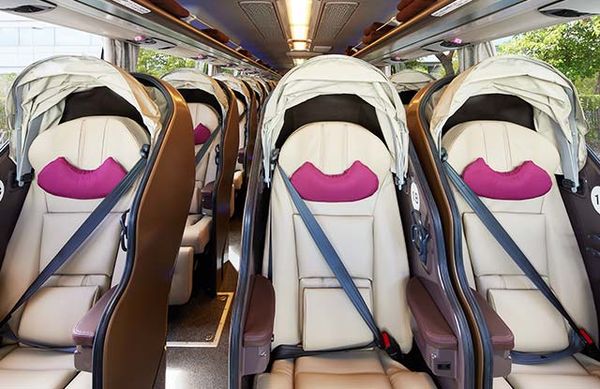
Long-distance buses, including those operated by Willer Express, offer some of the best value for getting around Japan, undercutting train fares on many routes. Night buses covering longer routes let travelers skip an entire night’s accommodation cost, since the journey itself doubles as the night’s lodging.
Pocket-friendly bus passes add further savings on top of already competitive individual fares, making overnight bus travel a particularly strong option for budget-focused itineraries covering considerable distances. This particular pairing of transportation savings and accommodation savings gives overnight buses real appeal for travelers trying to stretch a fixed budget across the longest possible trip.
Comfort levels vary by operator and route, so travelers hoping for a restful night should research seat configurations before booking rather than assuming every overnight service offers identical comfort. Reclining seats, curtains, and legroom differ meaningfully between companies and even between different buses run by the same operator.
Travelers $TRV should book overnight buses well in advance during peak travel periods, since the cheapest fares and the most comfortable seat configurations tend to sell out first on popular long-distance routes. Willer Express and similar operators typically connect major cities such as Tokyo, Osaka and Fukuoka, giving budget travelers a viable alternative even on some of the country’s longest domestic routes. Travelers prone to motion sickness or difficulty sleeping upright should weigh this factor carefully, since a poor night on a bus can affect the following day’s energy considerably. Bringing a neck pillow and an eye mask makes a real difference on longer routes, helping light sleepers rest more comfortably despite the upright seating. Checking cancellation policies before booking also matters, since plans can shift unexpectedly during a longer trip. Most reputable operators allow free changes up until a set window before departure, giving travelers some breathing room if a schedule needs to shift. Reading the fine print on a specific fare class before booking helps avoid any confusion about exactly how flexible a given ticket actually is.
6. The Japan Rail Pass unlocks unlimited bullet train travel
Credit: Japan National Tourism Organization
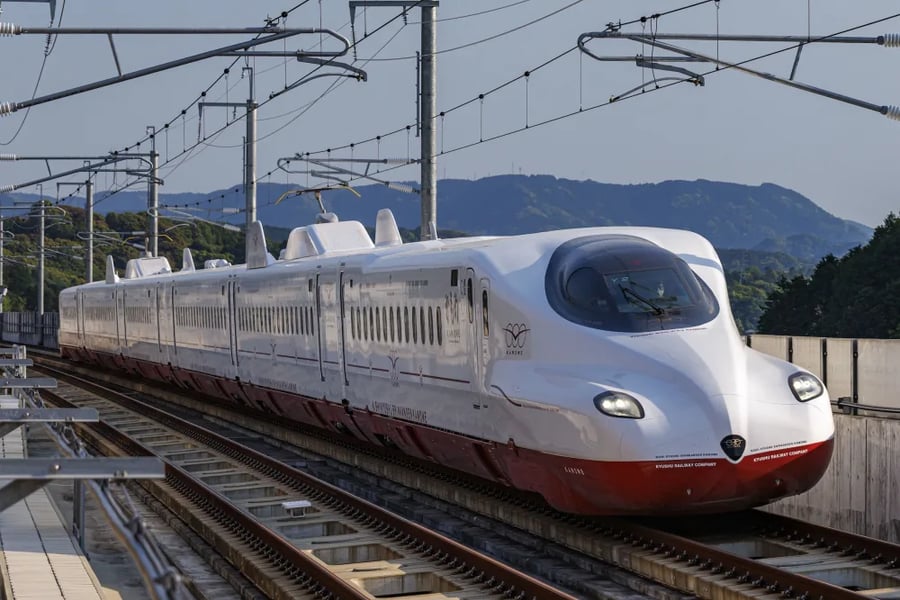
Much like the well-known Eurail Pass in Europe, the Japan Rail Pass, or JR Pass, ranks among the world’s great travel bargains and offers the best way to see a considerable amount of Japan by train on a budget. Valid for 7, 14 or 21 days, the pass covers unlimited travel across Japan’s extensive nationwide rail system, including the lightning-fast shinkansen bullet trains. However, certain specific high-speed services remain excluded from coverage.
Travelers $TRV can purchase the pass online or through a travel agent in their home country before departure. Regional train passes covering only parts of the country offer a cheaper alternative for travelers with a narrower itinerary, so thinking through which specific regions matter most before deciding which pass to buy pays off in real savings.
The 2026 price for the JR East Pass, for example, runs 35,000 yen for 5 days, and the pass suits travelers heading toward Aomori, Akita, Sendai and other destinations throughout the Tohoku region. This particular regional option demonstrates how considerably cheaper a targeted pass can run compared with the full nationwide version.
Travelers should map out their route before purchasing any pass, since the nationwide JR Pass only pays for itself once the total cost of planned train travel exceeds a certain threshold. Travelers should also confirm whether their planned itinerary includes any of the specific high-speed services excluded from standard pass coverage, since a handful of premium shinkansen routes require an additional fee. Seat reservations on the shinkansen remain free with a valid pass, though travelers should still reserve seats in advance during busy holiday periods to guarantee a seat on popular departures. Travelers should collect the pass at a designated exchange office promptly upon arrival, as activation typically requires presenting a passport along with the voucher. Digital versions of the pass have also become more common recently, letting some travelers skip the physical exchange office entirely. Travelers should double-check the current exchange office hours before arrival, since some smaller stations staff the counter only during limited daytime windows.
7. The Seishun 18 Ticket stretches budgets on local trains
Credit: Japan National Tourism Organization
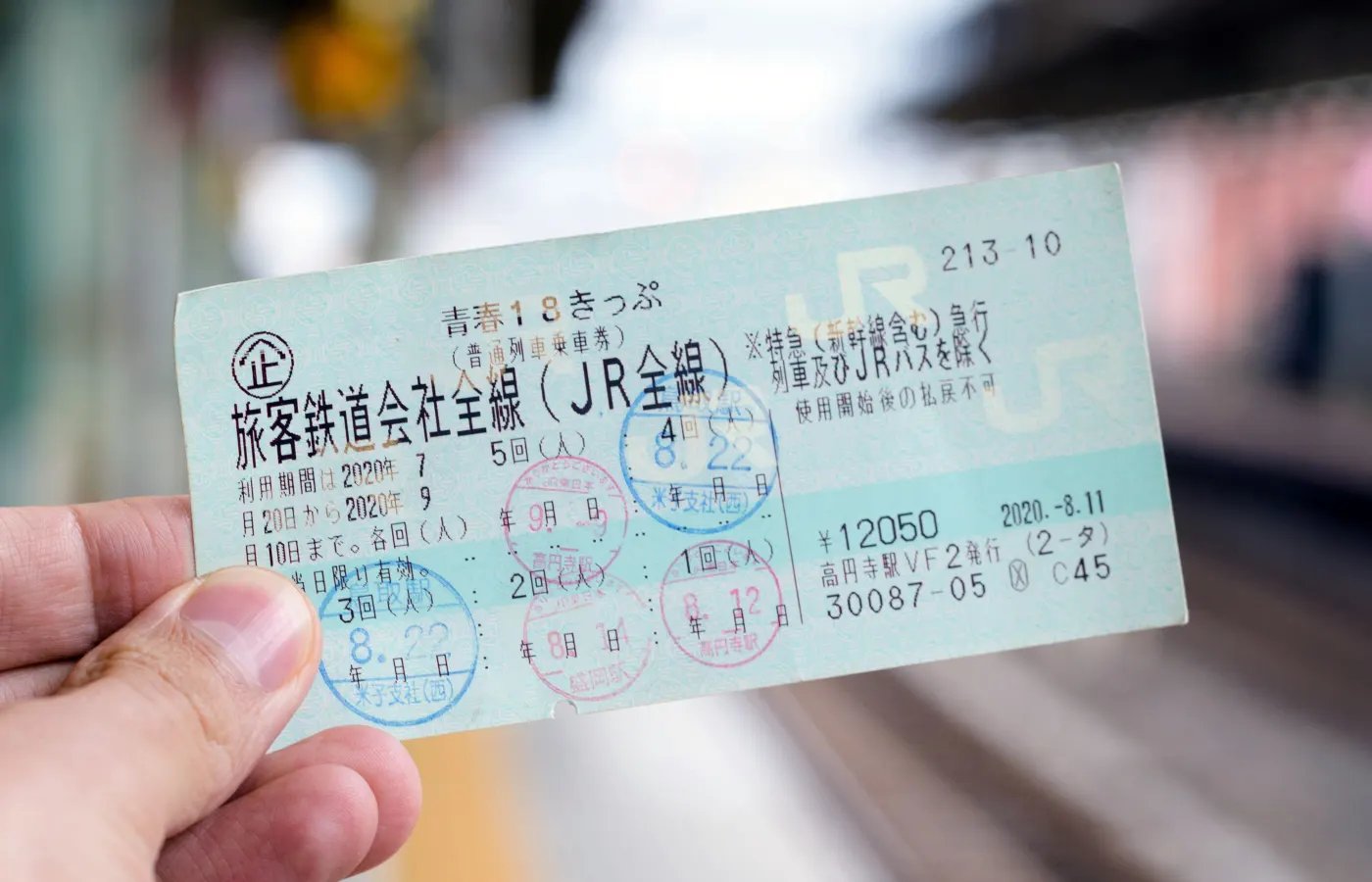
Sold at JR ticket desks during certain times of year, the Seishun 18 Ticket offers another genuine deal, though it comes with fairly specific conditions attached. One version includes five one-day tickets valid for travel on any regular Japan Railways train, excluding the shinkansen and any high-speed limited express services. In contrast, a second version includes three one-day tickets for a somewhat lower total price.
This ticket remains available only during specific windows aligned with Japan’s school holiday calendar, as the product was originally designed for students. However, no formal age cap actually restricts who can buy or use it. The ticket also can’t be purchased from outside Japan, meaning travelers need to plan around this particular restriction ahead of arrival.
Travelers $TRV who enjoy slow travel and whose itinerary happens to align with the ticket’s specific availability window will find this option delivers considerable value precisely because it trades speed for savings across an entire day of unlimited local train travel. This particular tradeoff won’t suit every traveler, though it rewards patience considerably for those willing to embrace a slower pace.
Travelers should research the exact sale and validity dates for the current year well before a planned trip, since the Seishun 18 Ticket’s specific windows shift somewhat from year to year depending on the school calendar. Travelers using this particular ticket should budget considerably more travel time than a shinkansen journey would require, since local trains stop far more frequently and cover ground at a fraction of bullet train speed. Travelers should build considerable flexibility into their schedule when using this ticket, since missed connections on slower local lines can add hours to an already lengthy day of travel. Bringing a physical book or downloaded entertainment helps pass the considerable extra time this particular ticket demands compared with a direct shinkansen connection. Sharing a single ticket book among a small group traveling together can also stretch the value even further across a trip.
8. Budget airlines undercut trains on select routes

David Syphers / Unsplash
Domestic flights in Japan aren’t quite as cheap as in some neighboring countries, though budget carriers such as Peach, Jetstar and Air Do offer bus-like pricing on certain routes. These fares can meaningfully undercut standard train tickets, especially on longer routes connecting more distant regions of the country.
Travelers $TRV should factor in both the time and cost of getting to and from the airport before assuming a cheap flight actually saves money overall, since this particular expense can prove surprisingly steep, especially if a taxi becomes the only practical option. Airport transfer costs sometimes erase much of the savings a budget fare initially promised.
This particular tradeoff between headline ticket price and total door-to-door cost matters considerably more for domestic Japanese flights than for many international routes, since Japan’s excellent rail network gives train travel a considerably stronger competing option than in countries with weaker rail infrastructure.
Travelers should compare the total trip cost, including airport transfers, directly to an equivalent train fare before booking a budget flight, since the train sometimes wins on total cost despite having a higher sticker price. Peach, Jetstar and Air Do all operate primarily from secondary terminals at major airports, and travelers should confirm which terminal a given flight uses before planning ground transportation. Baggage fees on these carriers often run higher than travelers expect from a low-cost airline, so checking the full fare breakdown before booking helps avoid an unwelcome surprise at check-in. Booking well in advance typically secures the lowest advertised fares, since prices on these carriers tend to rise steadily as the departure date approaches. Weather-related cancellations also tend to be higher on smaller regional routes, so building buffer time into a tight itinerary helps avoid missed connections. Travelers should build in that extra time whenever weather looks even slightly uncertain, particularly during typhoon season in late summer and early fall. Signing up for airline alerts also helps travelers catch last-minute fare drops on routes they’re already considering.
9. Shrines and temples waive admission fees nationwide
Shai Pal / Unsplash
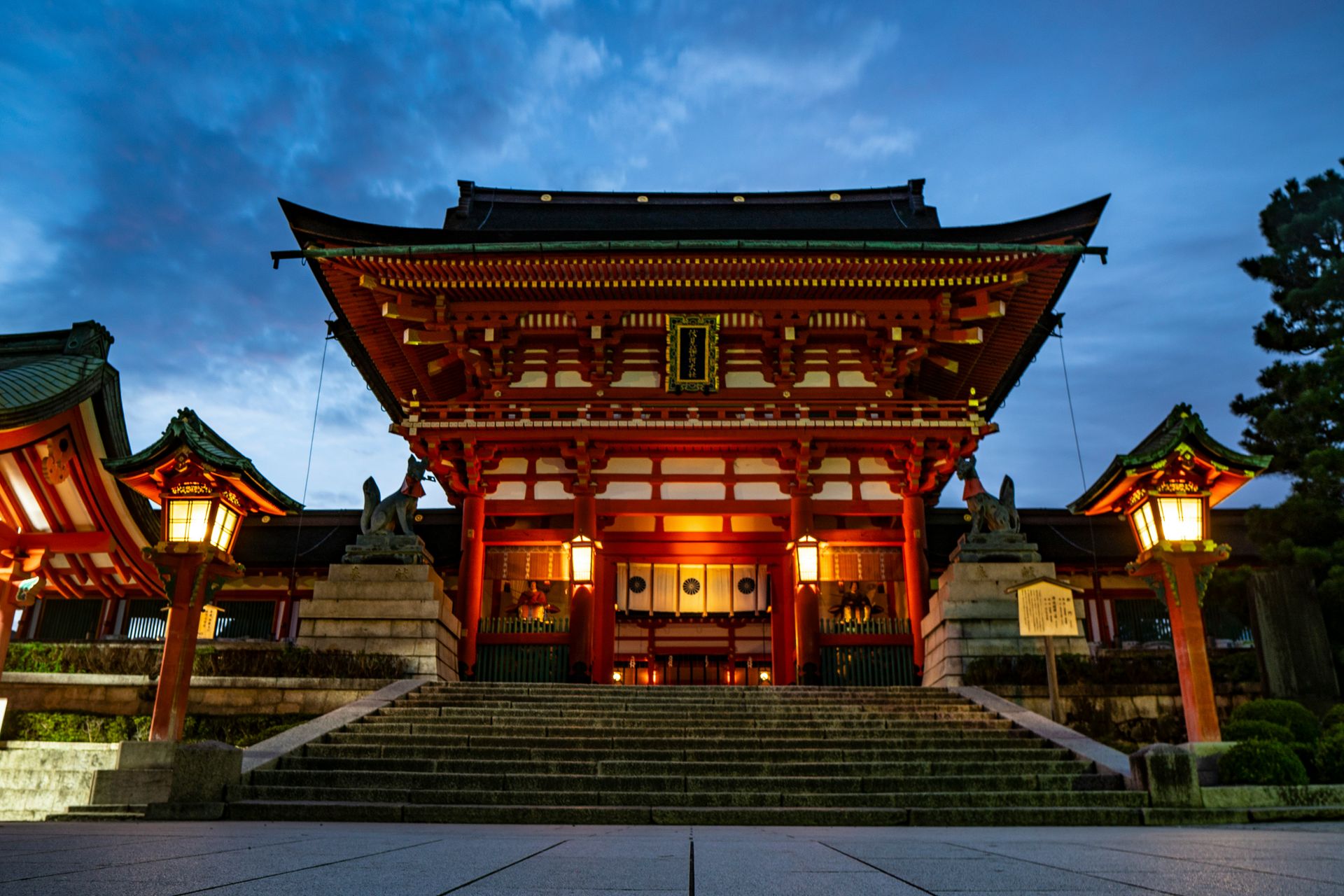
Some top tourist attractions charge considerable entry fees, though the vast majority of Japan’s many Buddhist and Shintō shrines cost nothing to visit at all. This considerable free-admission policy covers famous sites such as Fushimi-Inari-Taisha in Kyoto and Ise-jingū in Ise-Shima, giving budget travelers genuine access to some of the country’s most photographed religious sites without spending a single yen.
Even at temples that charge admission for a specific museum or garden, such as Meiji-jingū in Tokyo, the broader grounds are often free to tour, letting budget-conscious visitors experience most of a site without paying the fee for its most curated inner sections. This particular structure lets travelers choose exactly how much they want to spend at any single location.
This notable pattern of free religious sites gives Japan a real advantage over destinations where major cultural attractions routinely charge steep entry fees, and it reflects a broader cultural approach that treats these spaces as public first rather than purely commercial attractions.
Travelers $TRV should still budget a small amount for optional donations or omikuji fortune slips at these sites, since these particular extras, while not required, add genuine cultural texture to a visit for relatively little cost. This free-admission tradition reflects centuries of Shintō and Buddhist practice treating shrine and temple grounds as open community spaces, a philosophy that predates modern tourism by considerable centuries. Travelers should still dress respectfully and follow basic etiquette at these sites, since free admission doesn’t lessen the genuine religious significance many of these spaces still hold for local visitors. Photography restrictions apply in some interior halls, even where outdoor grounds remain free, so checking posted signage helps visitors avoid an unintentional etiquette mistake. Quiet observation of ongoing ceremonies or prayers also shows genuine respect for visitors who happen to encounter one during a casual visit. A brief pause and a respectful distance usually suffice, without disrupting the moment, allowing visitors to observe genuine local practice up close.
10. Hikes and walking tours cost nothing but time
NATSUKI TAKADA / Unsplash
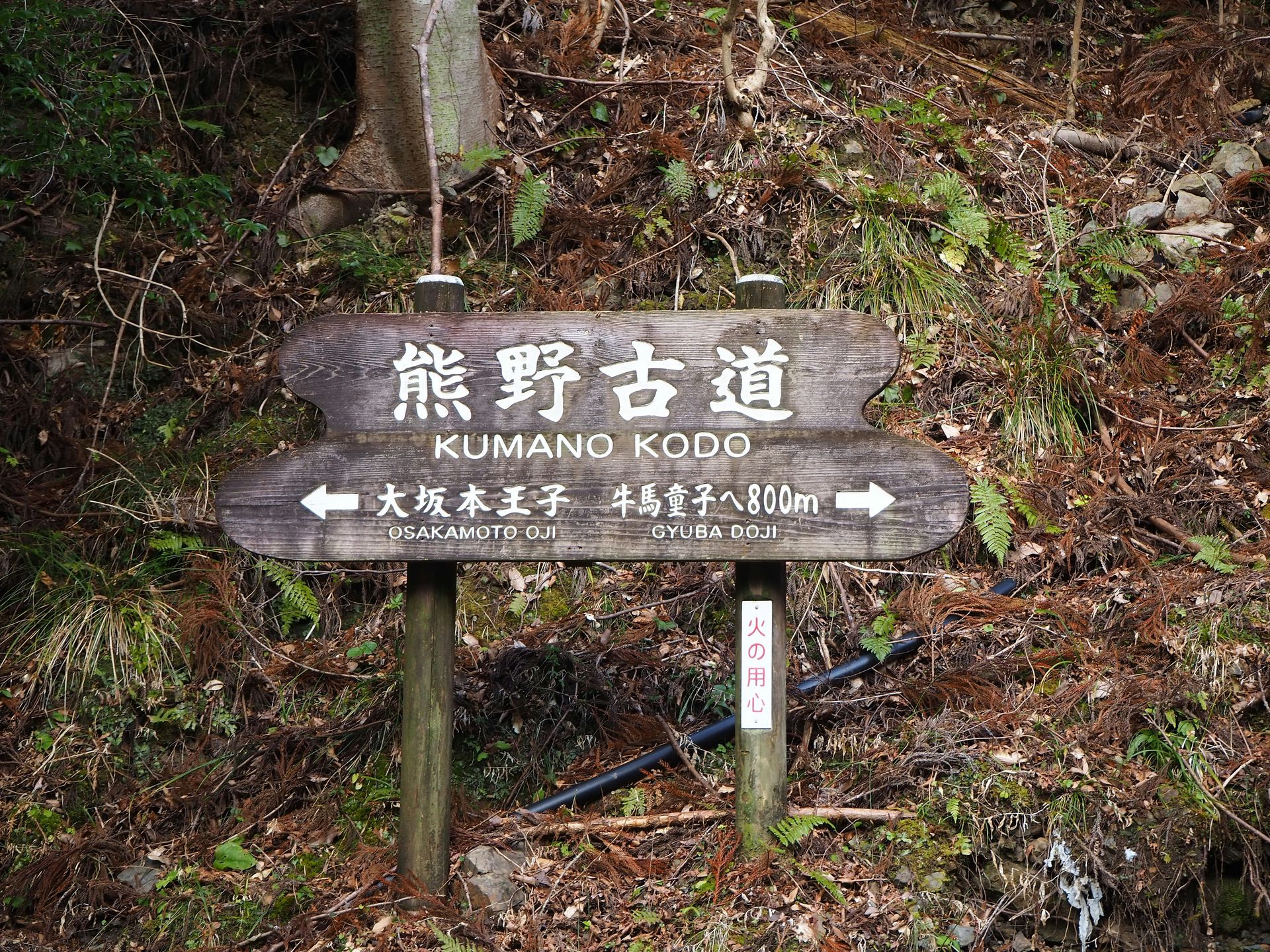
Hiking or taking a self-guided city walk costs nothing beyond a traveler’s own time, and either activity can become the most rewarding part of an entire Japan trip. Travelers $TRV can anchor a visit around exploring up-and-coming Tokyo neighborhoods, tackling a major hike such as the Kumano Kodō pilgrim circuit in the Kii Peninsula, or exploring the mountain and forest landscapes found throughout Japan’s scenic national parks.
Japan’s cities, especially Tokyo, are home to numerous architectural landmarks designed by major figures in Japanese architecture, and planning a self-guided architecture tour requires only a bit of planning. Tourist information centers and accommodation staff often provide genuine suggestions for buildings worth adding to a walking itinerary, giving travelers local insight beyond what a standard guidebook typically covers.
This particular pairing of zero direct cost and considerable cultural or natural reward gives hiking and walking tours real standing among the very best budget activities available anywhere in Japan. Neither option requires booking, paying an entry fee or working around a fixed schedule.
Travelers should research current trail conditions before attempting a major hike such as the Kumano Kodō, as weather and seasonal closures can affect access to certain sections year-round. Tokyo’s Yanaka and Shimokitazawa neighborhoods reward aimless wandering particularly well, since both areas mix small shops, temples and residential streets rarely covered in depth by standard sightseeing itineraries. Travelers should download offline maps before setting out on a longer walking route, since cellular coverage can grow spotty in more remote mountain and forest areas throughout the country. Comfortable footwear matters considerably more than travelers might expect, since even a casual city walk in Tokyo can easily stretch past 10 kilometers in a single day. Bringing a paper map as a backup also helps in areas where phone battery or signal proves unreliable over the course of a longer day outdoors. A basic compass adds further reassurance for anyone venturing into less-traveled terrain, especially on trails without frequent trail markers.