
The 10 best ways to visit Paris on a budget
From picnics along the Seine with grocery-store wine to free admission at the Musée d'Orsay on the first Sunday of every month
-1920x1280.jpg)
Juan Ordonez / Unsplash
Paris carries a reputation as one of the most expensive cities in Europe, and haute couture boutiques, Michelin-starred dining rooms, and five-star hotels do little to soften that image for a first-time visitor scanning prices online. A traveler working with a modest budget could easily assume the city simply isn’t built for them, especially after glancing at a Louvre ticket price or a night at a boutique hotel near the Champs-Élysées. This assumption, though, overlooks just how much of Paris actually rewards a visitor with genuine patience and a bit of local knowledge rather than a large bank account. A little planning ahead of time can turn a trip that looked financially out of reach into one that feels entirely manageable, without requiring anyone to skip the sights or meals that drew them to the city in the first place.
Simple walking and people-watching alone can fill countless days in this dynamic city, and beautiful parks, awe-inspiring architecture, and markets full of window-shopping opportunities cost nothing to enjoy. A realistic daily budget in Paris can range from roughly 100 to 225 euros, depending on lodging choices and dining habits. Understanding where that money actually goes lets a visitor cut costs precisely where it makes sense, rather than sacrificing the experiences that make the trip worthwhile in the first place. Freewheeling along the Seine, browsing a neighborhood market, or simply sitting in a garden with a coffee delivers just as much of the city’s character as any ticketed attraction, often for the price of nothing more than the coffee itself, if even that.
The 10 tips below, from Lonely Planet, cover lodging, transportation, food, and sightseeing strategies for travelers visiting Paris on a noticeably tighter budget than a luxury itinerary would require.
1 / 10
1. Timing your trip slashes Paris hotel costs
-1920x1280.jpg)
Anthony DELANOIX / Unsplash
Paris doesn’t have a true low season the way many destinations do, but room rates dip somewhat during winter, outside the Christmas holiday peak, and again in early spring. Visitors chasing the best possible rate should pay close attention to these narrower windows, since prices across hostels, hotels, and short-term rentals all move together depending on how many other travelers are competing for the same rooms during a given stretch of the calendar.
Booking early matters more in Paris than in many other cities, since favored neighborhoods stay in near-constant demand regardless of season. Whether a traveler wants a hostel bed, a cozy hotel room, or a short-term apartment rental, waiting until close to a trip’s start date almost guarantees paying more than a visitor who locked in a reservation months in advance. Popular neighborhoods fill up first, leaving late bookers with pricier options or less convenient locations by default.
School holidays and weekends during spring and summer bring the heaviest crowds and the steepest prices, and visitors with flexible schedules should actively avoid these periods if a lower budget matters more than a specific travel date. Mid-week trips in May, by contrast, give visitors access to some of the best budget hotel selection available all year, since demand drops sharply once weekend crowds and school-break travelers clear out. A traveler who can shift a trip by even a few days often unlocks better rates meaningfully without changing anything else about the itinerary.
Choosing when to visit functions essentially as a budget lever independent of anything else a traveler does once they arrive. A visitor who nails the timing can end up paying considerably less for the exact same room a weekend traveler books during peak season, making calendar flexibility one of the single most effective budget tools available before a trip even begins. Locking in that flexibility early, before flights and other travel plans get finalized, gives budget-conscious travelers the widest possible range of dates to choose from.
2 / 10
2. Lodging choice determines your biggest expense
Emile Guillemot / Unsplash
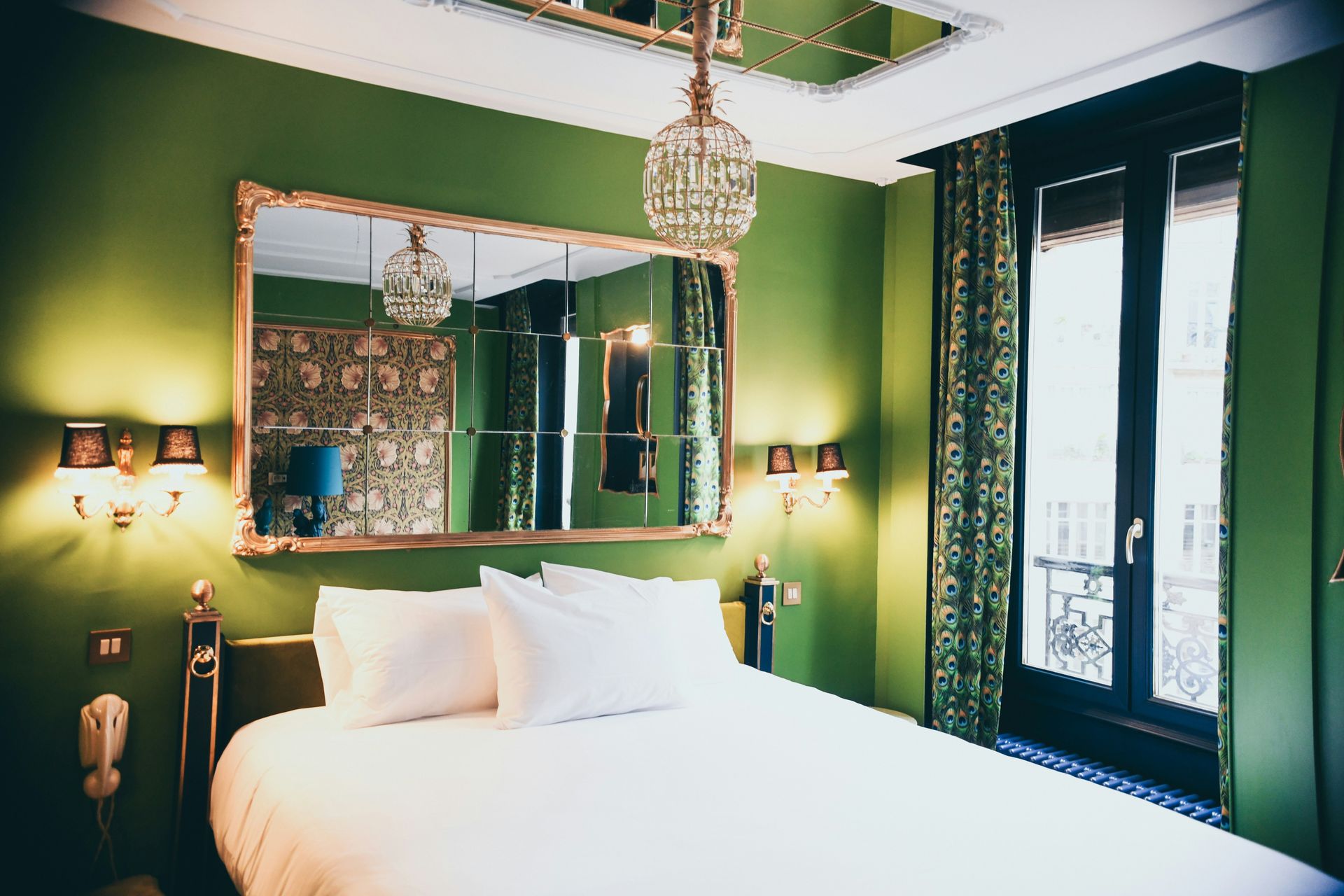
Standard Paris hotels, outside the very top five-star properties, tend to feel merely serviceable instead of special, which opens the door for budget-conscious travelers to consider alternatives that often deliver better value for the same money. Thinking beyond a conventional hotel room from the start of the planning process tends to open up options that a quick hotel-only search would never surface, and travelers who skip this step often end up paying more for less character than they could have found elsewhere.
Short-term apartment rentals have become especially popular among visitors, and for good reason. Renting an apartment gives travelers considerably more space than a typical hotel room, and the self-catering setup lets visitors prepare some of their own meals, cutting into one of the trip’s other major expenses. Families in particular benefit from this arrangement, since apartment rentals scale more efficiently for groups than booking multiple hotel rooms ever could.
Hostels remain a consistently reasonable option, and solo travelers specifically stand to benefit from choosing one. Single hotel rooms are genuinely rare in Paris, and when they do exist, they often cost nearly as much as a standard double room, erasing much of the savings a solo traveler might expect. Hostels sidestep that problem entirely, and Paris offers a genuinely wide range of them, from solar-powered properties to dorms tucked inside centuries-old mansions full of character, giving solo travelers plenty of personality to choose from beyond just a cheap bed.
Larger hostels frequently extend their value well beyond just the bed itself. Many rent out bicycles, serve inexpensive evening meals, and organize excursions, bundling several potential expenses into a single, already affordable stay. Weighing an apartment against a hostel ultimately comes down to group size and how much a traveler values private space over built-in social opportunities and extra amenities, and neither option requires sacrificing comfort just to stay within a tighter budget. A solo traveler and a family of four are likely to reach very different conclusions about which option best suits their trip.
3 / 10
3. Neighborhood picks stretch a Paris budget further
Marloes Hilckmann / Unsplash
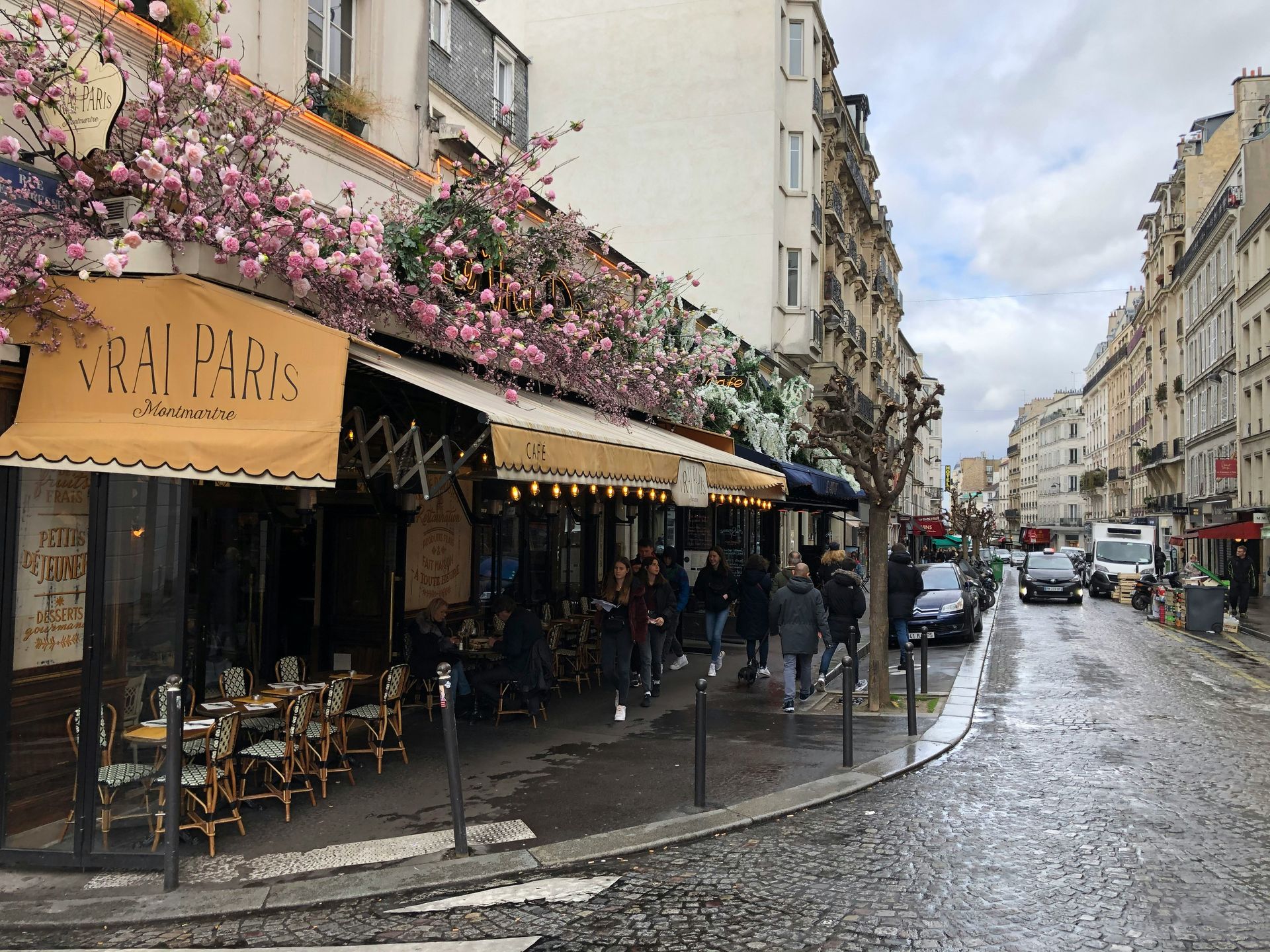
Accommodation consistently ranks as the largest daily expense for visitors to Paris, making neighborhood selection warrant far more scrutiny than most other budget choices a traveler makes, since room rates vary dramatically from one part of the city to another. Areas surrounding the Louvre, the Eiffel Tower, and the Champs-Élysées consistently command premium prices that put them out of reach for travelers on a smaller budget, regardless of how appealing the proximity to major landmarks might sound on paper before comparing nightly rates.
Several neighborhoods closer to central Paris offer a considerably wider range of accommodation at lower price points without sacrificing much in terms of location. Bastille, Montparnasse,, and the 13th arrondissement all fall into this category, offering budget-conscious travelers legitimate central options rather than forcing a choice between an expensive central stay and a cheap but inconvenient one far from the action.
Choosing a hotel entirely outside the city center might look cheaper at first glance, but those apparent savings usually evaporate once travel time and transport costs are factored in. A generic chain hotel on the outskirts often means a long commute on public transport just to reach the sights most visitors came to see, and that hotel typically comes with little of the interesting local street life found in neighborhoods closer to the center.
Weighing a slightly higher nightly rate against genuine convenience and neighborhood character tends to produce a better overall trip than chasing the absolute lowest number on a booking site. A traveler who stays in Bastille or Montparnasse gets both a reasonable price and easy access to the rest of the city, avoiding the hidden costs that come with a technically cheaper but poorly located hotel, costs that rarely show up until the trip is already underway. Factoring in those hidden costs before booking, rather than after arrival, tends to save both money and frustration over the course of a longer stay.
4 / 10
4. Public transit unlocks Paris for pocket change
Louis Paulin / Unsplash
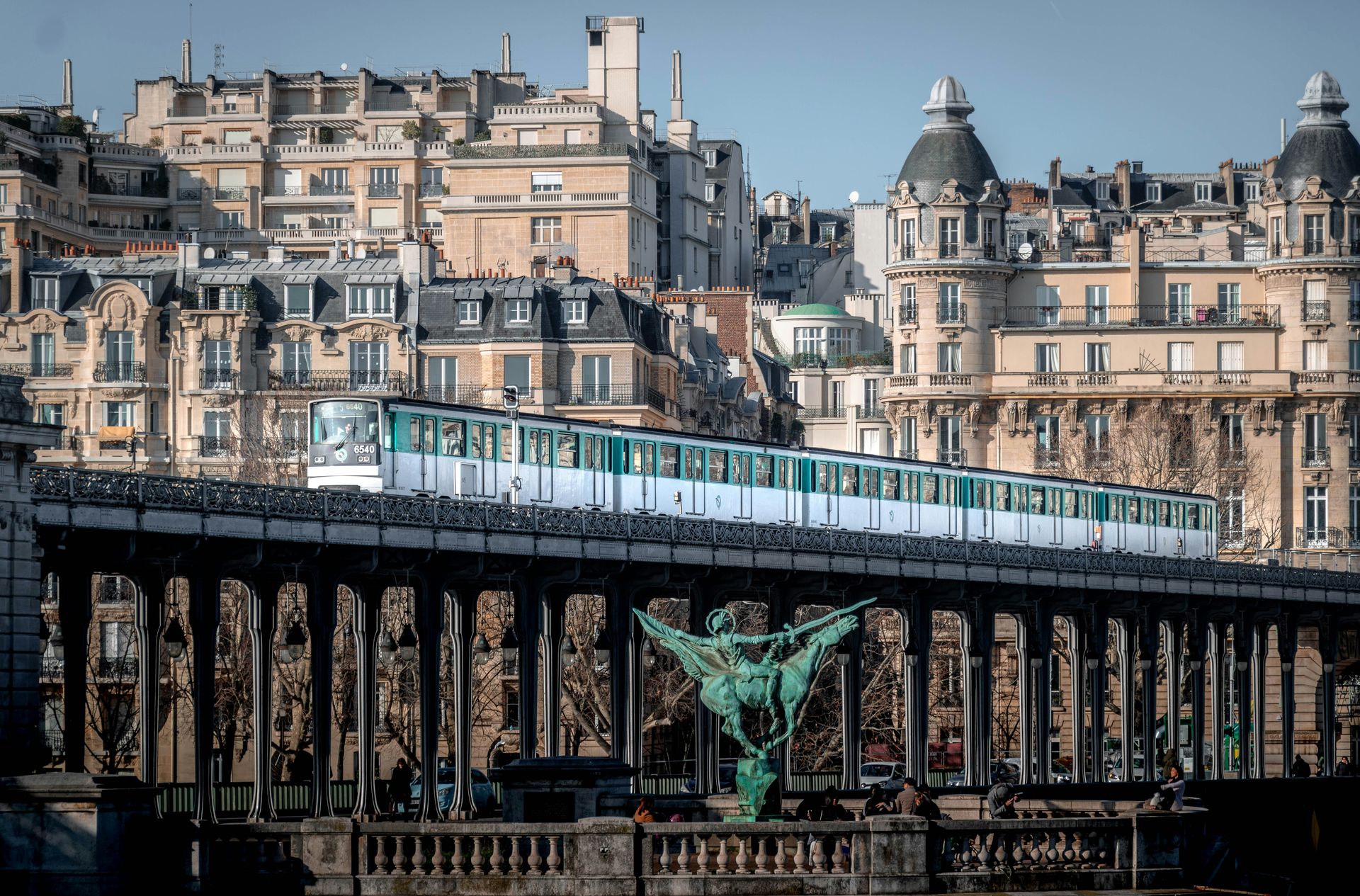
Paris’ metro system, along with its RER trains and bus network, covers the city extensively and is easy to use, even for first-time visitors unfamiliar with the layout. The cheapest and simplest way into that network is a Navigo Easy card, which visitors preload with credit, with fares deducted automatically for each ride. Skipping the card’s initial 2-euro cost entirely and using the RATP app instead shaves off even that small upfront charge.
Buying carnets, or credits for 10 rides sold at a discount, gives frequent riders the cheapest per-ride rate available without committing to a full unlimited pass. Various passes covering unlimited rides across different fare zones and time periods also exist, though they come with a real drawback: they lock a traveler to the calendar and the clock rather than starting fresh whenever a trip actually begins. A day pass starts at 12:01am regardless of when a visitor buys it, a seven-day pass always begins on Monday, and a monthly pass always starts on the first day of the month, which means a poorly timed purchase can waste a meaningful chunk of a pass’s value. Children younger than four always ride free, and kids younger than 10 pay half price on every fare.
Vélib’, the city’s self-service bike-share scheme, gives visitors access to more than 20,000 bikes, split between classic green models and electric blue ones, spread across 1,500 docking stations citywide. Visitors can subscribe online using a Navigo transit pass or a credit card, or directly at any docking station, though docking stations only accept European-compatible chip-and-pin credit cards, which international visitors should keep in mind before relying on a station-side sign-up.
App-based electric trottinettes, once wildly popular with tourists, no longer factor into this transportation mix at all, since the city discontinued the scooters entirely in September 2023 following a public vote. This removal leaves the metro, buses, trains, and Vélib’ bikes as the primary budget transportation options for visitors today, and combining a transit pass with occasional bike rides tends to minimize both cost and travel time across a typical day of sightseeing.
5 / 10
5. Bistro lunch deals feed budget travelers well
Alex Harmuth / Unsplash
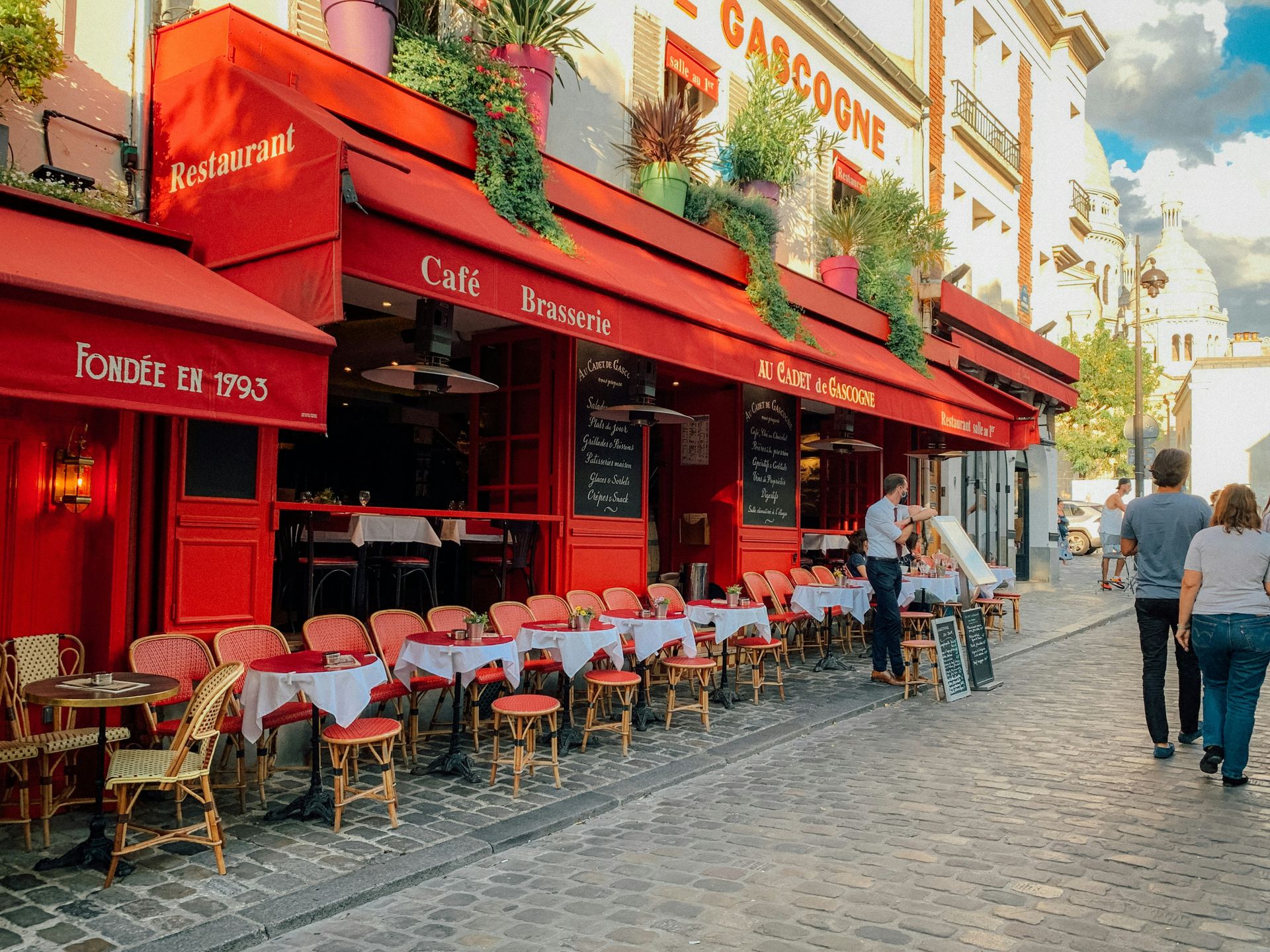
Eating well in Paris without overspending comes down to knowing which menu items actually save money, and bistros make that easy once a visitor knows what to look for. Ordering the prix fixe menu, which bundles two or three courses for a fixed price, or the lunchtime formule, a two-course fixed-price meal, consistently costs less than ordering individual dishes separately. The plat du jour, or dish of the day, rounds out the least expensive options and often showcases whatever ingredients a kitchen has on hand that particular day.
A few small requests at the table can stretch a bistro budget even further. Asking staff to refill the complimentary bread basket once it runs empty costs nothing extra, and ordering une carafe d’eau, a jug of tap water, instead of bottled water eliminates another small but unnecessary expense. House wine deserves a second look, too, since it’s usually excellent and costs noticeably less than ordering a recognizable bottled brand by name.
Location plays just as large a role in the final bill as menu choices do. Restaurants clustered near major sights routinely charge more simply because they can, counting on a steady stream of tourists who won’t walk far enough to compare prices elsewhere. Planning meals in the neighborhoods surrounding those sights, where locals actually eat day-to-day, tends to deliver both a lower bill and a more genuine dining experience overall.
Reserving a table ahead of time matters even at the most reasonably priced bistros, not just the fancy ones. A reservation improves both the service a visitor receives and the odds of actually getting seated during busy meal times, and skipping this step can mean a long wait or no table at all, even at a spot specifically chosen for its affordability. Building this habit early in a trip tends to pay off across every subsequent meal, since word-of-mouth favorites fill up fast among both locals and visitors alike.
6 / 10
6. Paris markets serve global flavors for less
Meizhi Lang / Unsplash
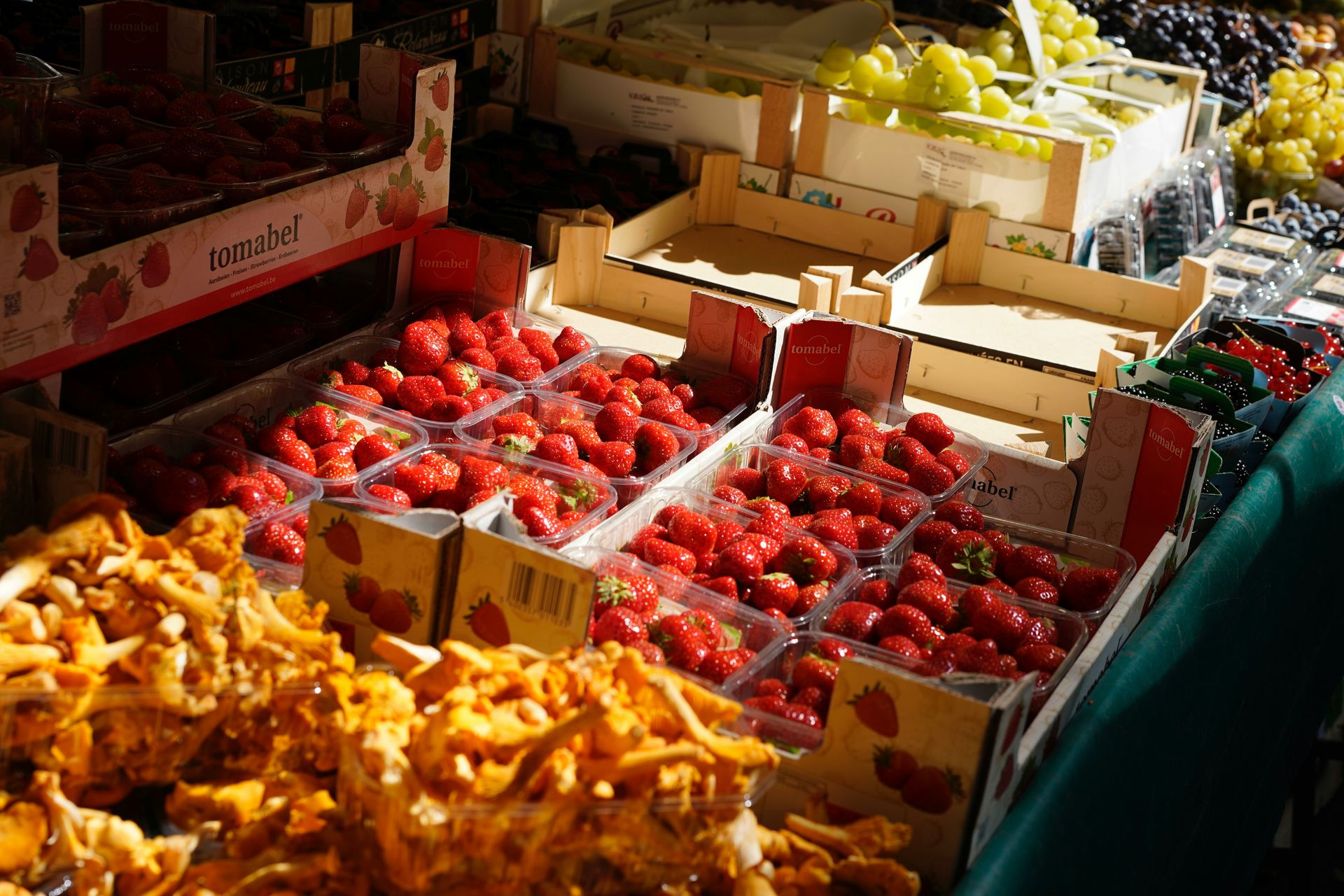
Paris’ open-air and covered markets give budget travelers access to fresh produce, cheeses, olives, and charcuterie for a fraction of what the same ingredients would cost plated in a restaurant. Marché des Enfants Rouges, in the Marais arrondissement, stands out as a particularly good option for a market meal rather than just grocery shopping, since its maze of food stalls sells ready-to-eat dishes from around the globe, available either to take away or to enjoy at shared communal tables on-site. Visitors can sample multiple cuisines within a single visit without committing to a full sit-down meal at any one stall.
Several dedicated organic, or biologique, markets add another layer of options depending on which day of the week a visitor happens to be exploring. Marché Raspail operates on Sundays, Marché Biologique des Batignolles and Marché Biologique Brancusi both run on Saturdays, and Marché Biologique Place du Père Chaillet runs on both Wednesdays and Saturdays, giving visitors multiple chances throughout the week to shop organic without needing to plan around a single fixed day. Spreading these visits across a longer stay lets a traveler sample several different markets instead of relying on just one neighborhood’s offerings for an entire trip.
The app Too Good to Go adds a technology-driven angle to market and bakery shopping, connecting visitors with bargain-priced unsold items from bakeries and other food vendors as part of a broader effort to reduce food waste across the city. Visitors willing to be flexible about exactly what they’ll eat can pick up genuinely good food for a fraction of its original price through the app alone, turning what might otherwise go to waste into an unexpectedly good meal.
Combining a market visit with the Too Good to Go app gives budget travelers two distinct paths toward the same goal: eating well without paying restaurant prices. A traveler who alternates between a planned market stop one day and a spontaneous app-based find the next ends up with a genuinely varied food budget instead of repeating the same cheap meal throughout an entire stay.
7 / 10
7. Picnics turn parks into free dining rooms
Evangelina Silina / Unsplash
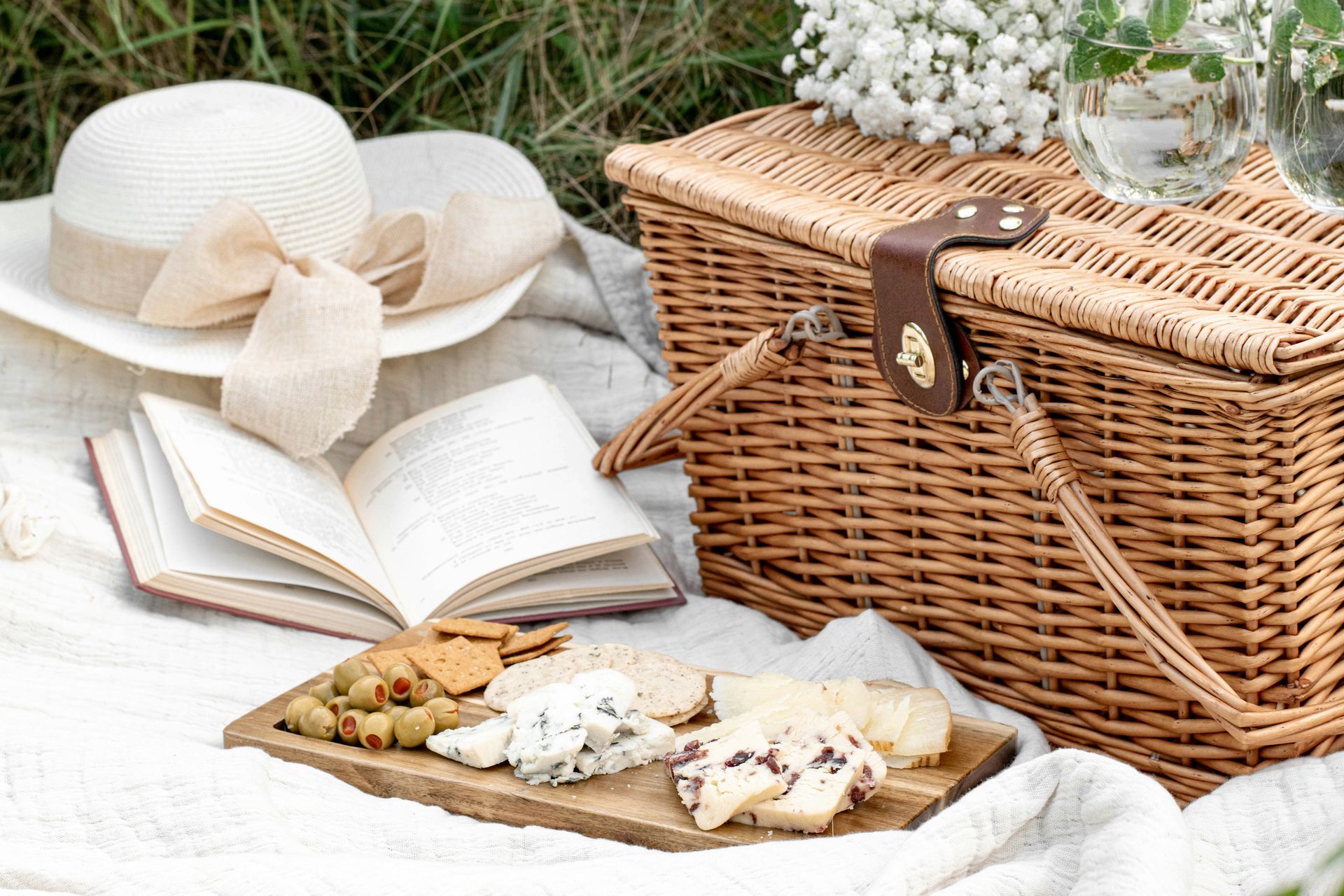
A baguette from the boulangerie, stuffed with a chunk of Camembert, pâté, and cornichons, creates a complete picnic meal for a small fraction of a restaurant tab, and assembling it takes only a few minutes of shopping compared with the time a sit-down meal would require. The simplicity of the ingredients belies just how satisfying the result actually is once everything comes together on a park bench or a quayside ledge, and even a modest spread can feel like a genuine occasion in the right setting.
Several foodie streets across the city specialize in exactly these kinds of picnic staples, making it easy to gather everything needed in a single short walk. Rue Cler, near the Eiffel Tower, Rue Montorgueil, near the Louvre, and Rue Mouffetard, in the Latin Quarter, each cluster bakeries, cheese shops, and charcuteries close enough together that a visitor can assemble a full picnic spread without crossing the entire neighborhood.
Wine adds an easy final touch to a Paris picnic without adding much to the total cost. French wine bought from grocery stores or neighborhood shops costs a fraction of what the same bottle would cost in a restaurant, and even a modest bottle picked up alongside picnic ingredients elevates the meal well beyond what the price tag might suggest, giving the whole spread a small sense of occasion without straining the day’s budget.
Where a traveler chooses to actually eat the picnic matters almost as much as what goes into it. A picnic along the Seine, beneath the Eiffel Tower, or along Canal St-Martin turns an already inexpensive meal into one of the best-value experiences the city offers, since the view costs nothing extra on top of the food itself. Visitors who treat picnicking as a genuine dining strategy, rather than a fallback for days without restaurant plans, often remember these meals as highlights of the entire trip, long after pricier dinners have faded from memory.
8 / 10
8. Flea markets uncover Paris bargains and antiques
HAN Mengqi / Unsplash
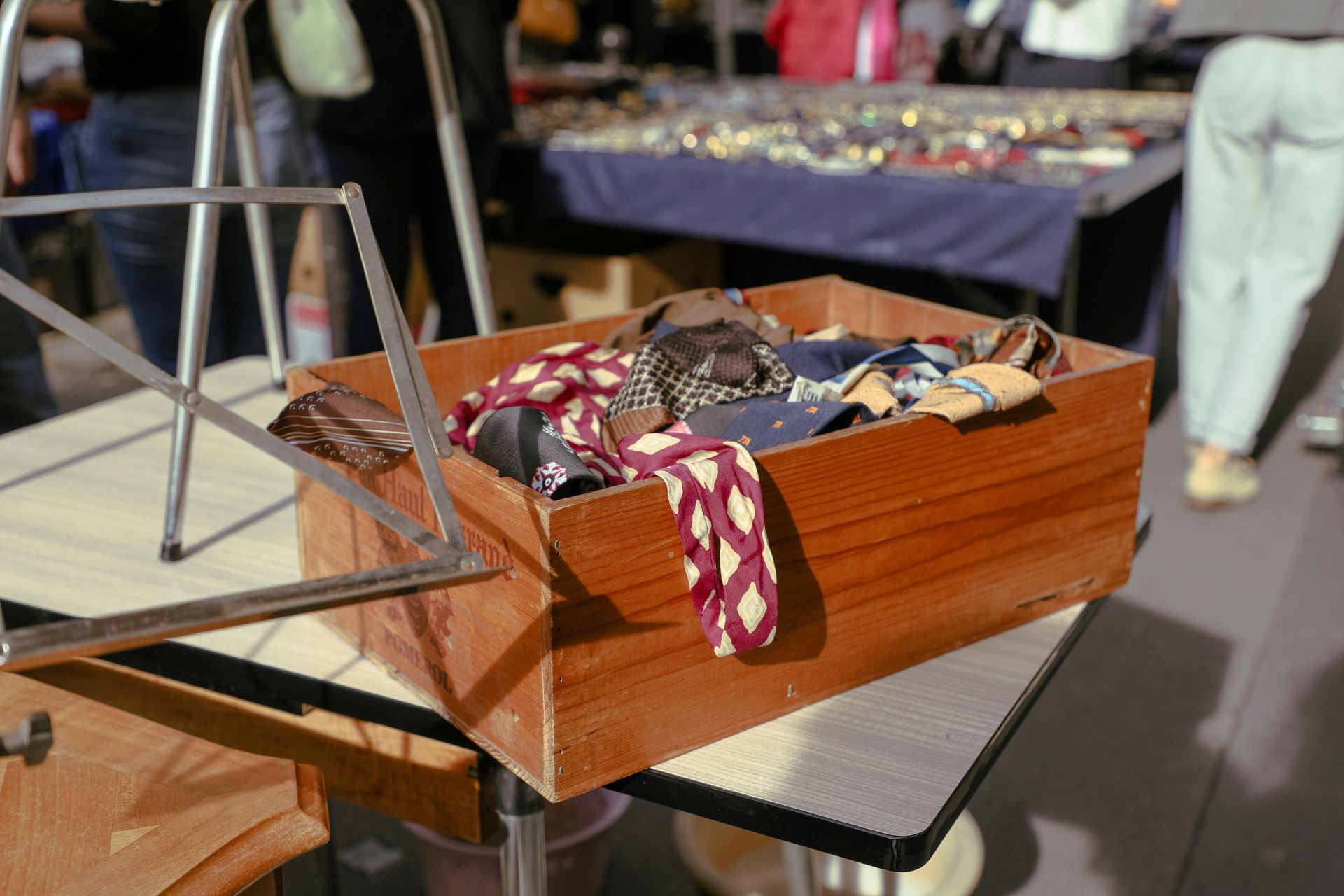
Paris’ secondhand and antique markets reward visitors willing to dig through genuinely eclectic inventory, and they also offer some of the best people-watching in the city as visitors browse. The Marché aux Puces de Saint-Ouen anchors this scene on an enormous scale, sprawling across seven hectares (17 acres) and split into 11 distinct market zones packed with everything from vintage jewelry to antique furniture. Visitors could easily spend an entire day exploring this single market without covering every zone, and repeat visits often turn up entirely different finds depending on which vendors happen to be set up that day, since inventory turns over constantly across so many independent stalls.
Bastille offers its own flea market experience through Marché d’Aligre, which combines a genuine fresh produce market with an extensive flea market section, giving visitors a reason to browse for both groceries and secondhand finds within the same trip to the neighborhood. Over in the 14th arrondissement, Marché aux Puces de la Porte de Vanves spreads across more than 380 curio stalls, offering a somewhat calmer browsing experience than the sprawling Saint-Ouen market for visitors who prefer a smaller crowd and a more relaxed pace while shopping.
Book lovers have their own dedicated destination in the 15th arrondissement at Marché Georges Brassens, an enormous weekend market devoted entirely to secondhand and antiquarian books. Bibliophiles who make the trip often lose track of time flipping through stalls, and the market’s sheer scale means even frequent visitors tend to discover something new on repeat trips, whether that means a rare first edition or simply a well-worn paperback worth adding to a growing collection.
Vintage boutiques scattered throughout the city round out the secondhand shopping scene beyond the open-air markets themselves. These independent shops carry an unusually wide range of inventory, spanning everything from consignment haute couture pieces to simple secondhand blue jeans, giving budget-conscious fashion lovers a legitimate alternative to full-price boutiques without sacrificing style or quality.
9 / 10
9. Careful timing rewards free museum entry

Mathias Reding / Unsplash
Timing a museum visit around the first Sunday of any month unlocks free admission at many of the city’s institutions, including major draws such as the Musée d’Orsay. The Louvre offers its own version of this deal, waiving admission after 6pm on the first Friday of the month from September through June, giving budget travelers a genuine chance to see world-famous art without paying the standard entry fee. Building a trip around either date can turn one of the city’s priciest tickets into a completely free visit.
Cultural festivals add another layer of savings for visitors who can time their trip accordingly. La Nuit Européenne des Musées in mid-May and Journées Européennes du Patrimoine in mid-September both bring a wave of free or reduced-price exhibitions and events across the city, rewarding visitors who plan a trip specifically around one of these dates instead of arriving without checking the cultural calendar first.
EU citizens younger than 26 get free admission to national museums and monuments year-round, including the Louvre, the Musée d’Orsay, Sainte-Chapelle, the Musée National Picasso, and the Musée Rodin, a benefit worth confirming eligibility for well before arriving at the ticket counter. Children generally get into many museums for free, which means a family trip can often see the same major sights that a childless couple pays full price for.
Beyond ticketed museums, Paris offers an enormous range of attractions that cost nothing, regardless of the time of day. Majestic churches, elegant gardens such as the Tuileries, the Luxembourg Gardens, the Bois de Boulogne, the Bois de Vincennes, and the city’s historic cemeteries all remain free to explore. Père Lachaise cemetery draws visitors specifically to pay respects at the graves of Oscar Wilde, Édith Piaf, Jim Morrison, and Marcel Proust, while spots such as the Trocadéro, the Pont de Bir Hakeim, and the Pont St-Louis offer some of the city’s best photo opportunities without an entry fee anywhere in sight.
10 / 10
10. Municipal museums waive the entry fee entirely
Credit: Musée Carnavalet
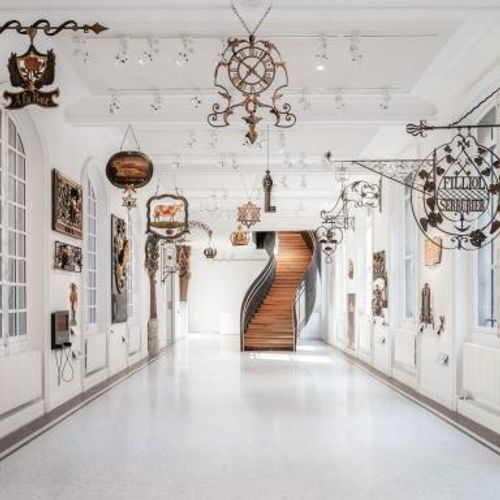
Paris’ many municipal museums charge nothing for admission, giving budget-conscious visitors a way to see genuinely significant art and history collections without factoring museum tickets into the daily budget at all. The Musée Carnavalet, known as the Museum of the City of Paris, sits inside a historical townhouse at the heart of Le Marais and focuses entirely on how the city itself has changed over time, tracing centuries of transformation without charging a single euro for entry. Visitors interested in Paris’ own history instead of art from elsewhere in the world often find this museum more rewarding than any single painting hanging in a larger institution across town.
The Petit Palais offers an equally compelling case for visiting a free museum over a paid one. Its permanent collection draws consistent praise for its quality, and the museum charges nothing for entry despite housing work that would easily justify a ticket price at many other institutions around the world. Visitors who assume a free museum must mean a lesser collection tend to leave the Petit Palais pleasantly surprised by what they find inside.
The Musée d’Art Moderne de la Ville de Paris rounds out the city’s free municipal offerings with a chance to see world-class art without contending with the crowds that regularly pack the better-known Louvre and Musée d’Orsay. This relative lack of crowding makes it one of the more relaxed ways to spend an afternoon surrounded by serious art, without needing to jockey for a clear sightline the way visitors often do at the city’s most famous institutions.
Together, these three municipal museums give budget travelers a genuine alternative to Paris’ famous paid institutions, one that costs nothing while still delivering a memorable cultural experience. Visitors who build even one free museum into an itinerary alongside the Louvre or the Musée d’Orsay often come away just as impressed by the free option, sometimes more so, given the smaller crowds and the quieter pace it allows for actually looking at the art on the walls.