From October Algarve hotels at 75% off summer rates to a galão and pastel de nata for under 5 Euro at any neighborhood snack bar
-1-1920x1280.jpg)
Nick Karvounis / Unsplash
Portugal genuinely ranked among Europe’s most inexpensive countries for a sunny city break or beach vacation a decade ago, and while prices and visitor numbers have climbed steadily in recent years, the country still delivers genuinely excellent value overall, especially for travelers willing to venture beyond Lisbon, Porto, and the Algarve’s most crowded stretches during peak season. Fresh seafood and quality wine remain a genuine bargain just a short distance from the busiest beachfronts, and low-season accommodation deals can turn into a genuine steal for travelers with flexible dates and a willingness to plan around the calendar.
Simply enjoying Portugal’s prettiest villages and most spectacular, cliff-backed shorelines costs absolutely nothing beyond the time it takes to actually get there, and planning a visit wisely lets travelers experience the best of the country without watching every euro disappear from a shrinking budget over the course of a trip. A genuine handful of smart choices around timing, transportation, food, and accommodation can meaningfully change how far a Portugal trip actually stretches, sometimes by a genuinely considerable margin.
The 10 tips below, from Lonely Planet, cover practical money-saving strategies for travelers planning a genuinely budget-conscious trip through Portugal. Each one addresses a genuinely different part of the trip, from booking flights to eating breakfast to choosing which museums are actually worth the entry fee. Stacking several of these strategies together tends to deliver the biggest overall savings. None of them require sacrificing comfort or missing out on Portugal’s biggest highlights, and most simply come down to timing a booking correctly ahead of time or knowing which specific local option to actually choose instead of automatically defaulting to the more expensive, tourist-oriented alternative that a traveler might otherwise pick without thinking twice about the actual cost involved.

Samuel Isaacs / Unsplash
Accommodation prices throughout Portugal drop considerably during the off-season, nearly everywhere in the country, but the seasonal swing is especially dramatic given how popular certain regions become during the peak summer months. Visiting the Algarve specifically during the still-sunny month of October, rather than the packed summer school holidays, can save travelers up to 75% on the exact same hotel room that commands a premium just a few weeks earlier in the year.
Tourist taxes, which continue to rise steadily in many Portuguese cities, are often discounted or waived entirely during the low season, adding another layer of savings beyond the accommodation rate itself. School holidays aren’t the only driver of inflated prices, either, since annual festivals such as June’s Festas dos Santos Populares in Lisbon and Porto reliably push demand and prices upward across the affected cities during that window.
Avoiding these peak periods delivers savings well beyond accommodation alone. Car rental costs typically drop considerably during quieter months, and some resort towns stop charging for parking entirely once winter arrives, removing yet another cost that summer visitors simply have to absorb. Lower overall demand during these quieter stretches also means half-price train or bus tickets become considerably easier to secure than during the busiest travel months.
Travelers $TRV with genuinely flexible schedules should treat shoulder-season and off-season travel as one of the single most effective ways to stretch a Portugal budget. Stacking several of these savings together, discounted lodging, reduced tourist taxes, cheaper car rentals, and more accessible transport deals, can meaningfully change the overall cost of an entire trip instead of just trimming a single expense category. Few single decisions during trip planning deliver this much combined savings across so many separate expense categories at once. Travelers should also check whether their preferred restaurants and attractions stay open year-round, since some smaller coastal businesses close entirely outside the summer months. Checking opening hours ahead of a trip helps avoid disappointment upon arrival.
Antoine Pouligny / Unsplash
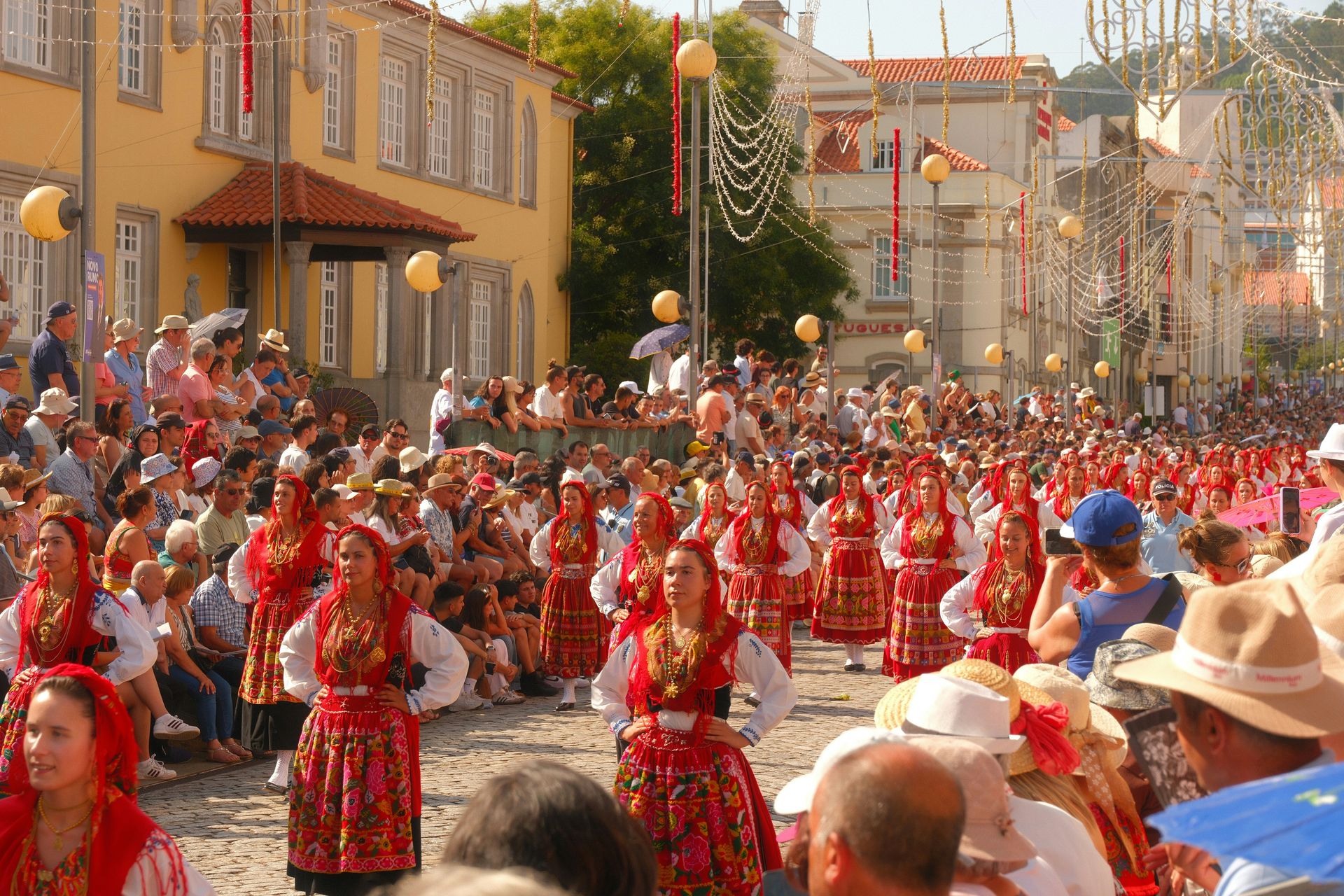
Beyond the country’s biggest, most heavily publicized summer events, planning a visit specifically around Portugal’s year-round local festivals and celebrations lets travelers experience the country at its most genuinely atmospheric, often without paying a single euro for admission. No ticket is required to appreciate Aveiro’s colorful Carnaval, held countrywide during February or March, or Coimbra’s student-celebrating Queima das Fitas each May.
Albufeira’s lively New Year’s Eve beach celebration rounds out just a small sample of the free festivals scattered throughout the Portuguese calendar, and travelers willing to time a trip around one of these events get a genuinely immersive cultural experience without needing to book a single paid ticket. These celebrations tend to draw considerably more local participation than the country’s biggest tourist-oriented summer festivals, giving visitors a more authentic sense of Portuguese culture.
Researching a destination’s local festival calendar before booking a trip pays off considerably for budget travelers specifically, since timing a visit around one of these free celebrations effectively adds an entire day or evening of entertainment to an itinerary at no additional cost. Few other budget strategies deliver this much genuine cultural value without requiring any extra spending whatsoever.
Travelers $TRV should also stay alert for smaller, less publicized local festivals that never make it onto major tourism websites, since these tend to be even more focused on authentic local celebrations rather than tourist entertainment. Asking locals or checking a town’s municipal calendar directly often reveals events that a standard travel guide would never mention. Few budget strategies anywhere reward a bit of advance research this generously without requiring any extra spending. Travelers should arrive early to smaller festivals, specifically, since the best viewing spots along parade routes tend to fill up well before the actual event begins. Bringing cash also helps at the smaller food and drink stalls scattered throughout most festival grounds. Packing comfortable shoes also helps, since most festival grounds involve considerable standing and walking.
Hugo Silva / Unsplash
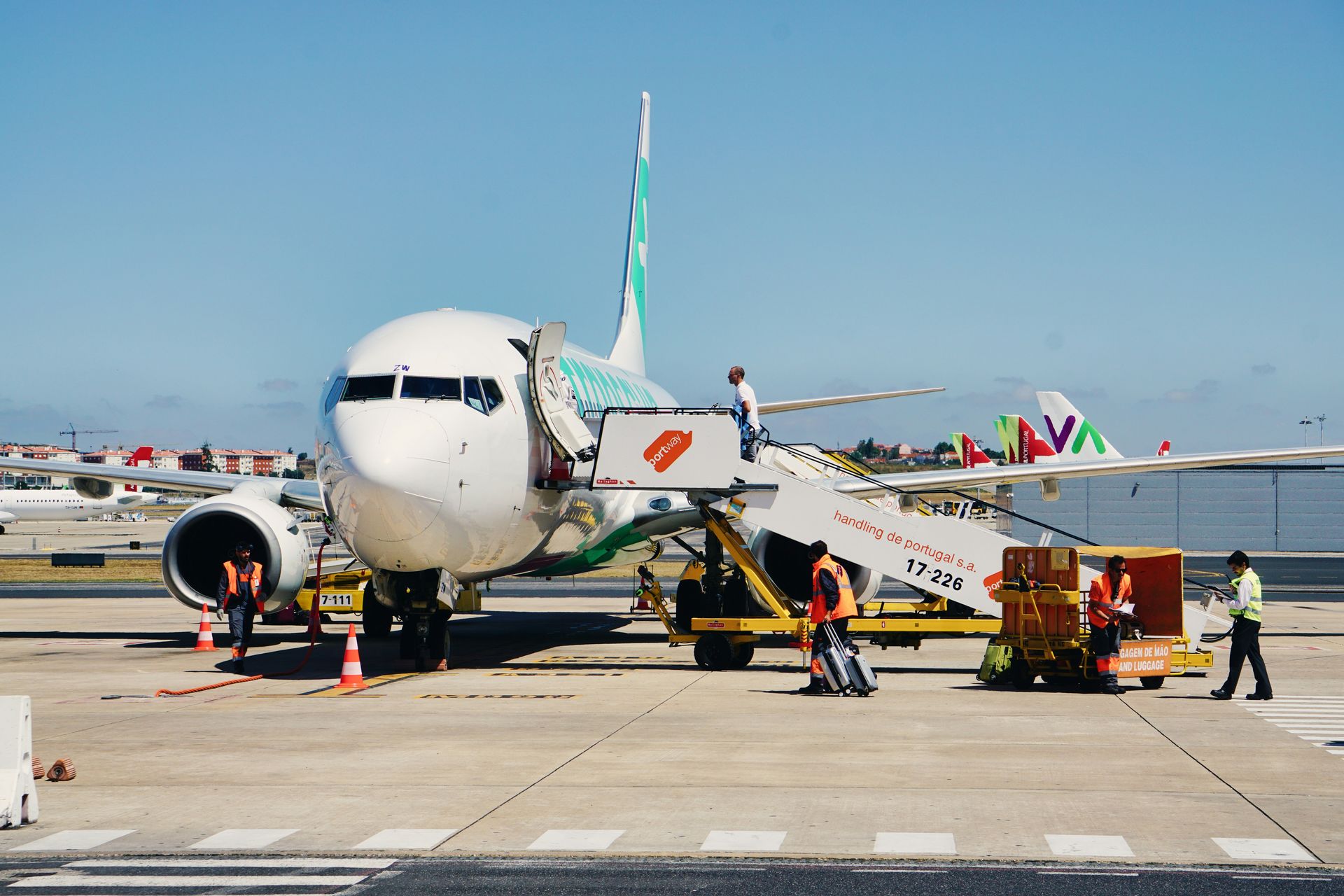
Mainland Portugal’s three international airports, in Lisbon, Porto, and Faro, all connect directly with cities throughout Europe and North America, giving budget travelers genuine flexibility in choosing an arrival point. Airfares can vary significantly among these three gateways for reasons that don’t always align with distance, making it genuinely worth searching all three before committing to a specific booking.
Traveling between regions once inside Portugal remains fairly fast and affordable, which removes much of the downside that might otherwise come from flying into a less convenient airport purely to save on airfare. Buses connect Lisbon with Porto in roughly three and a half hours, starting from around €5, while the fastest available train links Porto to Faro in about six hours, starting from around €36 for a single ticket.
Inexpensive public transport tickets, covering the metro in both Lisbon and Porto and buses throughout Faro, connect each airport directly with its respective downtown core, removing the need for an expensive taxi or private transfer immediately after landing. This pairing of flexible arrival airports and affordable onward transport still gives budget travelers considerably more room to find genuine savings on the international portion of their trip.
Travelers $TRV should compare the total cost, including the onward domestic transport needed to reach their actual first destination, rather than judging airfare in isolation. Sometimes flying on the cheapest ticket ends up costing more overall once the additional bus or train fare is factored into the full picture. Few countries this size offer this much genuine flexibility in choosing an arrival point without meaningfully complicating the rest of a trip. Travelers should also compare baggage fees and other add-ons across airlines, since a seemingly cheaper base fare can end up costing more once extra charges get added. Setting fare alerts across all three airports also helps catch sudden price drops. Booking well in advance also helps, regardless of which airport a traveler ultimately chooses.

Credit: Visit Portugal
Getting genuine value out of a Portugal trip often comes down to spending more time in less costly, locally loved destinations instead of concentrating an entire itinerary around the country’s most famous, and most expensive, tourist draws. Swapping Sintra’s pricier palaces for the considerably more affordable Palácio Nacional de Mafra delivers a genuinely comparable architectural experience for a fraction of the cost and crowd size.
Detouring from the Douro Valley’s famous wineries toward the criminally underrated Dão region gives budget travelers access to genuinely excellent wine tourism without the inflated prices that now define the Douro’s most famous producers. Similarly, trading the Algarve’s polished resort towns for the considerably quieter central Silver Coast opens up swoon-worthy beaches without the premium pricing found along the country’s most marketed coastline.
Portugal boasts pass-free nature parks and excellent hiking trails scattered throughout the country, giving budget travelers plenty of ways to fill an itinerary with genuinely rewarding outdoor activities that cost nothing beyond the time spent exploring them. Building even a few of these lesser-known destinations into a broader itinerary can meaningfully offset the cost of splurging on one or two must-see attractions elsewhere.
Travelers $TRV willing to research these regional alternatives before finalizing an itinerary consistently report a considerably better overall value from their trip, since they end up experiencing genuinely comparable scenery and culture without competing for space with the crowds drawn to Portugal’s most famous single destinations. Few countries in Europe offer this many genuinely comparable, considerably cheaper alternatives to their own most famous attractions. Travelers should also check bus and train schedules to these smaller destinations well in advance, since service can run considerably less frequently than to major tourist hubs. Renting a car for at least part of the trip also helps reach these smaller destinations comfortably. Packing a paper map as backup also helps in areas with unreliable cell coverage. A flexible schedule also helps considerably.
Nima Izadi / Unsplash
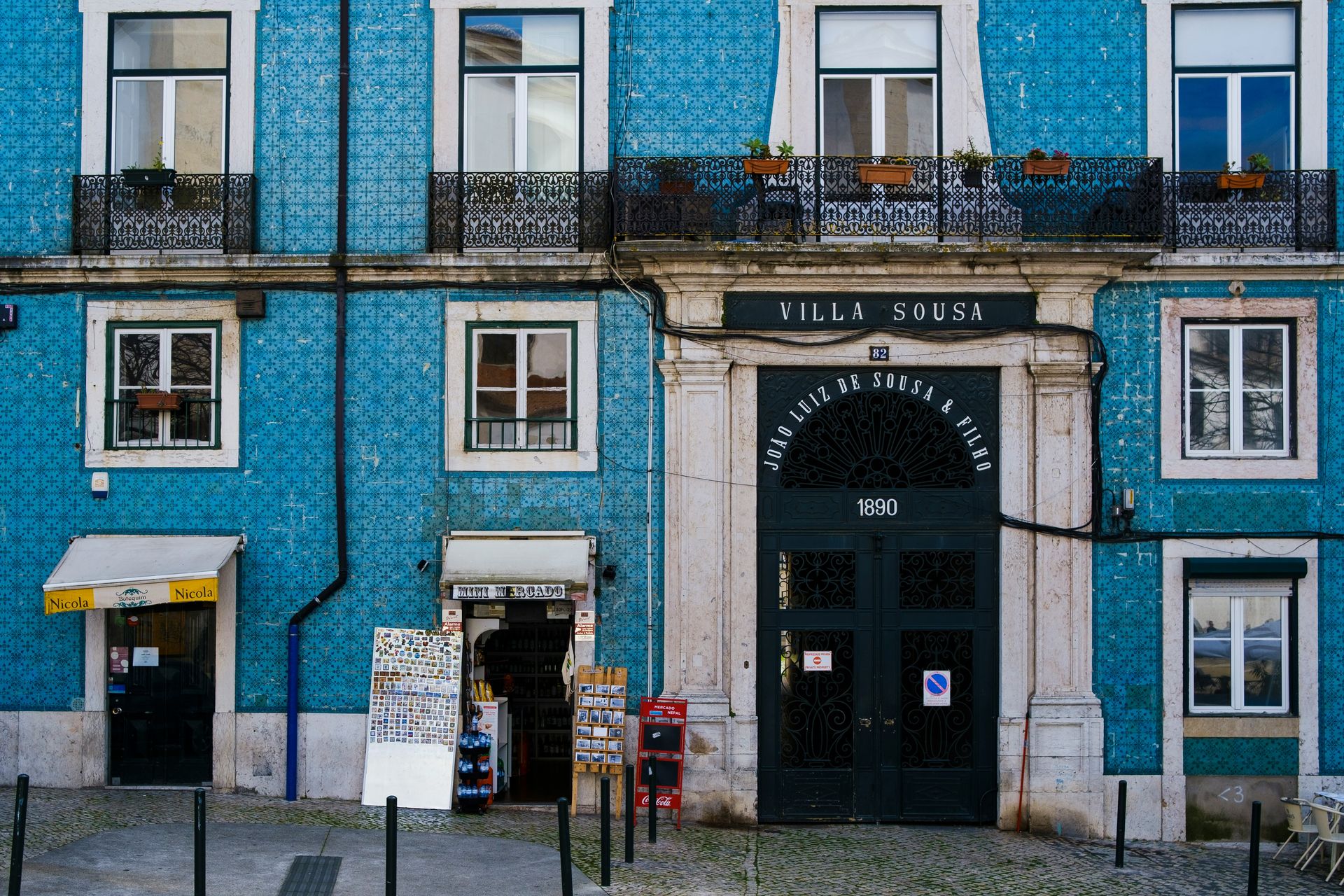
Portugal’s rising cost of living has created real problems well beyond inconveniencing budget travelers, since the conversion of long-term apartments into short-term rentals has pushed many local residents out of their own communities entirely. Travelers $TRV on a short trip who don’t specifically need a kitchen, given that eating out throughout Portugal generally offers excellent value, can help ease this pressure by choosing a hostel or family-run guesthouse instead of a private apartment rental.
Portugal’s hostel scene ranks among the best anywhere in Europe, and travelers can find some of the continent’s best-value, highest-quality dorm rooms specifically in Porto and Lisbon. These properties frequently outperform comparable private rentals in both price and overall atmosphere, offering budget travelers a genuinely social alternative to an isolated apartment stay.
Travelers who prefer a private room over a shared dorm should seek out simple, sometimes charmingly old-fashioned hotels well suited to a straightforward, just-for-sleeping stop. Arroios in Lisbon offers plenty of these affordable options, as do the areas just outside the old towns of Faro or Portimão in the Algarve, giving budget travelers proximity to major sights without paying the premium charged inside the most touristed cores.
Choosing a hostel or guesthouse over an apartment rental delivers a genuine double benefit for budget-conscious travelers, combining real savings with a small but meaningful contribution toward reducing the housing pressure that short-term rentals have placed on Portuguese communities. Few other single choices during the trip-planning process carry this much combined financial and ethical weight. Few accommodation choices anywhere in Europe combine this much genuine savings with such a meaningful positive impact on the local community. Travelers should book popular hostels well in advance during peak season, since the best-rated properties in Lisbon and Porto tend to sell out quickly. Reading recent reviews also helps confirm that a specific property still matches its listed price and condition. Booking directly through a property’s website can avoid third-party booking fees entirely.

Nicolas Armoa / Unsplash
Skipping the fancy hotel breakfast buffet entirely turns out to be one of the easiest ways to save money in Portugal, since breakfast at a local snack bar remains genuinely, almost surprisingly affordable throughout the country. A galão, tosta mista, and pastel de nata together rarely cost more than €5 total at a typical neighborhood snack bar, delivering a genuinely satisfying start to the day for a fraction of what a hotel buffet would charge for the same basics.
Chain bakeries such as A Padaria Portuguesa often bundle these same breakfast staples into combo deals priced even lower than ordering each item separately, giving budget travelers an easy, reliable option available in most Portuguese cities. These chains maintain consistent quality across locations, making them a genuinely safe bet for travelers unfamiliar with a specific neighborhood’s independent options.
Travelers $TRV hoping to save even more should look into Too Good to Go, an app that offers boxes of end-of-day leftover baked treats from local bakeries at steep discounts. This option works particularly well for travelers staying somewhere with a kitchen or communal fridge, letting them stock up on genuinely tasty pastries without paying full retail price.
Building breakfast around these budget-friendly options, instead of defaulting to a hotel buffet out of pure convenience, can save a meaningful amount of money across even a short trip. Multiplying a few euros of daily savings across a week-long stay adds up to a genuinely noticeable difference in overall trip cost. Few countries in Europe make it this easy to eat well for so little money first thing in the morning. Travelers should also ask locals for their favorite neighborhood spot, since the best snack bars often sit just outside the main tourist areas. Arriving slightly before the morning rush also helps avoid the longest lines at the most popular spots. Ordering in Portuguese, even just a few basic words, often earns a genuinely warmer welcome.
Noelephants Flying / Unsplash
Getting around Portugal’s main cities and towns works easily and affordably through public transport alone, but reaching the country’s most scenic, out-of-the-way spots typically requires renting a car for at least part of a trip. Booking a rental specifically during winter can bring daily rates as low as €5, and choosing an off-airport supplier instead of an in-terminal counter avoids the mandatory airport rental fee, which typically runs around €15, in exchange for a short shuttle bus ride to reach the actual pickup location.
Rental periods run in full 24-hour blocks rather than simple calendar days, meaning careful selection of pickup and drop-off times can shave an entire day’s cost off a longer rental. Travelers $TRV who plan their itineraries around these 24-hour windows, rather than picking arbitrary times, consistently pay less than those who book without considering this specific rental structure.
Taking scenic detours around toll roads saves money on tolls while often delivering more rewarding views along the way, turning a cost-saving measure into a genuine highlight of the drive. Refueling specifically at supermarket gas stations, which typically charge slightly less than standalone highway stations, adds another small but meaningful savings opportunity over a longer road trip.
Travelers planning an extended road trip through Portugal should treat these rental strategies as a package rather than picking just one, since winter timing, careful pickup scheduling, toll avoidance, and supermarket fuel stops all compound to yield genuinely significant savings over a multi-day rental period. Few rental markets anywhere reward this much attention to timing and supplier choice with such consistently meaningful savings. Travelers should also photograph the vehicle thoroughly at pickup, since disputes over minor existing damage can otherwise lead to unexpected charges later. Reading the rental contract carefully also helps avoid unexpected fees buried in the fine print. Keeping a small cash reserve also helps cover unexpected tolls or parking charges along the way.

Claudio Schwarz / Unsplash
All long-distance trains and buses throughout Portugal offer discounted advance tickets for travelers willing to plan ahead. Online train bookings open a full 60 days before departure, and the best discounts expire either eight days out at 65% off or five days out at 50% off, rewarding travelers who commit to their travel dates well in advance of departure.
The Rede Expresso bus network operates a genuinely similar system, typically offering promotional seats until only the back few rows of a given bus remain unbooked. Travelers $TRV comparing the fastest Alfa Pendular trains with the slightly slower Intercidades option should weigh the fare difference carefully, since the discount on the slower ticket sometimes more than offsets the extra travel time.
Regional trains, including the Algarve line and routes toward the Douro, don’t offer any discount for advance booking, which actually works in favor of spontaneous travelers hoping to organize a relatively affordable, do-it-yourself day trip without needing to plan weeks ahead. This pricing structure gives budget travelers genuine flexibility depending on the specific route they plan to take.
Travelers planning several separate trips within a short period should consider a tourist rail card, since bundled pricing often beats buying individual discounted tickets one at a time. Travelers with a more limited, less frequent travel schedule should instead stick with single advance tickets, since a rail card rarely pays for itself without enough total trips to justify the upfront cost. Few national rail systems reward advance planning this generously while still leaving room for genuinely spontaneous regional day trips. Travelers should also set a calendar reminder for exactly 60 days before their planned travel date, since the best discounts disappear quickly once booking windows open. Comparing total cost across booking platforms also helps catch occasional pricing discrepancies between sites. Signing up for a rail operator’s own email newsletter also helps catch occasional flash sales throughout the year.

Eugene Zhyvchik / Unsplash
Walking remains genuinely the best way to explore any Portuguese city, even accounting for the hills that define places such as Lisbon and Porto, but travel cards consistently beat single tickets whenever a visitor wants to hop on a metro, tram, or bus, even just a few times during a stay. Most regions in Portugal offer some form of tourist pass, though local rechargeable cards typically offer the best overall value for budget-conscious travelers.
Navegante in Lisbon, Andante in Porto, and the Algarve-wide Vamus app, which functions as a digital pass instead of a physical card, all offer better per-ride pricing than buying individual paper tickets over the course of a stay. Loading one of these passes with credit at the start of a trip removes the hassle of repeatedly buying single tickets while also locking in the lower effective fare across every subsequent ride.
Travelers $TRV should estimate their expected number of daily rides before committing to a specific pass type, since the exact savings threshold depends on how many trips they plan to take on public transport during their stay. A traveler taking just one or two rides a day might find a simple day pass more economical than repeatedly reloading a rechargeable card in smaller increments.
Combining a local transit pass with genuine walking between nearby attractions gives budget travelers the most efficient overall approach to city transportation throughout Portugal. Relying entirely on paid transport for even short distances tends to erode the savings that a well-chosen pass would otherwise deliver across a longer stay. Few cities anywhere in Europe make choosing the right transit pass feel this straightforward once a traveler does the basic math. Travelers should also check whether their pass covers regional trains or ferries, since coverage sometimes extends further than visitors initially expect. Keeping the physical card or app updated also helps avoid running out of balance mid-journey. Keeping a small cash backup also helps.
The Creativiv / Unsplash
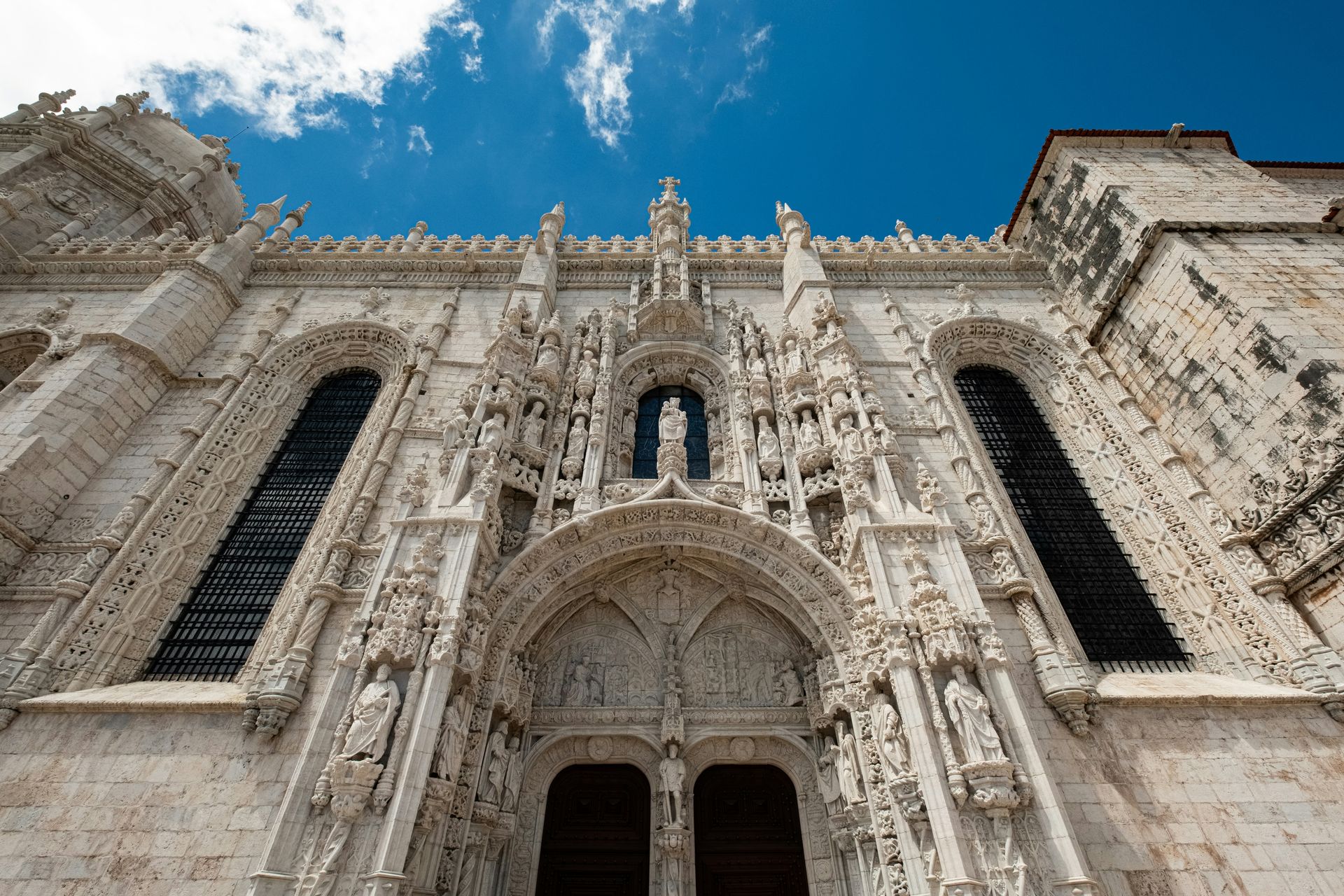
Pre-booking tickets online to certain attractions, including the Algarve’s popular waterparks, can lead to genuinely significant discounts compared with paying at the gate on arrival. This same advance-booking strategy also applies to popular museums and monuments such as Jerónimos Monastery and Belém Tower, though travelers should note that booking ahead for these sites saves time standing in line rather than offering a price discount.
National monument admission prices increased significantly starting in January 2025, with some specific sites doubling in cost compared with previous pricing, making advance research into current admission fees considerably more important than it used to be for budget-conscious travelers. Checking updated prices before finalizing a day’s itinerary helps avoid unpleasant surprises once a traveler actually arrives at the ticket counter.
Local municipal museums offer a genuinely worthwhile, considerably cheaper cultural alternative to the country’s biggest paid attractions, typically charging free admission or just a couple of euros for entry. Travelers $TRV can also swap a visit to the usually paid-entry Sé, or main cathedral, in a given city for one of the smaller neighborhood churches, which often display comparably impressive architecture and artwork without charging an admission fee.
Building a cultural itinerary around a mix of major paid sites and these smaller, often free alternatives gives budget travelers a genuinely well-rounded experience without requiring a ticket budget large enough to cover every single attraction at full price. Researching admission costs and advance-booking discounts before a trip remains one of the simplest ways to avoid unnecessary spending once actually in the country. Few countries make it this easy to build a genuinely rich cultural itinerary around a careful mix of paid and free attractions. Travelers should also check for combined admission tickets that cover multiple sites, since these bundles often save money compared with buying separate tickets at each location. Checking a site’s official website directly also helps confirm current opening hours and any seasonal closures.
