
Best white sand beaches in the world
From Anguilla's powdery Rendezvous Bay to a Curaçao beach where wild pigs share the coral sand, the world's most beautiful white sand beaches
Ippei Naoi / Getty Images
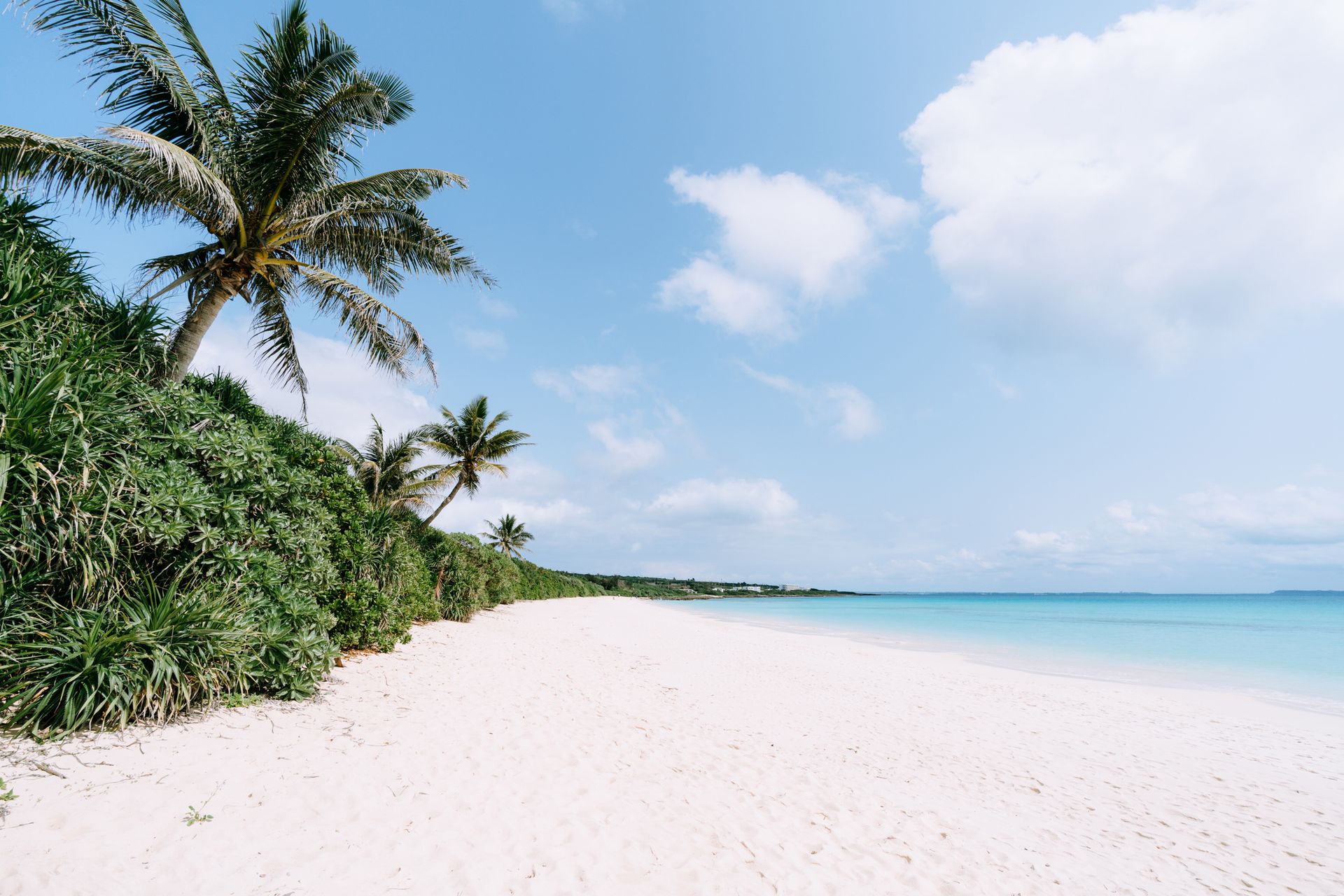
White sand is not just a matter of aesthetic preference. It signals a specific feature of the beach’s geology. The brightest white beaches typically get their color from one of two sources: quartz crystals ground fine by centuries of wave action, or pulverized coral and calcium carbonate from ancient reef systems. Both produce the pale, reflective sand that contrasts sharply with turquoise and aquamarine water, amplifying the visual effect that makes certain beaches feel categorically different from the average shoreline. Travelers $TRV who seek out genuinely white sand beaches are chasing that contrast: the kind that reads as electric in afternoon light and glows at dusk.
The geographic range of white sand beaches reflects how different geological processes produce similar results across different ocean systems. The Caribbean’s limestone and coral geology produce white beaches from reef material ground over millennia. Florida’s panhandle beaches get their extraordinary whiteness from quartz crystals washed south from the Appalachians. Pacific island beaches draw from a different source rock entirely. The result is that white sand beaches appear across nearly every warm-water region in the world, each with its own character: some backed by jungle, some by limestone cliffs, some by the open sky of a barrier island.
These 10 beaches come from U.S. News & World Report's ranking of the 50 most beautiful white sand beaches in the world, assembled through editorial review of scenery, sand quality, amenities, and accessibility. The full list spans destinations across the Caribbean, the Gulf of Mexico, the Pacific, and the Indian Ocean, a breadth that reflects how widely the conditions for exceptional white-sand beaches are distributed across the world's warm-water coastlines. Each destination on the list earned its place through a specific quality of sand, water clarity, or setting that separates it from the hundreds of pleasant but unremarkable beaches that surround it.
1. Rendezvous Bay overlooks St. Martin from Anguilla’s shore
stevegeer / Getty Images
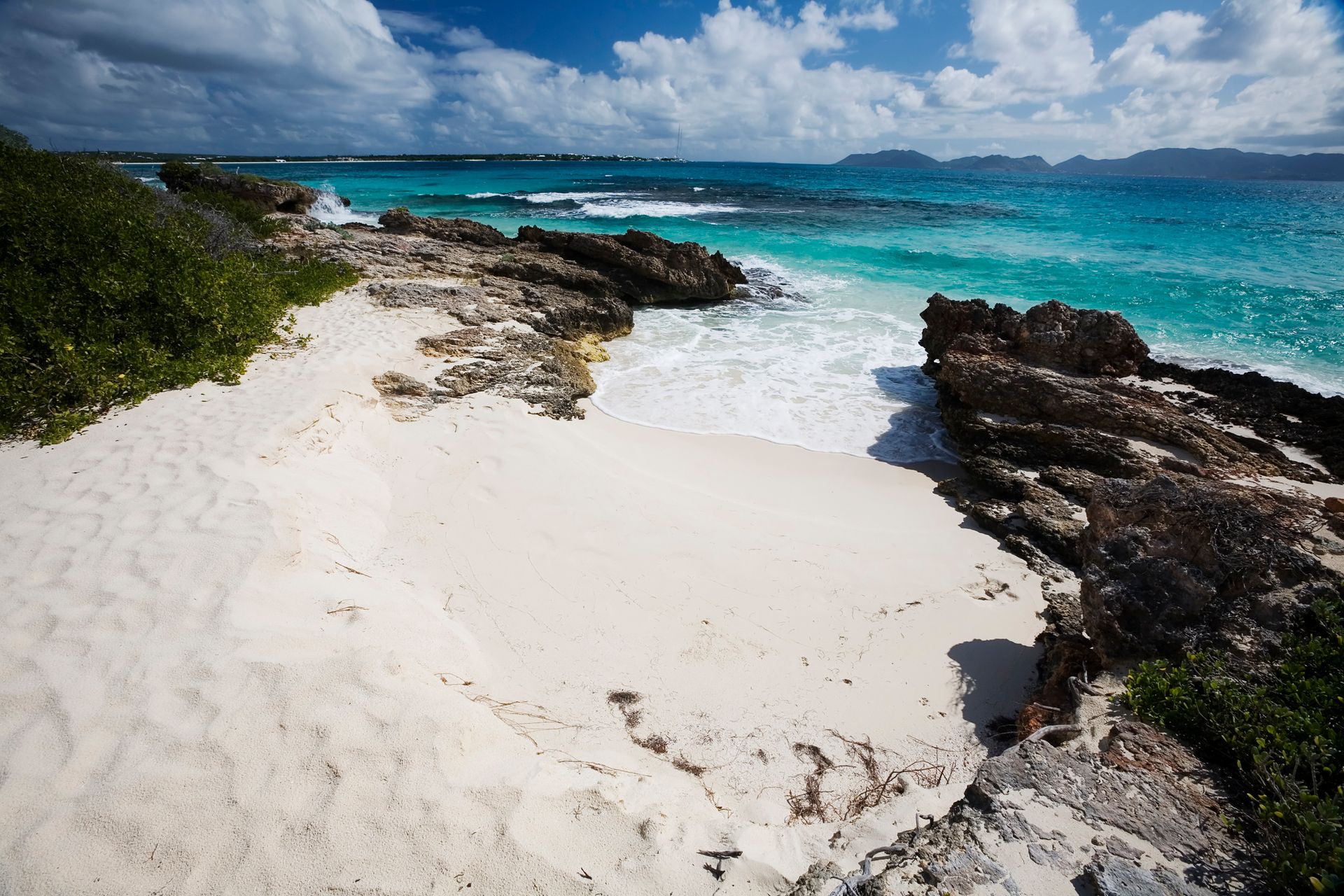
Rendezvous Bay on the island of Anguilla delivers the beach trifecta that draws travelers to the Caribbean: powdery white sand, turquoise water that stays vivid in direct sunlight, and views across the channel to nearby St. Martin. The cross-water view gives Rendezvous Bay a sense of scale and context that enclosed coves cannot offer. The neighboring island sits close enough to read its contours clearly, giving the beach a visual anchor on the horizon that shifts with the light throughout the day.
Anguilla has a broader reputation for exceptional beaches and culinary experiences, and Rendezvous Bay sits within that context as one of the island’s most celebrated stretches of sand. The beach’s character combines natural beauty with a level of resort development that gives visitors direct beachfront access without the overcrowding found in more heavily trafficked Caribbean destinations. The Aurora Anguilla Resort & Golf Club sits directly on the beach, making it one of the few properties on the island where guests wake up to immediate Rendezvous Bay access without a walk or a shuttle.
The Aurora Anguilla Resort & Golf Club adds a dimension to the beach that pure natural beauty alone does not provide. The resort’s golf course carries a reputation as one of the most celebrated in the Caribbean, giving travelers who play golf a specific reason to choose Rendezvous Bay as their Anguilla base over the island’s other notable beach destinations. The resort also offers multiple dining venues and lavishly appointed rooms, giving non-golfers a full luxury beach resort experience at a beach that needs no resort infrastructure to justify the visit on its own. Rendezvous Bay’s position as one of Anguilla’s most celebrated beaches reflects an island that has made protecting its shoreline character a priority over maximizing resort development, a choice that gives the bay a quality of experience that heavily developed Caribbean beaches have lost.
2. Grace Bay boasts a barrier reef one mile from the sand
Matthew Clemente / Getty Images
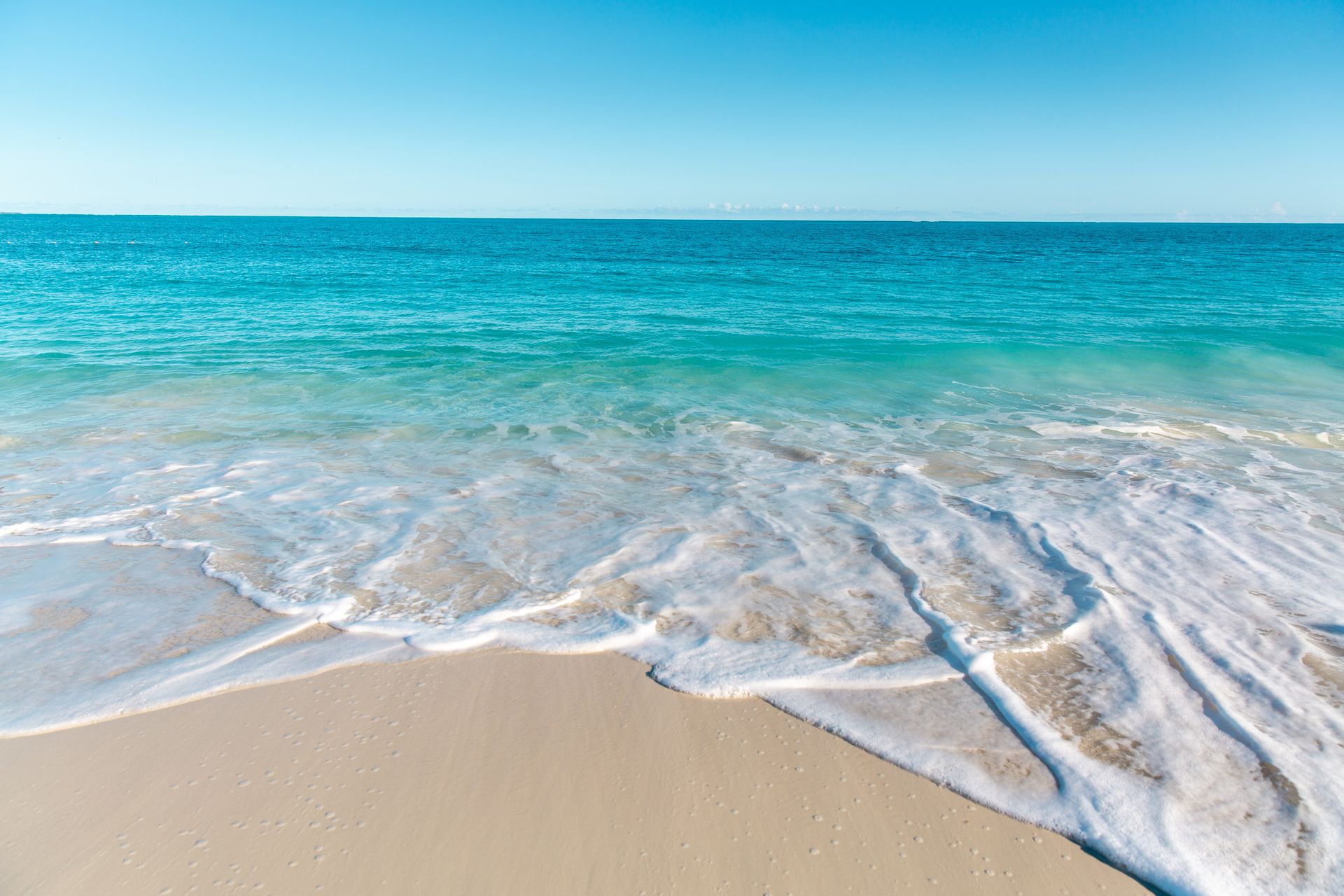
Grace Bay in Turks and Caicos consistently ranks at the top of Caribbean beach rankings: sand the source describes as pearlescent white, shallow water free of rocks and seaweed, and a calm, clear sea surface that suits families and snorkelers equally. The absence of rocks and seaweed gives Grace Bay a beach experience that requires no navigation once visitors reach the water’s edge. They wade in directly from the sand into consistently clean, calm conditions. An extensive barrier reef sits approximately one mile offshore, giving the beach a natural snorkeling and diving destination within easy day-trip range by boat.
The reef’s proximity creates a two-tiered water experience. The near-shore area inside the reef maintains the calm, shallow conditions that make Grace Bay attractive to swimmers of all ability levels, while the reef itself provides the underwater biodiversity that snorkelers and divers seek. Few beaches on this list offer that combination in the same day, from the same stretch of sand.
The Somerset on Grace Bay offers families a resort option that the source specifically highlights for its beachfront access and complimentary kids' club. The apartment-style layout accommodates groups that exceed the capacity of a standard hotel room, with lodging options ranging up to five bedrooms, a configuration that makes the Somerset relevant for extended family groups or multi-family trips. Grace Bay’s natural credentials and the family-specific resort infrastructure combine to give it one of the strongest cases of any Caribbean beach on this list for travelers with children. The barrier reef’s role in calming the near-shore water also gives Grace Bay a safety profile that open-ocean beaches without reef protection cannot match, making it a genuinely low-risk swimming environment for younger children. Grace Bay’s consistent appearance near the top of Caribbean beach rankings also reflects a sand and water quality that holds up across weather conditions and seasons, not just in the peak conditions that beach photography captures.
3. Lighthouse Bay belongs to MSC Cruises’ Bahamian island
imageBROKER / Franz Neumeier via Getty Images
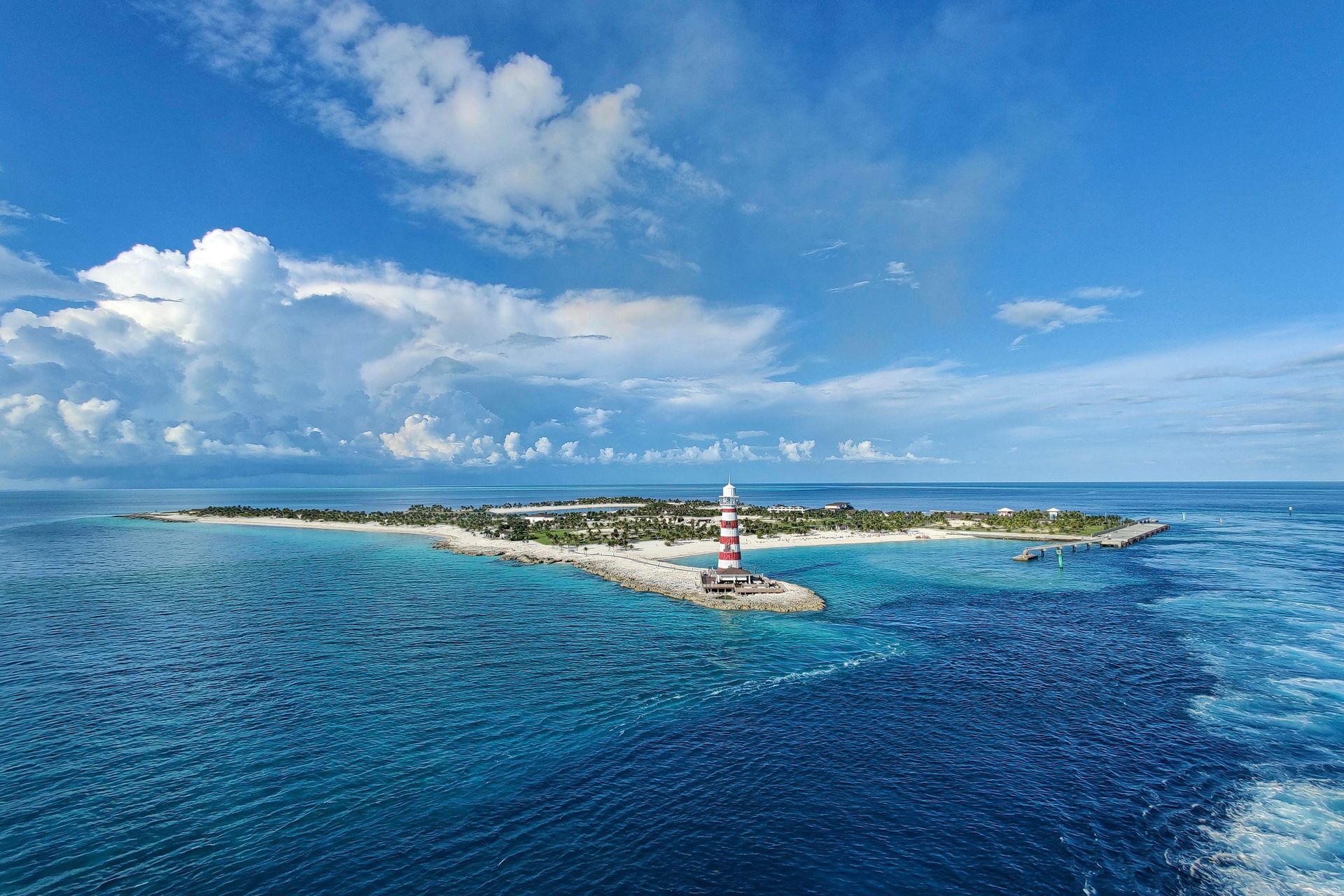
Lighthouse Bay occupies a beach on Ocean Cay MSC Marine Reserve, a private island in the Bahamas operated by MSC Cruises. The beach’s water is clear and calm, conditions the source describes as ideal for swimming, and the beach itself provides ample lounge and rest areas for guests who want to spend the day onshore. The private island format gives Lighthouse Bay a controlled, managed environment that public Bahamian beaches cannot offer. Crowd levels depend on how many cruise passengers are ashore on a given day, not on open public access.
Access to Lighthouse Bay runs exclusively through MSC Cruises’ Caribbean itineraries. Cruise passengers aboard ships, including the MSC World America, sailing from Miami, can include Ocean Cay in their itinerary across multiple Caribbean routes. The cruise format changes the calculus of beach visits. Passengers visit Lighthouse Bay as part of a broader Caribbean itinerary, skipping the flight and hotel booking that an independent beach destination requires, which includes multiple destinations and evenings aboard the ship.
The private island model MSC Cruises applies to Ocean Cay MSC Marine Reserve, giving Lighthouse Bay an infrastructure investment that the line controls end to end: the lounge areas, water conditions, and access management all fall within the cruise line’s operational scope. For travelers who have not yet committed to a Caribbean beach destination and are open to a cruise format, Lighthouse Bay offers a white sand beach experience that the itinerary delivers without the planning overhead of an independent beach destination trip. The marine reserve designation also reflects a conservation orientation that gives the destination a credential beyond its beach aesthetics. The marine reserve designation means that the waters surrounding Ocean Cay receive protections that most cruise line private islands do not, providing a healthier reef backdrop for snorkeling and swimming than unprotected Caribbean beach destinations typically offer. The designation also limits the types of commercial activities that can operate on the island, keeping the beach environment cleaner and less developed than those of private island destinations without conservation mandates.
4. Destin pairs white sand with laid-back Panhandle culture
Jacqueline Anders / Getty Images
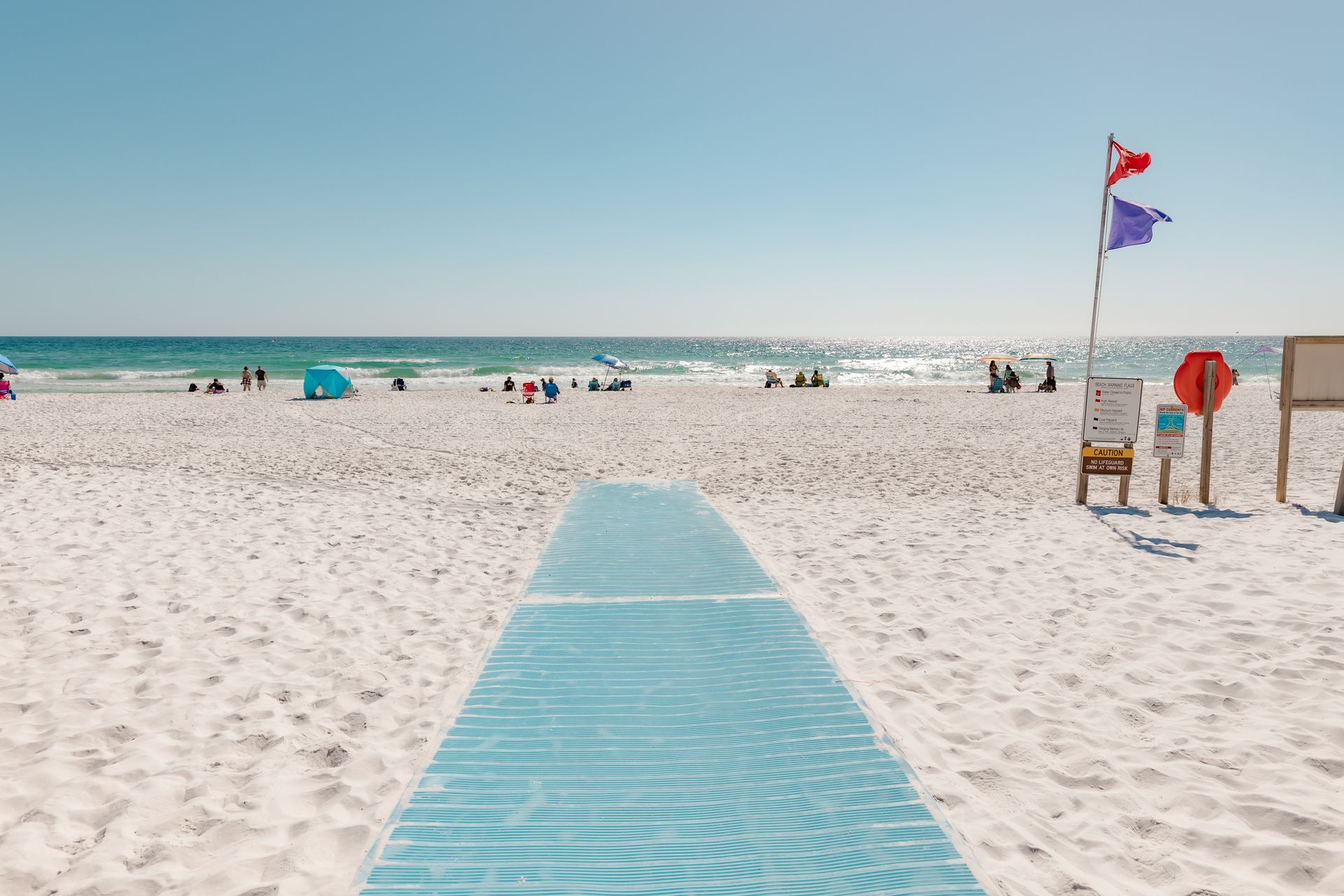
Destin, Florida, sits on the Florida Panhandle with a beach reputation built on the quality of its sand — the source describes it as impressively white — and a relaxed coastal culture that distinguishes it from the more developed resort corridors elsewhere on the Gulf Coast. The Panhandle’s geography gives Destin sand its particular whiteness: quartz crystals from the Appalachian Mountains washed into the Gulf of Mexico over geological time have been ground fine by wave action, producing a sand that is cool underfoot even in direct summer sun and bright enough to require sunglasses at midday. The laid-back atmosphere the source identifies reflects a beach culture that prioritizes time on the sand over structured resort programming.
The source highlights Destin’s accessibility as a meaningful part of its appeal. Travelers $TRV living in the southeastern U.S. can reach the Florida Panhandle by car, reducing the planning and expense barriers that flight-dependent beach destinations require. That accessibility makes Destin a practical choice for the kind of spontaneous or mid-range family beach trip that Hawaii or the Caribbean cannot serve at short notice.
Henderson Beach Resort is listed as one of the most popular luxury hotels in the Destin area by the source. The property serves couples and larger groups with beachfront access, an on-site spa, and multiple dining venues, as well as a full resort infrastructure that allows guests to remain on the property for an entire stay without feeling limited. Destin also offers a wide selection of rental condos and vacation rental properties that give budget-conscious travelers options well below the resort price point while still offering direct access to the same white-sand beach. The quartz crystal composition of Panhandle sand also gives Destin a specific physical property that coral-origin Caribbean beaches do not share: the sand stays cooler underfoot than dark mineral sand beaches, which makes walking barefoot in direct summer sun more comfortable than beachgoers might expect.
5. Orange Beach welcomes families near Gulf Shores, Alabama
Chris Johnson / Getty Images
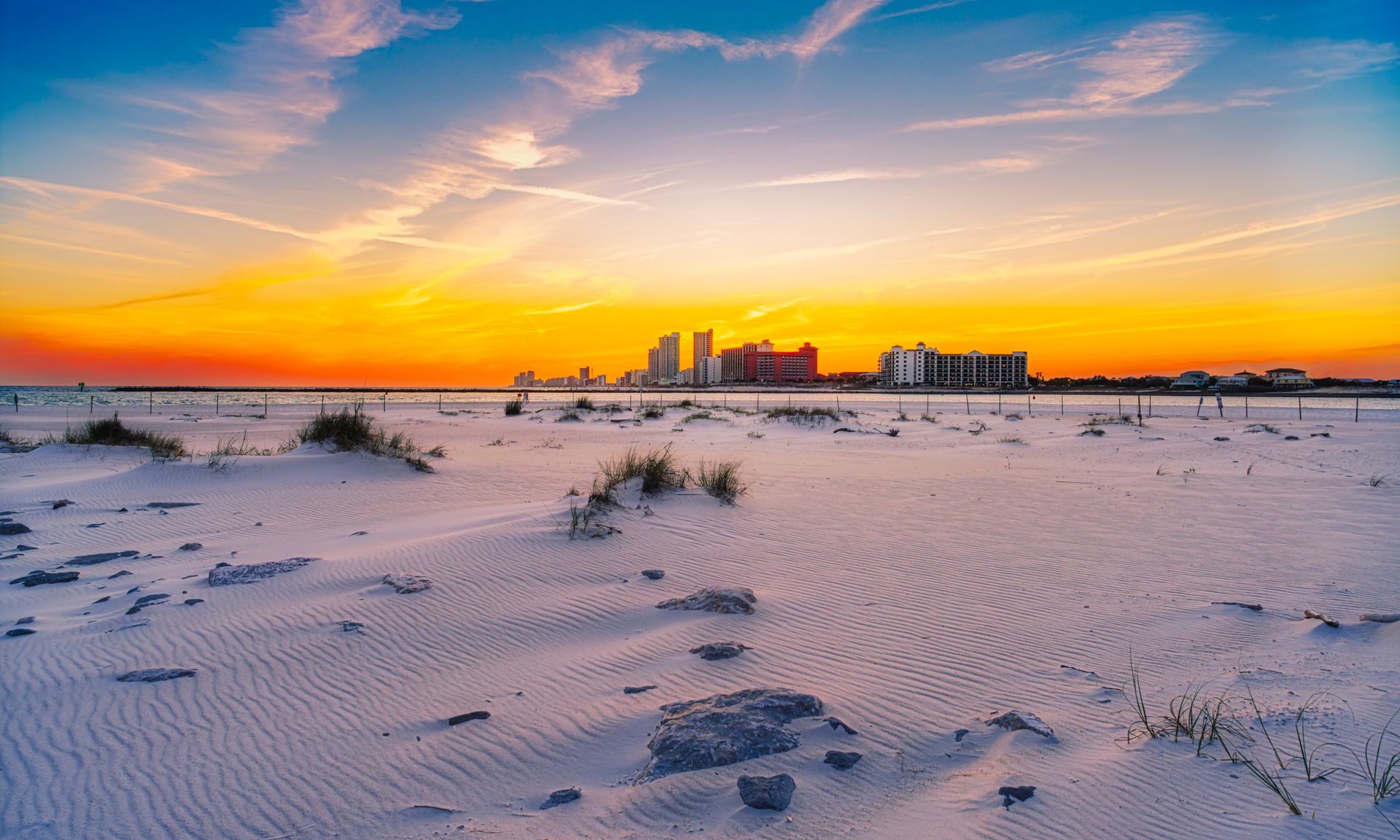
Orange Beach, Alabama, sits adjacent to the more widely recognized Gulf Shores and extends the Alabama Gulf Coast’s stretch of white-sand beaches, with a family-oriented character that the source positions as its defining characteristic. Affordable rental condos and hotels give families who want Gulf Coast beach access a more accessible price point than Florida’s more heavily marketed beach destinations. The relaxed atmosphere the source identifies suits families with young children who want beach days without the sensory overload of larger, more commercial beach towns.
The Alabama Gulf Coast Zoo provides a non-beach activity option that gives families a reason to stay more than a few days. The zoo’s proximity to Orange Beach means that a stretch of rainy weather or a child’s limited appetite for sand time does not derail the trip entirely. The zoo’s presence alongside the beach makes Orange Beach a more complete family destination than a pure beach town, which typically offers little for families when conditions push them off the sand.
Perdido Beach Resort holds the source’s specific recommendation for families, noted as especially suited to larger groups with suite options that accommodate up to six guests. The Gulf Coast paradise designation that Perdido Beach Resort carries reflects its positioning within a destination built around accessible family beach travel over luxury exclusivity. Orange Beach’s white sand, affordable accommodation range, nearby zoo, and relaxed Gulf atmosphere together give it the most practical family beach case of any destination on this list, particularly for travelers within driving distance of the Alabama coast. The Gulf of Mexico’s protected position also gives Orange Beach water conditions that differ from open-Atlantic beaches at comparable latitudes. The warmer temperatures and calmer surf suit families with young children throughout the summer season, extending the practical swimming window beyond what rougher Atlantic-facing coastlines allow. The affordability of Orange Beach accommodation relative to Florida’s Gulf Coast also means that the same budget stretches further here.
6. The Bight tucks a calm cove behind Norman Island’s shore
Levente Bodo / Getty Images
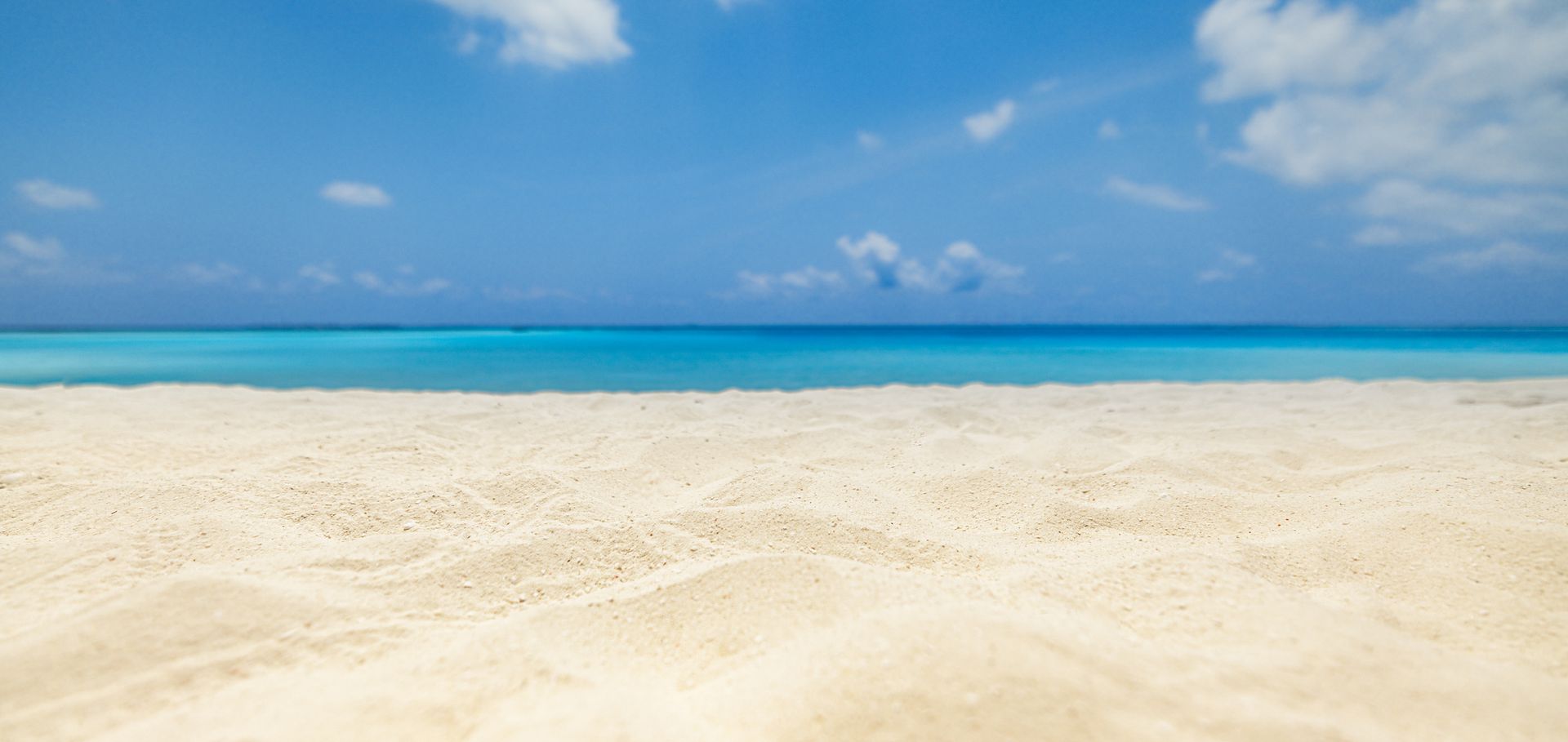
The Bight at Norman Island in the British Virgin Islands functions as a protected cove, not an open beach, and the geographical difference matters: the calm, clear water that results from the cove’s sheltered position makes The Bight a reliable swimming and anchoring destination regardless of the ocean conditions elsewhere in the BVI chain. The white sand along the shoreline maintains the visual character that defines the best Caribbean beaches, while the cove’s protection gives the water a stillness that open-exposure beaches cannot guarantee.
The Bight is a day-tripper and boater destination first. No hotels sit on Norman Island, which means visitors arrive by boat: either on private charters, sailing itineraries, or day-trip excursions from nearby islands. Pirates Bight Restaurant and Bar gives day visitors a place to eat and drink on the beach itself, which makes The Bight a complete day-trip destination beyond a simple swimming stop. The source describes it as the perfect stop for travelers who want food and frozen drinks alongside the water.
The absence of hotels on Norman Island is part of The Bight’s appeal, not a limitation. The beach does not carry the resort infrastructure that changes the character of more developed Caribbean beach destinations, and the boating culture that surrounds it gives it an atmosphere of purposeful arrival. Visitors who reach The Bight have navigated there by boat. They did not simply walk out of a hotel lobby. For travelers staying on nearby Tortola, the source recommends Long Bay Beach Resort, which offers beachfront rooms on its own white sand beach and provides a comfortable base for day trips to The Bight. The BVI’s sailing culture gives The Bight a visitor demographic that differs from the resort beach crowd elsewhere on this list, with a higher proportion of travelers who arrived by sailboat and experience the beach as part of a multi-island passage. The Norman Island anchorage area that The Bight serves also connects the beach to a BVI sailing tradition that stretches back decades, giving it a cultural depth that beach destinations accessible by land road do not accumulate. The Bight’s protected anchorage status also makes it one of the most reliable overnight stops in the BVI sailing circuit, which gives it a nighttime presence that day-trip-only beaches on this list do not hold.
7. Shoal Bay keeps its water clear of seaweed and rocks
Delpixart / Getty Images
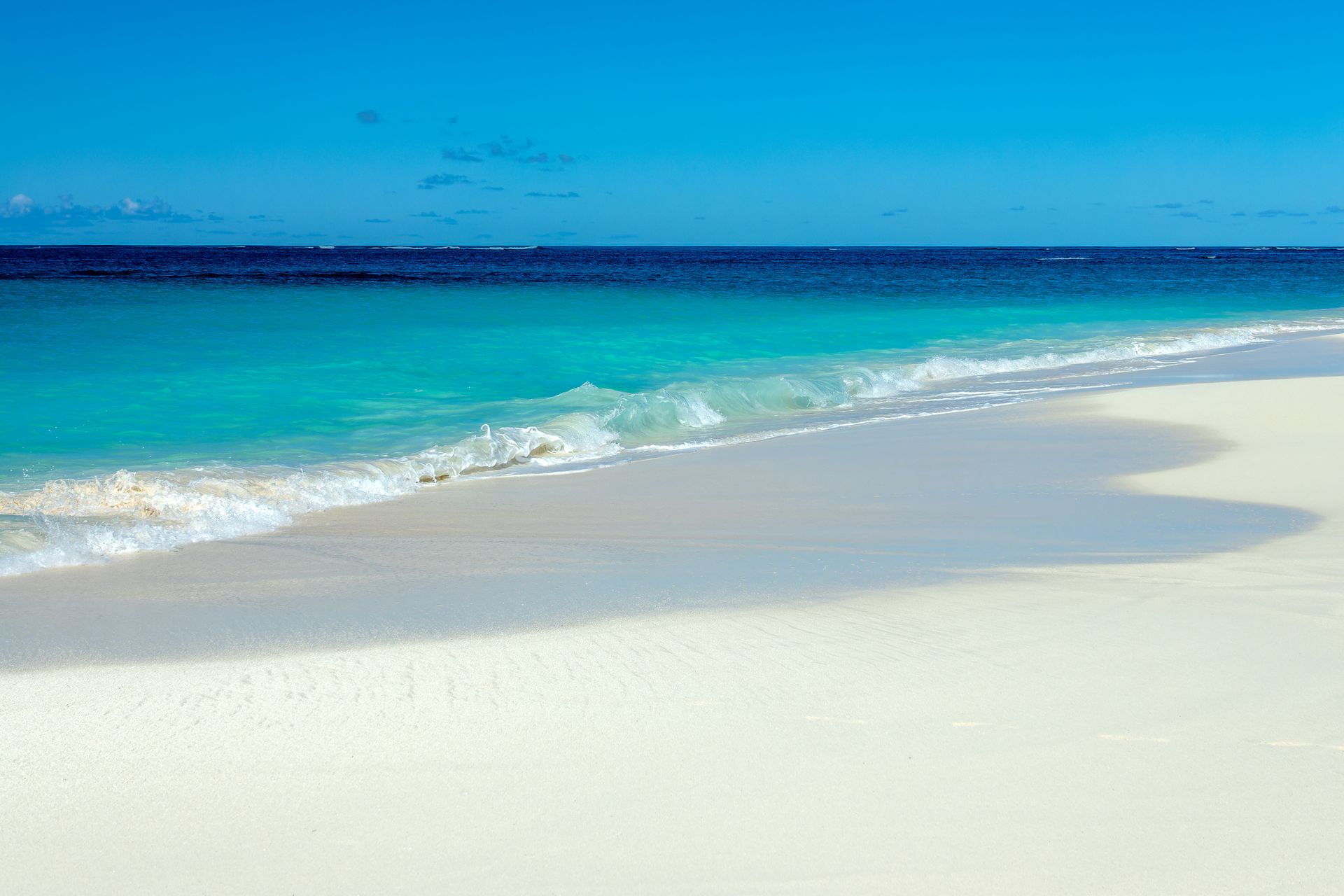
Shoal Bay on Anguilla has a specific natural feature that the source explicitly identifies: the water is free of seaweed and rocks, which gives swimmers and waders a clean entry from the sand to the sea without the need to navigate around obstacles that many Caribbean beaches require. The tranquility that the source notes extends beyond the water quality. The beach attracts visitors specifically for its quiet character and the absence of the nightlife and commercial activity that define the identity of louder beach destinations.
The tradeoff is direct. Shoal Bay offers exceptional ocean scenery and the peace that its quiet reputation draws, but travelers who arrive expecting bars, beach clubs, or evening entertainment will find those absent. The source openly acknowledges this, framing the lack of nightlife as a feature for the right visitor, not a gap in the destination’s offering. Travelers $TRV who want to read, swim, and watch the water will find Shoal Bay better suited to those goals than any beach destination that competes on activity and nightlife programming.
Zemi Beach House gives Shoal Bay the luxury accommodation option that the beach’s natural quality warrants. The five-star property includes a beach concierge, a specific amenity that manages the logistics of beach time so guests do not have to navigate alone, alongside a spa, water sports rentals, and the full range of amenities that a high-end Anguilla resort provides. Zemi Beach House’s presence at Shoal Bay gives travelers who want the exceptional scenery the source describes and the five-star service infrastructure a single property that delivers both within walking distance of the water’s edge. Shoal Bay’s position on Anguilla also means it benefits from the island’s general commitment to low-density, high-quality tourism. The same philosophy keeps Rendezvous Bay and Meads Bay, both appearing elsewhere in the source’s full ranking, among the most unspoiled and carefully preserved white sand beaches in the Caribbean.
8. White Bay serves up the original Painkiller rum cocktail
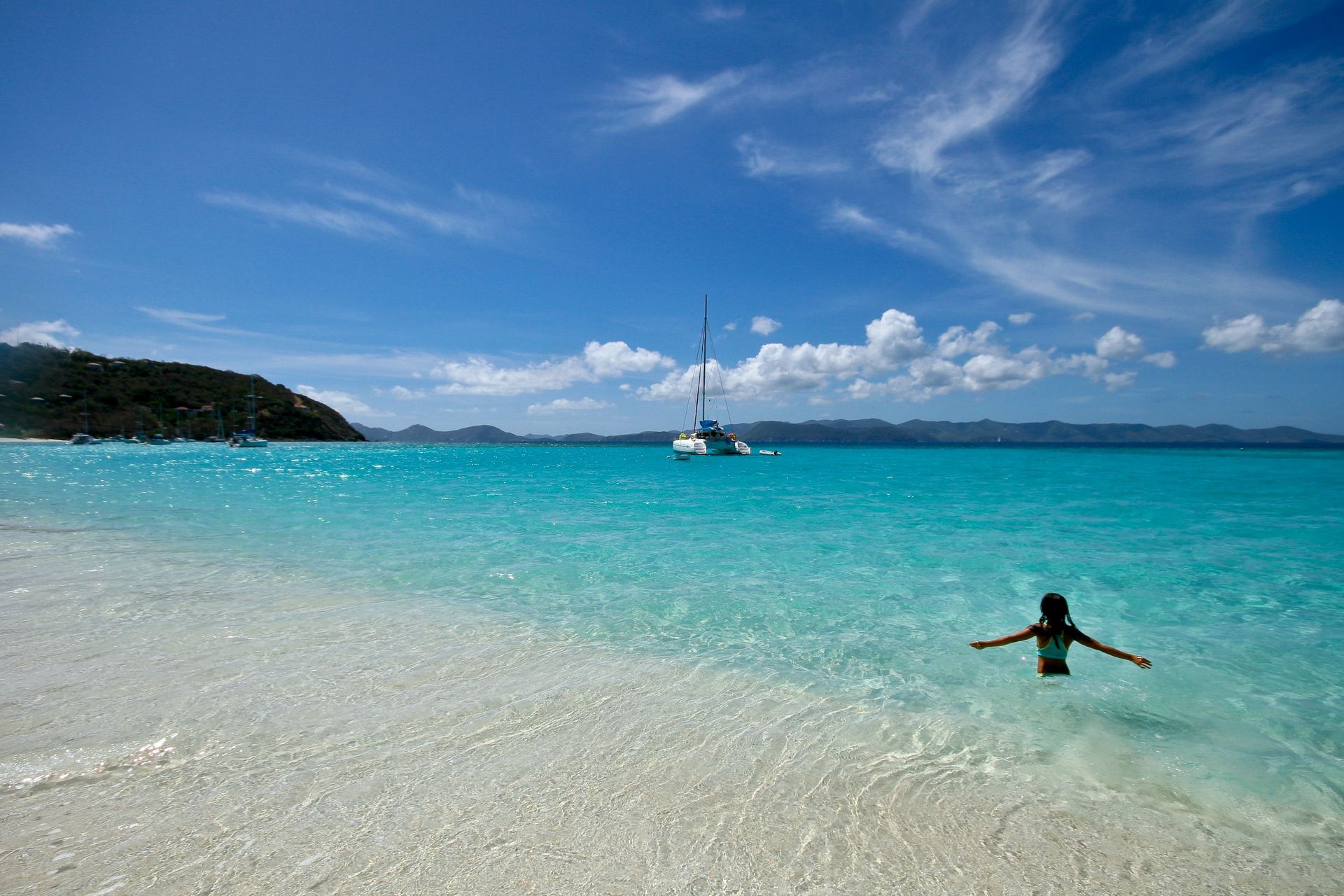
Andy Teo aka Photocillin / Getty Images
White Bay on Jost Van Dyke in the British Virgin Islands offers white sand and clear water alongside a specific cultural claim that no other beach on this list can make: the Soggy Dollar Bar, located directly on the beach, is the original home of the Painkiller, a rum cocktail made with rum, cream of coconut, pineapple juice, and orange juice that has become one of the most widely replicated tropical drinks in the Caribbean. The cocktail’s origin at a beach bar on an island accessible only by boat gives White Bay a narrative identity beyond its natural beauty, drawing visitors who specifically want to order the drink at the place where it began.
The Soggy Dollar Bar gets its name from the practice of swimming ashore from anchored boats, arriving with wet cash to pay for drinks. The bar’s position on a beach without a dock means that the act of reaching it can involve a swim, reinforcing the rum cocktail’s origin story in the logistics of actually getting there. The beach and bar together create an atmosphere of celebration and island ease that the source describes as a party worth joining.
Pink House Villas sits on the same stretch of sand as the Soggy Dollar Bar, giving travelers who want to base at White Bay instead of day-tripping from another island a lodging option directly adjacent to the beach’s main attraction. The property’s villa format accommodates groups of up to 22 guests, a capacity that suits the kind of group travel that a destination built around a famous beach bar naturally attracts. White Bay’s powdery sand, clear BVI water, and the original Painkiller cocktail served at its source together give it the most distinctive cultural identity of any beach on this list. The Soggy Dollar Bar’s origin story also gives White Bay a reason to visit that pure natural beauty, however exceptional, that it cannot provide on its own.
9. Playa PortoMari harbors wild pigs on its coral sand shore
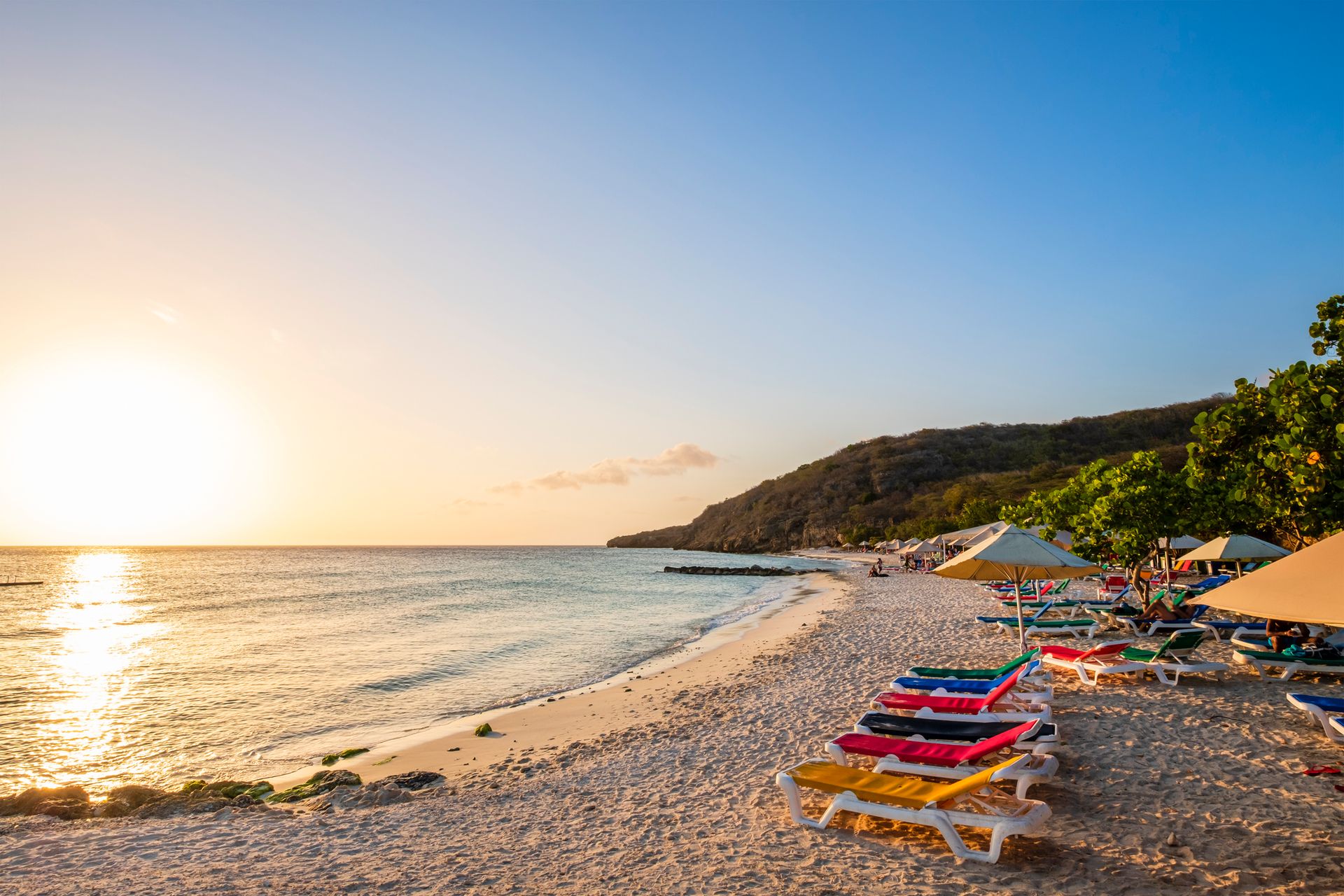
Flavio Vallenari / Getty Images
Playa PortoMari on the island of Curaçao stands out among Caribbean beaches for a reason that has nothing to do with the sand or the water: wild pigs live and play on the beach, giving visitors a wildlife encounter alongside the standard beach experience. The source identifies the pigs as a known feature of the beach, indicating they attract visitors intentionally. The coral sand that gives the beach its white color sits against turquoise water, in conditions the source describes as ideal for evening drinks or dinner at the beach bar after a day on the sand.
The beach draws both visitors and locals, a social mix that reflects Playa PortoMari’s status as a genuine community beach, not a destination built primarily for international tourism. The local presence gives the beach an authenticity that resort-dominated beaches cannot replicate. The crowd at Playa PortoMari includes people for whom this beach is simply the nearest good beach, not a once-in-a-lifetime destination.
Coral Estate Luxury Resort is the source’s identified accommodation near Playa PortoMari, noted as the closest option by a significant margin and specifically oriented toward divers. The resort offers specialized lodging packages for guests who want to explore the underwater environment off Curaçao’s coast, giving the Playa PortoMari area a diving identity alongside the beach and pig-watching experience. Curaçao’s reef systems rank among the Caribbean’s most biodiverse, and the above-water beach experience at Playa PortoMari paired with the diving access that Coral Estate provides, gives the destination a layered appeal for travelers who want more than a single activity. The wild pigs at Playa PortoMari also give the beach an identity that has drawn attention to Curaçao as a destination, and pig-watching attracts day visitors who might not otherwise include the island in their Caribbean itinerary. Curaçao’s position outside the main hurricane belt also gives it a longer, more reliable season than many Caribbean beach destinations.
10. Platinum Coast lines Barbados’s west coast in soft sand
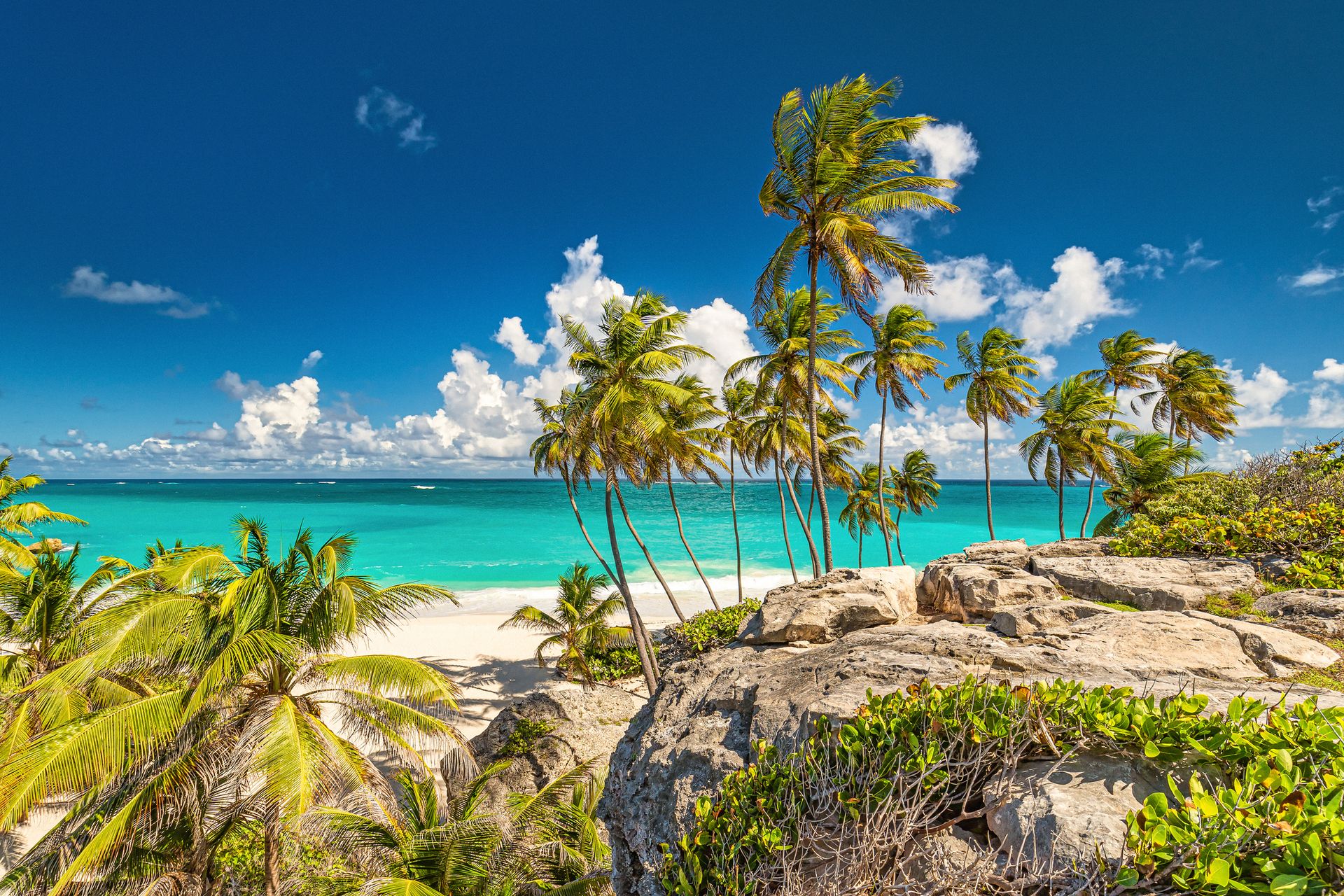
Patrick Rosyk / Getty Images
The Platinum Coast is the local name for the west coast of Barbados, a stretch of shoreline that the source characterizes by warm water, soft white sand, clear visibility, and the giant shade trees and tall palms that frame the beach and give it a visual identity distinct from the open Caribbean beaches elsewhere on this list. The tree coverage provides natural shade that most white sand beaches in the Caribbean do not offer at the beach itself, giving the Platinum Coast a practical comfort advantage for visitors who want to spend extended time on the sand without full sun exposure throughout the day.
The accommodation range along the Platinum Coast is broader than on more exclusive or undeveloped beaches. All-inclusive properties sit alongside traditional resorts, giving the coastal strip an ability to serve travelers across budget and preference ranges without requiring a choice between beach access and accommodation type. The mix reflects Barbados’s general approach to tourism, which has historically supported both luxury and more accessible travel experiences on the same island.
Sandy Lane is the source’s identified standout property on the Platinum Coast, described as iconic and famous specifically for its pink beach umbrellas and matching decor, a visual signature that gives Sandy Lane a recognizable identity within the luxury Caribbean resort category. Sandy Lane sits directly on the Platinum Coast’s sand, giving guests immediate beach access from one of the Caribbean’s most recognized hotel properties. The Platinum Coast’s warm water, tree-lined sand, visual clarity, and the range of accommodation from all-inclusive to traditional resort give it the broadest appeal of any beach on this list for travelers who want established infrastructure alongside genuine natural beauty. Sandy Lane’s decades-long reputation also gives the Platinum Coast a gravitational pull within the Caribbean luxury travel market, drawing visitors who have specifically targeted the property and chosen Barbados for the Platinum Coast experience first.