
Outages disable furnaces, pumps, and medical devices. Consumer Reports tested six standby generators on output, efficiency, and noise to find the best
Zendure Power Station / Unsplash
Severe weather knocked out power to millions of American homes last year, and grid reliability has continued to decline in many regions. Whole-house standby generators fill that gap automatically, starting within seconds of an outage and running on natural gas or propane without the manual setup a portable unit requires. Installation costs range from $2,000 to $20,000 or more, and the units themselves run $3,400 to nearly $7,000, so the stakes on choosing correctly are high.
Consumer Reports put six home standby generators through lab tests covering power delivery, power quality, fuel efficiency, noise, and ease of use. Continue reading to see which made the list.
Credit: Generac
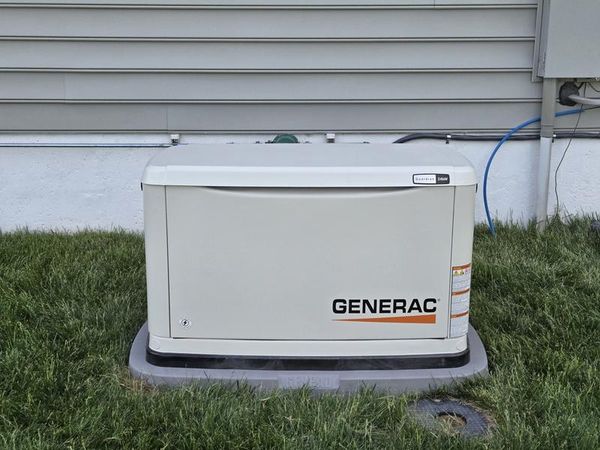
At 22,000 watts on propane and 19,500 watts on natural gas, it has enough output for an average home. Consumer Reports found the unit scores superb marks in power delivery and power quality but suffers from mediocre fuel efficiency and a middling result in noise tests. Remote monitoring through a companion smartphone app and a self-testing function make it easy to operate, though the electric start requires a separate $200 battery purchase.
Credit: Briggs & Stratton
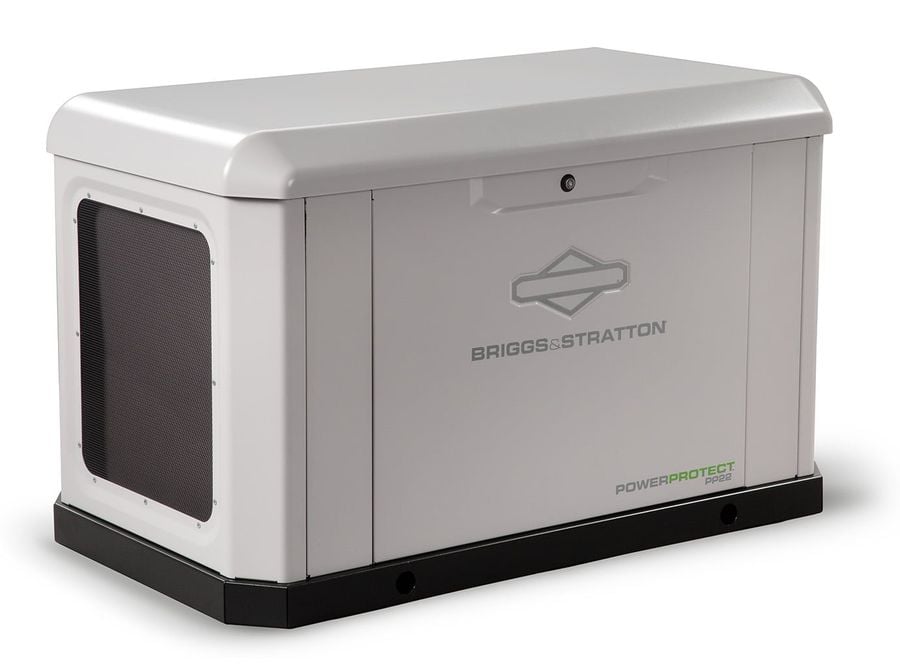
The Briggs & Stratton 40786 matches the Generac above in output, putting out 22,000 watts on either propane or natural gas, and its average run time of 219 hours on propane is the longest among the large models tested. Consumer Reports found it earns top marks in power delivery, power quality, and ease of use, though it is a little harder to start than others. Its electric start requires a separate $200 battery, and noise and fuel efficiency earned only middling scores.
Credit: Kohler
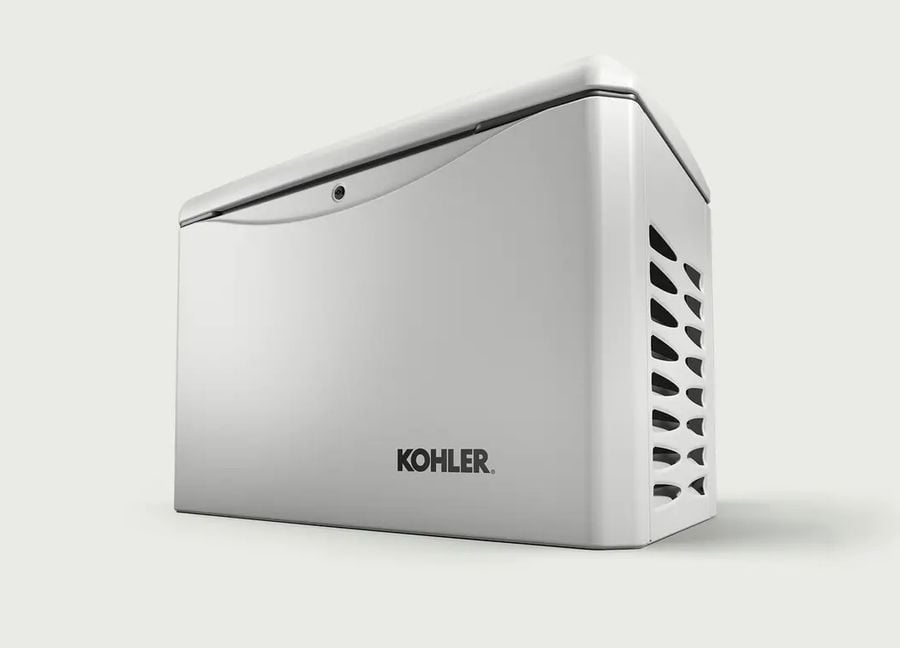
The Kohler 20RCAL-200SELS runs at 20,000 watts on either propane or natural gas. Consumer Reports awarded it top scores for power quality, power delivery, and ease of use, and its companion energy management app sends maintenance alerts and operational status to a smartphone. CR described its fuel efficiency as dismal compared with cheaper alternatives, and average run time on propane is 141 hours, the shortest among the large models reviewed.
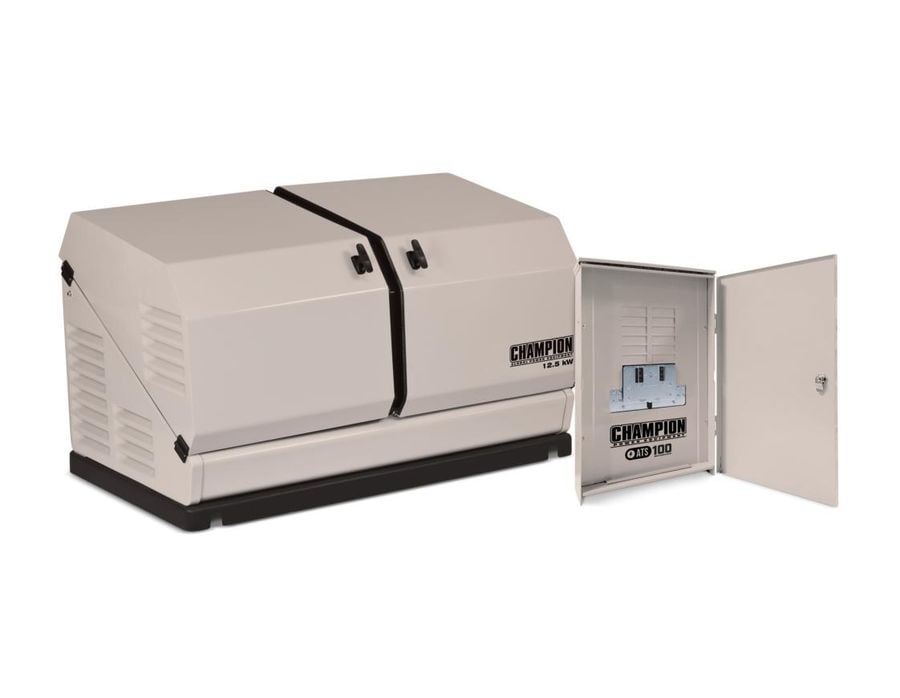
Credit: Champion
The Champion 100179 puts out 12,500 watts on propane and 11,000 watts on natural gas, making it one of two smaller-wattage standby generators in Consumer Reports' top picks. CR gave it top ratings for power delivery and power quality, meaning voltage stays stable even when a refrigerator compressor kicks on at near-full load. Smooth-opening access doors make internal breaker and maintenance checks straightforward, according to CR, and the transfer switch required for installation is included in the purchase price.
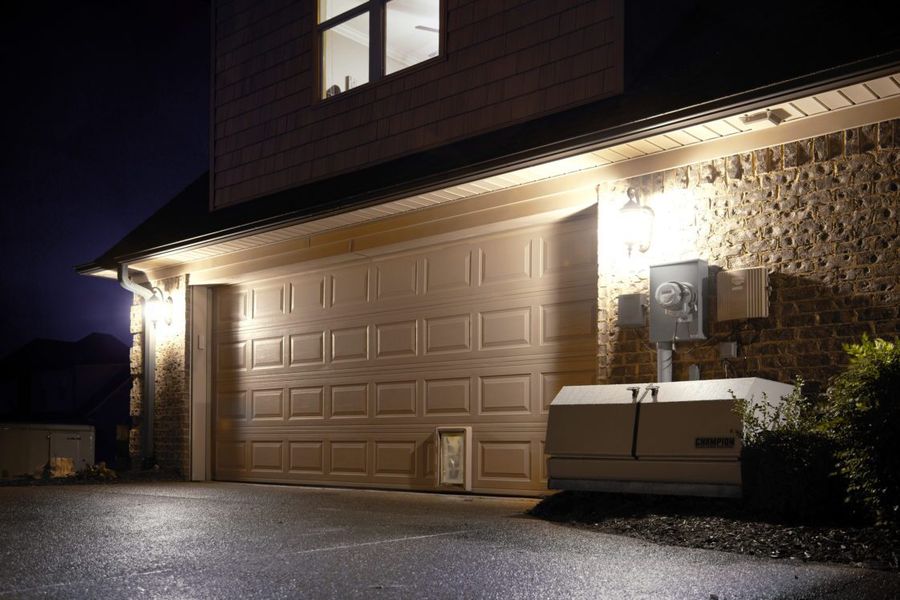
Credit: Champion
At 8,500 watts on propane and 7,500 watts on natural gas, the Champion 100177 is the smallest unit in Consumer Reports' picks and is suited to modest-sized homes. CR found it earns top ratings in power delivery and power quality tests, keeping essential appliances — a gas furnace, a water heater, and a small central air conditioning system — running reliably. The unit is noisier than some in the category, CR noted, and the price includes a transfer switch.
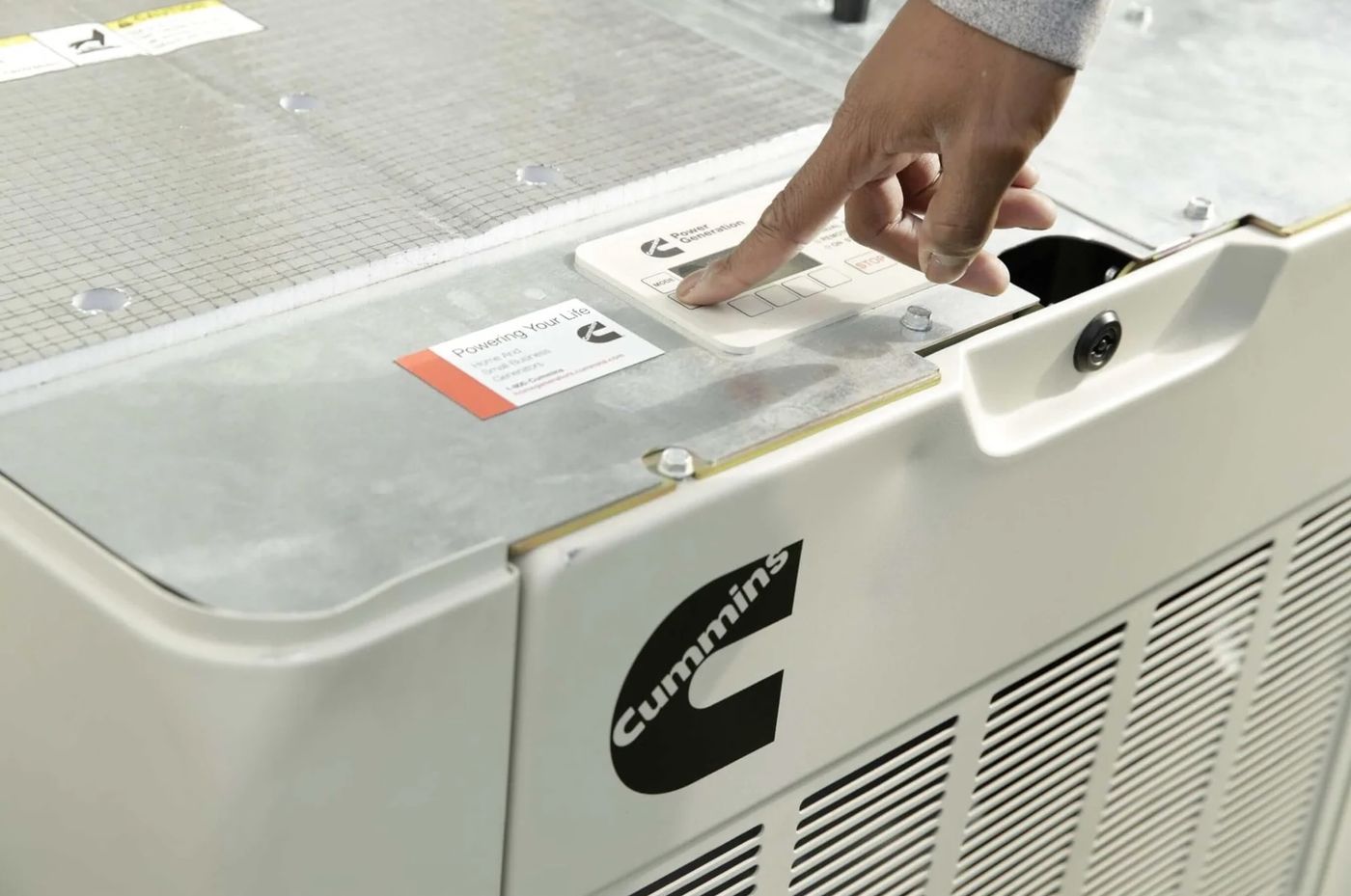
Credit: Cummins
The Cummins $CMI RS13A is rated at 13,000 watts whether connected to natural gas or propane, a distinction Consumer Reports called significant because most standby generators produce less on natural gas than on propane. Power delivery and reliability match the Champion models, CR found, with an average run time of 177 hours on propane. The brand is sold through specialty dealers, CR notes, and is not available at mass-market retailers.