Strong wine tourism doesn't guarantee strong returns for short-term rental investors. AirDNA's yield analysis narrows the field to five towns
TW Farlow / Getty Images
Wine tourism draws visitors who plan ahead, spend freely, and prefer whole-home rentals over hotel rooms. The combination is unusually attractive to short-term rental investors. But not all winery towns yield strong investor returns. While some enjoy steady demand with consistent bookings beyond peak times, others have limited off-season appeal and high home prices, compressing returns. Reputation alone doesn't guarantee investment potential.
As wine trips are often social, with couples, friend groups, and small gatherings traveling together, whole-home rentals are common. These stays typically last full weekends or longer, as guests who budget for wine tourism tend to spend more on accommodations. When supply in a given market hasn't fully absorbed demand, nightly rates hold up, and properties with the right size and amenities can generate meaningful annual revenue.
But the markets that consistently outperform treat wine tourism as one demand layer among several, not the only reason anyone visits.
Short-term rental data platform AirDNA analyzed U.S. markets with a significant winery presence, evaluating for-sale properties to compare revenue potential against purchase price. Prioritizing yield over raw revenue and nightly rates, AirDNA identified five areas that balance investor demand with viable returns.
Peter Spiro / Getty Images
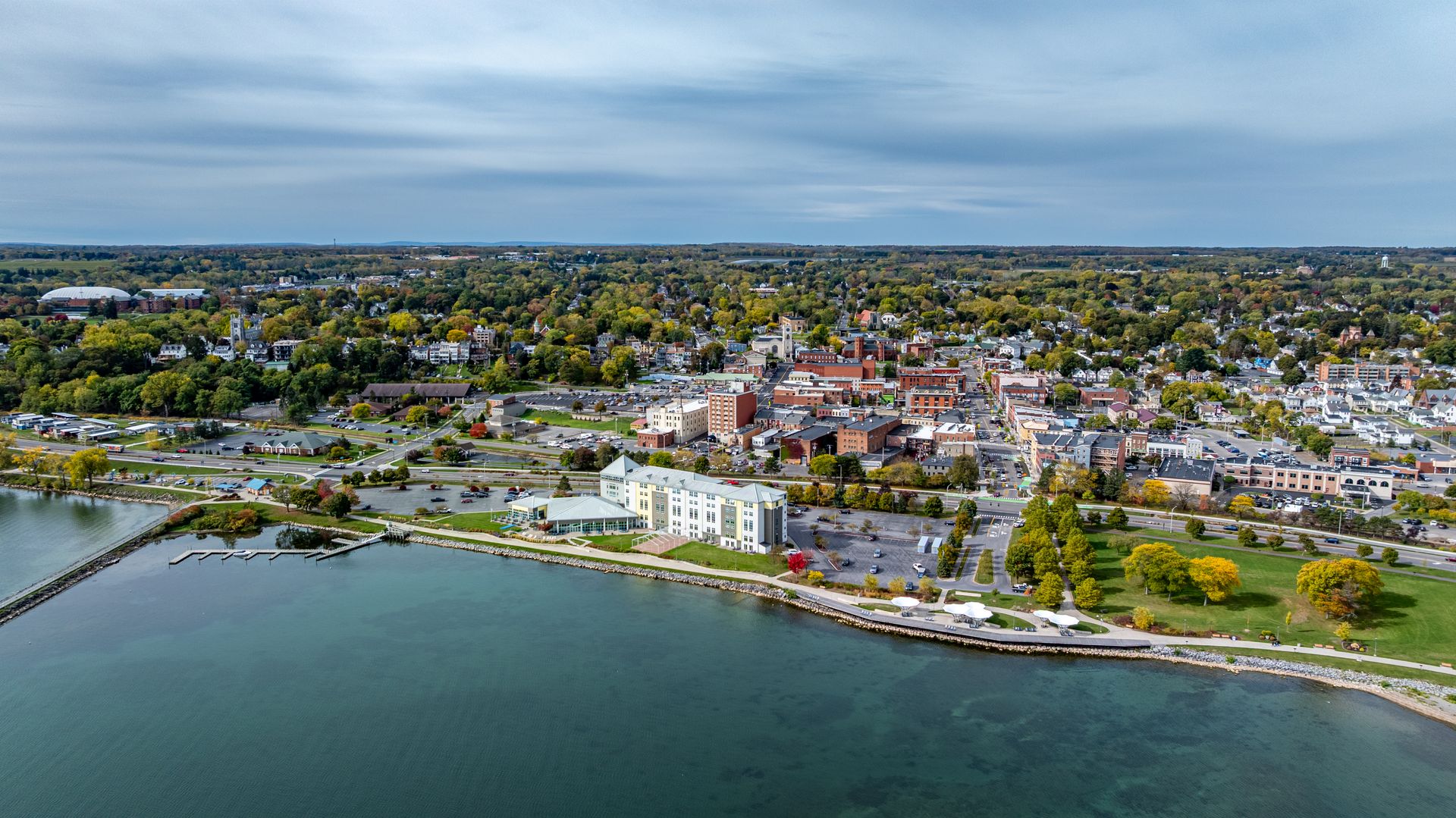
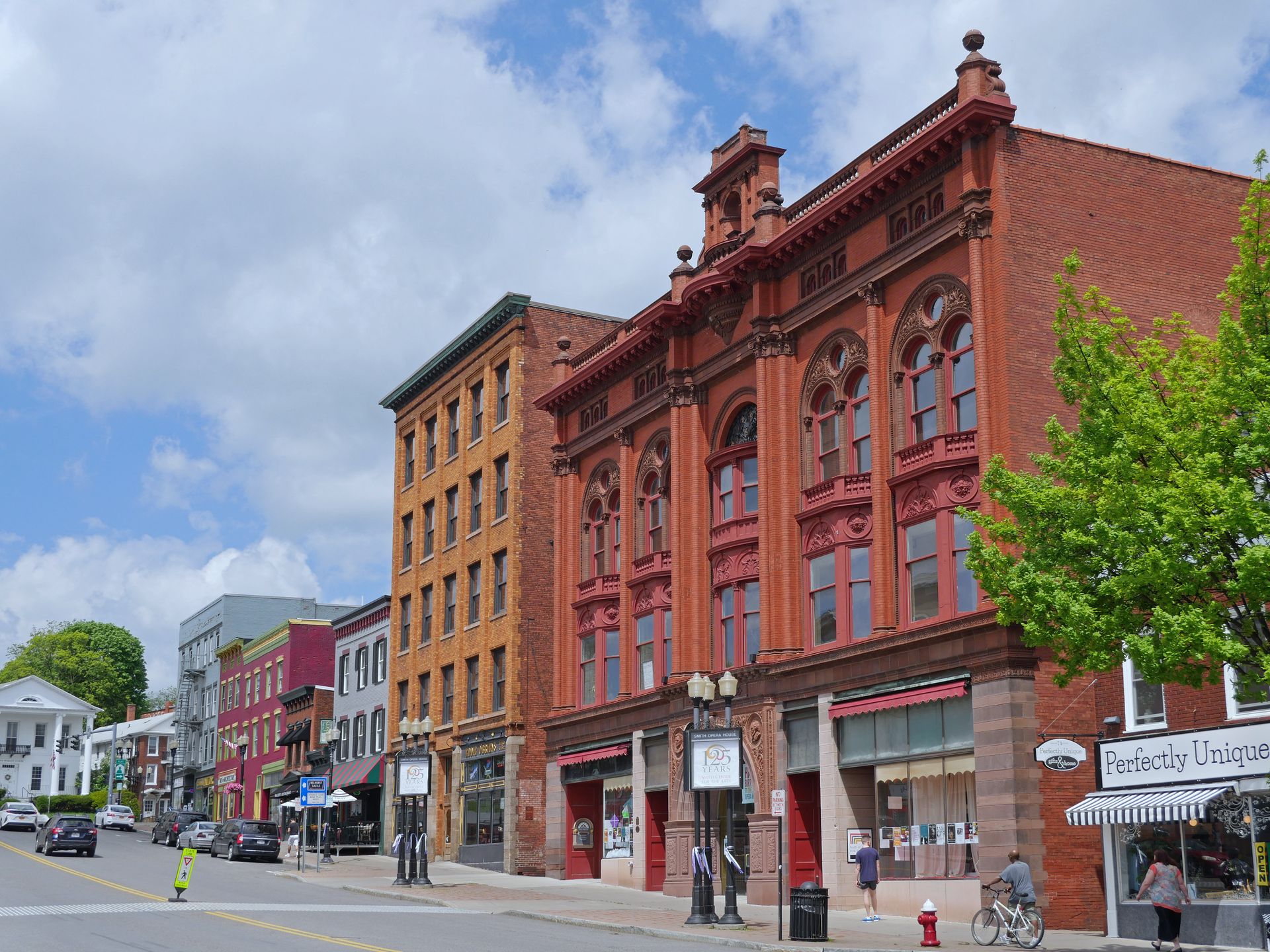
Sitting at the north end of Seneca Lake, Geneva benefits from a demand stack that few wine-country markets can match. Visitors arrive for lakefront scenery, winery weekends at Ventosa Vineyards and Three Brothers Wineries and Estates, seasonal festivals, and college-related travel. The mix distributes bookings across more of the calendar than just harvest season.
The investment case centers on entry cost. At just over $300,000 on average, home prices leave room in the budget for furnishings and upgrades that help a listing stand out in a competitive market. Average revenue potential is $44,312, supported by nightly rates above $340. The result is an average yield of 14.7% — the highest on this list and a signal that strong nightly rates can support solid annual income even with seasonal dips.
On the regulatory side, the City of Geneva adopted short-term rental rules in 2024 and maintains a local permit framework. The Town of Geneva has its own permit and renewal structure. For investors, a defined process is generally preferable to an unpredictable or shifting regulatory environment.
larrybraunphotography.com / Getty Images
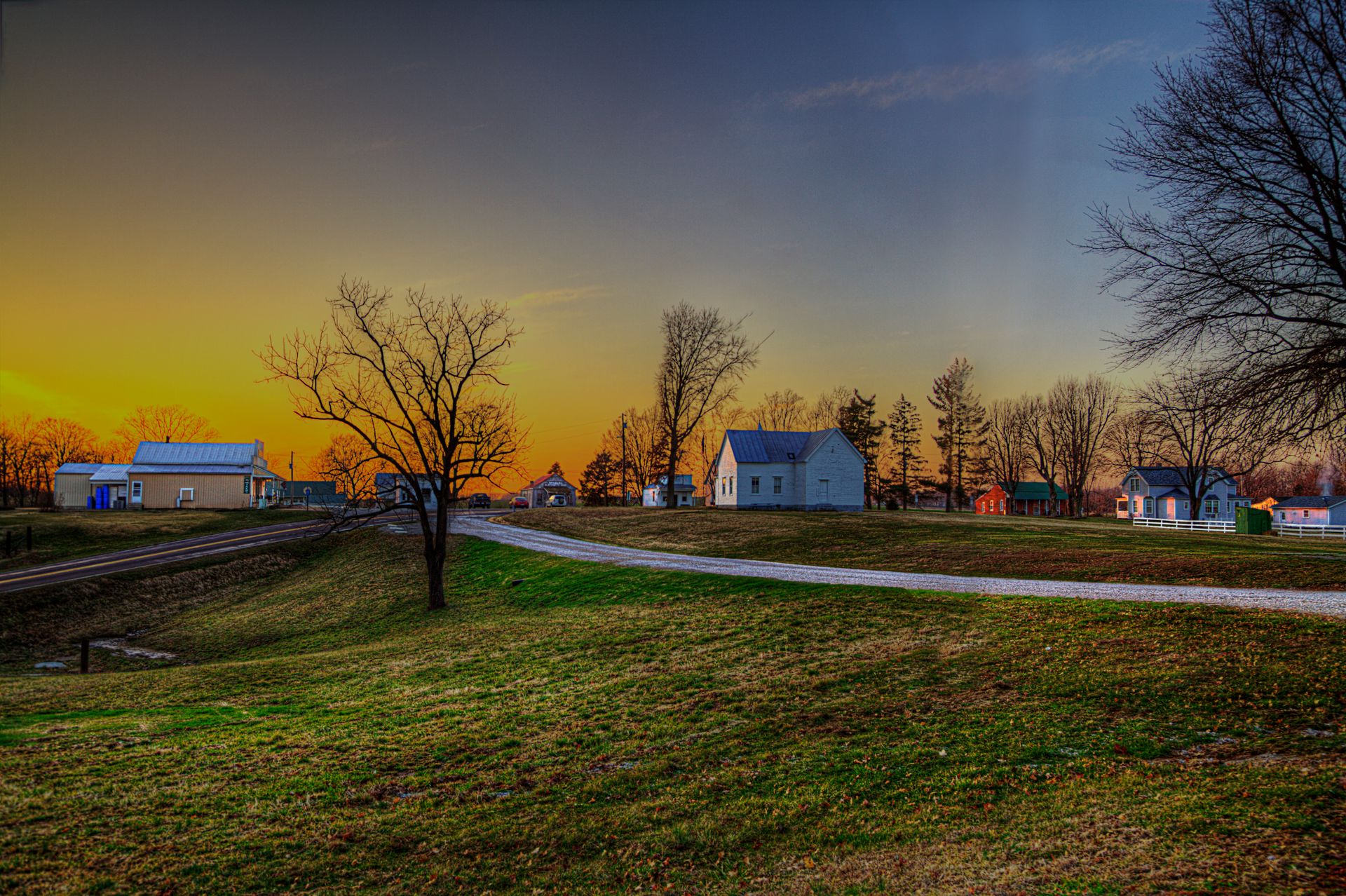
West of St. Louis, Wright City delivers a yield profile that competes with markets several times its size. The core draw is Cedar Lake Cellar, which generates reliable weekend demand through tastings, live music, and group outings. Wineries in the Augusta and Hermann wine regions are within driving distance, extending the geographic appeal for visitors who want a wine-country experience without the premium pricing of more recognized destinations.
The breadth of Wright City's supporting attractions sets it apart from single-driver markets. Big Joel's Safari and Long Row Lavender compel families and couples to stay overnight. The overlap between wine tourism and experiential day-trip demand keeps calendars from going dark between harvest weekends.
The economics are strong. An average home price of around $400,000 is on the higher end of this list, but average revenue potential of nearly $60,000 justifies that entry cost. Average yield sits at 14%, a gross return profile that holds up against the acquisition price.
Investors should contact Wright City directly for STR permitting details, as the city doesn't publish regulations online. Missouri generally handles short-term rental rules at the local level, with permits and zoning compliance among the usual requirements.
iStock / Getty Images
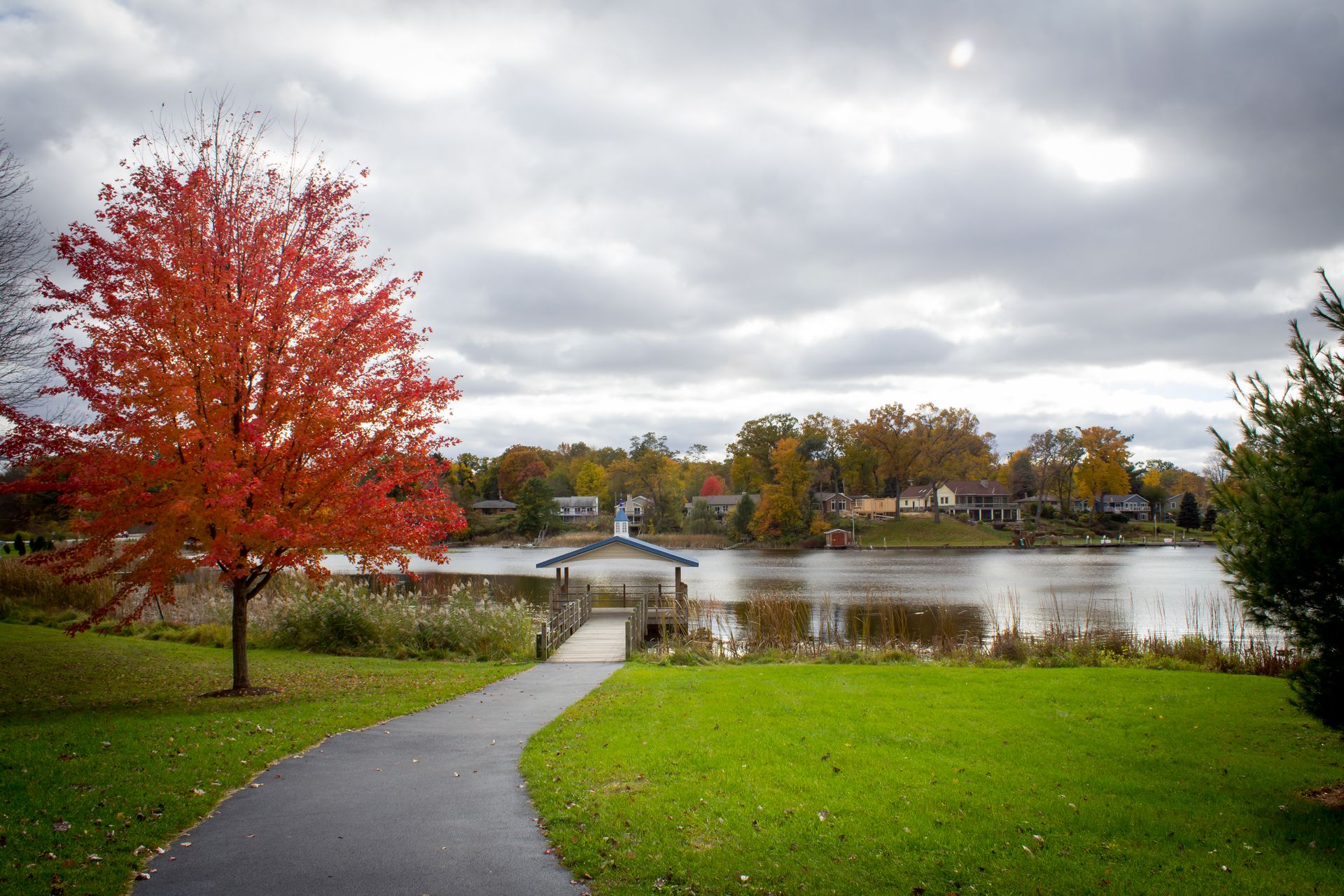
Berrien Springs captures significant overflow demand when prime lakefront inventory fills up — and at just 12 miles from Lake Michigan's beaches, it does so without carrying the acquisition costs of the towns directly on the water. Guests use it as a quieter base for beach days, wine weekends, and outdoor recreation across Southwest Michigan, making demand here less dependent on any single season or attraction.
At least 10 wineries sit within a 15-minute drive, feeding tasting-room traffic on top of broader regional leisure demand. The area's diversification is precisely what the AirDNA methodology rewards: markets where wine tourism is a meaningful contributor to demand, but not the only one.
The average home price is just over $364,000 — a reasonable entry point for a market with genuine lake-town appeal. An average yield of 13.7% reflects strong cash flow potential for investors who approach the market with the right property type and amenities.
The Village of Berrien Springs requires rentals to obtain a permit and pass an inspection, with permits valid for two years when compliant. For hosts who prioritize safety documentation and professional operations, the framework is manageable.
Skylight Pictures / Getty Images
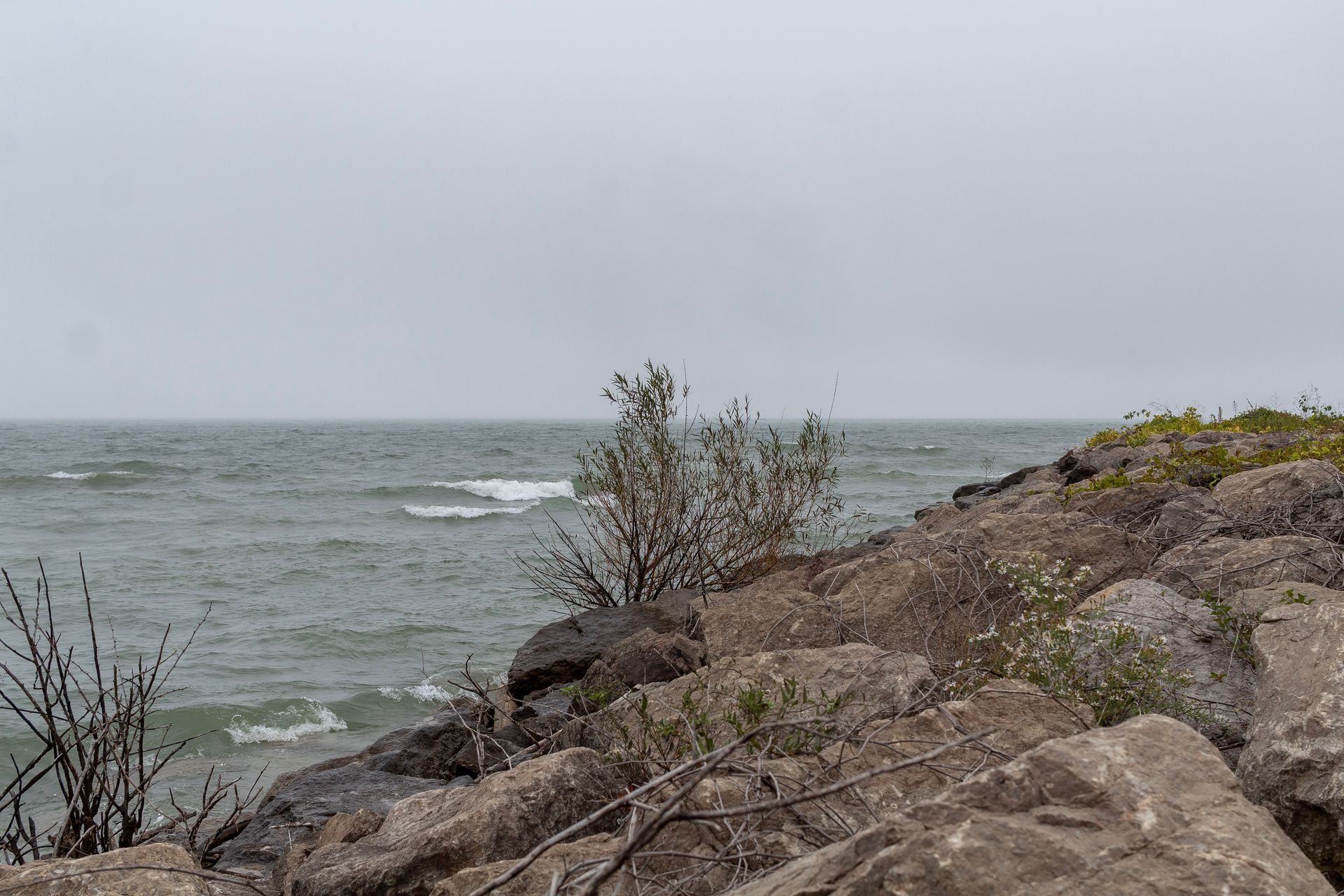
At an average home price below $300,000, Geneva, Ohio, has the most accessible buy-in on this list. The market attracts couples, families, and friend groups from Northeast Ohio and Western Pennsylvania for lake weekends and wine-country getaways, expanding its reach at different points of the calendar.
Geneva-on-the-Lake provides a walkable strip of shops and restaurants that gives the area a distinct tourism identity beyond wineries alone. The regional tasting room circuit — M Cellars, Ferrante Winery and Ristorante, South River Vineyard, Hundley Cellars, and The Winery at Spring Hill — supports higher average daily rates for couples and small groups. Lake Erie also draws families who might not have wine tasting on their mind.
With average revenue potential reaching $36,311 and a yield of 13%, rental income carries the investment on its own.
The regulatory environment is workable. Geneva requires hosts to register within 30 days of purchase, pay a $25 fee to the zoning department, and pass a city inspection. Registration holds for two years.
littleny / Getty Images
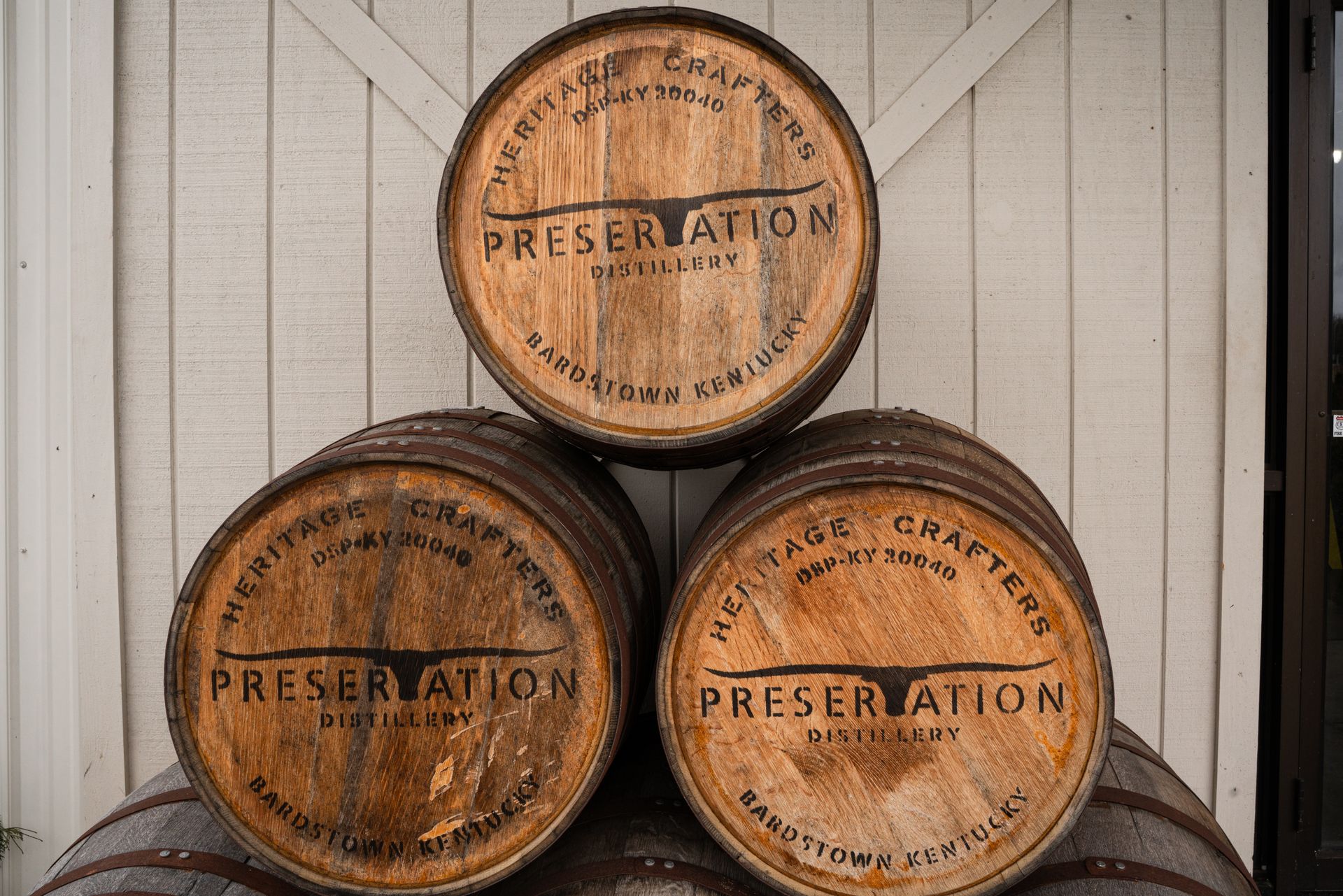
Few markets on this list can claim the depth of Bardstown's visitor draw. Wine tourism is just one component of an itinerary that includes bourbon distillery stops, walking food tours, candle-making, and golf. Those activities pull weekenders across a wider range of interests and budgets.
Bardstown's breadth keeps occupancy from relying solely on harvest season. Average occupancy sits at 48%, with peak-season average daily rates approaching $300 in the summer and fall. Average revenue potential is nearly $40,000, and while average yield is 11.4% — lower than the other markets on this list — it's still healthy relative to an average home price just under $350,000.
The regulatory picture is the most important variable to watch here. New short-term rentals in certain zoning districts may require a conditional use permit. Investors evaluating Bardstown should treat regulatory status as a primary diligence item before committing to an acquisition.
