The easiest and hardest U.S. cities to buy your first home in 2026
First-time buyers made up just 21% of home purchases last year. WalletHub ranked 300 cities to find where they still have a shot
Walter Martin / Unsplash
The share of Americans buying their first home has been shrinking for years, and the numbers in 2025 confirmed the trend isn't reversing. First-time buyers accounted for just 21% of all home purchases last year, roughly half the historical average of 40%. Mortgage rates in the mid-6% range, a national median home price that remains above $400,000, and student loan balances that stretch into six figures for millions of younger workers have combined to push the median age of a first-time buyer to 40, up from 33 just four years earlier. The gap between wanting to buy and being able to buy has become the defining feature of the American housing market for an entire generation of would-be homeowners.
The problem isn't distributed evenly. A first-time buyer with a median household income in one city can comfortably afford a three-bedroom home with a conventional mortgage, while an identical earner in another city would need to spend more than 40% of gross income just to cover the monthly payment on a starter condo. The variation comes down to a combination of local home prices, construction activity, property tax rates, cost of living, and the quality of the surrounding community.
WalletHub compared 300 of the largest U.S. cities across 22 metrics to determine which housing markets are most and least favorable for first-time buyers. The study weighted three equally important categories: affordability, which measures how home prices and living costs relate to local incomes; the real estate market, which tracks home values, appreciation rates, inventory, and the gap between buying and renting; and quality of life, which accounts for crime rates, school quality, weather, recreation, and job access. Florida and Arizona dominate the top of the rankings, with four of the top five cities located in those two states. California claims the bottom three spots, where median home prices exceeding $1.5 million and some of the lowest affordability rates in the country make first-time ownership functionally impossible for most residents.
1 / 6
Best: Palm Bay, Florida
aurora.kreativ / Unsplash
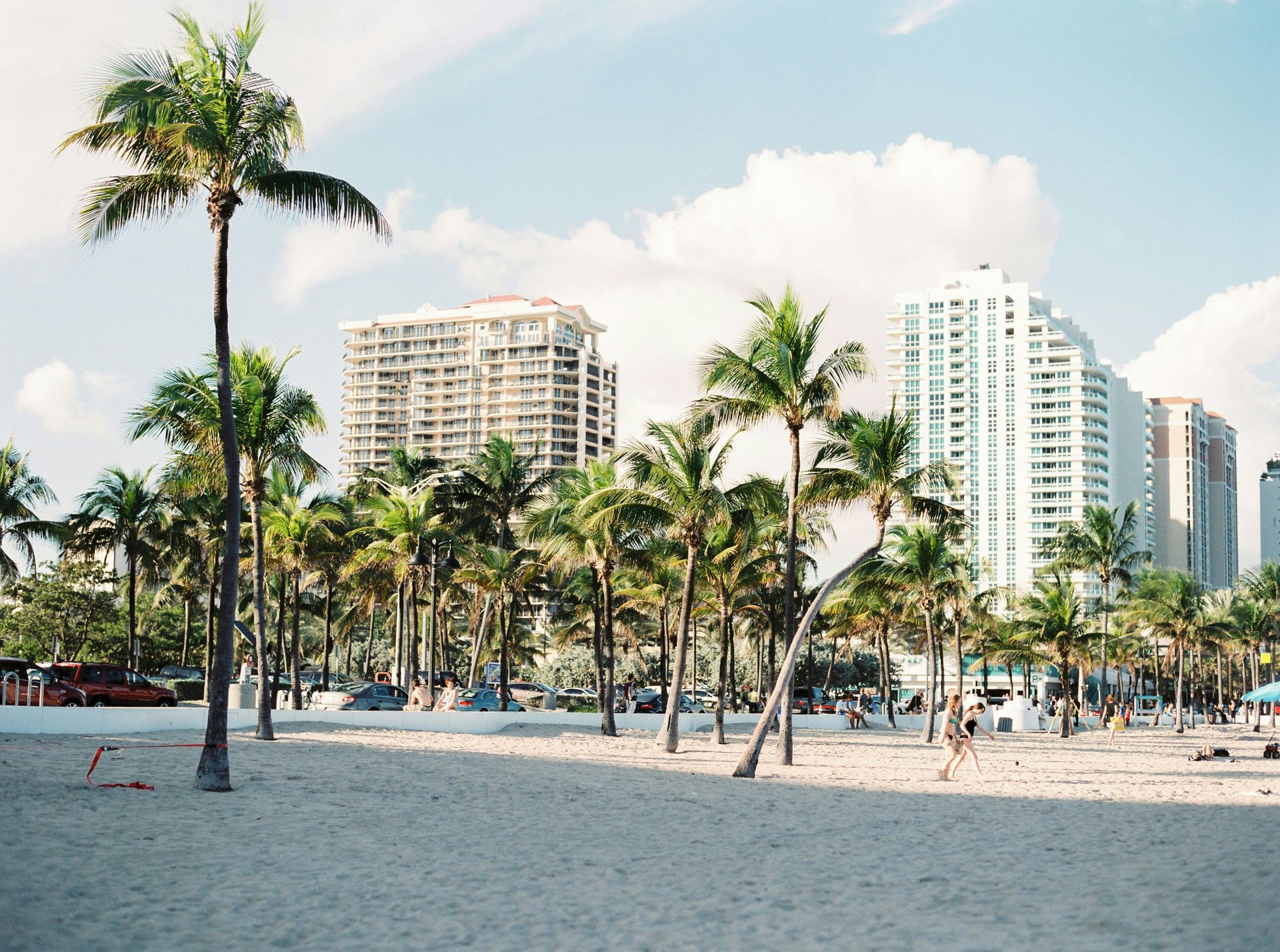
Palm Bay, Fla., earned the top spot in WalletHub's 2026 rankings with a score of 65.94 out of 100, driven by the strongest real estate market grade of any city in the study and a quality-of-life ranking of 16th out of 300. The city's affordability ranking of 118th is its weakest category, but even that figure reflects a market where median home prices remain well below the national average and where the cost of entry has actually been falling. Redfin data from early 2026 shows a median sale price of $315,000, down 3.1% year over year and roughly 10% to 12% below the peak set in May 2022. Active resale listings jumped 73% compared to the prior year, and homes are sitting on the market for an average of 78 to 90 days, a pace that gives first-time buyers the room to compare options and negotiate without the pressure of competing against multiple offers on every property.
The city's appeal to first-time buyers goes beyond the sticker price. Palm Bay is the largest city in Brevard County by population, with more than 152,000 residents and a growth rate of 3.7% annually, and it sits 15 to 25 minutes from the beach along Florida's Space Coast. Major employers in the area, such as L3Harris Technologies and Northrop Grumman $NOC, provide a stable base of well-paying jobs in defense and aerospace, and the nearby Patrick Space Force Base supports a large military community with access to zero-down VA loans. A first-time buyer using an FHA loan needs just $10,500 to put 3.5% down on a $300,000 home, and Florida's Hometown Heroes program provides additional down-payment and closing-cost assistance for qualifying workers in frontline professions, such as teachers, nurses, and law enforcement officers. The combination of accessible pricing, available inventory, job proximity, and no state income tax makes Palm Bay a market where first-time buyers can enter homeownership without stretching their finances past the point of comfort.
What's earned Palm Bay its real estate market ranking is the trajectory of home values over time. Over the past decade, the city posted home-price appreciation of 185.6%, placing it in the top 10% of the fastest-appreciating cities nationally. That track record means buyers aren't just finding affordable entry points but are also purchasing in a market with a demonstrated history of long-term equity growth. The one cost that first-time buyers should plan for carefully is homeowners insurance, which runs $2,400 to $4,500 per year in Palm Bay depending on the age and construction of the roof. Florida's insurance market remains volatile, and lenders require a policy to be in place before closing. Buyers who get an insurance quote early in the process and factor it into their monthly budget avoid the surprise that has caused some transactions in other parts of the state to fall apart at the last stage.
2 / 6
Best: Surprise, Arizona
Walter Martin / Unsplash
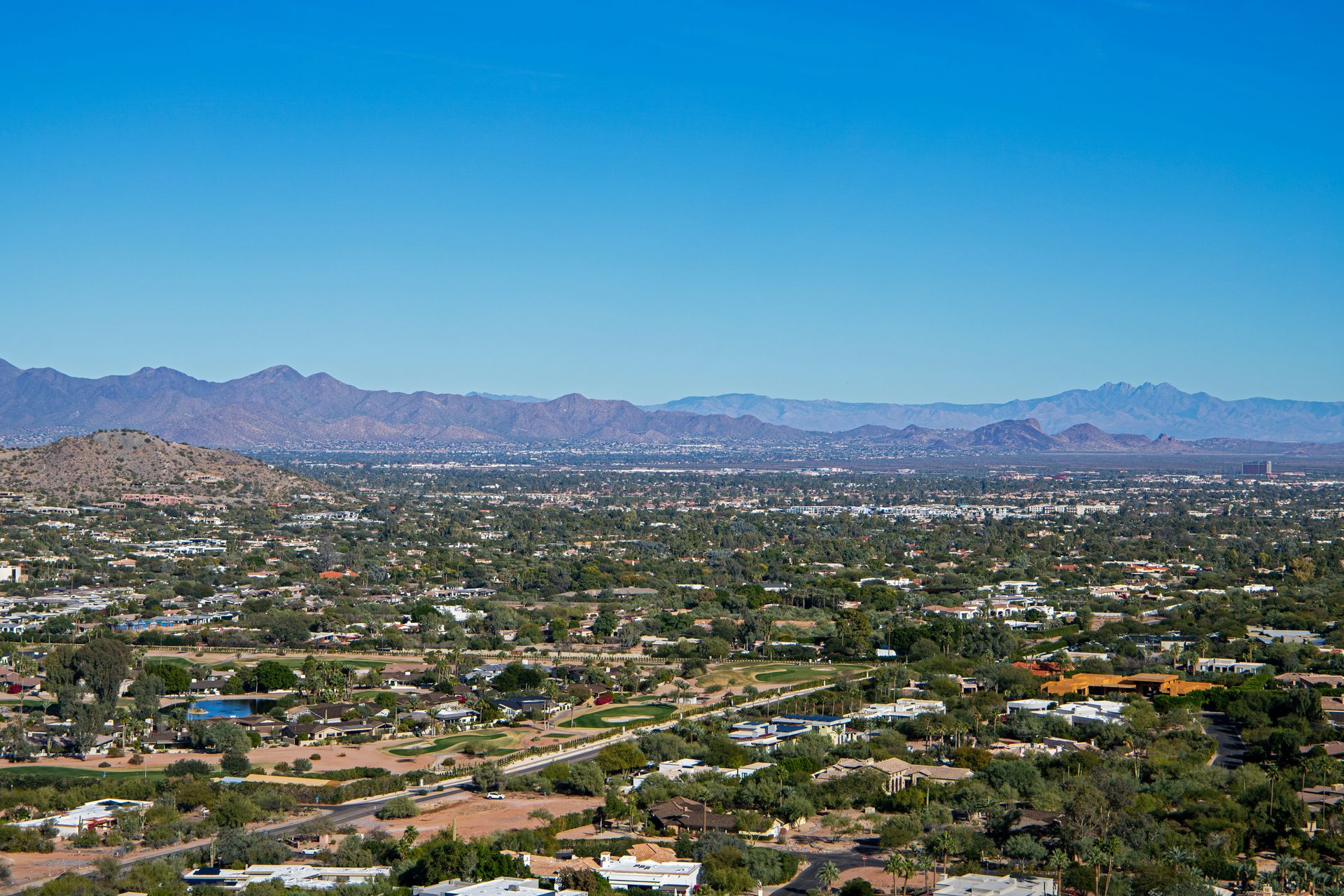
Surprise, Ariz., ranked second nationally with a score of 65.5, earning the eighth-best affordability grade in the entire study and the second-best real estate market score. The city's quality-of-life ranking of 190th is its weakest category, but that score reflects the tradeoffs inherent to a fast-growing West Valley suburb that is still building out its recreational and cultural infrastructure rather than any fundamental livability problem. With a population exceeding 150,000, Surprise has been one of the fastest-growing cities in the Phoenix metropolitan area for the past decade, drawing a steady stream of young families, retirees, and remote workers from higher-cost states who are drawn to Arizona's lower taxes, sunshine, and housing costs that remain well below the national median.
Entry-level homes priced under $400,000 remain in high demand in Surprise, and supply in that tier hasn't kept pace with the number of buyers competing for it. National builders, such as Lennar, Pulte, and Toll Brothers, have been adding inventory across master-planned communities, such as Sterling Grove, Heritage at Asante, and North Copper Canyon, where new construction comes with smart-home technology, energy-efficient features, and flexible floor plans designed for multigenerational households. New-build communities also offer amenities, such as community pools, parks, and walking trails, that give buyers a finished lifestyle rather than just a house. Local analysts project home-price appreciation of 3% to 5% in 2026, a pace that supports equity growth for buyers while keeping the market from overheating in a way that would price out the next wave of first-time purchasers.
Arizona's tax structure adds another layer of appeal for buyers stretching to make their first purchase work. The state doesn't tax Social Security income, and property tax rates run lower than in many neighboring western states, which reduces the total monthly cost of ownership beyond what the mortgage payment alone would suggest. Surprise's active-adult communities, such as Sun City Grand and Arizona Traditions, have historically attracted retirees, but the broader city is increasingly drawing younger buyers who are relocating from California, Colorado, and Washington in search of more house for less money. The challenge for first-time buyers in Surprise is that the most desirable properties in the most established neighborhoods still move quickly, and competitive offers remain common on well-priced listings. Buyers who arrive pre-approved and prepared to act within days of a listing's debut are the ones closing deals, while those waiting for prices to soften further are finding that demand from relocating out-of-state buyers keeps the floor firm under the entry-level tier.
3 / 6
Best: Gilbert, Arizona
Matthew Hamilton / Unsplash
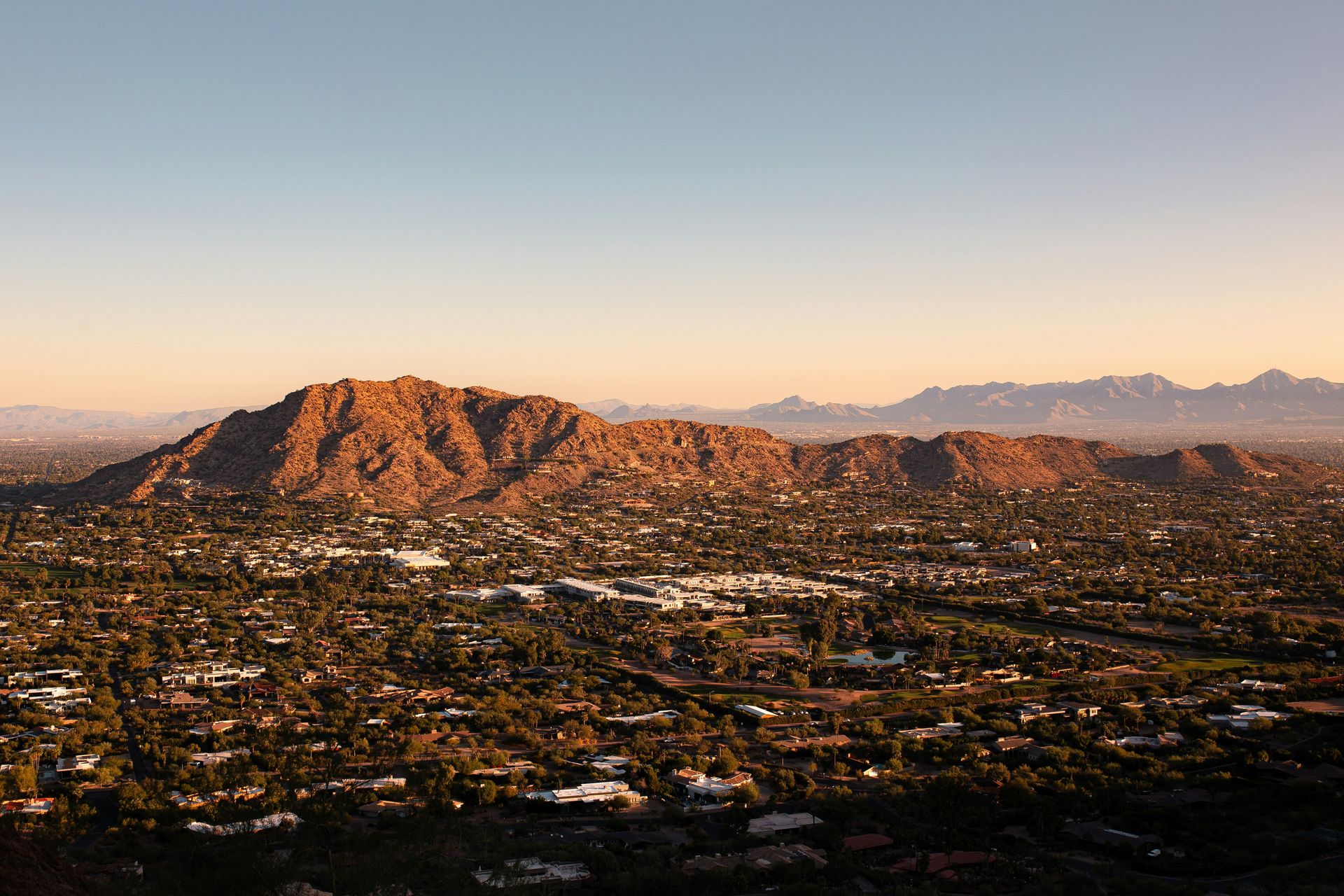
Gilbert, Ariz., placed third with a score of 62.62, balancing strong marks in affordability (22nd nationally) and real estate market conditions (20th) with a solid quality-of-life ranking of 92nd. The city sits in the southeastern corner of the Phoenix metro and has grown from fewer than 6,000 residents in 1980 to more than 275,000 today, a trajectory that makes it one of the fastest-growing municipalities in the Southwest. MLS data from June shows a median sold price of $627,500 for single-family homes, up 4.6% year over year, with an average sold price of $759,249 reflecting activity in the higher tiers. Homes are selling in roughly 45 to 53 days on average, a balanced pace that gives buyers time to evaluate without signaling weak demand.
Gilbert's real estate market benefits from a major employment catalyst that most cities on this list can't match. Intel $INTC's $20 billion Ocotillo campus expansion is expected to add approximately 3,000 direct jobs and more than 10,000 indirect positions by 2027, creating sustained housing demand in the surrounding neighborhoods for years to come. Research from the National Association of Realtors suggests that major employer expansions of this scale typically drive an additional 3% to 5% in home-price appreciation within a 10-mile radius over a 24-month period. For first-time buyers, that means purchasing now positions them to benefit from the equity lift that the Intel expansion is projected to generate as new workers arrive and compete for housing.
The city's reputation for schools and safety plays a significant role in its quality-of-life score. Gilbert is home to 63 elementary schools, 43 middle schools, and 31 high schools, with an average GreatSchools rating of six out of 10, and the community consistently ranks among the safest in Arizona. Master-planned neighborhoods, such as Agritopia and Val Vista Lakes, offer walkable amenities, green space, and a sense of established community that appeals to families making their first purchase. The market has shifted from the pandemic-era frenzy, when homes sold in three to seven days with multiple offers well above asking price, to a more balanced environment where buyers can negotiate, request inspections, and take the time to make an informed decision. Properties are selling at roughly 98% of asking price, and the 84% to 85% listing success rate confirms that well-priced homes are still finding buyers without the desperation that defined the market two years ago.
4 / 6
Worst: Santa Barbara, California
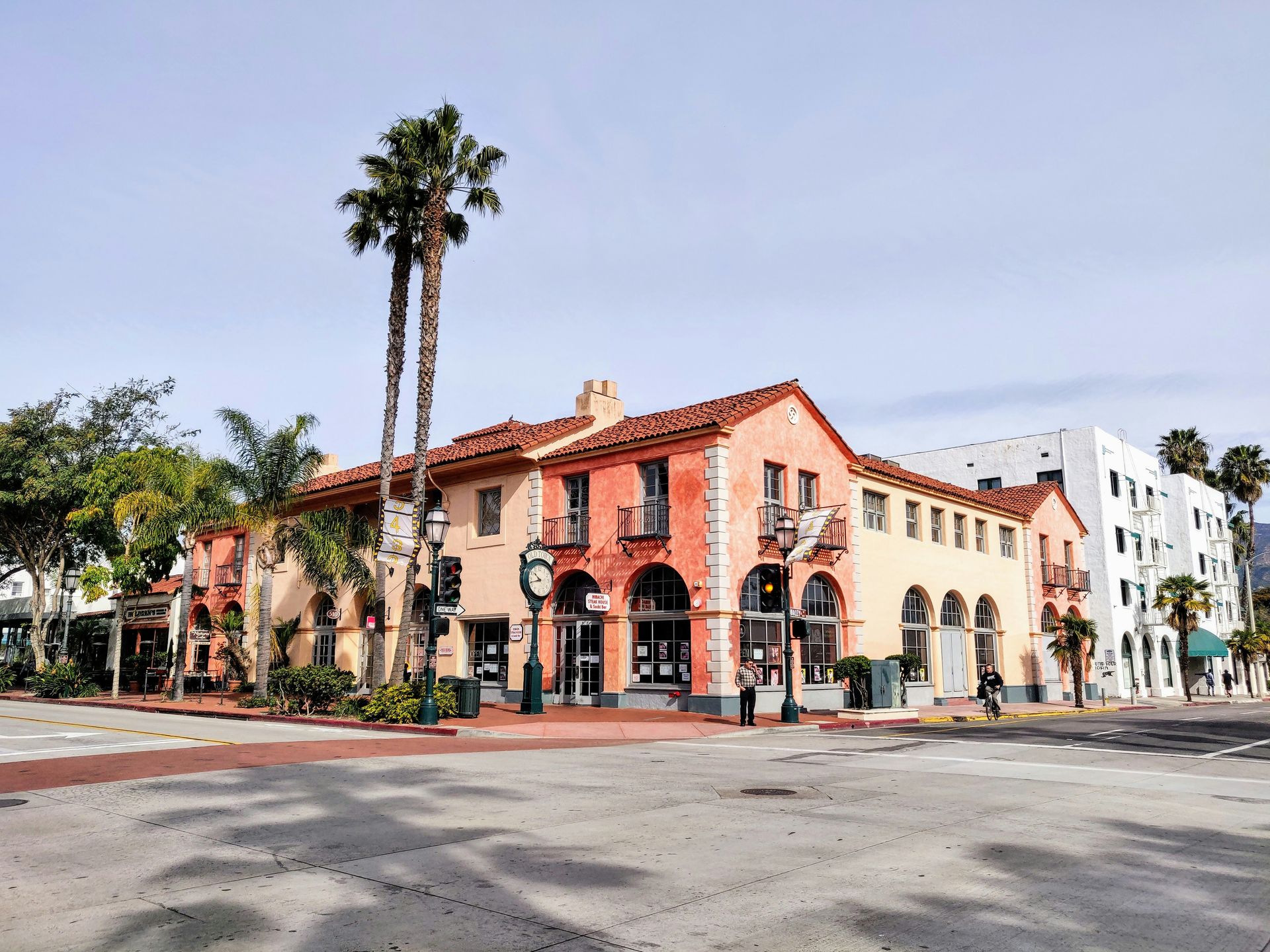
Benoit Debaix / Unsplash
Santa Barbara, Calif., landed at 298th out of 300, earning the second-worst affordability grade in WalletHub's rankings and a real estate market score of 272nd. Its quality-of-life ranking of 116th is the one category where the city performs respectably, reflecting the climate, natural beauty, and cultural amenities that have made it one of the most desirable places to live in the country for decades. The problem is that desirability has priced out virtually everyone who doesn't already own property or earn a top-tier income. The California Association of Realtors reported that just 12% of Santa Barbara County households could afford the median-priced home in Q4 2025, one of the lowest figures of any county in the state and roughly one fifth of the 57% national rate.
The numbers behind that affordability gap are staggering. The median single-family home price in the city of Santa Barbara sits between $2.0 million and $2.35 million as of spring 2026, roughly six to seven times the national median. The median sale price per square foot touched $1,140, and even condos have pushed past the $1 million mark. The UCSB Economic Forecast Project found that the county's first-time buyer affordability index stood at just 19% in Q4 2025, compared to 33% statewide and 57% nationally, meaning fewer than one in five local households earn enough to qualify for a mortgage on a starter home. Rents offer no relief either. The countywide average reached $3,352 per month in March, roughly 75% above the national average, which means the traditional path of saving for a down payment while renting is significantly harder here than in almost any other market in the country.
Geography is the structural force that keeps Santa Barbara's prices elevated regardless of broader market cycles. The city is wedged between the Pacific Ocean and the Santa Ynez Mountains, and there is virtually no room to build outward. Limited developable land means new construction can't meaningfully expand supply, and what does get built tends to target the luxury end of the market rather than the entry-level inventory that first-time buyers need. The California insurance crisis adds another layer of cost. Homeowners insurance premiums under the state's FAIR plan are set to rise approximately 29% later this year because of ongoing wildfire risk, a figure that gets folded into the monthly cost of ownership and further erodes what a first-time buyer can afford. Homes in Santa Barbara County cleared the market in a median of 18.5 days in February, the fastest pace of any county in the tri-county region, confirming that demand at these prices remains intense despite the affordability barrier. For the small number of first-time buyers who can clear the financial threshold, the market rewards them with strong long-term appreciation and a lifestyle that commands a premium for a reason. For everyone else, the math simply doesn't work.
5 / 6
Worst: Santa Monica, California
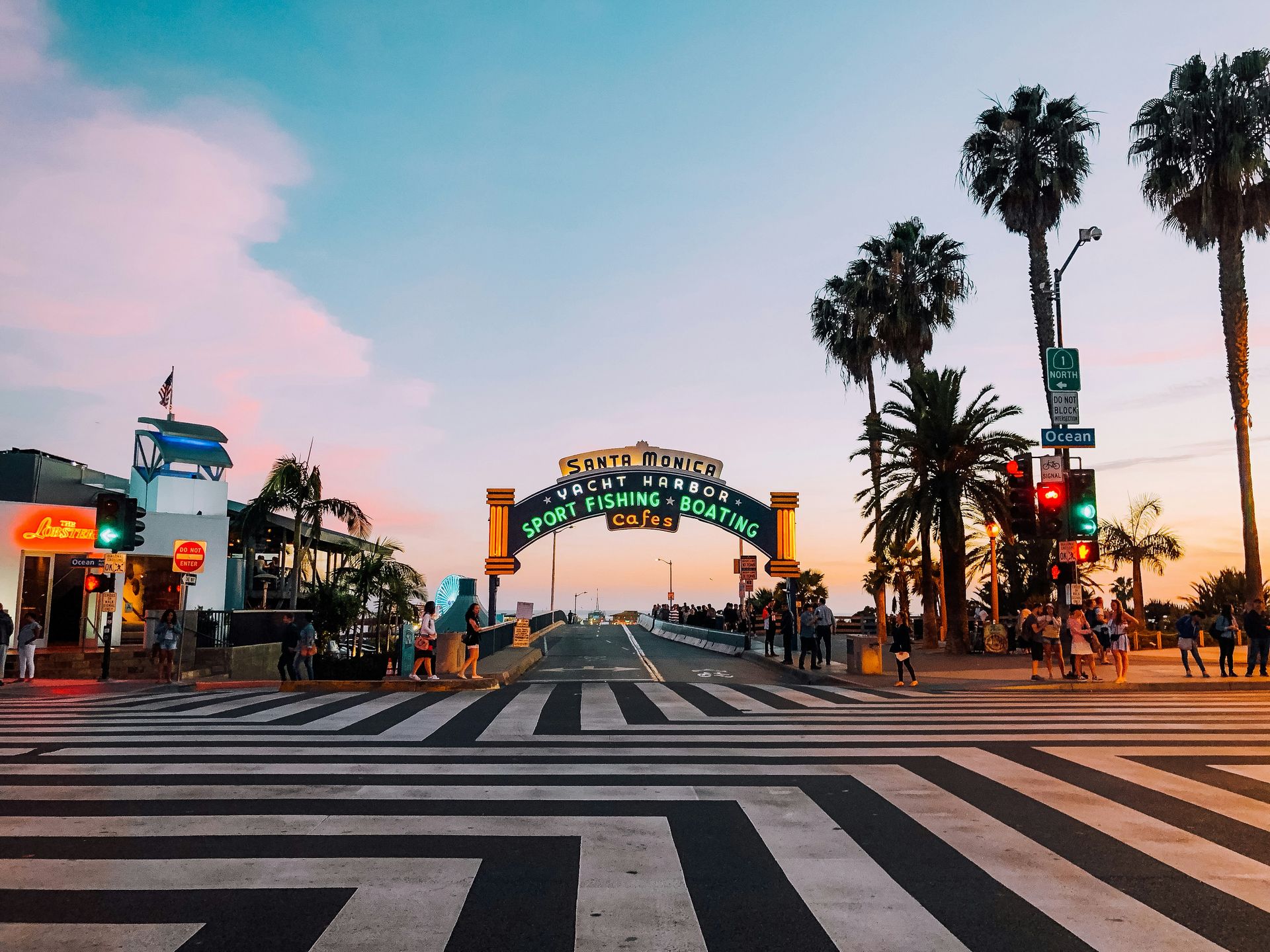
Gerson Repreza / Unsplash
Santa Monica, Calif., finished 299th, earning the single worst affordability score in the entire study and a real estate market ranking of 281st. The city's quality-of-life score of 231st, surprisingly low for a coastal community with high-profile cultural amenities, reflects the metrics WalletHub uses, which weight crime rates, recreation access, and weather alongside livability factors where Santa Monica's density and cost of living work against it. The raw housing numbers explain why WalletHub ranked its affordability dead last. The median single-family home price reached $3.85 million as of early 2026, and detailed local MLS data shows that single-family homes sold at 100.08% of list price with a median of just 14 days on market, meaning properties in the most competitive tier are trading at or above asking price almost immediately.
The condo market provides the only plausible entry point for buyers who aren't already wealthy, and even that tier demands extraordinary income. The median condo price reached $1.335 million, and a buyer putting 20% down on that figure would need a household income of $290,000 to $340,000 to qualify for the mortgage. For a single-family home at the median, the income requirement jumps to $815,000 to $935,000. Virtually every single-family purchase and most premium condo transactions in Santa Monica require jumbo or super-jumbo financing, which carries stricter qualification standards and higher rates than conventional loans. Inventory sits 14% below the 10-year average, and off-market pocket listings now account for 24% of all local transactions, creating an additional barrier for first-time buyers who don't have access to the agent networks where those deals happen. The structural reality of Santa Monica's housing market is that the city has become a closed loop for first-time buyers without inherited wealth, dual high-income households, or equity from a prior sale in another expensive market.
Santa Monica's geography mirrors the same constraint that makes Santa Barbara unaffordable. The city occupies 8.3 square miles between the Pacific Ocean and surrounding Los Angeles neighborhoods, with no meaningful room for residential expansion. Zoning that has historically limited density in single-family neighborhoods keeps the supply of detached homes fixed at a level that can't grow to meet demand, and the "Silicon Beach" tech corridor that runs through the city's commercial districts continues to draw high-earning workers who put upward pressure on housing costs across every tier. For first-time buyers evaluating the broader Los Angeles market, Santa Monica represents the extreme end of a regional affordability crisis. The same income that falls short of qualifying for a starter condo in Santa Monica would comfortably support a conventional mortgage on a single-family home in dozens of cities that ranked in the top 50 of WalletHub's study.
6 / 6
Worst: Berkeley, California
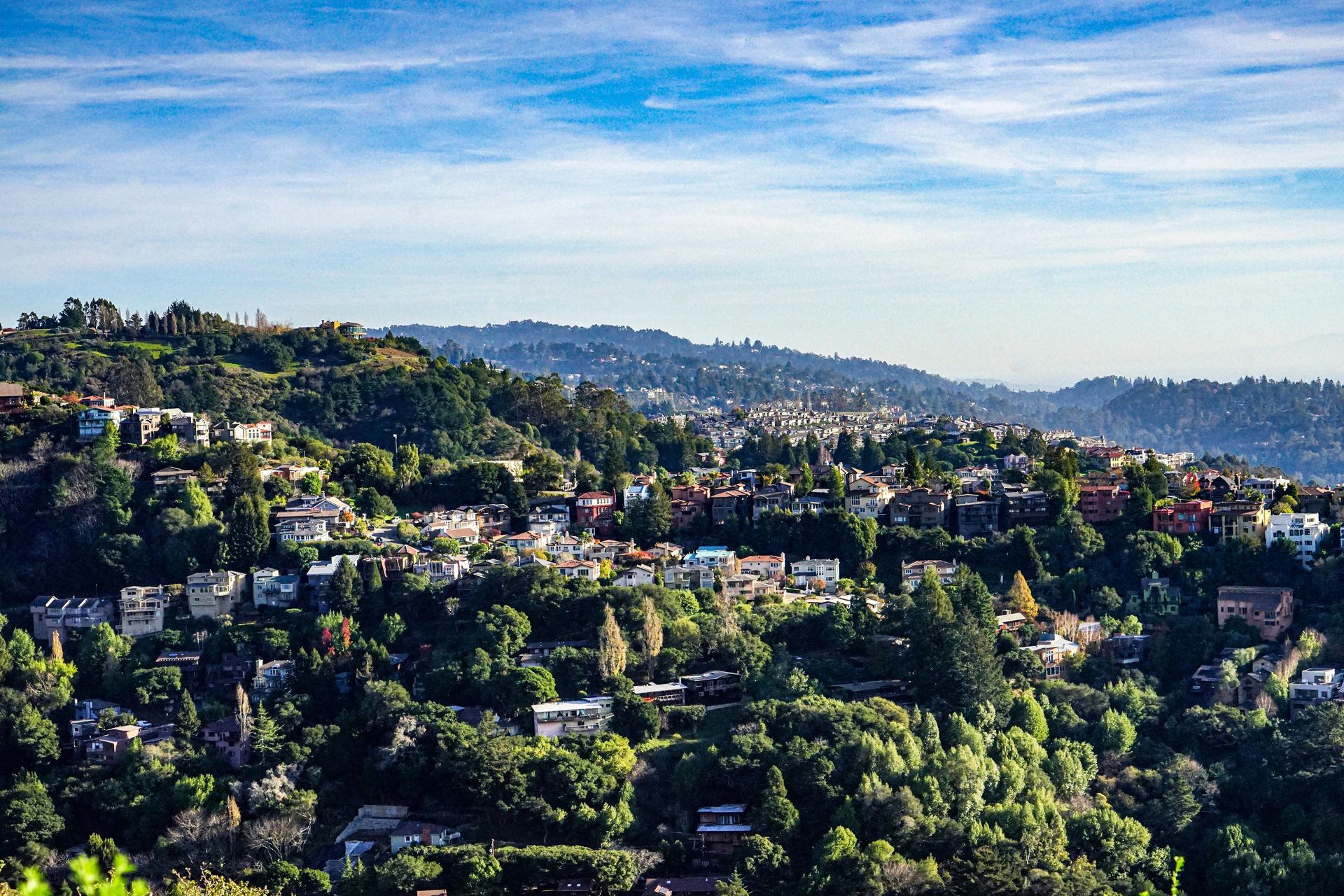
Jeremy Huang / Unsplash
Berkeley, Calif., finished last among all 300 cities with a score of 27.97, earning the 296th-worst affordability ranking, the 299th-worst real estate market score, and the 281st-worst quality-of-life grade. That combination of poor marks across all three categories is what separates Berkeley from the other California cities at the bottom of the list, where at least one category provides a counterweight. Redfin data from the three months ending May shows a median sale price of $1.5 million, with homes receiving an average of six offers and going under contract in just 15 days. The sale-to-list price ratio in March reached 127.22%, meaning the typical home sold for more than a quarter above its asking price, and 88.68% of all homes closed above list, up from 74.51% a year earlier.
Those overbidding numbers are among the most extreme in the country and illustrate why Berkeley's real estate market is so hostile to first-time buyers. Sellers are listing homes at prices that already reflect a premium market, and buyers are then bidding an additional 27% on top of that. A home listed at $1.2 million is effectively a $1.5 million purchase, and a first-time buyer competing against six other offers, many of them cash or heavily financed by equity from a prior sale, has almost no chance of winning without waiving contingencies, shortening inspection timelines, or stretching well beyond a comfortable budget. Inventory is a major factor in driving that competition. Only 92 homes were available in Berkeley as of March, representing just 1.7 months of supply, a level of scarcity that forces buyers into bidding wars on virtually every desirable listing.
Berkeley's demand floor is different from most Bay Area cities. Instead of relying on a single large tech employer, the city's housing pressure comes from UC Berkeley and the Lawrence Berkeley National Laboratory, which together account for roughly 40,000 students, 15,000 staff, and 4,000 researchers. That institutional anchor generates a permanent, non-cyclical base of demand that doesn't fluctuate with IPO cycles or tech layoffs the way San Francisco's market does. The AI-driven wealth surge happening across the Bay Area adds another layer. The broader regional luxury boom has pushed affluent buyers into Berkeley's market as a relative value play compared to San Francisco, where median luxury prices have climbed past $6.6 million. For first-time buyers, the result is a market where even the most modest properties attract intense competition, where condo prices averaged $625,000 in Q1 2026 (down 20.8% year over year, one of the few signs of softening anywhere in the city), and where the fundamental dynamics of limited land, institutional demand, and regional wealth concentration make it one of the most difficult places in the country to buy a first home.
