A new analysis ranks all 50 states on how easy it is for residents to find and buy locally grown fruits and vegetables

Maskot / Getty Images
The United States is a farming powerhouse, producing $543 billion in agricultural output in 2022, according to government data. But much of that production never reaches local consumers — it’s exported abroad, processed for industrial use, or turned into non-food products. All this raises an important question: How much of what America grows actually ends up on dinner tables in the communities where it’s produced?
To find out, culinary school Escoffier analyzed all 50 states, examining factors that shape access to locally grown food. The study considered the prevalence of five types of local food resources: Community Supported Agriculture (CSA) programs, farmers' markets, on-farm markets, food hubs, and agritourism. It also incorporated USDA data on the number of farms selling directly to consumers or businesses, as well as the value of those sales relative to total food spending in each state. These metrics were combined into a composite score out of 100 points.
The results challenge assumptions about America’s food system. States known for large-scale farming, like Nebraska and Kansas, ranked surprisingly low for local produce availability. Heavy reliance on commodity crops like corn, soybeans, and wheat means less land is devoted to the fruits, vegetables, and other foods that typically end up in local markets. At the same time, smaller states with fewer farms often ranked high in the study, reflecting strong local food networks and consumer demand for regional products.
Continue reading to see the states where people have the most (and least) access to fresh foods.

Fly View Productions / Getty Images
As the nation’s largest agricultural producer, California stands out for its diversity of agricultural output. A significant share of farms sell directly to consumers or local businesses, unlike many other high-output states.
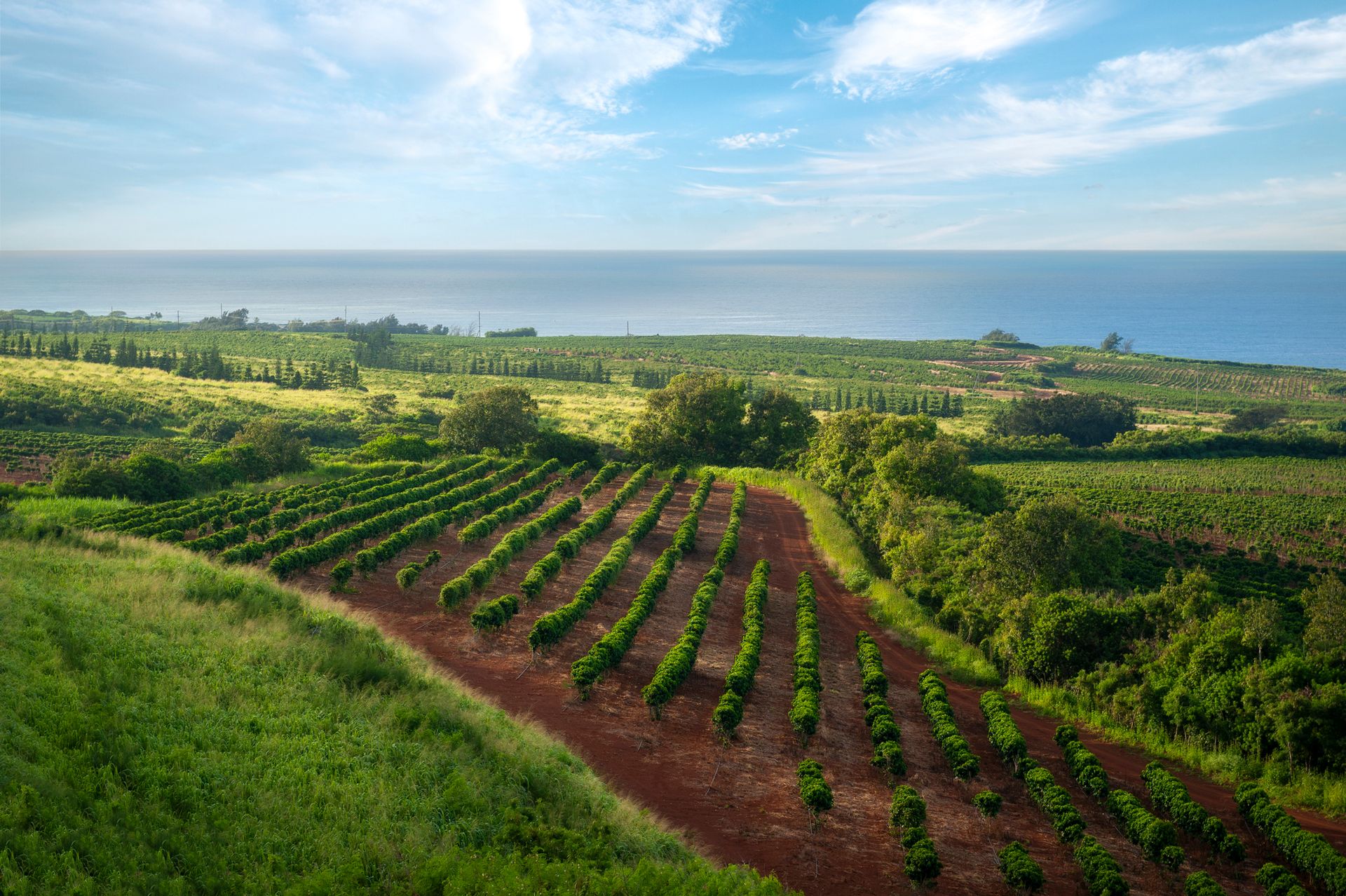
Edmund Lowe Photography / Getty Images
Hawaii’s isolation has driven strong local food systems. More than one-fifth of farms sell directly to consumers, one of the highest rates nationwide, reducing reliance on costly imports.
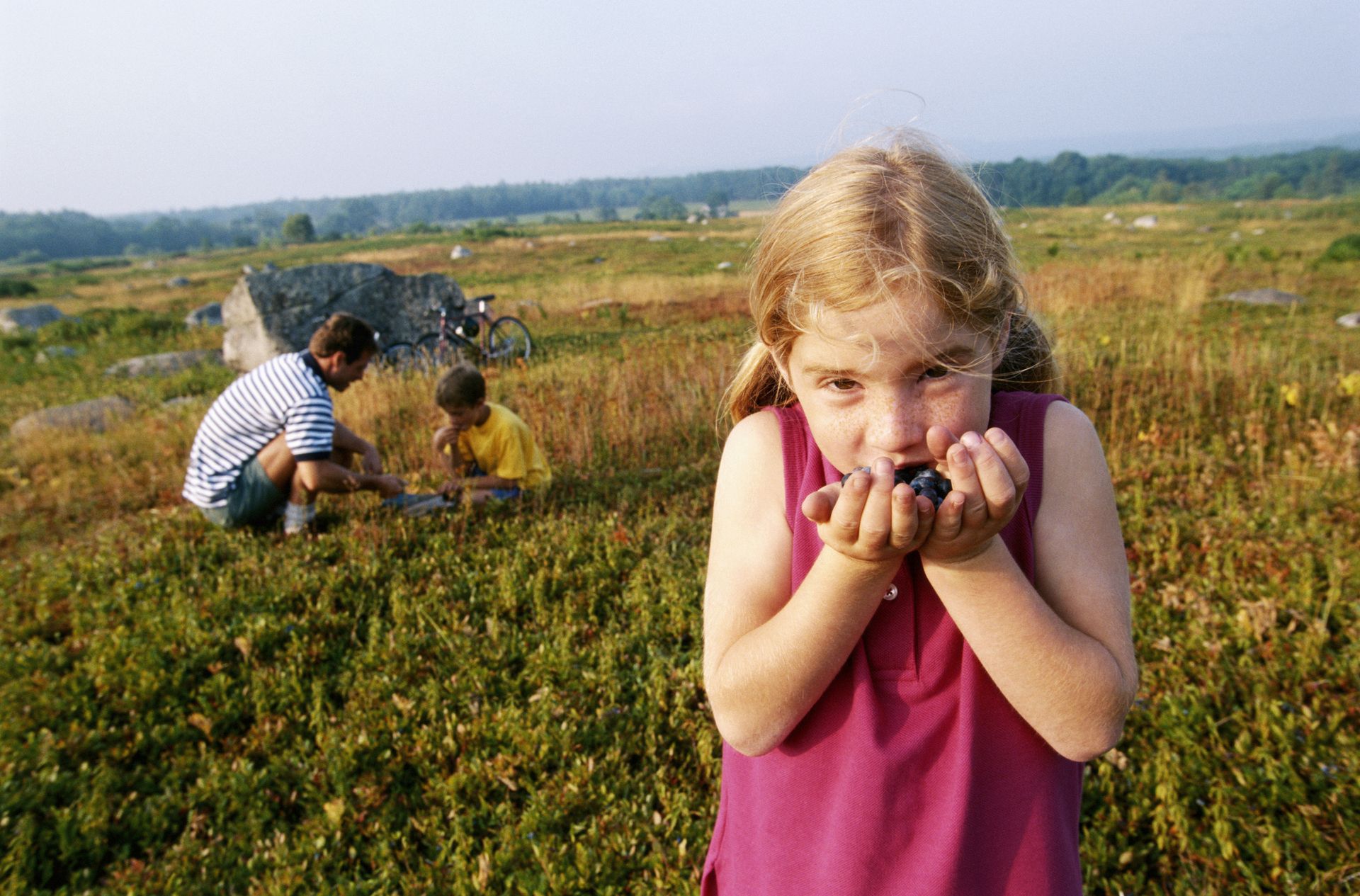
Mike Brinson / Getty Images
Maine boasts widespread access to farmers' markets, CSAs, and agritourism. Nearly 88% of residents have above-average CSA access, and every resident lives in a county with robust agrotourism opportunities.
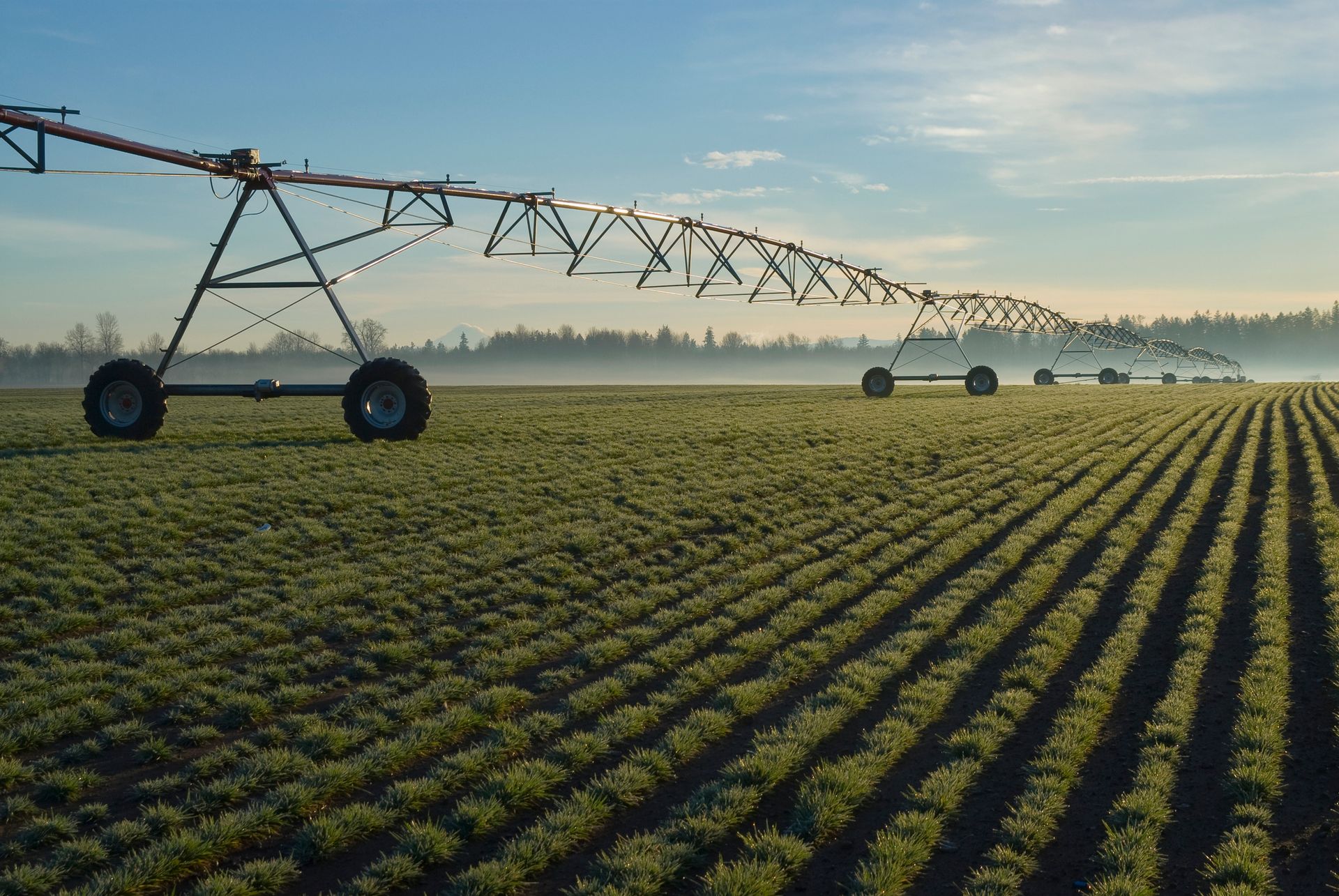
Gary J Weathers / Getty Images
Oregon’s strong network of local food producers gives most residents above-average access to four of the five food resource categories. Local and regionally branded food sales per capita are more than triple the national average.
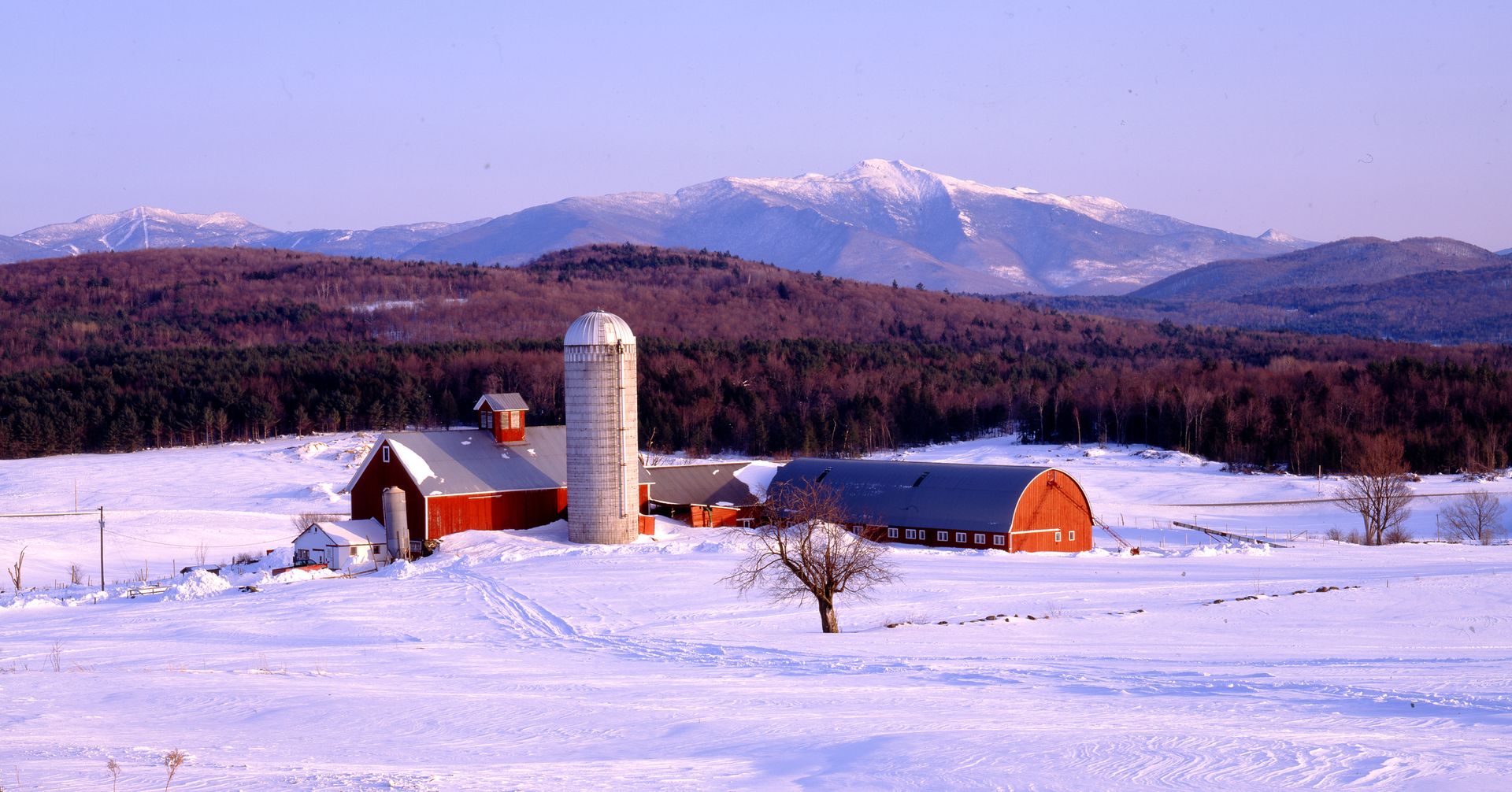
Tom Narwid / Getty Images
Vermont ranks first across every measured category, from CSA density to the share of grocery spending on direct farm sales. Over 2% of grocery expenditures go directly to local farms, which is seven times the national average. The majority of residents live in counties with above-average access to farmers' markets, food hubs, and on-farm markets.
Grant Faint / Getty Images
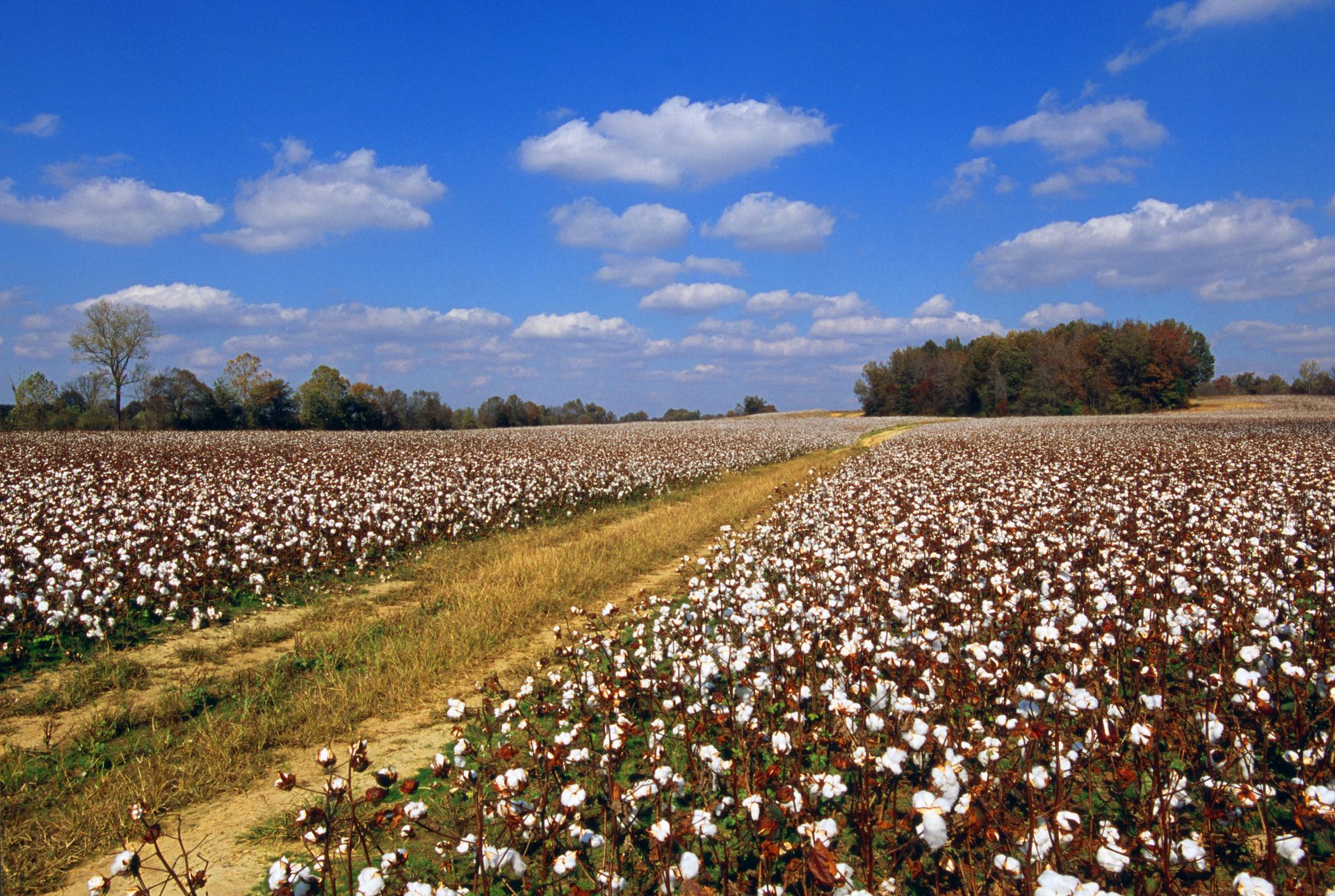
Alabama’s agricultural focus is largely on commodity crops, leaving fewer options for residents seeking a variety of locally grown fruits and vegetables.

Grant Faint / Getty Images
Despite its vast farming industry, Texas ranks low due to limited direct-to-consumer sales and low CSA and farmers market availability per capita.

Edmund Lowe Photography / Getty Images
Utah may have a sizable farming industry, but it received the third-worst score for access to local produce, with low marks across the board.
Bloomberg Creative / Getty Images
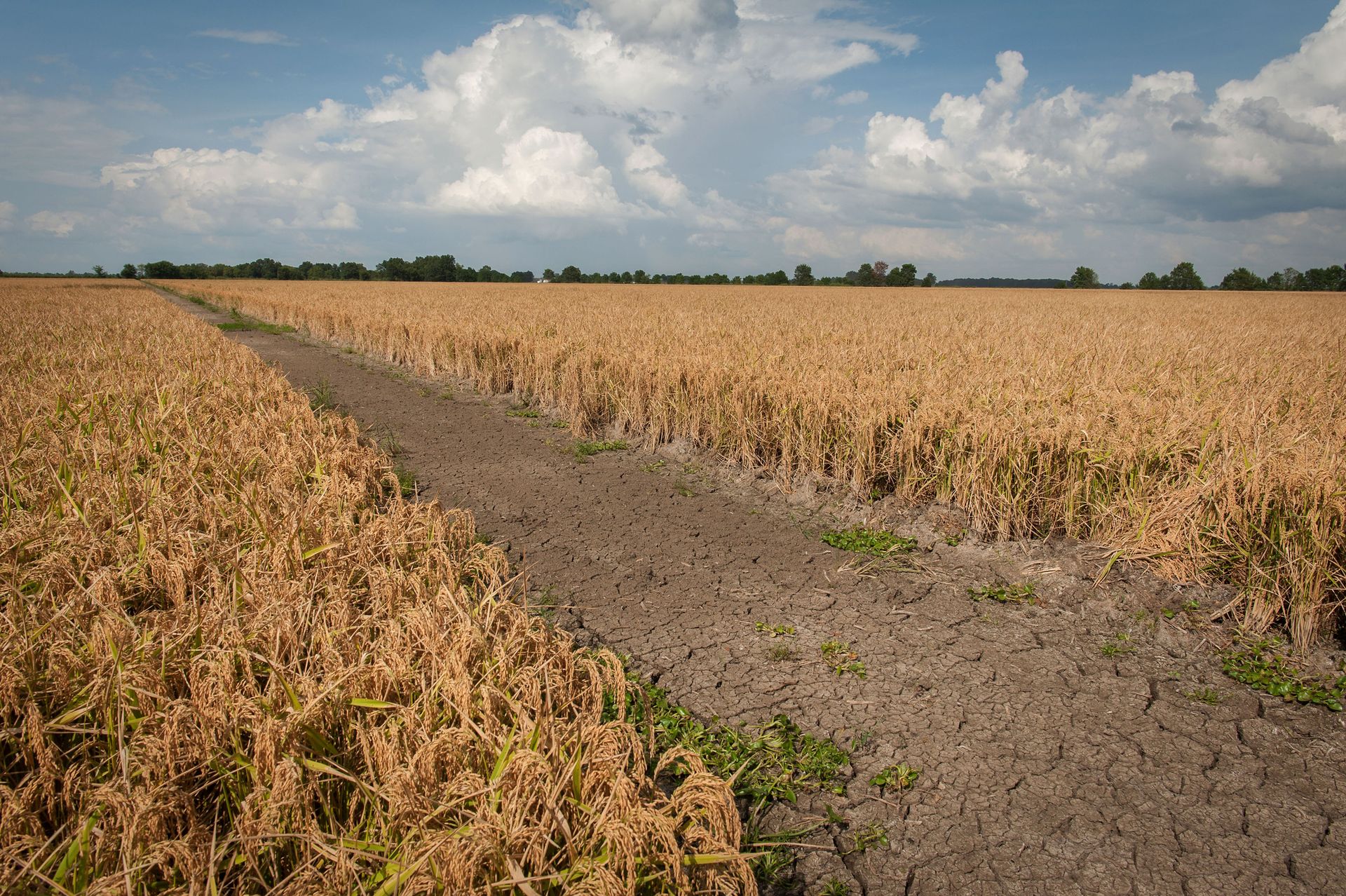
Mississippi’s local food infrastructure is sparse, and few farms engage in direct sales to consumers or local retailers.
RichVintage / Getty Images
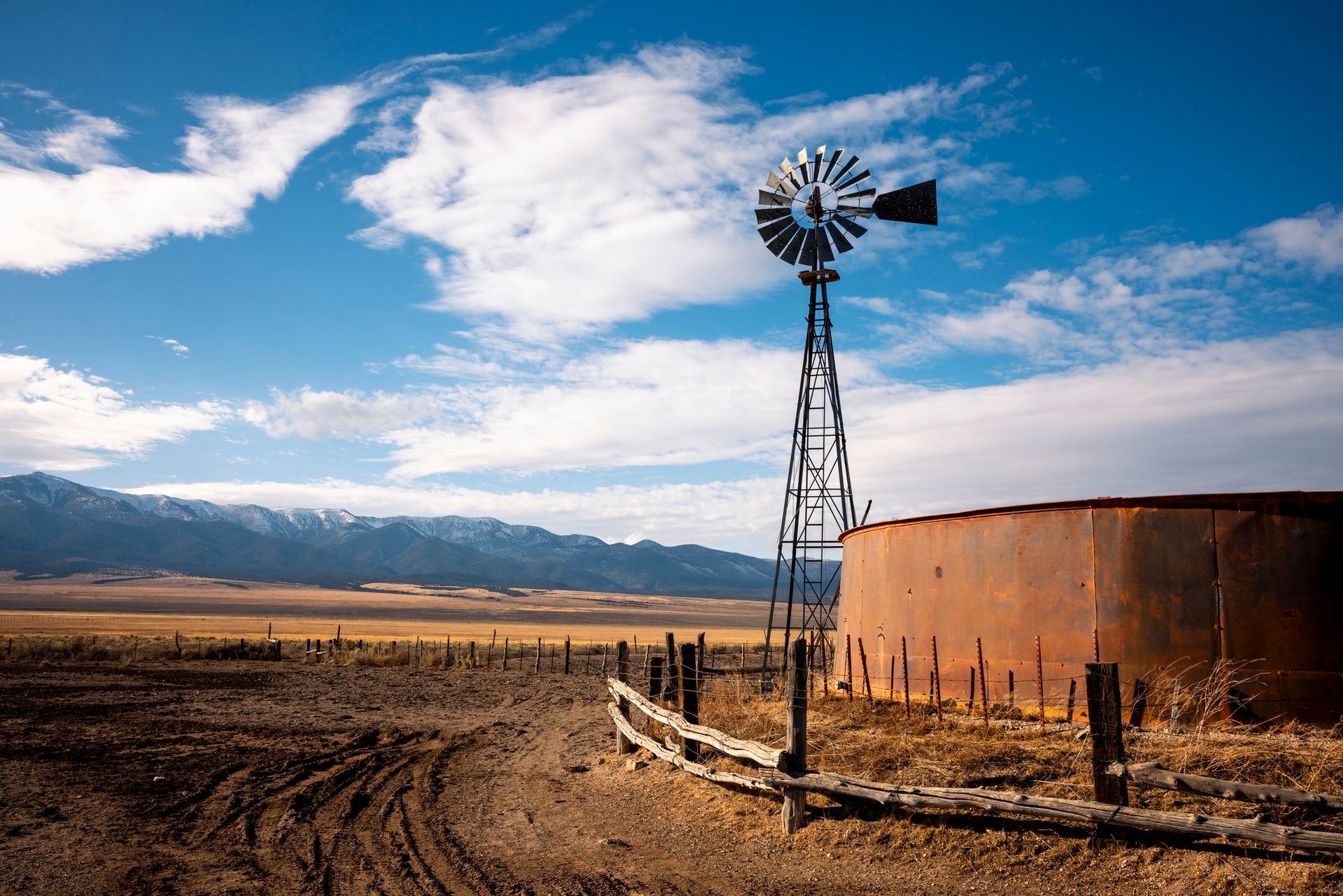
Nevada’s arid climate and limited farmland make local produce access scarce. The state ranked dead last.
