Nurses face a profession where state lines set salary, workload, and opportunity. WalletHub ranked all 50 states on 20 metrics for nurses in 2026

Dhiraj Singh / Bloomberg via Getty Images
There are some 4.1 million nurses in the U.S., and the conditions they encounter vary enough from state to state to create two opposite career outcomes. Clinicians earn more when they lay roots in a state with stronger protections and less competition for open positions. The differences between geographic choices can define a decade of take-home pay, and where one state mandates additional shifts without consent, another provides guarantees that ease the burden of an already difficult job.
A clear geographic fault line runs through the national data. Smaller, cooler-climate markets in the Northeast and Pacific Northwest are better for nurses, while large Southern and Plains states offer poor compensation and workplace protections. Nurses who understand where that fault line falls gain access to a professional life their peers in worse-off states cannot replicate through effort alone.
WalletHub's 2026 ranking of the best and worst states for nurses evaluates all 50 states across two broad categories — Opportunity and Competition, and Work Environment — using 20 metrics that convert to a common 100-point scale. The states that score highest combine strong job-opening rates, favorable demographic trends, and high adjusted compensation. The states that score lowest pair oversupplied labor markets with weak workplace protections and below-average pay. The mean annual nursing wage in the U.S. exceeds $98,000, but that figure obscures the wide variation in real purchasing power and daily working conditions that separates the top markets from the bottom ones. This ranking translates that variation into a number nurses can use before accepting an offer.
Gregory Rec / Portland Press Herald via Getty Images
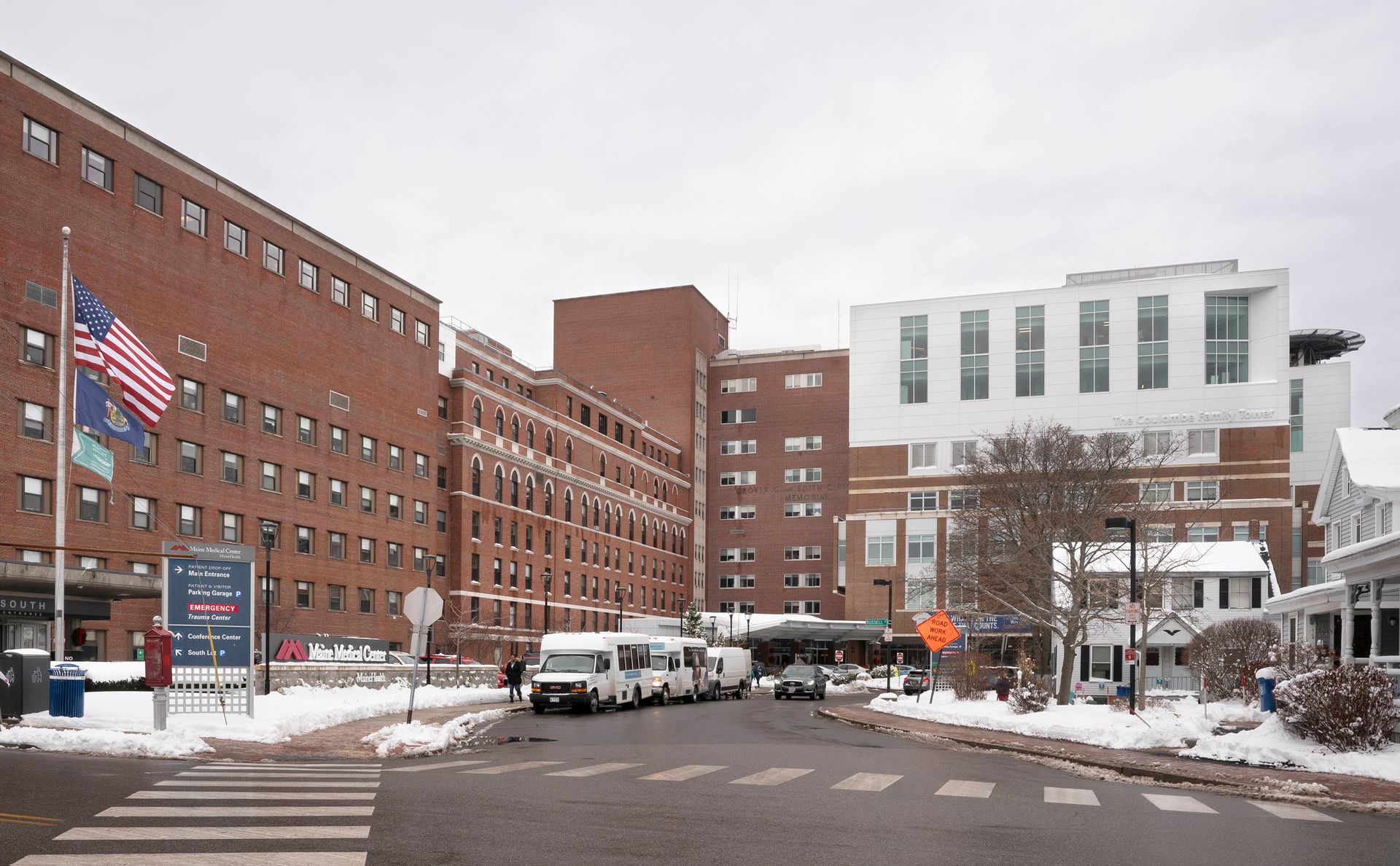
Maine earns first place with a score of 64.99 by offering nurses a market where employers compete for qualified staff. Practitioners in Maine have real leverage over compensation and scheduling. The state's concentration of nursing and residential care facilities per capita ranks among the highest in the country, meaning caregivers enter a market shaped by genuine staff scarcity that tilts hiring conditions in their favor. Nurses who hold advanced credentials find the leverage strongest, because facilities competing for a limited local pool offer better shifts, more flexible scheduling, and stronger starting salaries to attract the practitioners they need.
Maine is projected to carry the highest share of residents aged 65 and older of any state by 2050. That trajectory generates sustained structural demand for bedside care, home health services, and long-term residential placement. Home health aides and residential care staff already contend with staffing shortages the state's current workforce cannot fill, and those shortages will deepen as the elderly population grows. Clinicians who build careers in Maine work in a state where demand for their credentials grows across decades, not just in the near term.
Maine's nursing homes earn a high share of five-star ratings, and state regulations give practitioners stronger protections than most markets offer, reducing the burnout risk that erodes retention in lower-ranked states. The state's high facility quality and strong regulatory backing mean practitioners spend less energy navigating institutional obstacles and more energy on the clinical work that sustains professional satisfaction. Maine also posts the fifth-lowest average tuition cost per credit for a Bachelor of Science in Nursing online program among all 50 states, reducing the debt nurses carry into the job market and improving the financial return on their credentials from the first paycheck forward.
DenisTangneyJr / Getty Images
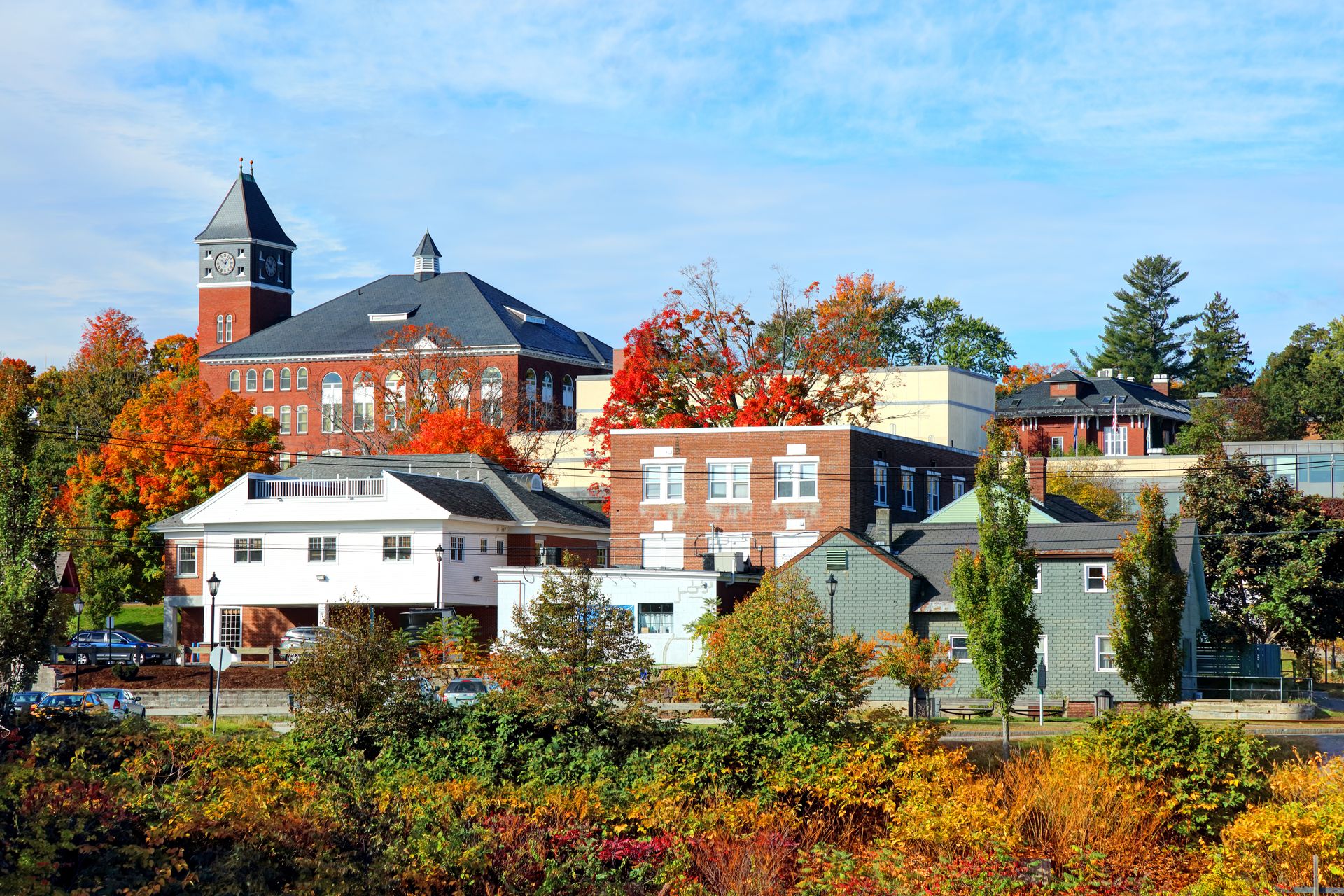
New Hampshire's second-place ranking, with a score of 64.76, places nurses in the most job-rich market in the country. The state posts the most nursing-job openings per capita of any state in the country. New Hampshire produces 12 times more openings per capita than California, the state that finishes last on that metric. Practitioners looking for their first position or making a mid-career move find a market in New Hampshire where vacancies are plentiful and competition for each posting stays low. That vacancy rate gives clinicians an unusual degree of selectivity when evaluating offers, because the underlying demand for nurses exceeds what the existing workforce can meet.
The state's hospital infrastructure supports those openings with a high number of facilities per capita, giving nurses a range of employer types within a compact geographic area. Clinicians can pursue specialty experience across multiple settings without relocating. That breadth accelerates professional development in ways that thinly resourced markets cannot accommodate. New Hampshire also hosts several of the country's best-ranked nursing schools, deepening the institutional pipeline the broader health system relies on and creating a network of professionally engaged practitioners whose careers stay rooted in the state.
State law bars hospitals and residential facilities from compelling nurses to extend shifts beyond their contracted hours. That mandatory overtime restriction anchors New Hampshire's first-place Work Environment rank, the best in the country. Extended mandatory shifts deprive nurses of recovery time, compound physical exhaustion, and erode the professional satisfaction that sustains long-term retention. States that restrict the practice retain staff at higher rates, and New Hampshire's enforcement of that restriction produces lower turnover in its health system. Practitioners in New Hampshire face the strongest supply of jobs and the best daily working conditions in the country, a position no other state achieves on both dimensions at once.

Cindy Shebley / Getty Images
Washington's third-place finish, with a total score of 64.75, gives nurses access to some of the highest adjusted earnings in the country. The state earns among the highest median wages for registered nurses, nurses in care facilities, and licensed practical and vocational nurses after adjustment for cost of living. Clinicians who prioritize take-home value over headline wages find Washington near the top of the compensation table. The adjustment strips out the inflated nominal salaries that look attractive in high-cost states but deliver less purchasing power once practitioners account for housing and daily expenses. The mean annual nursing wage nationally exceeds $98,000, and Washington nurses land above that figure in real terms.
About 53% of Washington residents live in a primary-care Health Professional Shortage Area, a federal designation for regions where the supply of health care providers falls below what the population requires. Nurses entering that market do not need to displace an existing practitioner to find work. The shortage creates structural vacancies that fill positions faster and carry institutional incentives such as loan-repayment programs and signing bonuses. Clinicians who hold primary-care credentials gain the clearest benefit, but the shortage condition extends through associated nursing specialties as well, sustaining demand across a wide range of roles and employer types.
Nurses in Washington benefit from two protections that cut burnout risk. The state restricts mandatory overtime, reducing exposure to forced extended shifts that accelerate burnout across the profession. Washington also records a very high percentage of nursing homes rated five stars, meaning practitioners employed in long-term care settings work in facilities that meet high quality benchmarks. Nurses who move to Washington can choose between a high-salary acute-care system and a well-rated long-term care sector, giving them flexibility to match their specialty interests to an employer tier without sacrificing compensation or working conditions.

Susan Vineyard / Getty Images
Oklahoma's last-place finish, with a total score of 37.30, delivers the worst work environment in the country and leaves nurses with no mandatory overtime protections. No other state performs worse on Work Environment, where Oklahoma ranks 50th. Employers in Oklahoma can assign mandatory overtime without restriction, provide limited regulatory support for nurse practitioners, and operate nursing homes and hospital systems that earn low marks on quality benchmarks. Those deficiencies, taken together, describe a work environment that disadvantages nurses at every level of the profession and creates conditions from which the most qualified practitioners are most likely to exit.
Nurses in Oklahoma face a market that offers fewer openings relative to population than most states and generates less competitive pressure on employers to improve wages or conditions. States with weak work environments but strong opportunity ranks can still attract practitioners willing to accept difficult conditions in exchange for access. Oklahoma's 44th-place Opportunity & Competition rank removes that trade-off entirely. Clinicians in Oklahoma find limited leverage and limited recourse, squeezed by a constrained job market and the country's worst working conditions at the same time.
The practical consequences fall on individual nurses in ways the data makes measurable. Oklahoma practitioners work in a state where employers can assign mandatory overtime without restriction and earn an adjusted salary that reflects a market with little structural pressure to compete for talent. They also practice in facilities that rate below the national average on quality benchmarks. Those three disadvantages compound each other. Mandatory overtime raises hours while keeping pay flat, low adjusted wages reduce the financial buffer for burnout recovery, and below-average facilities limit the professional quality that attracts and retains capable practitioners. Nurses who compare states find that 49 of the 50 states offer terms that pay more, protect more, and open more doors. Oklahoma's 37.30 score sits nearly 6 points below North Dakota's 43.20, the next-lowest total, a gap that signals systemic underperformance across every dimension of the ranking.
Jonathan W. Cohen / Getty Images
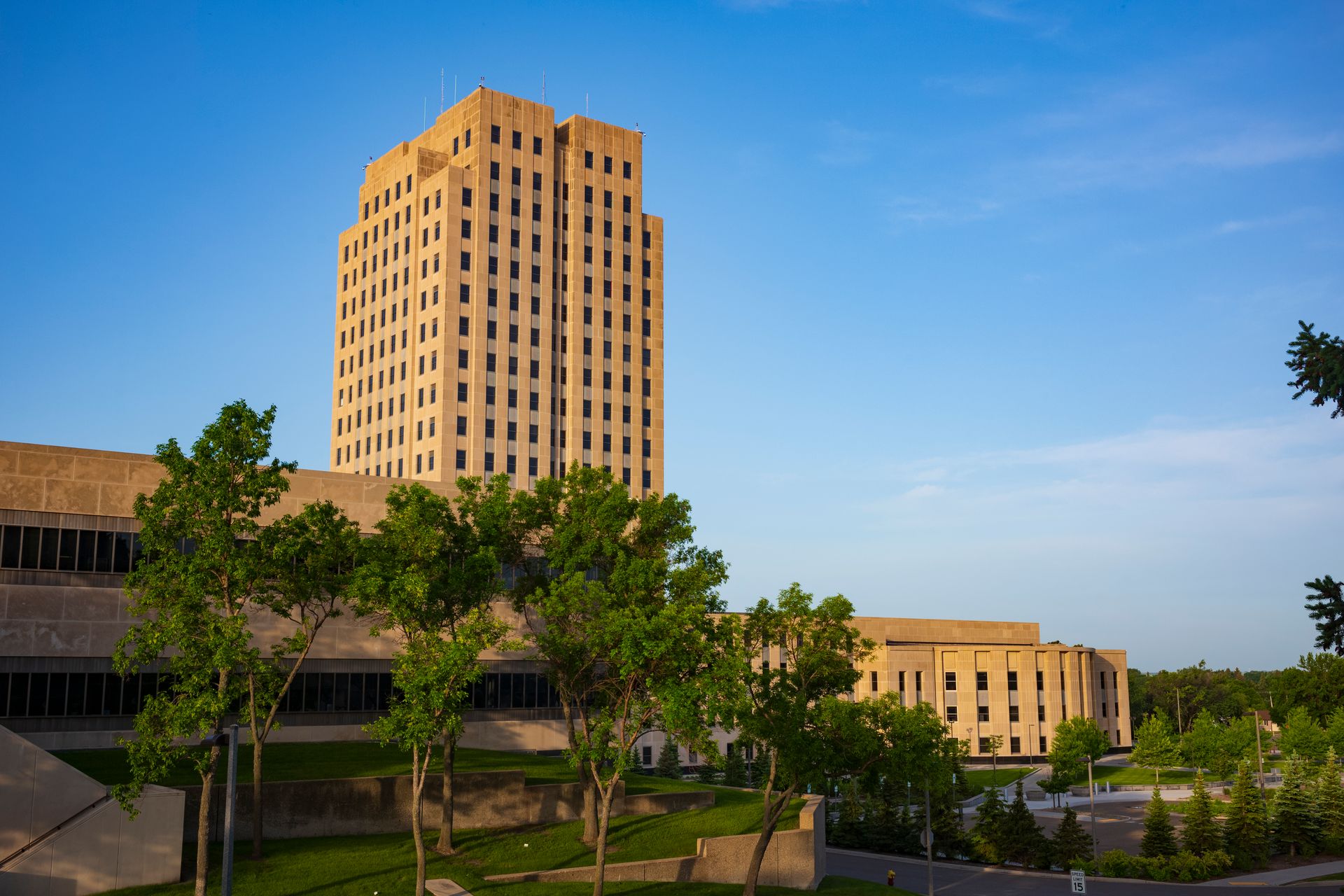
North Dakota's 49th-place finish, with a score of 43.20, traps nurses in a market heading toward the worst projected competition in the country. The state projects the highest nurse-to-resident ratio by 2032 of any state in the country. Massachusetts anchors the opposite end of that metric, making North Dakota's projected competition five times more intense. Practitioners who build careers in North Dakota face a trajectory in which the supply of nurses outpaces demand, compressing job availability, limiting leverage in salary negotiations, and reducing the chance of advancement into specialized or leadership roles.
Nurses in North Dakota compete for positions in a market where health-care facilities cannot absorb the workforce the state produces. North Dakota earns a last-place Opportunity & Competition rank, underperforming on every supply-side measure the ranking tracks. The projected elderly population share by 2050 also ranks among the lowest in the country, meaning the long-term demand driver that lifts states such as Maine will not materialize in North Dakota at the same scale. Nurses who commit to the state are betting on a market that multiple structural indicators suggest will tighten further over the next decade, making early career choices that favor North Dakota harder to undo with each passing year.
North Dakota's 18th-place Work Environment rank prevents the state from finishing last overall, but a reasonable work environment cannot offset the market-access problem its opportunity profile creates. Practitioners in North Dakota may find manageable day-to-day conditions while a large and growing pool of competing clinicians contests every opening. Salary growth stays flat when employers face no pressure to compete, and advancement into specialized roles slows when the volume of applicants exceeds available positions. The state's core structural problem runs deeper than daily working conditions. Nurses in North Dakota find less opportunity, less salary growth, and less room for advancement with each passing year.

Alex Potemkin / Getty Images
Alabama's 48th-place finish, with a total score of 43.77, leaves nurses without mandatory overtime protection and with wages that trail the national leaders. The state does not restrict mandatory overtime for nurses, leaving clinicians vulnerable to extended shifts assigned at the employer's discretion. Burnout is a documented consequence of mandatory overtime in nursing, a profession already marked by physically and emotionally demanding work. Employers in Alabama face no legal bar on mandatory overtime. They impose longer hours and compound physical fatigue, pushing the profession's already high turnover rates higher. Nurses who intend to build long careers in the same system find that the conditions driving burnout erode that intention before it can materialize.
Compensation in Alabama is under pressure. Alabama ranks 39th in Opportunity & Competition, and nurses there earn wages that fail to keep pace with the professional demands placed on them. Clinicians in Alabama earn less in purchasing-power terms than peers in the top-ranked states, a gap that widens when mandatory overtime exposure enters the calculation, because nurses in Alabama work additional hours the state does not limit. The financial return on a nursing credential in Alabama falls well below what the same credential yields in Maine, New Hampshire, or Washington. The gap widens further when practitioners account for the uncompensated burden that mandatory overtime places on their time and health.
Nurses in Alabama who seek positions in long-term care or public hospital systems face a work environment shaped by infrastructure gaps the state does not offset with salary, overtime protection, or job volume. The state's nursing-home quality scores and public hospital system rankings sit below the national median, meaning practitioners working in those settings contend with facility-level constraints that complicate patient care and professional satisfaction. Those constraints compound the effect of low wages and absent overtime protections, producing a cumulative disadvantage that no single policy adjustment is likely to reverse.
