
shunyufan / Getty Images
A family's state of residence determines what children eat, where they go to school, how safe they are on the way there, and whether their parents hold stable jobs. Pediatrician shortages hit rural states hardest, leaving families without routine care for months at a time. Housing costs consume a larger share of income in coastal markets, crowding out child care savings and emergency reserves. Public school funding follows property tax revenues that vary by orders of magnitude between wealthy suburbs and low-income districts. These conditions compound over time: children who grow up in underfunded, unsafe, or economically stressed environments carry those disadvantages into adulthood, and the state where a family lives plays a decisive role in determining which obstacles children face.
The states that perform best for families share a structural profile. Housing costs stay manageable relative to median income, school systems receive consistent public investment, and labor markets provide enough stability to keep poverty rates low. States at the bottom tend to fail across multiple dimensions at once. Low wages alone do not disqualify a state if housing is cheap enough to compensate, but when affordability, school quality, and employment conditions deteriorate together, families face compounding disadvantages that no single policy correction can quickly reverse. The widest gaps in family conditions open between states that invest steadily in public infrastructure and those that do not.
WalletHub's 2026 ranking of the best and worst states to raise a family evaluated all 50 states using 50 metrics across five dimensions: Family Fun, Health & Safety, Education & Child Care, Affordability, and Socio-economics. Analysts scored each state on a 100-point scale and combined the results into a total score to produce an overall rank. The six states below represent the three strongest environments for raising children and the three weakest.
1 / 8
2 / 8
Kirkikis / Getty Images
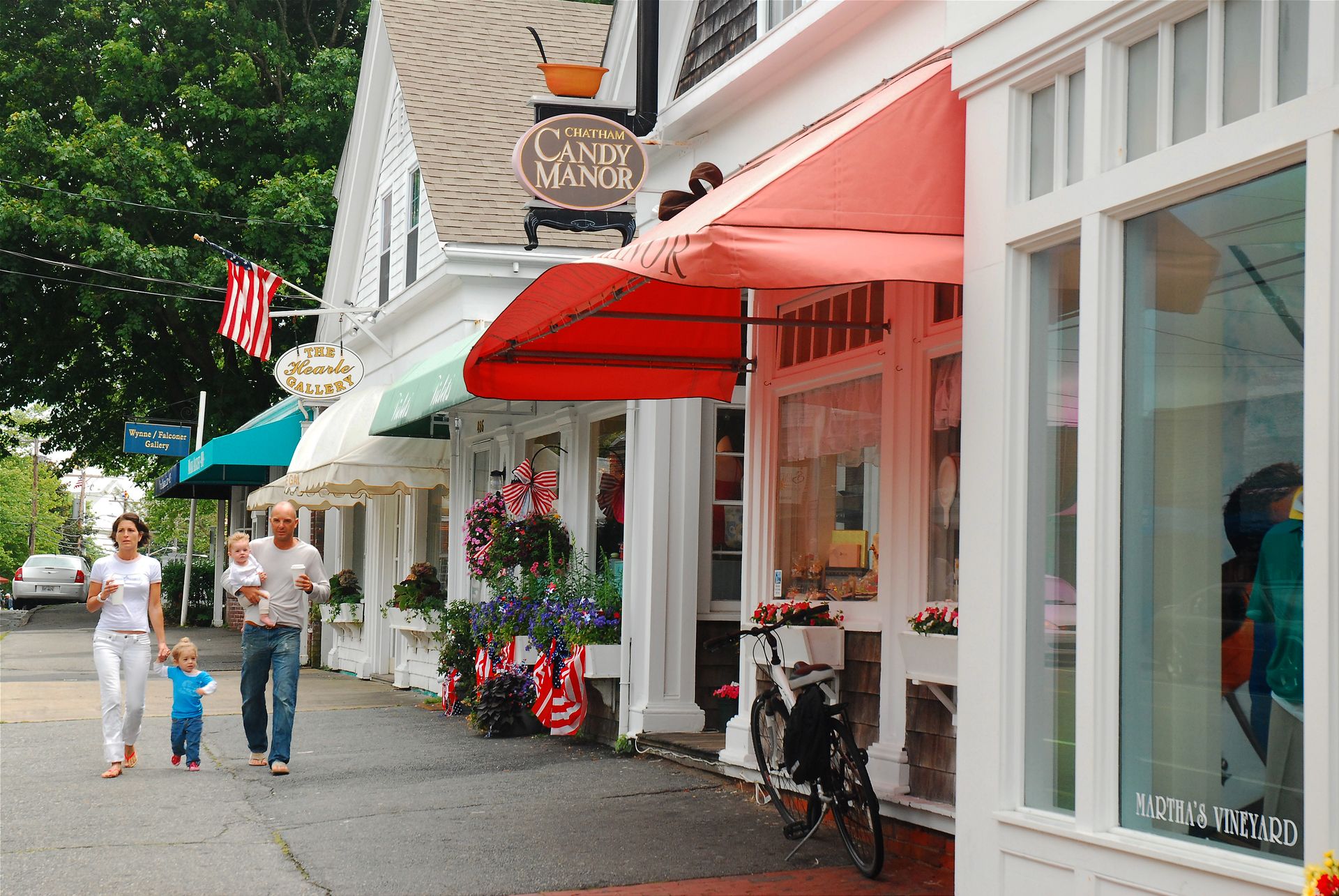
Massachusetts finishes first overall with a total score of 67.60, and the state earns that position through consistent high performance across Health & Safety, Education & Child Care, and Affordability. It ranks third in Affordability and third in Health & Safety, and its 21st-place Socio-economics standing is the one relative weakness in an otherwise high-performing profile. Parents here contend with above-average housing and child care costs, but the state's third-best job security ranking and ninth-lowest family poverty rate give most households the income stability to manage those expenses. The Bay State's top-ranked schools, near-top health metrics, and strong labor market make it the country's most comprehensive environment for family life.
Children in Massachusetts grow up in one of the safest health environments in the country. The state holds the highest rate of children with health insurance, which limits deferred care and prevents minor conditions from progressing to chronic ones. Its infant mortality rate ranks third-lowest nationally, and life expectancy at birth ranks second-highest. Water quality ranks fifth in the country, a metric that reflects sustained public health investment. The state also holds the fourth-lowest property crime rate, meaning children travel through neighborhoods and school environments with a higher degree of physical security than in most other states.
Public education is the area of sharpest Massachusetts advantage. The state ranks first nationally in its K-12 school systems, a distinction it has held across multiple data cycles. Parents seeking the strongest academic preparation available in any U.S. public school system will find it here, and that ranking drives long-term outcomes for children regardless of household income. Extracurricular programs, school safety, and graduation rates all contribute to this first-place education standing. The top-ranked education system, combined with the state's third-place Health & Safety finish and near-top affordability, gives Massachusetts its decisive margin over every other state in the country.
3 / 8
wanderluster / Getty Images
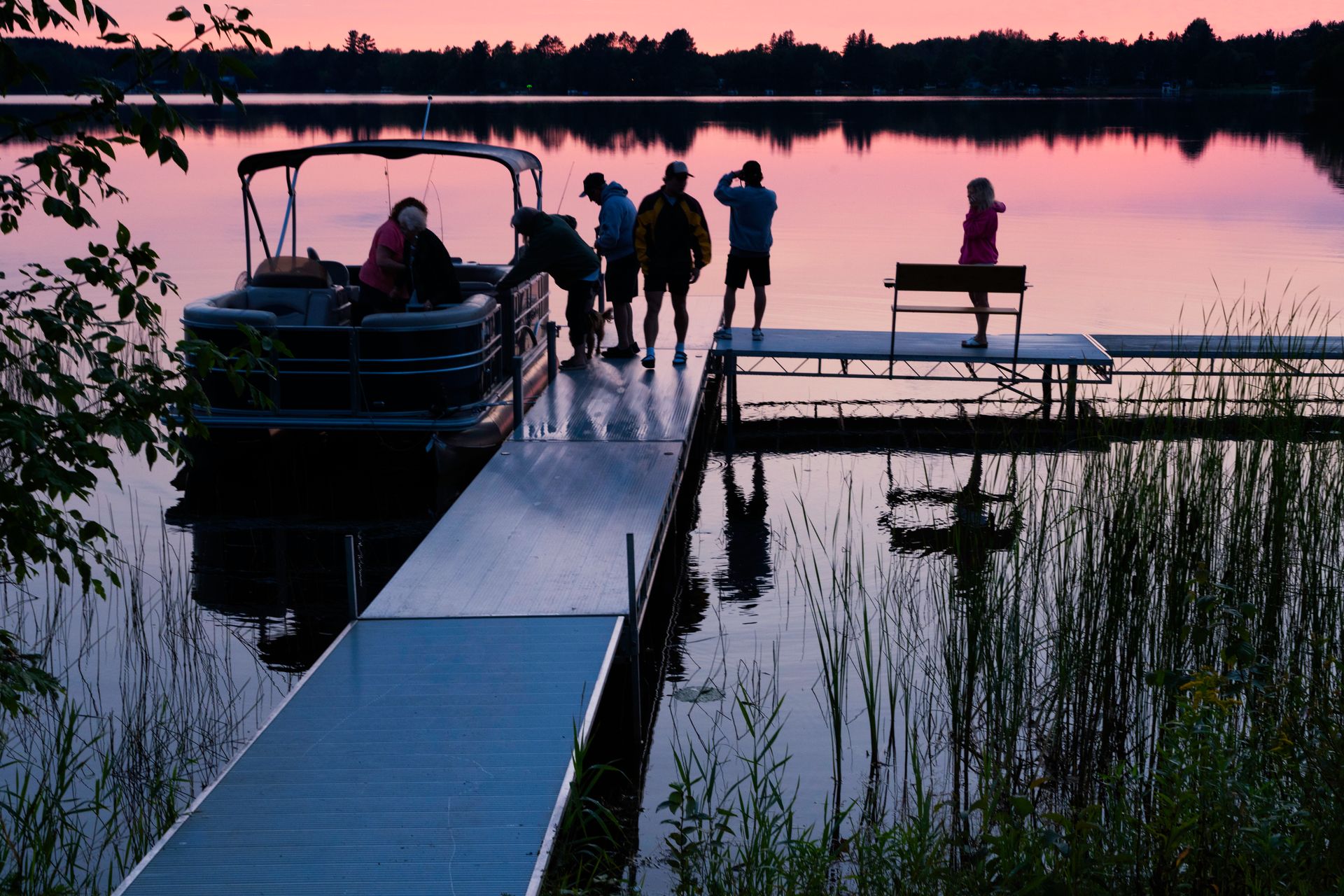
Minnesota ranks second overall with a total score of 63.10, and its strength rests on an economic foundation deeper than most states can match. The state's median family income, adjusted for cost of living, exceeds $109,000 — second-highest in the country. That income level, combined with the second-lowest family poverty rate in the nation, means most Minnesota families live well above the threshold where financial stress begins to affect child development. The eighth-lowest wealth gap between earners shows that prosperity reaches workers across the income spectrum, not just those at the top.
Long-term security runs alongside that income picture. Minnesota ranks 13th nationally for employer-based retirement plan access and participation. Families here build lasting economic resilience that extends well into their later years. This structural stability matters for children because household economic hardship, including hardship at moderate income levels, correlates with worse outcomes in early development and school performance. Minnesota's fourth-place Affordability ranking confirms that the state's economic strengths translate into actual household budgets, accessible to earners at every level.
Children's physical health reflects Minnesota's public investment in infrastructure. Life expectancy at birth ranks fifth-highest in the country. Public hospitals rank sixth-best nationally, providing a reliable care setting for families across income levels. The state places eighth nationally for the share of children who live near a park or playground. Proximity to green space supports physical activity and reduces childhood obesity rates. Minnesota also holds the fifth-lowest separation and divorce rate in the country, meaning children here more often grow up in intact two-parent households. Research links that household continuity to better educational attainment, healthier child development, and stronger long-term economic outcomes. Minnesota's 10th-place Socio-economics ranking captures these household cohesion measures, adding further evidence that the state's economic and social foundations work together for children's benefit.
4 / 8

scgerding / Getty Images
North Dakota ranks third overall with a total score of 61.60, and its second-place Socio-economics ranking anchors its position near the top of the national list. The state's most direct appeal for families lies in a cost structure that makes stable home life genuinely accessible. Renters in North Dakota spend just 11.8% of their median income on a two-bedroom apartment each year — the lowest share of any state in the country. Home purchase costs are equally manageable, with the ninth-cheapest median home price relative to median annual family income. North Dakota families retain more of their income after housing expenses than families in nearly every other state.
Employment conditions reinforce that financial foundation. North Dakota maintains one of the lowest unemployment rates in the country and ranks fifth-lowest nationally for family poverty. Consistent job availability allows parents to plan for their children's futures without the disruption that unemployment brings to household budgets, daily routines, and long-term stability. The state's second-place Socio-economics ranking incorporates structural indicators covering poverty, employment, wealth distribution, and family cohesion, and its near-top position shows that economic security reaches broadly across the population.
Family integrity measures in North Dakota rank high by any national standard. The state has the third-lowest separation and divorce rate in the country and ranks fourth nationally for the percentage of families with children under 18. Neighborhoods with a high concentration of families create peer environments that enrich children's social development and give parents access to community support networks. Child care infrastructure matches that household stability picture: North Dakota has the second-most day cares per capita, the fourth-highest day care quality rating, the 16th-best public school systems, and the fourth-highest share of parents who report their children attend safe schools. These conditions make North Dakota one of the most practical choices for families who prioritize stability and affordability.
5 / 8
6 / 8
Mark Ralston / AFP via Getty Images
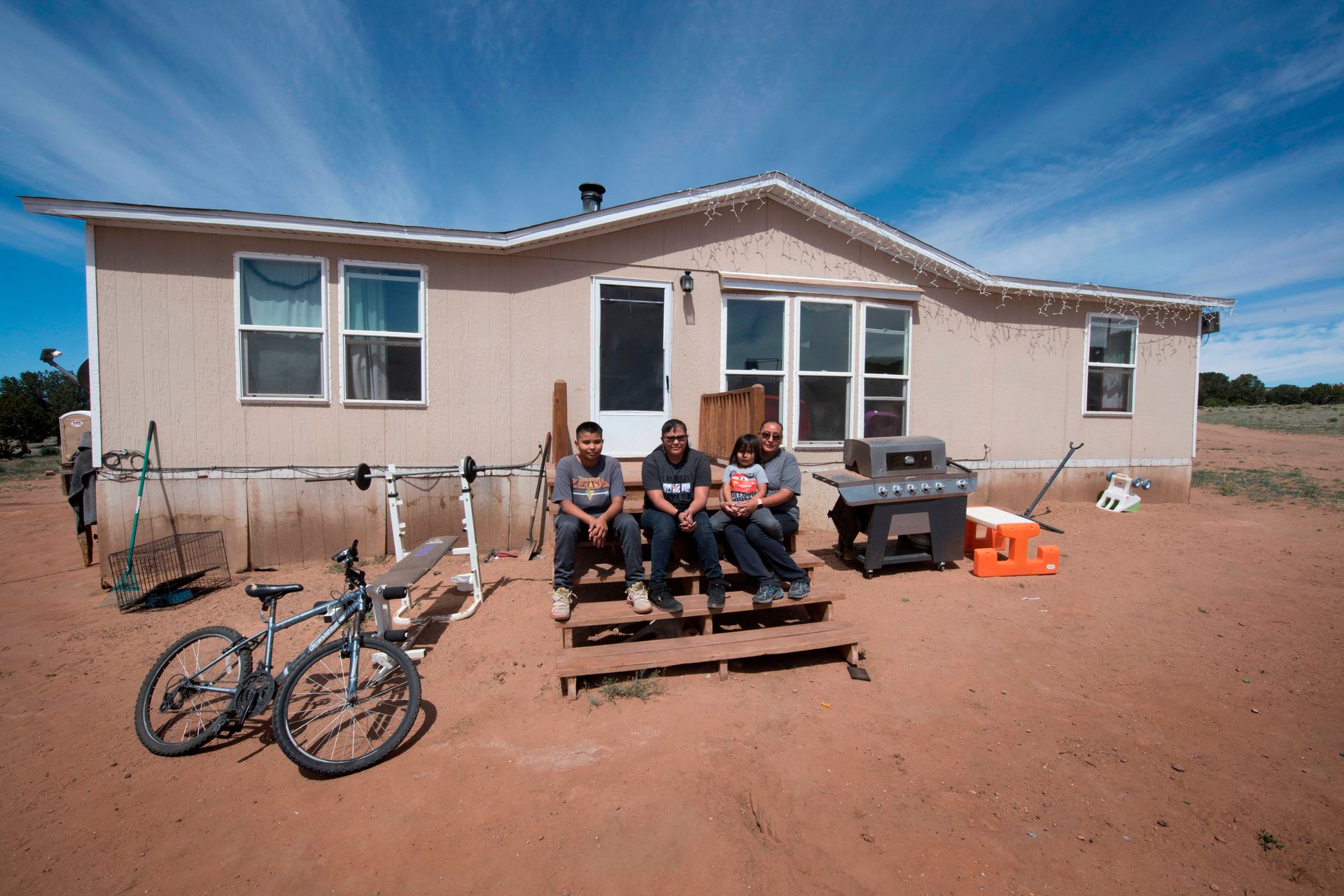
New Mexico ranks last among all 50 states with the lowest total score of 32.69, and its last-place finish in Education & Child Care defines the severity of its challenges for children. The state provides the weakest classroom quality, day care availability, parental leave policy, and child care affordability of any state in the country. Graduation rates, extracurricular participation, and child care worker availability all feed into this ranking, and New Mexico's 50th place means children here complete their education with the least institutional support and the fewest academic credentials available in any U.S. state.
The state's 47th-place Health & Safety ranking places its children among the most physically exposed in the country. Pediatrician availability, children's health insurance coverage rates, infant mortality statistics, violent crime exposure, and neighborhood support networks all factor into this category. New Mexico's near-bottom performance across these metrics means children face elevated health risks while having limited access to the medical care that would address them. Low insurance coverage among children allows treatable conditions to compound into chronic problems, producing worse long-term health outcomes for families already operating under financial pressure.
New Mexico's 46th-place Socio-economics ranking reflects a labor market and household stability profile that gives families little foundation to build on. Poverty rates, unemployment, wealth gaps, and divorce rates all contribute to this category, and the state's placement in the bottom five points to chronic structural weakness. Families who struggle financially in a state that also ranks last in education and 47th in health face an environment where advancement requires overcoming multiple simultaneous barriers. New Mexico's total score of 32.69 sits more than three points below 49th-ranked West Virginia — a gap large enough to mark the state as a clear outlier at the very bottom of the national rankings.
7 / 8

Cyndi Monaghan / Getty Images
West Virginia ranks 49th overall with a total score of 35.84, and its last-place Family Fun ranking of 50th captures the breadth of the state's challenges more clearly than any other single number. That category measures access to parks, playgrounds, recreational centers, fitness facilities, and the broader infrastructure that enriches children's daily lives outside school hours. Children in West Virginia have less access to those environments than children in any other state, a condition that affects physical development, social engagement, and the quality of family life beyond the workplace and classroom.
The 45th-place Education & Child Care ranking compounds those disadvantages for child development. Quality schooling and accessible day care give children cognitive foundations and allow parents to maintain employment. The two conditions reinforce each other. The state's near-bottom finish here means children enter school less prepared, advance through weaker systems, and exit with fewer qualifications than peers in better-supported states. The 44th-place Affordability ranking places these educational constraints within a broader context of financial pressure, leaving families little room to supplement public systems with private tutoring, enrichment programs, or premium child care options.
A 38th-place Socio-economics rank points to structural economic weakness sustained over multiple years. Poverty, unemployment, and household instability all weigh on this category, and a bottom-15 national position across these indicators marks a pattern of compounding disadvantage with no sign of a near-term reversal. Children in environments defined by limited school quality, scarce recreational infrastructure, and economic stress face obstacles to development that persist well past graduation. West Virginia's total score of 35.84 leaves it less than two points above last-place New Mexico, and the two states share the bottom tier's defining characteristic: consistent failure across multiple dimensions the ranking measures simultaneously. West Virginia's 50th-place Family Fun ranking means children here begin life with the least enriched physical and social environment of any state in the country.
8 / 8

emholk / Getty Images
Mississippi ranks 48th overall with a total score of 35.99, and two of its worst category positions — 49th in Family Fun and 43rd in both Health & Safety and Education & Child Care — reveal a state where children face deficits in physical environment, medical access, and school quality at the same time. No single strong dimension offsets the pattern: Mississippi's best performance comes in Socio-economics, where it ranks 25th, but that middle-of-the-pack standing provides little protection when the conditions children experience daily rank near the bottom nationally.
The 49th-place Family Fun ranking means Mississippi children have less access to parks, playgrounds, recreational centers, and fitness infrastructure than children in all but one other state. Physical activity opportunities shape childhood health trajectories, and children who lack access to safe outdoor spaces and recreational facilities carry higher rates of obesity and sedentary behavior into adulthood. The 43rd-place Health & Safety ranking compounds that physical disadvantage, placing Mississippi children among those with the most limited access to pediatric care, the highest exposure to violent and property crime, and the weakest neighborhood support networks in the country.
Mississippi's 43rd-place Education & Child Care ranking means the state's schools and child care systems sit near the bottom of a category that determines long-term economic mobility. Weak public school performance, limited extracurricular participation, and scarce child care options all feed into this position. Children who complete their schooling in Mississippi exit with fewer academic credentials than peers in better-supported systems. The state's 37th-place Affordability ranking places these educational and health deficits within a context of moderate financial pressure, and the compounding effect of near-bottom outcomes across multiple dimensions leaves Mississippi families with few structural advantages to draw on. Mississippi's total score of 35.99 puts it among a cluster of three states at the very bottom, all separated by less than four points.
