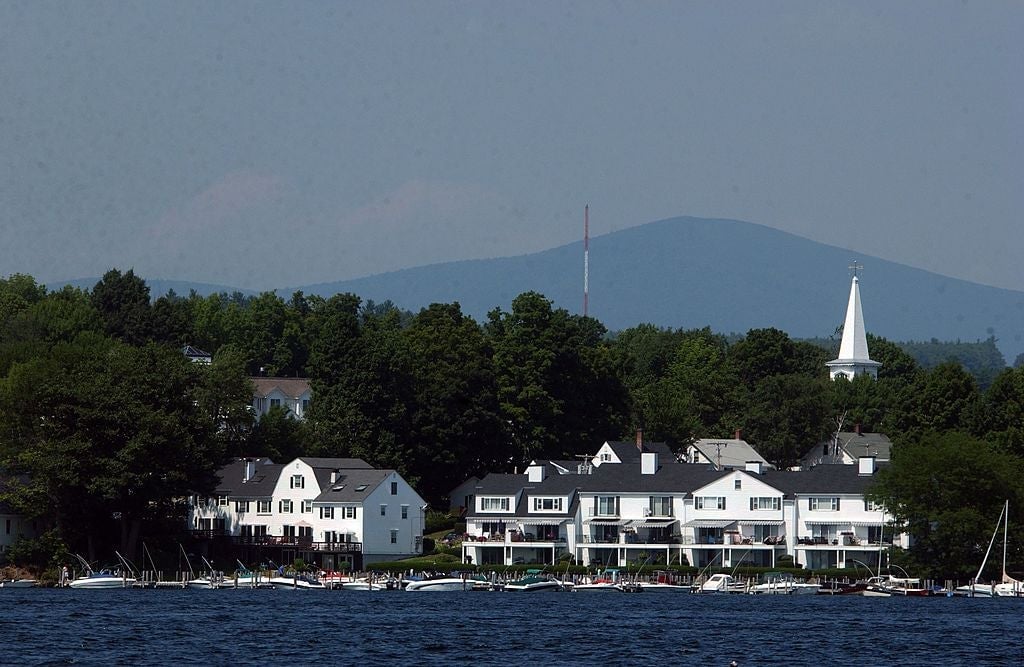
The top state takes the crown for the third year in a row, but there is movement elsewhere on the list

Do you think your state is better than the rest?
Each year, U.S. News & World Report embarks on the comprehensive task of evaluating and ranking the states across the United States. While it’s not possible to really say which is the best of them all, the report tries to find a data-driven perspective to help residents and policymakers understand how their state measures up.
The rankings are based on a thorough analysis of multiple factors across eight key categories: health, education, economy, infrastructure, opportunities, crime, fiscal stability, and the natural environment. 2025's evaluation also included specific elements such as hospital quality, housing affordability, exposure to industrial toxins, college rankings, and income equality. These factors collectively create a comprehensive picture of each state's overall performance and quality of life.
The state that has secured the top position for the third consecutive year is celebrated for its diverse and robust economy, intelligent student population, low crime rates, and relatively healthy residents. According to U.S. News, these attributes significantly contribute to its high ranking.
On the other hand, states that find themselves at the bottom of the list often struggle with high crime rates and inadequate healthcare systems. These issues can significantly impact residents' quality of life and are critical factors in the rankings. The rankings are not just a reflection of current conditions but also serve as a tool for states to identify areas for improvement.
Understanding the factors considered in U.S. News state rankings can offer valuable insights into what makes a state thrive or falter. The rankings take into account a wide array of data points, from economic indicators to environmental quality, offering a holistic view of each state's strengths and weaknesses.
Education — the highest-weighted category in this analysis — plays a pivotal role in the rankings. States that excel in education often have well-funded schools, high graduation rates, and access to quality higher education institutions. These factors not only enhance the state's reputation but also contribute to a skilled workforce and economic growth. For instance, a state with a strong education system may attract businesses looking for a well-educated workforce, thereby boosting the local economy.
Conversely, states that rank poorly in education may face challenges such as underfunded schools, lower graduation rates, and limited access to higher education. These issues can have long-term implications for the state's economic prospects and overall quality of life. A state struggling in education might find it difficult to attract new businesses or retain its young population, leading to a cycle of economic stagnation.
Crime is another critical factor in the rankings. U.S. News evaluates crime rates by examining data on violent crimes and property crimes. States with lower crime rates are often perceived as safer and more desirable places to live, which can attract new residents and businesses. For example, a state with a reputation for safety might see an influx of families looking for a secure environment to raise their children.
In contrast, states with high crime rates may struggle to attract new residents and investments, which can hinder economic growth and development. Addressing crime is essential for states looking to improve their rankings and enhance the quality of life for their residents. A state with high crime rates might need to invest in community policing and social programs to create a safer environment.
Want to know if your home state landed in the top or bottom? Continue reading to see which were ranked the highest and lowest.