
Costs and care access shape retirees' options at the state level. WalletHub ranked all 50 to determine the best places to retire in America

Matt Anderson Photography / Getty Images
Retirement places the most financial pressure on household budgets at precisely the moment income becomes fixed. A retiree who moves to a state with high property taxes and expensive in-home care can exhaust savings years earlier than one who settles somewhere with low costs and robust senior services. The difference is not marginal: state-level variation in taxes, infrastructure, and the availability of social programs can reshape the trajectory of retirement finances entirely. Where someone retires matters as much as how much they save before leaving the workforce, and 65% of non-retired adults say their savings are not on track.
Cheap housing tells only part of the story. States with low adjusted costs of living do not automatically deliver strong retirements. The data shows that the worst-performing states combine mediocre affordability with collapsed medical infrastructure and thin quality-of-life offerings. A low cost of living does not offset the absence of medical access, social infrastructure, and transportation. The states that score highest manage to both keep costs down and deliver above-average care, personal safety, and recreation for active retirement living.
WalletHub compared all 50 states across 46 metrics to produce its 2026 retirement rankings. The study organized those metrics into three categories: Affordability, Quality of Life, and Health Care. WalletHub graded each metric on a 100-point scale, with a score of 100 representing the most favorable conditions for that measure. WalletHub weighted Affordability at 40 total points and Quality of Life and Health Care at 30 points each, then calculated an overall score for each state. The rankings below cover the three strongest and three weakest states from that study.

RichVintage / Getty Images
Wyoming earns first place in the 2026 rankings with an overall score of 61.56, finishing first in Affordability, sixth in Quality of Life, and third in Health Care. Adjusted for retirees' spending patterns, Wyoming's cost of living falls in the more affordable half of the country. The state levies no estate tax and no inheritance tax, reducing the drag on assets passed to families and lowering the long-term planning burden for seniors on a fixed income. Wyoming also boasts the third-lowest general tax burden according to WalletHub's taxpayer ranking, which tracks costs across property, sales, and income taxes combined.
Wyoming's in-home care costs give retirees a concrete budget advantage. The state ranks fifth nationally for the lowest annual expense of homemaker services, allowing seniors to remain independent at home and postpone the need for costlier facility-based care. Wyoming also ranks fourth in Administration on Aging funding per senior resident, directing federal dollars toward transportation, nutrition, and in-home support at above-average rates. The state's seventh-lowest poverty rate among residents ages 65 and older confirms that its financial advantages translate into fewer older adults experiencing hardship in practice.
Safety conditions in Wyoming compound those affordability advantages. The state carries the fifth-lowest violent crime rate in the country, and Wyoming places 10th in elder abuse protections, guarding seniors against risk factors such as exploitation and financial manipulation that grow with age. The state ranks 14th in the share of residents who do favors for their neighbors, a measure of community cohesion that correlates with reduced isolation among seniors. Strong protective conditions matter more for older adults because their capacity to respond to and recover from threats declines over time.

The Good Brigade / Getty Images
Florida finishes second overall with a score of 61.55, ranking second in Affordability, 12th in Quality of Life, and seventh in Health Care — trailing Wyoming by less than one-tenth of a point. Florida eliminates the three levies retirees most commonly identify as budget threats: estate duties, inheritance charges, and state income taxes. The state receives more federal funding per senior through the Older Americans Act than all but two other states, and channels resources into transportation assistance, homemaker services, and nutritional programs.
Florida's recreational and social infrastructure separates it from states that compete only on cost. The state holds the second-most shoreline miles of any state, providing continuous access to coastal environments. Florida hosts the second-most adult volunteer activities in the country, giving retirees structured opportunities to maintain social engagement and purpose. The state ranks fifth in theater companies per capita and eighth in golf courses and country clubs — two categories tied to sustained well-being for older adults. Those activity options support Florida's Quality of Life rank of 12th despite an overall cost of living that exceeds many competing retirement destinations.
Medical outcomes in Florida confirm that its lifestyle advantages carry into clinical results. Florida records the third-lowest death rate for residents ages 65 and older, a figure that reflects the quality of available care and the effects of an active, socially engaged senior population. Retirees who stay physically mobile and socially connected face lower mortality risks, and Florida's infrastructure directly supports both. The state's higher cost of living relative to lower-ranked competitors does not cancel those advantages: Florida's eliminated income and estate levies, above-average federal senior funding, and third-lowest 65-plus death rate produce a retirement environment that ranks second nationally. Retirees who prioritize coastal access, recreational variety, and tax efficiency find the state's overall package difficult to match elsewhere.

Dean_Fikar / Getty Images
South Dakota earns third place with a score of 58.69, ranking 15th in Affordability, 25th in Quality of Life, and fourth in Health Care. Its medical environment distinguishes it sharply from other affordable Midwest states: South Dakota's senior care infrastructure outperforms all but three states in the country. The state levies no estate tax and no inheritance tax. The poverty rate for residents ages 65 and older ranks 13th-lowest nationally, and the state records the fourth-lowest share of seniors who faced hunger in the past 12 months. Elderly residents maintain enough financial stability here to meet basic needs.
South Dakota's hospitals anchor its advantage. The state holds the second-best geriatrics hospital ranking in the country, meaning seniors who need specialized treatment for age-related conditions find world-class facilities without leaving the state. South Dakota ranks second-lowest for the share of elderly residents experiencing frequent mental distress — defined as 14 or more days of poor psychological well-being in a month — which reflects both the strength of available services and broader conditions shaping daily life. The state also ranks third-highest for family medicine physicians per capita, ensuring older adults access primary care at rates well above the national average. High physician density matters for retirees because they require medical contact more often than younger populations.
South Dakota's environmental record adds a dimension that few top-ranked states match at the same level. The state holds the fifth-best air quality in the country, reducing seniors' exposure to respiratory hazards that worsen with age. South Dakota also ranks third-lowest nationally for drinking water violations tied to public health, meaning older adults face minimal contamination risk from municipal supplies. Clean air and safe water reduce the disease burden on a population already managing the challenges of aging. Those environmental strengths compound the clinical infrastructure advantages, producing conditions in which seniors face fewer external threats while accessing above-average care when needs arise.
larrybraunphotography.com / Getty Images
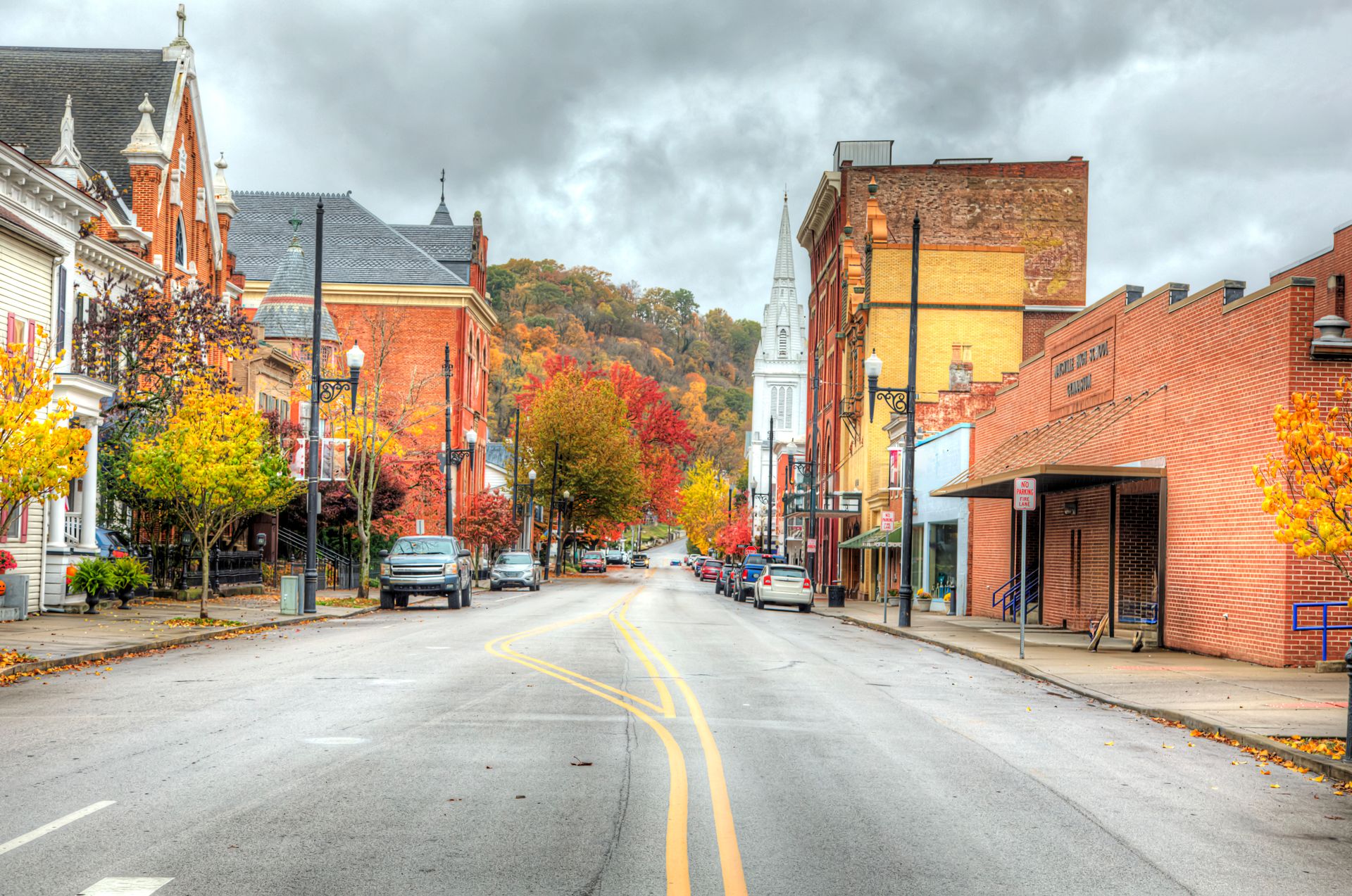
Kentucky finishes 50th with an overall score of 41.83, the lowest in the country. The state places 34th in Affordability, 42nd in Quality of Life, and 47th in Health Care. Kentucky's modest affordability gains do not close wide gaps in longevity, clinical access, and social conditions. Lower expenses come with some of the country's worst retirement-related conditions.
Kentucky's mortality data place it among the states with the shortest lifespans. Life expectancy figures rank Kentucky 47th nationally, meaning residents live shorter lives on average than those in 46 other states. Low longevity for a retirement destination directly limits the central purpose of the retirement decision: years available for active post-work life. Kentucky's Health Care rank of 47th reflects limited physician access, below-average hospital quality, and a senior population carrying elevated rates of disability and poor wellness relative to the national picture. The share of adults ages 65 and older with good or better self-reported health in Kentucky shows a population experiencing worse physical status than seniors in the overwhelming majority of states.
Kentucky's Quality of Life rank of 42nd adds social and environmental conditions that compound the clinical disadvantages. The state offers retirees below-average access to the recreational, cultural, and community resources that sustain engagement in later years. Kentucky's Affordability rank of 34th places it solidly in the middle of the country on cost. If it were among the least expensive states, it could at minimum offset some of its weaknesses. Instead, Kentucky delivers mediocre affordability alongside near-bottom medical access and well-below-average quality of life.

cstar55 / Getty Images
Oklahoma places 49th overall with a score of 42.59, carrying an Affordability rank of 31st, a Quality of Life rank of 48th, and a Health Care rank of 43rd. Oklahoma holds the lowest adjusted cost of living in the country, yet its overall finish demonstrates that the cheapest state to live in does not become the best place to retire when medical access and quality-of-life infrastructure fail simultaneously. The state finishes neither competitive in cost — given its 31st Affordability rank — nor adequate in the two dimensions retirees depend on most.
Oklahoma's Quality of Life rank of 48th reflects conditions that constrain an active retirement at nearly every level. The state's violent crime rate sits among the country's highest, exposing seniors to elevated safety risks. Property offenses in Oklahoma also place in the bottom tier nationally. Because their physical capacity to respond to and recover from incidents declines with age, older adults who depend on community stability face compounding vulnerability in states where both violent and property crime remain high. Oklahoma's Affordability rank of 31st places it in the middle third nationally on cost, meaning it provides neither the financial advantages that would offset its infrastructure gaps nor the social and medical resources that justify paying more.
Health care in Oklahoma falls in the bottom quarter of states at 43rd. Seniors face reduced access to physicians, specialists, and hospitals relative to higher-ranked peers. The Health Care rank interacts directly with the Quality of Life rank: a retiree who encounters limited social engagement, elevated crime exposure, and below-average clinical access simultaneously faces conditions that no single budgetary advantage addresses. Oklahoma's overall score of 42.59 sits nearly 16 points below third-ranked South Dakota's 58.69, a margin that illustrates how completely the bottom of these rankings diverges from the top and signals the scale of improvement the state would need to become competitive as a retirement destination.
larrybraunphotography.com / Getty Images
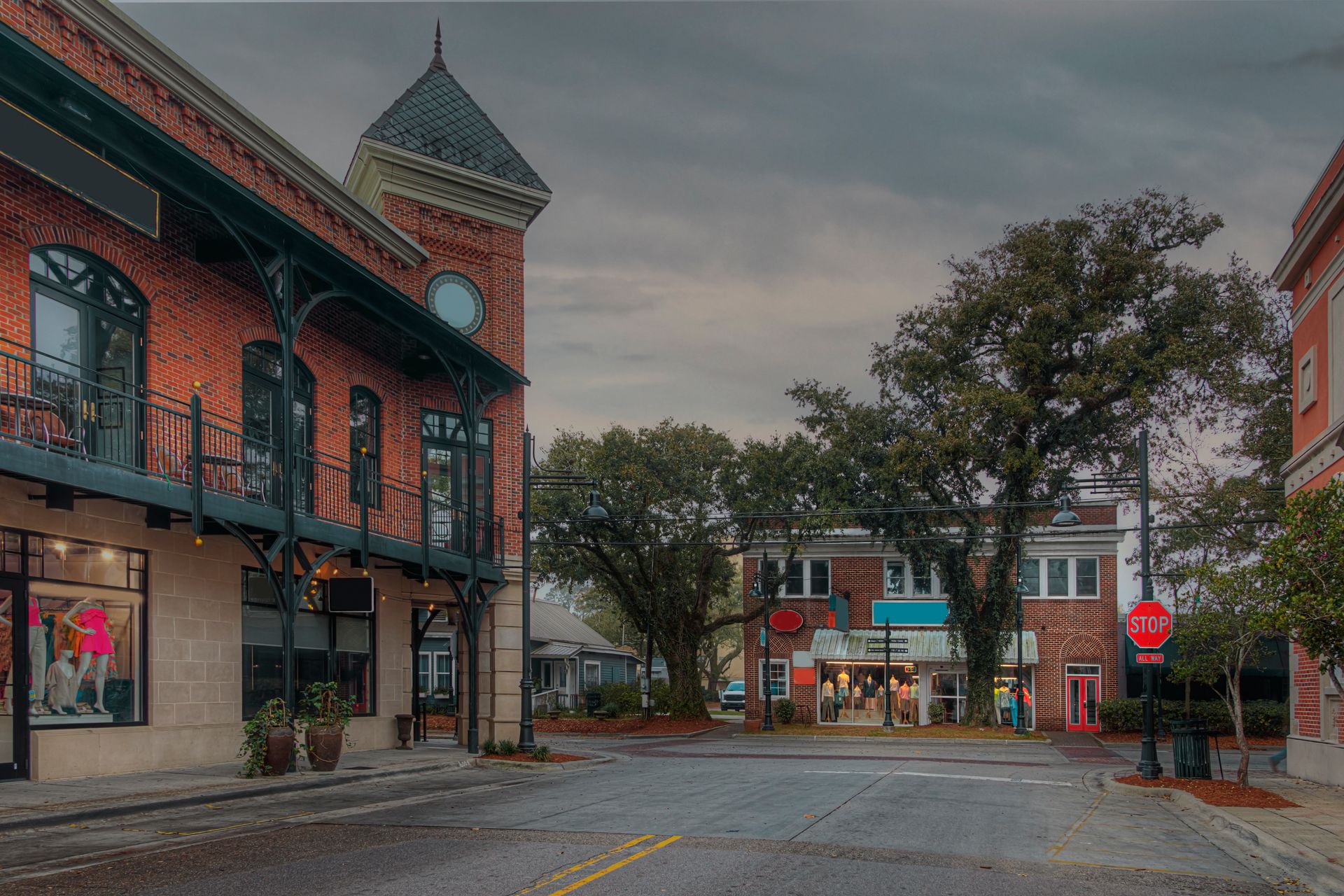
Mississippi ranks 48th overall with a score of 44.60, placing ninth in Affordability but finishing 49th in both Quality of Life and Health Care. A low cost of living does not compensate when the systems supporting aging rank among the country's weakest. A retiree in Mississippi finds reduced adjusted expenses, but the medical infrastructure available to support aging — and the quality-of-life conditions surrounding it — sit near the bottom on both dimensions simultaneously.
Mississippi's mortality data reflect its near-last position in the medical dimension. The state sits at the very bottom of WalletHub's life expectancy sub-ranking. Low longevity for a retirement destination signals that medical access, environmental conditions, and population wellness converge to shorten the active years a retiree can expect. Mississippi's quality-of-life rank of 49th compounds those concerns: seniors in the state encounter thin social infrastructure, limited recreational resources, and elder-care conditions among the country's worst. Inadequate medical access and scarce social resources reinforce each other. Residents who lack clinical care face worsening physical outcomes, and residents with fewer community connections face elevated isolation risk, which itself accelerates decline.
Mississippi holds the fewest museums per capita of any state, trailing New York, the national leader, by a factor of six. Theaters per capita place Mississippi last in the country, with New York's density running 34 times higher. Those figures measure more than entertainment access. They reflect the concentration of cultural and civic institutions that support engagement for seniors who no longer structure their days around work. Even if Mississippi saves retirees money on paper, the state performs so poorly on medical, safety, and lifestyle grounds that its low costs fail to register in a meaningful way.