Housing costs eat up less than 20% of income in some U.S. cities. WalletHub ranked 182 rental markets to sort the best from the worst

Laura Brain / Unsplash
Roughly 46 million American households rent rather than own, a figure that has been growing steadily as home prices and mortgage rates push ownership further out of reach for younger workers, lower-income families, and residents of the country's most expensive metro areas. Renting was once seen as a temporary arrangement before buying, a stepping stone on the way to a mortgage and a front yard. For a growing share of the population, it has become the long-term reality, not because they prefer it but because the economics of buying don't work where they live and work. The national median rent has climbed above $1,950 per month, a figure that consumes more than 30% of the median household income in dozens of cities and more than 50% in some of the most expensive.
The experience of being a renter varies enormously depending on where you live. In some cities, renters can find spacious, well-maintained apartments at prices that leave room in the budget for savings, recreation, and day-to-day expenses. In others, renters face a combination of high costs, aging housing stock, elevated crime rates, and limited job opportunities that makes the economics of renting feel like a trap rather than a choice. The gap between the best and worst rental markets isn't a matter of marginal differences in rent. It reflects fundamental variation in how cities manage housing supply, public safety, infrastructure, and quality of life for the residents who don't own property.
WalletHub compared 182 of the largest U.S. cities across 21 metrics to determine which rental markets deliver the most and least value. The rental market and affordability category, worth 60% of the total score, measures rent as a share of income, historical rent changes, cost of living, vacancy rates, and the quality and age of available housing stock. Quality of Life is worth the remaining 40%, and tracks crime rates, job availability, school quality, weather, recreation, and driving conditions. Arizona and Kansas cities dominate the top of the rankings, while the bottom three share a common profile of high crime, aging housing, and weak quality-of-life scores that overwhelm whatever affordability advantage their low rents would otherwise provide.
Darren Hibbs / Unsplash
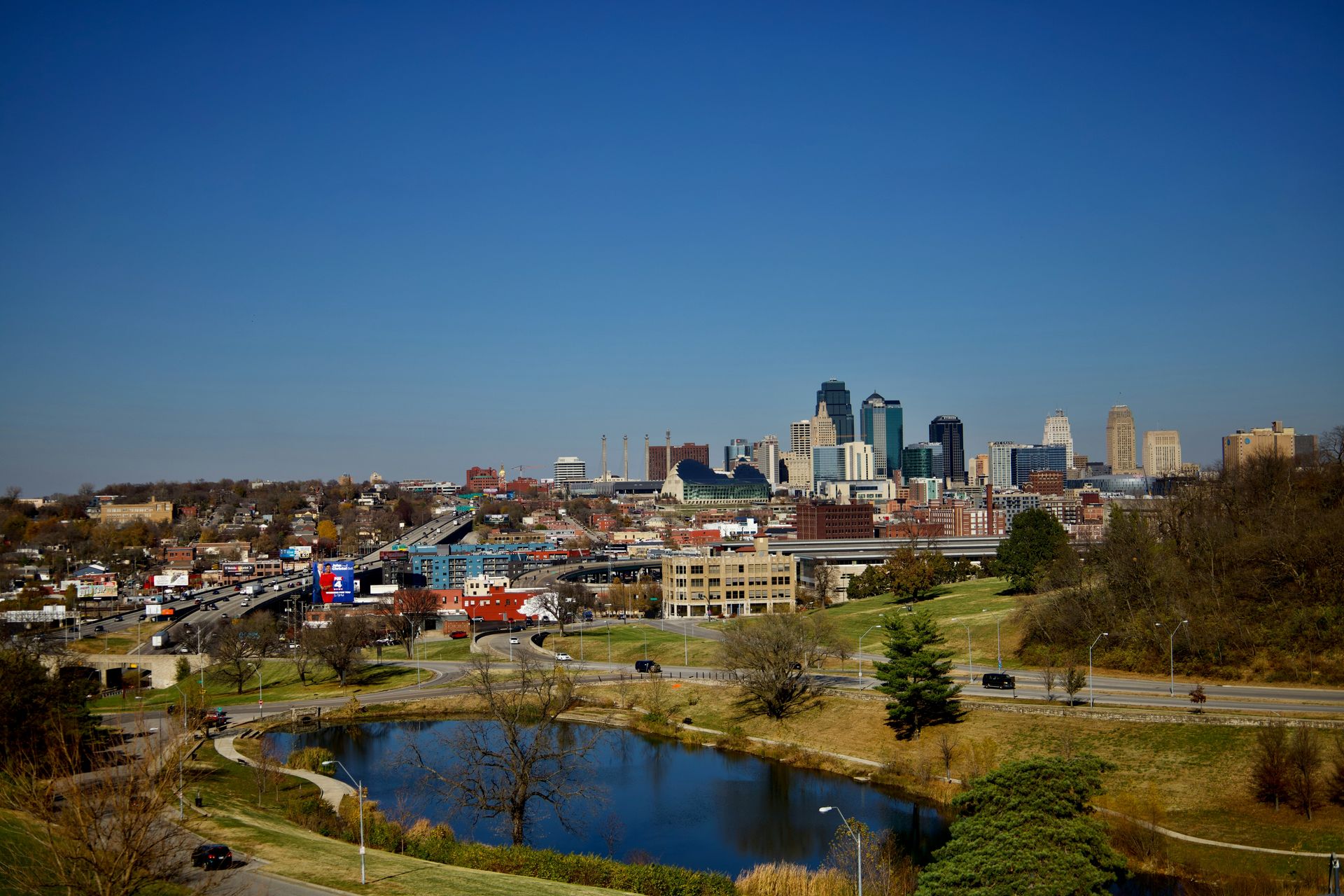
Overland Park, Kan., earned the top spot in WalletHub's 2026 rankings with a score of 66.93 out of 100, the sixth-best rental market grade, and the seventh-best quality-of-life grade, making it the most well-rounded city for renters in the entire study. The average renter in Overland Park spends roughly 17% of their annual income on housing, the eighth-lowest share among all 182 cities, and just 18% of renter households are severely cost-burdened, meaning they spend more than half their income on housing. Those figures reflect a rental market that hasn't outrun the incomes of the people living in it, a distinction that fewer and fewer American cities can claim.
RentCafe data from July 2026 shows an average apartment rent of $1,547, up a modest 2.15% from the prior year. One-bedroom apartments run $1,354 and two-bedroom units average $1,651, prices that sit 12.7% above the broader Kansas City metro average but remain well below what renters pay in comparable-quality suburbs of larger coastal metro areas. The median household income in Overland Park is $82,400, and the city's overall cost of living runs 7% below the national average, with housing costs specifically 18% below the national figure. A renter earning the median income would spend roughly 22% of gross pay on a two-bedroom apartment, a level that housing economists consider comfortable and sustainable.
Overland Park's quality-of-life score is driven by a combination of strong schools, low crime, and a job market anchored by major employers in the Kansas City metro. The city sits in Johnson County, Kan., and serves as a suburban hub for companies, such as T-Mobile $TMUS, Black & Veatch, and OptumRx, which draw young professionals and families from higher-cost metros, such as Los Angeles, Chicago, and Washington. Redfin migration data shows significant inbound movement from those cities, and Overland Park's population of roughly 200,000 is growing at 1.2% per year. WalletHub's data shows that 55% of the city's public schools earn a rating of seven or higher out of 10 from GreatSchools.org, a figure that only 11 cities out of the full 182 in the study can match. Combined with the 33rd-lowest crime rate and spacious housing, with an average home square footage of 2,809 (the highest in the country), Overland Park gives renters a rare combination of affordability, space, safety, and access to high-quality public services.

Matthew Hamilton / Unsplash
Scottsdale, Ariz., placed second with a score of 65.97, driven by the single best quality-of-life grade in the entire study. WalletHub ranked it first for both job availability and driving environment, fourth for weather, and sixth for recreation, a combination of lifestyle factors that no other city in the rankings could match. Renting in Scottsdale isn't cheap by Sun Belt standards. The average apartment rents for $2,093 per month, and the city's 53rd-place rental affordability ranking reflects the premium that comes with living in one of the Phoenix metro's most desirable communities. But the typical renter still spends only about 21% of annual income on housing, a figure that remains well within the comfort zone for a city that ranks this high on every other livability measure.
The rental stock in Scottsdale reflects a market that caters to a well-educated, high-earning population. Point2Homes data shows that 57% of Scottsdale renters hold a bachelor's degree or higher, and the largest share of the renter population falls in the 25-to-34 age range, followed by the 35-to-44 group. The average rented home offers 2,331 square feet, among the largest in the country, and the city's housing stock is newer than what renters find in most other top-ranked cities, with a significant share of units built after 1990. Rents have been essentially flat over the past year, rising just 0.6% to $2,093, and the largest share of apartments (43%) fall in the $1,500 to $2,000 range, meaning that renters who don't need luxury finishes or top-tier neighborhoods can find options below the citywide average without sacrificing quality.
Arizona's regulatory environment adds protections that bolster Scottsdale's appeal. The state has specific laws addressing bedbug infestations in rental properties, a factor WalletHub tracks because it directly affects the quality of a renter's living conditions and the landlord's obligation to address problems. Arizona doesn't impose rent control, which means the market sets prices freely, but the current supply-demand balance has kept increases minimal. The Phoenix metro's ongoing construction boom continues to add inventory across the East Valley, and that pipeline of new units is one reason Scottsdale's rents have remained stable even as the city's population and desirability continue to grow. For renters who prioritize weather, recreation, employment access, and driving convenience, and who can absorb a rent that runs modestly above the national average, Scottsdale offers a lifestyle premium that its quality-of-life score confirms isn't just marketing language.
Jonathan Meyer / Unsplash
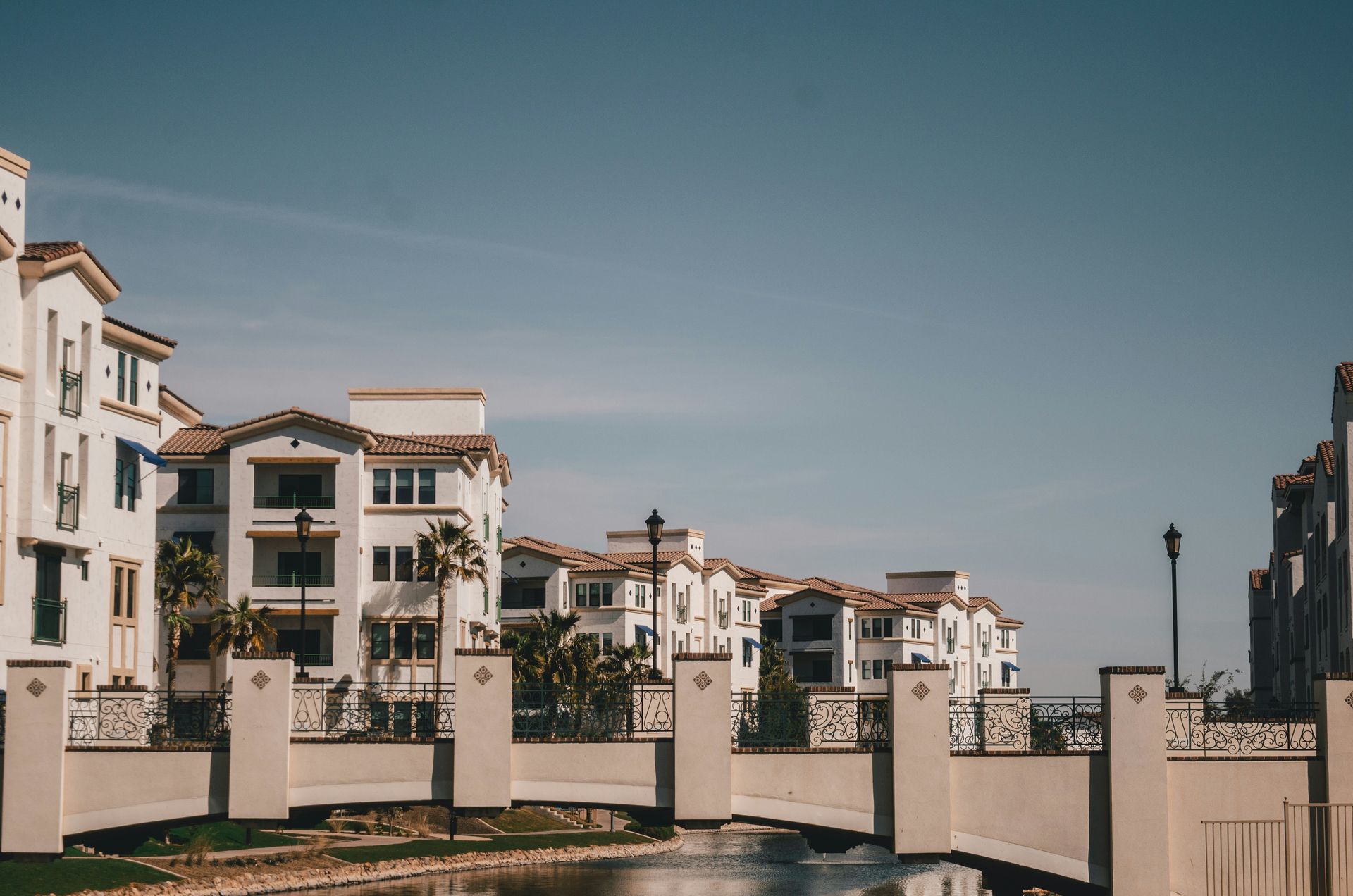
Chandler, Ariz., landed in third place with a score of 65.75, earning the 12th-best rental market grade and the fourth-best quality-of-life score. The city shares several of Scottsdale's strengths, including Arizona's favorable regulatory environment and the broader Phoenix metro's construction pipeline, but it delivers those advantages at a lower price point. RentCafe data from July 2026 shows an average apartment rent of $1,710, a 1.44% decrease from the prior year, with one-bedroom units averaging $1,516 and two-bedroom apartments at $1,791. Rents in Chandler are roughly $400 per month less than in Scottsdale, a meaningful gap for renters choosing between two cities that sit just 15 miles apart in the East Valley.
WalletHub's data shows that the average Chandler renter spends approximately 21% of income on housing, and only 18% of renter households are severely cost-burdened, matching the share in top-ranked Overland Park, Kan. Chandler also benefits from one of the highest concentrations of newer housing stock in the study. More than 16% of the city's housing inventory dates from 2010 or later, providing renters with a supply of modern, well-maintained units that isn't available in older Midwest and Northeast cities. The maximum security deposit a landlord can charge under Arizona law is two months' rent, a cap that lowers the upfront cost of moving into a new apartment and makes it easier for renters, particularly younger ones with limited savings, to make a transition without draining their reserves.
Chandler's economy is anchored by a tech corridor that includes Intel $INTC, Microchip Technology, and a growing cluster of semiconductor and advanced-manufacturing firms, which creates a steady pipeline of well-paying jobs within commuting distance of the city's apartment complexes. Point2Homes data shows that 54% of Chandler's rental households are families, and 32% include children under 18, a distribution that reflects the city's appeal to working parents who value the combination of good schools, low crime, and proximity to employment. The renter population skews younger and more educated than the national average, with 38% holding a bachelor's degree or higher and the largest age cohort falling in the 25-to-34 range. For renters who want the lifestyle benefits of the Phoenix metro without paying Scottsdale prices, Chandler offers a compelling alternative where affordability and quality of life don't require a tradeoff.
Leo_Visions / Unsplash
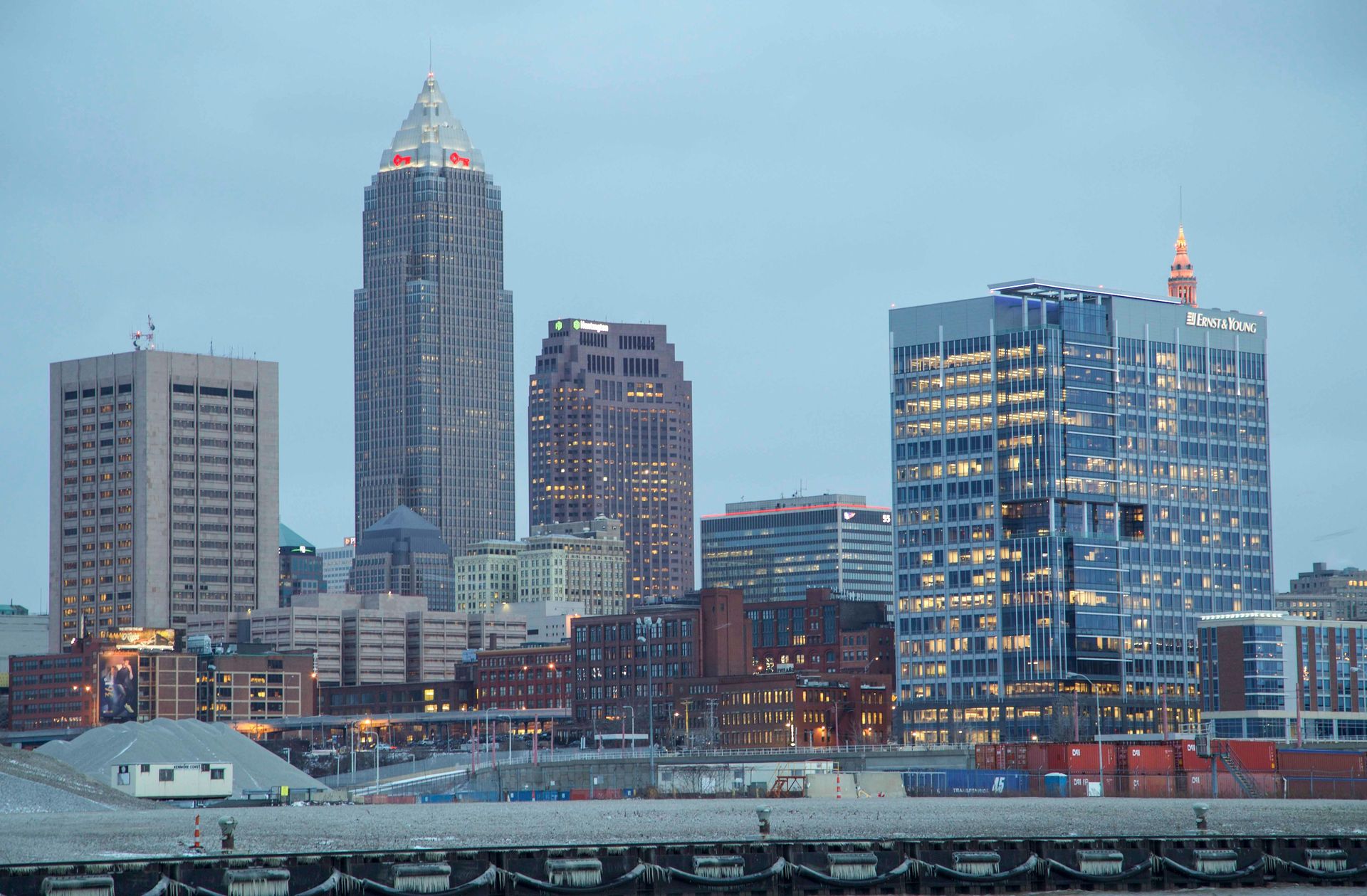
Cleveland finished 180th out of 182 cities with a score of 30.20, earning the 166th-worst rental market grade and the 178th-worst quality-of-life score. The city's rents are among the lowest in the study, which would ordinarily signal affordability. RentCafe data from July 2026 shows an average apartment rent of $1,564, up just 1.66% from the prior year, and Zumper puts the figure even lower at $1,250, or 36% below the national average. A renter earning $50,000 per year could comfortably afford an apartment in most Cleveland neighborhoods without exceeding the 30% affordability threshold. The problem is that low rent alone doesn't make a city a good place to live, and Cleveland's quality-of-life score drags it down to the bottom of the rankings despite prices that would be considered a bargain in almost any other context.
The aging housing stock is a significant factor. Point2Homes data shows that 43% of Cleveland's rental units were built in 1939 or earlier, the highest concentration of pre-war housing of any city near the bottom of the WalletHub list. Units built before World War II often carry higher maintenance costs, outdated electrical and plumbing systems, and energy-efficiency problems that translate into elevated utility bills for renters. Cleveland's rental market is also unusually renter-heavy, with 58% of all housing units occupied by tenants rather than owners, a ratio that reflects both the city's affordability and the ongoing reluctance of many residents to buy in a market where long-term home-value appreciation has been uneven. The city's economy has diversified into healthcare, technology, and advanced manufacturing, and median home values are projected to reach roughly $243,000 in 2026 (up 4.6% year over year), but the benefits of that growth haven't translated into the kind of broad quality-of-life improvements that would lift the city's ranking.
Cleveland's safety record is the primary driver of its low quality-of-life score. WalletHub weights crime at double the value of most other quality-of-life metrics, meaning that the city's elevated violent- and property-crime rates count heavily against its overall grade. The same pattern that penalizes Cleveland also affects its Rust Belt neighbors. Akron, Ohio, the only other Ohio city in the bottom 10, earned comparably poor marks on safety and quality of life. For renters evaluating Cleveland from a pure-affordability standpoint, the math can work. A two-bedroom apartment in a well-located suburb runs $1,200 to $1,900, and the city's proximity to major employers in the Cleveland Clinic and University Hospitals health systems provides a stable job base. The tradeoff is that renters accept quality-of-life conditions that most of the cities ranked above Cleveland don't ask them to accept, and WalletHub's methodology reflects that tradeoff clearly.

Alex Brisbey / Unsplash
Detroit placed 181st with a score of 29.89, earning the 151st-worst rental market grade and the second-worst quality-of-life score in the entire study. RentCafe data from June 2026 shows an average apartment rent of $1,337, up a modest 1.09% from the prior year, and the city's most affordable neighborhoods, such as Vernor and Conner, offer one-bedroom apartments for $524 to $650 per month, prices that are exceptionally low by any national measure. For renters who can't afford to live in higher-cost cities and who need to minimize their monthly housing expense above all other considerations, Detroit's raw affordability is real and significant.
The costs that don't show up in the rent figure are what push Detroit to the bottom of the rankings. Crime data from 2026 shows an overall crime rate 209% above the national average, higher than 99% of major U.S. cities, with burglary rates 237% above average and property crime 229% above average. WalletHub weights safety at double the value of most quality-of-life metrics, and Detroit's numbers in that category are among the worst in the study. Property taxes compound the affordability picture further. Detroit's effective property tax rate of roughly 2.8% is the highest of any major city in Michigan, and landlords pass those costs through to tenants via higher rents or deferred maintenance. Insurance premiums for rental properties run 30% to 50% higher than in the surrounding suburbs, another cost that ultimately reaches renters in the form of reduced investment in building upkeep and fewer high-quality units on the market.
Detroit's downtown and midtown neighborhoods have undergone significant revitalization in recent years, with investments from Ford $F, Rocket Mortgage, and other major employers helping to push residential occupancy rates in the central business district to 94% in 2026. The city's economy is more diversified than the automotive monoculture of decades past, and the broader metro area offers strong employment in healthcare, technology, and finance. But WalletHub's methodology evaluates the city proper, not the metro, and the conditions that renters face across Detroit's 139-square-mile footprint are fundamentally different from the curated experience of a downtown high-rise. For the median renter, the city offers low prices in exchange for conditions that the data says are among the most challenging in the country, and the revitalization that has transformed a handful of central neighborhoods hasn't yet reached the broader rental market in a way that changes the overall picture.

Gabriel Tovar / Unsplash
Memphis finished dead last among all 182 cities with a score of 28.05, earning the 159th-worst rental market grade and the single worst quality-of-life score in WalletHub's study. The city's rents are among the lowest in the country. Rent.com data from 2026 shows average apartment rents between $1,150 and $1,230 depending on unit size, with the most affordable neighborhoods, such as North Parkway Village and Whitehaven, offering one-bedroom apartments for $550 to $590 per month. A renter earning the city's median income would spend a relatively small share of their paycheck on housing, a metric that would normally push Memphis up the affordability rankings. Instead, the city's quality-of-life grade overwhelms any affordability advantage, producing the lowest combined score of any city in the study.
Crime has historically been the single biggest drag on Memphis' livability scores, and WalletHub's data, collected as of June 2025, captures a snapshot of conditions before the city's most dramatic recent improvement. The Memphis Police Department reported that violent crime fell more than 40% year over year in early 2026, with homicides declining to 184 in 2025 (down from 249 in 2024 and a 47% drop from the 2023 peak). The Memphis Safe Task Force, a coalition of local, state, and federal law enforcement, has produced more than 7,400 arrests and seized 1,219 illegal firearms since its deployment in late 2025. Those numbers represent one of the largest year-over-year crime reductions of any major U.S. city, and they suggest that future editions of the WalletHub study could show a meaningfully different picture for Memphis if the trend holds.
The rental market itself reflects the broader challenges that keep Memphis at the bottom of the rankings. The city's housing stock is older than the national average, and many neighborhoods outside the revitalized downtown and midtown corridors face the same combination of deferred maintenance, limited new construction, and vacancy that affects other low-ranking cities in the study. The suburban communities surrounding Memphis, such as Germantown, Tenn., Collierville, Tenn., and Bartlett, Tenn., consistently score better on safety and livability, but they're separate municipalities that don't appear in the Memphis city-proper data that WalletHub evaluates. For renters who are willing to trade quality-of-life metrics for an extremely low monthly payment, Memphis can work. The 2026 crime data gives legitimate reason to think the city's trajectory is improving, and renters who are evaluating Memphis today are looking at a different safety picture than the one WalletHub's June 2025 data captures. Whether that improvement proves durable enough to reshape the city's ranking in future years is the question that matters most.
