
Credit: Mathias Reding, Pexels
Art theft is, by most measures, a terrible crime to commit. The black market for stolen masterworks is far thinner than Hollywood suggests, the objects are nearly impossible to sell openly, and law enforcement agencies in dozens of countries maintain databases of looted works that make resurfacing a Rembrandt a long-term risk calculation. And yet it keeps happening. The FBI estimates that art and cultural property theft generates somewhere between $6 billion and $8 billion in illicit proceeds annually, placing it among the most lucrative categories of international crime alongside drug trafficking and arms dealing.
What makes art heists so persistent — and so endlessly discussed — is the gap between what thieves apparently expect and what they get. The fantasies are cinematic: a masterpiece fenced to a secretive billionaire, or held for ransom against a museum too embarrassed to call the police. The reality is more often a stolen painting rotting in someone's attic for decades while the thief waits for a buyer who never comes. Of the roughly 50,000 artworks stolen each year worldwide, only a fraction are ever recovered. The rest disappear into legal limbo.
But the methods behind the thefts themselves are genuinely worth examining. Art museums are, paradoxically, designed to be open — to let millions of strangers wander past irreplaceable objects every year. Security systems must balance deterrence with accessibility, and that tension creates vulnerabilities that thieves, whether opportunistic amateurs or organized professionals, have exploited in ways both elaborate and embarrassingly simple. Some heists involved months of reconnaissance. Others took less than ten minutes and relied on nothing more than a ladder and an unlocked window.
The works stolen in these cases span centuries and continents: Dutch Golden Age masters, Impressionist icons, ancient artifacts, and Modernist landmarks. Some have been recovered; many have not. A few cases remain so murky that investigators still disagree on basic facts. Together, they tell a story not just about crime, but about how societies value objects, how institutions protect them — or fail to — and what happens when the most portable form of concentrated cultural wealth meets determined, reckless, or simply lucky thieves.
These are 15 of the most significant art heists in history, and how each one unfolded.
1 / 15
Credit: Dries Buytaert / dri.es (CC BY 4.0)
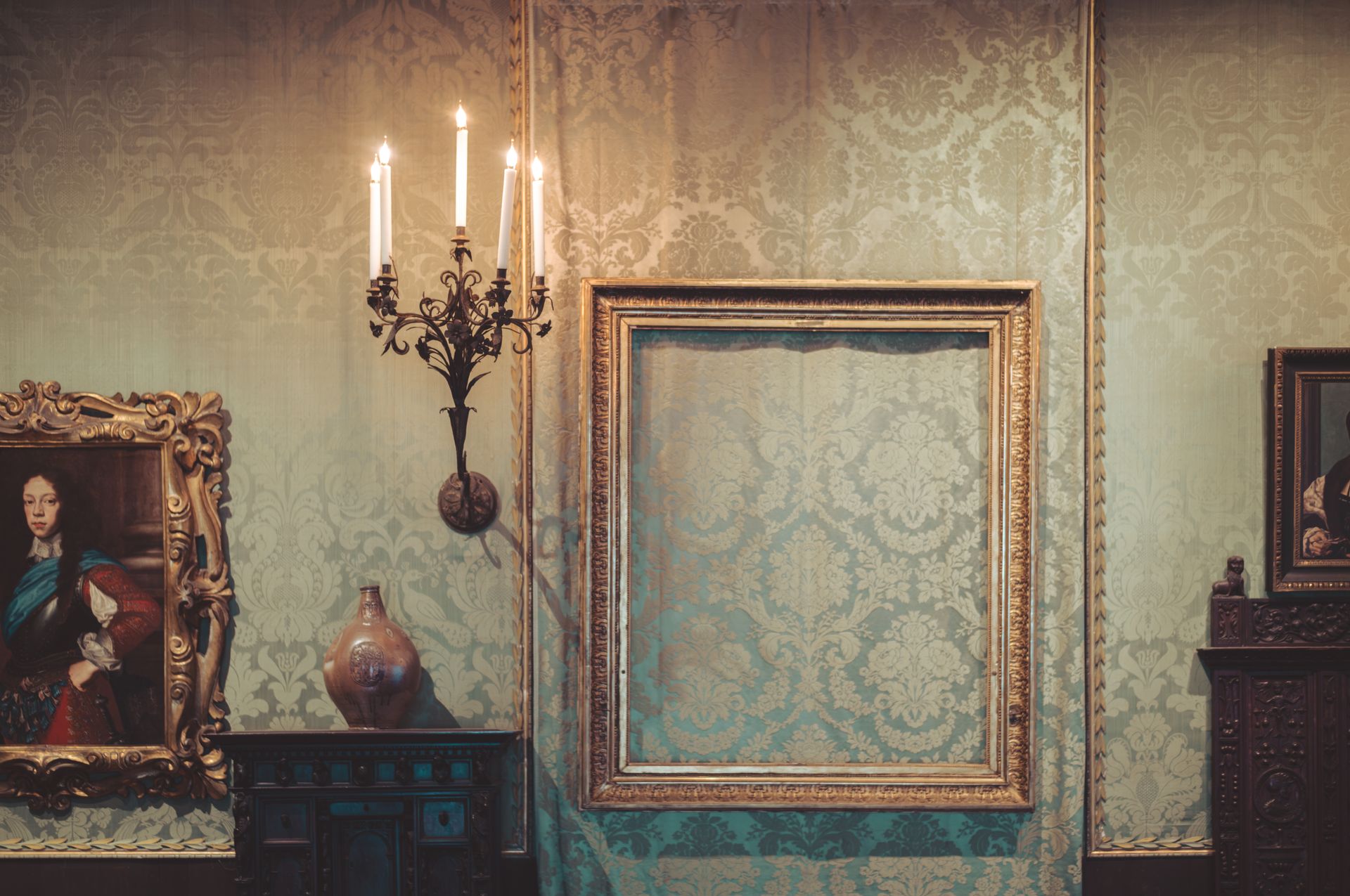
In the early hours of March 18, 1990, two men dressed as Boston police officers knocked on the side entrance of the Isabella Stewart Gardner Museum in Boston. They told the guard on duty that they were responding to a disturbance call. He buzzed them in. It was one of the costliest mistakes in the history of American museums.
Once inside, the men handcuffed both security guards, taped their eyes and mouths, and secured them to pipes in the basement. They then spent approximately 81 minutes moving through the museum, cutting canvases from frames and rolling them up or folding them — damaging the works in ways that would complicate any future restoration. They left with 13 pieces in total, including Vermeer's "The Concert," three Rembrandts (among them "The Storm on the Sea of Galilee," his only known seascape), five Degas sketches, a Manet oil, a Chinese bronze finial, and a Napoleonic flag.
The total value of the stolen collection has been estimated at over $500 million, making it the largest art theft in U.S. history by value — a record it still holds. The museum's founder, the eccentric Boston socialite Isabella Stewart Gardner, had written into her will that the collection must never change. As a result, the empty frames still hang in the museum today, by institutional policy, as placeholders for works that have never been found.
The FBI has named several suspects over the decades, including figures connected to the Boston criminal underworld and the Irish Republican Army. A 2013 announcement suggested investigators believed they knew who had taken the paintings — members of a Boston crime organization — but no charges were ever filed and no works recovered. The reward currently stands at $10 million.
What made the theft possible was a combination of lax security and human error. The museum had no motion detectors at the time, the guards were not trained to refuse entry to anyone claiming to be police, and the CCTV system recorded only motion and location, not images. The thieves appear to have done minimal reconnaissance; some accounts suggest the whole plan was improvised. The audacity of the approach — impersonating officers at the door — was also its key weakness, since it left two living witnesses and a detailed description of the men. Despite decades of investigation, the Gardner heist remains unsolved.
2 / 15
Credit: aiva., Flickr
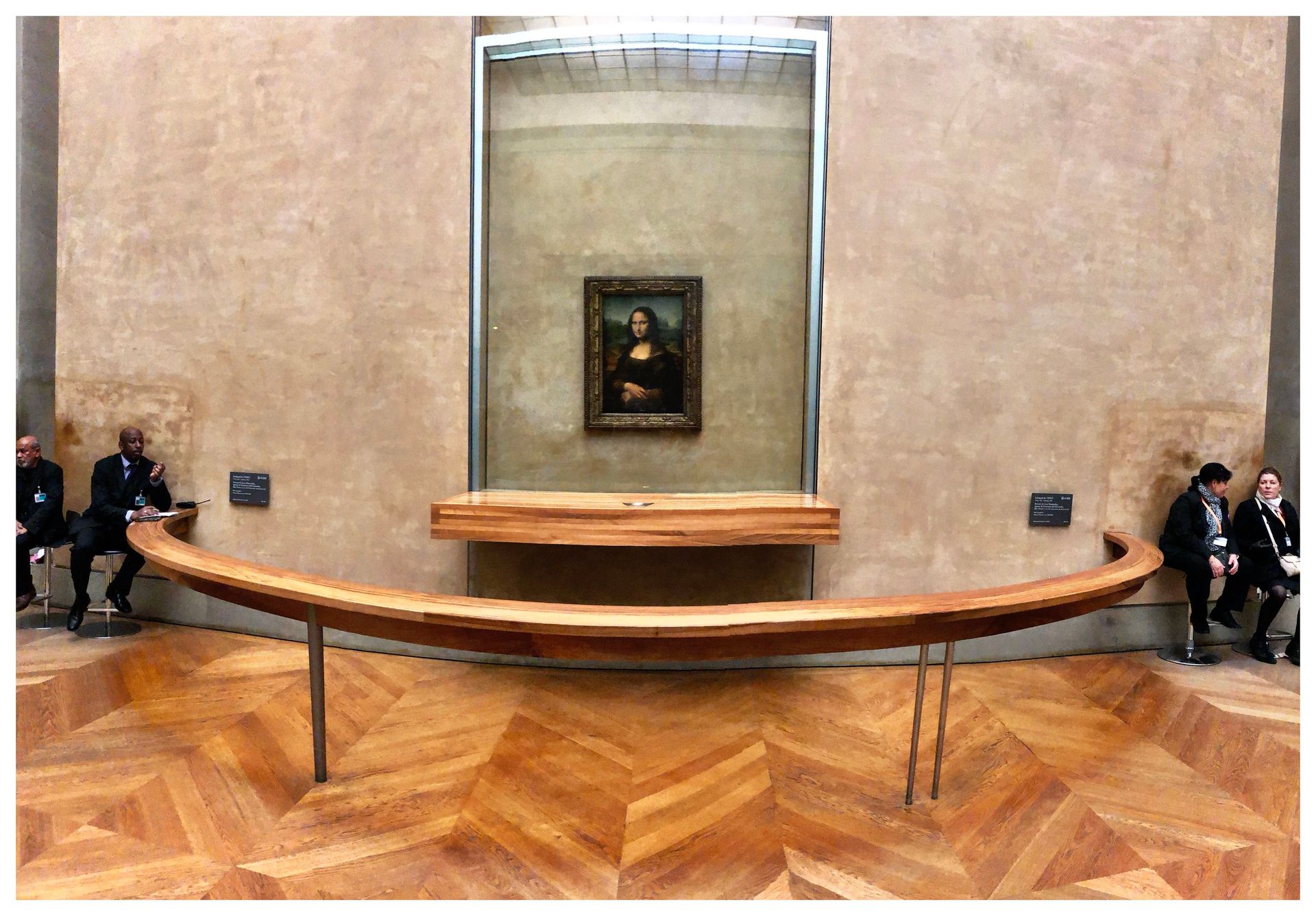
On August 21, 1911, a museum worker named Vincenzo Peruggia walked out of the Louvre carrying Leonardo da Vinci's "Mona Lisa" under his smock. He had hidden inside the museum the previous night, removed the painting from the wall in the early morning hours when the galleries were closed, and simply walked out through a side door. The theft was not discovered until the next day, when a painter who arrived to work from the painting noticed it was missing.
Peruggia was an Italian carpenter who had previously worked at the Louvre installing protective glass cases for paintings — including the one that housed the Mona Lisa. He believed the painting had been looted from Italy by Napoleon and that he was repatriating it. In fact, Leonardo had brought the painting to France himself. Peruggia kept the painting hidden in his apartment in Paris for more than two years, living a normal life in the city while a global panic over the theft unfolded.
The theft made the Mona Lisa famous in a way it had never previously been. Before 1911, the painting was admired but not iconic. The empty wall at the Louvre drew crowds of curious Parisians. Newspapers worldwide ran the story on their front pages for weeks. The French police questioned every art expert, dealer, and known criminal in Paris. They even briefly suspected Pablo Picasso and the poet Guillaume Apollinaire, both of whom were detained for questioning.
Peruggia was caught in 1913 when he attempted to sell the painting to an art dealer in Florence. He had contacted Alfredo Geri, who ran a gallery there, claiming to have the painting and asking for a reward for its return. Geri asked to see it, confirmed its authenticity with the director of the Uffizi Gallery, and alerted police. Peruggia was arrested in his hotel room.
He served about seven months in prison. The painting was exhibited across Italy before being returned to the Louvre in January 1914. The theft had, inadvertently, transformed the Mona Lisa into the most recognized artwork in the world — a status it has never relinquished.
3 / 15
Credit: Phong Thanh, Pexels
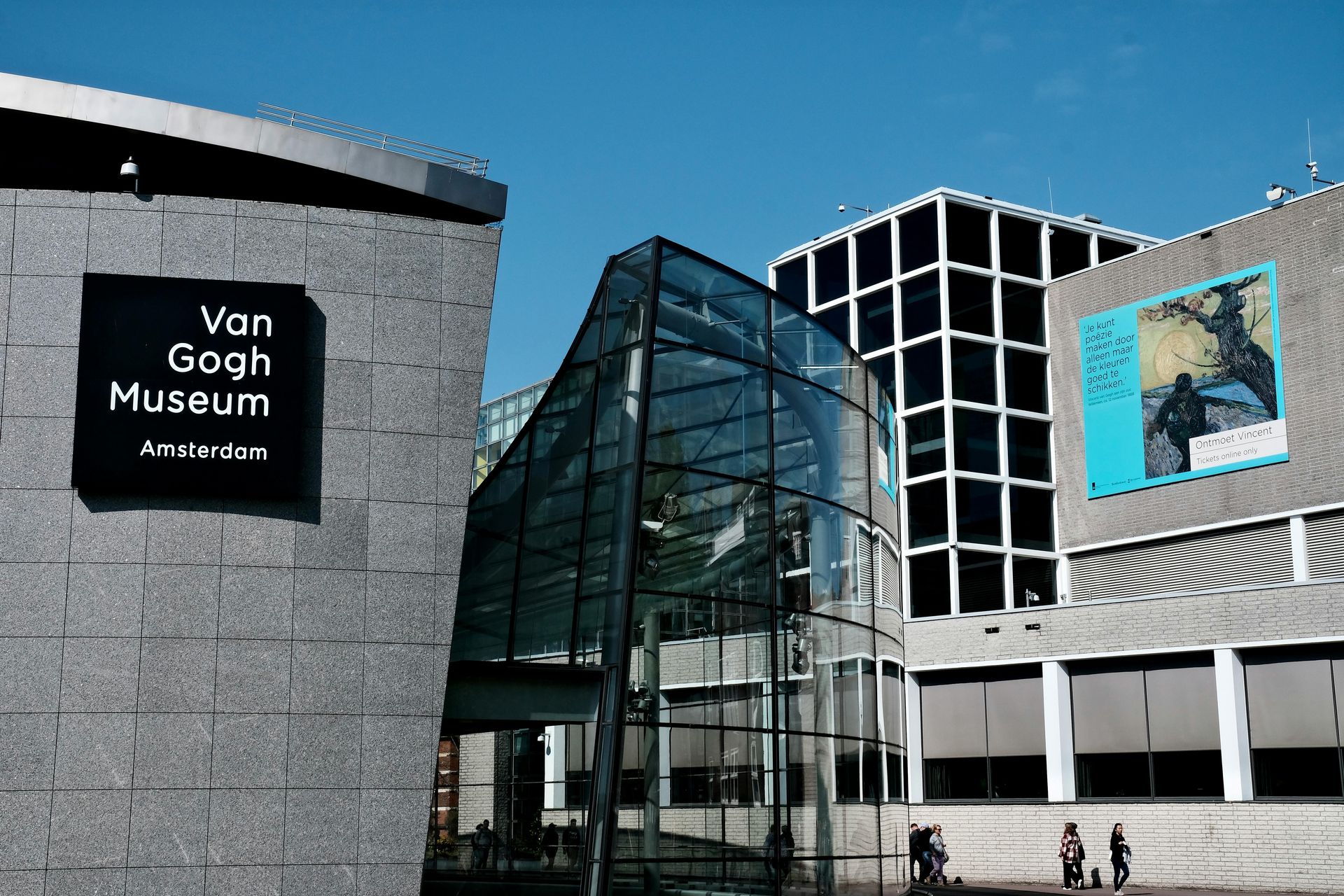
The Van Gogh Museum in Amsterdam has been robbed twice, roughly two decades apart, in two very different operations that reveal how art theft methods — and museum security — evolved over the late 20th and early 21st centuries.
The first theft occurred on December 7, 1991. Two men entered the museum just before closing time, hid until the building was empty, and then used a rope to climb out a window with two paintings: "The Parsonage Garden at Nuenen in Spring" and "The Congregation Leaving the Reformed Church in Nuenen," both from Vincent van Gogh's early period. The museum had no alarm on that particular window. The thieves were caught within 35 minutes — police stopped a car with the paintings inside nearby — but the episode exposed the museum's vulnerability to after-hours concealment.
The second theft was more elaborate and more damaging. On December 7, 2002 — exactly 11 years later to the day — thieves used a ladder to climb to the roof of the museum at approximately 3:15 in the morning. They broke a skylight window, entered the building, and triggered alarms that brought police within minutes. But the thieves moved fast. In the time before police arrived, they removed two paintings: "View of the Sea at Scheveningen" and "Congregation Leaving the Reformed Church in Nuenen" — the same early-period work taken in 1991 and recovered. The thieves escaped; the paintings did not surface for years.
In 2016, Italian police raided the home of a convicted Camorra (Neapolitan mafia) boss named Raffaele Imperiale in a villa in Castellammare di Stabia, near Naples. Behind a false wall, they found the two stolen van Goghs. Imperiale, who was living in Dubai at the time, subsequently surrendered the paintings through intermediaries, claiming he had grown tired of hiding them. Both works were returned to the museum in damaged condition, requiring significant conservation work.
The two thefts together illustrate a recurring pattern in high-profile art crime: the actual taking of the work is often the easy part. What follows — hiding, selling, or negotiating the return of an instantly recognizable stolen painting — is where most art thieves eventually lose.
4 / 15
Credit: Bert76, Wikimedia Commons / (CC BY-SA 4.0)
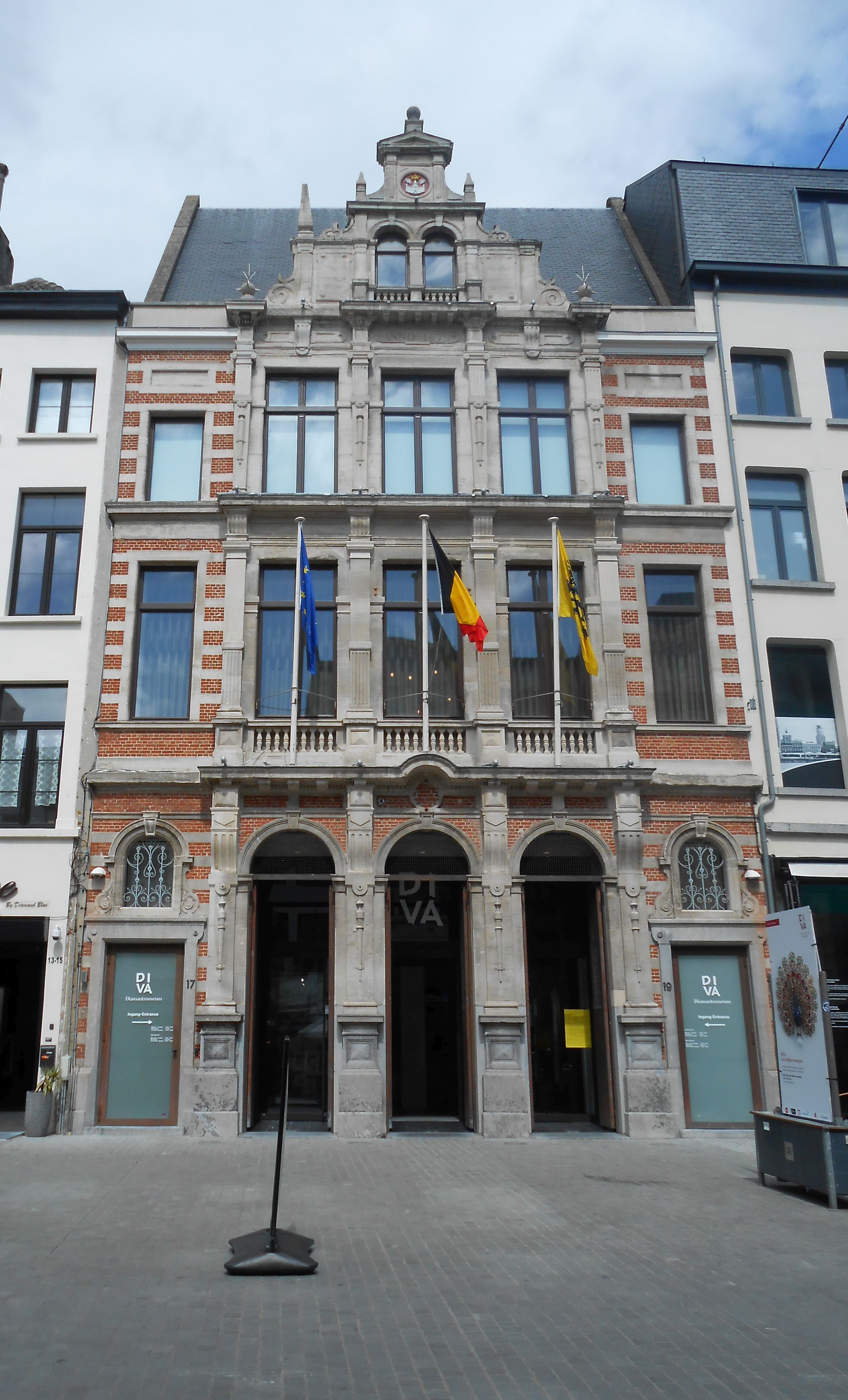
The theft from the Antwerp Diamond Museum — formally the Diamantmuseum — in 2003 was notable less for the artworks taken than for what the thieves left behind: a trail of evidence that seemed almost deliberately careless for people who had just stolen objects worth millions.
The museum in Antwerp, Belgium sits in the heart of the world's diamond district, and its collection includes historical diamond jewelry, tools, and objects alongside documentation of the diamond trade. On the night of June 1, 2003, a team broke in through a window, disabled alarms, and made off with diamond-encrusted jewelry, historical pieces, and decorative objects from the collection — the total value was estimated at several million euros.
What distinguished the aftermath was the recovery operation. Belgian police found a partial sandwich near the scene with bite marks. They retrieved DNA from the bread and ran it against the national database. The lead investigator also found a strand of hair at the scene and traces left on the window. The combination of biological evidence was enough to identify and prosecute several members of the gang.
This case became a teaching example in European law enforcement circles — not as a model theft, but as a model recovery, demonstrating how biological evidence left at seemingly secure crime scenes could be decisive. It also illustrated the degree to which thieves who are technically capable of defeating alarm systems are often less careful about the mundane traces they leave.
The objects from the Antwerp museum theft were ultimately recovered in fragments — some had been partially dismantled for the stones — which is a common outcome for jeweled or decorative art objects. Unlike paintings, which are difficult to alter, gem-encrusted pieces can be broken apart and the components sold separately, making full recovery rare. In this case, the evidentiary trail proved more valuable than the security technology itself.
5 / 15

Credit: M J Richardson, Wikimedia Commons / (CC BY-SA 2.0)
Drumlanrig Castle in Dumfriesshire, Scotland, is one of the finest private art collections in the U.K. Its owner, the Duke $DUK of Buccleuch, has amassed works across centuries, including pieces that once belonged to King Charles I. Among the most valuable was a small painting on panel attributed to Leonardo da Vinci, known as "Madonna with the Yarnwinder" — one of only about 20 paintings in the world carrying a secure Leonardo attribution.
On August 27, 2003, a group of tourists arrived at the castle for a guided tour. Nothing about them appeared unusual. During the tour, two of the men separated from the group, overpowered a member of staff, and removed the Leonardo from the wall. They escaped through a window and drove away in a waiting car. The entire theft took a matter of minutes. A cycling tourist near the castle's car park reportedly tried to stop the getaway vehicle but was unsuccessful.
The painting, insured for £65 million and considered essentially priceless as a cultural object, disappeared from public knowledge for four years. In 2007, police in Glasgow mounted a sting operation. Acting on intelligence developed through informants in the Scottish criminal underworld, officers posed as art dealers willing to broker its sale and arranged a meeting. When the thieves turned up to negotiate, they were arrested. The painting was recovered undamaged.
Four men were eventually convicted in connection with the theft and its attempted sale. The operation highlighted something that law enforcement agencies have noted across many high-value art cases: stolen masterpieces rarely remain with the original thieves. They move through criminal networks, and the people eventually caught attempting to sell them are often intermediaries rather than the people who took them from the wall.
The Leonardo was returned to Drumlanrig Castle, where it remains on display — now behind significantly more robust security.
6 / 15
Credit: Mathias Reding, Pexels
On May 20, 2010, a lone thief broke a window of the Musée d'Art Moderne de la Ville de Paris at around 3 in the morning and removed five paintings from the walls. The total haul included works by Picasso, Matisse, Modigliani, Braque, and Léger — an almost implausible concentration of Modernist giants in a single overnight raid. Estimated value at the time: around €500 million.
The theft was discovered when a security guard arrived for the morning shift. CCTV footage showed the intruder breaking the window and entering, but the camera covering that section of the museum had a broken lock on its bracket and had been turned away from the relevant area — either by chance or by prior interference. The alarm system had malfunctioned, and no alert had been sent during the night. The five canvases — Picasso's "Le Pigeon aux Petits Pois," Matisse's "La Pastorale," Modigliani's "La Femme à l'Éventail," Braque's "L'Olivier près de l'Estaque," and Léger's "Still Life with Candlestick" — were gone in under ten minutes.
French police arrested Vjeran Tomic, a serial art thief who had previously stolen from the same museum and others, along with two accomplices. Tomic claimed during his trial that he had destroyed two of the paintings himself, cutting them from their frames and later burning or discarding them because he panicked when the theft became front-page news. He said he kept the Picasso and Matisse for years and attempted to sell them but could find no buyers.
No paintings were ever recovered. Tomic was sentenced to eight years in prison. His co-defendants received shorter sentences. The case became a reference point for the argument that major museums in Europe were operating security systems that were years, if not decades, out of date. Paris, in particular, attracted scrutiny for repeated security failures across several institutions.
7 / 15
-900x900.jpg)
Credit: Stefan Krasowski, Wikimedia Commons / (CC BY 2.0)
Edvard Munch's "The Scream" holds a distinction shared by very few artworks: it has been stolen twice, from two different museums, in two separate operations.
The first theft occurred on February 12, 1994 — the opening day of the Winter Olympics in Lillehammer, Norway. Thieves broke a window at the National Gallery in Oslo, climbed in, and lifted the painting from the wall. They left a note reading "Thanks for the poor security." The whole operation took approximately 50 seconds. Norwegian police, working with the Getty Foundation and British authorities, mounted a sting operation and recovered the painting undamaged about three months later, in May 1994. Two of the thieves were convicted.
The second theft targeted a different version of the painting — Munch created four versions of "The Scream," two in pastel and two in paint. The one stolen in 2004 was housed at the Munch Museum in Oslo. On August 22, 2004, armed men entered the museum in broad daylight, threatened staff with guns, and ripped the painting from the wall, also taking "Madonna," another Munch work. Both paintings were taken in front of museum visitors and staff.
The 2004 theft triggered an international investigation. The paintings were not recovered for two years. In August 2006, Norwegian police announced they had been found in a police operation, significantly damaged by water and handling. Three men were convicted of the theft, including a man who had been convicted of the murder of a Norwegian finance minister.
The two Scream thefts together raised questions about the protection of culturally singular works — objects so iconic, so recognizable, and so impossible to sell on the open market that their theft seems to serve either as a ransom gambit or as a statement. In neither case did the thieves profit cleanly from what they took.
8 / 15
-1920x1080.jpg)
Credit: Alberto-g-rovi, Wikimedia Commons / (CC BY-SA 3.0)
Salvador Dalí spent much of his later life in Cadaqués and the nearby town of Port Lligat on the Costa Brava in Spain. His home there became part of the Dalí museum network — a series of spaces around Catalonia dedicated to his work and life. In September 2012, thieves broke into his former home in Cadaqués and stole nine works, including drawings and prints from different periods of his career.
The theft was notable for several reasons. Dalí's homes and museums in Catalonia are part of a formal cultural heritage structure maintained by the Gala-Salvador Dalí Foundation, which means thefts from them carry additional legal weight under Spanish law. The foundation reported the theft immediately and provided detailed inventories to Spanish and international authorities, including Interpol's Works of Art unit.
Dalí prints and drawings occupy an unusual position in the art market. Unlike unique oil paintings, prints exist in editions — meaning that stolen prints from well-documented series can sometimes resurface at auction or through dealers without immediately triggering recognition, particularly if documentation has been altered or separated from the work. This makes their recovery statistically more difficult than thefts of unique works.
Spanish police recovered several of the stolen pieces in subsequent investigations, but the case drew attention to a broader vulnerability: the homes, studios, and smaller satellite museums of 20th-century artists are often physically less secure than major institutional museums. They rely on a combination of community awareness, alarm systems, and the relative obscurity of their collections to deter theft — a combination that works until it doesn't.
The Cadaqués theft also reflected a trend that European law enforcement had been tracking: organized theft from smaller cultural institutions across southern Europe, often by networks that targeted works below a certain value threshold specifically because they were less likely to trigger the kind of international investigation that follows a headline theft.
9 / 15
Credit: Spencer Davis, Pexels
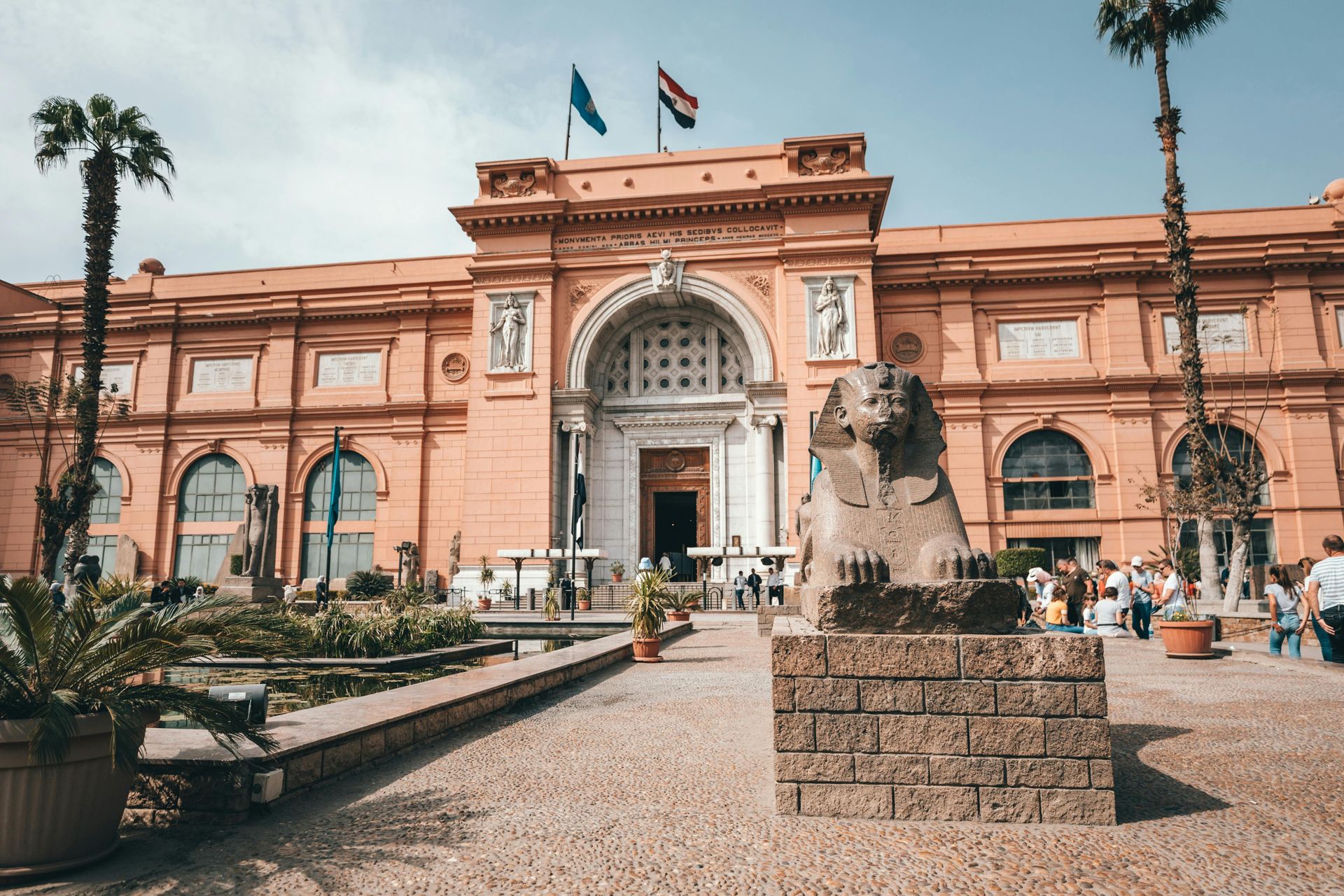
The Egyptian Museum in Cairo, one of the world's great repositories of ancient history, was breached during the Egyptian Revolution of 2011. On January 28, while protests across the country drew security forces away from cultural institutions and into the streets, looters broke through a skylight of the museum and entered the collection galleries.
The thieves smashed display cases and took a number of small objects. Initial reports suggested the number of missing items was in the hundreds, but a detailed inventory conducted in the weeks that followed produced a more precise accounting: 54 objects were confirmed stolen or damaged, including gilded wooden statues from Tutankhamun's collection. Several mummies were damaged when their cases were broken. Some objects were apparently dropped and smashed on the museum floor by people who entered without clear intent but caused destruction nonetheless.
Egyptian and international archaeologists feared a far worse outcome. The museum houses over 100,000 objects, including many of the most significant artifacts of ancient Egyptian civilization, and the absence of security during the chaos of January 28 represented a potential catastrophe that, in the event, was partially mitigated by Egyptian civilians who formed human chains around the museum to prevent looting on a larger scale.
Some of the stolen objects were recovered in subsequent months, turned in by people who had taken them impulsively and then reconsidered, or found in raids by Egyptian security forces. The incident prompted a significant international conversation about the vulnerability of major cultural institutions during periods of civil unrest, and Egypt subsequently invested in upgraded security for the museum.
The broader pattern of artifact looting in conflict zones — which spiked dramatically in Iraq after 2003, in Libya after 2011, and in Syria after 2012 — made the Cairo incident a relatively contained example of a much larger global problem.
10 / 15
Credit: Edgar Degas, Wikimedia Commons / (CC BY-SA 4.0)
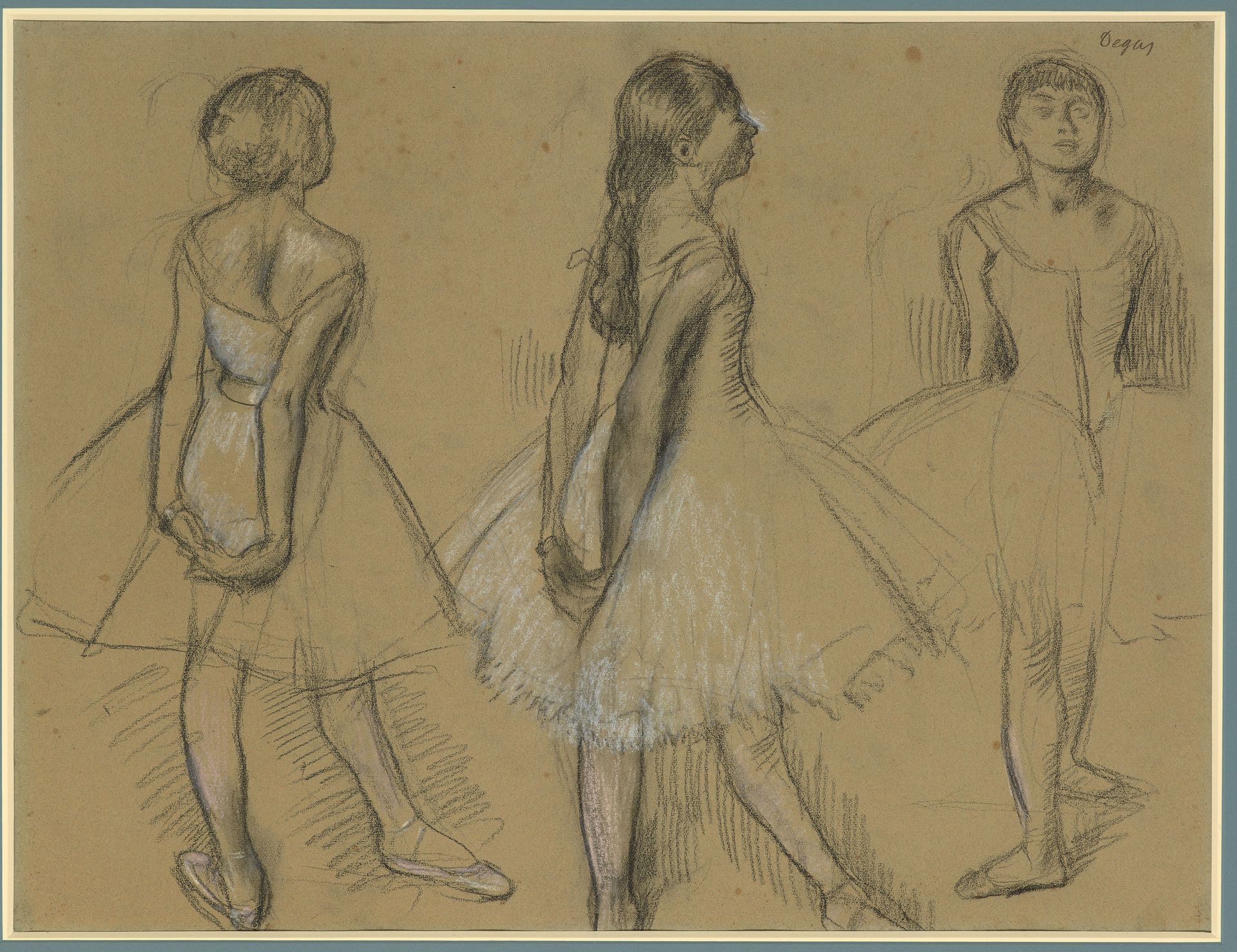
While the Gardner Museum theft is usually discussed around its Vermeer and Rembrandts, the five Degas drawings taken that night in 1990 represent a category of stolen work that is particularly difficult to recover: small works on paper, easily transported, relatively simple to store, and, compared to a Vermeer, less immediately recognizable to non-specialists.
Edgar Degas made thousands of drawings throughout his career. His sketches, studies, and finished works on paper are held in collections around the world, and while the five taken from the Gardner — showing scenes from the ballet and horse racing — are documented and their images circulated widely by investigators, paper works present specific challenges for recovery operations.
Unlike a large oil painting, which requires a particular kind of storage and handling, drawings can be rolled, folded, or sandwiched between boards and stored almost anywhere. They can be transported across borders in luggage. A small Degas drawing removed from its frame and stored in a tube looks like a piece of paper. The contrast with a rolled Rembrandt or a cut Vermeer canvas, which would require specialist conservation attention to avoid deterioration, is significant.
The Degas drawings from the Gardner have appeared in no confirmed sighting since 1990. Unlike the Rembrandts, which have generated numerous false leads and anonymous tips over the decades, the drawings have largely stayed invisible in public discussion of the theft. Investigators have speculated that this either means they passed quickly into private hands — a collector who asked no questions and keeps them permanently off-market — or that they were damaged or destroyed at some point in the intervening years.
The Gardner case as a whole illustrates a problem that pervades art crime investigation: institutions, FBI agents, and international databases can track and publicize a theft for decades, but without active cooperation from whoever holds the works, recovery depends almost entirely on the moment those works attempt to re-enter public circulation.
11 / 15
_-_Flickr_-_dalbera-1920x1363.jpg)
Credit: Jean-Pierre Dalbéra, Wikimedia Commons / (CC BY 2.0)
Pablo Picasso's personal collection — works he acquired from peers, gifts he received, and pieces he kept rather than sold — was assembled into a dedicated museum in Paris, the Musée National Picasso, housed in the Hôtel Salé in the Marais district. The museum holds one of the densest concentrations of Picasso's own work anywhere in the world.
On February 20, 2007, thieves broke into the Paris home of Christine Picasso, the artist's daughter-in-law, and stole eight works from the family's private collection — not from the museum itself, but from the domestic residence of a Picasso heir. The works included a large gouache on paper, a sketchbook, and several other pieces. Christine Picasso reportedly woke during the night and heard sounds downstairs but did not investigate.
The theft was not immediately reported publicly, which complicated early recovery efforts. When it was disclosed, French police confirmed that the works stolen were private family holdings, not part of the public museum. This distinction matters for insurance, documentation, and recovery: public museum collections are exhaustively catalogued, but privately held family pieces — even significant ones — may have more limited documentation and less public circulation of images.
Three men were arrested in 2009 in connection with the theft. Two were convicted. Not all of the stolen works were recovered. The case highlighted the exposure of art heirs and private family collections, which often hold works of significant value without the security infrastructure of a formal institution.
It also raised a more uncomfortable question: how many significant works held in private hands are stolen each year, never reported, or reported quietly and handled through private channels to avoid the publicity that publicly owned collections generate?
12 / 15

Credit: Alyona Pastukhova, Pexels
The Odessa Museum of Western and Eastern Art in Ukraine held one of the most significant collections outside of Kyiv — a gathering of European Old Master paintings, Italian Renaissance works, and decorative arts accumulated since the 19th century. On July 20, 2010, thieves broke into the museum and stole eight paintings, including works attributed to Caravaggio and other significant European masters.
The theft in Odessa fit a pattern that European investigators had identified across eastern Europe in the years following the collapse of the Soviet Union: systematic targeting of museum collections in countries whose law enforcement and security infrastructure was less robust, and whose cultural institutions had fewer resources to invest in security or to pursue international recovery operations.
Several of the Odessa works were eventually recovered, but not through conventional law enforcement channels. In 2014, a painting attributed to Caravaggio that had been taken in the 2010 theft was found in a villa near Naples during an operation by Italian police connected to a separate investigation. It had traveled from Ukraine through intermediary networks into the Italian black market.
The Odessa theft and its partial recovery illustrated the geography of the stolen art trade — which moves from east to west through the same criminal networks that handle other illicit goods, and which deposits works in western European cities where the concentration of buyers, dealers, and financial infrastructure makes transactions more feasible. Ukraine's cultural heritage losses from theft — compounded significantly by the destruction of the Russian invasion beginning in 2022 — represent one of the largest ongoing cases of cultural property loss in Europe.
13 / 15
Credit: Acediscovery, Wikimedia Commons / (CC BY-SA 4.0)
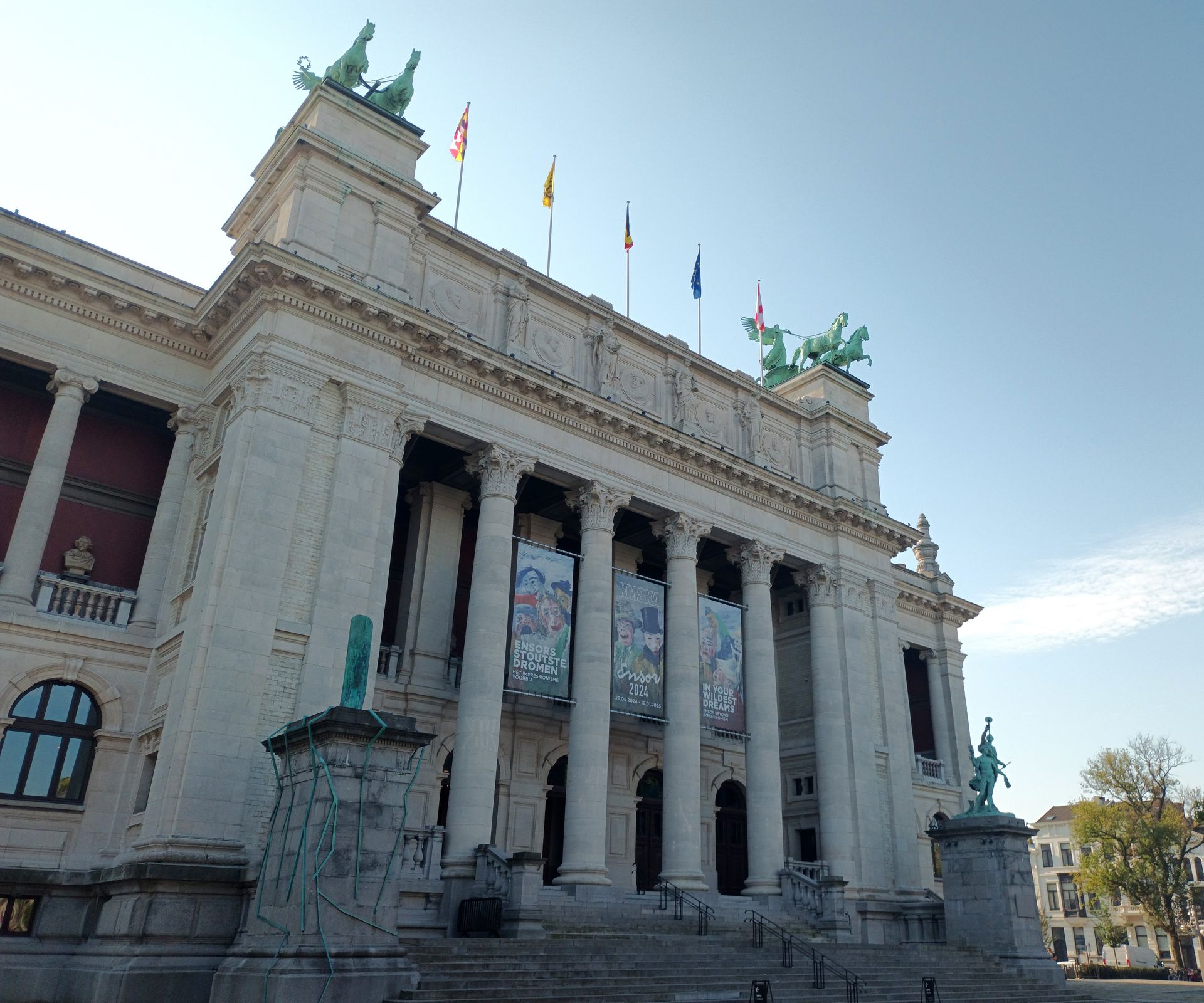
The Royal Museum of Fine Arts in Antwerp holds one of the most important collections of Flemish and Dutch Golden Age painting in the world, including major works by Rubens, van Dyck, and their contemporaries. On April 11, 1972, thieves took advantage of a poorly secured service entrance to enter the museum after hours and remove a small number of high-value paintings.
The 1972 Antwerp theft was an early example of what became a recurring problem across European museums in the 1970s and 1980s: institutions that had accumulated extraordinary wealth in the form of art had not invested proportionally in security. Many had the same alarm systems, if any, that they had installed in the 1950s. Night staff were minimal. Service entrances, delivery docks, and maintenance access points were treated as secondary concerns compared to the public-facing galleries.
The paintings taken in 1972 passed into the black market without immediate recovery. Some surfaced years later through dealers in other European countries; the provenance investigation required to confirm they were the stolen Antwerp works took years of documentation. This timeline — theft in one decade, partial surface in another — is common in cases involving works that are significant but not so famous as to be immediately recognizable.
The Royal Museum underwent significant security upgrades in subsequent decades and underwent a major renovation in the 21st century. The 1972 theft, while less famous than contemporaneous heists at other European institutions, represents a formative case in the development of European museum security policy. Its aftermath — slow, partial, imperfect recovery — shaped how institutions thought about documentation and the international circulation of provenance information.
14 / 15
Credit: PAUL FARMER, Wikimedia Commons / (CC BY-SA 2.0)
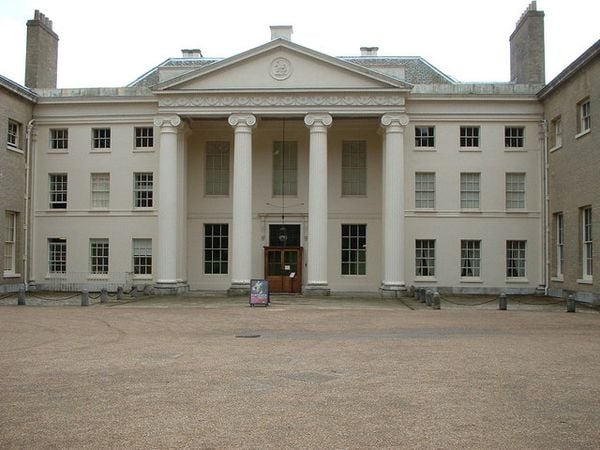
Johannes Vermeer painted fewer than 40 works in his lifetime, and each one is held with particular care by the institution lucky enough to own it. The Kenwood House in north London, a neoclassical mansion managed by English Heritage, holds a small but extraordinary collection including Vermeer's "The Guitar Player" — a late work, luminous and spare, showing a young woman holding a guitar against a light background.
On February 23, 1974, thieves broke into Kenwood House and stole "The Guitar Player" along with another painting. They left a ransom demand, threatening to destroy the works unless a prisoner — an Irish Republican Army member — was transferred to a prison in Northern Ireland. The theft was widely believed to have been carried out by IRA sympathizers, though this was never conclusively proved.
The paintings were not destroyed. After several months of tense negotiation, during which the British government refused to meet the political demand, the Vermeer was recovered in a churchyard at St Bartholomew the Great in Smithfield, London, on May 25, 1974. It had been left in a bag, apparently abandoned after the ransom negotiation collapsed. The painting was undamaged.
The Kenwood theft sits within a specific category of politically motivated art crime — where the work is used as leverage not for money but for political concessions. Several IRA-linked thefts in the 1970s and 1980s followed a similar logic: take an irreplaceable object, make an unpayable demand, and force a negotiation that the government cannot win cleanly. In every case, the governments involved refused the political demands. In most cases, the works were eventually recovered, though sometimes in damaged condition.
15 / 15
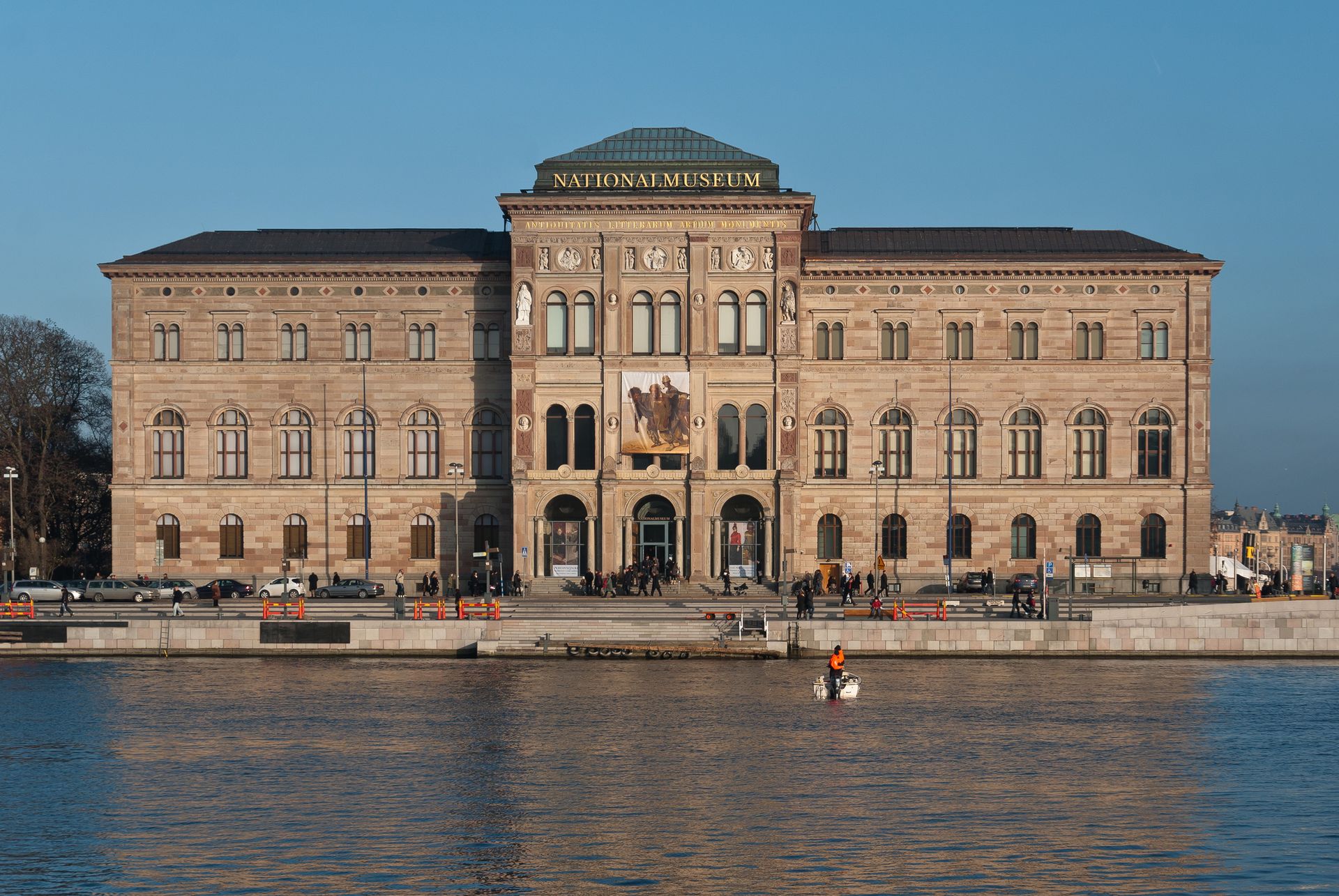
Credit: ArildV, Wikimedia Commons / (CC BY-SA 3.0)
On December 22, 2000, three thieves carried out a precisely orchestrated robbery at the National Museum of Sweden in Stockholm. The operation began with a decoy: one accomplice detonated a car bomb in a different part of the city, drawing police to a false scene. At the same time, a second explosion went off near the museum. In the confusion, the three thieves entered the museum through the front entrance, overpowered a guard, and made off with three paintings: two Renoirs and a Rembrandt self-portrait.
They escaped by speedboat on the water adjacent to the museum — a detail that had clearly been planned in advance, since the museum sits close to the waterfront in central Stockholm. Police responding to the museum found no getaway car and took time to redirect resources to the water. By then, the boat had gone.
The three paintings were recovered over a period of eight years through a combination of law enforcement stings and intelligence work. The Renoirs were found first, in 2001, when police in Los Angeles arrested a man attempting to sell them. One of the Renoirs was used as collateral in a drug deal — a tactic that recurs in art crime, where stolen works are used not as goods to be sold but as temporary currency to guarantee transactions in other criminal markets.
The Rembrandt self-portrait took longer. It was recovered in Denmark in 2005 during an operation by Danish and Swedish police who had received intelligence about its location. All three paintings eventually returned to the National Museum.
The Stockholm heist was operationally one of the most carefully planned museum thefts on record — the coordinated diversions, the escape by water, the clear reconnaissance of the museum's geography. It remains a case study in how professional criminal organizations approach high-value targets.
