
From a single bold bet to a stubborn refusal to sell, here are the specific choices that transformed 20 people into some of the wealthiest individuals on earth
Allison Robbert / AFP via Getty Images
Wealth at the billionaire level rarely arrives by accident. It tends to trace back to a single identifiable moment — a decision to stay in a company when every rational signal said to leave, a refusal to license technology that competitors wanted access to, a choice to enter a market that everyone else had already written off. The difference between a successful entrepreneur and a billionaire is often not talent or effort. It is the quality of one specific call made at a specific crossroads.
That is what makes the biographies of the world's wealthiest people so instructive — and so maddening. In hindsight, the right moves look obvious. In the moment, most of them looked reckless, premature, or deeply counterintuitive. Jeff Bezos left a well-paying job on Wall Street to sell books on the internet. Elon Musk poured the last of his money into companies that were weeks from bankruptcy. Sara Blakely cut the feet off a pair of pantyhose and built a $1 billion brand without ever taking outside investment. Warren Buffett bought a struggling textile company and turned it into the most famous holding company in the world, not by fixing the textile business but by abandoning it entirely.
These are not stories about luck, though luck plays a role in every fortune. They are stories about decision-making under uncertainty — about reading a landscape that hadn't yet revealed itself clearly, and acting anyway. They are also stories about what people chose not to do: the dilution they refused, the acquirer they turned away, the conventional wisdom they ignored.
This list covers 20 billionaires and the specific decisions that account for most of their wealth. Not their general philosophies or personality traits, but the concrete choices — the pivot, the hold, the launch, the refusal — that separated their outcomes from those of equally smart, equally driven people who made different calls at the same junctions.
The goal is not to extract a formula. Formulas don't produce billionaires; specific decisions made in specific contexts do. But understanding exactly what those decisions were, and why they worked, illuminates something real about how extreme wealth gets built.
Andrew Harrer / Bloomberg via Getty Images
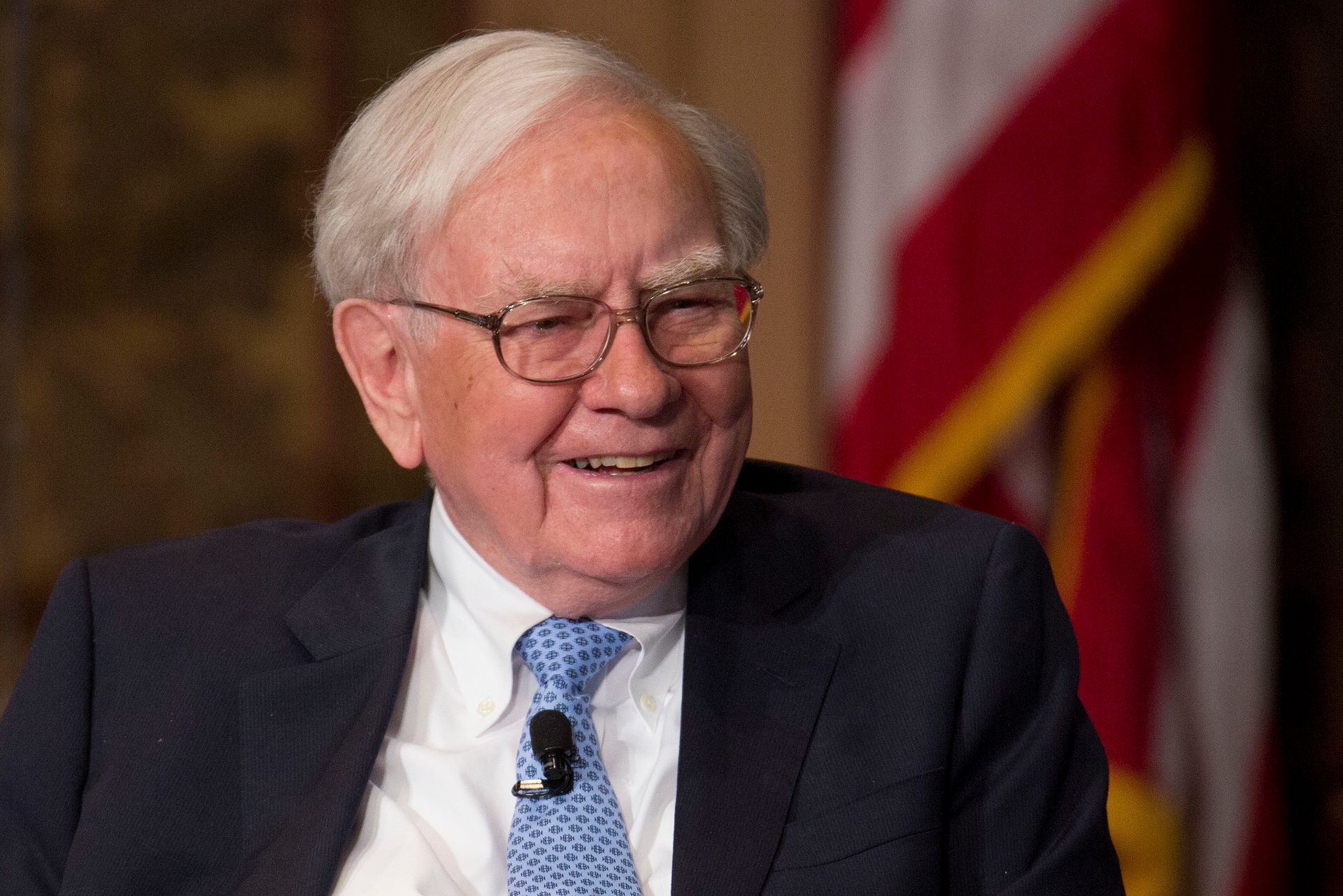
Warren Buffett acquired Berkshire Hathaway $BRK.B in 1965 not as a financial masterstroke but out of spite. He had been buying the struggling New England textile company's shares as a classic "cigar butt" investment — a cheap, beaten-down business with one last puff of value left in it. When Berkshire's management offered to buy back his shares at a price he found insulting, Buffett responded by buying enough shares to seize control of the company and fire the CEO. It was, by his own later admission, an emotionally driven decision — and the beginning of one of the most consequential business careers in American history.
The real decision that made Buffett a billionaire came a few years later, when he chose to stop trying to fix the textile business and start using Berkshire as a vehicle for acquiring other companies. The textile mills were structurally unprofitable — competing with lower-cost producers in the American South and abroad — and no amount of operational improvement was going to change that. Buffett recognized this and made a choice that seems obvious in retrospect but was genuinely difficult at the time: he redirected the cash the mills generated into buying insurance companies.
The insurance acquisitions were the key. Insurance companies collect premiums upfront and pay claims later, which means they hold large pools of cash — what Buffett calls "float" — that can be invested in the meantime. Buffett used that float to buy stakes in publicly traded companies and acquire entire businesses outright. The insurance float became the engine of Berkshire's compounding machine.
By the time he formally wound down Berkshire's last textile operations in 1985, the company had already transformed entirely. What began as a dying mill became the holding company for a sprawling portfolio that would eventually include GEICO, See's Candies, Coca-Cola $KO shares, American Express $AXP, and dozens of other businesses.
The decision that made Buffett a billionaire was not the purchase of Berkshire — that was the mistake he corrected. It was the recognition that a bad business could serve as a container for a great investment strategy, and the discipline to redirect its cash flow rather than fight its structural decline.
Allison Robbert / AFP via Getty Images
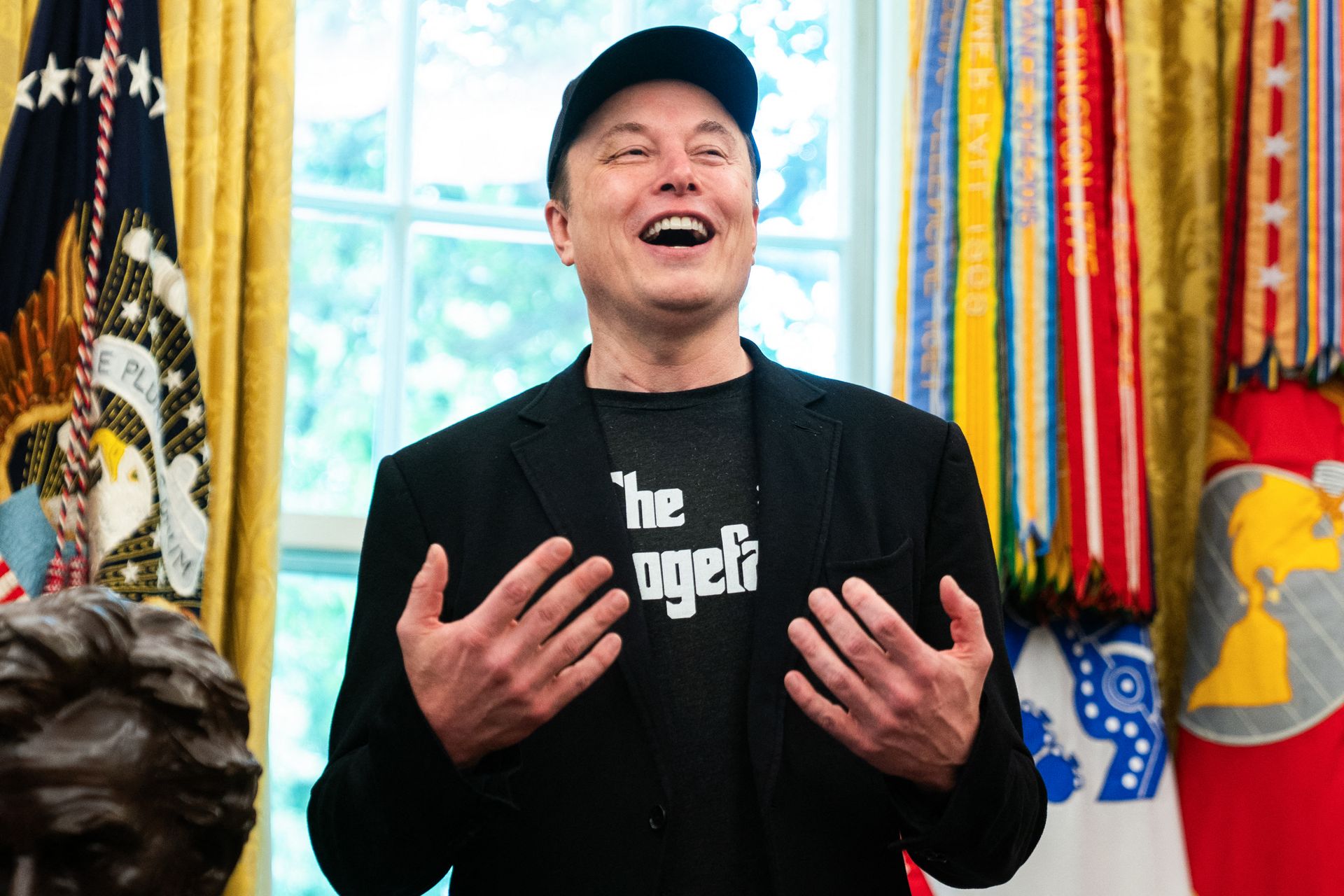
In late 2008, Elon Musk was facing a situation that would have stopped most people entirely. Tesla $TSLA had nearly run out of money. SpaceX had suffered three consecutive launch failures. Musk had sold his previous company, PayPal $PYPL, for $165 million, and had poured almost all of it into these two ventures. His personal finances were so depleted that he was borrowing money from friends to cover living expenses.
The decision he made at that moment was to split the last of his available capital between both companies rather than consolidate behind one. Most advisers around him at the time argued he should pick one and let the other die. Musk chose to fund both, betting that each could survive long enough to achieve a breakthrough.
On December 23, 2008 — days before Tesla would have gone bankrupt — the company closed a funding round that kept it alive. The same month, SpaceX's Falcon 1 became the first privately developed liquid-fueled rocket to reach orbit. Both companies survived by weeks.
The decision to hold both was not just emotional stubbornness. Musk understood that the two companies were strategically linked in his thinking about humanity's long-term future, and that abandoning either would compromise the larger project. He also understood, having built and sold Zip2 and PayPal, that timing in technology markets is everything — that being second to achieve viable electric vehicles or reusable rockets would be worth far less than being first.
What followed is documented history. Tesla grew to dominate the electric vehicle market. SpaceX secured NASA contracts and became the dominant commercial launch provider. By the early 2020s, Musk had become the wealthiest person on earth, a title that fluctuated with Tesla's share price but remained in the same extraordinary range.
The specific decision — to split limited resources across two failing companies rather than consolidate — is the one that preserved both. Either company alone might have justified a large fortune. Both together created a wealth accumulation with few historical parallels.
Ernesto Ruscio / GC Images
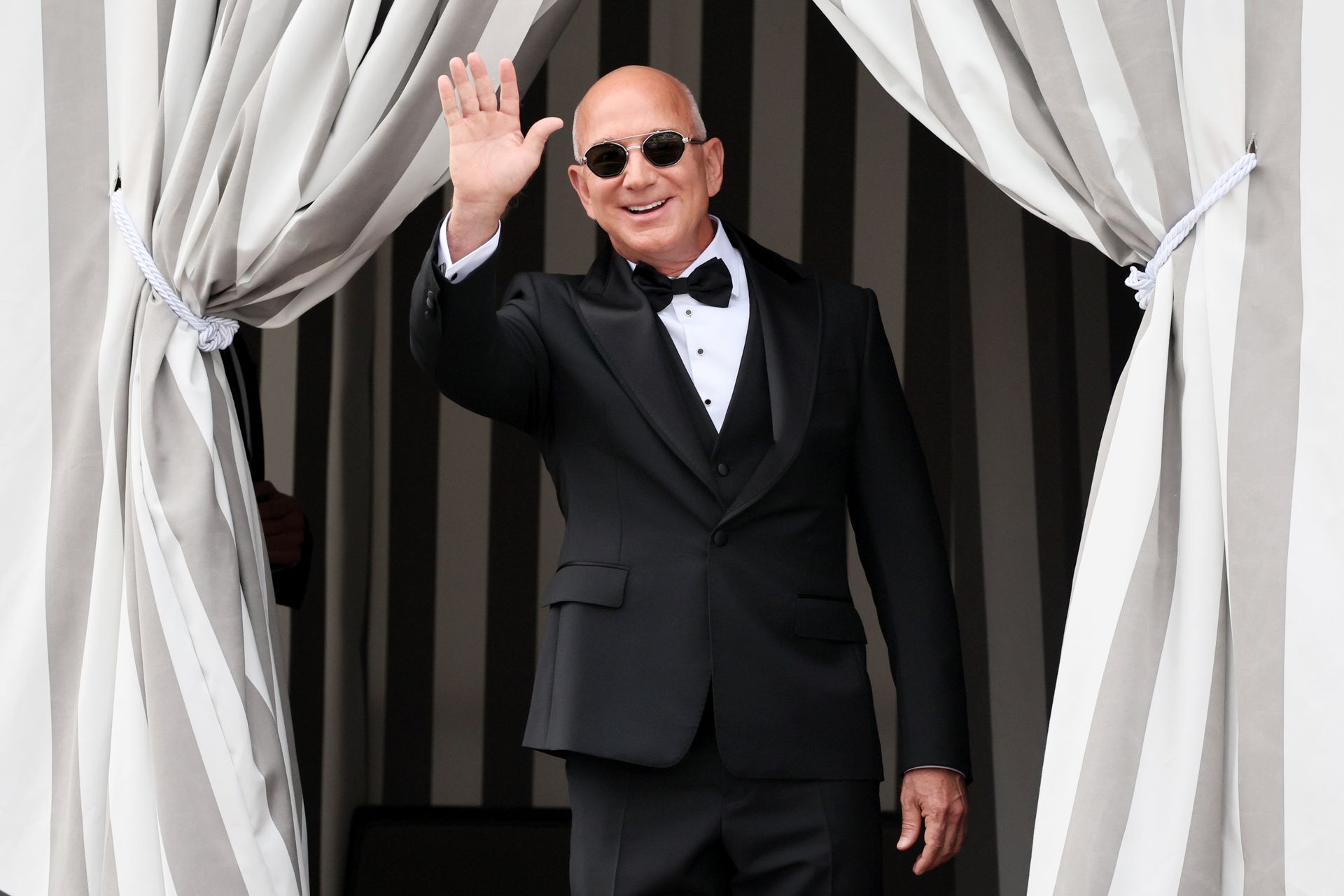
In 1994, Jeff Bezos was a senior vice president at D.E. Shaw, a quantitative hedge fund in New York, earning a substantial salary with a clear and lucrative career ahead of him. He was 30 years old. He read a statistic showing that internet usage was growing at 2,300 percent per year and decided, after a cross-country drive with his wife MacKenzie, to start an online retail company from his garage in Seattle.
The specific decision that made Bezos among the world's wealthiest people was not just leaving D.E. Shaw — it was choosing to start with books. Books were an ideal first product for an internet retailer for reasons that Bezos had thought through carefully: they were standardized, they existed in enormous variety (far more titles than any physical store could stock), they were easy to ship, and they had a universal audience. Books were a wedge into a much larger ambition.
Bezos has described the choice to leave D.E. Shaw using what he calls a "regret minimization framework." He asked himself which decision he would regret more at 80 — staying at the hedge fund or trying to build the internet company. The answer was clear enough that he gave notice and drove west.
What made the decision consequential was what followed: the choice to reinvest every dollar Amazon $AMZN earned back into the business rather than returning profit to shareholders. For years, Amazon reported losses while Bezos argued that market share and infrastructure mattered more than near-term profit. Wall Street punished the stock repeatedly. Bezos held the course.
Amazon's eventual decision to offer cloud computing services — AWS — as a commercial product was another defining call. The company had built internal infrastructure to manage its own computing needs, then realized other businesses needed the same thing. AWS became one of the most profitable divisions in the company.
But the foundational decision — leaving a secure career to sell books on the internet — was the one that initiated everything. Without it, none of the subsequent choices would have existed to be made.
Credit: David Shankbone, Wikimedia Commons / (CC BY-SA 3.0)
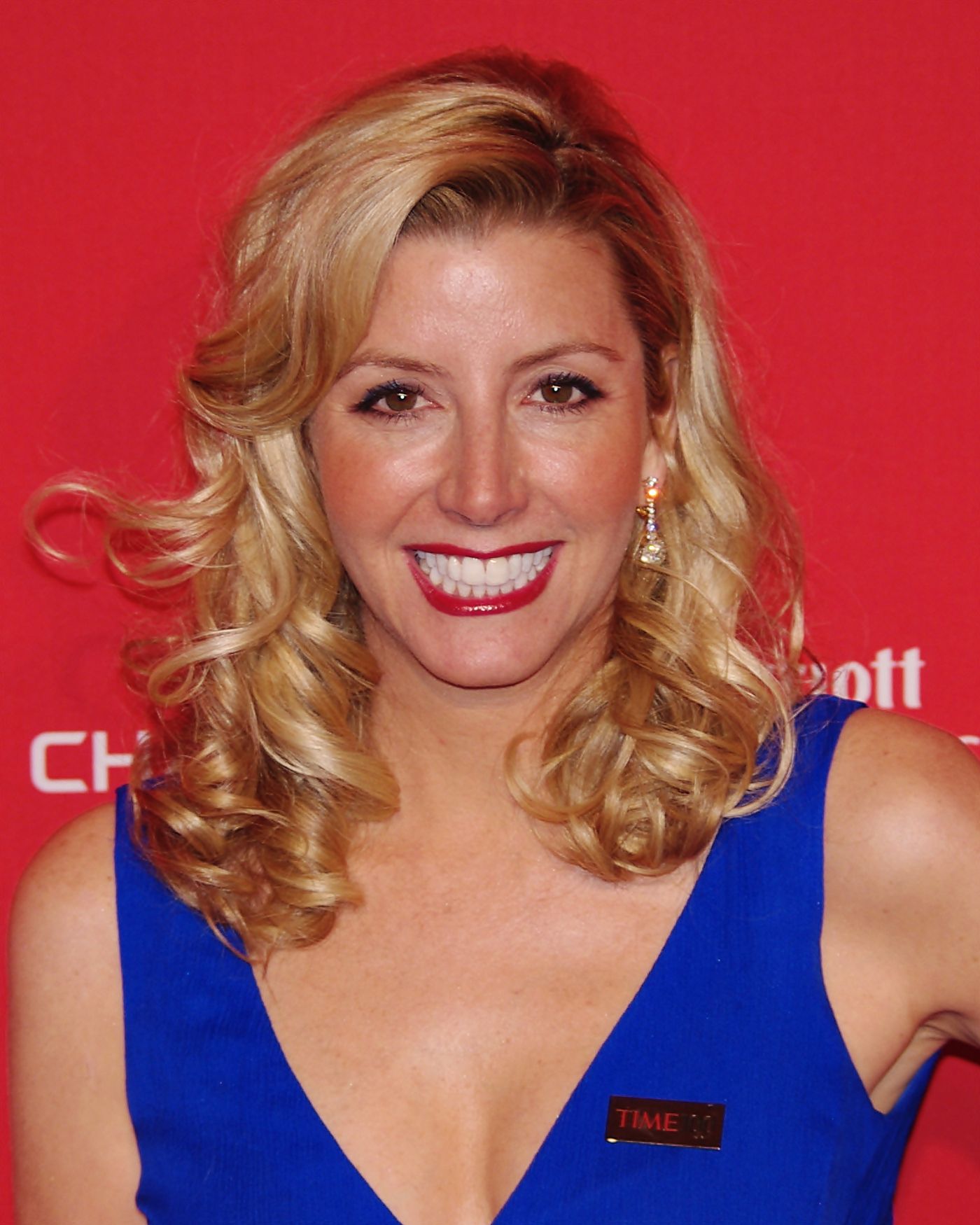
Sara Blakely started Spanx in 2000 with $5,000 in savings, a patent she had researched and filed herself, and a product she had developed by cutting the feet off a pair of pantyhose before a party. She cold-called hosiery mills in North Carolina until one agreed to manufacture her design. She drove to Neiman Marcus, talked her way into a meeting, and demonstrated the product in the buyer's bathroom. Neiman Marcus placed an order.
The decision that made Blakely a billionaire — and the one most often overlooked in her story — was the choice to take no outside investment for 16 years. Every venture capitalist or investor she met wanted equity in exchange for capital. Blakely turned them all down, choosing instead to grow the company entirely from its own cash flow, reinvesting revenue to fund expansion.
The consequences of that decision were enormous. Blakely retained 100 percent ownership of the company from its founding in 2000 until 2012, when she sold a minority stake to private equity firm Blackstone at a valuation that made her a billionaire. Because she had never diluted her ownership, the full value of the company's growth accrued to her. A founder who raises multiple rounds of venture funding often owns a fraction of a company by the time it reaches significant scale. Blakely owned all of it.
She also avoided the pressure that outside investors bring to growth timelines. Spanx expanded methodically, adding product categories when the company could support them, rather than scaling aggressively to meet investor return expectations. By the time she sold that first outside stake, the company was a proven, profitable brand with a loyal customer base and strong retail relationships.
Blakely has spoken about the funding decision as one rooted in a desire for control — over the product, the brand, and the company's direction. That desire for control turned out to have enormous financial consequences she may not have fully anticipated at the time.
Patrick van Katwijk / Contributor / Getty Images
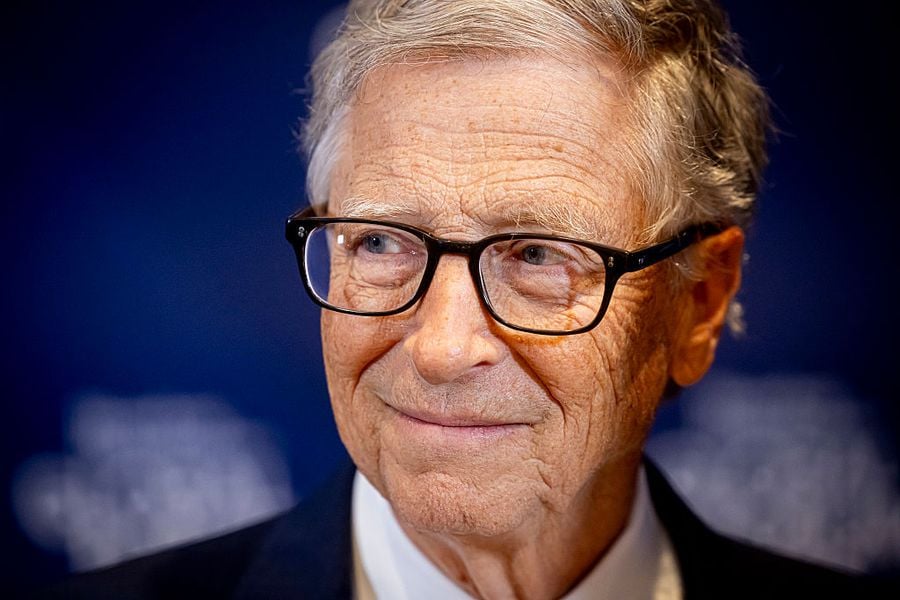
In 1980, IBM $IBM came to Microsoft $MSFT looking for an operating system for its forthcoming personal computer. Bill Gates and Paul Allen did not have one. What they had was the audacity to say they did, and the business instinct to negotiate a deal that would define the next two decades of computing.
Microsoft acquired the rights to an operating system called QDOS — Quick and Dirty Operating System — from a Seattle programmer named Tim Paterson for $50,000. They licensed it to IBM as MS-DOS. The specific decision that made Gates extraordinarily wealthy was not the acquisition of QDOS or even the IBM deal itself. It was the choice to license MS-DOS to IBM rather than sell it outright, and — critically — to retain the right to license the same software to other hardware manufacturers.
IBM agreed to these terms without fully understanding their implications. IBM assumed it would dominate the personal computer market through its hardware; the operating system seemed like a secondary concern. But as IBM-compatible clones proliferated through the 1980s — Compaq, Dell $DELL, and dozens of others building machines that ran the same software — every one of them needed a license for MS-DOS. Microsoft collected royalties from each.
By the time the PC market had fully developed, Microsoft was receiving licensing fees from virtually every personal computer sold. The software, not the hardware, became the chokepoint of the entire industry. Gates had positioned Microsoft at that chokepoint with a single contractual decision.
When Windows succeeded MS-DOS as the dominant operating system in the late 1980s and 1990s, the same licensing model scaled with it. Microsoft's dominance in operating systems funded the development of Office, Internet Explorer, and the broader software empire that made Gates the world's wealthiest person for much of the 1990s and 2000s.
The IBM deal's structure — a license, not a sale, with rights to sublicense — was the foundational decision. Every billion that followed was built on that contractual architecture.
Kimberly White / Getty Images
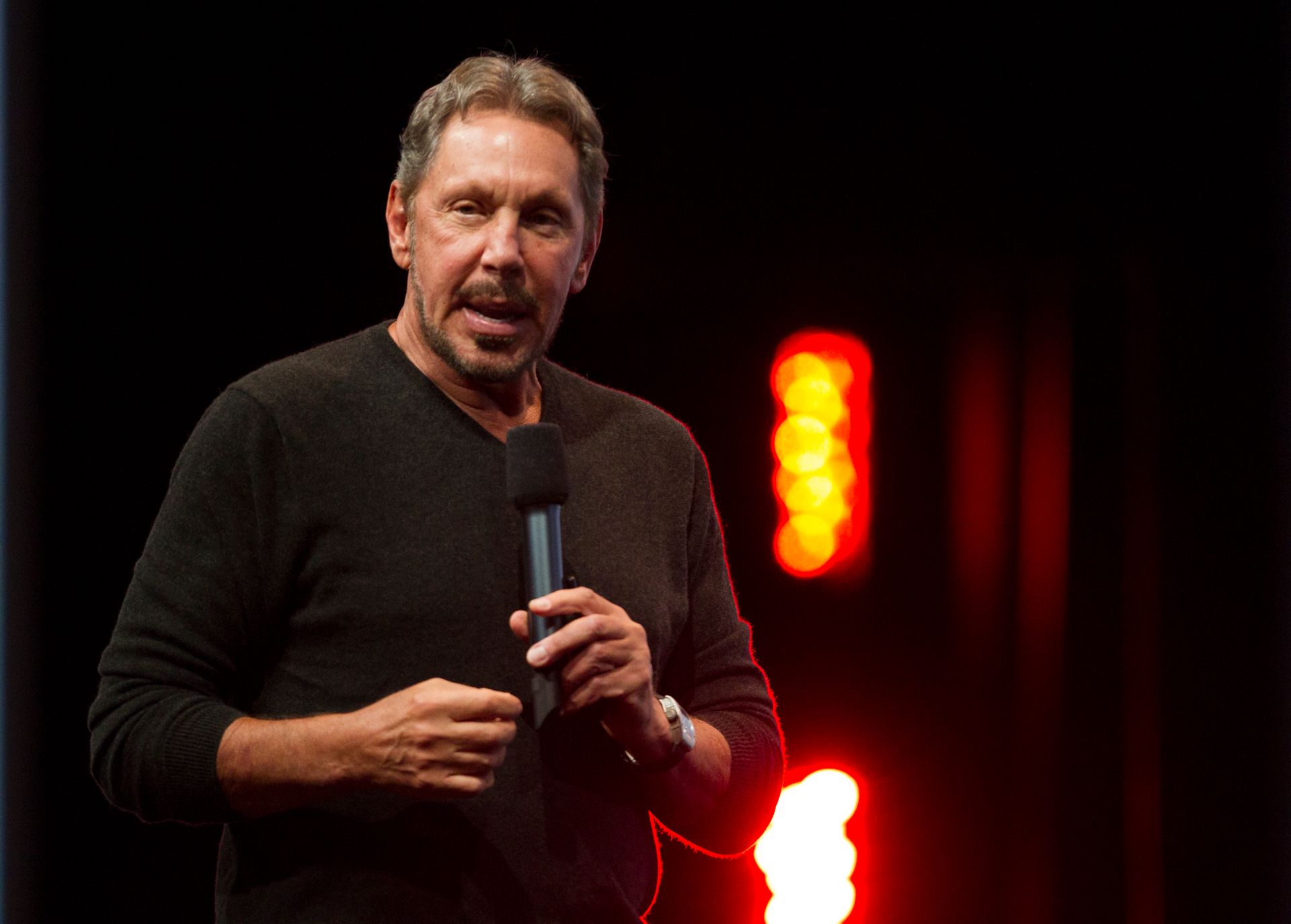
Larry Ellison founded Software Development Laboratories in 1977 with two partners. The company, which later became Oracle $ORCL, was built around a database product — relational database software that Ellison developed after reading a research paper written by IBM $IBM's Edgar Codd describing a new approach to organizing and retrieving data.
The decision that secured Oracle's early survival and set Ellison on the path to becoming one of the world's wealthiest people was a relentless, almost reckless pursuit of a contract with the Central Intelligence Agency. In Oracle's earliest years, the company was competing against IBM and other established players for government and enterprise contracts. The CIA contract was one of the first major validations that Oracle's database could compete at scale.
Ellison's approach to sales and competitive deals was unusually aggressive. He positioned Oracle's software as faster and more capable than IBM's DB2 — claims that were sometimes contested — and pursued customers with the persistence of someone who understood that the first major reference customer would legitimize everything that came after.
The deeper decision was the one to commercialize Codd's relational database research before IBM did. IBM had published the foundational papers, but IBM's internal culture moved slowly and the company did not rush to productize its own research. Ellison moved faster. By the time IBM brought its own relational database product to market, Oracle had established customer relationships and a reputation that IBM struggled to displace.
Ellison also made the decision early to focus Oracle on large enterprise customers rather than smaller accounts. Enterprise deals were harder to close but created deep dependencies — large organizations that had built their entire operations on Oracle's database did not switch vendors easily. That stickiness became the foundation of Oracle's extraordinary profitability.
The combination of decisions — commercializing academic research before the originating institution could, targeting enterprise clients relentlessly, and winning early government contracts — created the fortress that Oracle became.
Credit: Matthew Yohe, Wikimedia Commons / (CC BY-SA 3.0)
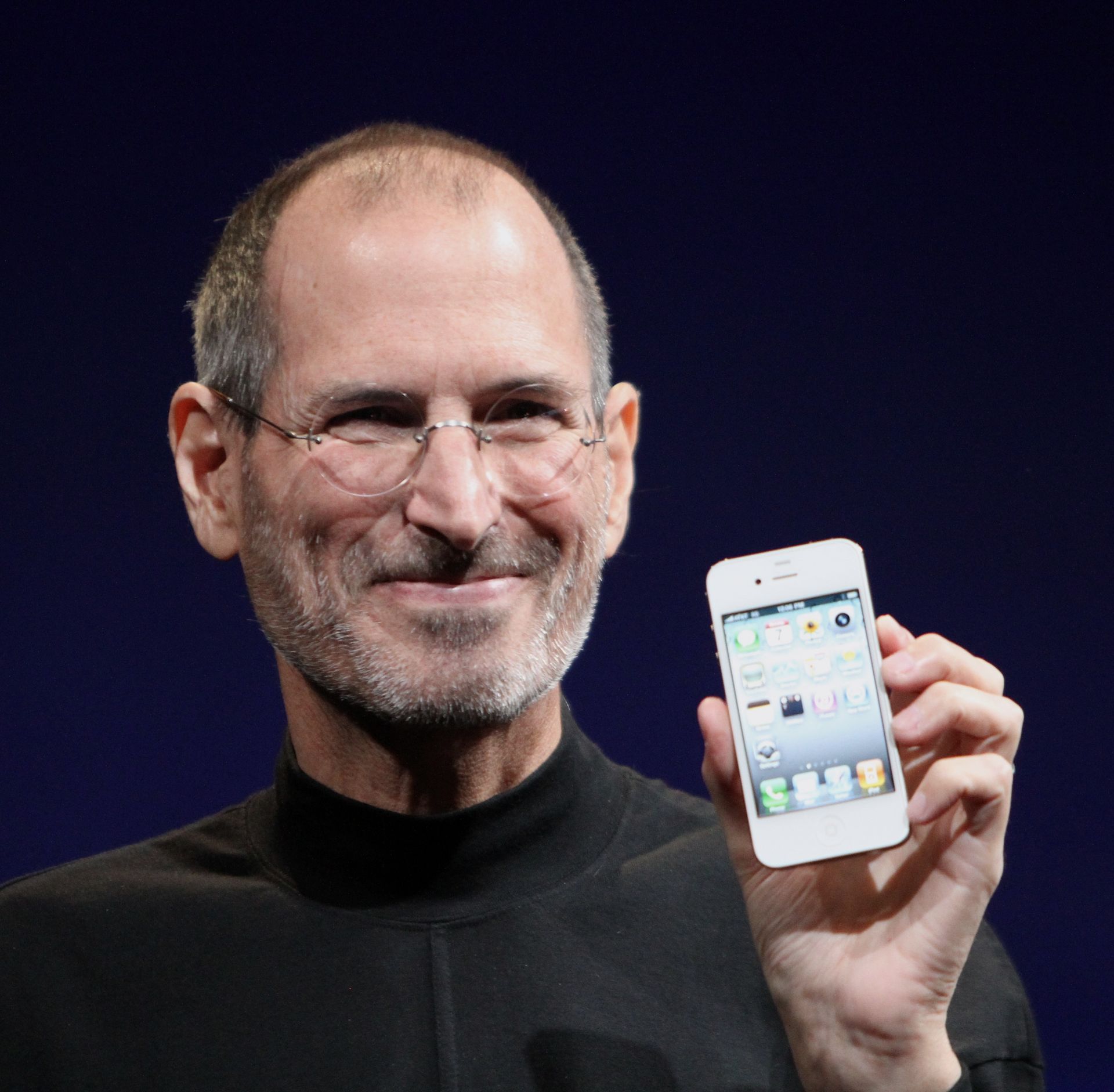
Steve Jobs was forced out of Apple $AAPL in 1985. He had co-founded the company, but after a power struggle with CEO John Sculley, the board sided with Sculley and Jobs was removed from operational control. He spent the next 12 years building NeXT Computer and acquiring Pixar from George Lucas.
The decision that made Jobs extraordinarily wealthy — and saved Apple from near-bankruptcy — came in 1997, when Apple acquired NeXT for $427 million, bringing Jobs back to the company he had co-founded. Jobs was named interim CEO, a title he held for several months before becoming CEO outright.
The specific decision that transformed Apple into one of the most valuable companies in history was Jobs's choice, in 1997 and 1998, to cancel the vast majority of Apple's product line. When Jobs returned, Apple was developing dozens of products and models — multiple versions of the Mac, various accessories, printers, a personal digital assistant called the Newton. Jobs reviewed the product roadmap and eliminated roughly 70 percent of it, cutting the company's offerings down to four core products organized on a simple two-by-two grid: desktop and portable, consumer and professional.
The focus this created was operationally and financially transformative. Apple stopped spreading its engineering, manufacturing, and marketing resources across a sprawling product catalog. It concentrated everything on making four products exceptional.
The iMac, released in 1998, was the first product of the post-return era. Its distinctive design and ease of use reversed Apple's declining sales. The iPod followed in 2001, the iTunes Store in 2003, the iPhone in 2007, and the iPad in 2010. Each was a product line extension from a company that had rebuilt its culture around concentrated effort.
Jobs's stock in Apple — combined with his stake in Pixar, which Disney $DIS acquired in 2006 — created a fortune estimated at several billion dollars before his death in 2011. The decision that unlocked all of it was the aggressive subtraction of 1997.
Craig T Fruchtman / Getty Images
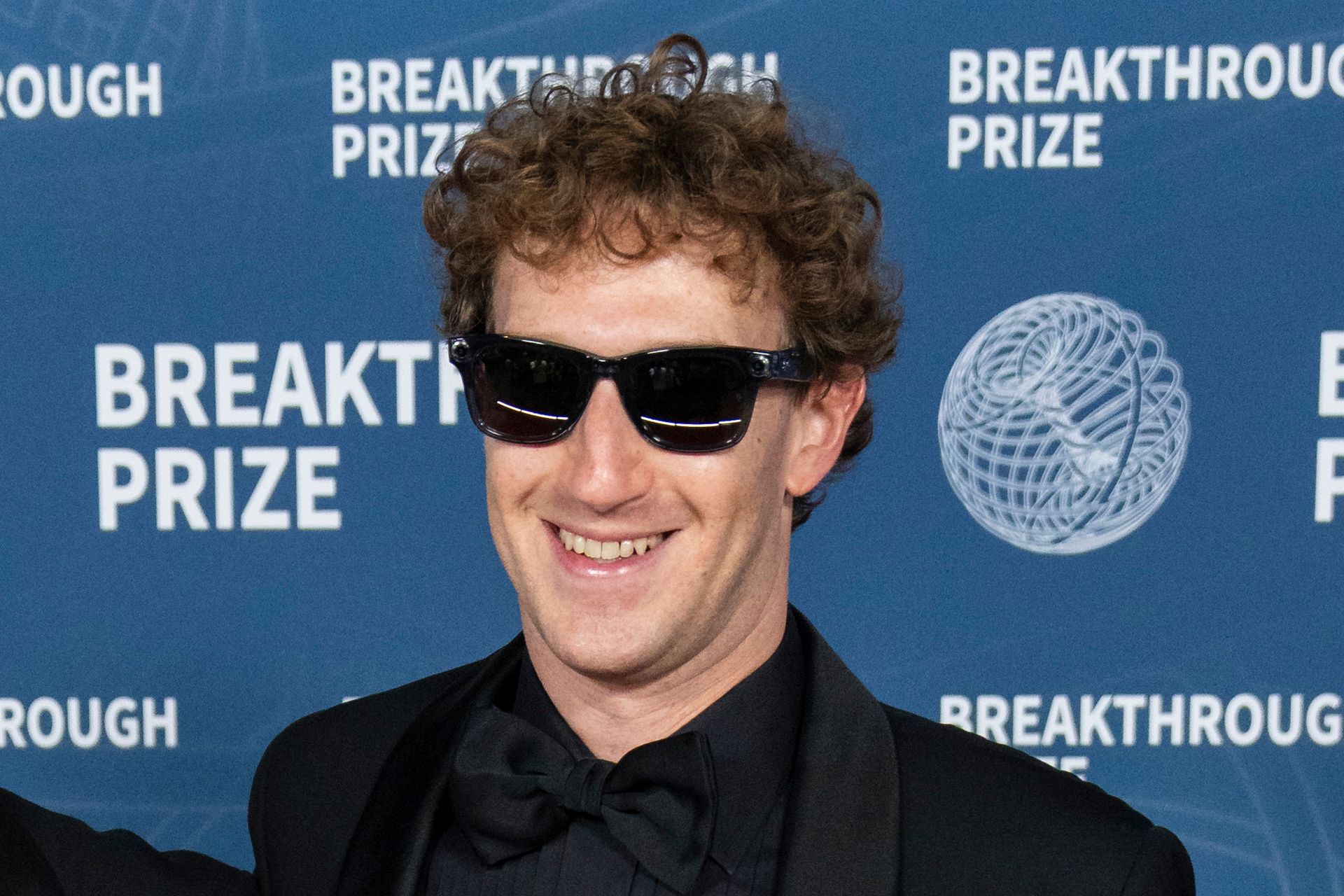
In 2006, Facebook $META was two years old and had approximately 10 million users. Yahoo offered to acquire the company for $1 billion. The board — which included investor Peter Thiel and venture capitalist Jim Breyer — was largely in favor of accepting. Zuckerberg, who was 22 years old and held enough voting shares to control the company's direction, turned the offer down.
He turned down a subsequent offer from Yahoo as well, reportedly at a higher valuation. His reasoning was not primarily financial. Zuckerberg had a specific vision for what Facebook could become — a social infrastructure layer for the internet — and he believed Yahoo would not pursue that vision after an acquisition.
The decision to refuse Yahoo required Zuckerberg to hold a belief that was genuinely uncertain at the time: that Facebook was worth substantially more than $1 billion, that the growth it was experiencing would continue rather than plateau, and that he personally was the right person to realize that potential. All three of those beliefs turned out to be correct, but none of them were obvious in 2006.
Yahoo itself was in negotiations to be acquired by Microsoft $MSFT around the same period, eventually turned that deal down as well, and subsequently declined into irrelevance. Facebook, by contrast, went public in 2012 at a valuation of roughly $104 billion.
Zuckerberg's control of Facebook's voting shares — a consequence of the company's dual-class share structure — gave him the power to make the Yahoo refusal stick. That share structure, which he maintained through the IPO and beyond, also insulated him from the kind of shareholder pressure that can force founders out of companies they built. The decision to turn down Yahoo was possible because of the structural decisions Zuckerberg had made about ownership and control.
By the time Meta — Facebook's renamed parent company — was valued in the hundreds of billions, the 2006 refusal had compounded into one of the more consequential decisions in technology history.
Chesnot / Getty Images
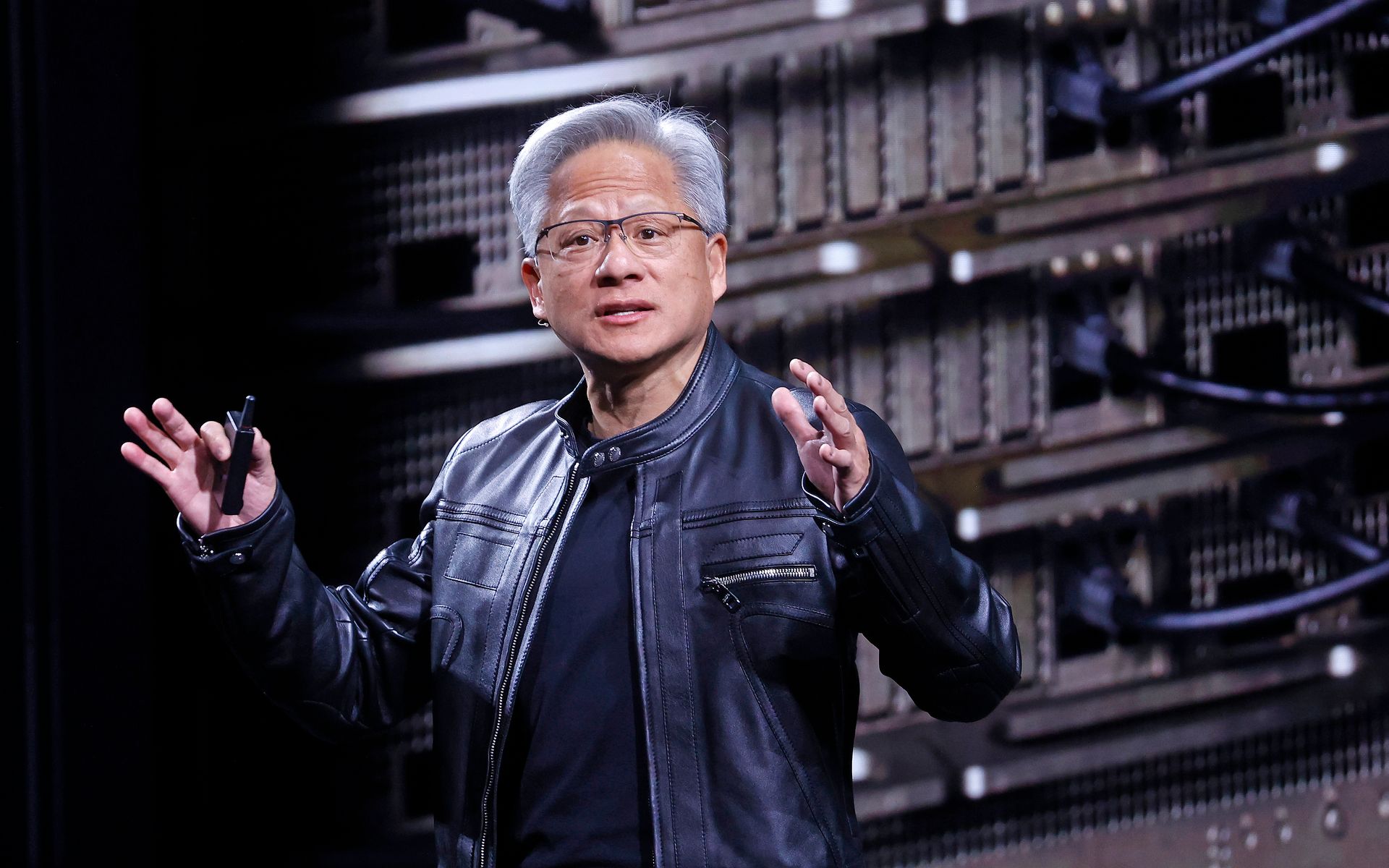
Jensen Huang co-founded Nvidia $NVDA in 1993 with the goal of building chips for computer graphics. The company's early GPU products powered video games, which was a large and growing market. That alone could have made Huang wealthy. The decision that made him extraordinarily wealthy was a different one, made in the early 2000s: to make Nvidia's chips programmable.
Traditional graphics chips were designed to perform a fixed set of operations. Huang and Nvidia's engineering team pursued a different architecture — chips that could be programmed to perform general mathematical computations, not just graphics rendering. The technology was called CUDA, released in 2006, and it allowed developers to use Nvidia GPUs to run any kind of parallel computing workload, not just graphics.
At the time, there was no obvious mass market for programmable GPUs outside of scientific computing. Huang funded the development of CUDA over years before a clear commercial application emerged. The bet was that programmable parallel computing would eventually be useful for something important, even if that something wasn't yet visible.
The something turned out to be machine learning. When researchers discovered in the early 2010s that training neural networks on GPUs was orders of magnitude faster than training them on conventional processors, demand for Nvidia's products surged. By 2023, when the generative AI wave accelerated dramatically, Nvidia was the only company with the manufacturing relationships, software ecosystem, and chip architecture required to supply the AI training infrastructure the industry needed at scale.
Nvidia's market capitalization crossed $1 trillion in 2023, making Huang one of the wealthiest technology executives in the world. The specific decision — to make GPUs programmable through CUDA before the market for programmable GPUs existed — is the one that positioned the company for everything that followed. Without CUDA, Nvidia would still be a significant graphics chip company. With it, it became the infrastructure provider for a technological transformation.
Edward Berthelot / Getty Images
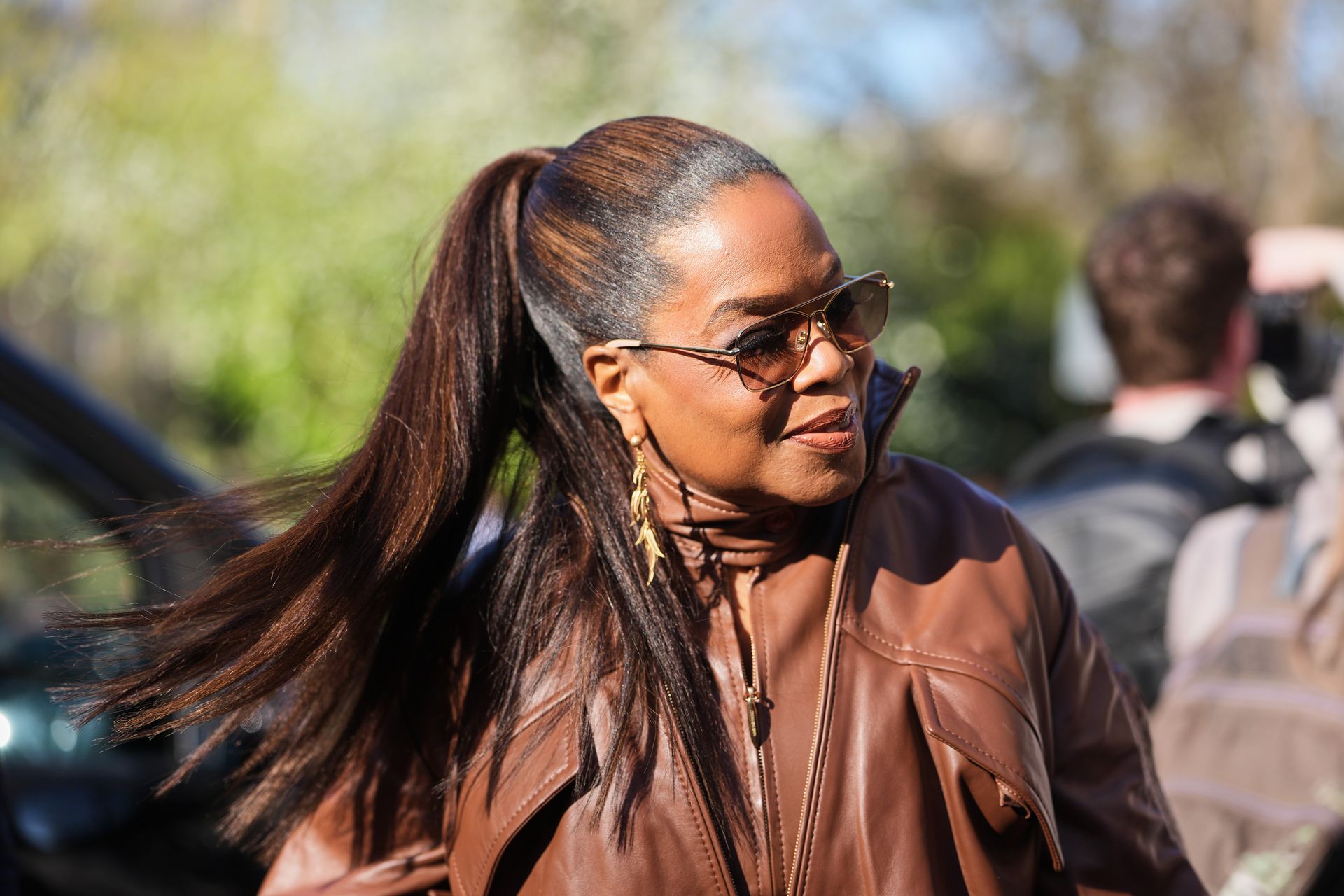
Oprah Winfrey became the host of AM Chicago in January 1984. Within months, the show's ratings had surpassed Donahue, the dominant talk show of the era, and the program was renamed The Oprah Winfrey Show. By 1986, it was being nationally syndicated.
The decision that made Winfrey a billionaire was the negotiation she conducted with King World Productions, the company that handled syndication of the show. Rather than accepting a standard hosting contract — a salary in exchange for her labor — Winfrey negotiated a deal that gave her ownership of the show itself and a significant share of the syndication revenue. The specific terms of the deal, negotiated with her attorney Jeff Jacobs, gave Winfrey a stake in the financial upside of the show rather than simply compensation for appearing in it.
This was not standard practice. Television hosts typically do not own the shows they host. The networks and production companies own the intellectual property. Winfrey's agreement was structured differently, and the difference in financial outcome was enormous. As the show grew to reach an audience of tens of millions of viewers across the United States and internationally, the syndication revenue it generated was substantial — and a portion of it flowed directly to Winfrey rather than to King World alone.
She later extended the ownership logic by founding Harpo Productions in 1986, which produced The Oprah Winfrey Show and eventually other projects. Harpo owned the content. Winfrey owned Harpo.
The OWN network, launched in 2011, applied the same logic at a larger scale. Whether in television, film production, or media investments, Winfrey consistently structured deals around ownership rather than compensation. The Yahoo refusal, the CUDA bet, the IBM $IBM licensing deal — these are all versions of the same insight: own the asset, not just the income stream. Winfrey grasped this early in her career and structured her first major syndication deal accordingly.
Credit: Gage Skidmore, Wikimedia Commons / (CC BY-SA 3.0)
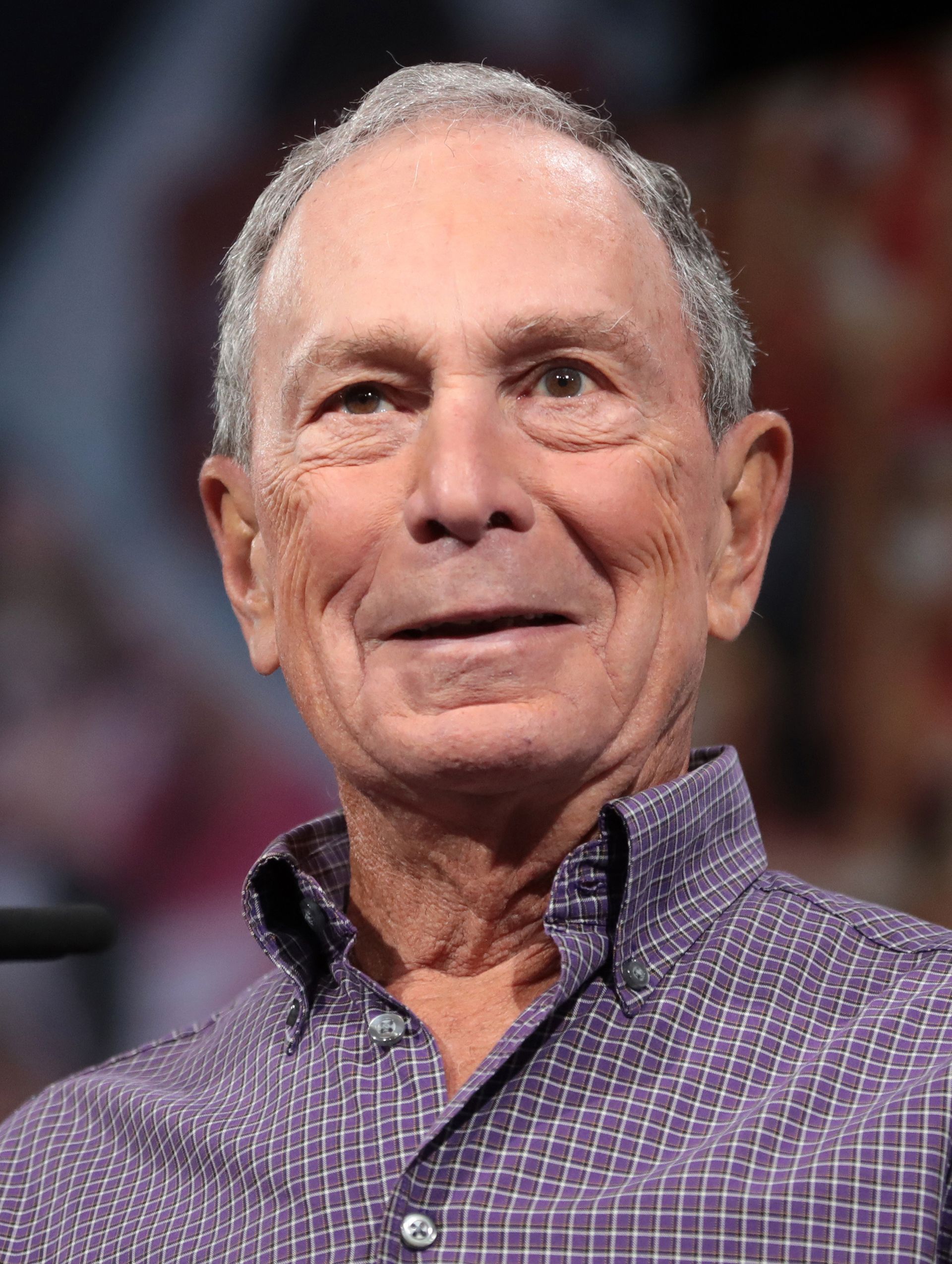
Michael Bloomberg was a partner at Salomon Brothers when he was laid off in 1981 as part of a merger-related restructuring. He received a severance package of $10 million. Rather than join another Wall Street firm, he used that capital to start a company called Innovative Market Systems, later renamed Bloomberg L.P., to build a computer terminal that would deliver real-time financial data to traders.
The decision that made Bloomberg extraordinarily wealthy was the design choice he made for the terminal: rather than simply transmitting data, the Bloomberg Terminal would allow traders to analyze it. The terminal included software that let users run calculations, compare historical price data, and model scenarios — functions that previously required a team of analysts. Bloomberg had worked as a trader and understood what traders actually needed, and what they needed was not just faster data but more useful data.
The terminal launched in 1982 with Merrill Lynch as its first major customer. By the mid-1990s, Bloomberg terminals were on the desks of virtually every serious financial professional in the world. The subscription model — terminals were leased rather than sold — created a recurring revenue stream that compounded year after year as the financial industry grew.
Bloomberg's decision to stay private — he has never taken Bloomberg L.P. public — meant that the full value of that recurring revenue accrued to him and his early partners rather than to public shareholders. The company has remained closely held for more than 40 years, and Bloomberg's estimated net worth reflects the accumulated value of those subscription revenues.
His later decisions — to enter politics, to donate aggressively to philanthropy, to support gun control and climate change causes — made him a prominent public figure. But the financial foundation was built in a single, well-executed product decision made with $10 million in severance and a clear understanding of what his former colleagues actually needed at their desks.
Credit: Bobby P., Wikimedia Commons / (CC BY 2.0)
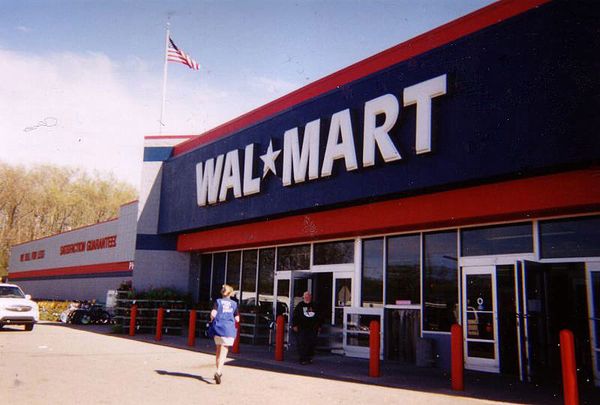
Sam Walton opened his first Walmart $WMT in Rogers, Arkansas in 1962. The decision that made him the wealthiest person in America — a title he held for much of the 1980s — was not the founding of Walmart itself but where he chose to put his stores.
Walton's insight, developed through years of running Ben Franklin franchise stores in small towns, was that discount retail worked best in communities too small to attract the major chains. Kmart and Sears built stores in cities and suburbs. Walton built stores in rural towns of 5,000 to 25,000 people, where he faced no serious competition and where the arrival of a low-price retailer was genuinely transformative for local consumers.
The small-town location strategy had a second advantage beyond the lack of competition: low real estate costs. Building stores in rural Arkansas, Missouri, and Oklahoma in the 1960s and 1970s cost a fraction of what urban or suburban locations would have cost. Lower costs meant more stores for the same capital outlay, and more stores meant more purchasing power with suppliers, which meant lower prices, which drove more volume.
Walton was also fanatical about logistics in a way that his competitors were not. He built distribution centers first, then located stores within a day's drive of each center. This hub-and-spoke distribution model reduced transportation costs and allowed Walmart to replenish stores quickly — a significant operational advantage in an industry where out-of-stock items meant lost sales.
By the time larger competitors recognized the opportunity in small-town retail and tried to compete, Walmart had already established dominant positions in hundreds of markets. The cost advantages of scale made it nearly impossible for new entrants to match Walmart's prices.
Walton remained famously frugal in his personal life — driving an old pickup truck, sharing hotel rooms on business trips — but the fortune his strategic decisions created was staggering. At his death in 1992, Walmart was the largest retailer in America.
Credit: Ehud Kenan, Wikimedia Commons / (CC BY 2.0)
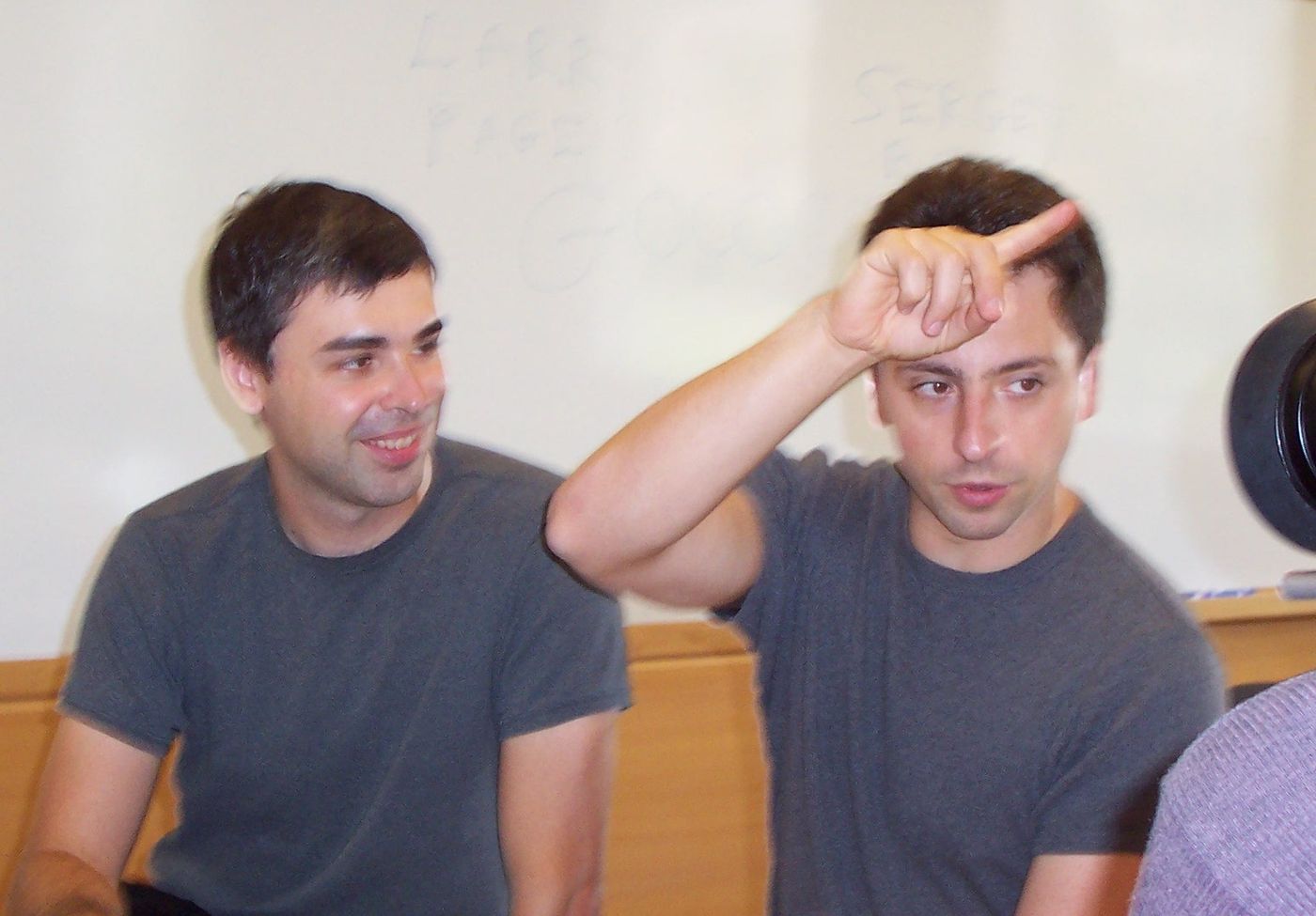
Google $GOOGL's co-founders, Larry Page and Sergey Brin, developed their search algorithm at Stanford in the mid-1990s and tried to sell the technology before building a company around it. Several major internet companies, including Excite, passed on the opportunity to acquire the algorithm for $1 million. Page and Brin founded Google in 1998 instead.
The decision that transformed Google from a well-regarded search engine into one of the most profitable businesses in history was the adoption of a specific advertising model: cost-per-click. Before Google's model — which it developed in part by studying and improving on a system used by a company called Overture — internet advertising was typically sold on a cost-per-impression basis, meaning advertisers paid for eyeballs regardless of whether anyone clicked on their ad.
Google's system charged advertisers only when a user clicked. This aligned the incentive perfectly: advertisers paid for demonstrated interest, not just exposure. It also created a self-regulating market, because advertisers bid against each other for placement, with the most valuable keywords commanding the highest prices.
The model was married to a second insight: that search advertising was uniquely valuable because it reached people at the moment they were expressing a specific need. Someone searching for "car insurance quotes" was not being interrupted by an advertisement; they were looking for exactly what the advertisement offered. This intent-based targeting made Google's advertising dramatically more effective than banner ads or television spots, and advertisers were willing to pay accordingly.
AdWords, launched in 2000, scaled the cost-per-click model across millions of advertisers. The revenue it generated funded the rest of Google's ambitions — Gmail, Maps, YouTube, Chrome, Android, and the cloud infrastructure division.
Both Page and Brin became billionaires many times over on the strength of a business model decision made in the company's earliest years.
Chris Pietsch / Associated Press
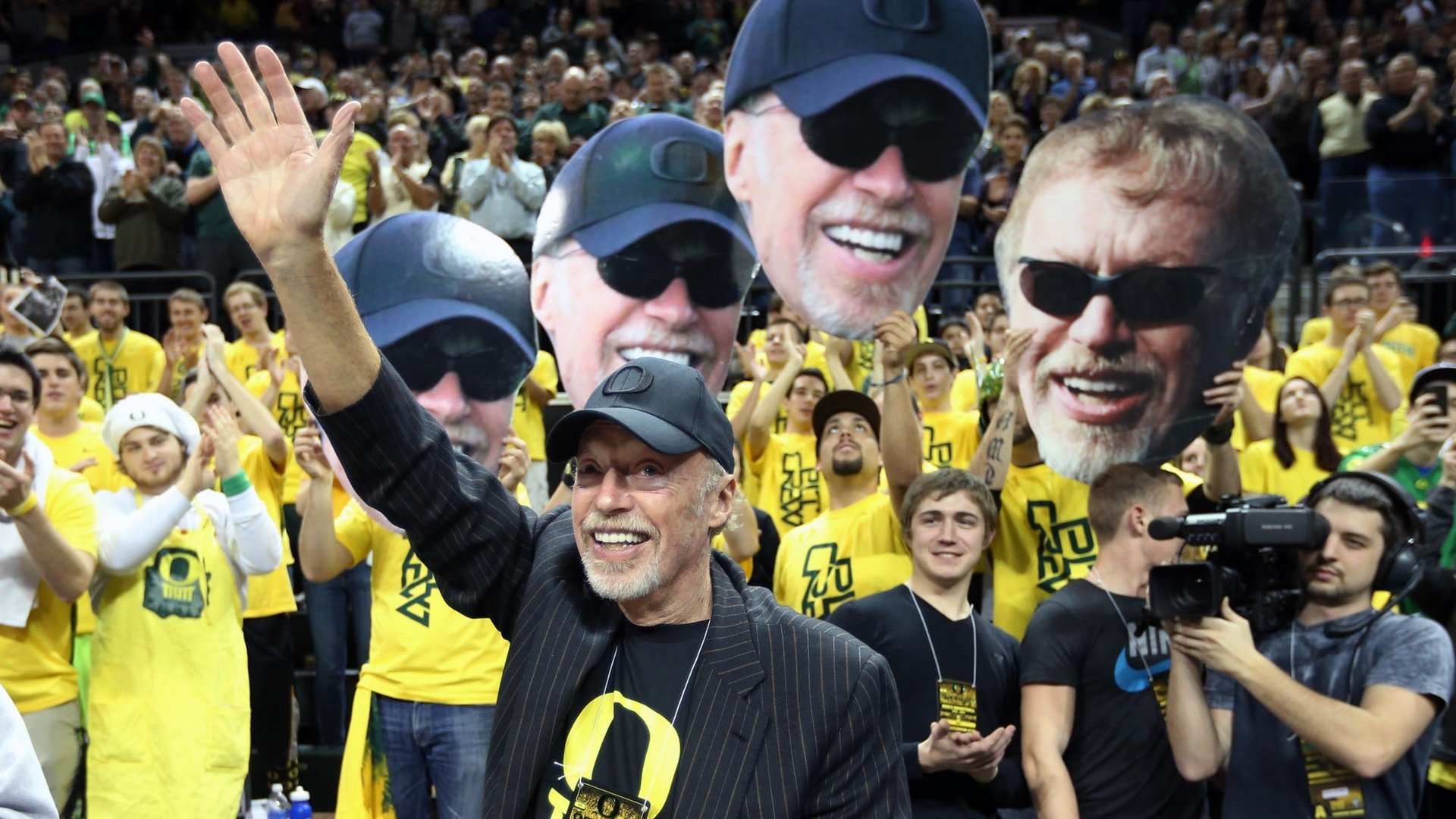
Phil Knight started selling Japanese running shoes out of the trunk of his car in 1964, importing Tiger shoes — made by the Japanese company Onitsuka — and selling them at track meets. His company was called Blue Ribbon Sports. The arrangement with Onitsuka gave him the exclusive rights to distribute the shoes in the western United States.
The decision that made Knight a billionaire was one he was partly forced into: when Onitsuka threatened to find another American distributor, Knight realized that a distribution business built on someone else's product was inherently fragile. He made the decision to start designing and manufacturing his own shoes rather than distributing someone else's. Blue Ribbon Sports became Nike $NKE in 1971, and Nike's business was built around owning the brand and the design while outsourcing manufacturing to factories in Asia.
The specific decision to source manufacturing in Asia — Japan initially, then South Korea and Taiwan, then eventually China and Vietnam — allowed Nike to produce shoes at costs that could not be matched by American manufacturers. Nike invested in design, marketing, and athlete relationships rather than factory infrastructure. The cost advantage from Asian manufacturing funded the marketing campaigns that built the brand.
The endorsement deal with Michael Jordan in 1984 was another specific decision that compounded Nike's brand value dramatically. Jordan had been pursued by Adidas and Converse; Nike won the deal in part because it offered Jordan an unprecedented revenue-sharing arrangement — a royalty on Air Jordan sales rather than a flat endorsement fee. The Air Jordan line became one of the most profitable product franchises in sports history.
Knight's overall approach — own the brand, own the athlete relationships, manufacture at cost — was a strategic architecture that proved durable across decades and geographies.
Credit: KasugaHuang , Wikimedia Commons / (CC BY 2.5)
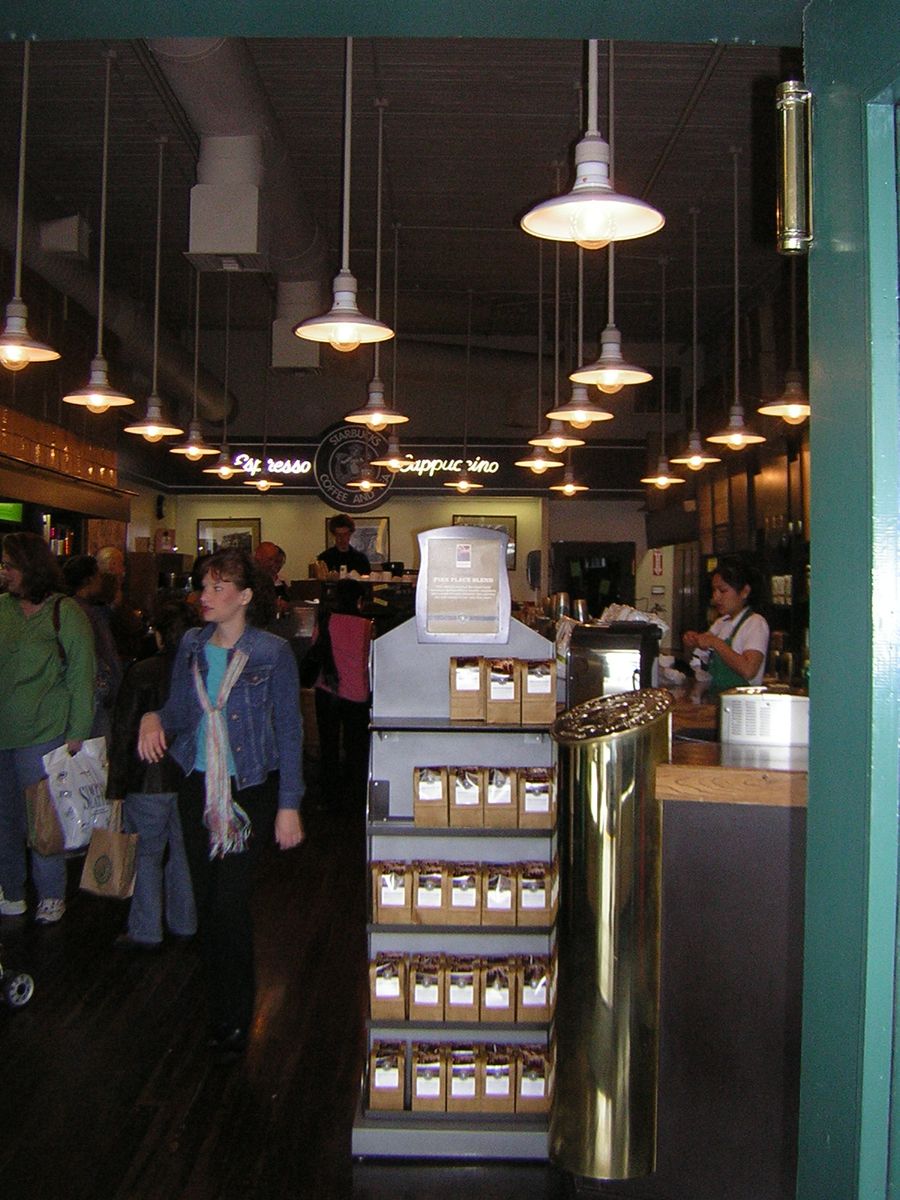
Howard Schultz joined Starbucks $SBUX in 1982 as director of marketing when the company had four stores selling whole-bean coffee. On a trip to Milan, he walked into an espresso bar and experienced what Italian coffee culture actually was — a social ritual built around a specific kind of beverage preparation. Starbucks was not doing anything like that. It was selling bags of beans.
Schultz proposed that Starbucks pivot to serving espresso-based beverages in its stores. The founders disagreed; they believed Starbucks should remain a retailer of premium beans, not become a restaurant. Schultz left to start his own coffee bar concept, called Il Giornale.
The decision that made Schultz a billionaire was the one he made in 1987, when Starbucks' founders decided to sell the company. Schultz raised $3.8 million and bought Starbucks — all six stores at the time — and merged it with Il Giornale. He then expanded rapidly, applying the Italian espresso bar model he had been unable to convince the original founders to adopt.
Schultz took Starbucks public in 1992, raising capital that funded a national and eventually global expansion. The IPO was itself a crucial decision — it gave Schultz the currency to grow quickly, and it eventually made him and early investors wealthy when the stock appreciated.
The specific insight Schultz brought — that Americans would pay a premium for a carefully made, customizable espresso drink in a comfortable environment — turned out to describe a massive and underserved market. Starbucks was not just selling coffee; it was selling an experience and a social setting, which is why customers would pay three to five times more than a diner coffee cost.
Schultz returned as CEO in 2008 after a period of over-expansion had damaged the brand, and again in 2022 to address operational challenges. Each return was a decision to bet on the brand he had built. The original bet — buying six stores for $3.8 million — was the one that started it all.
Credit: World Economic Forum, Wikimedia Commons / (CC BY-SA 2.0)
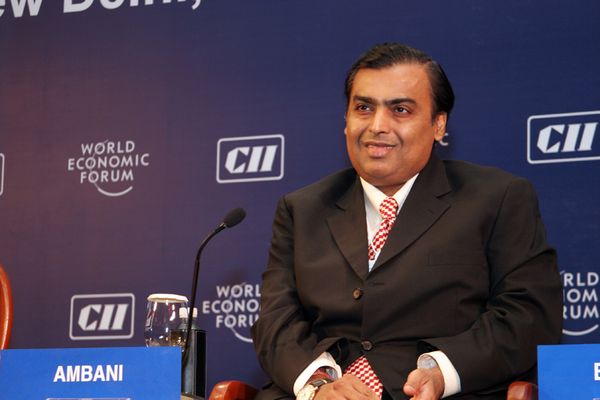
Mukesh Ambani inherited Reliance Industries from his father Dhirubhai Ambani following a dispute with his brother Anil that split the conglomerate in 2005. Mukesh retained the core petrochemicals and refining businesses. Those businesses made him wealthy. The decision that made him one of the wealthiest people in Asia was a technology bet he made a decade later.
In 2016, Reliance launched Jio, a 4G telecommunications network that offered free data and voice calls to every new subscriber for the first six months of service. The launch was a deliberate strategy to destroy the incumbent telecom operators' pricing model and acquire hundreds of millions of subscribers in a compressed period.
The offer was unprecedented. India had approximately 200 million internet users when Jio launched. Within months, Jio had added tens of millions of new subscribers. Established carriers — Airtel, Vodafone India, Idea — were forced to slash their own prices to compete. Several smaller operators went bankrupt. The industry consolidated dramatically.
Jio's cost advantage came from building an entirely new 4G infrastructure rather than upgrading a legacy network. This meant higher upfront capital expenditure — Ambani invested approximately $35 billion in the network — but lower ongoing operating costs than competitors maintaining older infrastructure. The free introductory period was loss-leading at scale, funded by Reliance's petrochemical profits.
The strategic outcome was that Jio became the largest telecom operator in India by subscriber count, with more than 400 million users by the early 2020s. That subscriber base then became the foundation for a broader digital ecosystem — JioMart for e-commerce, JioCinema for streaming, JioFinance for financial services.
The decision to sacrifice near-term profitability to acquire market share at speed, funded by a mature industrial business, was the architecture of a deliberate market takeover.
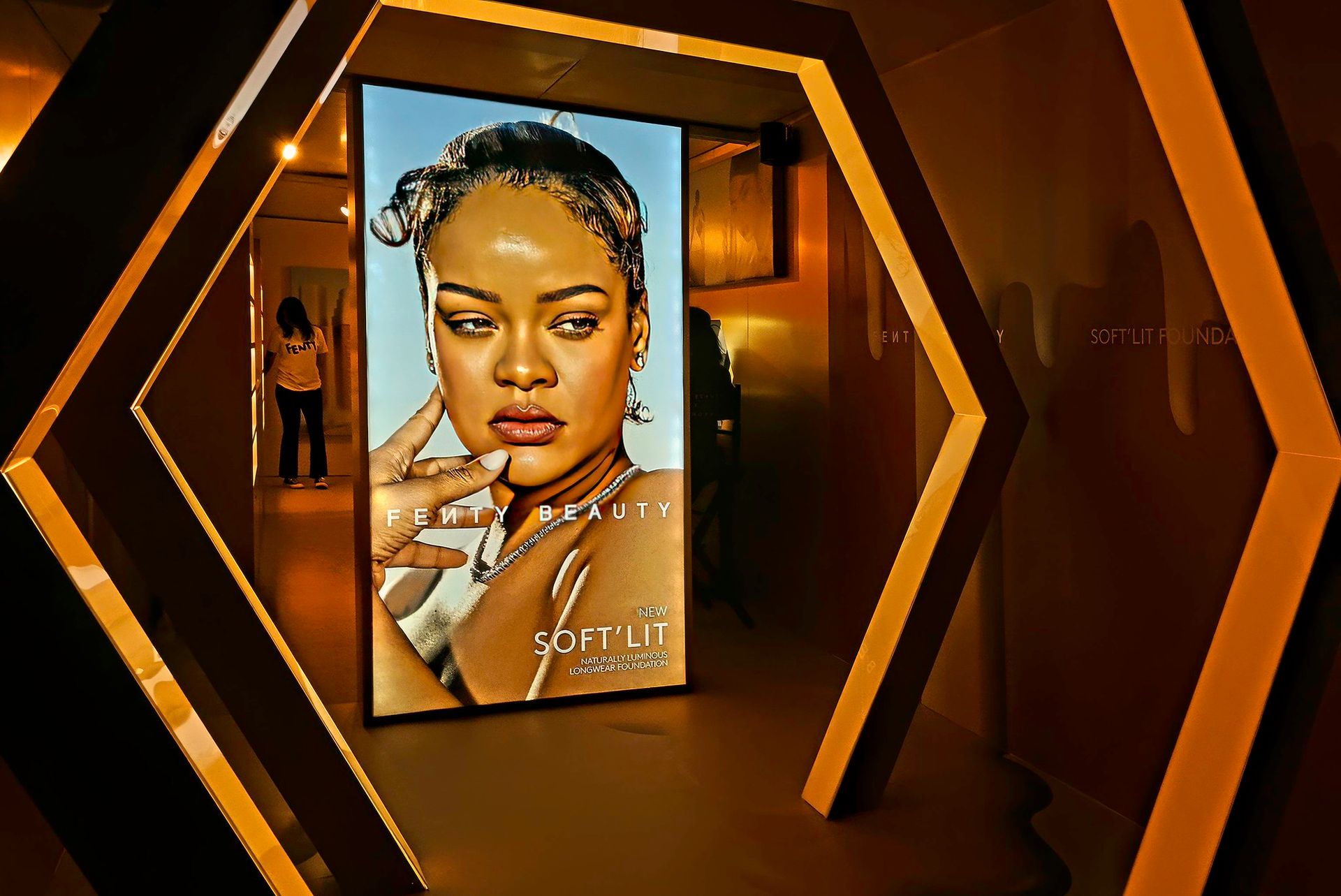
Credit: Choo Yut Shing, Flickr
Rihanna launched Fenty Beauty in September 2017 in partnership with LVMH's Kendo Brands division. The launch included 40 foundation shades, a range specifically designed to cover the full spectrum of skin tones, including very dark and very light complexions that most cosmetics brands had long underserved.
The decision was simultaneously a product decision and a market positioning decision. Cosmetics companies had historically launched foundations in a limited number of shades, with darker complexions added as secondary extensions if a brand bothered to extend the line at all. Rihanna's team identified this as both a market failure and an opportunity: the customers most underserved by existing products were loyal, vocal, and willing to pay.
Fenty Beauty's launch generated $100 million in sales within its first 40 days. The breadth of shade range drove social media coverage at a scale that traditional advertising could not have purchased — customers who had never found a foundation that matched their skin tone posted comparison photos and reviews that functioned as organic marketing. The phrase "Fenty Beauty effect" became common in the cosmetics industry to describe the pressure other brands subsequently faced to expand their own shade ranges.
The structure of the deal with Kendo was as significant as the product decision itself. Rihanna was not simply a celebrity licensor receiving a flat fee or a small royalty. She was a co-founder with significant equity in the venture. When LVMH's valuation of the company reached approximately $2.8 billion in 2023, Rihanna's ownership stake made her the first artist on Forbes' billionaires list whose wealth came primarily from a business venture rather than music.
The specific decision — to launch with 40 shades rather than the industry standard of 12 or fewer — was a product design choice that functioned as both a marketing strategy and a values statement. The financial consequences exceeded most projections.
-1920x1200.jpg)
Credit: Ajay Suresh, Wikimedia Commons / (CC BY 2.0)
Amancio Ortega founded Zara's parent company Inditex in 1985, having opened the first Zara store in 1975 in A Coruña, Spain. Ortega built his wealth through a specific operational model that differentiated Zara from every other fashion retailer in the world: vertical integration and extreme supply chain speed.
Most fashion brands operated — and still operate — on a model in which designs are created months in advance, orders placed with manufacturers, and inventory shipped to stores twice a year. Zara chose to manufacture a significant share of its clothes in Spain and Portugal, close to its headquarters, and designed a supply chain that could move new designs from concept to store shelf in roughly three weeks.
This speed allowed Zara to respond to what customers were actually buying, rather than committing to forecasts made six months earlier. Store managers reported daily sales data directly to Zara's design teams. If a particular style was selling in Paris, the team could produce more of it and have it in stores within weeks. If something was not moving, Zara did not continue producing it. The result was dramatically less unsold inventory — a persistent and expensive problem for conventional fashion retailers.
The vertical integration was the enabler. By owning manufacturing capacity near its design centers, Zara could change orders rapidly without the lead times that outsourced manufacturing in Asia required. The cost of keeping manufacturing close to Spain was partially offset by the reduction in markdowns needed to clear unsold inventory.
Ortega remained notably private throughout his career, rarely giving interviews, never appearing at fashion events. His net worth became public primarily because Inditex is a publicly listed company. By the early 2020s, he was consistently among the three or four wealthiest people in the world. The fortune was built entirely on a supply chain model — not a brand story, not a celebrity association, but a logistics and manufacturing decision made in the 1970s and scaled relentlessly.
-1920x1280.jpg)
Credit: Gage Skidmore, Wikimedia Commons / (CC BY-SA 2.0)
Peter Thiel made his first fortune co-founding PayPal $PYPL and selling it to eBay in 2002 for $1.5 billion. His $55 million share of that sale gave him capital to invest. The specific decision that multiplied that fortune dramatically was writing a $500,000 check for a 10.2 percent stake in Facebook $META in June 2004, when the company was four months old and had fewer than one million users.
Thiel's investment was the first institutional check Facebook received. It validated the company at a moment when Zuckerberg needed credibility as much as capital. The valuation implied by the deal — approximately $5 million for the whole company — looks absurd in hindsight. It did not look obviously wrong at the time. Facebook was a college social network with no revenue, a 20-year-old founder, and competitors including Friendster and MySpace that already had larger user bases.
Thiel has described what he was looking for in the investment: a company with network effects, a founder with clear product vision, and a head start in a market that could grow very large. He believed Facebook had all three. Most investors in 2004 did not share his conviction; the social networking space looked crowded and the dominant players seemed entrenched.
By the time Facebook went public in 2012, Thiel's 10.2 percent stake — diluted through subsequent funding rounds to approximately 2.5 percent — was worth more than $1 billion. He sold the majority of his shares shortly after the IPO.
The PayPal sale had given Thiel capital. The Facebook investment turned that capital into a fortune that allowed him to build Palantir $PLTR, fund dozens of other investments, and become one of the most influential technology investors of his generation. The single check — $500,000 in a dorm-room company — was the decision that defined the second chapter of his career.
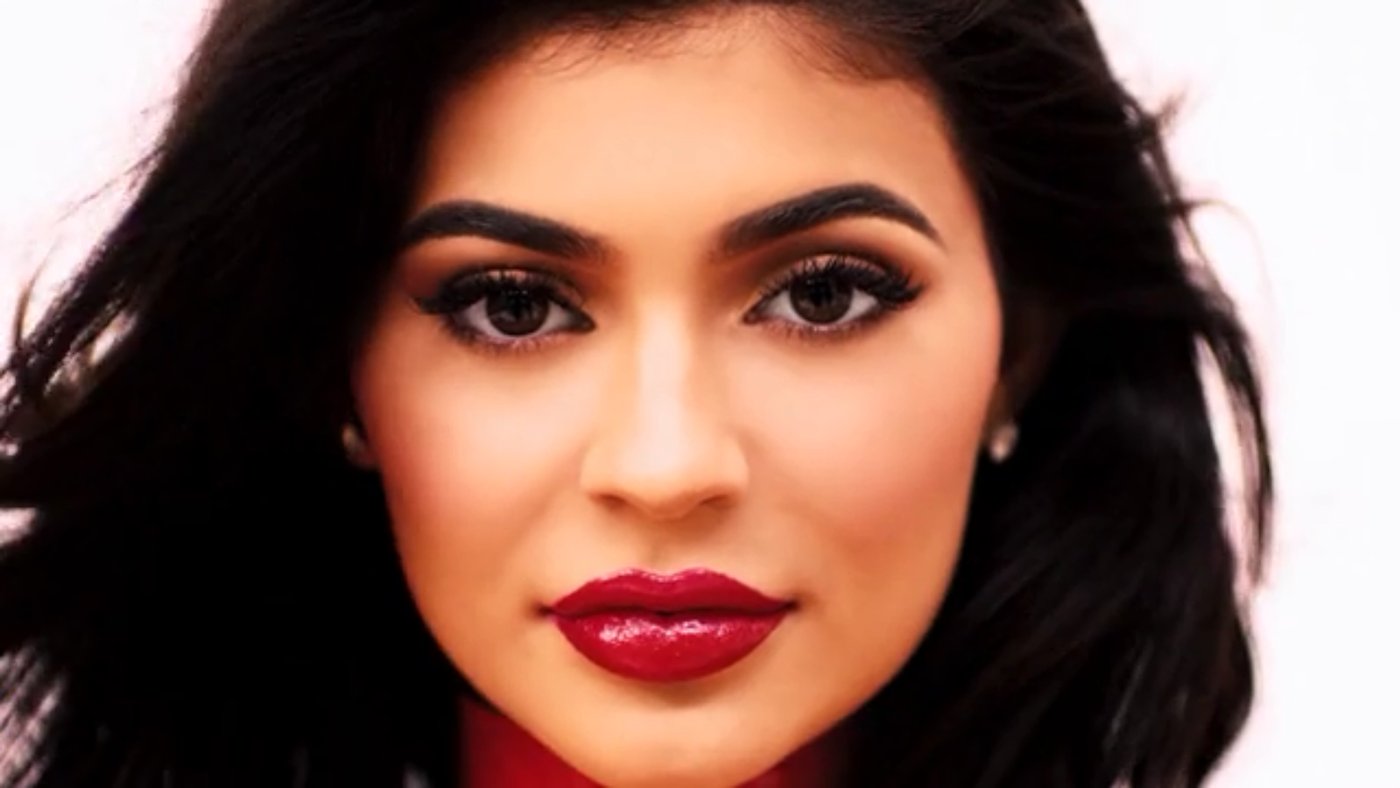
Credit: Josh Park, Wikimedia Commons / (CC BY-SA 3.0)
Kylie Jenner launched Kylie Cosmetics in 2015 with a single product: a lip kit consisting of a liquid lipstick and matching liner. She sold 15,000 kits in under a minute. The brand was built almost entirely through her Instagram following, which numbered in the tens of millions and allowed her to reach customers directly without traditional retail distribution or advertising.
The business model had very low overhead. Kylie Cosmetics used a contract manufacturer for production and had minimal staff. Jenner's celebrity was the primary asset, and that asset cost nothing in capital terms — it was simply the platform she had already built through years in the public eye as a member of the Kardashian-Jenner family.
The specific decision that made Jenner a billionaire — at least by Forbes' 2019 calculation, which was later disputed — was the sale of a 51 percent stake in Kylie Cosmetics to Coty Inc. in early 2020 for $600 million. The transaction valued the company at approximately $1.2 billion. Jenner retained 49 percent.
The timing of the sale mattered. Jenner sold the majority stake while the brand's revenue was at or near its peak, and before the celebrity beauty brand space had become as crowded as it subsequently did. Several celebrity beauty launches after 2020 performed at a fraction of early projections as consumers became more discerning and the market more saturated.
Coty's subsequent financial disclosures revealed that Kylie Cosmetics' revenue had been lower than the figures that had supported the $1.2 billion valuation, which created controversy about how the brand's financials had been represented. Regardless of that dispute, Jenner retained $600 million from the Coty transaction and the 49 percent stake she kept continued to generate revenue.
The decision to sell the majority while demand and brand momentum were strongest was the financial move that crystallized her wealth before conditions changed.