
From cardiovascular decline to mood shifts, here's what science knows about the real physical and mental cost of going sedentary

Credit: SHVETS production / Pexels
Your body adapts to exercise faster than most people realize — and it begins to reverse those adaptations just as quickly once you stop. The process has a name: detraining. It describes what happens when regular physical activity drops below the threshold needed to maintain the fitness gains you've built. Whether you stop for a week, a month, or longer, the body starts recalibrating almost immediately, pulling resources away from systems that no longer seem to need them.
This matters for more reasons than aesthetics or athletic performance. Exercise is one of the most powerful influences on cardiovascular health, metabolic function, bone density, mental health, and even cognitive ability. When regular movement stops, all of those systems begin to shift — and not in ways that are always immediately visible or felt. Some changes happen within days. Others accumulate over weeks and months. Some are easy to reverse once activity resumes; others take considerably longer to rebuild than they took to lose.
The reasons people stop exercising are rarely trivial. Injury, illness, work pressure, caregiving, grief, depression, travel, and simple burnout are all common culprits. There is no moral weight to a period of inactivity — but understanding what is happening inside the body during that period can help people make more informed choices about when and how to return, and what to expect when they do.
This article covers 25 documented changes that occur in the body when regular exercise stops. They are drawn from established exercise physiology and are organized to reflect the range of systems affected — heart and lungs, muscles, metabolism, bones, brain, and immune function. The goal is not to alarm, but to inform. The body's response to stopping exercise is not a catastrophe. It is, in many ways, a testament to how effectively it had been adapting in the first place.
Most of the changes described here are reversible. Returning to exercise — even after a prolonged break — tends to restore fitness faster than it took to build originally, a phenomenon sometimes called muscle memory. That's worth keeping in mind as you read.
Credit: CRISTIAN CAMILO ESTRADA / Pexels
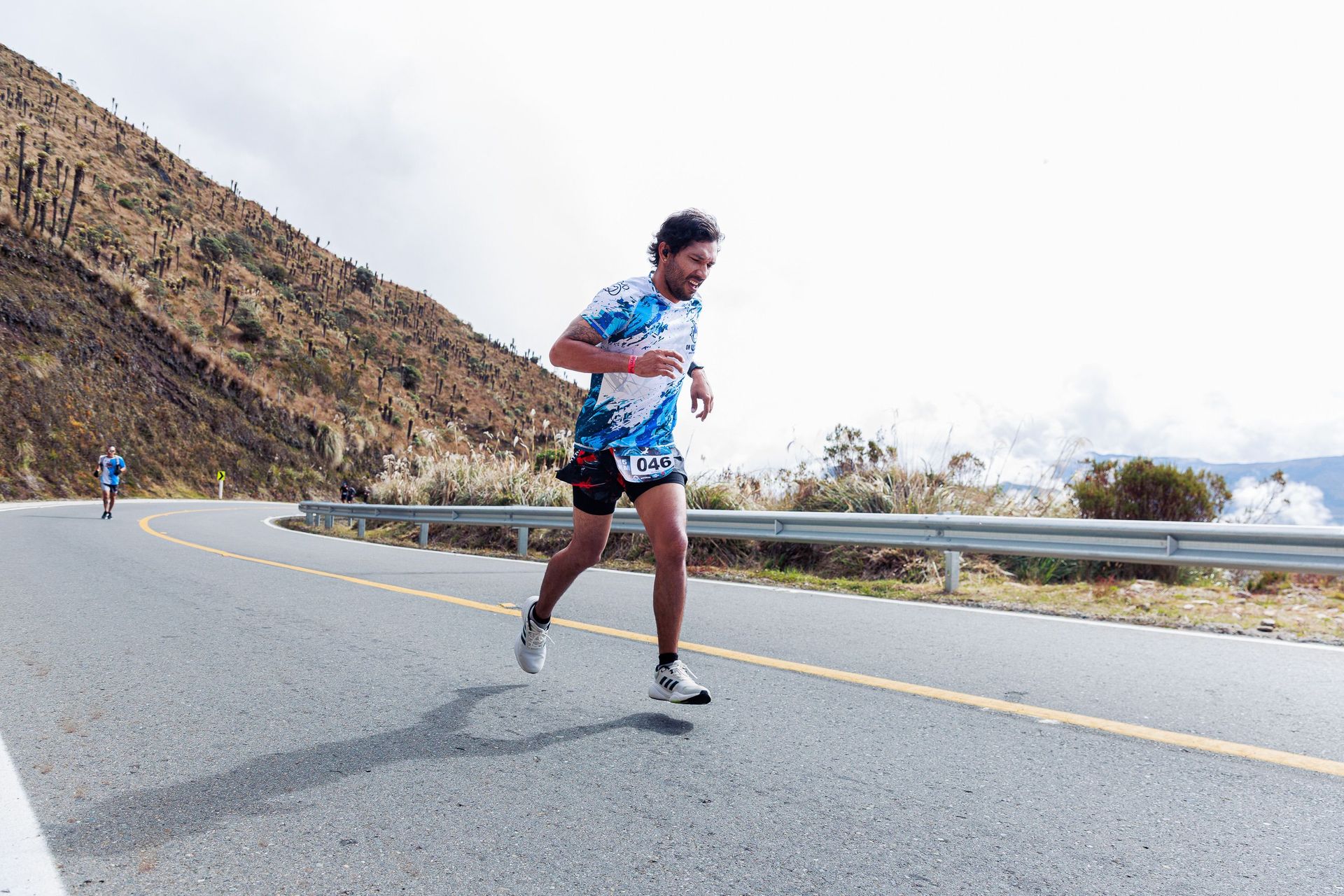
The heart is a muscle, and like any muscle, it responds to the demands placed on it. Regular aerobic exercise — running, cycling, swimming, rowing — trains the heart to pump more blood per beat, a measure called stroke volume. It also increases the heart's overall capacity and efficiency. These adaptations begin to erode within 10 to 14 days of stopping exercise, though the rate depends on your baseline fitness level.
One of the earliest measurable changes is a drop in VO2 max, which is the maximum rate at which your body can consume oxygen during sustained effort. It is considered one of the most reliable indicators of cardiovascular health and aerobic capacity. In trained athletes, VO2 max can fall by as much as 10 percent within the first three weeks of inactivity. In recreational exercisers, the decline tends to be less dramatic but still measurable.
What you might actually notice: activities that once felt easy start to feel harder. Climbing stairs, carrying groceries, or walking at a pace you'd previously found comfortable may leave you slightly more breathless than before. Your heart rate during these activities will likely be higher than it was when you were training, because the heart is now working less efficiently to deliver the same amount of oxygen.
The good news is that these cardiovascular adaptations are among the most responsive to retraining. Once exercise resumes, the heart begins rebuilding its capacity relatively quickly — often within two to four weeks of consistent aerobic work. The more fit you were before stopping, the faster this recovery tends to happen. Fitness built over months or years does not simply disappear; the body retains a kind of structural memory that makes reacquiring lost cardiovascular function faster than building it from scratch.
The cardiovascular system is also one of the clearest examples of the body's "use it or lose it" principle. It does not maintain adaptations for their own sake. If the stimulus that prompted those adaptations disappears, so does the incentive to maintain them.
Credit: helloimnik / Unsplash
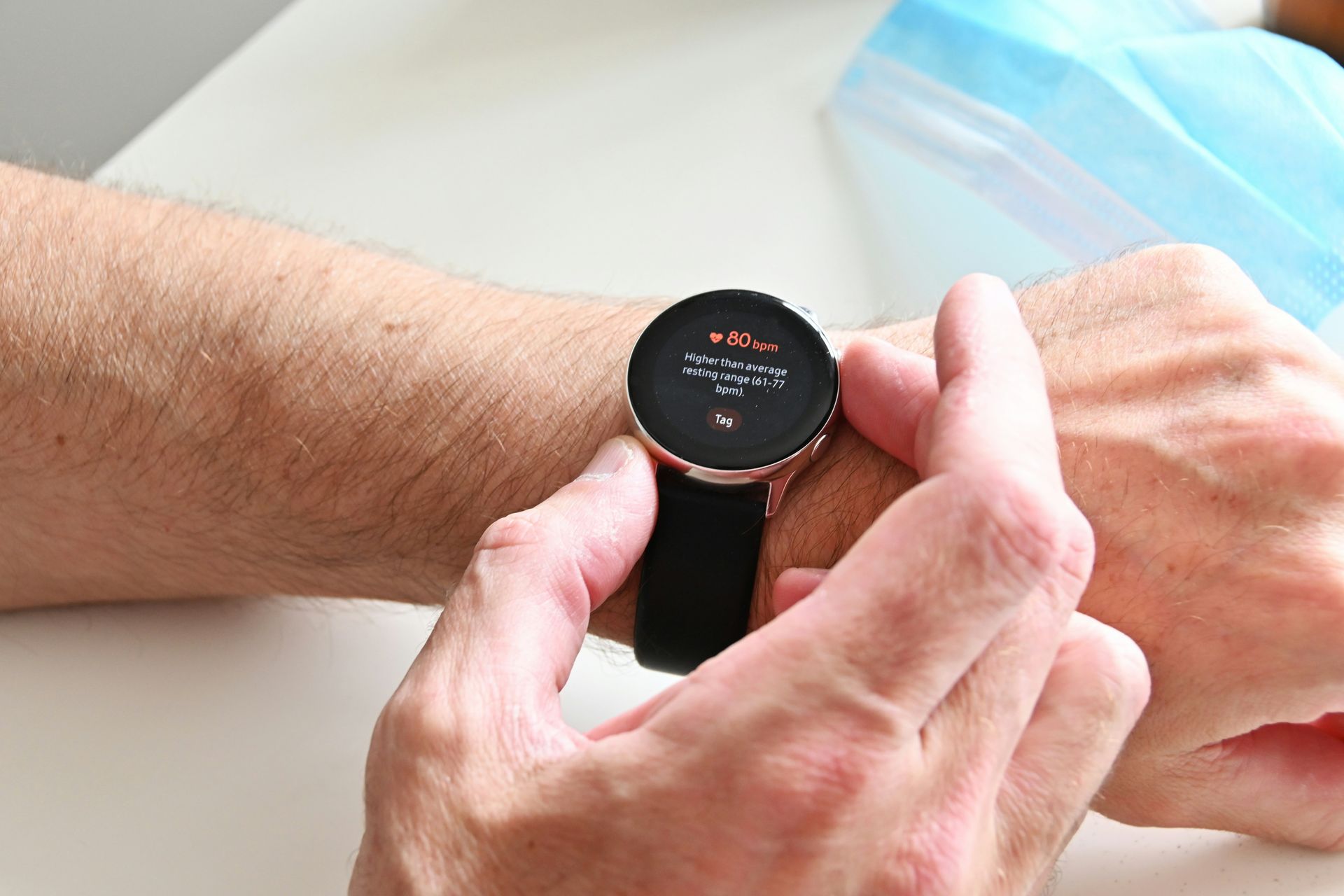
Closely related to overall cardiovascular fitness, resting heart rate is a simple, trackable measure of how efficiently your heart is functioning. In people who exercise regularly, the heart becomes so efficient at pumping blood that it needs fewer beats per minute to meet the body's baseline demands. Endurance athletes often have resting heart rates in the 40s or low 50s. The average sedentary adult sits somewhere between 60 and 100 beats per minute.
When exercise stops, this efficiency begins to fade. The heart gradually loses the structural and functional adaptations it built through training — including the increased stroke volume that allowed it to move more blood with each beat. To compensate, it starts beating more frequently at rest to deliver the same amount of blood.
The change is not dramatic in the short term, and most people won't notice it without actually measuring. A rise of three to five beats per minute over a few weeks of inactivity is common. Over longer periods of sustained inactivity, the resting heart rate continues to drift upward. This matters because elevated resting heart rate is independently associated with cardiovascular risk, even when controlling for other lifestyle factors.
Resting heart rate is easy to track. Checking it first thing in the morning before getting out of bed — using a finger on the wrist or a wearable device — gives a reliable baseline. If you're tracking your fitness during a period of reduced activity, watching for an upward trend in resting heart rate can give you an early signal that your cardiovascular system is beginning to detrain.
The rise in resting heart rate during a break from exercise is one of the more motivating indicators for people who track their health data carefully. It provides a concrete, objective measure of what inactivity is doing — and makes the case for resuming movement in a way that subjective feelings alone sometimes can't.
Credit: Lucas Oliveira / Pexels
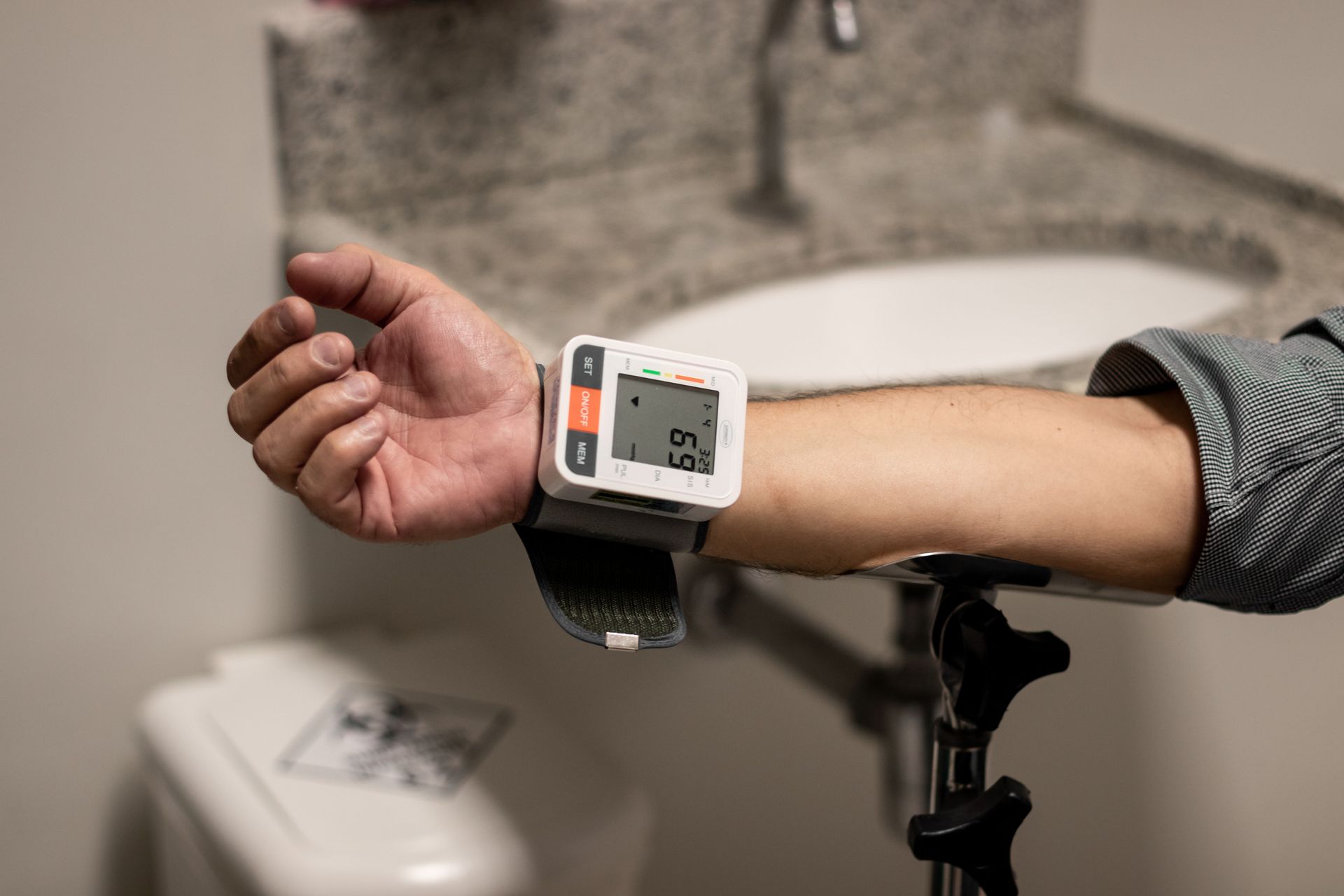
Blood pressure responds to exercise over time in ways that are well established. Regular aerobic exercise causes the walls of blood vessels to become more flexible and responsive. It promotes the release of nitric oxide, which relaxes blood vessel walls and helps keep pressure down. It also reduces overall sympathetic nervous system activity, meaning the body's baseline stress response is lower.
When exercise stops, several of these protective mechanisms begin to weaken. Blood vessel walls become less elastic. Resting sympathetic nervous system activity tends to increase. Blood plasma volume — which expands with aerobic training and helps dilute the concentration of red blood cells in circulation — begins to contract within the first few days.
For people with hypertension or borderline-high blood pressure, stopping exercise can be particularly consequential. Exercise is one of the most effective non-pharmacological tools for managing blood pressure, and its effects are largely dependent on consistency. A few weeks of inactivity can reverse meaningful reductions in systolic and diastolic pressure that took months of regular training to achieve.
The plasma volume reduction that happens within the first week of stopping exercise contributes directly to this rise in blood pressure. When plasma volume drops, blood becomes more viscous — thicker and harder to pump. The heart has to work harder to move it, and pressure on vessel walls increases.
This is not to say that one missed week will trigger a hypertensive crisis. For otherwise healthy individuals with normal blood pressure, the changes are modest. But for anyone managing cardiovascular risk, the relationship between exercise frequency and blood pressure is worth taking seriously. Even a short exercise break — two to three weeks — can begin to erode blood pressure benefits that took considerably longer to build.

Credit: RDNE Stock project / Pexels
Muscle mass is metabolically expensive to maintain. The body invests significant energy in building and preserving muscle tissue, and it does so primarily in response to the mechanical stress of regular exercise. Remove that stress, and the body begins to reallocate resources — reducing protein synthesis in muscle fibers and allowing those fibers to shrink.
This process, known as muscle atrophy, can begin within the first week of complete inactivity. The rate depends on multiple factors: age, baseline fitness, whether the inactivity is caused by injury or illness (which accelerates the process), and the type of training that preceded the break. Strength athletes who stop lifting tend to lose muscle size faster than endurance athletes who stop training, because the muscle fibers involved are different — and the metabolic cost of maintaining large fast-twitch fibers is higher.
What people notice first is not necessarily a visible change in size but a drop in strength and endurance within the muscle itself. Exercises that felt manageable begin to require more effort. Recovery after physical exertion takes longer. The muscles feel less responsive and more easily fatigued.
Over weeks and months, visible changes in muscle definition and size do become apparent. For people who have been training consistently for years, these changes may be gradual. For those with less established muscle mass, the shift can be more noticeable.
Strength loss during a break from exercise is also not linear. The initial decline tends to be steep — particularly in the first two to three weeks — and then slows. This is partly because some of the early strength loss reflects a reduction in neuromuscular efficiency rather than actual muscle fiber loss. The brain simply becomes less practiced at recruiting muscle fibers effectively. This type of strength loss tends to be among the fastest to recover when training resumes.

Credit: Julia Larson / Pexels
While both strength and endurance decline when exercise stops, they do not decline at the same rate. Muscular endurance — the ability to sustain repeated contractions over time — fades faster than raw strength. This is partly a function of how different muscle fiber types respond to inactivity.
Slow-twitch muscle fibers, which are the primary drivers of endurance activity, are highly dependent on aerobic metabolism. They rely on a dense network of capillaries, mitochondria, and aerobic enzymes to sustain prolonged effort. These features are largely earned through consistent aerobic and endurance training, and they begin to fade relatively quickly when that stimulus disappears.
Capillary density in muscle tissue — the number of blood vessels threading through the muscle to deliver oxygen — starts declining within the first two weeks of inactivity. Mitochondrial density follows a similar trajectory. As these structural features diminish, the muscle's capacity for sustained effort drops with them.
In practical terms, this means that activities requiring endurance — a long run, an extended swim, a sustained cycling effort — will feel significantly harder after even a few weeks of inactivity, even if you can still perform shorter, more explosive movements without much noticeable decline.
For recreational athletes returning from a break, this discrepancy can be confusing. You might feel strong during the first few minutes of a workout, only to hit a wall much earlier than expected. The strength is still largely there; the endurance infrastructure has faded. Rebuilding it requires consistent aerobic work at moderate intensity over several weeks — there are no meaningful shortcuts.
Understanding this distinction can help people returning from a break set realistic expectations and structure their return-to-exercise program more intelligently. Starting with short, consistent sessions rather than trying to match pre-break volume is consistently more effective at rebuilding muscular endurance safely.

Credit: anait film / Pexels
Muscle tissue is metabolically active at rest. It burns calories even when you're not doing anything, simply to maintain itself. When muscle mass declines due to inactivity, so does your resting metabolic rate — the number of calories your body burns just to sustain basic function.
This is one of the more consequential long-term effects of stopping exercise, particularly when combined with no change in dietary habits. As muscle tissue atrophies, the body's daily caloric demand decreases. If caloric intake remains the same, the likelihood of fat accumulation increases over time.
The shift is not immediate. In the first few weeks of inactivity, resting metabolic rate does not change dramatically. But as weeks turn into months, and muscle mass continues to diminish, the cumulative effect on metabolism becomes more significant. People who have stopped exercising for six months or more and maintained their usual eating habits commonly notice increased body fat even without a dramatic change in what they eat.
Exercise itself also has a direct metabolic effect beyond muscle maintenance. Vigorous exercise temporarily increases the body's metabolic rate for hours after the session ends — a phenomenon sometimes called excess post-exercise oxygen consumption. When exercise stops, so does this post-workout caloric burn.
For people managing their weight, the combination of declining muscle mass, lower resting metabolic rate, and the absence of post-exercise caloric burn creates a compounding effect. None of these changes happen overnight, but they are cumulative. The longer the break from exercise, the more pronounced the metabolic slowdown tends to become.
The most effective way to offset metabolic decline during a break from vigorous aerobic exercise is to preserve muscle mass through resistance training, even at reduced volume. Even two short strength sessions per week can significantly slow the rate of muscle atrophy and help maintain a more stable resting metabolic rate.
Credit: i-SENS, USA / Pexels
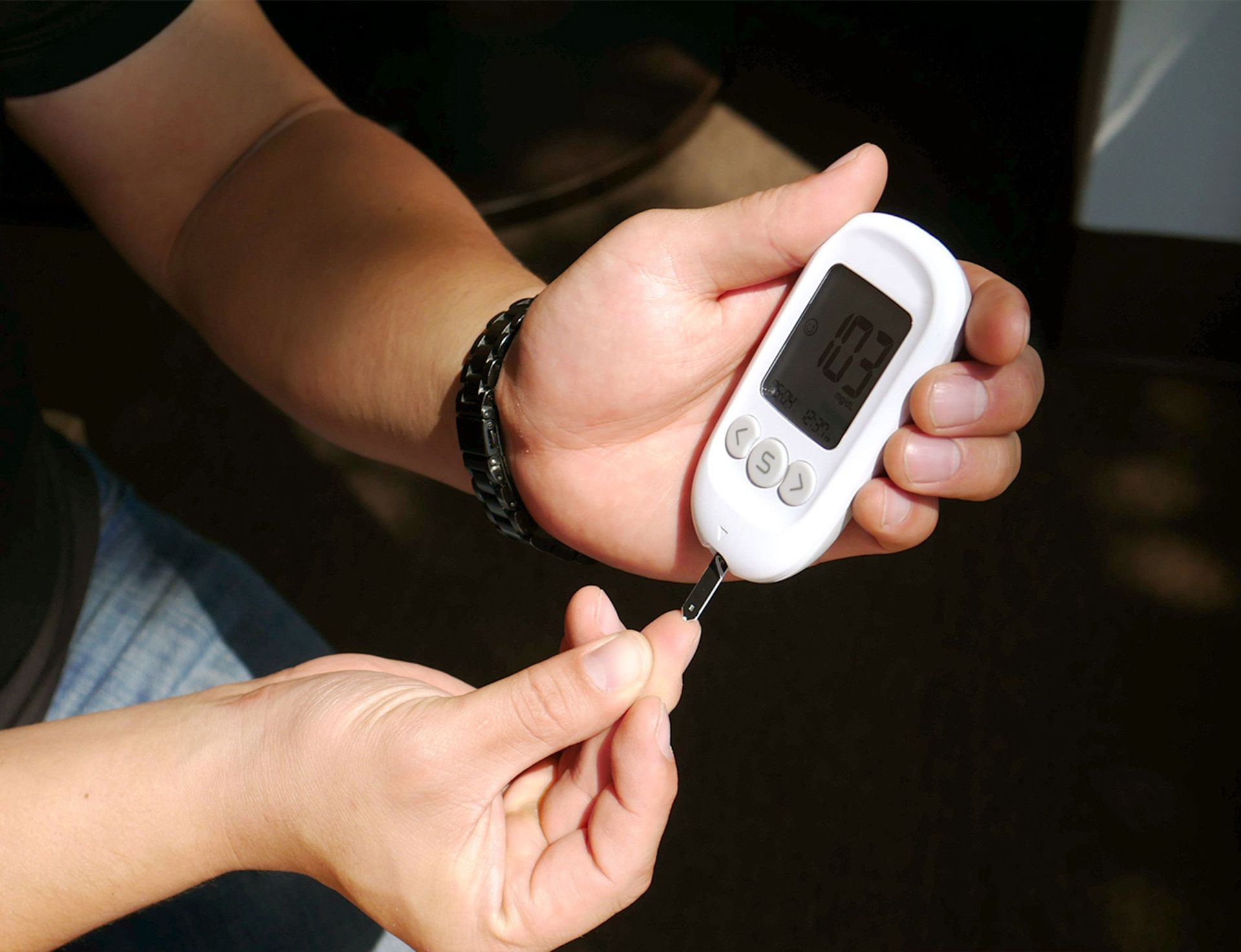
One of exercise's most direct metabolic effects is on insulin sensitivity — the body's ability to use insulin to move glucose from the bloodstream into cells for energy. Regular physical activity improves insulin sensitivity significantly. Muscle tissue that has been recently exercised absorbs glucose more readily, reducing the burden on the pancreas to produce large amounts of insulin.
When exercise stops, this benefit begins to erode. Insulin sensitivity can start to decline within a few days of inactivity in people who have been training regularly. Within two weeks, the decline is measurable in blood glucose tests. Over months, the risk of developing insulin resistance — a condition where the body must produce increasingly large amounts of insulin to achieve the same glucose-clearing effect — rises meaningfully.
This matters because insulin resistance is a central driver of type 2 diabetes, and it also underlies much of the metabolic dysfunction associated with obesity, cardiovascular disease, and non-alcoholic fatty liver disease. Exercise is one of the most potent tools available for improving and maintaining insulin sensitivity, and its effects are dose-dependent: the more you exercise, the greater the improvement.
For people who are already managing blood sugar — including those with prediabetes or type 2 diabetes — stopping exercise can have more immediate and serious consequences. A break of even a few weeks can require adjustments to medication dosing or dietary management to prevent blood sugar from climbing.
Even a single bout of moderate exercise can improve insulin sensitivity for 24 to 48 hours. This temporary effect means that consistency — exercising most days — is particularly important for blood sugar management. Stopping exercise removes not just the long-term structural benefits but also these short-term, session-by-session improvements.

Credit: www.kaboompics.com / Pexels
Fat accumulation when exercise stops is not simply a matter of "burning fewer calories." The mechanisms are more layered. Declining muscle mass reduces resting metabolic rate. Changes in insulin sensitivity promote fat storage, particularly in the abdominal region. Hormonal shifts reduce the body's preference for using fat as a fuel source. And the behavioral patterns associated with regular exercise — which often include better sleep, lower stress, and more mindful eating — tend to drift as well.
The most metabolically active and health-relevant form of fat accumulation that occurs with inactivity is visceral fat — the fat stored around the internal organs in the abdominal cavity. Visceral fat is not inert; it produces inflammatory compounds and hormones that contribute to insulin resistance, cardiovascular disease, and other metabolic conditions. It is also the type of fat most responsive to exercise — both aerobic and resistance training reduce it — and the type most likely to increase when regular activity stops.
Changes in body composition during inactivity are rarely visible in the short term. Over several months of sustained inactivity, however, the shift from muscle to fat can become noticeable — both in appearance and in physical function. Clothes fit differently. Movements that relied on muscular support feel less stable or more effortful.
It is worth noting that not everyone who stops exercising gains significant fat, particularly if their diet is well-controlled and if they remain generally active in their daily lives. But the baseline tendency — driven by the metabolic and hormonal changes described — moves in that direction. Understanding this can help people who take necessary breaks from structured exercise make targeted adjustments elsewhere to partially offset the shift.

Credit: Canva Images
The lungs themselves do not change structurally when you stop exercising — the tissue doesn't atrophy the way muscle does. But the respiratory system's efficiency in supporting physical effort does decline, primarily because of changes in the cardiovascular and muscular systems that the lungs work with.
During regular aerobic training, the body improves its ability to extract oxygen from each breath and deliver it to working muscles. The muscles involved in breathing — the diaphragm and intercostal muscles — also become stronger and more efficient. When exercise stops, these muscles weaken, and the cardiovascular system's capacity to transport oxygen declines. The net result is that breathing during physical effort becomes less efficient.
People returning to exercise after a break often describe feeling more "out of breath" than they expected, even during activities that previously felt easy. This is partly a cardiovascular issue — the heart is no longer pumping as efficiently — and partly a muscular one. The respiratory muscles are doing less work per breath.
Lung function tests like forced vital capacity (the maximum amount of air a person can exhale after a full breath) and FEV1 (forced expiratory volume in one second) do not decline dramatically with moderate periods of inactivity in otherwise healthy people. But the functional experience of breathing during exertion changes meaningfully. The sensation of breathlessness during moderate activity increases, which can itself become a barrier to returning to exercise.
This is an important point: the discomfort of restarting exercise after a break is often interpreted as a sign that something is wrong, when in fact it is simply a reflection of how effectively the body had adapted to training — and how far it has de-adapted. Most of the respiratory inefficiency resolves within a few weeks of consistent aerobic work.

Credit: cottonbro studio / Pexels
Exercise has a well-established effect on sleep. It helps regulate the body's circadian rhythm, increases slow-wave sleep (the deepest and most restorative phase), reduces the time it takes to fall asleep, and decreases nighttime waking. These effects are most pronounced with moderate to vigorous aerobic exercise performed regularly.
When regular exercise stops, some of these sleep benefits begin to fade. The body's temperature regulation — which plays a key role in sleep onset, as a drop in core body temperature is part of the brain's sleep initiation signal — becomes less efficient. The daily buildup of adenosine, the neurochemical that drives sleep pressure, may not reach the same levels in a sedentary body as it does in one that has been physically active.
People who stop exercising often report a gradual worsening of sleep — taking longer to fall asleep, waking more frequently in the night, or waking feeling less rested despite sleeping the same number of hours. These changes are not always dramatic, and they tend to develop over weeks rather than days.
Anxiety and mood — both of which are affected by stopping exercise — can also contribute to sleep disruption. The relationship is bidirectional: poor sleep tends to worsen mood and reduce motivation to exercise, while reduced exercise tends to worsen sleep. This feedback loop can be difficult to break once established.
For people who relied on exercise to manage insomnia or sleep disorders, stopping abruptly can cause a more pronounced deterioration. Exercise is considered one of the most effective behavioral interventions for insomnia, and its absence can undo months of improvement relatively quickly. Sleep hygiene practices — consistent bedtime, limiting screen use before sleep, keeping the bedroom cool and dark — become more important, not less, during periods of inactivity.

Credit: Charith Kodagoda / Pexels
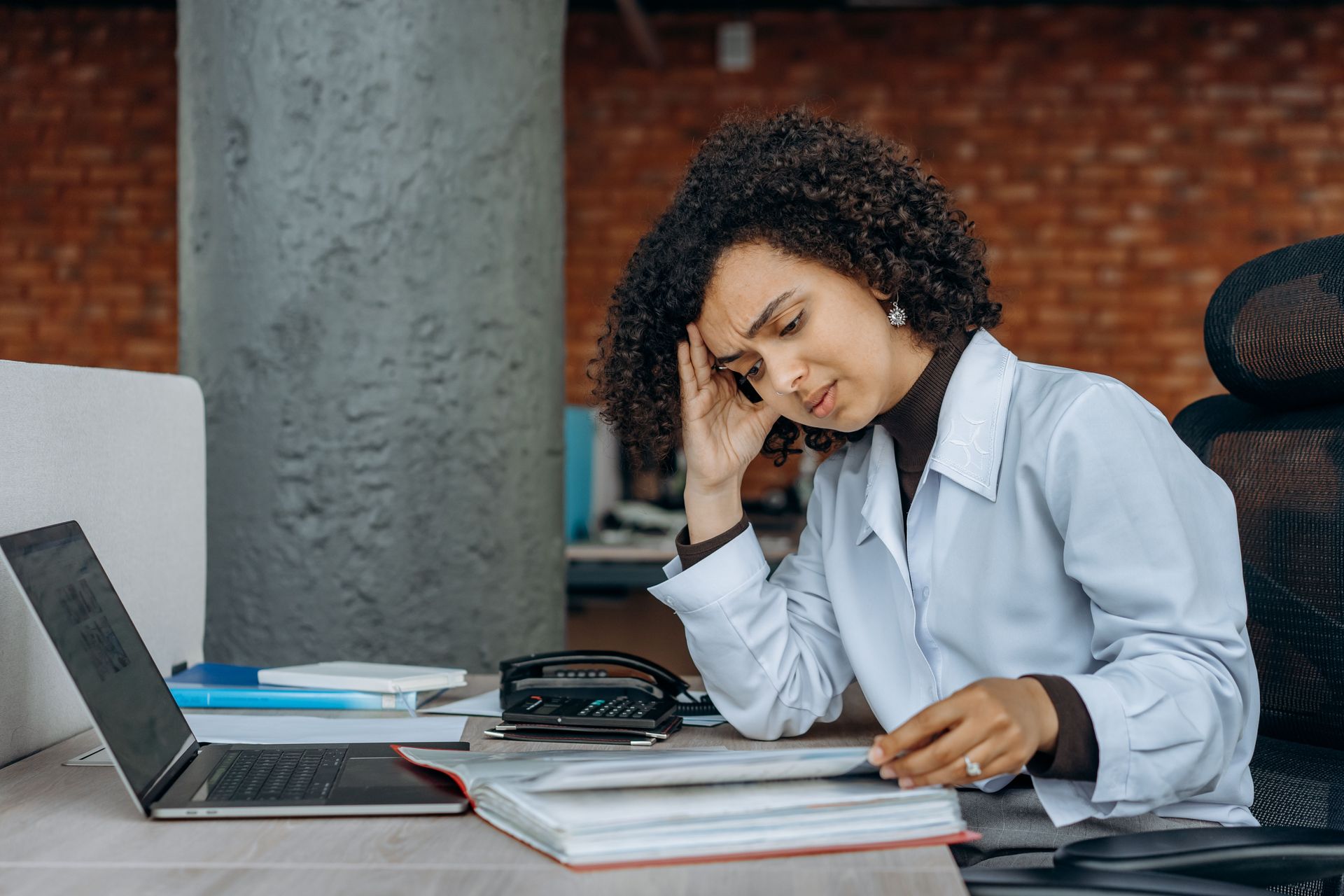
Exercise is not just a physical habit; it is a neurochemical one. Regular physical activity drives the release of endorphins, dopamine, serotonin, and norepinephrine — all neurochemicals that play central roles in mood regulation. It also promotes neuroplasticity, reduces the physiological markers of stress, and provides a sense of accomplishment and structure that has psychological benefits independent of any neurochemical effect.
When exercise stops, these effects stop too. Most people notice a change in mood within one to two weeks of stopping — particularly if they were exercising frequently. The shift is often described as a general flatness or increased irritability rather than clinical depression, though for some people — particularly those who exercise as a primary tool for managing depression or anxiety — the impact can be more significant.
The mood effects of stopping exercise are partly withdrawal-like in nature. The brain adapts to regular neurochemical input from exercise, and when that input stops, it takes time to recalibrate. This is not a sign of dependency in a clinical sense — it is simply the nervous system adjusting to a change in its environment.
Studies tracking mood in athletes and regular exercisers who take enforced breaks have consistently found increases in depression, anxiety, and irritability within one to two weeks. These changes are not permanent — mood typically stabilizes after several weeks as the nervous system adjusts — but the transition period can be uncomfortable.
Understanding that this mood shift has a physiological basis can help people be more compassionate with themselves during a break from exercise, rather than interpreting low mood as a character flaw or a sign that something is fundamentally wrong. It is the body reacting to a change in a habit that it had deeply internalized.
Credit: Mikhail Nilov / Pexels
Exercise acts as a stress inoculation. By repeatedly elevating heart rate and activating the body's stress response in a controlled, short-term way, regular training teaches the nervous system to mobilize and recover from stress more efficiently. This produces measurable changes in the hypothalamic-pituitary-adrenal (HPA) axis — the hormonal system that governs the stress response — making it more calibrated and less prone to overreaction.
When exercise stops, this calibration begins to drift. The HPA axis becomes less practiced at mounting and then dampening stress responses. Baseline cortisol levels — the primary stress hormone — may rise slightly. The perception of stress in daily life tends to increase, not because external stressors have changed but because the physiological buffer that exercise provided has begun to erode.
People who used exercise as a primary stress management tool often notice this change acutely. Minor frustrations feel bigger. Recovery from stressful events takes longer. The sense of calm or mental clarity that typically followed a workout is absent, and nothing else quite replicates it.
This is partly neurochemical — the reduction in endorphins and serotonin discussed in the mood section plays a role — but it also reflects changes in the autonomic nervous system. Regular exercise shifts the body toward greater parasympathetic tone (the "rest and digest" state) at baseline, meaning the body spends more time in a relaxed physiological state. Without exercise, sympathetic tone (the "fight or flight" state) tends to dominate more of the day.
The practical consequence is heightened reactivity to everyday stressors and a reduced sense of baseline calm. For people in demanding jobs or high-stress environments, this can become a meaningful quality-of-life issue within weeks of stopping their regular exercise routine.

Credit: ThisIsEngineering / Pexels
Exercise does not just benefit the body — it is one of the most potent stimulants of brain health known. Regular aerobic activity increases the production of brain-derived neurotrophic factor (BDNF), a protein that supports the growth and maintenance of neurons, promotes the formation of new neural connections, and is particularly important for the hippocampus — the brain region central to memory and learning.
When exercise stops, BDNF levels begin to decline. The hippocampus, which responds to aerobic exercise with measurable increases in volume in regular exercisers, can begin to show a reversal of those structural changes over prolonged inactivity. Executive function — the suite of cognitive abilities that includes planning, focus, impulse control, and flexible thinking — is also affected.
The effects are most pronounced with longer periods of inactivity and in older adults, for whom cognitive decline is a more immediate concern. But measurable cognitive changes — in working memory, processing speed, and sustained attention — have been documented in healthy younger adults after periods of enforced inactivity of several weeks.
People often describe the cognitive shift during a break from exercise as a kind of mental cloudiness or reduced sharpness. Focus comes less easily. Creative thinking feels less fluid. The mental edge that many regular exercisers associate with their morning run or gym session is not simply psychological — it reflects real changes in brain chemistry and blood flow.
Cerebral blood flow, which increases during aerobic exercise, also decreases in its baseline state when regular activity stops. Since the brain is extremely sensitive to fluctuations in blood supply, this change has downstream effects on alertness, processing speed, and cognitive clarity.

Credit: www.kaboompics.com / Pexels
Regular moderate exercise is one of the most consistent boosters of immune function available. It increases the circulation of immune cells, improves the efficiency with which those cells recognize and respond to pathogens, and reduces chronic low-grade inflammation — a driver of both acute illness and many long-term diseases.
When exercise stops, these immune benefits begin to fade. Immune cell circulation decreases. The surveillance function of the immune system — its ability to detect and respond to early signs of infection — becomes less efficient. Chronic low-grade inflammation, which exercise helps suppress, may begin to creep upward.
The timeline for meaningful immune function changes varies. In people who were exercising vigorously and consistently, a few weeks of inactivity is unlikely to produce dramatic immune impairment. But over months of sustained inactivity, the cumulative decline in immune surveillance and the rise in chronic inflammation can translate into greater susceptibility to common infections and slower recovery when they do occur.
It is worth noting that the relationship between exercise intensity and immune function follows a J-curve. Moderate regular exercise consistently improves immune function, but very high-volume or high-intensity exercise without adequate recovery can temporarily suppress it. For most recreational exercisers, stopping exercise means moving from the "moderate benefit" zone into a less-protected baseline state.
One of the most consistent findings in exercise immunology is that even brief bouts of moderate activity — a brisk 30-minute walk — produce immediate, measurable improvements in immune cell activity. The immune system is responsive to movement in real time, not just over the long term.

Credit: Kampus Production / Pexels
Bones respond to mechanical loading. When weight-bearing exercise puts stress on the skeletal system, bones adapt by increasing their density — adding mineral content to handle the load. This process is most responsive during youth but continues throughout adulthood. Regular resistance training and weight-bearing aerobic exercise are two of the most reliable ways to maintain bone density and reduce the long-term risk of osteoporosis.
When exercise stops, the mechanical signals that drive bone remodeling weaken. Bone-forming cells (osteoblasts) become less active, while bone-resorbing cells (osteoclasts) continue their work. Over time, the balance shifts toward net bone loss. This process is slow — it takes months to years of sustained inactivity to produce significant changes in bone density — but it is real and cumulative.
The risk is most acute for people who were relying on exercise as a primary bone-protective strategy, particularly women in the years around menopause, when the drop in estrogen already accelerates bone density loss. For these individuals, stopping exercise can compound an already-elevated risk of skeletal fragility.
Bone density decline during inactivity is also influenced by nutrition. Adequate calcium and vitamin D intake can partially offset the loss of the exercise-driven bone-building stimulus, and this becomes particularly important during extended breaks from physical activity.
Unlike muscle mass, which can be rebuilt relatively quickly once exercise resumes, bone density changes are slower in both directions — both to lose and to regain. This makes bone health an argument for maintaining at least some weight-bearing physical activity even during periods when full exercise is not possible.

Credit: Andrea Piacquadio / Pexels
Exercise does more than build muscle in the obvious, visible sense. It builds the deep stabilizing muscles that hold joints in proper alignment, maintains the flexibility and strength of connective tissue, and trains the proprioceptive system — the body's sense of its own position in space. These adaptations are often invisible but structurally important.
When exercise stops, these stabilizing muscles weaken alongside the more prominent muscle groups. The deep spinal muscles that support posture become less active. The hip stabilizers that protect the knee from improper tracking during walking and stair-climbing lose tone. The small muscles of the foot and ankle that provide balance and stability soften.
Over weeks and months of inactivity, posture commonly deteriorates. Shoulders round forward. The lumbar curve flattens or exaggerates. The core muscles that brace the spine during everyday movement become less responsive. These changes can contribute to back pain, neck tension, and an increased risk of injury during everyday activities — not just during exercise.
Joint stability is another casualty of detraining. Ligaments and tendons do not atrophy the way muscles do, but the muscles that support and protect joints weaken. When those muscles can no longer adequately control joint movement, the connective tissue takes on more of the load — and the risk of sprains, strains, and overuse injuries during eventual return to activity increases.
This is one reason why returning to exercise after a long break requires more caution than many people expect. The cardiovascular system may feel limiting at first, but the connective tissue and stabilizing muscles may be the actual weak link — and the one most likely to produce injury if volume is increased too quickly.
Credit: Canva Images
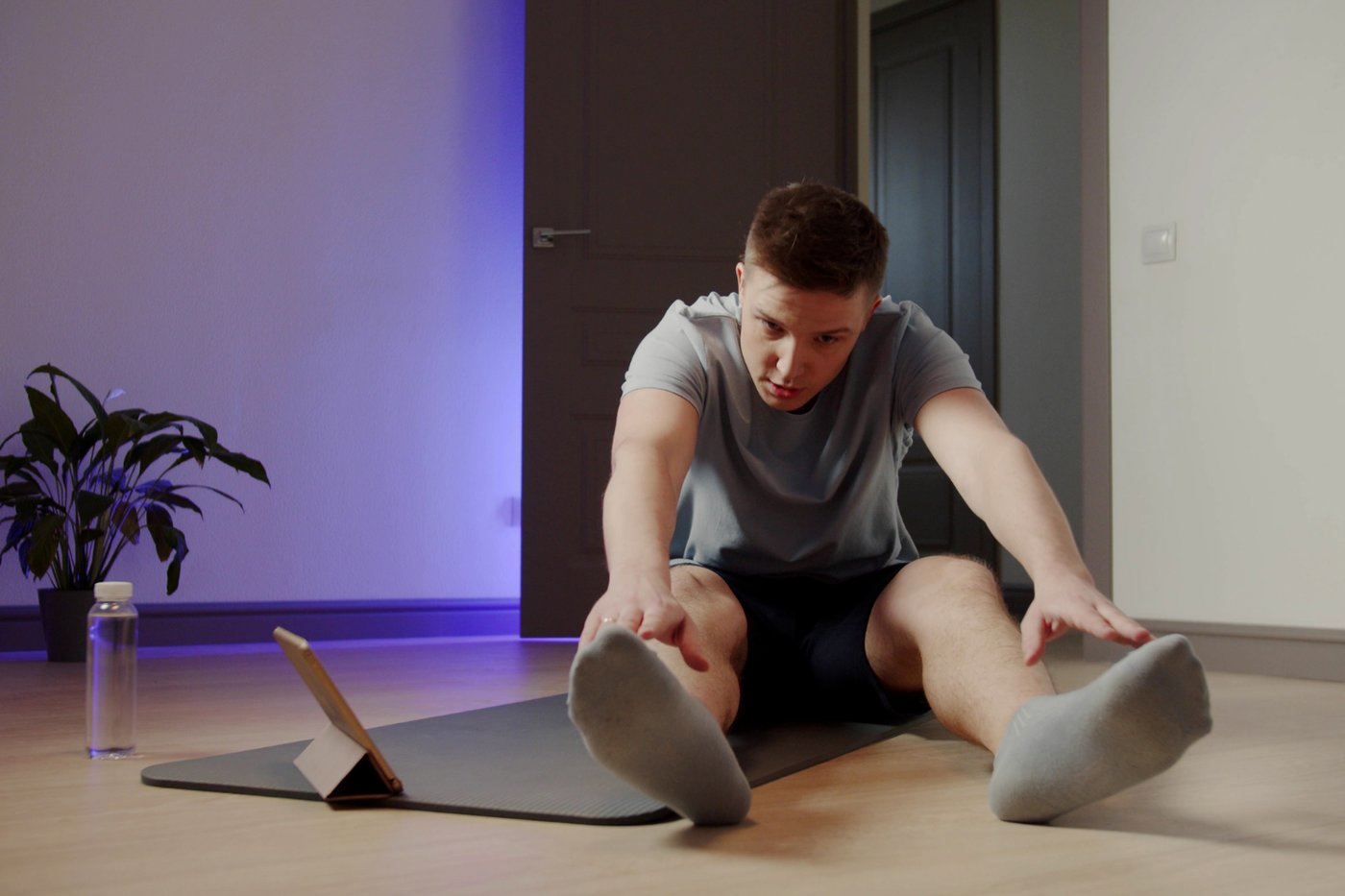
Flexibility tends to decline more quickly than most people expect when regular stretching and movement stops. The collagen in connective tissue — tendons, ligaments, and the fascia surrounding muscles — responds to regular lengthening by staying supple and organized. Without regular stretching or movement through full ranges of motion, collagen fibers can begin to cross-link and stiffen.
Muscles themselves also stiffen with disuse. The muscle spindles — sensory organs within the muscle that regulate its resting length — adjust their set point in response to regular use. When a muscle is consistently brought through its full range of motion, the spindles maintain a longer, more supple resting length. Without that regular input, they gradually recalibrate to a shorter length, making the muscle feel tighter and more resistant to stretching.
Within two to three weeks of stopping regular exercise — particularly activities like yoga, Pilates, or sport that involve regular range-of-motion work — people commonly notice increased stiffness in the hips, hamstrings, thoracic spine, and shoulders. Morning stiffness, in particular, tends to worsen, as the body has spent eight or more hours in a relatively static position without the maintenance work that exercise provides.
Reduced flexibility is not just uncomfortable; it has functional consequences. Tight hips can alter gait and increase lumbar spine stress. Stiff thoracic spines contribute to poor posture and shoulder dysfunction. Reduced ankle mobility changes landing mechanics in ways that increase injury risk.
Regaining flexibility after a period of inactivity is straightforward but requires consistency and patience. Daily static stretching and progressive range-of-motion work can restore most of what was lost, though it typically takes longer to regain than it did to lose.

Balance and coordination are skills — and like all skills, they require regular practice to maintain. The nervous system builds and refines balance through repeated exposure to movement challenges, particularly those that require the body to stabilize itself against changing forces. When those challenges stop, the neural pathways that govern balance and proprioception begin to weaken.
This decline is more pronounced with age, but it is measurable at any age. Studies testing balance in individuals who have stopped exercising for several weeks consistently find deterioration in single-leg stability, reaction time, and the ability to recover from unexpected perturbations — the kind of automatic correction that prevents a stumble from becoming a fall.
Proprioception — the body's internal sense of joint position and movement — is particularly vulnerable to detraining. It is maintained largely through the small, continuous adjustments the body makes during exercise. When exercise stops, these signals become less frequent and the neural circuits that process them less sharp.
For older adults, the decline in balance and coordination with inactivity carries real safety implications. Falls are among the leading causes of serious injury in people over 65, and the ability to recover from a loss of balance is one of the most important physical attributes for maintaining independence. Exercise programs specifically targeting balance — including tai chi, yoga, and single-leg stability work — are among the most effective fall-prevention strategies available.
For younger people, the practical manifestation is subtler: a slight loss of athletic grace, a reduced ability to react quickly to unexpected demands, and a greater sense of physical awkwardness when returning to sports or dynamic activities after a break.

Credit: Timur Weber / Pexels
Exercise influences sex drive through multiple channels. It improves cardiovascular circulation — including blood flow to genitalia, which plays a direct role in arousal and sexual function. It modulates the hormonal environment, supporting healthy testosterone levels in men and hormonal balance in women. It also reduces stress, improves body image, and increases overall energy — all of which contribute to sexual interest and function.
When regular exercise stops, several of these pathways begin to shift. Testosterone levels can decline, particularly in men who were performing regular resistance training. Cardiovascular efficiency decreases, reducing the ease of physical exertion. Mood and energy levels drop. Stress and anxiety — which are both suppressed by regular exercise — tend to rise.
The cumulative effect is often a reduction in sex drive. This is not dramatic in the short term for most people, and it varies widely between individuals. But people who exercised vigorously and consistently often notice a meaningful change in libido within a few weeks of stopping.
Body image also plays a role. As body composition shifts during inactivity — even modestly — some people become more self-conscious in ways that inhibit sexual interest and confidence. This is a psychological effect, not a physiological one, but it is real and worth acknowledging.
The connection between physical fitness and sexual health is a good example of how the benefits of exercise extend well beyond athletic performance. Exercise supports the hormonal, cardiovascular, and psychological conditions under which sexual function tends to be most robust — and its absence can quietly erode all three.

Credit: Ruslan Alekso / Pexels
The link between exercise and depression is one of the most robust in behavioral health research. Regular physical activity reduces depressive symptoms through multiple mechanisms — neurochemical, hormonal, structural, and behavioral. It is effective both as a treatment for existing depression and as a preventive measure against its development.
When exercise stops, this protective effect weakens. People with no prior history of depression may notice a drop in mood that does not rise to a clinical level. People who were using exercise as a primary or supplementary treatment for depression are at higher risk of a meaningful relapse. The relationship is not hypothetical — enforced inactivity, such as that imposed by injury or illness, is a recognized risk period for depressive episodes in people with a history of the condition.
The neurochemical underpinnings of this risk involve the same systems discussed earlier: serotonin, dopamine, and endorphin activity all decline when exercise stops. But the structural changes are equally relevant. Exercise promotes neuroplasticity in brain regions that are involved in emotional regulation, including the prefrontal cortex and the hippocampus. Both of these regions show reduced volume and activity in depression, and exercise is one of the few behavioral interventions that can structurally counteract this.
The behavioral aspects of exercise also matter. Regular exercise provides structure, routine, social contact (in group settings), a sense of mastery, and goal-directed activity — all of which are buffers against depression. When exercise stops, particularly if it was a central organizing feature of a person's day, these psychological scaffolds disappear along with the neurochemical ones.
For anyone with a history of depression, planning for exercise continuity — or having a concrete plan for the period during a necessary break — is an important part of mental health maintenance.

Credit: Alex Green / Pexels
Exercise is one of the most effective anti-anxiety tools available. It burns off circulating stress hormones, reduces baseline sympathetic nervous system activity, and gives the body an appropriate outlet for the physical tension that anxiety produces. For many people, a single exercise session provides a few hours of meaningful anxiety relief — not through distraction, but through a genuine physiological reset.
When exercise stops, anxiety tends to increase. The physiological mechanisms are similar to those driving the mood and stress changes described earlier: cortisol regulation worsens, sympathetic nervous system activity increases, and neurochemical buffers decline. But anxiety has additional physical dimensions that are particularly relevant.
People with anxiety often experience heightened bodily awareness — an increased sensitivity to physical sensations like heart rate, breathing, and muscle tension. Exercise helps normalize these sensations by making the body more accustomed to elevated heart rate and breathing in a context that is safe and controllable. When exercise stops, this calibration fades, and the same physical sensations can again feel alarming rather than familiar.
The relationship between exercise and anxiety is also partly about perceived control. Regular exercise provides evidence — updated repeatedly through each session — that the body can handle physical challenge. This builds a background confidence in the body's resilience that has psychological benefits beyond the training session itself. Inactivity erodes this confidence gradually.
Social anxiety in particular can worsen when exercise stops, if the exercise was performed in group settings or served as a regular point of social contact. The loss of that structure removes both the exercise-driven neurochemical benefit and the social support that helped buffer anxiety.
For people managing anxiety disorders, losing the exercise habit during a stressful period — exactly when it is most needed — is one of the more counterproductive cycles that inactivity can trigger.

Credit: www.kaboompics.com / Pexels
One of the paradoxes of exercise is that it creates energy by using it. Regular physical activity increases mitochondrial density in muscle cells — the number of cellular engines available to convert fuel into usable energy. It improves the efficiency of cardiovascular delivery. It sharpens hormonal rhythms, including cortisol's natural morning peak, which drives alertness. And it tends to improve sleep, which is the most fundamental source of physical and mental energy.
When exercise stops, all of these energy-producing mechanisms begin to soften. Mitochondrial density declines. Cardiovascular efficiency drops. Sleep quality worsens. The hormonal rhythms that keep energy levels consistent through the day become more erratic. The result is a pervasive sense of tiredness or low energy that is often described as fatigue.
This can become self-reinforcing. Low energy is one of the most common reasons people give for not exercising — but low energy is also a consequence of not exercising. The less you move, the more tired you feel; the more tired you feel, the less you want to move. Breaking this cycle is one of the core challenges of returning to activity after a break.
The fatigue associated with detraining is distinct from the fatigue that comes from overtraining or illness. It is less acute and more pervasive — a background tiredness rather than an inability to function. But it is real, and it affects cognitive performance, emotional resilience, productivity, and quality of life.
Even short bouts of low-intensity activity — a 20-minute walk — can temporarily break this fatigue cycle by activating the systems that generate energy. This is why gradual, low-stakes re-entry into exercise tends to be more sustainable than waiting until you feel energetic enough for a full workout.

Credit: www.kaboompics.com / Pexels
Exercise plays a deep role in hormonal regulation across multiple systems. Testosterone, growth hormone, insulin, cortisol, estrogen, and thyroid hormone are all influenced by regular physical activity, and each of them begins to shift when exercise stops.
Testosterone, which supports muscle maintenance, libido, bone density, and mood in both men and women (in different proportions), tends to decline with inactivity. The decline is more pronounced in men and is accelerated by the loss of muscle mass that accompanies detraining. Growth hormone, which is released during both sleep and vigorous exercise, also decreases when regular training stops — with downstream effects on tissue repair and fat metabolism.
Cortisol, the primary stress hormone, tends to increase and become more dysregulated during inactivity. Its normal diurnal pattern — high in the morning to drive alertness, low in the evening to permit sleep — can flatten when the regulatory influence of regular exercise is removed. Elevated evening cortisol is one mechanism through which stopping exercise disrupts sleep.
Insulin sensitivity — discussed earlier in the context of blood sugar — is also a hormonal issue. As insulin sensitivity declines with inactivity, the pancreas compensates by producing more insulin, which in turn drives fat storage and increases the risk of metabolic disease.
The hormonal changes of inactivity rarely feel like discrete events. They manifest instead as a constellation of interconnected shifts — reduced energy, altered mood, changed body composition, disrupted sleep — that are difficult to trace back to individual hormonal causes. This is one reason the full picture of what happens when exercise stops is more complex than any single metric can capture.

One of the functional changes people notice most clearly when returning to exercise after a break is that recovery takes much longer than it used to. Muscle soreness is more intense and lasts longer. Fatigue lingers for days rather than hours. The body takes far more time to repair microdamage from exercise than it did when training was consistent.
This reflects several compounding changes. Reduced cardiovascular efficiency means the working muscles receive less oxygen during effort and accumulate metabolic waste products more quickly. Reduced mitochondrial density means energy production during recovery is less efficient. The anti-inflammatory systems that exercise keeps well-practiced — including those related to antioxidant capacity and immune cell activity — become less robust during inactivity.
Delayed-onset muscle soreness (DOMS) is particularly pronounced after returning to exercise following an extended break. The muscles are encountering the mechanical demands of exercise essentially as a novel stimulus, even if the movements themselves are familiar. Microtears in muscle fibers produce inflammation, and the body's response to that inflammation — which takes one to three days to peak — is both more intense and longer-lasting than it was during regular training.
This can be discouraging, particularly for people who return to exercise with high motivation only to feel wrecked by day two. Understanding that intense post-exercise soreness after a break is normal — and does not indicate injury or permanent regression — is important for maintaining the motivation to continue.
The practical implication is that returning to exercise should begin at considerably lower volume and intensity than was common before the break, with more recovery time between sessions. The body's capacity to tolerate training load recovers with consistency, but it cannot be rushed without risking injury.

Credit: Canva Images
All of the individual changes described throughout this article — declining insulin sensitivity, rising blood pressure, increasing visceral fat, worsening cholesterol profiles, chronic low-grade inflammation — converge over time into a significantly elevated risk of the two most prevalent chronic diseases in the modern world.
Cardiovascular disease risk is influenced by multiple factors that exercise helps control: blood pressure, lipid profiles, resting heart rate, endothelial function, inflammation, and body weight. When exercise stops, all of these move in an unfavorable direction, not all at once but progressively and cumulatively. After six months to a year of sustained inactivity, cardiovascular disease risk can be meaningfully higher than it was during a period of regular exercise — particularly in individuals who already had elevated baseline risk.
Type 2 diabetes risk follows a parallel trajectory. Insulin resistance, which builds with inactivity, is the central mechanism. Combined with increased visceral fat — which itself drives insulin resistance — and reduced muscle mass (which is one of the primary sites of glucose disposal in the body), the metabolic conditions for type 2 diabetes become more favorable the longer inactivity continues.
These risk increases are not inevitable or irreversible. The body retains a remarkable capacity to reverse metabolic damage when physical activity resumes. Exercise is among the most potent interventions available for reducing both cardiovascular and diabetes risk, even in people who have been sedentary for years. The key insight is that the benefits of exercise are not stored up from a period of past activity — they must be continually renewed.
This is the central message of detraining research, and it applies across all 25 changes described here: the body adapts with extraordinary precision to the demands placed on it. Exercise it, and it builds capacity. Rest it without movement, and it begins, just as precisely, to dismantle what it built.