Your resting heart rate, your urine color, your nail beds, your skin — the body runs diagnostics constantly. Here's what the readouts mean

MART PRODUCTION / Pexels
The body does not wait to be examined. It runs a continuous diagnostic — monitoring blood pressure, oxygenation, hydration, inflammatory status, hormonal balance, and dozens of other parameters simultaneously — and it communicates the results through signals that are visible, measurable, or perceptible if you know what to look for. Most people look at these signals every day without reading them, because nobody taught them what the signals mean.
The color of your urine tells you your hydration status in real time, more accurately than any thirst signal, which is a lagging indicator. The appearance of your nail beds tells a cardiologist things about your heart and circulation that can be detected in a routine physical exam. The pattern of your bruising tells something about your coagulation system. The texture of your hair tells something about your thyroid. The timing of your hunger and your energy levels tells something about your blood sugar regulation. None of these is a diagnosis. All of them are data.
This list covers 20 body signals that carry genuine diagnostic information — information that is either clinically relevant (doctors use these signals in examination) or practically useful (understanding them helps you make better decisions about sleep, hydration, exercise, and when to seek care). Several of these signals are things doctors examine during routine physical exams, which means they are already being read by someone who knows what they mean; this list gives you access to the same reading.
A standard disclaimer applies throughout: nothing in this list is a substitute for medical evaluation. Several of the signals described here, when clearly abnormal, warrant a conversation with a doctor. The goal is not self-diagnosis but the informed body literacy that helps people notice changes worth discussing with a healthcare provider and understand what a clinical examination is measuring when it measures them.

Caleb Oquendo / Pexels
Urine color is the most accessible real-time indicator of hydration status available, and it is more reliable than thirst — which is a lagging indicator that activates after mild dehydration has already occurred. The color spectrum runs from pale straw (well-hydrated) through medium yellow (adequately hydrated) to dark amber (dehydrated) to brown (severely dehydrated or potentially indicative of a medical problem).
The mechanism is straightforward: urine is a concentrated waste product when fluid intake is insufficient, because the kidneys prioritize preserving water, and concentrated waste produces a darker color. As fluid intake increases, urine becomes more dilute and lighter in color. Urine that is consistently very pale yellow to nearly clear indicates adequate to excessive hydration; urine that is consistently dark yellow to amber indicates chronic underhydration.
The exceptions worth knowing: certain B vitamins (particularly B2, riboflavin) produce bright yellow or fluorescent yellow urine independent of hydration status. Beets and certain berries can produce pink or red urine. Some medications produce distinctive urine colors. And blood in the urine — which produces pink, red, or brown coloration — is not a hydration signal but a symptom that warrants medical evaluation regardless of other explanations. The baseline signal is valuable precisely because it requires no equipment and is available multiple times daily.
Gustavo Fring / Pexels
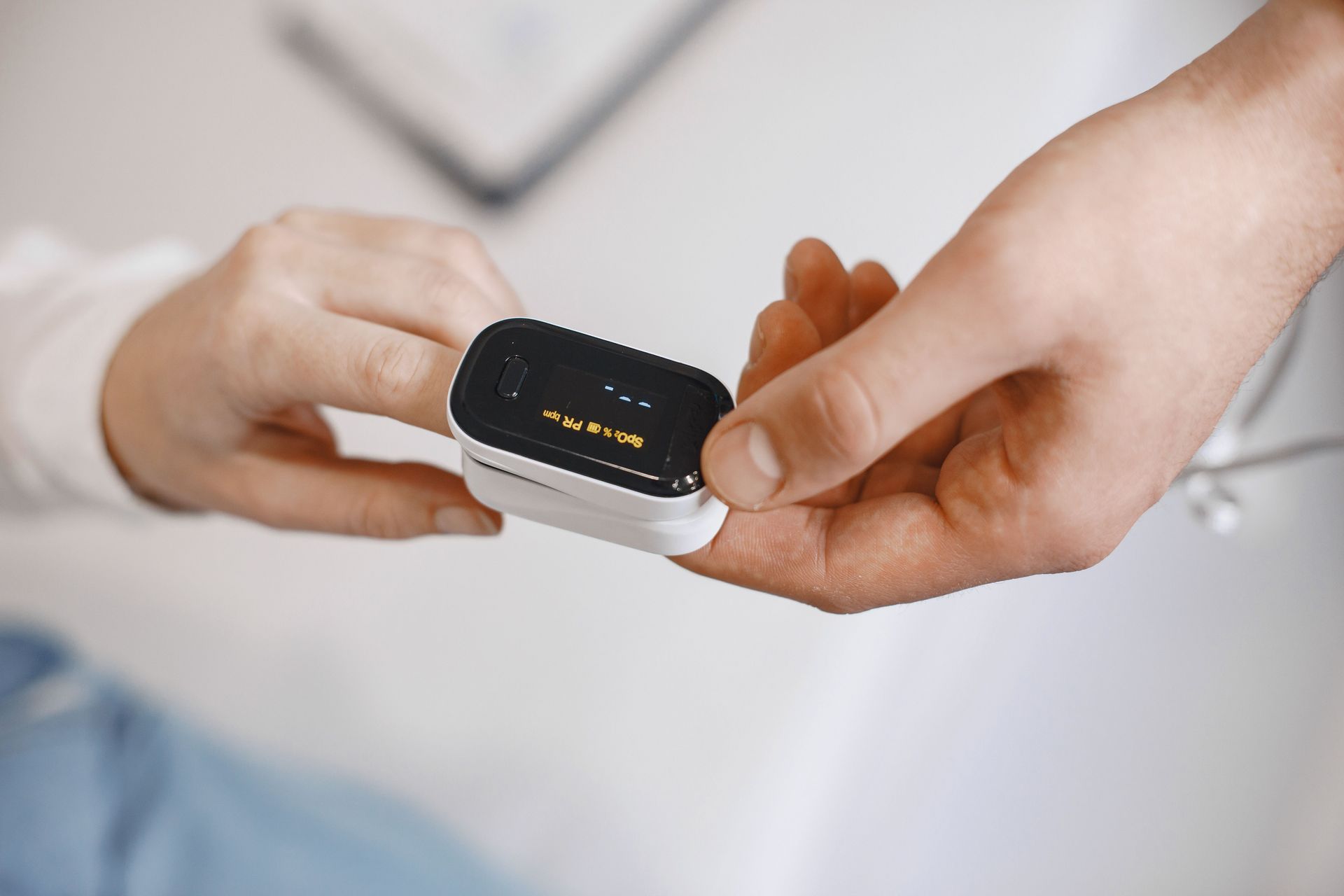
Resting heart rate — the number of heartbeats per minute when completely at rest, ideally measured first thing in the morning before getting out of bed — is one of the most informative single numbers available about cardiovascular fitness, recovery status, and overall health. The normal adult range is 60 to 100 beats per minute, but a resting heart rate below 60 is common in aerobically fit individuals, and the specific trend of your own resting heart rate over time is more informative than any single reading.
A resting heart rate that is elevated by five to ten beats above your personal baseline is a reliable early indicator of incomplete recovery from exercise, the onset of illness, or accumulated stress — often detectable one to two days before subjective symptoms appear. Athletes and coaches use morning resting heart rate as a training load monitor; it is equally useful as a general health indicator for non-athletes.
A chronically elevated resting heart rate (above 80 to 90 beats per minute in a sedentary adult) is associated with increased cardiovascular disease risk, independent of other risk factors. A very low resting heart rate in an unfit person (below 50 in someone who does not exercise regularly) can indicate a cardiac conduction abnormality and is worth discussing with a doctor, unlike the athletic bradycardia of a fit person whose heart has become more efficient.
Gustavo Fring / Pexels
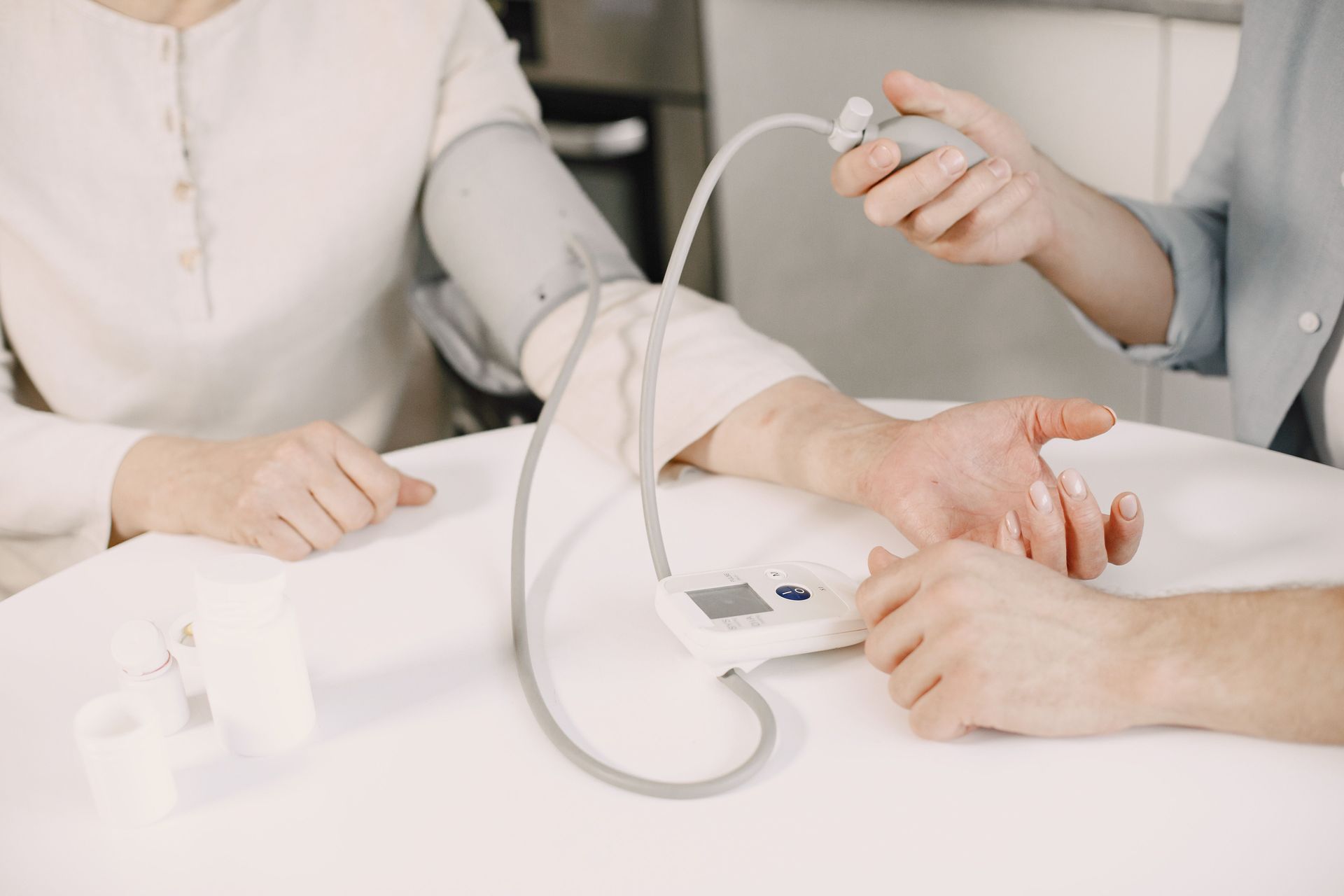
Blood pressure — the force exerted by blood against artery walls, measured as systolic pressure (during heartbeat) over diastolic pressure (between beats) in millimeters of mercury — is routinely measured at medical appointments but rarely explained in terms that allow people to interpret their own readings at home. Home blood pressure monitoring has become common and the readings are only useful if understood.
The standard categories: below 120/80 is normal; 120 to 129 systolic with diastolic below 80 is elevated; 130 to 139/80 to 89 is Stage 1 hypertension; 140/90 or above is Stage 2 hypertension; above 180/120 is hypertensive crisis requiring immediate evaluation. These are population thresholds, not individual alarms — a single reading above threshold is far less informative than a consistent pattern of readings.
The most common interpretation errors: blood pressure measured after coffee, exercise, or stress is not representative; readings taken in a noisy or uncomfortable environment are artificially elevated (white coat hypertension is real and common); the arm should be at heart level during measurement; and the cuff must be the correct size for the arm circumference. A reliable assessment of blood pressure requires multiple readings at different times, under consistent conditions, ideally over several days.

Gabriel Puyén / Pexels
The nails — their color, texture, shape, and the appearance of the nail bed beneath them — carry a surprisingly large amount of clinical information and are examined specifically by physicians as part of general examination. Several nail changes are associated with systemic conditions, though most nail changes have benign causes.
The changes most worth knowing: pale or white nail beds can indicate anemia (insufficient red blood cells) or liver disease; blue nail beds (cyanosis) indicate insufficient oxygenation and warrant immediate evaluation; yellow nails can indicate fungal infection, lymphatic dysfunction, or respiratory disease; horizontal ridges across nails (Beau's lines) indicate a period of physical stress or serious illness during which nail growth paused; vertical ridges are usually a normal aging change; and clubbing — the rounding and enlargement of the fingertip around the nail — is associated with chronic lung or heart disease.
Spoon-shaped nails (koilonychia), in which the nail curves upward at the edges, are associated with iron deficiency anemia. Small white spots on nails are almost always minor trauma, not calcium deficiency as commonly believed. The nails grow approximately three millimeters per month, which means that a Beau's line's position on the nail can indicate when a significant stressor occurred.

Bhumika / Pexels
The sclera — the white portion of the eye — is visible and accessible without examination equipment, and its color provides clinical information about liver function, red blood cell turnover, and systemic health. The normal scleral color is white to very faintly bluish-white; deviations from this baseline are worth understanding.
Yellow sclera (scleral icterus) indicates elevated bilirubin in the bloodstream — a breakdown product of red blood cells that is normally processed by the liver. Yellow sclerae can indicate liver disease (hepatitis, cirrhosis), bile duct obstruction, or conditions that cause rapid red blood cell breakdown (hemolytic anemia). Scleral icterus is often detectable before skin yellowing (jaundice) becomes apparent, because the sclera has a high affinity for bilirubin. Any new yellow discoloration of the eyes warrants medical evaluation.
Red sclerae (bloodshot eyes) have many common benign causes (insufficient sleep, allergies, eye strain, contact lens irritation) but persistent redness, redness accompanied by pain or vision changes, or redness in only one eye warrants evaluation. Subconjunctival hemorrhage — a bright red patch on the white of the eye from a broken blood vessel — looks alarming and is almost always benign, resolving without treatment within one to two weeks.

Ron Lach / Pexels
Several observable and measurable signs indicate whether sleep is producing its intended restorative effects, beyond the simple question of how many hours were spent in bed. The most informative: morning mood (people who have had adequate slow-wave sleep tend to wake feeling clear-headed within 20 to 30 minutes; persistent morning grogginess that does not resolve is a sign of insufficient deep sleep), morning heart rate elevation (described in the resting heart rate entry), and the timing of afternoon energy dips.
A moderate dip in alertness in the early to mid-afternoon — approximately 1 to 3pm — is a normal feature of the circadian rhythm and does not necessarily indicate insufficient sleep. A severe afternoon energy crash that makes concentration impossible, or that requires caffeine to manage, is a sign of insufficient nighttime sleep or poor sleep quality. Similarly, falling asleep within five minutes of lying down — which feels like efficiency — is actually a sign of sleep deprivation; a well-rested person takes approximately 10 to 20 minutes to fall asleep.
Snoring, witnessed apnea (a partner observing breathing pauses during sleep), and waking with a headache are signs of sleep-disordered breathing that warrants evaluation. Morning headaches specifically — present upon waking and improving after waking — are a classic sign of sleep apnea, because the repeated oxygen desaturations of apnea produce the same vascular changes that cause headaches.

Darya Sannikova / Pexels
The distinction between hunger and appetite — between the physiological need for fuel and the desire to eat — is something most people have difficulty making in real time, and the inability to distinguish them is one of the primary mechanisms of unintended weight gain. True hunger is a physiological signal: a gradual onset of stomach emptiness, low energy, and difficulty concentrating that builds over hours. Appetite is a psychological signal: a desire to eat specific foods, often triggered by sensory cues, emotional states, or habit, independent of physiological need.
The most reliable self-assessment: true hunger responds to any food — if you are genuinely hungry, an apple is appealing. If the apple is unappealing but a specific snack is compelling, the signal is appetite rather than hunger. The HALT mnemonic (Hungry, Angry, Lonely, Tired) is used in behavioral health contexts to prompt people to identify which state is driving an impulse to eat, because anger, loneliness, and fatigue each trigger eating behavior through separate mechanisms that are not resolved by food.
Recognizing genuine hunger signals before they become urgent is a learned skill. Most people eat in response to clock time, social context, or habitual triggers rather than physiological hunger signals, which means the physiological signal goes unrecognized through disuse. Developing sensitivity to genuine hunger signals — and distinguishing them from appetite — is one of the most practical forms of body literacy available.

Anil Sharma / Pexels
Resting breathing rate — the number of breaths per minute when completely at rest, which is approximately 12 to 20 in healthy adults — is one of the most sensitive early indicators of physiological distress, and one of the four vital signs that medical professionals monitor in all clinical encounters. Most people have no idea what their resting breathing rate is, despite it being measurable at any time by counting breaths for 60 seconds.
An elevated resting breathing rate (above 20 breaths per minute at rest) can indicate respiratory infection, anxiety, anemia, heart failure, or any condition that reduces oxygenation efficiency and requires the respiratory system to compensate by increasing ventilation rate. A breathing rate that is consistently above 20 at rest — particularly if accompanied by any of shortness of breath, chest pain, or palpitations — is worth discussing with a doctor.
The breathing pattern is also informative: normal resting breathing is quiet, through the nose, with the belly expanding on inhalation (diaphragmatic breathing). Chronic mouth breathing can indicate nasal obstruction (allergies, deviated septum) and is associated with worse sleep quality and dental health. Breathing primarily with the chest rather than the diaphragm (chest breathing) is associated with heightened anxiety and reduced breathing efficiency, and is something that can be corrected deliberately through breathing exercises.
Towfiqu barbhuiya / Pexels
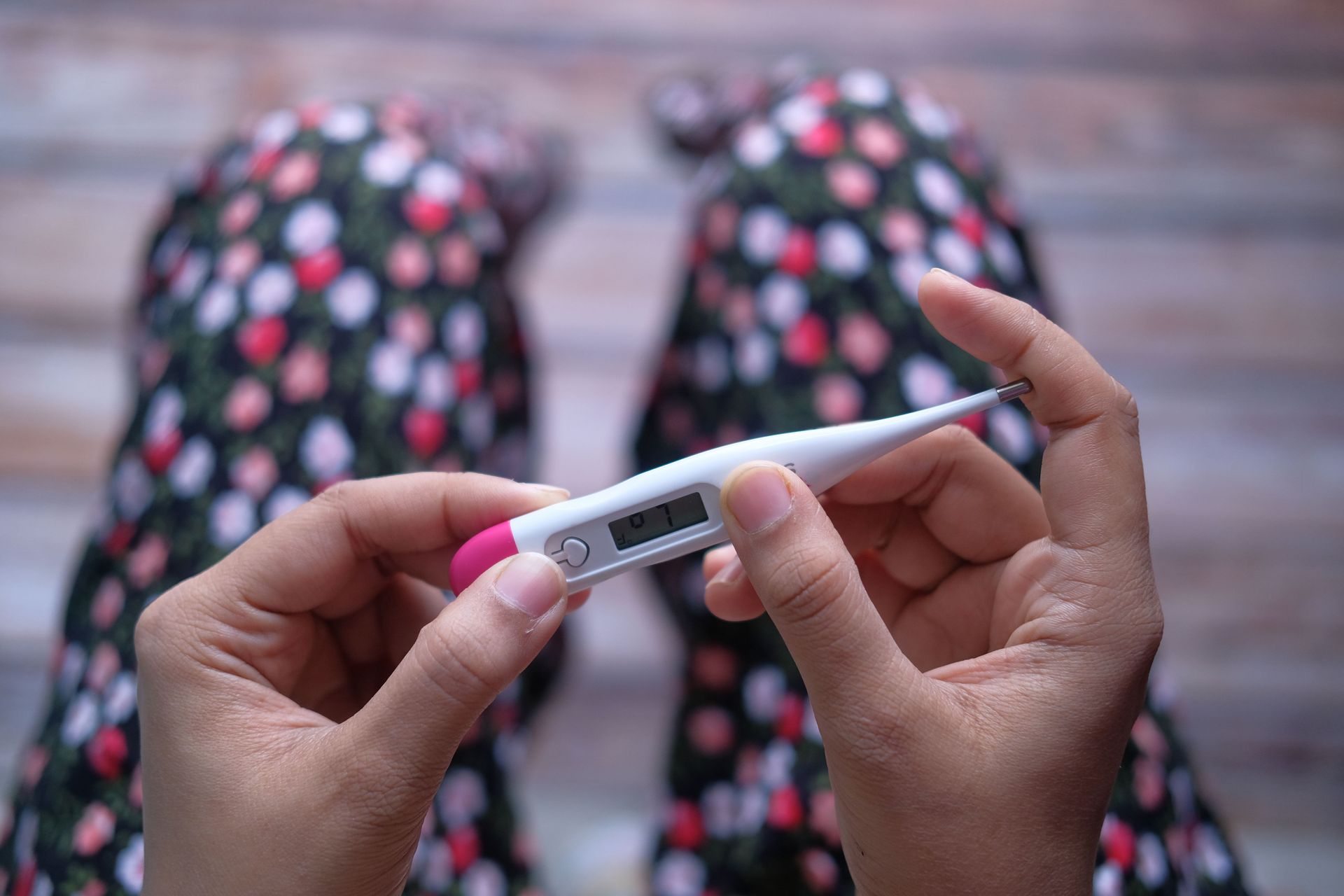
Normal body temperature is conventionally cited as 37°C (98.6°F), but this represents the average of a wide distribution that varies by time of day, site of measurement, age, and individual baseline. Body temperature is lowest in the early morning (approximately 36.1°C) and highest in the late afternoon (approximately 37.2°C), following a circadian rhythm that is part of the sleep-wake cycle. Understanding this variation makes temperature readings more interpretable.
A temperature above 38°C (100.4°F) is the clinical threshold for fever — the immune system's deliberate elevation of body temperature to inhibit pathogen replication and accelerate immune cell activity. Fever up to approximately 39.5°C in adults is generally not dangerous and should not be reflexively suppressed, as it serves an immune function. Fever above 40°C (104°F) or fever accompanied by stiff neck, severe headache, confusion, or rash warrants prompt evaluation.
Consistently low body temperature (below 36°C) at rest can indicate hypothyroidism, adrenal insufficiency, or severe illness. The pattern of temperature change — whether fever spikes and resolves or is sustained — is clinically informative and worth tracking if illness persists. Morning temperature measurement, taken consistently before rising, is the most reliable baseline because it avoids the day's activity and food intake that elevate temperature.

cottonbro studio / Pexels
The tongue is examined in Traditional Chinese Medicine as a primary diagnostic tool and in Western medicine as part of routine oral and systemic assessment, because its appearance reflects aspects of hydration, nutrition, and systemic health that are visible without equipment.
A healthy tongue is pink, moist, and covered with small papillae that give it a slightly rough texture. Deviations worth knowing: a very pale tongue can indicate anemia; a bright red tongue (particularly with a smooth, "beefy" appearance) can indicate B12 or folate deficiency (geographic tongue); a coated tongue — a white or yellow film on the surface — is usually benign (oral bacteria overgrowth, especially after antibiotics or in the morning) but persistent thick coating can indicate oral thrush (fungal infection); a very dry tongue indicates dehydration; and deep, persistent fissures in the tongue surface can indicate nutritional deficiencies or geographic tongue, a benign but sometimes uncomfortable condition.
The tongue is a mucosal tissue, and mucosal changes anywhere — including persistent white patches (leukoplakia), red patches (erythroplakia), or sores that do not heal within two weeks — warrant evaluation, as persistent oral mucosal changes can indicate precancerous or cancerous lesions.

KoolShooters / Pexels
Most people are unaware that they can feel their own lymph nodes — small, bean-shaped immune tissue structures distributed throughout the body — in several accessible locations: under the jaw and behind the ears, in the neck, in the armpits, and in the groin. Lymph nodes swell during immune responses, and knowing what they normally feel like makes it possible to detect when they are enlarged.
Normal lymph nodes are small (under one centimeter), soft, mobile (they move easily under the finger), and non-tender. Enlarged lymph nodes during an acute illness — a cold, strep throat, an ear infection — are expected and are a sign that the immune system is responding normally. Lymph nodes that remain enlarged for more than two weeks after the illness has resolved, nodes that are hard or fixed (not moveable), nodes that are growing, or nodes that are enlarged without an apparent infection are worth discussing with a doctor.
The specific concern with persistent, hard, or fixed lymph nodes is lymphoma and other lymphatic cancers, for which enlarged lymph nodes — often painless — are frequently the first detectable sign. Most enlarged lymph nodes have benign causes, but the pattern of enlargement (which nodes, how long, associated symptoms) helps distinguish benign from concerning causes.

Jan van der Wolf / Pexels
Bowel habits — frequency, consistency, color, and any associated symptoms — are among the most informative health signals the body provides and among the least discussed, both in social contexts and in many medical encounters where patients do not volunteer the information and providers do not ask. Understanding what normal looks like makes deviations detectable.
Normal bowel movement frequency ranges from three times per day to three times per week, and the normal consistency is the Bristol Stool Scale Types 3 to 4 (formed, sausage-shaped, easy to pass). Type 1 and 2 (hard, lumpy) indicate constipation; Types 6 and 7 (loose, watery) indicate diarrhea or urgency that warrants evaluation if persistent. The consistency is more informative than the frequency.
Color is informative: brown is normal (from bile); green is usually benign (rapid transit, green vegetables, or food coloring); yellow and greasy can indicate fat malabsorption; black and tarry can indicate upper gastrointestinal bleeding (digested blood); and red can indicate lower gastrointestinal bleeding or hemorrhoids. Persistent changes in bowel habits — new constipation or diarrhea lasting more than a few weeks, unexplained change in stool caliber, blood in stool — in adults over 40 warrant evaluation, as these can be early signs of colorectal cancer.
Pavel Danilyuk / Pexels
Blood sugar regulation produces several perceptible signals that, when recognized, provide a functional picture of how well the body is managing glucose — information that is particularly useful for people at risk of or managing pre-diabetes or diabetes, but that is informative for anyone interested in metabolic health.
The hunger pattern associated with blood sugar dysregulation is the most accessible signal: rapid, intense hunger that develops within two to three hours of a meal — particularly a carbohydrate-heavy meal — and that is accompanied by irritability, difficulty concentrating, shakiness, or headache indicates reactive hypoglycemia (blood sugar that spikes after eating and then drops below baseline). This pattern, when consistent, indicates an exaggerated insulin response to glucose that is associated with insulin resistance and pre-diabetes.
The energy pattern is similarly informative: steady energy from meals that lasts three to four hours before gradually declining is a sign of good blood sugar regulation. Rapid energy crashes within one to two hours of eating, or energy that is highly dependent on caffeine to maintain, suggests blood sugar dysregulation. The absence of these symptoms does not rule out metabolic dysfunction, which can be asymptomatic, but their presence is a useful signal worth discussing with a doctor who can confirm with a fasting glucose or HbA1c test.

Towfiqu barbhuiya / Pexels
The skin is the body's largest organ and is continuously visible, making it the most accessible site for health monitoring. Several categories of skin change carry specific clinical significance and are worth knowing how to identify.
New or changing moles: the ABCDE criteria used by dermatologists to assess melanoma risk are accessible to non-clinicians — Asymmetry (one half doesn't match the other), Border irregularity (ragged or blurred edges), Color variation (multiple shades of brown, black, red, white, or blue in one lesion), Diameter greater than six millimeters (about the size of a pencil eraser), and Evolution (any change in size, shape, color, or any new symptom). Any mole meeting these criteria warrants dermatological evaluation.
Skin that becomes persistently dry, itchy, and thickened can indicate eczema, psoriasis, or hypothyroidism. Skin that becomes thin, bruises easily, and heals slowly can indicate corticosteroid excess (either from medication or Cushing's syndrome) or nutritional deficiencies. Skin that turns yellow (jaundice) indicates elevated bilirubin, as discussed in the eye entry. New skin growths, persistent non-healing wounds, or significant changes in the appearance or texture of existing skin in adults are worth having evaluated by a dermatologist.

Puwadon Sang-ngern / Pexels
Most people have experienced a palpitation — the sensation of the heart skipping a beat, fluttering, or beating unusually hard — and most palpitations in otherwise healthy people are benign: premature ventricular or atrial contractions (extra beats that throw off the rhythm momentarily) that are common, often triggered by caffeine, alcohol, stress, or fatigue, and not clinically significant.
The distinction between benign and concerning palpitations is worth understanding. Palpitations that are brief (seconds to a few minutes), occur at rest or with minimal provocation, and resolve spontaneously are almost always benign. Palpitations that are sustained (lasting more than a few minutes), accompanied by chest pain, shortness of breath, lightheadedness, or near-fainting are potentially serious and warrant immediate evaluation. Palpitations that are regular and very rapid (a sustained rapid heartbeat above 150 beats per minute) may indicate supraventricular tachycardia or other arrhythmias.
Taking a pulse during palpitations — counting heartbeats for 30 seconds and multiplying by two — provides the rate and an approximation of regularity. A very irregular pulse during palpitations may indicate atrial fibrillation, the most common serious cardiac arrhythmia, which warrants evaluation because it significantly increases stroke risk.

Yazid N / Pexels
The rate and quality of hair and nail growth reflects nutritional status, thyroid function, hormonal balance, and circulation in ways that are informative when changes occur. Nails grow approximately three millimeters per month; hair grows approximately one centimeter per month under normal conditions. Slowdowns below these rates, or acceleration beyond them, can reflect systemic changes.
Sudden diffuse hair shedding — where hair comes out in larger-than-usual quantities across the whole scalp rather than in patches — is almost always telogen effluvium, a delayed response to a significant physical or emotional stressor that occurred two to three months earlier. The stressor (illness, surgery, major psychological stress, significant weight loss, childbirth) pushes a large proportion of hair follicles simultaneously into the resting phase, and the shedding follows two to three months later when those follicles shed their existing hair simultaneously. It is self-limiting and resolves within six to nine months. Understanding this timing is important because the hair loss appears long after the cause and is often attributed incorrectly to a more recent event.
Thinning or brittle hair combined with fatigue, cold sensitivity, and weight gain suggests hypothyroidism. Thinning hair combined with fatigue, hair that breaks easily, and spoon-shaped nails suggests iron deficiency. Excessive hair growth in women in typically male-pattern areas (face, chest, lower abdomen) warrants evaluation for androgen excess.

Mikhail Nilov / Pexels
Beyond the jaundice and nail changes already described, several skin color patterns carry specific clinical information worth recognizing. The pallor of anemia — a generalized paleness of the skin, particularly visible in the inner lower eyelid (which normally appears pink to red) and the palm creases (which lose their pink color when hemoglobin is low) — is detectable before blood testing and is more sensitive in the eyelid conjunctiva than in the skin itself.
Flushing — persistent redness of the face and upper chest that occurs in episodes or chronically — has multiple causes ranging from rosacea (a common skin condition) to hormonal changes (perimenopausal hot flashes) to carcinoid tumor (rare but associated with flushing as a primary symptom). Persistent unexplained flushing warrants evaluation. Darkening of skin in the skin folds, the back of the neck, and the armpits (acanthosis nigricans) is associated with insulin resistance and is a visible warning sign for pre-diabetes and type 2 diabetes.
Bronze or gray-brown discoloration of the skin can indicate hemochromatosis (iron overload) or Addison's disease (adrenal insufficiency), both of which are treatable if identified early. Any new, progressive, or unexplained change in baseline skin color is worth bringing to a clinician's attention.

Tima Miroshnichenko / Pexels
The time required to recover from physical exertion — specifically, the return of muscle soreness levels and perceived energy to baseline after a given workload — is one of the most informative signals about overall physiological resilience, systemic inflammation, hormonal status, and sleep quality. Changes in recovery time without changes in training load are worth investigating.
Delayed onset muscle soreness (DOMS) — the specific soreness that peaks 24 to 48 hours after unfamiliar or high-intensity exercise — is a normal and expected response to exercise-induced muscle fiber disruption. What is informative is the deviation from the individual's established pattern: if workouts that previously produced 24-hour soreness are now producing 72-hour soreness without any increase in training intensity, the change indicates impaired recovery that may reflect sleep deprivation, nutritional insufficiency, overtraining, or the onset of illness.
Persistent muscle soreness or heaviness at rest, without recent exercise to explain it, can indicate fibromyalgia, polymyalgia rheumatica (in older adults), hypothyroidism, or other inflammatory conditions. The body's recovery rate is a living indicator of its current state, and tracking it — even informally — provides ongoing information about physiological status that is not available from any single measurement.

Gül Işık / Pexels
Changes in appetite or taste — particularly new food aversions, loss of interest in foods that were previously appealing, or changes in the intensity of taste perception — can reflect a range of conditions from nutritional deficiency to medication effects to systemic illness.
Loss of appetite (anorexia, in the medical sense of reduced desire to eat, distinct from the eating disorder) is a nonspecific symptom that accompanies many illnesses, from minor viral infection to depression to cancer. Persistent loss of appetite lasting more than a few weeks, or accompanied by unexplained weight loss, warrants evaluation. New food aversions that develop rapidly in the absence of pregnancy are worth noting.
Altered taste — foods tasting differently than expected, metallic taste, or reduced taste intensity — is associated with zinc deficiency, certain medications, COVID-19 (as a well-documented sequela), dental problems, and neurological conditions. Complete loss of taste (ageusia) or smell (anosmia) that is new and not associated with a respiratory infection warrants evaluation. The taste system's alteration often precedes or accompanies systemic changes that have other clinical significance.

Kaboom Pics / Pexels
The way the body positions itself at rest and in movement carries information about musculoskeletal balance, pain response, and neural control that trained clinicians read during observation. Some of these signals are self-observable and informative for non-clinicians.
Protective posture — the unconscious adjustment of movement and position to avoid pain — often persists after the acute pain that triggered it has resolved, producing compensatory patterns that themselves generate secondary pain. A person who injured their left ankle and walked with a limp for weeks may continue to unload that side even after the ankle is healed, eventually producing right hip or knee pain from the asymmetric load. Recognizing protective movement patterns — consistently favoring one side, avoiding a range of motion, modifying daily activities without consciously deciding to — and asking whether they reflect ongoing pain or habituated compensation is a practical form of body literacy.
Tremor — involuntary rhythmic movement of a body part — is informative based on its timing: resting tremor (present when the limb is completely relaxed) is associated with Parkinson's disease; action tremor (present during voluntary movement) is more commonly essential tremor (benign) or medication-induced. New or worsening tremor warrants neurological evaluation. Subtle changes in gait — decreased arm swing on one side, shuffling, wider base of support — that develop gradually can also indicate neurological changes worth evaluating before they progress.
