Older homeowners rarely give up large homes easily. Redfin ranked 50 metros using 2024 Census data to find out where empty-nest boomers own the most
Alex Potemkin / Getty Images
The bedroom that once held a crib now stores holiday boxes. The dining table that seated six now seats two. For millions of empty-nest baby boomers, life has contracted, but the home around them has not. Across the U.S., this disconnect plays out on a massive scale: boomers whose children have grown and left own a far larger slice of the country's family-sized housing stock than the younger generations actively raising kids in cramped quarters. The gap is not a rounding error. It reflects years of accumulated wealth, deeply rooted neighborhood ties, and a housing market that has yet to produce the affordable smaller homes that would make downsizing financially worthwhile.
The strain this creates falls most sharply on millennial households with children. Millennials are the largest generation of parents in the U.S. and also the biggest cohort overall, and yet they own a relatively thin slice of the three-bedroom-plus homes the country has. Gen Z adults raising kids barely register in the data at all. The shortage isn't purely a matter of preferences. Mortgage rates remain elevated enough that more than one-quarter of millennials say they aren't planning a home purchase in the near future. One in five cannot even save for a down payment. Meanwhile, nearly three in five baby-boomer homeowners carry no loan balance at all, removing the financial incentive to sell and taking those properties off the market.
Redfin analyzed 2024 U.S. Census data on three-bedroom-plus homes across the 50 most populous metro areas, measuring what share of that housing stock each generation and household type owns and occupies. Empty nesters were defined as boomers living in households with one or two adults and no minor dependents. The data found that empty-nest boomers hold 28% of the country's large homes while millennial families with children hold 16%. The metros below are the five places where that boomer concentration is most pronounced.
Alex Potemkin / Getty Images
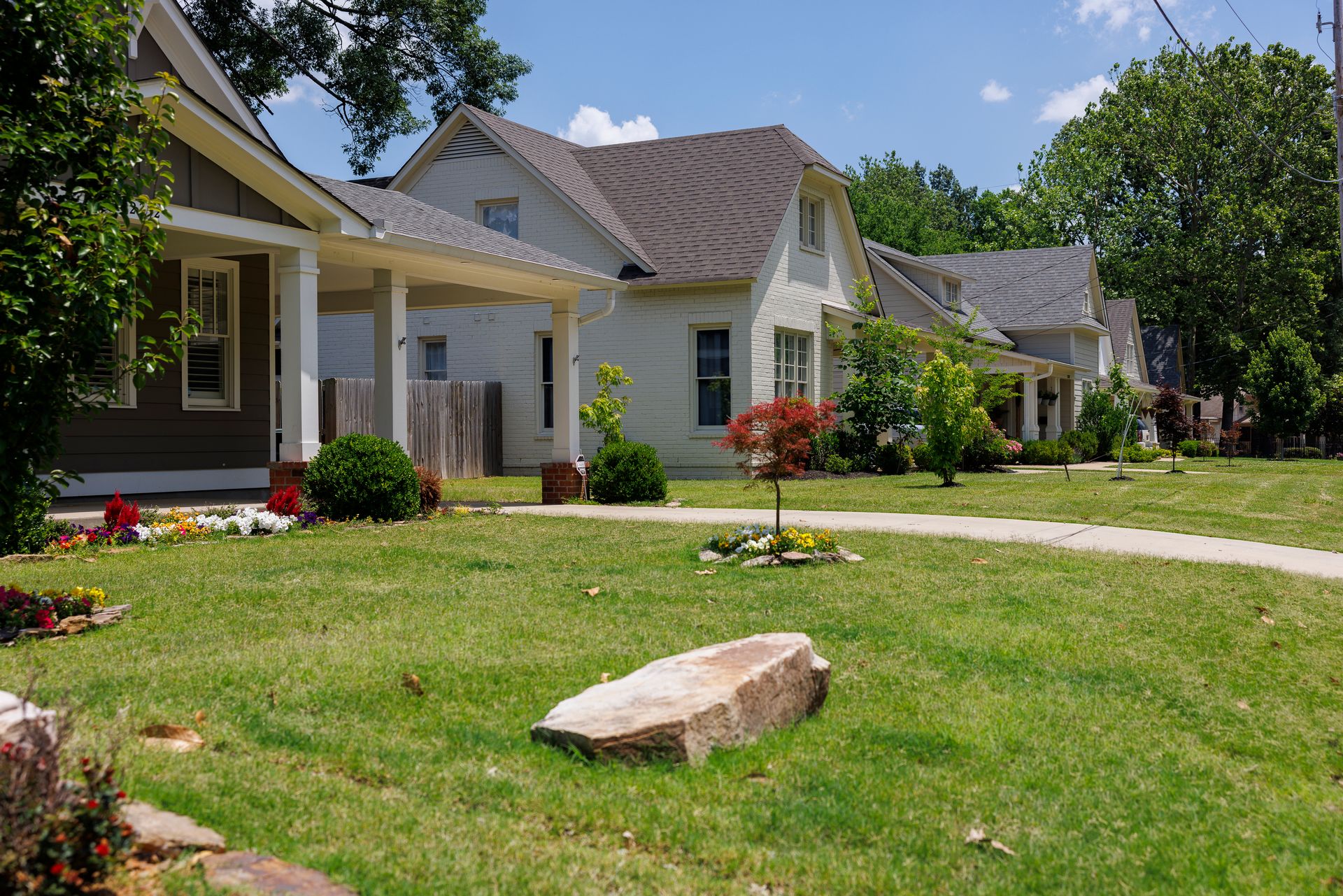
Memphis stands at the top of the national list, with empty-nest baby boomers owning 31.2% of the metro's three-bedroom-plus housing stock. No other metro in the Redfin analysis posted a higher boomer share. Millennial families with children, by contrast, own just 15.3% of large homes in the area. The gap of nearly 16 percentage points separates the generation that holds the space from the generation that most needs it.
The depth of that gap reflects conditions common to aging industrial metros in the mid-South: a large cohort of long-tenured owners who purchased decades ago, often with no loan balance left, and little reason to enter a market where smaller, move-in-ready homes at accessible prices are scarce. Nationally, 57.8% of baby-boomer homeowners carry no remaining debt on their properties. In a metro where the existing housing stock skews older and the supply of reasonably priced one-story homes is limited, that financial freedom removes any motivation to sell.
The result is a city where two adults occupy homes designed for families of four or five, while younger households compete for whatever inventory surfaces. Redfin agents in several markets have noted that older homeowners want to downsize but describe difficulty finding move-in-ready, single-story properties at prices that justify leaving a fully paid-off home. Memphis encapsulates that friction at its most acute: the highest boomer concentration in large homes nationwide and a millennial share below the national average of 16%.
The structural conditions at work here are not incidental. Memphis has a large stock of older single-family homes in well-settled areas where ownership has remained stable for decades. Boomers who bought in those communities in the 1980s or 1990s built their social lives — friendships, ties to neighbors, proximity to family — around those addresses. Leaving means giving up more than square footage. For many, the financial case for staying (zero mortgage payments, no transaction costs) reinforces the personal one (deep neighborhood roots), making any move the unlikely outcome.
Kryssia Campos / Getty Images
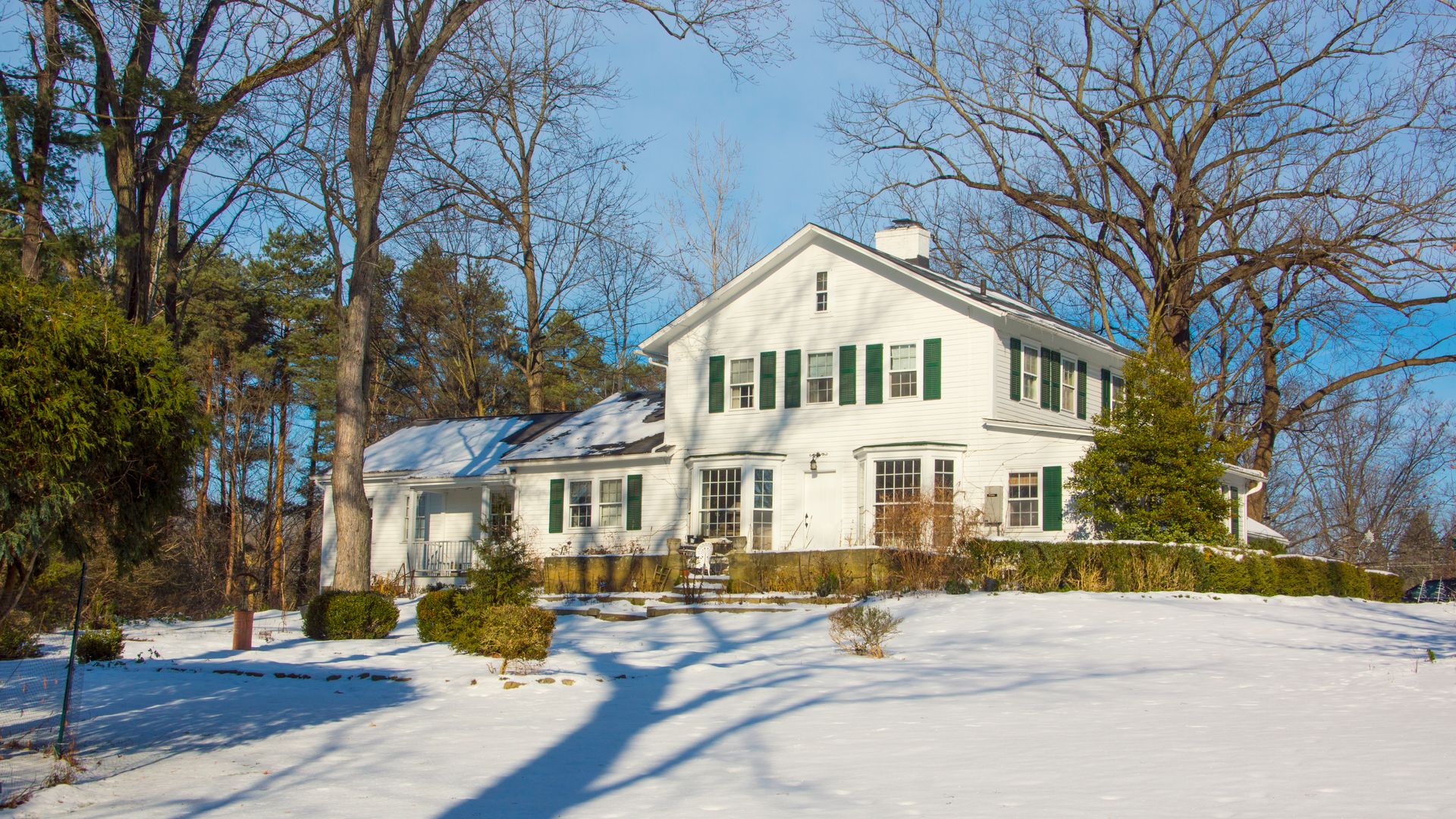
Cleveland sits second on the national list, with empty-nest baby boomers owning 30.9% of the metro's three-bedroom-plus homes, just 0.3 percentage points behind Memphis. Millennial families with children own 13.9% of large homes in the Cleveland area, the lowest millennial share among the five metros on this list.
Cleveland's housing dynamics reflect the broader pattern of Rust Belt metros: stable, older neighborhoods where residents put down roots decades ago and have not been pushed to sell. Boomers who purchased in the 1980s or 1990s frequently hold those properties free and clear today. Without a financial trigger for relocation, many remain in place even as household size has shrunk. The metro's relatively moderate home prices mean the calculus of selling is less pressing than it would be in a high-cost coastal market.
The gap between the millennial share and the boomer share in Cleveland — nearly 17 percentage points — captures how unevenly large homes are distributed across generations. Younger buyers who want to upgrade to a three-bedroom-plus home face an inventory pool dominated by long-term owners with no reason to move. The low millennial rate also reflects the affordability constraints that persist even in lower-cost metros: elevated mortgage rates continue to price households out, and the inability to save for a down payment compounds that barrier.
Cleveland's position near the top of this list is not an anomaly. It is the outcome of structural conditions visible in metros throughout the industrial Midwest. Nationally, boomers owned 27.7% of large homes in 2014 and own 27.8% today. That is a decade of near-zero movement in the generation's grip on family-sized housing. Cleveland sits at the sharper end of that national pattern, where a long-tenured boomer population, a scarcity of smaller properties to attract those boomers elsewhere, and a millennial cohort limited in its purchasing power all converge.
halbergman / Getty Images
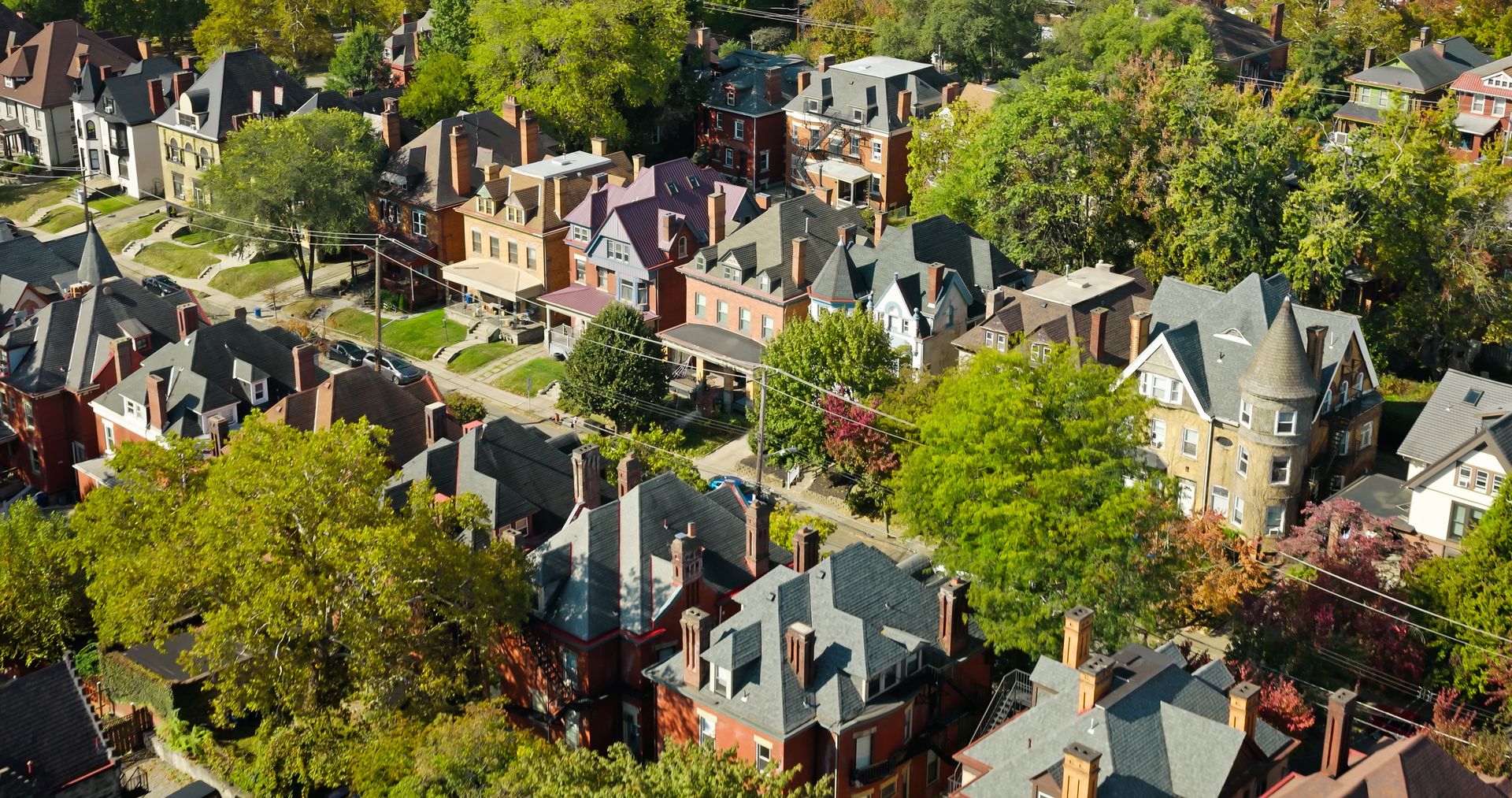
Pittsburgh's empty-nest baby boomers own 30.6% of the metro's three-bedroom-plus housing stock, placing the city third nationally. That share creates a gap of more than 15 percentage points over the millennial families with children who hold just 15.5% of that same inventory.
The Pittsburgh metro has long attracted attention for its relatively low home prices by national standards, but affordability at the purchase level has not translated into broad millennial access to large homes. The city's older housing stock, built predominantly during the industrial era, includes large numbers of substantial single-family homes in established neighborhoods where ownership has remained stable across decades. Boomers who purchased those properties in the 1980s or 1990s are now in their sixties and seventies. At that age, social ties, neighborhood familiarity, and the absence of a mortgage make staying the path of least resistance.
Redfin's analysis noted that boomers across the country often stay put because they value proximity to longstanding community networks, including friends, family, and recreational activities. Pittsburgh's dense web of distinct neighborhoods — each with its own identity and social fabric — reinforces those attachments. Selling means leaving a known place for an unknown one, a trade many boomers are unwilling to make, especially when no financially attractive destination exists.
The limited supply of reasonably priced, move-in-ready smaller homes is a documented brake on boomer mobility. Without adequate options to move into, even boomers who genuinely want to downsize face a dead end in the search. Millennial families entering the Pittsburgh market find a city where the physical inventory of large homes exists but sits in the hands of a generation that built its life there. The metro's third-place position on this list reflects that stalemate. The mismatch between who holds space and who needs it has persisted across an entire decade.
benedek / Getty Images
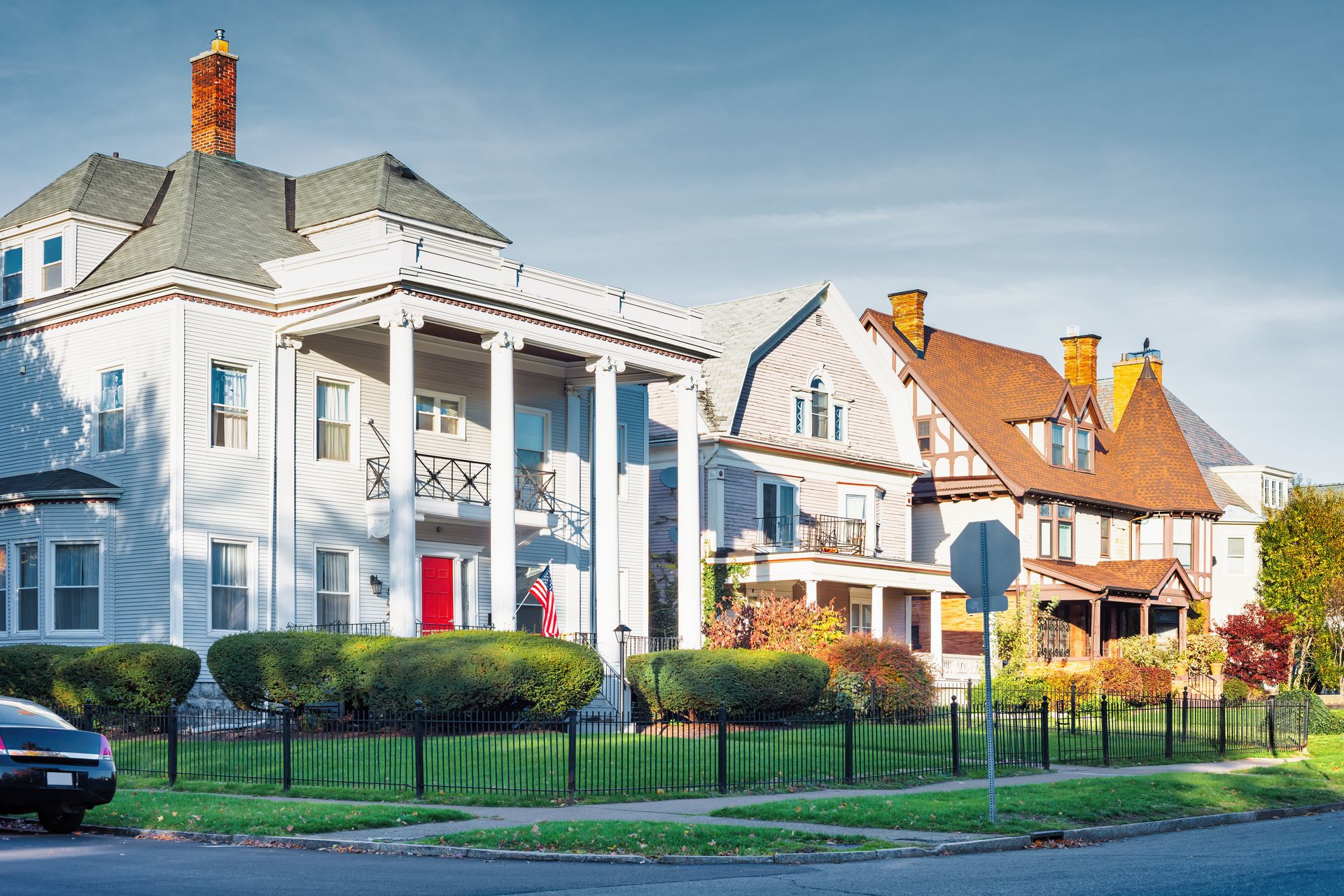
Buffalo, N.Y., ties with Richmond for fourth place nationally, with empty-nest boomers owning 29.3% of the area's three-bedroom-plus housing stock. Millennial families with children own 15.9% of those homes.
Buffalo shares many of the structural characteristics that push Rust Belt metros to the top of this list. The city's housing stock is older, ownership turnover is slow, and a generation of boomers who purchased in the region during its industrial era now hold large homes mortgage-free. The broader Redfin analysis found that nationally, boomers owned 27.7% of large homes in 2014 and own 27.8% today. That is a decade of near-zero change in the generation's hold on family-sized housing, even as younger cohorts aged into the period when that space matters most.
For Buffalo specifically, that stability at the top signals that millennial families actively compete for a largely static pool of available properties. Stock in a market where sellers feel no pressure to move rarely expands quickly. The area's modest price levels do not fully offset the constraint, particularly as mortgage rates hold a portion of millennial households on the sidelines altogether. Buffalo has not attracted the same wave of in-migration that Sun Belt markets have seen, which means demand from outside has not been strong enough to shake supply loose either.
Gains that millennials have made nationally in large-home ownership have come primarily from absorbing properties vacated by the Silent Generation, the oldest living cohort. In 2014, the Silent Generation owned roughly 18% of the country's large homes. By 2024, that figure had dropped to about 8%. Boomers, by contrast, have ceded almost nothing. Buffalo's fourth-place result captures that dynamic in a specific metro context: a boomer population that has maintained its housing position without interruption while millennial families wait for an opening that has not yet arrived.
ferrantraite / Getty Images
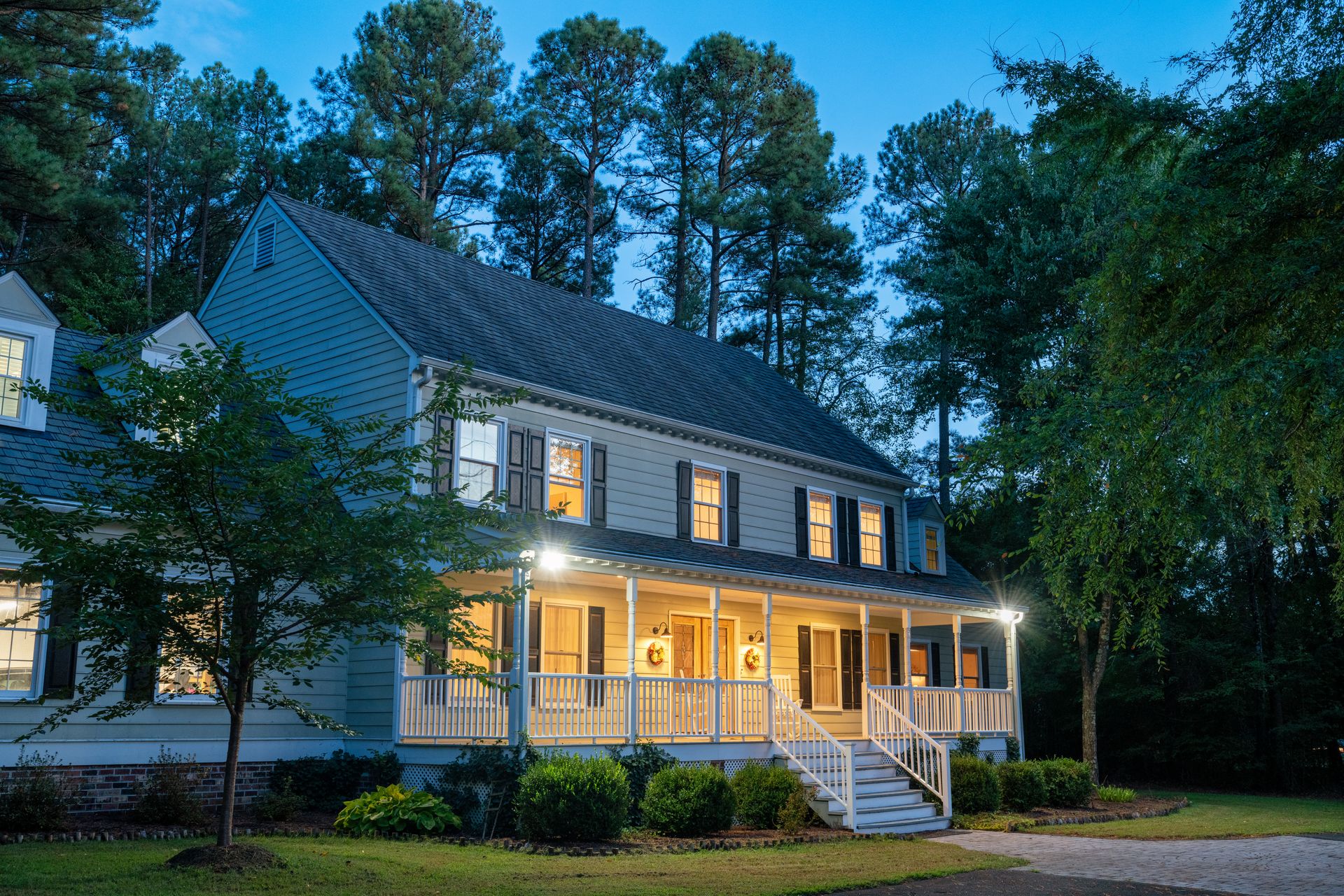
Richmond, Va., ties for fourth alongside Buffalo, with empty-nest boomers owning 29.3% of the metro's three-bedroom-plus housing stock. Millennial families with children own 15.9% of large Richmond homes — the same millennial figure as Buffalo — and a gap of more than 13 percentage points separates the two generations' claims on the same inventory.
Richmond's presence in the top five distinguishes the city from the Rust Belt metros above it. This is an expanding mid-Atlantic hub with a diversifying economy, yet the generational dynamics in its large-home sector mirror those of cities that have shed population and industry for decades. The underlying financial arithmetic is the same regardless of local conditions: boomers across the country have little reason to sell. A fully paid-off home in a neighborhood where the owners have lived for 20 or 30 years is difficult to leave whether the surrounding city is thriving or contracting.
Millennial families in Richmond face a market that is both more competitive and more expensive than Buffalo or Cleveland, adding price pressure on top of the inventory constraint. The metro has attracted younger residents and economic activity, which pushes home values upward even as large homes remain concentrated in boomer hands. Higher prices make the down payment barrier steeper and the monthly cost of a newly purchased large home more difficult to absorb.
The decade-long trend Redfin identified nationally — where millennial ownership of large homes grew from 4.9% to 15.7% largely by absorbing homes that the Silent Generation vacated, not assets that boomers released — signals that Richmond millennials have gained ground through generational attrition, with no meaningful shift in boomer behavior driving the change. Boomers in Richmond, as in Memphis, Cleveland, Pittsburgh, and Buffalo, have held their share of family-sized homes with notable consistency. The inventory younger families need exists. It is occupied.
