
20 bread recipes worth baking from scratch
These bread recipes from scratch cover sourdough, brioche, bagels and more, giving home bakers 20 techniques for turning basic ingredients into fresh loaves
Credit: Johnny Rizk / Pexels
Baking bread from scratch is one of the few kitchen skills that rewards patience with something tangible: a warm loaf, a crackling crust, a kitchen that smells like it belongs to someone who knows what they are doing. It also happens to be far more approachable than most home cooks assume. A basic loaf needs only flour, water, salt and a leavening agent, yet those four ingredients can be combined in dozens of distinct ways to produce breads with entirely different textures, crumb structures and uses, from a chewy New York bagel to a delicate Japanese milk bread.
This list of bread recipes from scratch spans the techniques worth learning, whether the goal is a weekend project or a bread to keep in regular rotation. Some, like a no-knead loaf or a quick cornbread, take under two hours from start to finish. Others, like a true sourdough or a laminated brioche, require a starter that needs days to mature or a dough that needs an overnight rest in the refrigerator. Each entry below explains what makes that bread distinct: the flour it calls for, the fermentation time it needs, the shaping technique that gives it its final form and the equipment, if any, that makes a real difference.
Bread making is also one of the oldest food technologies still practiced almost exactly as it was centuries ago. A baguette baked today follows a method that predates industrial yeast; a bagel is still boiled before it is baked, exactly as it has been since it was first documented in Eastern Europe. Learning to make bread from scratch means learning a set of techniques, not just a set of recipes, and those techniques transfer: once a home baker understands hydration, gluten development and proofing, nearly every bread on this list becomes achievable. The 20 breads that follow, arranged loosely from more forgiving to more involved, cover yeasted loaves, enriched doughs, flatbreads and quick breads that use baking soda instead of yeast.
Classic sourdough bread
Credit: ready made / Pexels
Sourdough bread gets its rise and its tang from a live starter, a mixture of flour and water that has fermented until it is full of wild yeast and lactic acid bacteria, instead of from commercial yeast. That starter is what gives true sourdough its characteristic sour flavor and its dense, chewy crumb.
Building a starter from scratch takes about five to seven days of daily feeding with equal parts flour and water, discarding a portion each day so the culture does not outgrow its container. Once it reliably doubles in size within four to six hours of feeding, it is ready to leaven bread. Many bakers keep a starter going indefinitely, feeding it every day at room temperature or once a week if it is refrigerated between bakes.
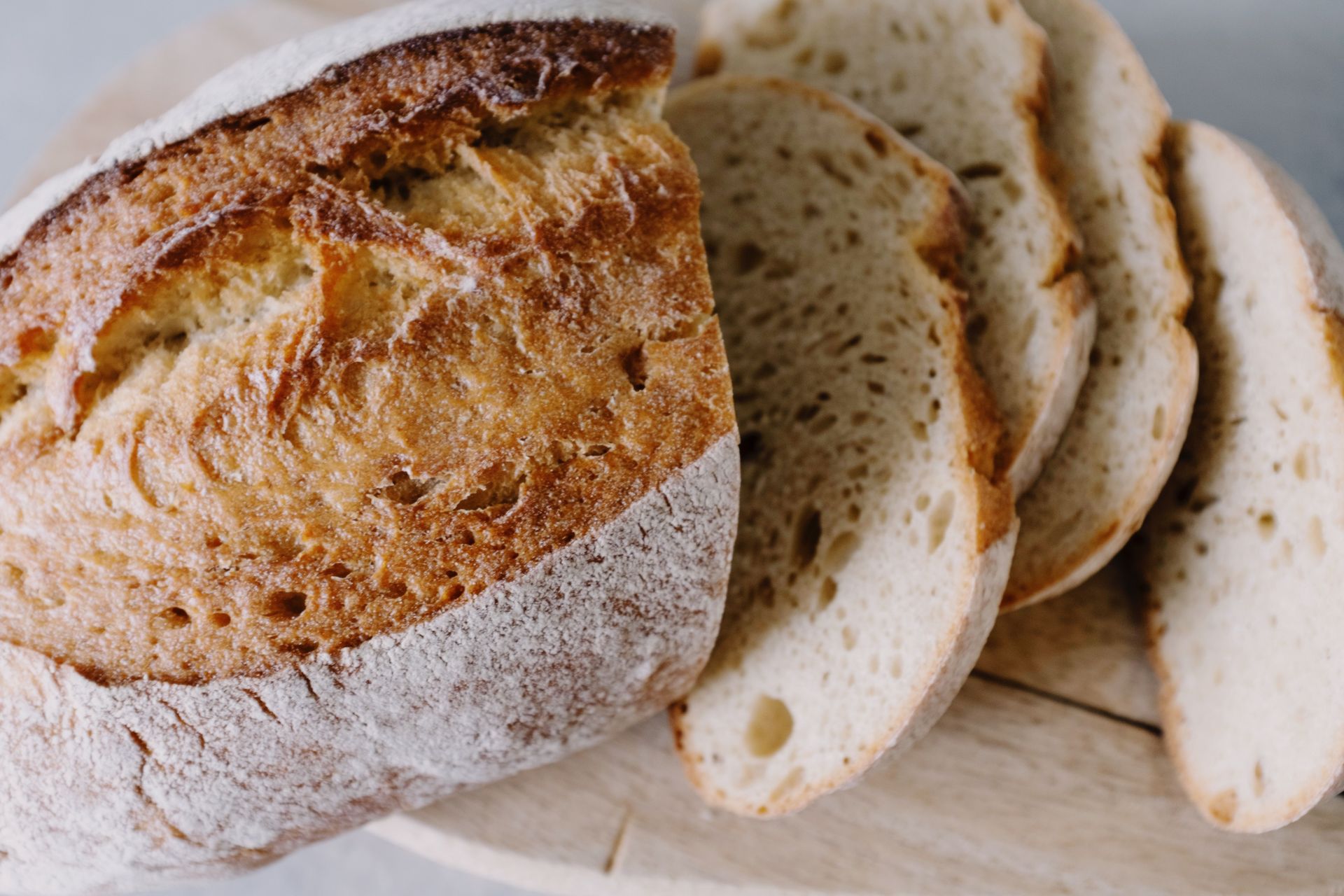
A basic sourdough loaf uses just four ingredients: bread flour, water, salt and a portion of active starter. The dough is mixed, then left to bulk ferment for four to six hours at room temperature, during which the baker performs a series of stretch-and-folds instead of kneading, to build gluten strength gently. After bulk fermentation, the dough is shaped into a tight round or oval, placed in a floured banneton, and left to proof, either for one to two hours at room temperature or overnight in the refrigerator for a more pronounced tang.
Baking sourdough in a preheated Dutch oven, covered for the first 20 minutes and uncovered for the remainder, traps steam that helps the crust develop its characteristic blistered, deeply browned surface. The lid also mimics the steam-injected ovens professional bakeries use. Scoring the top of the loaf with a blade just before baking lets the bread expand in a controlled direction rather than splitting randomly along the sides.
The result is a loaf with an open, irregular crumb, a thick chewy crust and a flavor that ranges from mildly tangy to distinctly sour depending on how long the dough fermented and how mature the starter is. Sourdough also keeps longer than yeasted bread, thanks to the acidity produced by the bacteria in the starter, which naturally slows mold growth.
No-knead artisan bread
Credit: Diego Ferrari / Pexels
No-knead bread relies on time instead of kneading to develop its gluten structure, producing a crusty, open-crumbed loaf with only a few minutes of hands-on work. The technique, popularized in the mid-2000s by New York baker Jim Lahey, uses a very wet dough and a fermentation period of 12 to 18 hours to let enzymes and time do the work that kneading normally does.
The dough itself is simple: flour, water, a small amount of instant yeast and salt, mixed just until no dry flour remains. Because there is no kneading, the dough looks shaggy and sticky rather than smooth, and that is expected. It is covered and left at room temperature, ideally around 70 degrees Fahrenheit, for at least 12 hours, during which it more than doubles in size and develops small bubbles across its surface, a sign that fermentation is active.
After the long rise, the dough is turned out onto a floured surface, folded over on itself a few times to build some surface tension, then left to rest for a shorter second proof of one to two hours. Shaping is deliberately minimal, since the goal is to preserve the air pockets built during fermentation rather than press them out.
The defining step is baking the loaf inside a preheated, heavy covered pot, usually a Dutch oven or a cast iron combo cooker. The enclosed pot traps the steam released by the dough as it bakes, which keeps the crust soft long enough for the loaf to expand fully before the crust sets and browns. Removing the lid for the final 10 to 15 minutes of baking lets the crust turn deep golden brown and crisp.
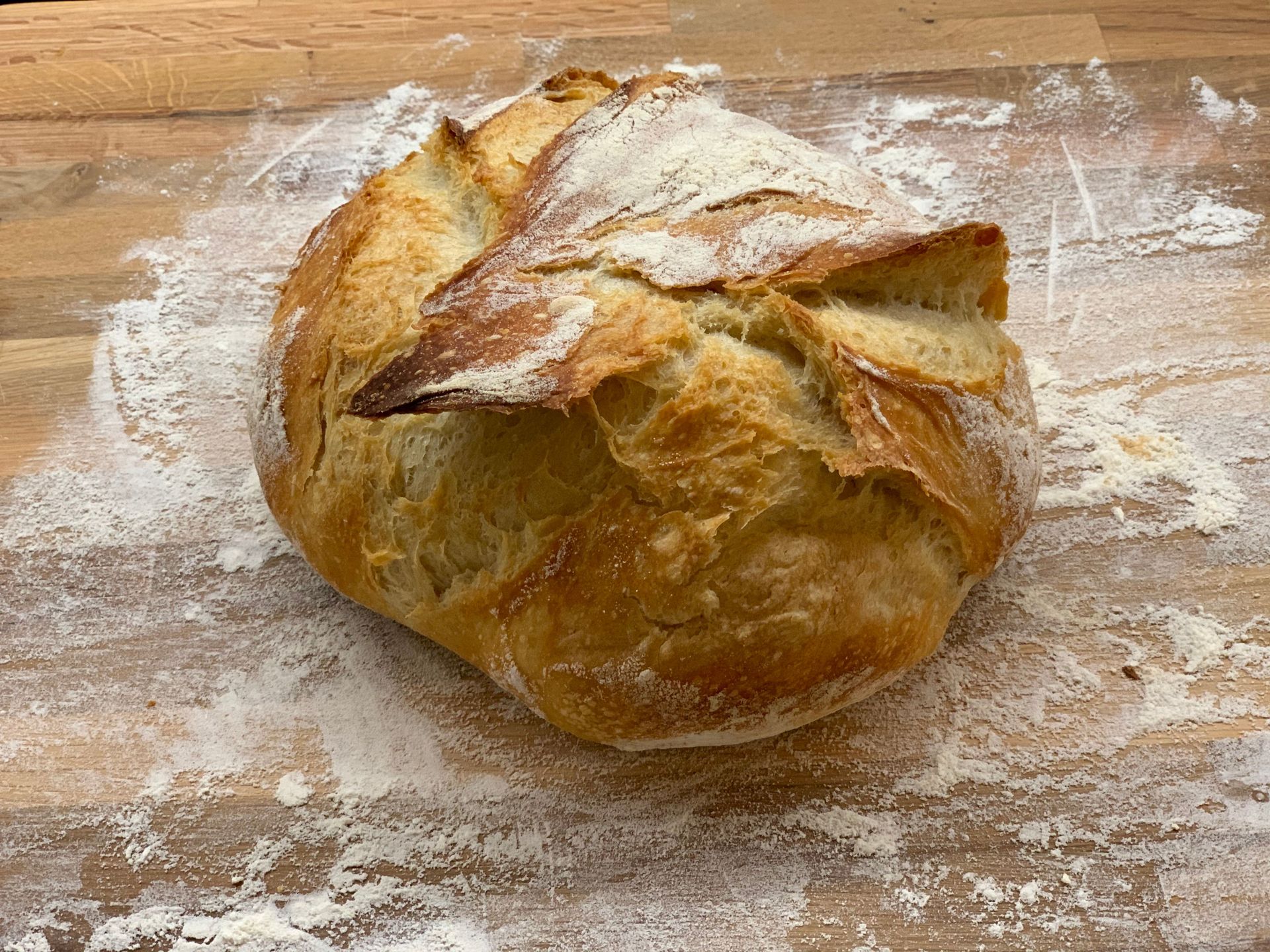
The result closely resembles bread from a wood-fired bakery: a thick, shattering crust and a chewy, irregular interior, despite requiring no stand mixer, no kneading and no prior baking experience. It is one of the more forgiving starting points for anyone new to baking bread from scratch, since the long fermentation time compensates for imprecise technique.
French baguette
Credit: Crisher P.H / Pexels
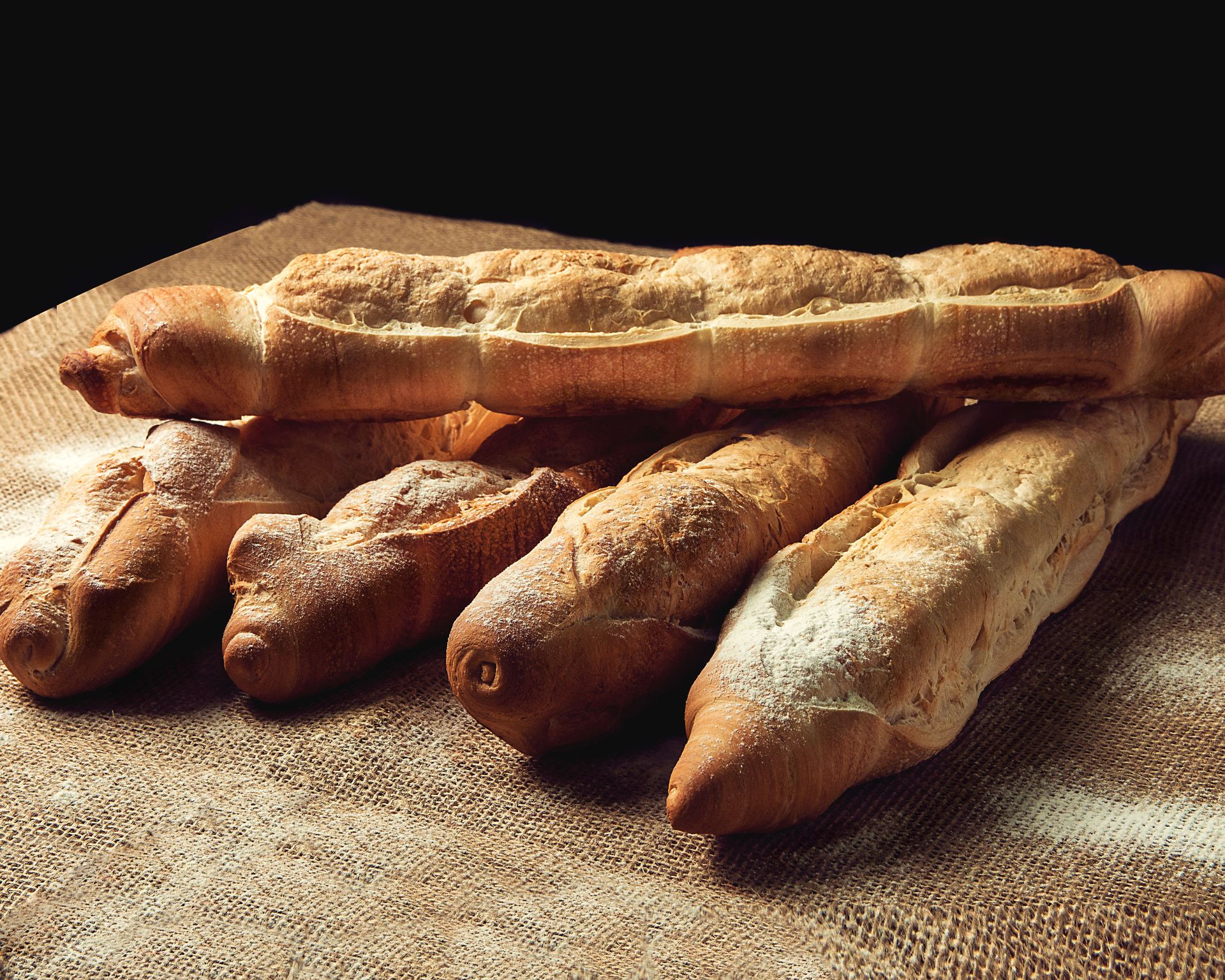
A French baguette is a lean dough made from wheat flour, water, yeast and salt, with no fat, sugar or dairy added, shaped into a long, narrow loaf that bakes to a thin, crackling crust. In France, bread sold as pain traditionnel français must be made on-site from those four ingredients without additives or freezing, under a 1993 decree meant to protect traditional bakery methods from industrial shortcuts.
The dough for a baguette is mixed to a relatively low hydration compared with sourdough, then given a bulk fermentation of two to three hours with a few folds along the way to build strength. Many home and professional bakers use a poolish or biga, a pre-ferment made the night before from a portion of the flour, water and a small amount of yeast, to add flavor and improve the bread's keeping quality without changing the final ingredient list.
Shaping a baguette is one of the more technical steps in home baking. The dough is gently degassed, folded into a tight cylinder, and rolled under the palms to elongate it evenly to about 24 inches, tapering slightly at each end. Because the dough is soft, bakers typically proof the shaped loaves in a couche, a heavily floured linen cloth that supports the sides of the dough and keeps it from spreading flat.
Scoring the top with several diagonal slashes just before baking allows steam to escape in a controlled pattern, creating the baguette's signature ear, the thin curl of crust that lifts along each cut. Baking at high heat, generally 450 to 475 degrees Fahrenheit, with steam introduced in the first few minutes, produces the shattering crust and the open, irregular crumb that distinguishes a well-made baguette from a dense dinner roll shaped into a similar form.
A finished baguette is best eaten within hours of baking, since its thin crust and low fat content mean it stales faster than an enriched or whole grain loaf.
Brioche
Credit: Nadin Sh / Pexels
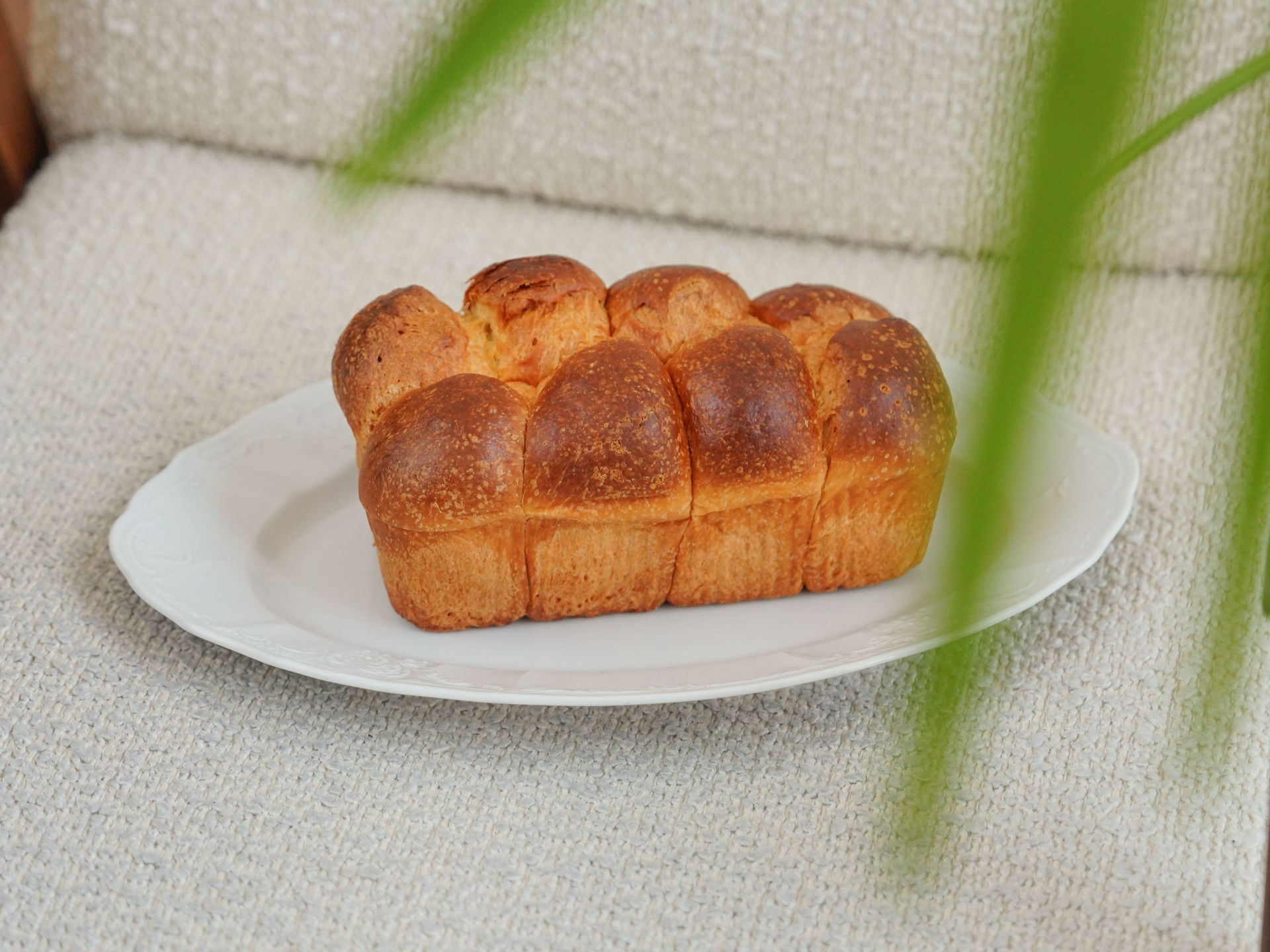
Brioche is an enriched French bread built on a dough with a far higher ratio of butter and eggs to flour than a standard loaf, which gives it a soft, tender crumb closer to cake than to everyday sandwich bread. Some versions use close to equal parts butter and flour by weight, making it one of the richest doughs in classic bread baking.
Making brioche from scratch starts with a base dough of flour, sugar, salt, yeast and eggs, mixed until smooth before softened butter is incorporated gradually, a small amount at a time, so the dough can absorb the fat without breaking down. This step takes longer than mixing a lean dough and typically requires a stand mixer, since the high fat content makes the dough slack and difficult to knead by hand for the full development time it needs.
Because the dough is so soft, it is usually chilled for several hours or overnight after its first rise, which firms up the butter and makes the dough much easier to shape. Classic brioche is shaped into a fluted brioche à tête, a round loaf with a smaller ball of dough placed on top, though it is just as often baked in a standard loaf pan or braided for a more casual presentation.
A second proof of one to two hours at room temperature lets the shaped dough puff up before baking. An egg wash brushed over the surface just before it goes into the oven gives brioche its glossy, deep golden crust, one of its more recognizable traits alongside its faintly sweet, buttery flavor.
Brioche bakes at a moderate temperature, around 350 degrees Fahrenheit, since the high sugar and fat content browns faster than a lean dough and can scorch at higher heat. Once cooled, brioche keeps its soft texture for a couple of days and toasts well after that, making it a common base for French toast and bread pudding as well as a stand-alone table bread.
Ciabatta
Credit: Natalia Olivera / Pexels
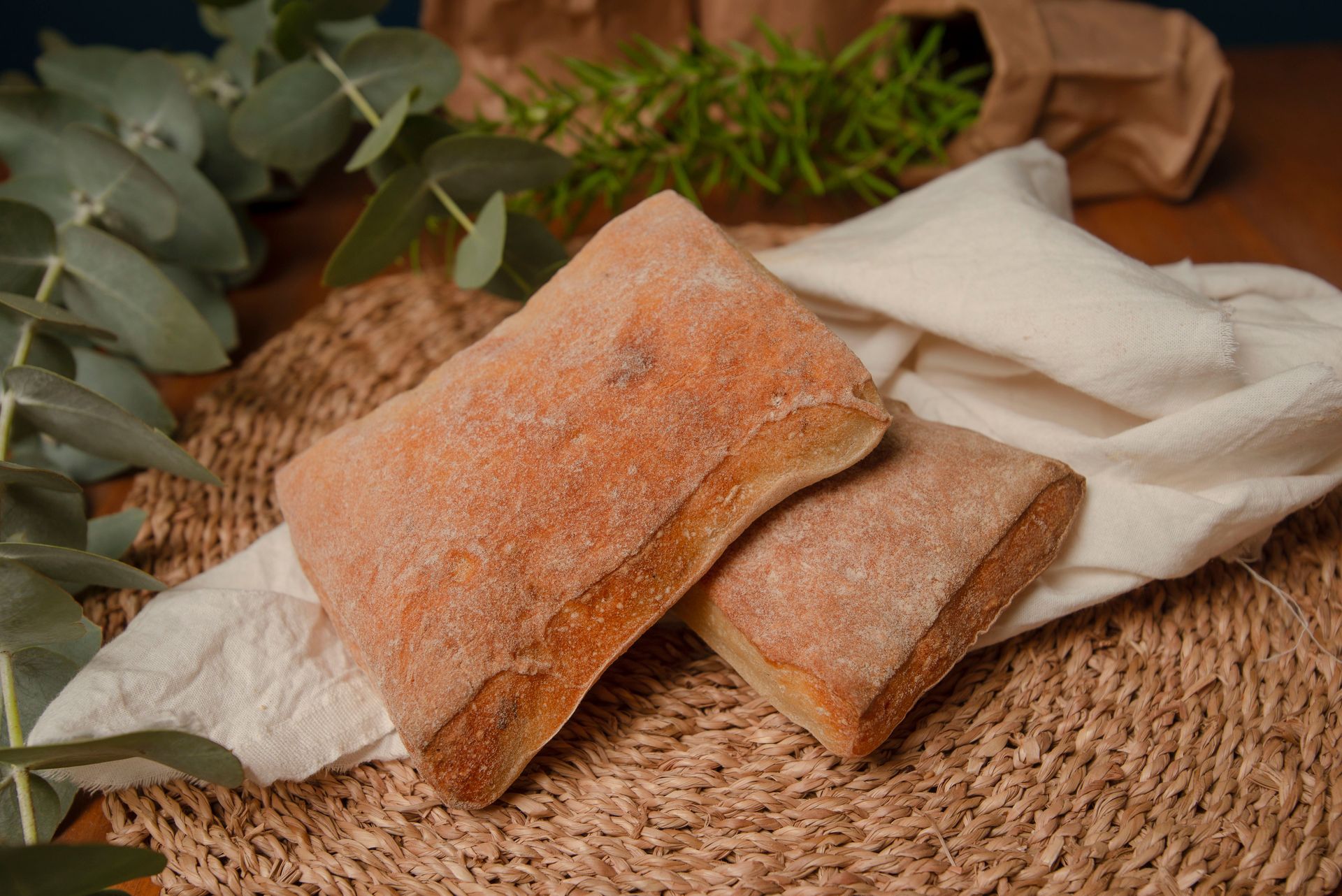
Ciabatta is an Italian bread made from a dough hydrated well above 70 percent, meaning the water weighs at least 70 percent of the flour's weight, which is what gives the finished loaf its large, irregular holes and light, airy crumb. The name means slipper in Italian, a reference to the loaf's wide, flat, elongated shape.
The bread is relatively young by Italian standards. It was developed in 1982 by baker Arnaldo Cavallari in the Veneto region, partly as a response to the growing popularity of French baguettes in Italy, and it has since become one of the most widely made Italian breads outside Italy as well as within it.
Because the dough is so wet, it is nearly impossible to knead by hand in the traditional sense. Most recipes rely on a stand mixer or an extended series of stretch-and-folds over several hours to build gluten strength without deflating the dough. A pre-ferment, either a biga or a poolish made the day before, is common in ciabatta recipes and adds both flavor and structure that a same-day dough struggles to match.
Shaping ciabatta requires a light touch, since overworking the dough knocks out the air bubbles that give the bread its texture. Bakers typically turn the risen dough out onto a heavily floured surface, divide it into rectangles with minimal handling, and transfer each piece directly to the baking surface without a second shaping step, which is part of why the finished loaves look irregular and rustic rather than uniform.
Baking at high heat with steam, similar to a baguette, helps the thin crust crisp without drying out the interior. The finished bread has almost no fat or sugar, so it stales quickly, but it is a common base for sandwiches because its sturdy crust and open crumb hold fillings well without becoming soggy.
Focaccia
Credit: Natalia Olivera / Pexels
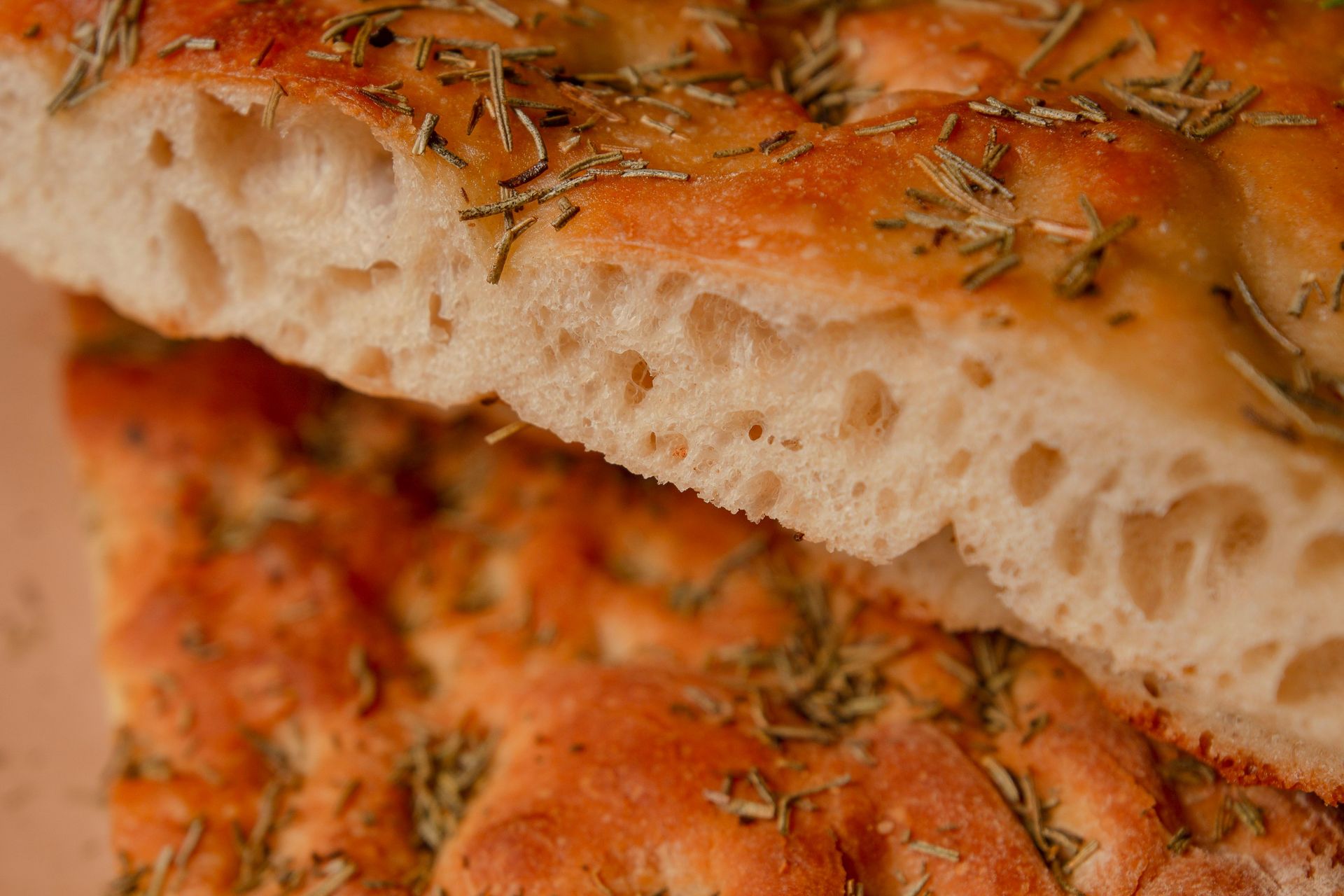
Focaccia is a flat Italian bread defined less by a precise shape than by its method: a wet, olive oil-enriched dough pressed into a pan, dimpled with the fingers and baked until the top is golden and the bottom fries slightly in the oil pooled underneath it. Its name likely comes from the Latin panis focacius, meaning bread baked on the hearth, reflecting its ancient roots in Roman flatbreads baked over hot ashes.
The dough itself is closer to ciabatta than to baguette dough, made with a high hydration that keeps the crumb soft and full of irregular holes. Olive oil is worked into the dough itself and also poured generously into the pan before the dough is added, which is what produces focaccia's distinctive fried, crisp base.
After the dough rests and rises once, it is transferred to an oiled sheet pan or round pan and pressed out to fill the pan's shape. Rather than shaping it into a tight form, bakers dimple the surface deeply with their fingertips, which does two things: it releases some of the gas built up during fermentation and it creates pockets that fill with olive oil and any toppings during baking.
Toppings are where focaccia varies the most. Coarse salt and rosemary are the most traditional, but sliced tomatoes, olives, thinly sliced onion and fresh herbs are all common, pressed into the dimples before the loaf goes into a hot oven, generally around 425 to 450 degrees Fahrenheit.
Because the dough is enriched with oil rather than butter or eggs, focaccia keeps a little longer than a lean bread like ciabatta, though it is best within a day or two. It works as a side bread, a sandwich base once split horizontally, or a snack on its own, and it requires no special equipment beyond a sheet pan, making it one of the more approachable breads on this list for a first attempt at baking from scratch.
Rye bread
Credit: Gundula Vogel / Pexels
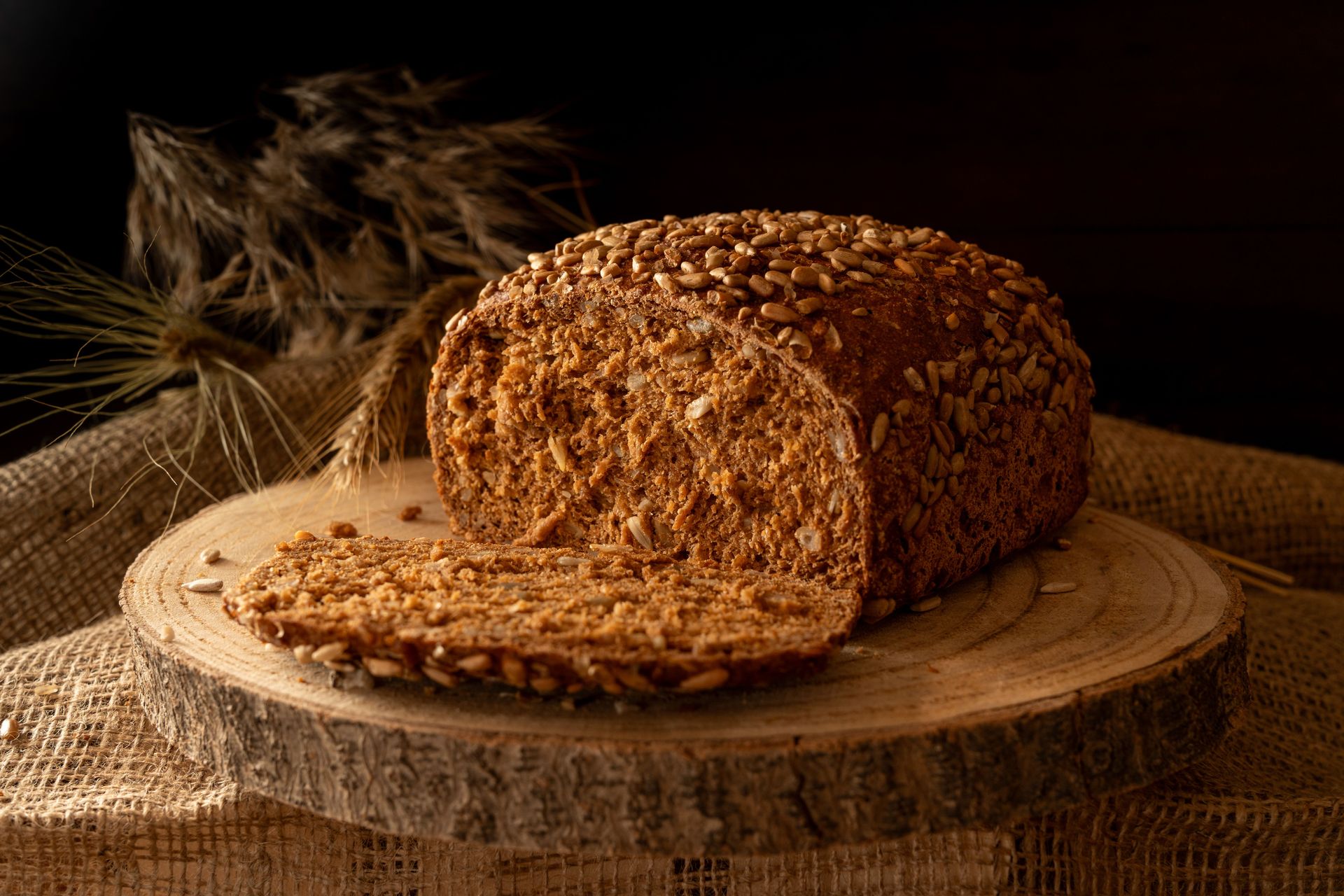
Rye bread substitutes some or all of its flour with rye instead of wheat, which changes both its texture and its flavor. Rye contains far less gluten-forming protein than wheat, so a loaf made with a high percentage of rye flour will always be denser and less airy than a wheat loaf, no matter how the dough is handled.
Because rye dough has less structure to trap gas, most rye breads use only a portion of rye flour, commonly somewhere between 20 and 70 percent, blended with bread flour or all-purpose flour to give the dough enough gluten to rise properly. Breads with rye content above 70 percent, sometimes called pumpernickel-style loaves, are dense enough that they are often baked in a covered pan at a lower temperature for a longer time, closer to steaming than traditional baking.
Rye flour also behaves differently during mixing. It absorbs water more slowly than wheat flour and produces a stickier dough, so recipes often call for resting the mixed dough briefly before adding more flour, rather than adjusting hydration immediately. A rye sourdough starter, fed with rye flour instead of wheat, is traditional in many Northern and Eastern European rye breads and adds a pronounced sour note that pairs with the grain's natural earthiness.
Caraway seeds are the most common addition to rye bread in the U.S. and parts of Europe, though plenty of traditional rye loaves are made without them. Molasses or dark brown sugar sometimes appears in American-style rye and pumpernickel recipes, giving the bread a darker color and a slightly sweet edge that is not part of the bread's traditional European versions.
A finished rye loaf has a tight, moist crumb, a thicker crust than a wheat sandwich loaf and a flavor that ranges from mildly nutty to distinctly sour and tangy, depending on the ratio of rye to wheat flour and whether a rye starter was used. It also keeps notably longer than wheat bread, thanks to rye's natural acidity and moisture retention.
Naan
Credit: Milton Das / Pexels
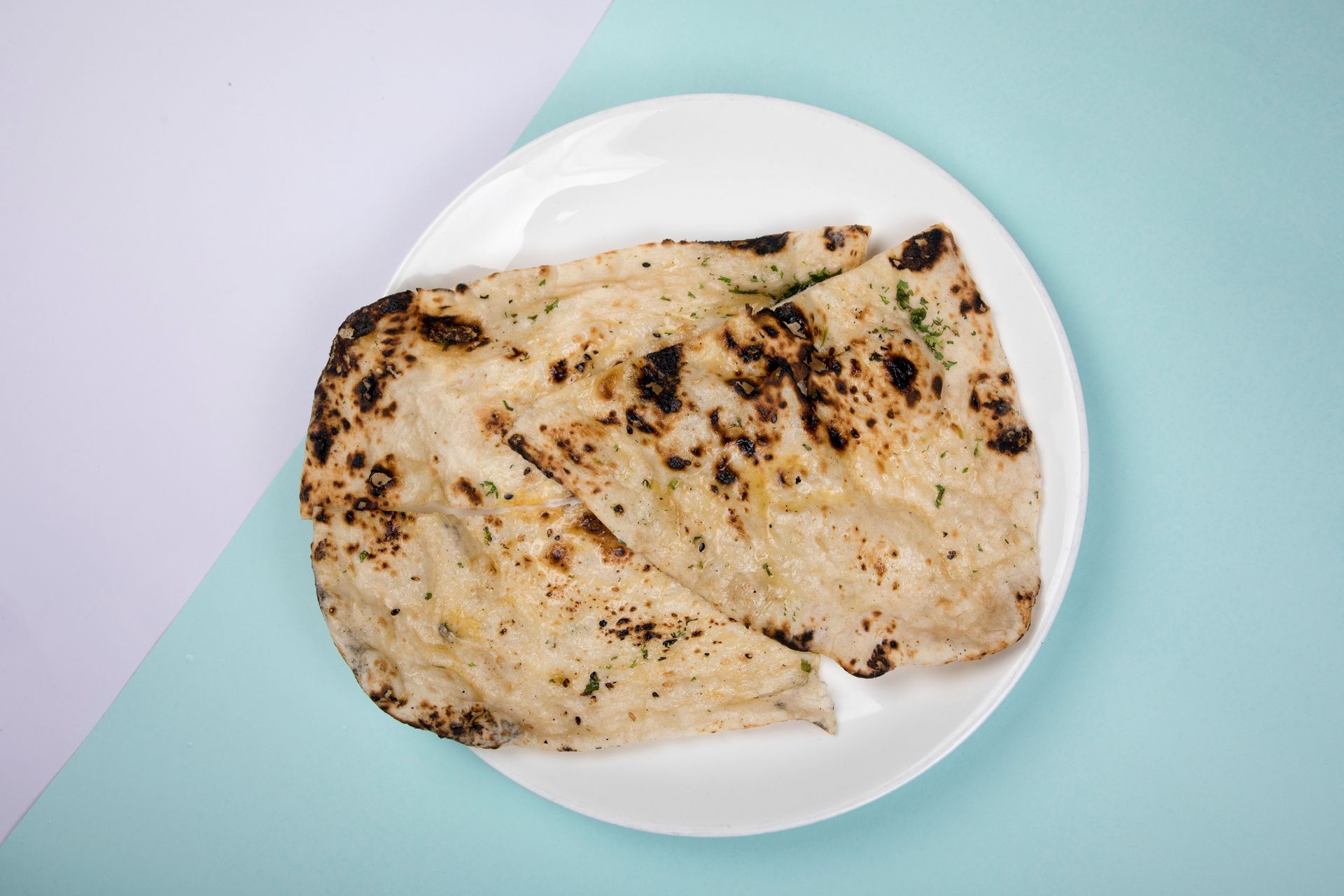
Naan is a leavened flatbread with roots in Persian and South Asian baking, traditionally cooked by pressing the shaped dough against the inner wall of a tandoor, a cylindrical clay oven heated by charcoal or wood, where it bakes in under two minutes at extremely high heat. That method gives naan its characteristic charred blisters on one side and a soft, pillowy interior.
The dough is enriched compared with most flatbreads, typically including yogurt or milk alongside flour, water, yeast and a small amount of sugar, which helps the dough brown quickly in the tandoor's intense heat and keeps the finished bread soft even after it cools. Some recipes also work a small amount of ghee or oil into the dough for extra tenderness.
Since few home kitchens have a tandoor, most naan made from scratch outside a restaurant is cooked on a very hot cast iron skillet or under a broiler instead. Rolling or stretching the dough into a teardrop shape, then slapping it onto a preheated dry skillet, mimics the tandoor's high, direct heat reasonably well, producing similar char spots on the surface even without the traditional oven.
Naan dough proofs once, for about an hour, before being divided and shaped into individual portions rather than baked as a single loaf. Each piece is rolled thin, brushed lightly with water or milk on one side to help it stick to the tandoor wall or skillet, and cooked for just a minute or two per side, since the thinness of the dough means it cooks through quickly.
Garlic naan, made by brushing the cooked bread with melted butter and minced garlic immediately after it comes off the heat, is the most common variation served outside South Asia, though plain naan, and versions topped with nigella seeds or fresh cilantro, are equally traditional. Naan is meant to be eaten warm, within minutes of cooking, since its soft texture firms up quickly once it cools.
Pita bread
Credit: Polina Tankilevitch / Pexels
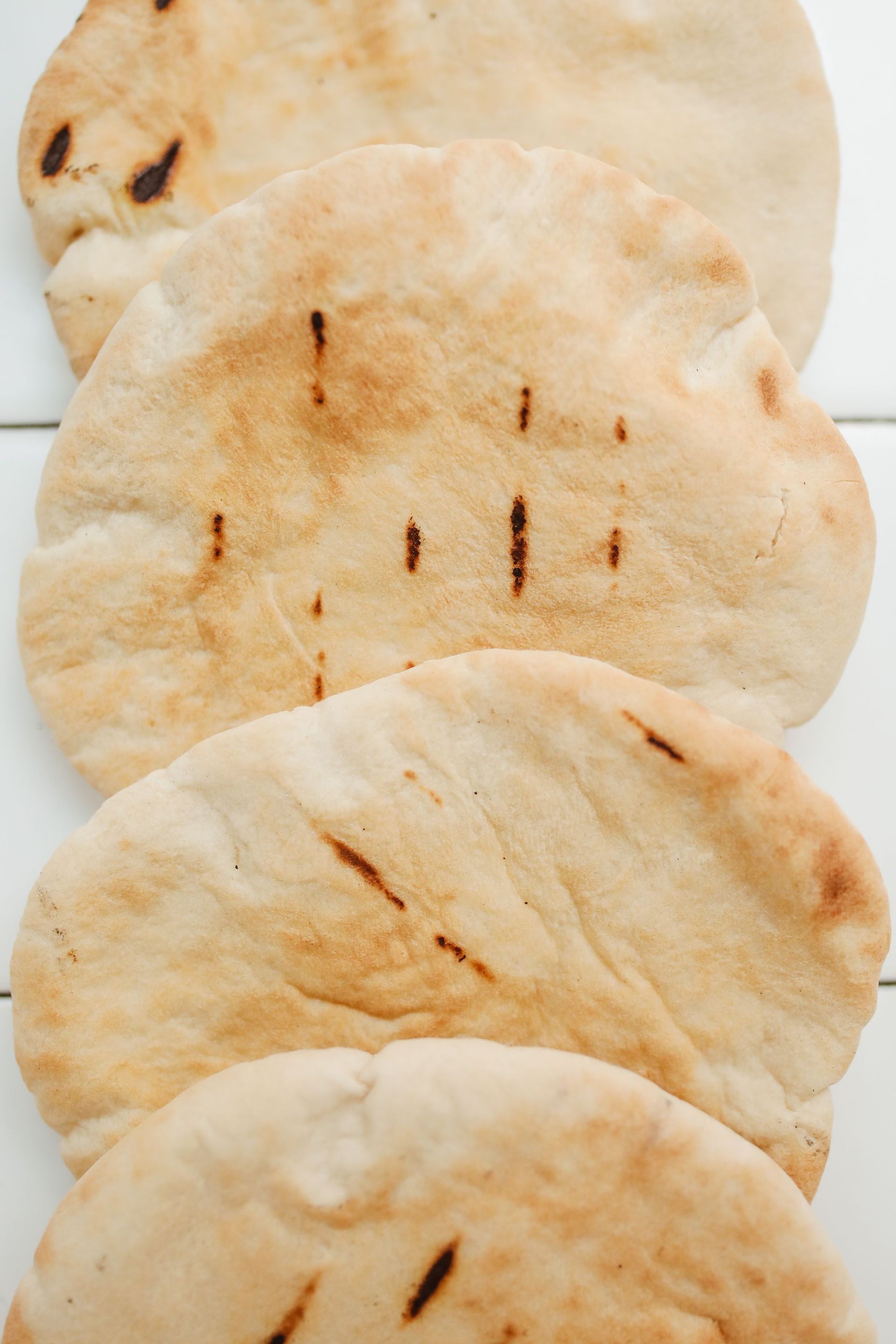
Pita bread's defining feature, the pocket that forms inside it, is a direct result of physics rather than a special ingredient. When a flattened round of dough hits an extremely hot surface, generally 475 to 500 degrees Fahrenheit or higher, the moisture inside it converts to steam faster than it can escape, and that trapped steam pushes the top and bottom of the dough apart, creating the hollow center that makes pita ideal for stuffing.
The dough itself is simple and close to a basic yeasted bread: flour, water, yeast, salt and a small amount of olive oil, kneaded until smooth and left to rise for about an hour. What matters most for a successful pocket is not the dough recipe but the rolling and baking technique that follows it.
Each portion of dough is rolled out evenly, generally to a thickness of about a quarter inch, since dough that is too thick will not puff reliably and dough that is too thin can tear before it has a chance to separate into layers. A short rest of 10 to 15 minutes after rolling, covered so the dough does not dry out, lets the gluten relax enough to expand fully in the oven.
A baking stone or a heavy, dark sheet pan preheated in the oven for at least 30 minutes gives the dough the immediate blast of heat it needs to puff within the first minute or two of baking. Baking directly on a cool pan, by contrast, gives the dough time to dry out before it reaches the temperature needed to trap steam, which is the most common reason home-baked pita comes out flat.
Once baked, pita is best used within a day, since its thin walls dry out faster than a thicker loaf. It works both as a pocket for fillings once it is sliced open and, torn into pieces, as a scoop for dips like hummus or baba ghanoush.
Challah
Credit: Andy Barbour / Pexels
Challah is a braided egg bread central to Jewish Sabbath and holiday meals, traditionally made without milk or butter so it remains parve, meaning it contains no dairy or meat and can be eaten alongside either under kosher dietary law. Vegetable oil replaces butter in the dough, and the bread's richness comes primarily from eggs and a moderate amount of sugar rather than dairy fat.
The dough is enriched but simpler to work with than a butter-heavy dough like brioche, since oil, unlike cold butter, blends into the dough at any temperature without special mixing steps. A typical challah dough includes flour, water, eggs, oil, sugar, yeast and salt, kneaded until smooth and left to rise for about an hour before it is divided for braiding.
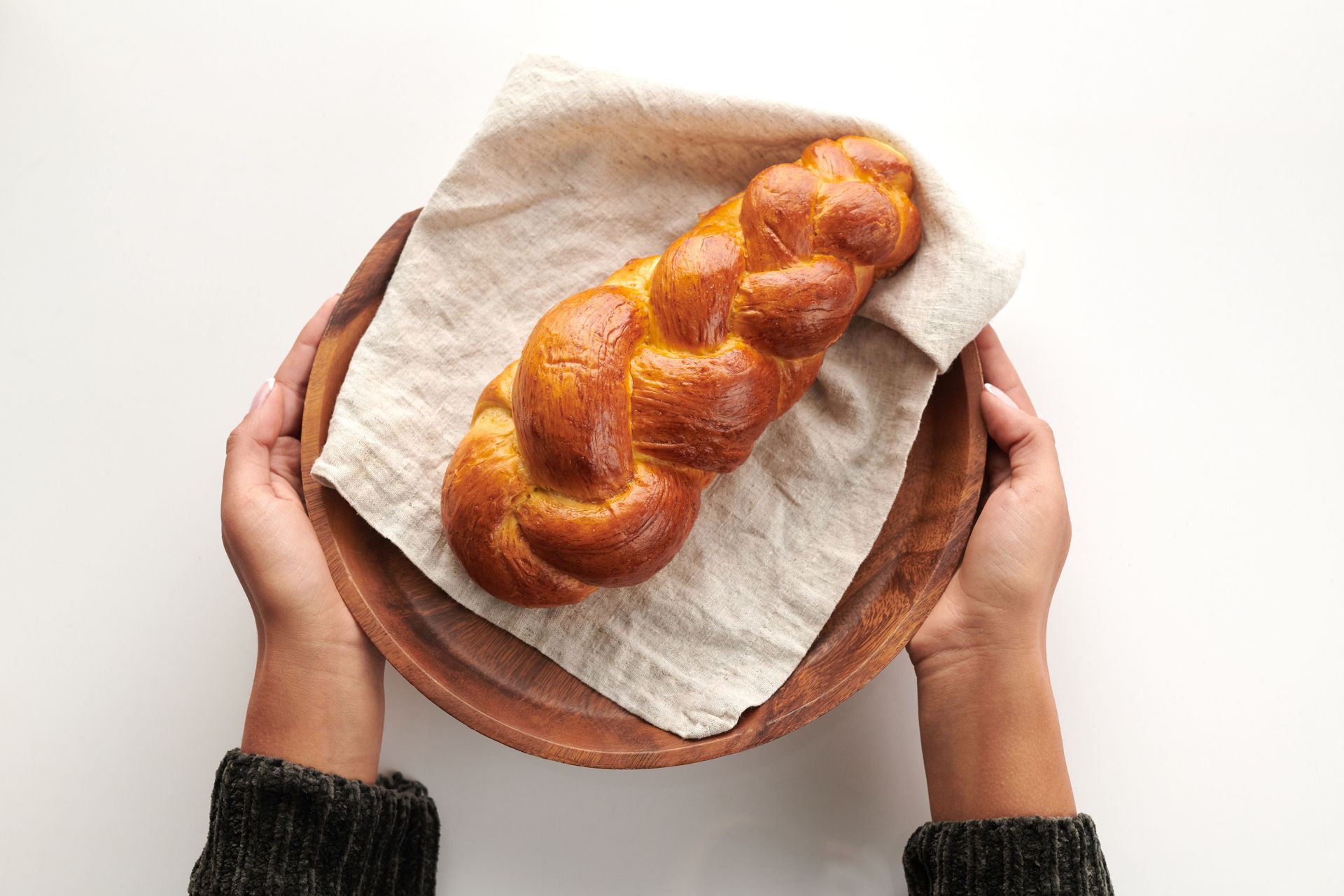
Braiding is the bread's most recognizable feature. A basic loaf is braided from three strands, though four, six and even twelve-strand braids appear for holidays, each strand rolled into an even rope before being woven so the finished loaf holds its shape as it proofs and bakes. Round challahs, coiled rather than braided, are traditional specifically for Rosh Hashanah, symbolizing a wish for a full, unbroken year ahead.
After shaping, the braided loaf proofs again until visibly puffy, then gets a generous coat of egg wash, sometimes with a second coat applied partway through baking, which is what gives challah its deep mahogany, glossy crust. Poppy seeds or sesame seeds are a common finishing touch, pressed onto the egg-washed surface just before the loaf goes into the oven.
Baked at a moderate 350 degrees Fahrenheit, challah takes 25 to 35 minutes depending on loaf size, and it is done when it sounds hollow when tapped on the bottom. Its crumb is soft, slightly sweet and tears easily along the braided strands, and it keeps well for a couple of days, making it as suited to French toast and bread pudding after the Sabbath as it is to the meal it was originally baked for.
Whole wheat sandwich bread
Credit: Nic Wood / Pexels
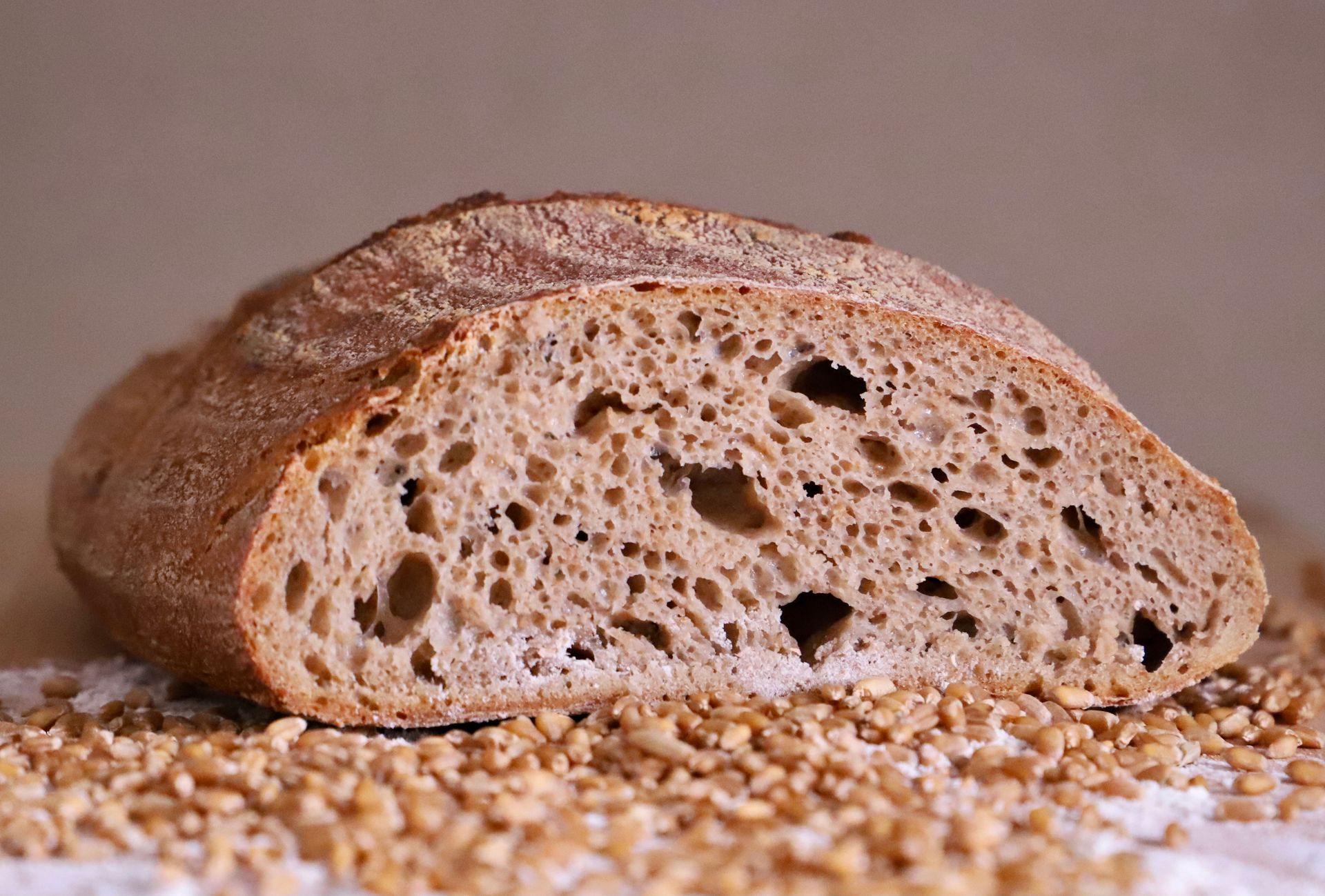
Whole wheat bread is made with flour ground from the whole wheat kernel, meaning the bran, germ and endosperm are all retained, rather than the endosperm alone, which is what white flour is milled from. That difference is why whole wheat bread has a noticeably denser crumb, a nuttier flavor and more fiber than a loaf made entirely from white flour.
The bran in whole wheat flour interferes with gluten development, since sharp bits of bran can cut through the gluten strands as the dough is kneaded, which is why 100 percent whole wheat loaves tend to rise less than white bread even with identical yeast amounts. Many recipes soak the whole wheat flour in the dough's liquid for 20 to 30 minutes before adding yeast, a step sometimes called an autolyse, which softens the bran and lets it absorb water before kneading begins, improving the dough's final structure.
A common approach for a softer sandwich loaf blends whole wheat flour with a portion of bread flour, commonly at a ratio of 50-50 or 60-40 in favor of whole wheat, to keep the fiber and flavor benefits of whole grain while still getting a rise closer to white sandwich bread. A small amount of honey or brown sugar is typical in whole wheat recipes, both for flavor and because sugar helps offset the slightly bitter edge that whole grain flour can have.
The dough is mixed and kneaded longer than a white bread dough, generally eight to 10 minutes by hand or five to seven in a stand mixer, since the bran fragments make gluten development slower. After a single bulk rise of about an hour, the dough is shaped into a standard loaf pan, given a second proof until it crests just above the rim of the pan, then baked at 350 degrees Fahrenheit for 35 to 40 minutes.
The finished loaf slices cleanly once fully cooled, holds up well to sandwich fillings without falling apart, and keeps for four to five days at room temperature thanks to its higher fiber content, which helps it retain moisture longer than a white sandwich loaf.
Multigrain bread
Credit: Beyza Yalçın / Pexels
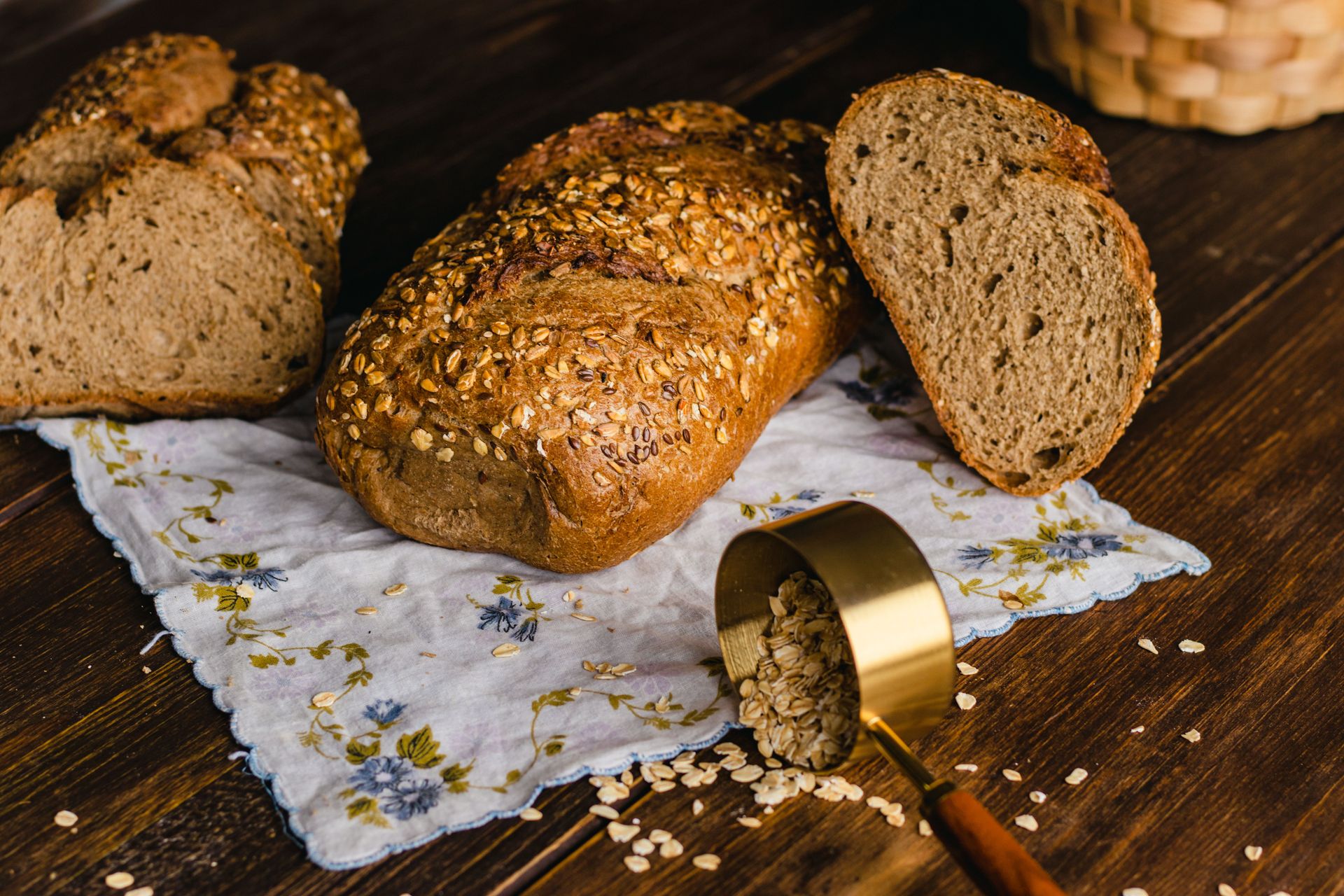
Multigrain bread is defined loosely: it simply means a loaf that includes more than one type of grain or seed beyond standard wheat flour, which is why recipes and store-bought loaves labeled multigrain can vary enormously in what they actually contain. There is no fixed recipe, only a category, so a from-scratch version can be built around whatever combination of grains a baker prefers.
Rolled oats, flaxseed, millet, sunflower seeds and cracked or steel-cut wheat are among the most common additions, typically making up 15 to 25 percent of the total flour weight in a recipe, with bread flour or all-purpose flour still forming the majority of the dough's structure. Because seeds and whole grains do not contribute gluten, adding too high a proportion of them results in a dense, heavy loaf that struggles to rise.
Soaking the grain and seed mixture in warm water for 30 minutes to a few hours before mixing it into the dough is a common technique, since dry grains added directly to the dough pull moisture away from the flour and can leave the bread dry and crumbly. This soaked mixture, sometimes called a soaker, softens tough grains like cracked wheat enough that they become pleasant to chew rather than gritty.
The dough itself is mixed similarly to a whole wheat loaf: flour, water, yeast, salt and a small amount of honey or molasses, combined with the soaked grain mixture once the base dough has come together. Kneading takes slightly longer than for a plain wheat dough, since the added grains create more resistance, and the dough often feels coarser and less smooth even when fully developed.
A finished multigrain loaf has a hearty, textured crumb with visible flecks of grain throughout, a flavor that is nuttier and more complex than plain wheat bread, and a crust that is often finished with a final sprinkle of oats or seeds pressed on before baking. It keeps for four to five days at room temperature and toasts particularly well, since toasting brings out the flavor of the grains more than eating the bread fresh does.
Banana bread
Credit: Jeff Siepman / Unsplash
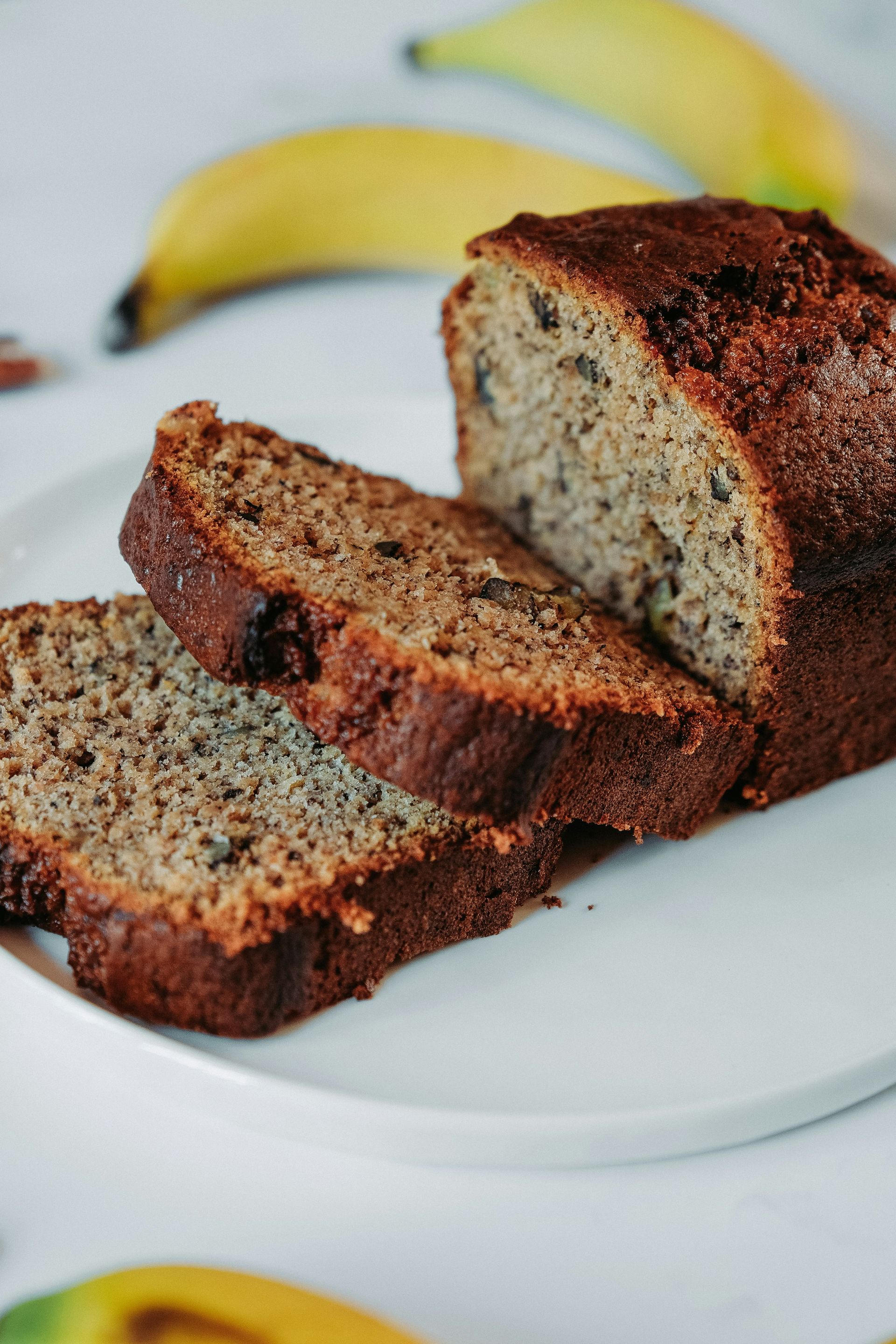
Banana bread belongs to the category of quick breads, meaning it rises from a chemical reaction between baking soda and an acidic ingredient, in this case very ripe mashed bananas, rather than from yeast fermentation. That is why banana bread requires no kneading, no proofing and no waiting for dough to rise before it goes into the oven.
Ripeness is the single most important factor in the recipe. Bananas need to be heavily speckled with brown spots, or even mostly black, before they are ready for banana bread, since the starches in an underripe banana have not yet converted to sugar and the fruit will not mash smoothly or provide enough moisture to the batter. Three medium overripe bananas, mashed well, is the standard amount for a typical loaf.
The batter comes together quickly: melted butter or oil is mixed with sugar and eggs, the mashed banana is folded in, and dry ingredients, flour, baking soda and salt, are added last and mixed only until just combined. Overmixing at this stage develops gluten in the flour, which toughens the crumb and can cause the loaf to peak and crack unevenly rather than rising into a smooth dome.
Banana bread became widespread in American home baking in the 1930s, once baking soda and baking powder were commonly stocked in home kitchens and banana prices had dropped enough for the fruit to be a pantry staple rather than a rare import. Recipes calling for overripe bananas specifically also reflected a practical use for fruit that was too soft to eat but too good to throw away.
Baked at 350 degrees Fahrenheit for about 55 to 65 minutes in a standard loaf pan, banana bread is done when a toothpick inserted in the center comes out with only a few moist crumbs attached. The finished loaf has a dense, moist crumb and a flavor that deepens over a day or two, which is why many bakers consider it better the day after baking than immediately out of the oven.
Cornbread
Credit: Alejandro JV / Pexels
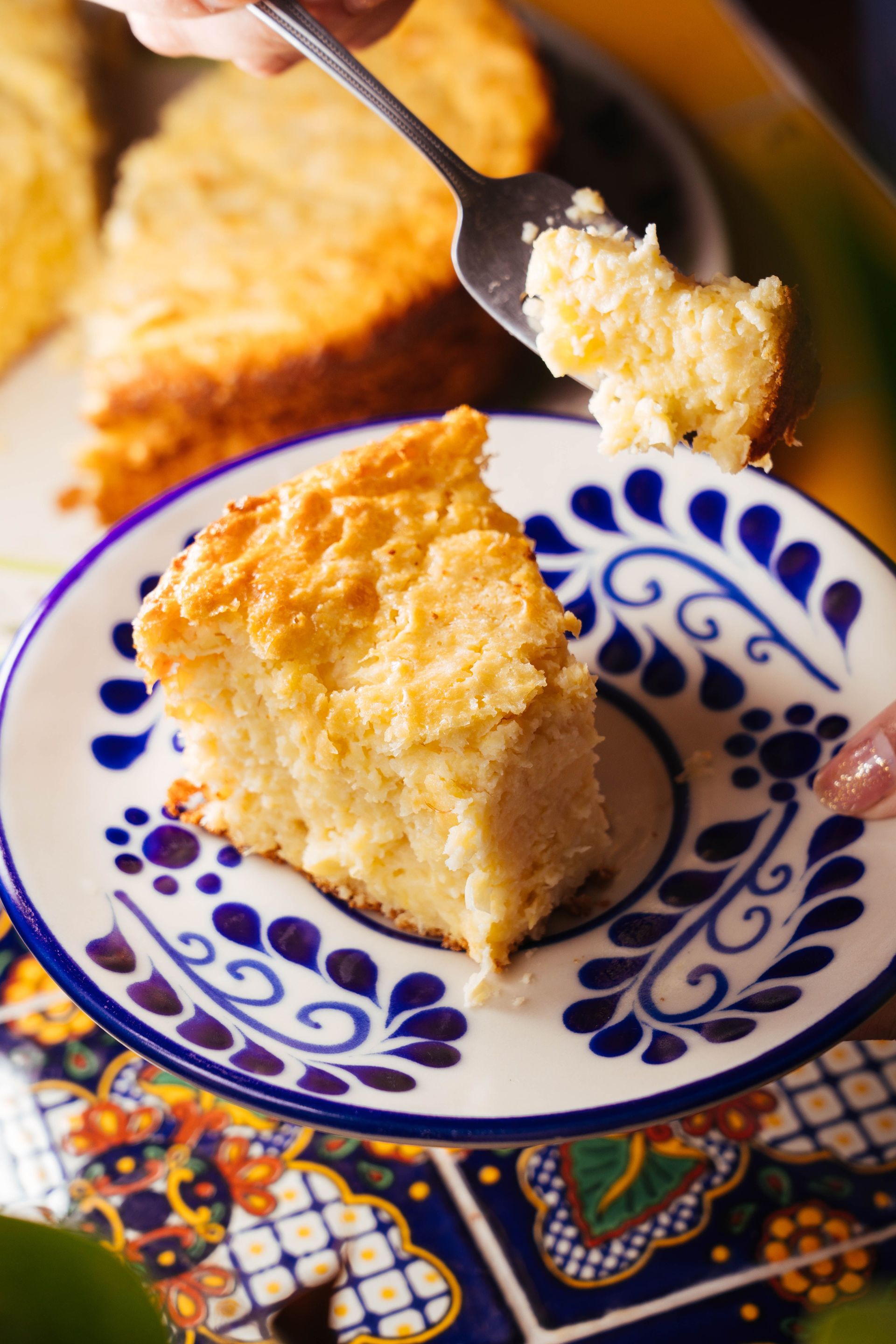
Cornbread is built around cornmeal rather than wheat flour, which is why its texture is coarser and more crumbly than a standard loaf and why the bread has almost no gluten structure to speak of. The dish traces back to Native American cooking traditions that used ground corn long before wheat flour was widely available in what is now the U.S., and it became a staple of Southern cooking as European settlers adapted those techniques.
Recipes vary regionally in ways that carry real disagreement among cooks. Southern-style cornbread is traditionally made with little to no sugar and often uses only cornmeal, buttermilk, eggs and a fat like bacon grease or butter, baked in a preheated cast iron skillet that gives the bottom crust a deep, crisp brown. Northern-style versions typically include both cornmeal and wheat flour in roughly equal parts, along with more sugar, producing a sweeter, more cake-like crumb closer to a corn muffin.
Buttermilk appears in most traditional recipes because its acidity reacts with baking soda to help the bread rise, since cornmeal alone provides no gluten to trap the gas produced by baking powder the way wheat flour does. A cast iron skillet, preheated in the oven with a spoonful of fat until it is smoking hot before the batter is poured in, is the detail most responsible for cornbread's signature crisp, almost fried bottom crust, a step that a room-temperature baking pan cannot replicate.
The batter itself mixes together in a few minutes, wet ingredients combined separately from dry, then folded together just until no dry cornmeal remains, since overmixing can make the crumb dense and gummy rather than tender. It bakes hot and fast, typically at 400 to 425 degrees Fahrenheit for 20 to 25 minutes, considerably shorter than most yeasted breads.
Cornbread is best eaten warm, within an hour or two of baking, since its low fat and gluten content mean it dries out faster than an enriched bread, though leftover cornbread crumbles well into stuffing or is reheated wrapped in foil to restore some of its moisture.
Irish soda bread
Credit: Heather "Moria" / Wikimedia Commons (CC BY 2.0)
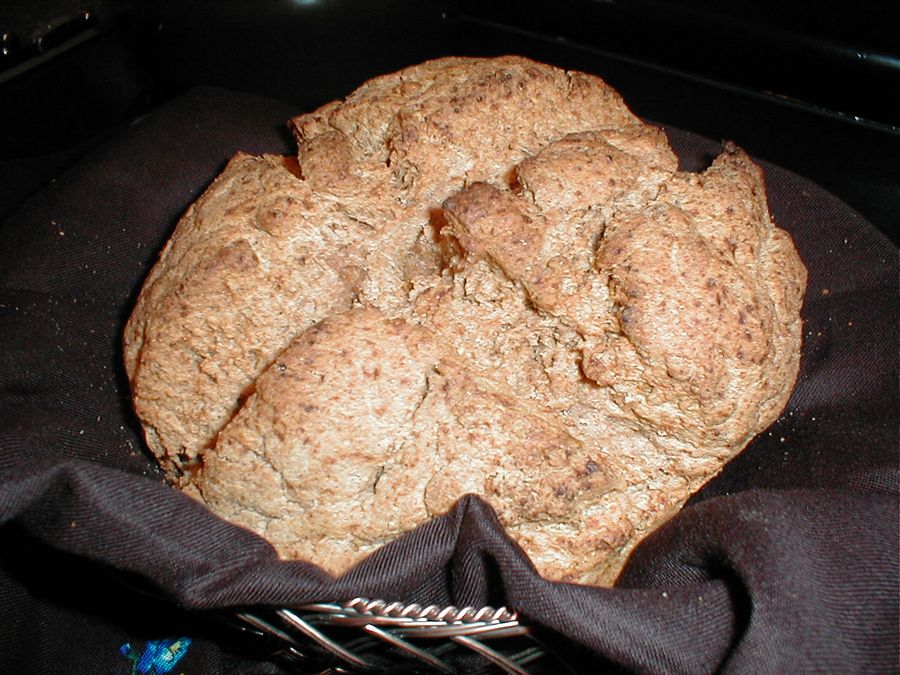
Irish soda bread rises from the reaction between baking soda and buttermilk's natural acidity, a leavening method that did not become common in Ireland until baking soda was introduced in the country in the 1840s, making the bread a comparatively recent addition to Irish baking traditions rather than an ancient one. Its appeal at the time was speed and reliability: no yeast, no proofing, and a loaf that could be on the table within an hour.
A traditional loaf uses just four ingredients: flour, baking soda, salt and buttermilk. Soft wheat flour, lower in gluten-forming protein than bread flour, is traditional in Irish versions, since the bread is not meant to develop the elastic dough of a yeasted loaf, only to hold together enough to rise from the baking soda reaction and hold its shape in the oven.
The dough is mixed briefly and handled as little as possible. Overworking soda bread dough develops gluten that the recipe was never designed to have, producing a tough, dense loaf instead of the tender, slightly crumbly texture a properly made version has. Most bakers stir the wet and dry ingredients together only until they come together into a shaggy dough, then turn it out and shape it gently by hand.
Shaped into a round and scored with a deep cross on top before baking, the traditional cut serves both a practical and, in older accounts, a superstitious purpose: it helps the dense dough bake through evenly by allowing heat to reach the center faster, and it was once said to let the devil escape from the bread as it baked.
Versions that include raisins, caraway seeds, or a small amount of sugar and egg are sometimes called spotted dog or tea cake soda bread, and are distinct from the plain, savory loaf traditionally eaten alongside soups and stews. Baked at 400 to 425 degrees Fahrenheit for 35 to 45 minutes, Irish soda bread is best eaten the day it is made, since it lacks the fat or oil that helps other quick breads stay moist for longer.
New York style bagels
Credit: bynamnamnam / Pexels
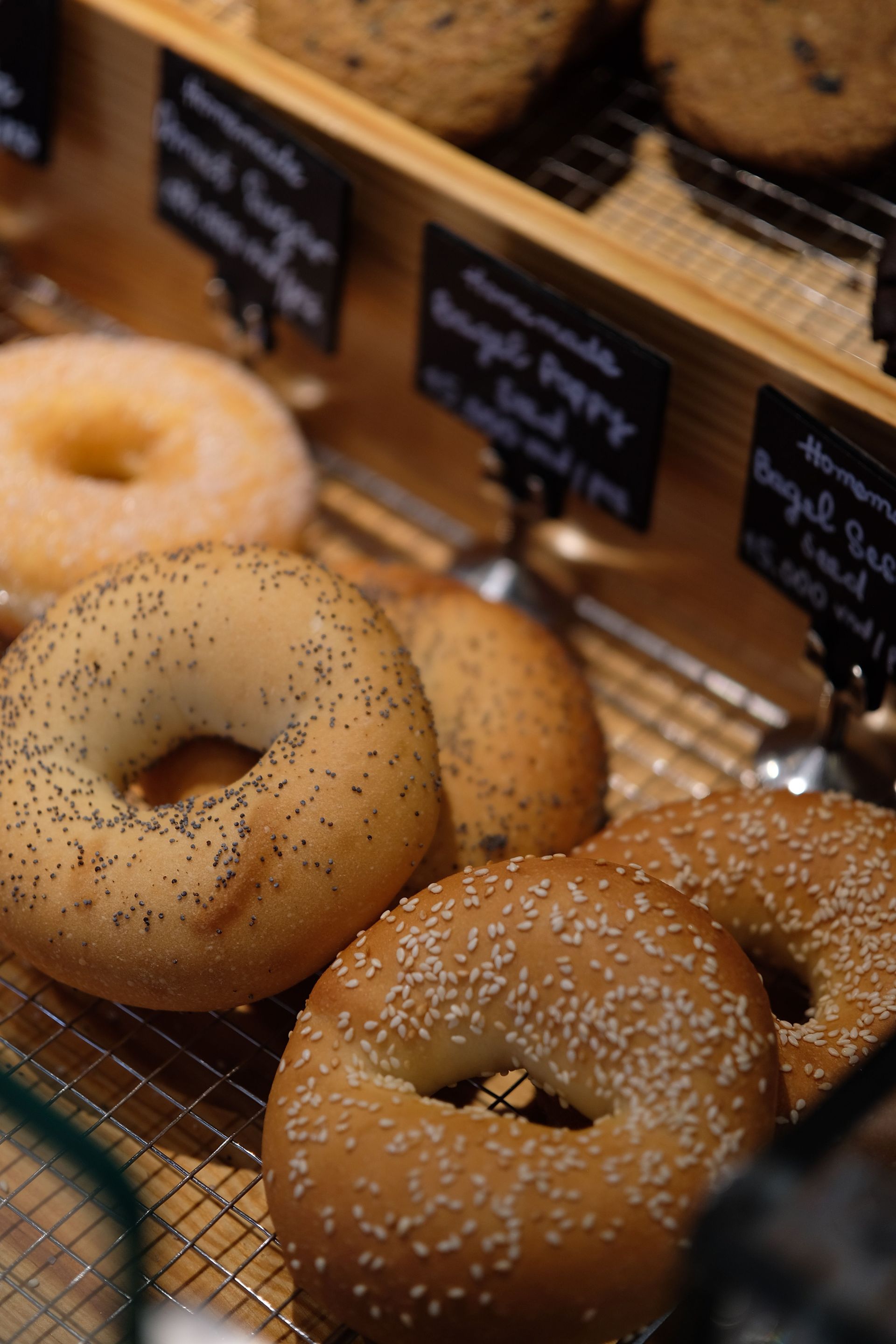
Bagels are distinguished from nearly every other bread on this list by a single extra step: the shaped dough is boiled in water for 30 seconds to a couple of minutes per side before it goes into the oven. That boiling step gelatinizes the starch on the surface of the dough quickly, which is what gives a finished bagel its shiny, taut crust and its dense, chewy crumb, rather than the softer texture a simply baked roll would have.
The dough itself is stiffer and lower in hydration than most bread doughs, since a wetter dough would lose its shape once it hits the water. Bread flour, chosen for its higher protein content over all-purpose flour, gives bagel dough the strength to hold its ring shape through boiling and baking without collapsing or losing its hole in the middle.
New York style specifically refers to a version many bakers and food historians tie to the city's water, which is notably soft and low in minerals, a quality some bakers argue affects gluten development and produces a chewier crumb than the same recipe made with harder water elsewhere, though the claim is debated among bakers rather than settled fact. What is not in dispute is the boiling method, which traces back to Jewish communities in Poland, where bagels were first documented in written records from the 17th century.
A small amount of malt syrup or barley malt, added to the boiling water and often to the dough itself, is traditional in New York style bagels and contributes to their slightly sweet, toasty flavor as well as their deep brown crust color. Baking soda is a common substitute in the boiling water when malt is not available, though it changes the flavor slightly.
After boiling, bagels are topped, if desired, with sesame seeds, poppy seeds, or a mix known as everything seasoning, pressed on while the surface is still wet so the toppings adhere, then baked at 425 to 450 degrees Fahrenheit for 20 to 25 minutes until deeply browned.
German pretzel bread
Credit: Rukiye Demir / Pexels
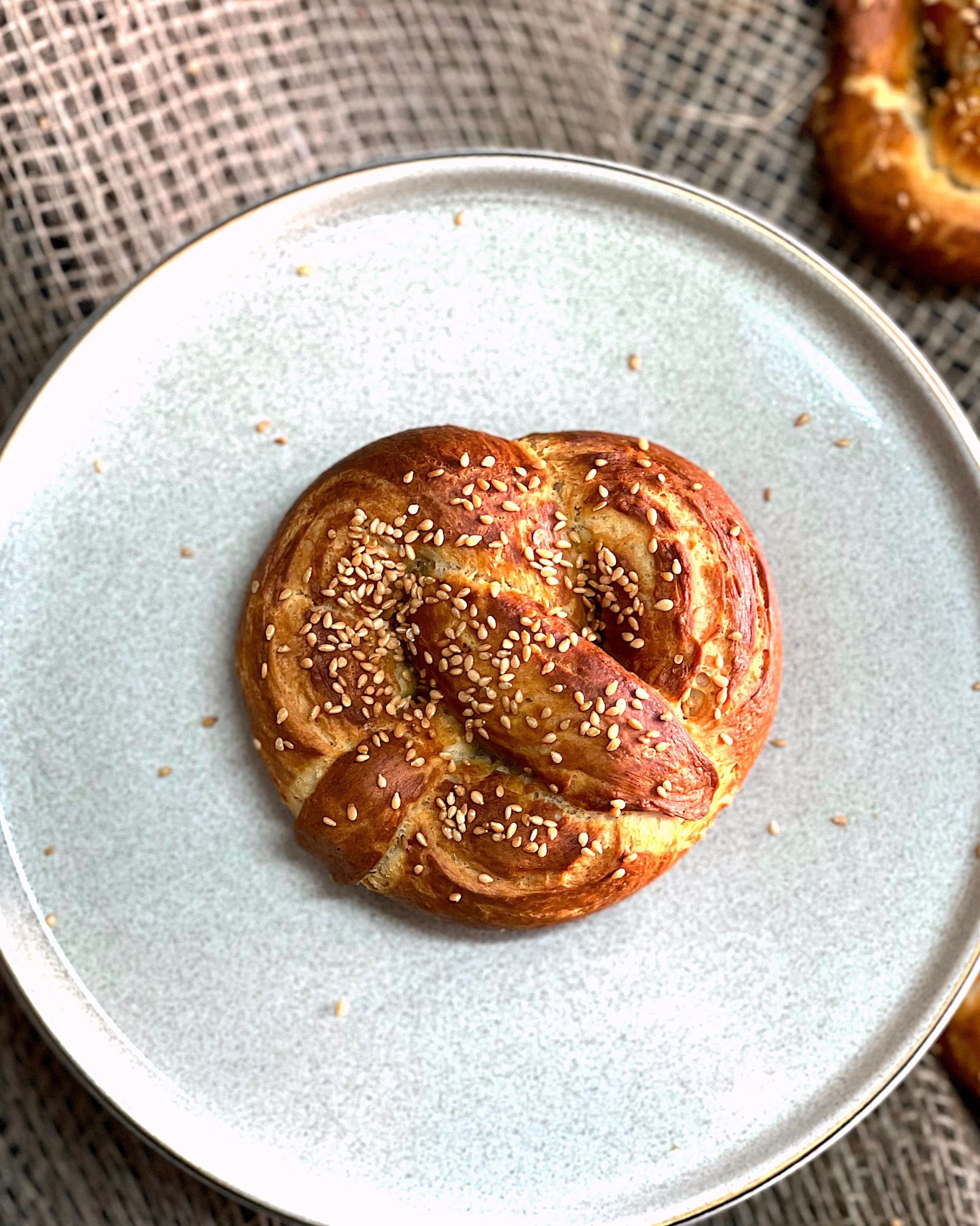
Pretzel bread uses the same technique that gives a soft pretzel its shiny, mahogany crust: dipping the shaped dough briefly in an alkaline solution before baking, which raises the pH of the dough's surface and speeds up the browning reaction in the oven far beyond what a plain egg wash could achieve. That reaction is why pretzel bread looks noticeably darker and glossier than an ordinary dinner roll shaped the same way.
Traditional bakeries in Germany use a food-grade lye solution for this dip, since lye produces the most pronounced version of the reaction and the classic pretzel flavor associated with it. Most home recipes substitute a baking soda solution instead, either a simple baking soda bath or baking soda that has been baked in the oven at 250 degrees Fahrenheit for an hour to convert it to the more alkaline washing soda, which gets closer to a lye pretzel's color and flavor than plain baking soda alone.
The dough itself is a simple, lightly enriched wheat dough, close to a dinner roll in composition, made with flour, water, yeast, a small amount of butter and sometimes a touch of malt syrup. It is mixed and kneaded until smooth, given a single rise of about an hour, then shaped into rolls, knots or a single braided loaf, depending on the form the bread is meant to take.
Once shaped, the dough gets a very brief dip, typically 15 to 30 seconds, in the alkaline solution before it is scored and salted. This step happens right before baking rather than earlier in the process, since the alkaline solution is meant to affect only the crust during the short time in the oven, not the interior crumb.
Baked at a high temperature, generally 425 to 450 degrees Fahrenheit, pretzel bread develops its signature dark, chewy crust within 20 to 25 minutes, while the interior stays soft and slightly dense, closer to a soft pretzel's texture than to a fluffy dinner roll. It is traditionally served with coarse salt and, in Bavaria, alongside mustard and butter.
Cinnamon raisin bread
Credit: Darya Grey_Owl / Pexels
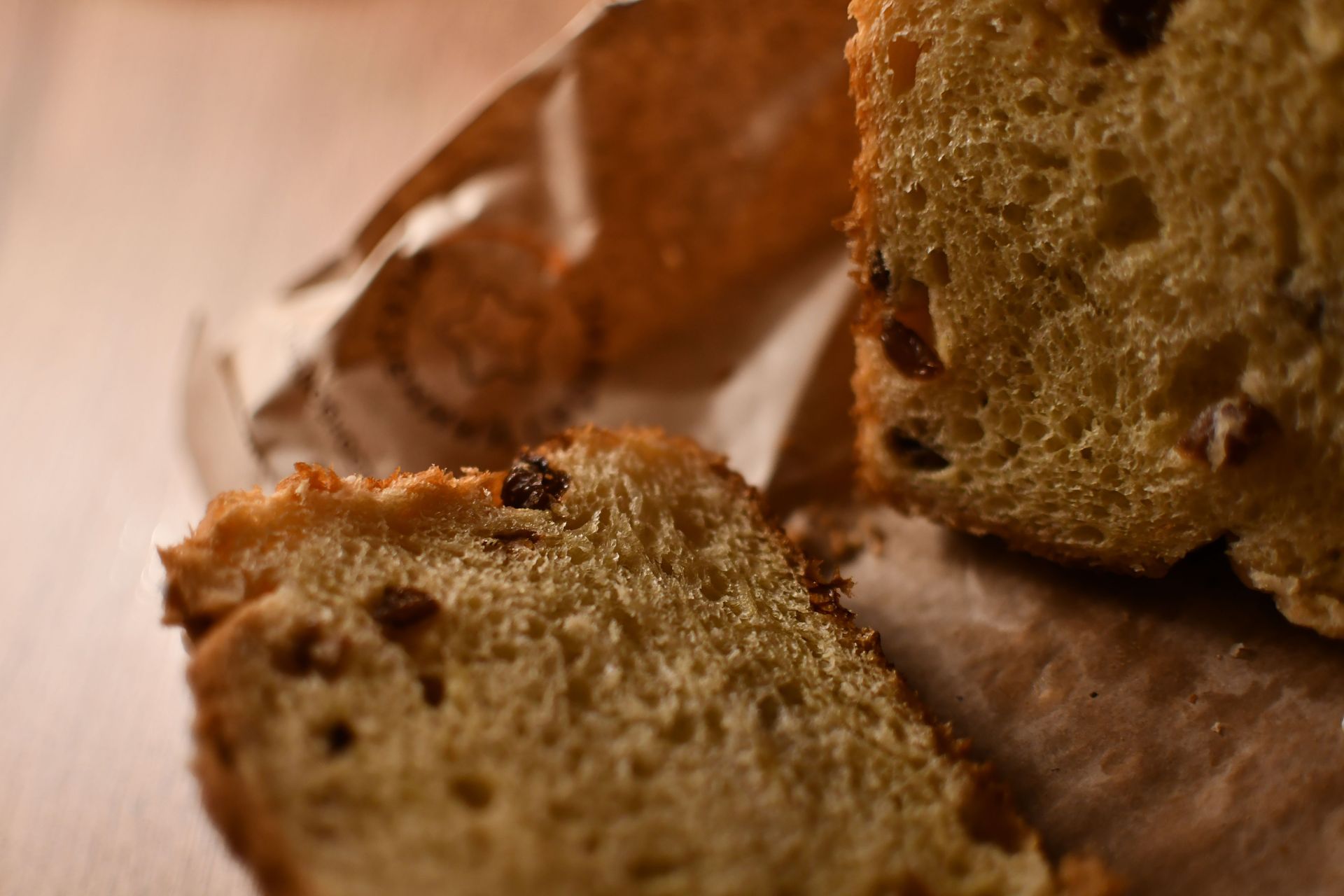
Cinnamon raisin bread starts as an enriched dough similar to a basic sandwich loaf, made with flour, milk, sugar, eggs, butter and yeast, which gives it a soft crumb capable of holding a cinnamon sugar filling without becoming dense or gummy. Raisins are typically soaked briefly in warm water before being added to the dough, which plumps them and keeps them from pulling moisture out of the surrounding crumb as the bread bakes.
The distinguishing step is the swirl. After its first rise, the dough is rolled out into a rectangle, brushed with melted butter, and covered evenly with a mixture of cinnamon and sugar, sometimes with the soaked raisins pressed in at this stage rather than mixed directly into the dough. Rolling the rectangle up tightly from the short end creates the spiral pattern visible when the bread is sliced.
A common problem with this bread, sometimes called swirl gap, happens when the rolled dough is not sealed or shaped tightly enough, which leaves an air pocket between the outer layers of dough and the cinnamon filling that expands during baking and separates the crumb from the swirl. Pressing the dough firmly as it is rolled, and pinching the seam closed at the end, reduces the chance of this happening.
Loaf pans are the standard vessel for this bread, since the enclosed sides support the dough as it proofs and bakes, keeping the spiral intact rather than letting it spread outward the way a free-form loaf would. A second proof of 45 minutes to an hour, until the dough crests just above the rim of the pan, precedes baking at 350 degrees Fahrenheit for 35 to 45 minutes.
Because sugar is present both in the dough and in the cinnamon filling, this bread browns faster than a plain sandwich loaf, so many bakers tent it loosely with foil partway through baking to prevent the crust from darkening too much before the interior finishes cooking. Once cooled, it toasts particularly well, since the sugar in the filling caramelizes further under direct heat.
Japanese milk bread
Credit: ChrisHamby / Wikimedia Commons (CC BY-SA 2.0)
Japanese milk bread, or shokupan, owes its extremely soft, pillowy crumb to a technique called tangzhong, in which a small portion of the recipe's flour is cooked with water or milk into a thick paste before it is added to the rest of the dough ingredients. Cooking the flour first gelatinizes its starches, which lets that portion of flour absorb far more liquid than it could raw, and that extra moisture carries through into the baked loaf, keeping it soft for days longer than an untreated dough would stay.
The tangzhong paste is simple to make: flour and liquid are whisked together in a small saucepan over low heat until the mixture thickens into a smooth, pudding-like paste, generally around 149 degrees Fahrenheit, then cooled before it is mixed into the main dough with the remaining flour, milk, sugar, egg, butter and yeast. A related method called yudane, which uses boiling water poured directly over flour rather than cooking the two together on the stove, achieves a similar effect and is common in Japanese bakeries as well.
Because the dough is both enriched with butter and eggs and boosted by the tangzhong's water retention, it is notably softer and more elastic to handle than most other enriched doughs on this list, closer to taffy than to bread dough during the final stages of kneading. Bakers typically knead the dough until it passes a windowpane test, meaning a small piece can be stretched thin enough to see light through it without tearing, a sign that gluten development is complete.
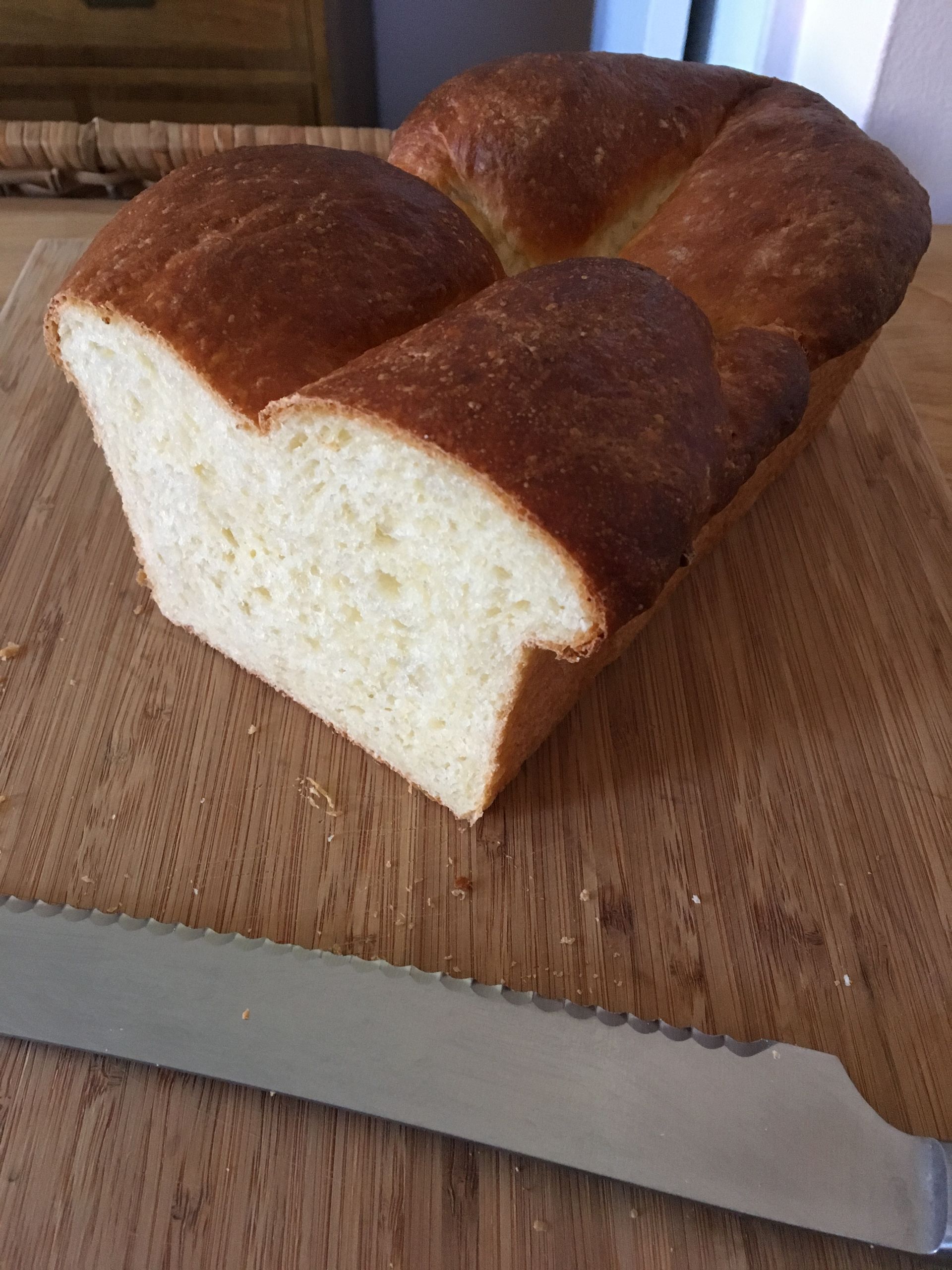
Shokupan is traditionally baked in a lidded Pullman pan, which produces the bread's signature square cross-section, though it is often baked without the lid in a standard loaf pan for the more common domed top seen outside professional bakeries. The dough is usually divided into two or three portions, rolled and coiled individually, then placed side by side in the pan so the loaf rises into rounded humps.
The finished bread has a crumb so soft it can be compressed and will spring back, a faintly sweet flavor, and a shelf life of about four to five days at room temperature, longer than most enriched breads without tangzhong.
Pain de campagne
Credit: Travel with Lenses / Pexels
Pain de campagne, French for country bread, refers not to one fixed recipe but to a style of rustic loaf traditionally made in French villages before commercial yeast and refined white flour were widely available in rural bakeries. Most versions blend a majority of white bread flour with a smaller portion, typically 10 to 20 percent, of whole wheat or rye flour, giving the bread more flavor and a slightly denser crumb than a pure white loaf like a baguette.
Traditional pain de campagne is leavened with a levain, a natural starter similar to a sourdough culture, rather than commercial yeast, which is part of why the bread has a mild tang and a longer shelf life than a same-day yeasted loaf. Some modern recipes use a small amount of commercial yeast alongside or instead of a levain to shorten the timeline, though this departs from the bread's traditional method.
The dough is mixed to a moderate hydration, wetter than a baguette but not as extreme as ciabatta, and given a long bulk fermentation of four to six hours at room temperature or, more commonly among bakers who want deeper flavor, a slower rise of 12 hours or more in the refrigerator. This extended fermentation is standard for a levain-based dough, since natural yeast works more slowly than commercial yeast.
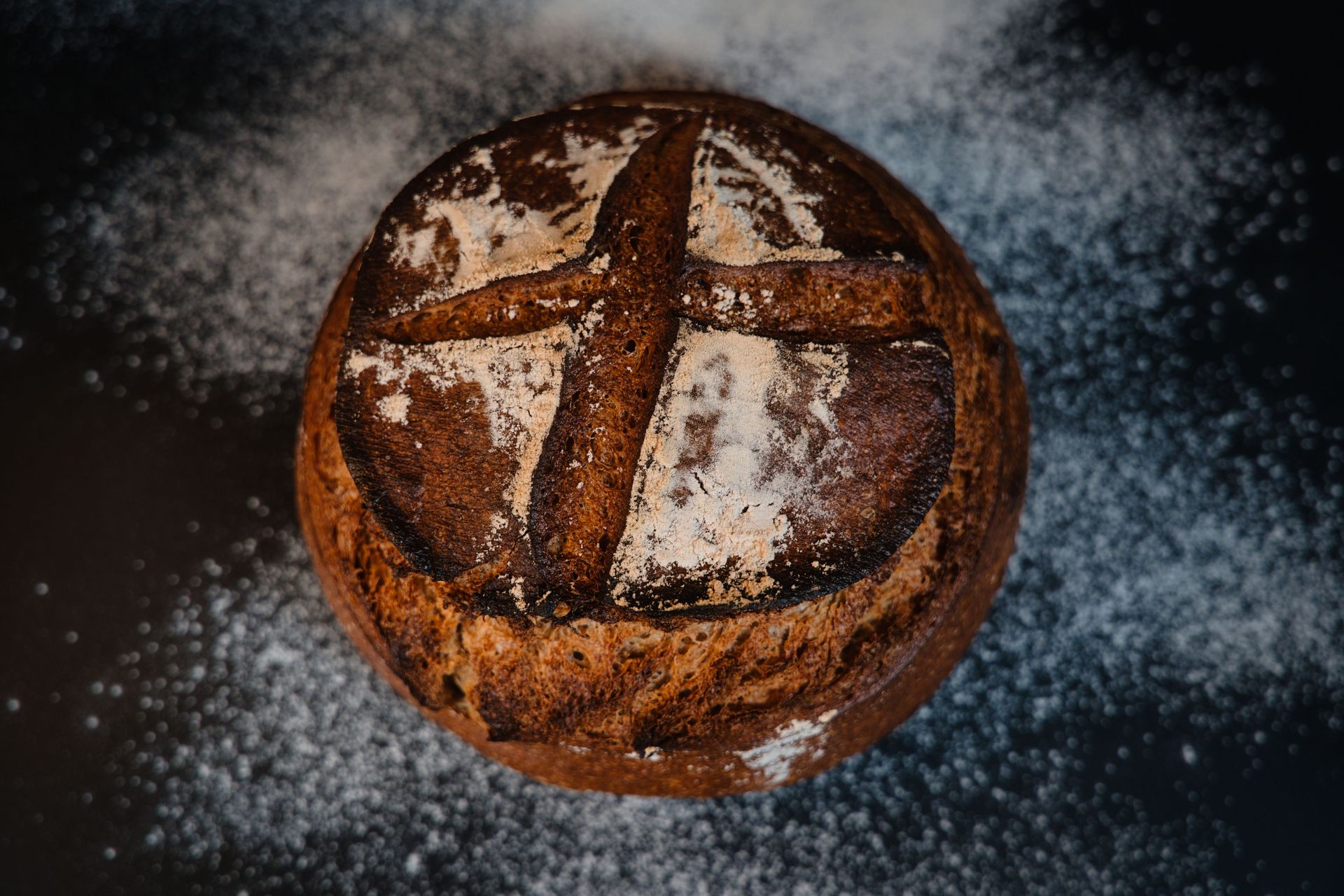
Shaping typically produces a large, round boule rather than an elongated loaf, scored with a simple cross or a wheat-stalk pattern across the top before baking, both for visual identification and to control how the bread expands in the oven. The loaf is baked in a Dutch oven or on a steam-injected deck oven at high heat, generally 450 to 475 degrees Fahrenheit, to develop a thick, deeply colored crust that helps the large loaf keep for several days.
A finished pain de campagne has a substantial crust, a moderately open crumb and a flavor more complex than a plain white loaf, thanks to the small percentage of whole grain flour and the extended natural fermentation. It is traditionally sliced thick and served alongside cheese, charcuterie or a simple bowl of soup rather than used for sandwiches.