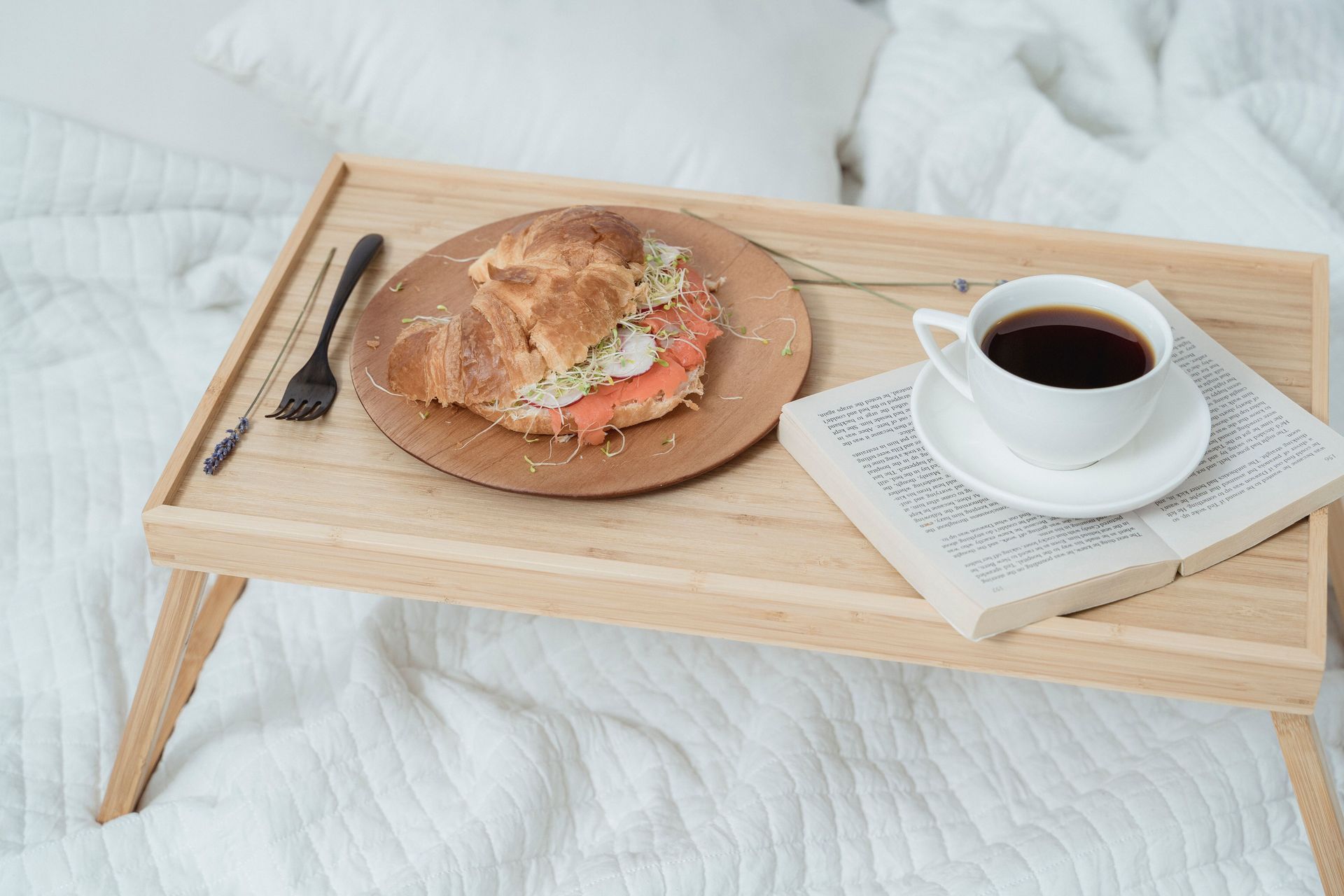
Not overnight oats, not avocado toast — these are the breakfasts that reward the extra effort and make the first meal of the day the one you look forward to most
Miriam Alonso / Pexels
Breakfast occupies a strange position in the hierarchy of meals. It is the meal most people eat every day, the meal most nutritionists describe as important, and the meal most people eat badly — not because they lack the skill to do better but because the morning is the time of least available attention, and the food that requires the least attention tends to win. Cereal, toast, a banana eaten over the sink, a coffee consumed while doing something else — these are the breakfasts of real life, and there is nothing wrong with them.
But there is something worth knowing about what breakfast can be when it is made with a little more care and a little more intention. Not elaborate breakfast — a three-hour brunch project is not breakfast but a hobby — but the specific category of breakfast that takes 20 to 40 minutes of engaged cooking and produces something that genuinely rewards the effort. The shakshuka that fills the kitchen with the smell of tomatoes and cumin. The French toast made with good bread and a splash of vanilla. The congee that has been simmering quietly while you got dressed and is ready, glossy and comforting, when you sit down.
The recipes in this list are selected for the specific combination of quality and achievability that makes a breakfast worth the alarm. They are not complex. They do not require unusual ingredients or specialist equipment. They require attention — the specific engagement of someone who is choosing to cook breakfast rather than assembling it — and they reward that attention with food that is noticeably better than the inattentive alternative.
The list spans the full range of breakfast occasion and appetite: substantial weekend breakfasts that double as brunch, quick weekday recipes that are better than they have any right to be given the time they take, and a few more ambitious morning projects for the days when the whole point of the morning is the cooking itself. Most serve two; scaling notes are included where scaling is non-obvious. All the ingredients are available in any reasonably well-stocked supermarket.
The Castlebar / Pexels
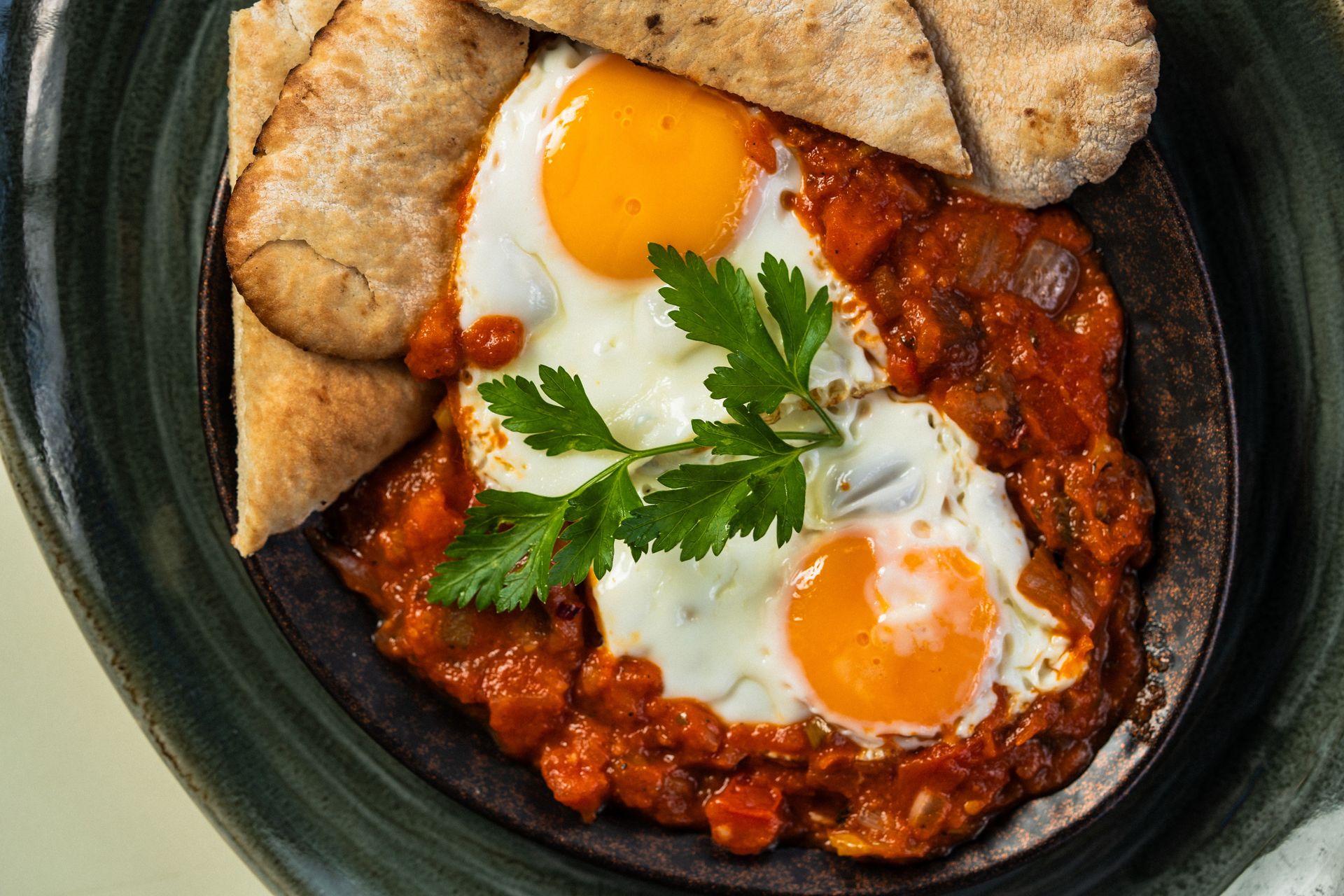
Shakshuka — eggs poached in a spiced tomato and pepper sauce — is one of the best breakfasts in the world and one of the most underused by people who haven't encountered it yet. It originates in North Africa and the Middle East, is beloved across Israel and the broader Levant, and produces an impressive, deeply flavored result from a short list of pantry ingredients in approximately 25 minutes.
Heat two tablespoons of olive oil in a wide, deep frying pan over medium heat. Add one diced onion and two diced red peppers and cook for eight minutes until softened. Add three minced garlic cloves, one teaspoon of ground cumin, one teaspoon of smoked paprika, half a teaspoon of ground coriander, and a pinch of cayenne. Cook for one minute until fragrant. Add one 400g tin of chopped tomatoes and one tablespoon of tomato purée. Season generously with salt and pepper and simmer for ten minutes, stirring occasionally, until the sauce has thickened.
Create four wells in the sauce with the back of a spoon. Crack one egg into each well. Cover the pan and cook for five to seven minutes — five for runny yolks, seven for set. Remove from heat. Scatter over a handful of crumbled feta, fresh parsley or coriander, and a drizzle of olive oil.
Serve from the pan directly at the table with warm flatbread or crusty bread for mopping. The sauce keeps well in the refrigerator for three days, which means the shakshuka can be reheated quickly on a weekday morning in the time it takes to fry eggs.
Serves 2 to 3.
Anthony Rahayel / Pexels
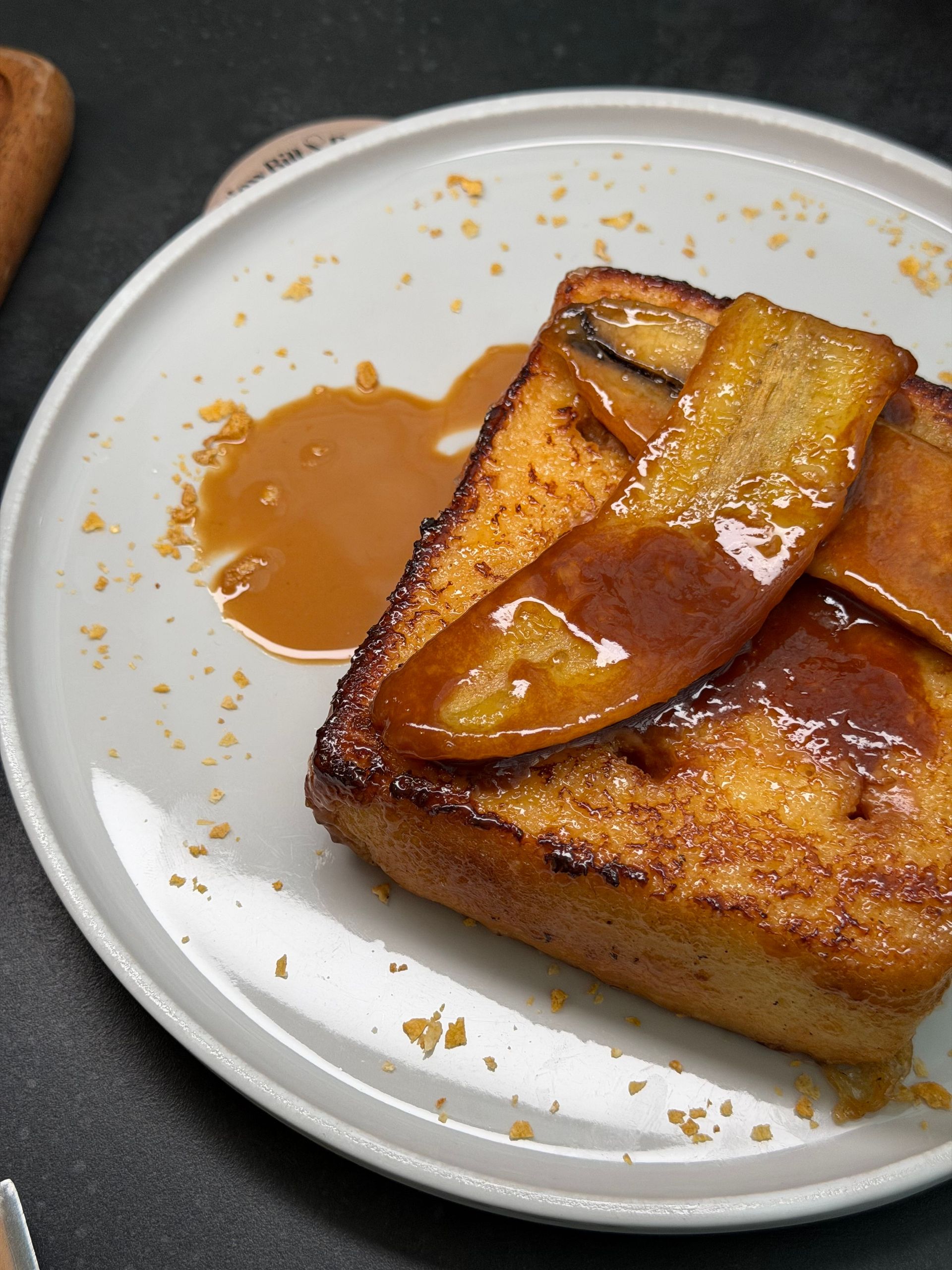
French toast is the breakfast that best illustrates the difference between good ingredients and adequate ones. Made with a thick slice of brioche or challah rather than sliced white bread, soaked in a custard of egg, cream, vanilla, and a pinch of cinnamon, and served with bananas caramelised in butter and brown sugar, it is a different proposition entirely from the school canteen version most people learned to make.
Whisk together three eggs, four tablespoons of double cream, one teaspoon of vanilla extract, one tablespoon of caster sugar, and half a teaspoon of ground cinnamon in a shallow dish. Cut four thick slices of brioche or challah — at least two centimetres thick. Lay the slices in the custard and leave them to soak for two minutes on each side, pressing gently to help them absorb the liquid.
While the bread soaks, melt one tablespoon of butter in a small frying pan over medium-high heat. Halve two bananas lengthways and place them cut-side down in the butter. Sprinkle over two tablespoons of light brown sugar. Cook for two minutes without moving until caramelised on the cut side. Flip and cook for one further minute.
Melt another tablespoon of butter in a large frying pan over medium heat. Add the soaked bread slices and cook for three minutes per side until deep golden and set through. Work in batches to avoid crowding.
Serve the French toast topped with the caramelised bananas and a dusting of icing sugar. A spoonful of crème fraîche alongside cuts through the sweetness.
Serves 2.
Augustinus Martinus Noppé / Pexels
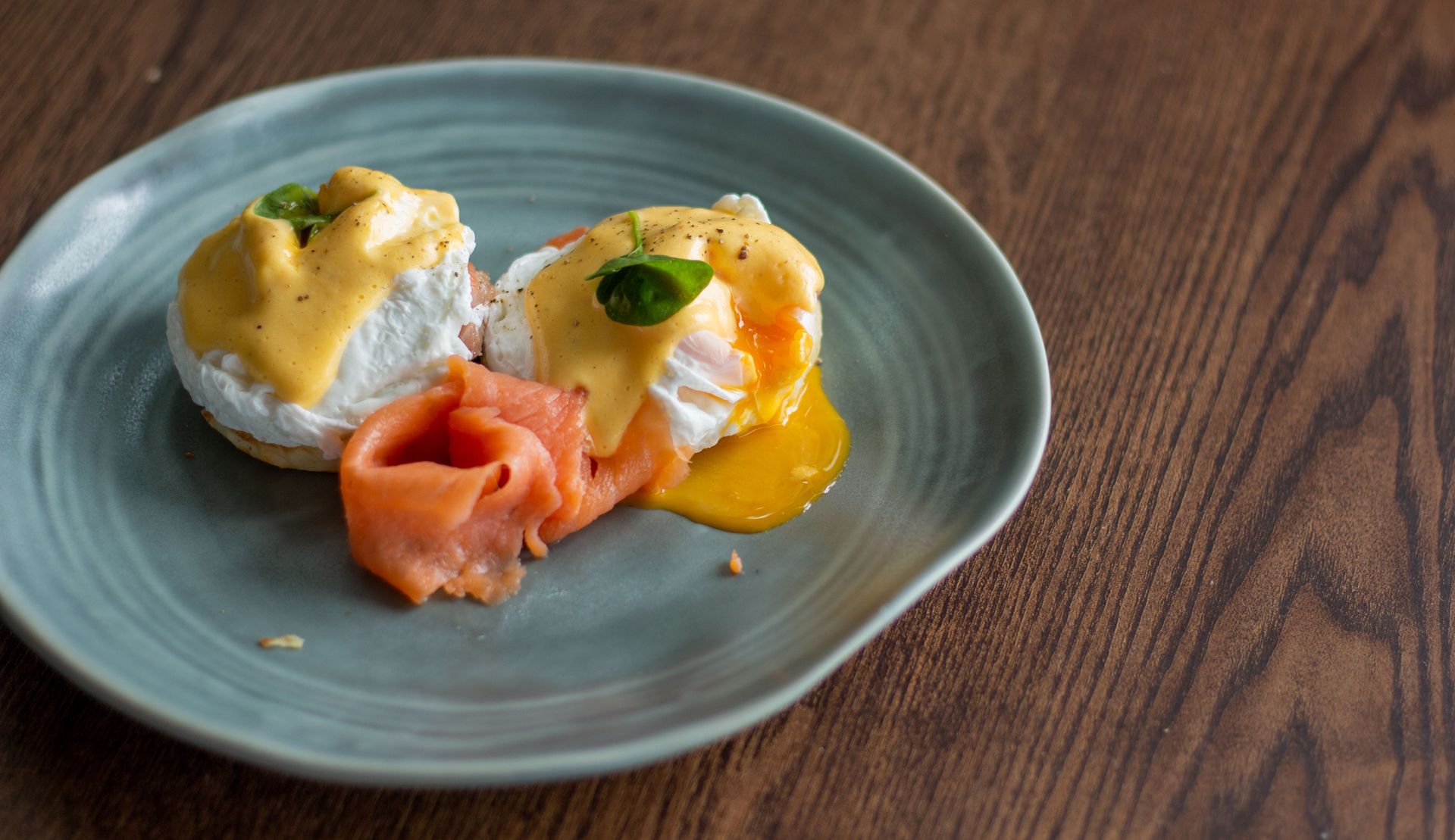
Eggs Benedict is the benchmark of the ambitious home breakfast — the dish that separates the brunch restaurants from the diners, and the cook who understands hollandaise from the one who opens a packet. It is not difficult. It is demanding of attention, specifically at the hollandaise stage, but it rewards that attention with one of the most satisfying flavor combinations in breakfast: the rich butter sauce, the yielding poached egg, the salt of the ham, the slight resistance of the English muffin.
For the hollandaise: melt 125g of unsalted butter in a small saucepan until just foaming. In a heatproof bowl over a pan of barely simmering water (the bowl should not touch the water), whisk three egg yolks with one tablespoon of white wine vinegar and one tablespoon of water until thick and pale — three to four minutes. Remove from heat and whisk in the melted butter drop by drop initially, then in a thin stream, until the sauce is thick and glossy. Season with lemon juice, salt, and white pepper. Keep warm over the pan of hot water with the heat off.
To poach the eggs: bring a wide pan of water to a gentle simmer. Add a splash of white wine vinegar. Create a gentle whirlpool with a spoon. Crack one egg into a small cup and slide it into the centre of the whirlpool. Cook for three to four minutes for a runny yolk. Repeat. Toast two split English muffins and top each with a slice of good ham or smoked salmon. Place the poached egg on top and spoon the hollandaise over generously.
Serves 2.
Alesia Kozik / Pexels
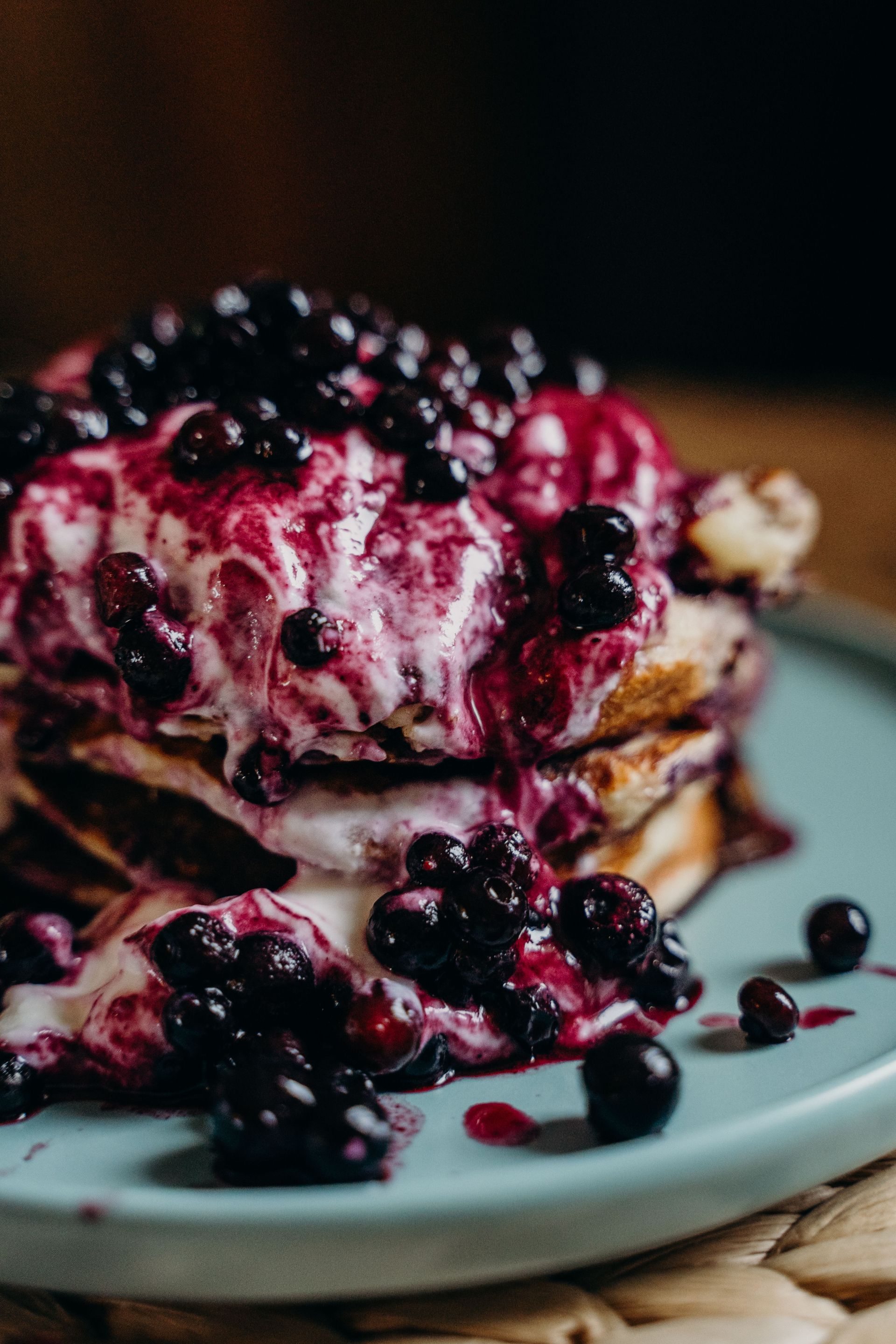
American-style pancakes — thick, fluffy, and slightly tangy from buttermilk — are one of the great weekend breakfasts and one that is genuinely better made at home than bought in most restaurants, because the fresh batter produces a lightness that rested commercial batters do not. The blueberry compote takes ten minutes and transforms what is already good into something worth talking about.
For the compote: place 200g of fresh or frozen blueberries, two tablespoons of caster sugar, one tablespoon of water, and a teaspoon of lemon zest in a small saucepan over medium heat. Cook for eight minutes, stirring occasionally, until the berries have burst and the sauce has thickened slightly. Remove from heat and set aside.
For the pancakes: whisk together 200g of plain flour, two teaspoons of baking powder, half a teaspoon of bicarbonate of soda, two tablespoons of caster sugar, and half a teaspoon of salt. In a separate bowl, whisk together 250ml of buttermilk, one large egg, two tablespoons of melted butter, and one teaspoon of vanilla extract. Pour the wet ingredients into the dry and stir briefly — the batter should be lumpy. Do not overmix; lumps are fine and overmixing develops gluten that toughens the pancake.
Heat a heavy non-stick frying pan over medium heat and brush lightly with butter. Ladle approximately 60ml of batter per pancake. Cook until bubbles form on the surface and the edges look set, approximately two minutes. Flip and cook for one further minute. Keep warm in a low oven while cooking the remaining batter.
Serve stacked, with the warm blueberry compote and a generous pour of maple syrup.
Serves 2 to 3.
Nadin Sh / Pexels
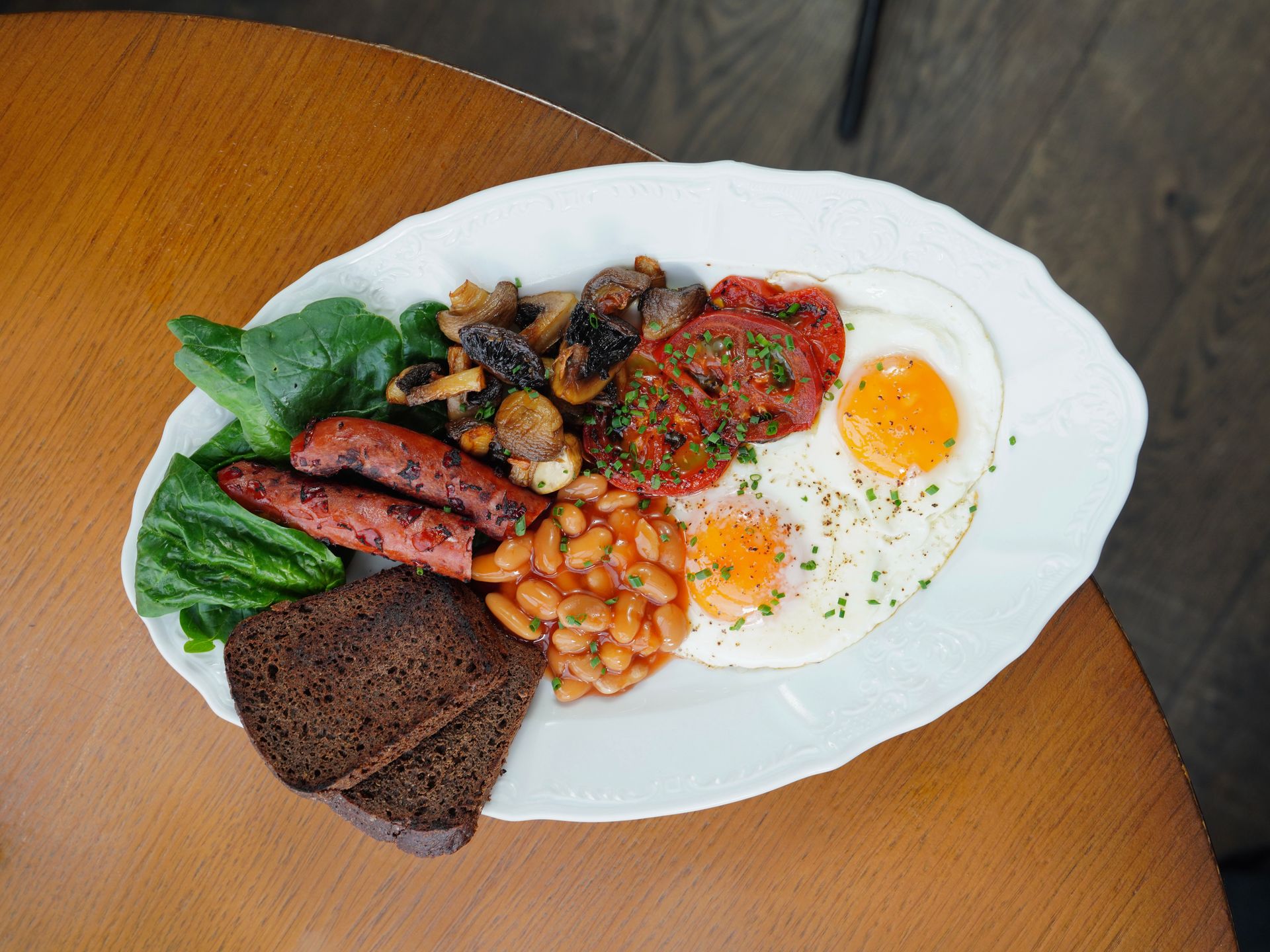
The full English breakfast — bacon, eggs, sausages, toast, baked beans, grilled tomatoes, and mushrooms — is one of the most satisfying and most badly executed breakfasts in the world. Badly executed because it is treated as a collection of separately cooked items rather than as a meal that requires timing and sequencing to arrive at the table simultaneously, and because the quality of each component matters more than is usually acknowledged. Good sausages, back bacon rather than streaky, eggs cooked with intention — these are the differences between a great full English and a mediocre one.
Begin with the sausages: these take the longest. Heat a large oven-proof frying pan over medium heat with a tablespoon of vegetable oil. Add four good-quality pork sausages and cook, turning regularly, for 15 to 20 minutes until deep brown on all sides. Transfer to a low oven (120°C) to rest while everything else is cooked.
In the same pan, cook four rashers of back bacon over medium-high heat for two minutes per side. Transfer to the oven. Cook four halved tomatoes cut-side down in the pan for two minutes, then flip and cook for one further minute. Season and add to the oven. Fry four large mushrooms in butter for three minutes per side, seasoning generously. Heat the baked beans in a small saucepan.
Cook the eggs to preference — fried in butter for most authentic results, scrambled or poached if preferred. Toast thick white bread.
Assemble everything on warm plates, ensuring each component has received the care it deserves.
Serves 2.
Elena Golovchenko / Pexels
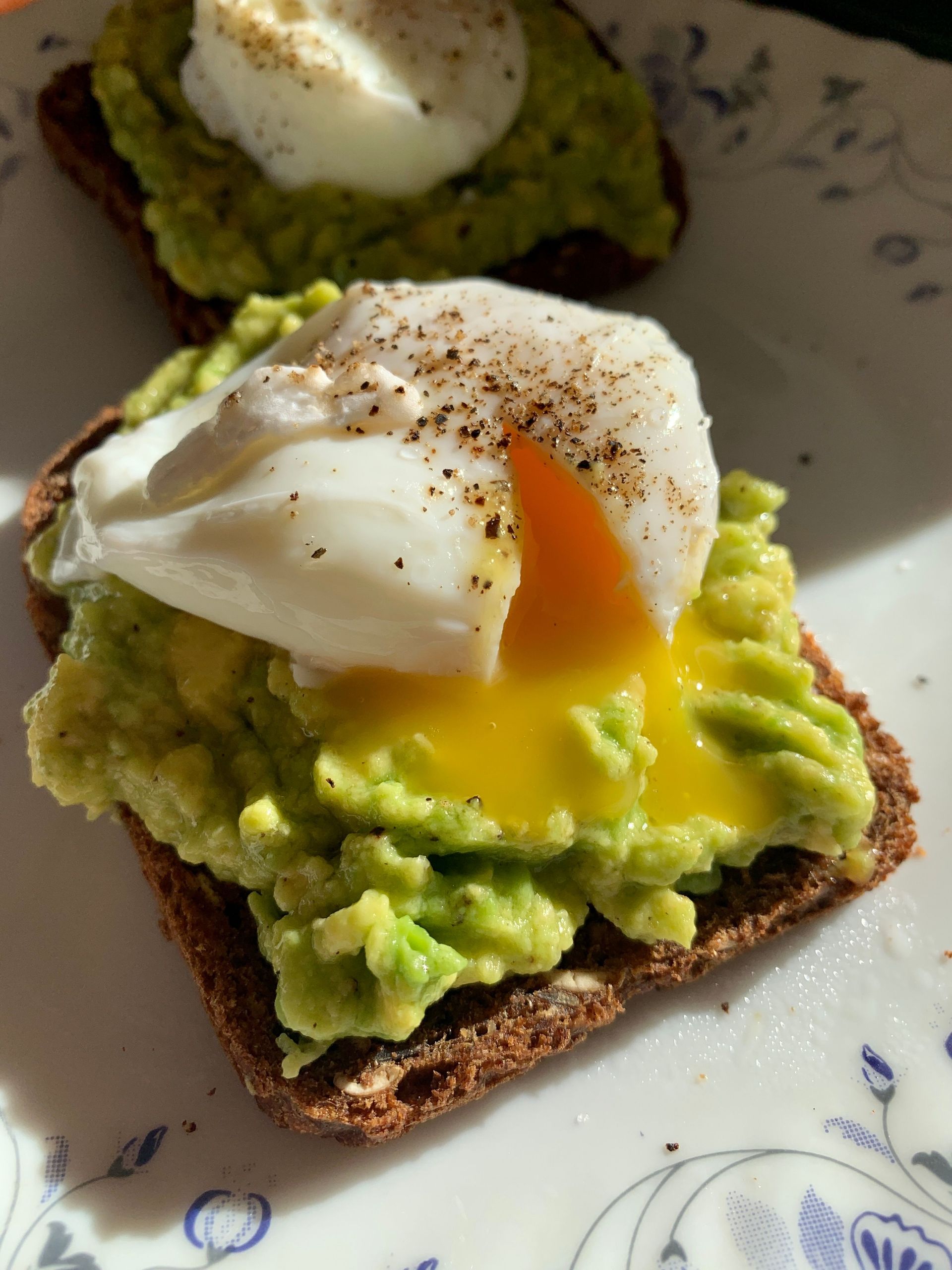
Avocado on toast has become ubiquitous enough to be a cliché, but the cliché reflects the fact that the combination is genuinely excellent when done correctly — which requires good bread, ripe avocado seasoned properly, and a well-poached egg rather than the frequently limp, unseasoned version served in most cafés.
Toast two thick slices of good sourdough until deeply golden. While they toast, halve one ripe avocado, remove the stone, and scoop the flesh into a bowl. Add the juice of half a lime, a generous pinch of flaky sea salt, a pinch of chilli flakes, and one tablespoon of olive oil. Mash with a fork to a rough, textured consistency — not a smooth purée.
Poach two eggs: bring a wide pan of water to a gentle simmer, add a splash of white wine vinegar, create a whirlpool with a spoon, slide each egg into the centre, and cook for three to four minutes for a runny yolk.
Spread the avocado generously onto the toast. Top each slice with a poached egg. Finish with an additional pinch of chilli flakes, a drizzle of good olive oil, a scatter of fresh coriander if desired, and a few slices of radish for crunch.
The difference between a good version and a great one is in the seasoning of the avocado — it should taste bright with acid, properly salted, and not bland — and in the quality of the bread.
Serves 2.
Media Dung / Pexels
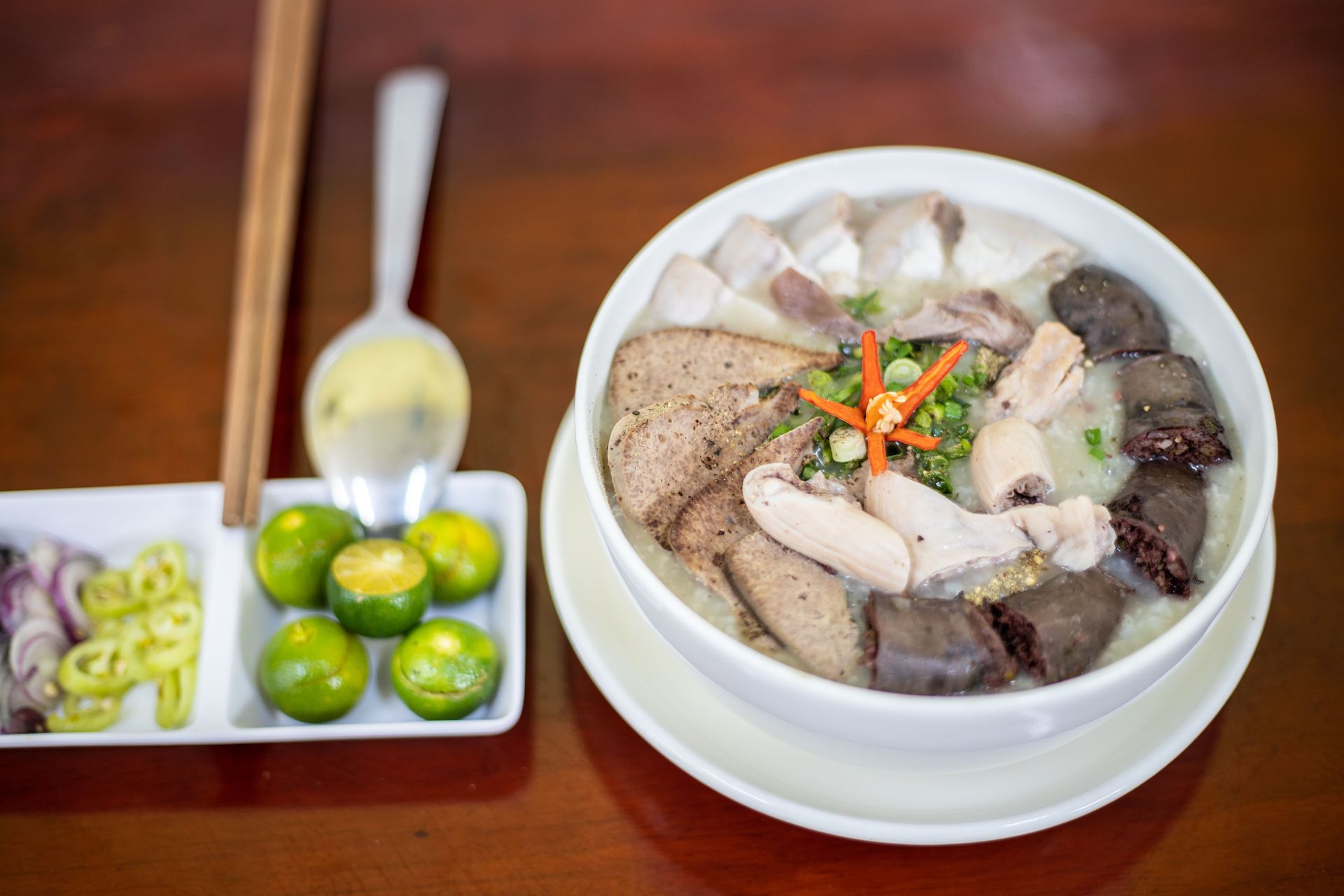
Congee — rice porridge cooked long and slow until the grains have completely broken down into a silky, deeply comforting broth — is the breakfast of East and Southeast Asia and one of the most warming, most nourishing breakfasts available. It requires time rather than effort: the cooking is largely unattended, and the result is a bowl of extraordinary comfort that bears no resemblance to rice as most people know it.
Rinse 150g of jasmine rice under cold water until the water runs clear. Place in a large saucepan with 1.5 litres of good chicken or vegetable stock and 500ml of water. Bring to the boil, then reduce to a very gentle simmer. Cook, stirring occasionally, for 45 minutes to one hour until the rice has completely broken down and the congee is smooth and creamy. Add more water if it becomes too thick — it should pour slowly from a spoon.
Season generously with salt. Ladle into deep bowls. The toppings are what make congee specific: a soft-poached or century egg, thin slices of raw or poached chicken scattered over the top, finely sliced spring onions, a drizzle of sesame oil, a dash of light soy sauce, a scatter of crispy fried shallots, and julienned fresh ginger. Serve with a dish of white pepper on the side.
The congee base can be made in advance and kept in the refrigerator for three days, reheating with a splash of water to loosen. The toppings are assembled at the table, which makes it an adaptable recipe for different preferences.
Serves 2 to 3.
Stephen Leonardi / Pexels
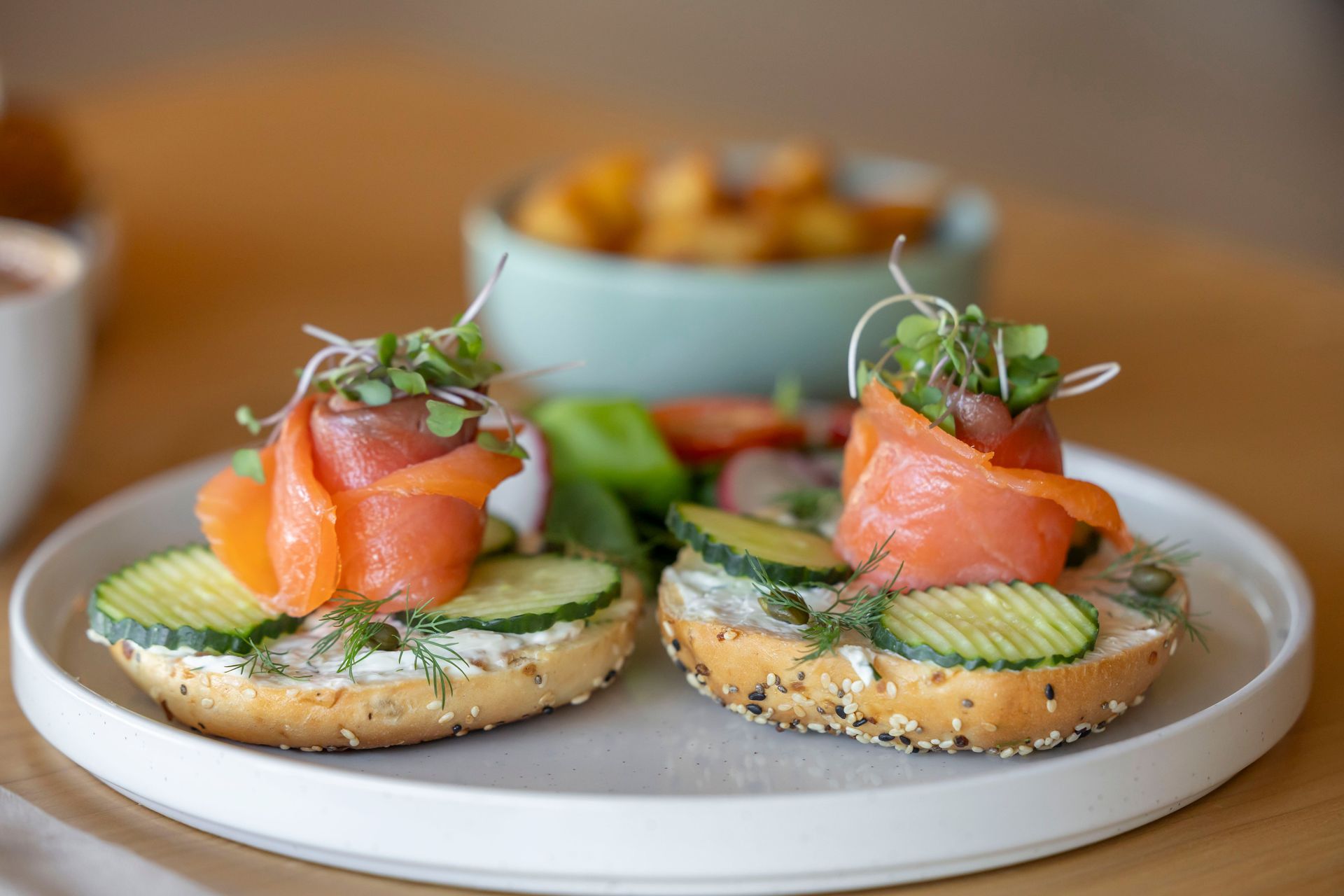
The New York bagel with smoked salmon and cream cheese is a breakfast that requires almost no cooking — just assembling — and is therefore completely dependent on the quality of the ingredients. This is either a limitation or a freedom depending on how you approach it. With a good bagel, excellent smoked salmon, and properly prepared cream cheese, it is one of the best 15-minute breakfasts available.
Split and toast two plain or sesame bagels. While they toast, stir together 150g of full-fat cream cheese with two tablespoons of finely chopped chives, a teaspoon of lemon zest, a pinch of white pepper, and salt to taste.
Spread the cream cheese generously onto both halves of each toasted bagel — generously means generously; a thin scraping defeats the purpose. Layer four to five slices of good smoked salmon onto each bagel base. Top with thinly sliced red onion, a few capers, slices of ripe tomato, and a squeeze of fresh lemon juice. Close with the top half or serve open-faced.
A few slices of cucumber alongside, lightly dressed with lemon and dill, extend the breakfast into a more substantial plate without requiring much additional work.
The quality variable that matters most is the smoked salmon: cold-smoked wild or sustainably farmed salmon, cut thickly, has a flavour and texture that makes the difference between a breakfast and a special one.
Serves 2.
Allan González / Pexels
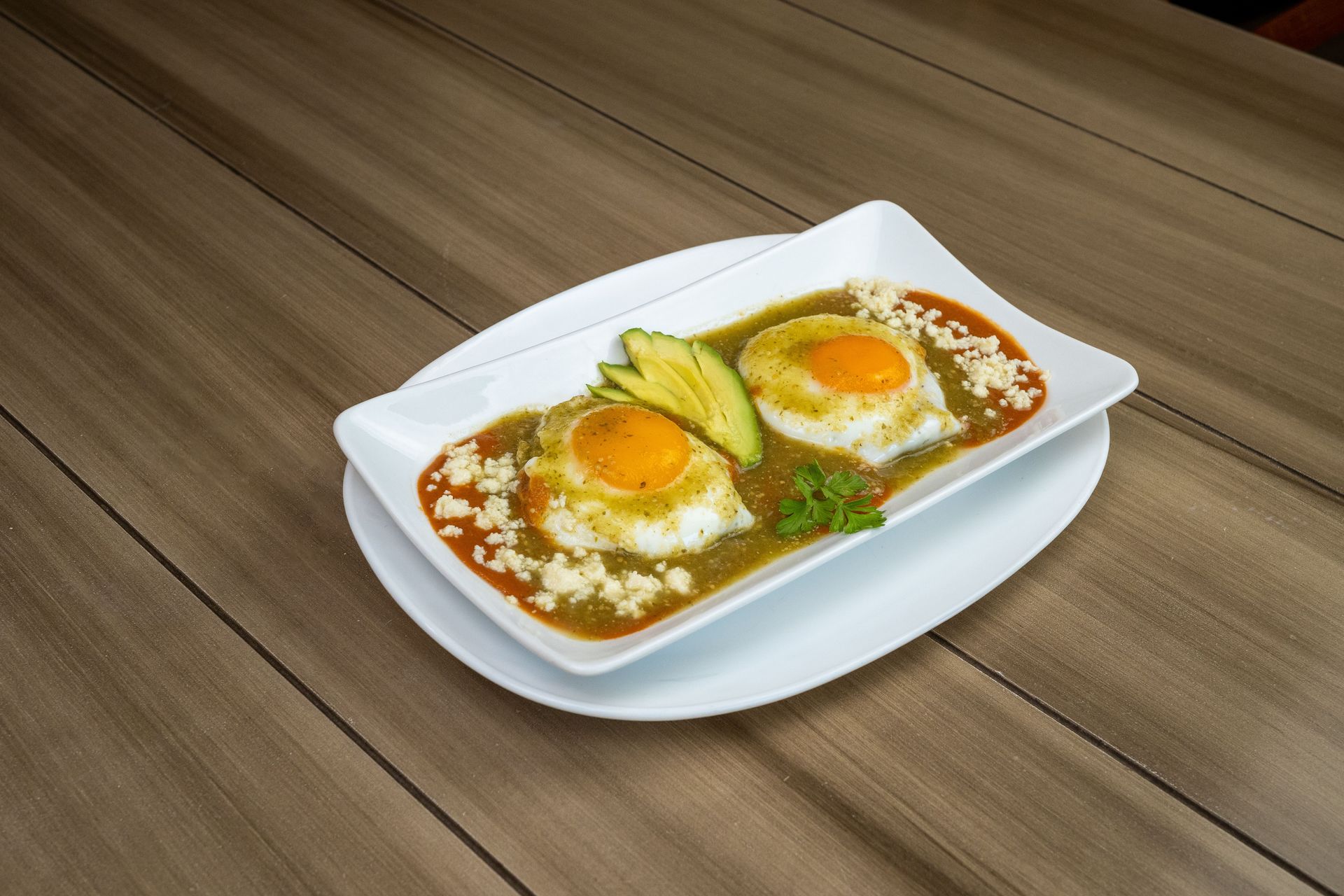
Huevos rancheros — fried eggs served on warm corn tortillas with a robust tomato and chilli sauce — is the Mexican breakfast that delivers on every dimension: flavour depth, textural interest, and the specific satisfaction of a morning meal that tastes like someone cared about it. It can be on the table in 25 minutes.
For the ranchero sauce: heat two tablespoons of vegetable oil in a saucepan over medium heat. Add one diced white onion and cook for five minutes. Add three minced garlic cloves, one deseeded and diced jalapeño, one teaspoon of ground cumin, and one teaspoon of dried oregano. Cook for one minute. Add one 400g tin of chopped tomatoes and 100ml of chicken or vegetable stock. Season with salt and a pinch of sugar. Simmer for 12 minutes until thickened. Blend briefly for a smoother sauce if preferred, leaving some texture.
Warm four corn tortillas directly over a gas flame for 30 seconds per side, or in a dry frying pan, until lightly charred and pliable. Keep warm wrapped in a tea towel.
Fry four eggs in vegetable oil over medium heat, basting the whites with the hot oil, until the whites are set and the yolk is still runny.
Place two tortillas on each plate. Spoon the warm ranchero sauce generously over the tortillas. Top with the fried eggs. Scatter over sliced avocado, crumbled feta or cotija cheese, fresh coriander, sliced spring onions, and a squeeze of lime.
Serves 2.
Ethan Tran / Pexels
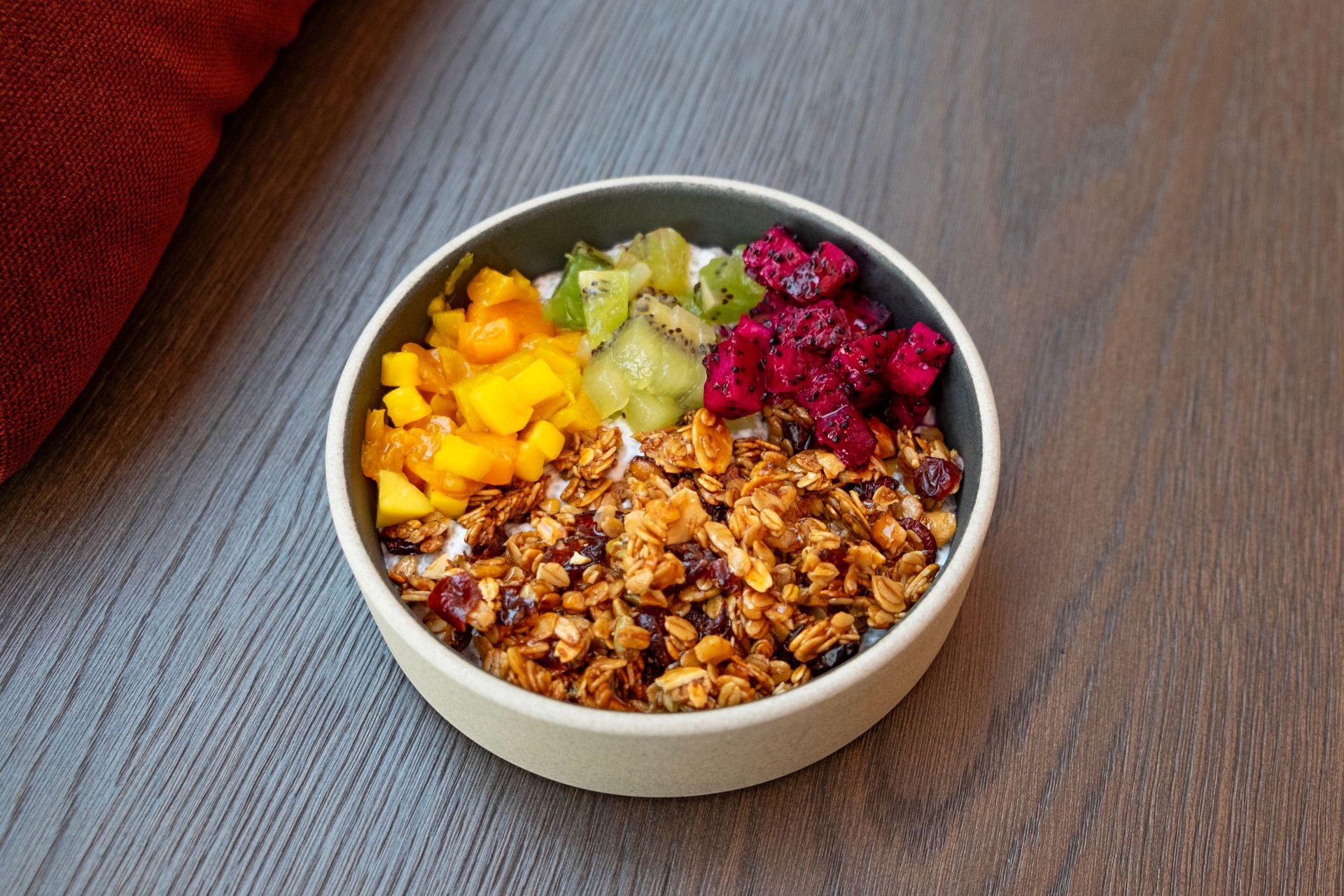
Bircher muesli — oats soaked overnight in apple juice or milk with grated apple, yogurt, and a handful of dried or fresh fruit — is the breakfast that requires less than five minutes of preparation the night before and produces something genuinely delicious in the morning without any cooking at all. It was developed by the Swiss physician Maximilian Bircher-Benner in the early 20th century and remains one of the most elegant make-ahead breakfasts available.
The night before: combine 150g of rolled oats, 250ml of apple juice, 150g of full-fat natural yogurt, one tablespoon of honey, and one tablespoon of lemon juice in a bowl or container. Grate one apple (skin on, core removed) directly into the mixture and stir to prevent browning. Add a handful of raisins or dried cranberries and a small handful of mixed seeds. Cover and refrigerate overnight.
In the morning, check the consistency: it should be thick and creamy but spoonable. Add a splash more apple juice if it has thickened too much. Divide between two bowls.
Top with fresh seasonal fruit — sliced strawberries in summer, sliced pear in autumn, blood orange segments in winter — a scatter of toasted chopped hazelnuts or flaked almonds, a further spoonful of yogurt, and a drizzle of honey.
The Bircher improves significantly with full-fat dairy and good apple juice (pressed rather than from concentrate). It keeps in the refrigerator for two days, though the texture changes slightly.
Serves 2.
Mateusz Feliksik / Pexels
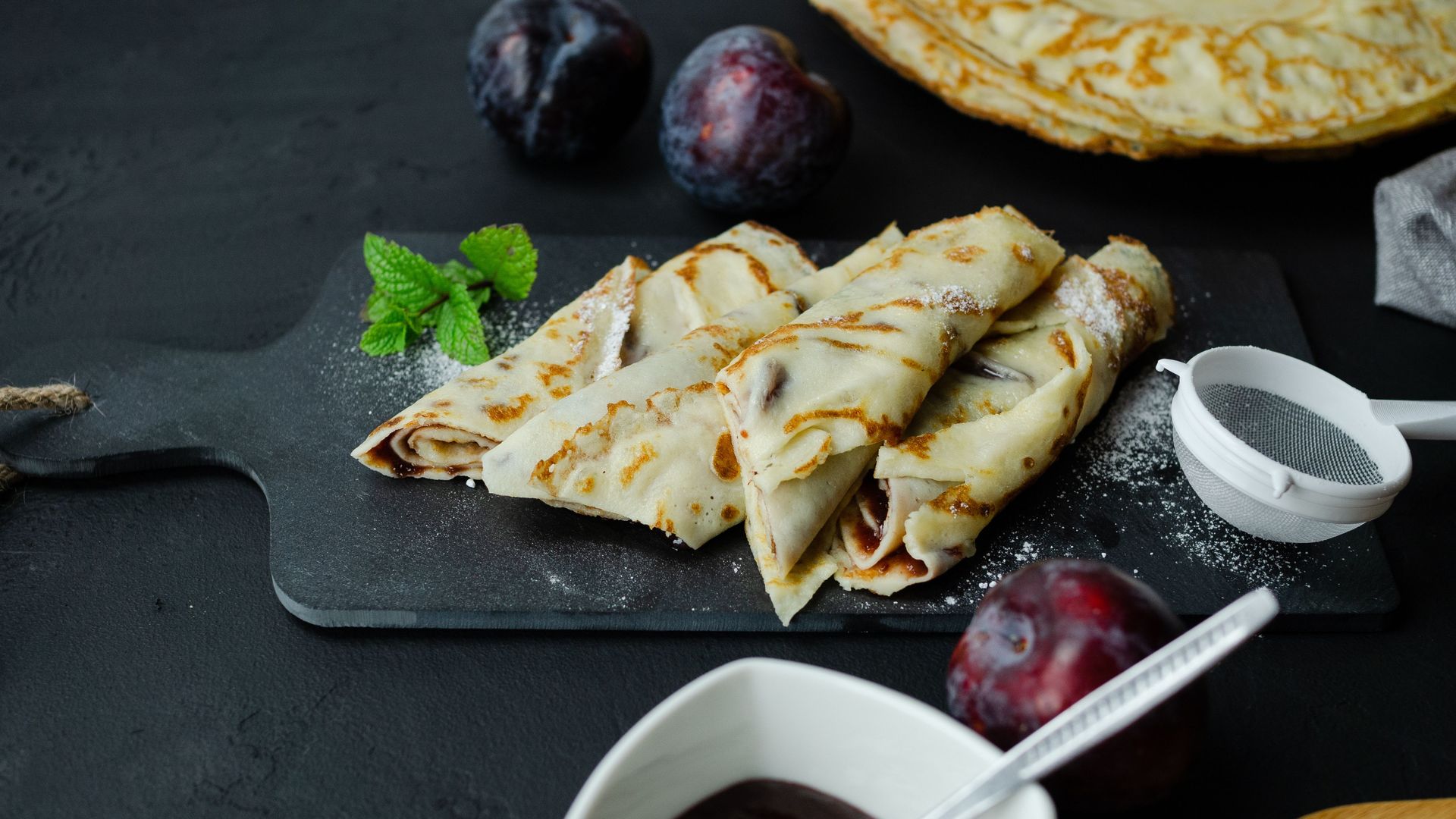
Crêpes — thin French pancakes made from a simple batter of flour, eggs, milk, and butter — are one of the breakfasts whose result is consistently better than the effort required suggests. A well-made crêpe, served simply with a squeeze of lemon and a sprinkle of caster sugar, is a genuinely excellent breakfast that requires approximately 30 minutes including resting time.
Whisk together 125g of plain flour, two large eggs, 300ml of whole milk, two tablespoons of melted butter, a pinch of salt, and one teaspoon of caster sugar until completely smooth — a blender produces the smoothest batter with minimal effort. Rest the batter for at least 20 minutes (or overnight in the refrigerator) to allow the gluten to relax and the flour to fully hydrate.
Heat a 20cm non-stick frying pan or crêpe pan over medium-high heat until very hot. Brush lightly with melted butter. Pour in approximately 60ml of batter (two to three tablespoons) and immediately tilt the pan in a circular motion to spread the batter in a thin, even circle. Cook for 60 seconds until the edges are set and the underside is golden. Flip with a spatula — or with a confident wrist flick — and cook for 30 seconds more.
Slide onto a plate and squeeze over fresh lemon juice, sprinkle with caster sugar, and fold into quarters. Continue with the remaining batter, stacking the crêpes as they come.
Serve with a pot of jam and a bowl of fresh berries alongside. The first crêpe is always a test crêpe — this is understood and expected by all experienced crêpe makers.
Serves 2 (approximately 8 crêpes).
Arda Kaykısız / Pexels
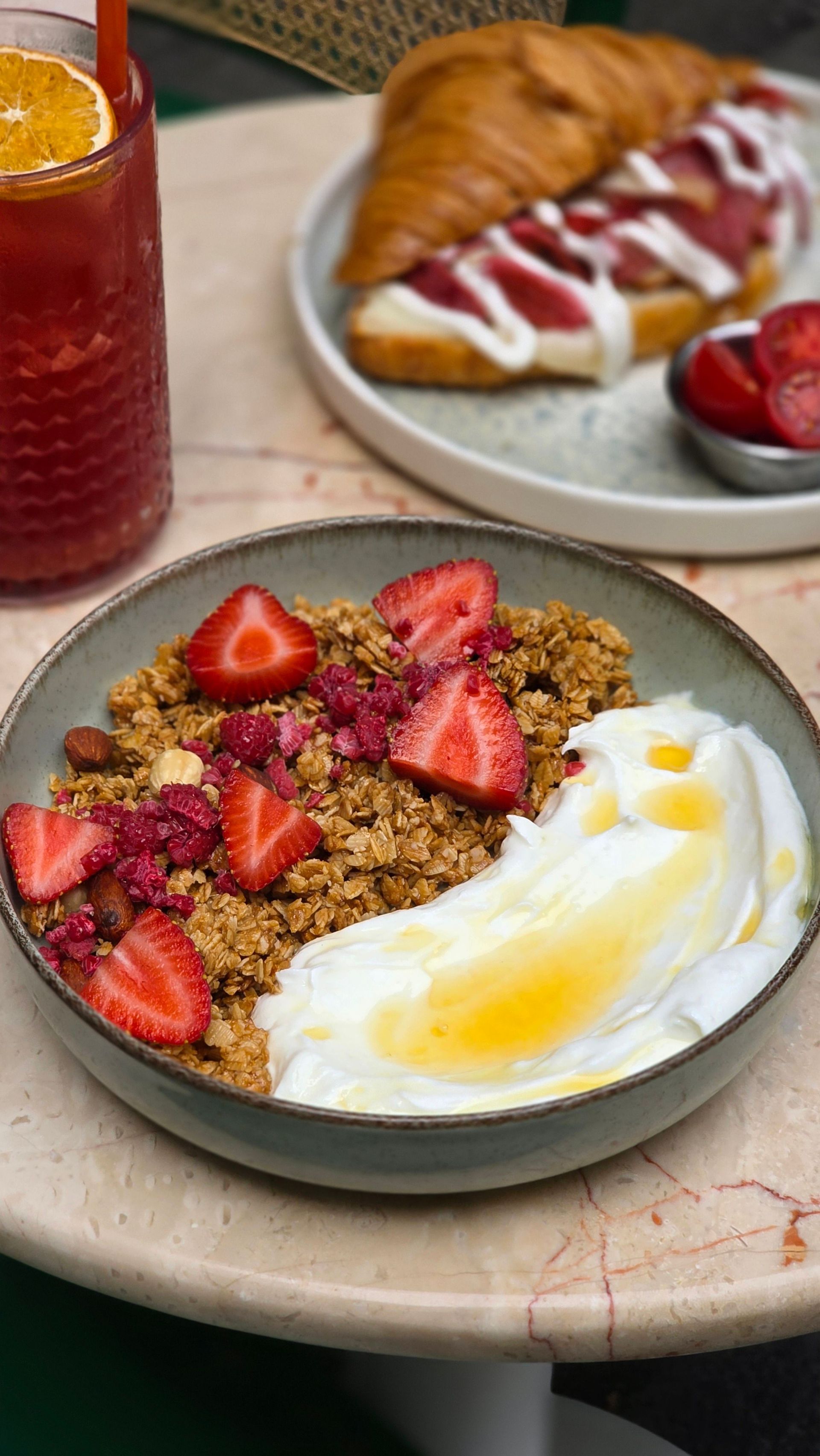
Homemade granola is one of the most rewarding twenty-minute breakfast projects because the result is so categorically superior to the commercial product — less sweet, more clustered, toasted to the specific level of golden that suits your preference — and it keeps for two weeks, which means the effort is amortised across many mornings.
Heat the oven to 160°C fan. In a large bowl, combine 300g of rolled oats, 75g of mixed nuts (roughly chopped almonds, pecans, walnuts), 75g of mixed seeds (pumpkin, sunflower, sesame), one teaspoon of ground cinnamon, half a teaspoon of ground ginger, and a pinch of salt. In a small saucepan, warm together four tablespoons of runny honey, four tablespoons of coconut oil or vegetable oil, and one tablespoon of soft light brown sugar until the sugar dissolves. Pour the warm mixture over the oats and stir thoroughly to coat everything evenly.
Spread onto one or two large baking sheets in a thin layer. Bake for 25 minutes, stirring once after 15 minutes, until deep golden brown. The granola will still seem slightly soft when hot but will crisp as it cools. Remove from the oven and press lightly with the back of a spoon to form clusters. Stir in 75g of dried fruit (raisins, cranberries, chopped apricots) when cool.
Serve over thick full-fat Greek yogurt with a drizzle of honey and fresh seasonal fruit. Store in an airtight jar.
Makes approximately 600g (serves 8 to 10 portions).
Connor Scott McManus / Pexels
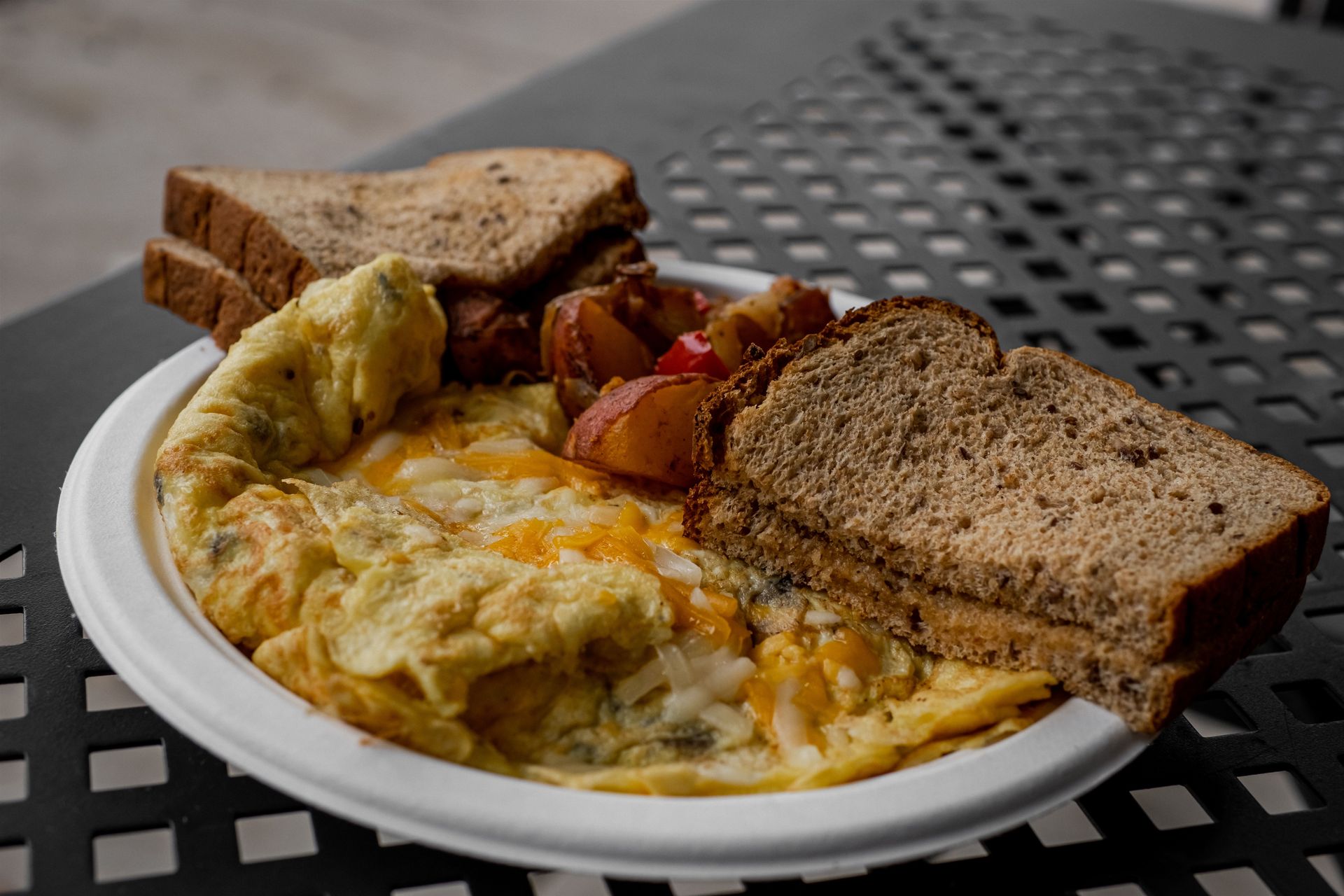
The omelette is the breakfast that separates the cook who understands technique from the one who does not, because a perfectly made French-style omelette — smooth on the outside, barely set and creamy within, folded with a light hand — is not a complicated dish but an unforgiving one that exposes every compromise of heat and timing. It is also, when done correctly, one of the finest three-minute breakfasts available.
Crack three large eggs into a bowl. Add a small pinch of salt, a pinch of white pepper, and one tablespoon of cold water. Whisk thoroughly until completely combined — no streaks of white remaining.
Heat a 20cm non-stick frying pan over high heat. Add 15g of unsalted butter and allow it to foam and begin to subside — this takes 30 to 45 seconds. Pour in the eggs. Immediately begin stirring with a rubber spatula, shaking the pan simultaneously, keeping the eggs moving constantly. After 20 to 25 seconds, when the eggs are mostly set but still slightly liquid on top, stop stirring and allow the base to set for 10 seconds.
Remove from heat. Scatter 40g of grated Gruyère or Comté and a tablespoon of chopped chives or tarragon across the centre. Fold one third of the omelette over the filling, then roll it onto a warm plate so it lands seam-side down, smooth and pale yellow.
Eat immediately. An omelette cannot wait.
Serves 1.
Ella Olsson / Pexels
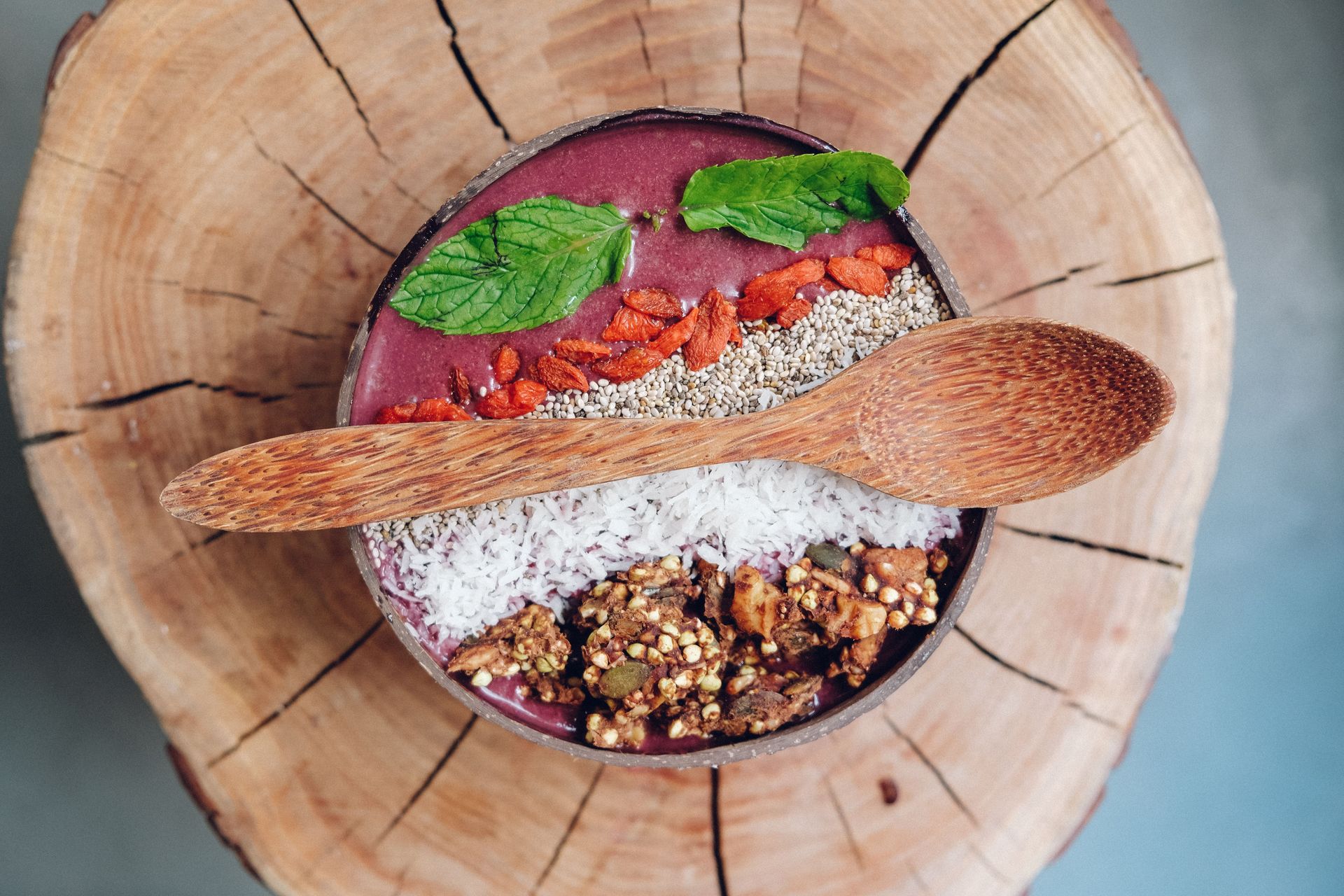
An acai bowl — frozen acai blended thick with banana and topped with granola, fresh fruit, and honey — is the Brazilian breakfast that has become a global morning ritual, and the home version is both easier and better than the café version because the blending can be done to the exact thickness and sweetness preferred.
Blend together two 100g packets of frozen acai purée (available in most large supermarkets and health food shops), one frozen banana, 100ml of coconut water or apple juice, and two tablespoons of almond butter. Blend on high until completely smooth but still very thick — it should be the consistency of soft-serve ice cream, not a smoothie. Add liquid sparingly; too much liquid and the bowl loses its texture. A high-powered blender is ideal; a food processor works well.
Pour into two bowls. Work quickly — the bowl should be served immediately while still frozen. Arrange toppings: granola, sliced fresh banana, strawberries or mango, a scatter of coconut flakes, chia seeds, a drizzle of honey, and a handful of blueberries.
The appeal of the acai bowl is the contrast between the cold, dense, slightly sour base and the crunch of the granola and the sweetness of the fresh fruit. The bowl deteriorates quickly as it warms, so eat without delay.
The frozen acai packs are the key ingredient — fresh acai is not widely available outside Brazil, but the frozen purée is sold at a reasonable price in health food shops and online.
Serves 2.
NastyaSensei / Pexels
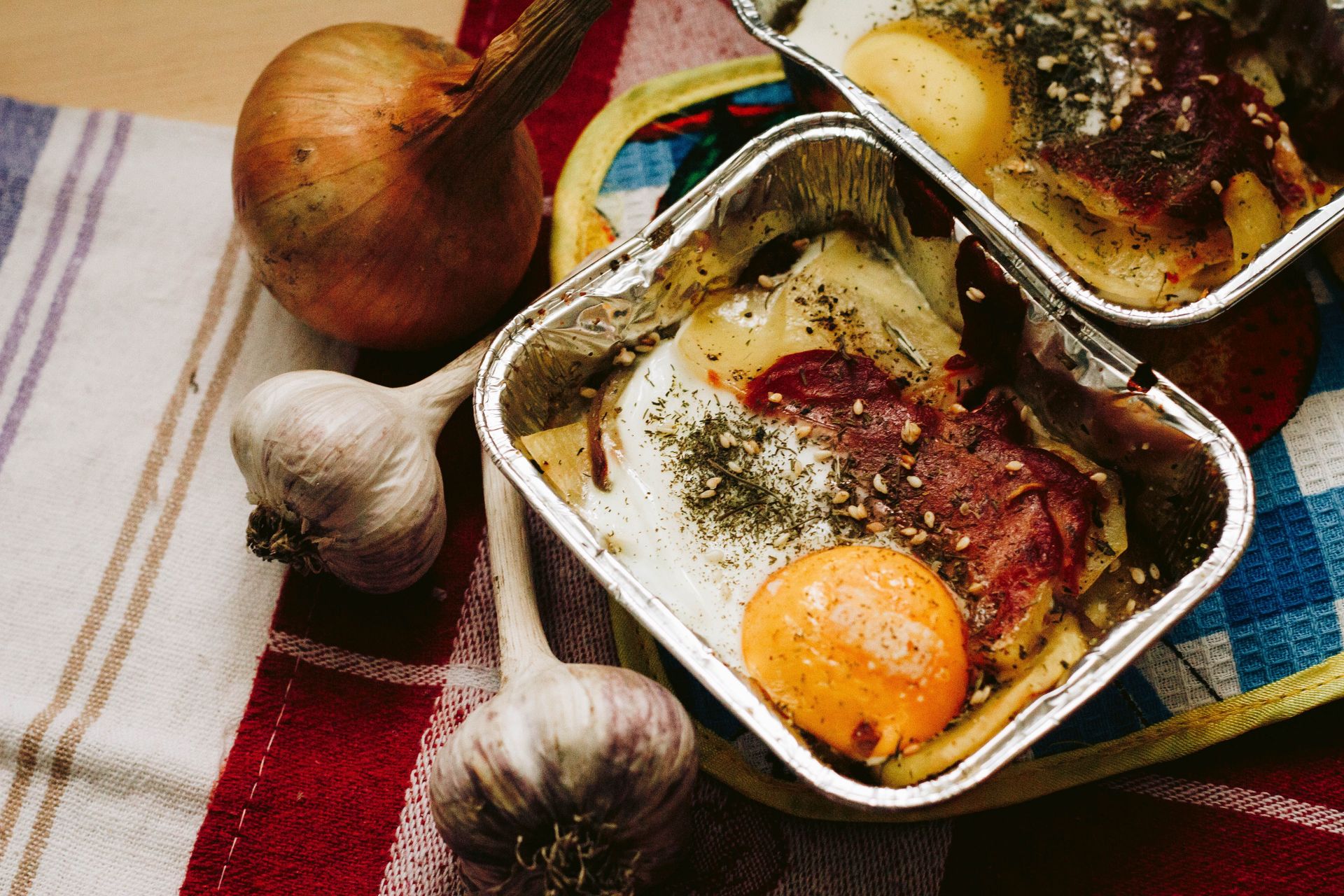
Baked eggs — eggs cracked into individual ramekins with a tablespoon of cream, baked in a water bath until the whites are just set and the yolk remains liquid — are one of the most elegant and most underused breakfast preparations, requiring five minutes of preparation and fifteen minutes of oven time, producing a result that is simultaneously simple and luxurious.
Heat the oven to 180°C fan. Set a roasting tin in the oven and fill it with boiling water from a kettle to a depth of about 2cm — this is the water bath. Butter four small ramekins generously.
In the base of each ramekin, place one tablespoon of double cream. Season with salt and white pepper. Crack one or two eggs into each ramekin. Add another tablespoon of cream over the top of the eggs. Scatter over a pinch of fresh thyme leaves and a very thin shaving of Parmesan or a pinch of smoked paprika if desired.
Place the ramekins in the water bath in the oven. Bake for 12 to 15 minutes until the whites are just set with a slight wobble still visible in the centre. The eggs will continue to cook slightly from the residual heat of the ramekin after removing from the oven, so err on the side of slightly underdone when checking.
Serve in the ramekins, on small saucers, with soldiers of buttered toast for dipping. The variation possibilities are significant: a spoonful of pesto under the egg, sliced truffle over the top, a curl of smoked salmon beneath the cream.
Serves 2.
eat kubba / Pexels
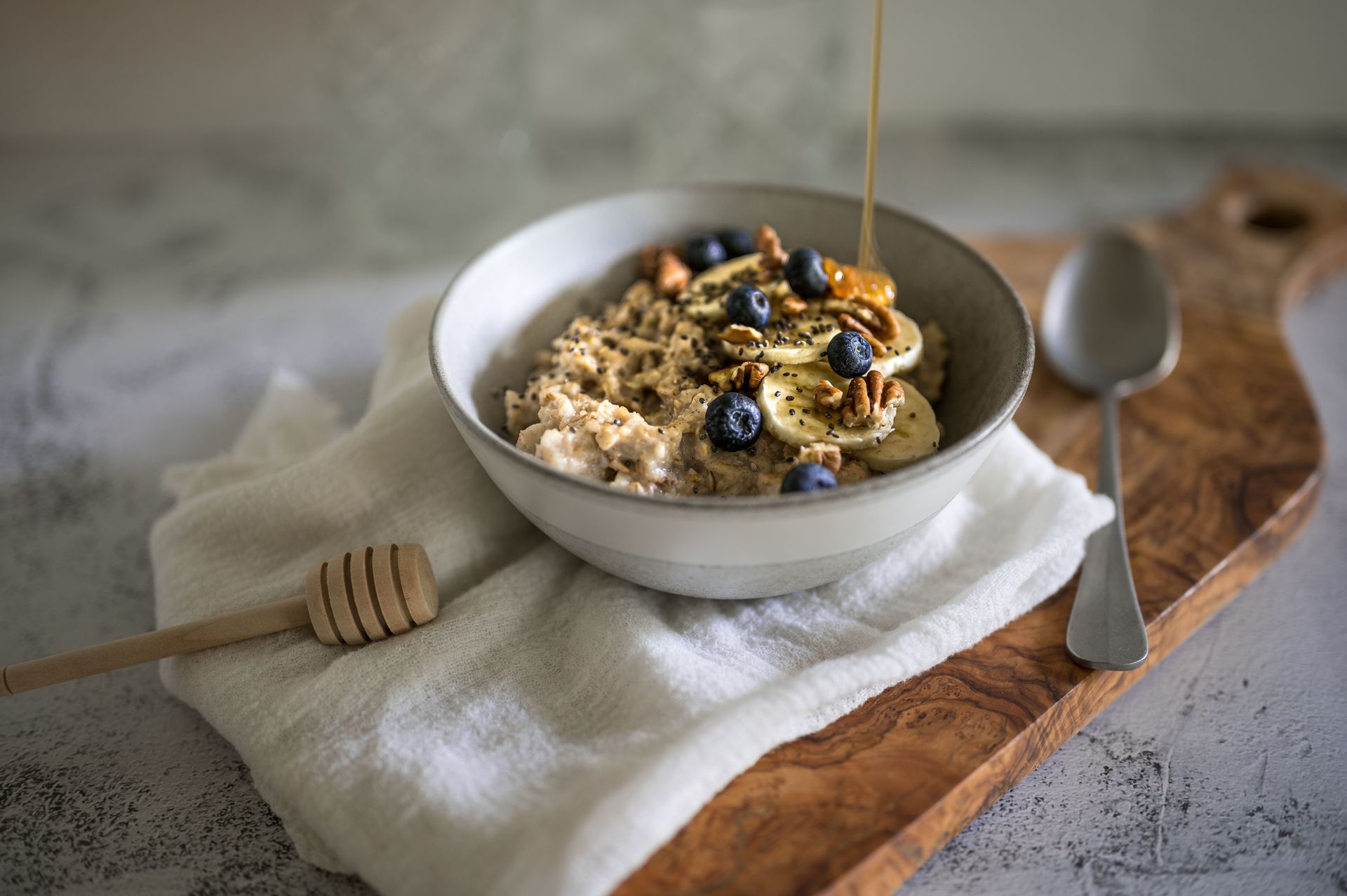
Porridge — oats cooked slowly with milk and water until smooth and creamy — is the breakfast most people know and fewer make well, because the difference between porridge made with rolled oats cooked slowly and stirred frequently and porridge made with instant oats in a microwave is the difference between the meal and its shadow.
Combine 100g of rolled porridge oats (not quick-cook or instant) with 300ml of whole milk and 200ml of water in a small saucepan. Add a pinch of salt. Bring to the boil over medium heat, stirring constantly. Reduce to a low simmer and cook, stirring regularly and scraping the bottom of the pan, for 8 to 10 minutes until the porridge is thick, creamy, and the oats have completely softened.
While the porridge cooks, make the brown butter: melt 30g of unsalted butter in a small frying pan over medium heat. Continue cooking, swirling frequently, until the butter turns a deep golden brown and smells nutty — approximately three to four minutes. Watch carefully; it burns quickly after browning. Remove from heat immediately.
Divide the porridge between two warm bowls. Pour the brown butter over in a thin stream. Drizzle generously with good runny honey. Top with a few flakes of sea salt, a handful of toasted mixed nuts, and sliced banana or fresh berries if desired.
The brown butter elevates porridge from nourishing to genuinely delicious and takes four minutes of additional effort.
Serves 2.
Lunarly / Pexels
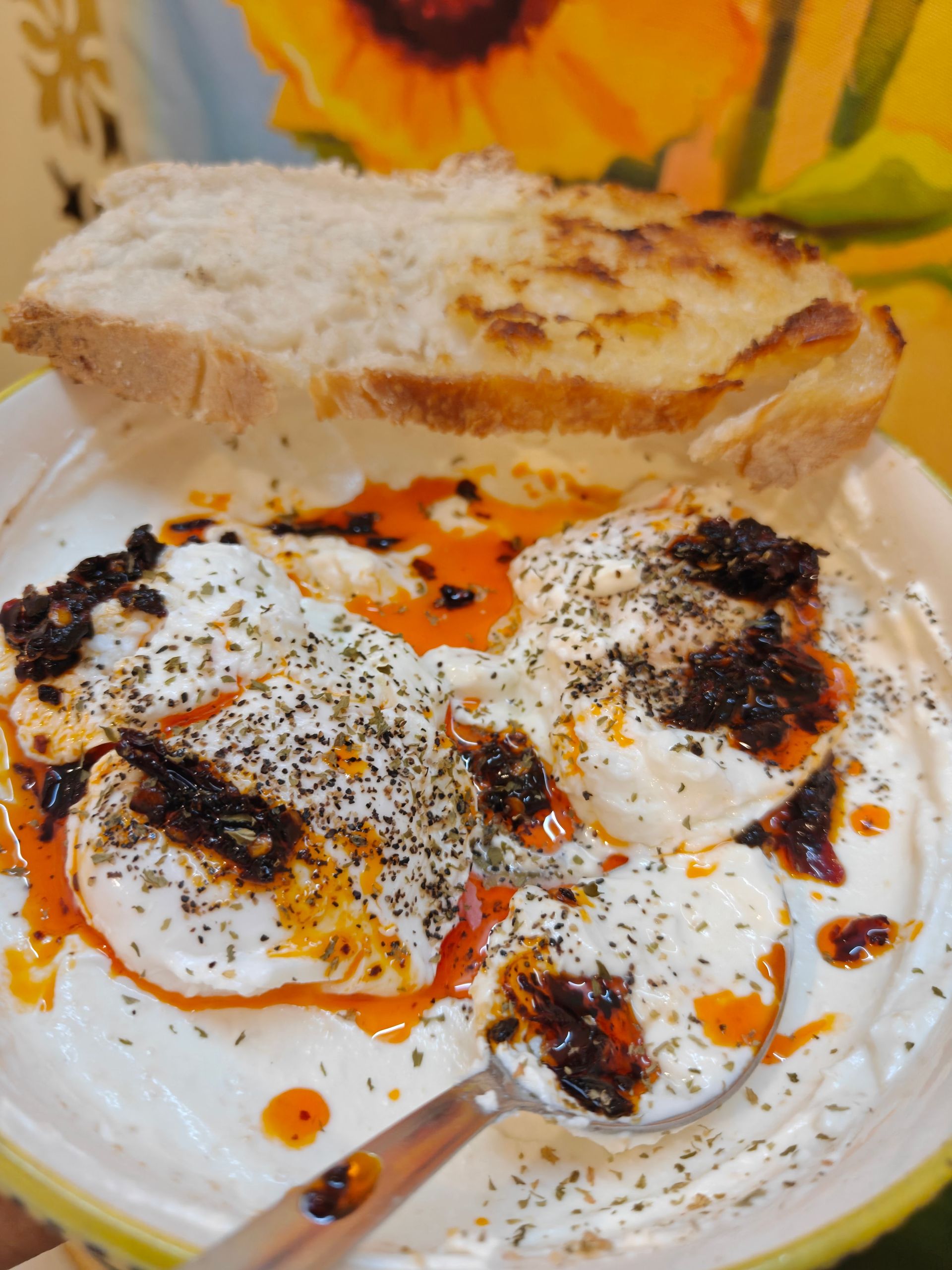
Turkish eggs — poached eggs served on a bed of garlicky yogurt and topped with a sizzling butter sauce spiced with Aleppo pepper or paprika — are one of the great regional breakfasts of the world and one that most people outside Turkey have not encountered, despite the fact that the combination of textures and flavors is immediately, obviously excellent.
Bring a small pan of water to the boil. Combine 300g of full-fat Greek yogurt with one clove of garlic (finely grated or passed through a press), a pinch of salt, and one tablespoon of lemon juice. Stir together and divide between two shallow bowls. The yogurt should be at room temperature — cold yogurt is less pleasant to eat with hot eggs and cools the dish too quickly.
Reduce the water to a gentle simmer. Add a splash of white wine vinegar. Poach four eggs, two at a time, for three to four minutes until the whites are set and the yolk is still runny. Place two poached eggs on each yogurt bed.
Quickly melt 40g of unsalted butter in a small frying pan over medium-high heat until foaming. Add one teaspoon of Aleppo pepper (or a mix of sweet and hot paprika with a small pinch of cayenne). Swirl for 30 seconds until fragrant. Pour immediately over the eggs and yogurt — it should sizzle.
Finish with fresh dill, a drizzle of olive oil, and warm flatbread alongside.
Serves 2.
Kaitlyn Epperson / Pexels
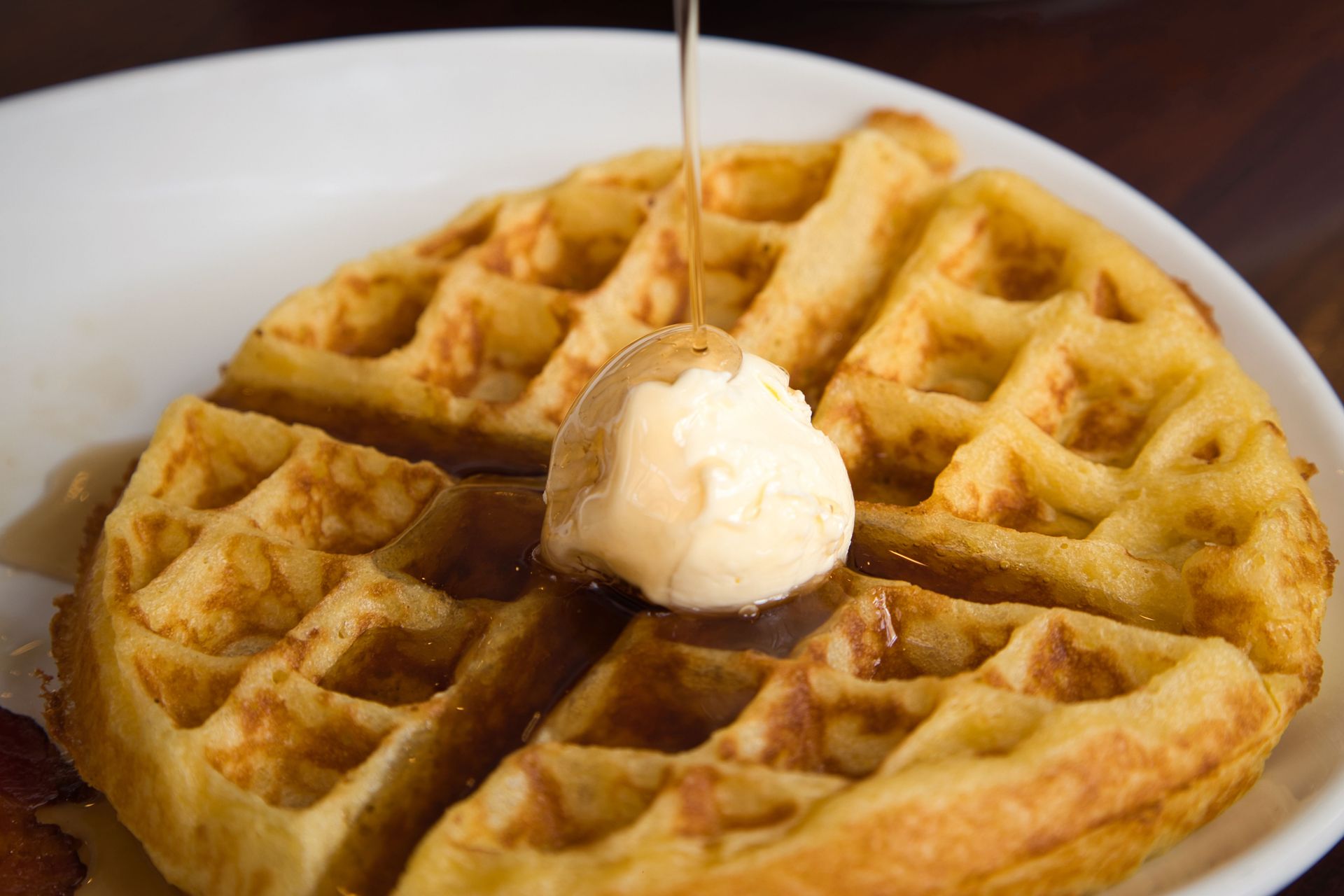
Waffles made from scratch are in a completely different category from the toaster-waffle family, and the specific quality difference — the crisp exterior that shatters on the fork, the steam escaping from the inside — requires a waffle iron but not much else. If you have the iron, the recipe is straightforward.
Whisk together 200g of plain flour, two teaspoons of baking powder, one tablespoon of caster sugar, half a teaspoon of salt, and half a teaspoon of ground cinnamon. In a separate bowl, whisk together two large eggs, 300ml of buttermilk, 75g of melted unsalted butter, and one teaspoon of vanilla extract. Pour the wet ingredients into the dry and stir briefly until just combined — small lumps are fine.
Heat a waffle iron according to the manufacturer's instructions and brush lightly with melted butter. Pour in the appropriate amount of batter for your iron (usually enough to fill the plates without overflowing, typically 120 to 150ml). Close and cook until golden and crisp — usually three to four minutes. Do not open the iron too early; the waffle is not ready until it releases easily from both plates.
Serve immediately with a generous slab of salted butter placed directly on top of the hot waffle, where it melts dramatically, and a generous pour of warm maple syrup. Fresh berries alongside cut through the richness.
Makes approximately 6 waffles (serves 2 to 3).
Kerri Sam / Pexels
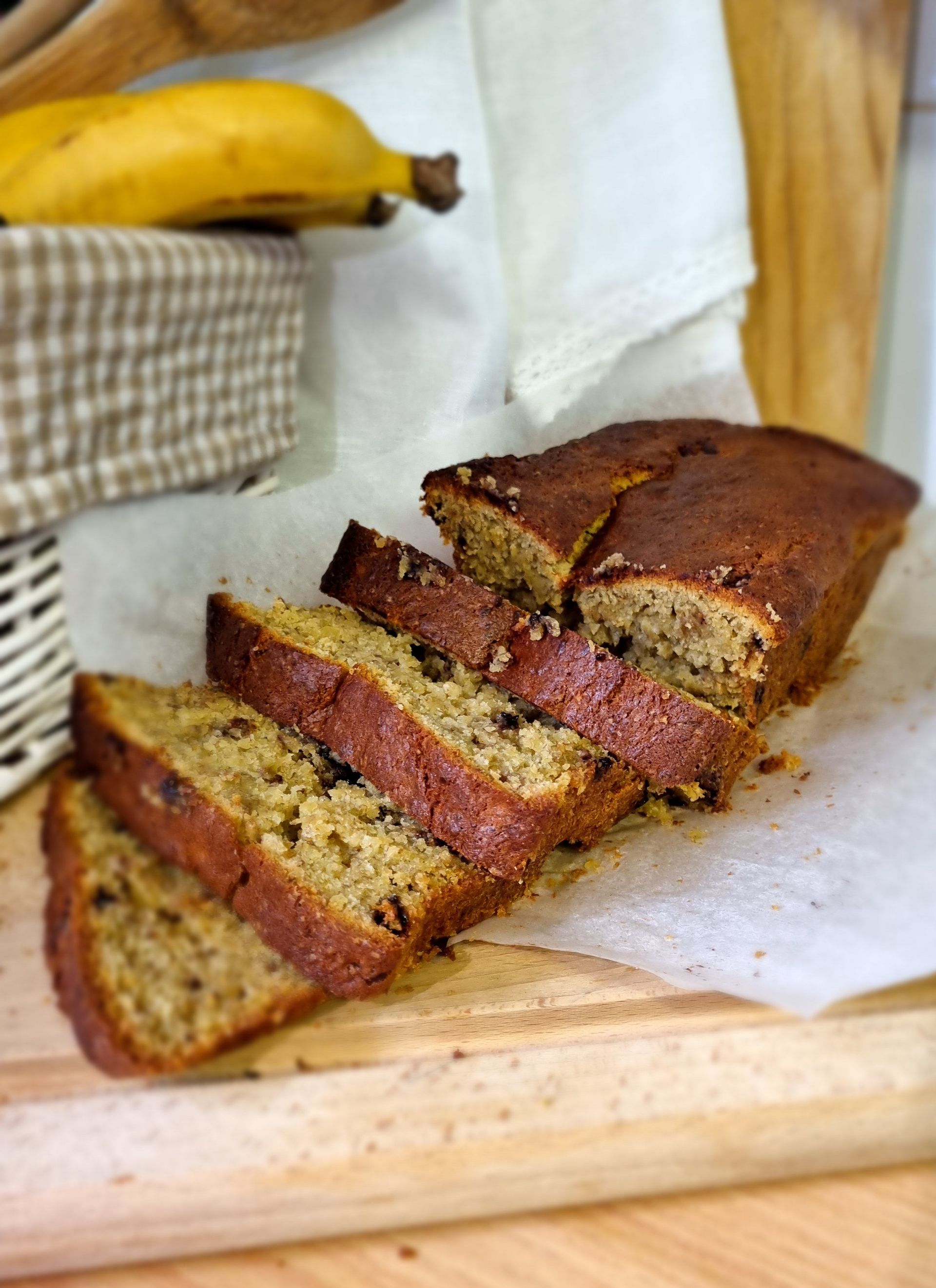
Banana bread occupies the generous category of baking that produces something worth eating every day for several days from a single 90-minute morning project — which makes the effort calculation extremely favorable. This version produces a moist, deeply banana-flavored loaf with a crackling top, eaten warm from the oven with cold salted butter.
Heat the oven to 180°C fan. Grease and line a 900g loaf tin with baking paper. Mash three very ripe bananas (the blacker the skin the better — overripe bananas are far superior to underripe ones for this purpose) thoroughly with a fork. Beat together 100g of softened unsalted butter and 150g of light soft brown sugar until pale and fluffy. Add two large eggs, one at a time, beating well after each. Stir in the mashed banana and one teaspoon of vanilla extract.
Sift in 225g of plain flour, one teaspoon of baking powder, half a teaspoon of bicarbonate of soda, and half a teaspoon of ground cinnamon. Fold gently until just combined — do not overmix. Stir in 100g of roughly chopped walnuts if desired. Pour into the prepared tin and smooth the top. Optionally, lay half a banana along the top, cut-side up, pressing it gently in.
Bake for 55 to 65 minutes until a skewer inserted into the centre comes out clean. Allow to cool in the tin for 10 minutes before turning out.
Serve in thick slices with cold salted butter. The loaf improves after a day as the flavors develop.
Makes 1 loaf (serves 8 to 10 slices).
Boryslav Shoot / Pexels
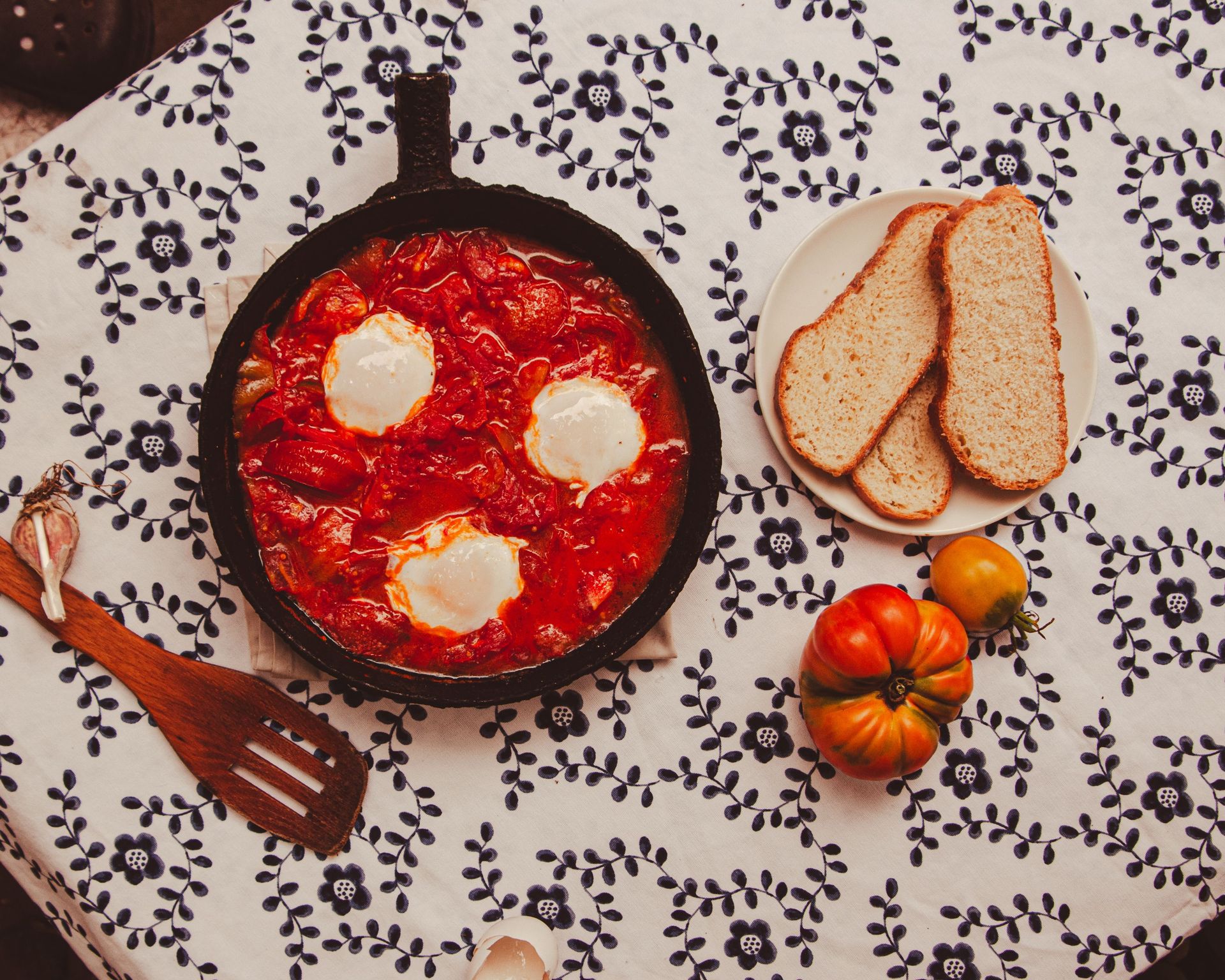
Eggs in purgatory — uova in purgatorio — is the Neapolitan cousin of shakshuka: eggs poached in a punchy, garlicky tomato sauce, finished with Parmesan and fresh basil. It is simpler than shakshuka (no peppers, no spice blend) and quicker — the sauce comes together in 12 minutes. It is deeply satisfying and requires almost nothing from the pantry beyond tinned tomatoes and eggs.
Heat three tablespoons of good olive oil in a wide frying pan over medium heat. Add four cloves of thinly sliced garlic and cook gently for two minutes until just starting to colour. Add a generous pinch of dried chilli flakes and cook for 30 seconds. Pour in one 400g tin of whole plum tomatoes. Crush the tomatoes with a wooden spoon or potato masher to break them up. Add a small handful of fresh basil leaves, half a teaspoon of sugar, and a generous pinch of salt. Simmer for 10 minutes until the sauce is thick and jammy.
Create four wells in the sauce. Crack one egg into each well. Season the eggs with salt. Cover the pan and cook for five to seven minutes until the whites are set to your liking. Remove from heat. Grate Parmesan generously over the surface. Scatter over fresh basil leaves and drizzle with more olive oil.
Serve immediately, directly from the pan, with plenty of ciabatta or focaccia to mop the sauce. The ratio of bread to egg-and-sauce is the most important variable in the eating experience.
Serves 2.
