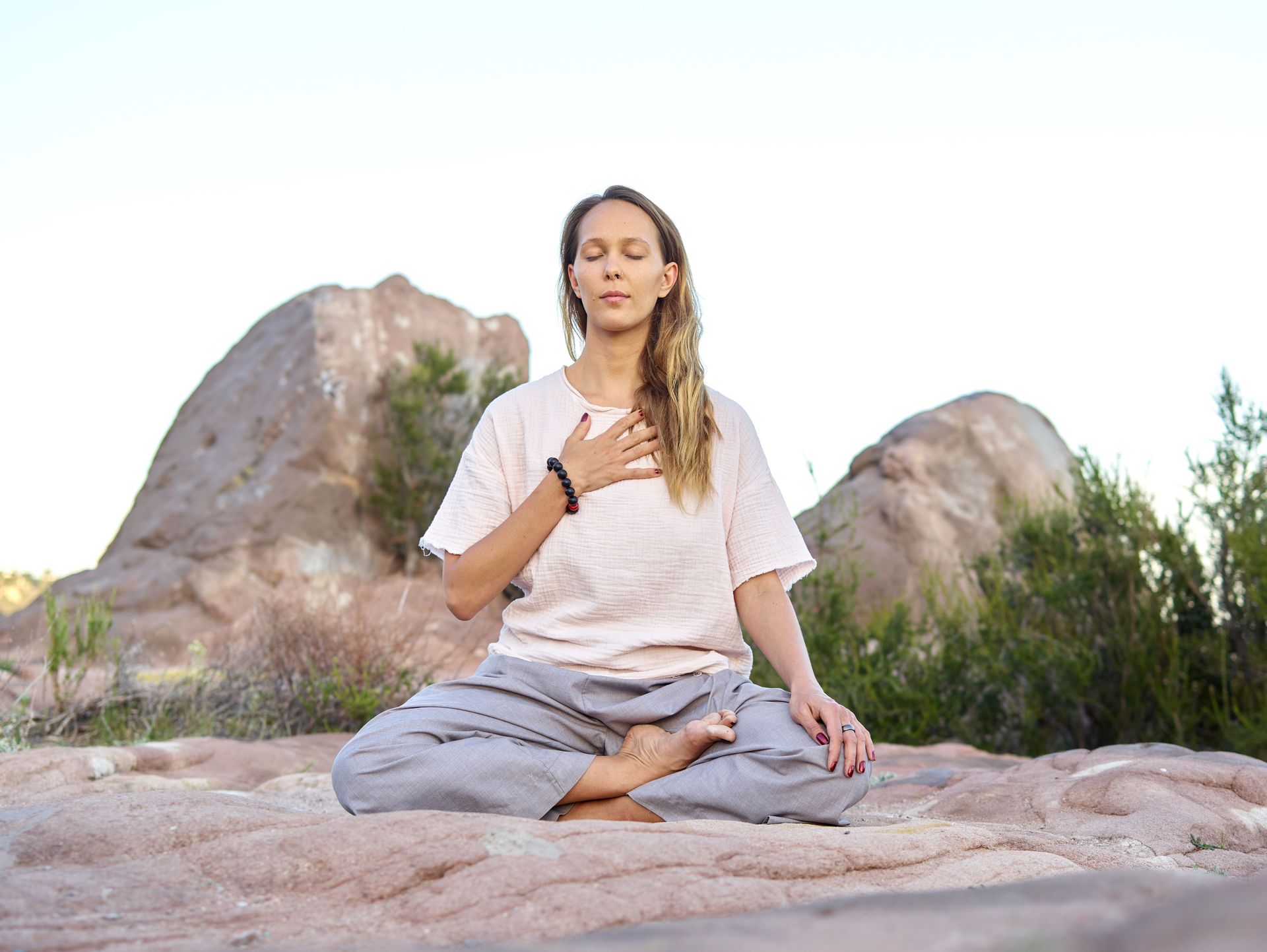
ArtHouse Studio / Pexels
Breathing is the one physiological process that is simultaneously automatic and voluntary — it happens without attention, and it also responds immediately to deliberate control in ways that no other automatic system does. You cannot consciously regulate your heart rate by deciding to slow it, or your digestion by choosing to accelerate it. But you can change your breathing pattern right now, and within seconds that change will alter your heart rate, your blood pressure, your nervous system state, and the neurochemistry of your brain.
This is not wellness marketing. It is physiology. The vagus nerve — the primary pathway of the parasympathetic nervous system, which governs the body's rest-and-digest state — is directly influenced by the mechanics of breathing. A slower, deeper breath with a longer exhalation stimulates the vagus nerve and activates the parasympathetic response. A faster, shallower breath activates the sympathetic nervous system — the fight-or-flight response. Breathing is, in this sense, a direct interface between the voluntary nervous system and the involuntary one, and deliberate breathing techniques are a practical method of adjusting the nervous system's state from the outside.
The 15 techniques in this list span the full range of breathing applications: calming techniques for acute stress, anxiety, and pre-sleep; activating techniques for focus, energy, and performance; clinical techniques for panic attacks and hyperventilation; athletic techniques for endurance and recovery; and specific protocols for particular situations — before public speaking, during a difficult conversation, in the middle of a panic attack at 2am.
Each slide covers what the technique is, how to do it, the physiological mechanism that makes it work, and the specific situations it is most appropriate for. The research basis varies — some techniques have extensive clinical evidence; others are supported by robust physiological mechanisms but have less randomized controlled trial data than would satisfy a clinical reviewer. The distinction is noted where it matters.
None of these techniques require equipment, specialist instruction, or significant time investment to learn at a basic functional level. Several require under a minute to produce a measurable effect. The most important thing about any breathing technique is that it is used — the best technique is the one that fits the situation and is actually applied rather than the theoretically superior one that is never reached for in practice.
1 / 15
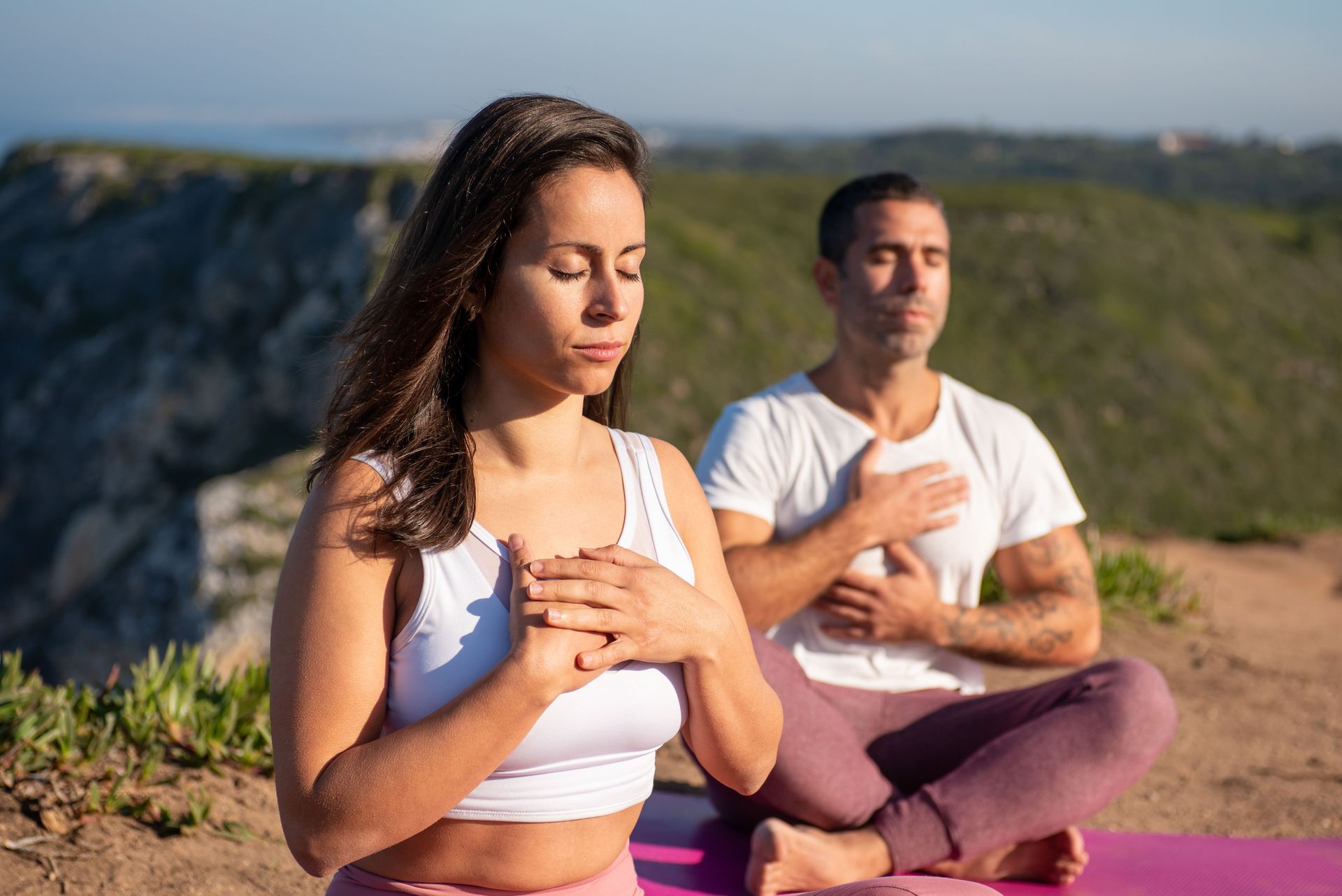
Kampus Production / Pexels
Box breathing — four counts inhale, four counts hold, four counts exhale, four counts hold — is the breathing technique most widely used in high-performance contexts, taught in Navy SEAL training, in emergency medicine, and in elite athletic preparation, for the specific combination of properties it produces: regulated autonomic nervous system state, reduced cortisol, improved focus, and manageable execution under high stress.
The four-part equal-count structure produces its effect primarily through the extended breath cycle length. A box breath at four counts per phase (in a typical adult, approximately four seconds per count) takes approximately 16 seconds per breath, producing a breathing rate of approximately 3.75 breaths per minute — well below the typical resting rate of 12 to 20 breaths per minute and within the range associated with high heart rate variability (HRV), a measure of parasympathetic nervous system activity.
The hold phases — the pauses at the top and bottom of the breath — add a specific attentional anchor. Counting through a four-count hold in a stressful situation requires just enough cognitive engagement to interrupt the rumination cycle without demanding the sustained cognitive effort that makes the technique impossible to execute under pressure.
Best for: pre-performance anxiety, acute stress, the period before a difficult conversation, and any situation requiring the rapid establishment of a calm, focused state. Navy SEAL protocol uses it immediately before high-stakes operations. Emergency medicine clinicians use it to model calm for anxious patients.
How to do it: inhale for 4 counts, hold for 4, exhale for 4, hold for 4. Repeat for four to eight cycles. Increase the count to 5 or 6 as the technique becomes familiar.
2 / 15

Liza Summer / Pexels
The physiological sigh — two quick inhales through the nose followed by a long, complete exhale through the mouth — is the fastest stress-reduction breathing technique available, producing measurable reductions in physiological arousal within a single breath. It was identified and named by researchers at Stanford, most prominently Andrew Huberman and David Spiegel, whose 2023 clinical trial published in Cell Reports Medicine found it superior to mindfulness meditation for immediate stress reduction.
The mechanism is specific and elegant. During normal breathing, some of the lung's alveoli — the tiny air sacs where gas exchange occurs — gradually collapse as carbon dioxide builds up, reducing the lung's gas exchange efficiency and contributing to the CO2-driven stress signal that activates sympathetic arousal. The double inhale re-inflates these collapsed alveoli, maximizing the lung's gas exchange surface area. The long, slow exhale then activates the parasympathetic nervous system through vagal stimulation, producing a rapid reduction in heart rate and cortisol.
The body performs physiological sighs spontaneously approximately every five minutes during normal breathing — they are an automatic maintenance mechanism for lung function. Doing one deliberately, in a moment of acute stress, produces the same effect on demand.
Best for: acute stress, the moment before speaking publicly, immediately after receiving bad news, mid-panic-attack, and any situation where a five-minute meditation is not possible but one breath is.
How to do it: take a quick inhale through the nose, then immediately take a second inhale on top of it (a double inhale, as if sniffing twice quickly). Then release everything in a long, slow exhale through the mouth. One to three repetitions is sufficient.
3 / 15

Cup of Couple / Pexels
The 4-7-8 technique — four counts inhale, seven counts hold, eight counts exhale — was popularized by Andrew Weil, an American physician, who described it as "a natural tranquilizer for the nervous system" and recommended it specifically for sleep onset. The extended seven-count hold and the eight-count exhale distinguish it from box breathing: the longer hold increases carbon dioxide slightly, and the extended exhalation produces strong vagal activation.
The research specifically on 4-7-8 breathing is limited — most of the evidence is for slow breathing generally rather than for this specific ratio — but the physiological mechanism is well-grounded. The exhale-to-inhale ratio of 2:1 (eight counts exhale to four counts inhale) is the ratio most associated with parasympathetic activation in the breathing literature, and the extended hold amplifies the CO2-mediated calming effect.
Weil's recommendation to practice it twice daily, and his claim that it becomes more powerful with regular practice, is consistent with the evidence on breathing training generally: people who regularly practice slow, controlled breathing develop higher baseline HRV, greater parasympathetic tone, and better stress resilience than those who do not.
Best for: sleep onset difficulty, the transition from work to rest, pre-sleep anxiety, and the winding-down portion of a stressful day. Less appropriate than box breathing for acute pre-performance stress because the seven-count hold can feel uncomfortable at first.
How to do it: exhale completely through the mouth. Inhale through the nose for 4 counts. Hold for 7. Exhale completely through the mouth for 8 counts. Repeat for four cycles initially; build to eight.
4 / 15
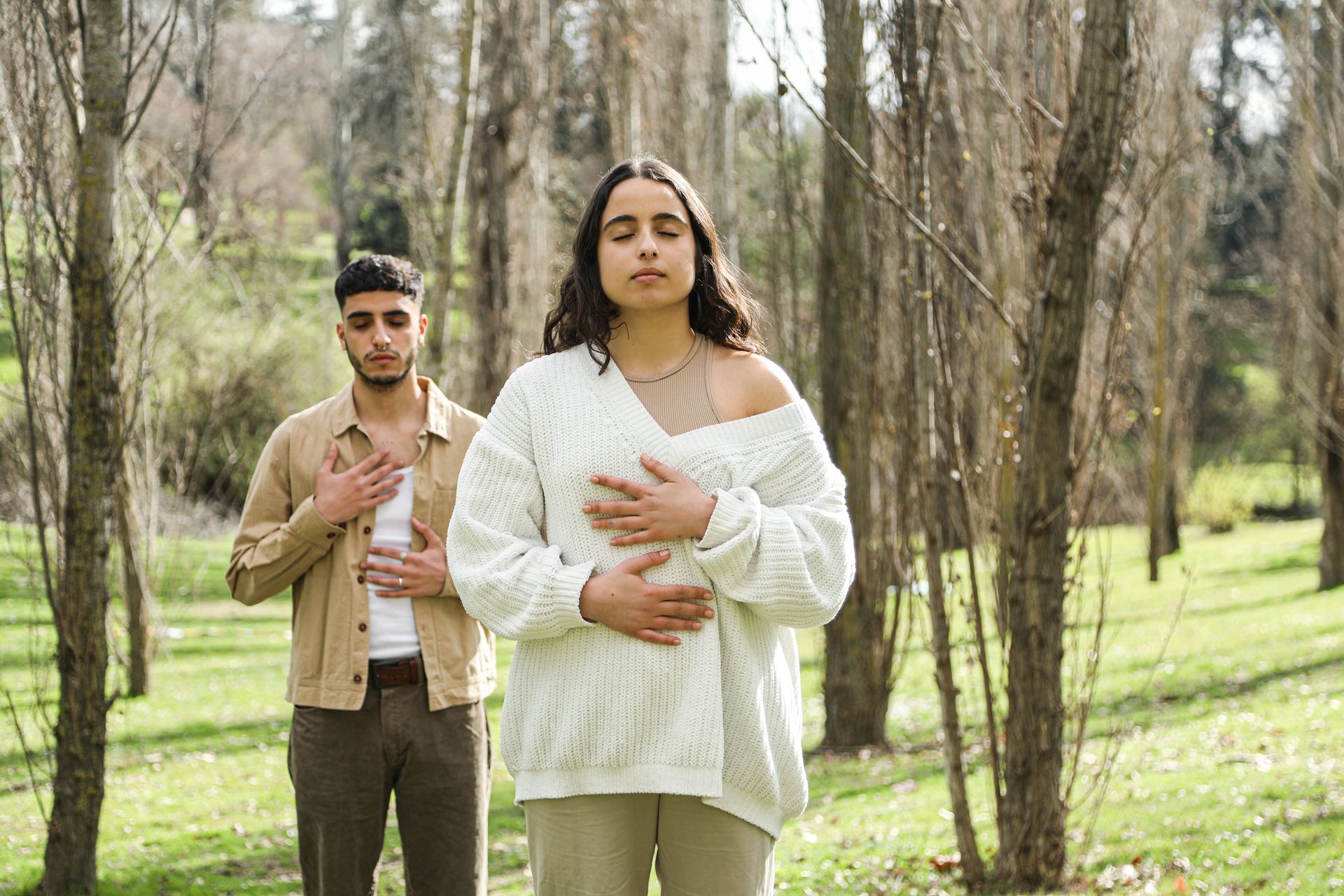
Cup of Couple / Pexels
Diaphragmatic breathing — also called belly breathing or abdominal breathing — is the foundational correct breathing technique whose absence from most adults' habitual breathing pattern is the underlying cause of much breathing-related stress, anxiety, and fatigue. Most adults are chronic chest breathers: they breathe primarily using the upper chest muscles rather than the diaphragm, producing shallow breaths that activate the accessory breathing muscles of the neck and shoulders and trigger a low-level sympathetic stress response.
The diaphragm — the dome-shaped muscle beneath the lungs — is designed to do the primary work of breathing. When it contracts and descends on inhalation, it draws air into the lower lobes of the lungs where gas exchange is most efficient, and the abdomen expands outward. Chest breathing, by contrast, moves the ribcage upward and outward, inflating only the upper portion of the lungs and activating muscles that were designed for emergency breathing rather than routine respiration.
The clinical applications of diaphragmatic breathing retraining are extensive: it reduces anxiety, lowers blood pressure, improves exercise tolerance, reduces the accessory muscle tension that produces neck and shoulder pain, and improves sleep. It is standard intervention in pulmonary rehabilitation, voice training, and anxiety treatment.
Best for: establishing as the default breathing pattern. Daily practice — five to ten minutes of deliberate diaphragmatic breathing — retrains the habitual pattern over weeks.
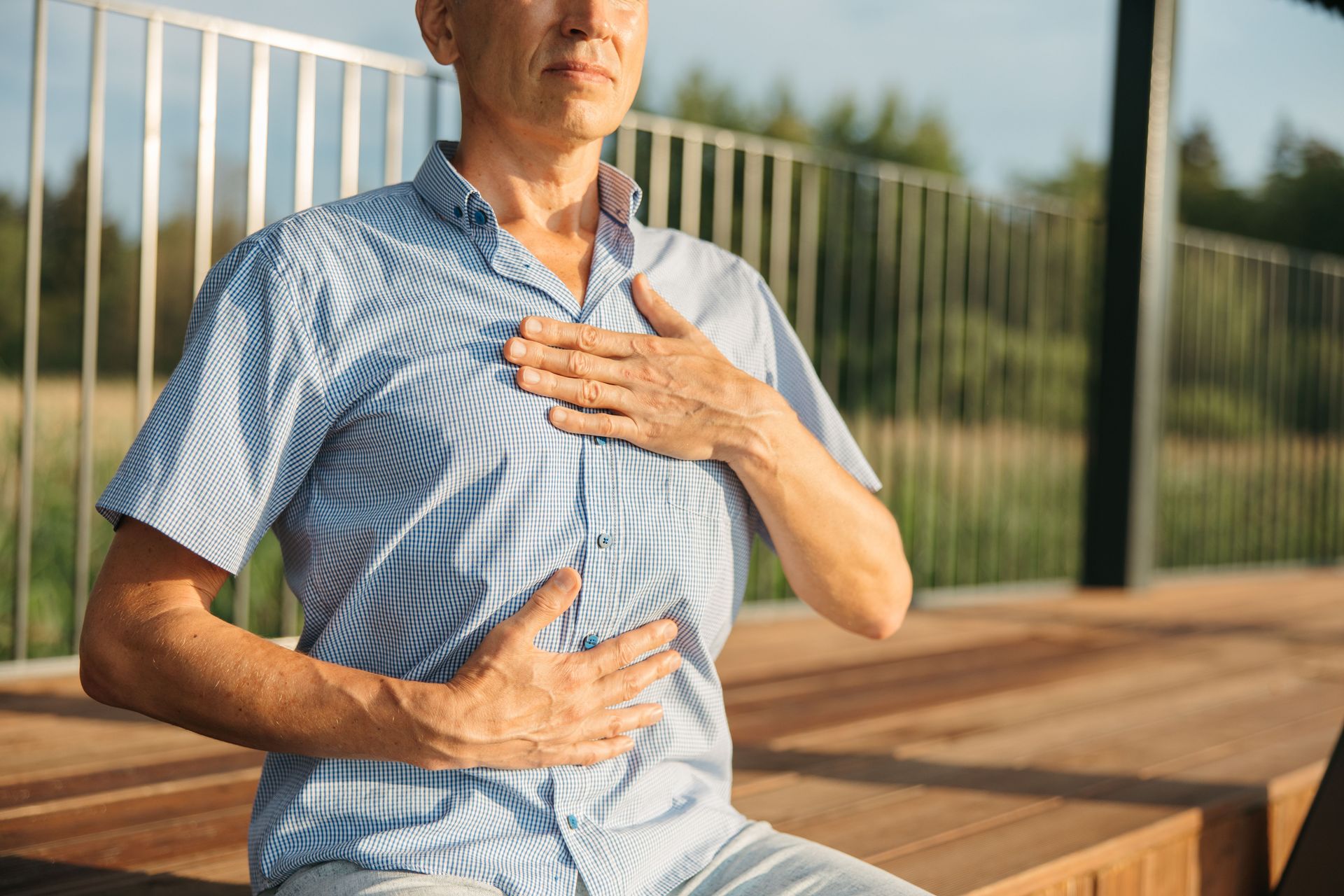
How to do it: lie on your back or sit comfortably. Place one hand on your chest and one on your abdomen. Breathe so that only the lower hand moves. The chest hand should remain still. Inhale for four counts, exhale for four to six. Practice until the pattern feels natural.
5 / 15
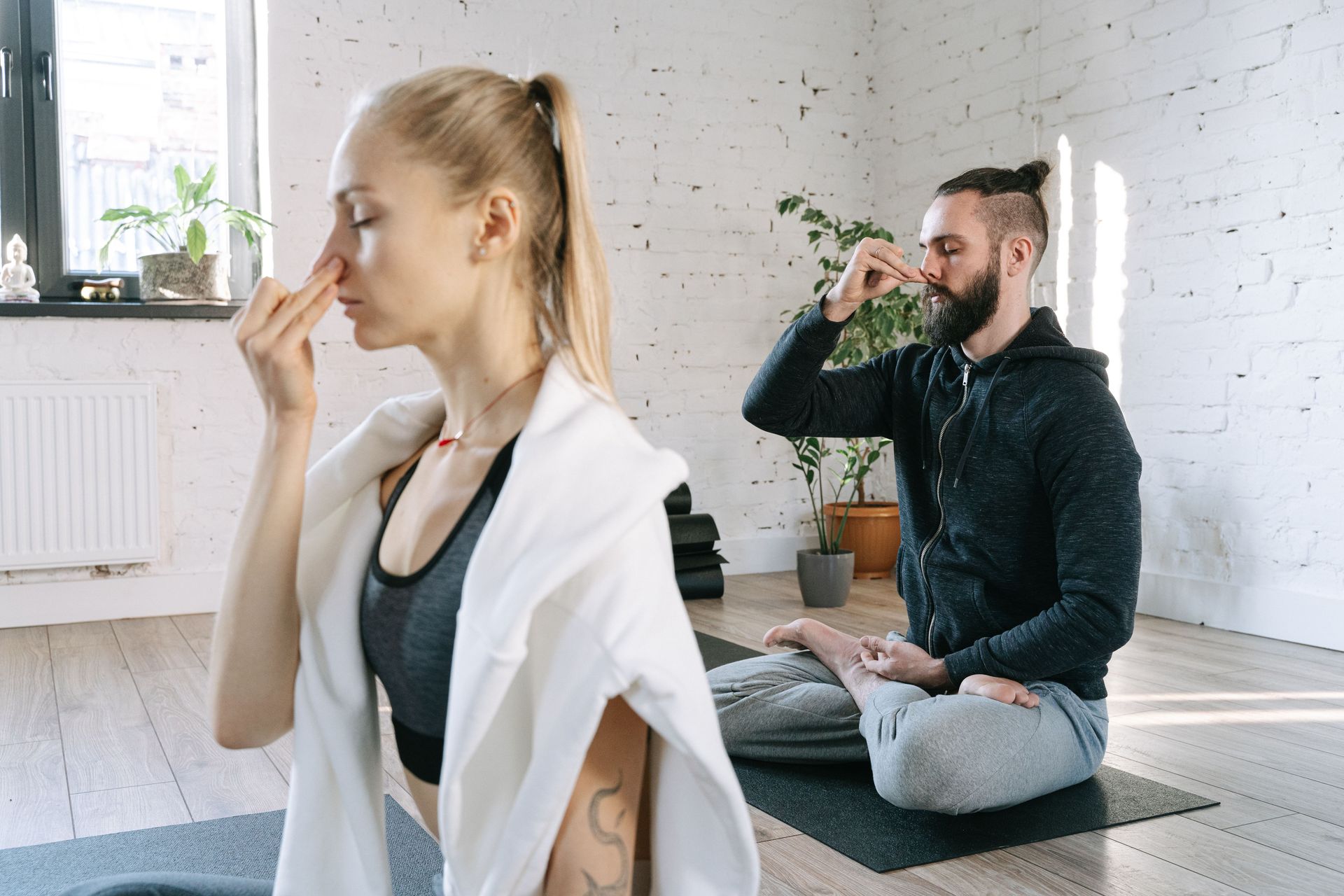
Ivan S / Pexels
Alternate nostril breathing — the yogic pranayama practice of closing one nostril while breathing through the other, alternating sides — has been studied in clinical research and found to produce measurable effects on cardiovascular function, stress hormones, and cognitive performance. It is one of the few traditional yogic breathing practices with a body of peer-reviewed research supporting its claimed effects.
The mechanism is not fully established but involves the nasal cycle — the natural alternation in nasal airflow that switches dominance between nostrils approximately every 90 to 120 minutes in most people — and the differential neural activation associated with right versus left nostril breathing. Research has found that right nostril breathing is associated with sympathetic activation and left nostril breathing with parasympathetic activation, which provides a physiological basis for the traditional claims about the practice.
A 2011 study in the Journal of Ayurveda and Integrative Medicine found that alternate nostril breathing reduced blood pressure and respiratory rate and improved cardiovascular performance. Additional studies have found improvements in spatial memory and cognitive flexibility following the practice.
Best for: pre-meditation preparation, cognitive performance before tasks requiring focus and flexibility, mild anxiety management, and as a morning practice for establishing a calm but alert state.
How to do it: sit comfortably. Close the right nostril with the right thumb. Inhale through the left nostril for 4 counts. Close the left nostril with the ring finger, release the thumb, exhale through the right for 4. Inhale through the right for 4. Close right, exhale left for 4. That is one cycle. Practice five to ten cycles.
6 / 15
Anastasia Shuraeva / Pexels
The Wim Hof Method breathing technique — a series of 30 to 40 deep, forceful breaths followed by an extended breath hold after exhalation — produces a specific physiological state: deliberate hyperventilation followed by hypocapnia (reduced CO2), an extended hold, and a subsequent deep breath and hold. The technique gained global attention through Wim Hof's documented ability to maintain core temperature in extreme cold and to consciously influence his immune response.
The mechanism is well-studied: the rapid breathing phase expels large amounts of CO2 from the blood, producing respiratory alkalosis (increased blood pH) and releasing adrenaline. The breath hold following full exhalation can be extended considerably longer than normal because the reduced CO2 levels delay the CO2-driven urge to breathe. A 2014 study published in PNAS found that subjects trained in the Wim Hof Method were able to voluntarily influence their immune response to an experimental bacterial endotoxin, producing fewer symptoms than untrained controls — a finding that was genuinely surprising and whose implications are still being explored.
Best for: experienced practitioners seeking improved cold tolerance, immune activation, or a deliberate altered state for meditation. Not appropriate for beginners, people with cardiovascular conditions, during pregnancy, or in or near water — the hypocapnia can cause loss of consciousness without warning.
How to do it: sit or lie comfortably. Take 30 to 40 deep, full breaths (in through the nose or mouth, out through the mouth) without forcing the exhale. After the final exhale, hold the breath as long as comfortable. Inhale fully, hold for 15 seconds, release. This is one round; perform three rounds.
7 / 15
doğukan güngör / Pexels
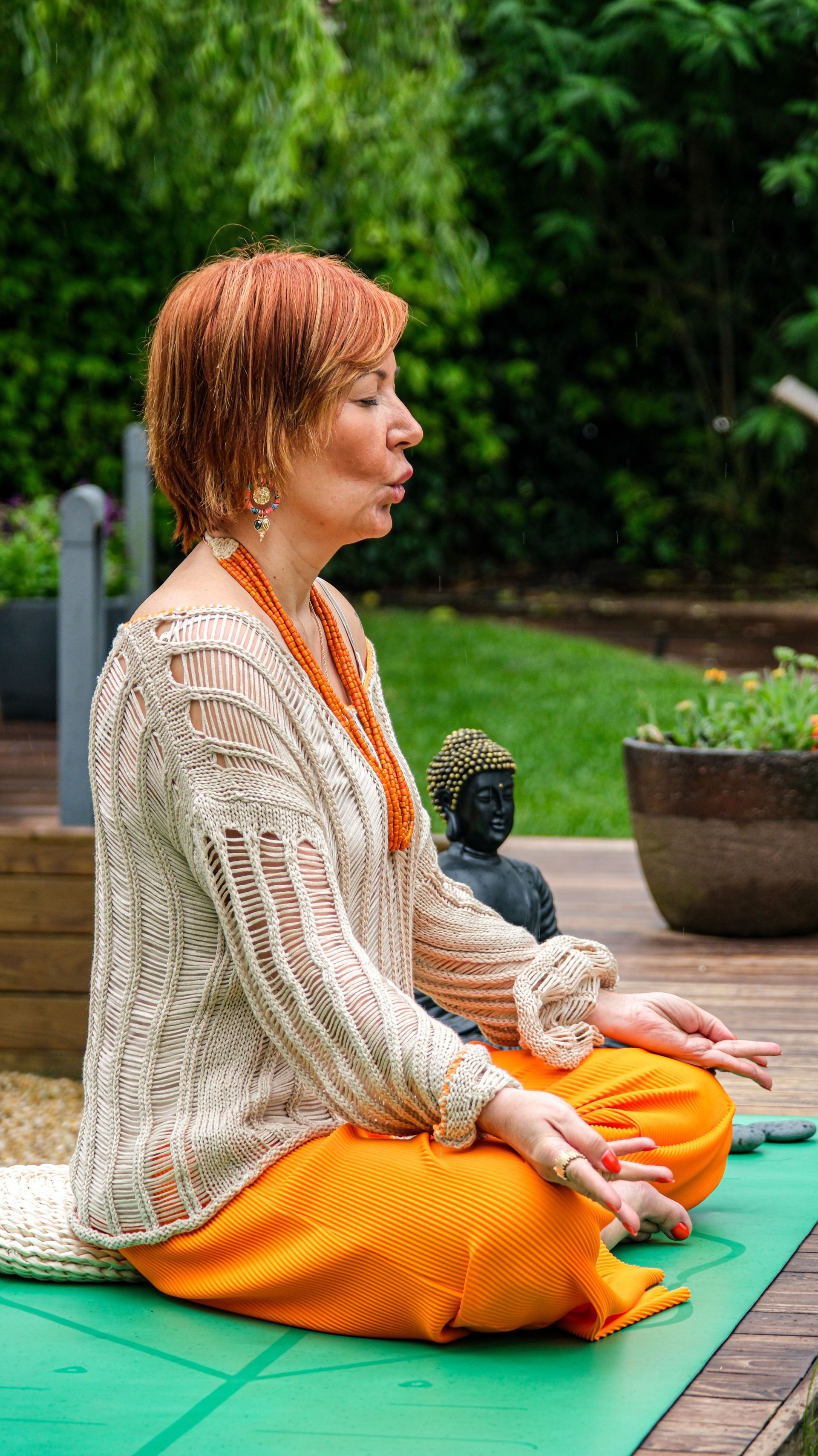
Pursed lip breathing — inhaling normally through the nose and exhaling slowly through pursed lips, as if blowing out a candle from a distance — is a clinical breathing technique primarily used in pulmonary rehabilitation for patients with COPD, emphysema, and other conditions that trap air in the lungs, but whose benefits extend to anyone experiencing breathlessness or anxiety-driven respiratory distress.
The mechanism: pursed lip exhalation creates a slight positive back pressure in the airways, preventing the small airway collapse that produces the air trapping characteristic of obstructive lung disease. It also slows the respiratory rate (a complete pursed lip breath typically takes six to nine seconds), extends the exhalation phase, and activates the parasympathetic response through the same vagal mechanism as other slow breathing techniques.
For people without respiratory disease, pursed lip breathing is most useful for managing the hyperventilation that accompanies anxiety — the rapid, shallow breathing that produces the CO2 drop and subsequent symptoms (dizziness, tingling, chest tightness) that often intensify panic. Pursed lips physically prevent the rapid exhalation rate that drives hyperventilation.
Best for: breathlessness during or after exertion, anxiety-driven overbreathing, COPD and asthma management, and the early signs of a panic attack before full hyperventilation establishes.
How to do it: relax the neck and shoulders. Inhale through the nose for 2 counts. Purse the lips as if whistling. Exhale slowly and completely through pursed lips for 4 to 6 counts. Repeat.
8 / 15
cottonbro studio / Pexels
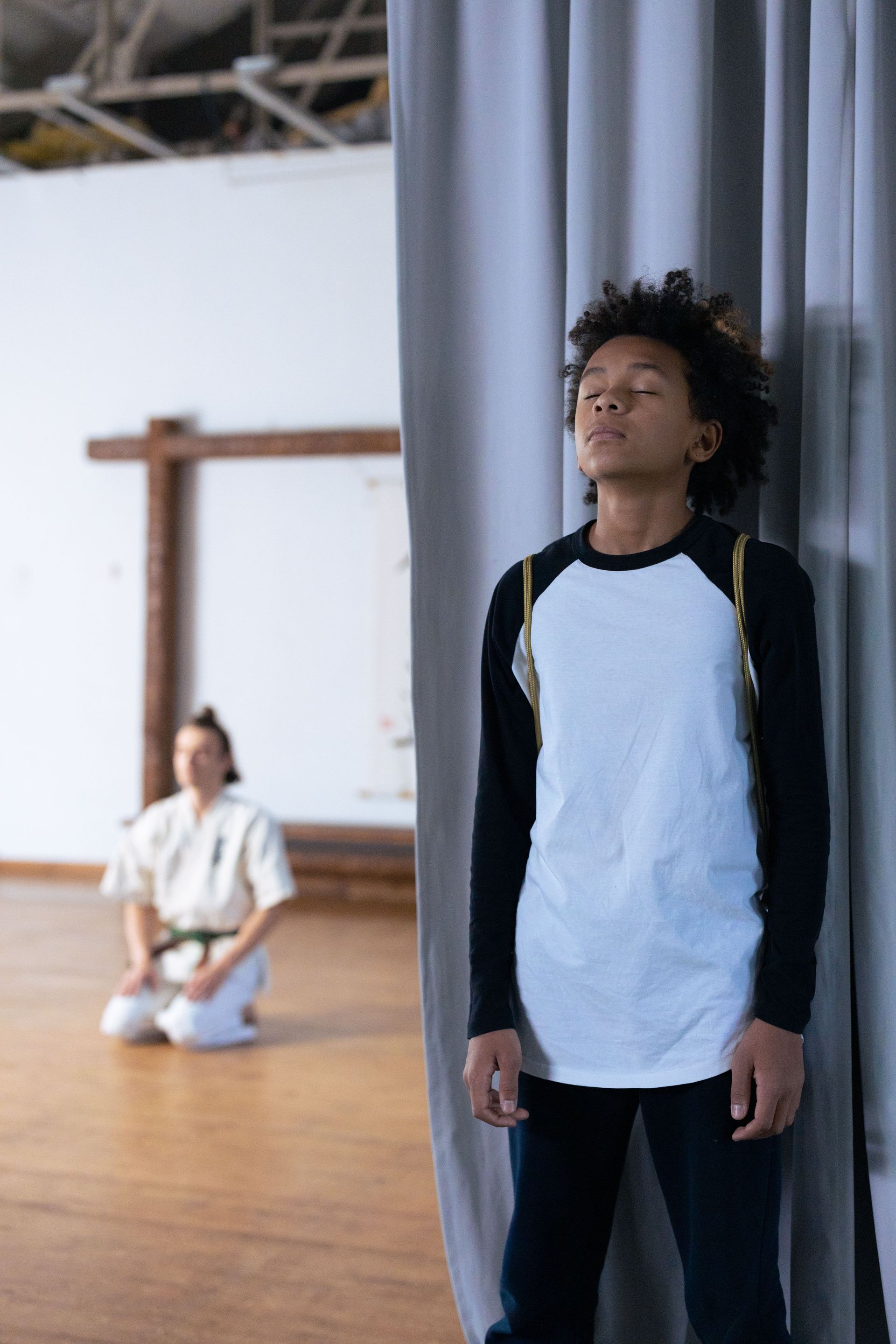
Coherent breathing — also called resonance breathing or cardiac coherence breathing — involves breathing at a rate of approximately five breaths per minute (six seconds in, six seconds out) to produce maximal heart rate variability (HRV) resonance. At this specific breathing rate, the heart rate oscillations driven by respiration (faster on inhale, slower on exhale) synchronize with the natural oscillation frequency of the cardiovascular system, producing a state of physiological coherence associated with optimal autonomic nervous system function.
The science behind coherent breathing is among the most robust in the breathing literature. A breathing rate of approximately 0.1 Hz (five breaths per minute) consistently produces the highest amplitude HRV in clinical studies across diverse populations. High HRV is associated with better cardiovascular health, better emotional regulation, faster recovery from stress, and better cognitive performance under pressure.
The HeartMath Institute has conducted extensive research on cardiac coherence and has developed biofeedback devices that measure HRV in real time, allowing practitioners to identify and practice at their personal resonance frequency. Most adults' resonance frequency is close to five breaths per minute; some individuals are slightly higher or lower, and biofeedback devices can identify the precise rate.
Best for: daily practice for stress resilience and cardiovascular health, pre-competition or pre-performance preparation, and post-stress recovery. Clinical research supports its use in hypertension, anxiety disorders, depression, and post-traumatic stress disorder.
How to do it: inhale for 5 to 6 seconds. Exhale for 5 to 6 seconds. The breath should be effortless — no forcing. Practice for at least five minutes; 20 minutes daily produces the strongest long-term benefits.
9 / 15
Vitaly Gariev / Pexels
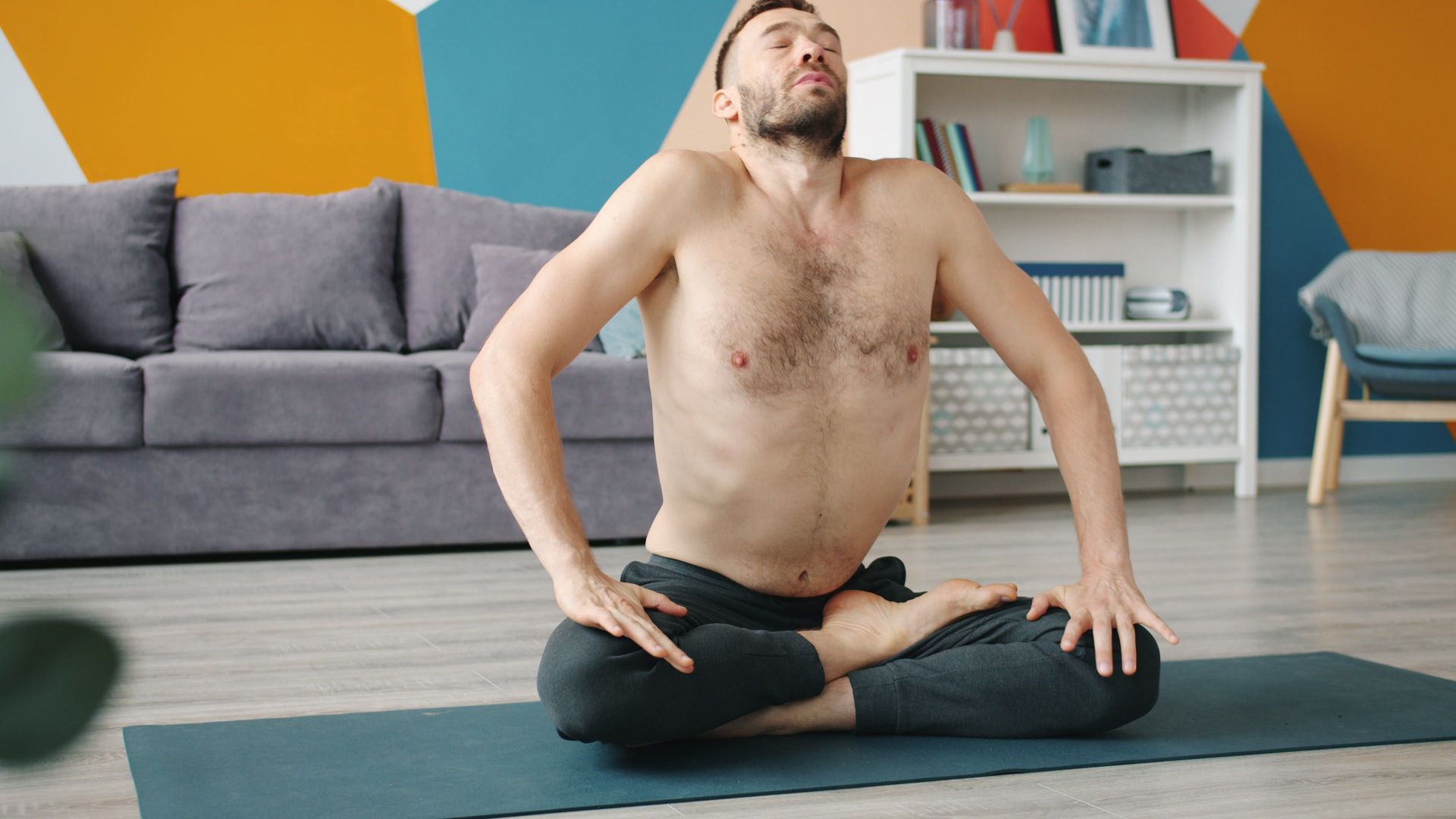
Kapalabhati — the yogic "skull-shining breath" or "breath of fire" — involves rapid, forceful exhalations through the nose with passive inhalations, performed at a rate of approximately one breath per second. It is an activating technique that produces a state of heightened alertness, mental clarity, and physical energy — the physiological opposite of the calming techniques that make up most of this list.
The mechanism: the rapid, forceful exhalations produce a sustained contraction of the abdominal muscles, generating internal heat, massaging the digestive organs, and increasing sympathetic nervous system tone. The hyperventilation produces a mild alkalosis that is experienced as increased alertness and tingling sensation in the extremities. The abdominal massage component is traditionally said to improve digestion and liver function, though clinical evidence for these specific claims is limited.
Research on kapalabhati has found improvements in cognitive performance — specifically attention and processing speed — following the practice, consistent with the sympathetic activation mechanism. It is used in yoga practice as a preparatory technique for active flows or as an energizing morning practice.
Best for: morning energy activation, overcoming post-lunch energy dip, mental fog and low alertness, and as preparation for physical activity. Not appropriate for people with hypertension, heart conditions, hernia, or during pregnancy.
How to do it: sit upright. Take a deep inhale. Then perform rapid, forceful exhales through the nose by sharply contracting the lower abdomen, allowing the inhale to happen passively between each exhale. Begin at one exhale per second and increase pace with practice. Start with 30 repetitions; build to three rounds of 60 to 100.
10 / 15
Burst / Pexels
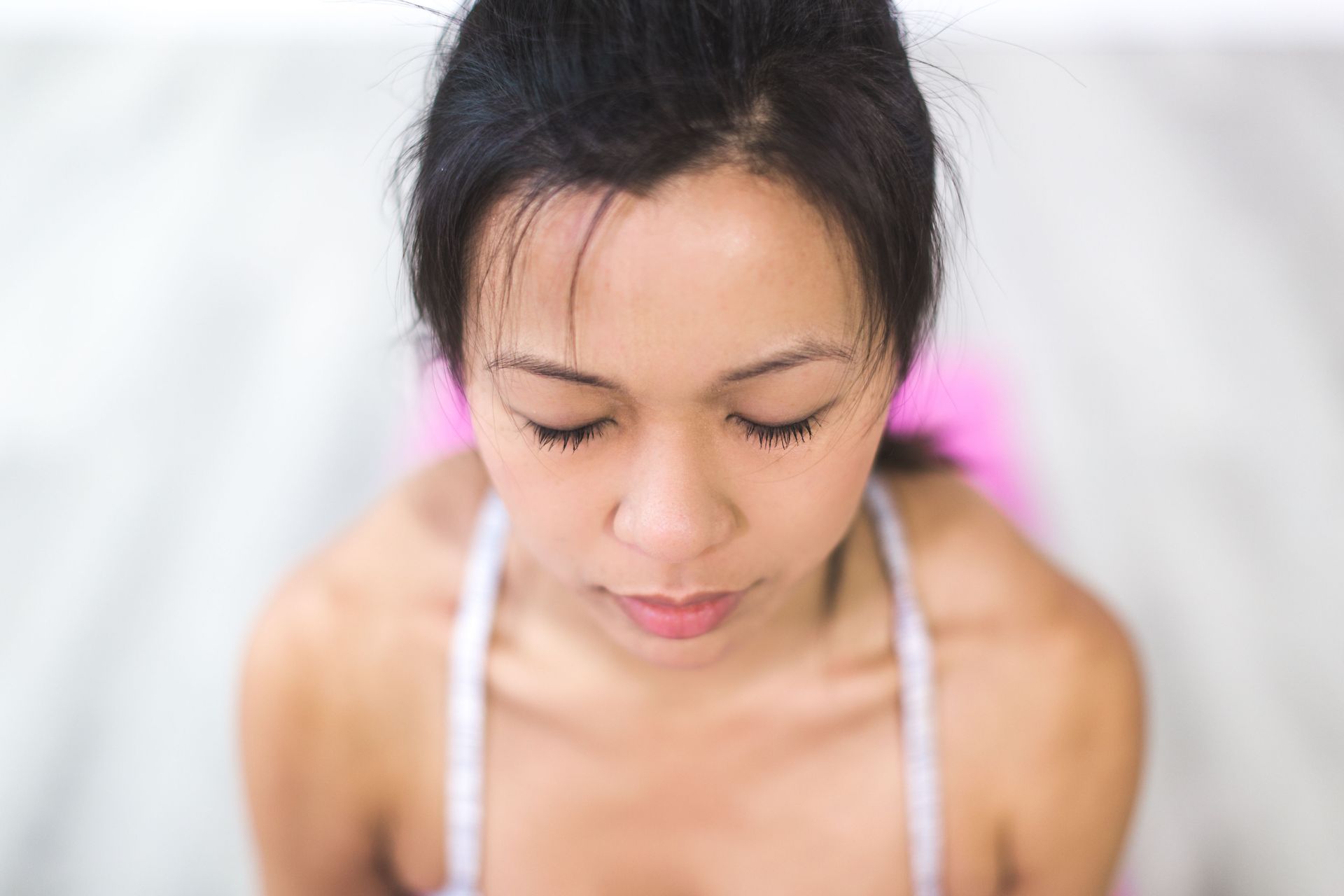
The 2-1 ratio — exhaling for twice as long as inhaling — is the simplest formulation of the parasympathetic activation principle underlying most calming breathing techniques. Regardless of the specific count used (4 counts in, 8 out; 3 in, 6 out; 5 in, 10 out), the double-length exhalation consistently produces more vagal stimulation than equal-ratio breathing, making it a reliable and flexible calming technique that can be adjusted to any situation.
The physiological reason is the differential vagal tone during inhale and exhale. During inhalation, the heart rate increases slightly (as the diaphragm descends and creates mild pressure changes that affect venous return); during exhalation, the heart rate decreases. A longer exhalation produces a longer period of heart rate decrease and therefore a longer period of vagal stimulation per breath cycle.
The 2-1 ratio is more flexible than fixed-count techniques like box breathing because it can be applied at any natural breathing pace without requiring the specific counts to be remembered. Someone who is highly anxious and breathing rapidly can apply the 2-1 ratio at a faster rate and still produce the parasympathetic effect; as the anxiety reduces and the breathing slows naturally, the ratio continues to work.
Best for: generalized anxiety management, the ongoing background regulation of nervous system state, and situations where specific counting is difficult (driving, mid-conversation, in public).
How to do it: breathe in naturally. Breathe out for twice as long. No specific count is required — just make the exhale noticeably longer than the inhale. Establish as a habitual resting pattern.
11 / 15
Ivan S / Pexels
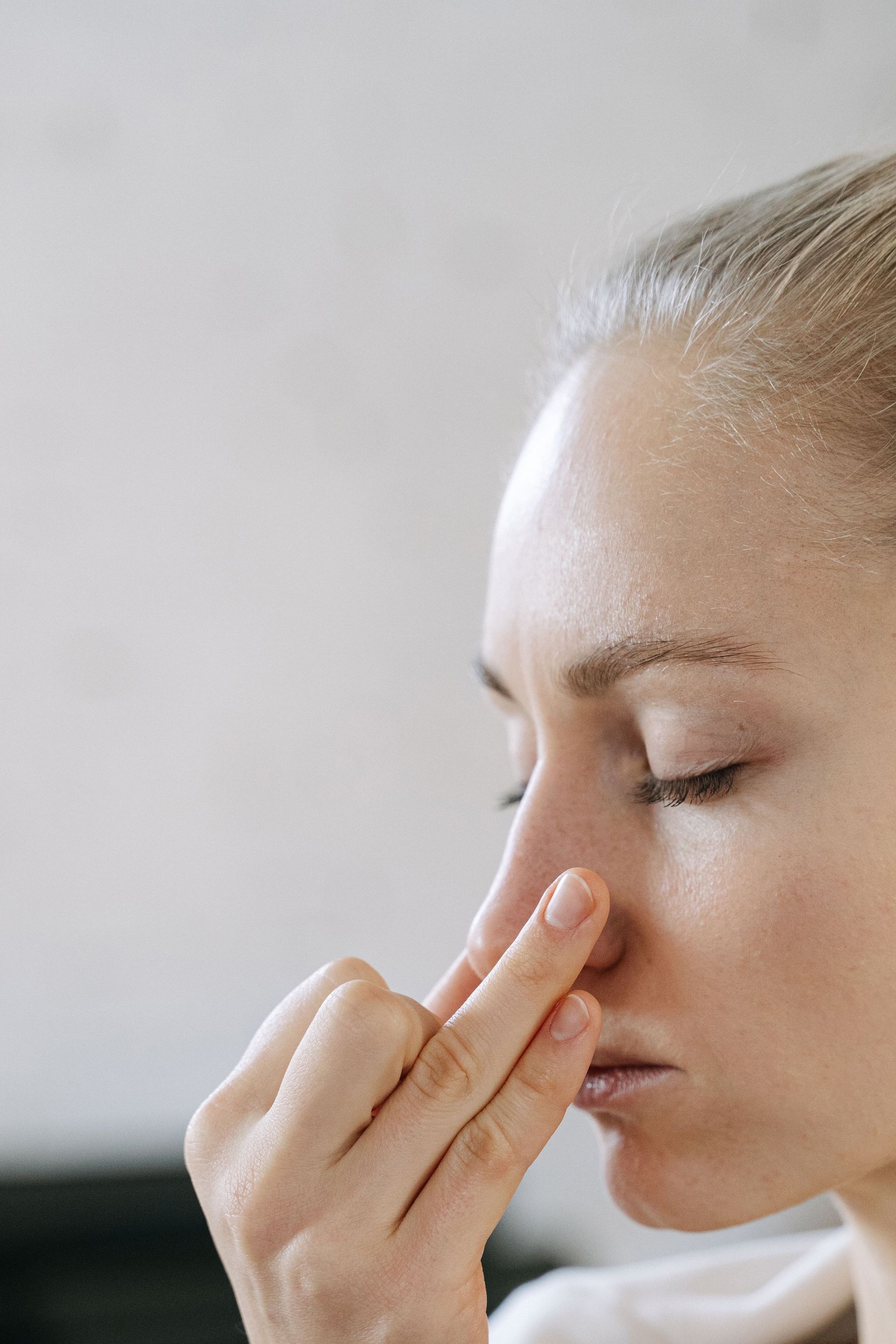
The Buteyko method — developed by the Soviet physician Konstantin Buteyko in the 1950s — is based on the hypothesis that many modern health problems, including asthma, anxiety, and sleep disorders, are caused by chronic hyperventilation: habitual over-breathing that reduces CO2 below the level needed for optimal physiological function. The central practice is deliberate nasal breathing with reduced breath volume — specifically, training the body to tolerate and become comfortable with a higher level of CO2.
The Buteyko method's most well-evidenced application is asthma. A 2003 Cochrane review found moderate evidence that Buteyko techniques reduced bronchodilator use and improved quality of life in asthmatic patients, though effects on lung function were less clear. The mechanism — that reduced breathing volume decreases the likelihood of exercise-induced bronchoconstriction and reduces the cold, dry air exposure that triggers airway spasm — is physiologically plausible and consistent with the evidence.
The key Buteyko assessment is the "Control Pause" — the length of time a person can comfortably hold their breath after a normal exhale. Buteyko considered a control pause of 40 seconds to represent ideal health; most people without training achieve 15 to 25 seconds. Regular practice of Buteyko techniques is claimed to improve the control pause and the physiological resilience it represents.
Best for: asthma management, chronic mouth breathing, anxiety associated with carbon dioxide sensitivity (which underlies some panic disorder), and habitual over-breathers. Requires more structured learning than most techniques on this list — ideally through a trained instructor.
How to do it (basic exercise): breathe normally through the nose. After a normal exhale, pinch the nose closed. Hold until the first distinct urge to breathe — not to discomfort, just to the first sensation of need. Release and breathe normally for 30 seconds. Repeat five times. The goal over time is to extend the comfortable hold duration.
12 / 15
Andrea Piacquadio / Pexels
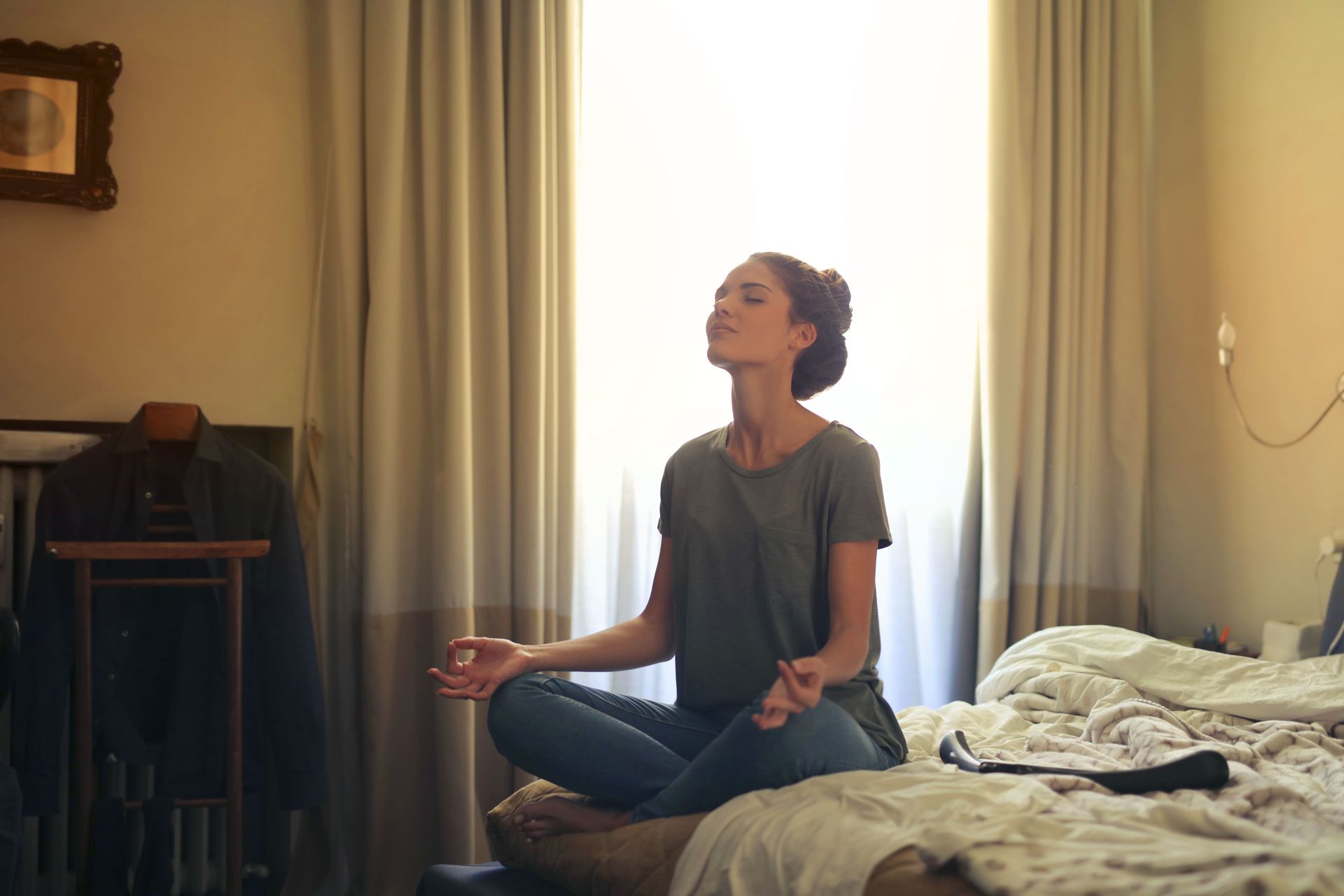
A specific variant of extended-exhale breathing designed for the transition to sleep: four counts inhale, four counts hold, eight counts exhale. The extended eight-count exhale is the primary active element; the four-count hold is optional but adds a moment of stillness between the inhale and exhale that helps interrupt the racing thought patterns associated with sleep-onset insomnia.
The sleep-onset application of slow breathing takes advantage of the specific physiology of the sleep transition. Core body temperature drops, heart rate slows, and parasympathetic tone increases as the body moves toward sleep. Deliberate slow breathing with extended exhalation accelerates and deepens this transition by activating the same parasympathetic mechanisms, reducing the cortisol level that keeps the alert system engaged.
Research on slow breathing and sleep quality finds consistent improvements in sleep onset time (the time taken to fall asleep after going to bed), sleep efficiency (the proportion of time in bed spent asleep), and subjective sleep quality. The mechanism is primarily through the reduction of pre-sleep arousal — both the physiological arousal of an elevated sympathetic tone and the cognitive arousal of anxious thought — that slow breathing produces.
Best for: sleep onset difficulty, the transition from screen time to sleep, pre-sleep anxiety, and waking in the night with racing thoughts.
How to do it: lying in bed, eyes closed. Inhale through the nose for 4 counts. Hold for 4. Exhale completely through the nose or mouth for 8 counts. Continue for five to ten minutes, allowing the breath to slow further as relaxation deepens. No effort is required after the initial counts — allow the rhythm to become passive.
13 / 15

Yaroslav Shuraev / Pexels
The breathing pattern used in the recovery period between intense exercise intervals — or after a race, a game, or any high-intensity effort — significantly affects the speed of cardiovascular recovery, the clearance of metabolic byproducts, and the readiness for subsequent effort. Most athletes' default recovery breathing is uncontrolled — rapid mouth breathing that eventually settles — but deliberate recovery breathing accelerates the return to a lower heart rate and higher HRV.
The optimal recovery breathing uses nasal inhalation (which warms and humidifies air, filters particulates, and produces nitric oxide in the nasal sinuses that improves oxygen uptake efficiency) and extended exhalation (which activates the parasympathetic response and accelerates heart rate reduction). The specific ratio used depends on the intensity of the preceding effort: immediately after maximum effort, a 1:2 inhale-to-exhale ratio is appropriate; as the heart rate drops below approximately 120 bpm, longer and slower breaths become comfortable.
Research on post-exercise heart rate recovery and breathing patterns finds that slow, controlled breathing after exercise produces faster heart rate recovery than uncontrolled breathing, and that subjects who train with deliberate recovery breathing protocols achieve higher HRV adaptations from the same training load — suggesting that the parasympathetic activation of recovery breathing produces cardiac adaptations that extend beyond the immediate session.
Best for: interval training recovery, post-competition recovery, multi-round athletic efforts, and establishing a consistent recovery practice.
How to do it: immediately after intense effort, inhale through the nose (even if this requires slowing down) and exhale slowly through the mouth at 2:1 ratio. As heart rate drops, transition to nasal-only breathing with 3:6 counts. Continue until breathing feels comfortable and fully controlled.
14 / 15

Mikhail Nilov / Pexels
Stress inoculation breathing is not a single technique but a practice: deliberately using activating breathing techniques to raise the physiological stress state, then using calming techniques to bring it down, rehearsing the recovery from a stressed state rather than simply avoiding it. The rationale comes from stress inoculation theory — the approach used in military, athletic, and clinical psychology to build stress resilience through controlled exposure.
The specific application: perform 30 seconds of rapid chest breathing (deliberate hyperventilation, raising heart rate and stress hormone levels), then immediately transition to box breathing or physiological sighs until the physiological state returns to baseline. Repeat three to five times. The practice trains both the awareness of the stress response and the skill of using breathing to recover from it, producing the specific capability that matters most in high-pressure situations: not the avoidance of stress arousal but the reliable recovery from it.
Research on stress inoculation in military and first responder populations finds that people trained in controlled stress exposure with recovery practice perform better under operational stress than those trained without the inoculation component. The breathing-specific version of this principle is less formally studied but is consistent with the broader stress inoculation literature.
Best for: preparation for high-stakes situations, building long-term stress resilience, and training the recovery capability that makes the calming techniques on this list reliably accessible under pressure.
How to do it: set a timer for 30 seconds. Breathe rapidly through the mouth, chest only — deliberate mild hyperventilation. When the timer ends, immediately begin box breathing or physiological sighs. Continue calming breathing until heart rate and breathing feel fully settled — typically two to three minutes. Repeat three times. Practice weekly.
15 / 15
Anil Sharma / Pexels
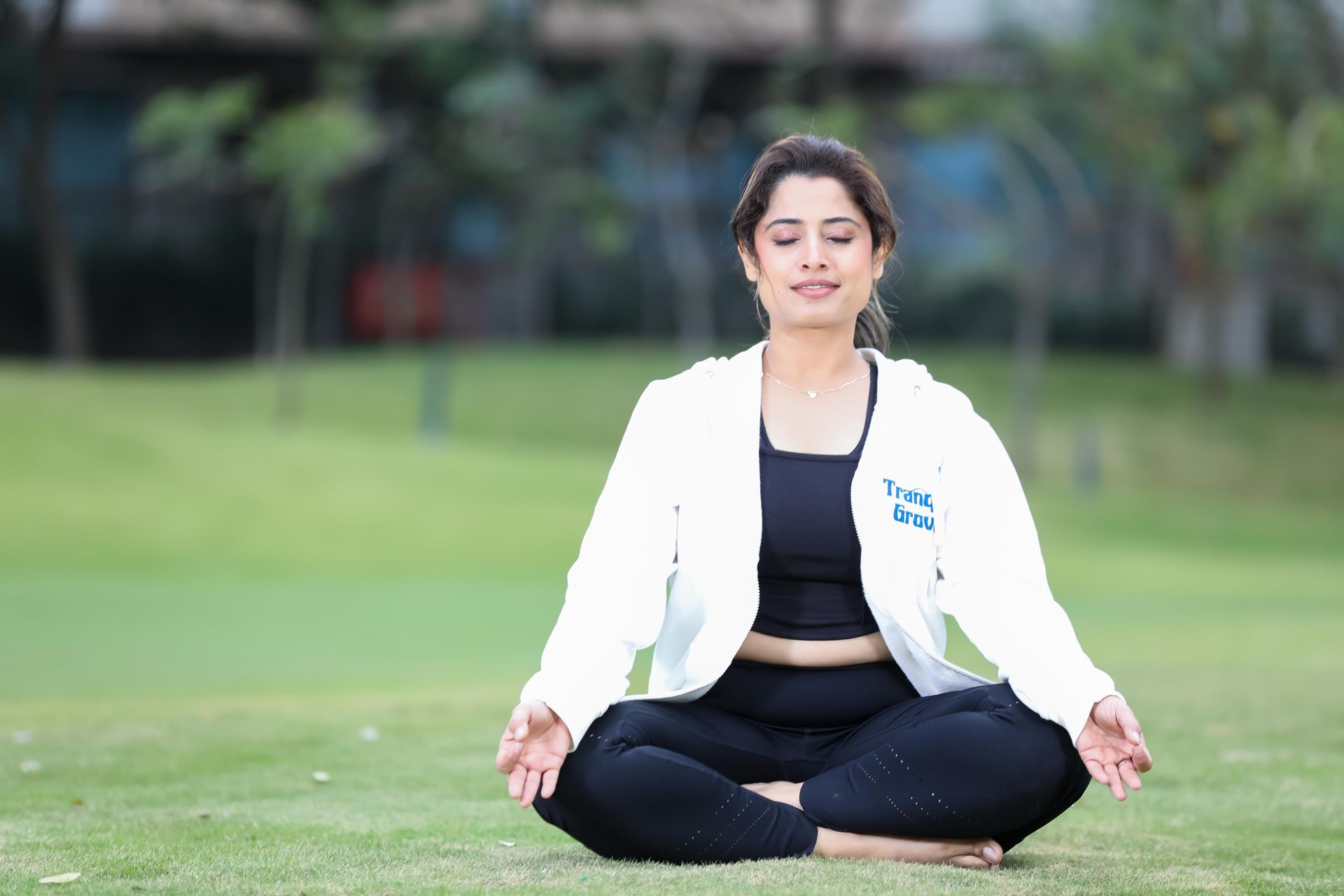
Bhramari pranayama — the yogic humming breath, named for the Indian black bee whose sound it resembles — involves exhaling slowly through the nose while producing a sustained humming sound, with the lips closed and the jaw slightly relaxed. It is one of the most immediately accessible and most specifically effective techniques for acute stress and anxiety reduction, and its mechanism — unlike some traditional pranayama practices — is well-characterized in the physiological literature.
The humming produces vibration in the nasal passages and sinuses that stimulates the vagus nerve through a specific pathway: the vibration activates the vagal afferents in the soft palate and pharynx, producing a direct parasympathetic response that is measurably faster than slow breathing alone. A 2017 study in the International Journal of Yoga found that Bhramari practice produced significant reductions in heart rate, blood pressure, and salivary cortisol after five minutes of practice. The humming also increases nasal nitric oxide production — the same effect as nasal breathing — which improves oxygen uptake efficiency.
The additional psychological mechanism is sensory gating: the sustained internal sound created by humming partially masks external environmental sounds and the internal voice of anxious thought, producing a narrowing of sensory attention that is similar in effect to the early stages of meditation without requiring the same degree of attentional training.
Best for: acute anxiety in public (humming quietly is undetectable to bystanders), pre-sleep relaxation, the post-conflict recovery period after an argument or difficult conversation, and as an accessible entry point to meditation for people who find silent meditation difficult.
How to do it: sit comfortably with the lips closed. Inhale through the nose. On the exhale, produce a steady hum — "mmmmm" — at a comfortable pitch, allowing the sound to vibrate through the sinuses and skull. Feel the vibration in the face, particularly around the eyes and forehead. Continue for five to ten minutes, or until the desired state is reached.
