
A proposed class action claims the companies used an AI tool from Kalibrate to coordinate prices at more than 1,700 California stations
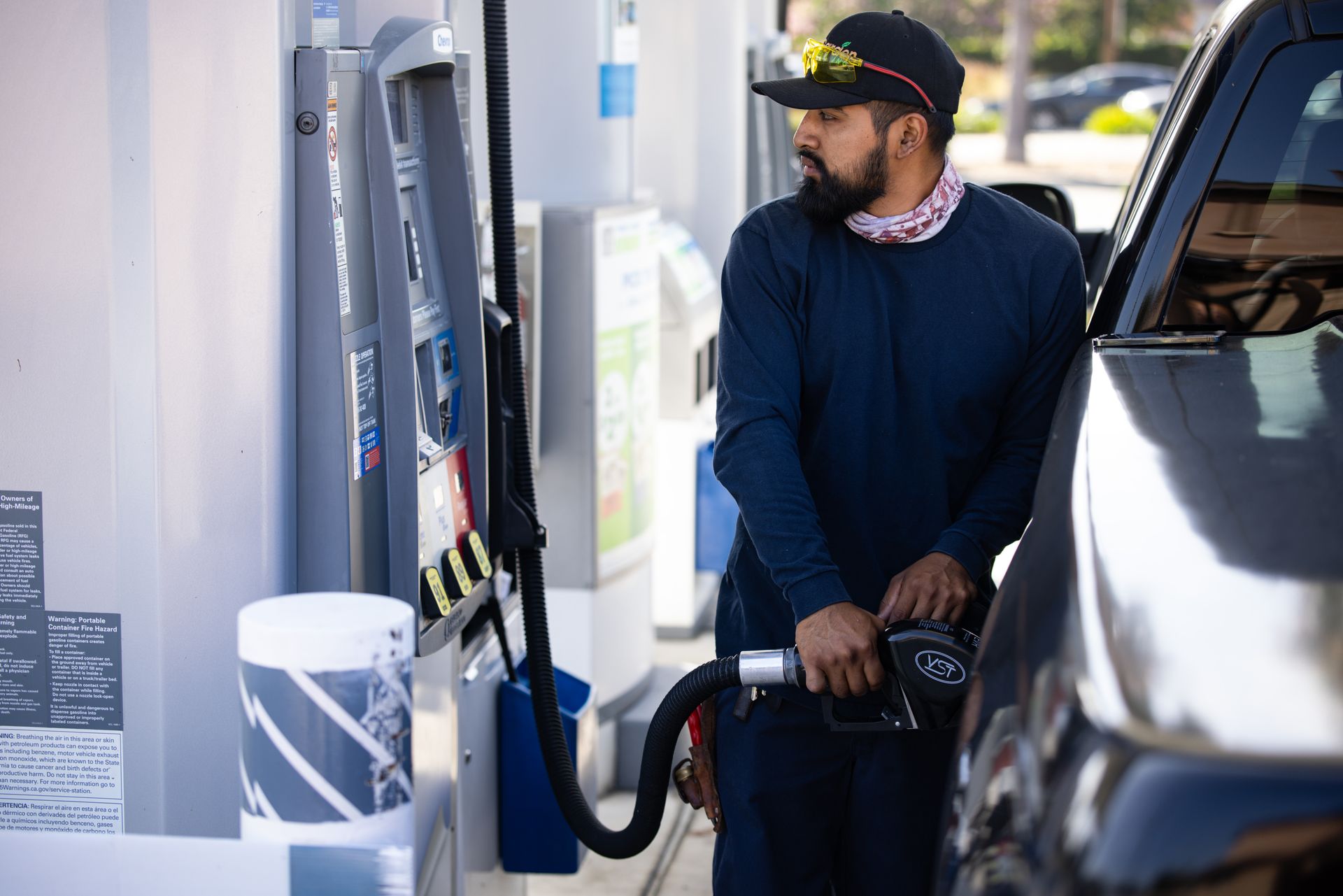
Kayla Bartkowski / Getty Images
At the center of the case is a pricing tool developed by a company called Kalibrate, which the complaint says harvests data from rival stations to push prices higher — a practice the drivers argue violates California's Cartwright Act, the state's primary antitrust statute. Kalibrate is also named as a defendant. The defendants either did not respond to requests for comment or declined to comment.
Drivers also point to Assembly Bill 325, a state law that became effective January 1 and was designed to combat the use of algorithms to manipulate prices, as a second legal basis for their claims.
According to the complaint, pumps in markets with dense Kalibrate adoption have seen prices climb by up to 30 cents a gallon. The financial toll compounds quickly: the filing argues that every single cent added to the per-gallon price drains an additional $134 million annually from California motorists, with some stations posting prices as high as $7 a gallon. "While families struggle to afford the commute to work, defendants have conspired to put an end to competition, joining an AI-powered trust to ensure that no matter where a driver turns, the price for gasoline is artificially high," the complaint said.
The defendants collectively operate more than 1,700 gas stations in California, according to the complaint. The lawsuit seeks unspecified damages for drivers who overpaid for gasoline.
AAA data show California topping every other state in pump prices, with regular gasoline running $5.58 per gallon against a U.S. average of $3.93.
The lawsuit comes as California gas prices have been climbing for months. The statewide average for regular gasoline crossed $6 a gallon earlier this year, driven in part by the U.S.-Israel war against Iran and the subsequent disruption to oil shipments through the Strait of Hormuz. The state's fuel supply is structurally vulnerable: California receives no pipeline deliveries from Gulf Coast refiners, and the permanent closure of two in-state refineries since Oct. 2025 has stripped away roughly a fifth of local production capacity.
The high prices have become a significant political liability for elected officials at both the state and federal level heading into midterm season.
Join 500,000+ readers who start their day with Quartz.
By subscribing, you agree to our Terms of Service and Privacy Policy.