
Canadian voters swept economist Mark Carney into office in late April 2025, defeating conservative and Trump-aligned Pierre Poilievre and giving the Liberal party a hold on power for a fourth straight term. Just months prior, the Conservatives had been widely expected to rout the Liberal party as Canadians soured on former Prime Minister Justin Trudeau’s leadership. But as President Donald Trump began talking of annexing Canada and imposed a new wave of tariffs, public opinion swung back toward Carney, who was viewed as more likely to stand up to the U.S. president.
“As I have been warning for months, America wants our land, our resources, our water, our country. But these are not idle threats. President Trump is trying to break us so that America can own us,” Carney said in his victory speech. “That will never ever happen.”
The trade tensions that defined the election had escalated throughout the first months of 2025. In March, the U.S. imposed broad 25% tariffs on Canadian goods, citing national emergency powers (IEEPA). However, days later, the administration exempted goods that were compliant with the U.S.-Mexico-Canada Agreement (USMCA).
This exemption, however, did not apply to all sectors. In early April, the White House announced a separate 25% tariff on Canadian-made automobiles and auto parts, citing national security (Section 232). This move, combined with other duties, created a complex and perilous situation for the Canadian exports that had been central to the political debate.
1 / 7
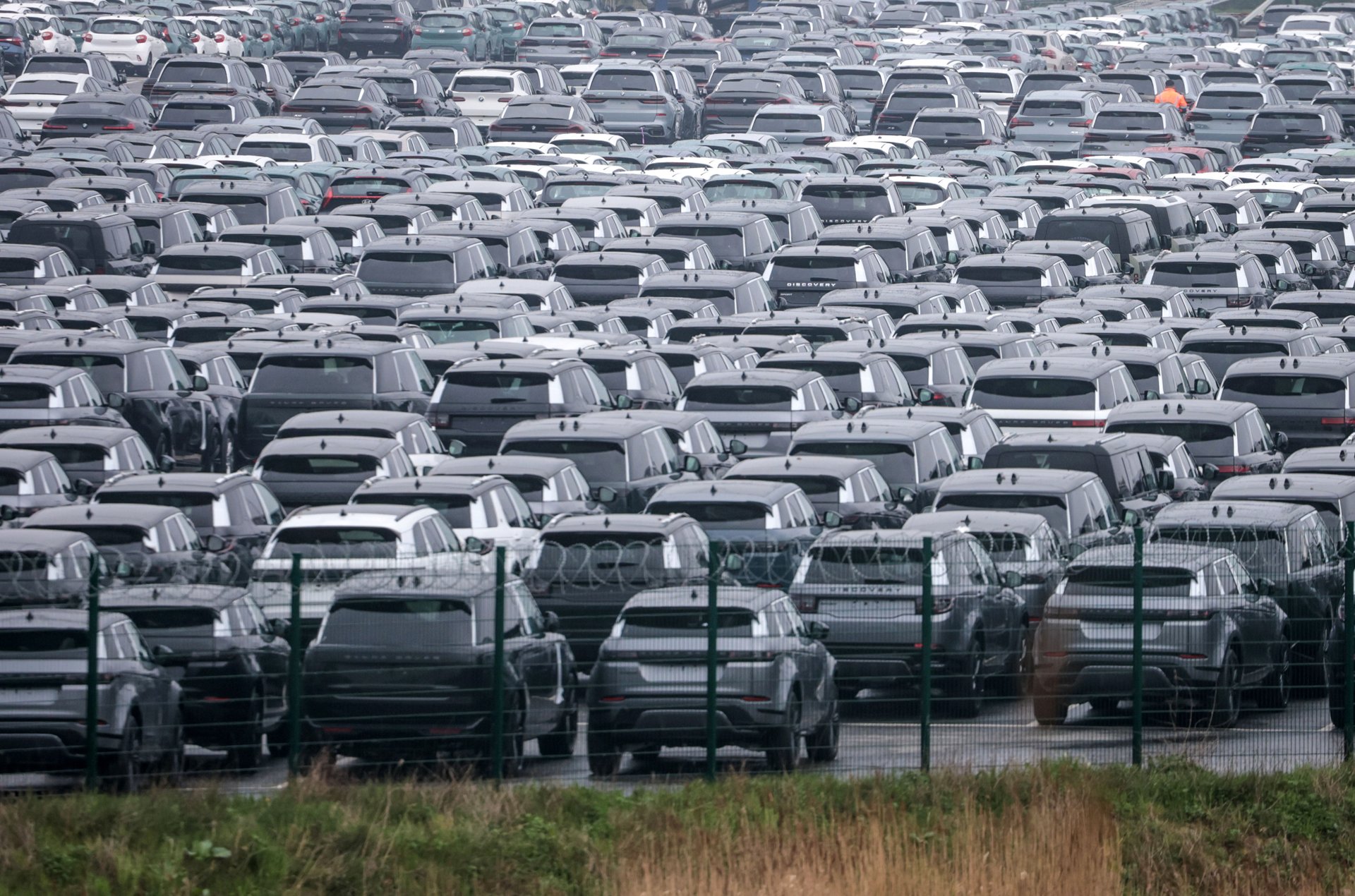
The automotive industry was the primary target of the most damaging new tariff. According to the UN COMTRADE database, the U.S. imported $28.4 billion in cars from Canada in 2024. This deeply integrated supply chain was thrown into chaos in early April 2025 when the U.S. imposed a 25% tariff on Canadian autos and parts.
This specific tariff was not covered by the USMCA exemption, threatening to raise vehicle prices for U.S. consumers. Because the industry relies on parts crossing the border multiple times, the tariff was expected to reduce demand and potentially affect jobs and economic activity in both countries. The uncertainty also had a chilling effect on the sector, deterring new investment in a supply chain that had been built on decades of tariff-free trade.
2 / 7
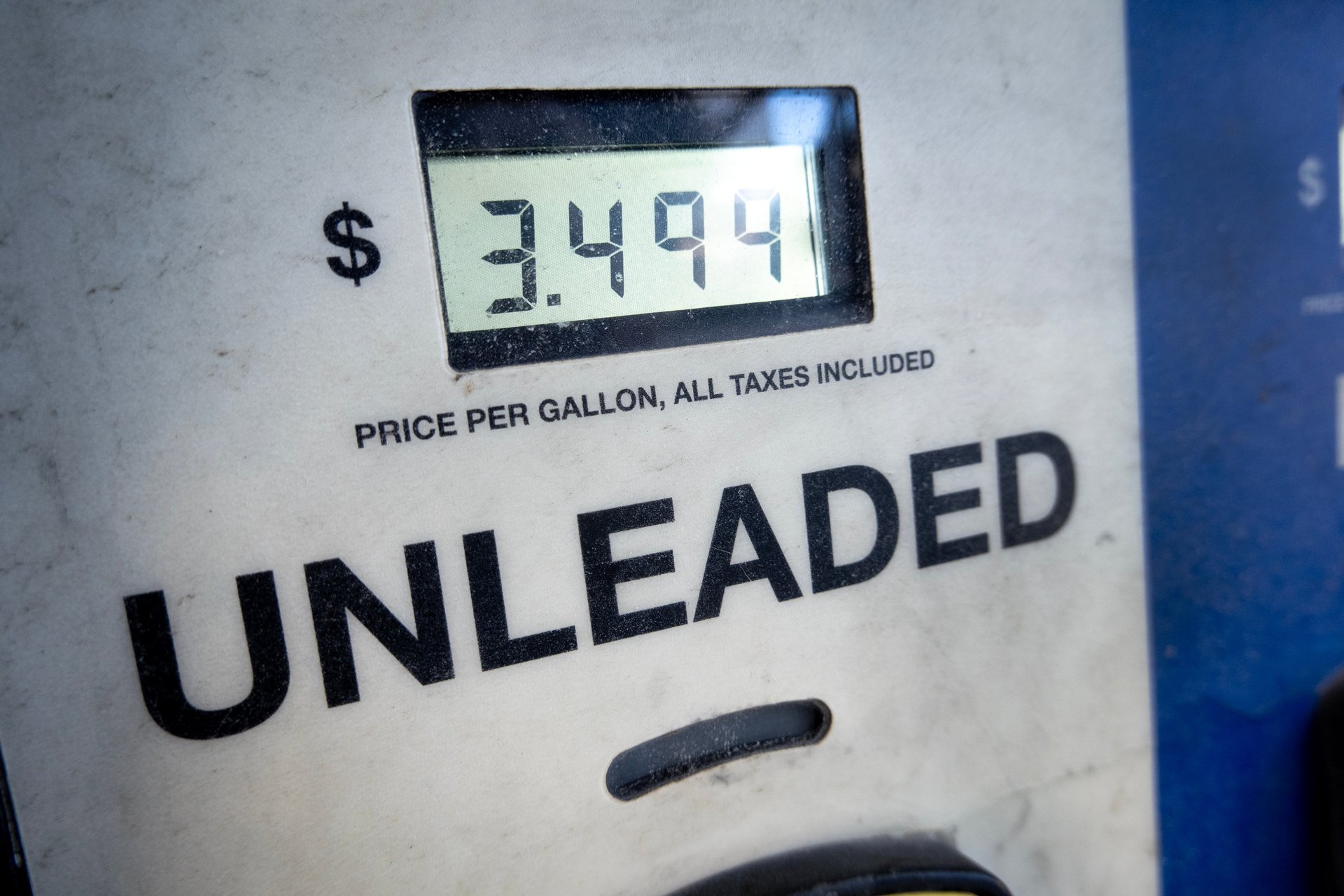
Canadian crude oil was hit by the 10% “energy tariff” included in the broad IEEPA measures imposed in March 2025. A report from the United States Congressional Energy & Natural Resources Committee noted that 60% of U.S. oil imports came from Canada. This new duty directly impacted consumer prices for gasoline and diesel fuel, particularly in regions highly reliant on Canadian energy.
3 / 7
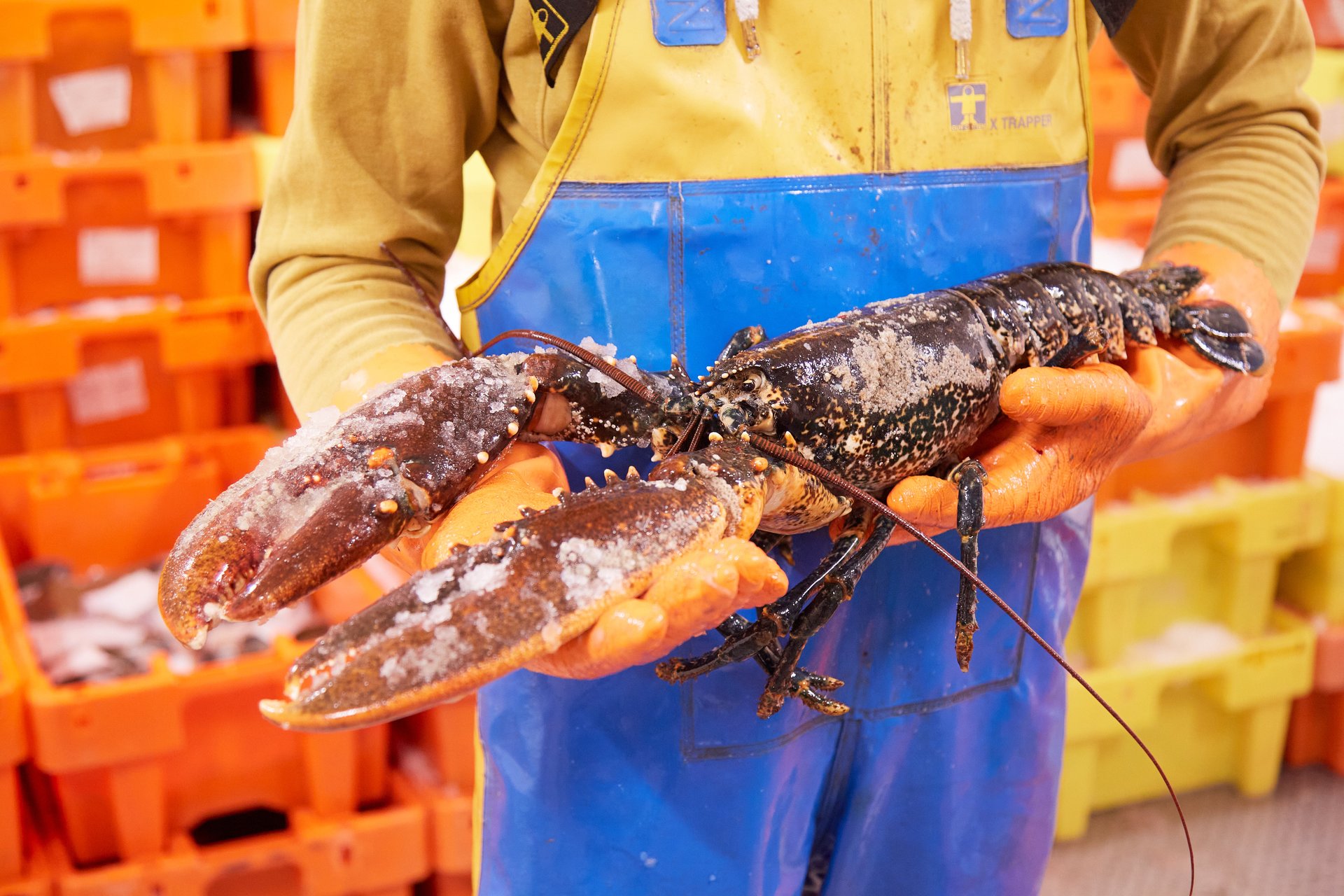
The lobster industry, a major flashpoint in the trade debate, was ultimately spared a direct hit. According to the research firm Tridge, the U.S. imported $1.42 billion in lobster from Canada in 2024.
While the threat of tariffs caused significant alarm, Canadian seafood was deemed USMCA-compliant and was therefore exempt from the 25% duty. This exemption was critical, as a tariff would have decimated U.S. importers, caused severe ripple effects in the U.S. restaurant industry, and likely driven consumers to seek alternative seafood options.
4 / 7
American consumers were similarly spared price hikes on Canadian baked goods. Canada was the top supplier of U.S. baked goods imports in 2024, with a value of $5.4 billion, according to the U.S. Trade Representative's office. Like lobster, these products qualified for USMCA protection and avoided the new tariffs, preventing a direct impact on U.S. retailers and consumer grocery bills.
5 / 7
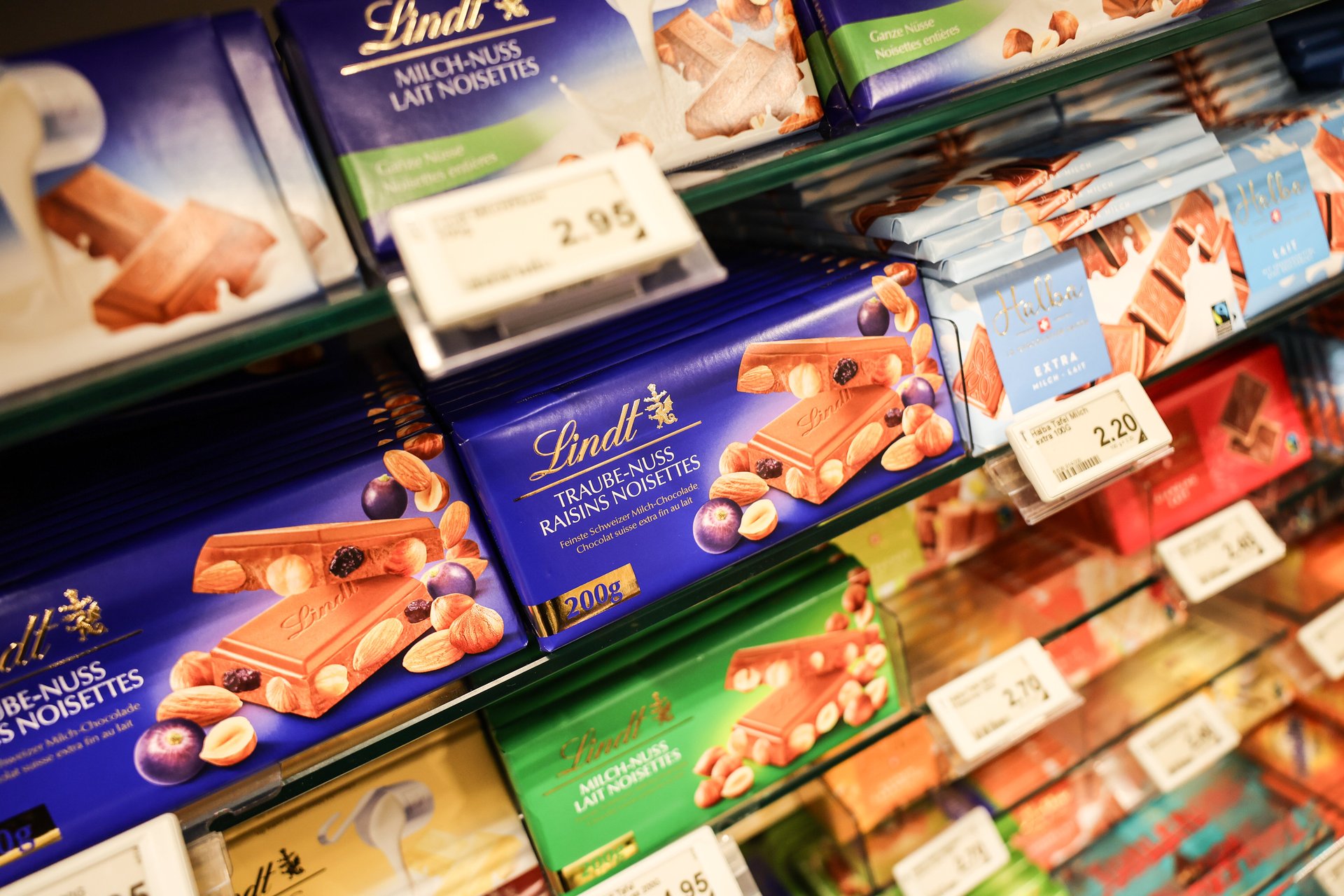
Canadian chocolate, a $2.67 billion import industry in 2024 (UN COMTRADE), was another category that fell under the crucial USMCA exemption. While the Yale Budget Lab had warned that broad-spectrum tariffs could raise overall food prices, this specific import was not directly tariffed.
6 / 7
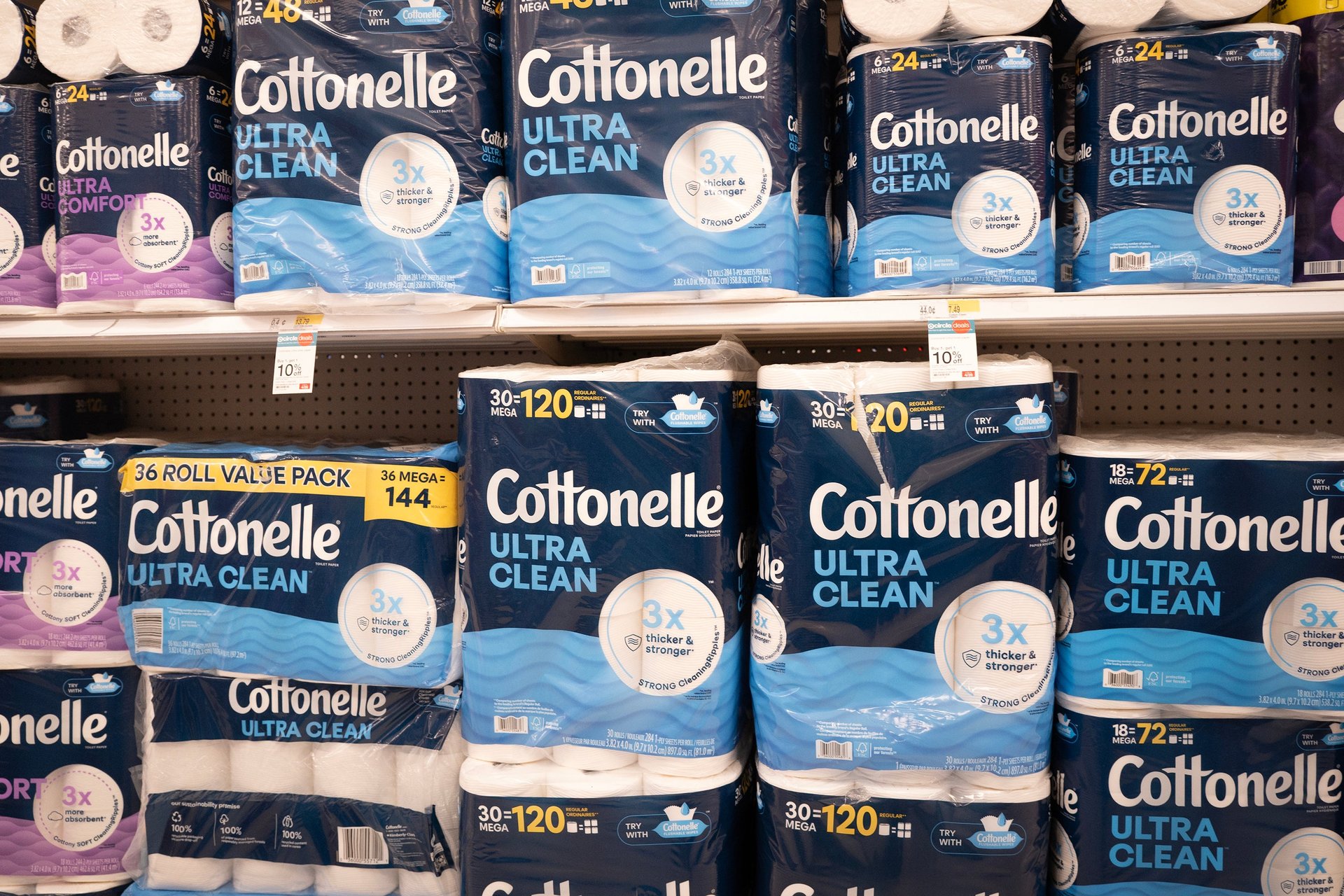
The price of paper goods, especially toilet paper, was threatened by a separate but related trade action. The U.S. imported $275 million in toilet paper from Canada in 2023. While these finished goods were not targeted by the new 2025 tariffs, the U.S. was simultaneously escalating its long-running duties on Canadian softwood lumber. This disrupted the supply of northern bleached softwood kraft pulp, a key component in toilet paper, threatening to create supply chain shortages and price increases for American consumers.
7 / 7
The imposition of these tariffs, particularly on the auto sector, strained the historically robust U.S.-Canada trading partnership, injecting a level of tension and uncertainty not seen in decades. Businesses on both sides of the border were left grappling with the implications.
The conflict highlighted the long-term risks of a trade war. The volatility deterred investment across the continent, as companies hesitated to commit resources amid an unpredictable economic landscape.
In response, many businesses began to explore ways to mitigate their risk, including the diversification of their supply chains to reduce reliance on any single country. For consumers, the impact was felt in their wallets. As prices for goods like cars and gasoline rose, many had to adjust their spending habits.
