From Lucid's mid-century modern cabins with a 9.8-rated Gravity SUV to Kia's near-luxury mainstream interiors led by the Telluride
Credit: Lincoln
The interior of a car is the environment its owner actually lives in. The exterior communicates to the world, but the cabin communicates to the person who drives the vehicle every day, and the quality of that communication, whether it is upscale and serene or plasticky and incoherent, compounds across every mile of ownership. The decision to prioritize the interior when buying a car is not a superficial preference. It is a recognition that the driver’s daily experience is shaped more by what surrounds them inside the vehicle than by any body panel or wheel design visible only to onlookers.
The rankings below are based on U.S. News and World Report’s interior scoring methodology, which averages interior scores across each brand’s full current model lineup. The methodology scores interiors relative to a vehicle’s competitive segment, meaning a high-scoring mainstream brand is measured against other mainstream brands, not against the absolute luxury standard. Lucid $LCID and Volvo lead the overall list. Kia and Honda $HMC appear in the top ten as mainstream brands whose interior investment has consistently outpaced the value-focused expectations their prices set. Land Rover closes the list with the lowest average interior score in the ranking despite producing some of the most celebrated individual cabin experiences in the automotive market.
The 10 brands below appear in U.S. News and World Report, ranked by average interior score across each brand’s current model lineup. Scores are calculated relative to each vehicle’s competitive segment, which means a high-scoring mainstream brand should be understood as leading other mainstream brands, not as matching the absolute quality level of the luxury segment’s top performers. A buyer using these rankings to choose between brands in the same market segment will find them directly comparable. A buyer comparing a high-scoring Kia against a high-scoring Mercedes-Benz should account for that methodology distinction.
Credit: Lucid
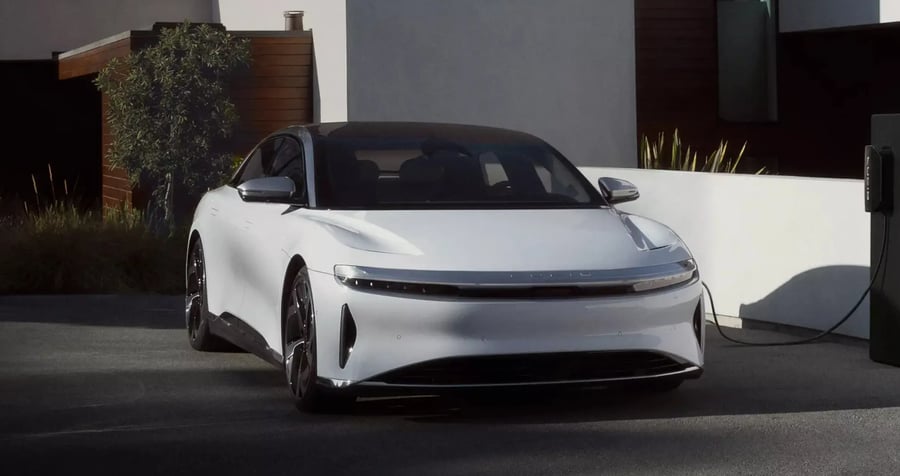
Lucid $LCID earns the top position on this list with an average interior score of 8.9 out of 10, the highest of any brand in the ranking, and gives the electric vehicle segment its most celebrated cabin design in current production. The design inspiration, described by U.S. News Managing Editor Alex Kwanten as mid-century modern, gives the Lucid interior a specific aesthetic vocabulary, with an open and airy character that produces a spaciousness that the more conventionally designed EV interiors do not approach in the same terms. The minimalist aesthetic of mid-century modern design works particularly well in the electric vehicle context: the absence of a transmission tunnel, the flat floor, and the reduced mechanical intrusion enabled by battery-electric architecture give the open design its structural foundation.
The Gravity SUV earns a 9.8 out of 10 interior score, the highest individual vehicle score in the brand’s lineup, and Senior Vehicle Testing Correspondent John M. Vincent gives it praise typically reserved for minivans in terms of interior spaciousness and usability. The Gravity’s available second- and third-row configurations give the SUV passenger-carrying flexibility that the standard two-row luxury SUV does not, and the high-end materials give the spacious interior a premium finish that aligns with Lucid’s positioning at the upper end of the electric luxury market.
The Air sedan earns an 8.0 out of 10, and its second row’s generous legroom gives the rear-seat passenger an experience specific to a car whose overall length and platform architecture prioritize rear occupant space in a way that the German luxury sedans, whose rear-seat space has been compromised by sloping rooflines and four-door coupe styling, do not. Lucid’s arrival at the top of this interior ranking represents a specific shift in the luxury automotive landscape: a newcomer EV brand has displaced the established German luxury automakers whose interior reputations had defined the segment’s absolute standard for multiple decades of sustained and well-documented global market dominance in interior quality and prestige.
Credit: Volvo
Volvo earns an average interior score of 8.54 out of 10, the second-highest on this list, and gives the mainstream-to-premium automotive market its most cohesive expression of Scandinavian design philosophy across a full model lineup. The Scandinavian design identity, which values material honesty, functional simplicity, and a specific restraint in decorative detail, gives every Volvo interior a coherence and a calm that the more maximalist German luxury cabin aesthetic does not produce in the same terms. The growing emphasis on sustainable materials across the Volvo lineup gives the interior design an environmental credential that the traditional luxury-material palette of full-grain leather and polished wood veneer does not.
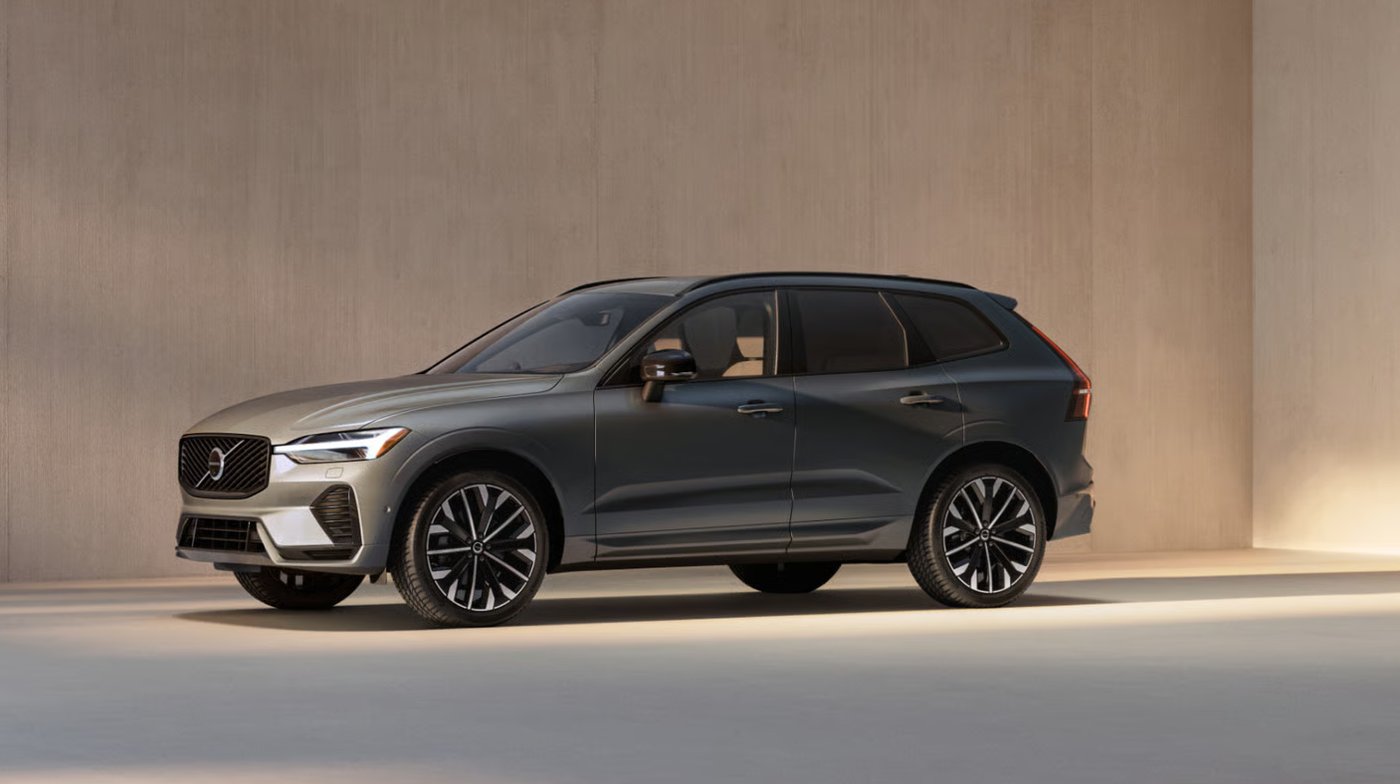
The XC60 Plug-In Hybrid earns a 9.3 out of 10, Volvo’s highest single-model interior score, and Managing Editor Alex Kwanten describes the front seats as providing an all-day comfort level that can soothe the aftereffects of a transatlantic flight. The available cabin air filter, the crystal shift knob, and the genuine leather upholstery give the XC60 PHEV’s interior program its most distinctive luxury appointments, and the Swedish-sourced synthetic leather option offers a premium alternative that does not use animal leather, appealing to sustainability-conscious buyers.
The V90 wagon earns a 9.0 out of 10, and the V60 and XC60 both earn 8.9 out of 10, giving Volvo a concentration of high interior scores across multiple model lines that no other brand on this list matches at the same density. The smaller entry-level models bring down the brand average, but even these, according to U.S. News, feature youthful color palettes and quality materials that maintain the Scandinavian design standard at the lower price points where most brands abandon the design investment entirely. The model range’s breadth, from the small EX30 electric SUV to the large XC90 three-row, gives the Scandinavian interior philosophy its fullest test across vehicle types, and the consistency with which it passes that test across all formats gives the brand its specific design integrity credential.
Credit: Kia
Kia earns an average interior score of 8.37 out of 10, tied for third on this list with Mercedes-Benz, and gives the mainstream automotive segment its most dramatic quality-per-dollar interior story. The brand’s transformation from a budget automaker to a genuinely respected design house has been one of the automotive industry’s most discussed turnarounds of the past decade, and the interior quality reflects the same design ambition that has made Kia’s exterior styling one of the most recognized in the segment. The entire Kia lineup, according to U.S. News, punches above its weight in interior quality relative to the price points at which the vehicles are sold.
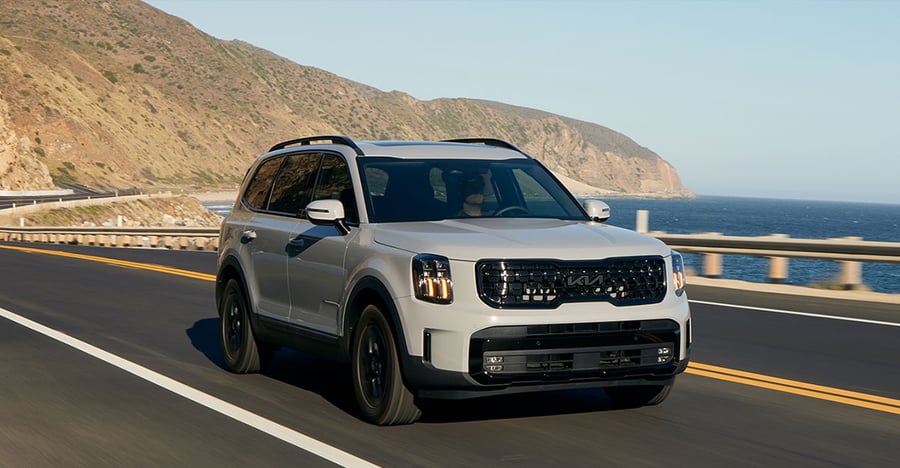
The 2027 Telluride Hybrid, all-new for that model year, earns a 9.6 out of 10 interior score, the highest of any Kia model in the current assessment, and Managing Editor Alex Kwanten describes the cabin’s details as nice, delicate, and functional, with specific praise for the dash-spanning infotainment and instrumentation screens housed beneath a single pane of glass. The visual effect of a single glass surface spanning the full dashboard width gives the Telluride Hybrid a premium appearance, befitting a vehicle whose price typically does not predict this level of visual sophistication in the mainstream segment.
The 2027 Telluride earns a 9.5 out of 10, and the Sportage Plug-In Hybrid earns a 9.2 out of 10, giving Kia three models above 9.0 in interior scoring and a cluster of high performers that the mainstream brand’s closest competitors cannot match at the same consistency. The buyer who walks into a Kia showroom expecting a practical economy brand and steps into a Telluride or a Sportage PHEV leaves with a significantly revised expectation of what a mainstream automaker’s interior can deliver. The Kia warranty program, best-in-class among mainstream brands, provides long-term protection for interior quality that the luxury brands’ shorter warranty coverage does not match, and its duration gives the buyer of a Kia interior the added assurance that the quality will be supported if it fails to hold up.
Credit: Mercedes-Benz
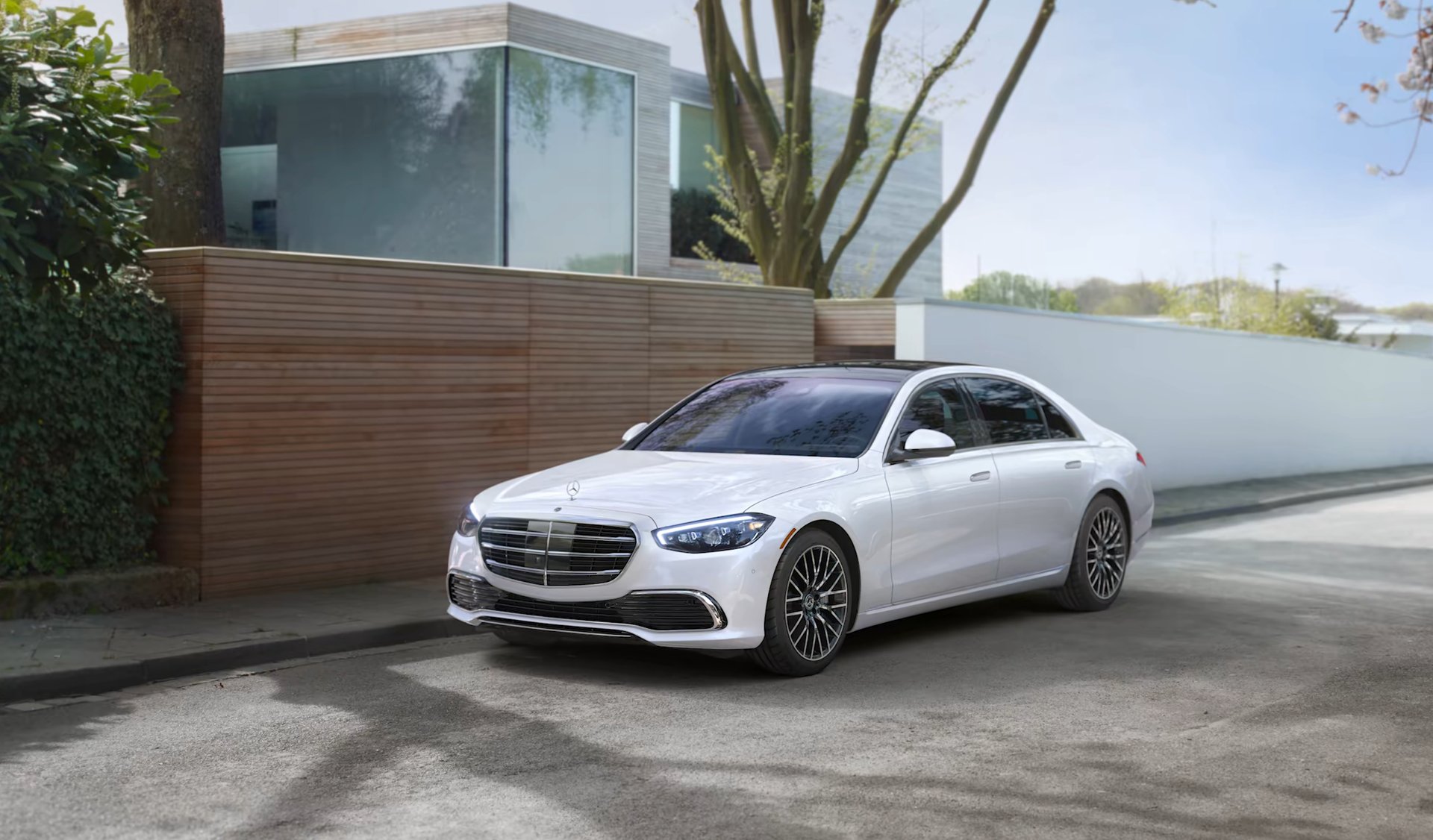
Mercedes-Benz earns an average interior score of 8.37 out of 10, tied with Kia for third position, and gives the list its most notable cautionary data point: the most storied German luxury brand, whose interior quality once defined the premium automotive segment’s standard, now shares its score with a South Korean mainstream automaker. U.S. News notes that while some Mercedes vehicles have fantastic cabins, others are simply average, and the brand’s decision to go all-in on large infotainment screens spanning from pillar to pillar has divided the critical reception in a way that the brand’s earlier interior philosophy did not.
The G-Class EV earns a 9.6 out of 10, Mercedes-Benz’s highest individual interior score, and Senior Editor Tony Markovich describes the front row as comfortable and welcoming with a nicely integrated, moderately sized infotainment display. The G-Class EV’s interior, by being more restrained in its technology display than some of the brand’s other recent models, earns a reception that aligns with the preference for integration over spectacle reflected in U.S. News’s interior scoring. The second row’s entertainment displays earn a less favorable assessment, with Markovich describing them as intrusive and unnecessary.
The GLC Plug-In Hybrid earns a 9.0 out of 10, and the GLS earns an 8.4 out of 10, giving Mercedes three models across a broad range of vehicle types and sizes with strong interior performances. The brand’s challenge going forward is the consistency gap between its strongest performers and the average vehicles that pull the brand’s overall score toward the middle of the premium segment, a gap that the more cohesive lineups of Lucid $LCID and Volvo do not face in the same terms. The G-Class EV’s interior success relative to the brand’s other models reflects the specific advantage of a vehicle whose heritage gives the interior design team a clear brief: the G-Class buyer expects a functional, premium interior whose character references the vehicle’s utilitarian origins while delivering a luxury execution. That clarity of brief produces a more focused result than the more diffuse design objectives of the brand’s more conventional luxury sedans and SUVs.
Credit: Genesis
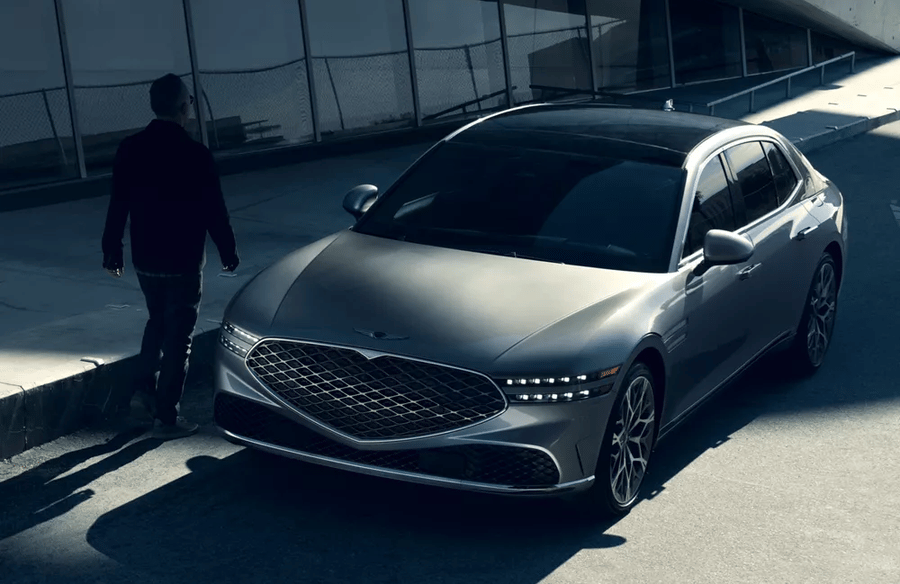
Genesis earns an average interior score of 8.23 out of 10, ranking fifth on this list, and serves as the luxury arm of the Hyundai corporate family, with a design philosophy that distinguishes it from the more aggressive styling of established German and Japanese luxury brands. The quiet confidence that defines Genesis’s brand positioning, a deliberate contrast to the obnoxious design details that help rival brands stand out, gives the interior design its most distinctive character: restrained elegance whose appeal is for the buyer who finds the maximalist luxury interior excessive.
The G80 sedan earns an 8.4 out of 10, Genesis’s highest individual interior score, and reviewer Emme Hall describes the cabin as stunning. The optional two-tone interior in red and black Nappa leather gives the G80 a more expressive interior option that steps away from Genesis’s typically demure palette without compromising the upscale execution, and the coordination with the sporty carbon-fiber trim and alloy pedals gives the interior a specific sporting character that the standard configuration’s restraint does not express.
The GV70 earns an 8.3 out of 10, and the GV60 earns an 8.1 out of 10, giving Genesis a consistent interior performance across its sedan and SUV offerings that reflects the brand’s deliberate curation of a small lineup whose individual vehicles can receive more development investment per model than the larger mainstream brands spread across dozens of nameplates. The heated and ventilated seats and power soft-closing doors across the Genesis lineup give the ownership experience a tactile luxury quality, with day-to-day comfort and convenience that drive the brand's most consistently positive ownership feedback. Genesis’s pricing, positioned below the established German luxury brands but above the mainstream Korean alternatives, provides a specific value argument for interior quality: the buyer who steps from a Mercedes or BMW into an equivalently equipped Genesis finds the interior quality comparable, while the price difference is meaningful. That value positioning gives Genesis its most effective recruitment strategy for the luxury buyer whose loyalty to the established brands is driven by habit as much as genuine quality preference.
Credit: Honda
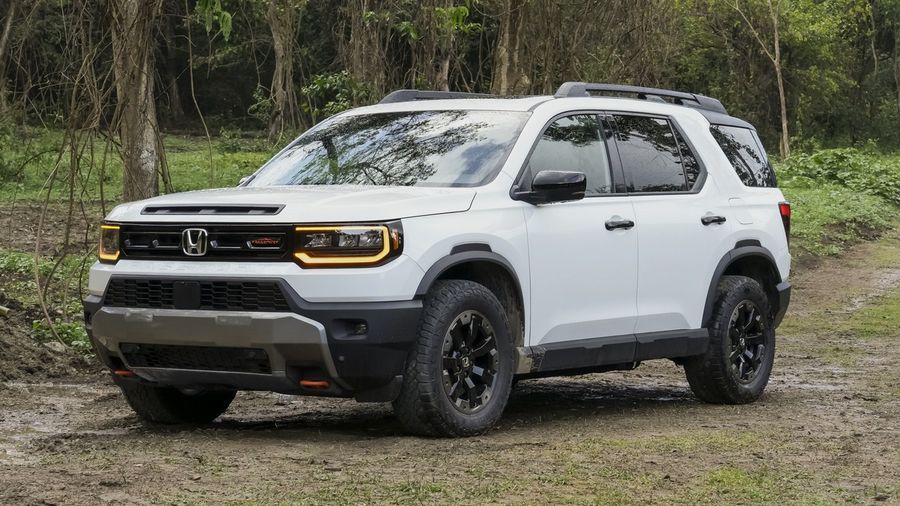
Honda $HMC earns an average interior score of 8.19 out of 10, sixth on this list, and offers a cabin philosophy whose specific premise differs from every other brand in the ranking: Honda interiors earn high scores for practical thoughtfulness, not for premium materials or luxury appointments. The brand’s design objective is a welcoming atmosphere, a quality feel, and the right balance of cost-effectiveness, and the result is a cabin that earns high marks from owners who use it every day and notice that every storage compartment, every control placement, and every interface decision has been considered from the driver’s perspective.
The Passport SUV earns a 9.0 out of 10, Honda’s highest interior score, and gives the brand its most premium single-model cabin experience. The Honda Odyssey minivan earns an 8.9 out of 10, and reviewer Mike Hagerty describes the cockpit as having a clean and logical design with abundant seating space in the first and second rows and a well-insulated cabin that produces a quiet ride whose acoustic character is specific to a minivan whose noise management investment gives the family interior its most livable daily environment.
The CR-V Hybrid earns an 8.8 out of 10, giving Honda three models above 8.8 in interior scoring and a practical family vehicle cluster whose interior performance reflects the brand’s sustained investment in the everyday usability of its most popular nameplates. The Honda interior’s specific value is the durability and the long-term livability of a cabin designed for the 100,000-mile owner, not the showroom visitor, and the brand’s historical quality record gives the cabin’s practical virtues a specific longevity guarantee that the more fashion-forward interior designs at other brands cannot always sustain across the ownership period. Honda’s resale value record, among the strongest in the mainstream segment, gives the interior quality a financial expression: a cabin that holds up well over years of use contributes directly to the vehicle’s retained value, and the Honda owner who sells at five or seven years finds the cabin’s condition a meaningful factor in the transaction price.
Credit: Lincoln
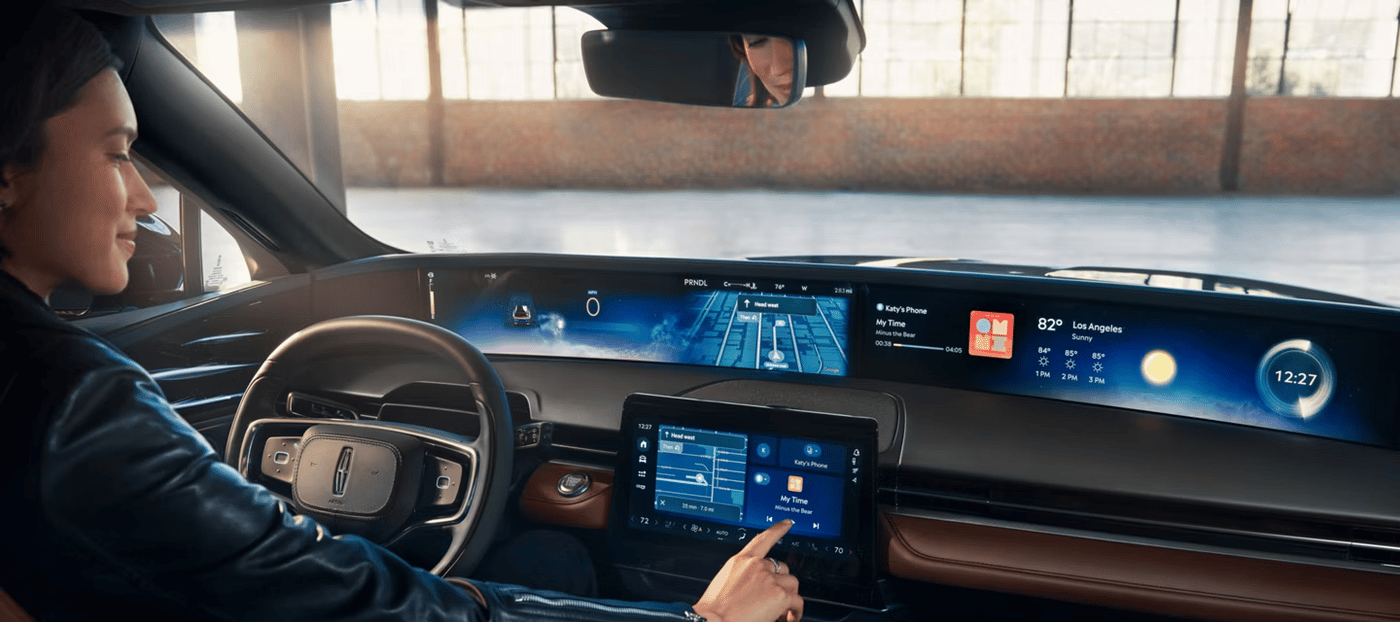
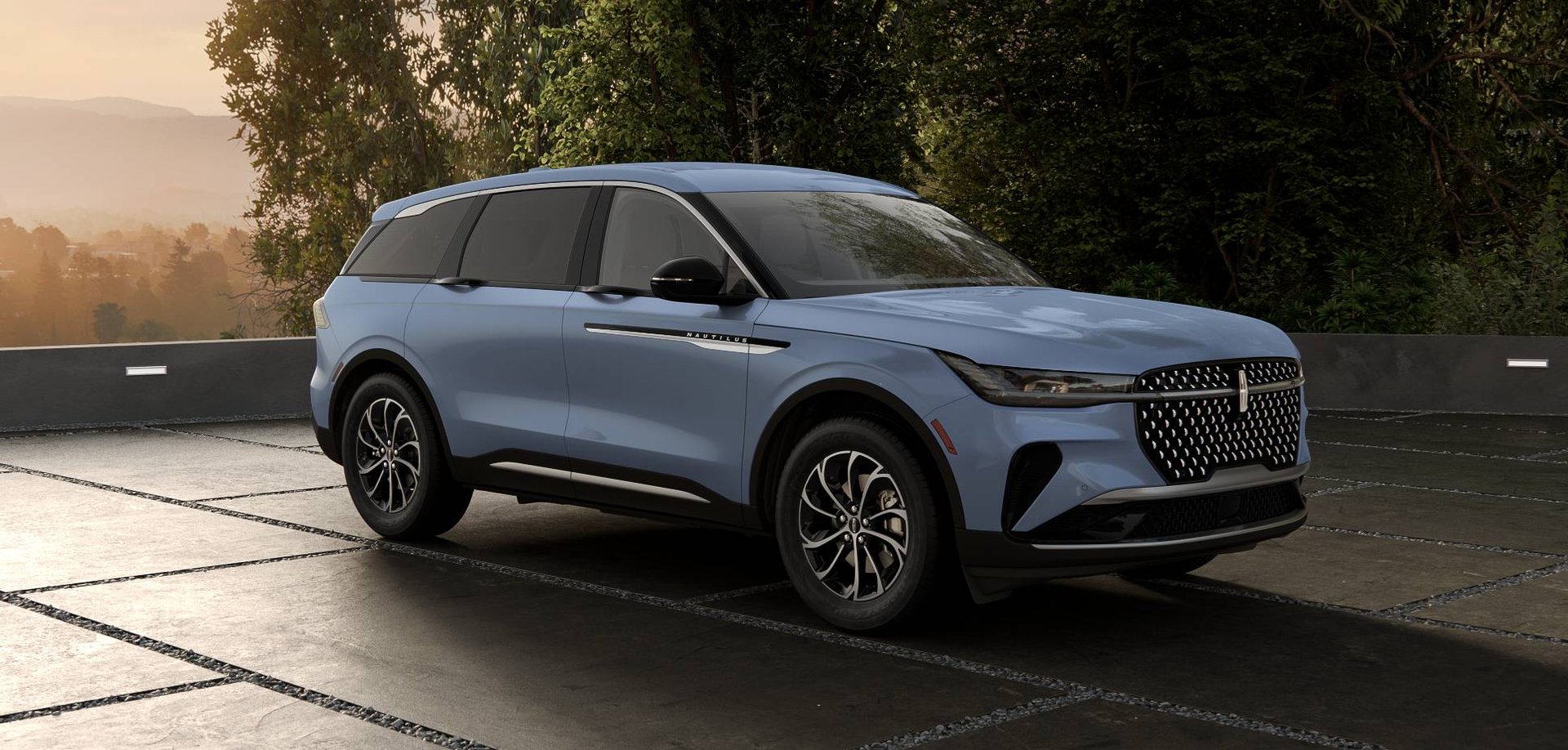
Lincoln earns an average interior score of 8.18 out of 10, seventh on this list, and gives the Ford $F Motor Company’s premium brand a specific interior identity built around nautical theming whose coherence across the exterior and interior design gives the overall vehicle experience a unified aesthetic that the more heterogeneous luxury brands do not always achieve. The sophisticated nautical design language, with its specific vocabulary of flowing surfaces, soft ambient lighting, and materials whose texture and color reference maritime environments, gives the Lincoln interior a character that distinguishes it from the German brands’ technical precision and the Japanese luxury brands’ minimalism.
The Nautilus Hybrid earns an 8.7 out of 10, Lincoln’s highest interior score, and reviewer Mike Hagerty describes the 48-inch infotainment display as overkill while acknowledging that the rest of the cabin is well crafted. The display’s scale is a recurring discussion point in Lincoln’s Nautilus reviews, and the consensus reflects the broader industry debate over the appropriate size and integration of infotainment screens in a cabin whose primary design objective is relaxed, comfortable cruising.
The Corsair earns an 8.3 out of 10, and the Corsair Grand Touring earns a 7.9 out of 10, giving Lincoln a descending interior score across the compact-to-midsize range that reflects the specific challenge of maintaining the brand’s spaciousness reputation in smaller vehicle formats. Lincoln’s historical reputation for generous interior space creates a specific expectation management challenge for the Corsair’s relatively tight cabin, and the brand’s current lineup, with just a handful of models, gives the interior design team fewer opportunities to distribute the brand’s identity across a full range. The Lincoln Black Label program, which gives buyers access to the brand’s most exclusive interior materials and personalization options with dedicated dealer service, gives top-tier Lincoln ownership its most premium expression and establishes a specific ultra-luxury tier that the standard trim levels do not represent. The Black Label interiors, available across the Nautilus and the Navigator, deliver Lincoln's highest-quality individual-vehicle cabin experiences, and the program’s curated design themes give buyers a level of personalization specific to the Lincoln brand’s approach.
Credit: Hyundai
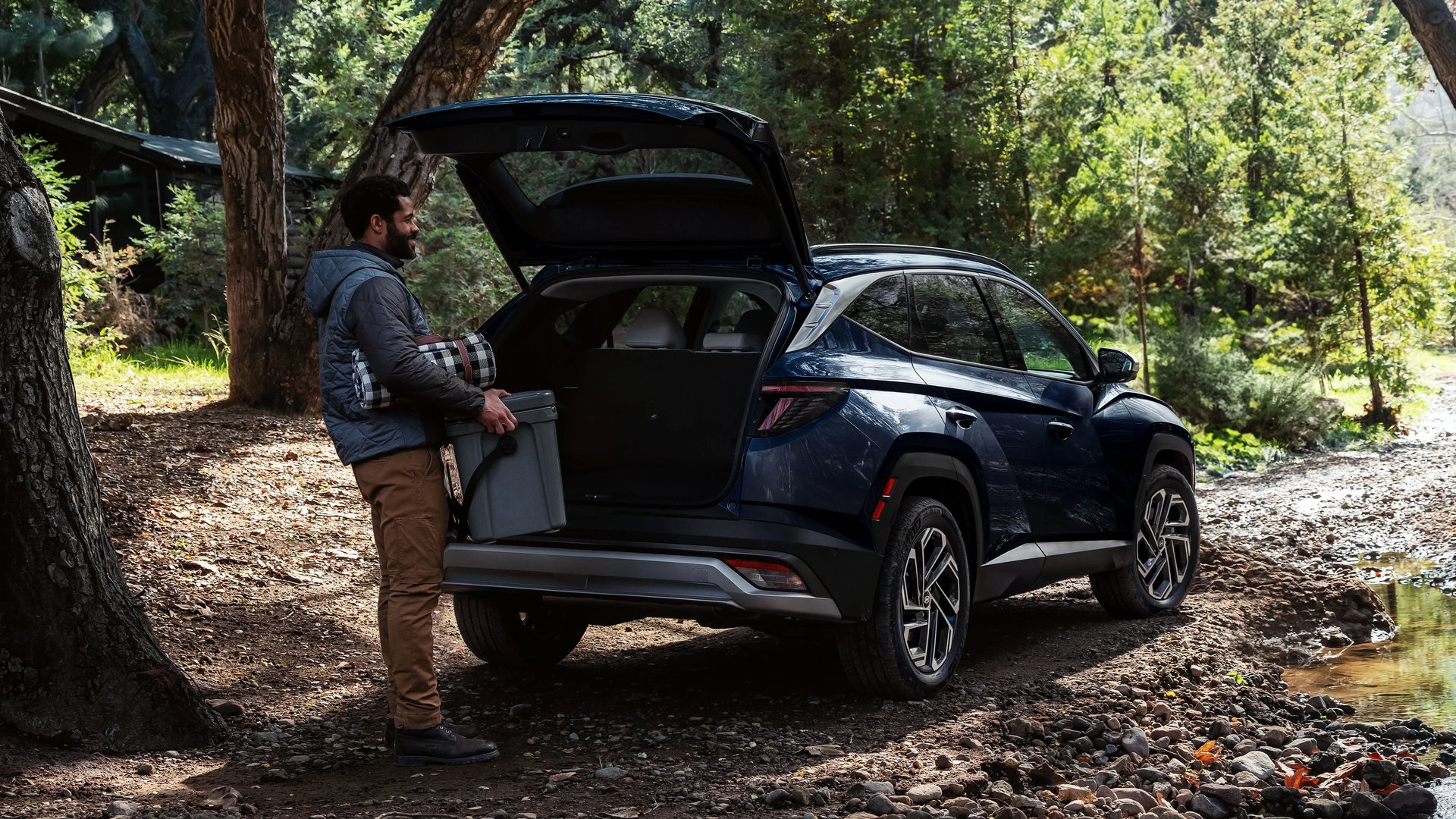
Hyundai earns an average interior score of 8.11 out of 10, ranking eighth on this list, and delivers the most consistent interior quality across a lineup that spans from the subcompact Venue to the three-row Palisade. The brand’s evolution from a budget alternative to a genuinely competitive mainstream automaker has been among the most documented transformations in the contemporary automotive market, and the interior quality scores reflect the specific design investment that accompanied that strategic shift.
The compact Tucson and Tucson Hybrid both earn a 9.3 out of 10, tying for the highest interior score in Hyundai’s current lineup, and offer the brand's most celebrated cabin experiences in the most competitive vehicle segment. The Tucson’s innovative storage solutions, elegantly integrated technology, and practical family-oriented design give U.S. News reviewers the specific qualities that earn the highest interior marks in the mainstream SUV category, and the hybrid variant’s execution matches the non-hybrid’s interior quality without compromise.
The Ioniq 9, Hyundai’s large three-row electric SUV, earns an 8.7 out of 10, giving the brand strong interior performance across the EV segment and its traditional powertrain lineup. The Palisade, whose arrival for the 2020 model year created months-long waiting lists and whose full redesign for 2026 has sustained the demand, gives the brand’s interior reputation its most publicly visible validator: a vehicle so desirable that buyers accept extended wait times to acquire it. The Palisade’s popularity reflects the broad consumer recognition of Hyundai’s interior quality improvement, which the U.S. News scores confirm in more systematic terms. The Ioniq 6 electric sedan, whose interior design has earned specific praise for the curved dashboard, the relaxed lounge-like seating position, and the ambient lighting program, gives the Hyundai EV lineup a cabin experience whose design ambition reflects the brand’s commitment to the electric vehicle interior as a specific opportunity to rethink the cabin format freed from the combustion engine’s space and layout constraints.
Credit: Audi
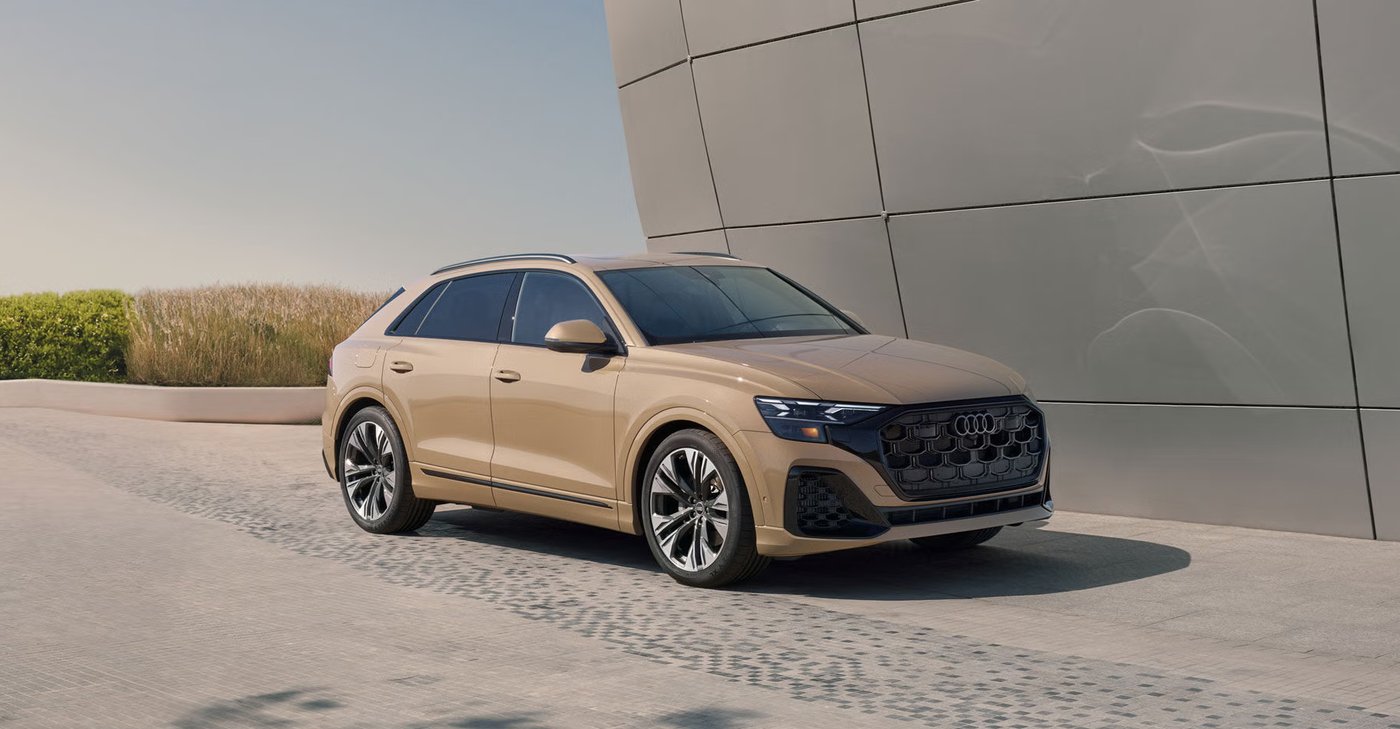
Audi earns an average interior score of 8.07 out of 10, ninth on this list, and gives the German luxury segment its most comprehensive single-brand interior program: a wide lineup spanning entry-level small sedans and crossovers, performance variants, station wagons, convertibles, and large family SUVs whose breadth gives the average interior score its most varied inputs of any luxury brand in the ranking. The consequence of that breadth is that the default configurations across many Audi models tend toward the conservative, with the brand’s most celebrated interior experiences concentrated in the more expensive, more performance-oriented trims,, whose upgrade packages give buyers access to materials and finishes that the base configuration does not provide.
The Q8 SUV earns an 8.5 out of 10, Audi’s highest individual interior score, and gives the large luxury SUV segment the brand’s most premium cabin experience. The Q3 and Q7 both earn an 8.4 out of 10, and U.S. News notes that the three models are similar in design execution, with upscale materials as standard equipment and even more sumptuous fabrics and trims available at higher trim levels. The Audi design language’s consistent application of modern, user-friendly technology integration gives the infotainment and digital interface program a specific level of usability that German brands whose technology implementations have been less universally praised cannot always match.
The brand’s challenge, reflected in its 8.07 average, is interior performance across the more affordable, entry-level models, whose scores pull the brand average below where the Q8’s performance alone would suggest it should sit. The available upgrade packages’ ability to transform the interior experience gives the Audi interior program its most compelling case in the higher trims, and the buyer who specifies the upgrade materials and features finds an interior whose quality approaches the very top of the premium automotive segment, well beyond what the base configuration’s Q8 score alone would suggest to a buyer who has not personally experienced the fully specified interior.
Credit: Land Rover
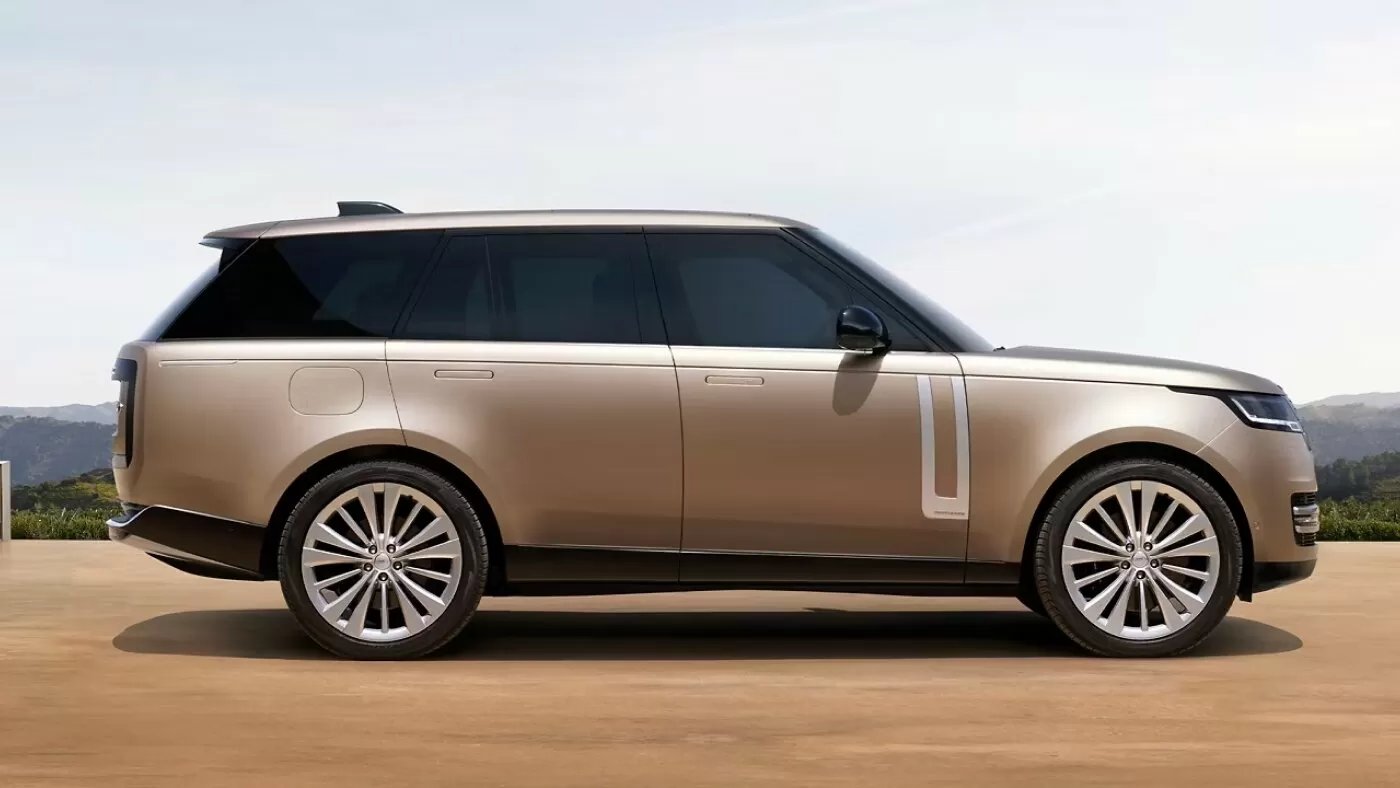
Land Rover earns an average interior score of 7.68 out of 10, the lowest on this list, and gives the premium SUV segment its most dramatic gap between individual model performance and brand average: the Range Rover Sport’s interior, described by Vehicle Testing Editor Zach Doell as spacious, whisper-quiet, and bathed in rich leather whose solid feel, from the thunk of heavy doors to the sturdiness of all interior surfaces, makes it feel as though Land Rover carved it from stone. That singular description, among the most evocative in U.S. News’s interior reviews, places the Range Rover Sport’s cabin among the most celebrated in the automotive market.
The challenge reflected in the 7.68 average is the interior consistency across Land Rover’s full lineup, where the base configurations of the more affordable models do not always rise to the luxury billing that the brand’s name and price suggest. The standard interiors are good enough to justify Land Rover’s inclusion on this list, but the gap between the standard equipment and the available upgrades is wide, and those upgrades are typically expensive. The buyer who reaches the fully specified Range Rover Sport encounters an interior whose stone-carved solidity and whisper-quiet refinement give the ownership experience a specific physical pleasure whose quality the average score does not predict.
Land Rover’s specific appeal remains its extraordinary off-road capability paired with genuine luxury interior appointments in a single vehicle: the engineering investment required to produce a vehicle that can traverse demanding terrain while maintaining the cabin quality of a drawing-room is specific to Land Rover and has no close competitor in the same terms. The brand’s interior scores will likely improve as newer models with higher standard equipment levels replace the older models, whose conservative standard specifications pull the average down. The brand’s next generation of models, arriving with updated standard equipment, will give the average interior score its most significant upward revision opportunity, and the Range Rover Sport’s stone-carved quality gives the brand a ceiling that justifies the wait for the rest of the lineup to catch up.
