These five built-in technologies make driving safer, easier and more comfortable, and your car might have them

Photo by CHUTTERSNAP on Unsplash
If you've ever borrowed a car or rented one on vacation, you've probably pulled up to the wrong side of the gas pump at least once. Fortunately, many modern vehicles include a simple feature that eliminates the guesswork.
Take a look at your fuel gauge. Next to the gas pump icon, you'll often see a small arrow pointing either left or right. That arrow indicates which side of the vehicle the fuel filler door is located on, helping you line up correctly at the pump before you even step outside.
It's such a small detail that many drivers never notice it, even after owning the same vehicle for years. Yet it can save time and prevent the awkward maneuver of stretching the fuel hose across your car or circling back to another pump.
The feature is especially useful when driving a rental car or switching between multiple vehicles. Instead of relying on memory, the answer is always waiting on the dashboard.
According to Reader's Digest, this tiny arrow is one of the easiest hidden features to overlook, despite being one of the most practical.
Many vehicles do more than display the outside temperature. They also monitor conditions that could make driving more dangerous.
As temperatures approach freezing, some cars automatically display a snowflake symbol, flash a warning or sound a brief chime to let drivers know that roads could become slippery. These alerts often appear before temperatures actually reach freezing because bridges and overpasses can ice over sooner than other road surfaces.
The warning isn't predicting bad weather. Instead, it's reminding drivers that conditions may be changing and that extra caution is a good idea. It's a subtle feature, but one that can encourage motorists to slow down and leave more space between vehicles.
Drivers unfamiliar with the snowflake icon sometimes mistake it for a problem with the car. In reality, it's simply a helpful reminder that road conditions may require additional attention.
Reader's Digest notes that many newer vehicles include this feature, making it another example of technology working in the background to improve safety.
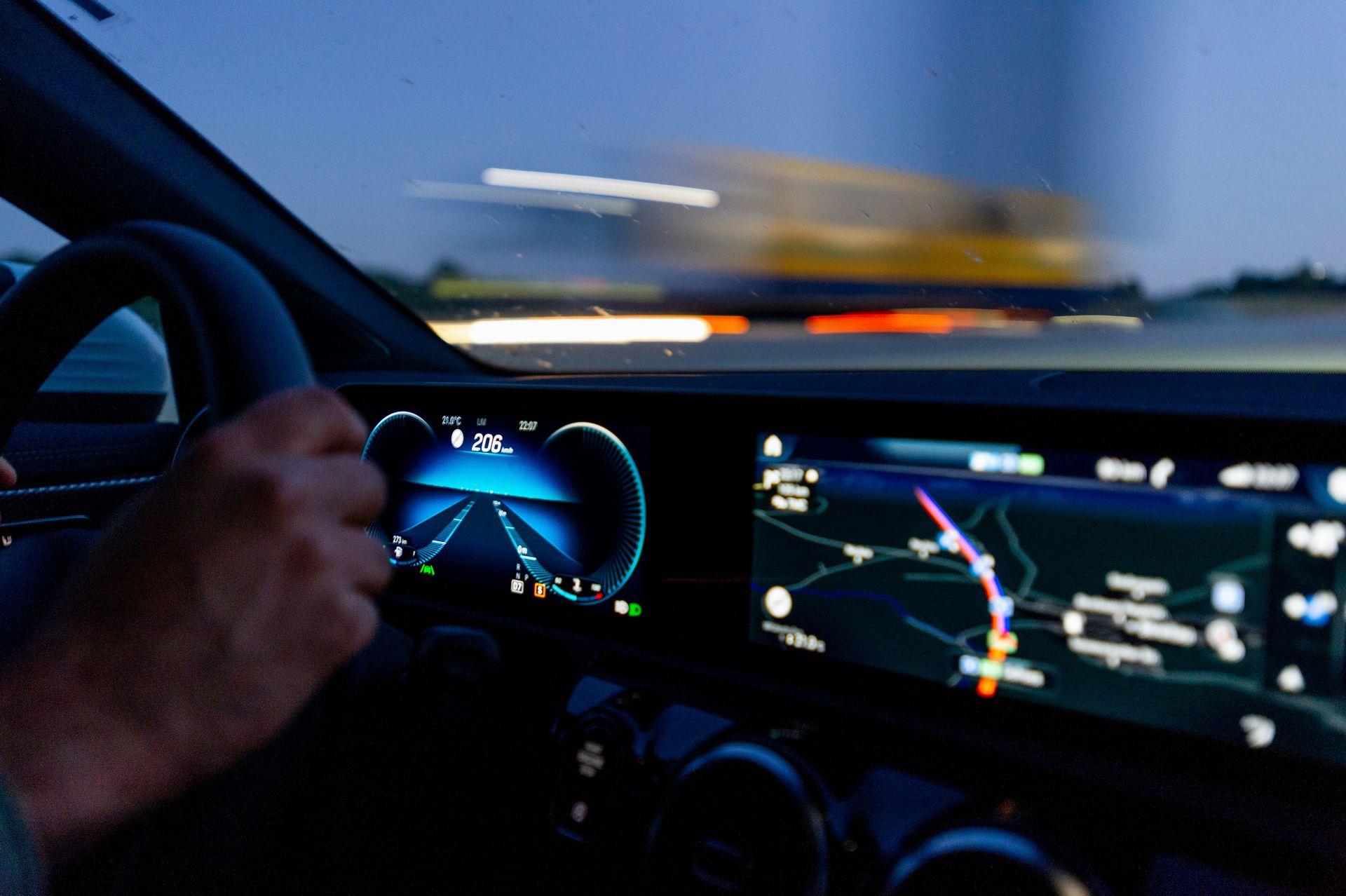
Photo by Randy Tarampi on Unsplash
Traditional cruise control made highway driving easier by maintaining a constant speed. Adaptive cruise control takes that idea a step further by monitoring traffic ahead and adjusting your speed automatically.
Using sensors built into the vehicle, the system watches the distance between your car and the one in front. If traffic slows, your vehicle slows with it. Once the road clears, it gradually returns to the speed you've selected while maintaining a safe following distance.
Some systems can even handle stop-and-go traffic, bringing the vehicle to a complete stop before accelerating again when traffic starts moving. The goal isn't to replace the driver but to reduce fatigue during long trips and heavy commutes.
Drivers still need to remain alert and ready to take control at any time, but the technology can make highway driving feel smoother and less stressful.
Reader's Digest highlights adaptive cruise control as one of the most useful modern features because it combines convenience with an extra layer of driving assistance.
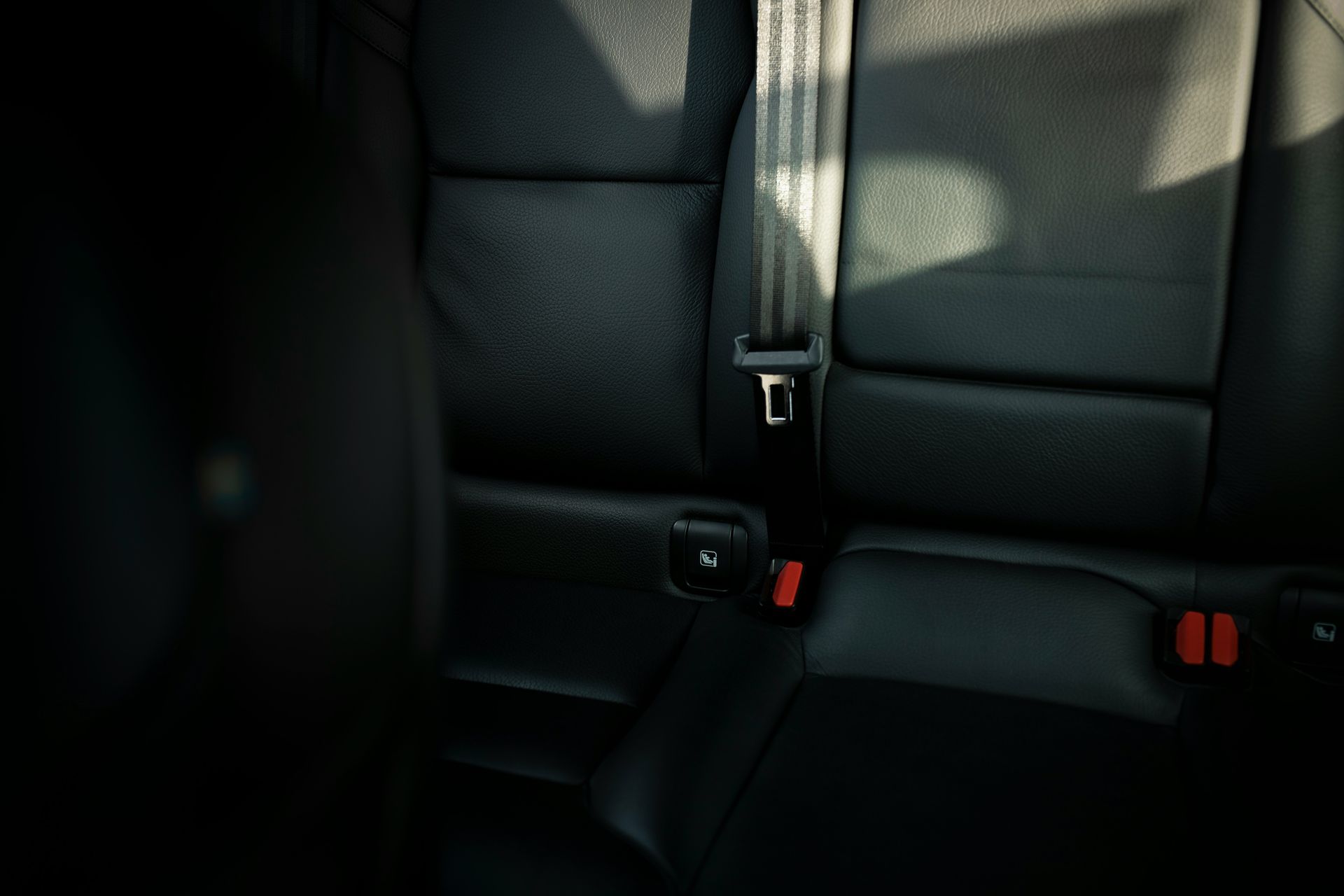
Photo by Maxim Hopman on Unsplash
One of the most thoughtful safety features in newer vehicles has nothing to do with avoiding collisions. Instead, it's designed to help drivers remember what's behind them.
Many vehicles now include rear-seat reminder systems. If a rear door is opened before or during a trip, the vehicle may display a message or sound a chime after you park and switch off the engine. The alert encourages drivers to check the back seat before locking the vehicle and walking away.
The system was created to help reduce the risk of children or other passengers being unintentionally left in a vehicle. It can also serve as a reminder to grab groceries, backpacks, pets or other belongings stored in the rear seats.
Because the reminder appears only under certain conditions, many owners don't realize their vehicle includes the feature until it activates for the first time.
Reader's Digest points to rear-seat reminders as one of the most meaningful safety technologies introduced in recent years.
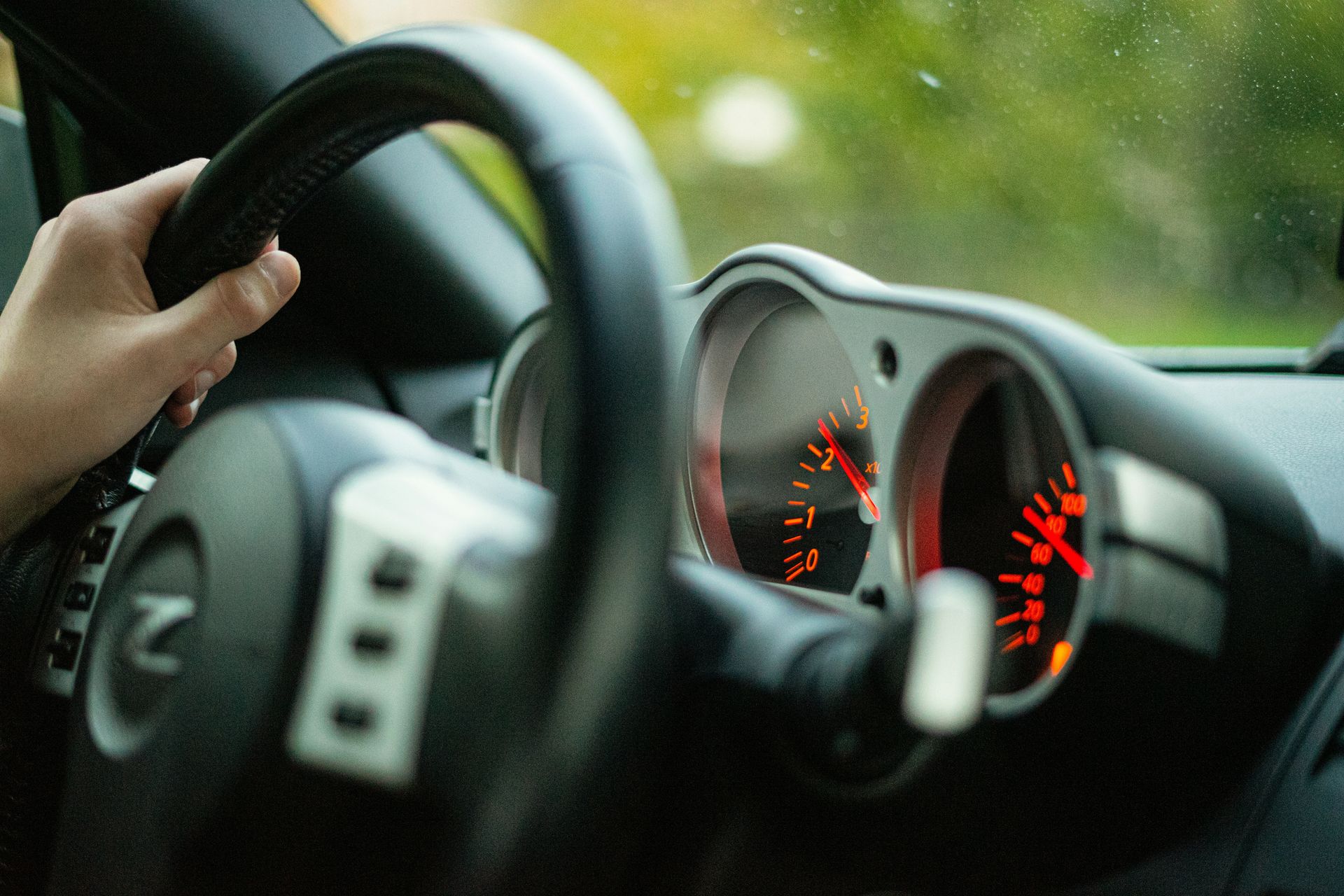
Photo by Rob Scholten on Unsplash
Heated seats have become increasingly common, but many drivers are surprised to discover their steering wheel can warm up too.
Vehicles equipped with this feature contain a heating element inside the steering wheel rim that quickly raises its temperature with the push of a button. Instead of gripping an ice-cold wheel on winter mornings, drivers can warm their hands within minutes, making the start of a trip far more comfortable.
The controls are often located near the seat heater buttons or directly on the steering wheel, so it's easy to overlook them if you've never searched for the feature. Once discovered, many drivers consider it one of the most appreciated cold-weather upgrades their vehicle offers.
It's a small convenience, but one that can make daily commuting noticeably more pleasant during colder months.
According to Reader's Digest, heated steering wheels are one of several comfort-focused features that help to improve the driving experience without most owners realizing they're available.