Quartz
Subscribe
Quartz
Subscribe
Edition
Business News
A.I.
Technology
Money & Markets
Leadership
Lifestyle
Latest

Get Quartz in your inbox

Free daily briefing on global business news.

Business News
AirlinesAutomobilesFoodPharmaceuticalsPolitics & GovernmentRetail & EcommerceSpace & AerospaceEarnings
Technology
A.I.ComputingConsumer TechSpace & AerospaceEarnings
Money & Markets
Economic IndicatorsMarketsPersonal FinanceEarnings
Lifestyle
Cars & BikesCollectingEntertainmentFood & Fine DiningHealth and FitnessReal EstateTravel
Quartz

Global business news for a smarter world

Topics

  • Business News
  • Money & Markets
  • Tech & Innovation
  • Generation A.I.
  • Lifestyle
  • Leadership

Products

  • Daily Brief
  • Weekly Digest
  • Member Benefits
  • Quartz Pro

Legal

  • Sitemap
  • About
  • Accessibility
  • Privacy
  • Terms of Service
  • Advertising

© 2026 Quartz Media, Inc. All rights reserved.

Autos

Fancy tech in cars isn't making drivers happy

For the most part, drivers find the technology in their cars to be pretty useless

By Andy Kalmowitz·3 min read·Updated August 27, 2024
Add QZ to Google

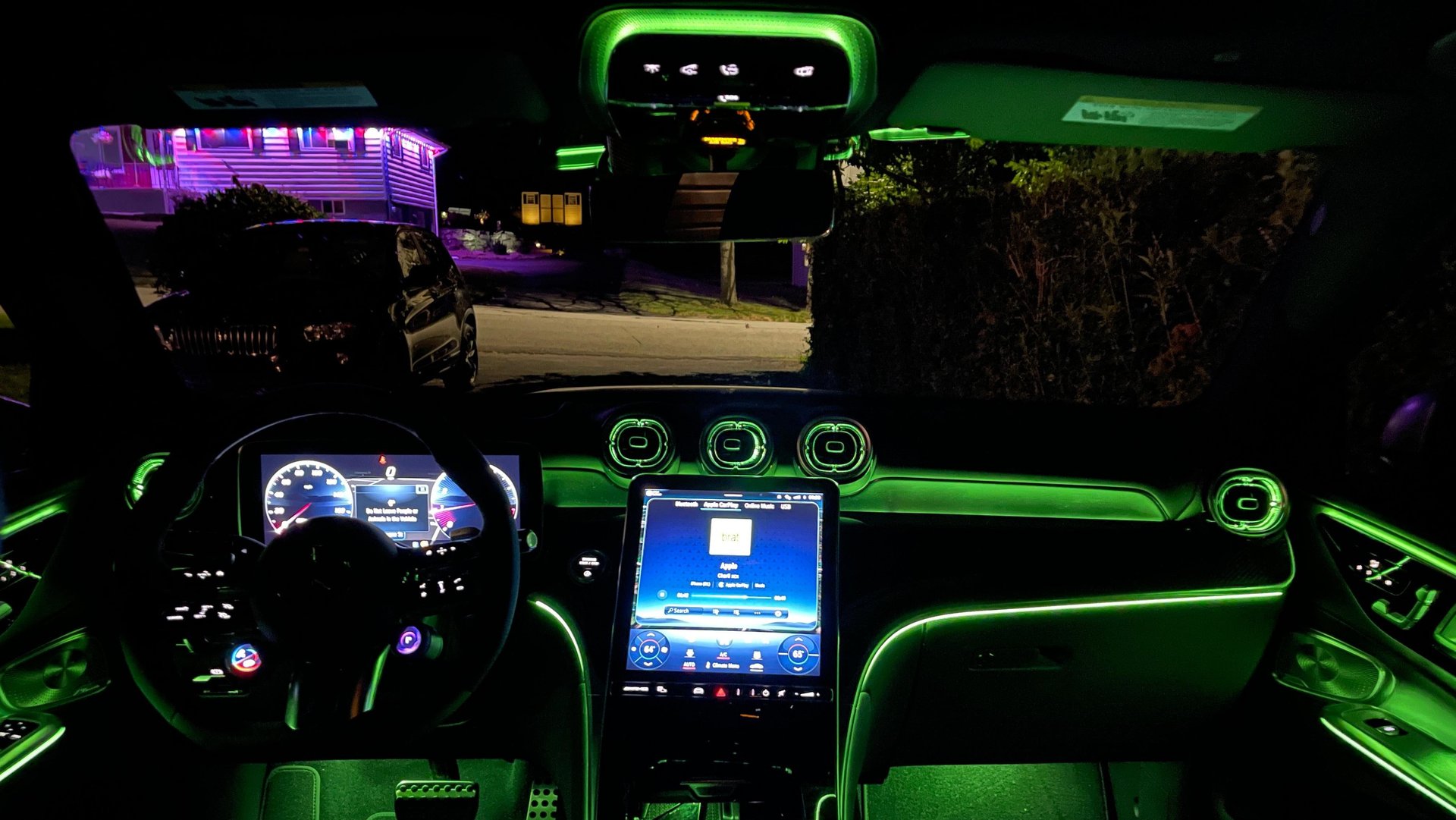
It turns out that more technology in cars isn’t necessarily something customers want, and it’s not really improving their driving experience. We know my thoughts on the matter, but I’ll do my best to stay impartial on this latest survey from JD Power that shows most customers don’t appreciate technology in cars unless they can see a clear benefit to them.

JD Power’s 2024 U.S. Tech Experience Index Study evaluated over 81,000 drivers’ experience with “advanced vehicle technologies” in 2024 model year vehicles after 90 days of ownership, It turned out to be a pretty mixed bag when it came to what people liked using. There are a number of tech features that customers like using because they feels that it answers their needs, but at the same time there is a whole lot that don’t get used very often or are continually annoying, according to the survey.

Here’s a rundown of some of the findings of JD Power’s survey, according to Kathleen Rizk, senior director of user experience benchmarking and technology at the company:

New Artificial Intelligence (AI)-based technologies, like smart climate control, have quickly won popularity with those owners who have used it, yet recognition technologies such as facial recognition, fingerprint reader and interior gesture controls fall out of favor as they unsuccessfully try to solve a problem that owners didn’t know they had. For example, not only do owners say that interior gesture controls can be problematic (43.4 problems per 100 vehicles), but 21% of these owners also say this technology lacks functionality, according to newly added diagnostic questions in this year’s study. These performance metrics, including a lack of perceived usefulness, result in this technology being considered a lost value for any automaker that has invested millions of dollars to bring it to market.
[...]
Despite the increasing availability of advanced driver assistance systems (ADAS), many owners remain indifferent to their value. Most owners appreciate features that directly address specific concerns, such as visual blind spots while backing up. However, other ADAS features often fall short, with owners feeling capable of handling tasks without them. This is particularly evident with active driving assistance, as the hands-on-the-wheel version ranks among the lowest-rated ADAS technologies with a low perceived usefulness score (7.61 on a 10-point scale). The hands-free, more advanced version of this tech does not significantly change the user experience as indicated by a usefulness score of 7.98, which can be attributed to the feature not solving a known problem.

One thing I was pretty shocked to learn was that drivers don’t generally like really, really good hand-free driving systems like GM’s Super Cruise and Ford $F’s BlueCruise. Both of those systems work really well, but JD Power says folks may not think they’re necessary because they don’t solve known issues. It would seem people are more than OK with just driving down the highway themselves.

They’re also really not into passenger screens, and that’s something I definitely get.

Automakers are expanding their offering of vehicles containing a passenger display screen despite the feature being classified as “not necessary” by vehicle owners. The tech is negatively reviewed by many owners who point to usability issues. Perhaps the technology would be viewed more favorably if the front passenger seat was used more frequently, but only 10% of vehicles carry front-seat passengers daily. Furthermore, the addition of a second screen adds to the complexity of the vehicle delivery process as it is difficult for dealers to teach new owners how to use the primary infotainment screen, let alone a second one.

This survey also took a look at which brands had the best tech experience, according to drivers. For the fourth consecutive year, Genesis took home the top honors with a score of 584 out of 1,000. Lexus, BMW, Hyundai and Kia rounded out the top five. Mazda, Nissan, Ford, Mini and Dodge were at the very bottom. EV-only makers like Tesla $TSLA, Rivian $RIVN and Polestar scored 786, 666 and 578, respectively, but JD Power excluded them since their buyers tend to be more accepting of technology in general.

A version of this article originally appeared on Jalopnik.

Daily Brief

The essential business news, delivered fresh every morning.

Join 500,000+ readers who start their day with Quartz.

By subscribing, you agree to our Terms of Service and Privacy Policy.

Related

Cloud ComputingVerizon lands a $1 billion-plus dark fiber deal with Google for AI data centers
Politics & GovernmentTrump vows new tariffs on the E.U. after Brussels fines Google $1 billion
Politics & GovernmentTrump rolls out new forced-labor tariffs on 60 countries as trading partners push back
A.I.Samsung and SK Hynix are set to announce major memory chip deals with U.S. tech firms
A.I.Meta is upgrading its AI assistant to automate recurring tasks and daily briefings