From Carmel, Indiana's top overall score to a Texas suburb with the highest median income, the best places to live in the U.S. right now
Credit: Carmel City Center
Where a person lives shapes nearly every dimension of daily life: the schools available to their children, the commute that claims their mornings, the housing costs that determine how much of each paycheck stays in their pocket, and the job market that determines whether professional growth is a real possibility or a distant aspiration. City rankings that evaluate places to live on a single dimension produce answers that serve narrow audiences. The cities that consistently appear at the top of comprehensive quality-of-life analyses are the ones that hold competitive positions across multiple categories simultaneously: good value, strong job markets, high quality of life, and genuine desirability as places to put down roots.
The geography of the best-ranked cities in 2026-2027 skews toward the suburban Midwest and the fast-growing suburban South and Southwest, a pattern that reflects where the quality fundamentals currently converge most favorably. Many of these cities are suburbs of major metro areas, which gives residents access to the economic engine of a large city while retaining the community character, school quality, and safety profile that dense urban cores increasingly struggle to deliver. The top 10 list for 2026-2027 includes four Texas cities, three Indiana cities, and cities from Iowa, Georgia, Michigan, and Alabama. The spread confirms the pattern is regional and structural, not a matter of a few outliers.
These 10 cities come from U.S. News & World Report’s 2026-2027 Best Places to Live rankings, which evaluated 250 major U.S. cities across four primary categories: quality of life, job market, value, and desirability. Individual city scores reflect median home values, household incomes, commute times, unemployment rates, and demographic data drawn from the U.S. Census Bureau and other sources.
Dominique Hicks / Unsplash
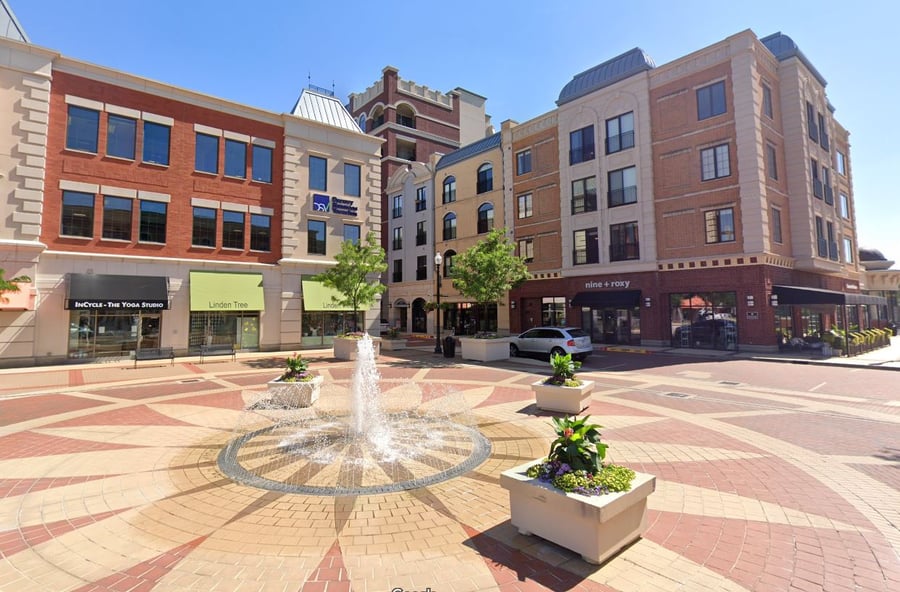
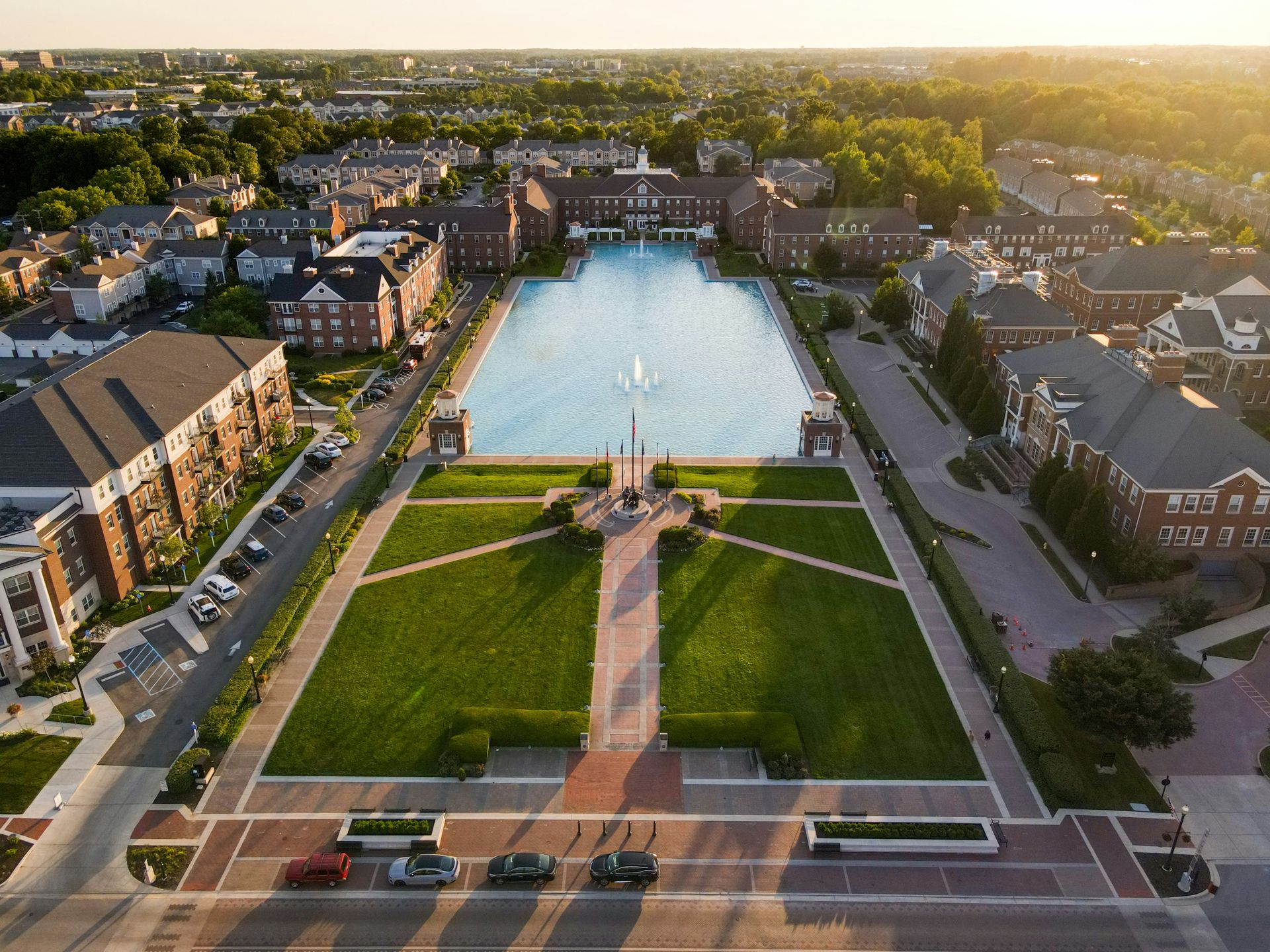
Carmel, Indiana, earns an overall score of 7.2 out of 10, the highest of any city in the 250-city field, and takes the No. 1 position in the Best Places to Live rankings for 2026-2027 after holding the runner-up position the prior year. The city also earns the No. 1 designation in Best Places to Live in Indiana and the No. 1 spot among Best Medium-Sized Cities in the U.S. Its job market index of 7.1 out of 10 reflects a local economy that outperforms similarly sized metro areas, with an unemployment rate of 3.3% against a national average of 4.5%.
Carmel’s median household income of $144,615 is more than 73% above the national median of $83,181, and the city’s 20.9-minute average commute sits 1.4 minutes below the national average. About 103,768 people live in Carmel, with a median age of 39.7. The city’s age distribution shows 26% of residents under 20 and 16% over 65, reflecting an intergenerational community profile that spans active families and longer-tenured residents.
The value index of 5.6 out of 10 reflects that Carmel is not the most affordable city in absolute terms — the median home value of $477,625 exceeds the national average of $359,870 — but the U.S. News value calculation accounts for housing cost relative to income, on which Carmel performs favorably. Carmel’s married share of 60% exceeds the national norm, reflecting the family-oriented demographic that the city’s school reputation and community infrastructure attract. Carmel’s No. 1 overall position reflects a city where above-average income, below-average commute time, a strong job market index, and a high quality-of-life score converge without any single category pulling the overall result down significantly. The 7.1 job market index and the below-average commute time together give working residents both the earning power and the time efficiency that the overall No. 1 score requires to hold across multiple evaluation dimensions.
Credit: City of Fishers
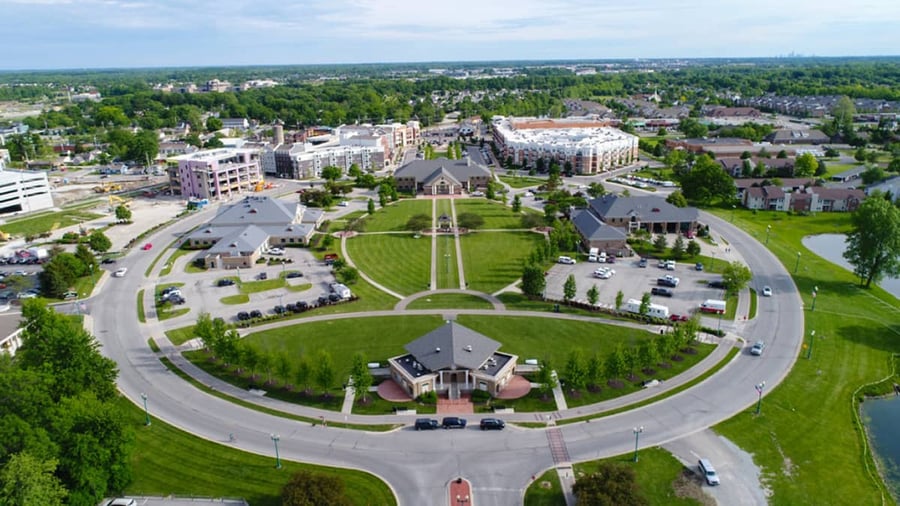
Fishers, Indiana, ties Carmel with an overall score of 7.2 out of 10, earning the No. 2 position in the Best Places to Live rankings and the No. 2 designation in both Best Places to Live in Indiana and Best Medium-Sized Cities in the U.S. Fishers also holds the No. 23 spot in Best Places to Retire, reflecting a livability profile that extends beyond the family-focused demographic. Its unemployment rate of 3.4% sits below the national average, and the median household income of $136,502 is 64% above the national median.
Where Fishers separates itself from its Indiana neighbor is the value index: Fishers scores 7.1 out of 10 for value, compared to Carmel’s 5.6. The gap reflects Fishers’ lower median home value of $405,882 compared with Carmel’s $477,625, resulting in a more favorable ratio of housing costs to household income. Fishers’ median monthly rent of $1,404 is also below Carmel’s $1,457, giving renters a cost advantage alongside the homebuyer advantage.
Fishers has the youngest median age of the two Indiana cities at 36.9, compared with Carmel’s 39.7, and 28% of its population is under 20, a family composition that reflects active household formation and school-age children as the primary drivers of the city’s growth. The city’s 23.7-minute average commute exceeds Carmel’s by about three minutes and runs slightly above the national average. For buyers who want the top-2 overall quality-of-life profile of the Indianapolis suburban corridor but prefer a more favorable home value-to-income ratio, Fishers offers essentially the same scoring tier as Carmel at a lower median housing cost. The 7.1 value index also means Fishers is among the most accessible entry points into the top-two quality-of-life tier in the country, with a home value nearly $72,000 below Carmel’s while sharing the same 7.2 overall score. Fishers’ 60.2% married share and 28% under-20 population also mirror Carmel’s family-oriented demographics, making the two Indiana cities functionally similar community profiles at different price points.
Credit: Flower Mound Official Site
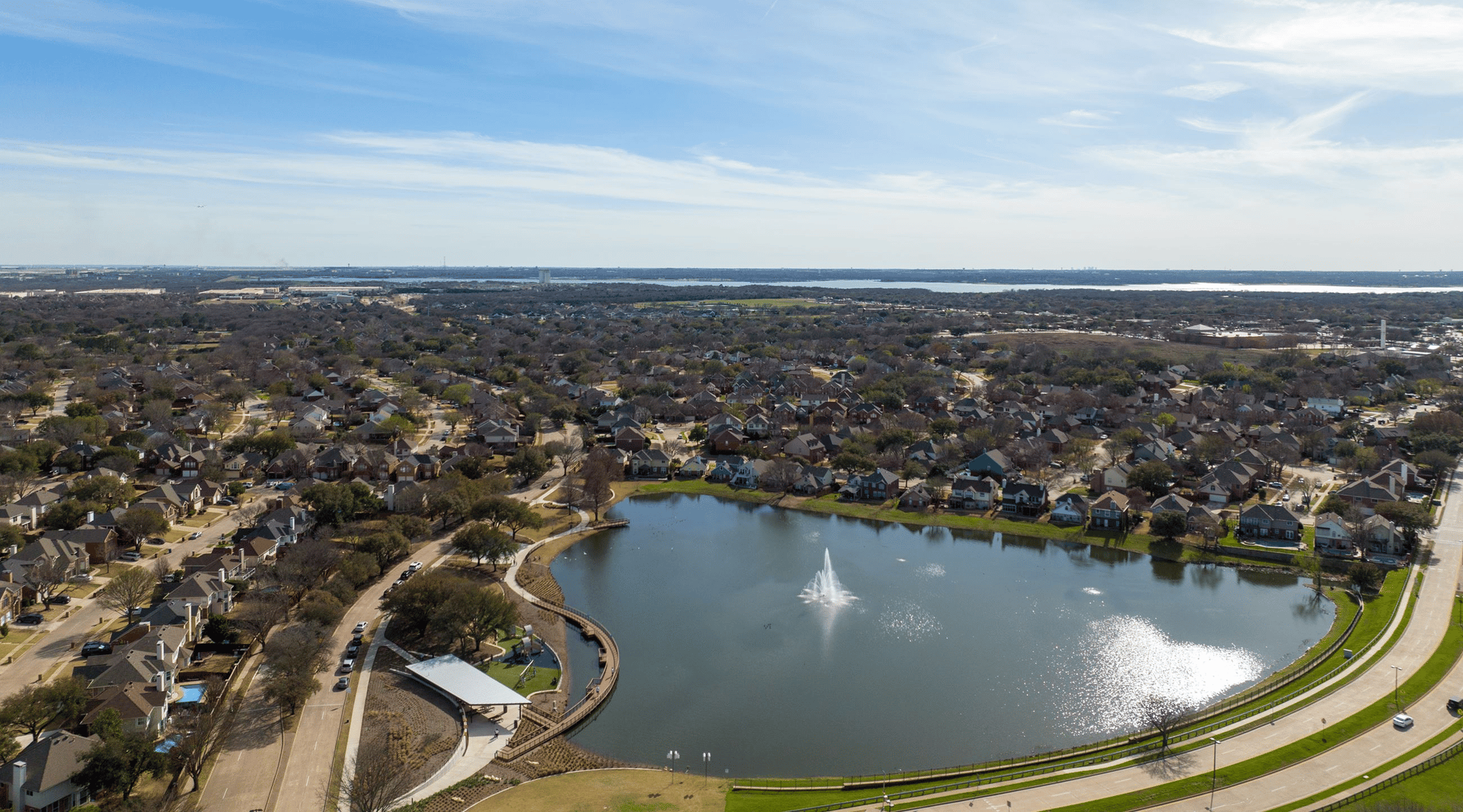
Flower Mound, Texas, earns an overall score of 7.1 out of 10, the No. 3 position in the Best Places to Live rankings, and the No. 1 designation in both Best Places to Live in Texas and Best Small Cities to Live in the U.S. Its job market index of 7.7 out of 10 is among the highest in the top 10, and its unemployment rate of 3.0% is one of the lowest. The median household income of $167,151 is the highest of any city in the top 10, more than double the national median of $83,181.
The median home value of $553,334 reflects the premium that Flower Mound’s high-income demographic and strong job market command. The value index of 6.2 out of 10 indicates that housing costs, while elevated in absolute terms, remain justifiable relative to the income levels the job market supports. About 77,576 people live in Flower Mound, with a median age of 40.9, and 63.1% of the population is married, the highest married share of any city in the top five, reflecting a strongly family-oriented community profile.
Flower Mound sits in the Dallas-Fort Worth metroplex in North Texas, with a 25.8-minute average commute that runs 3.6 minutes above the national average. The city also ranks No. 37 on Best Places to Retire, adding to its broad livability credentials. The highest median household income in the top 10, a 3% unemployment rate, and the strongest Best Small Cities designation in Texas together make Flower Mound the most economically dominant city with a population under 100,000 in this year’s rankings. The city’s No. 37 Best Places to Retire ranking also reflects the income and job-market strength that attract working-age professionals, giving it secondary appeal to retirees who want a high-income community without relocating to a large metro area. Flower Mound’s 32% share of residents between 45 and 65 — the highest in the top five — also signals a maturing demographic that reinforces the retirement-appeal score.

Credit: Ankeny Official Website
Ankeny, Iowa, earns an overall score of 7.1 out of 10 and holds the No. 4 position in the Best Places to Live rankings, along with the No. 1 designation in Best Places to Live in Iowa and the No. 2 spot among Best Small Cities in the U.S. Its unemployment rate of 2.3% is the lowest of any city in the top 10, running more than two percentage points below the national average of 4.5%. The job market index of 7.2 out of 10 confirms that the low unemployment reflects genuine labor market strength, not a statistical artifact of a small or shrinking workforce.
Ankeny’s median home value of $331,417 is below the national average of $359,870, making it the most affordable city by home value in the top five. The value index of 7.2 out of 10 — the highest among cities with a 7.1 overall score — reflects that housing costs align well with the median household income of $107,871. The monthly median rent of $1,094 is the lowest among the top 10 cities in this tier, making it a notably accessible entry point for renters.
Ankeny has the youngest median age in the entire top 10 at 34.8, with 27% of its population under 20 and 15% in the 25-34 age bracket, the highest share of young adults in the top 10 after Leander, Texas. The average commute of 20.8 minutes runs 1.4 minutes below the national average, placing it alongside Carmel as one of the fastest-commuting cities in the top 10. Ankeny’s profile appeals to younger families and early-career professionals who want top-tier livability metrics — low unemployment, affordable housing, short commutes — at a price point below that of every other city in the top five. The 2.3% unemployment rate also means that residents face the lowest probability of job-market disruption of any top-10 city, a stability benefit that compounds over a long residency horizon.
Credit: Johns Creek
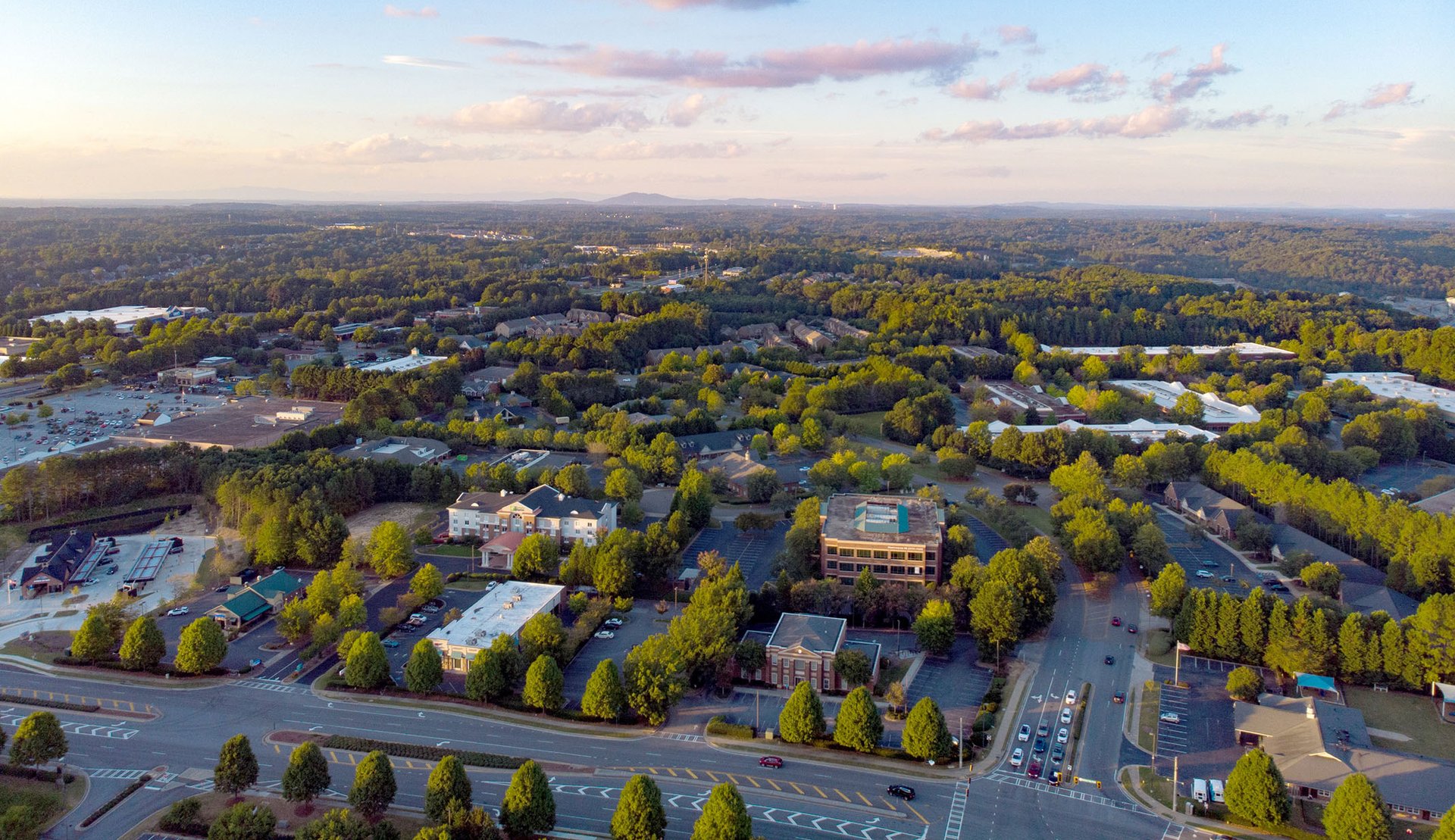
Johns Creek, Georgia, earns an overall score of 7.1 out of 10 and holds the No. 5 position in the Best Places to Live rankings, along with the No. 1 designation in Best Places to Live in Georgia and the No. 3 position among Best Small Cities in the U.S. Its job market index of 7.8 out of 10 is the highest of any city in the top 10, and its unemployment rate of 2.9% reflects a local labor market that consistently outperforms the national average of 4.5%. The median household income of $167,051 essentially ties Flower Mound for the highest in the top 10.
The value index of 4.1 out of 10 is the lowest in the top 10, reflecting the tension between Johns Creek’s high income levels and its even higher housing costs. The median home value of $588,835 is the second-highest among the top five, and the cost-to-income ratio is less favorable than in cities like Ankeny or Fishers. For buyers who prioritize job-market strength and income potential over housing affordability, Johns Creek offers the strongest pairing of those two metrics in the top 10.
About 78,408 people live in Johns Creek, with a median age of 40.2. The city has the highest married share in the top 10 at 64.0%, and 28% of its population is under 20, a demographic profile consistent with a high-income, family-oriented suburb of a major metro area. The average commute of 27.8 minutes runs 5.6 minutes above the national average, reflecting Johns Creek’s position within the Atlanta metropolitan area, where longer commute times are a structural feature of suburban life. The No. 112 Best Places to Retire ranking is the lowest retirement-focused score in the top five, indicating the city’s primary strength lies in its working-age family appeal over retirement livability. The 2.9% unemployment rate and the $167,051 median household income together make Johns Creek the metro Atlanta suburb where job-market performance most directly translates into high household income.

Credit: Hoover Official Website
Hoover, Alabama, earns an overall score of 7.0 out of 10 and holds the No. 6 position in the Best Places to Live rankings, along with the No. 1 designation in Best Places to Live in Alabama and the No. 4 spot among Best Small Cities in the U.S. Its value index of 7.6 out of 10 is the highest of any city in the top 10, reflecting a favorable ratio of housing cost to household income. The median home value of $382,915 is modestly above the national average, while the median household income of $104,005 is 25% above the national median of $83,181.
Hoover’s unemployment rate of 2.6% is among the lower figures in the top 10, and the job market index of 6.9 out of 10 confirms a labor market that outperforms similarly sized cities. The 23-minute average commute runs slightly above the national average but represents a practical daily drive time. About 91,649 people live in Hoover, with a median age of 37.8. The city’s age distribution shows 18% of residents over 65, the highest over-65 share of any city in the top six, which contributes to its No. 152 ranking on the Best Places to Retire list.
The top-10’s highest-value index, competitive home values relative to peer cities, and the strong unemployment figure together make Hoover's affordability story the most compelling of any city, with a 7.0 overall score. For buyers who want a top-10 quality-of-life city without the premium home prices of Texas or Georgia suburbs at comparable income levels, Hoover delivers the value index to support that case. Its No. 1 Alabama designation also reflects its position within a state where the competition for the top spot is genuine. The value index of 7.6 also gives Hoover a specific advantage for buyers relocating from higher-cost markets who want to maintain quality-of-life standards while reducing housing expenditure as a share of income.

Credit: City of Rochester
Rochester Hills, Michigan, earns an overall score of 7.0 out of 10 and holds the No. 7 position in the Best Places to Live rankings. Its most distinctive credential is the No. 14 position in the Best Places to Retire rankings, the strongest retirement ranking of any city in the top 10 by a wide margin, with the next-closest being Fishers at No. 23. This retirement appeal reflects an age distribution skewed older than most cities on the list: 20% of Rochester Hills residents are over 65, tied with Sugar Land for the highest over-65 share in the top 10, and the median age of 40.8 is among the higher figures in the group.
The median home value of $388,231 sits just above the national average, and the value index of 5.7 out of 10 reflects moderate affordability relative to similarly sized cities. The median household income of $119,938 is 44% above the national median, and the unemployment rate of 3.7% remains below the national average of 4.5%, though it is the highest among cities with a 7.0 overall score. The job market index of 6.4 out of 10 is the lowest in the top 10, suggesting that while the labor market is healthy, it does not carry the same competitive strength as Johns Creek’s 7.8 or Flower Mound’s 7.7.
Rochester Hills also holds the No. 1 Best Places to Live in Michigan designation, confirming it as the highest-quality livable city in a state with multiple competitive mid-sized suburban markets. The 21.3-minute average commute runs slightly below the national average. The city’s blend of a strong retirement ranking, the highest over-65 demographic share in the top 10 alongside Sugar Land, and the No. 1 Michigan designation gives it a specific profile: a top-tier livable city whose quality of life metrics appeal most to the pre-retirement and retirement demographic more than the young-family profile that dominates the Indiana and Texas cities above it.

Credit: Leander Official Website
Leander, Texas, earns an overall score of 7.0 out of 10 and holds the No. 8 position in the Best Places to Live rankings, along with the No. 2 Best Places to Live in Texas designation and the No. 6 spot among Best Small Cities in the U.S. Its median age of 36.0 is the lowest of the four Texas cities in the top 10, and 27% of its 81,757 residents are under 20, reflecting the youngest household composition among Texas’s top-ranked cities. The 35-44 age bracket represents 19% of Leander’s population, the highest share of that prime family-formation age group in the top 10.
Leander’s job market index of 7.5 out of 10 is strong, and its unemployment rate of 2.8% is well below the national average. The median household income of $143,568 is 72% above the national median. The value index of 7.2 out of 10, matching Ankeny and Fishers for the most favorable value reading in the top 10, indicates that housing costs align well with the income the job market supports. The median home value of $495,712 exceeds the national average, but the income-to-housing ratio produces a favorable value score.
The average commute of 29.6 minutes is the longest in the top 10 and runs 7.3 minutes above the national average, reflecting Leander’s position in the Austin metropolitan area, where suburban growth has outpaced highway infrastructure. Leander holds the No. 58 Best Places to Retire designation, a mid-tier ranking that reflects its current demographic emphasis on younger working families rather than retirees. For buyers who want the Austin job market’s income and employment benefits in a city with family-oriented demographics, a favorable value index, and a strong quality-of-life score, Leander provides the profile, with the trade-off of the longest average commute in the top 10. The commute length also reflects the Austin area’s ongoing infrastructure challenge: a labor market that has grown faster than the road and transit network required to distribute workers across the metro area efficiently.

Credit: Frisco Official Website
Frisco, Texas, earns an overall score of 6.9 out of 10 and holds the No. 9 position in the Best Places to Live rankings, along with the No. 3 Best Places to Live in Texas designation and the No. 3 spot among Best Medium-Sized Cities in the U.S. At 229,028 residents, Frisco is by far the largest city in the top 10 — more than twice the size of the second-largest, Sugar Land — and its scale distinguishes it from the smaller suburban cities that dominate the upper portion of the list. The median age of 37.0 and 28% of residents under 20 confirm an active family demographic consistent with the Texas suburban pattern.
The median household income of $152,749 is the second-highest among the four Texas cities in the top 10 after Flower Mound’s $167,151, and the unemployment rate of 4.0% is the highest in the top 10, running closest to the national average of 4.5% among top-ranked cities. The job market index of 6.8 out of 10 is solid. The value index of 5.3 out of 10 is among the lower readings in the top 10, driven by the median home value of $627,426, the highest of the Texas cities in the rankings and well above the national average.
The average commute of 25.7 minutes runs above the national average, and the No. 186 Best Places to Retire ranking reflects Frisco’s orientation toward working families over retirees, with only 10% of its population over 65, the lowest over-65 share in the top 10. Frisco’s scale means residents have access to the range of retail, dining, healthcare, and recreational infrastructure that larger cities generate, which smaller top-10 cities cannot match. The trade-off is higher home prices and a value index that favors buyers seeking the most housing per dollar. Frisco’s scale, however, also means it offers the diversity of retail, dining, and healthcare options that only larger cities generate, which smaller top-10 cities sacrifice in exchange for their tighter community character.

Credit: Visit Sugar Land
Sugar Land, Texas, earns an overall score of 6.9 out of 10 and holds the No. 10 position in the Best Places to Live rankings, along with the No. 4 Best Places to Live in Texas designation and the No. 4 spot among Best Medium-Sized Cities in the U.S. Its median age of 42.8 is the highest in the top 10, and 20% of its 114,818 residents are over 65, tied with Rochester Hills for the highest over-65 share in the rankings. The city’s No. 66 Best Places to Retire ranking reflects this older demographic profile and the livability strengths it implies for residents in later career and post-career stages.
Sugar Land’s median household income of $140,511 is 69% above the national median, and the unemployment rate of 3.8% sits below the national average. The job market index of 6.7 out of 10 is competitive. The value index of 7.0 out of 10 reflects a favorable ratio of the median home value of $431,815 to the incomes the local job market supports, giving Sugar Land a stronger value profile than Frisco despite the Houston metropolitan area location the two cities share, given their different regional positions.
The average commute of 27.6 minutes exceeds the national average, consistent with the Houston area’s suburban commute distances. The 61% married share is above average for the top 10, and 25% of residents are under 20, indicating that families with school-age children remain a significant portion of the population alongside the older resident share. Sugar Land’s position as the oldest-demographic city in the top 10 gives it a specific appeal: buyers and renters who want a top-10 quality-of-life city in the Houston metro area with a strong value index, above-average retirement livability credentials, and a settled community feel will find that Sugar Land’s demographic profile and value score support that combination better than Frisco’s more youthful, higher-priced profile.
