From a 61% drop in the Tesla Model S to a Maserati Levante that left the market entirely, the cars that lose value fastest
Credit: Volkswagen
Depreciation is the silent cost of owning a new car. The sticker price is what buyers focus on, but the rate at which a vehicle loses value after purchase determines the actual long-term cost of ownership, unlike fuel economy and insurance rates. A car that depreciates quickly costs more to own than its sticker price suggests, because the gap between what you paid and what you could sell it for widens faster than it would with a vehicle that holds its value better. For the buyer who plans to trade in or sell within a few years, the depreciation rate is as important a financial metric as the purchase price itself.
The pattern of which vehicles depreciate fastest reflects some consistent structural factors. Luxury vehicles depreciate more quickly than mainstream ones because their high initial prices result in greater absolute dollar losses, even when the percentage decline is comparable. Electric vehicles have shown accelerated depreciation in recent years, partly because the technology advances so quickly that a three-year-old EV may lack features and range that current models offer. Vehicles with high initial prices, tied to limited production or a startup brand, carry an additional risk premium that buyers discount steeply as the initial novelty fades.
The 10 vehicles below come from U.S. News & World Report’s analysis of the fastest-depreciating 2022 model-year vehicles, comparing the average of new high and low MSRPs against the average of used high and low prices. The source also reports J.D. Power predicted reliability scores for each vehicle where available. The first 10 entries on the full 15-vehicle list appear here, covering a range of electric luxury sedans, electric SUVs, one gasoline crossover, and a discontinued Italian SUV.
Credit: Tesla
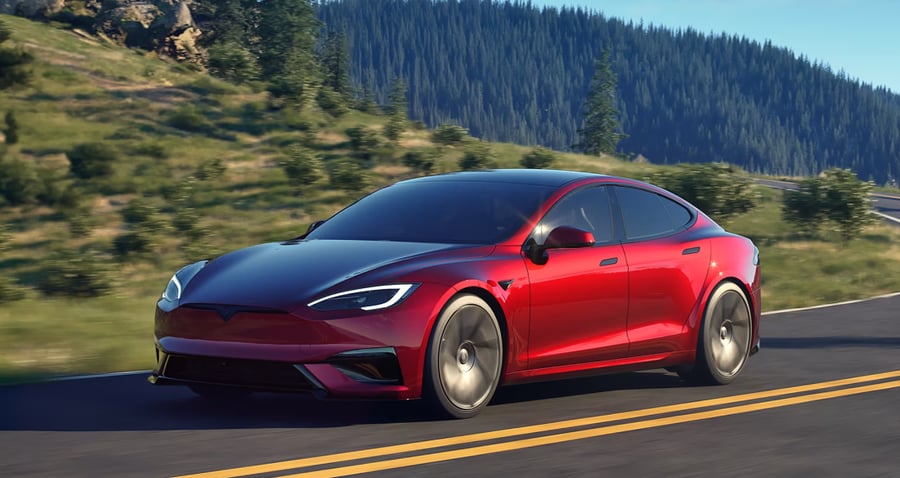
The 2022 Tesla $TSLA Model S lost 61.53% of its value — the steepest depreciation rate on this list — shedding $74,132 in absolute dollar terms from an average new price of $120,490 down to an average used price of $46,359. The source notes that the high average new price reflects the inclusion of the high-performance Plaid model, which achieves a 0-to-60-mph sprint in roughly 2 seconds, impressive as an engineering achievement but providing little practical benefit in everyday driving. The Model S holds a reliability rating of 75 out of 100.
Tesla announced in January that it will discontinue the Model S and the Model X $TWTR by the middle of 2026. The discontinuation makes used models the only future path for buyers who want either nameplate, which could affect how these vehicles hold or lose value going forward. The source suggests the used Model S could serve as an accessible entry point into the luxury electric sedan segment for shoppers who want the experience without the new-car price.
The 61.53% loss is not just the highest on this list. It is nearly two-thirds of the vehicle’s original value, which the source bluntly characterizes as bad, regardless of the underlying reasons. The Plaid’s extreme performance pricing inflated the average new price calculation, which amplifies the depreciation percentage relative to what a base Model S buyer would have experienced. The Model S’s position as the fastest-depreciating vehicle on the list reflects the convergence of several factors: Tesla’s pricing volatility, the rapid evolution of EV technology, and the Plaid trim’s contribution to an average new price that set an unusually high baseline for the depreciation calculation. The Model S’s discontinuation by mid-2026 means buyers who want the nameplate have no new-car alternative, which will shape how the used market prices remaining examples. The 61.53% depreciation rate and discontinued production together make the Model S one of the clearest used-market opportunities on this list for buyers who can accept both the brand risk and the technology gap.
Credit: Tesla
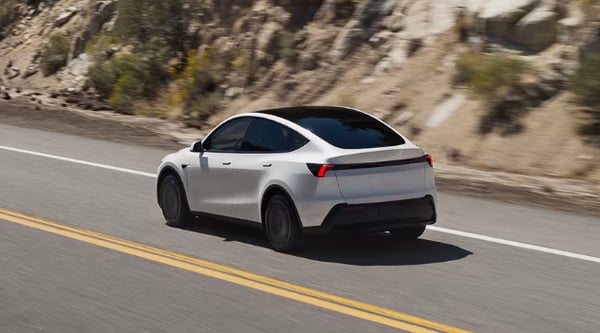
The 2022 Tesla $TSLA Model Y shed 56.64% of its value, losing $38,510 from an average new price of $67,990 to an average used price of $29,480. The Model Y holds a reliability rating of 73 out of 100. The source notes a counterintuitive result in this figure: the Model Y, as Tesla’s second-most-affordable model, depreciated more severely in percentage terms than the larger and more expensive Model X $TWTR, a result that reflects factors specific to the Model Y’s pricing history.
Tesla’s pricing structure for the Model Y plays a central role in its depreciation. The company frequently and substantially altered the vehicle’s price over the period in question, and at times, those pricing decisions made purchasing a new Model Y more financially attractive than buying a used one. The redesigned 2026 Model Y, for instance, carries a starting price well below what the 2022 model’s used versions sell for, which directly undercuts the value retention of used 2022 examples.
The Model Y is one of Tesla’s bestselling models and one of the most popular vehicles in the U.S. by volume. High popularity did not protect it from depreciation, as the primary driver of its value loss is not demand but its pricing strategy. The source identifies Tesla’s habit of changing model pricing with little or no notice as a key factor in the brand’s depreciation across all models. For used-car shoppers, the Model Y’s 56.64% depreciation rate makes it a vehicle worth targeting: the used price reflects a steep discount from what original buyers paid, and the underlying vehicle remains one of the most capable and feature-rich electric SUVs available at its current market price. The Model Y’s steep depreciation demonstrates that high sales volume does not protect a vehicle’s resale value when the manufacturer’s own pricing strategy actively undercuts the used market. Tesla’s willingness to price new Model Ys below the prevailing used-market price is the most direct cause of the Model Y’s 56.64% loss.
Credit: Tesla
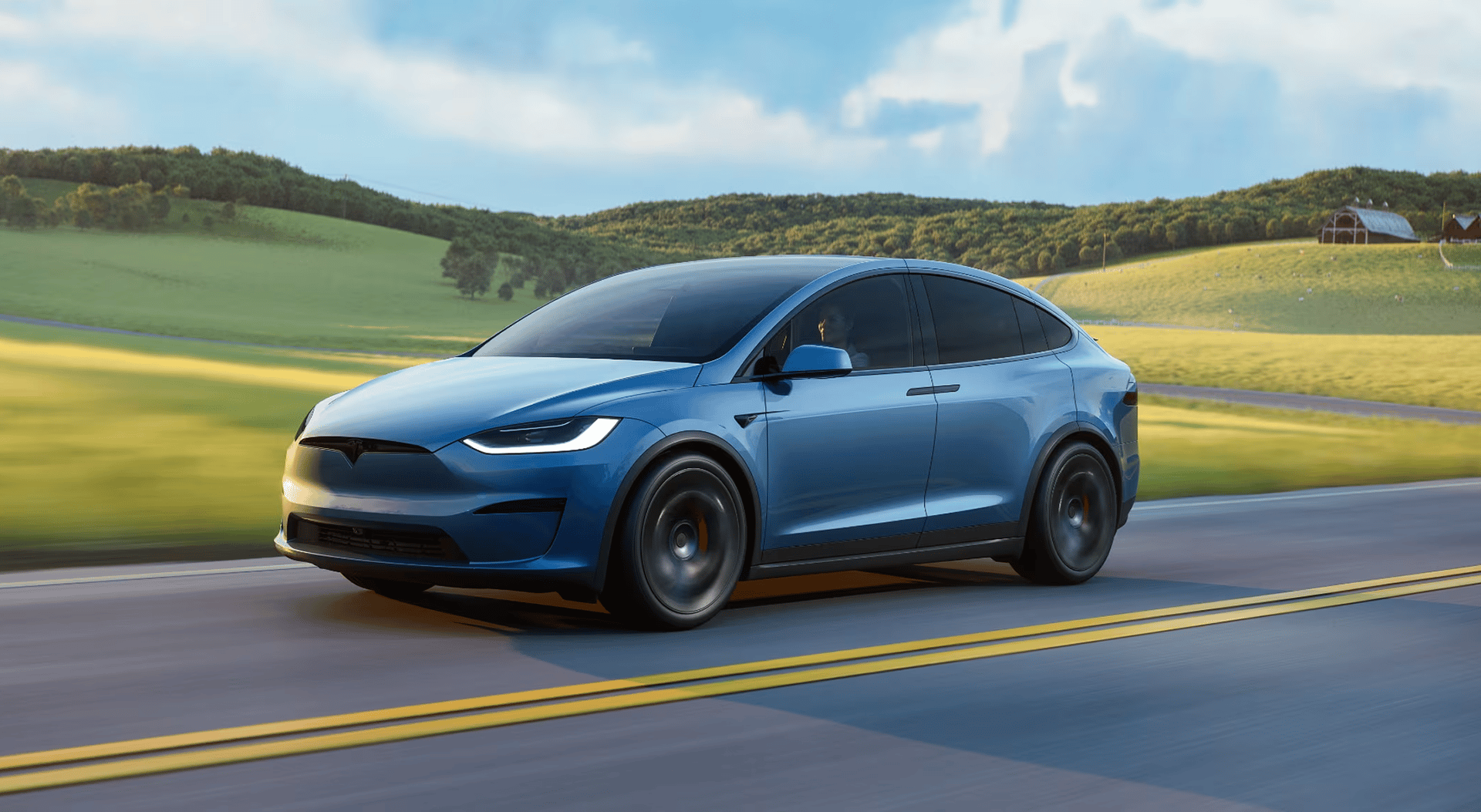
The 2022 Tesla $TSLA Model X $TWTR lost 55.23% of its value, shedding $71,792 from an average new price of $129,990 — the highest average new price of any vehicle on this list — down to an average used price of $58,198. The Model X holds a reliability rating of 72 out of 100, the lowest among the four Tesla models on this list. Despite the high initial price, the Model X has perennially finished in the bottom quartile of U.S. News luxury electric SUV rankings, suggesting that the market eventually priced the vehicle at what it felt it was worth, not at what Tesla originally charged.
The Model X’s design choices are a specific factor in its depreciation. The Falcon-wing rear doors and the bulbous exterior shape are features that the source describes as polarizing: appealing to some buyers and awkward to others. The design has aged faster visually than Tesla’s sedan models, which the source attributes to those same distinctive design elements. Vehicles whose appeal depends on a strong reaction to unusual styling tend to depreciate more quickly as the initial novelty wears off and the design stops generating positive attention.
Tesla announced the discontinuation of the Model X alongside the Model S, with both exiting production by mid-2026. The discontinuation affects the used market calculus going forward: with no new Model X entering production, used examples become the only option for buyers who specifically want the nameplate. The source notes that the Model X and Model S share a trajectory — same brand, same pricing volatility, same discontinuation timeline — that makes both vehicles candidates to watch in the used market as their supply becomes fixed and future price movements become harder to predict. The Model X’s Falcon-wing doors, which cost significantly more to repair than conventional SUV doors when damaged, also represent an ongoing ownership cost that the used market likely prices into the discounted selling price.
Credit: Lucid
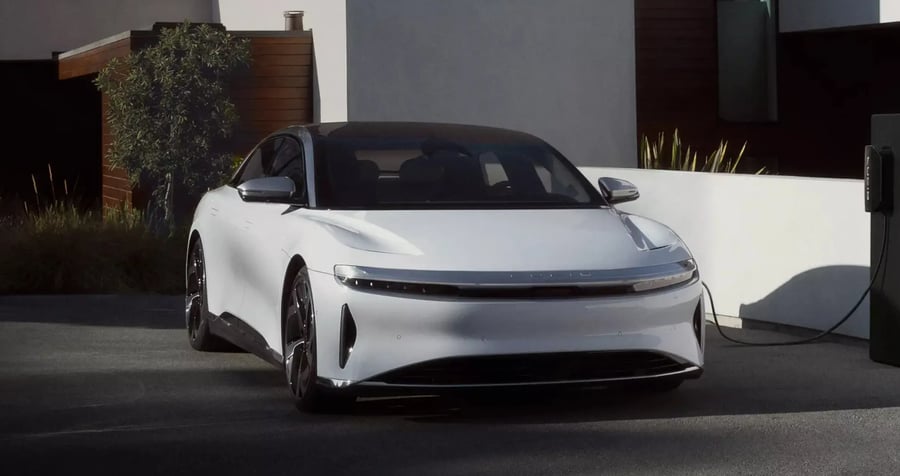
The 2022 Lucid $LCID Air lost 54.74% of its value, shedding $70,172 from an average new price of $128,200 to an average used price of $58,029. No reliability rating is available for the Lucid Air. The source’s characterization of the vehicle itself is notably positive: the Lucid Air checks every luxury box, delivers strong performance even in its base Pure configuration, and offers range that exceeds its rivals by a wide margin. The depreciation reflects factors unrelated to the vehicle’s objective quality.
Lucid occupies an unusual position in the automotive market. As a startup EV company, it operates more like a technology company than an automobile manufacturer, and both industries have high failure rates for new entrants. Buyers who consider a six-figure luxury purchase from an unknown brand face a risk that the brand might not survive long enough to support the vehicle through its ownership life. Parts availability, software support, and warranty claims all depend on the manufacturer’s continued operation. The source notes that Lucid was still operating as of 2026 and that the brand’s risk profile may be improving as it demonstrates staying power.
The Lucid Air’s depreciation illustrates a dynamic that the source identifies as common to fast-depreciating vehicles: very expensive luxury EVs lose value quickly regardless of quality. The Air is arguably the best vehicle on this entire list in terms of what the underlying product delivers, yet it sits fourth on the depreciation ranking. The brand risk premium that buyers discount when purchasing a Lucid — over a Tesla $TSLA, BMW, or Mercedes — reflects consumer uncertainty about a company that has not yet demonstrated the decades-long market presence of its competitors. The Air’s depreciation rate puts it in a difficult position as a recommendation: it is arguably the best vehicle on this list by any objective quality measure, yet its brand risk profile and its price class produce the same value erosion pattern as technically inferior competitors.
Credit: Tesla
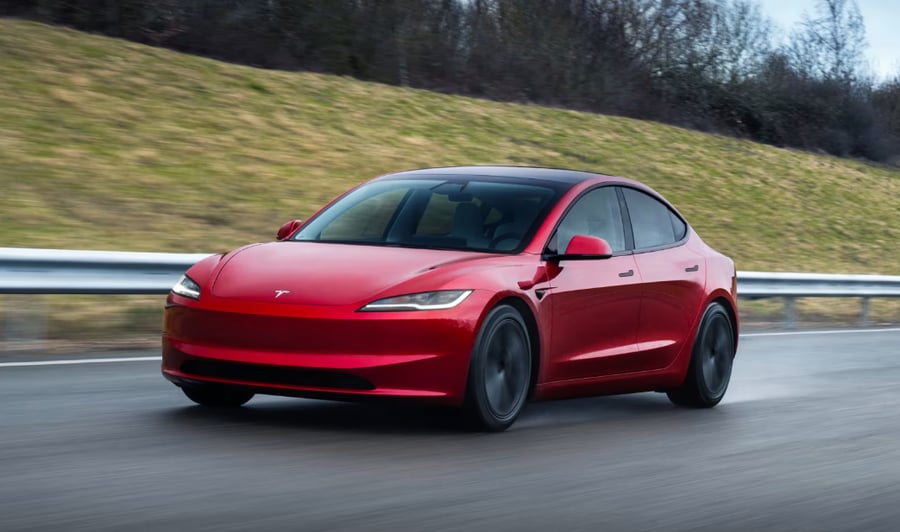
The 2022 Tesla $TSLA Model 3 lost 53.31% of its value, shedding $29,315 from an average new price of $54,990 to an average used price of $25,675. It holds a reliability rating of 75 out of 100, tying the Model S for the highest reliability score among the Tesla models on this list. The source notes that the Model 3 is generally Tesla’s cheapest new model, resulting in the smallest absolute dollar loss among the four Tesla vehicles here, even though the percentage decline remains steep.
The source identifies a systemic explanation for why all four Tesla models appear in the top five of the fastest-depreciating vehicles: Tesla frequently changes models’ specifications and trim levels without prior notice, and has a history of altering vehicle prices dramatically and without apparent reason. Industry-wide supply shortages elevated new Tesla prices in 2022, and those prices have since declined substantially even as the vehicles’ performance has improved, making it difficult to construct a financial case for a used Tesla at current market conditions.
The Model 3’s presence at the lower end of the Tesla depreciation range — 53.31% compared to the Model S’s 61.53% — reflects a structural difference in how lower-priced vehicles within a brand’s lineup absorb value loss. The source also notes that the Cybertruck may join this list in the coming years: used Cybertruck prices relative to original purchase prices suggest a trajectory consistent with the other Tesla models, but insufficient data were available at the time of the analysis. The four Tesla entries in the top five positions on this list represent the most concentrated brand-specific depreciation pattern anywhere in the automotive market. The source also flags the Cybertruck as a likely future addition based on current used pricing data, suggesting that Tesla’s depreciation pattern extends to its newest products. The Model 3’s position at the lower end of the Tesla range reflects how a lower starting price creates less room for absolute dollar loss, even when percentage drops are similar.
Credit: Polestar
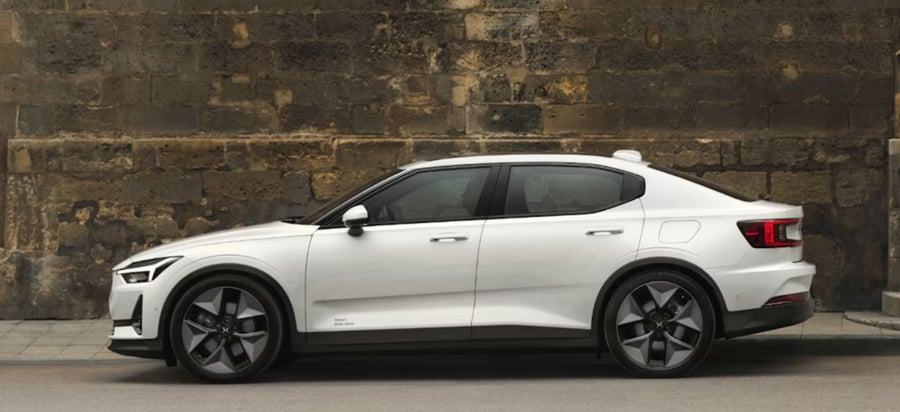
The 2022 Polestar 2 lost 52.48% of its value, shedding $25,140 from an average new price of $47,900 to an average used price of $22,760. Its reliability rating of 58 out of 100 is the lowest of any vehicle on this list with an available score, a figure that the source suggests did not actively drive its depreciation but almost certainly did not help it either. The Polestar 2 was the first model the brand launched after splitting off from parent company Volvo, giving it a debut-model position that carried both the promise of independence and the risks of an unestablished brand track record.
The source cites a 2024 Wired article that identifies the Polestar 2 as subject to sharp, frequent fluctuations in value. A contributing factor the source identifies is low new-vehicle sales volume, which results in low used-vehicle inventory. Thin inventory typically moves in two directions depending on demand: if the car retains strong demand, low supply can support prices, but if demand is modest, low supply simply means the vehicle sells for whatever buyers are willing to pay, without the volume pressure that would establish a more stable market price.
The Polestar 2 fell short in efficiency and range relative to its electric crossover competitors at the time of its 2022 model year, which the source identifies as factors alongside the reliability concerns and the low-volume inventory dynamic. By luxury EV standards, Polestar priced the 2 accessibly, but underperformance relative to rivals, a new brand without established residual value history, and the reliability rating together created the conditions for steep depreciation. Shoppers willing to accept the used-market price and the reliability question may find the Polestar 2 an appealing buy. The source notes it is posh and fairly priced in the used market at its current depreciated level. The brand’s continued operation in 2026 also reduces ownership risk compared to 2022, when Polestar’s long-term viability was less certain.
Credit: Chevrolet
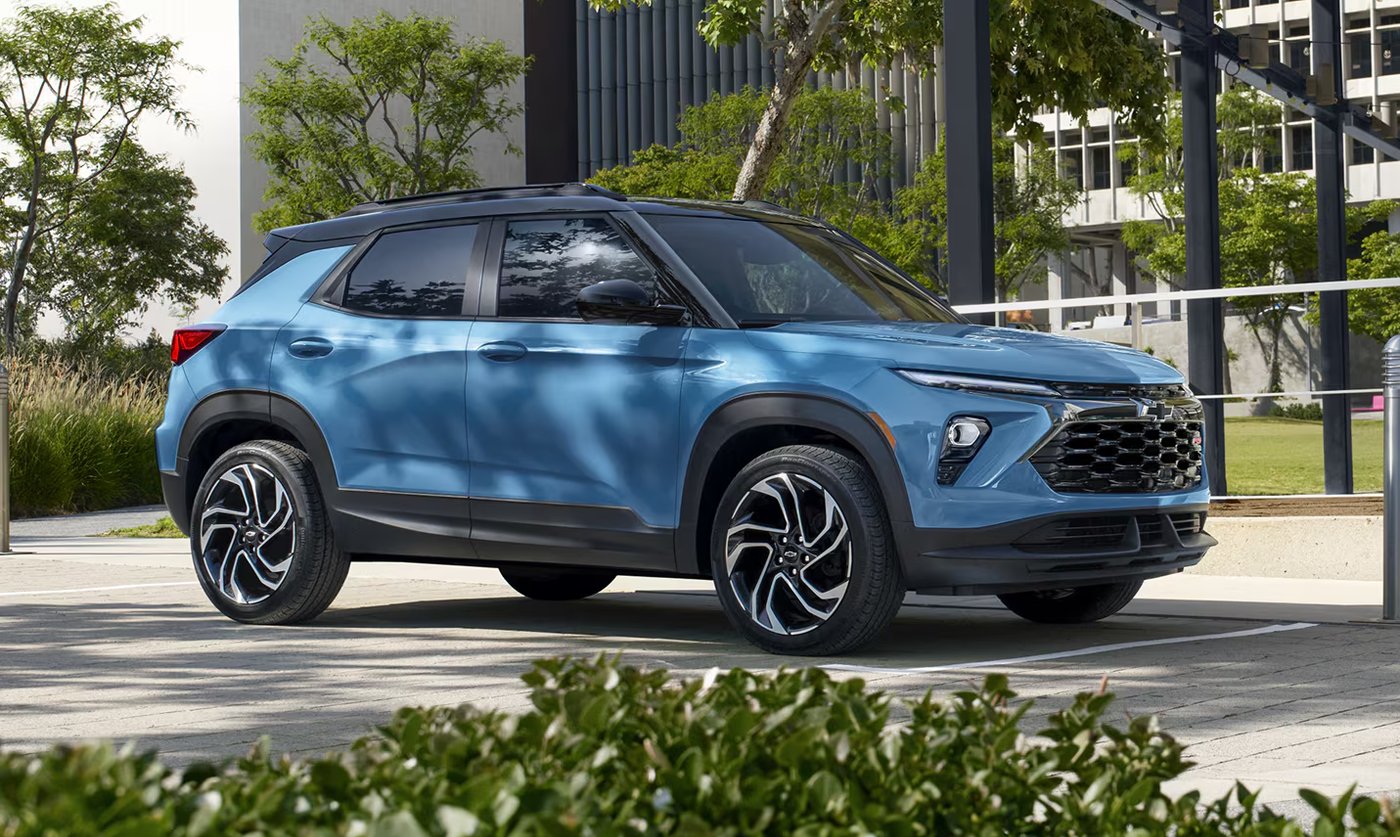
The 2022 Chevrolet Trailblazer lost 51.99% of its value, shedding $12,789 from an average new price of $24,600 to an average used price of $11,811. It holds a reliability rating of 86 out of 100, the highest of any vehicle on this list. The score's presence here is more surprising, not less. The Trailblazer is the first gasoline-powered vehicle on the list, breaking a six-car streak of electric vehicles, and the source notes that its appearance is unfortunate given its positive record in its class.
The Trailblazer had recently returned from a long market hiatus when Chevrolet produced the 2022 model year, which the source identifies as relevant context. Vehicles that re-enter the market after an extended absence face a demand-building challenge: buyers who might have defaulted to the nameplate based on long-term familiarity have shifted loyalties during the hiatus, and the returning model must re-establish itself against competitors that have emerged more recently. The 2022 Trailblazer performed well in its class rankings and offered a decent value proposition at its original price point.
The Trailblazer’s 86 reliability rating sets it apart from every other vehicle on this list with an available score, which suggests that its depreciation is driven by market forces, not quality concerns. The source explicitly states that no significant issues have emerged with the 2022 model, reinforcing that the value loss reflects the structural dynamics of a returning nameplate in a segment with many alternatives, not any flaw in the vehicle itself. For used-car shoppers seeking a small gasoline crossover, the source describes the Trailblazer as a vehicle with deals available. The 86 reliability score and the low average used price give it a strong value case for subcompact gas crossover shoppers seeking a vehicle with no meaningful mechanical risk. The Trailblazer’s depreciation reflects EV-level value loss applied to a gasoline vehicle, which is unusual enough to signal a buying opportunity for value-focused shoppers.
Credit: Volkswagen
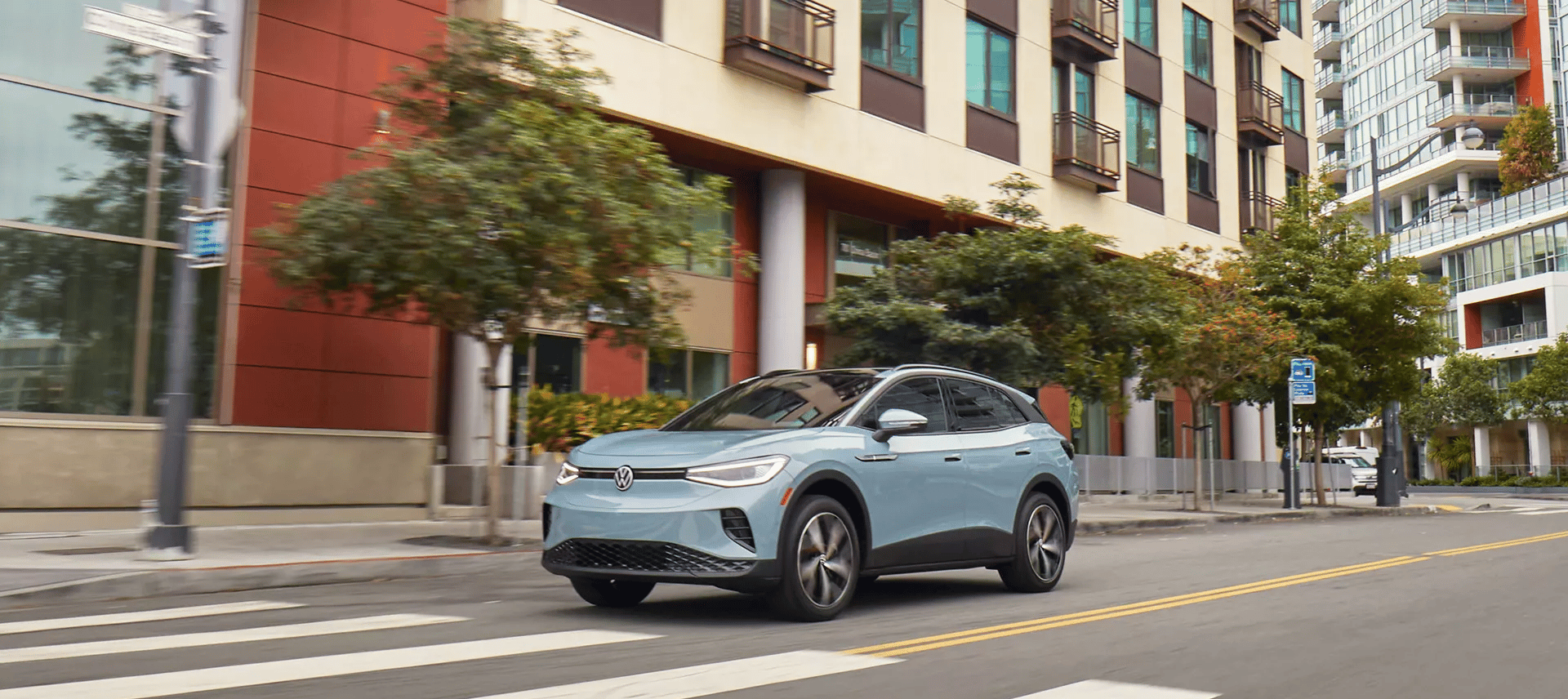
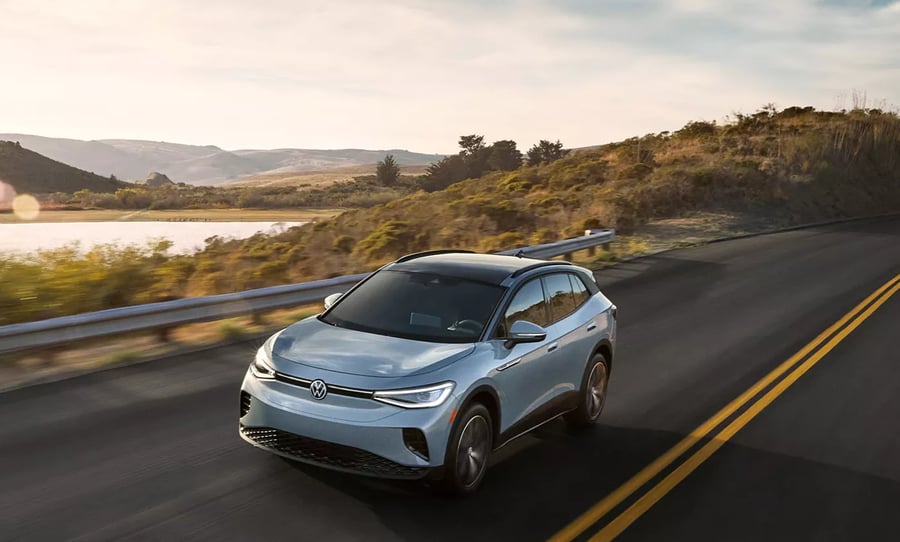
The 2022 Volkswagen ID.4 lost 51.33% of its value, shedding $23,264 from an average new price of $45,320 to an average used price of $22,057. Its reliability rating is 54 out of 100, the second-lowest among vehicles on this list with available scores. The ID.4 was Volkswagen’s first electric model as the automaker shifted toward electrification, and it finished sixth out of six vehicles in the 2022 U.S. News electric SUV class rankings, finishing last in that year’s field. The 2026 ID.4 continues in the lower half of a class that has since grown to more than 20 models.
The source offers a layered explanation for the ID.4’s depreciation. The primary factor it identifies is the vehicle’s inability to distinguish itself in a rapidly expanding electric SUV segment: when a product cannot establish a compelling advantage over competitors, used-market buyers have no specific reason to favor it. A secondary factor mirrors a pattern seen elsewhere in this list. When the 2022 ID.4 was 1 or 2 years old, the new-vehicle market offered compelling alternatives at similar price points, reducing the incentive to buy used.
The ID.4’s 2022 market position as Volkswagen’s inaugural EV entry also meant it arrived during a period when the competitive field was evolving quickly. First-generation electric vehicles from established automakers have consistently struggled with depreciation because their technology is superseded more quickly than that in conventional vehicles. The ID.4’s last-place class ranking in 2022, its below-average reliability score, and its failure to develop a distinct market identity within the EV segment together explain why the used market discounted it so aggressively. The ID.4’s continued bottom-half position in a class that has grown to more than 20 models also suggests the vehicle has not improved its competitive standing over time, which makes used-market demand for it structurally weak going forward. The ID.4’s case illustrates why brand-new entrants into a fast-moving technology category often struggle to retain value: the gap between a first-generation product and its successors is typically widest in the earliest years.
Credit: Mercedes-Benz
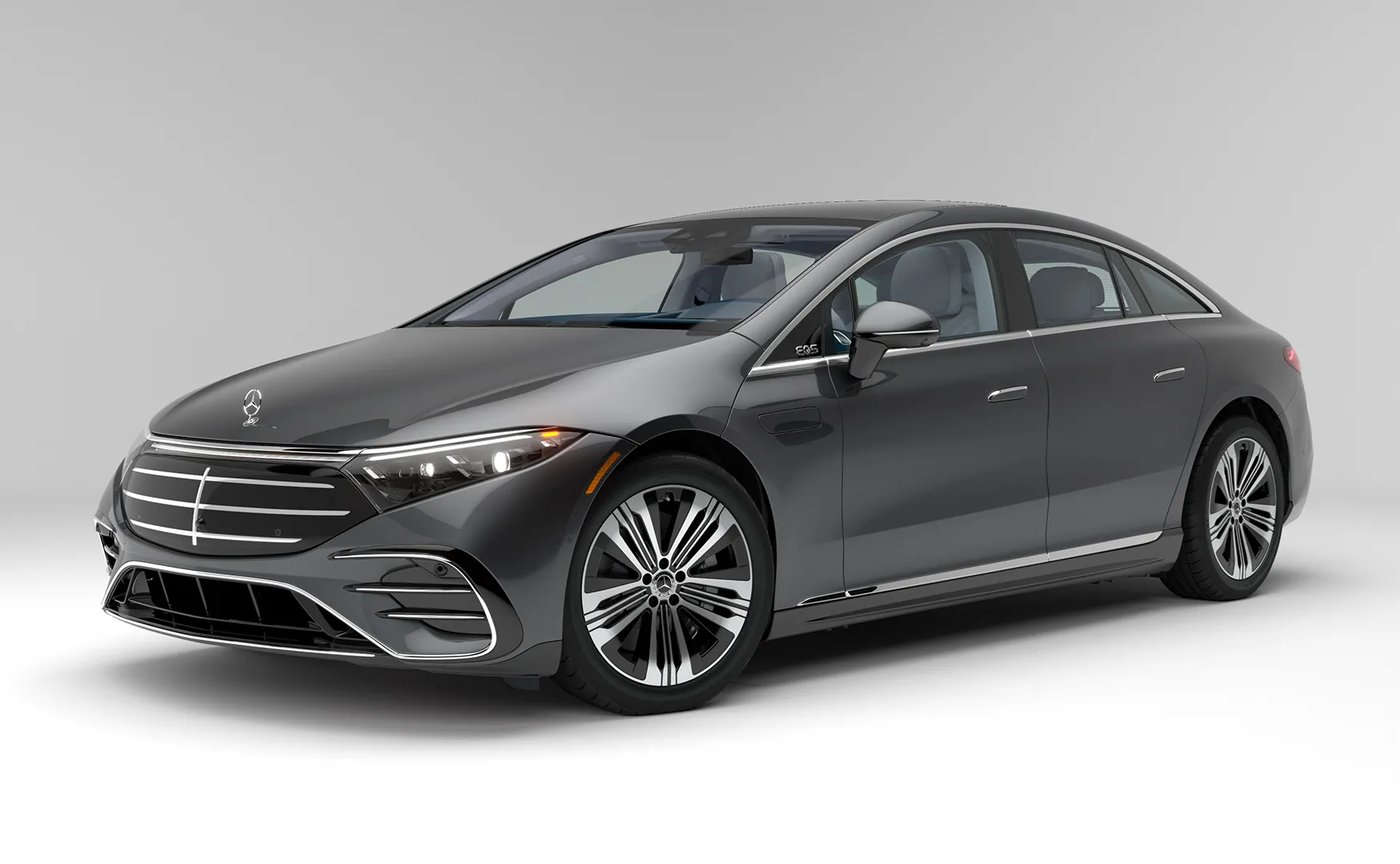
The 2022 Mercedes-Benz EQS Sedan lost 50.81% of its value, shedding $63,990 from an average new price of $125,950 to an average used price of $61,960. It holds a reliability rating of 79 out of 100. The source characterizes the EQS as a vehicle that entered the market confidently, representing the luxury EV as many buyers imagined it should be: handsome, stylish, powerful, and premium-priced. The price tag itself is the primary reason the source gives for its appearance on this list.
The EQS’s primary criticism is a touchscreen interface whose menus, the source says, are cumbersome even for simple functions, drawing wider criticism across automotive coverage when the vehicle launched. The source’s test driver describes the rest of the ownership experience positively: all EQS trim levels offer luxurious appointments, the seats earn praise as wonderful, and the cabin is large and airy, with an arching roofline that the source notes serves an aerodynamic function, not merely an aesthetic one.
The EQS illustrates the depreciation pattern that runs through most of the top half of this list: six-figure luxury EVs shed large absolute dollar amounts even at moderate percentage declines, and the EQS’s 50.81% loss converts to nearly $64,000 in lost value. For buyers seeking a spacious, luxurious electric sedan with Mercedes-Benz quality, the used EQS offers a substantial discount off the original price. The primary caveat the source identifies is the touchscreen interface, a design decision that creates a friction point in the daily experience of a vehicle whose other attributes are genuinely first-class. The EQS also illustrates why absolute dollar loss matters as much as percentage decline: at just over 50%, its depreciation rate is lower than the top five vehicles on this list, yet the raw dollar amount lost exceeds most of them. The EQS’s touchscreen criticism also illustrates how a single significant design flaw can color the entire ownership perception of an otherwise excellent vehicle, contributing to the depreciation by reducing the pool of buyers willing to accept the trade-off.
Credit: Maserati
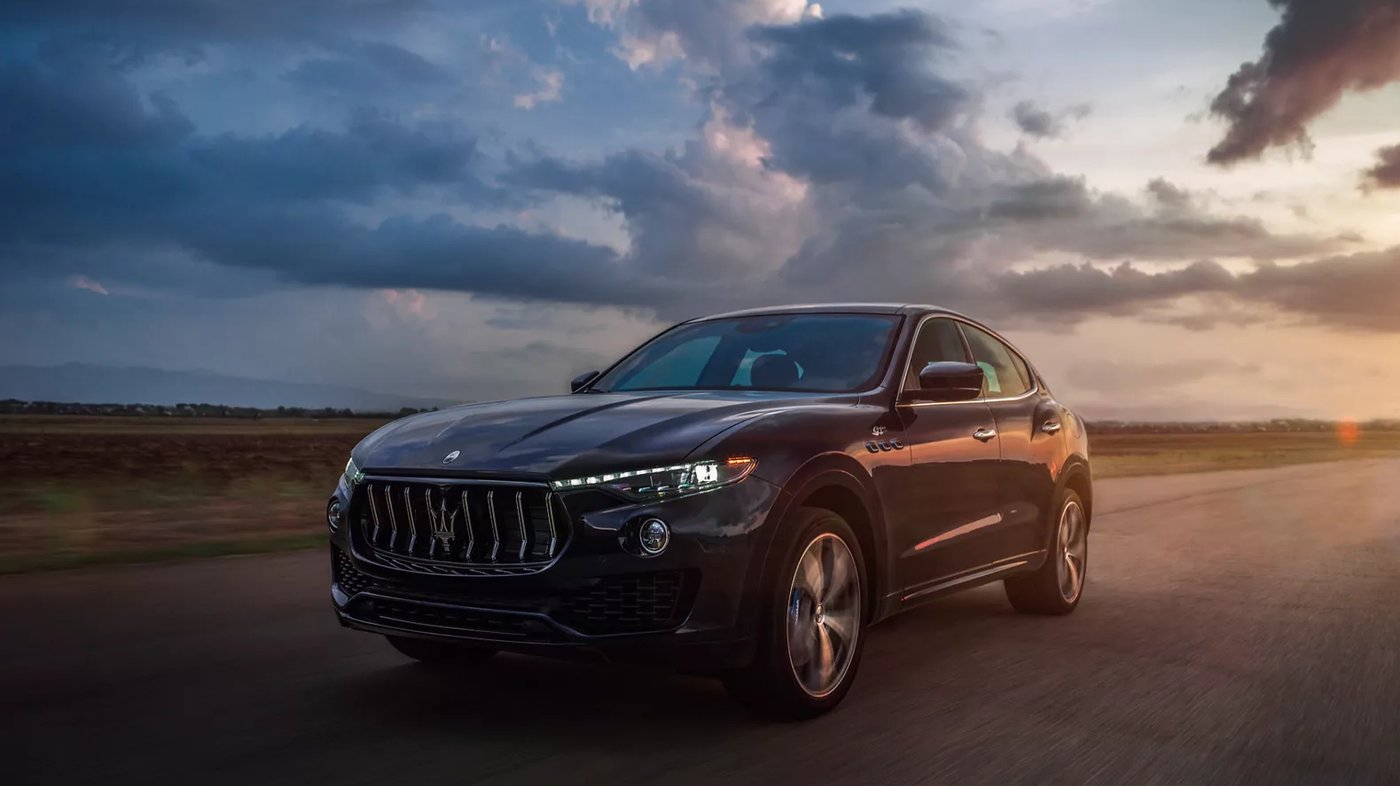
The 2022 Maserati Levante lost 48.17% of its value, shedding $55,999 from an average new price of $116,250 to an average used price of $60,251. No reliability rating is available. Maserati discontinued the Levante after the 2024 model year, two years after the 2022 model-year vehicles on this list. The source draws a measured distinction: the discontinuation probably reflects the model’s also-ran competitive position within its class, not its depreciation rate specifically, though the overall quality concerns likely affected resale value alongside the class-rank performance.
The Levante’s styling is strong. The source acknowledges that the vehicle looks the part of a luxury SUV, with sleek lines and a bold exterior profile. Where it falls short is in translating Maserati’s sports car design identity into the SUV format, and in the cabin, which the source describes as failing to justify the price point it carries. Maserati built its reputation on sports cars, and the Levante represented an extension into a segment where the brand’s core strengths — the driving character and the emotional styling of a sports car — do not transfer as cleanly.
The Levante holds the distinction of being one of the very few gasoline-powered vehicles on this list to depreciate as severely as the electric models. Its depreciation rate reflects the particular vulnerability of a high-priced vehicle from a brand not known for the segment it entered. The Levante carried a luxury SUV premium on a platform that buyers ultimately evaluated against established luxury SUV competitors from BMW, Mercedes, and Porsche. Those alternatives offered stronger class credentials at comparable price points, and the used market’s response to the gap is evident in the steep average value loss the source documents show. For shoppers willing to accept a discontinued model from a brand that stakes its identity on sports cars, the Levante’s used-market price gives access to Italian luxury SUV styling at a significant discount from what buyers paid when the Levante was new. The broader market for Italian luxury SUVs has since moved on to the Maserati Grecale, but the Levante’s styling still holds up well enough to make it a reasonable used-market purchase for the right buyer.
