
15 common mistakes most people make when feeding their cats
Domestic feline nutrition requires obligate carnivore diets and specific feeding environments to prevent long-term metabolic and kidney diseases
Piotr Musioł / Unsplash
Domestic cats live in millions of households worldwide, yet feline nutritional science remains widely misunderstood by well-meaning owners. For decades, commercial pet food marketing and ingrained cultural myths have shaped how people feed their pets, often with counterproductive health results. Unlike dogs or humans, who are omnivores capable of adapting to diverse dietary sources, cats are strict obligate carnivores. Their physiological systems evolved to process a high-protein, moderate-fat, and extremely low-carbohydrate diet derived entirely from animal tissue. When human feeding habits conflict with these metabolic requirements, cats develop silent, progressive health issues ranging from chronic kidney disease and diabetes to painful urinary blockages.
The disconnect often stems from applying human dietary logic to feline anatomy. Cat owners frequently assume that free-feeding kibble provides adequate nutrition, that cows milk is a harmless treat, or that a dry diet helps keep teeth clean. In reality, a cat's metabolic machinery lacks the enzymes needed to efficiently process high levels of plant carbohydrates, while their thirst drive is naturally suppressed because their wild ancestors derived nearly all their hydration from fresh prey. Consequently, subtle mistakes made at the food bowl every day can compound over years, causing metabolic strain that shortens a cat's lifespan.
Modern veterinary nutrition emphasizes that how, when, and where a cat eats is almost as important as what goes into the bowl. Environmental stressors, whisker fatigue, meal frequency, and temperature all dictate how effectively a cat digests its food. Understanding these biological realities allows owners to move past marketing gimmicks and establish a feeding routine aligned with feline evolution. Correcting these common oversights improves energy levels, stabilizes weight, and protects vital organ function. Here are the most frequent mistakes people make when feeding their cats, along with the biological reasons behind them.
Free-feeding dry kibble leads to chronic feline obesity
defne heybeli / Unsplash
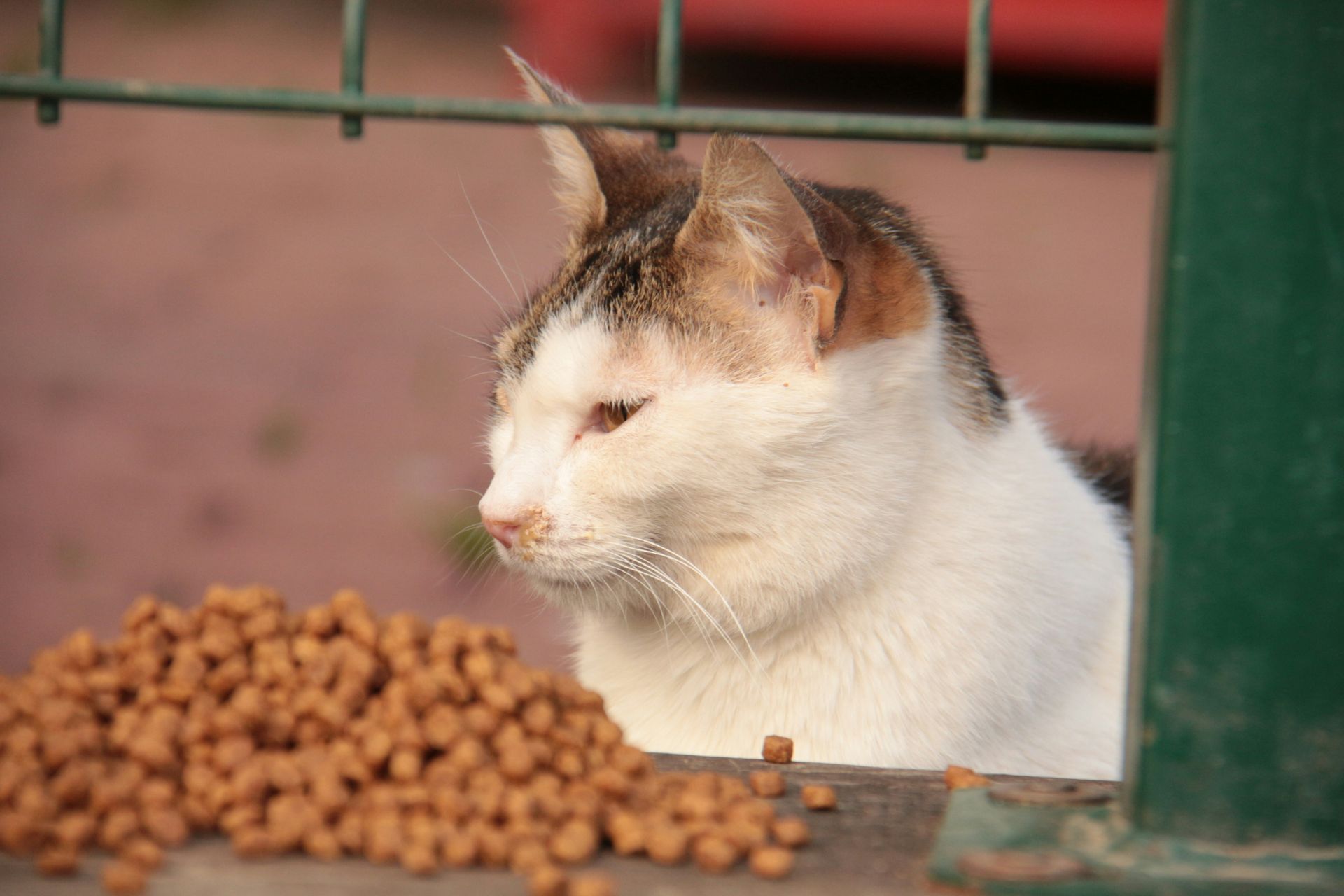
Leaving a bowl filled with dry food out all day disrupts a cat's natural metabolic balance and frequently leads to severe weight gain. In nature, felines are opportunistic hunters that expend energy capturing small meals throughout the day, followed by periods of rest. When high-calorie, carbohydrate-dense kibble is permanently available, cats often eat out of boredom rather than genuine physiological hunger. Because dry food lacks the bulk moisture of natural prey, it fails to trigger the internal stretch receptors in the stomach that signal fullness to the brain. This lack of satiety leads to continuous grazing and excess calorie consumption. Over time, constant access to food keeps insulin levels elevated, preventing the body from burning stored fat and increasing the risk of feline type 2 diabetes, hepatic lipidosis, and joint degradation.
Relying entirely on dry food causes chronic dehydration
Sugarman Joe / Unsplash
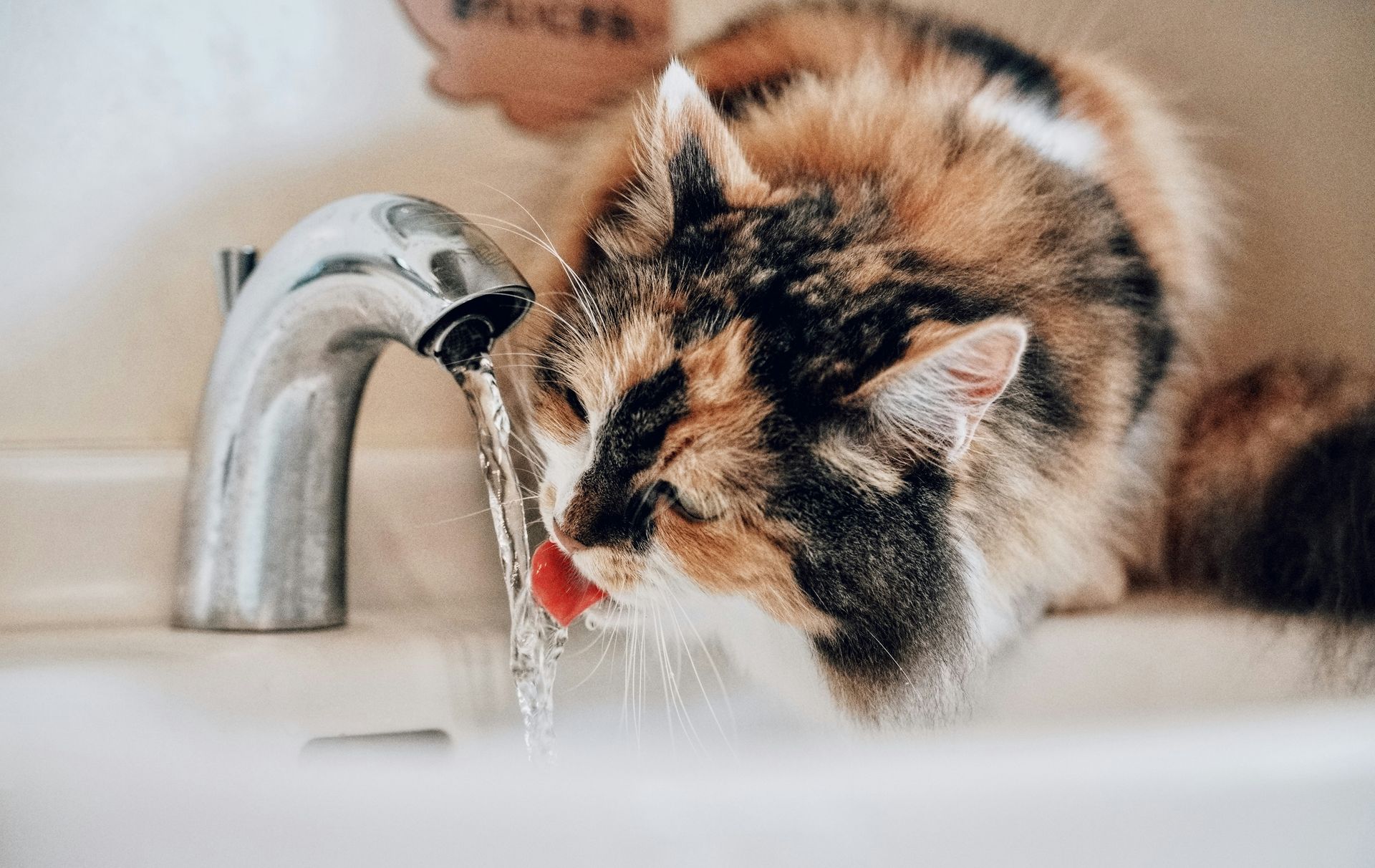
Cats evolved as desert-dwelling predators that derived almost all of their daily water intake directly from the tissues of their prey, which typically consist of 70 to 80 percent water. As a result, modern domestic cats have a low physiological thirst drive and rarely drink enough standing water from a bowl to compensate for a dry diet. Kibble contains less than 10 percent moisture, leaving cats fed exclusively dry food in a state of mild, chronic dehydration. This persistent lack of fluids concentrates their urine, placing continuous stress on the kidneys and creating an ideal environment for urinary crystals and painful bladder stones to form. Incorporating high-moisture canned or fresh food into a cat's daily diet is essential for maintaining proper kidney filtration, urinary tract health, and systemic hydration.
Feeding cows milk triggers severe gastrointestinal distress
Aron L / Unsplash
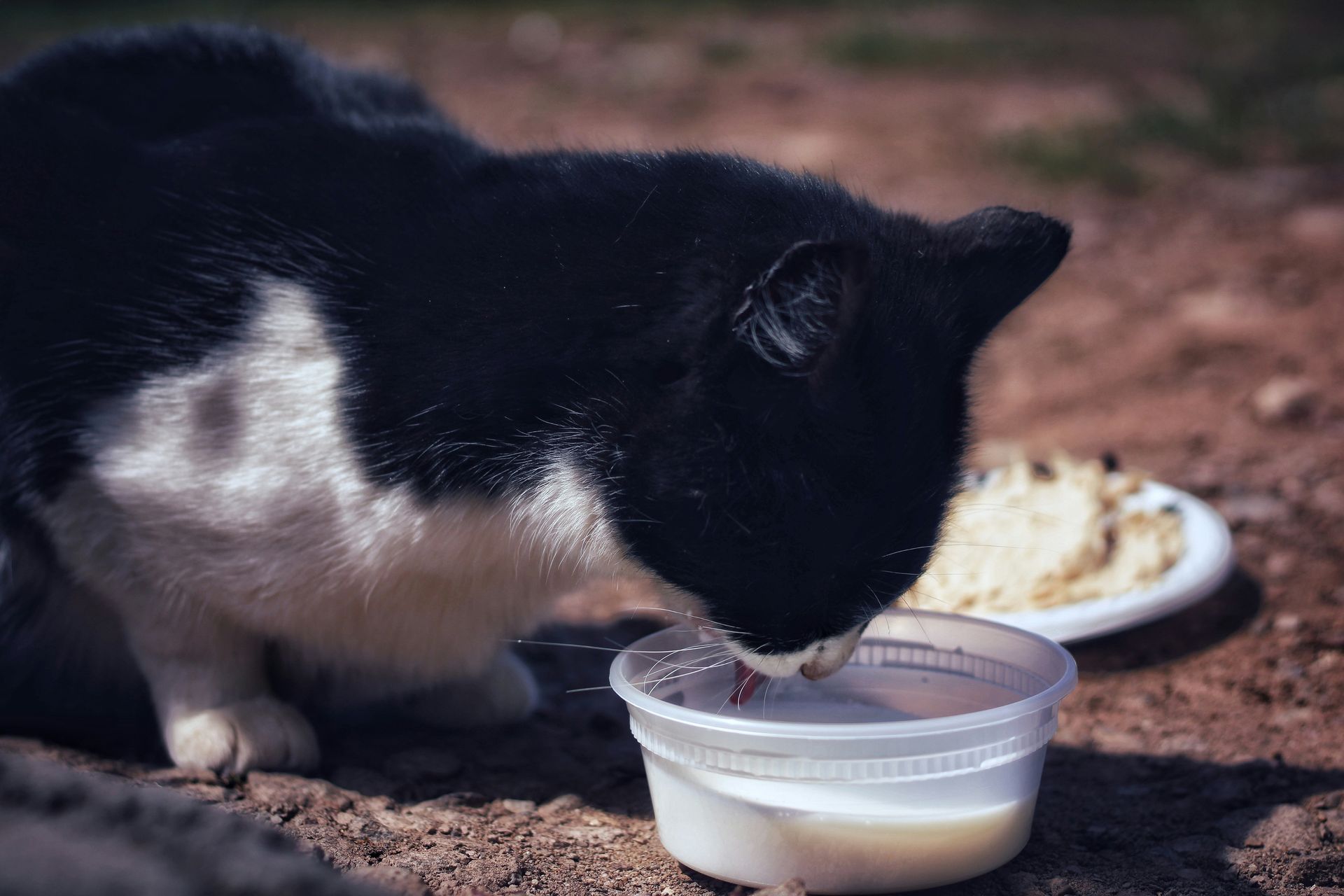
The classic image of a cat happily lapping up a saucer of milk is a persistent cultural myth that causes significant digestive harm. While nursing kittens produce lactase—the digestive enzyme required to break down lactose in their mother's milk—they rapidly lose this enzyme capacity after weaning. Most adult cats are completely lactose intolerant. When an adult cat consumes cows milk, the undigested lactose travels to the large intestine, where it ferments and draws excess water into the bowel. This process leads to painful abdominal cramping, bloating, gas, and severe diarrhea within hours. Even specialized lactose-free cat milks offer little nutritional value while adding unnecessary calories and fats that can contribute to weight gain and pancreatitis.
Assuming dry kibble cleans teeth misinterprets dental mechanics
Mohammad Reza / Unsplash
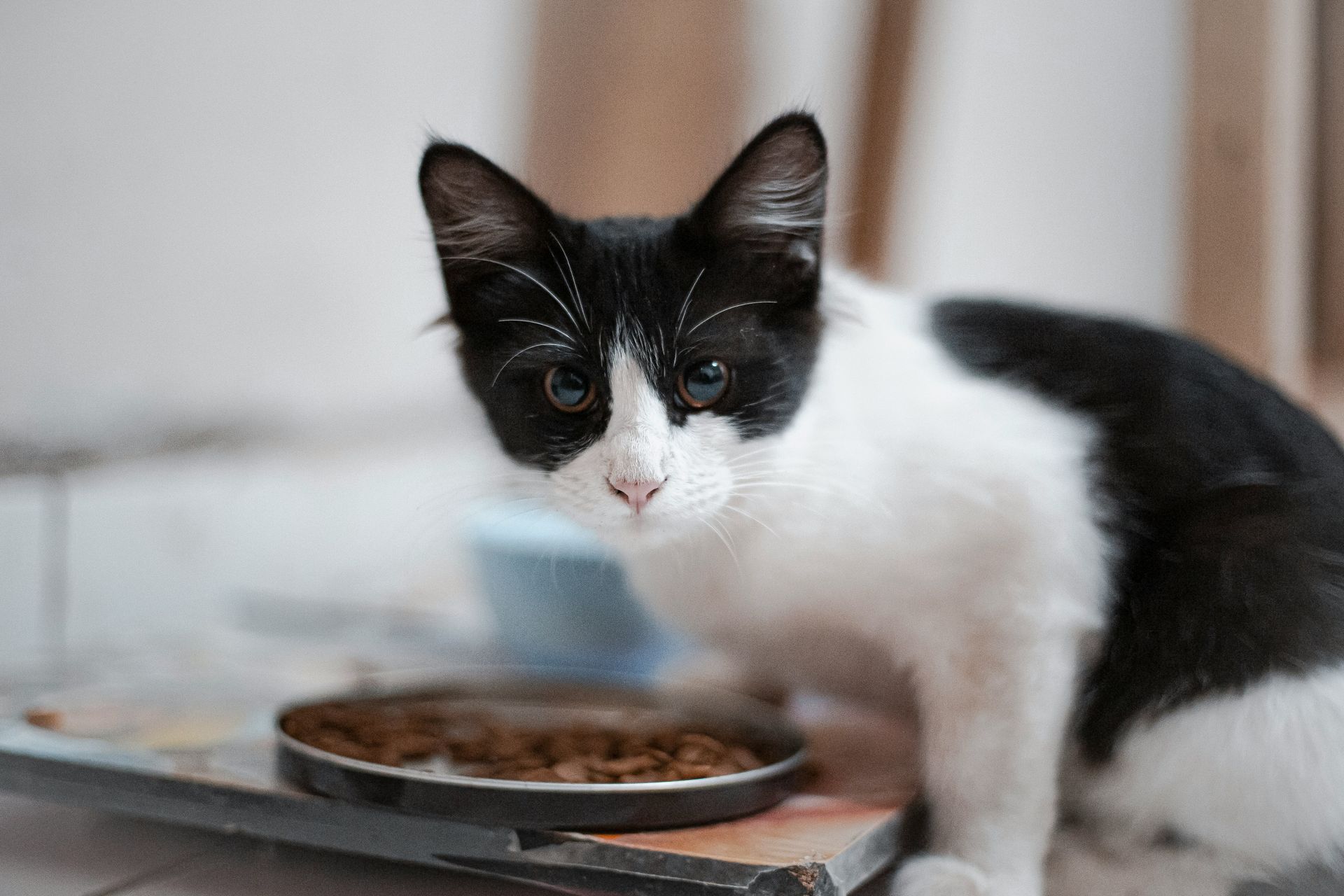
A widespread belief among pet owners is that the abrasive action of crunchy dry kibble scrapes plaque from a cat's teeth. However, most commercial kibble pieces are extremely small and brittle, shattering immediately upon the slightest contact with the tip of a tooth. Cats lack the flat, grinding molars found in omnivores; their teeth are sharp and scissor-like, designed for shearing meat rather than chewing small pellets. Most cats swallow kibble whole or break it into a few large fragments without significant contact between the food and the gumline. Furthermore, the high starch content in dry food leaves carbohydrate residues in the mouth that foster bacterial growth, actually accelerating plaque formation and periodontal disease rather than preventing it.
Placing food next to water bowls violates natural instincts
Carolien van Oijen / Unsplash
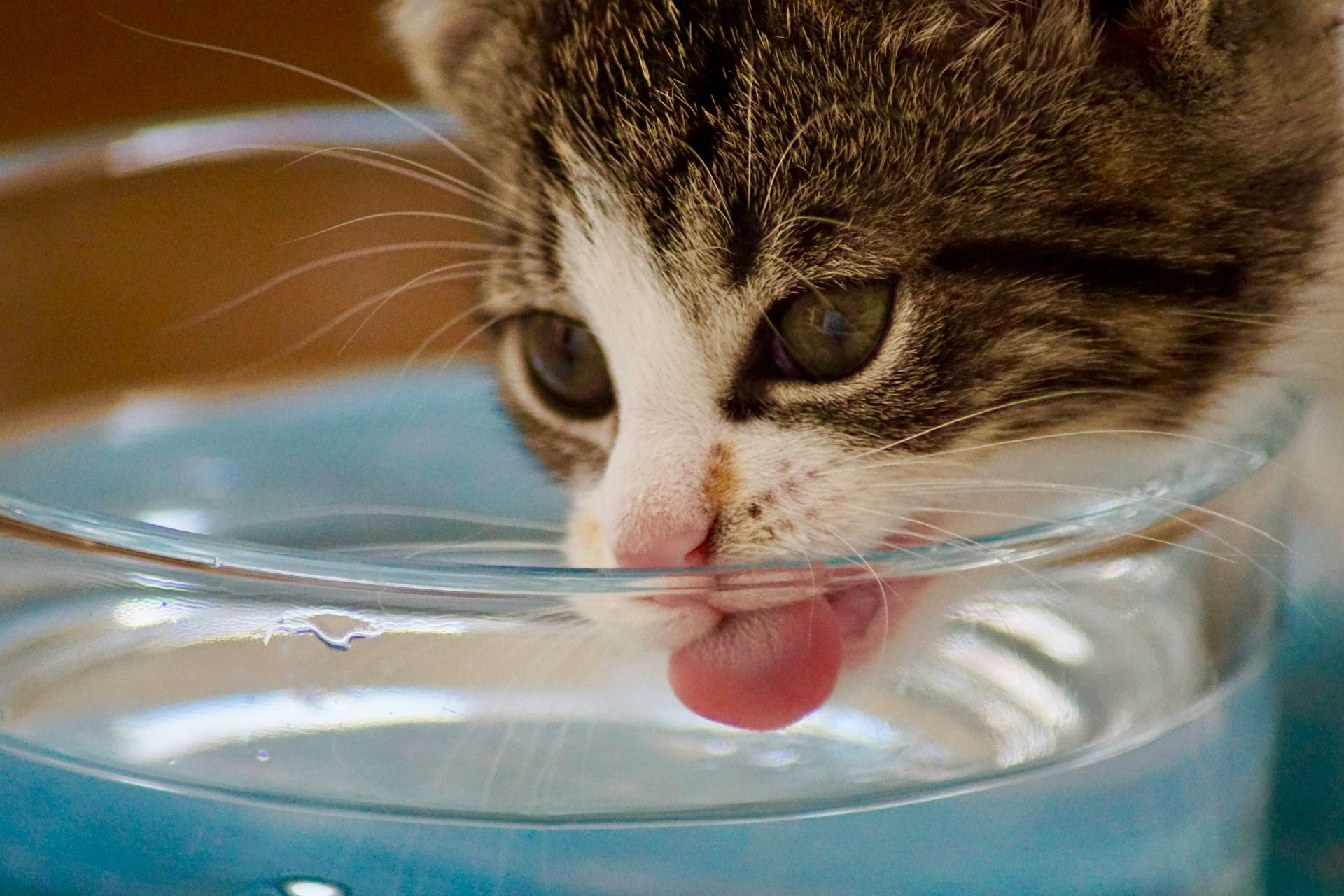
Many owners place a cat's food and water bowls side by side in the kitchen, unaware that this arrangement triggers an instinctual aversion. In the wild, wild felines avoid drinking water found near a fresh kill to prevent consuming water contaminated by pathogens, blood, or decaying organic matter. When food and water are kept right next to each other, a cat's instinct tells it that the water source is unsafe, leading to reduced water intake. Separating the food and water stations by several feet—or placing them in different rooms entirely—encourages a cat to drink more frequently. This simple spatial separation supports better hydration and lowers the risk of lower urinary tract issues.
Ignoring whisker fatigue creates unnecessary mealtime stress
Morgan Lane / Unsplash
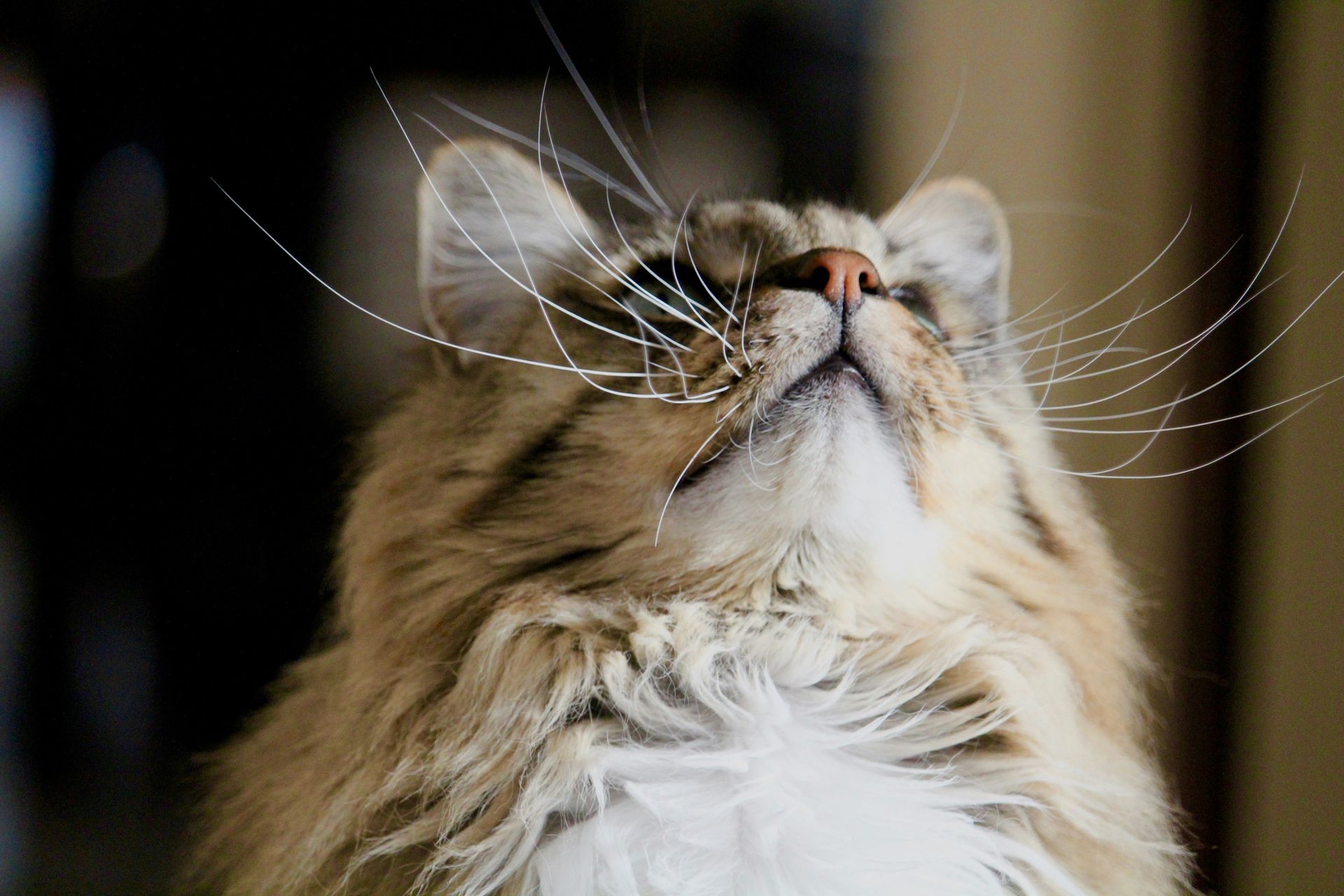
Cats possess extraordinarily sensitive facial whiskers, officially known as vibrissae, which are deeply rooted in tissue packed with nerve endings. These tactile organs detect minor air currents and spatial boundaries, making them vital for navigation. When a cat eats out of a narrow, deep bowl, its sensitive whiskers repeatedly brush against the steep sides of the dish. This constant physical stimulation overloads the sensory nervous system, a uncomfortable state known as whisker fatigue. Cats suffering from whisker fatigue may paw food onto the floor, drop food outside the bowl, pace nervously around the feeding area, or act aggressively during meals. Serving food on a wide, shallow plate or a flat ceramic saucer allows a cat to eat comfortably without triggering sensory distress.
Feeding high-carbohydrate diets strains feline liver enzymes
Laura Chouette / Unsplash
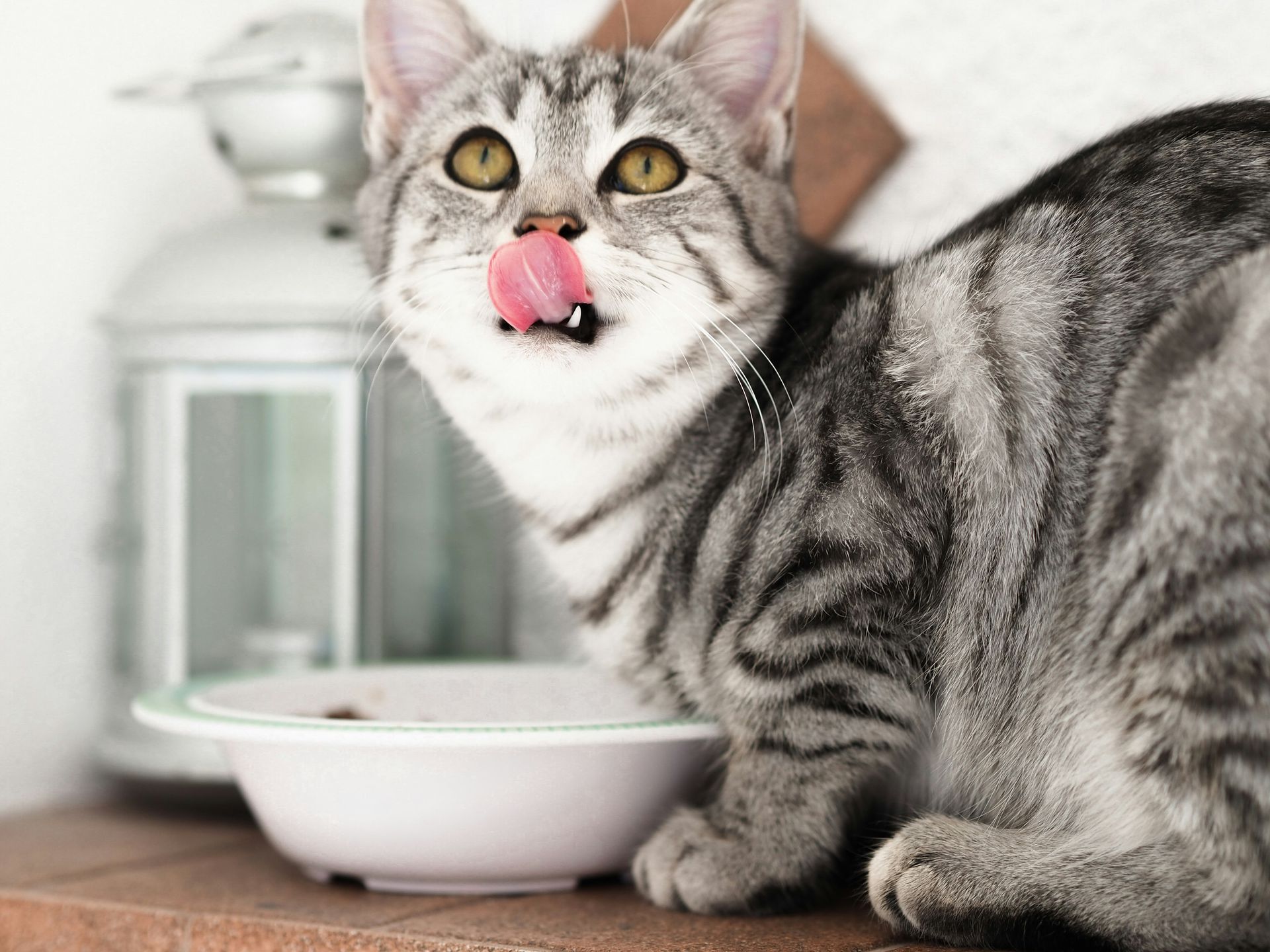
Commercial cat foods frequently rely on cheap carbohydrates like corn, wheat, soy, and peas as structural binders for kibble. However, cats are metabolic carnivores with digestive systems optimized strictly for animal protein and fats. The feline liver lacks specific metabolic enzymes, such as glucokinase, which omnivores use to efficiently break down large loads of dietary carbohydrates into usable energy. When fed a diet high in starch, a cat's body struggles to process the resulting glucose spikes. Excess carbohydrates are rapidly converted into body fat, leading to weight gain, insulin resistance, and chronic low-grade inflammation. A species-appropriate feline diet should contain minimal carbohydrates, keeping protein and fat as the primary energy sources.
Offering a vegan or vegetarian diet causes fatal deficiencies
Damian Kim / Unsplash
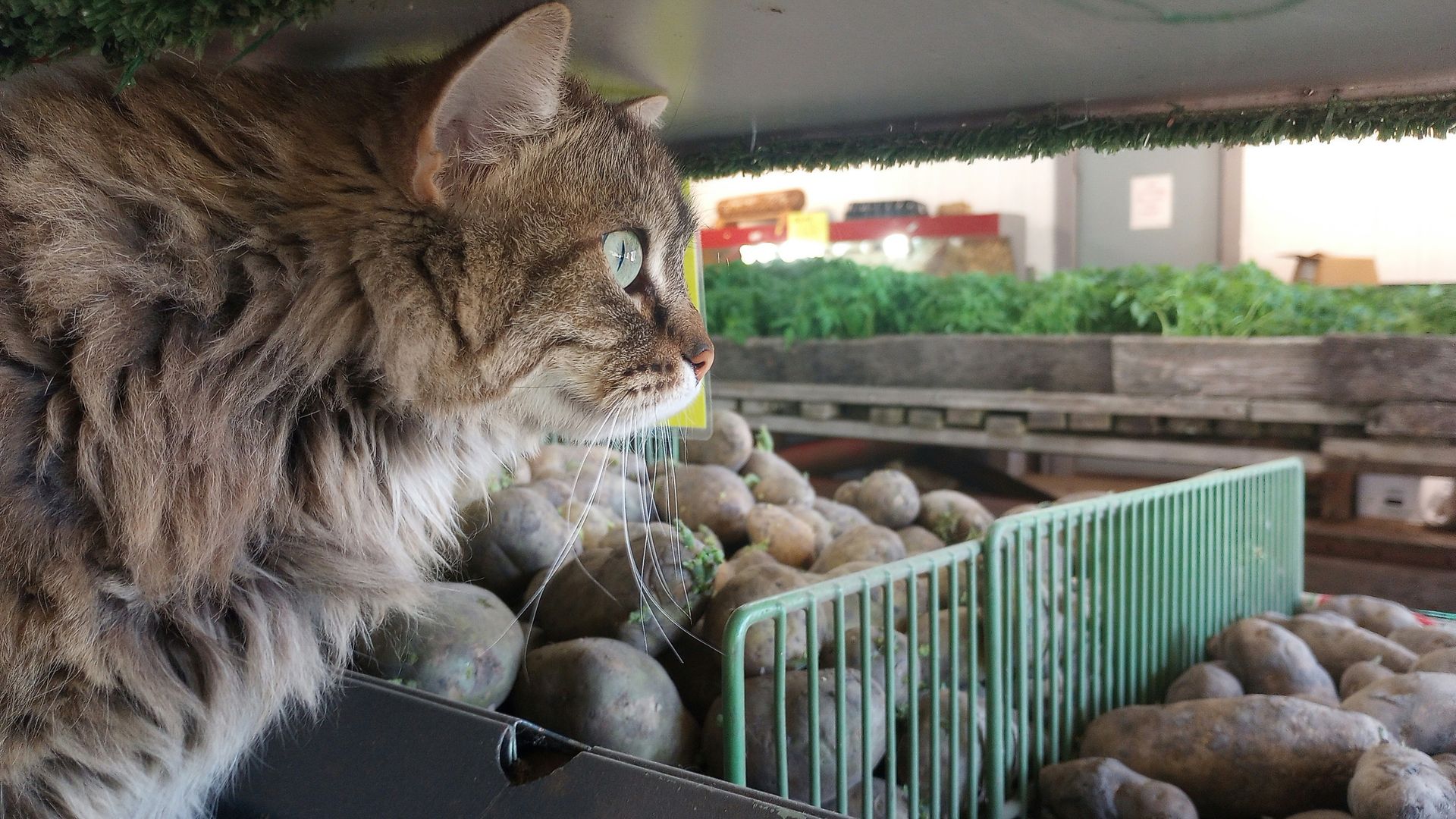
Attempting to feed a cat a plant-based diet stripped of animal products leads to catastrophic health failures. Cats cannot synthesize several critical nutrients from plant precursors. Crucially, they require taurine—an essential amino acid found exclusively in animal tissue—to maintain proper function of the heart muscle, retina, and reproductive system. A deficiency in taurine causes irreversible blindness and dilated cardiomyopathy, a fatal heart condition. Similarly, cats cannot convert beta-carotene into vitamin A, nor can they produce sufficient arachidonic acid from plant oils. Depriving an obligate carnivore of animal tissue causes muscle wasting, organ failure, immune suppression, and eventual death, making animal protein non-negotiable for feline survival.
Serving food straight from the refrigerator inhibits digestion
Reba Spike / Unsplash
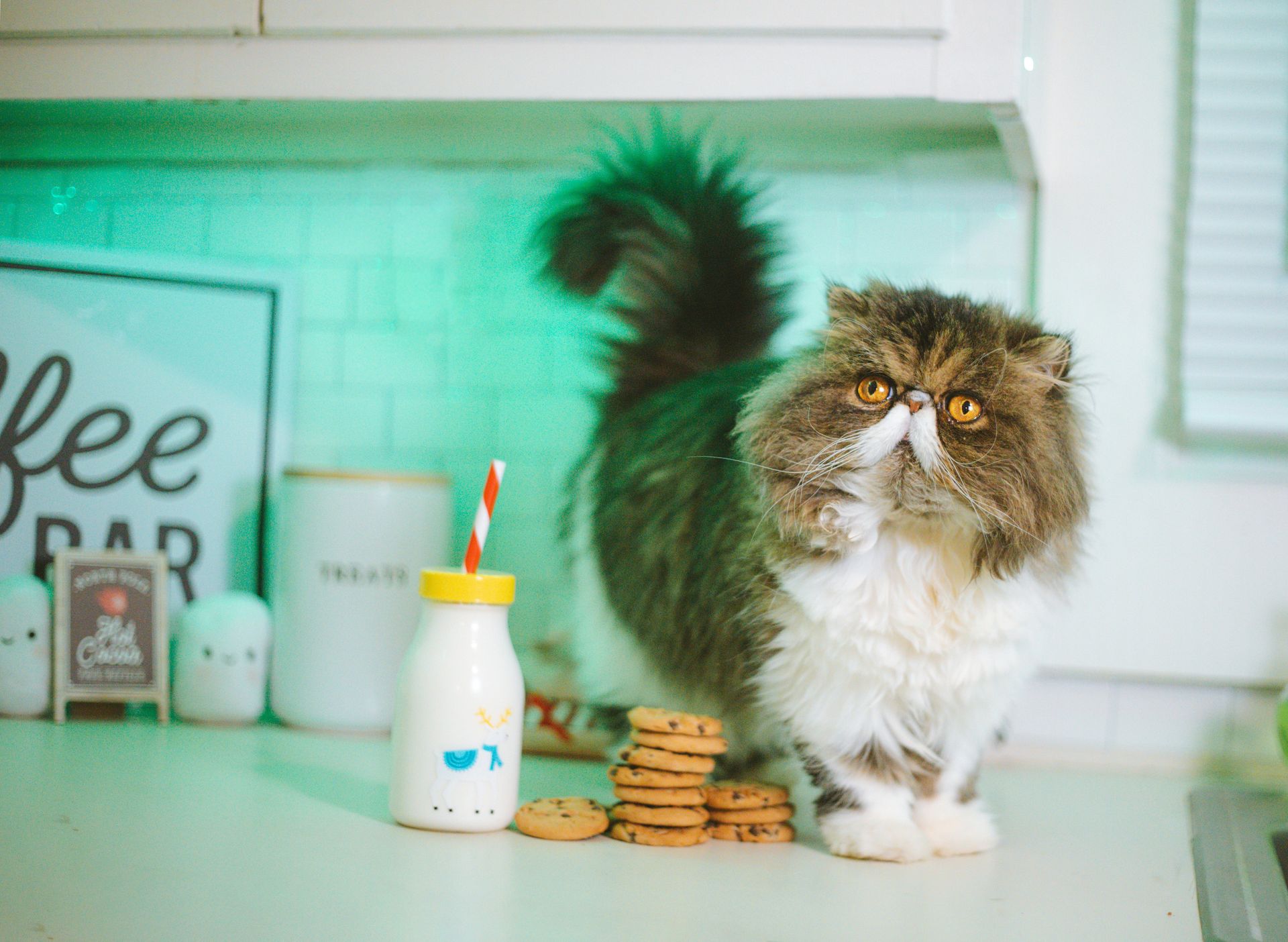
Feeding canned cat food directly after taking it out of the refrigerator causes digestive discomfort and food rejection. Wild felines hunt live prey, meaning their food is naturally consumed at body temperature, around 100 degrees Fahrenheit. A cat's sense of taste is intimately connected to smell, and cold food emits very few aromatic compounds, making it unappealing to a hunter's nose. Furthermore, introducing cold, congealed food directly into a cat's warm stomach can induce vomiting, stomach cramps, and regurgitation. To make meals more palatable and digestibly gentle, cold canned food should be warmed slightly using a warm water bath or microwaved for a few seconds until it reaches room temperature before serving.
Overfeeding treats introduces excessive calories and imbalance
Jacalyn Beales / Unsplash
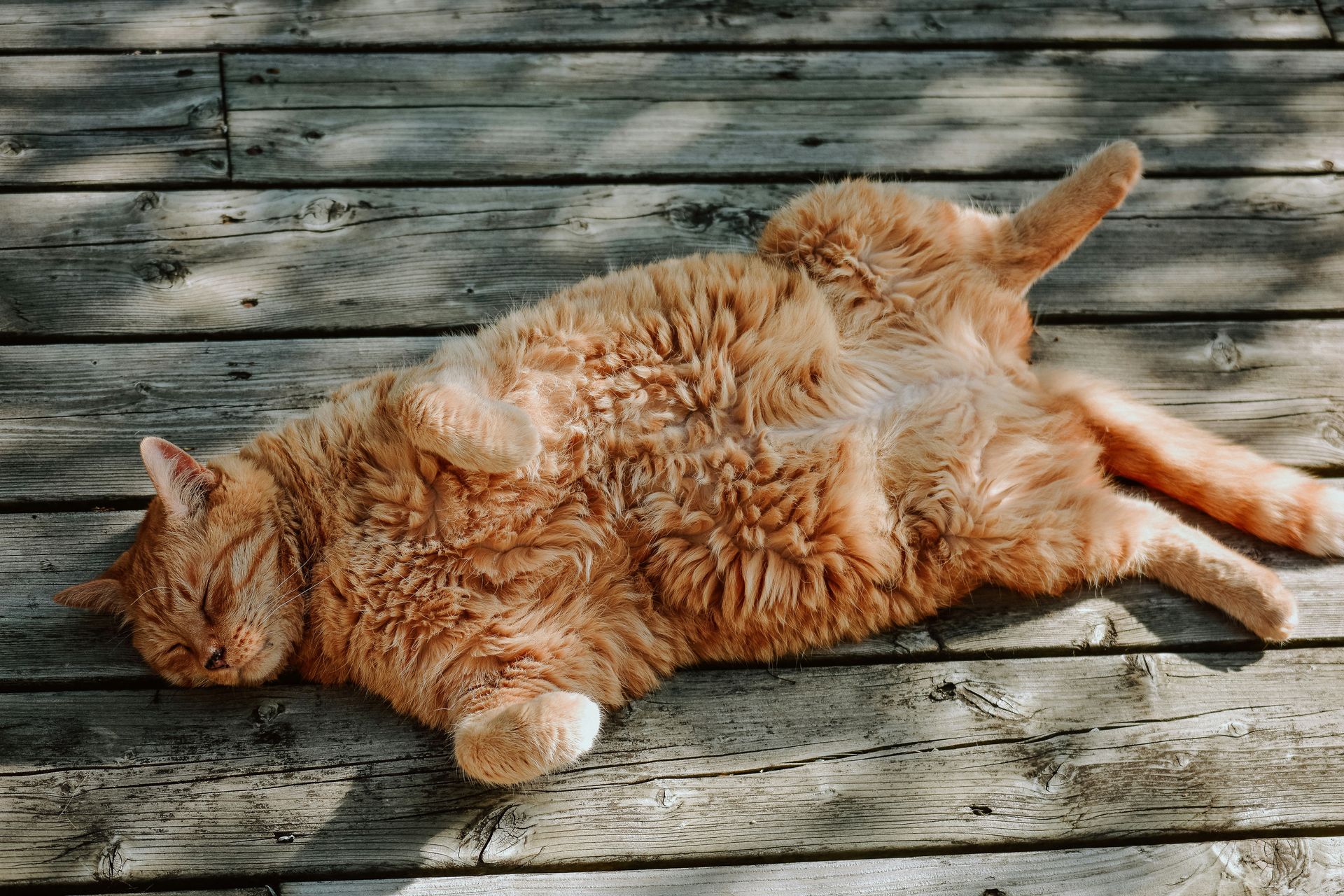
Treats are often used by owners to express affection, but overusing them introduces severe nutritional imbalances. Commercial cat treats are frequently packed with high levels of sodium, artificial flavorings, and fat to make them irresistible to pets. Because a domestic cat's daily caloric requirement is relatively small—typically between 180 and 250 calories per day depending on body weight and activity level—giving just a small handful of treats can account for a massive percentage of their daily intake. Treats should never exceed 10 percent of a cat's total daily calories. Exceeding this threshold displaces essential nutrients provided by complete and balanced cat foods, leading to deficiencies, picky eating behaviors, and steady weight gain.
Switching foods abruptly triggers severe digestive upset

fr0ggy5 / Unsplash
Changing a cat's diet suddenly from one brand, protein source, or texture to another often results in acute gastrointestinal distress, including vomiting and severe diarrhea. The feline digestive tract develops specific populations of gut bacteria tailored to processing the consistent ingredients in their daily food. When a brand-new food is introduced overnight, the existing gut microbiome cannot immediately process the new protein or fat structures, leading to unabsorbed nutrients and intestinal inflammation. Any dietary transition must occur gradually over seven to 10 days. Owners should slowly increase the ratio of the new food while decreasing the old food, allowing the intestinal flora time to adapt safely without causing pain or digestive distress.
Feeding garlic and onions causes dangerous red blood cell damage
Rabia Khaoula Chadli / Unsplash
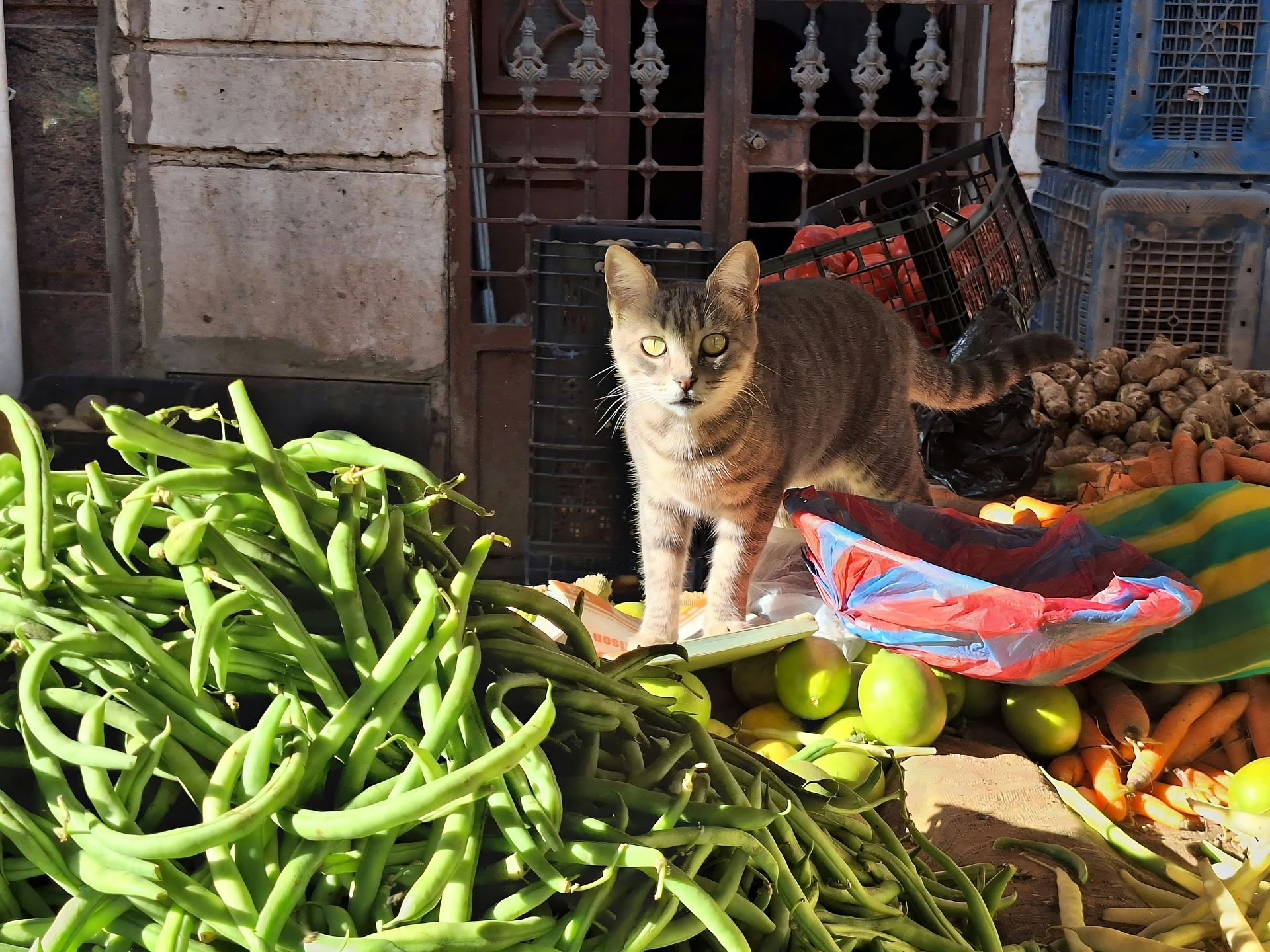
Well-meaning owners sometimes share table scraps or homemade broths containing seasonings, unaware that vegetables in the Allium family are toxic to cats. Garlic, onions, shallots, chives, and leeks contain sulfur compounds that damage feline red blood cells. When absorbed into the bloodstream, these compounds cause red blood cells to rupture prematurely, a condition known as Heinz body hemolytic anemia. Symptoms of onion or garlic toxicity include pale gums, lethargy, rapid breathing, dark urine, and weakness, often taking several days to manifest after ingestion. Even small amounts of onion powder or garlic powder hidden in baby foods, gravies, and commercial broths can trigger toxic reactions, making seasoned human foods completely unsuitable for cats.
Using plastic bowls causes painful feline facial acne
Hulki Okan Tabak / Unsplash
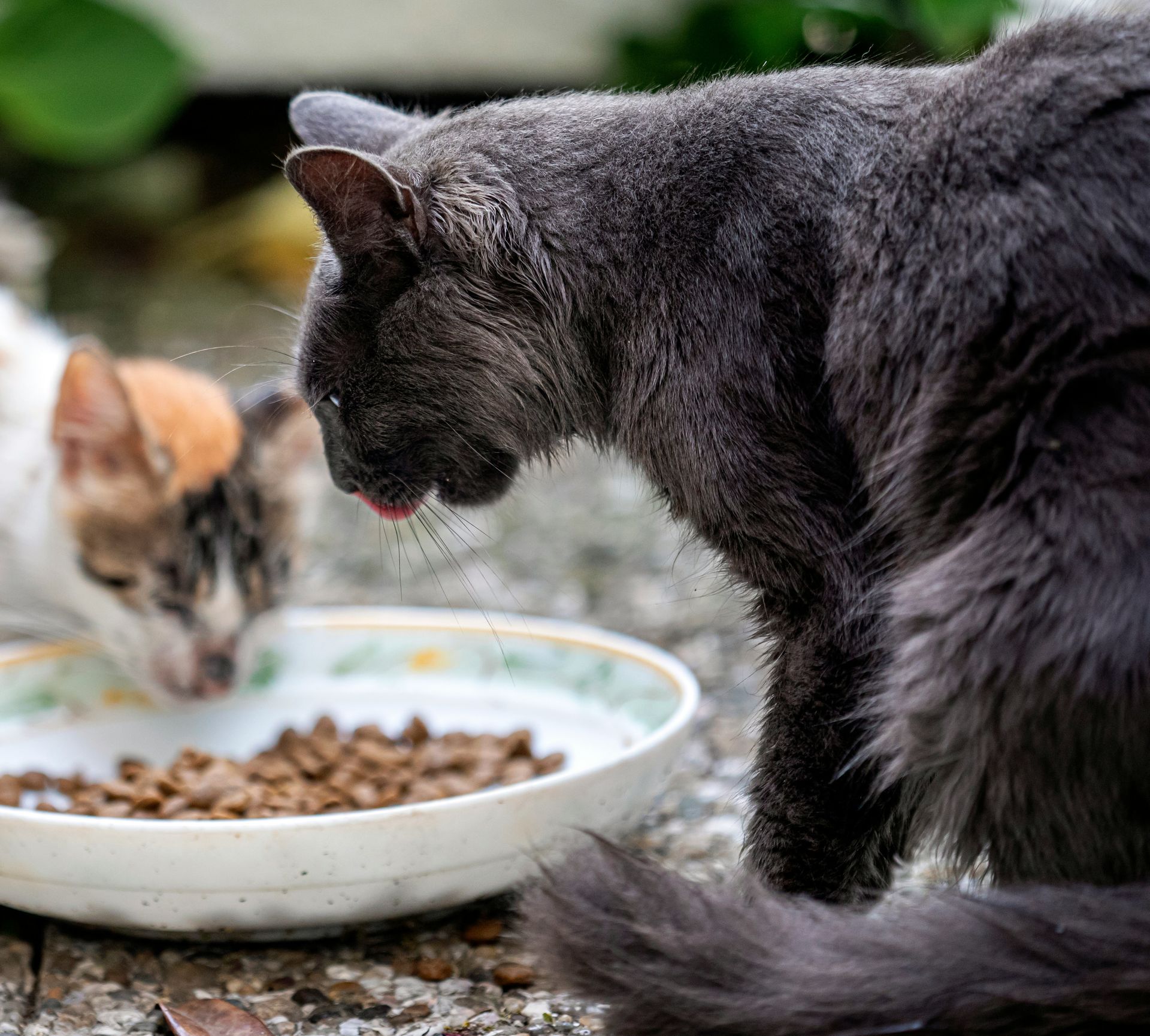
Plastic food and water bowls are cheap and durable, but their porous surface causes chronic skin issues for cats. Plastic scratches easily during normal washing and eating, creating microscopic grooves that harbor bacteria, oil, and leftover food particles. As a cat rubs its chin against the bacteria-laden plastic while eating, the microbes penetrate the hair follicles on the chin, leading to feline acne. This condition manifests as black crusty lesions, inflamed red bumps, and painful pustules on the lower jaw. Replacing plastic bowls with non-porous, easy-to-sanitize materials like stainless steel, ceramic, or glass eliminates bacterial buildup and keeps a cat's chin clean and healthy.
Overlooking meal frequency disrupts natural hunting rhythms
Ruslan Sikunov / Unsplash
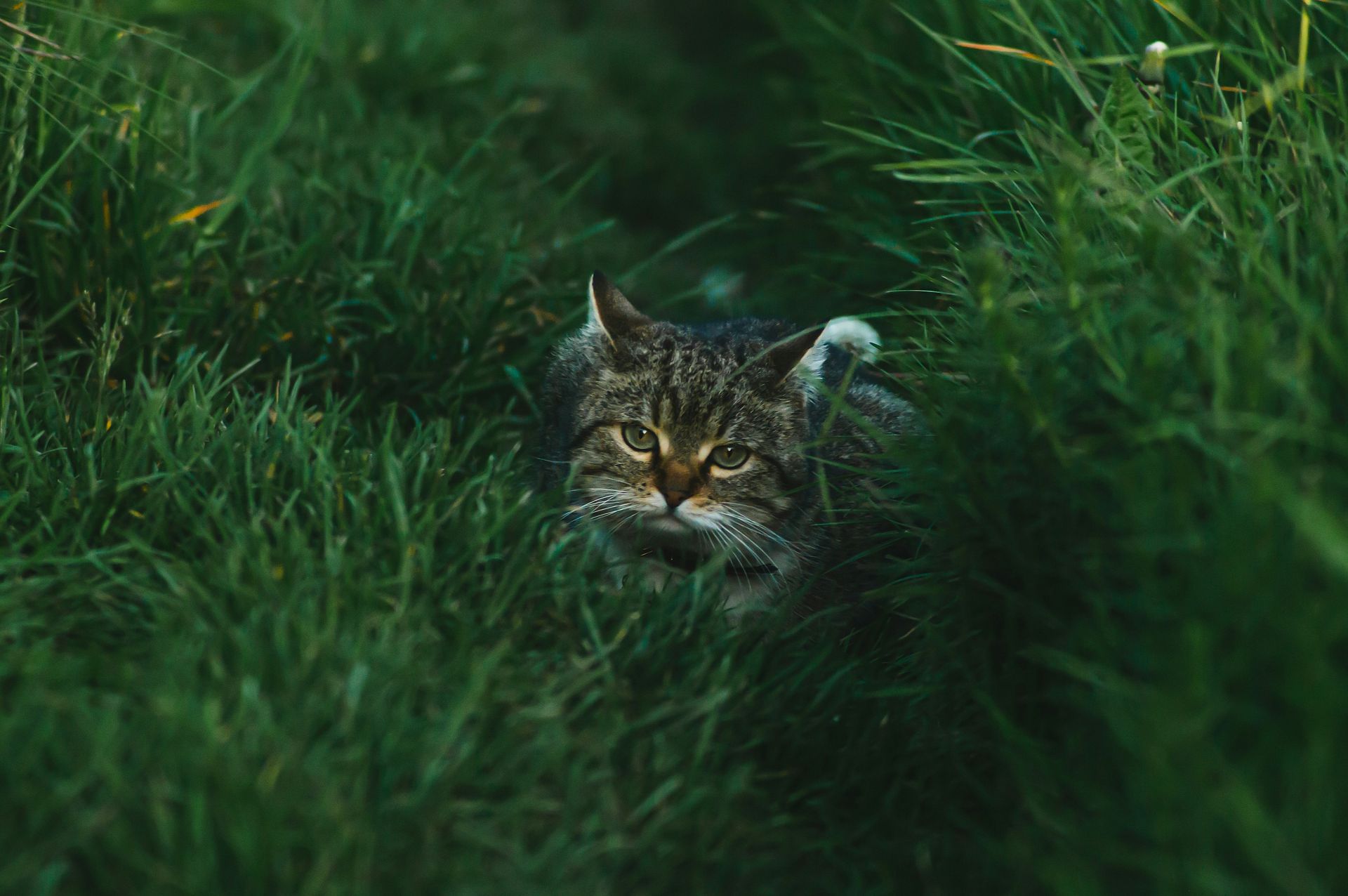
Feeding a cat one large meal per day goes against feline biology and digestive mechanics. A cat's stomach is small, roughly the size of a ping-pong ball, designed to digest small portions of food rapidly. In a natural habitat, felines hunt and consume eight to 12 tiny prey animals throughout a 24-hour period. Forcing a cat to eat a single large meal forces the stomach to expand uncomfortably, leading to rapid eating, swallowed air, and subsequent regurgitation—often called "scarf and barf." Dividing a cat's daily caloric allotment into three or four small, scheduled meals throughout the day matches their natural digestive cadence, stabilizes blood sugar levels, and prevents hunger-induced stress.
Feeding dog food causes fatal nutritional deficiencies
Jack1007 / Unsplash
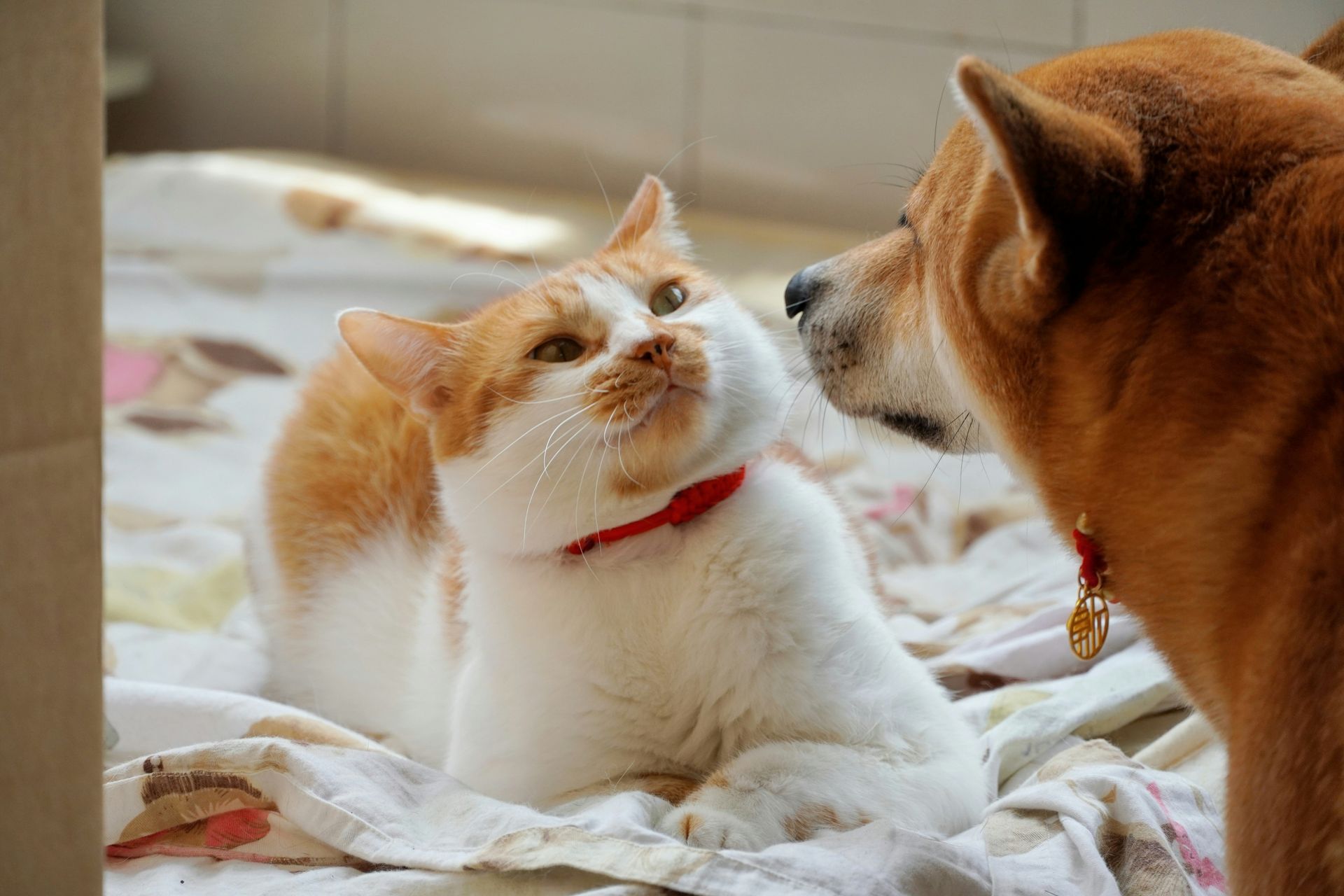
In multi-pet households, owners sometimes allow cats to eat from the dog's bowl to save money or simplify feeding routines. While an accidental bite of dog food will not harm a cat immediately, relying on canine diets for feline sustenance is dangerous. Dogs are omnivores with vastly different nutritional requirements. Dog food contains lower levels of protein and fat, higher levels of carbohydrates, and lacks added taurine, preformed vitamin A, and arachidonic acid—all of which are mandatory for feline health. A cat fed dog food long-term will suffer from severe muscle wasting, heart failure, blindness, and skin disorders. Cats must be fed food specifically formulated for obligate carnivores to maintain vital organ function.